10 Long Narrow Living Room Accent Wall Ideas
Accent walls can be transformative in long, narrow living rooms, adding depth, character, and visual interest to an otherwise challenging space. The key is choosing the right wall and treatment to either enhance or counteract the room’s elongated proportions. These ten accent wall ideas will help you create a focal point that makes your narrow living room feel intentional, stylish, and perfectly balanced.
See also: Modern Farmhouse Bedroom Design for Master Suite 16 Ways to Blend Rustic and Refined
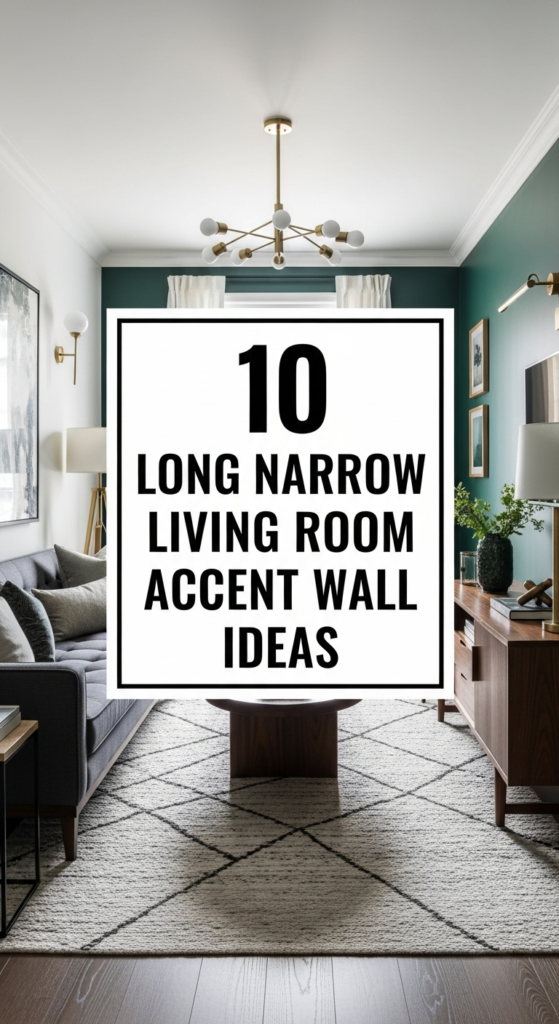
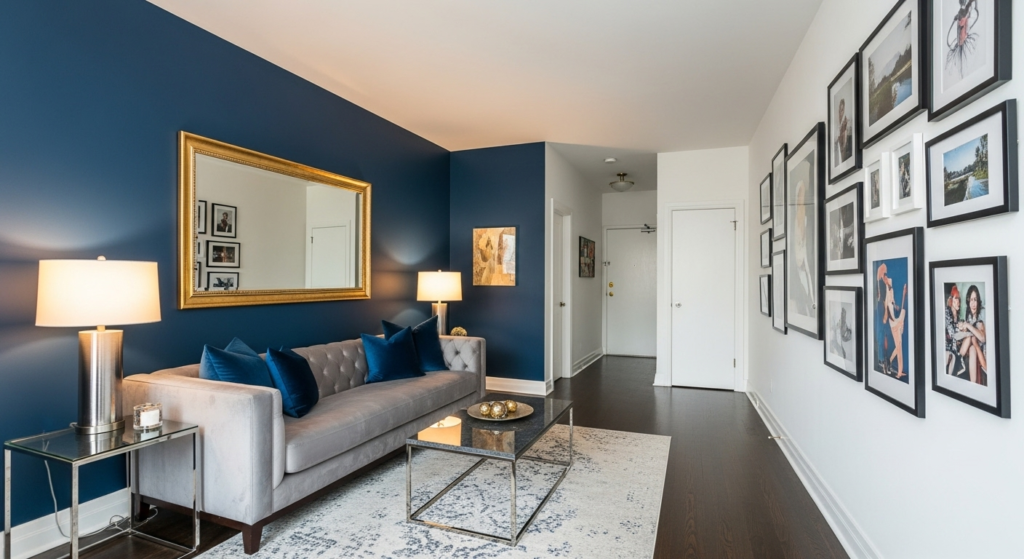
1. The Bold Short Wall Statement
Paint one of the short walls (the ends of your narrow room) in a deep, dramatic color. This technique visually shortens the room, making it feel less tunnel-like and more proportionate. The bold color draws the eye to the focal wall, creating a natural gathering point for your seating arrangement.
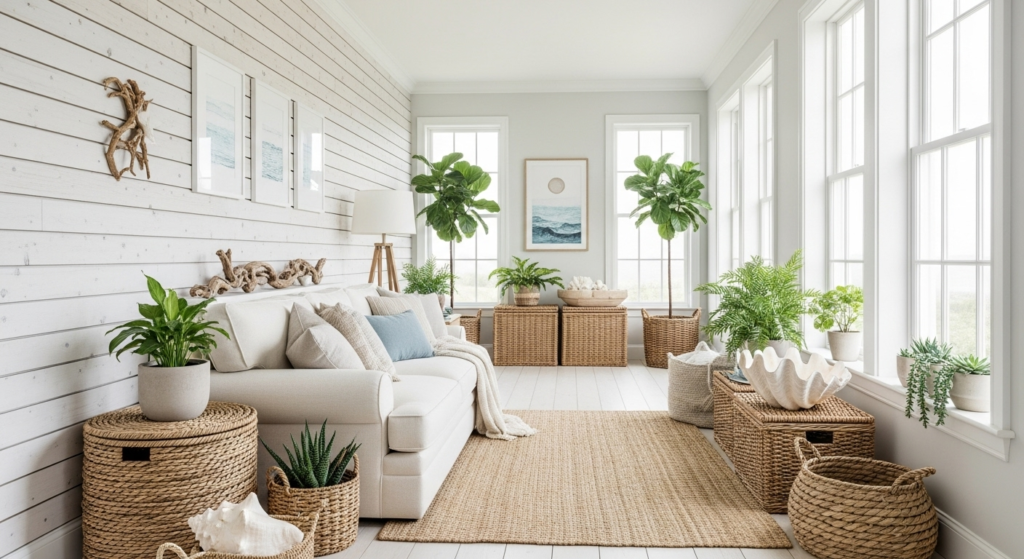
2. The Horizontal Stripe Illusion
Install horizontal wood planks, shiplap, or paint horizontal stripes on one of the long walls. The horizontal lines create a widening effect, making the narrow room feel broader and more spacious. Choose contrasting colors or natural wood tones for maximum impact.
See also: Master Bedroom Curtains Designs 17 Ways to Frame Your Sanctuary With Style
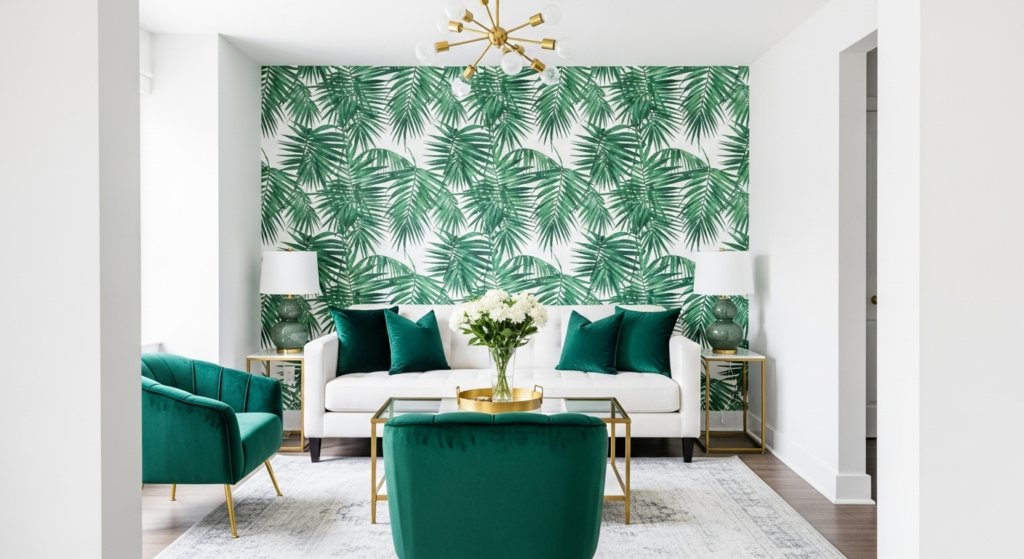
3. The Wallpaper Feature Wall Drama
Apply bold patterned wallpaper to one short wall to create instant visual interest and a sophisticated focal point. Large-scale patterns work particularly well, adding personality without overwhelming the space. Floral, geometric, or abstract designs can all enhance your narrow room’s character.
4. The Textured Dimension Creator
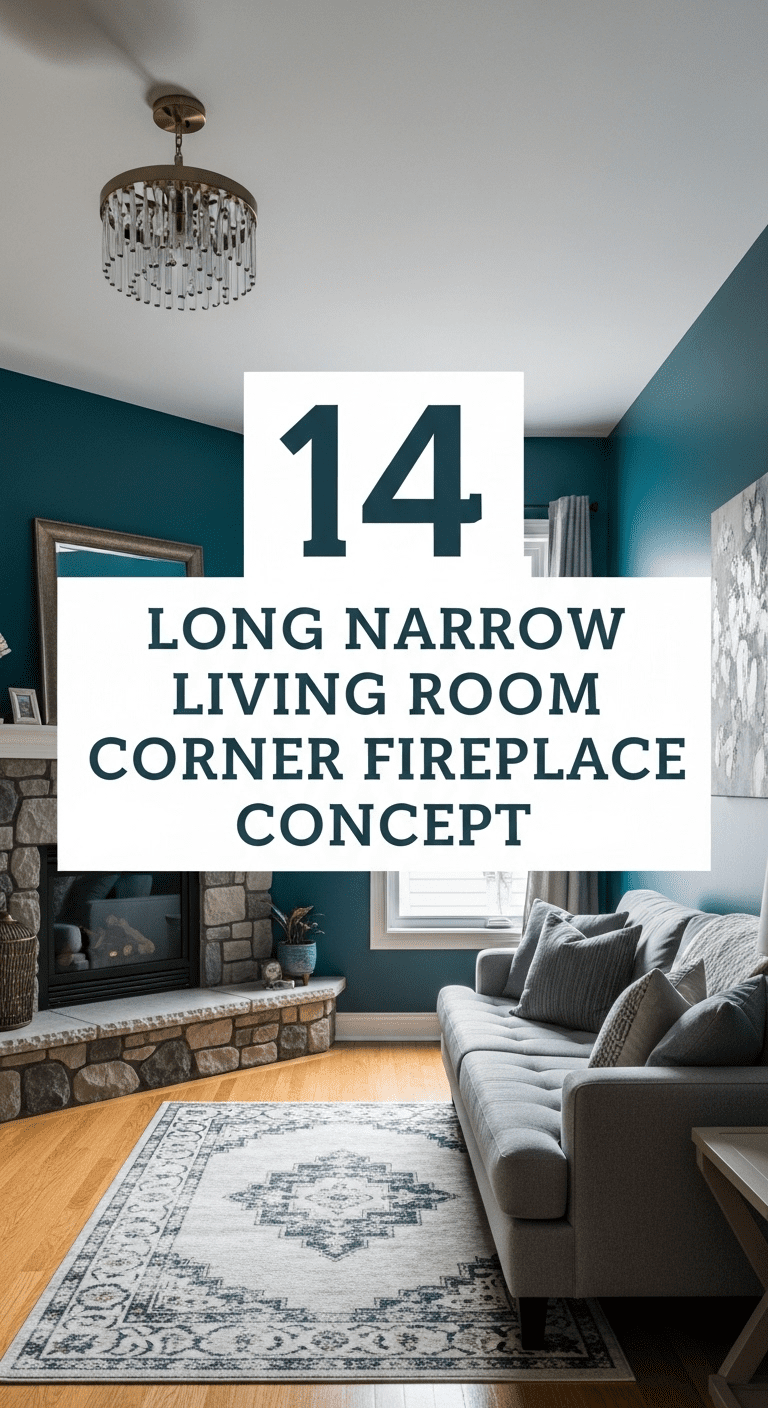
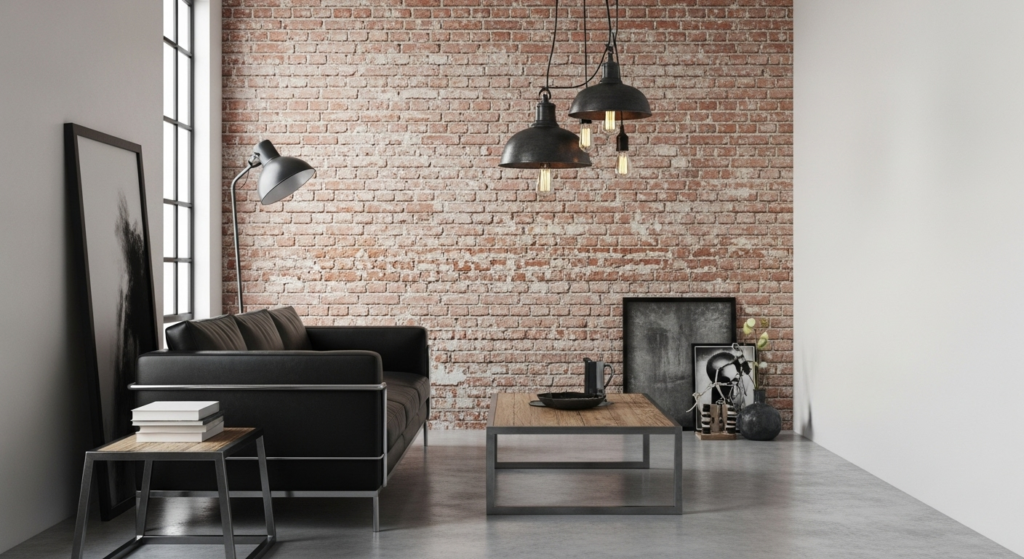
Add three-dimensional texture to an accent wall using materials like stone veneer, brick, wood panels, or 3D wall tiles. The texture creates shadows and depth, adding visual complexity that distracts from the room’s narrow proportions while creating a stunning architectural feature.
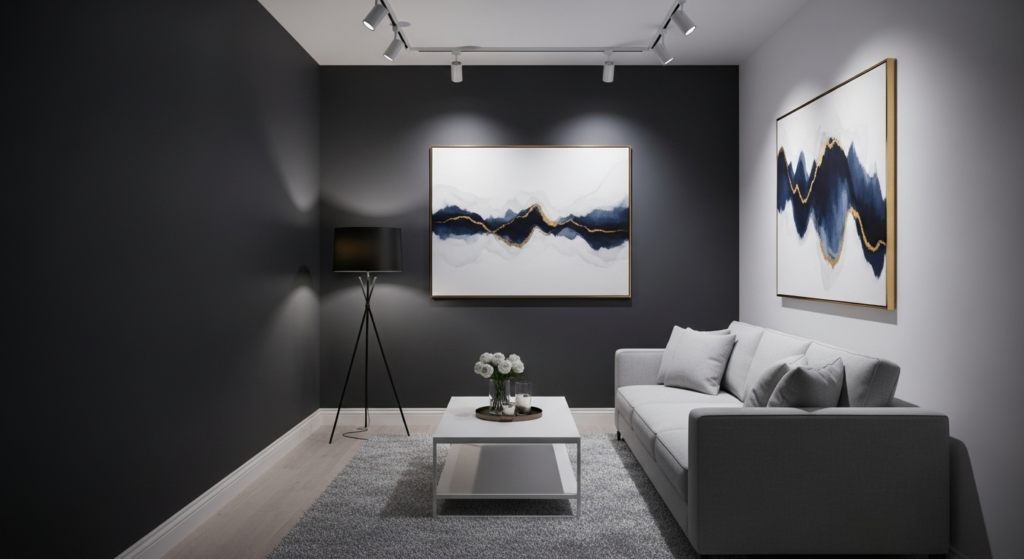
5. The Dark Long Wall Risk
Contrary to common advice, painting one long wall in a dark color can actually work beautifully in a narrow room. The dark wall recedes visually, creating the illusion of more depth. Balance with light-colored opposite wall and strategic lighting to prevent the space from feeling closed in.
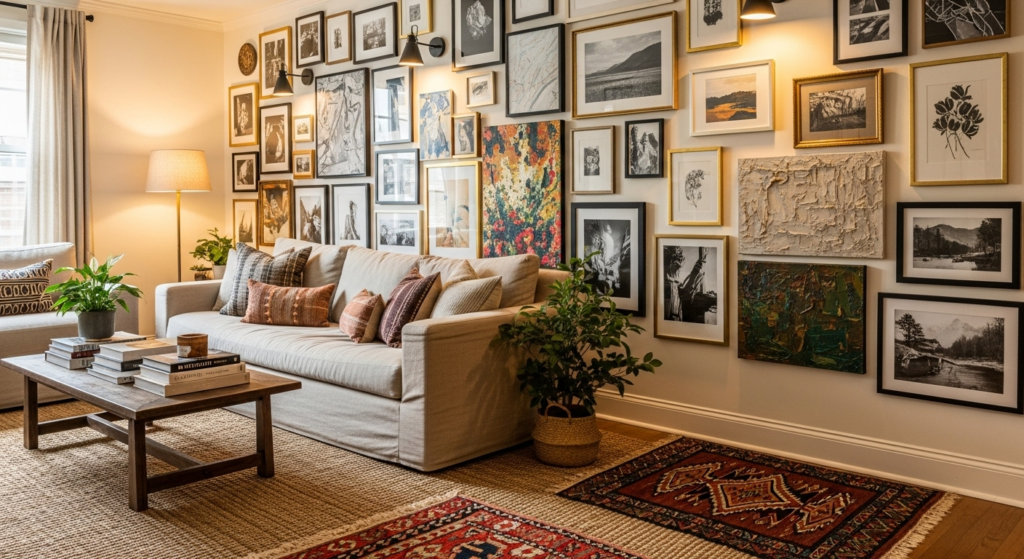
6. The Gallery Wall Focal Point
Transform one wall into an accent feature using a curated gallery wall arrangement. Mix frames, artwork, mirrors, and objects to create a personalized focal point. This approach adds visual weight without paint or construction, and can span either a short wall or a section of a long wall.
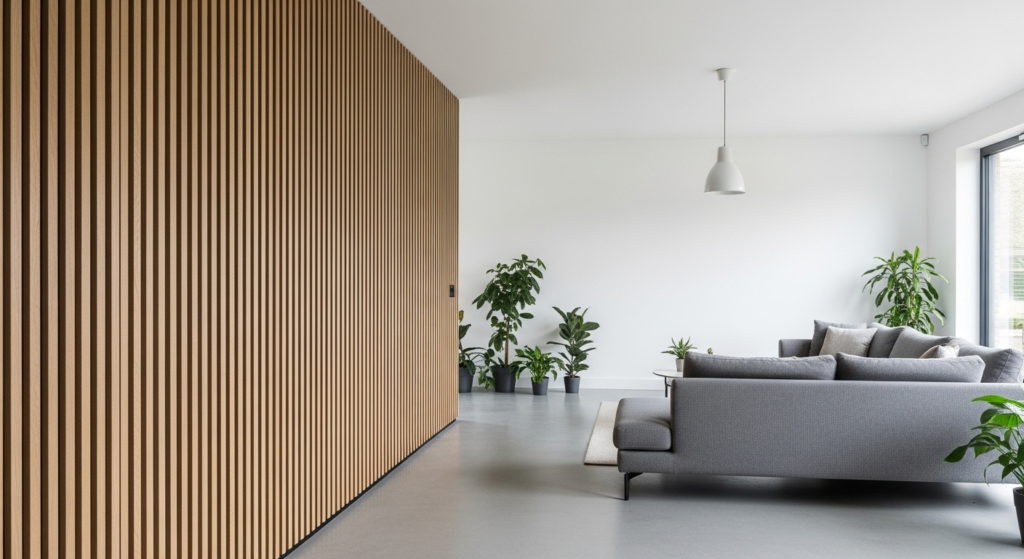
7. The Vertical Wood Slat Modern Touch
Install vertical wood slats on an accent wall to draw the eye upward and add contemporary architectural detail. The vertical lines emphasize ceiling height, making the narrow room feel taller and more spacious. Leave gaps between slats for a lighter, more open feel.
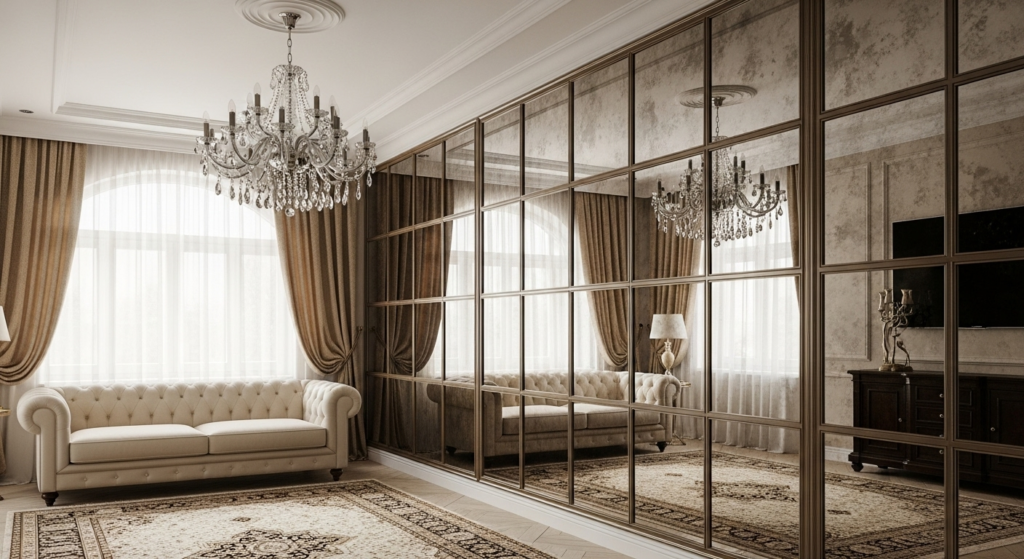
8. The Mirror Magic Expansion
Create an accent wall using large mirrors or mirrored panels to visually double your space. This is particularly effective on long walls where the reflection creates the illusion of width. Frame mirrors for a more traditional look or use frameless panels for a modern, seamless appearance.
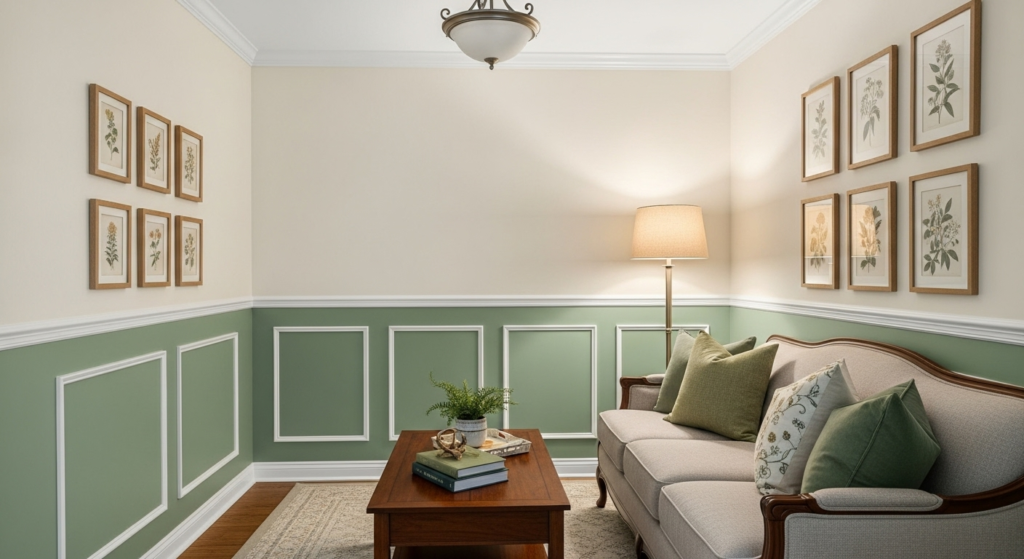
9. The Two-Tone Horizontal Split
Divide an accent wall horizontally with two paint colors—a darker shade on the bottom half and lighter on top, separated by chair rail molding or a clean line. This technique adds architectural interest and can make ceilings appear higher while adding depth to your narrow space.
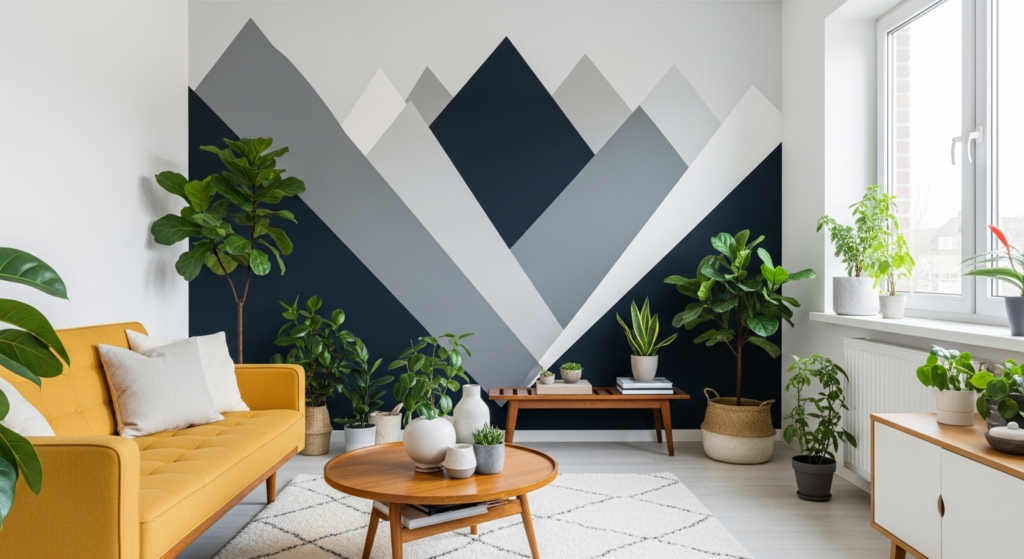
10. The Bold Geometric Accent
Paint a geometric design or mural on your accent wall to create a striking focal point. Triangles, chevrons, hexagons, or abstract shapes add contemporary flair and visual intrigue. The geometric pattern provides movement and energy that prevents the narrow room from feeling static.
Choosing the Right Accent Wall for Your Narrow Living Room
Consider Your Focal Point: Place your accent wall where you want attention drawn—typically behind your sofa or entertainment center, or at the end of the room to anchor the space.
Short Walls vs. Long Walls: Short end walls are generally the safer choice for accent treatments as they can make the room feel less elongated. However, don’t be afraid to experiment with long walls, especially with horizontal treatments or mirrors that can widen the space.
Color Psychology: Dark colors recede and can add coziness, while light colors expand space. Medium tones with interesting textures often provide the perfect balance in narrow rooms.
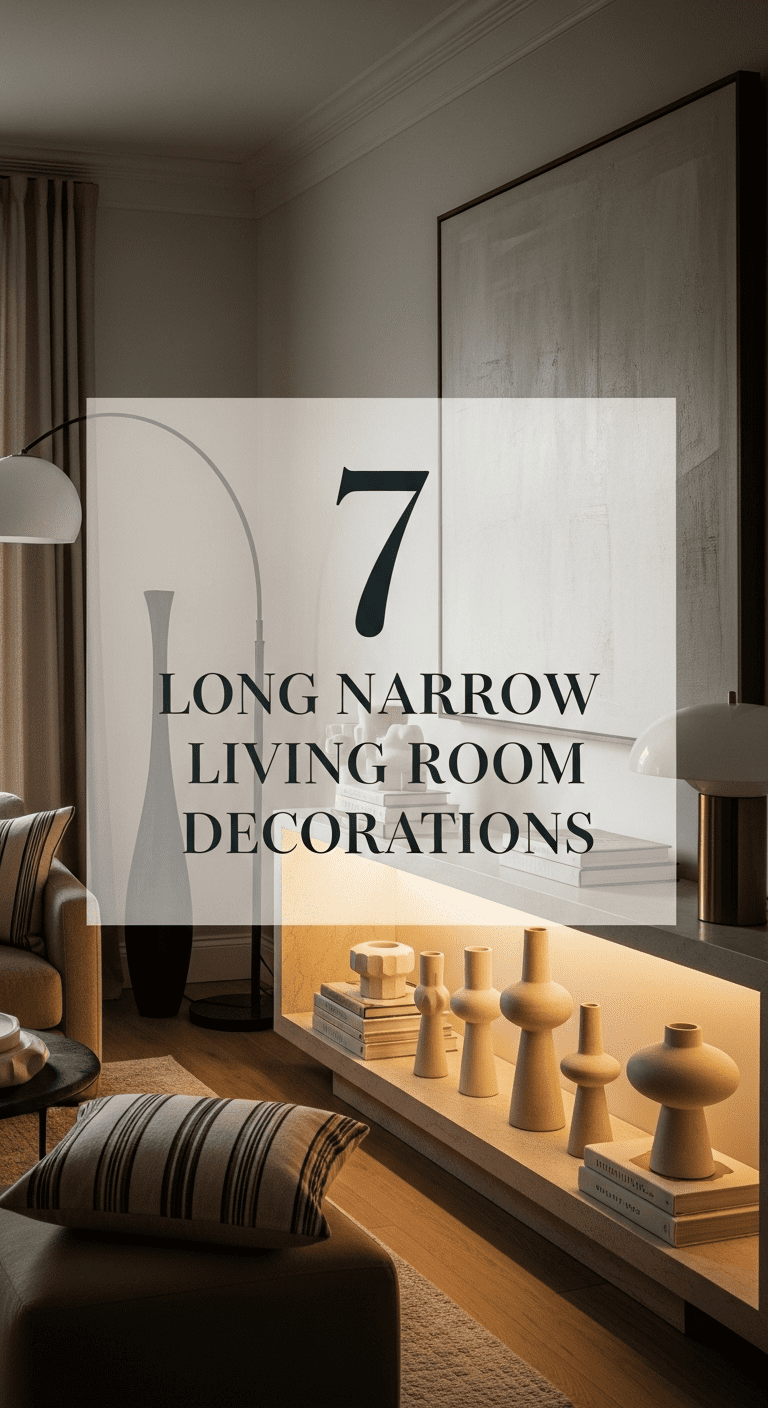
Lighting Considerations: Ensure your accent wall is well-lit to showcase the treatment. Wall sconces, picture lights, or strategic floor lamps can highlight your feature wall.
Balance is Key: If your accent wall is bold and dark, keep the remaining walls, ceiling, and floors lighter to maintain balance and prevent the space from feeling cramped.
Texture Over Pattern: In very narrow spaces, textured walls (wood, brick, plaster) often work better than busy patterns, which can overwhelm the limited space.
Test Before Committing: Always test paint colors, wallpaper samples, or material swatches in your actual space at different times of day to see how they look with your lighting.
Coordinate With Furnishings: Your accent wall should complement your existing furniture and decor. Pull accent colors from artwork, rugs, or pillows to create a cohesive look.
An accent wall, when thoughtfully executed, can transform your long narrow living room from awkward to architecturally interesting, creating a space that feels intentional, stylish, and uniquely yours.