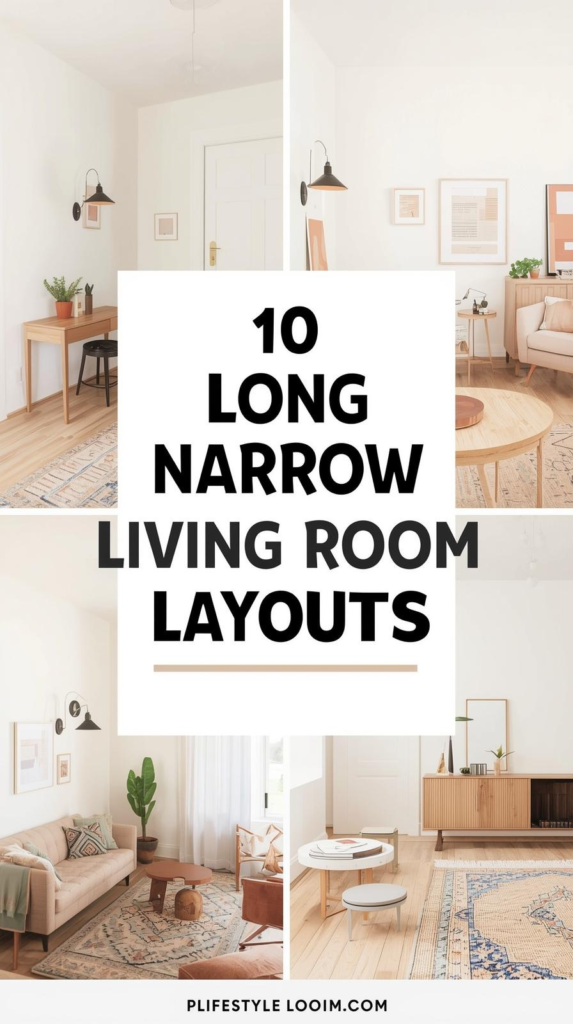
10 Long Narrow Living Room Layouts: Floor Plans That Actually Work
Long narrow living rooms are one of the most common—and most challenging—spaces homeowners face. Whether you’re dealing with a classic “railroad apartment” layout, a converted rowhouse, or a modern open-plan home with awkward proportions, arranging furniture in a long narrow space can feel impossible. The room feels like a bowling alley, furniture arrangements look awkward, and you’re never quite sure how to create a functional, comfortable living space.
The secret to success lies in the layout. While paint colors, decor, and accessories matter, the fundamental furniture arrangement is what makes or breaks a narrow living room. The right layout can transform a challenging space into a functional, beautiful room that works perfectly for your lifestyle. These ten proven floor plan layouts offer different solutions for various needs—from small apartments to spacious homes, from TV-focused family rooms to conversation-oriented entertaining spaces.
See also: Modern Living Room Decor Ideas 16 Ways to Curate a Sleek Stylish Space
1. The Classic Floating Sofa Layout
Pull the sofa away from the wall to create a purposeful gathering area.
Key Elements:
- Sofa positioned in center, perpendicular to long walls
- Coffee table in front of sofa
- Two accent chairs facing sofa
- Console table behind sofa for lamps and decor
- TV or fireplace focal point at one end
- Clear walkway on one or both sides of furniture grouping
- Area rug anchoring seating arrangement
- All furniture legs on rug for cohesion
- Additional storage or shelving at opposite end
- 3-4 feet walkway space maintained
- Sofa back creates natural room division
- Intimate conversation area created
- Reduces bowling alley effect significantly
See also: Organic Modern Living Room Designs 12 Ways to Blend Nature and Minimalism
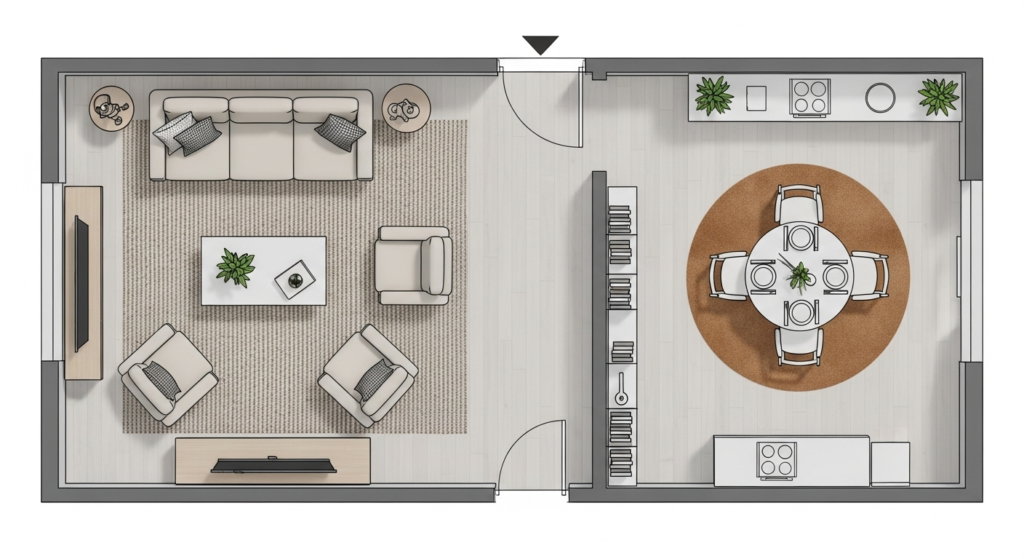
2. The Dual Zone Layout
Divide the long space into two distinct functional areas.
Key Elements:
- Seating area in first two-thirds of room
- Second function area in remaining third (dining, office, reading)
- Sofa and chairs in primary zone
- Area rug defining seating zone
- Separate rug for second zone
- Console or bookshelf acting as subtle divider between zones
- Each area has appropriate lighting
- TV or focal point in seating area
- Desk, dining table, or reading chair in second zone
- Clear pathway connecting both zones
- Different purposes served in single room
- Efficient use of entire length
- No wasted space at either end
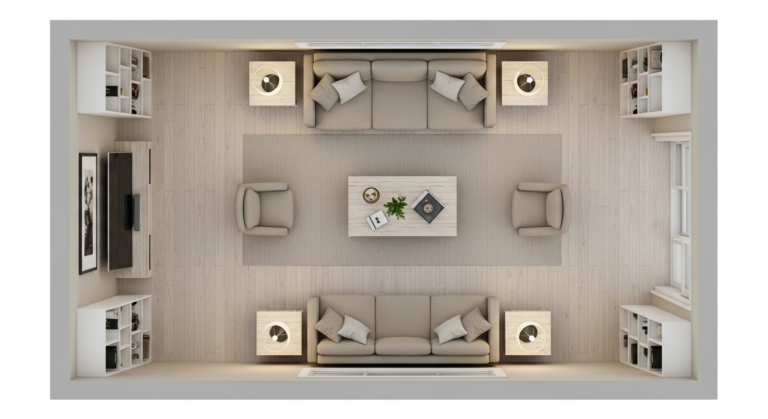
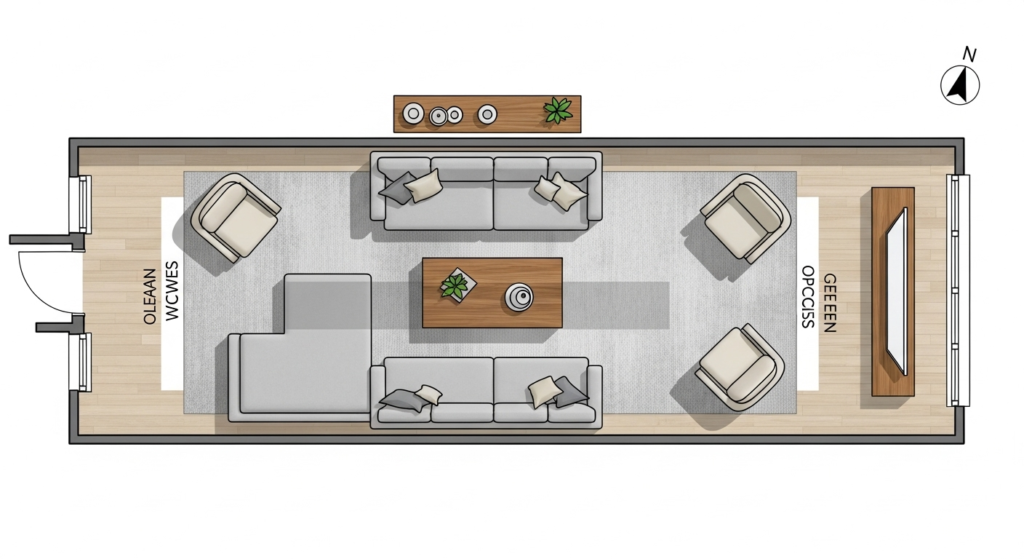
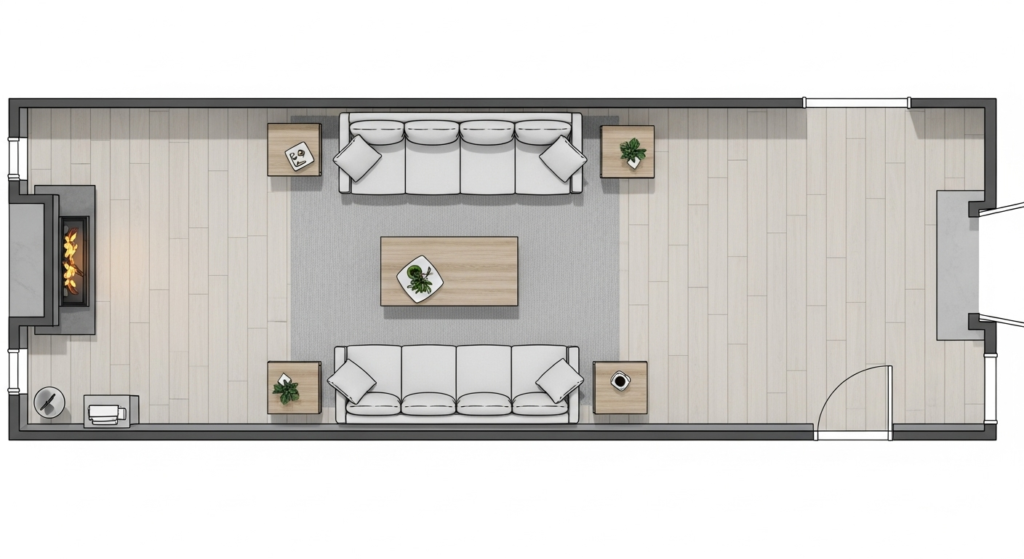
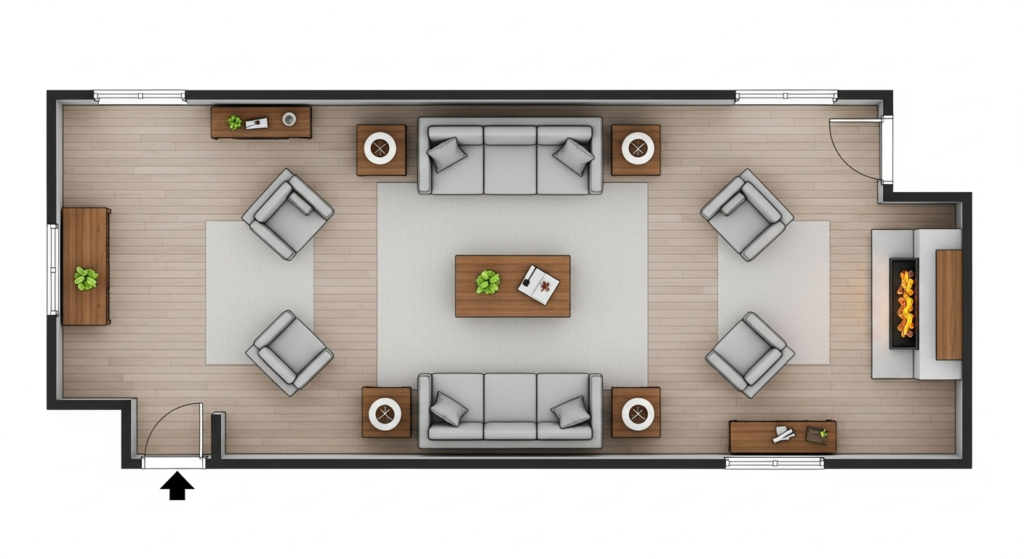
3. The Parallel Seating Layout
Create intimacy with two sofas facing each other.
Key Elements:
- Two sofas positioned parallel along the length
- Sofas facing each other across the room
- Coffee table or ottoman centered between sofas
- Narrow walkway at one or both ends
- Fireplace or TV at end wall as focal point
- End tables at sofa ends
- Matching table lamps on end tables
- Symmetrical, balanced arrangement
- Creates formal conversation area
- Good traffic flow around seating
- Additional seating (chair or bench) at end if space allows
- Rug centered under coffee table and both sofas
- Elegant, traditional layout
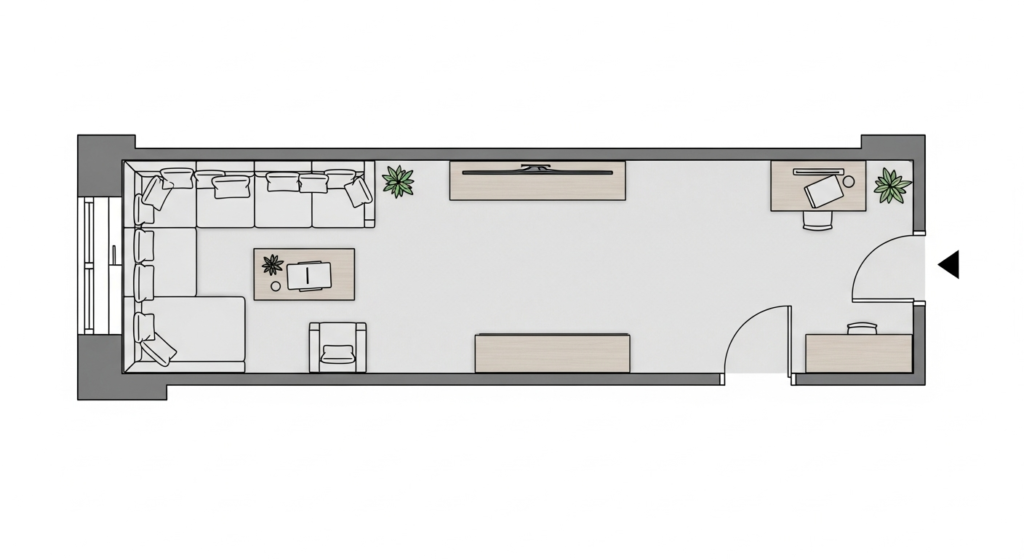
4. The L-Shaped Sectional Layout
Maximize seating with a sectional in the corner.
Key Elements:
- L-shaped sectional positioned in one corner
- Sectional along one long wall and end wall
- Creates natural conversation area
- Coffee table in front of sectional
- Chaise portion of sectional extends into room
- TV or fireplace on opposite wall or end
- Additional seating (chair or two) opposite sectional if space allows
- Remaining space left open for other functions
- Console table behind sectional or along opposite wall
- Efficient corner utilization
- Maximizes seating in compact arrangement
- Leaves flexibility in rest of room
- Cozy, defined seating zone
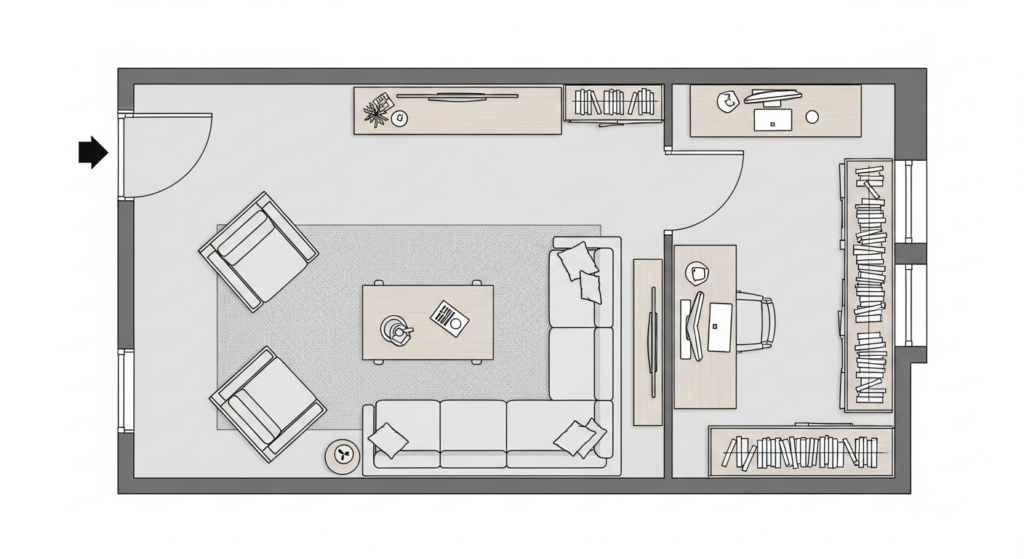
5. The Perpendicular Sofa Layout
Break the length by positioning the sofa across the width.
Key Elements:
- Sofa positioned perpendicular across the narrow width
- Immediately breaks up linear feeling
- Creates two distinct areas (in front of and behind sofa)
- Chairs or loveseat facing sofa in front area
- Coffee table completing conversation square
- Second functional area behind sofa (desk, bookshelf, console)
- Walkway around sofa ends
- Rug placed horizontally under seating group
- TV or focal point on long wall
- Emphasizes width rather than length
- Natural room division created
- Makes narrow room feel wider visually
- Smart proportional use
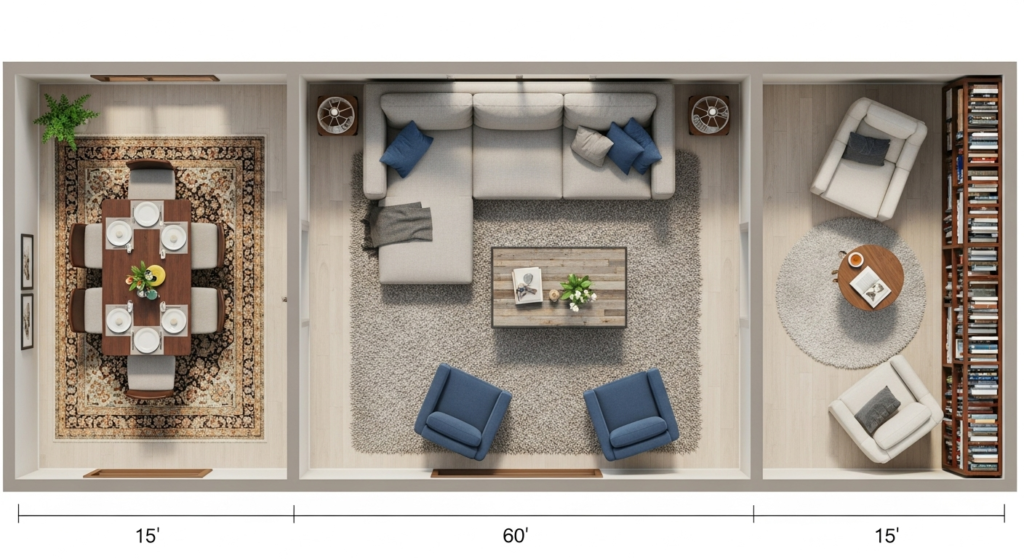
6. The Triple Zone Layout
Divide extra-long narrow rooms into three functional areas.
Key Elements:
- Three distinct zones along the length
- Seating area in center zone
- Dining or workspace in one end zone
- Reading nook or additional function in other end zone
- Separate area rug in each zone
- Sofa and chairs in central living area
- Small dining table or desk at one end
- Reading chair and bookshelf or media area at other end
- Clear central walkway connecting all zones
- Each zone has appropriate lighting
- Cohesive color scheme throughout
- Maximum functionality in very long spaces
- No dead or wasted areas
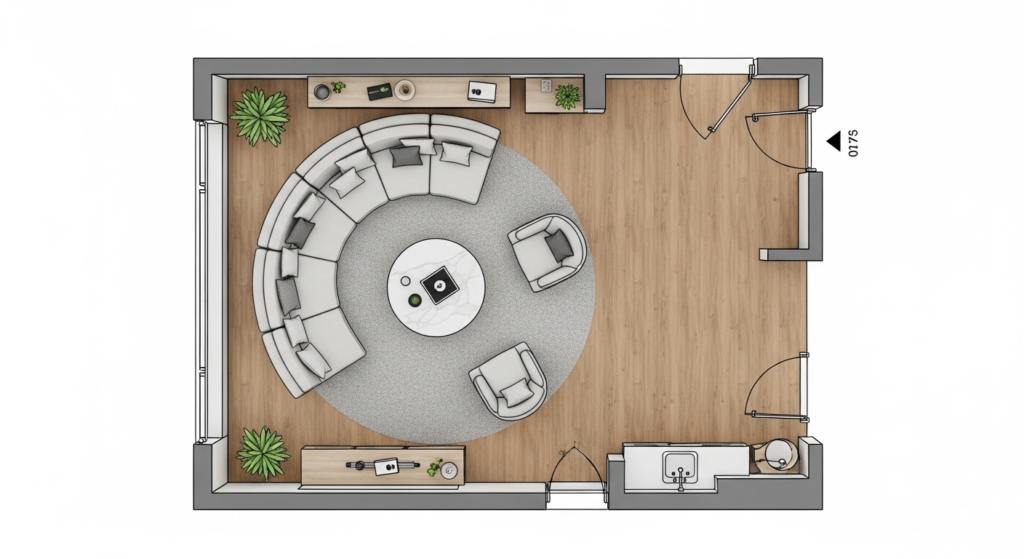
7. The Conversation Circle Layout
Create intimate gathering with circular furniture arrangement.
Key Elements:
- Furniture arranged in circular or curved pattern
- Breaks up rigid rectangular lines
- Sofa curved or angled
- Chairs positioned in arc facing sofa
- Round or oval coffee table in center
- Creates intimate conversation zone
- Softens harsh linear proportions
- All seating faces inward
- Encourages interaction and conversation
- Works best in wider narrow rooms
- Rug defining circular seating area
- Remaining space for secondary functions
- Less formal, more inviting arrangement
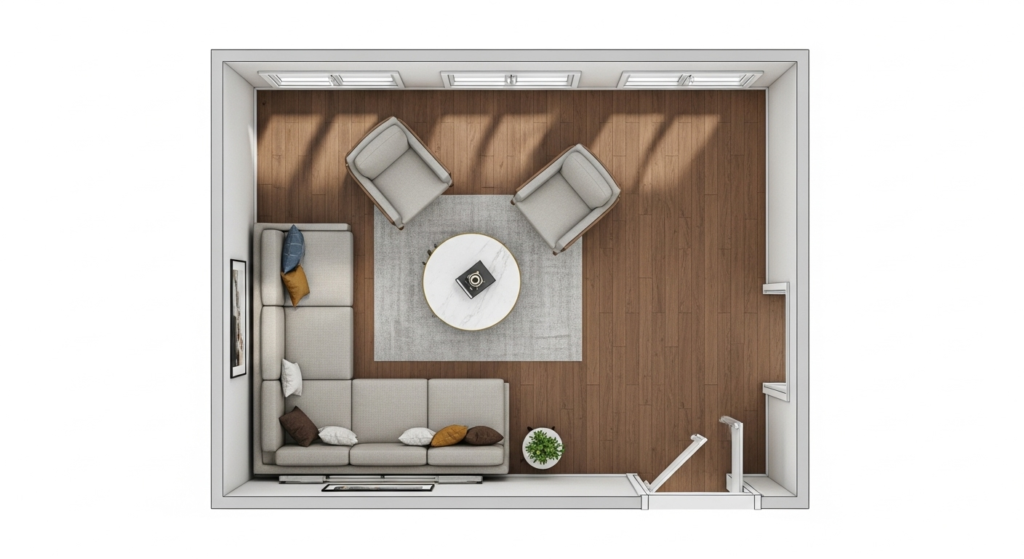
8. The Angled Furniture Layout
Position furniture on diagonal angles for visual interest.
Key Elements:
- Sofa placed at 45-degree angle
- Chairs angled slightly rather than parallel
- Creates dynamic, interesting layout
- Breaks rigidity of rectangular space
- Coffee table centered among angled pieces
- Requires adequate floor space for angles
- More casual, relaxed arrangement
- Creates visual movement and flow
- Softens harsh proportions
- Unexpected furniture placement
- Round rug works well with angled furniture
- Maintains clear pathways around angles
- Makes space feel less predictable
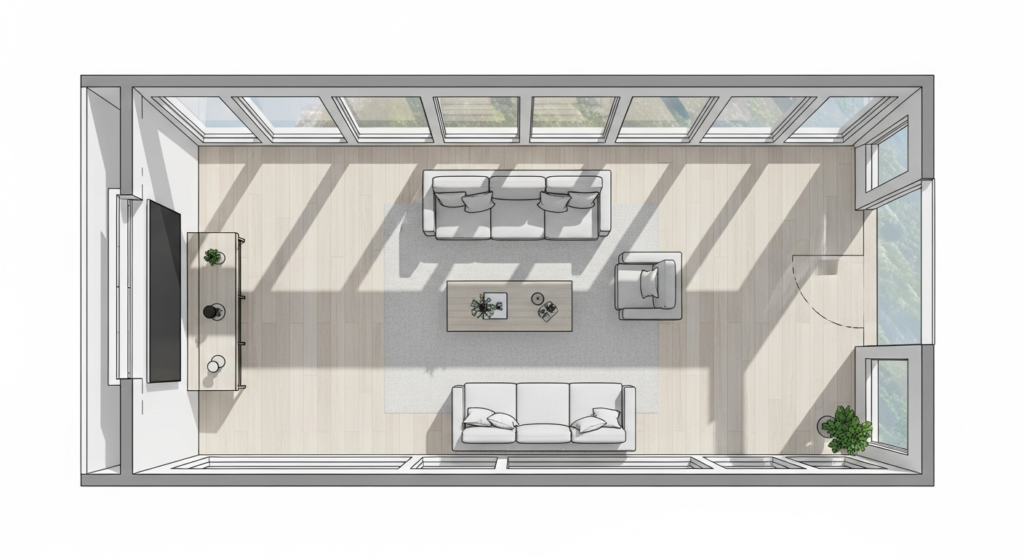
9. The Window-Focused Layout
Orient furniture to take advantage of window wall and views.
Key Elements:
- Primary seating facing window wall
- Sofa perpendicular to windows or angled toward view
- Chairs positioned to enjoy natural light and view
- Coffee table completing seating group
- Takes advantage of best feature (windows/view)
- TV or media area on opposite wall or end
- Console or shelving along non-window wall
- Maximizes natural light throughout room
- View becomes focal point
- Furniture arranged to appreciate windows
- Maintains clear access to windows
- Curtains or shades easily accessible
- Light-focused comfortable arrangement
10. The Symmetrical Balance Layout
Create visual harmony with perfectly balanced furniture placement.
Key Elements:
- Sofa centered on one long wall
- Matching chairs or loveseats on opposite long wall
- Coffee table centered in middle
- End tables symmetrically placed
- Matching table lamps creating symmetry
- Focal point (fireplace or TV) centered at end
- Perfect balance and symmetry throughout
- Traditional, formal arrangement
- Creates sense of order in narrow space
- Equal visual weight on both sides
- Additional matching furniture pieces
- Cohesive, intentional design
- Classic, timeless layout approach
Essential Layout Principles for Long Narrow Living Rooms
Apply these fundamentals to any narrow room layout:
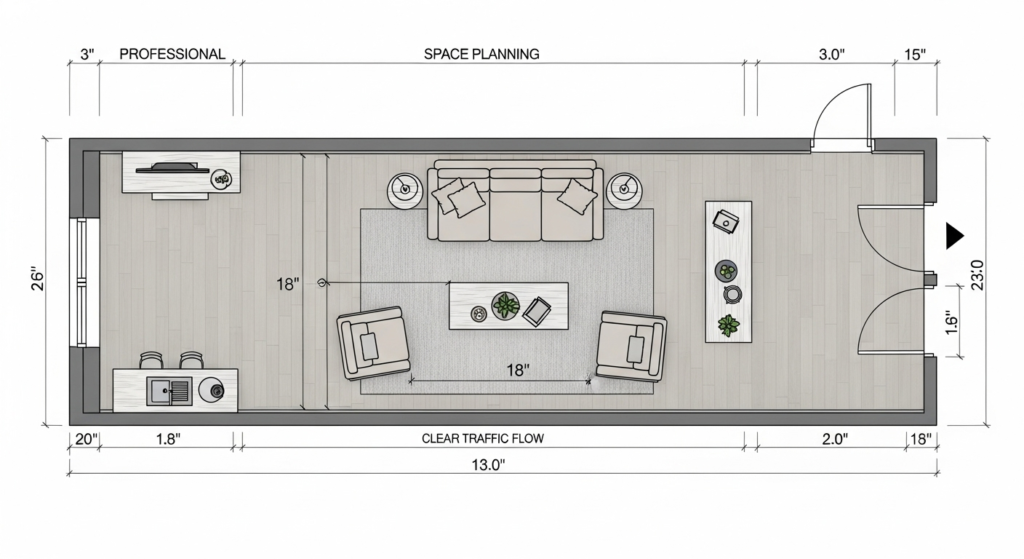
Space Planning Basics:
- Measure room dimensions precisely (length x width)
- Note all architectural features (windows, doors, fireplace, built-ins)
- Identify electrical outlet locations
- Mark traffic patterns and necessary walkways
- Determine focal points (fireplace, TV, windows, view)
- Calculate usable square footage
- Account for door swing clearances
- Consider future flexibility needs
Furniture Spacing Guidelines:
- Minimum 2.5-3 feet for main walkways
- 18 inches between coffee table and seating
- 3-4 feet between sofa and chairs for conversation
- 10-14 inches for lamp table beside seating
- 12-18 inches from furniture to walls (when not against wall)
- 30-36 inches for walking around furniture ends
- 6-8 feet maximum distance for conversation seating
- Adequate turning radius for movement
Rug Sizing for Narrow Rooms:
- All furniture front legs should be on rug minimum
- Ideally all furniture legs on rug
- 8×10 or 9×12 rugs work for most seating areas
- Rug should extend 12-18 inches beyond furniture edges
- Avoid long narrow runner rugs (emphasize length)
- Consider multiple rugs for different zones
- Leave 12-18 inches between rug edge and walls
- Horizontal placement across width preferred
Traffic Flow Optimization:
- Create clear primary pathway through room
- Avoid blocking natural walking routes
- Maintain straight path when possible
- Consider diagonal paths to break linear flow
- Ensure furniture doesn’t obstruct doorways
- Allow easy access to all seating
- Multiple entry/exit points when possible
- Natural circulation around furniture groups
Visual Balance Strategies:
- Distribute visual weight evenly along length
- Avoid all furniture at one end
- Balance large pieces with smaller groupings
- Create symmetry or intentional asymmetry
- Use color and pattern to balance proportions
- Emphasize width over length when possible
- Break up long walls with furniture or art
- Create focal points at both ends if very long
Focal Point Placement:
- TV or fireplace typically at room end
- Can be centered on long wall in some layouts
- Arrange primary seating to face focal point
- Secondary seating can have different orientation
- Natural focal point (windows/view) may determine layout
- Create architectural focal point if none exists
- Multiple focal points possible in multi-zone layouts
- Focal point should be visible from main seating
Scale and Proportion:
- Choose furniture appropriate for room width
- Avoid oversized pieces in narrow spaces
- Low-profile furniture often works better
- Slim-arm sofas and chairs save width
- Round or oval tables softer than rectangular
- Glass or acrylic pieces create visual lightness
- Furniture with visible legs creates airiness
- Proper proportion between furniture and room size
Multi-Zone Planning:
- Divide spaces longer than 20 feet into zones
- Each zone should have distinct purpose
- Use rugs to define separate areas
- Lighting should differentiate zones
- Furniture arrangement creates natural divisions
- Maintain cohesive design across all zones
- Consider function hierarchy (primary/secondary zones)
- Clear circulation between all zones
Lighting Layout:
- Overhead lighting in each zone
- Table lamps on end tables or consoles
- Floor lamps in corners or beside chairs
- Wall sconces save floor space
- Task lighting where needed (reading, desk)
- Ambient lighting for overall illumination
- Accent lighting for artwork or features
- Dimmer switches for flexibility
Common Layout Mistakes to Avoid:
- Pushing all furniture against walls
- Creating one long corridor
- Using furniture too large for width
- Blocking windows or natural light
- Ignoring traffic flow patterns
- All furniture facing one direction
- No clear focal point
- Cluttering with too many pieces
- Inadequate walkway space
- Wrong-sized area rugs
- No defined zones or purpose
- Ignoring room proportions
Tips for Creating Your Perfect Layout
Design a functional narrow living room layout with these strategies:
Before You Buy Furniture:
- Measure your room precisely (length, width, ceiling height)
- Create scale floor plan on graph paper or app
- Cut out furniture templates to scale
- Test different arrangements on paper first
- Measure furniture before purchasing
- Consider doorways and how furniture enters room
- Account for door and drawer clearances
- Think about traffic patterns daily
Layout Testing:
- Use painter’s tape to outline furniture on floor
- Live with taped layout for a few days
- Test walking patterns and flow
- Sit in different “seats” to test conversation distances
- Ensure TV viewing angles work
- Check window access and light flow
- Adjust until it feels right
- Don’t commit to first idea
Furniture Selection for Layouts:
- Choose appropriately scaled pieces
- Measure sofas and chairs before buying
- Consider modular furniture for flexibility
- Apartment-sized furniture often works better
- Look for space-saving designs
- Furniture with exposed legs preferred
- Slim profiles over bulky
- Multi-functional pieces maximize utility
Making Perpendicular Layouts Work:
- Ensure sofa isn’t too long for width
- Leave adequate walkway around sofa ends
- Consider loveseat instead of full sofa if tight
- Works best in rooms at least 12 feet wide
- Creates natural room division
- Use sofa back as display surface (console table)
- Emphasizes width successfully
- One of most effective narrow room solutions
Optimizing Parallel Layouts:
- Sofas should be same size ideally
- Works in rooms at least 13 feet wide
- Creates formal, symmetrical look
- Excellent for conversation
- Can feel corridor-like if not balanced
- Add end pieces to break up length
- Requires adequate walkway space at ends
- Traditional, elegant solution
Making Angled Layouts Work:
- Requires more floor space than straight layouts
- Works best in rooms 14+ feet wide
- Creates interesting, dynamic feel
- Softens rigid rectangular proportions
- Maintain clear pathways around angles
- Don’t force angles in too-tight spaces
- Round furniture works well with angles
- More casual than straight layouts
Multi-Zone Layout Success:
- Clearly define purpose of each zone
- Use rugs to delineate areas
- Different lighting for each zone
- Furniture arrangement creates divisions
- Maintain cohesive style throughout
- Scale zones appropriately to room length
- Primary zone should be largest/most prominent
- Ensure all zones accessible and functional
Small Narrow Room Layouts:
- Choose loveseat instead of full sofa
- Use apartment-sized furniture
- Floating layout still works (smaller scale)
- Consider Murphy bed for multi-use
- Dual-purpose furniture essential
- Maximize vertical storage
- Keep one zone functional
- Don’t overcrowd with furniture
Large Narrow Room Layouts:
- Triple zone layout works well
- Can accommodate larger furniture
- Create distinct activity areas
- More flexibility in arrangements
- Consider room within room concept
- Multiple seating groupings possible
- Adequate space for perpendicular layouts
- Take advantage of length
Budget-Friendly Layout Changes:
- Rearrange existing furniture differently
- Borrow/rent furniture to test layout
- Use what you have creatively
- Phase furniture purchases
- Start with key pieces (sofa, coffee table)
- Add accent pieces over time
- DIY room dividers for zones
- Paint and rugs transform without new furniture
Making Your Layout Work Long-Term
The best layout for your long narrow living room is one that serves your actual lifestyle, not just looks good on paper. Consider how you really use your living room. Do you watch TV daily? Entertain frequently? Work from home? Have young children who need play space? Your layout should accommodate your real life, not an idealized version.
Don’t be afraid to try unconventional layouts. The standard “sofa against the wall” approach rarely works in narrow rooms. Floating furniture, perpendicular arrangements, and angled placements often provide better solutions. What looks unusual on a floor plan might feel perfect in real life.
Remember that layouts can evolve. Start with the fundamentals—proper spacing, clear pathways, functional zones—then refine over time. You might move an accent chair, angle the sofa slightly differently, or swap furniture between zones. Living with a layout reveals what works and what needs adjustment.
Test your layout before committing to expensive furniture. Use painter’s tape to outline furniture positions on the floor. Place cardboard boxes where furniture will sit. Live with it for several days, walking through your normal routines. This simple step prevents costly mistakes.
Finally, accept your room’s proportions. A long narrow room will never be a perfect square, and that’s okay. Work with what you have rather than wishing for different dimensions. Some of the most interesting, well-designed rooms embrace their quirks rather than fight them.
With these ten proven layouts and professional planning principles, you can transform your challenging long narrow living room into a functional, beautiful space. The right floor plan makes all the difference between a room that frustrates you daily and one that works perfectly for your life. Your ideal layout is out there—it might just require thinking differently about your space.