
Growing your own vegetables is one of the most rewarding backyard projects. Fresh, homegrown produce tastes better, saves money, and reduces your environmental footprint. Whether you have a sprawling suburban lot or a compact urban yard, there is a vegetable garden design that fits your space. From raised beds and container gardens to vertical plantings and edible landscaping, here are twelve backyard vegetable garden ideas to inspire your green thumb.
1. Raised Bed Vegetable Garden
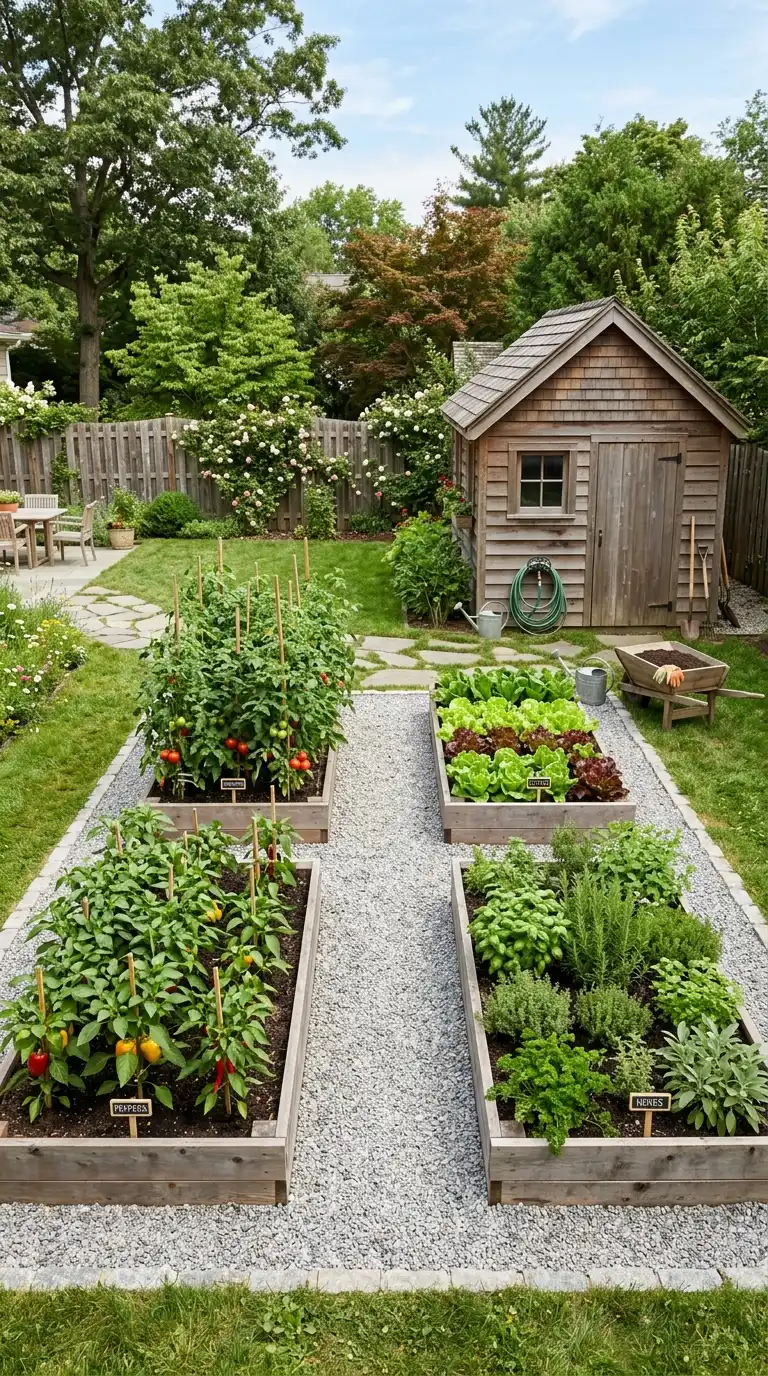
Raised beds are the most popular and efficient way to grow vegetables. They provide excellent drainage, warm up faster in spring, and reduce weed pressure. Build beds from untreated cedar, stone, or galvanized metal. Fill with a mixture of topsoil, compost, and organic matter. Plant a mix of seasonal vegetables—tomatoes, peppers, lettuce, carrots, beans, and squash. Arrange beds in rows or a grid pattern with gravel pathways between them.
2. Container Vegetable Garden
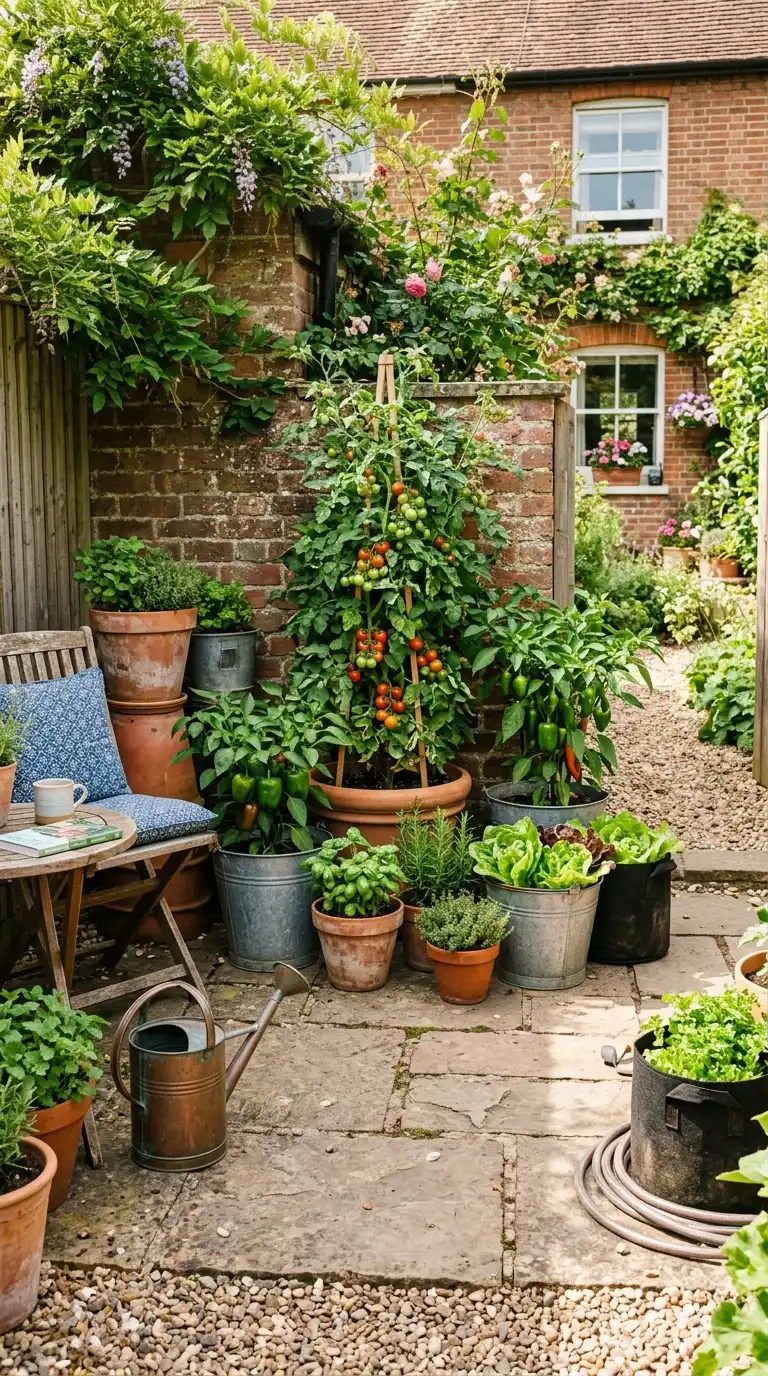
A container garden is perfect for small spaces, patios, or balconies. Use large pots, buckets, or grow bags to plant vegetables. Choose compact varieties like cherry tomatoes, bush beans, lettuce, radishes, and peppers. Place containers in a sunny spot, and water regularly. Container gardens are portable and can be moved to follow the sun.
3. Vertical Vegetable Garden
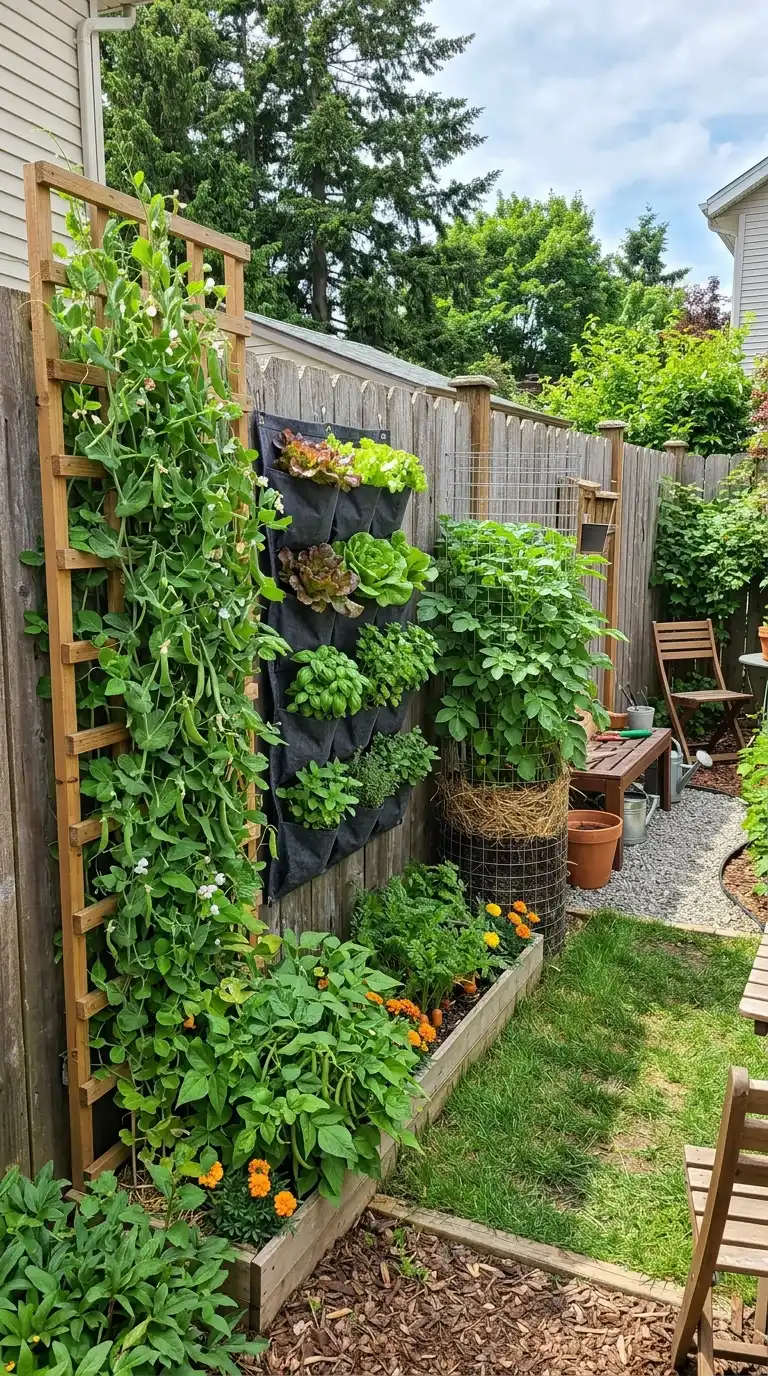
Vertical gardening maximizes growing space in small yards. Use trellises for climbing vegetables like peas, beans, cucumbers, and indeterminate tomatoes. Install pocket planters on a fence for lettuce and herbs. Build a tower from wire mesh to grow potatoes or sweet potatoes. Vertical gardens increase yield per square foot and add visual interest.
4. Keyhole Garden
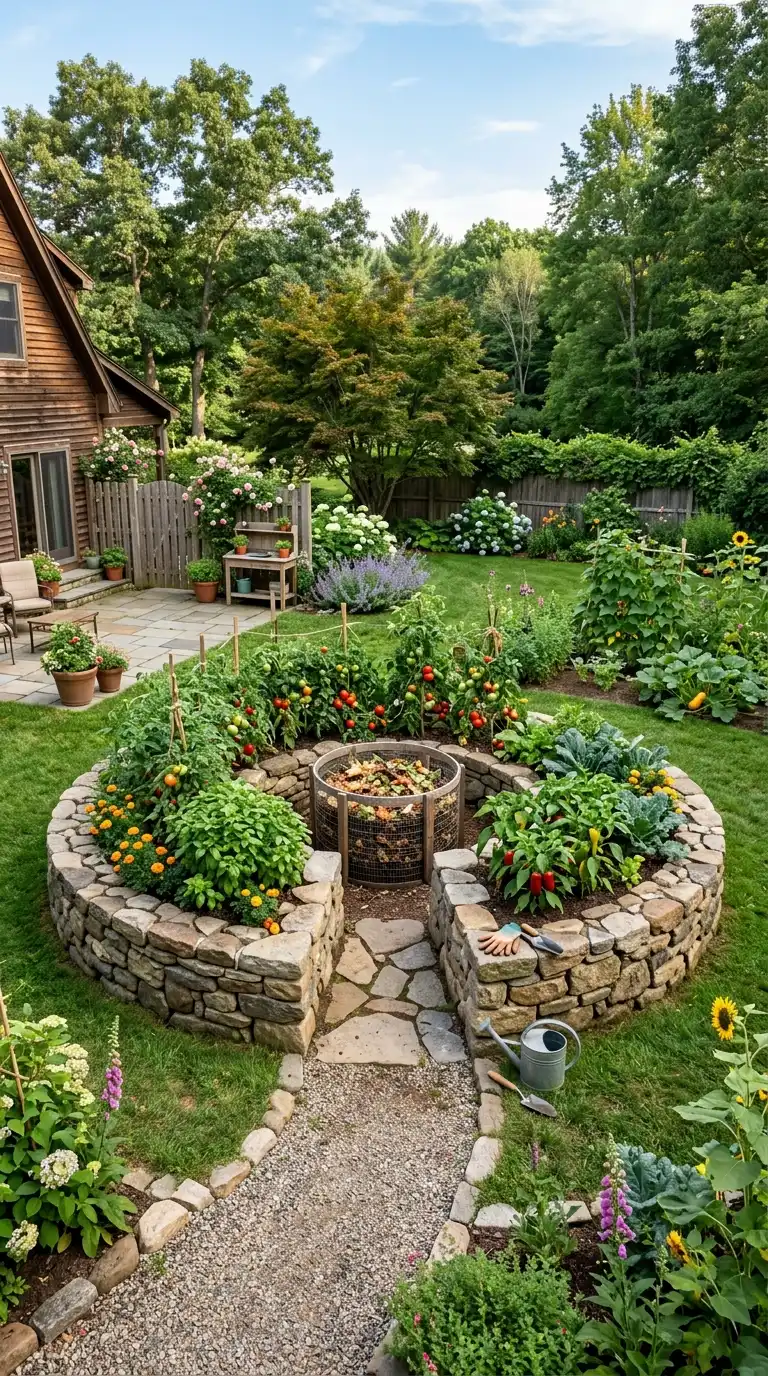
A keyhole garden is a circular raised bed with a compost basket at the center. The shape allows easy access from all sides, and the compost basket provides continuous nutrients. Build the bed with stone, brick, or wood. Fill with layers of cardboard, sticks, leaves, compost, and soil. Plant vegetables around the keyhole indentation.
5. Square Foot Garden
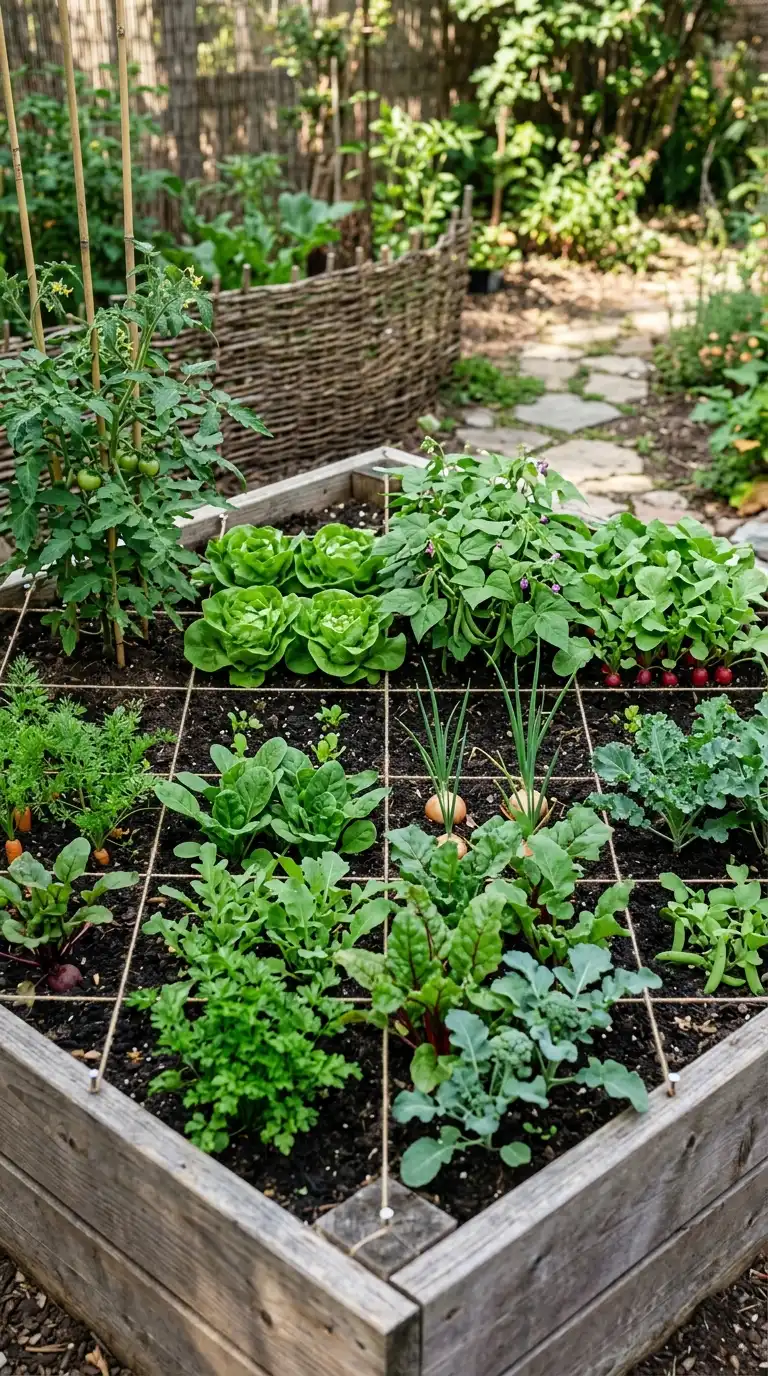
Square foot gardening divides a raised bed into one-foot squares, each planted with a specific number of plants based on their size. This method maximizes yield in a small space and simplifies planning. Build a 4×4 foot bed and grid it with string or wood strips. Plant one tomato per square, four lettuce per square, or nine beans per square.
6. Lasagna or Sheet Mulch Garden
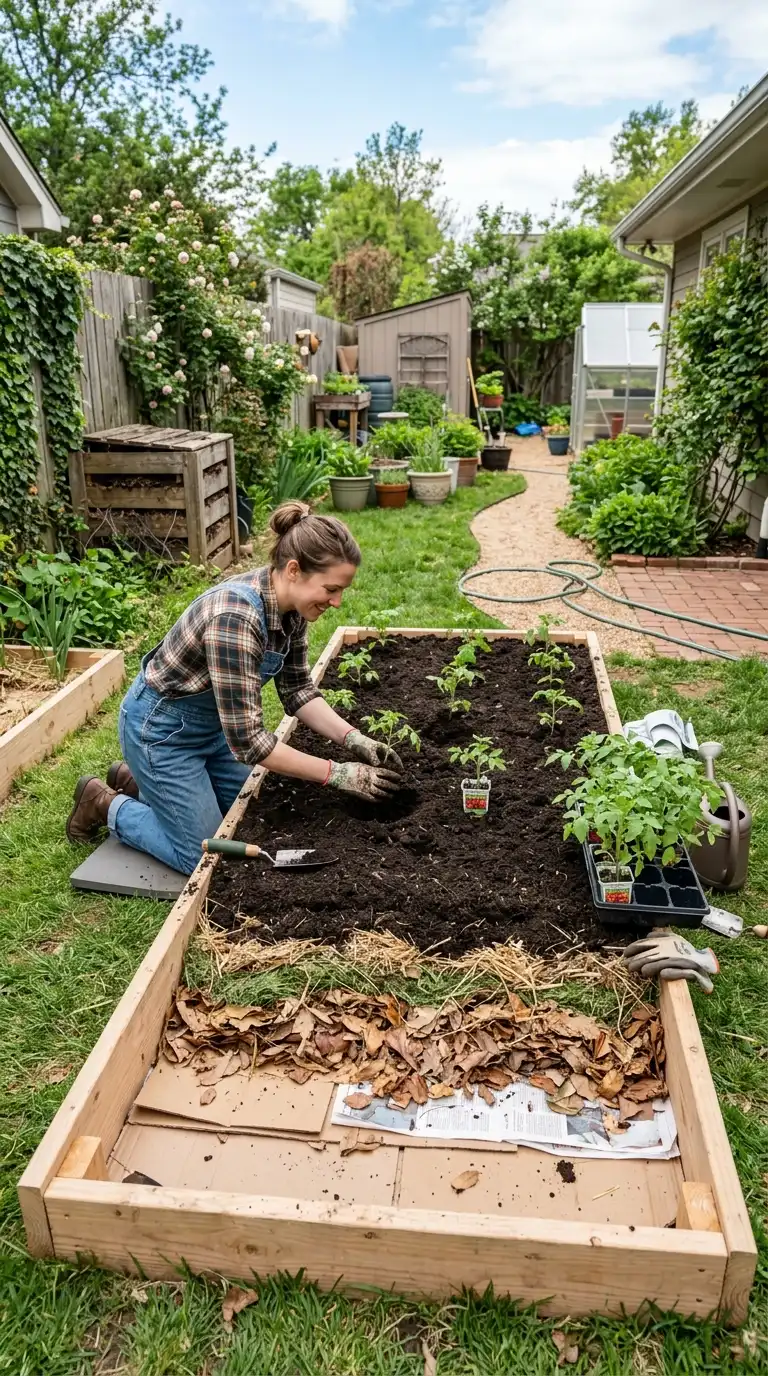
Lasagna gardening is a no-dig method that builds soil on top of existing grass or weeds. Layer cardboard, newspaper, leaves, grass clippings, compost, and soil directly on the ground. The layers decompose over time, creating rich, weed-free soil. Plant vegetables immediately in the top layer. This method is ideal for converting lawn to garden.
7. Straw Bale Garden
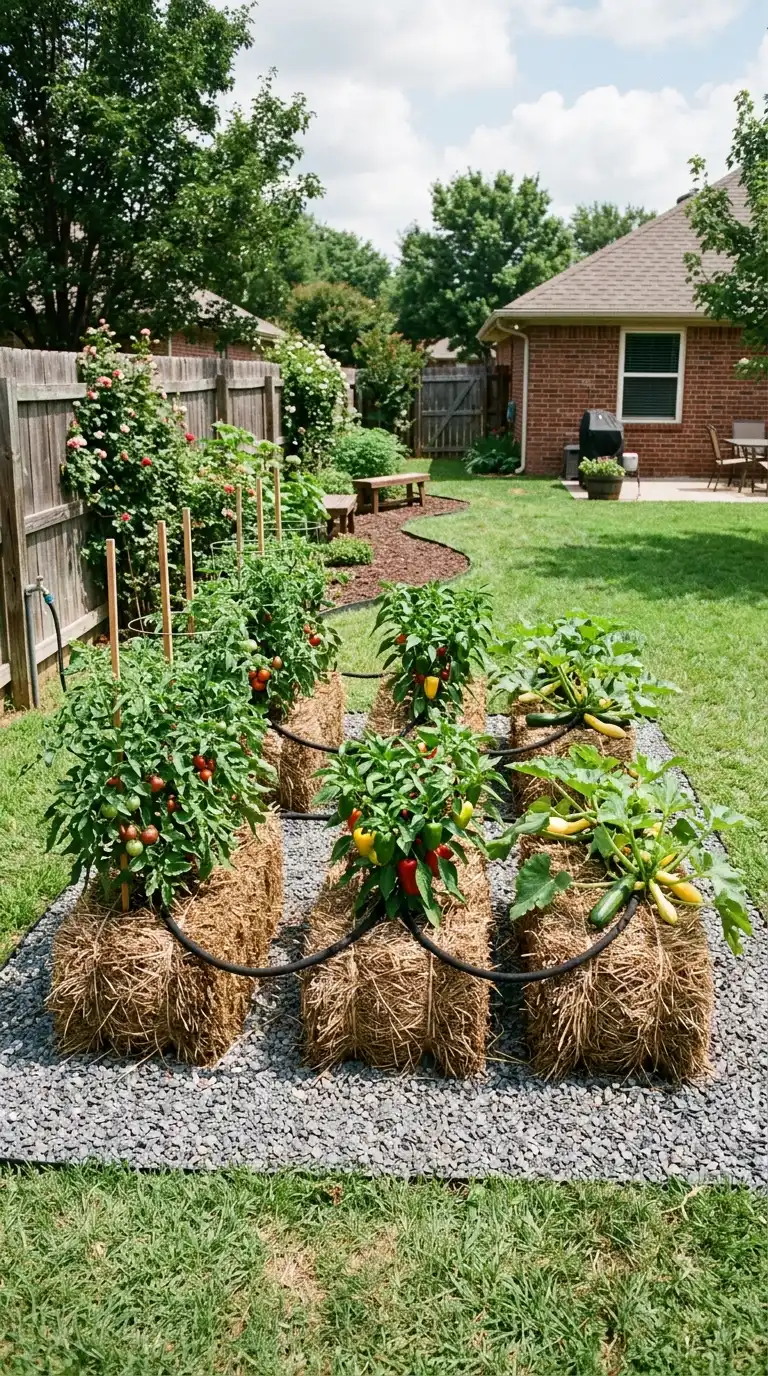
Straw bale gardening is an inexpensive, no-dig method for growing vegetables on poor soil or hard surfaces. Condition straw bales with nitrogen fertilizer and water for 10-14 days, then plant seedlings directly into the bales. Straw bales retain moisture, suppress weeds, and decompose into compost by the end of the season. Ideal for tomatoes, peppers, squash, and potatoes.
8. Hügelkultur Raised Bed
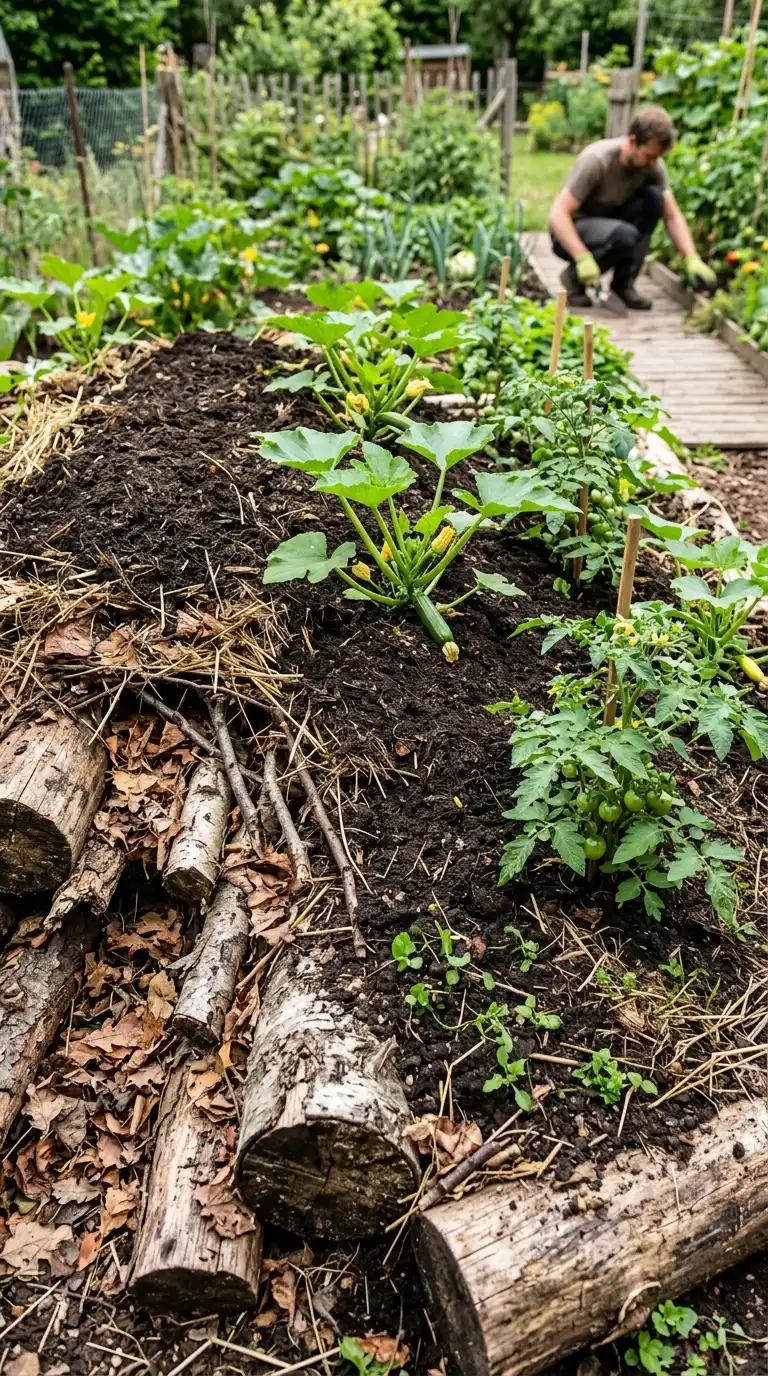
Hügelkultur is a German gardening technique that builds raised beds from buried logs and woody debris. The wood decomposes slowly, releasing nutrients and retaining moisture for years. Layer logs, branches, leaves, compost, and soil to create a self-fertilizing, drought-resistant bed. Hügelkultur beds are ideal for permaculture gardens and work well for squash, potatoes, and corn.
9. Edible Landscape
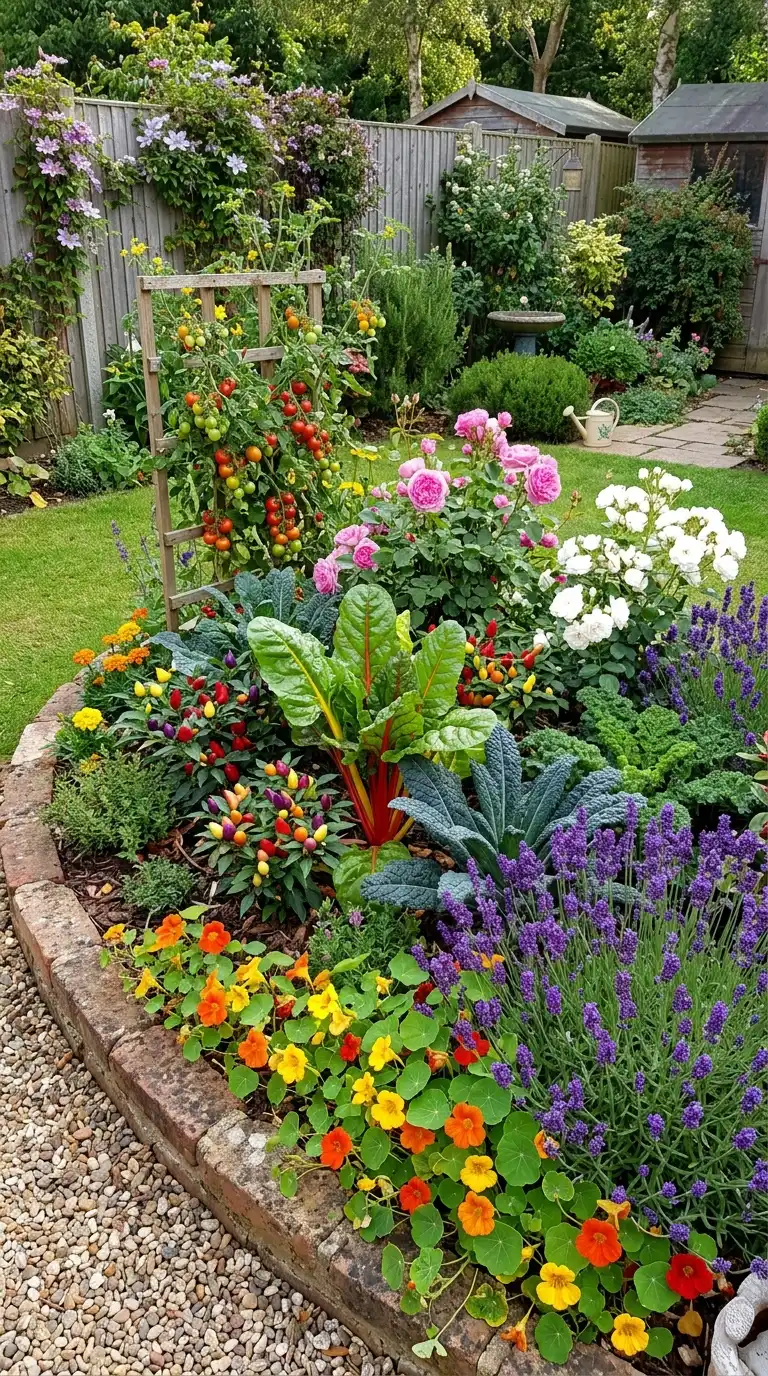
Integrate vegetables and herbs into your ornamental flower beds for a beautiful, productive garden. Plant kale, Swiss chard, and ornamental peppers for their colorful foliage. Tuck cherry tomatoes and herbs among perennials. Use edible flowers like nasturtiums and calendula as borders. An edible landscape is both functional and attractive.
10. Windowsill or Balcony Herb Garden
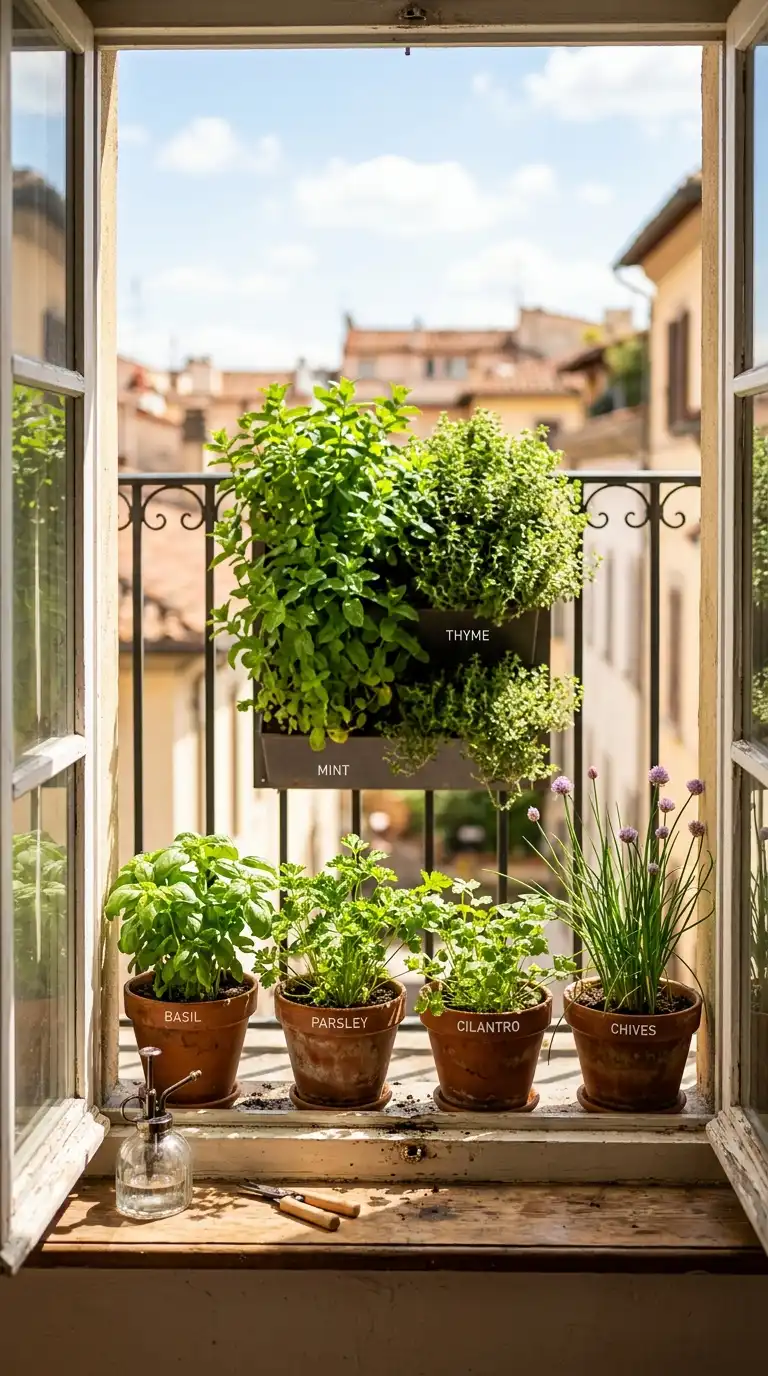
Even without a yard, you can grow herbs on a sunny windowsill or balcony. Use small pots or a vertical planter for basil, parsley, cilantro, chives, mint, and thyme. Place them in a south-facing window or on a balcony railing. A windowsill herb garden provides fresh flavors for cooking year-round.
11. Three-Sisters Garden
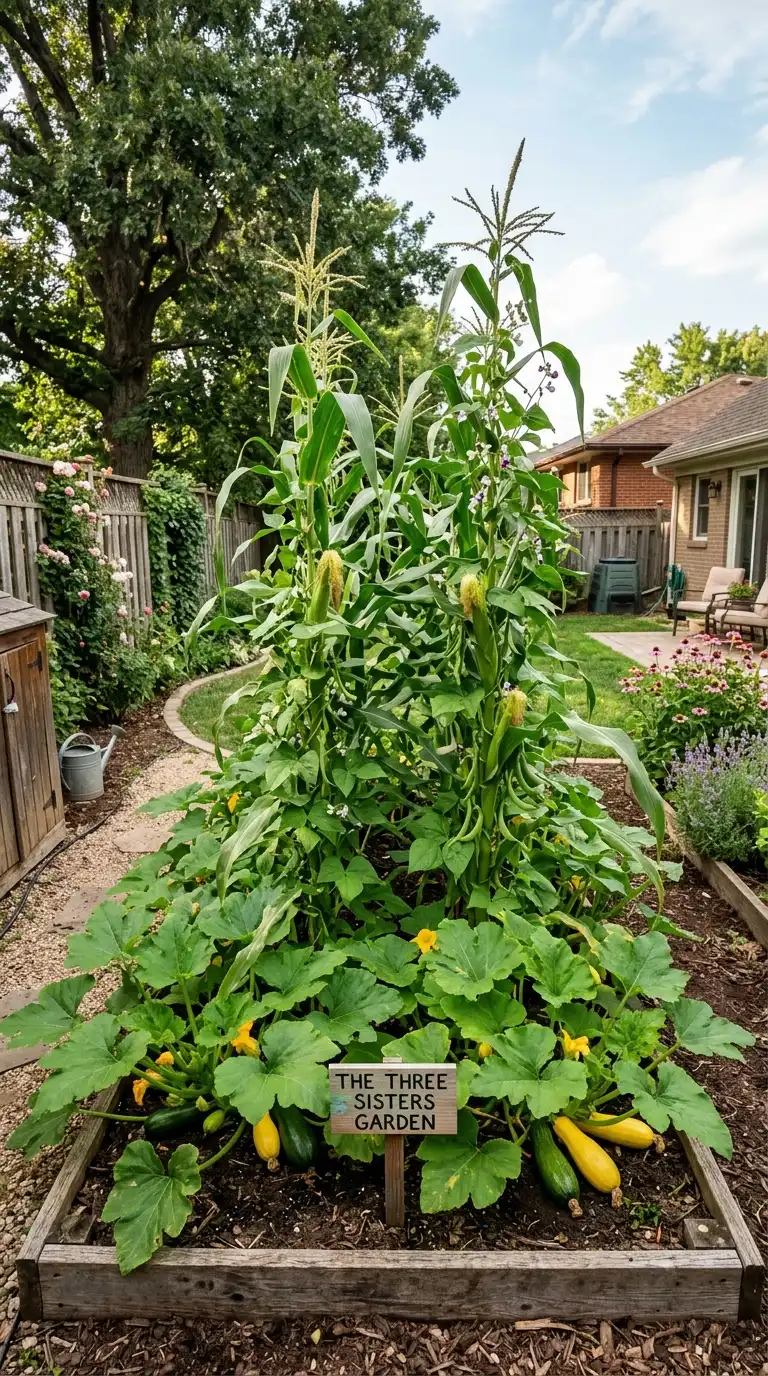
The Three Sisters is a Native American planting method that grows corn, beans, and squash together. Corn provides a trellis for beans, beans fix nitrogen in the soil, and squash shades the ground to retain moisture and suppress weeds. Plant corn first, then beans at the base of the corn stalks, and squash around them.
12. Greenhouse or Hoop House Garden
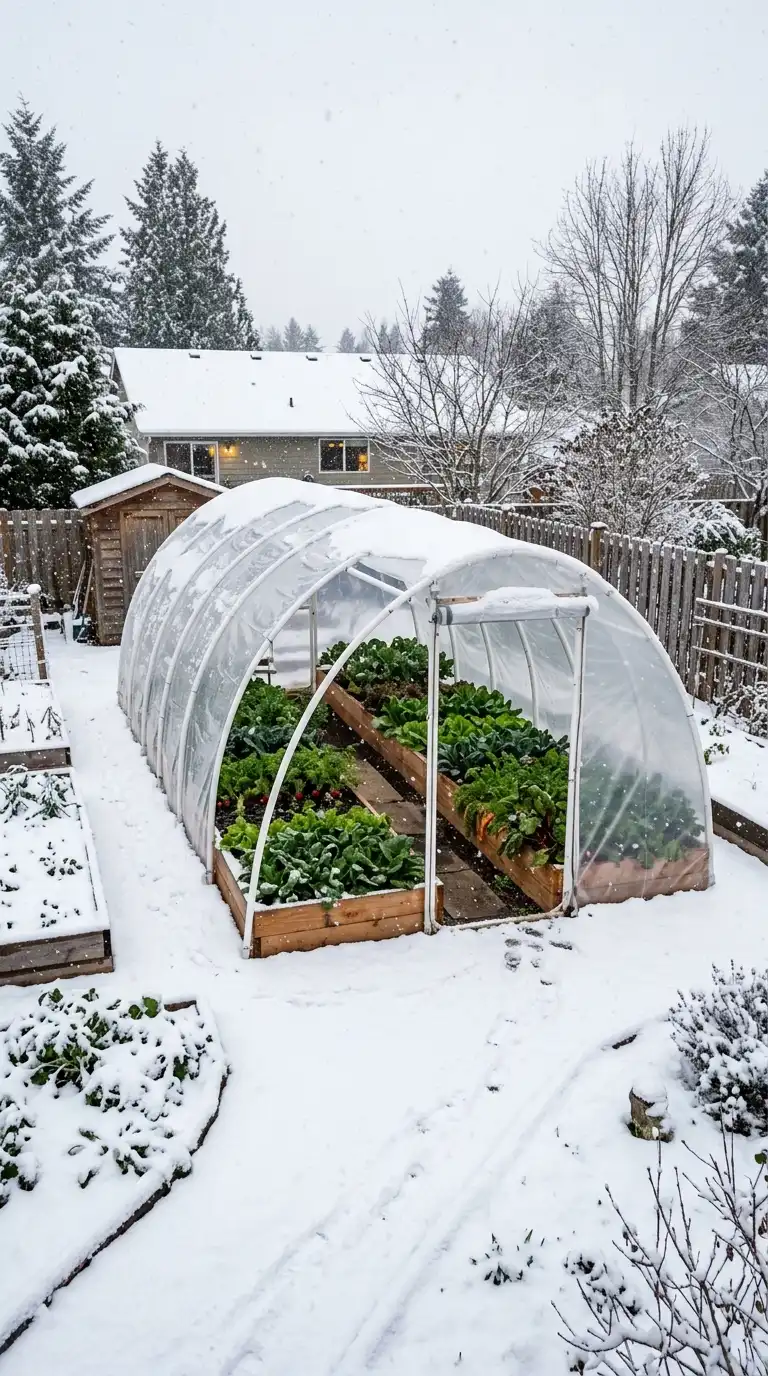
Extend your growing season with a small greenhouse or hoop house. A hoop house made of PVC hoops and polyethylene film protects plants from frost and allows you to grow cool-season crops into winter. Use it for lettuce, spinach, kale, carrots, and radishes. A greenhouse also allows you to start seeds early in spring.
Conclusion
A backyard vegetable garden is a journey of patience, learning, and reward. Whether you start with a single container of cherry tomatoes, build a set of raised beds, or transform your entire yard into an edible landscape, each season brings new lessons and delicious harvests. Choose the method that fits your space, climate, and lifestyle, and enjoy the satisfaction of growing your own food. With a little planning and care, your backyard can become a productive, beautiful, and nourishing garden.