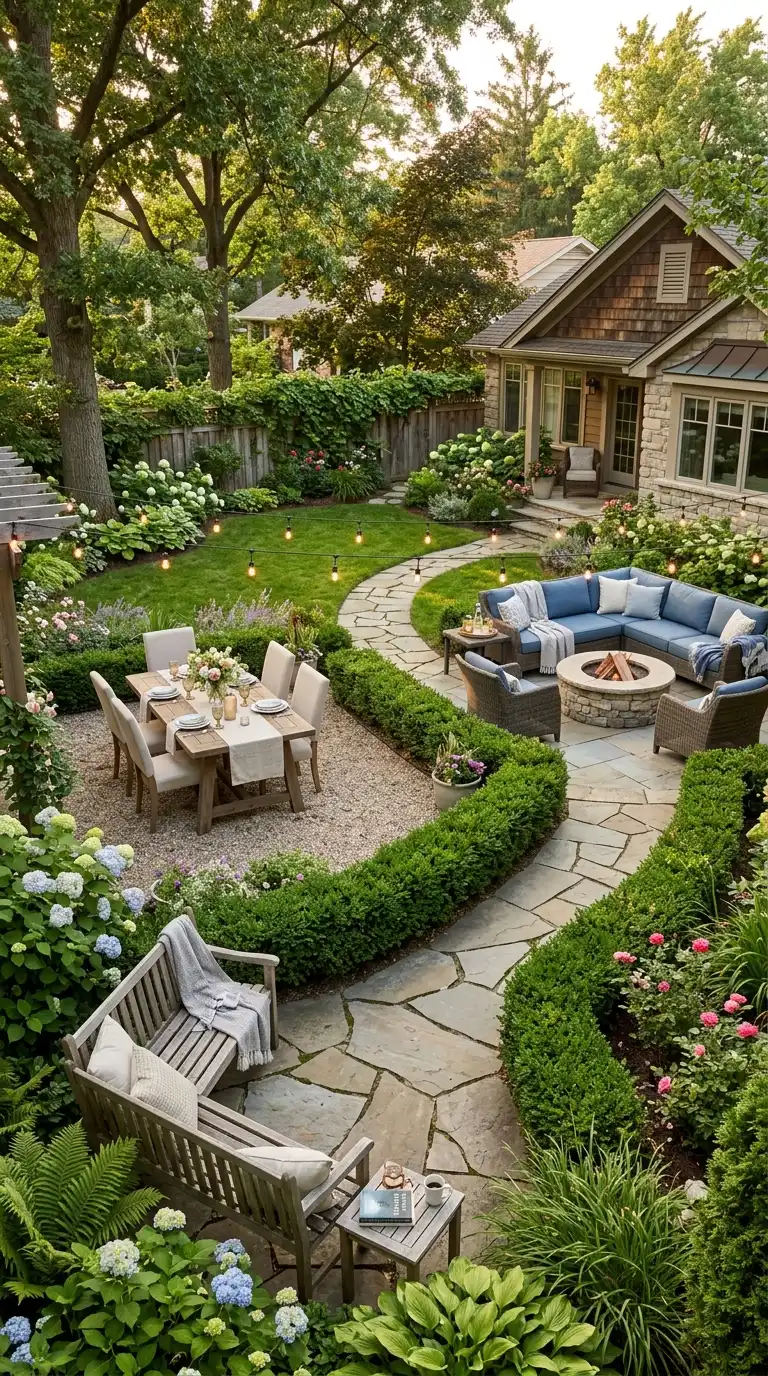
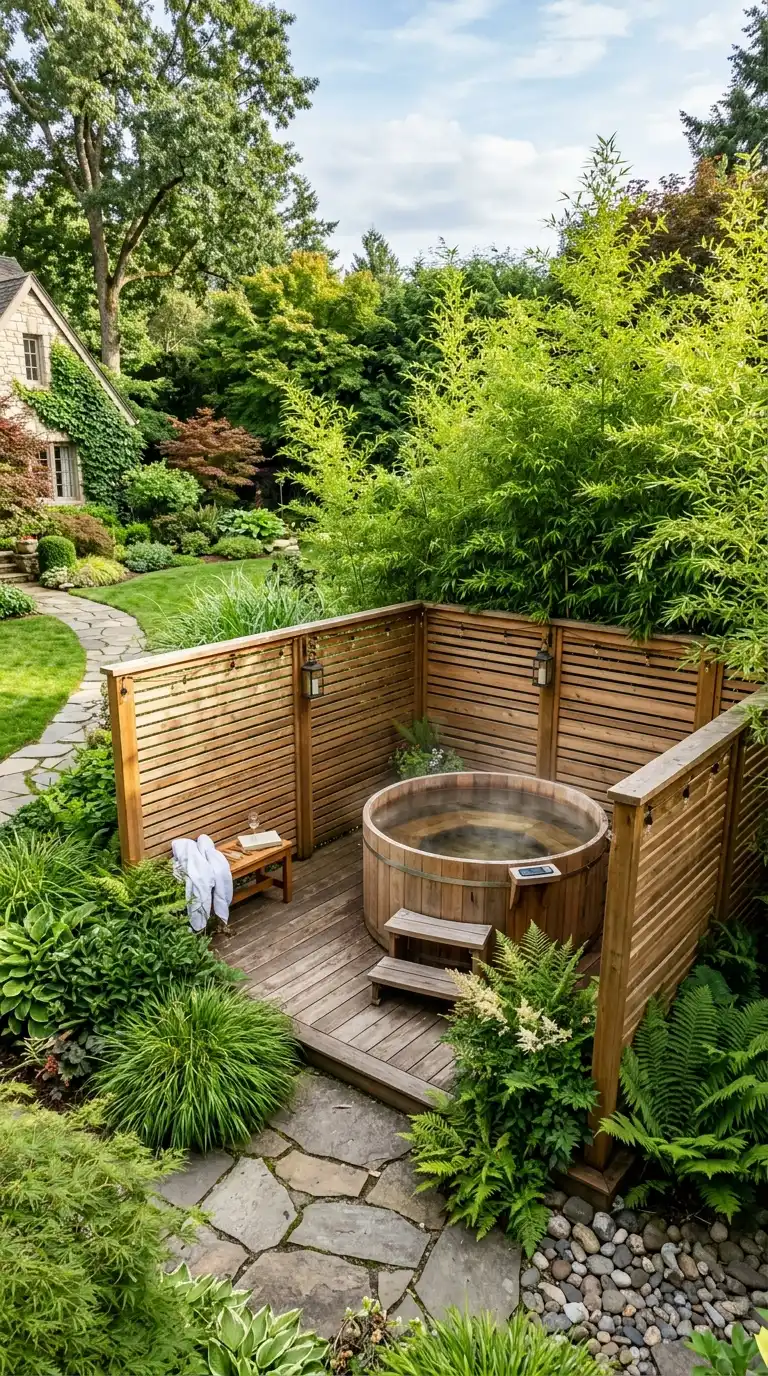
12 Fire Pits Backyard Ideas
A fire pit transforms a backyard into a cozy gathering place—a spot for conversation, storytelling, and making memories under the stars. Whether you prefer a rustic wood-burning pit, a sleek gas-powered design, or a portable fire bowl, the right fire pit becomes the heart of your outdoor living space. From material choices and seating arrangements to landscaping and lighting, here are twelve fire pit backyard ideas to inspire your next project.
1. Built-In Stone Fire Pit
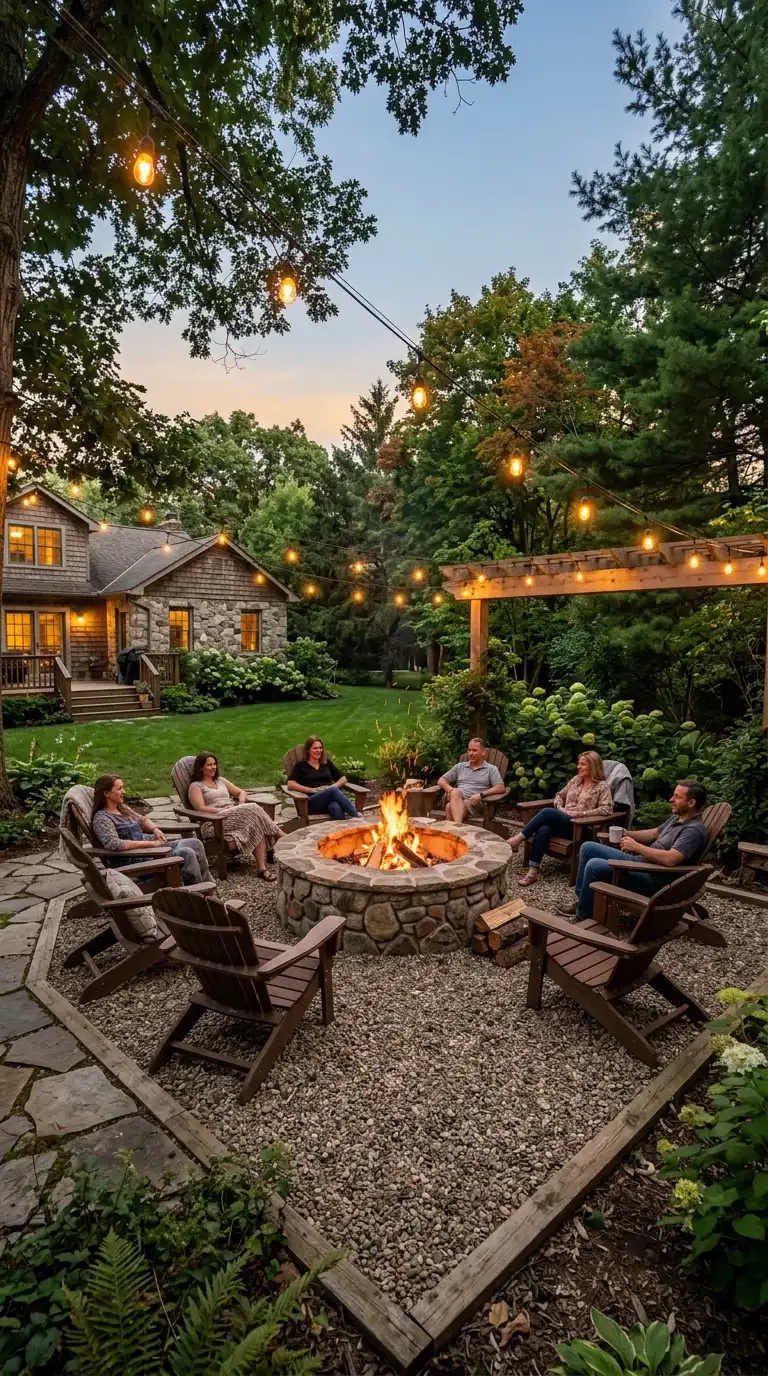
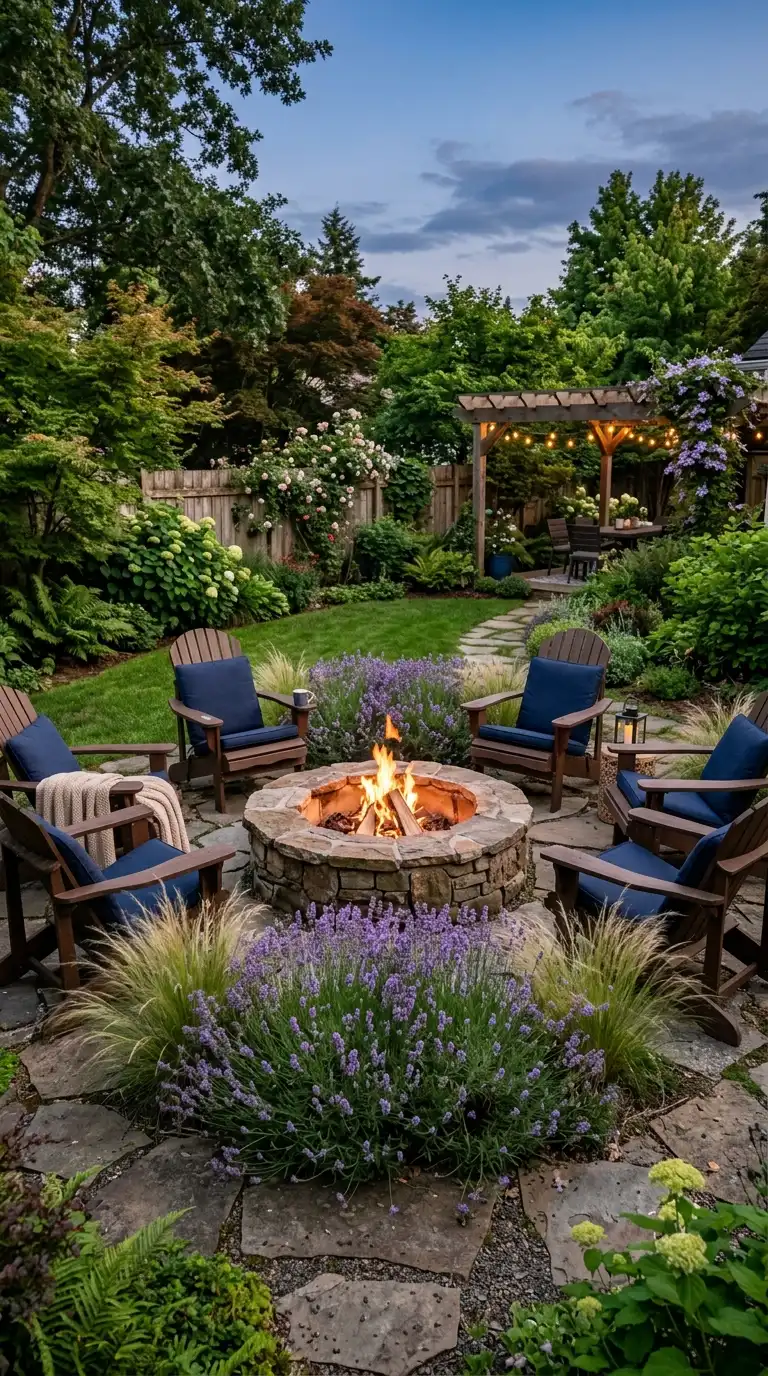
A built-in stone fire pit creates a permanent, rustic focal point in your backyard. Use natural stone like fieldstone, flagstone, or river rock to construct a circular or square pit. The organic texture and earthy tones blend seamlessly with the landscape. Surround the pit with a stone patio or gravel, and arrange comfortable seating around it. A built-in stone fire pit adds timeless charm and becomes a natural gathering spot.
2. Modern Concrete Fire Pit
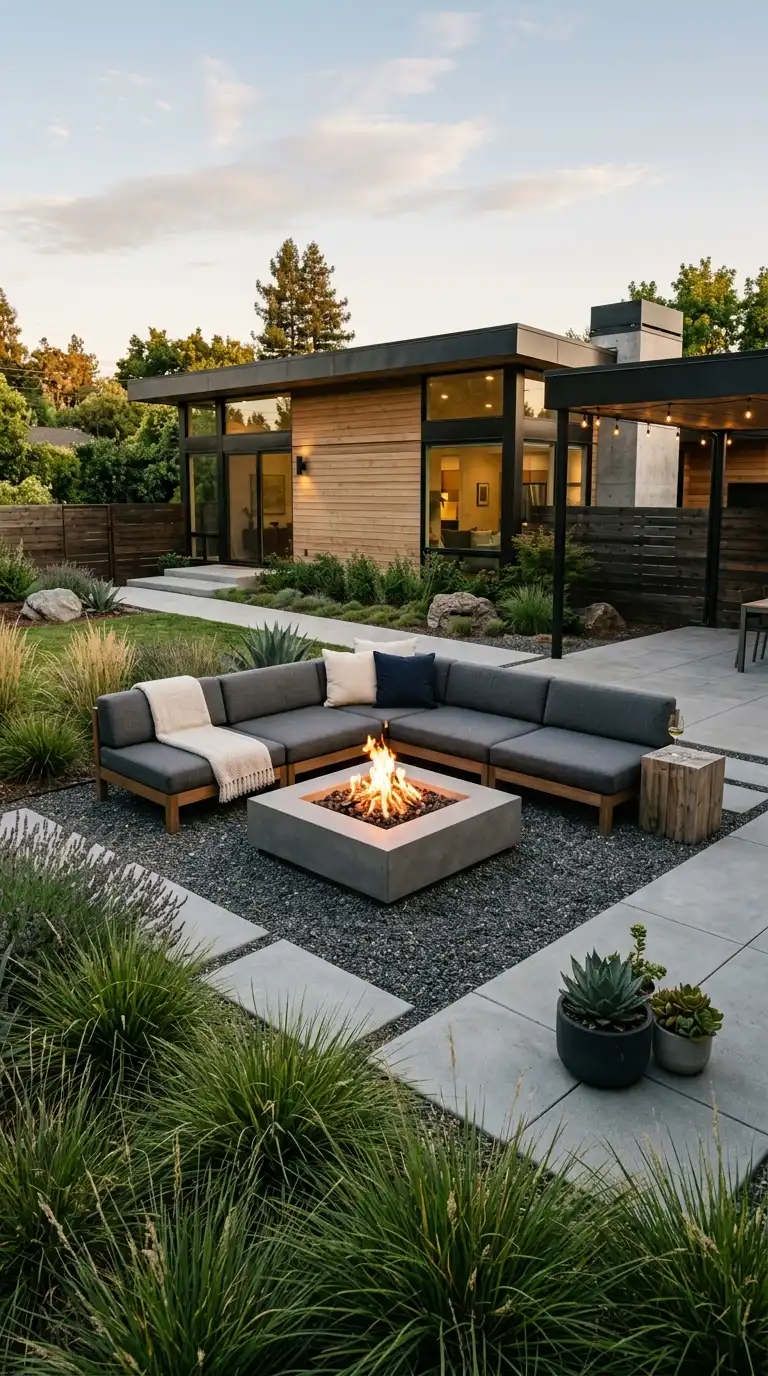
A modern concrete fire pit offers clean lines and a sleek, minimalist aesthetic. Choose a square or rectangular shape for a contemporary look, and use smooth, finished concrete for the structure. Pair it with modern furniture—low-profile sofas, geometric chairs, and minimalist side tables. The simplicity of the concrete allows the fire to take center stage, creating a sophisticated gathering spot.
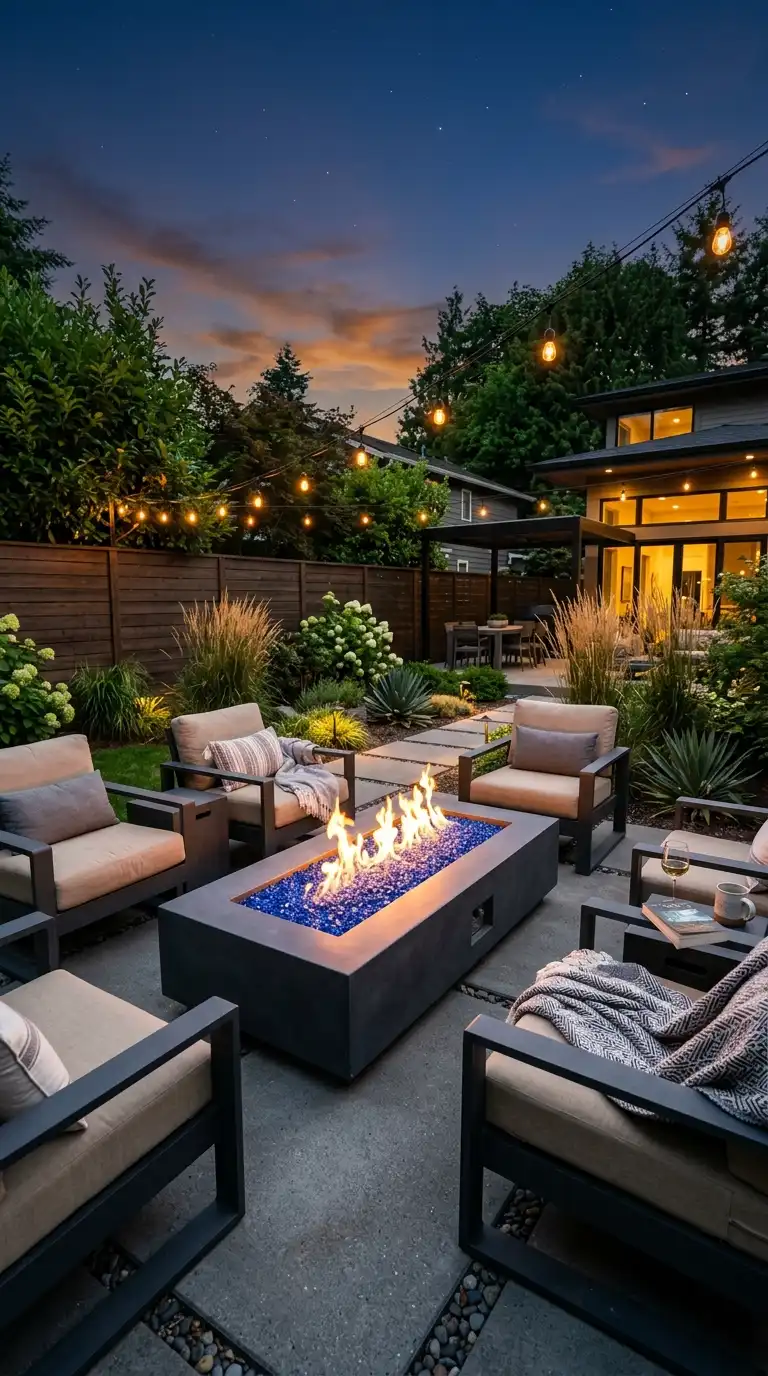
3. Gas Fire Pit with Glass Stones
A gas fire pit offers convenience and control, with no wood to chop, stack, or clean up. Use fire glass stones in vibrant colors—cobalt blue, amber, or clear—to add a modern, elegant touch. The glass reflects the flames and creates a beautiful, luminous effect. Gas fire pits can be built-in or freestanding, and they can be easily turned on and off with a switch or remote.
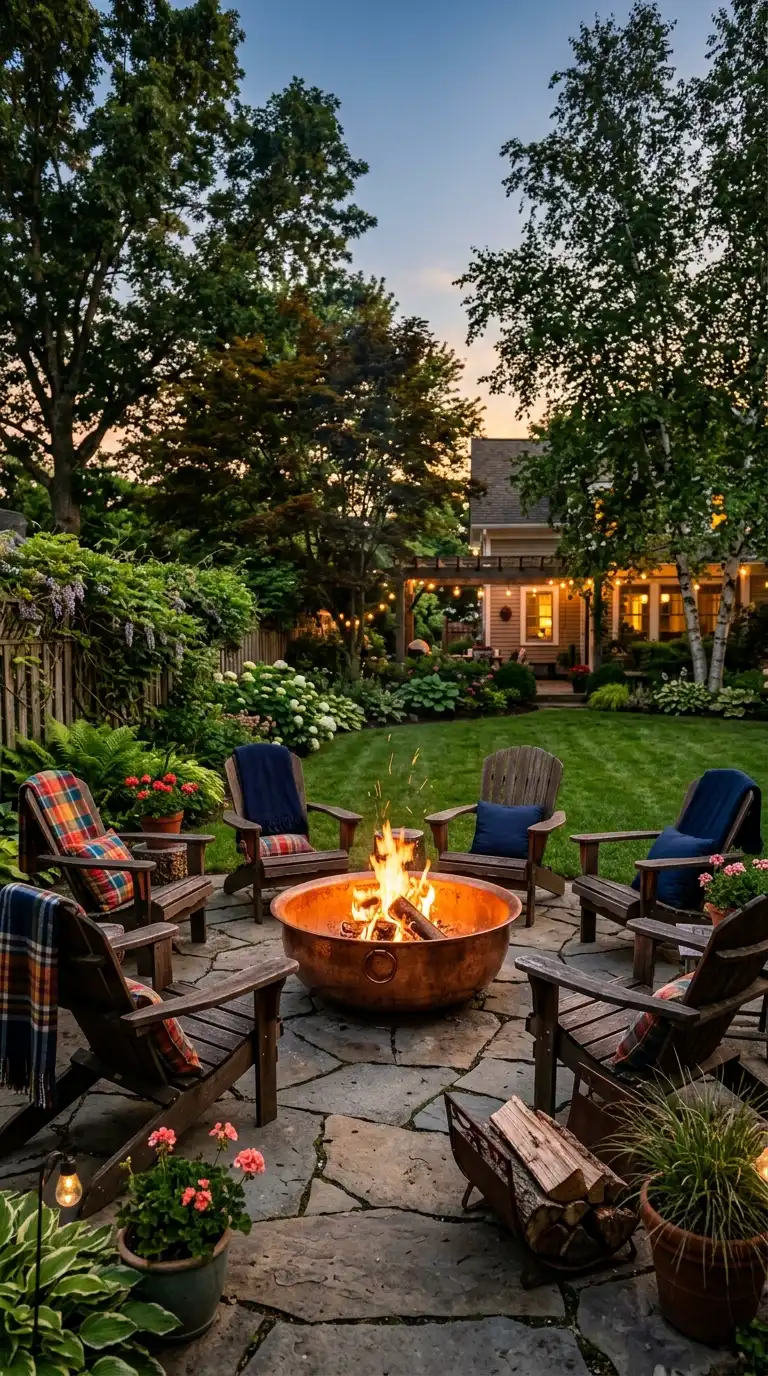
4. Copper Fire Bowl
A copper fire bowl adds warmth, elegance, and a touch of rustic charm. The natural patina of copper ages beautifully over time, developing a unique character. Place a copper bowl on a stone or gravel base, and surround it with comfortable seating. The reflective surface catches the firelight, adding warmth and ambiance to evening gatherings.
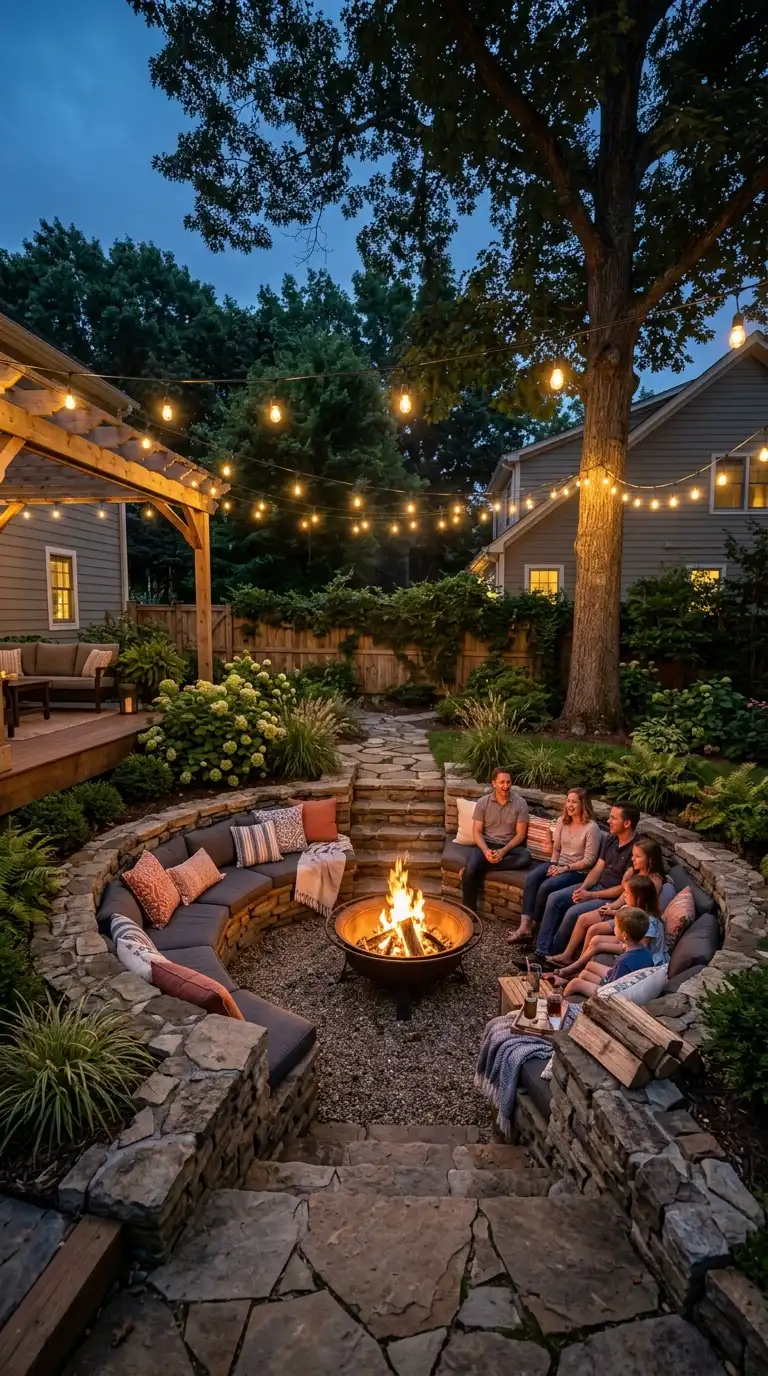
5. Sunken Fire Pit Seating Area
Create an intimate, protected gathering space by sinking your fire pit into a recessed seating area. Build a circular or square pit at the center, and surround it with built-in stone or concrete benches. The sunken design creates a sense of enclosure and intimacy, making the space feel like a cozy outdoor room. Add cushions and pillows for comfort, and use lighting to highlight the architectural detail.
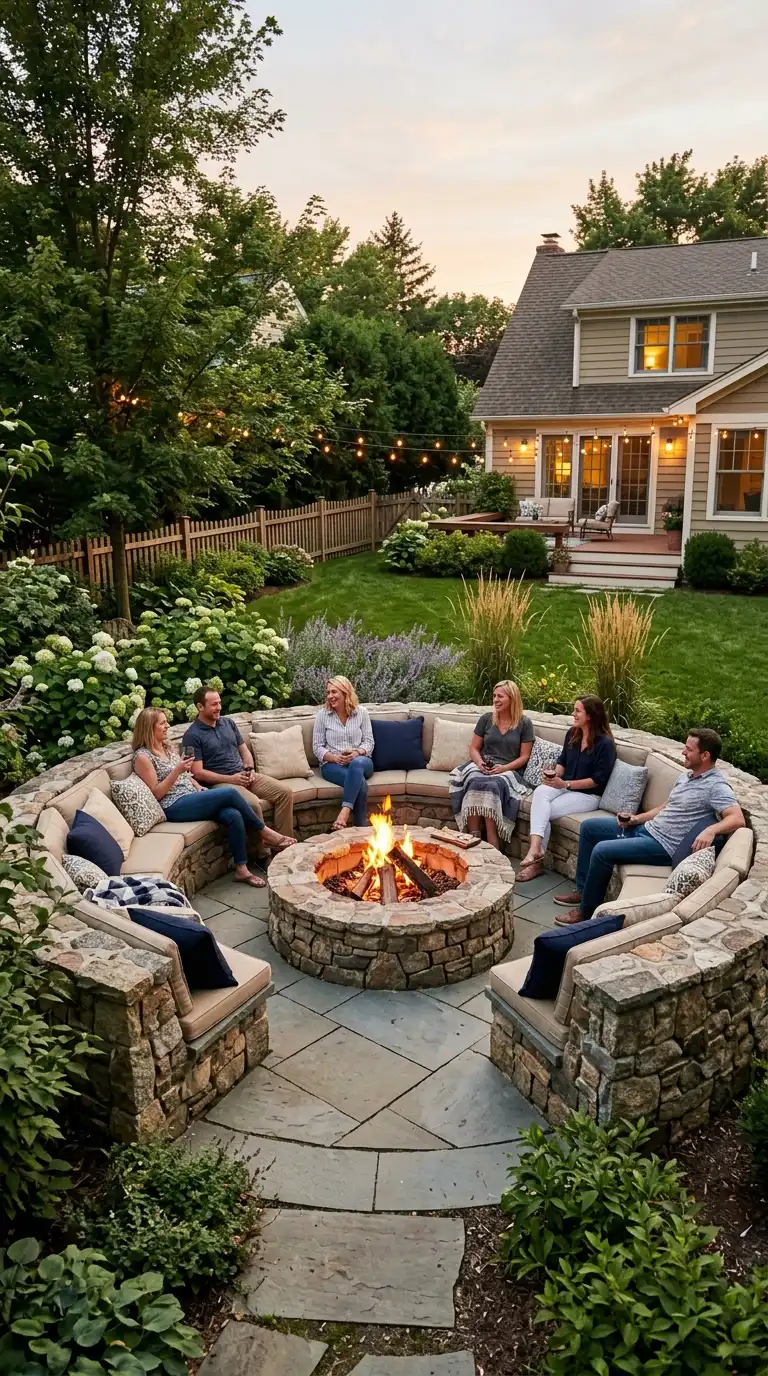
6. Fire Pit with Integrated Seating
Design a fire pit with integrated seating for a seamless, cohesive look. Use the same materials for the pit and the surrounding benches—stone, concrete, or brick. The seating can be built in a curve or circle around the fire, maximizing space and creating a unified design. Integrated seating eliminates the need for separate furniture and creates a clean, architectural aesthetic.
7. Portable Fire Pit
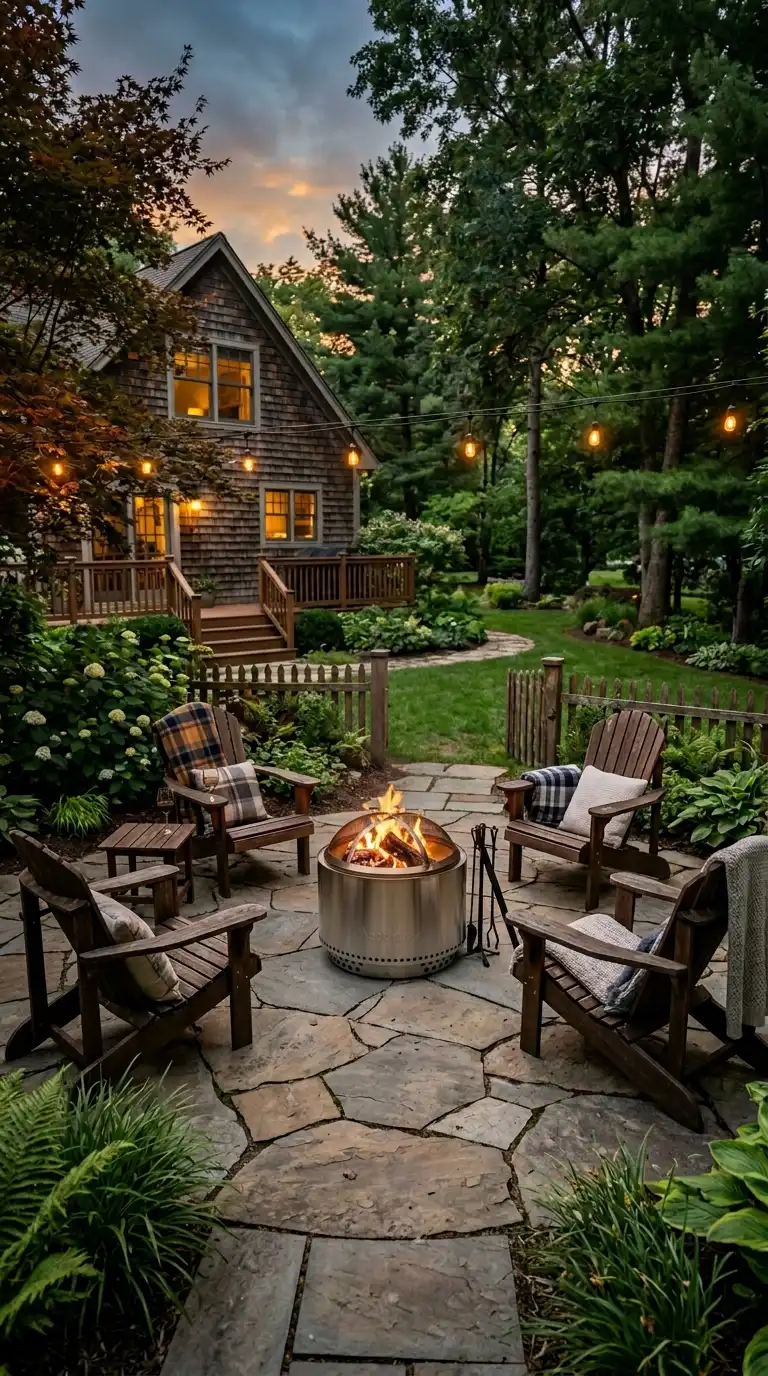
A portable fire pit offers flexibility and versatility. Choose a metal bowl on a stand, a ceramic chiminea, or a compact steel pit that can be moved to different areas of your yard. Portable fire pits are ideal for smaller spaces, rental properties, or for those who like to rearrange their outdoor layout. They can be stored when not in use and taken on camping trips.
8. Fire Pit with Water Feature
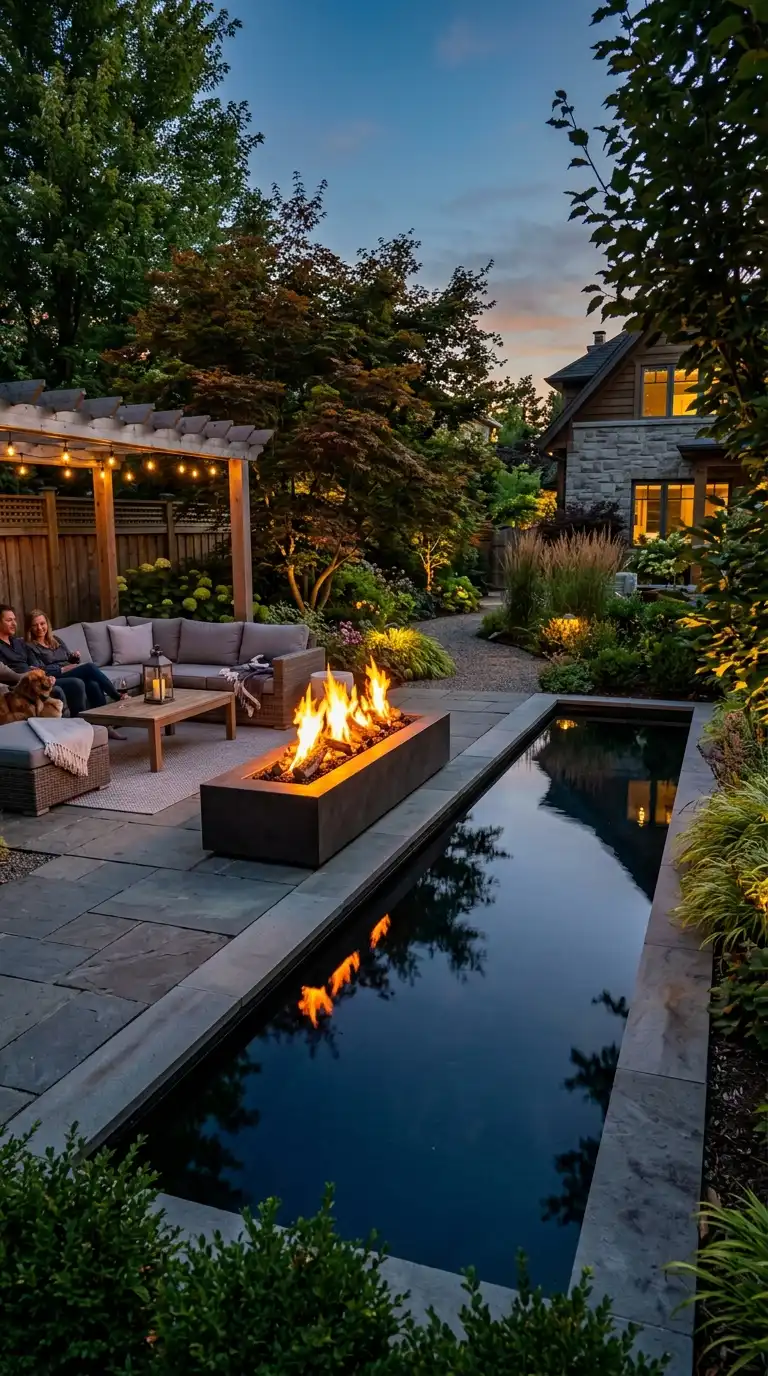
Combine fire and water for a dramatic sensory experience. Position a fire pit adjacent to a water feature—a small pond, fountain, or reflecting pool. The contrast of fire and water creates visual interest, and the sound of flowing water adds tranquility. This combination is especially striking in modern or Asian-inspired landscapes.
9. Fire Pit with Pergola
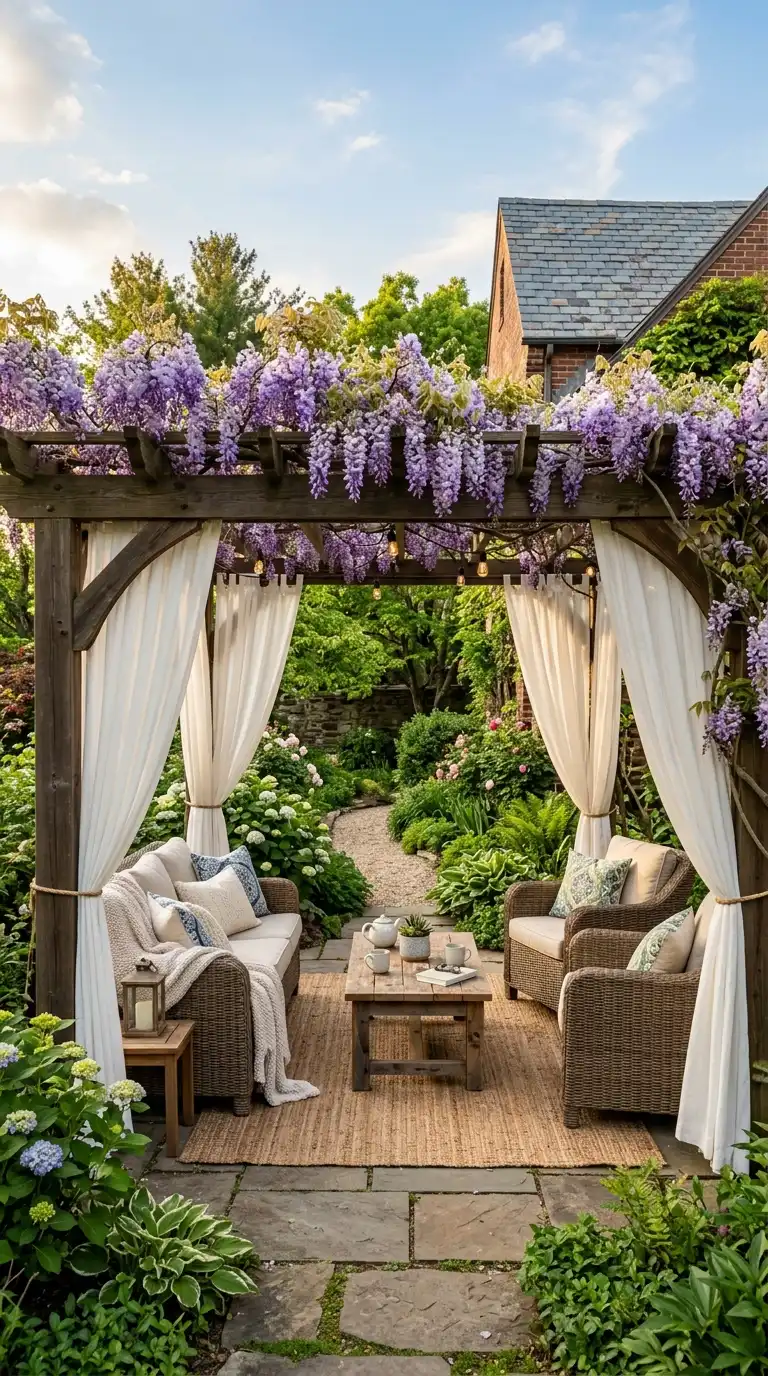
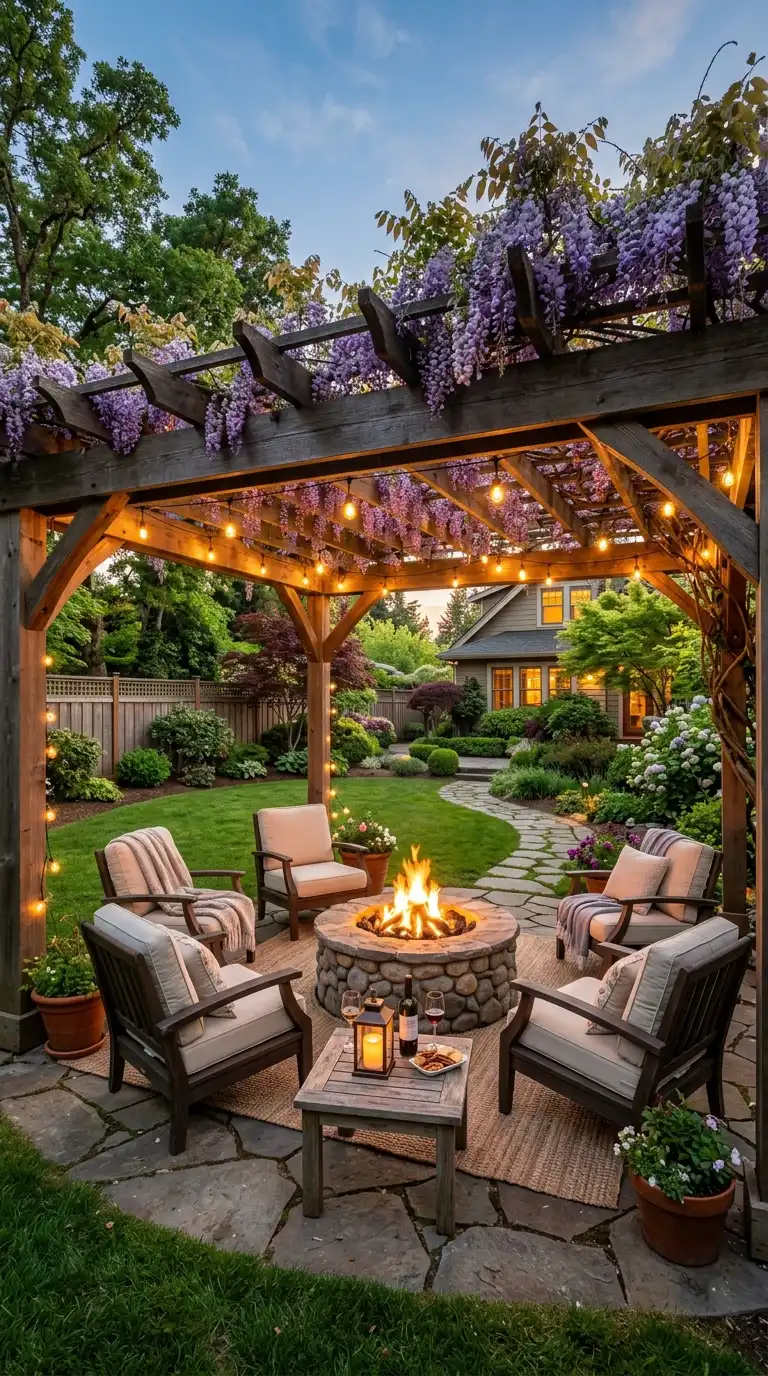
Add a pergola over your fire pit to create a defined outdoor room and provide shade and shelter. The pergola frames the space and can be used to hang string lights, lanterns, or even a chandelier for added ambiance. Climbing vines like wisteria or jasmine can soften the structure and add fragrance. A pergola makes the fire pit area usable in all weather and adds architectural interest.
10. Fire Pit with Gravel or Stone Base
A gravel or stone base defines the fire pit area and creates a clean, low-maintenance surface. Use crushed stone, pea gravel, or decomposed granite in a circular or square pattern around the pit. The gravel allows for easy drainage and prevents weeds, and it provides a stable surface for seating. Combine with stone pavers or a wood deck for added interest.
11. Fire Pit with Landscaping
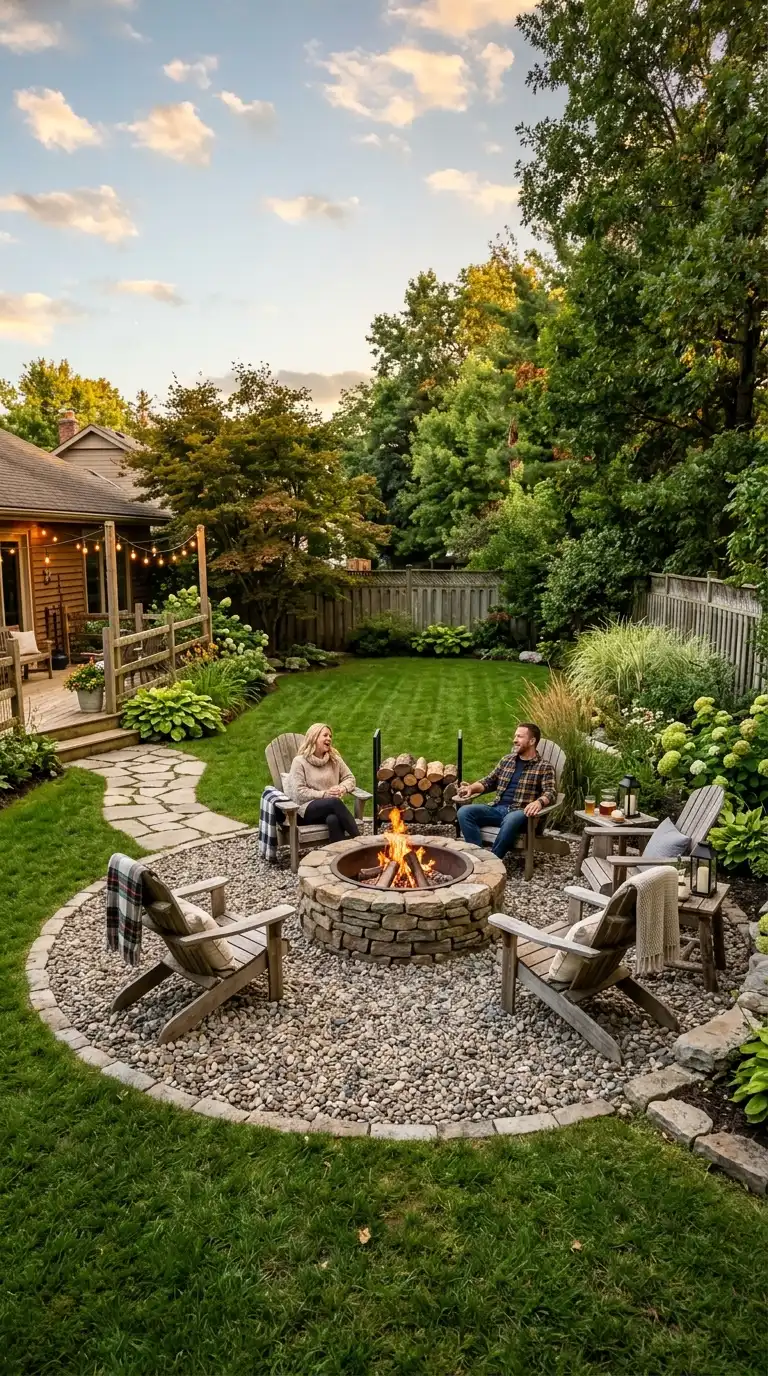
Integrate your fire pit into the landscape with thoughtful planting. Surround the pit with low-growing plants, ornamental grasses, or flowering perennials to soften the hardscape and create a natural transition. Use plants that are fire-resistant and non-flammable, and keep them at a safe distance from the flames. The planting adds color, texture, and a sense of enclosure.
12. Fire Pit with Outdoor Kitchen
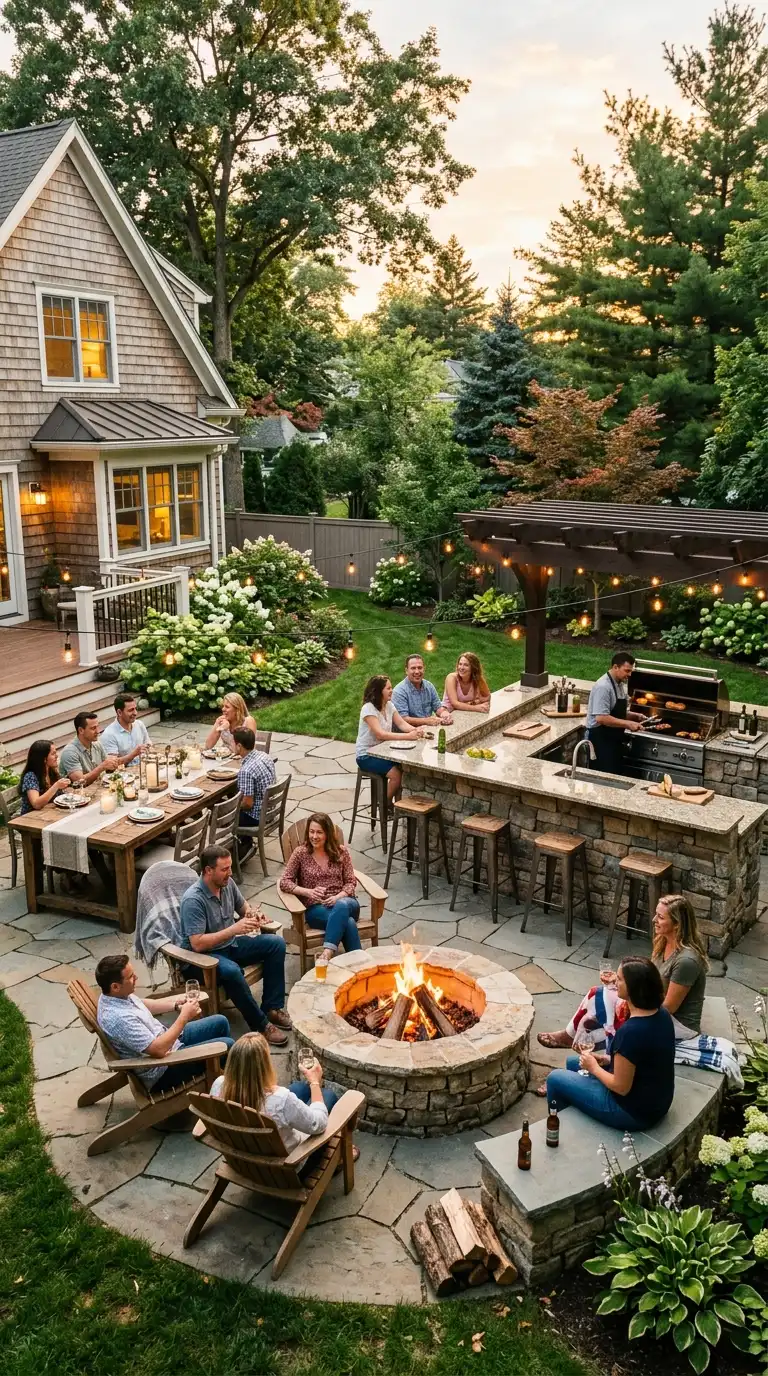
Create an entertainment hub by combining a fire pit with an outdoor kitchen. Position the fire pit near a built-in grill, bar, and dining area, creating a seamless flow for cooking, eating, and relaxing. The fire pit becomes a gathering spot for guests while the cook prepares meals, and it adds warmth and ambiance for evening entertaining.
Conclusion
A fire pit is more than a source of warmth—it is a gathering place, a focal point, and an invitation to linger outdoors. Whether you choose a rustic built-in stone pit, a sleek modern concrete design, a convenient gas fire pit with glass stones, or a portable bowl for flexibility, the right fire pit transforms your backyard into a cozy retreat. By incorporating comfortable seating, thoughtful landscaping, and complementary features like pergolas or outdoor kitchens, you can create a fire pit area that becomes the heart of your outdoor living space—a place for conversation, connection, and making memories under the stars.