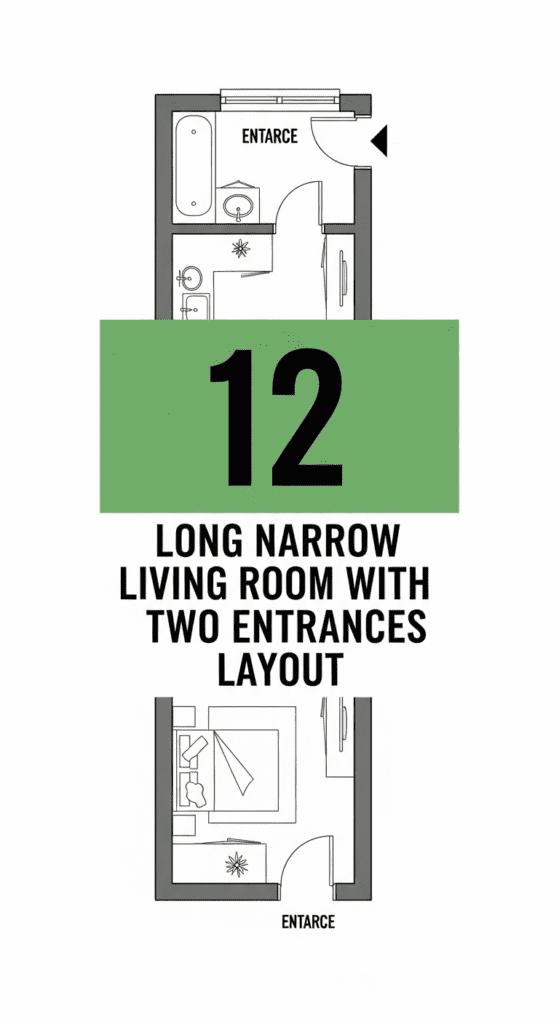
12 Long Narrow Living Room with Two Entrances Layout
Long narrow living room with two entrances layout presents unique challenges when traffic flows through from multiple directions. Smart furniture placement maintains clear pathways while creating functional living zones. Here are twelve effective layouts for double-entry narrow living rooms.
See also: Guest Bedroom Basket Ideas 9 Ways to Organize With Texture
1. Central Floating Furniture
Float furniture in the center with clear pathways along both long walls.
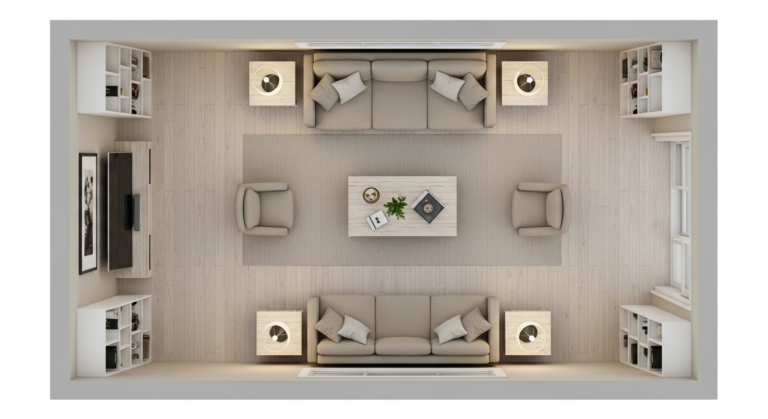
Position sofa and chairs in middle of room away from walls. This leaves corridors on both sides for traffic between entrances. The floating arrangement creates an intentional living zone.
See also: Minimalist Guest Bedroom Designs 13 Ways to Master the Art of Less Is More
2. Perpendicular Sofa Between
Place sofa perpendicular across the width between the two entrances.
Position sofa running across room width, creating natural division of traffic flow. Place coffee table and chairs on one side. Traffic flows around the sofa grouping rather than through it.
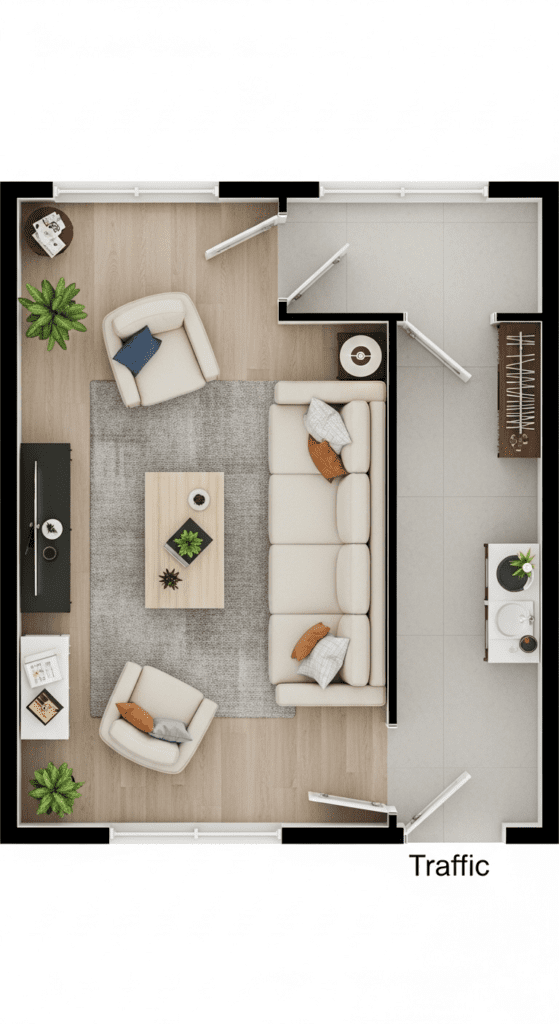
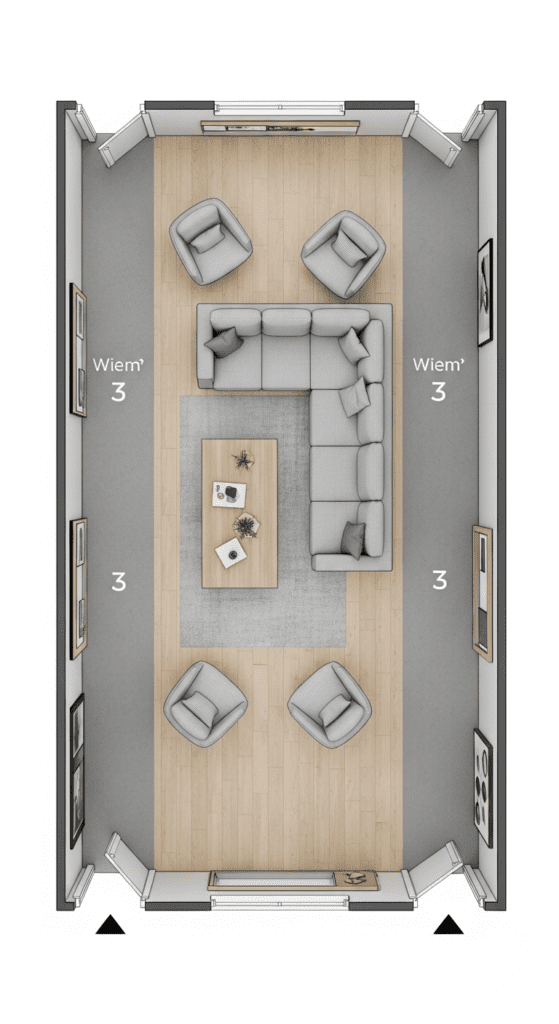
3. L-Shaped Corner Placement
Anchor L-shaped sectional in corner away from both entrance paths.
Position sectional in corner farthest from doorways. This keeps seating area separate from traffic flow between entrances. Clear pathways remain on opposite side.
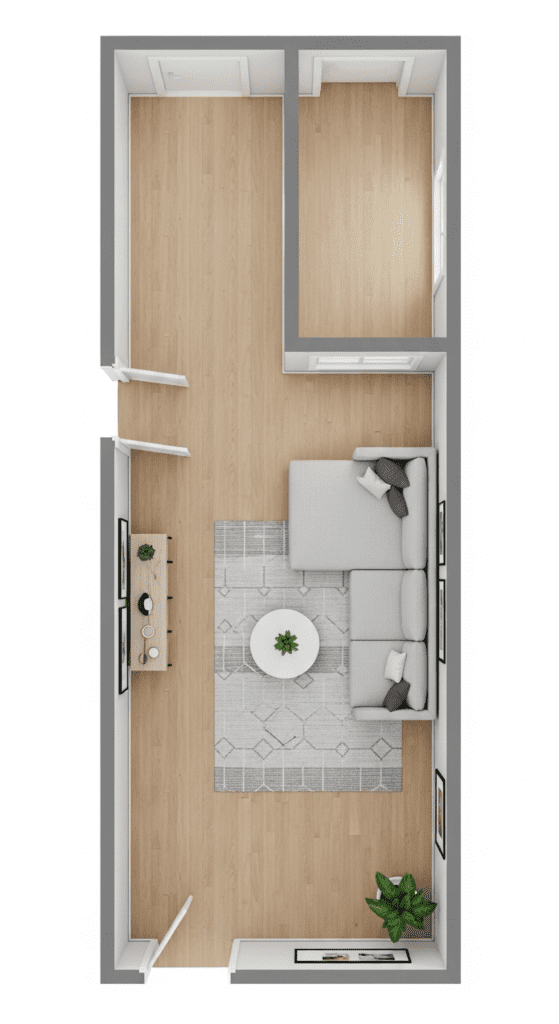
4. Diagonal Traffic Flow
Arrange furniture diagonally to create interesting traffic pattern between entrances.
Position sofa at angle with chairs complementing the diagonal. Traffic flows naturally at angles around furniture rather than straight through. Creates dynamic visual interest.
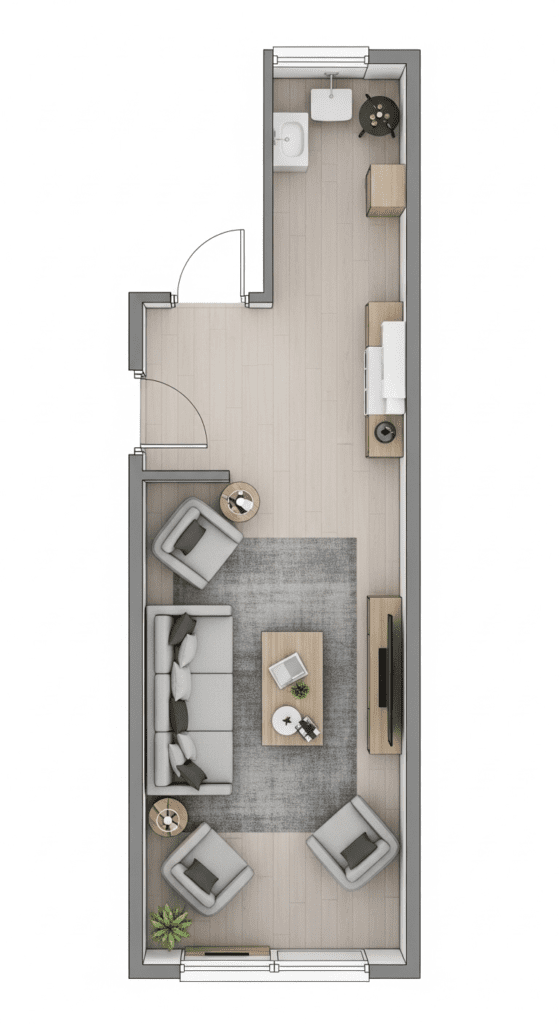
5. Back-to-Back Seating
Use two sofas or sofa and console back-to-back creating central division.
Position seating furniture back-to-back down the center. Traffic flows on either side. This creates two distinct zones on each side if needed, or simply divides traffic from seating.
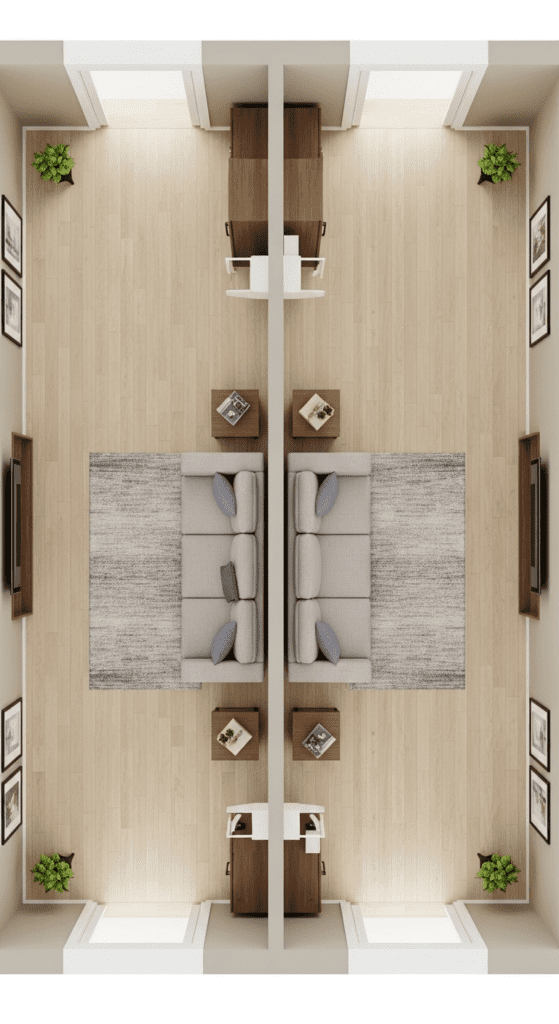
6. Minimal Pathway Design
Keep furniture absolutely minimal with maximum open floor space for traffic.
Use only small loveseat, two chairs, and minimal coffee table. Position furniture to one side leaving majority of floor clear. Prioritizes traffic flow over abundant seating.
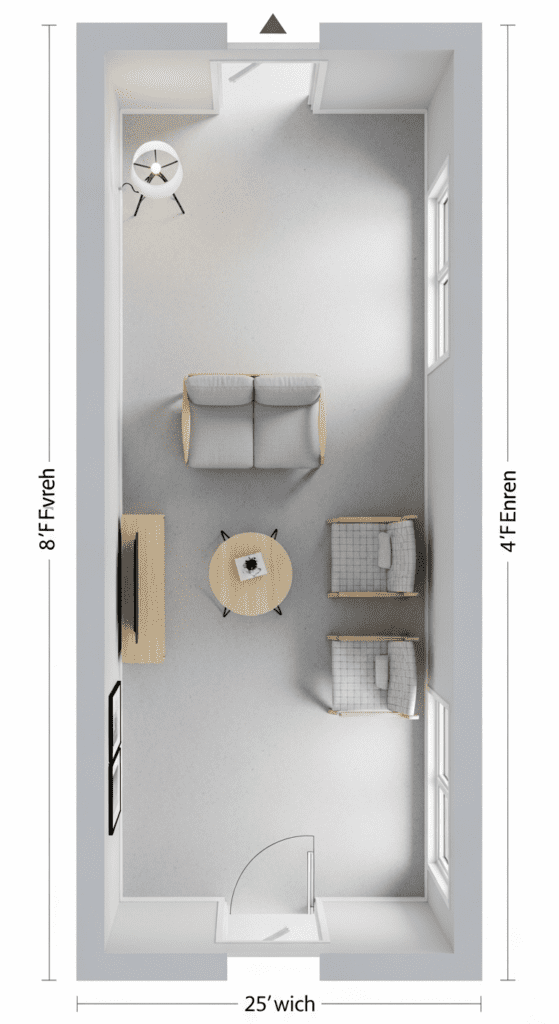
7. Rug-Defined Safe Zone
Create clear furniture zone on area rug separate from traffic paths.
Place large area rug in center or to one side with all furniture on rug. Keep areas near both doorways clear on hardwood. The rug visually defines living zone separate from traffic.
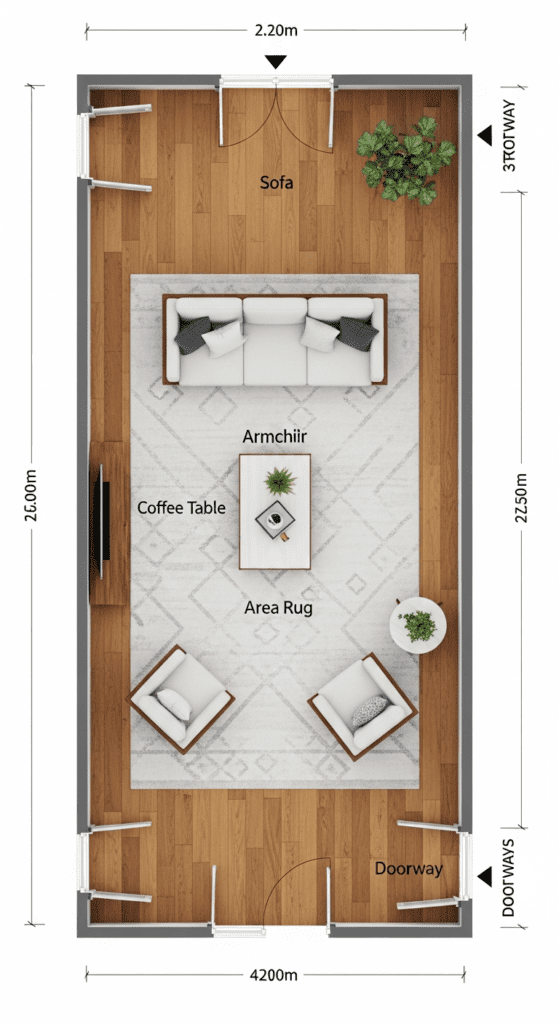
8. One-Side Linear Arrangement
Line all furniture along one long wall leaving opposite wall completely clear.
Position sofa, console, and storage along one wall. Keep entire opposite wall open for unobstructed traffic between entrances. Works in high-traffic narrow spaces.
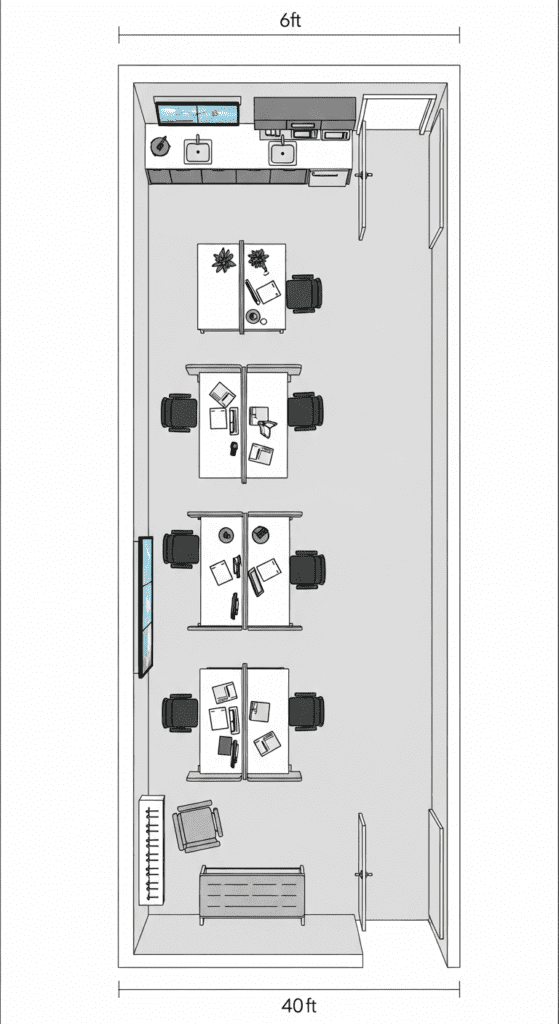
9. Doorway-Flanking Symmetry
Position matching furniture flanking each doorway symmetrically.
Place console table or small cabinet near each entrance with matching elements. Living furniture sits in middle section. The symmetry creates intentional frame for both entrances.
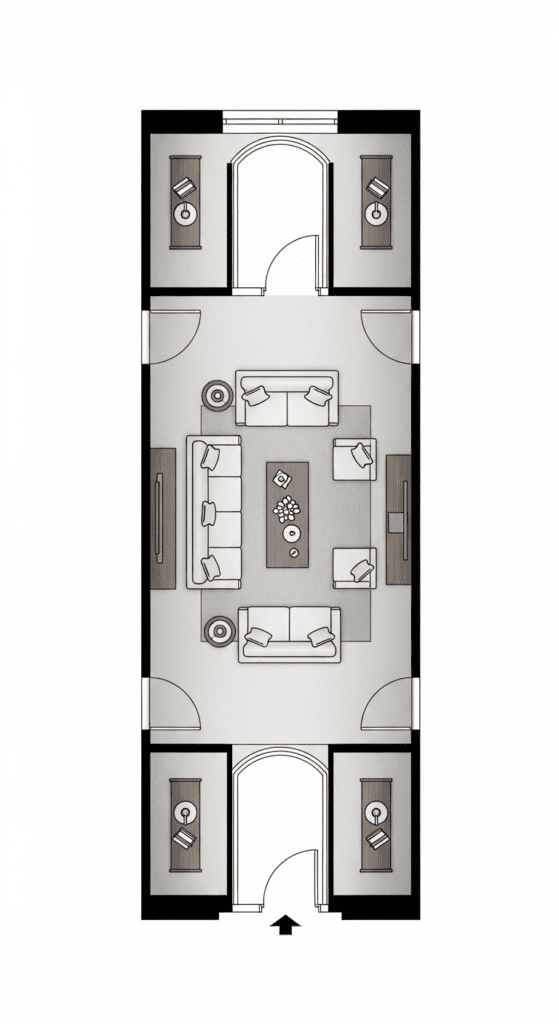
10. Curved Pathway Design
Arrange furniture to create curved traffic flow between entrances.
Position sofa and chairs so traffic naturally curves around grouping rather than cutting straight through. The curved path feels more natural and protects seating area.
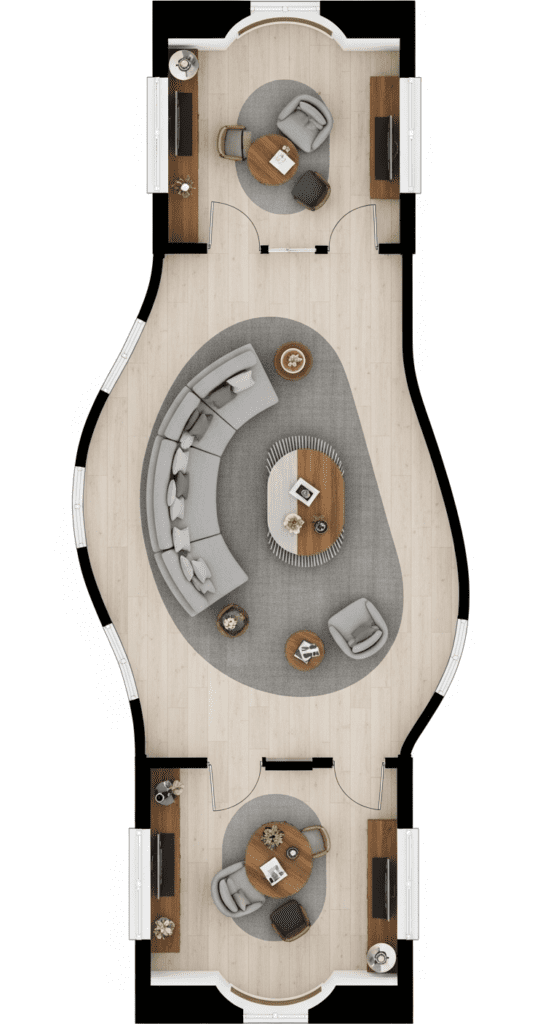
11. Islands of Furniture
Create small furniture islands with pathways weaving between them.
Use sofa as one island, chairs and coffee table as another, leaving clear paths between. This modular approach works in wider narrow rooms where traffic can navigate around clusters.
Image Prompt: Modular narrow living room with furniture in island clusters, clear pathways weaving between, sofa island and chair island, traffic navigating between, creative flexible layout
12. Priority Seating Placement
Determine primary entrance and arrange furniture facing away from it.
Identify which doorway has more traffic. Position seating facing away from that entrance, toward the secondary entry. This minimizes disruption to seated occupants from main traffic.
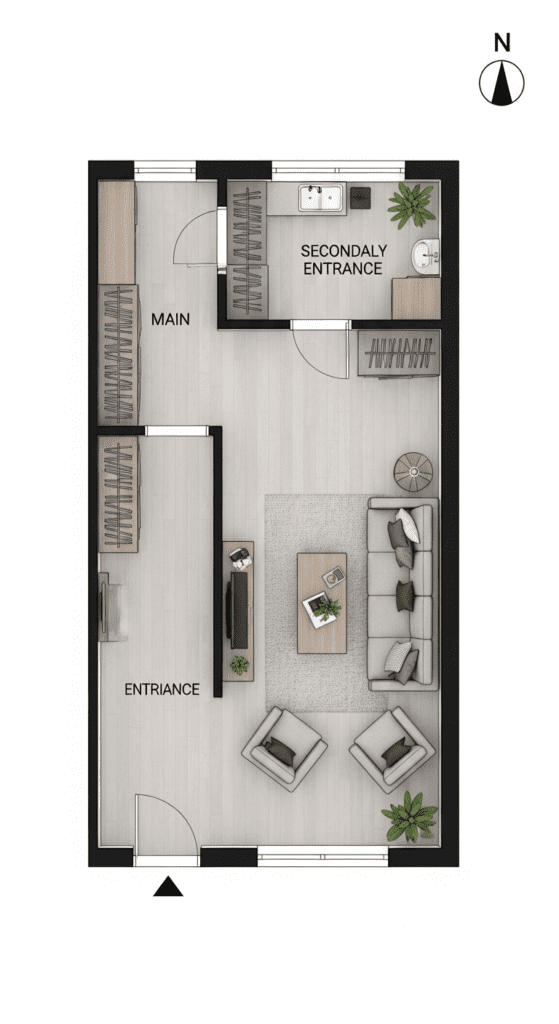
Two-Entrance Layout Quick Tips
Map Traffic First: Before placing any furniture, identify main traffic patterns between the two entrances. Design around these flows.
Maintain 36″ Clearance: Keep minimum 36 inches clear for comfortable passage between doorways. High-traffic areas need more.
Consider Door Swings: Account for how doors open. Furniture can’t block door arcs or impede entry/exit.
Prioritize Pathways: In two-entrance rooms, traffic flow takes priority over maximizing seating. Accept less furniture for better flow.
Visual Cues: Use rugs, lighting, or low furniture to create visual pathways guiding traffic away from seating areas.
Durable Choices: High-traffic areas need durable furniture and materials. Opt for performance fabrics and sturdy construction.
Two-entrance narrow living rooms require careful planning, but smart layouts create functional spaces that handle traffic while maintaining comfortable living areas!