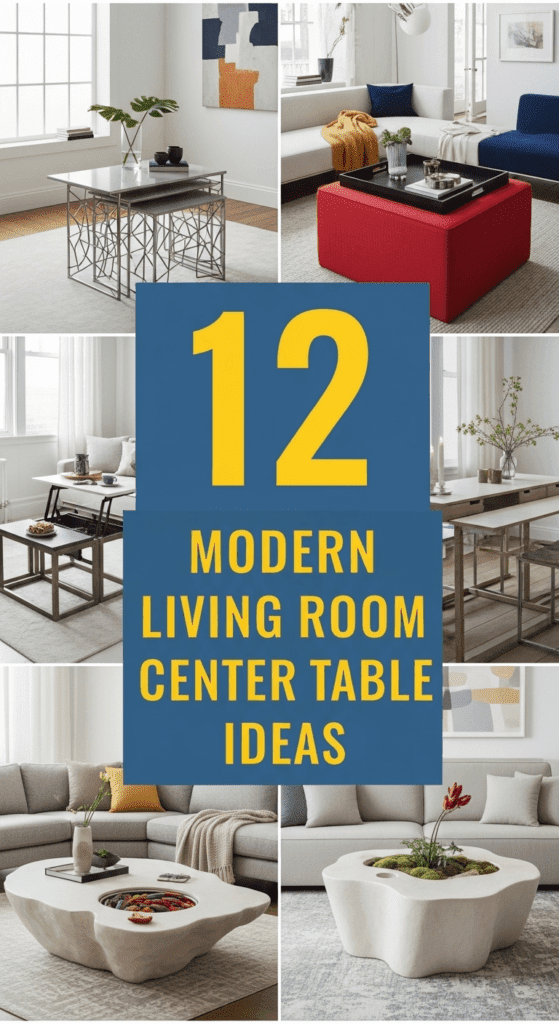
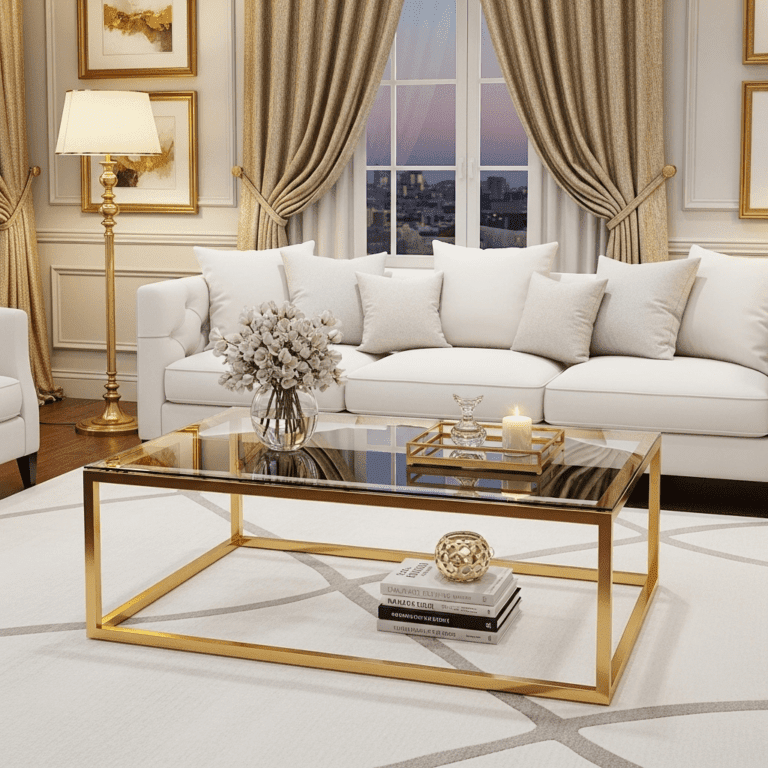
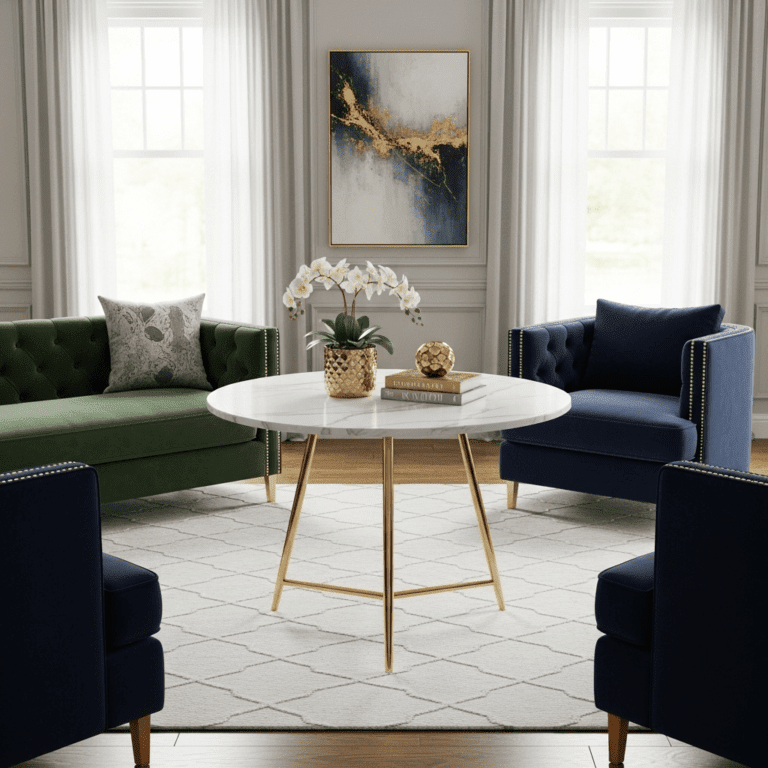
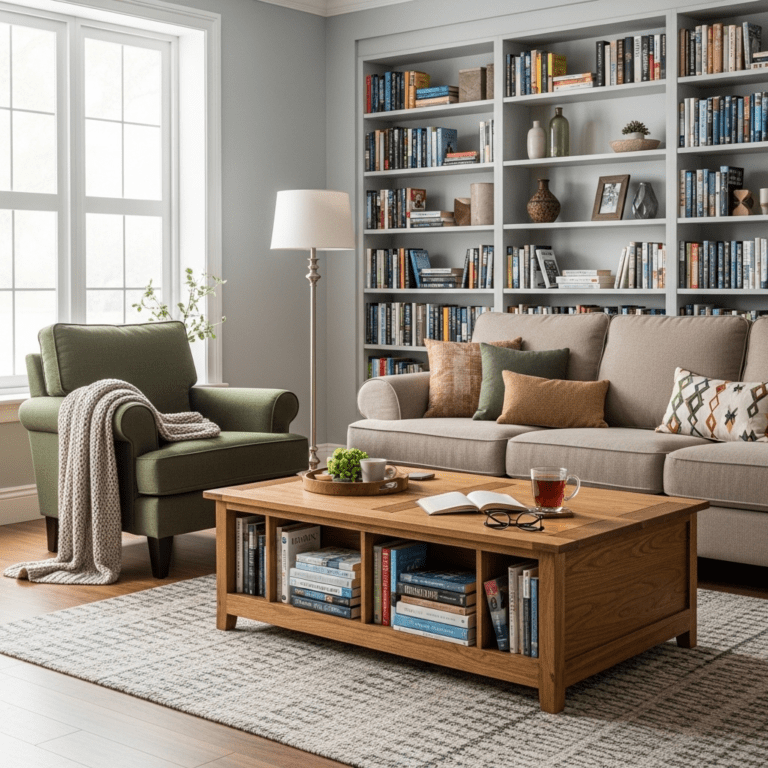
12 Modern living room center table ideas
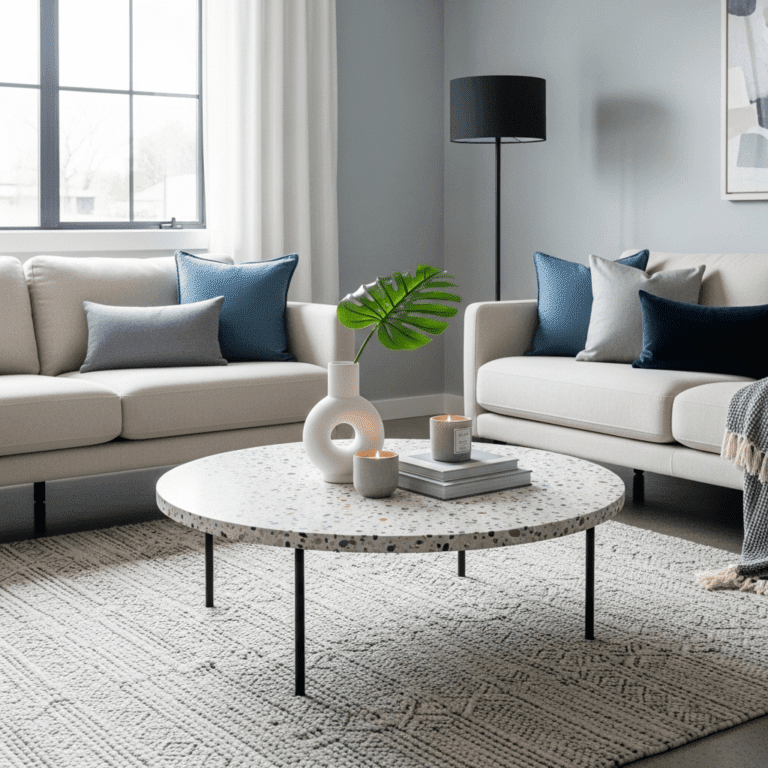
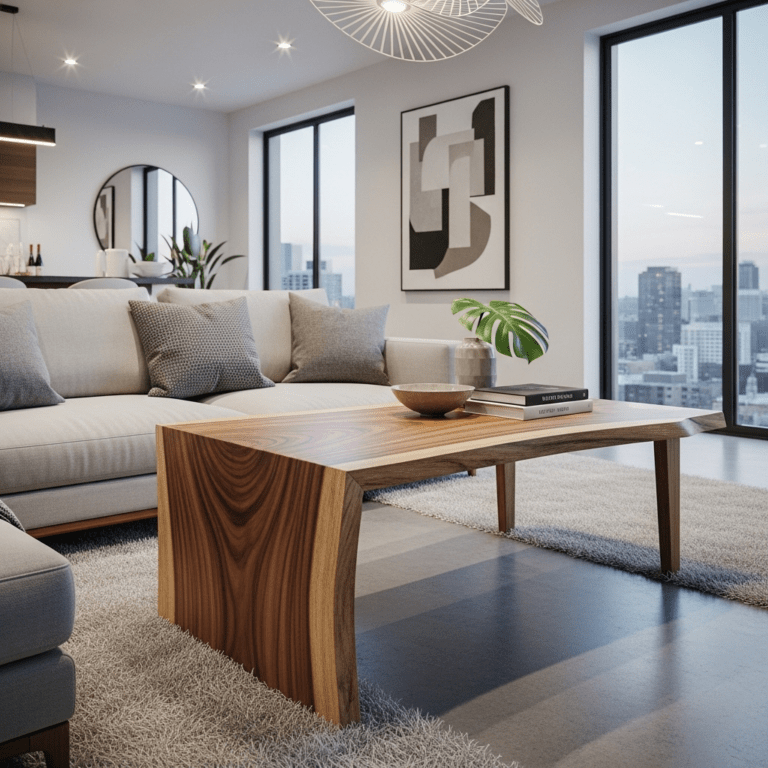
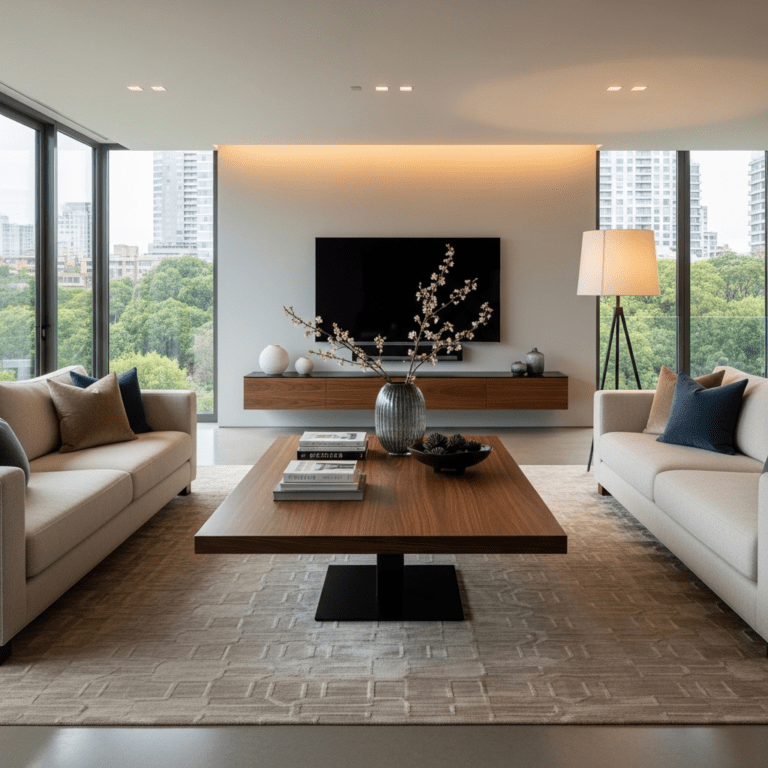
Modern living room center table ideas focus on the intersection of “sculptural form” and “tactile materiality,” moving beyond simple utility to become a defining piece of architecture within the home. In a contemporary space, the center table is often used to break up the linear nature of a sofa through the introduction of organic shapes, “mixed-media” finishes, and unexpected proportions. By balancing “visual weight”—choosing between the transparency of glass or the grounded presence of solid stone—you can influence the perceived size and energy of your seating area. Here are 12 ideas to anchor your modern living room.
See also: 15 Small Apartment Living Room Cozy Ideas Maximizing Comfort and Style
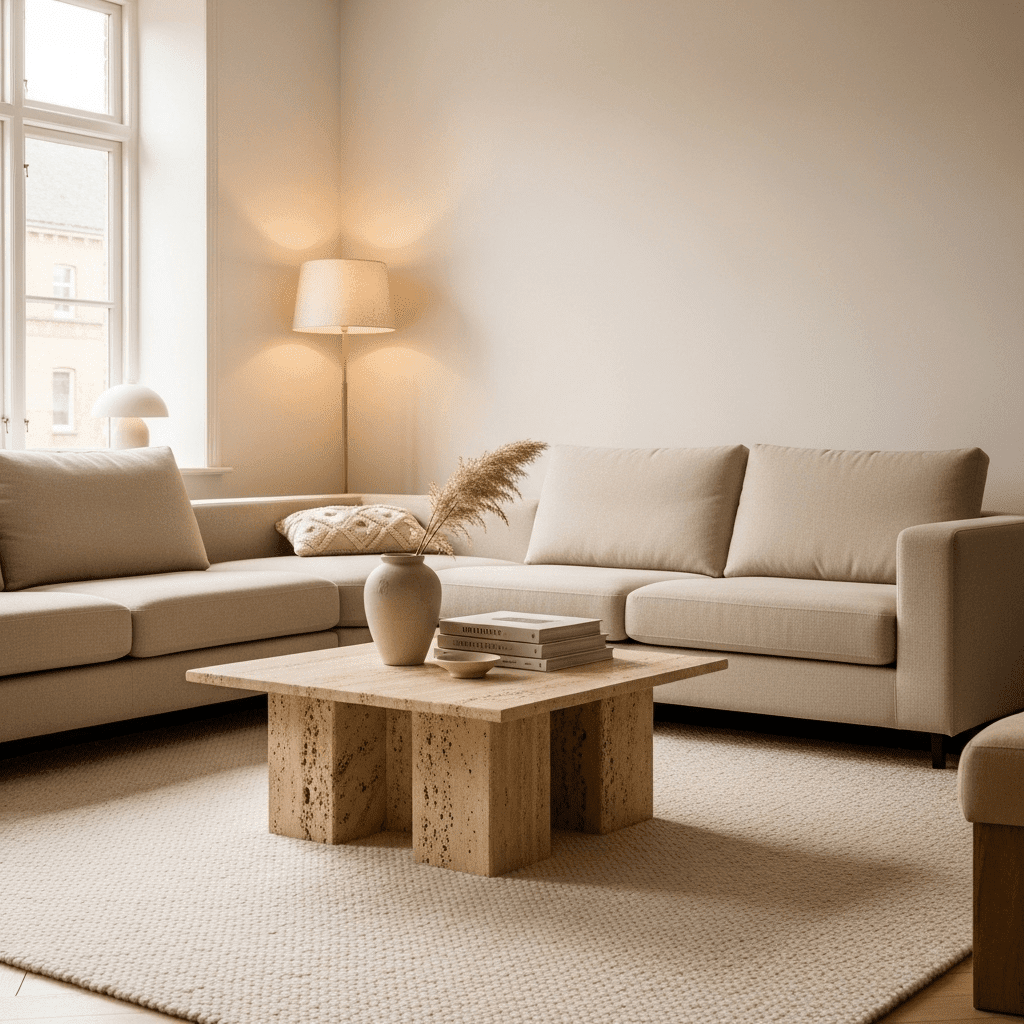
1. The Monolithic Travertine Block
Modern living room center table ideas have embraced the “raw stone” movement. A solid, low-slung block of travertine provides a porous, matte texture that feels ancient yet perfectly suited for a minimalist, warm-neutral environment.
See also: 18 Farmhouse Small Living Room Design Rustic Charm in Compact Dimensions
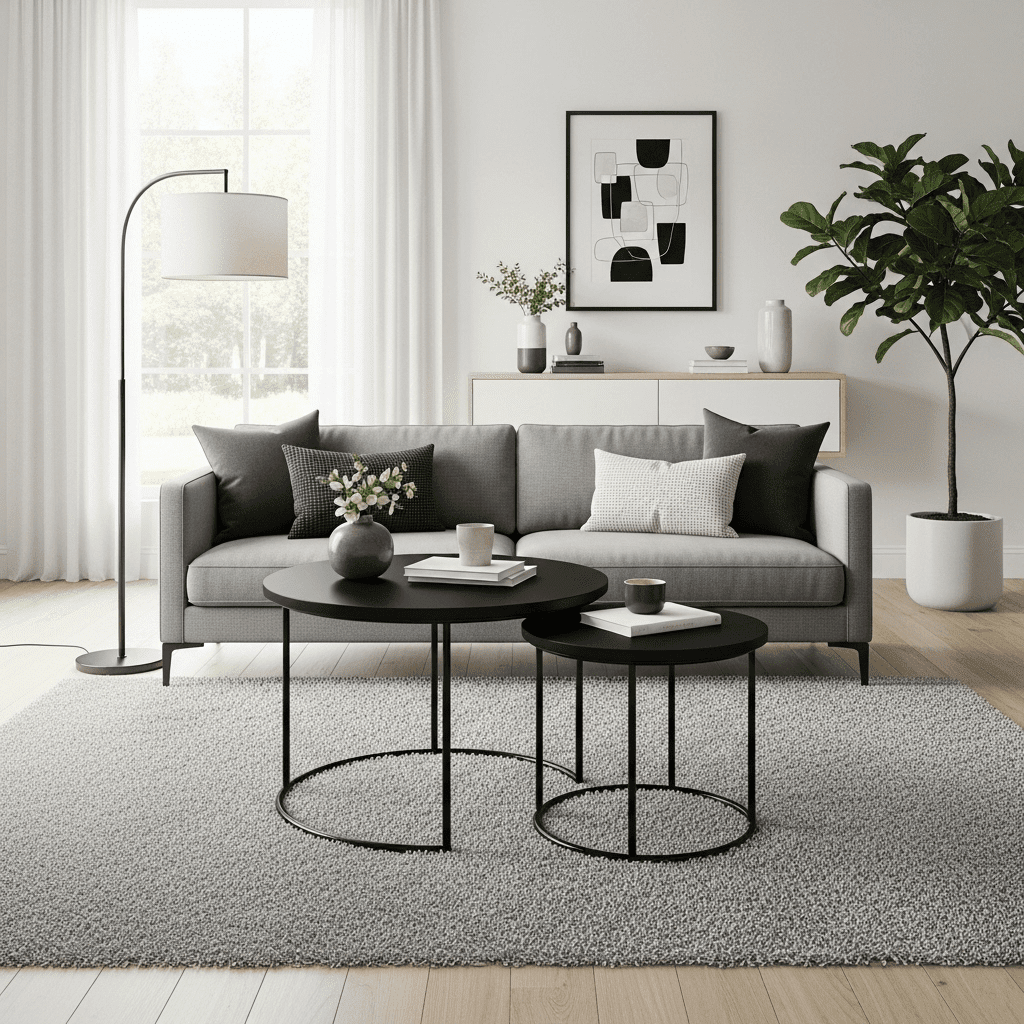
2. The Black Metal Nesting Pair
Modern living room center table ideas utilize “nesting” sets to create a versatile footprint. A set of two circular tables in matte black steel offers a sharp, industrial contrast that can be expanded to serve guests or tucked together for a clean look.
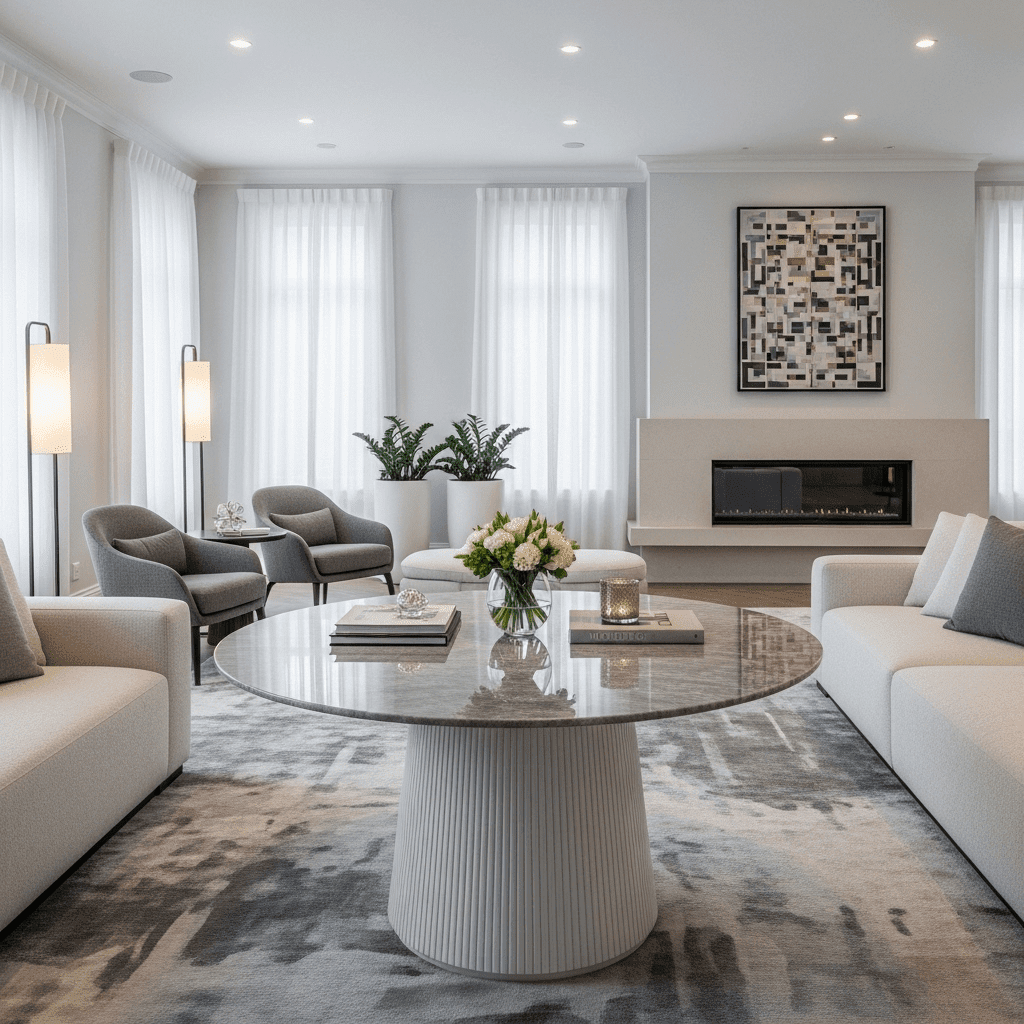
3. Fluted Plinth with Marble Top
Modern living room center table ideas incorporate “fluted” textures along the base for a rhythmic, architectural feel. Topped with a thin slab of marble, this design blends classical Greek influence with sleek contemporary luxury.
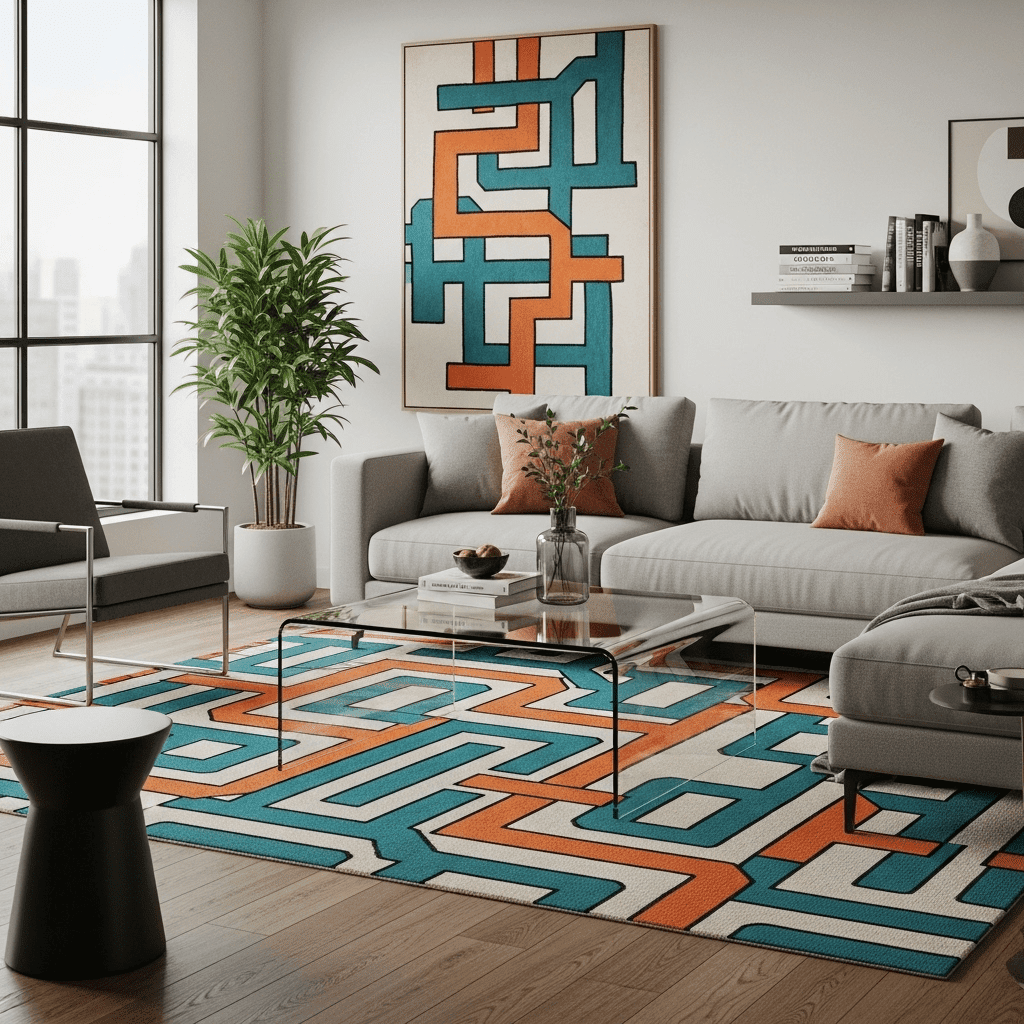
4. The Waterfall Glass “Invisible” Table
Modern living room center table ideas prioritize “visual flow” in smaller spaces. A single piece of bent tempered glass creates a “waterfall” effect that doesn’t block the view of a beautiful rug, making the room feel more expansive.
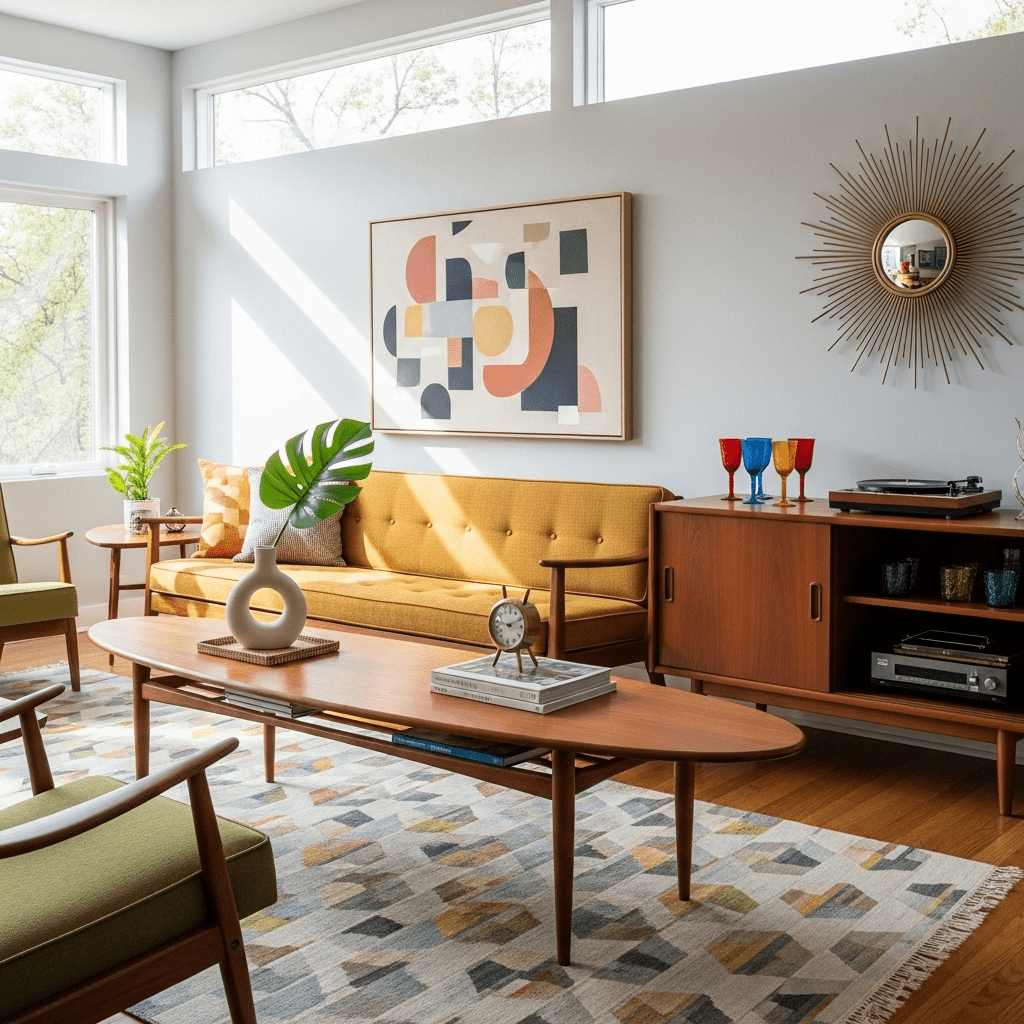
5. Mid-Century Teak Oval
Modern living room center table ideas often revisit 1950s silhouettes. An elongated oval table in warm teak with “surfboard” edges and tapered legs provides an airy, retro-modern look that softens the sharp corners of a sectional sofa.
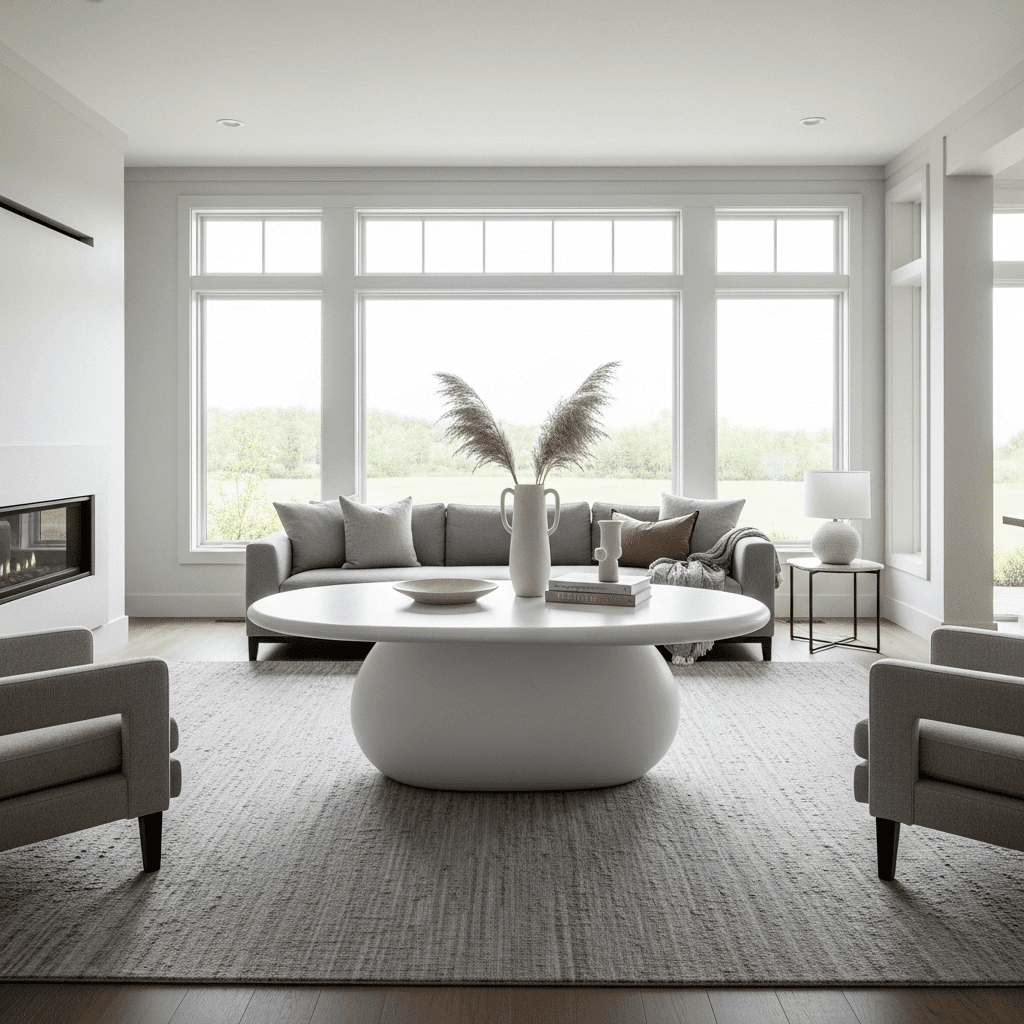
6. The Abstract “Pebble” Shape
Modern living room center table ideas are moving away from perfect circles. An organic “pebble” or “amoeba” shaped table in a matte finish adds a playful, futuristic energy that breaks the rigid geometry of a traditional room.
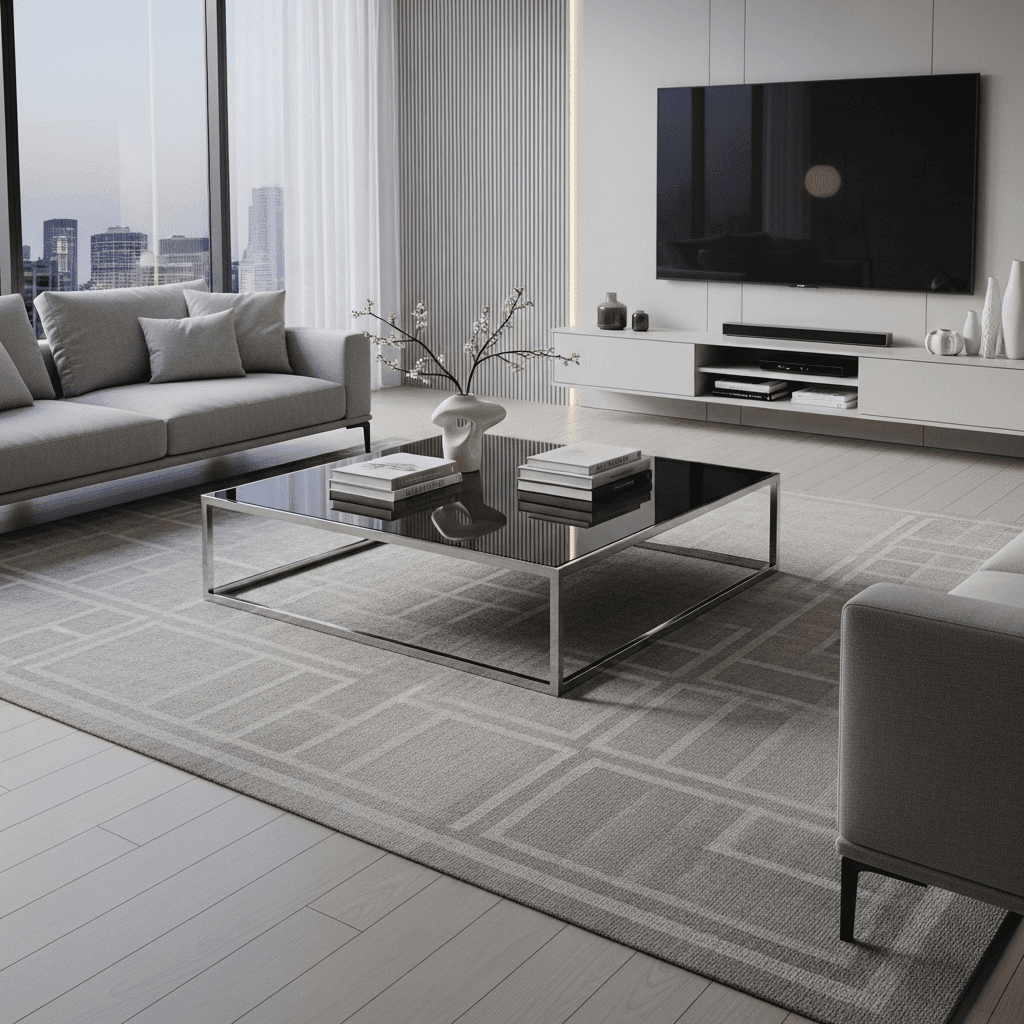
7. Tinted Smoked Glass and Chrome
Modern living room center table ideas draw inspiration from 1970s “high-tech” design. A chrome frame paired with a dark smoked glass top offers a moody, reflective surface that pairs exceptionally well with leather furniture.
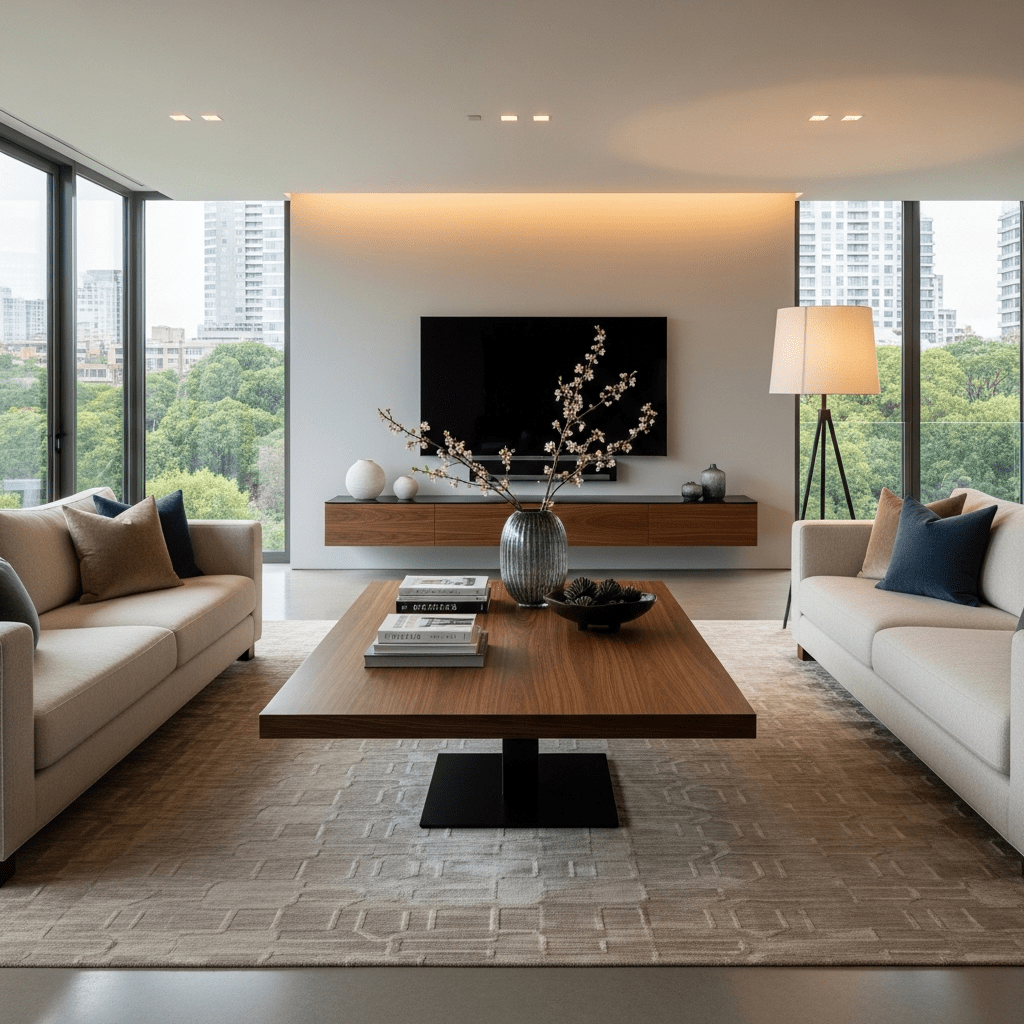
8. The Floating Cantilevered Slab
Modern living room center table ideas experiment with gravity. A cantilevered design where the top extends far beyond its offset base creates a daring, high-end look that functions as a conversation-starting piece of art.
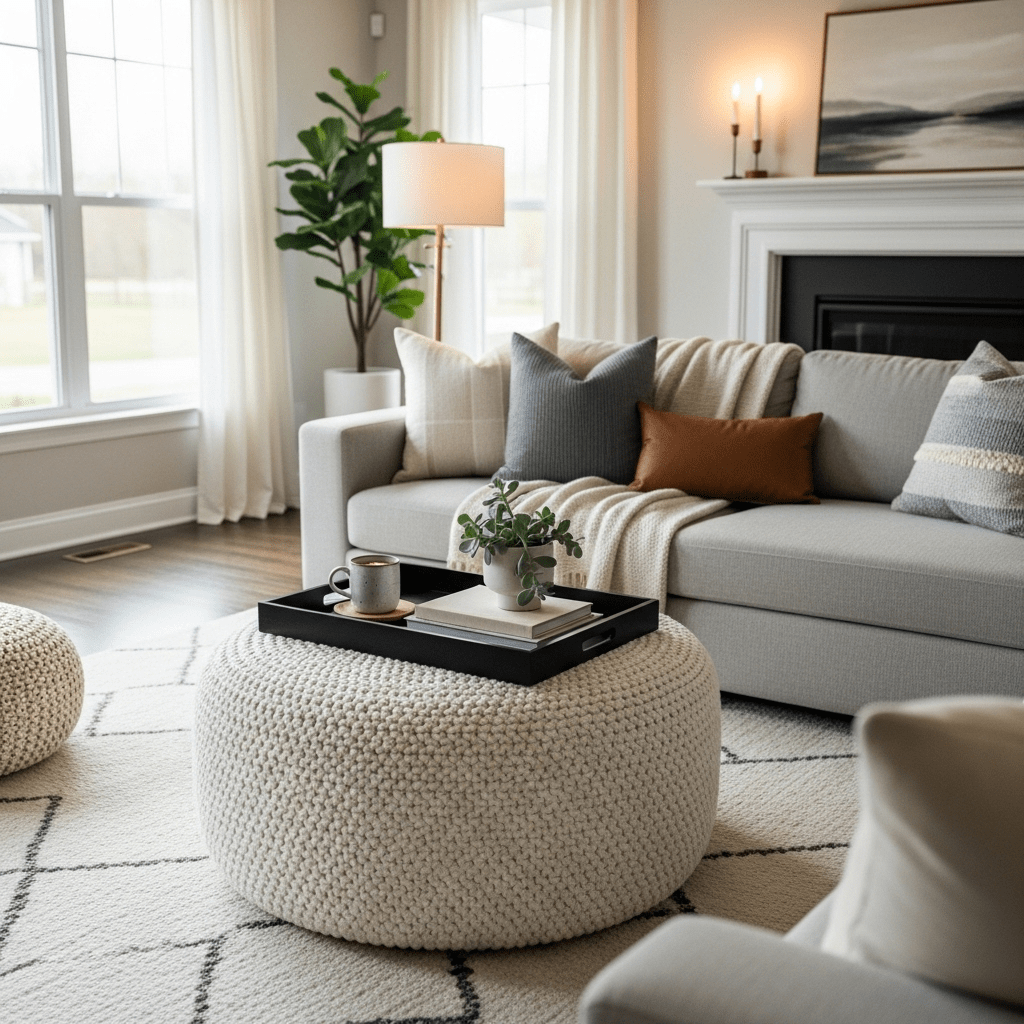
9. Textured Bouclé Ottoman with Tray
Modern living room center table ideas aren’t always hard-surfaced. A large, circular ottoman upholstered in trendy white bouclé fabric provides a soft, cozy centerpiece. Adding a sleek wooden tray on top ensures a stable surface for decor.
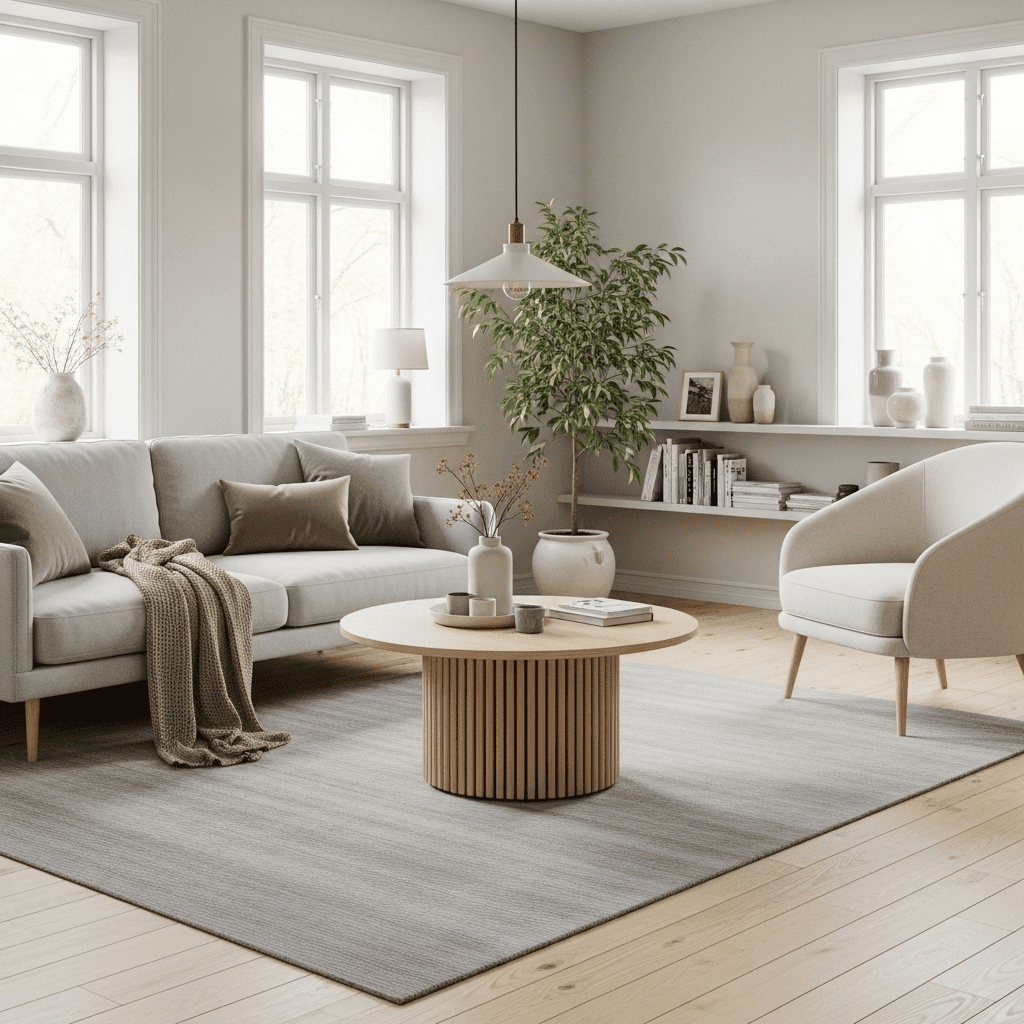
10. The Slatted Oak Cylinder
Modern living room center table ideas use vertical wood slats to add depth and “shadow play.” A cylindrical table made of light oak slats feels light and airy while providing a sturdy, organic anchor for the room.
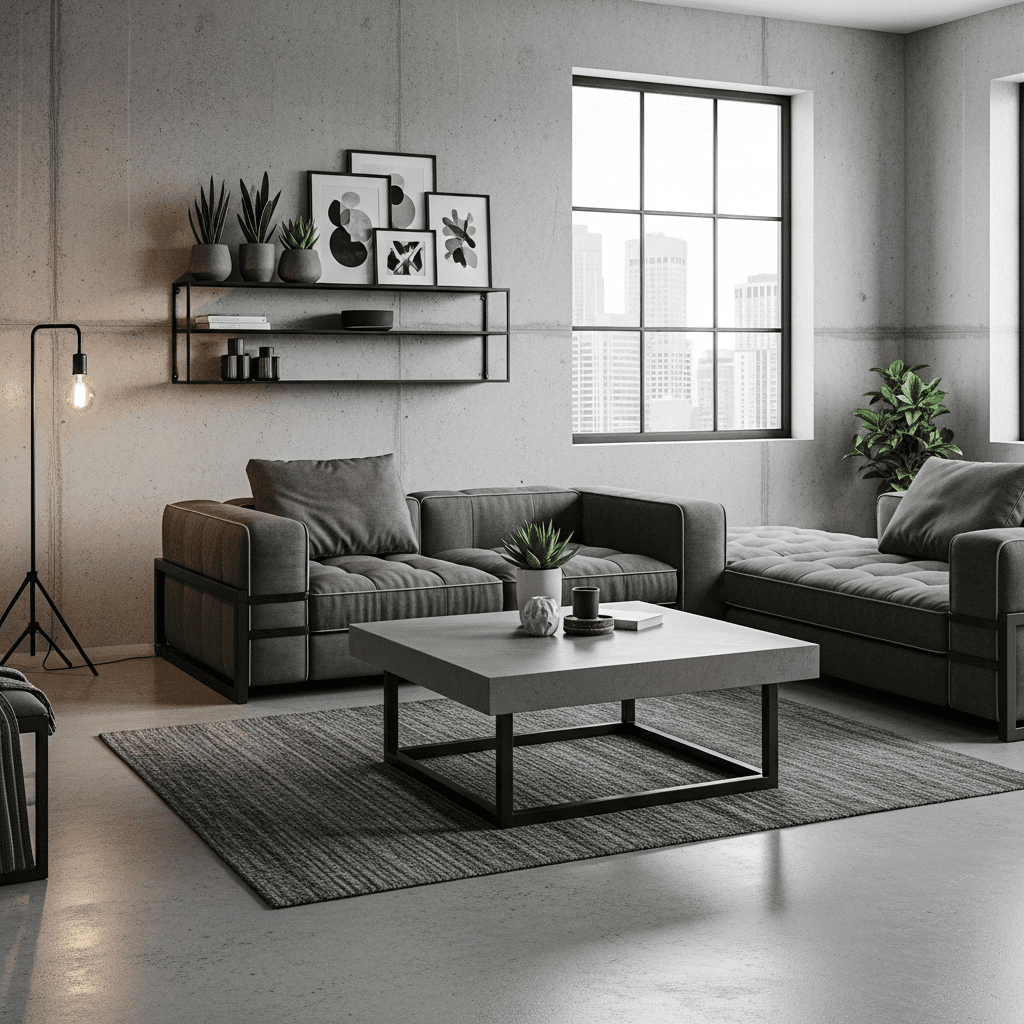
11. Concrete and Steel Industrial Square
Modern living room center table ideas often pair “cold” materials like concrete with black steel. This heavy-duty look is perfect for high-traffic homes, offering a durable, “loft-style” centerpiece that only looks better with age.
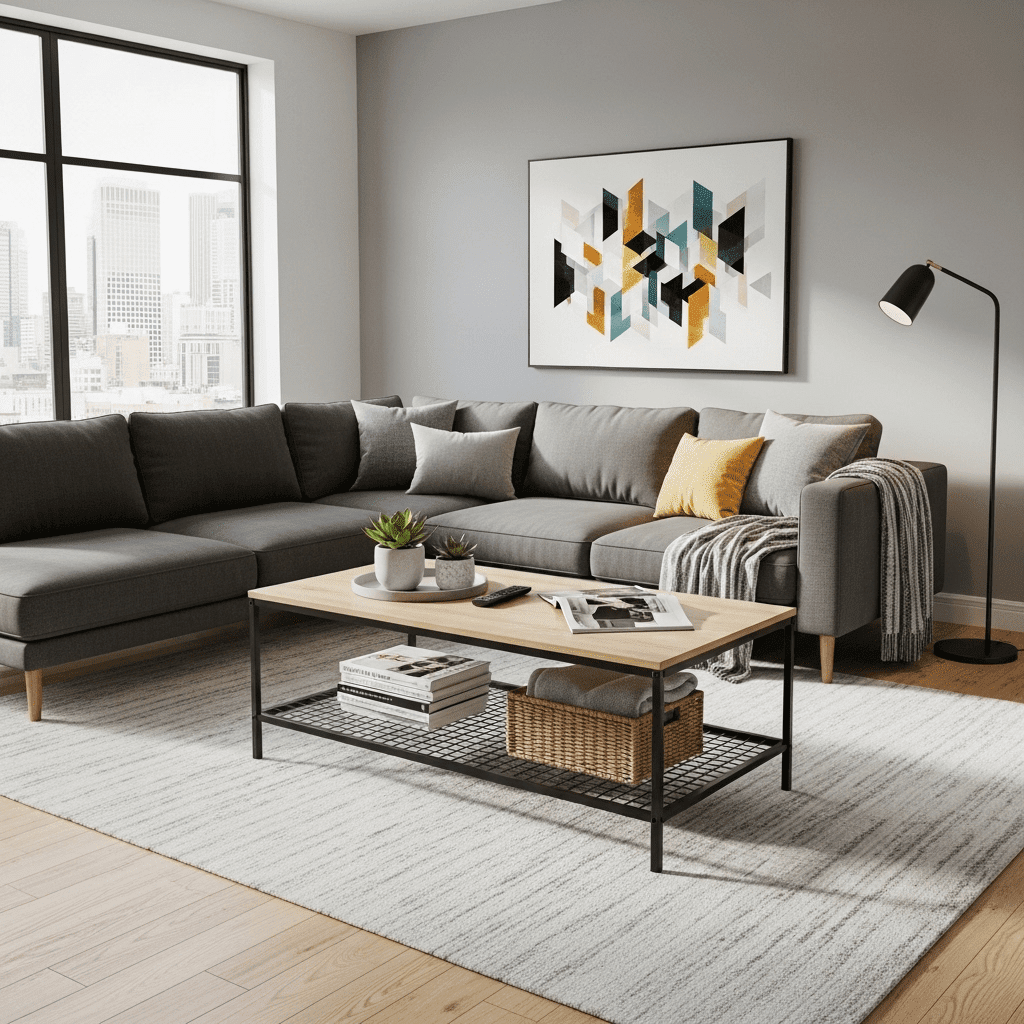
12. Two-Tiered Mixed-Media Table
Modern living room center table ideas maximize functionality with a secondary shelf. Combining a wood top with a perforated metal lower tier allows you to hide remotes and books while keeping the primary surface clear.
Conclusion
Modern living room center table ideas should serve as the unifying “punctuation mark” of your seating area. Whether you prefer the grounding weight of a stone block or the airy transparency of glass, the table should provide a distinct material contrast to your sofa. Focus on a design that reflects the light in your room—using reflective metals or glass to brighten dark spaces, or matte stones and woods to soften bright, sunlit interiors.