 Skip to content
Modern Neoclassical architecture is a contemporary revival of classical forms. It uses columns, pediments, and domes, but with modern materials and simplified details. It is not a copy of ancient Greece or Rome. It is a reinterpretation. Modern Neoclassical is clean, monumental, and rational.
These 12 Modern Neoclassical architecture designs span civic buildings, museums, and houses. Each design includes defining characteristics, material strategies, and spatial principles.
1. The Simplified Portico
The simplified portico has columns and a pediment, but no ornament. The columns are smooth concrete or stone. The pediment is empty. The simplified portico is monumental, clean, and classical.
This design is ideal for civic buildings and museums. The emotional effect is monumental, clean, and classical.
Quick Tips
- The portico must have columns and a pediment.
- Columns must be smooth (no fluting).
- The pediment must be empty (no sculpture).

2. The Modern Dome
The modern dome is a hemisphere or a shallow curve. It is made of concrete, steel, or glass. The dome has no coffers. The dome is smooth and simple. The modern dome is celestial, smooth, and structural.
This design is ideal for museums and capitol buildings. The emotional effect is celestial, smooth, and structural.
Quick Tips
- The dome must be a hemisphere or shallow curve.
- The dome must be smooth (no coffers).
- The dome must be concrete, steel, or glass.
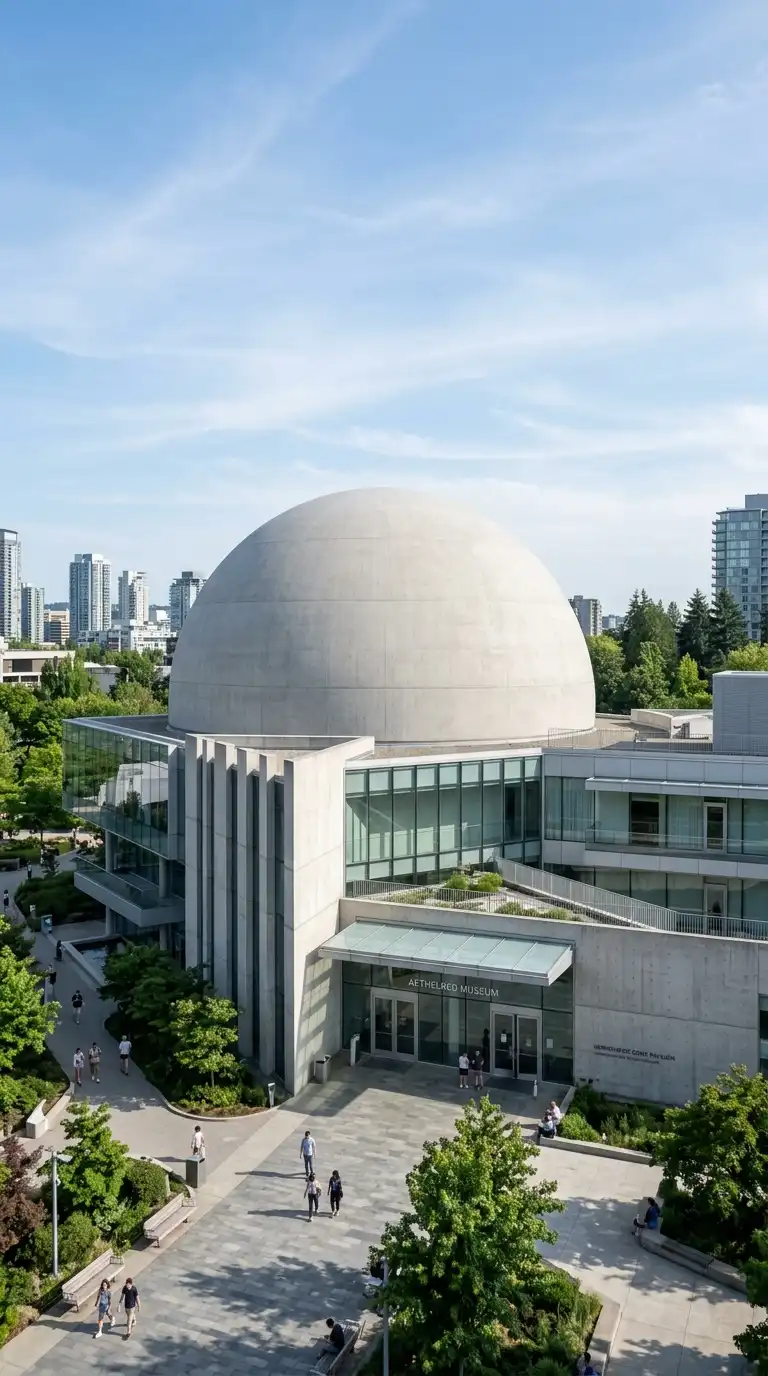
3. The Colonnade Without Entablature
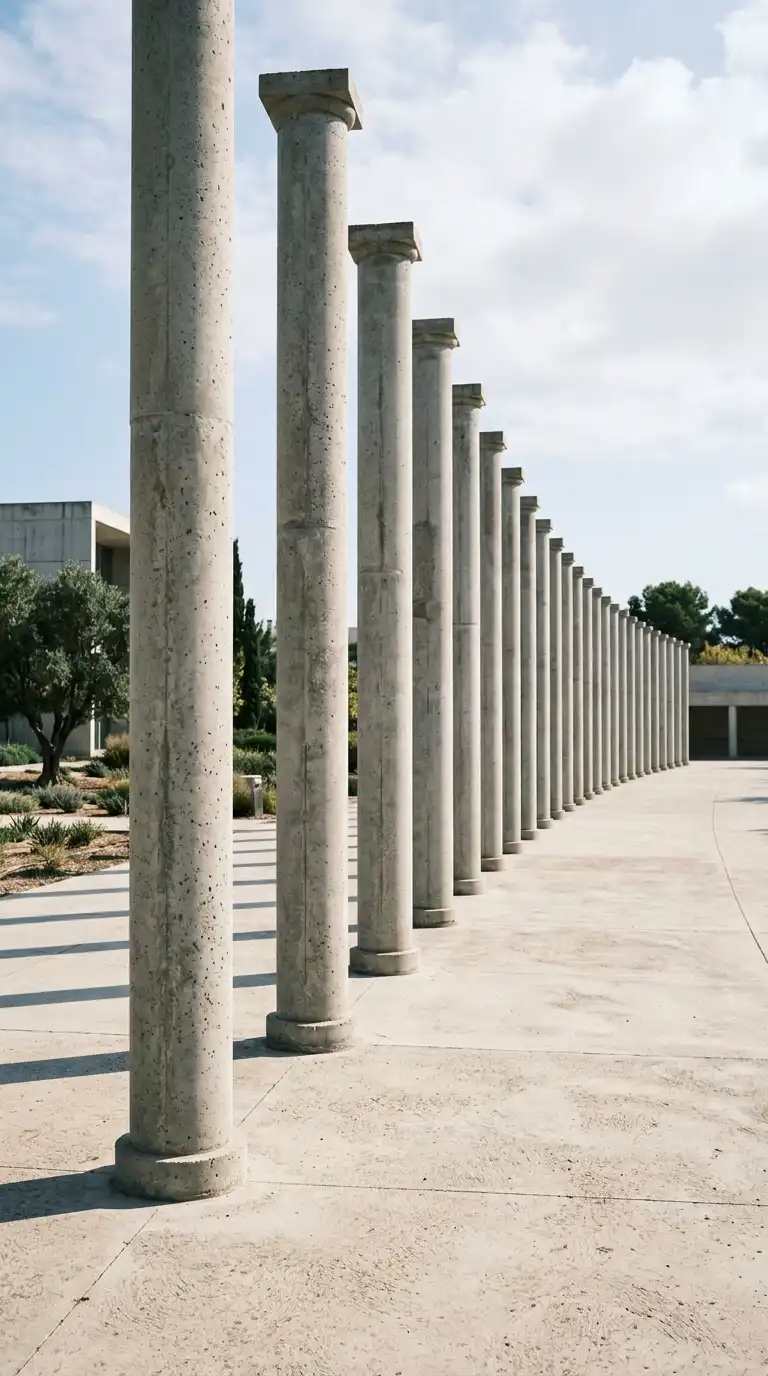
The colonnade without entablature has columns but no horizontal beam above them. The columns support nothing. They are freestanding. The colonnade without entablature is rhythmic, abstract, and modern.
This design is ideal for building entrances and public spaces. The emotional effect is rhythmic, abstract, and modern.
Quick Tips
- The columns must be freestanding.
- There must be no entablature.
- The columns must be evenly spaced.
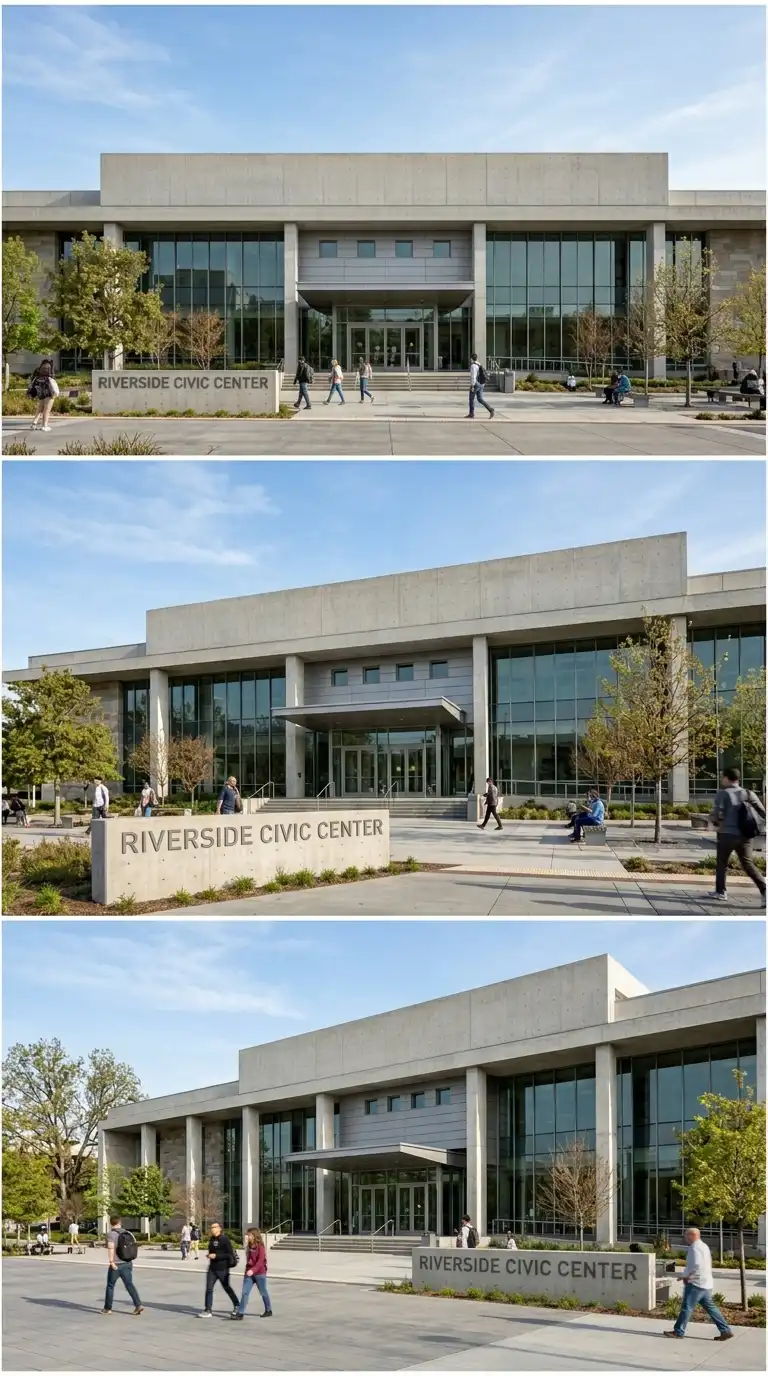
4. The Flat Pediment
The flat pediment replaces the triangle with a horizontal line. The pediment is flat, not triangular. The flat pediment is modern, horizontal, and minimal.
This design is ideal for civic buildings and museums. The emotional effect is modern, horizontal, and minimal.
Quick Tips
- The pediment must be flat (not triangular).
- The pediment must be horizontal.
- The pediment must be empty.
5. The Smooth Column
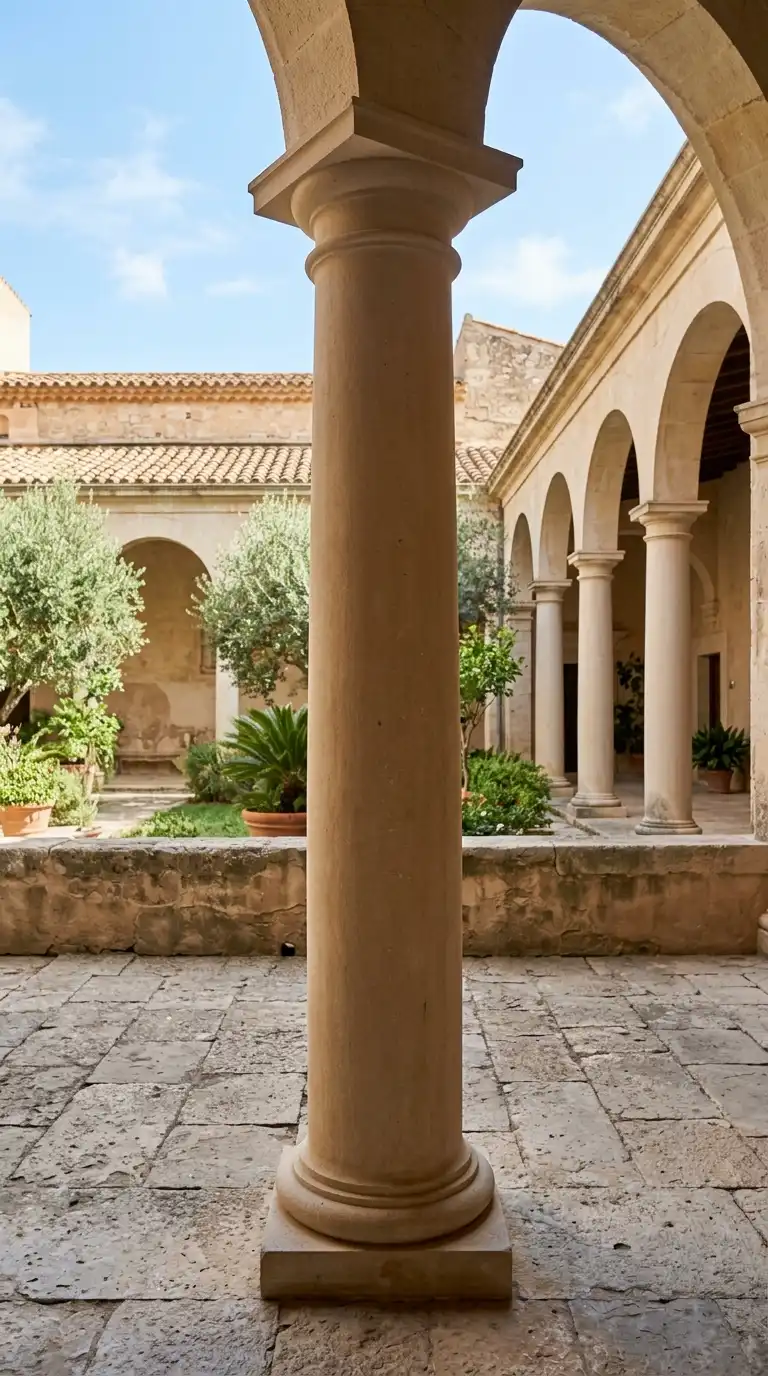
The smooth column has no fluting. It is a simple cylinder. The column has a base and a capital, but the capital is simplified. The smooth column is minimal, cylindrical, and modern.
This design is ideal for all Modern Neoclassical buildings. The emotional effect is minimal, cylindrical, and modern.
Quick Tips
- The column must be smooth (no fluting).
- The column must have a base and capital.
- The capital must be simplified.
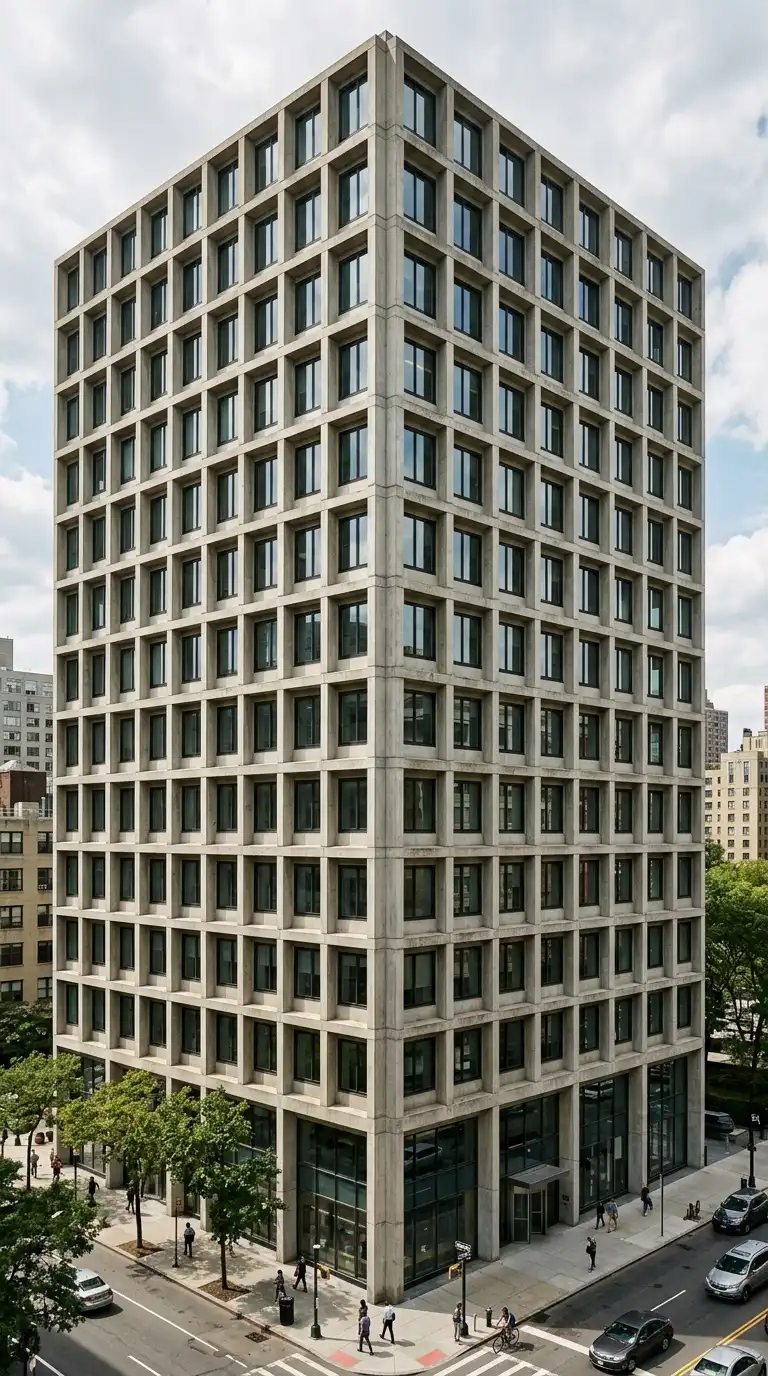
6. The Grid Facade
The grid facade is a regular grid of columns and beams. The grid is structural and expressive. The grid facade is rational, repetitive, and modern.
This design is ideal for office buildings and libraries. The emotional effect is rational, repetitive, and modern.
Quick Tips
- The facade must be a regular grid.
- The grid must be structural.
- The grid must be expressed.
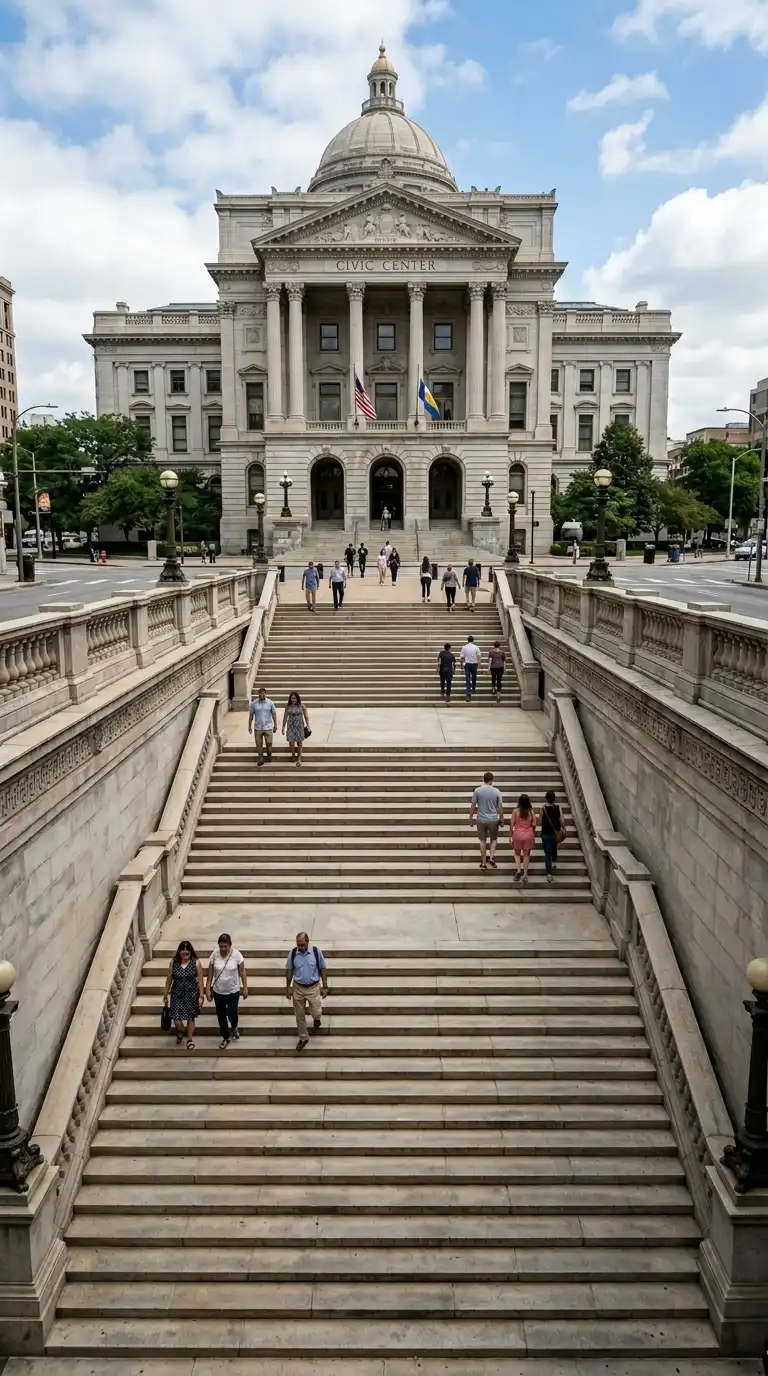
7. The Monumental Stair
The monumental stair is wide and shallow. The stair has low risers and deep treads. The stair is designed for ceremony, not efficiency. The monumental stair is grand, shallow, and ceremonial.
This design is ideal for civic buildings and museums. The emotional effect is grand, shallow, and ceremonial.
Quick Tips
- The stair must be wide.
- The risers must be low.
- The treads must be deep.
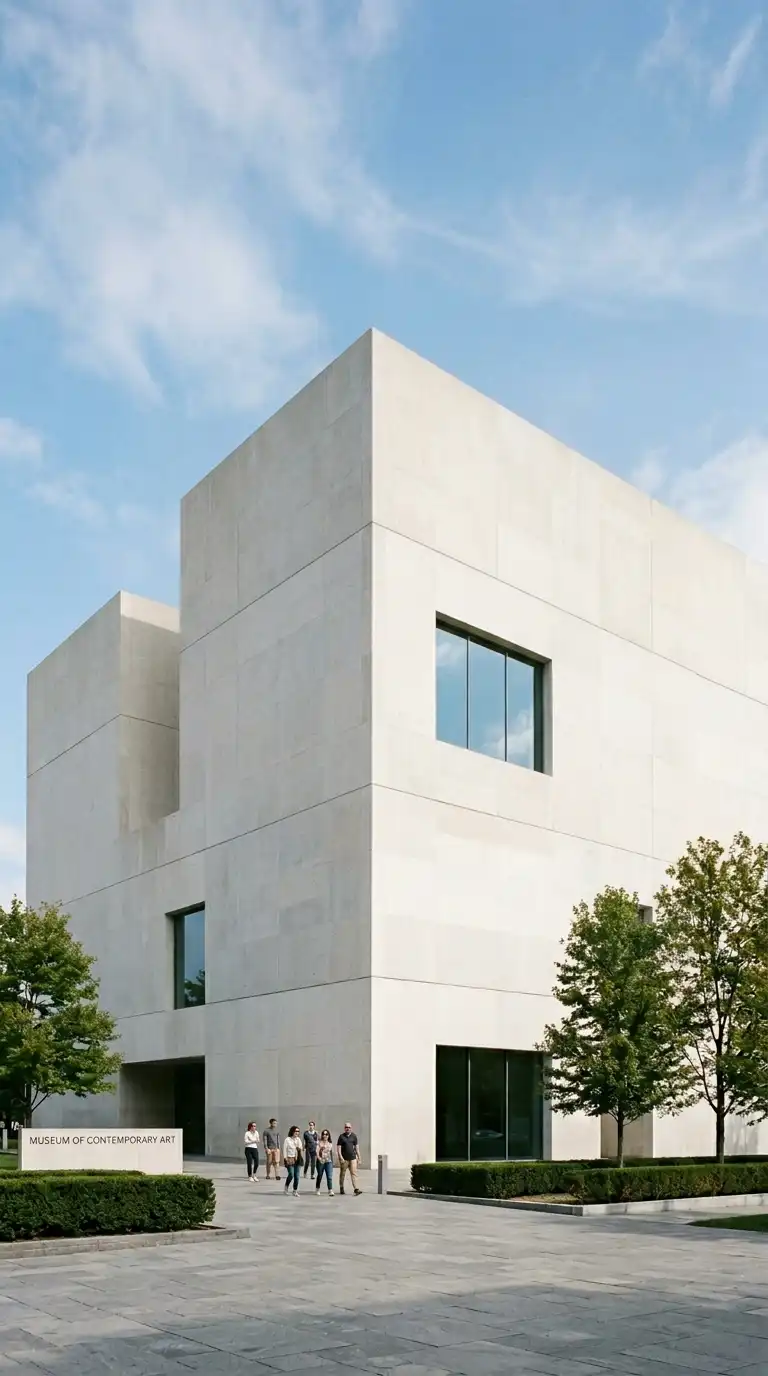
8. The Cubic Volume
The cubic volume is a simple cube or rectangle. The building is a single geometric mass. The cubic volume is pure, simple, and monumental.
This design is ideal for museums and galleries. The emotional effect is pure, simple, and monumental.
Quick Tips
- The building must be a cube or rectangle.
- No projections or recesses.
- The form must be simple.
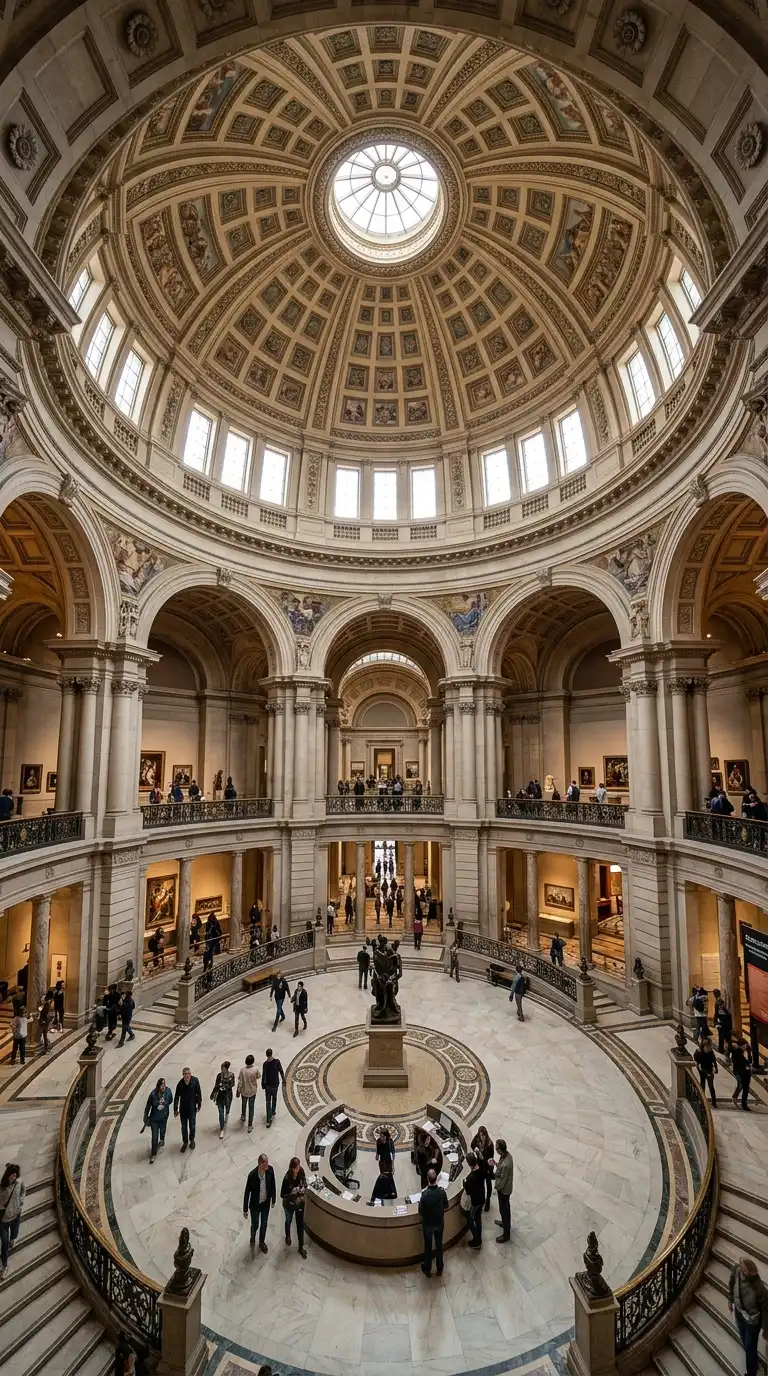
9. The Central Plan
The central plan is organised around a central space. The plan is circular, square, or octagonal. The central space is domed. The central plan is centralised, domed, and rational.
This design is ideal for museums and chapels. The emotional effect is centralised, domed, and rational.
Quick Tips
- The plan must be circular, square, or octagonal.
- The centre must be domed.
- The space must be centralised.
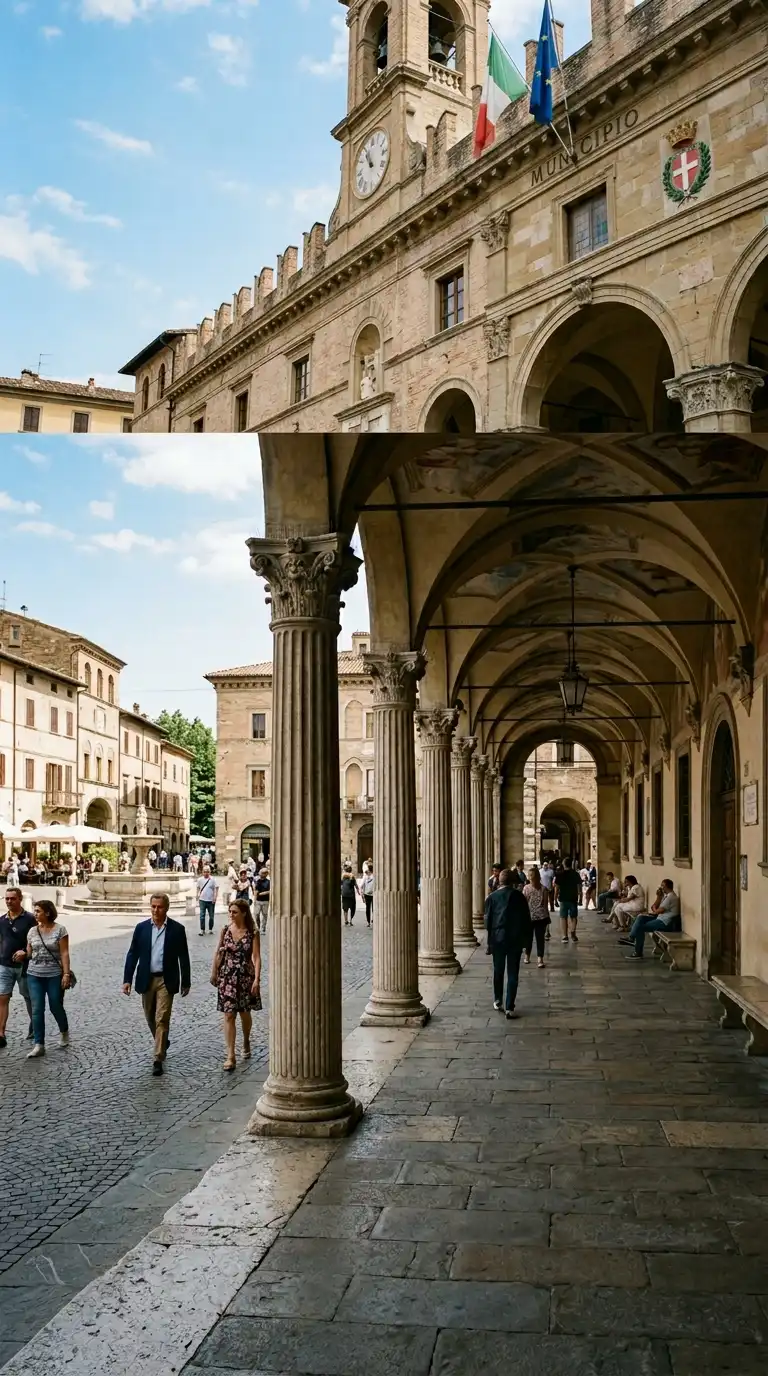
10. The Loggia
The loggia is a recessed colonnade. The columns are set back from the facade. The loggia creates a shaded walkway. The loggia is shaded, recessed, and rhythmic.
This design is ideal for civic buildings and hotels. The emotional effect is shaded, recessed, and rhythmic.
Quick Tips
- The columns must be set back from the facade.
- The loggia must be covered.
- The loggia must be open on one side.
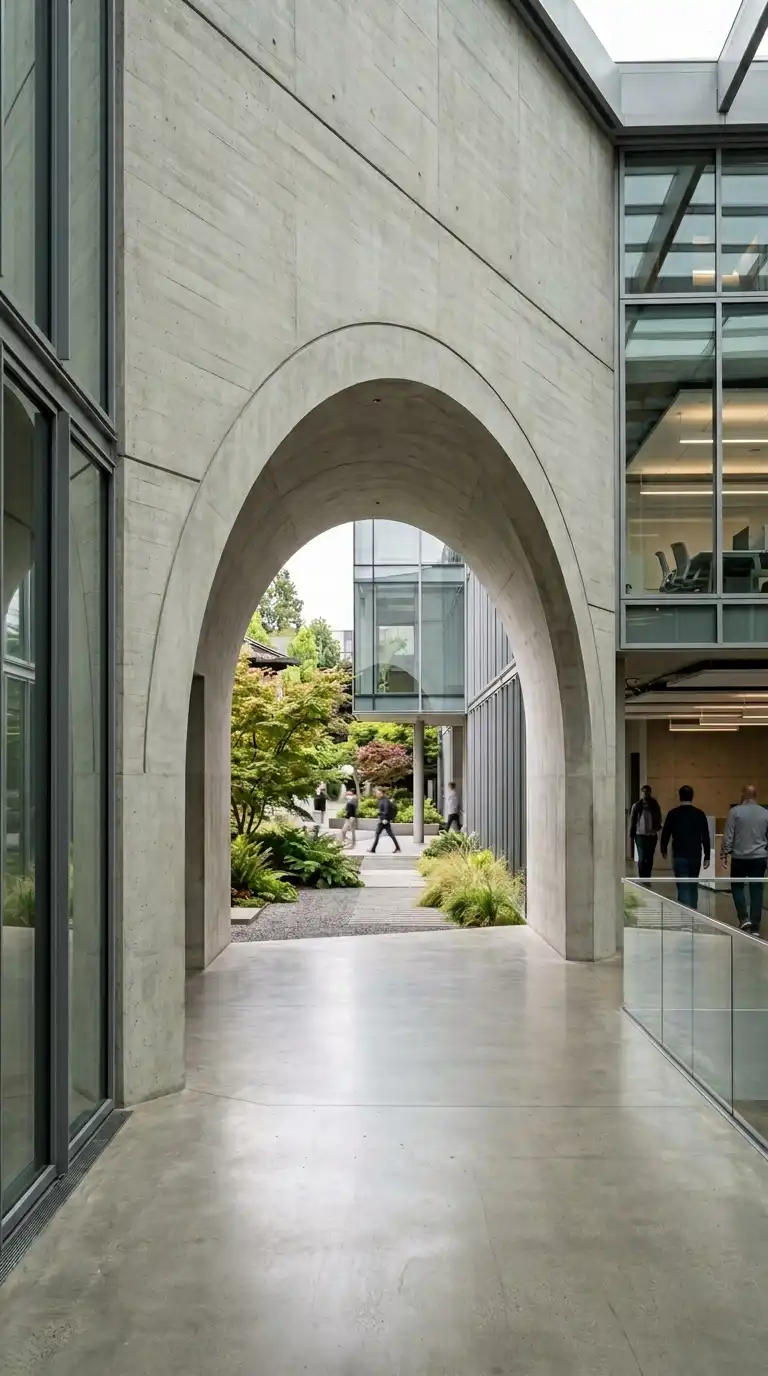
11. The Arch Without Keystone
The arch without keystone is a semicircular opening with no visible keystone. The arch is smooth and continuous. The arch without keystone is smooth, continuous, and modern.
This design is ideal for windows and doorways. The emotional effect is smooth, continuous, and modern.
Quick Tips
- The arch must be semicircular.
- There must be no visible keystone.
- The arch must be smooth.
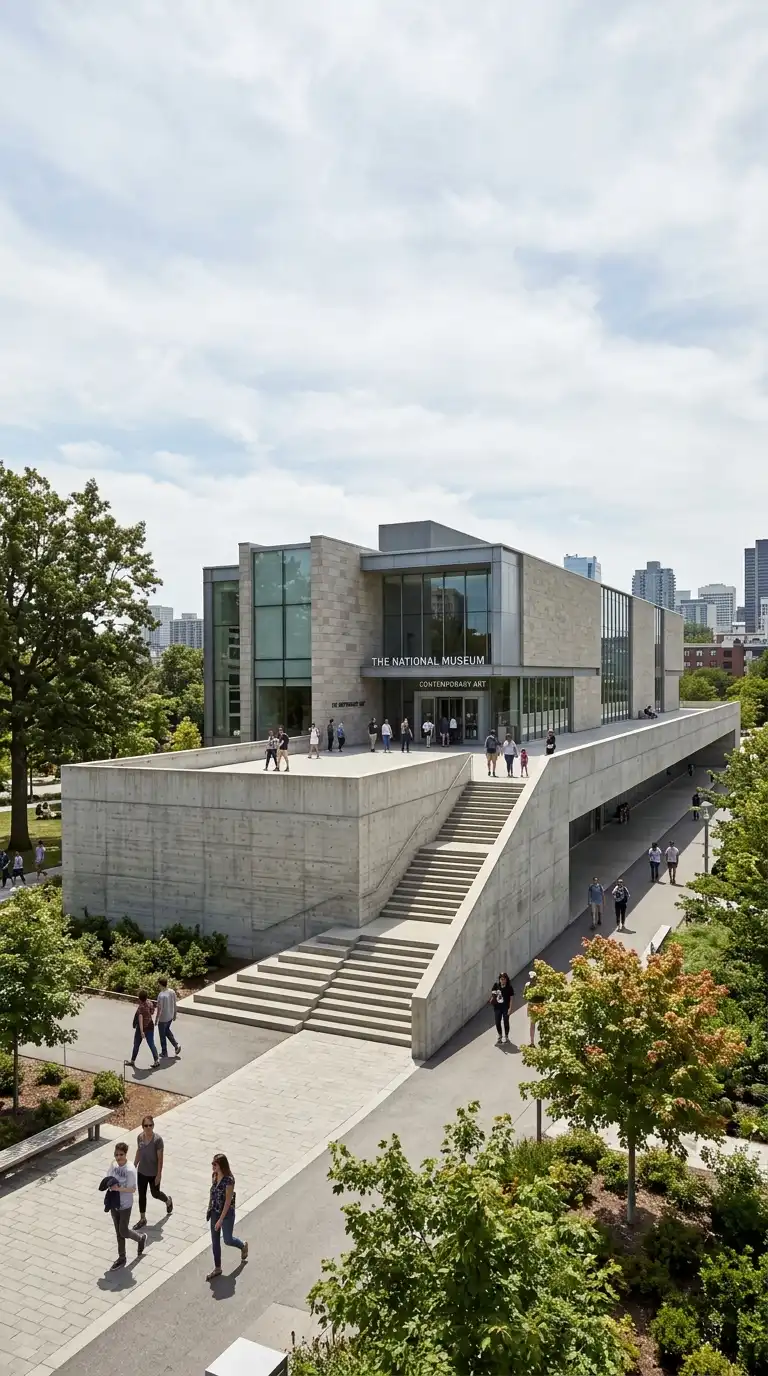
12. The Plinth
The plinth is a raised base under a building. The building sits on the plinth. The plinth separates the building from the ground. The plinth is raised, horizontal, and grounding.
This design is ideal for civic buildings and museums. The emotional effect is raised, horizontal, and grounding.
Quick Tips
- The plinth must be raised above grade.
- The plinth must be horizontal.
- The building must sit on the plinth.
Final Thoughts
Modern Neoclassical is classical forms with modern simplicity. A simplified portico is monumental and clean. A modern dome is celestial and smooth. A colonnade without entablature is rhythmic and abstract. A flat pediment is modern and horizontal. A smooth column is minimal and cylindrical. A grid facade is rational and repetitive. A monumental stair is grand and ceremonial. A cubic volume is pure and simple. A central plan is centralised and domed. A loggia is shaded and recessed. An arch without keystone is smooth and continuous. A plinth is raised and grounding.
