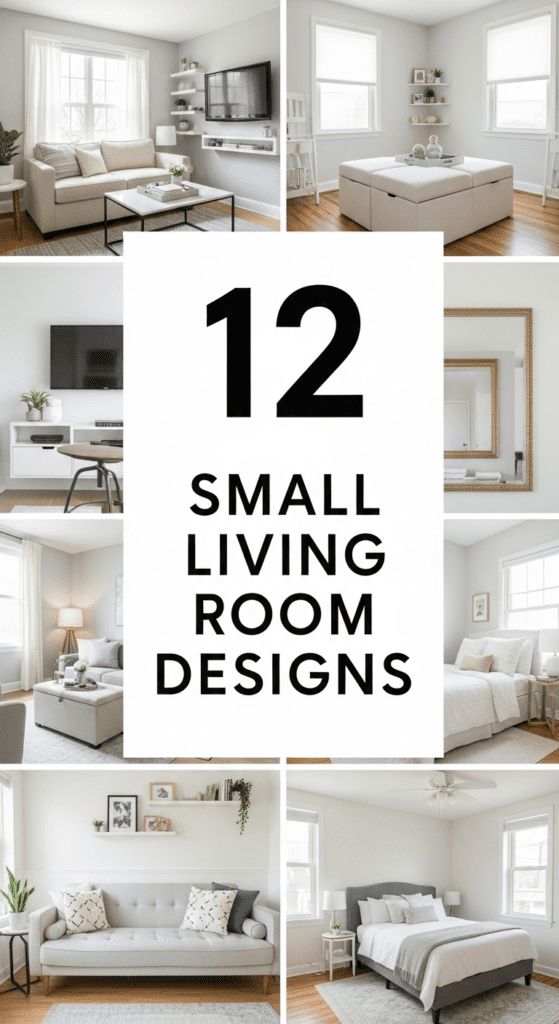
12 Small Living Room Designs That Maximize Space
Small living rooms present unique design challenges, but with smart planning and creative solutions, compact spaces can feel open, functional, and stylish. These twelve designs prove that limited square footage doesn’t mean limited possibilities. From clever furniture choices to strategic color palettes, discover how to transform your small living room into a space that lives large.
See also: Modern Farmhouse Guest Bedroom Ideas 14 Ways to Blend Rustic Charm and Clean Design
1. Light and Bright Scandinavian
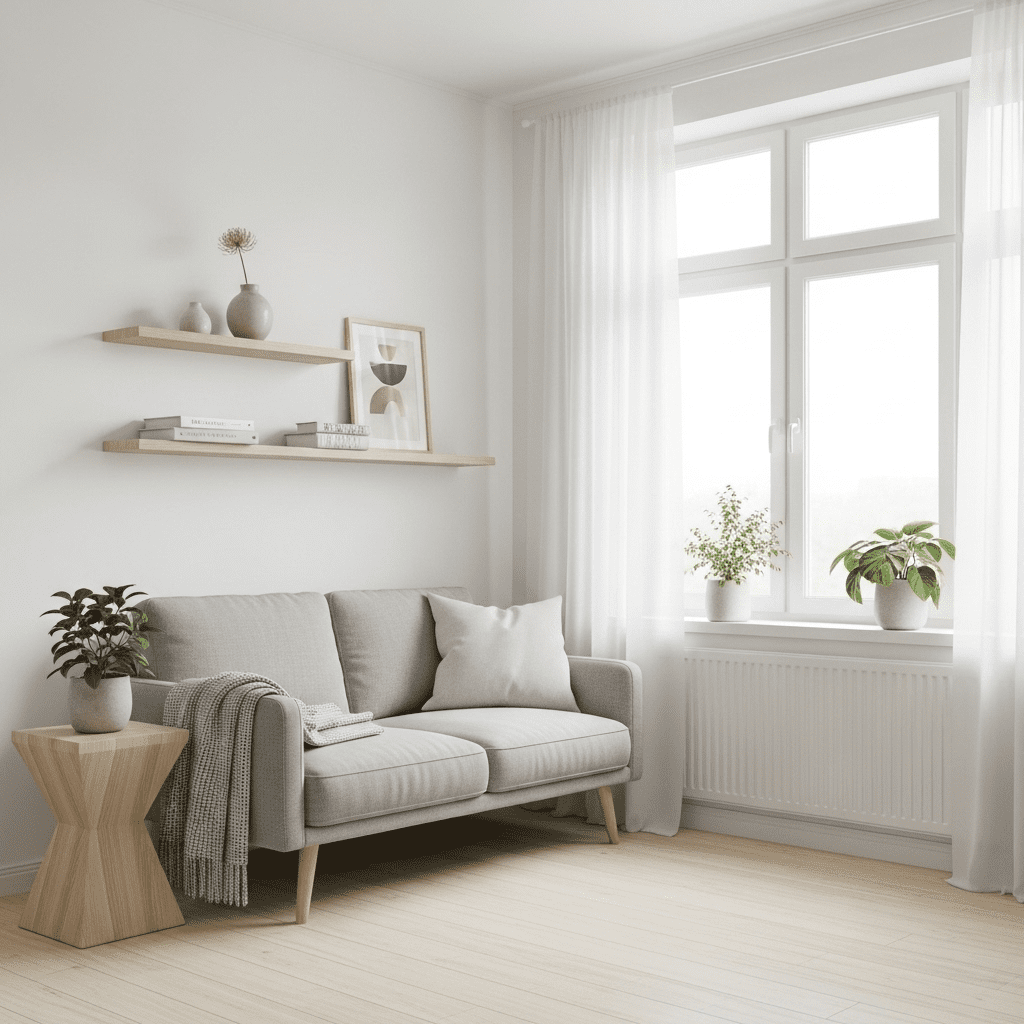
Maximize natural light with an all-white Scandinavian palette. Light wood floors, white walls, and minimal furniture create airiness while maintaining warmth through natural textures and selective greenery.
See also: Small Guest Bedroom Office Combo 9 Ways to Merge Productivity With Hospitality
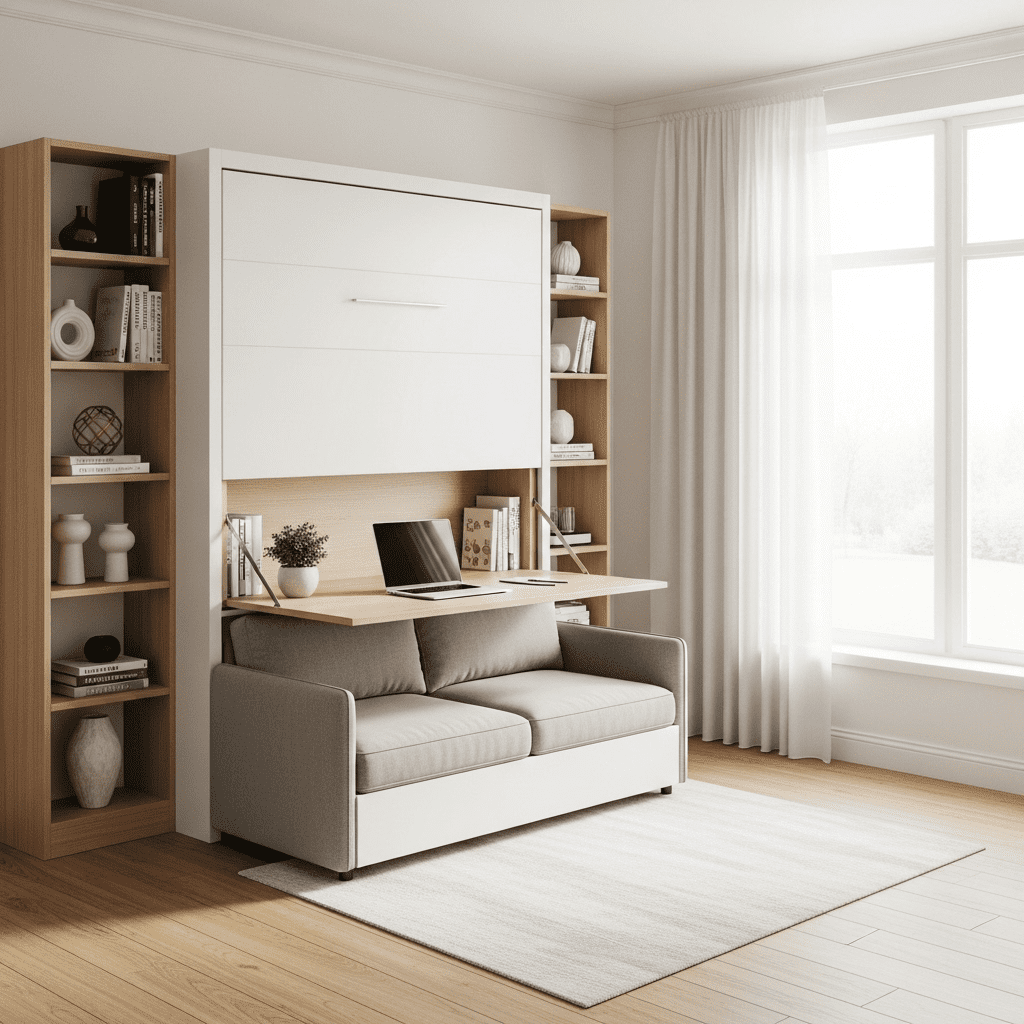
2. Multifunctional Murphy Bed Integration
Transform your living room into a guest room instantly with a modern Murphy bed that folds into attractive cabinetry. When closed, it provides storage and display space without sacrificing precious floor area.
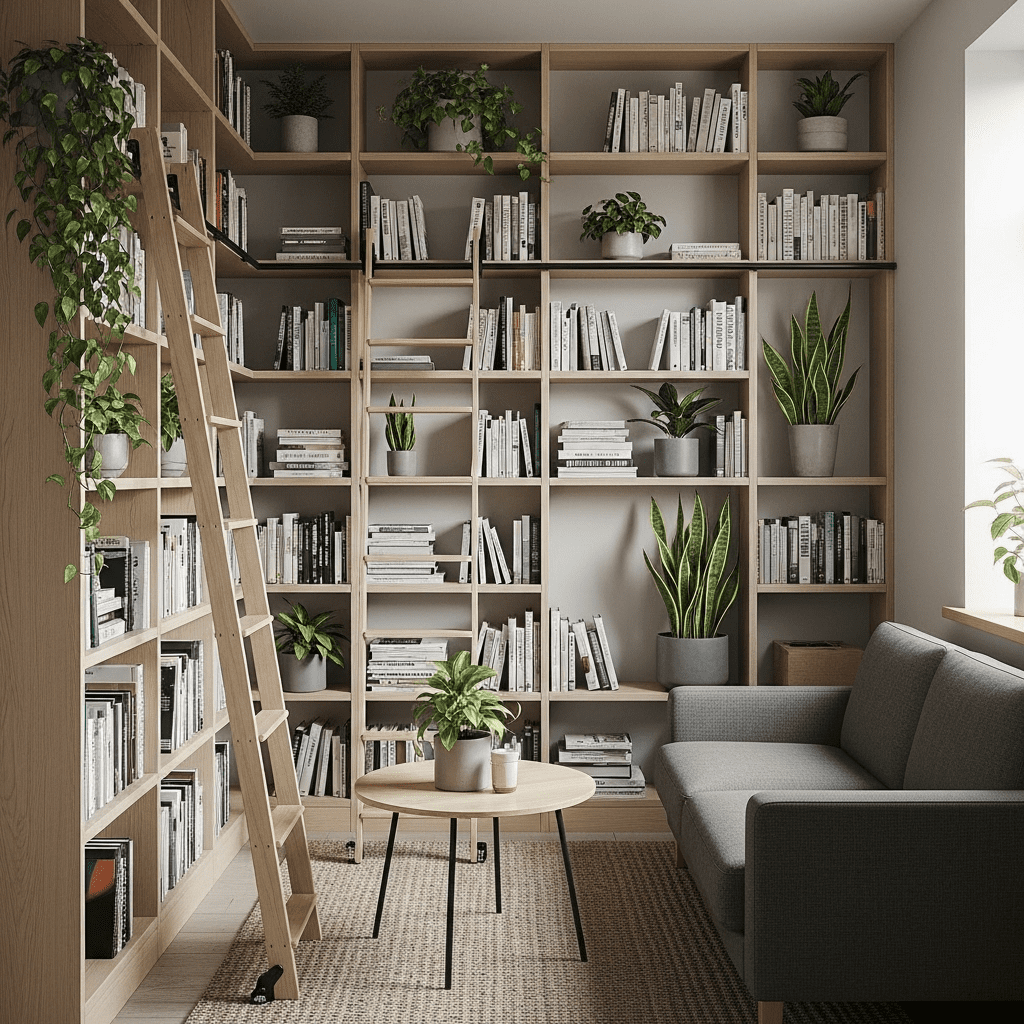
3. Vertical Storage Solutions
Draw the eye upward with floor-to-ceiling shelving and tall bookcases. Vertical storage maximizes capacity while keeping the floor clear, creating an illusion of height and spaciousness.
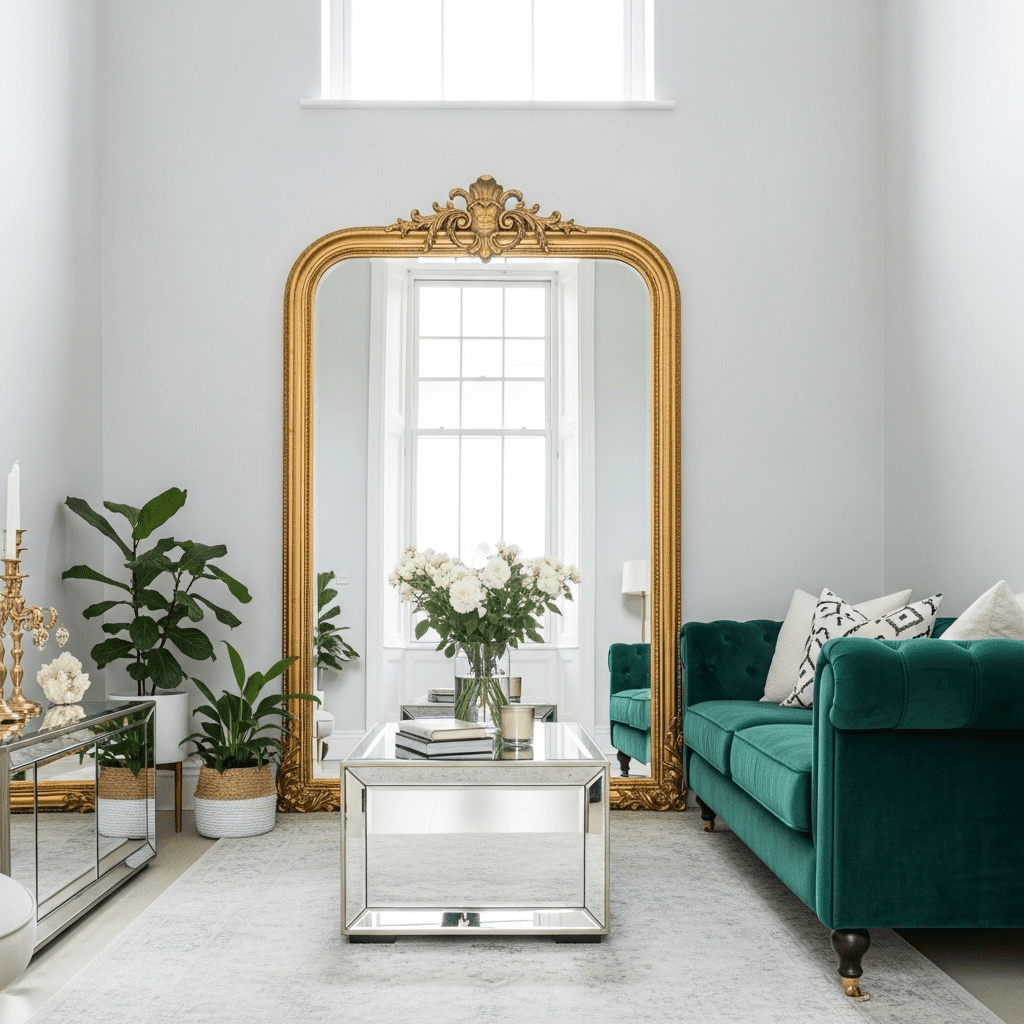
4. Mirror Magic Expansion
Strategic mirror placement doubles visual space. A large mirror opposite a window reflects light and views, while mirrored furniture surfaces add glamour without visual weight.
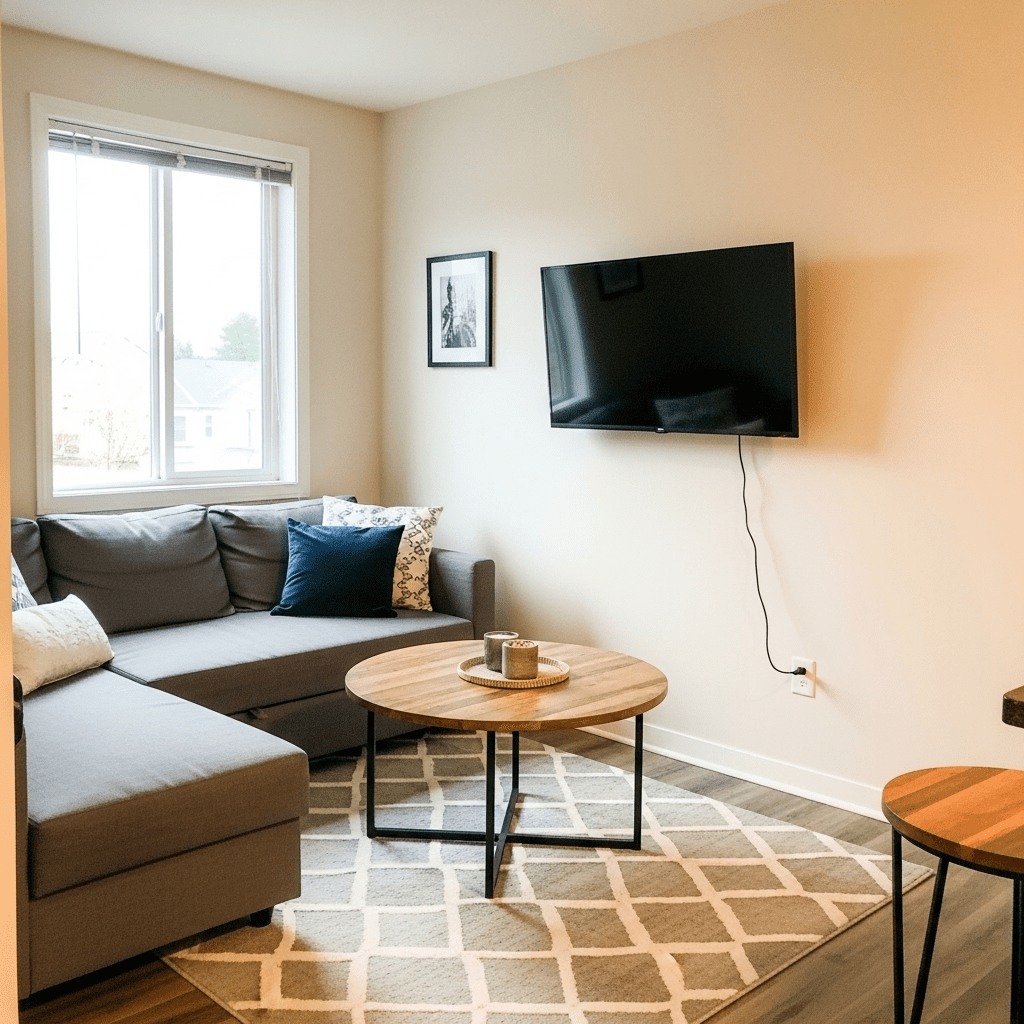
5. Sectional Corner Maximization
A compact L-shaped sectional tucked into a corner provides maximum seating while leaving the center of the room open. This configuration is perfect for small spaces needing conversation areas.
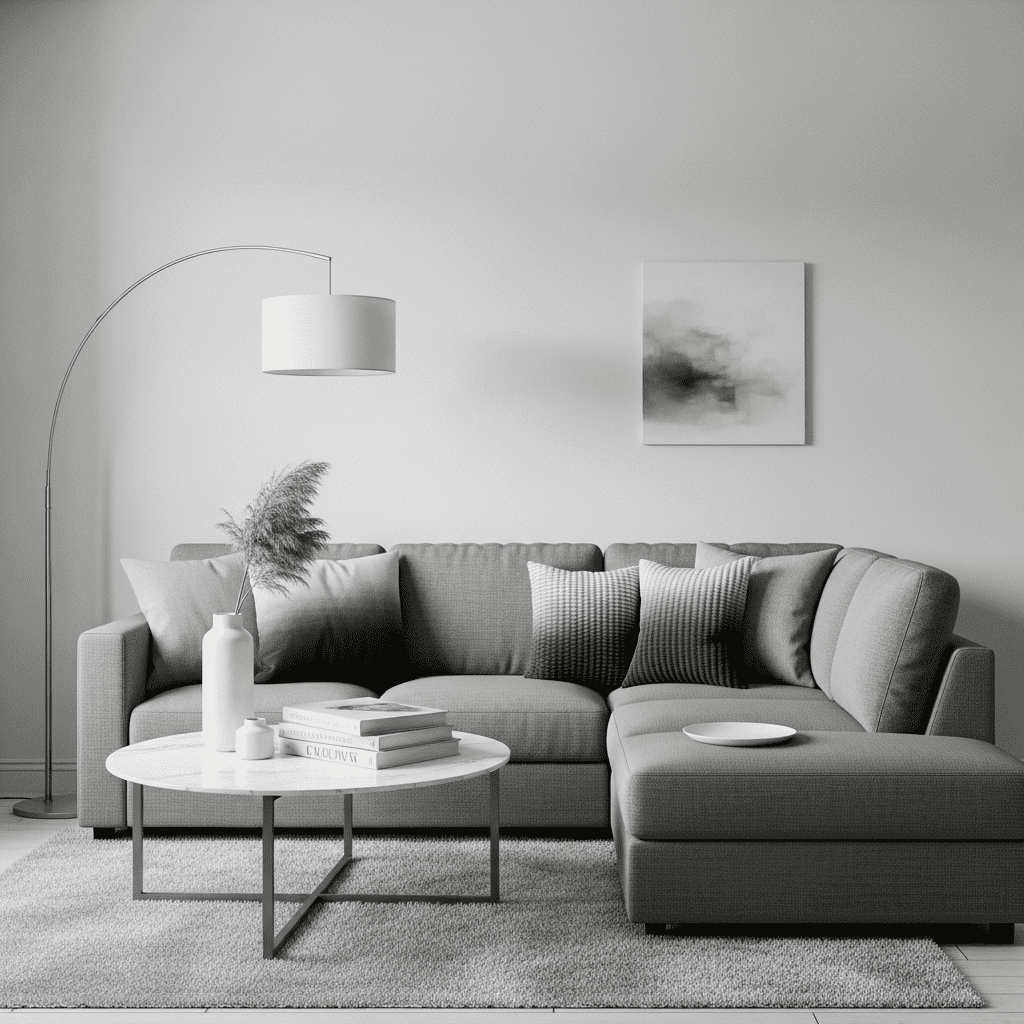
6. Monochromatic Color Scheme
Use varying shades of a single color to create depth without visual fragmentation. Monochromatic rooms feel cohesive and larger because there are no jarring color breaks.
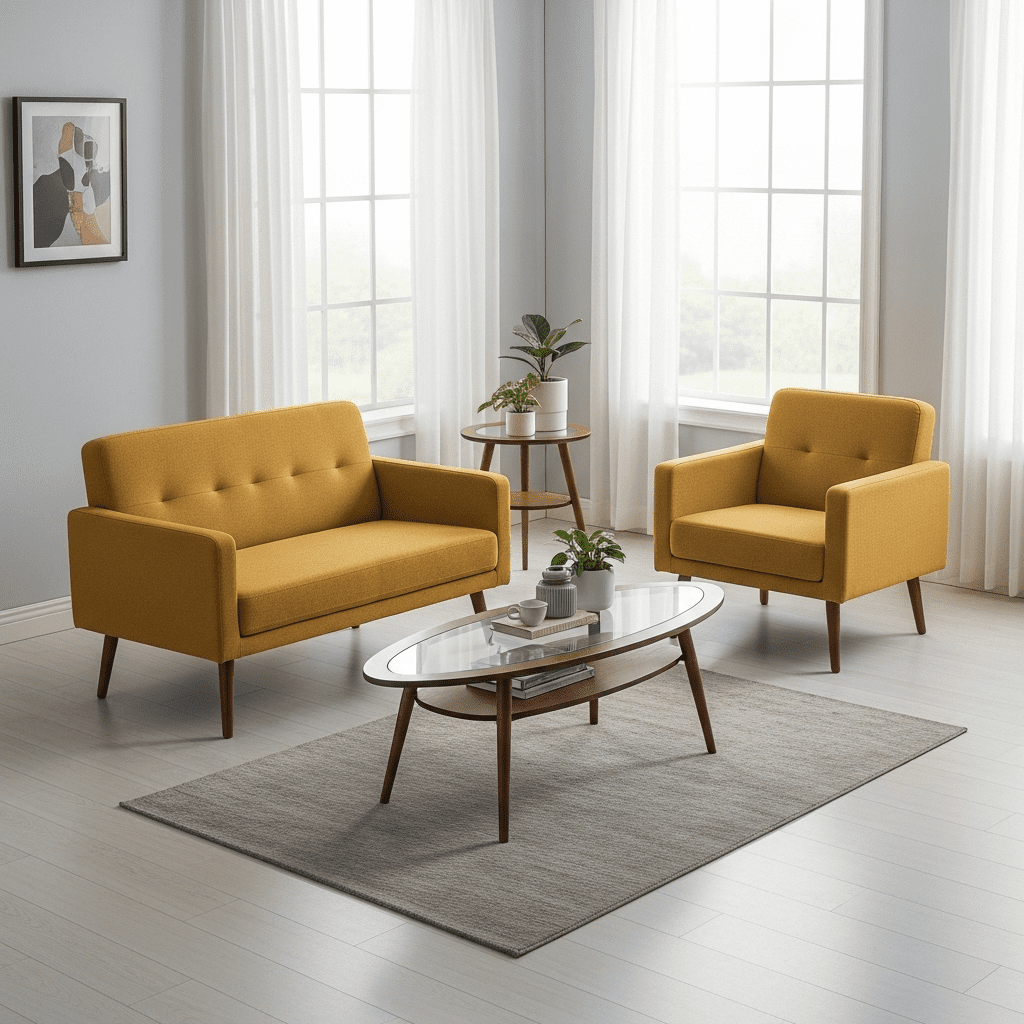
7. Leggy Furniture Openness
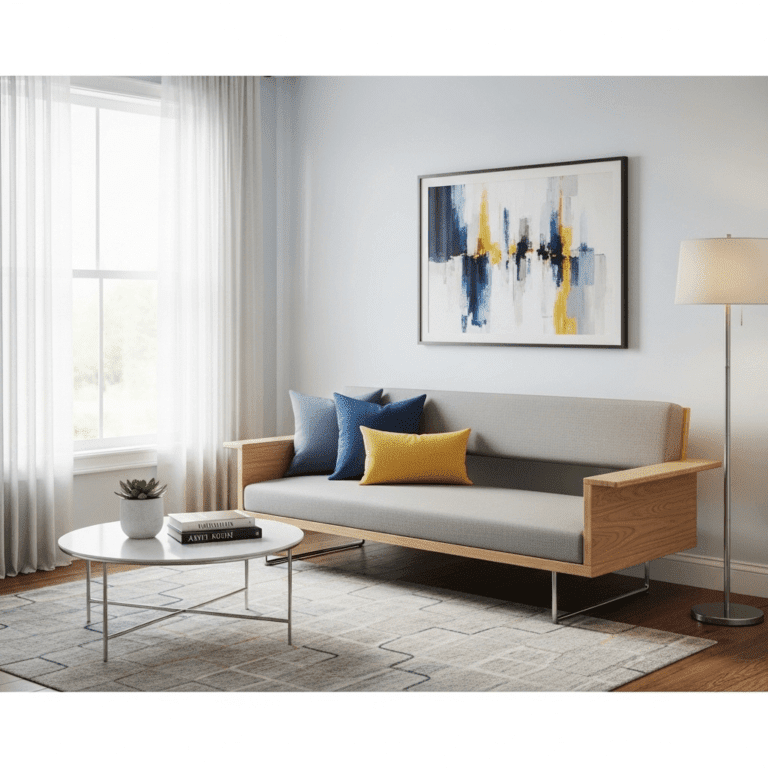
Choose furniture with visible legs rather than pieces that sit flush with the floor. Exposed legs allow light to flow underneath, creating an airy feeling and making spaces appear larger.
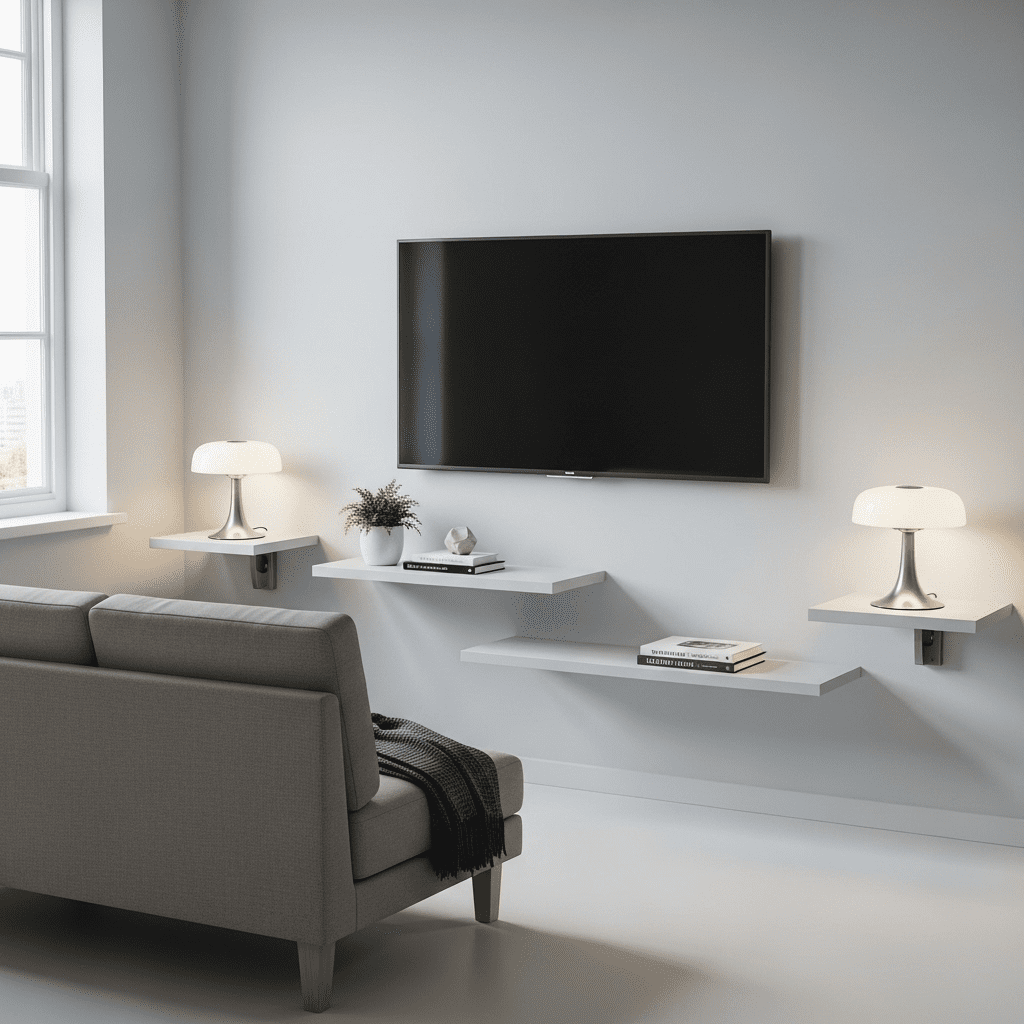
8. Wall-Mounted Everything
Free up floor space by mounting the TV, shelving, and even side tables on walls. Floating furniture keeps sight lines clear and makes cleaning easier while maximizing usable space.
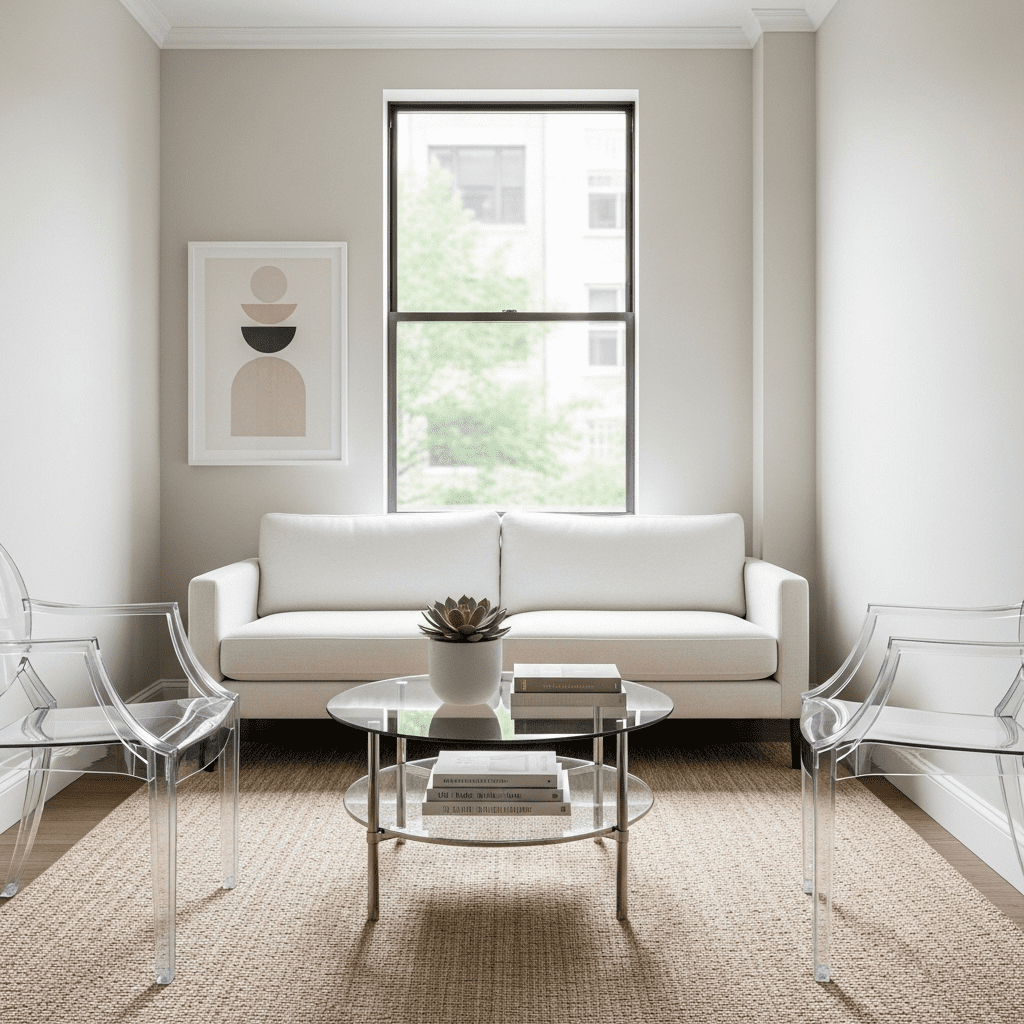
9. Glass and Lucite Transparency
Incorporate transparent furniture like glass coffee tables or lucite chairs. See-through pieces provide function without blocking sight lines, maintaining an open, uncluttered feel.
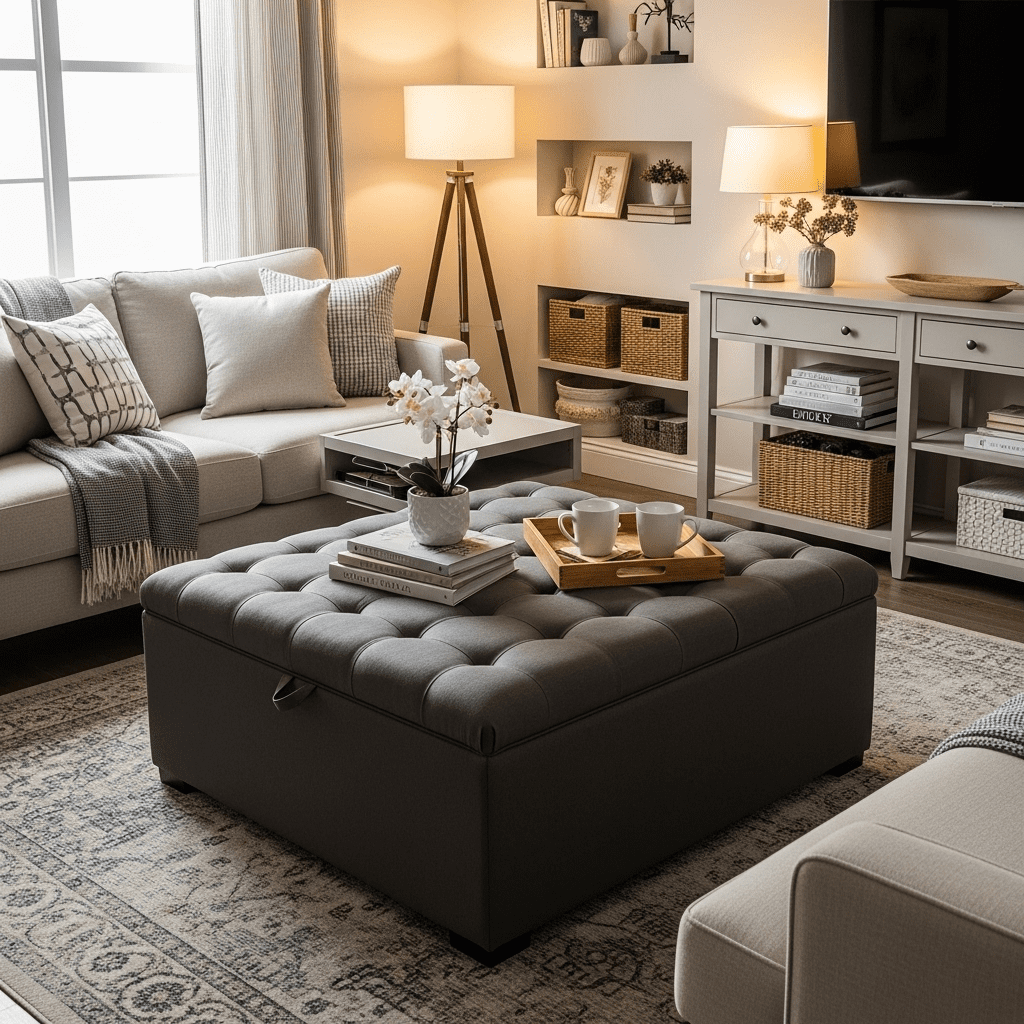
10. Dual-Purpose Ottoman Storage
Replace traditional coffee tables with upholstered storage ottomans. They provide seating, footrest function, hidden storage, and occasional table surface while adding softness to small spaces.
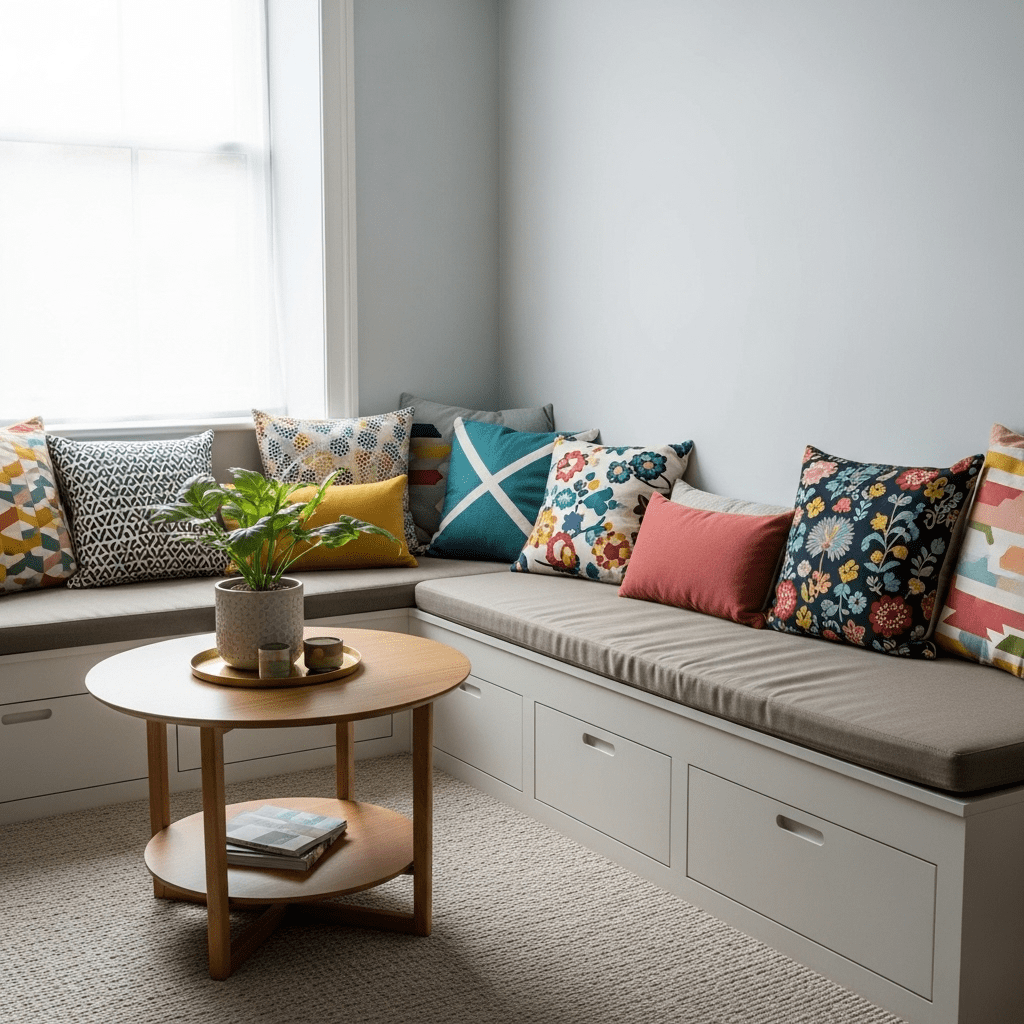
11. Built-In Banquette Seating
Create a built-in banquette along one wall with storage underneath. This fixed seating maximizes space efficiency while providing a cozy, custom look and valuable hidden storage.
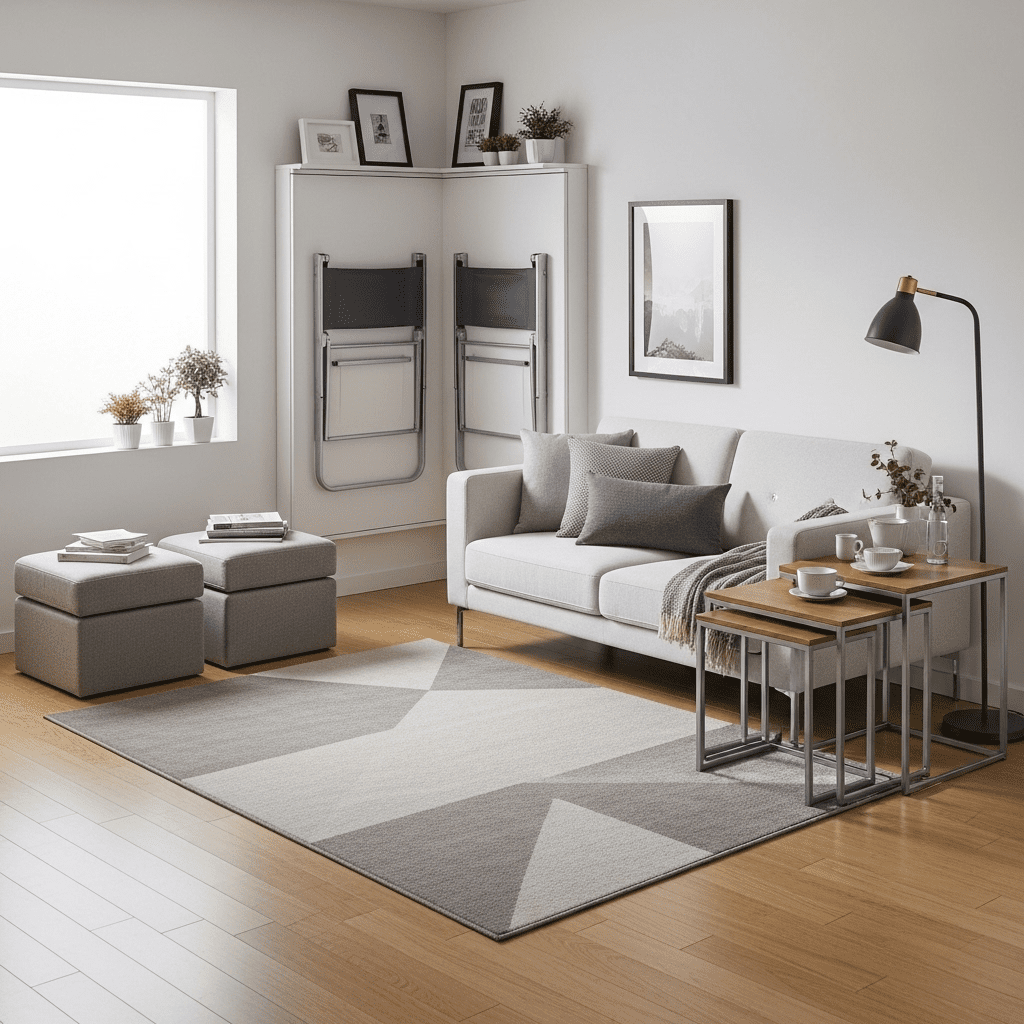
12. Nesting and Stackable Furniture
Invest in furniture that tucks away when not needed. Nesting tables, stackable stools, and folding chairs provide flexibility for entertaining while maintaining an uncluttered everyday appearance.
Essential Small Living Room Design Principles
Successfully designing small living rooms requires strategic thinking about every element. Scale is paramount—furniture should be appropriately sized for the space. A massive sectional overwhelms, while too-small pieces look lost and feel uncomfortable.
Traffic Flow Matters: Maintain clear pathways of at least 24 inches through the room. Resist the urge to push all furniture against walls; floating smaller pieces can actually make rooms feel larger by creating intentional zones.
Light Layers: Combine ambient, task, and accent lighting to eliminate dark corners. Multiple light sources create depth and dimension, making small rooms feel more expansive.
Strategic Color Choices: Light colors reflect light and expand space, but don’t fear darker hues. A dark accent wall can add drama and depth when balanced with lighter furnishings. The key is consistency and intentionality.
Edit Ruthlessly: Every item should earn its place through beauty, function, or both. Clutter is the enemy of small spaces. Regular editing ensures your living room remains functional and serene.
Small Space Furniture Selection Guide
When shopping for small living room furniture, prioritize pieces that serve multiple purposes. Storage ottomans, sofa beds, and extendable tables provide flexibility without permanent spatial commitment.
Look for furniture with clean lines and raised legs. Bulky, skirted pieces create visual heaviness, while streamlined designs with visible floor space underneath feel lighter and more spacious.
Consider proportion carefully. In small rooms, one properly scaled sofa often works better than multiple mismatched pieces. Balance seating needs with spatial reality—four comfortable seats are better than six cramped ones.
Decorating Small Living Rooms
Resist the urge to scale down artwork. One large statement piece commands attention better than scattered small prints, which can feel cluttered. A substantial mirror or oversized art creates focal points that anchor the space.
Embrace vertical space through tall plants, floor-to-ceiling curtains, and high-mounted shelving. Drawing the eye upward creates the impression of greater volume.
Keep window treatments simple. Heavy drapes consume visual space; opt for simple panels, Roman shades, or barely-there sheers that maximize natural light.
Making Small Living Rooms Work
Small living rooms demand creativity but reward thoughtful design. These spaces can feel intimate rather than cramped, cozy rather than claustrophobic. The secret lies in purposeful choices, smart storage, and embracing the room’s natural constraints rather than fighting them.
Focus on quality over quantity. One beautiful sofa beats three mediocre chairs. A few meaningful decorative objects create more impact than numerous trinkets. In small spaces, less truly is more.
Remember that small living rooms often encourage connection and conversation. Their intimate scale fosters closeness and interaction that larger rooms sometimes lack. Embrace your small space’s inherent coziness while employing these design strategies to maximize both function and style.
With the right approach, your small living room can become the most loved space in your home—proof that great design transcends square footage.