12 Two Sliding Door Wardrobe Designs
Sliding door wardrobes are a popular choice for modern bedrooms, offering space-saving functionality and a sleek, streamlined aesthetic. The doors glide smoothly along a track, requiring no swing space—ideal for compact rooms or areas where hinged doors would be impractical. Sliding doors can be customized with a variety of materials, finishes, and configurations to suit any style. Here are twelve two sliding door wardrobe designs to inspire your next project.
1. Full-Height Mirrored Sliding Doors
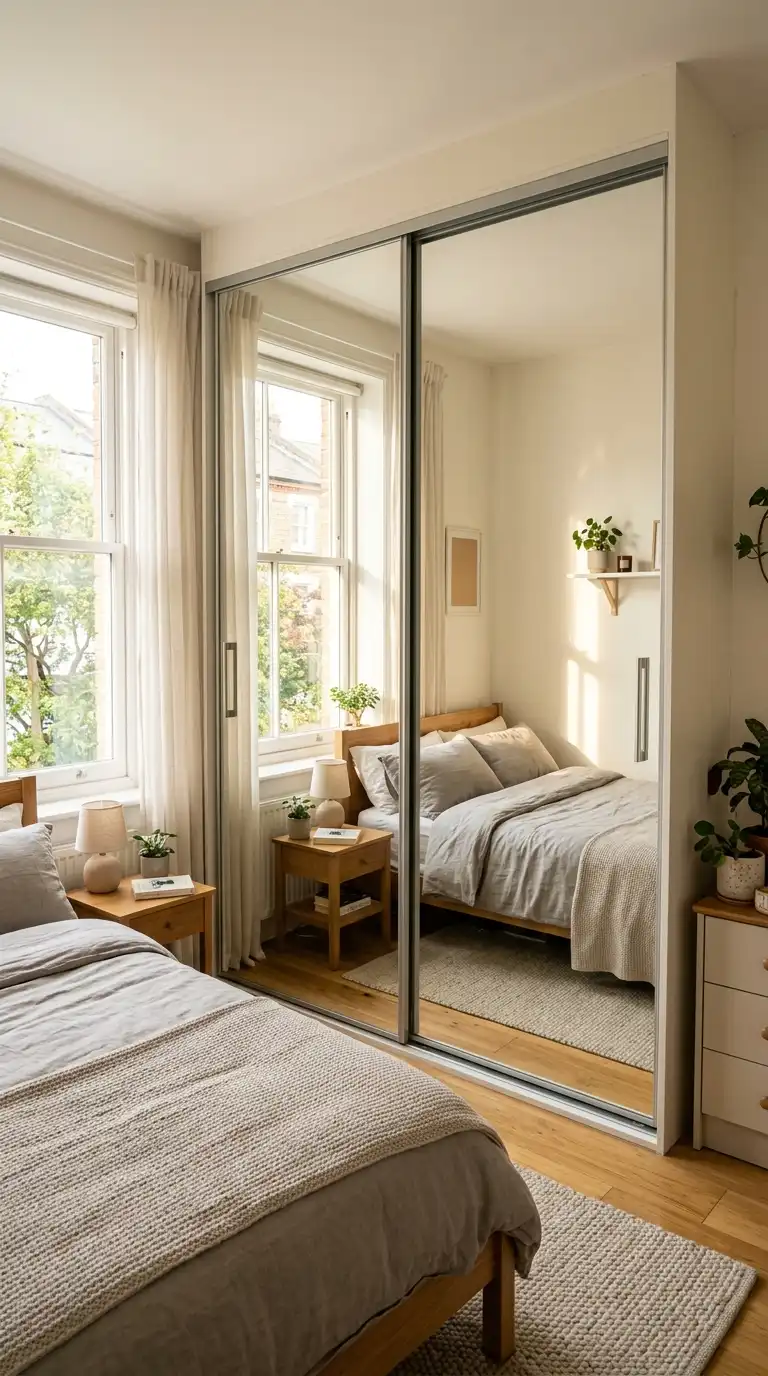
Full-height mirrored sliding doors are a classic choice for small bedrooms. The seamless reflective surface bounces light around the room, making the space feel larger and brighter. The mirrors also serve as a practical full-length dressing mirror, eliminating the need for a separate piece. Choose frameless mirrors for a clean, contemporary look, or add slim metal frames for architectural definition. The sliding mechanism saves floor space, making this design ideal for compact layouts.
2. Fluted or Ribbed Panel Sliding Doors
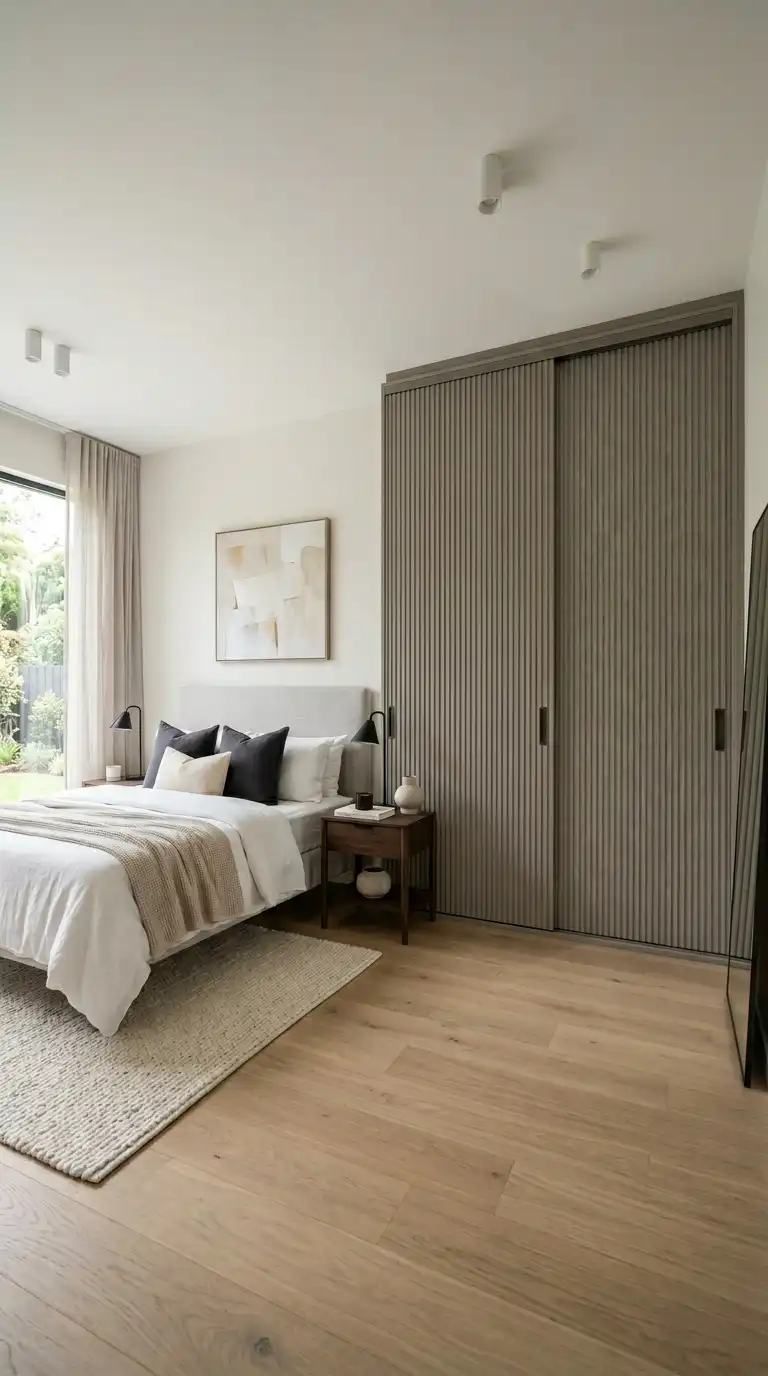
Fluted or ribbed panels add texture and architectural interest to sliding wardrobe doors. The vertical grooves create rhythm and depth, catching light and casting subtle shadows that change throughout the day. This detailing transforms a simple wardrobe into a design feature, adding visual richness without overwhelming the space. Choose a matte finish to emphasize the texture, and pair with integrated handles or a simple groove for opening. Fluted panels work beautifully in modern, transitional, and eclectic interiors.
3. Glass-Front Sliding Doors with Metal Frames
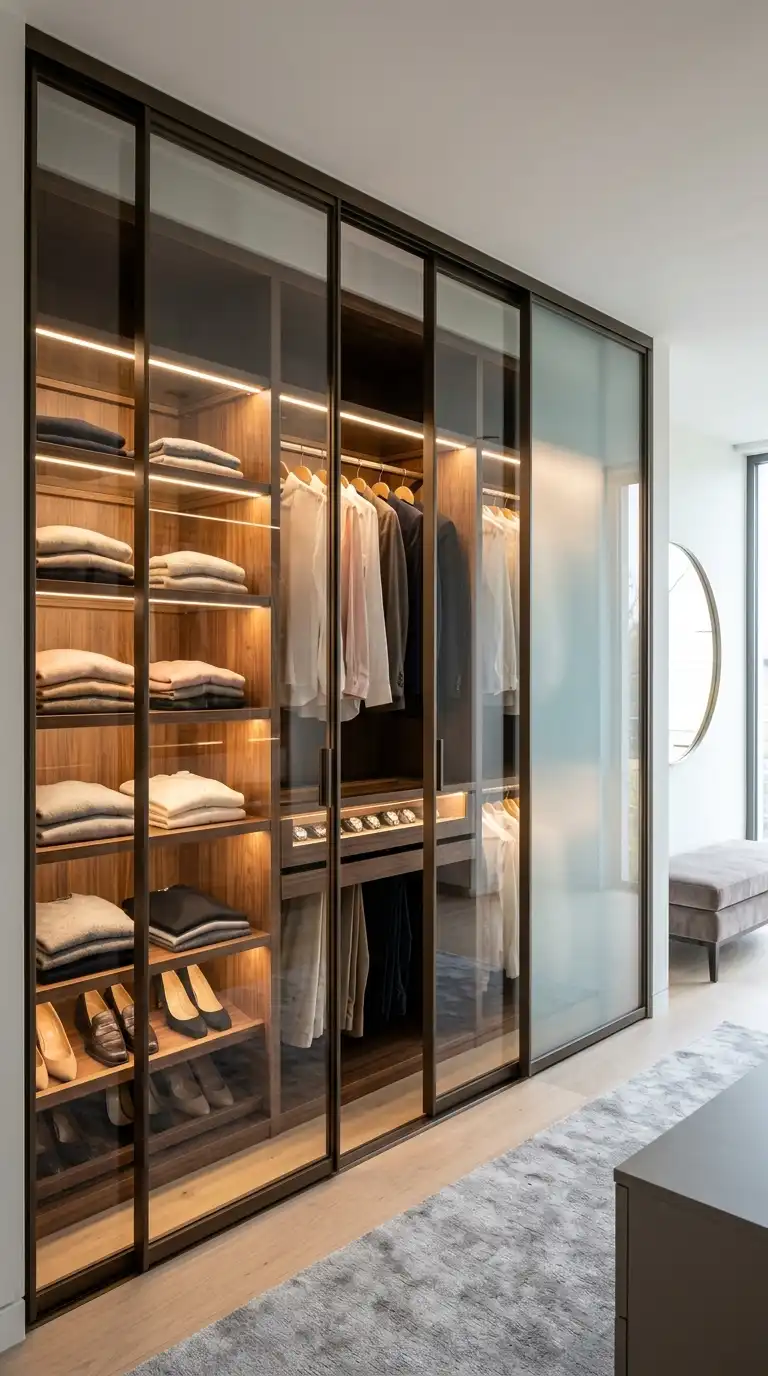
Glass-front sliding doors with slim metal frames offer a light, contemporary aesthetic that feels open and airy. The transparency of the glass creates a boutique-like display, while the metal frames add structure and definition. Choose clear glass to showcase a curated wardrobe, frosted glass for privacy, or tinted glass for dramatic effect. Interior LED lighting highlights the contents and adds warmth. This design is perfect for modern bedrooms and dressing rooms where the wardrobe is a design feature.
4. Two-Tone Sliding Doors
Two-tone sliding doors add visual interest and personality by combining two complementary finishes within a single design. Use one finish for the left door and another for the right, or create a horizontal or vertical division on each door. Popular combinations include light wood with matte white, dark wood with high-gloss gray, or matte black with natural oak. This approach breaks up large expanses of cabinetry and creates a custom, designer look.
5. High-Gloss Lacquer Sliding Doors
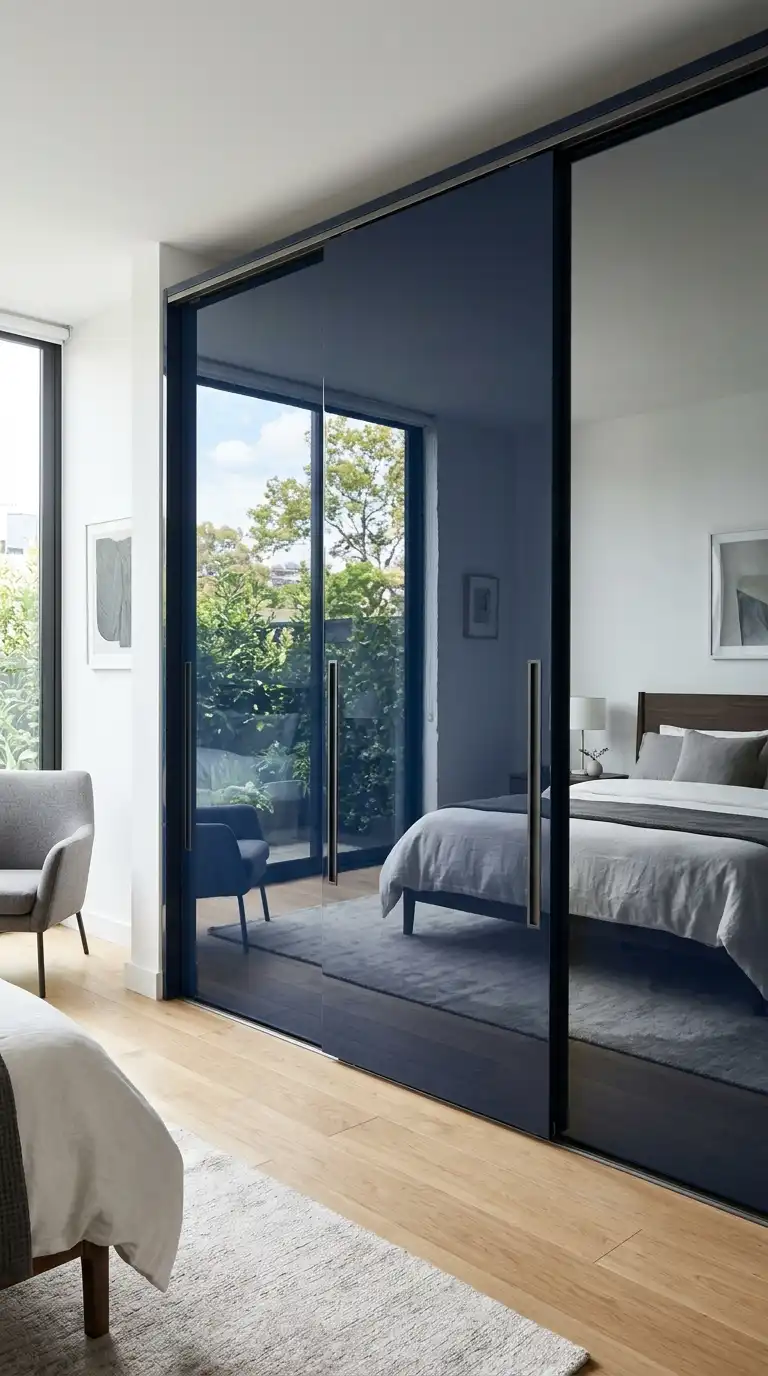
High-gloss lacquer finishes add a sleek, reflective quality to sliding wardrobe doors. The mirror-like surface bounces light around the room, making spaces feel larger and more open. High-gloss works particularly well in contemporary and minimalist interiors, where its clean, polished appearance enhances sophistication. Choose bold colors like deep navy, charcoal, or black for a dramatic statement, or classic white for timeless elegance. Slim recessed handles maintain the sleek appearance.
6. Sliding Doors with Integrated Handles
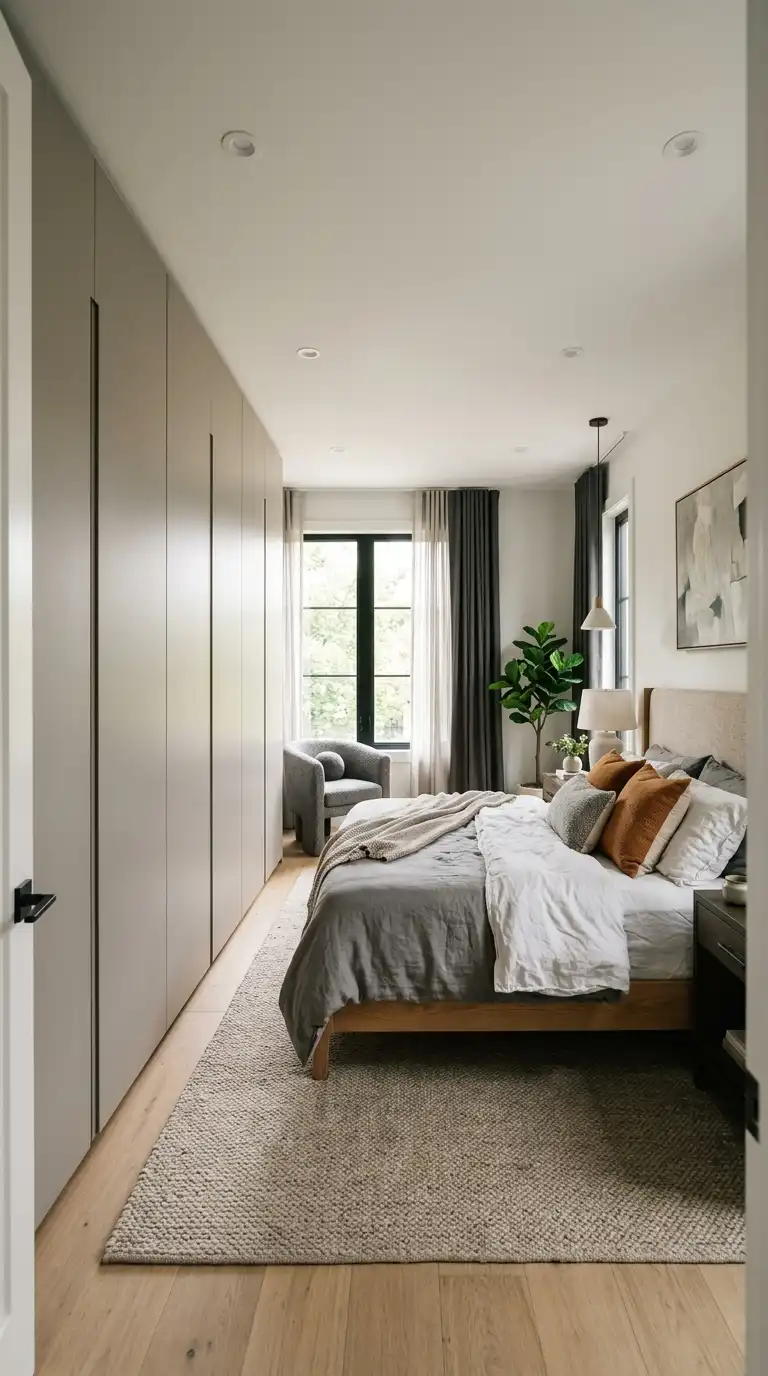
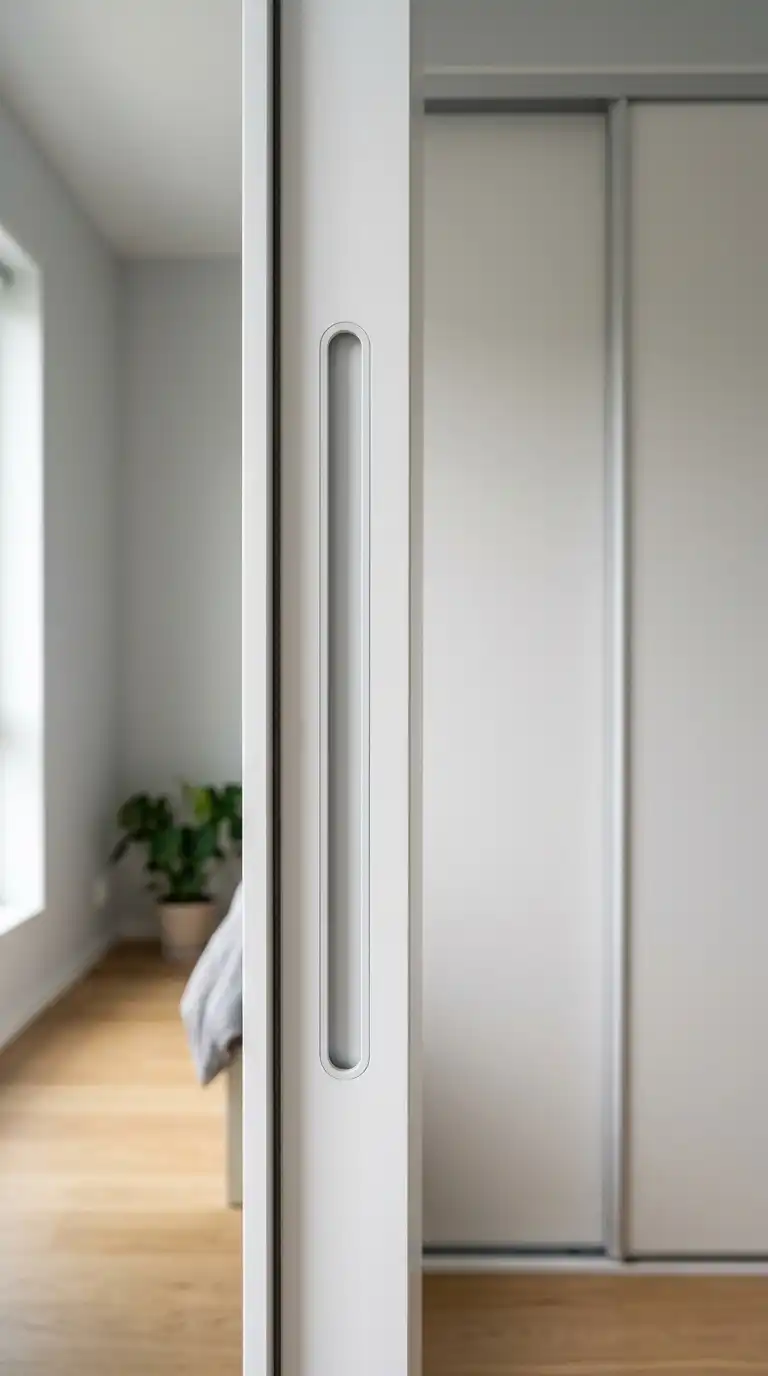
Integrated handles—recessed into the door surface—maintain a clean, unbroken line that emphasizes the simplicity of the design. The handles can be a slim groove running vertically or horizontally, or a discreet finger pull. This detail eliminates protruding hardware, creating a seamless appearance that is both modern and functional. Integrated handles are especially effective on full-height sliding doors where a minimalist aesthetic is desired.
7. Sliding Doors with Cane or Rattan Inserts
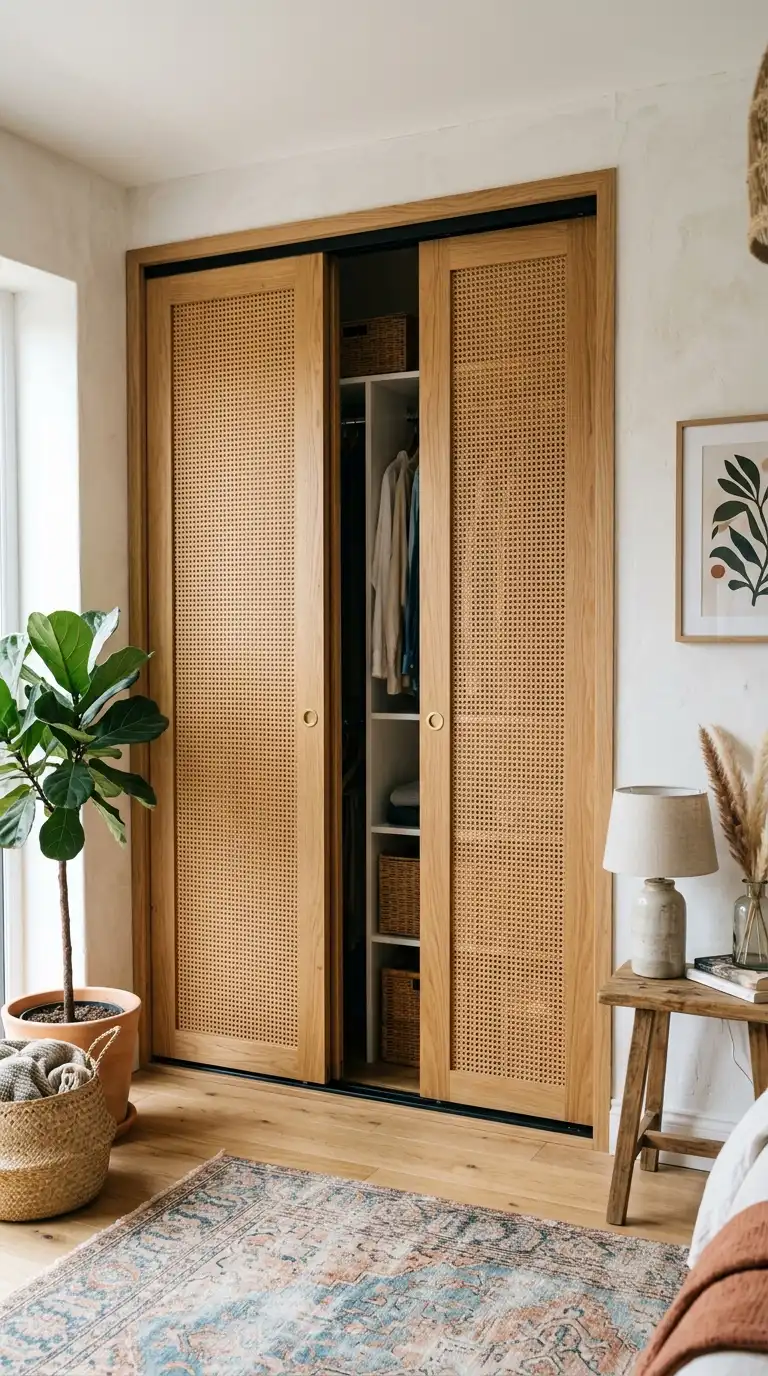
For a touch of natural texture and boho charm, incorporate cane or rattan webbing into sliding doors. The natural material adds warmth and a handcrafted feel that softens the overall look of the wardrobe. Cane inserts work beautifully in bohemian, coastal, and eclectic interiors. Frame the cane with wood or metal for a finished appearance. The sliding mechanism ensures the doors remain functional while adding a unique design element.
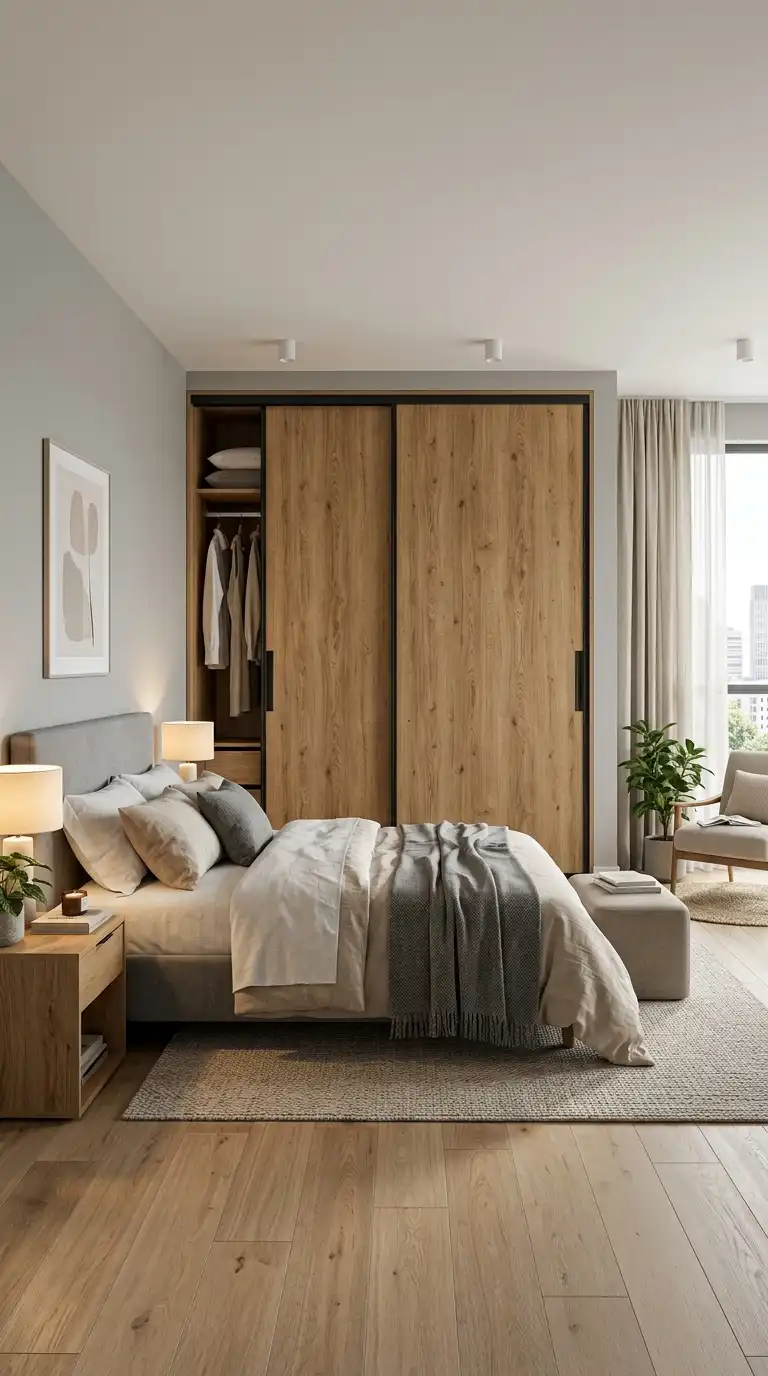
8. Sliding Doors with Textured Laminate
Textured laminate finishes offer the look of natural materials with the durability of laminate. Options include wood grain, stone, concrete, or linen textures. These finishes add depth and tactile interest to sliding doors while being easy to clean and maintain. Choose a wood grain for warmth, a stone finish for elegance, or a concrete texture for industrial edge. The sliding mechanism ensures smooth operation.
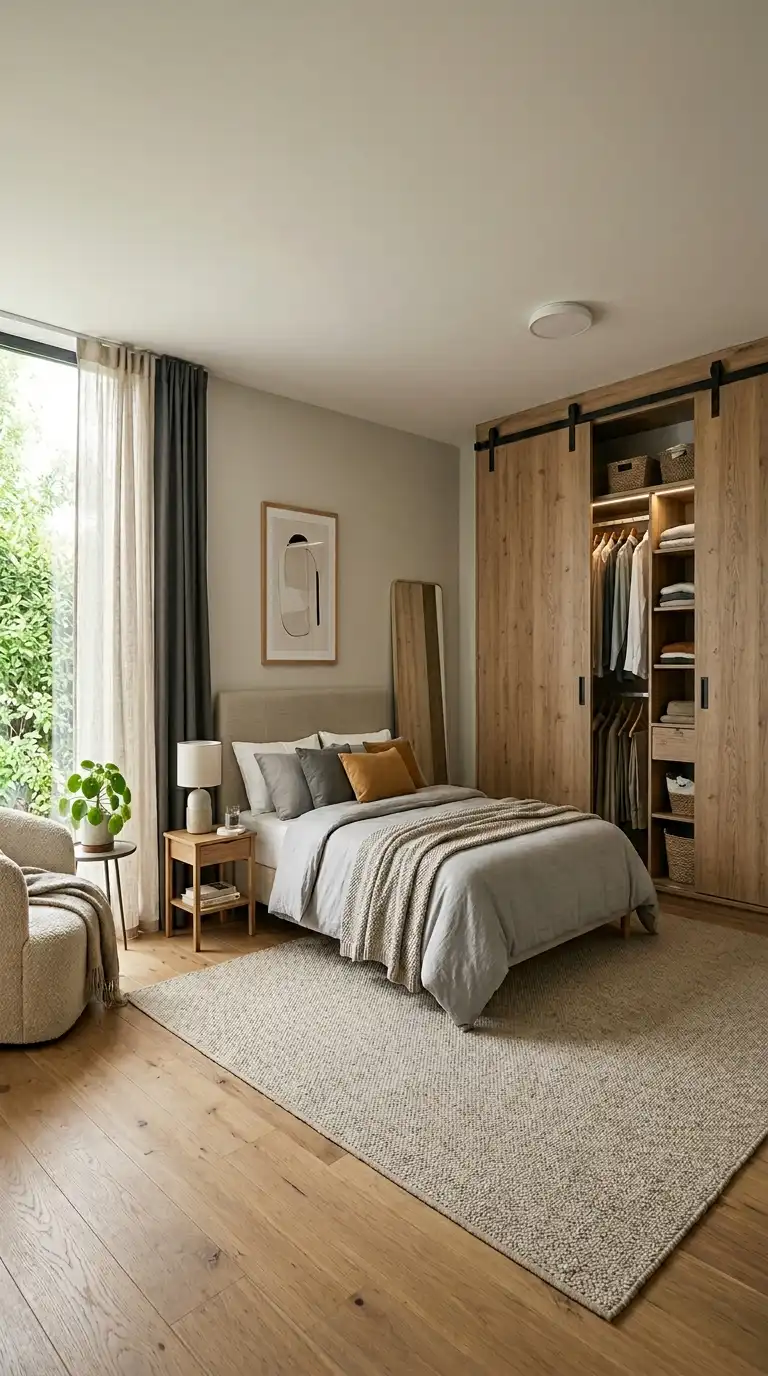
9. Sliding Doors with Leather or Suede Panels
For a truly luxurious touch, incorporate leather or suede panels into sliding wardrobe doors. Soft, textured materials add warmth, sophistication, and a tactile element that contrasts beautifully with smooth surfaces. Use upholstered panels on the sliding doors, framed by metal or wood trim. This design works beautifully in master bedrooms and dressing rooms where luxury is a priority. The sliding mechanism maintains functionality while adding a high-end aesthetic.
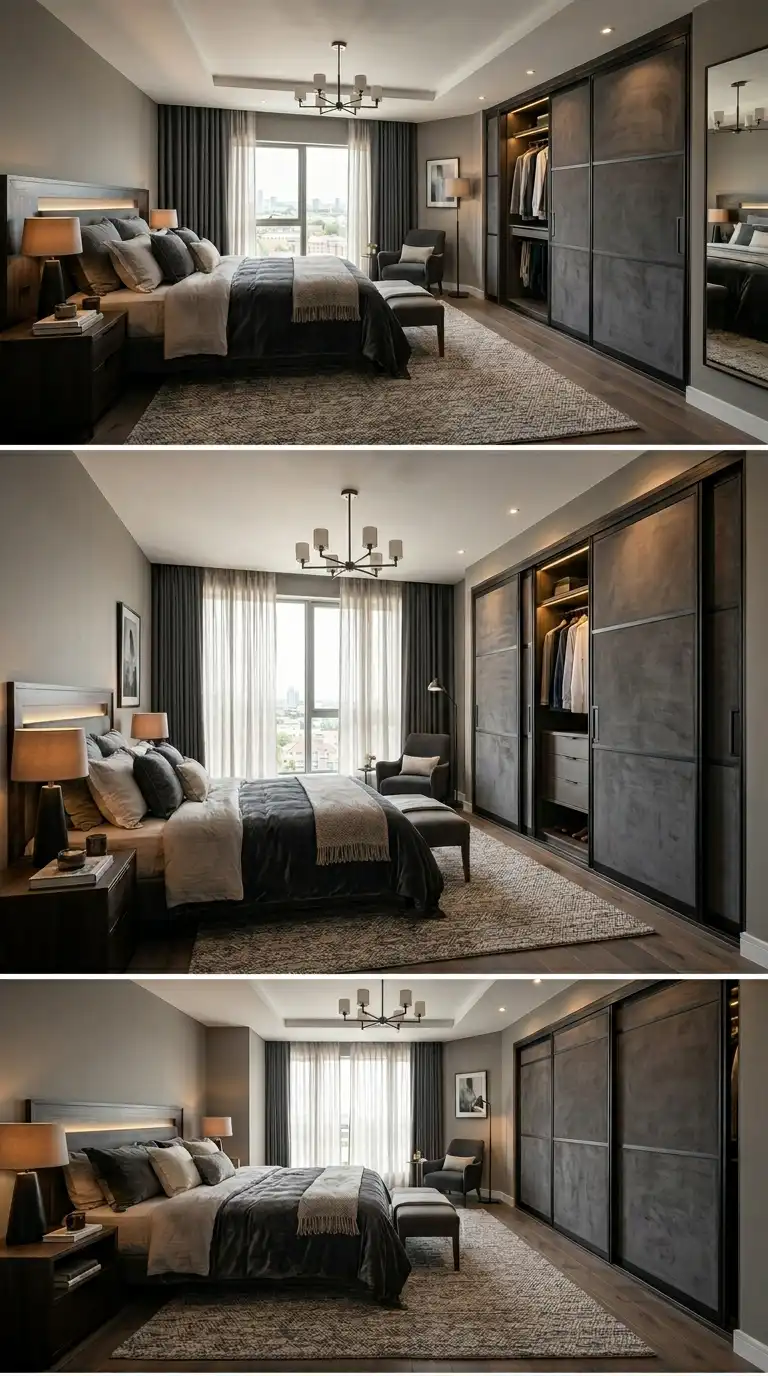
10. Sliding Doors with Geometric Pattern
Add a modern twist with sliding doors featuring a geometric pattern. The pattern can be etched into the surface, created with applied overlays, or formed by contrasting materials. Geometric patterns add visual interest and can be customized to complement your bedroom decor. This design transforms the wardrobe into a work of art, perfect for contemporary and eclectic spaces.
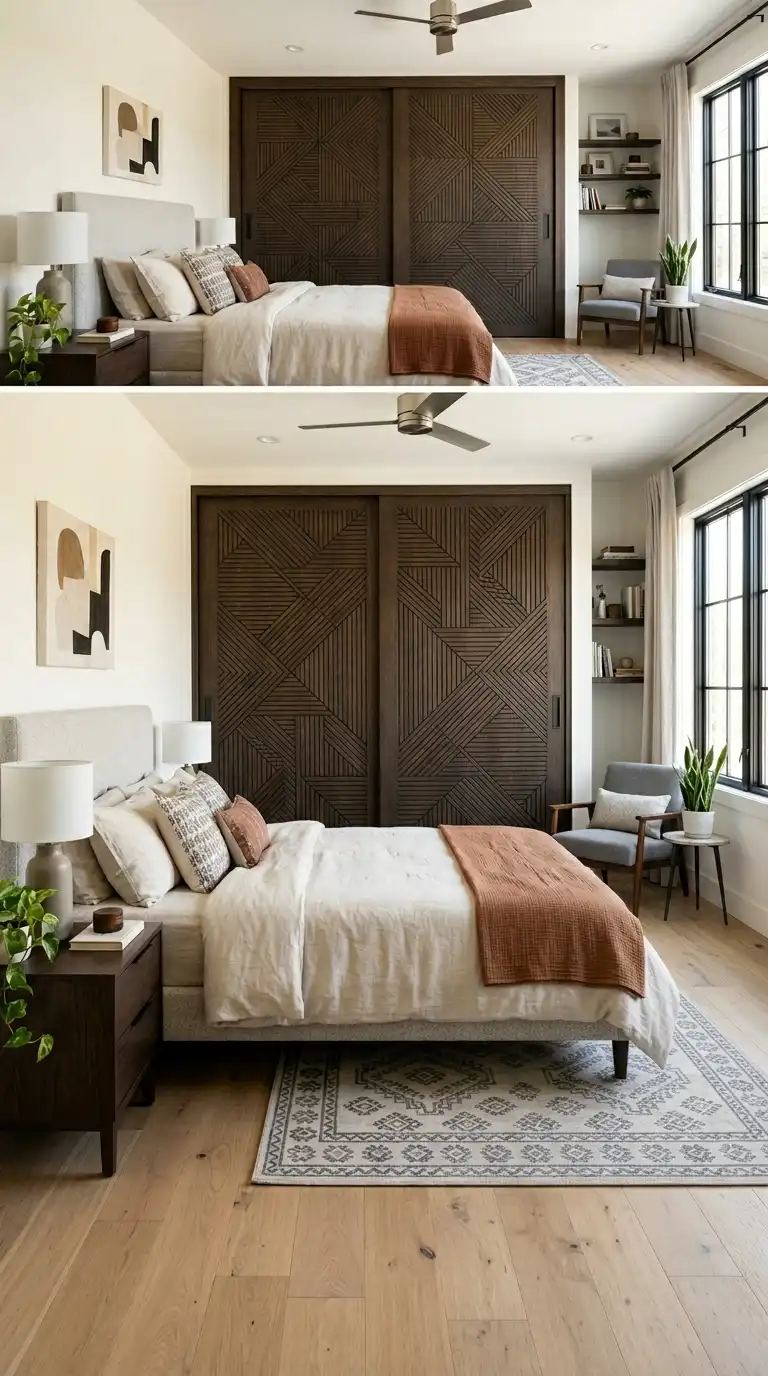
11. Sliding Doors with Backlit Mirror
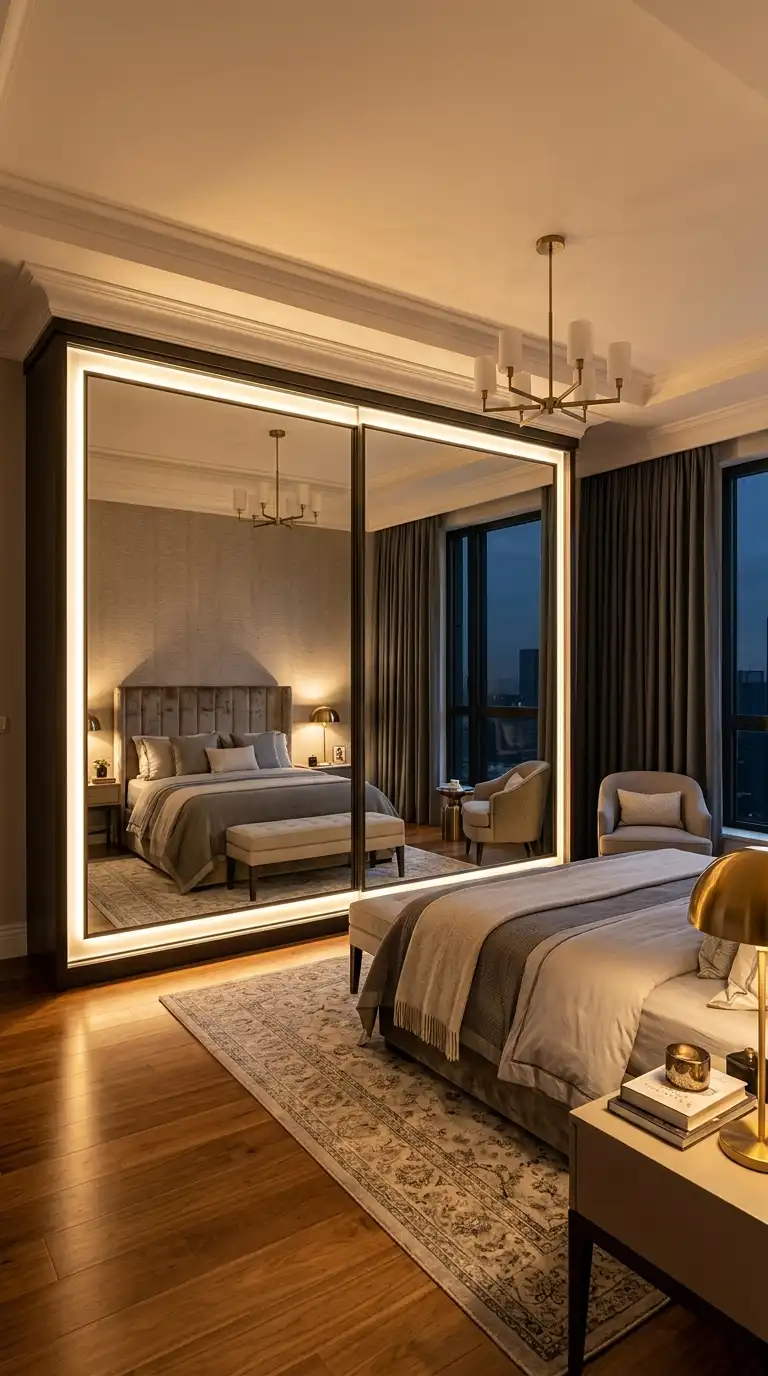
Combine the functionality of a mirror with the drama of backlighting. Install LED strips behind the mirror panels to create a soft, halo-like glow that adds sophistication and ambiance. The backlit mirror serves as a practical full-length mirror while also acting as a striking design feature, especially in evening settings. This design is perfect for master bedrooms and dressing rooms where a touch of glamour is desired.
12. Sliding Doors with Integrated Wardrobe Lighting
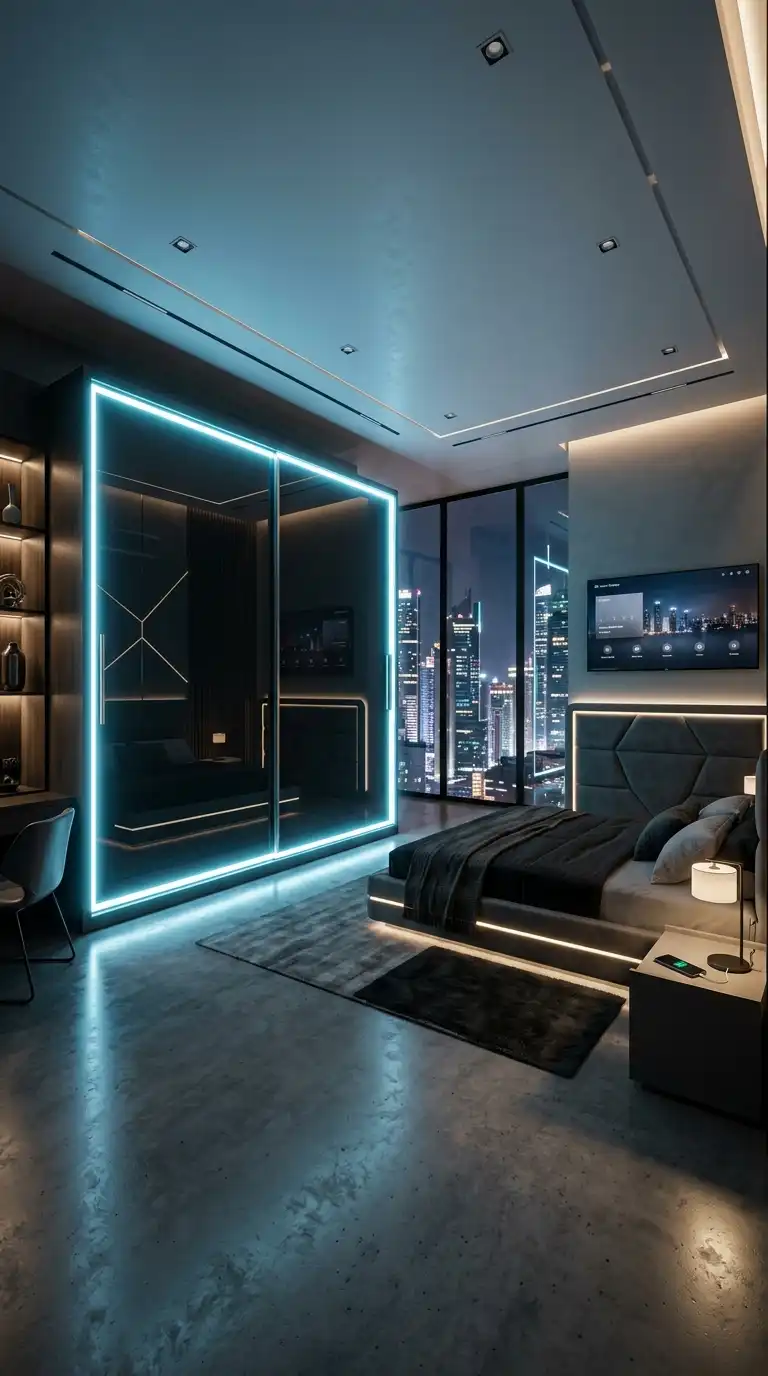
Integrate lighting into the sliding doors themselves for a truly innovative design. LED strips can be installed along the edges of the doors, creating a glowing outline that highlights the doors’ silhouette. This design adds a futuristic touch and makes the wardrobe a striking focal point, especially in contemporary and high-tech interiors. The lighting can be set to warm white for a soft glow or color-changing for a dynamic effect.
Frequently Asked Questions
- What are the advantages of sliding wardrobe doors?
Sliding doors save floor space because they do not require swing clearance. They are ideal for small bedrooms, tight corners, and rooms with limited floor area. Sliding doors also offer a sleek, modern aesthetic and can span entire walls for maximum storage capacity. - How do I maintain sliding wardrobe tracks?
Regular cleaning is essential. Vacuum or wipe the track with a soft cloth to remove dust and debris. Avoid using oil-based lubricants, which can attract dirt. If the doors become difficult to slide, check for obstructions and clean the track thoroughly. - Can sliding doors be installed in a room with sloped ceilings?
Yes. Custom sliding doors can be designed to fit under sloped ceilings, with doors cut to match the angle. Floor-to-ceiling designs maximize storage in attics and rooms with irregular architecture. - What materials are best for sliding wardrobe doors?
Popular materials include high-gloss and matte laminates for durability and affordability, natural wood veneer for warmth, glass for lightness and elegance, and metal for an industrial edge. Mirrored panels add functionality and enhance space. - How do I choose the right sliding door configuration?
Consider your space and storage needs. Two sliding doors are common for standard wardrobes. For wider spaces, three or four doors may be used. Decide whether you want the doors to overlap or meet in the center. Professional consultation can help determine the best configuration.