12 Wooded Backyard Landscape Designs
There’s something magical about a backyard shaded by mature trees. The dappled light, the scent of damp earth, and the natural privacy create a foundation that manicured lawns simply can’t compete with. But designing a wooded landscape comes with unique challenges: acidic soil, deep shade, exposed roots, and the need to work with nature rather than against it.
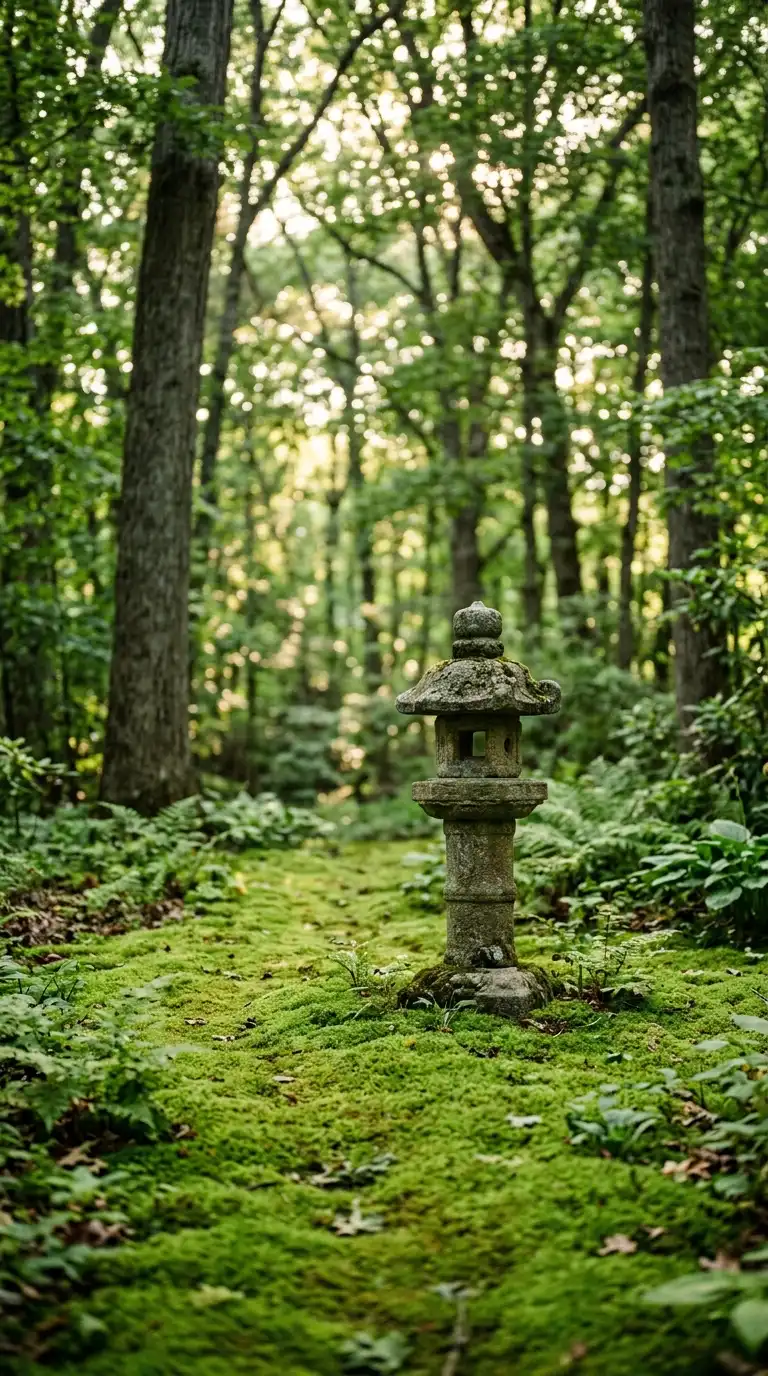
1. The Moss-Carpeted Meditation Glade
When grass refuses to grow under dense canopy, stop fighting and go mossy. This design transforms bare, shady soil into a lush, velvety green carpet that requires zero mowing. Add a single boulder or a small stone lantern as a focal point. Moss thrives on compaction and moisture, so simply clear debris, keep it damp, and let it spread.
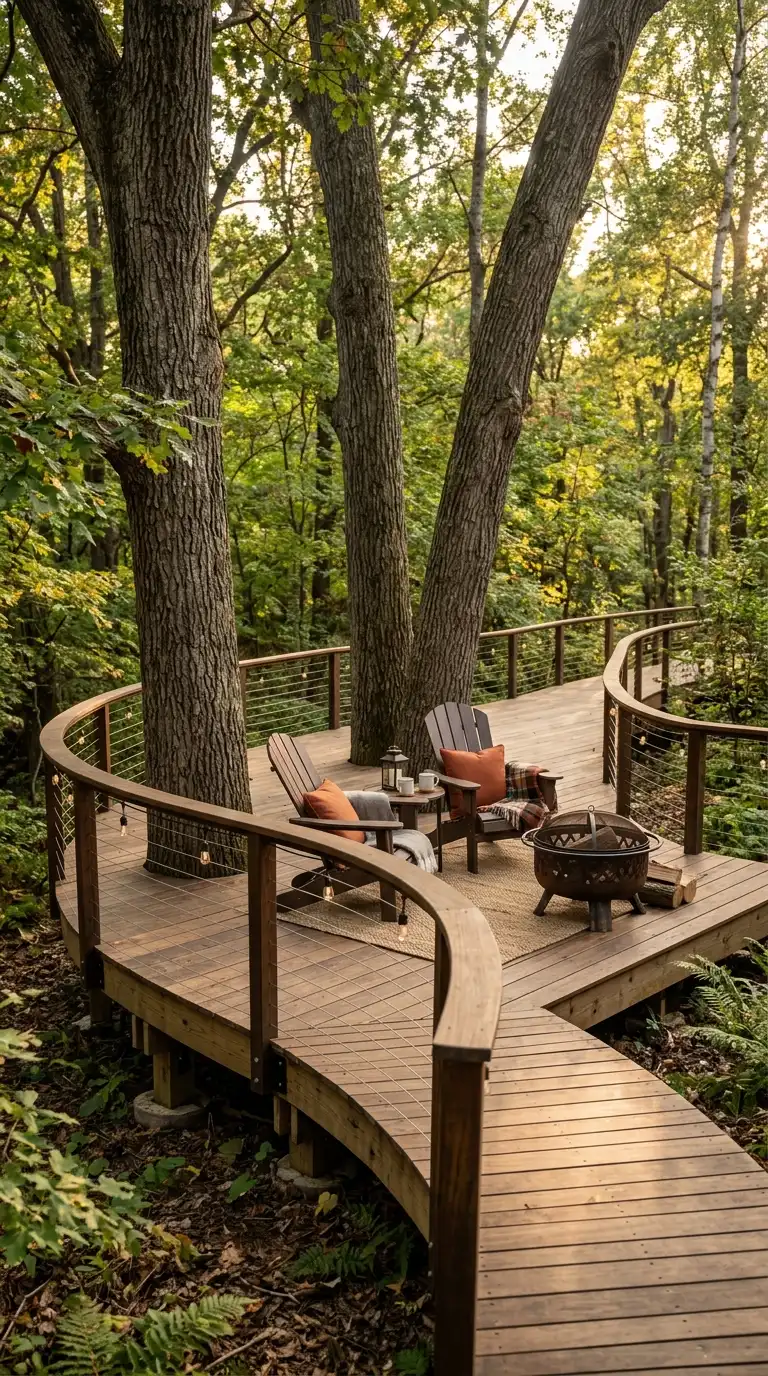
2. The Elevated Treehouse Deck
Why settle for ground-level when you have mature trunks ready to anchor your dreams? This design uses two or three sturdy trees as structural supports for a low-impact platform deck wrapped around them. The deck stays 3–4 feet off the ground, protecting roots below. Add built-in benches and a rope railing for a rustic, adventurous feel.
3. The Fern-and-Hosta Understory Garden
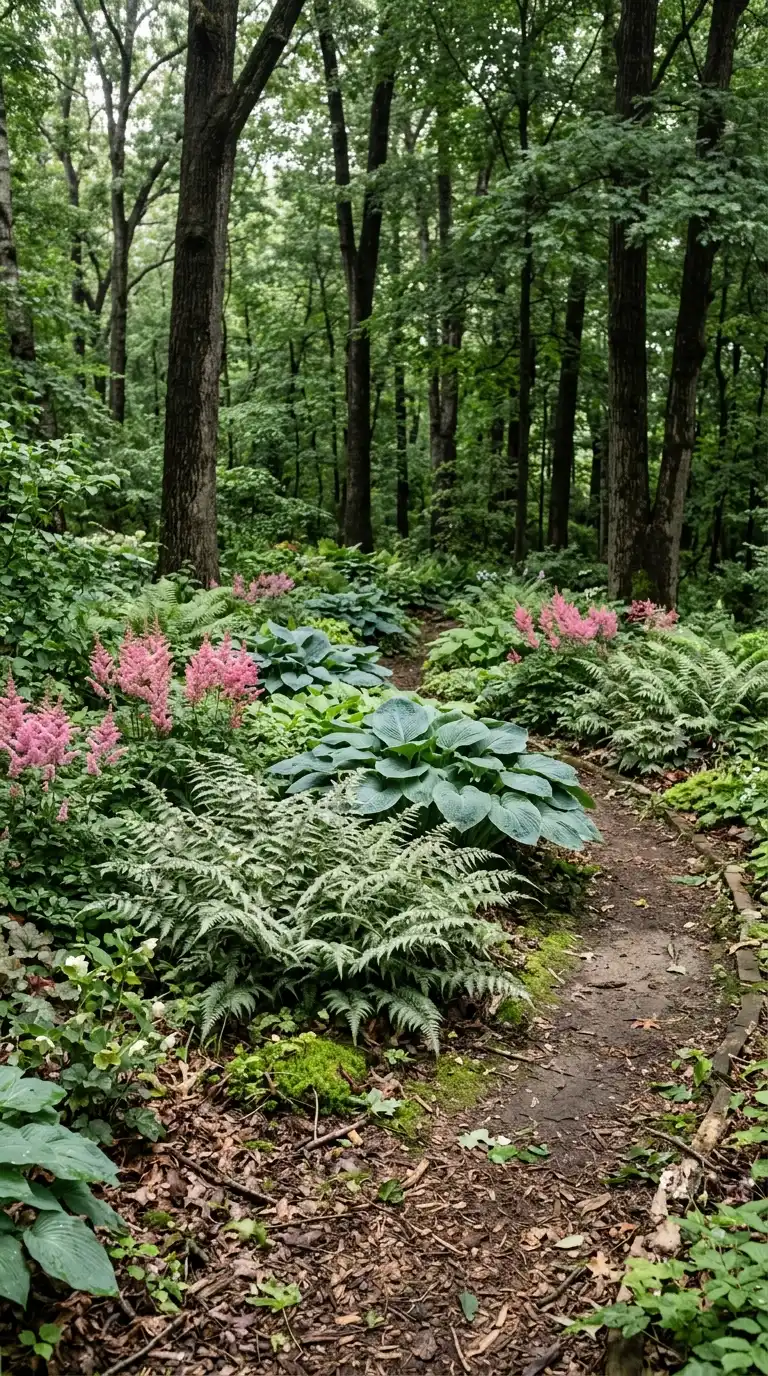
Your trees create perfect canopy cover for shade-loving perennials. Layer different textures: Japanese painted ferns, blue hostas, astilbe, and hellebores. Use natural edges—no plastic borders. Let leaves lie as winter mulch. The result is a garden that looks like it was always there, with blooms from early spring to late fall.
4. The Woodland Stream Bed (Dry or Wet)
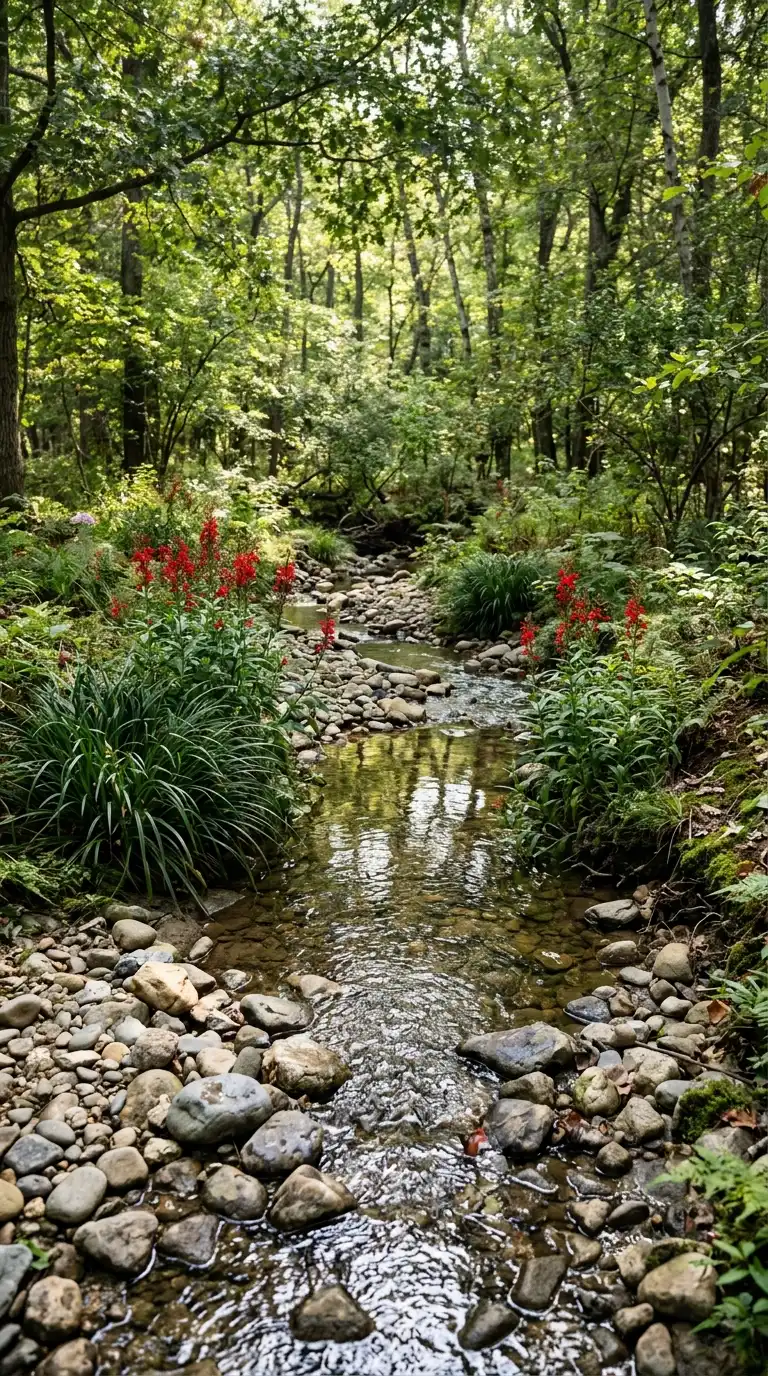
Whether you have a seasonal trickle or just a drainage swale, turn it into a design feature. Line the path with rounded river stones and flank it with moisture-loving plants like cardinal flower, sedges, and winterberry holly. In dry weather, it’s a sculptural rock garden; after rain, it becomes a gentle, singing stream.
5. The Stump-and-Log Wildlife Habitat
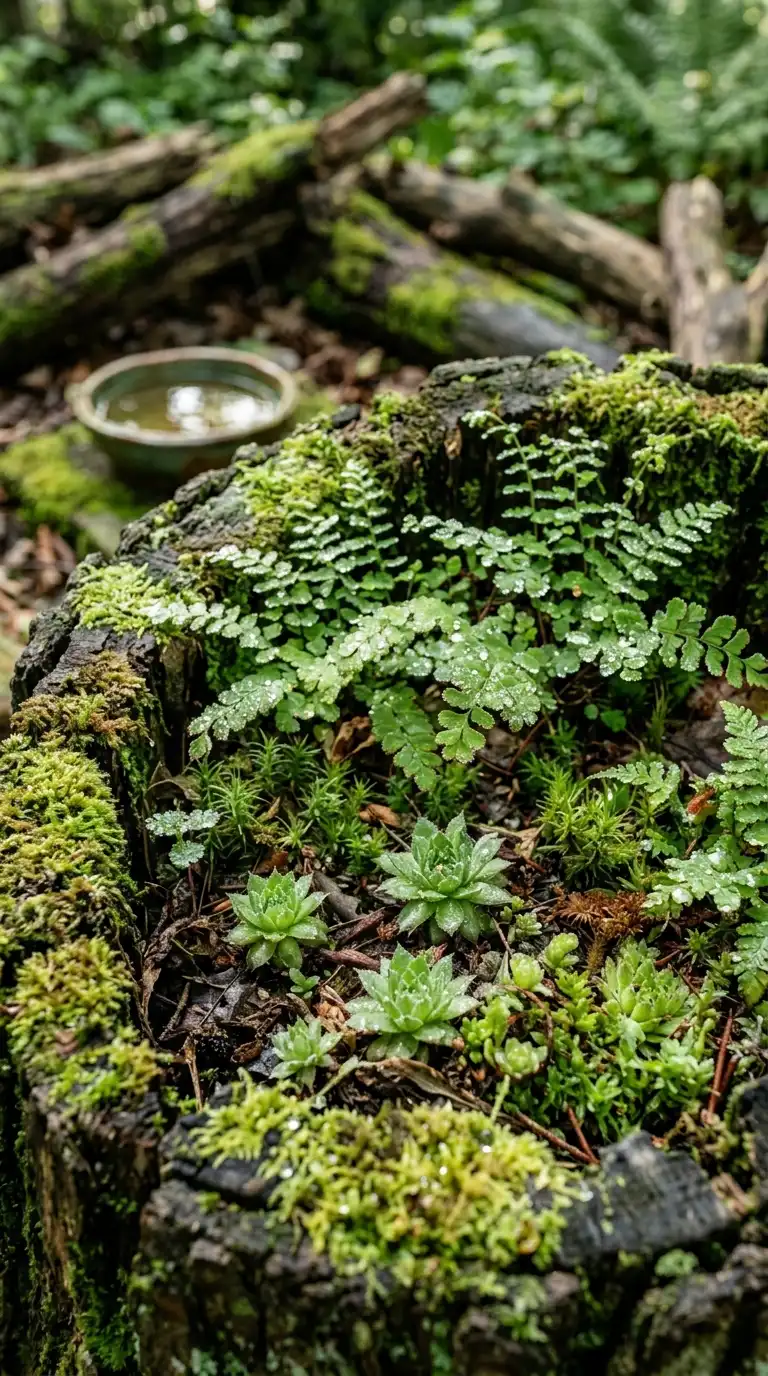
Instead of grinding down that old stump, celebrate it. Carve out the top to plant succulents or ferns. Arrange fallen logs in a spiral or grid to create shelter for salamanders, beetles, and fungi. Add a small, shallow dish of water. This design turns “mess” into a certified National Wildlife Federation habitat.
6. The Canopy Fire Pit Circle
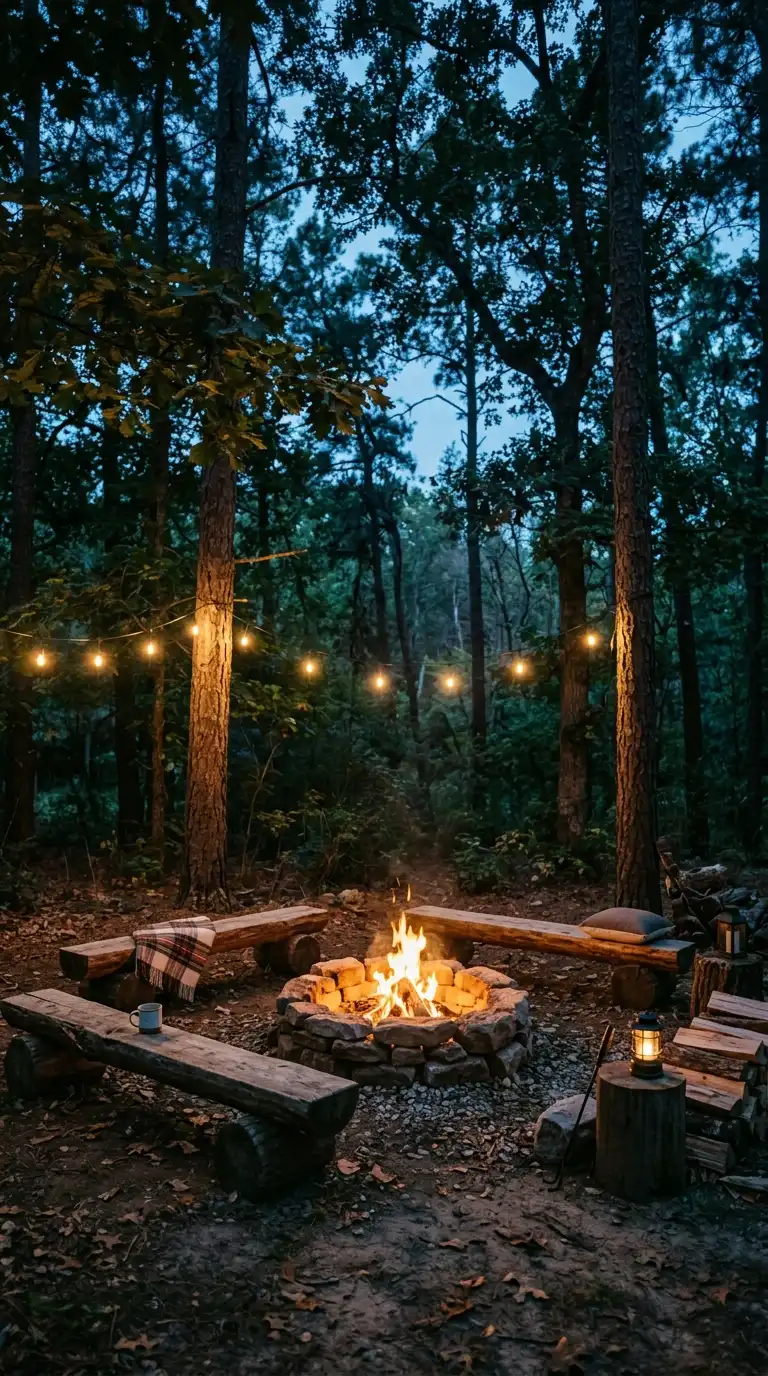
A fire pit under a high, open canopy is pure magic—but safety first. Choose a spot where the lowest branches are at least 15 feet above. Use a spark arrestor and keep the pit small. Surround it with half-log seats or camp chairs. The key is keeping the ground clear of leaf litter in a 10-foot radius. Roast marshmallows while watching stars flicker through the leaves.
7. The Rhody Walk (Rhododendron Tunnel)
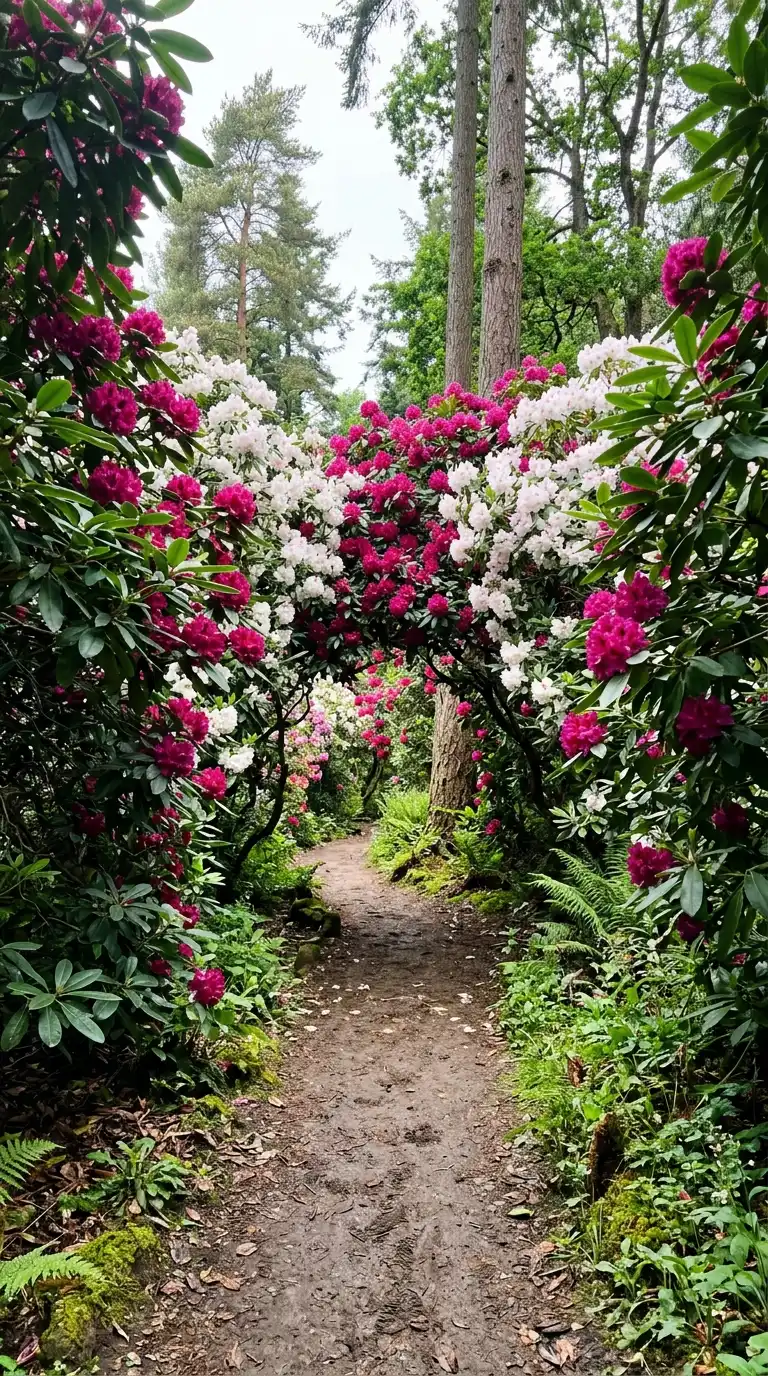
If your soil is acidic (typical under pines and oaks), rhododendrons and azaleas will explode with color. Plant them in staggered rows along a winding path so that, in spring, you walk through a tunnel of pink, purple, and white blooms. After flowering, the glossy evergreen leaves provide year-round structure.
8. The Night-Lit Forest Floor
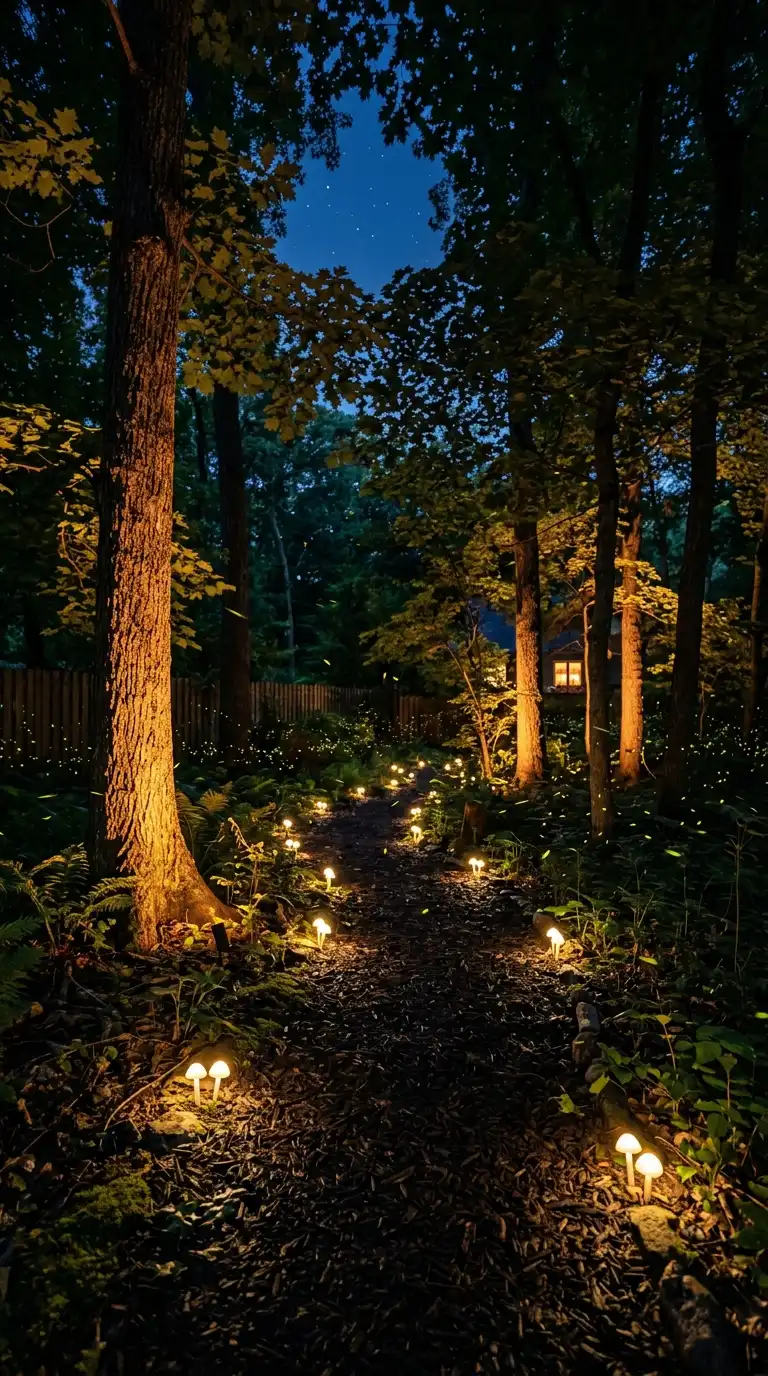
Wooded backyards can feel dark and unusable after sunset. Fix that with low, warm uplighting. Place small LED well lights at the base of key trees, pointing upward into the canopy. Line a path with mushroom-style solar stakes. The effect is ethereal—like walking through a fairy tale. Bonus: it deters nocturnal critters from surprise visits.
9. The Edible Forest Garden
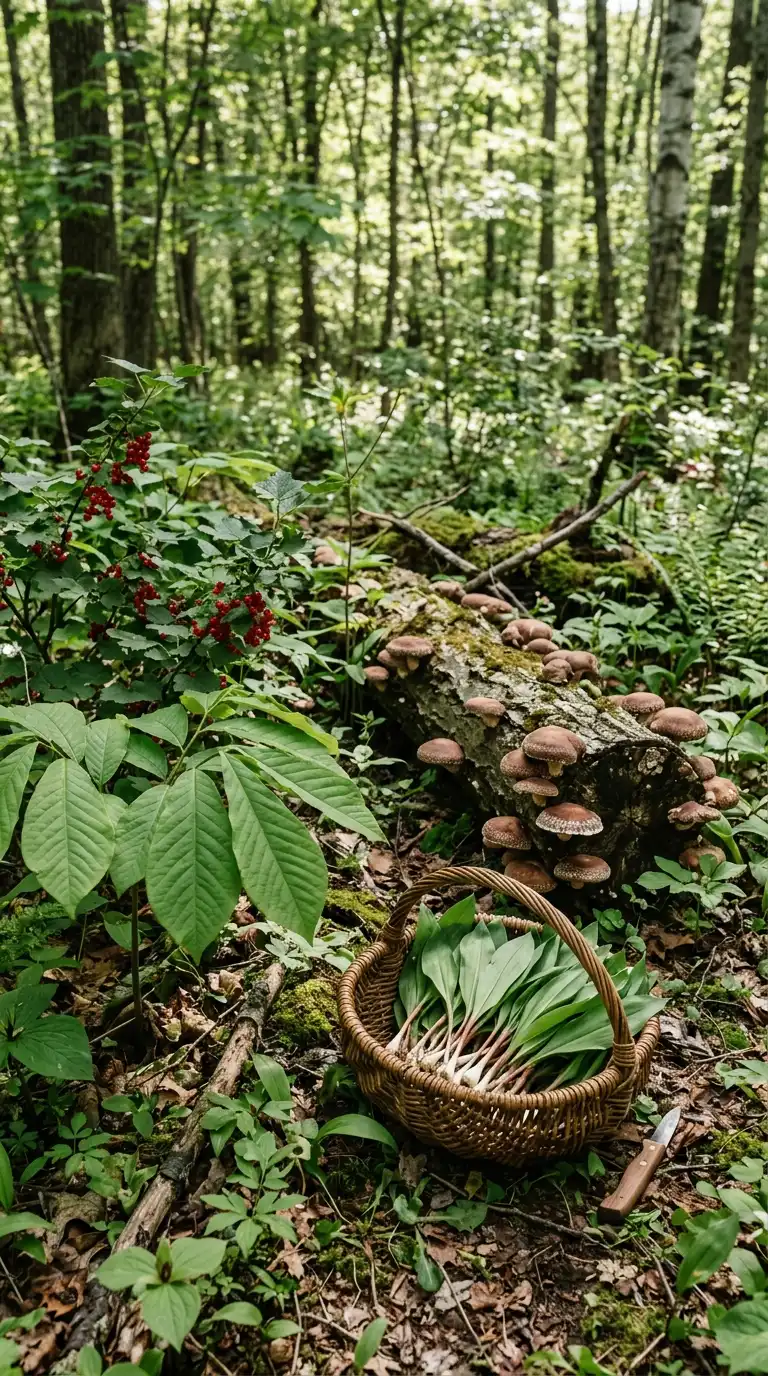
Your woods can feed you. Plant shade-tolerant edibles like ramps (wild leeks), pawpaw trees (America’s forgotten banana), black cohosh, and currant bushes. Add a few shiitake mushroom logs propped against a north-facing slope. This isn’t a tidy vegetable patch—it’s a layered, self-mulching food forest that requires little work once established.
10. The Hammock Grove (Two Trees Required)
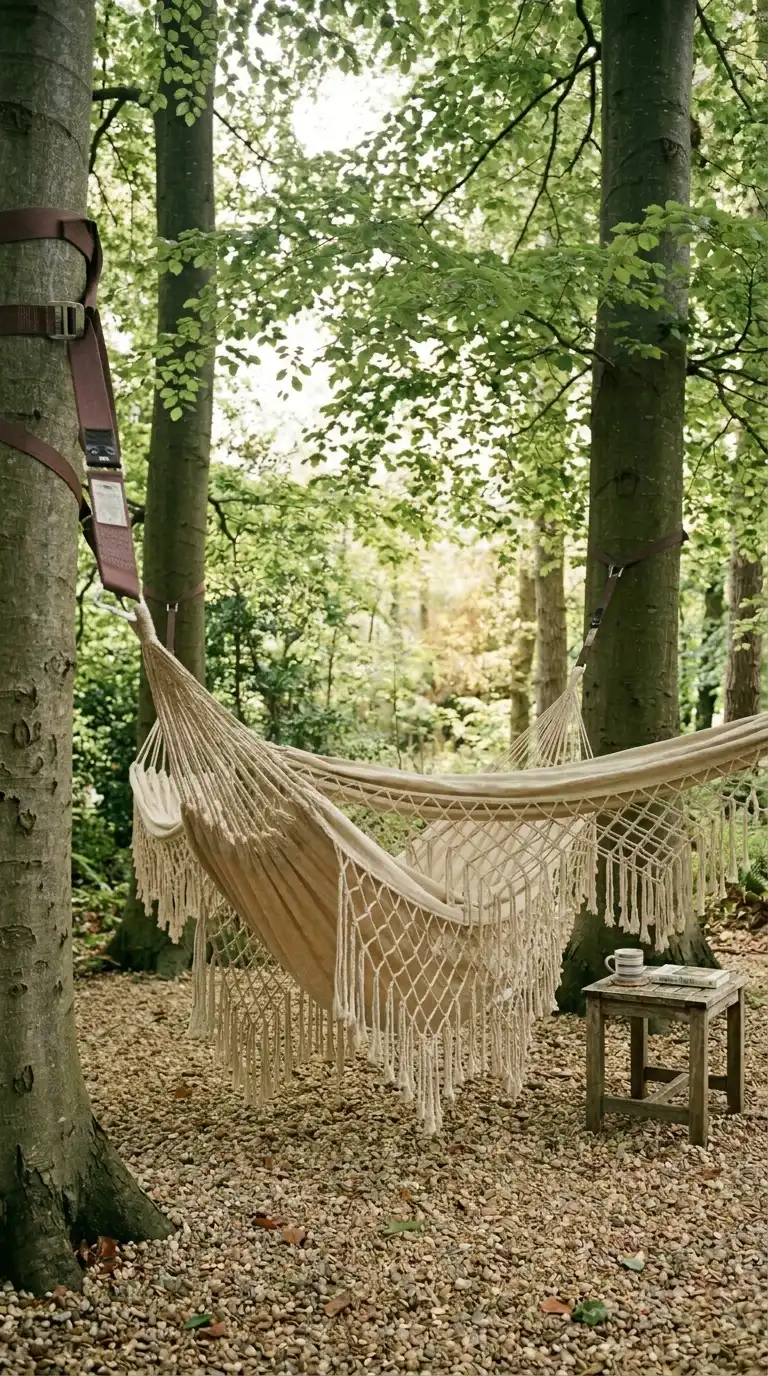
The simplest design on this list—if you have two healthy trees at least 12 feet apart, you have a destination. Use tree-friendly straps (never ropes or nails). Add two hammocks in an L-shape, or stack them vertically if the trunks allow. Underneath, lay a round outdoor rug or pea gravel to define the lounge zone. All you need is a book and a breeze.
11. The Root-Safe Boardwalk
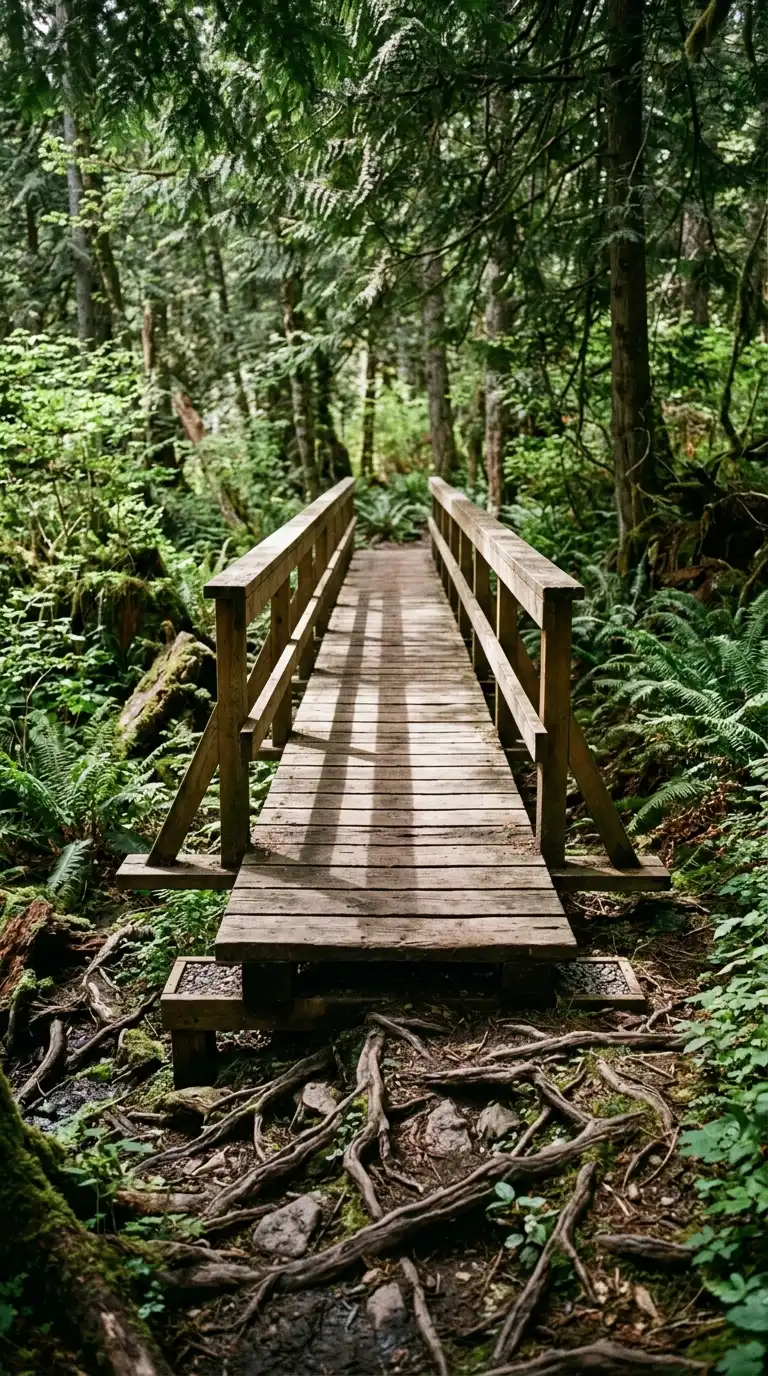
Exposed tree roots are easily damaged by foot traffic or mowers. Instead of cutting them (which can kill the tree), build a low, raised boardwalk that bridges over the root zone. Use untreated cedar planks on gravel footings. The path can float 2–3 inches above the highest root, allowing air and water to reach the soil while you walk without crushing.
12. The Deep-Shade Sitting Circle (No Plants Needed)
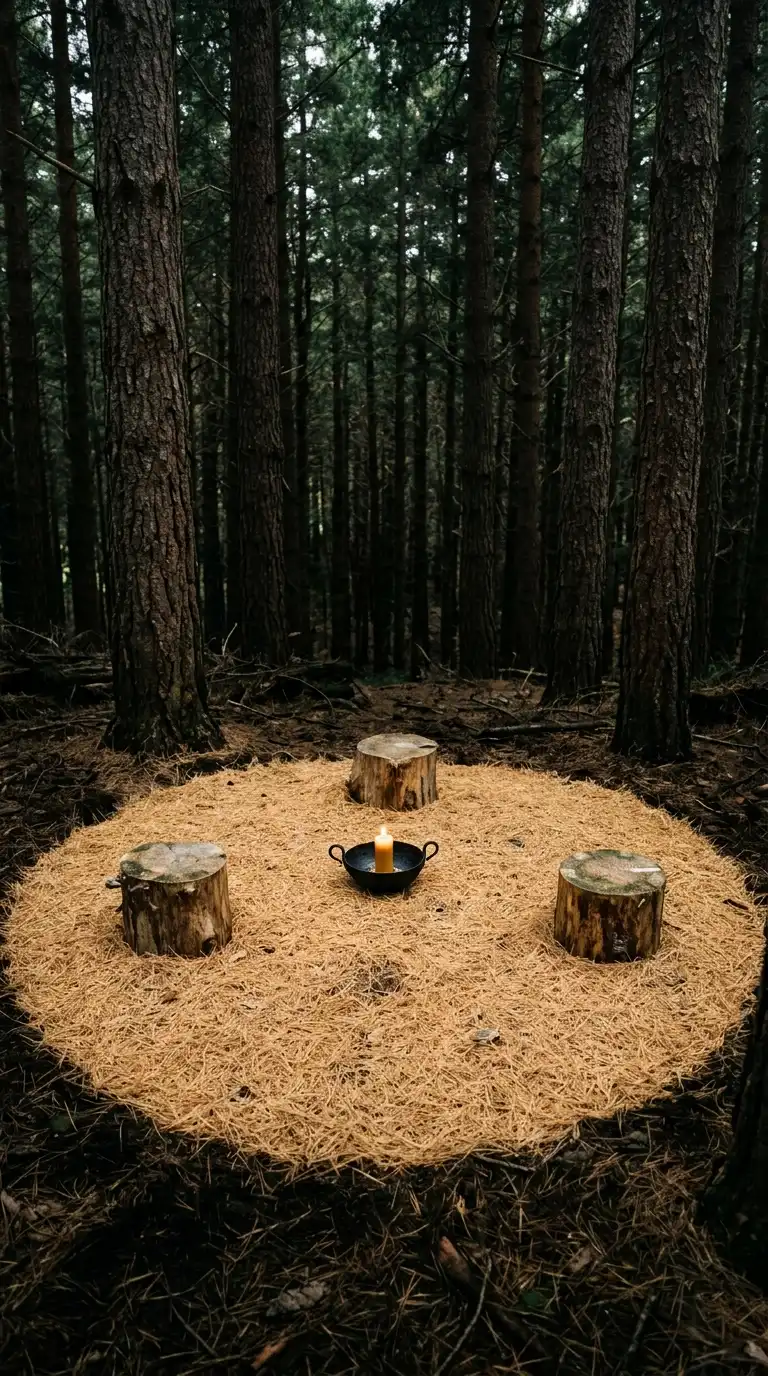
Sometimes the best design is a clearing. In the darkest, driest shade under evergreens, plant nothing. Instead, rake the pine needles into a smooth, circular floor. Arrange three large, flat stones or stumps as seats. Add a small metal bowl as a portable fire or candle holder. This is a minimalist, low-maintenance retreat that smells like the forest after rain.
Your wooded backyard isn’t a problem to be solved—it’s a canvas that’s already half-painted. Whether you choose the hammock grove, the moss carpet, or the rhododendron tunnel, the secret is always the same: work with the trees, not against them. Now go outside, look up at your canopy, and start dreaming.