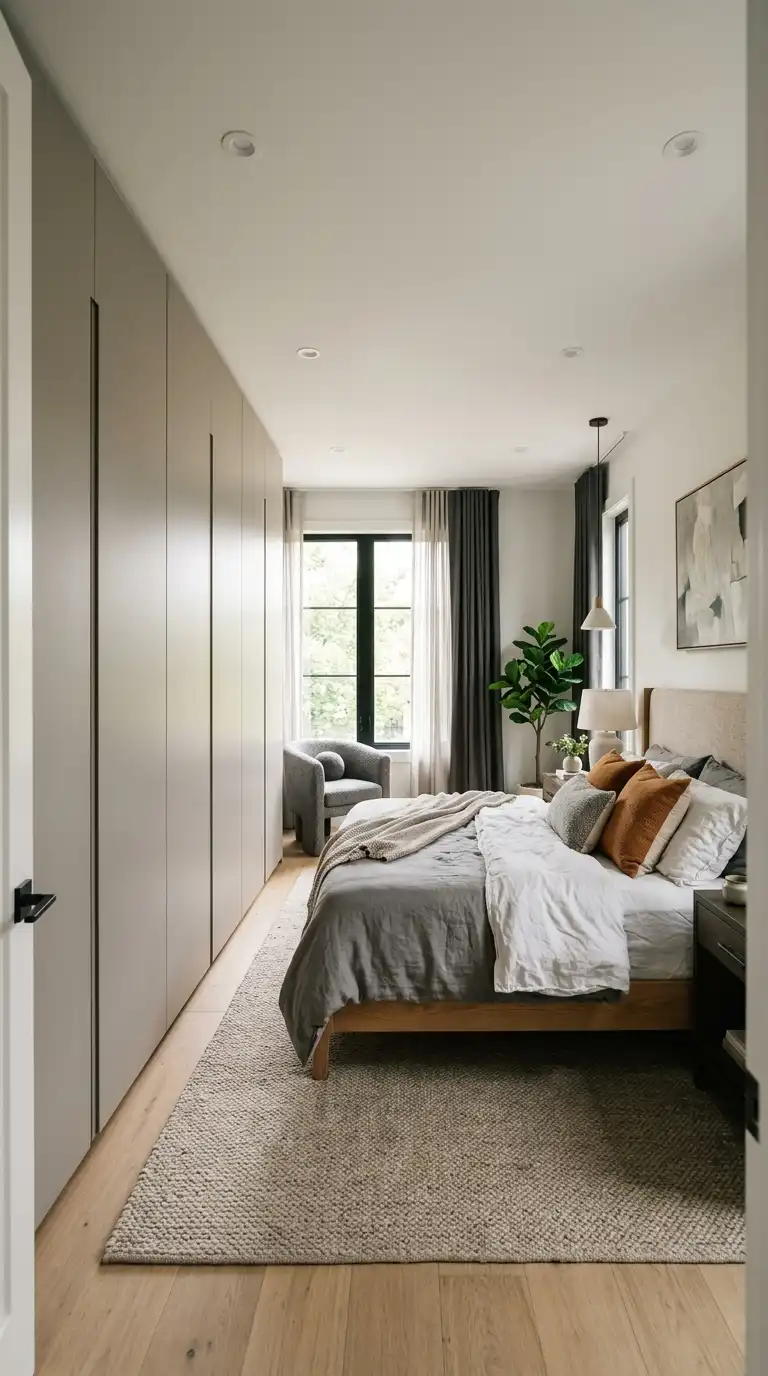
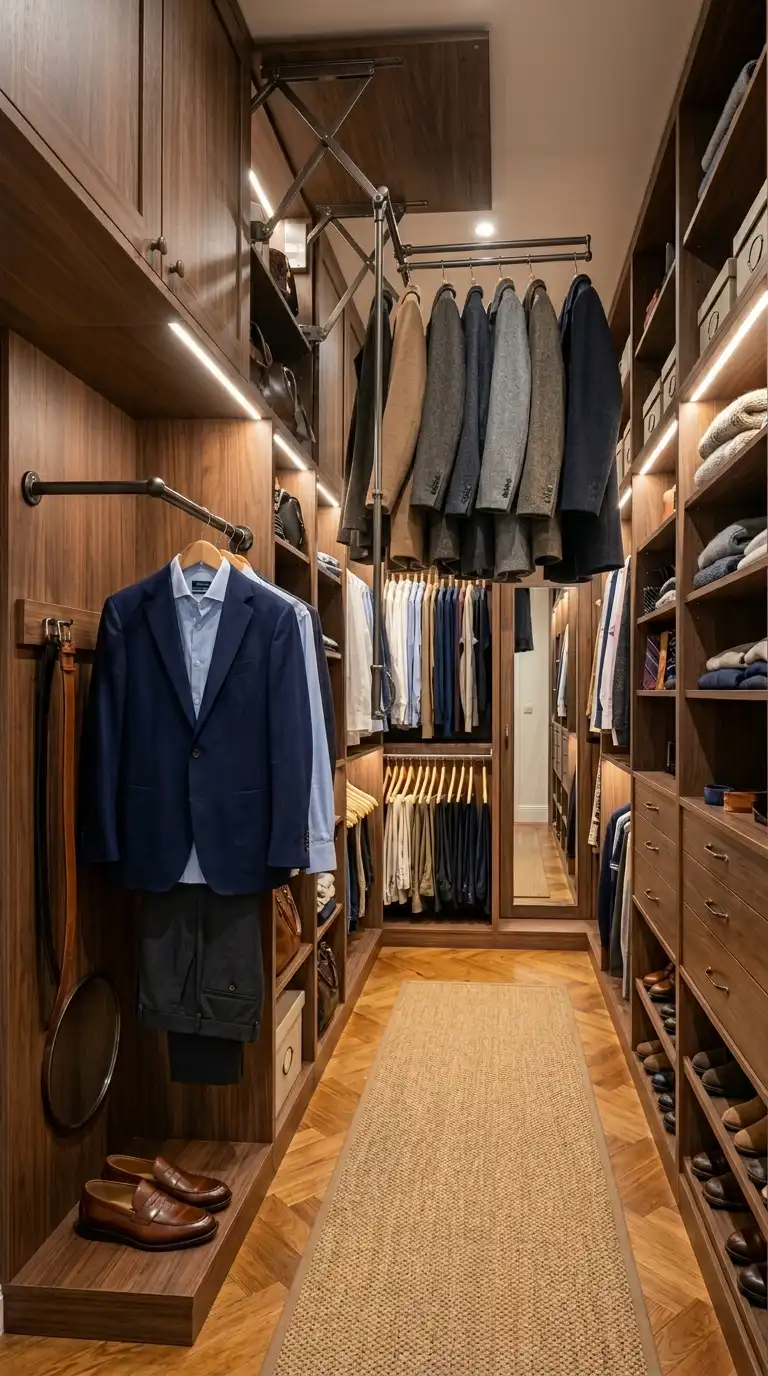
12 wooden wardrobe designs
Wooden wardrobes bring warmth, character, and timeless beauty to any bedroom. From rich mahogany and dark walnut to light oak and reclaimed timber, wood offers unparalleled versatility—suiting traditional, modern, rustic, and Scandinavian interiors alike. The natural grain patterns, textures, and tones of wood create a sense of warmth and authenticity that synthetic materials cannot replicate. Whether you prefer sleek, minimalist designs or ornate, carved details, wooden wardrobes provide storage solutions that are both functional and aesthetically enduring. Here are twelve wooden wardrobe designs to inspire your next project.
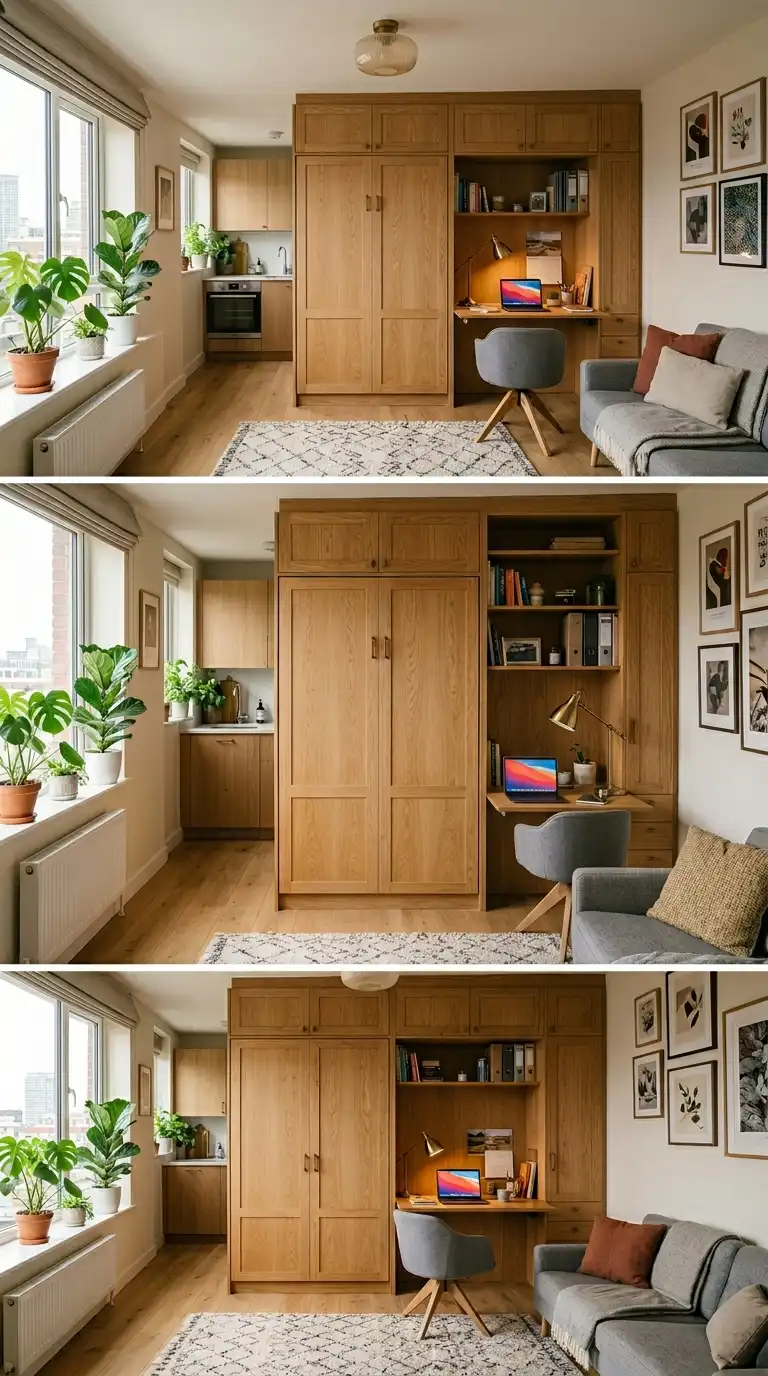
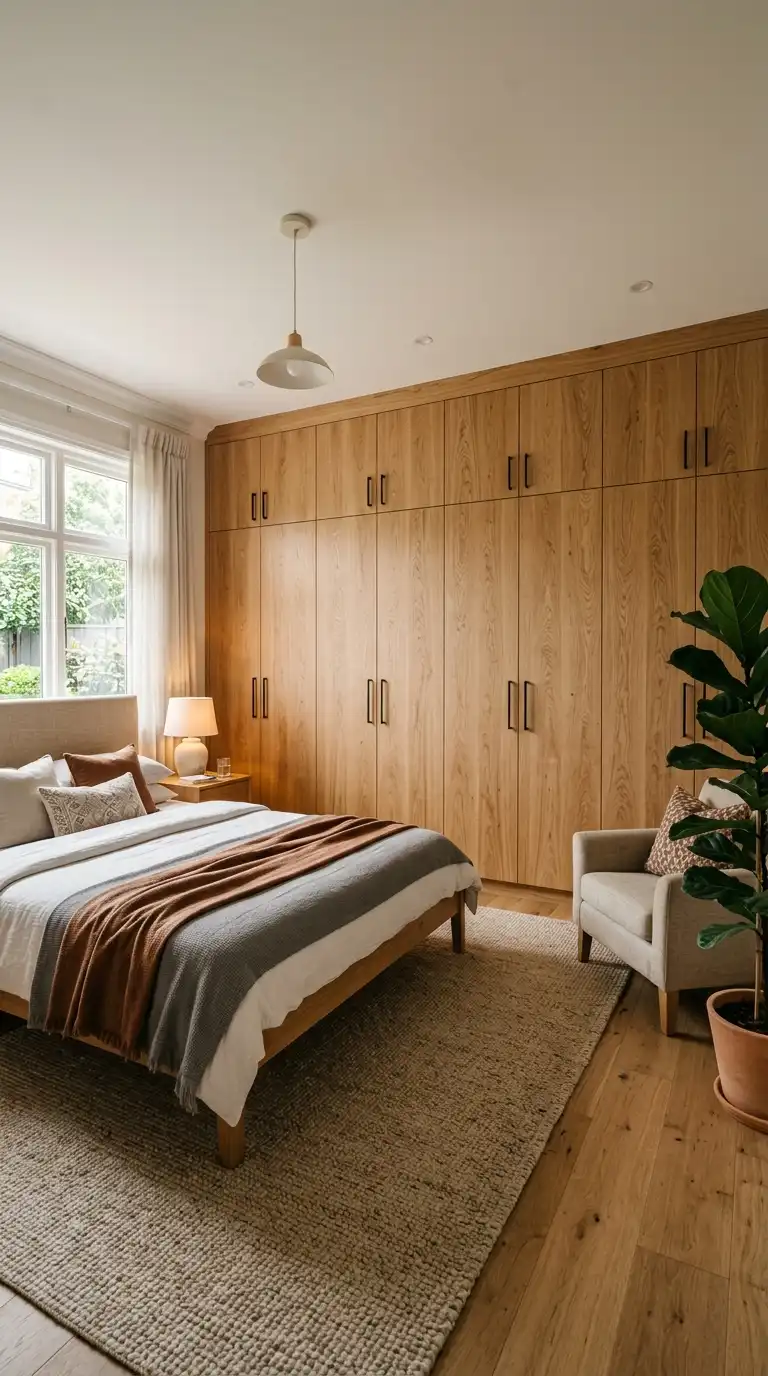
1. Solid Oak Floor-to-Ceiling Wardrobe
A solid oak floor-to-ceiling wardrobe makes a stunning statement in any bedroom. The light, warm tones of oak bring a sense of calm and natural beauty, while the floor-to-ceiling design maximizes vertical storage and creates a seamless, built-in appearance. The natural grain patterns add texture and visual interest, and the durability of solid oak ensures longevity. Pair with simple metal handles in brushed brass or black for a modern touch, or choose carved wooden handles for a more traditional feel.
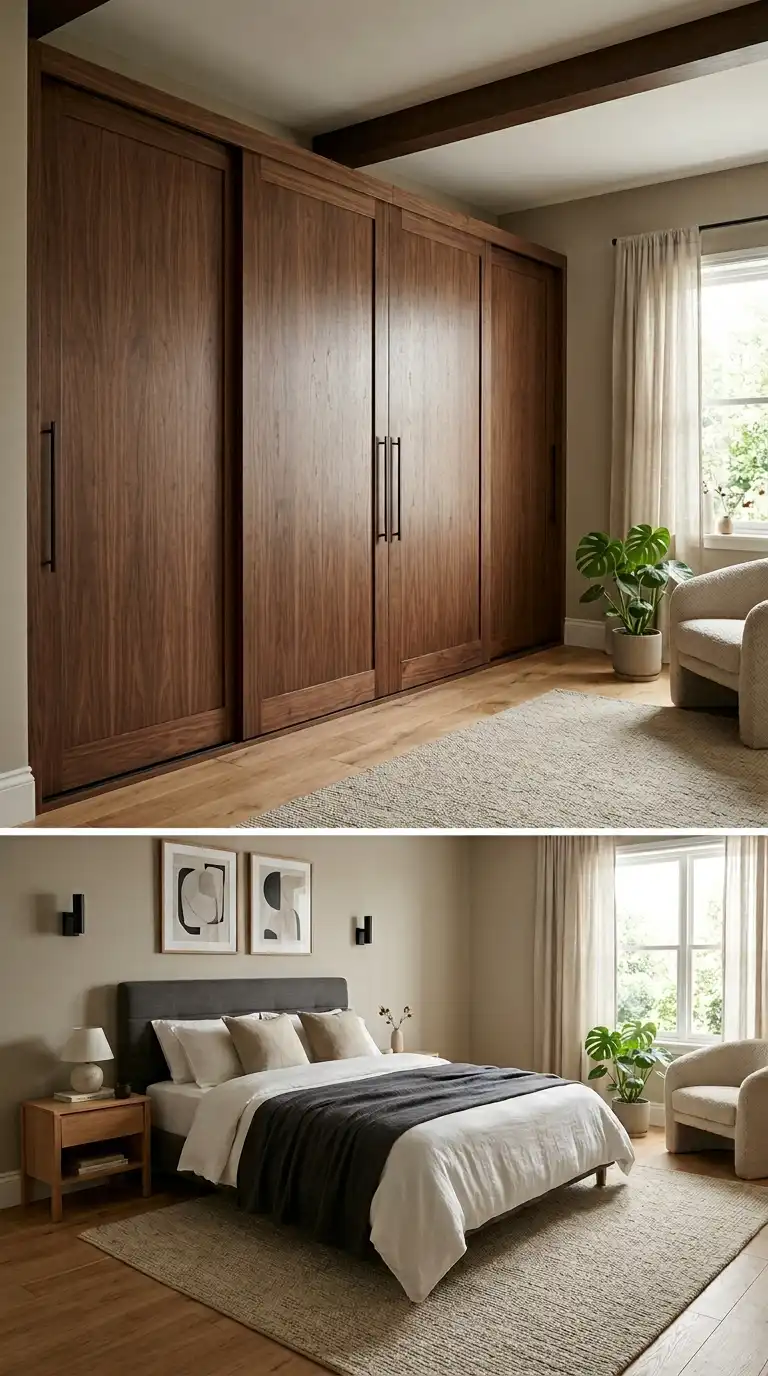
2. Walnut Sliding Wardrobe with Vertical Grain
Walnut wood offers rich, deep brown tones and distinctive grain patterns that add sophistication to any bedroom. A sliding wardrobe in walnut makes the most of the wood’s natural beauty, with vertical grain alignment that draws the eye upward and creates a sense of height. Sliding doors are ideal for compact spaces where hinged doors would require swing clearance. Pair with matte black or brushed brass hardware to complement the warm tones of the walnut.
3. Reclaimed Wood Wardrobe with Rustic Charm
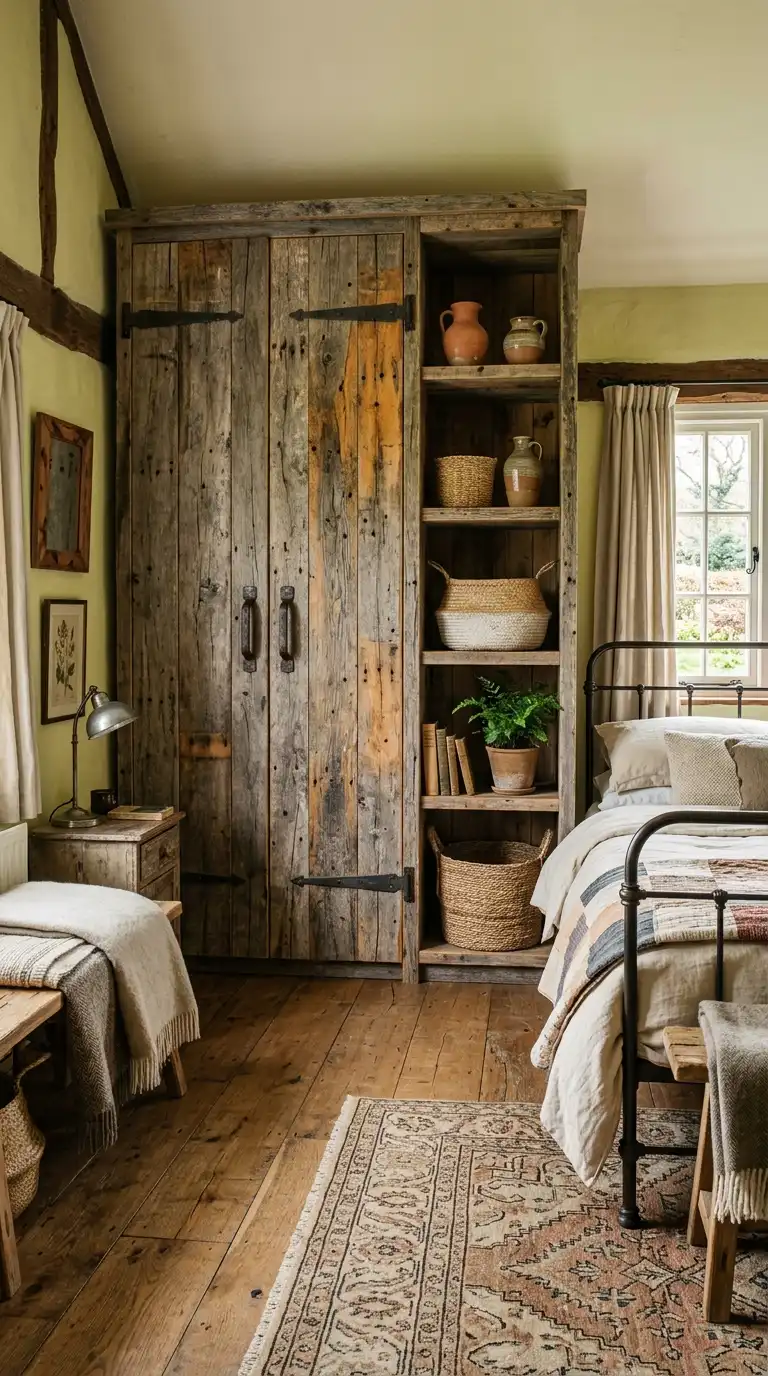
Reclaimed wood wardrobes bring history, character, and sustainability to a bedroom. The weathered textures, nail holes, and varied tones of salvaged timber create a one-of-a-kind piece that tells a story. This style works beautifully in farmhouse, rustic, and industrial interiors, where authenticity and patina are celebrated. Pair with wrought iron handles or simple black hardware to enhance the rustic aesthetic, and consider open shelving sections to showcase the wood’s unique character.
4. Minimalist White Oak Wardrobe with Handleless Design
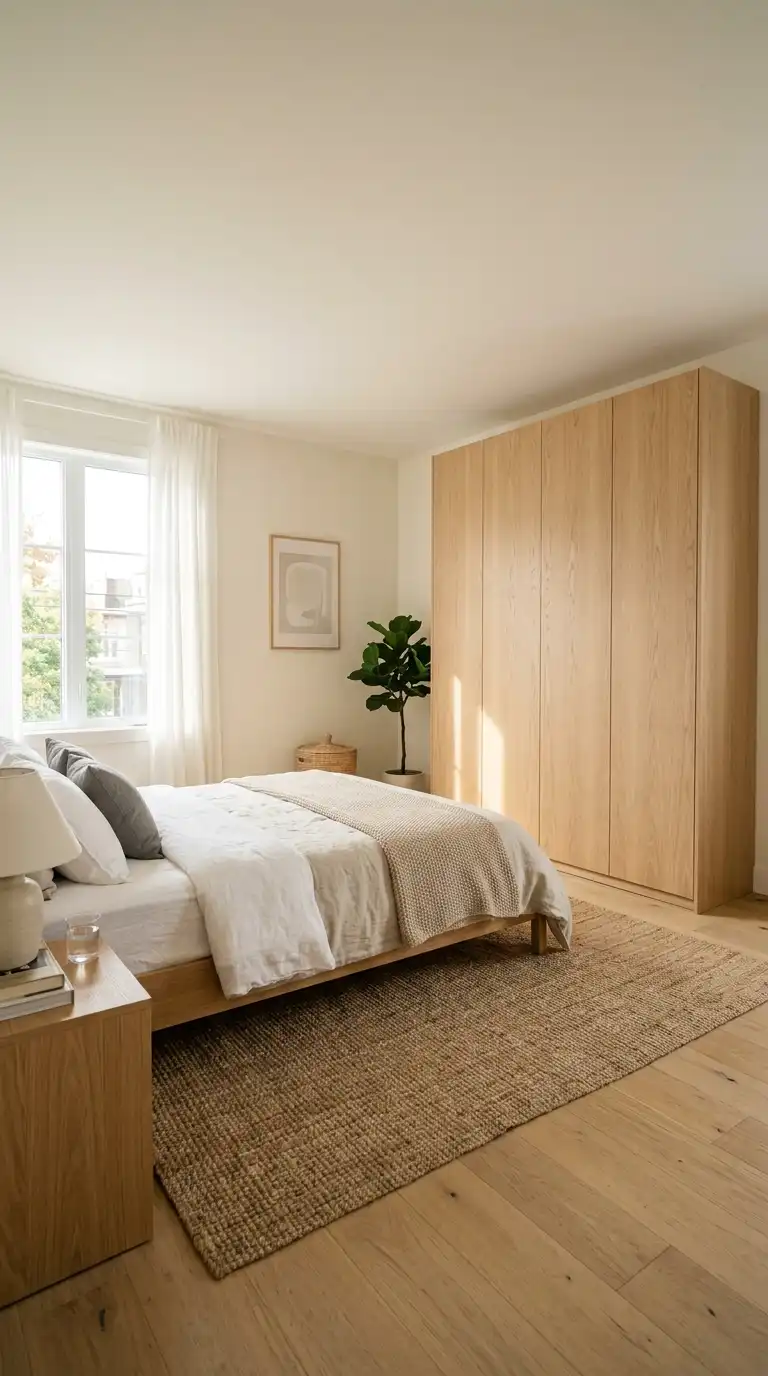
White oak offers the warmth of natural wood with a light, airy appearance that suits minimalist and Scandinavian interiors. A handleless wardrobe with push-to-open mechanisms creates a seamless, uncluttered surface that allows the wood grain to take center stage. The clean lines and simple form emphasize craftsmanship and material beauty. This design works beautifully in small bedrooms where visual simplicity is key, and pairs well with neutral walls and natural textiles.
5. Dark Walnut Wardrobe with Brass Accents
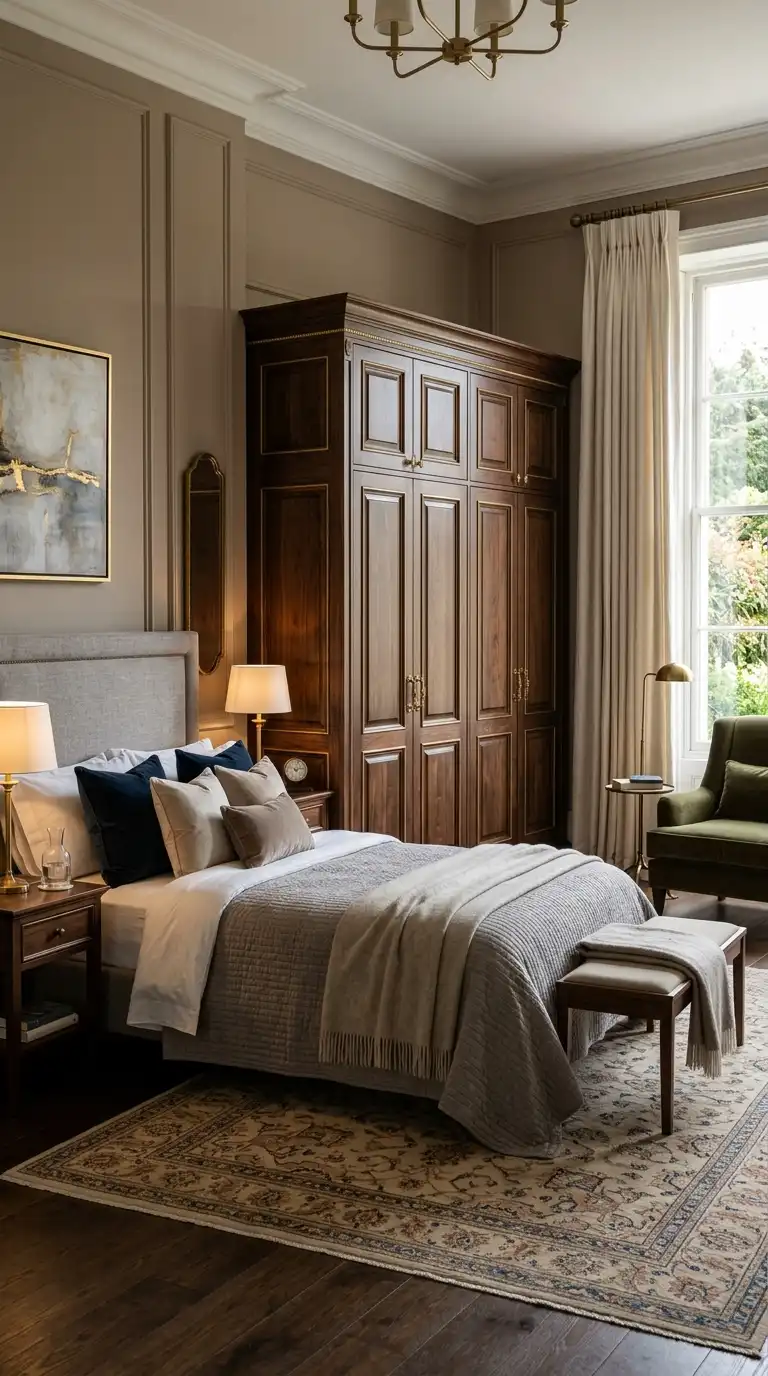
Dark walnut combined with brass accents creates a luxurious, sophisticated palette that exudes elegance. The deep, rich tones of walnut are beautifully offset by warm brass handles, hinges, and decorative trim. This combination works particularly well in traditional, transitional, and glam interiors. Choose paneled doors with subtle detailing to enhance the classic appeal, or opt for flat panels for a more contemporary interpretation.
6. Teak Wood Wardrobe with Slatted Detailing
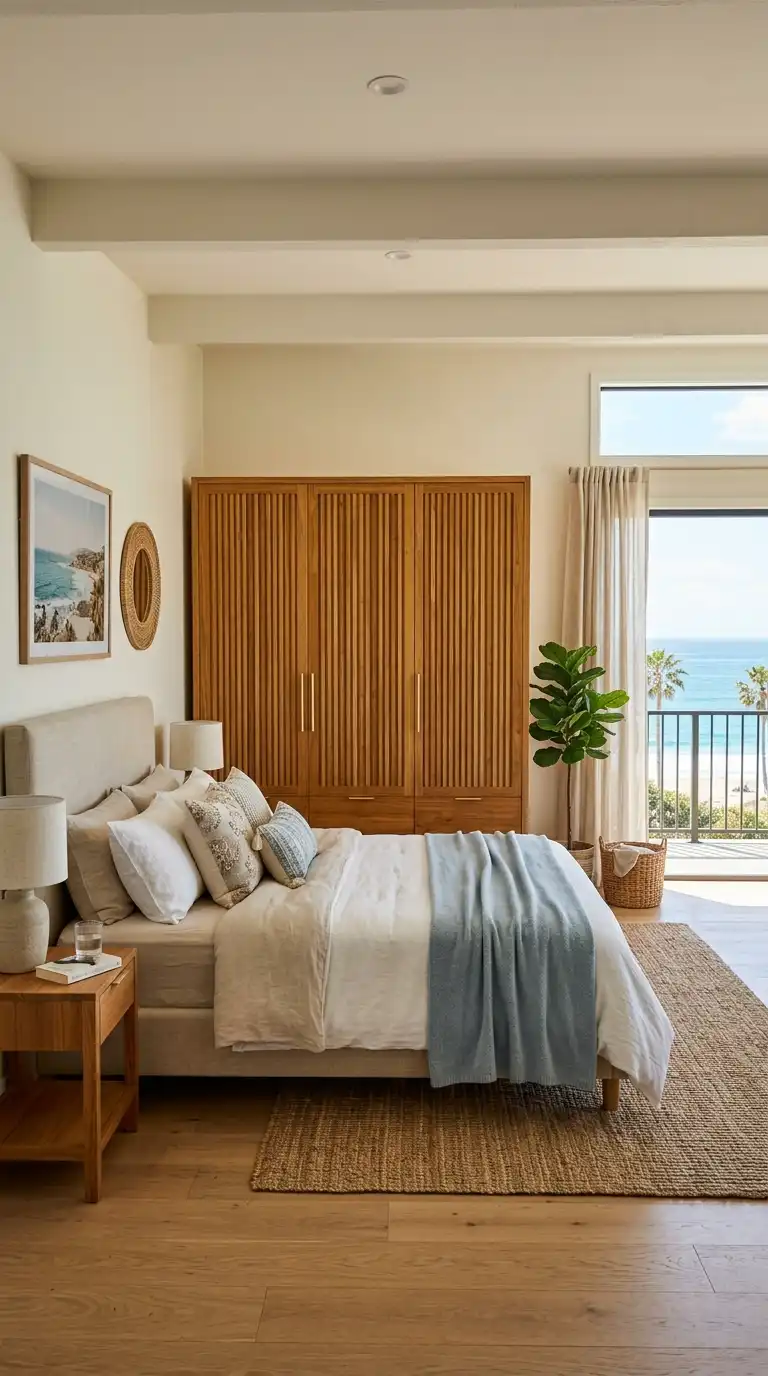
Teak wood is prized for its rich, golden-brown tones, durability, and natural resistance to moisture. A teak wardrobe with slatted detailing adds texture and visual interest, creating a design that feels both modern and organic. The slats allow for airflow while adding a rhythmic pattern that breaks up large door panels. This design works beautifully in coastal, tropical, and contemporary interiors where natural materials are celebrated.
7. Cedar Wood Wardrobe with Aromatic Properties
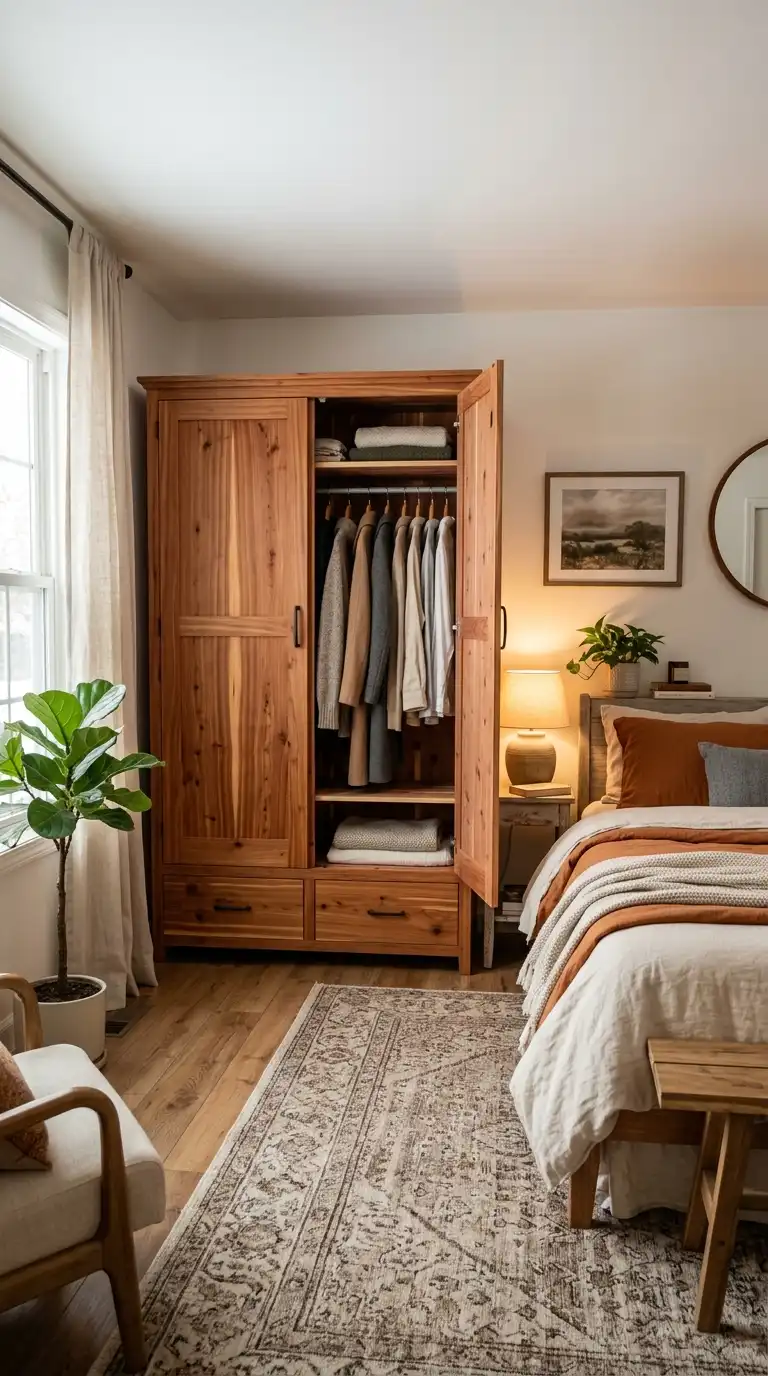
Cedar wood is not only beautiful but also functional—its natural aromatic properties repel moths and insects, making it an ideal choice for wardrobes storing woolens, linens, and delicate fabrics. The warm, reddish-brown tones and straight grain patterns add natural beauty, while the subtle cedar scent adds sensory appeal. Use cedar for interior shelving and drawer linings, or create a full wardrobe in cedar for a storage solution that protects your garments while looking stunning.
8. Plywood Wardrobe with Exposed Edges
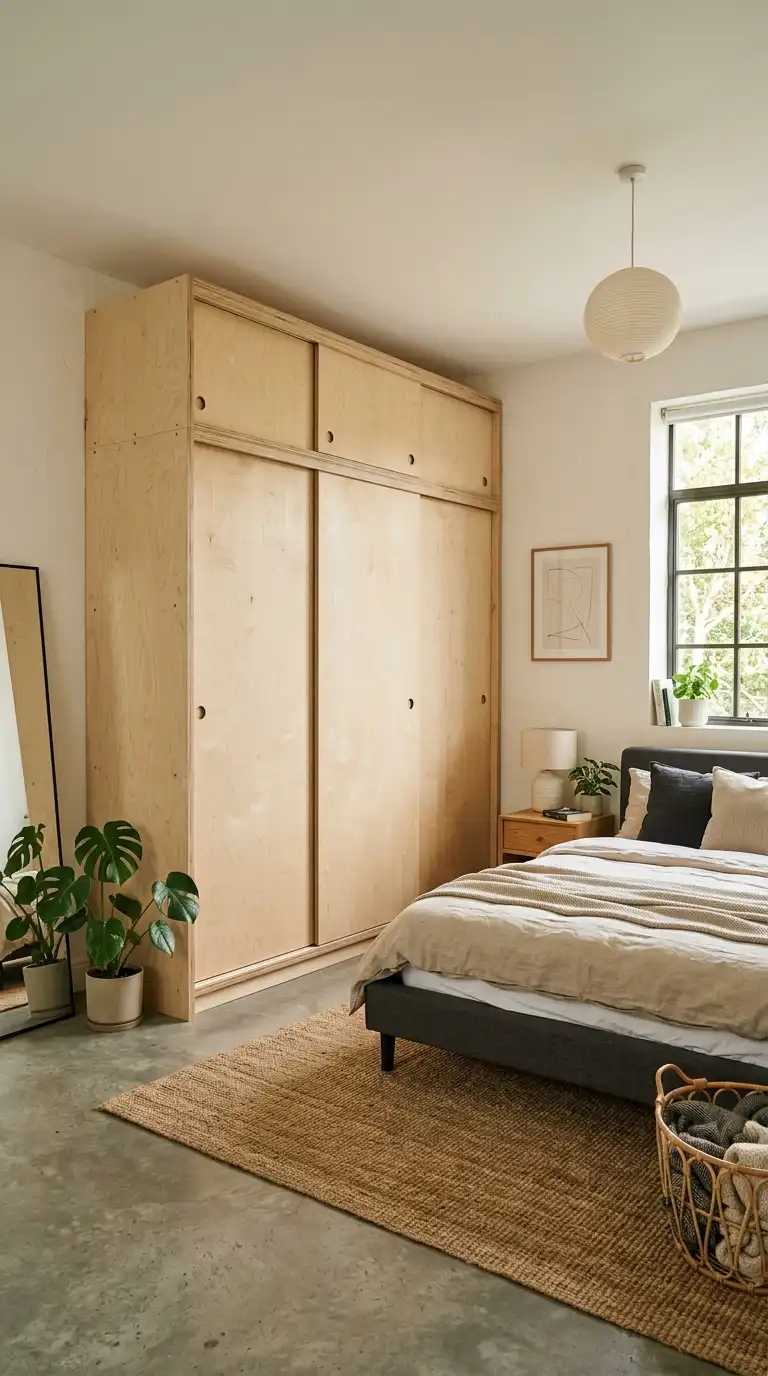
Plywood has emerged as a favored material in contemporary design, celebrated for its strength, affordability, and distinctive layered edges. A plywood wardrobe with exposed edges highlights the material’s construction, turning a structural detail into a design feature. The visible layers add texture and visual interest, while the smooth surface of the plywood can be left natural or finished with clear sealant. This design works beautifully in modern, industrial, and eclectic interiors.
9. Carved Wood Wardrobe with Artisan Details
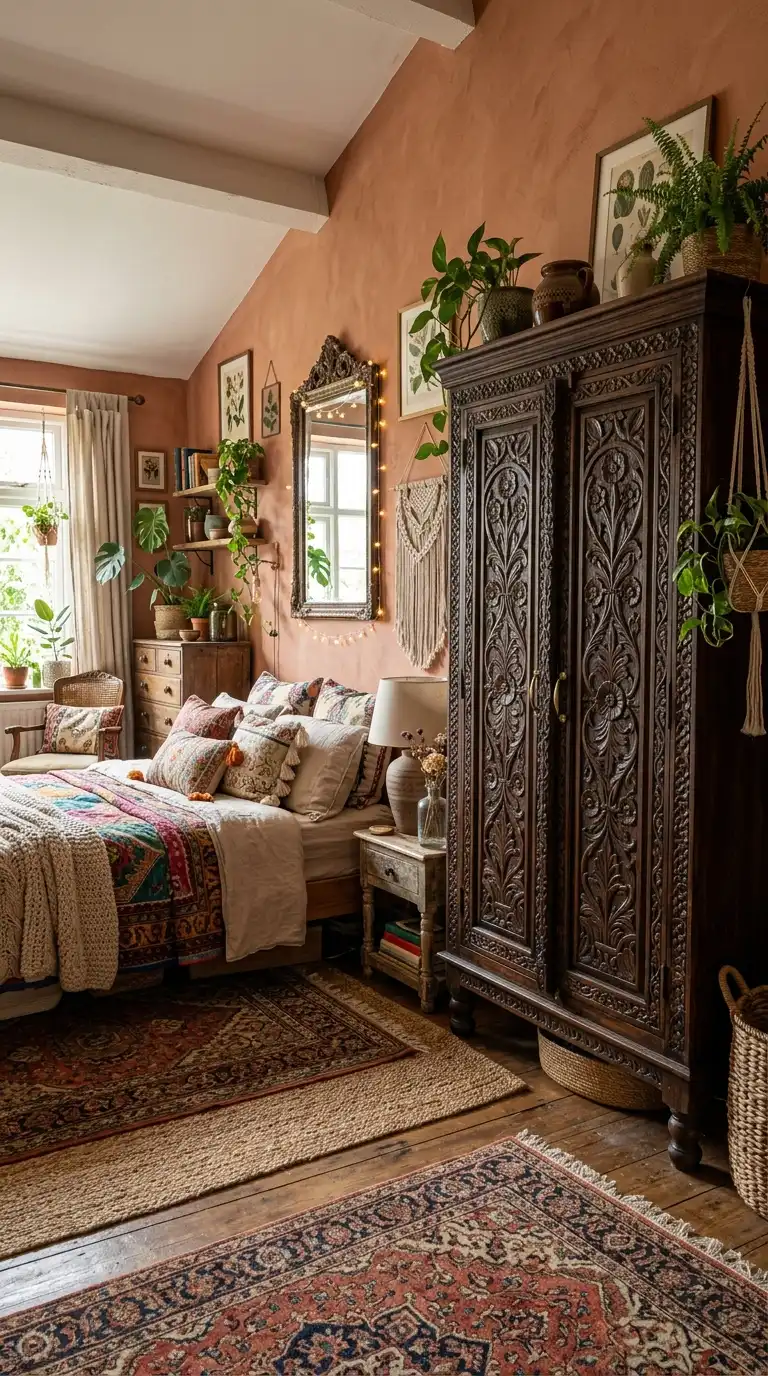
For a truly unique statement piece, a carved wood wardrobe showcases the artistry of traditional woodworking. Intricate carvings—whether floral motifs, geometric patterns, or cultural symbols—add texture, depth, and a sense of craftsmanship. This style is perfect for eclectic, bohemian, and traditional interiors where personal expression and artisanal details are celebrated. Pair with simple hardware to let the carvings take center stage, and consider a dark wood finish to enhance the depth of the carving.
10. Light Ash Wood Wardrobe with Open and Closed Sections
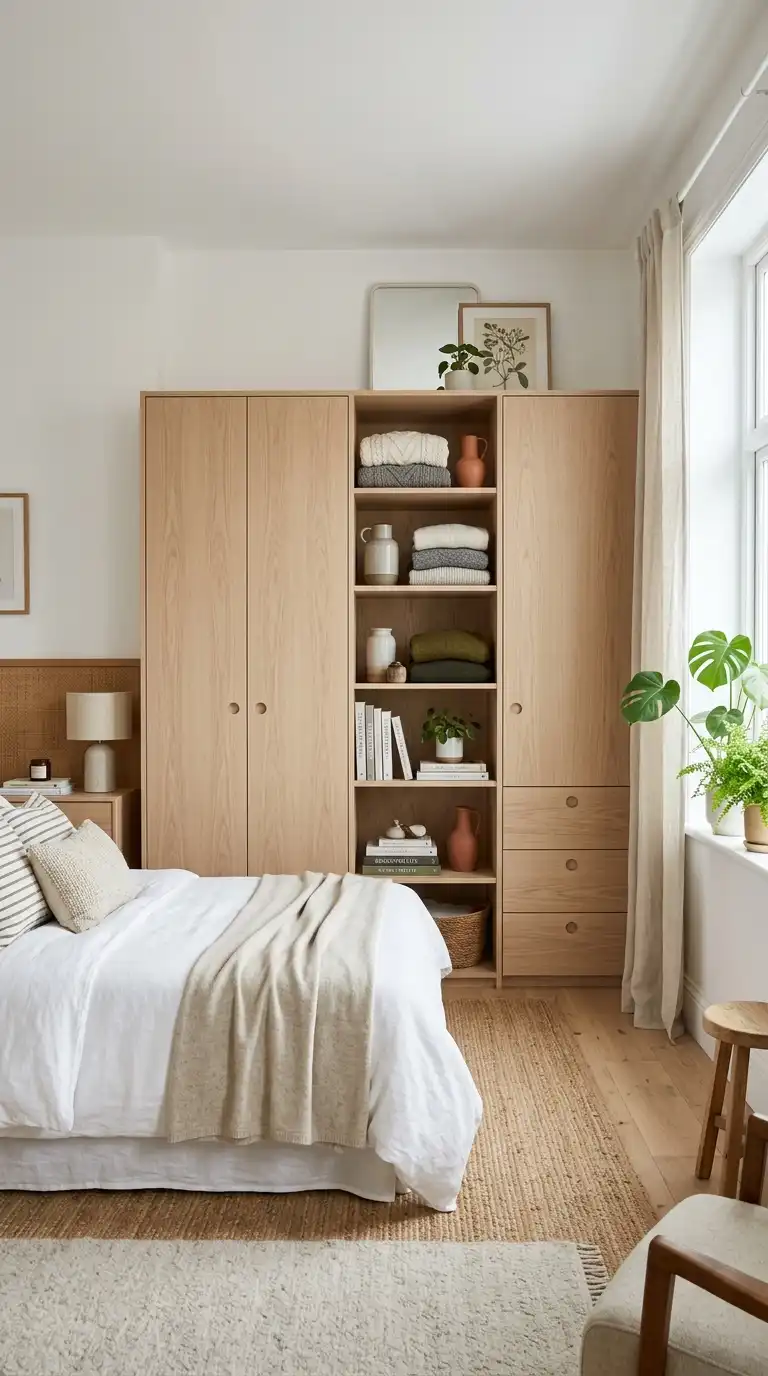
Light ash wood offers a pale, delicate tone that brings a sense of airiness and lightness to a bedroom. Combine open shelving sections with closed cabinets to create a wardrobe that balances display with concealment. Use the open sections to showcase accessories, books, or folded knitwear, while closed sections hide everyday clothing. This design creates visual rhythm and prevents the wardrobe from feeling too monolithic, adding functional variety to the storage solution.
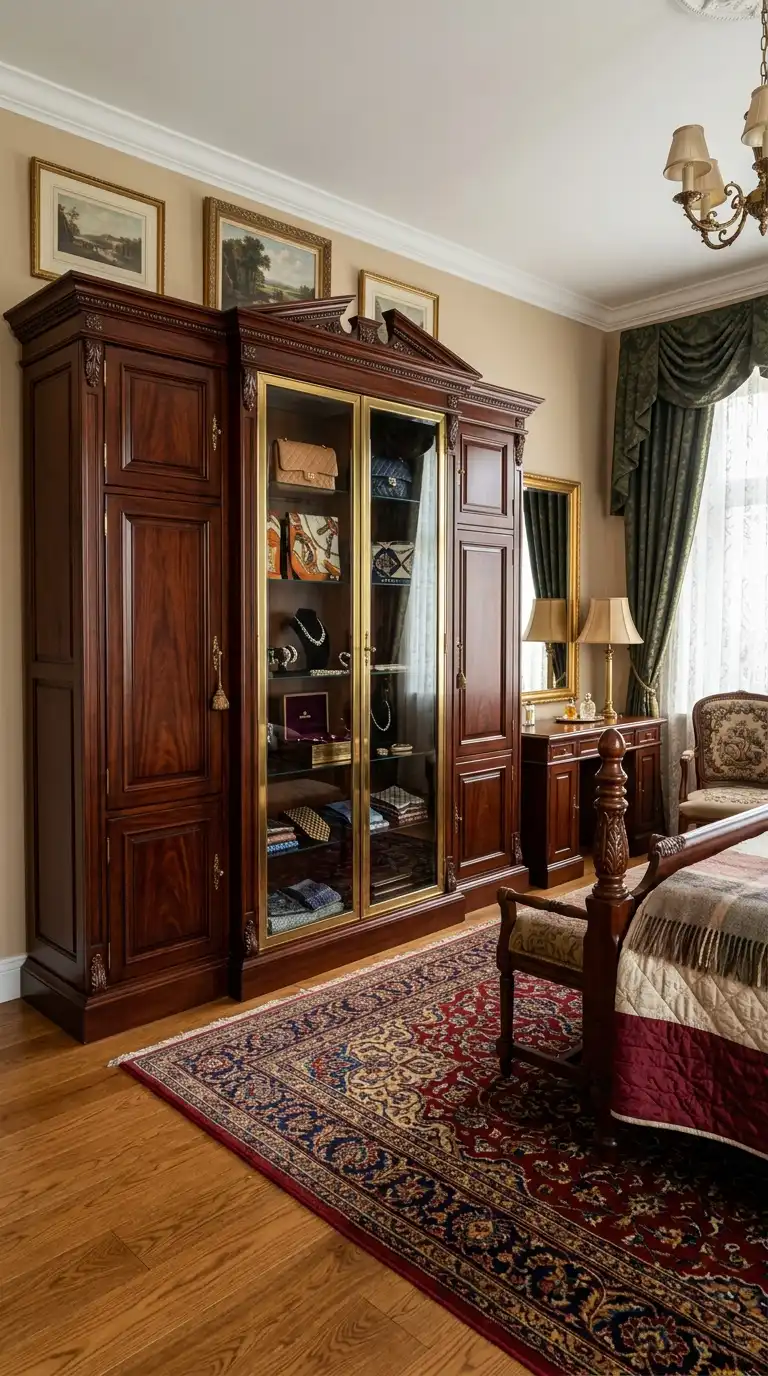
11. Mahogany Wardrobe with Glass-Front Sections
Mahogany wood is prized for its deep, reddish-brown tones, fine grain, and exceptional durability. A mahogany wardrobe with glass-front sections combines the warmth of solid wood with the lightness of glass, creating a design that feels both traditional and contemporary. Use glass sections to showcase your favorite accessories, handbags, or folded items, while solid mahogany doors conceal the rest. Brass hardware enhances the rich tones of the mahogany and adds a touch of elegance.
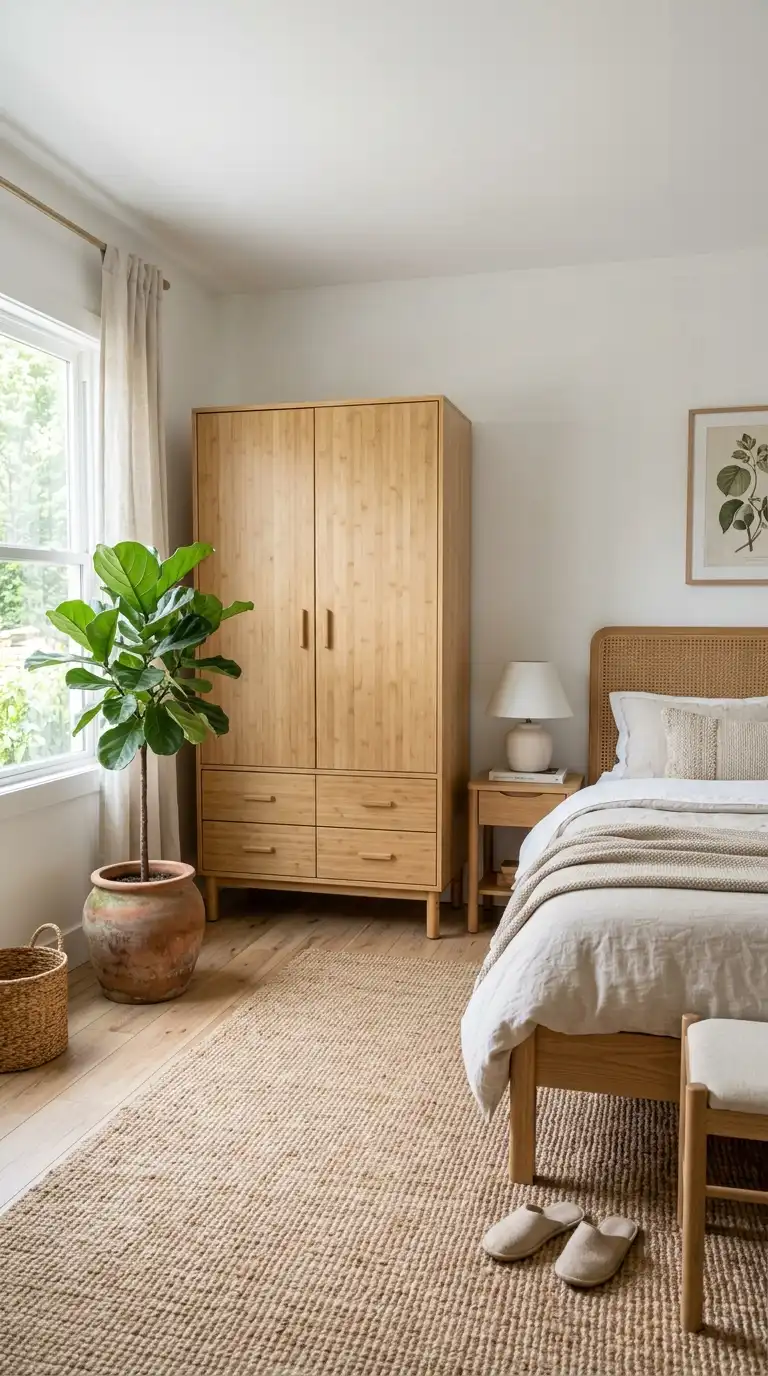
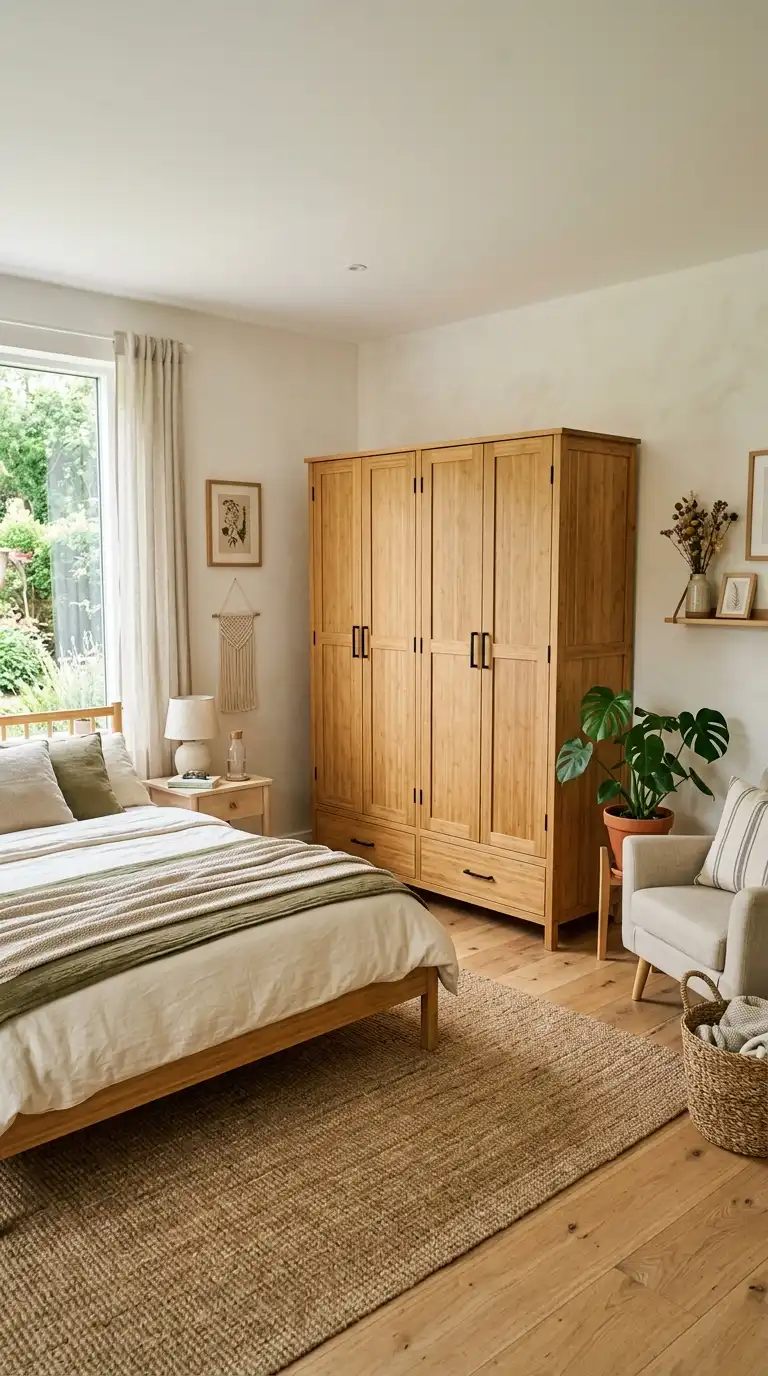
12. Bamboo Wardrobe for Sustainable Style
Bamboo is a rapidly renewable resource that offers strength, durability, and a distinctive, modern aesthetic. A bamboo wardrobe brings a sense of sustainability and natural beauty to a bedroom, with its light, golden tones and subtle grain patterns. Bamboo is also naturally moisture-resistant, making it suitable for a variety of climates. Choose a wardrobe with clean lines and simple hardware to emphasize the material’s natural beauty, or combine bamboo with glass or metal for a contemporary twist.
Frequently Asked Questions
- What is the most durable wood for wardrobes?
Oak, walnut, and mahogany are among the most durable hardwoods, offering excellent strength and longevity. Teak is also highly durable and naturally resistant to moisture. For a balance of durability and affordability, high-quality plywood with a wood veneer finish is an excellent choice. - How do I maintain a wooden wardrobe?
Regular dusting with a soft cloth prevents buildup. Use a wood-specific cleaner or a mixture of mild soap and water for deeper cleaning, avoiding excess moisture. Polish periodically with furniture wax or oil to nourish the wood and maintain its luster. Protect from direct sunlight to prevent fading. - Can wooden wardrobes be customized for small spaces?
Yes. Custom wooden wardrobes can be designed to fit any space, including alcoves, sloped ceilings, and compact bedrooms. Floor-to-ceiling designs maximize vertical storage, while sliding doors save floor space. - What is the difference between solid wood and wood veneer?
Solid wood is made entirely from timber, offering durability and the ability to be refinished multiple times. Wood veneer is a thin layer of real wood applied to a substrate like MDF or plywood, offering the beauty of wood at a lower cost with greater dimensional stability. - How do I prevent my wooden wardrobe from warping?
Avoid placing wooden wardrobes in areas with extreme temperature fluctuations or high humidity. Use a dehumidifier in damp climates, and ensure proper ventilation around the wardrobe. Quality construction and proper sealing also help prevent warping.
Wooden wardrobes offer a timeless combination of beauty, durability, and natural warmth that synthetic materials cannot replicate. Whether you choose the light, airy tones of oak, the rich depth of walnut, the rustic charm of reclaimed timber, or the sustainable elegance of bamboo, a wooden wardrobe becomes a lasting investment in your home. With proper care and thoughtful design, a wooden wardrobe will serve as a functional and aesthetic centerpiece for years to come.