
A backyard pond adds tranquility, beauty, and wildlife to your outdoor space. The sound of trickling water, the sight of colorful fish, and the lush plantings around the water’s edge create a peaceful retreat right in your own yard. While a professionally installed pond can be expensive, a DIY pond is an achievable weekend project for homeowners of all skill levels. From small container ponds and preformed liners to natural swimming ponds and waterfall features, here are thirteen DIY backyard pond ideas to inspire your next project.
1. Container Pond
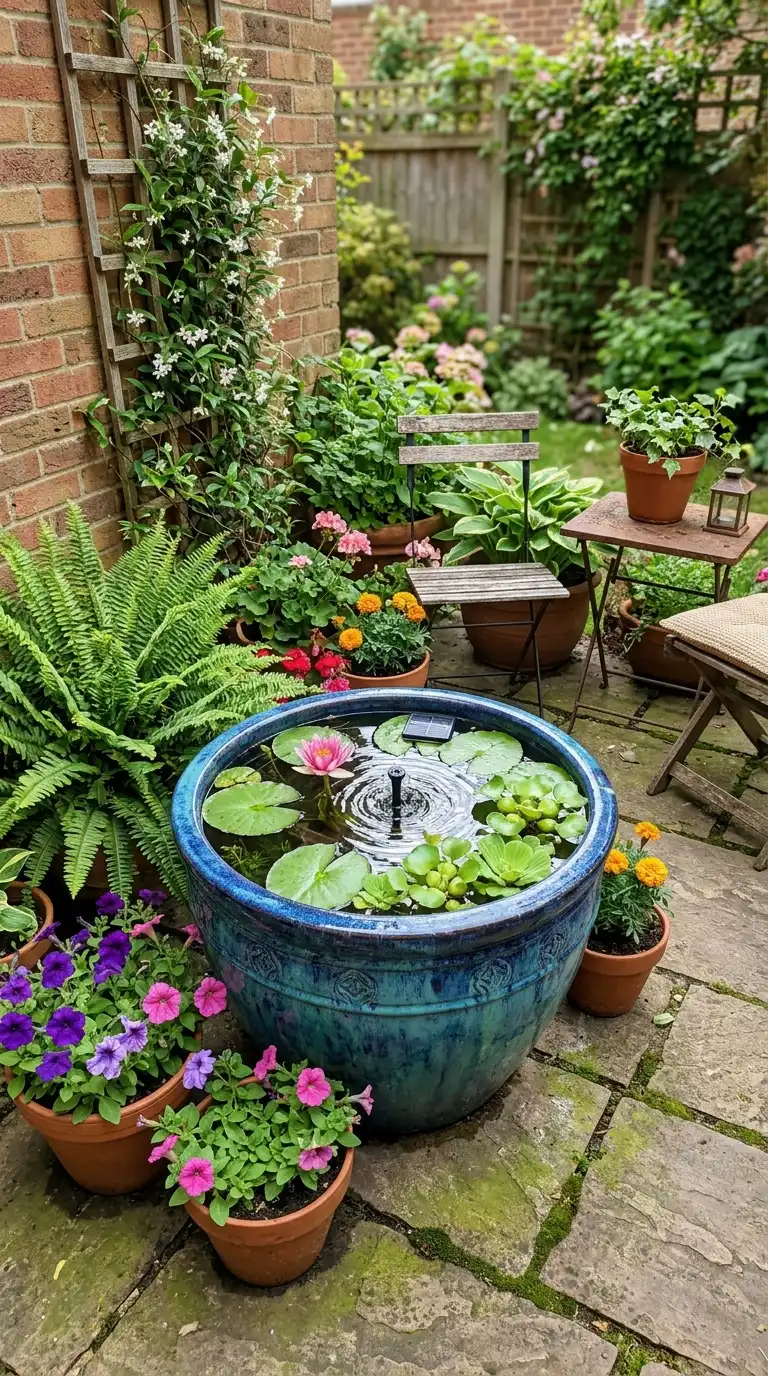
A container pond is the simplest and most affordable DIY pond option, perfect for small patios, balconies, or tiny backyards. Use a large ceramic pot, half-barrel, galvanized tub, or even an old bathtub. Ensure the container is watertight or add a liner. Add aquatic plants like water lilies, lotus, or floating hyacinths, and consider a small solar fountain for movement and sound. Container ponds are easy to maintain and can be moved if needed.
2. Preformed Plastic Pond
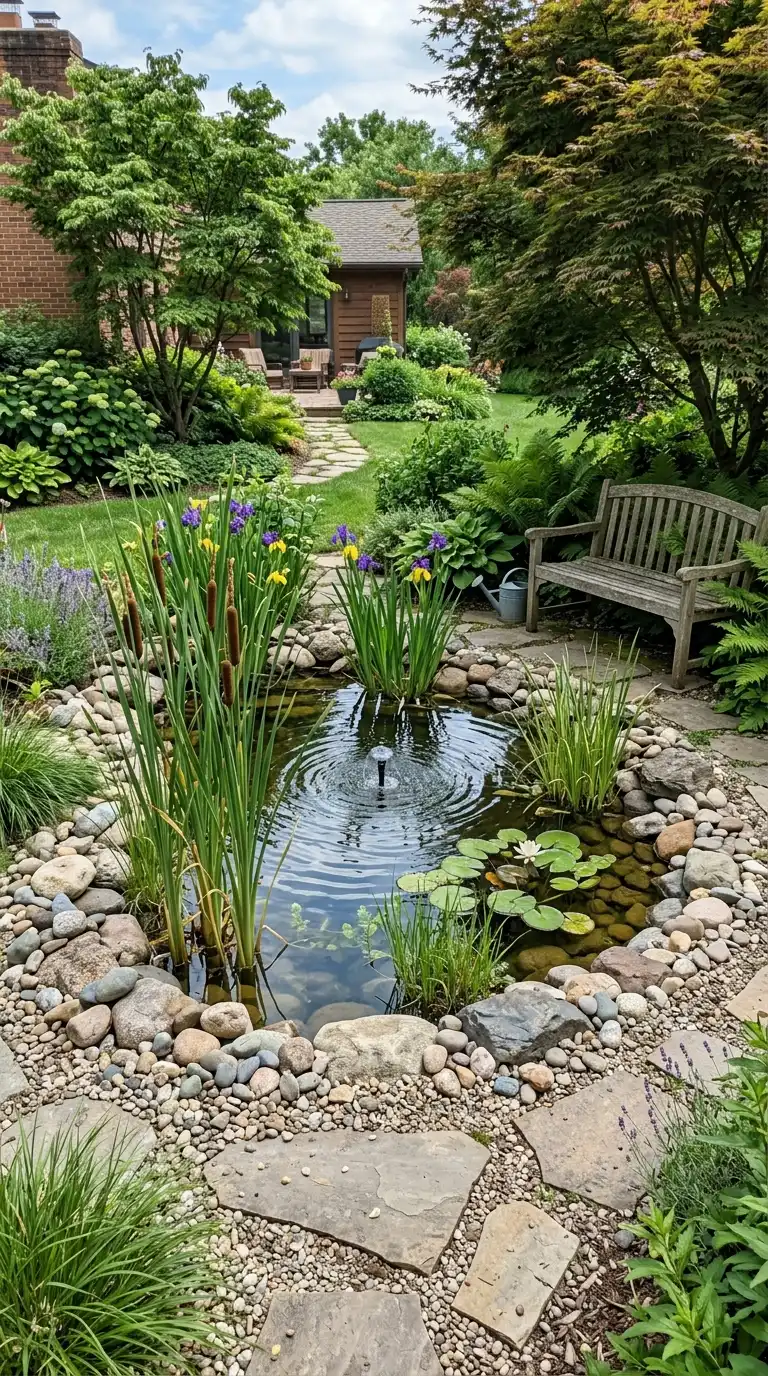
A preformed plastic pond is an affordable and easy-to-install option for DIYers. These rigid liners come in various shapes and sizes and are available at garden centers. Dig a hole that matches the shape of the liner, level it, and backfill with sand or soil. Add a pump and filter to keep water clean, and surround the pond with stones, gravel, and plants. Preformed ponds are ideal for small to medium-sized yards.
3. Flexible Rubber Liner Pond
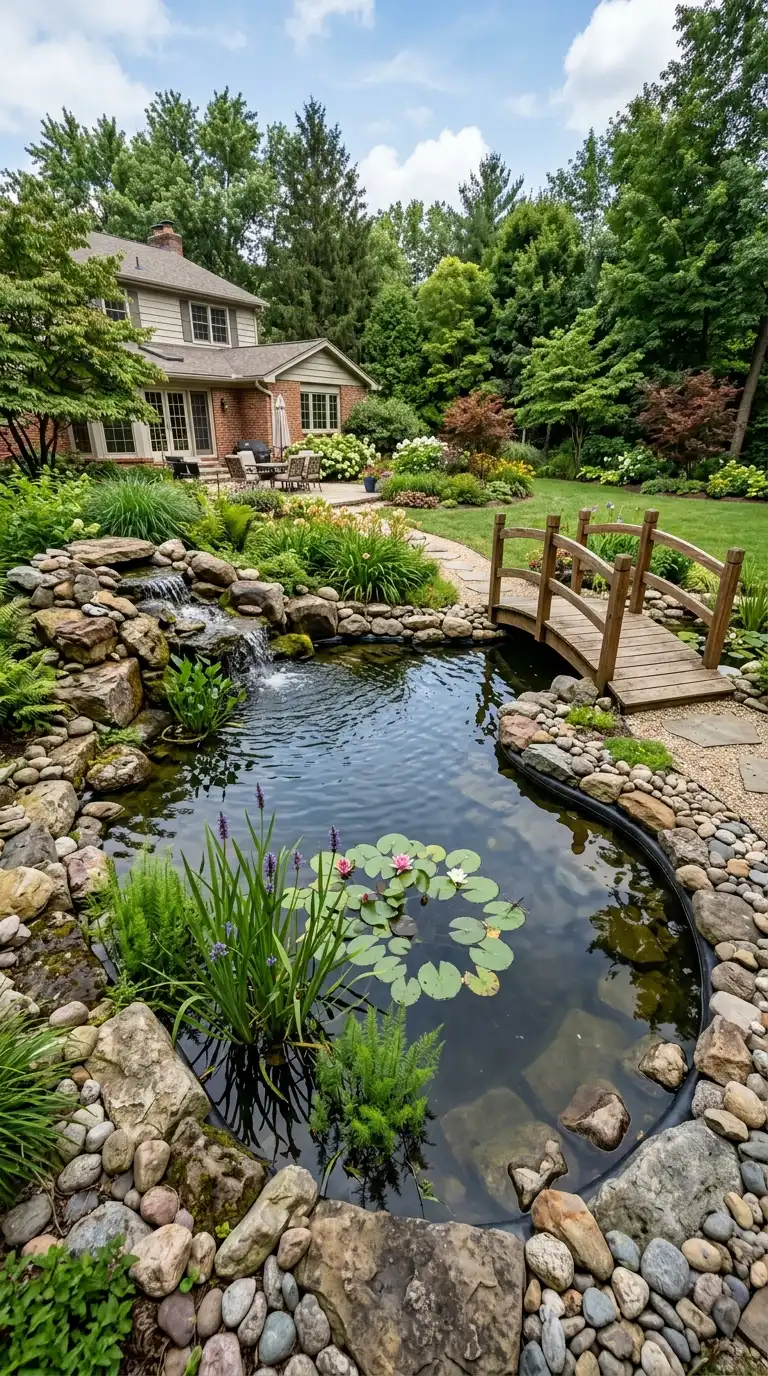
A flexible rubber liner pond allows you to create any shape and size you desire. EPDM rubber liners are durable, flexible, and fish-safe. Dig a hole with shelves for plants, line it with underlayment to protect the liner from rocks and roots, then lay the rubber liner. Add water, a pump, and a filter. This is the most versatile DIY pond option and is suitable for larger projects.
4. Stock Tank Pond
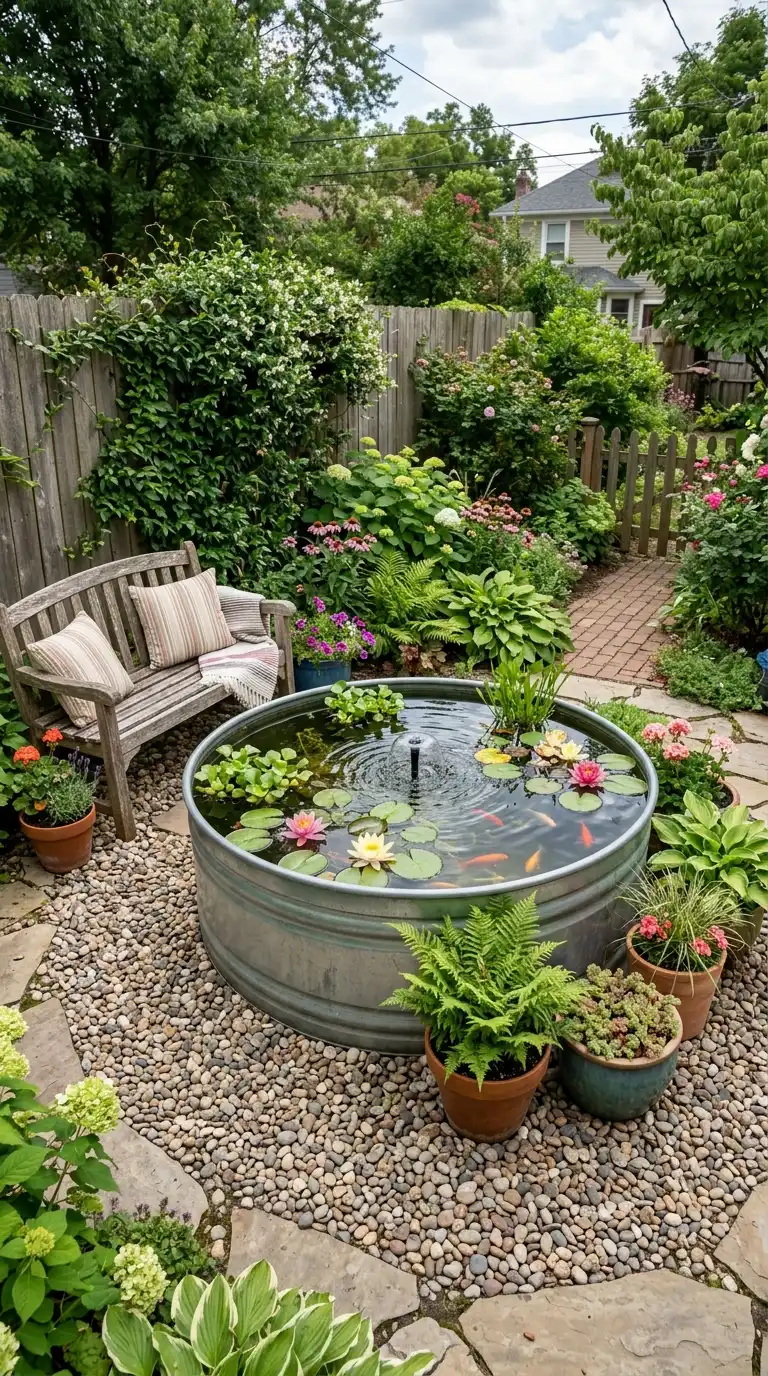
A galvanized stock tank is a popular choice for DIY pond builders. These metal tanks are durable, affordable, and available at farm supply stores. Seal any drain holes, add a pump and filter, and fill with water. Add aquatic plants and fish if desired. Stock tank ponds have a rustic, farmhouse aesthetic and work well on patios, decks, or in small yards.
5. Wine Barrel Pond
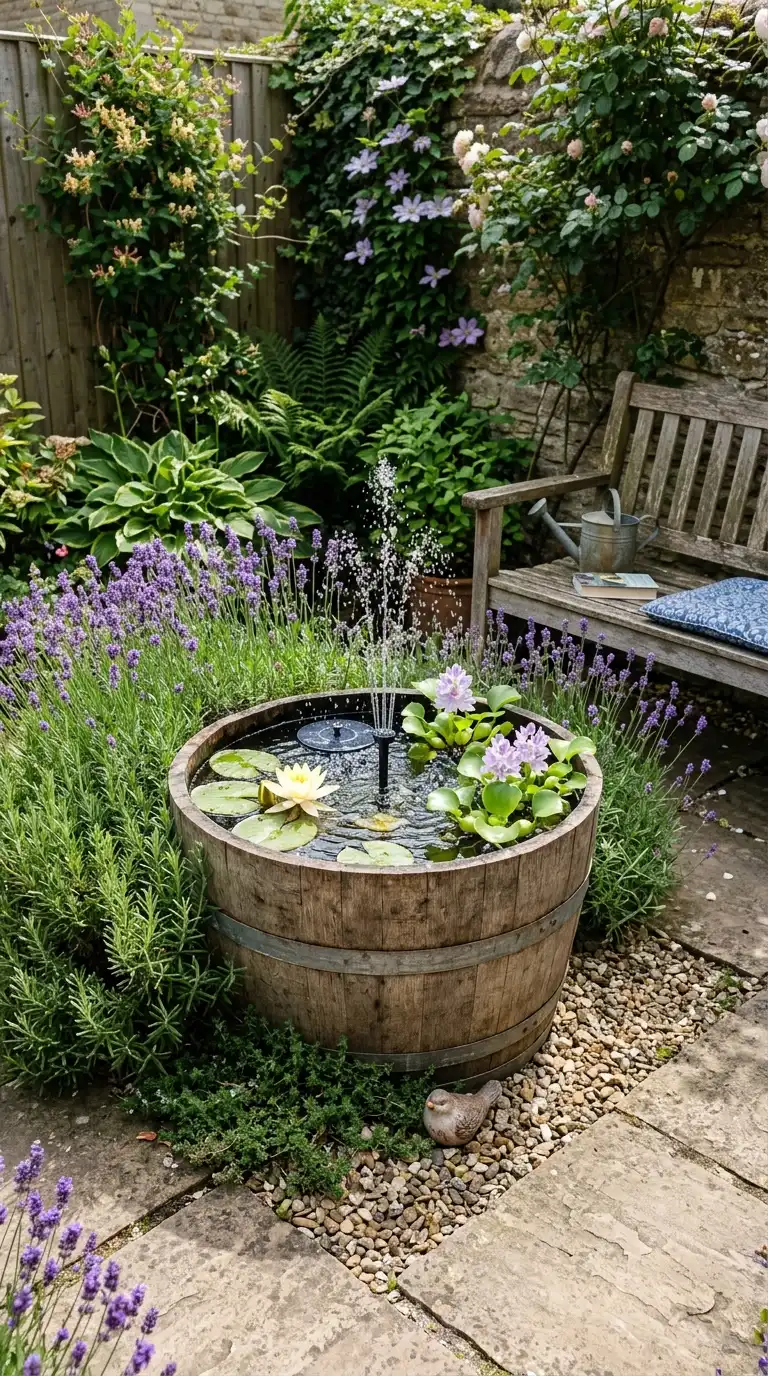
A half-wine barrel makes a charming, rustic pond for small spaces. Ensure the barrel is watertight or line it with a pond liner. Add a small solar fountain or pump for water movement, and plant a dwarf water lily or lotus. Place the barrel on a patio, deck, or in a garden corner. This project is simple, affordable, and perfect for beginners.
6. Pondless Waterfall
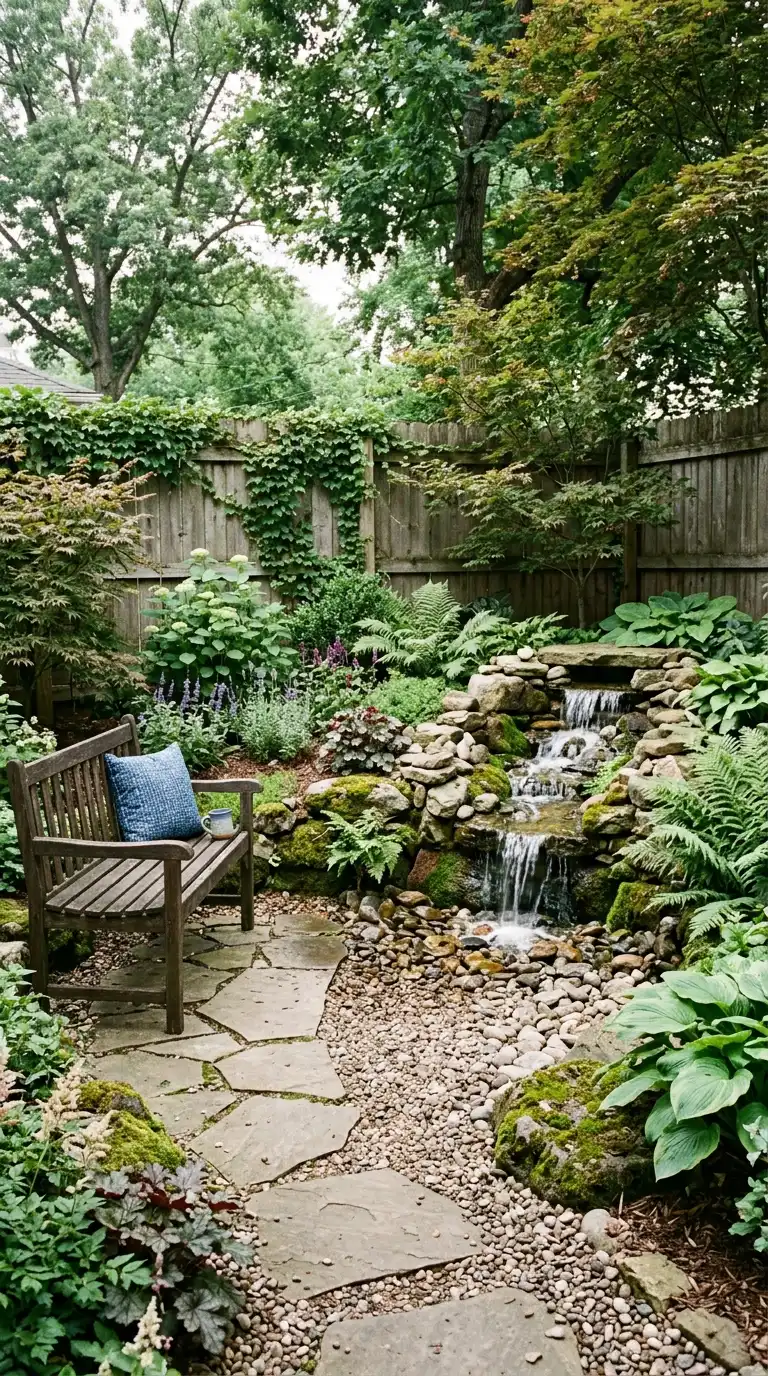
A pondless waterfall has the beauty and sound of moving water without an open pool of water. Water recirculates from an underground reservoir, making it safer for homes with young children and requiring less maintenance. Stack stones and rocks to create a natural-looking waterfall, with the reservoir hidden beneath gravel. Pondless waterfalls are ideal for small yards or for homeowners who want the sound of water without the upkeep of a pond.
7. Upcycled Bathtub Pond
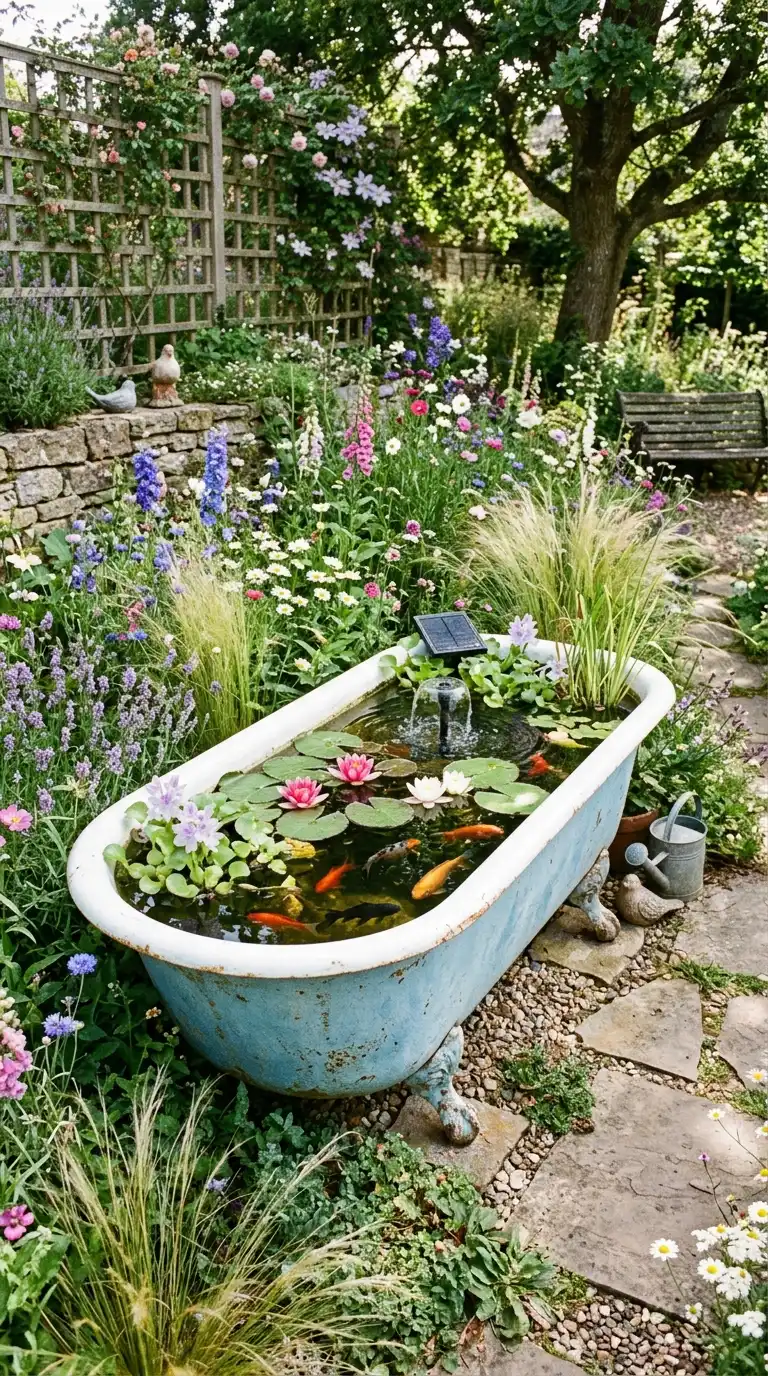
Repurpose an old clawfoot bathtub into a unique, vintage pond. Seal the drain, place the tub on a level surface, and fill with water. Add aquatic plants and a small pump for circulation. Paint the exterior a bright color for a whimsical touch, or leave it as is for rustic charm. A bathtub pond becomes a conversation piece and a focal point in any garden.
8. Koi Pond
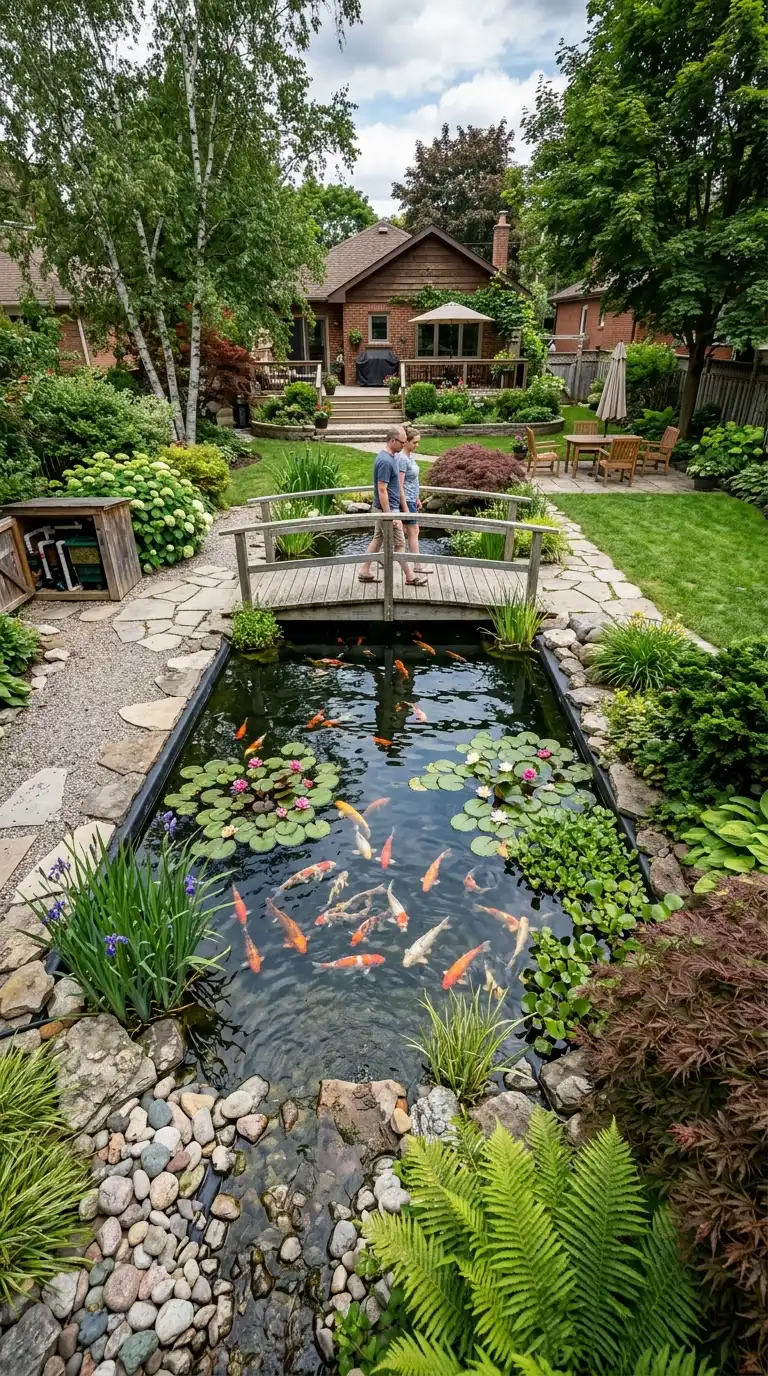
A koi pond is a more advanced DIY project but is achievable with careful planning. You’ll need a large hole, a flexible rubber liner, a powerful pump and filter system, and adequate depth for koi (at least 3 feet). Add rocks and gravel to the bottom, and include shelves for aquatic plants. Koi are beautiful, long-lived fish that add movement and color to your pond.
9. Bog Filter Pond
A bog filter is a natural, low-maintenance filtration system that uses plants to clean the water. Build a separate bog area adjacent to the main pond, filled with gravel and planted with water-loving plants like cattails, rushes, and irises. Water is pumped through the bog, where plants absorb excess nutrients, keeping the pond clear without chemicals.
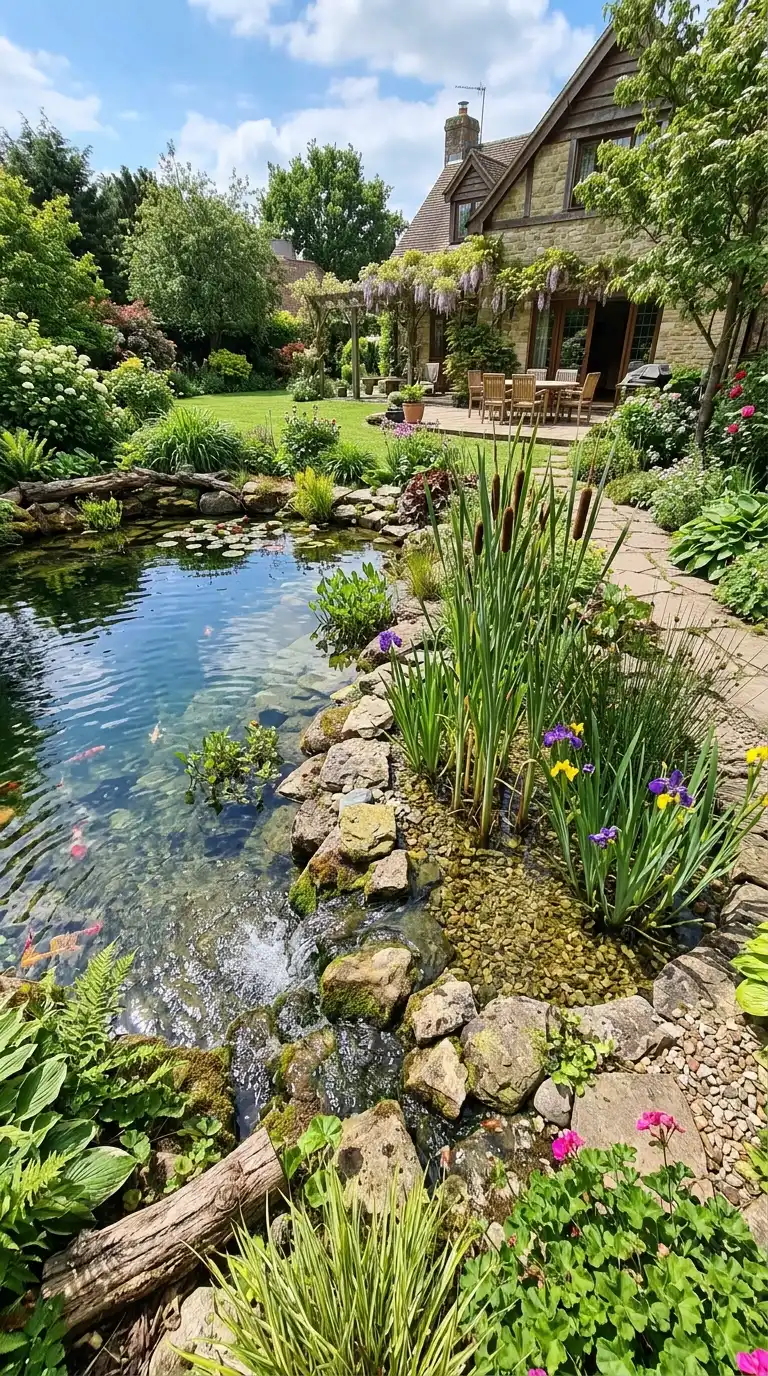
10. Wildlife Pond
A wildlife pond is designed to attract frogs, toads, newts, dragonflies, and birds. Skip the pump and filter, and let the pond find its own ecological balance. Include a shallow, sloped edge for animals to enter and exit, and plant native aquatic plants around the margins. Avoid adding fish, which may eat insect larvae. A wildlife pond is low-maintenance and brings nature to your doorstep.
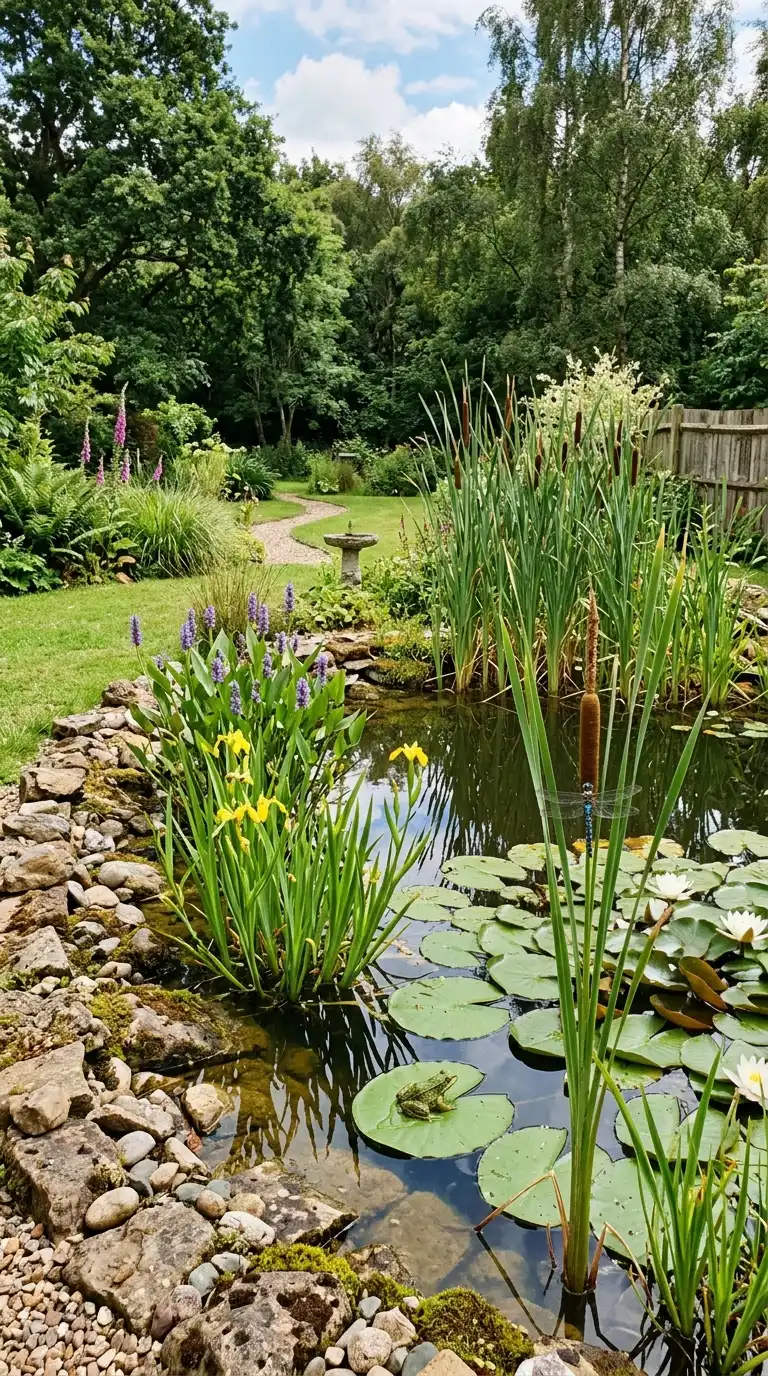
11. Spillway Bowl Pond
A spillway bowl pond is a modern, minimalist water feature that uses a large ceramic or concrete bowl with a central spillway. Water cascades over the edges into a hidden reservoir below, creating a soothing sound without an open pool. This design is ideal for patios, decks, or small courtyards, and it requires minimal maintenance.
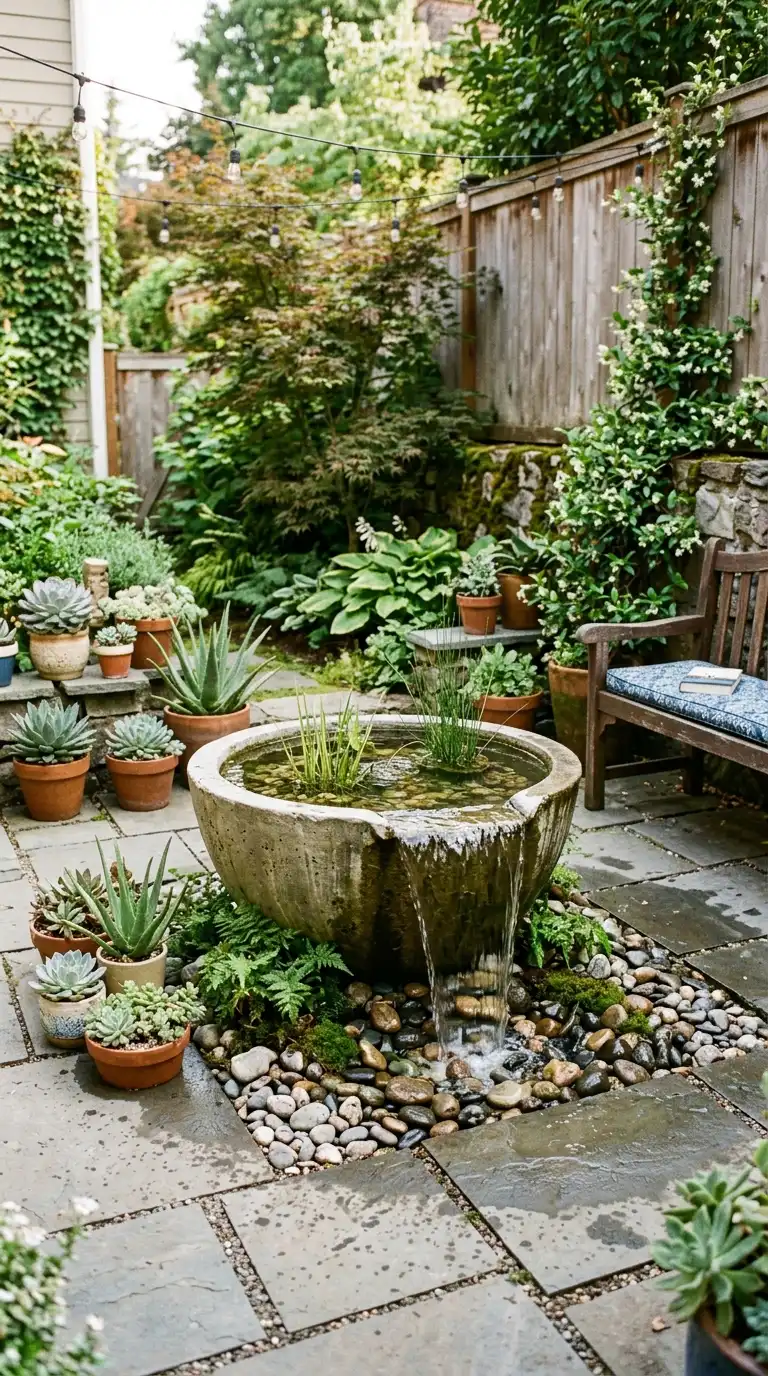
12. Creek Bed Pond
Create a meandering creek bed that flows into a small pond for a naturalistic look. Dig a shallow, winding channel lined with river rocks and gravel, with a pond at the lower end. Use a recirculating pump to move water from the pond back to the top of the creek. The sound of trickling water and the sight of a running creek add tranquility to any landscape.
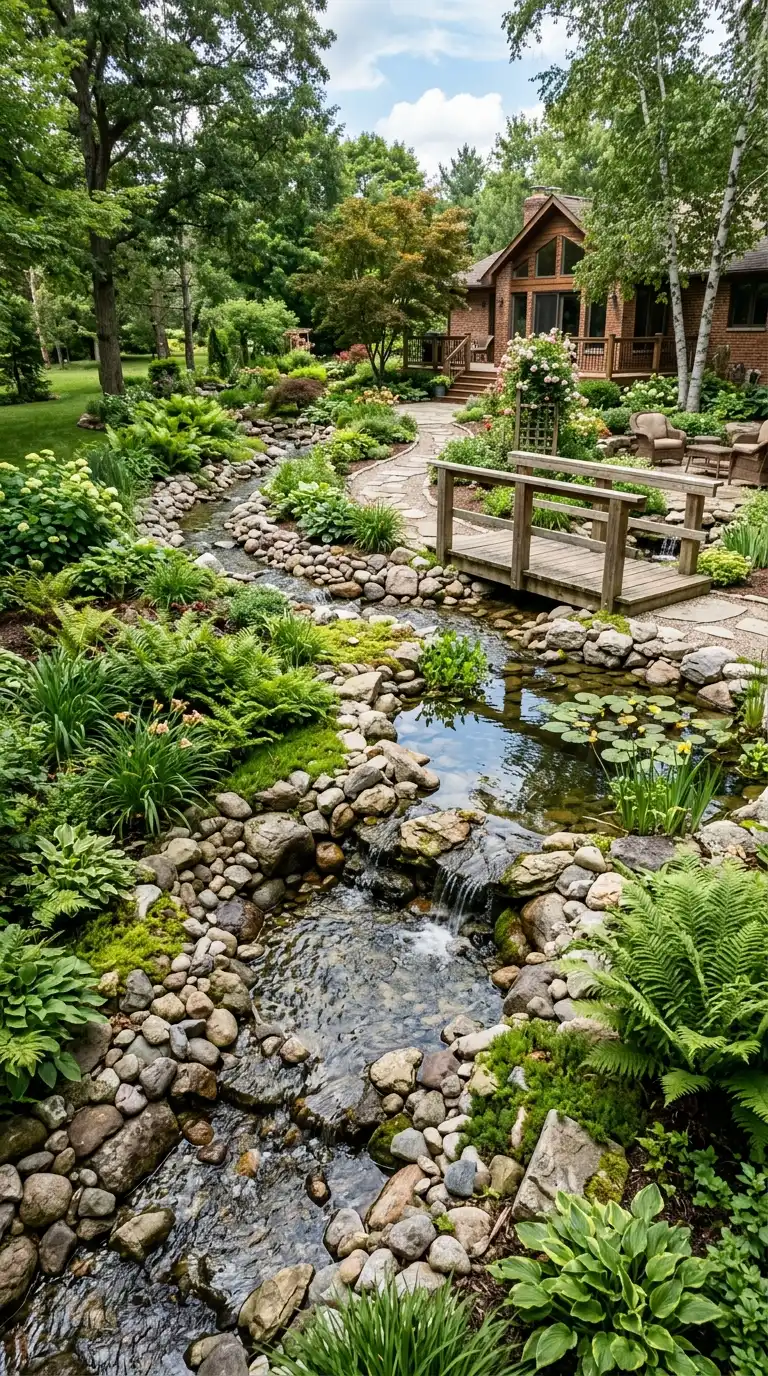
13. Raised Pond
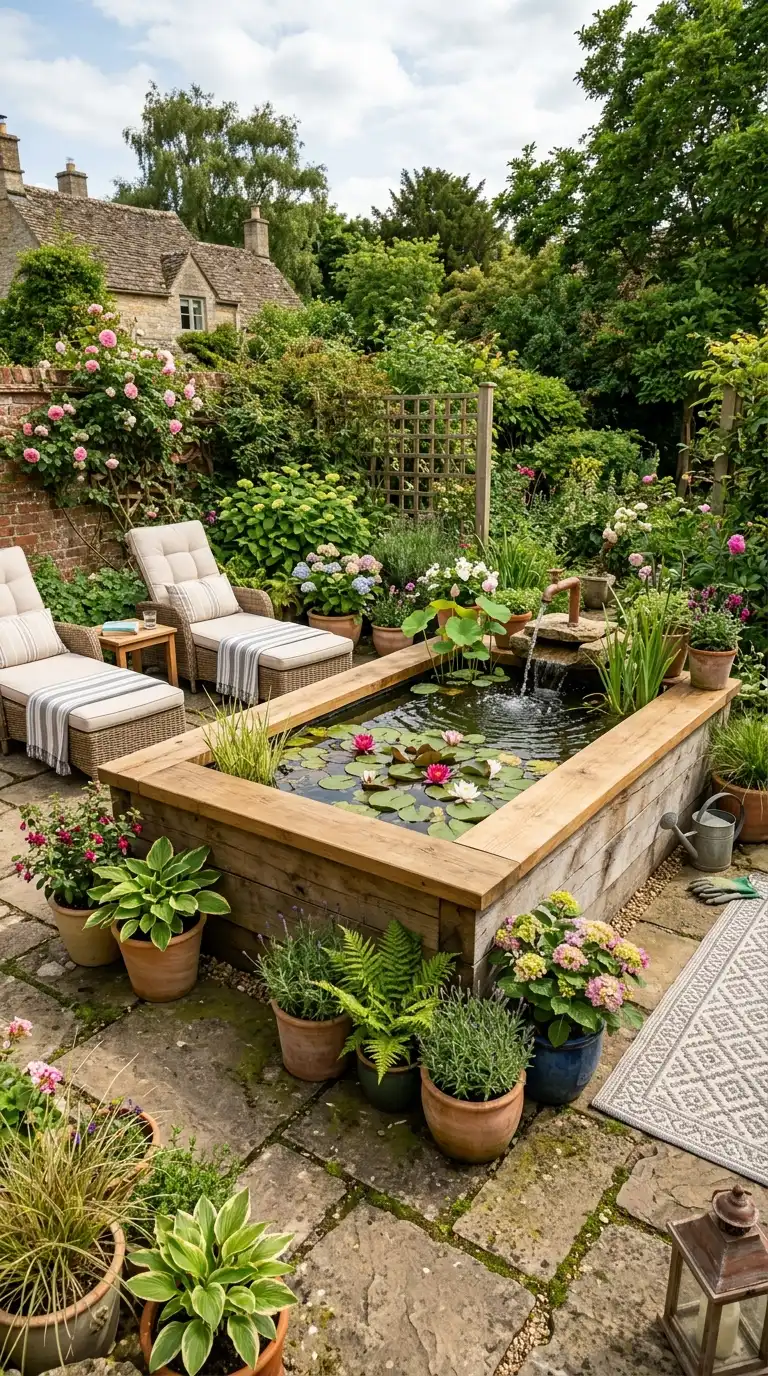
A raised pond is built above ground, making it easier to access and safer for homes with children. Use concrete blocks, bricks, or timber to build walls, and line the interior with a rubber liner. Add a pump, filter, and aquatic plants. A raised pond can be built at a height that allows for comfortable seating around the edge, and it becomes a focal point on a patio or deck.
Conclusion
A DIY backyard pond is a rewarding project that adds beauty, tranquility, and wildlife to your outdoor space. Whether you choose a simple container pond for a small patio, a preformed liner for a medium-sized yard, a flexible liner for a custom shape, or a natural wildlife pond for ecological balance, there is a design for every skill level and budget. Consider how you will use the pond—for fish, for plants, for wildlife, or simply for the sound of water—and choose a design that fits your space and lifestyle. With a weekend of work and a modest investment, you can create a peaceful retreat that you’ll enjoy for years to come.