13 Long Narrow Living Room Layout with Balcony Ideas
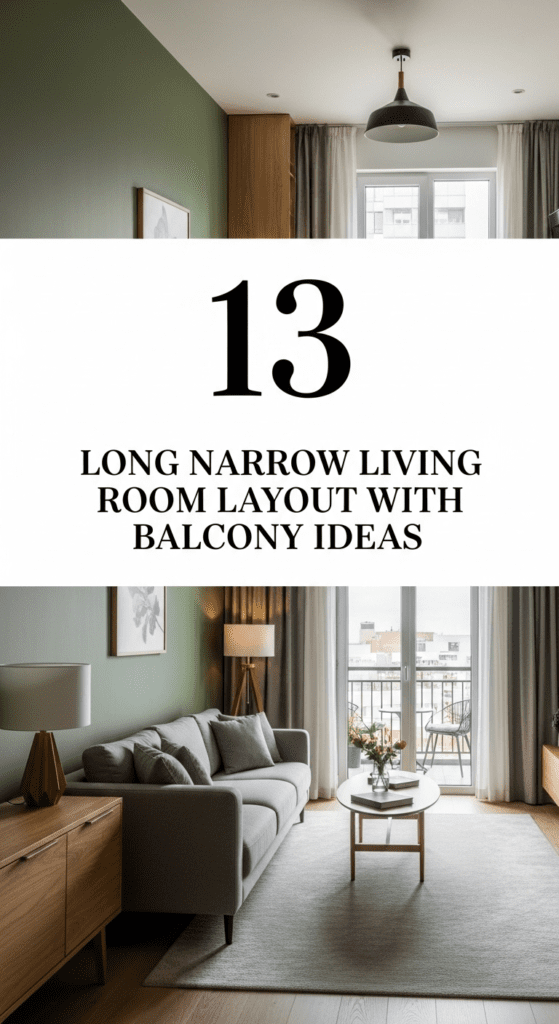
Long narrow living room layout with balcony ideas require special consideration for how indoor and outdoor spaces connect, ensuring your furniture arrangement maximizes natural light, views, and flow to the balcony without creating traffic bottlenecks. A balcony is a valuable asset in a narrow living room—it extends your usable space, provides access to fresh air and outdoor living, and floods the interior with natural light through balcony doors. The challenge lies in positioning furniture to celebrate rather than obstruct this connection while maintaining a functional living area that serves your daily needs. These thirteen layout ideas will help you create a seamless indoor-outdoor living experience that makes the most of both your narrow living room and your outdoor balcony space.
See also: Grey Guest Bedroom Ideas 12 Ways to Master the Sophisticated Neutral
1. Balcony-Facing Furniture Orientation
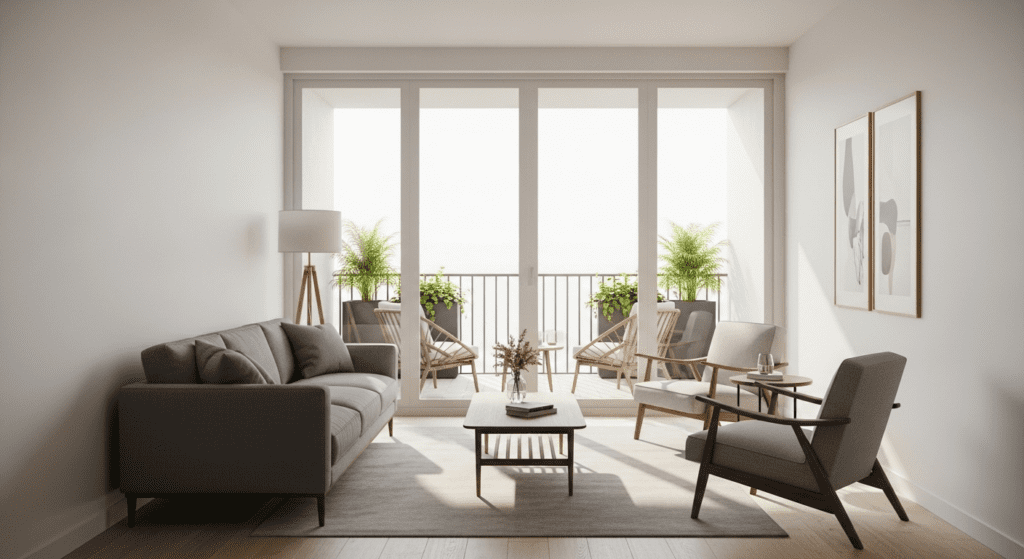
Orient your primary seating to face the balcony doors, making the outdoor space and natural light the focal point of your narrow living room.
Position your sofa perpendicular to the long walls, facing directly toward the balcony. This arrangement creates a conversation area that enjoys views of the outdoors while maintaining easy access to the balcony. Add chairs angled slightly toward both the sofa and the balcony to complete a U-shaped seating grouping. Place a coffee table in the center that doesn’t obstruct the path to the balcony.
This layout treats the balcony as a visual extension of your living room. When balcony doors are open, indoor and outdoor spaces flow together seamlessly. The furniture orientation encourages you to enjoy the views, natural light, and connection to the outdoors while relaxing in your living room.
Keep the pathway to the balcony clear and direct—at least 36 inches wide for comfortable passage. Use an area rug to anchor the seating area, positioning it so the rug doesn’t extend into the balcony traffic path. This arrangement works beautifully when your balcony has attractive views or overlooks greenery, water, or city skylines.
2. Parallel Living Room with Balcony Extension
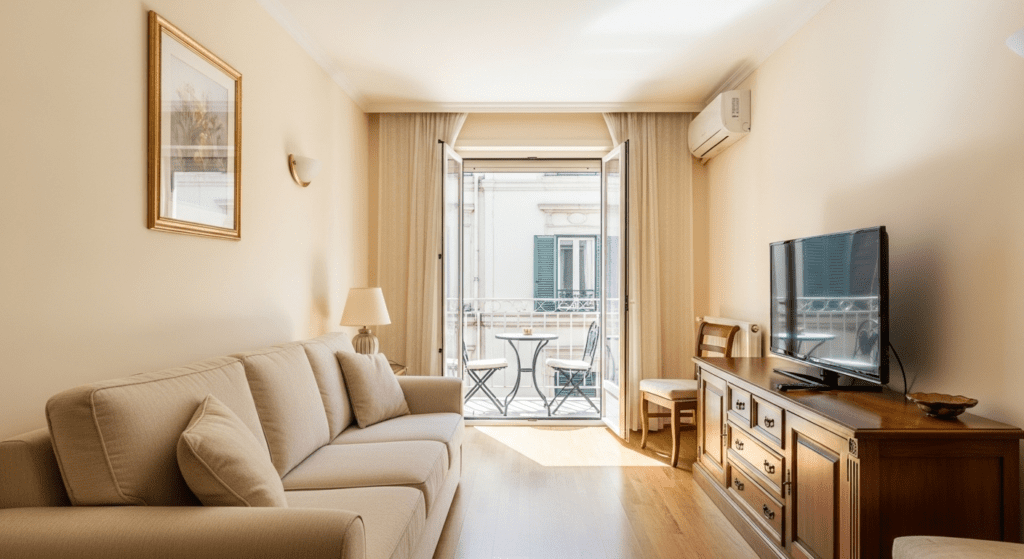
Arrange your living room furniture parallel to the balcony doors along one long wall, treating the balcony as an extension of your indoor space.
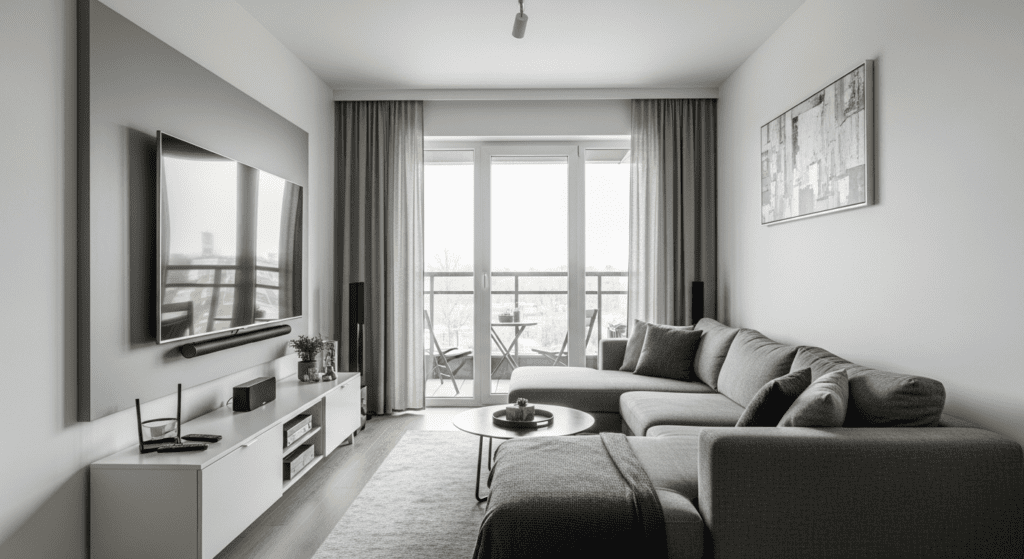
Position a sofa along one long wall with the back to the wall, facing toward the interior of the room rather than the balcony. Place a TV or entertainment center on the opposite long wall, creating a traditional parallel arrangement. Keep the area near the balcony doors open and furniture-free, allowing natural light to flood into the room and maintaining clear access to the outdoor space.
When balcony doors are open, the balcony becomes a natural extension where you can step out for fresh air without disrupting the indoor living arrangement. This layout works well when you want to maintain a traditional living room setup while still having easy balcony access. The parallel arrangement maximizes seating without blocking the light or views.
Use lightweight side chairs or ottomans near the balcony that can be easily moved outside when you want to expand your seating to the balcony. This flexible approach allows you to shift between indoor and outdoor living based on weather and preference.
See also: Designs of a 2 Bedroom Guest House Plans 12 Ways to Maximize a Secondary Dwelling
3. L-Shaped Corner Arrangement Near Balcony
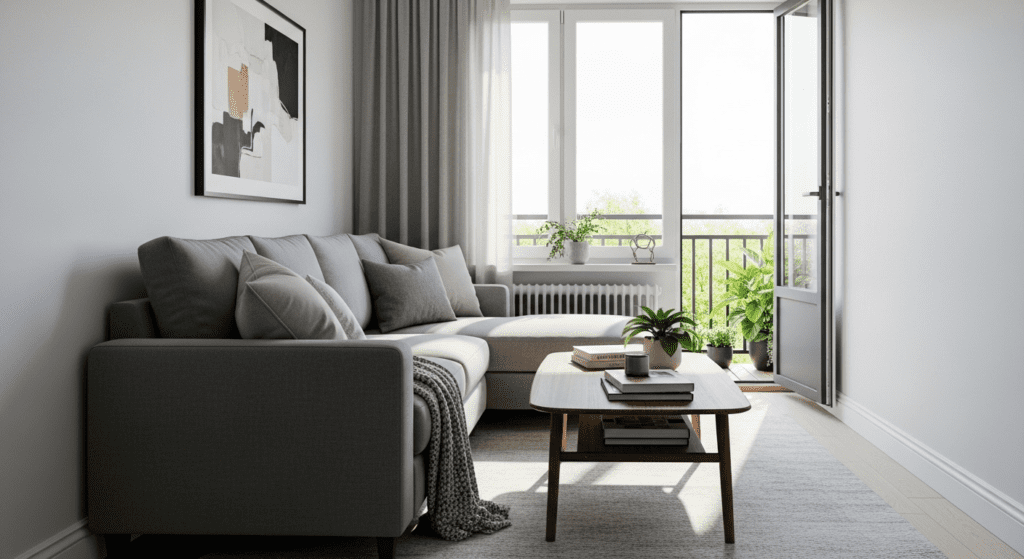
Position an L-shaped sectional in the corner closest to the balcony, creating a cozy conversation area that maximizes seating while maintaining balcony access.
Place a sectional sofa in an L-configuration in the corner nearest the balcony doors, with one section running parallel to the balcony wall and the other extending into the room. This arrangement creates intimate seating that enjoys the natural light and views while leaving the opposite side of the narrow room open for traffic flow and access to the balcony.
The L-shaped layout provides generous seating without blocking the balcony doors or the light they provide. Add a coffee table in the open area created by the L-shape, and position a floor lamp or side table at the outer corner for lighting and convenience. The sectional’s orientation encourages gathering while maintaining clear sightlines to the balcony.
This layout works particularly well in narrow living rooms where you need maximum seating capacity but can’t afford to block the balcony. The corner placement uses space efficiently while celebrating the indoor-outdoor connection.
4. Floating Furniture with Balcony Focus
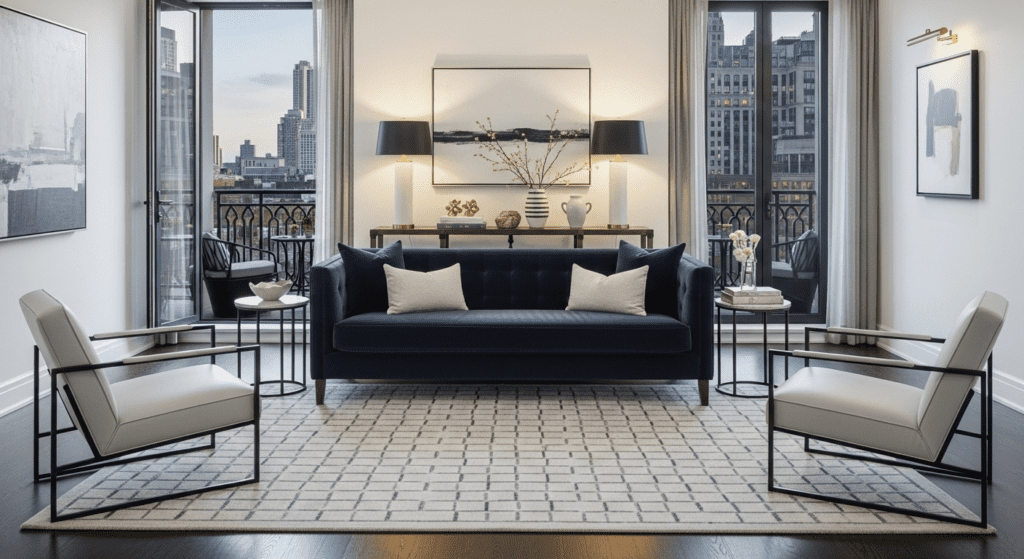
Create a floating furniture arrangement that doesn’t touch any walls, positioned to celebrate the balcony while creating defined zones in your narrow space.
Place your sofa floating in the room, several feet from any wall, perpendicular to the long walls and facing the balcony. Position a console table behind the sofa for styling and storage. Arrange chairs to complete the conversation grouping. The floating arrangement leaves clear pathways on both sides—one leading to the balcony, the other serving as general traffic flow through the narrow room.
This layout creates a room-within-a-room effect, making your living space feel more intentional and designed. The floating furniture naturally defines the living zone while maintaining openness essential in narrow spaces. The clear path to the balcony becomes part of the overall flow rather than cutting through furniture groupings.
Add area rugs to anchor the floating furniture grouping, ensuring the rug doesn’t extend into walkways or the balcony access path. This sophisticated arrangement works well in longer narrow living rooms where you have enough length to pull furniture away from walls without cramping the space.
5. Perpendicular Dual-Zone Layout
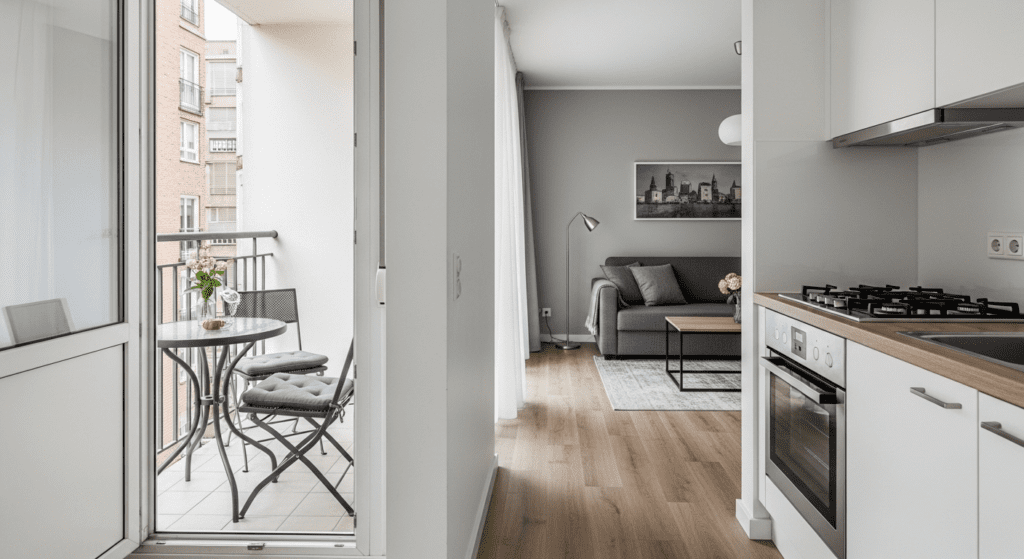
Create two distinct functional zones in your narrow living room, with one zone near the balcony and another deeper in the room.
Position a small breakfast or café table with chairs near the balcony doors, creating a dining or work zone that enjoys the natural light and easy outdoor access. Deeper in the narrow room, arrange a traditional living area with sofa, coffee table, and additional seating. Use an area rug or low bookshelf to subtly separate the two zones.
This layout maximizes the narrow room’s length by creating multiple functional areas. The balcony zone becomes a destination for morning coffee, casual meals, or work-from-home setups that benefit from natural light and views. The interior living zone serves traditional relaxation and entertainment purposes.
The dual-zone approach works particularly well in narrow living rooms that must serve multiple purposes. The balcony area naturally draws activities that benefit from outdoor connection—dining, reading, working—while the interior space handles activities better suited away from direct sunlight like TV watching.
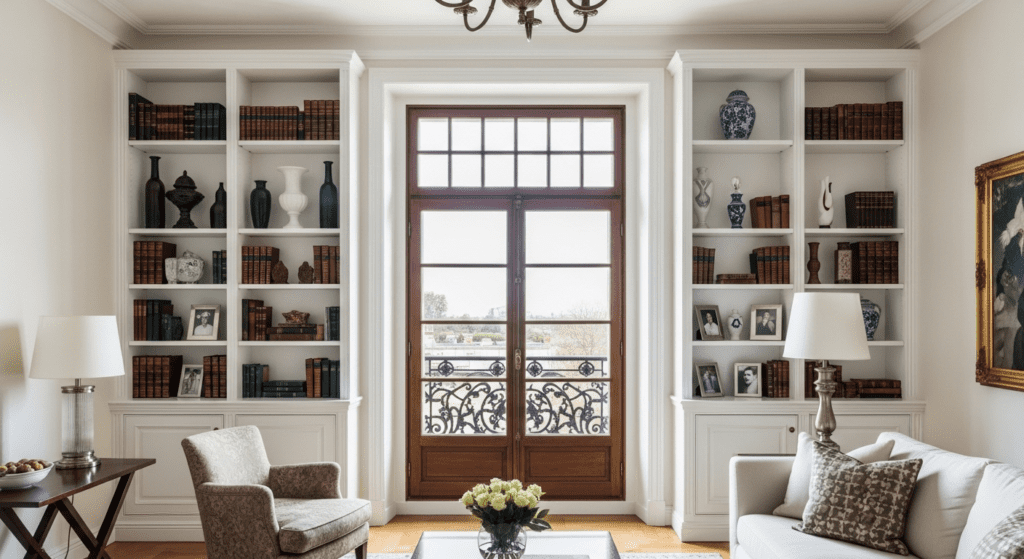
6. Balcony Door Flanking Symmetry
Create a symmetrical arrangement that flanks the balcony doors with matching furniture elements, emphasizing the balcony as the central focal point.
If your balcony doors are centered on a wall, position matching elements on either side—tall bookcases, console tables, or floor plants in matching planters. Arrange seating perpendicular to the doors, creating a U-shape that frames the balcony. The symmetrical flanking draws attention to the balcony while providing functional storage or display space.
The balanced arrangement creates formal elegance while maintaining clear access to the outdoors. The matching elements on either side create visual harmony that makes the narrow room feel more proportional. Use the flanking furniture for practical purposes—books, decorative objects, or plants that benefit from the natural light near the balcony.
This layout works beautifully when you want to celebrate the balcony as the room’s primary architectural feature. The symmetry creates a sense of order and calm that counteracts the potentially chaotic feeling of narrow proportions.
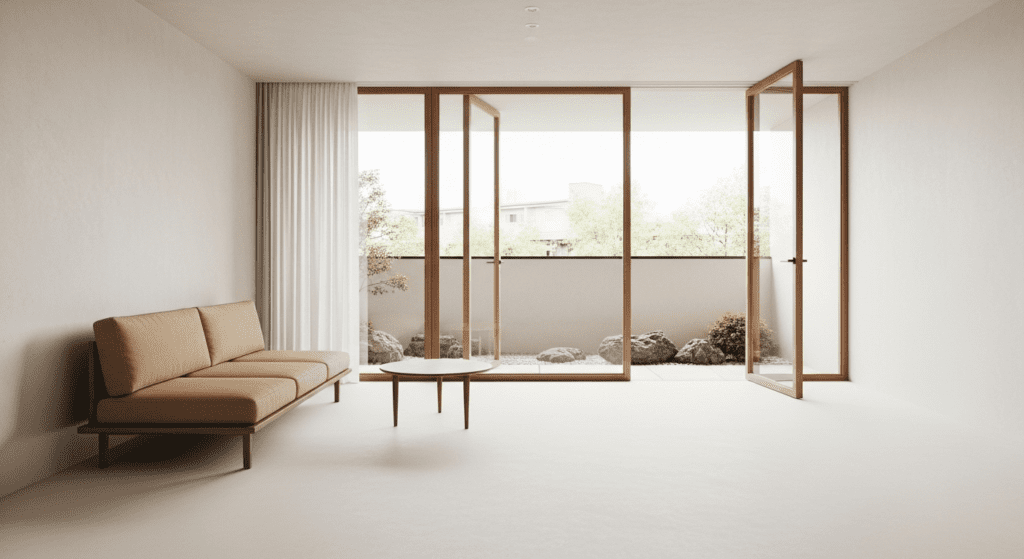
7. Minimalist Open Flow to Balcony
Embrace minimalism with sparse furniture positioned to maintain maximum open floor space and unobstructed flow to the balcony.
Choose minimal furniture—one sofa, one coffee table, perhaps a single accent chair—and position these pieces to leave generous open space, especially near the balcony doors. The minimal approach emphasizes the connection between indoor and outdoor spaces, making the balcony feel like a natural extension rather than a separate space.
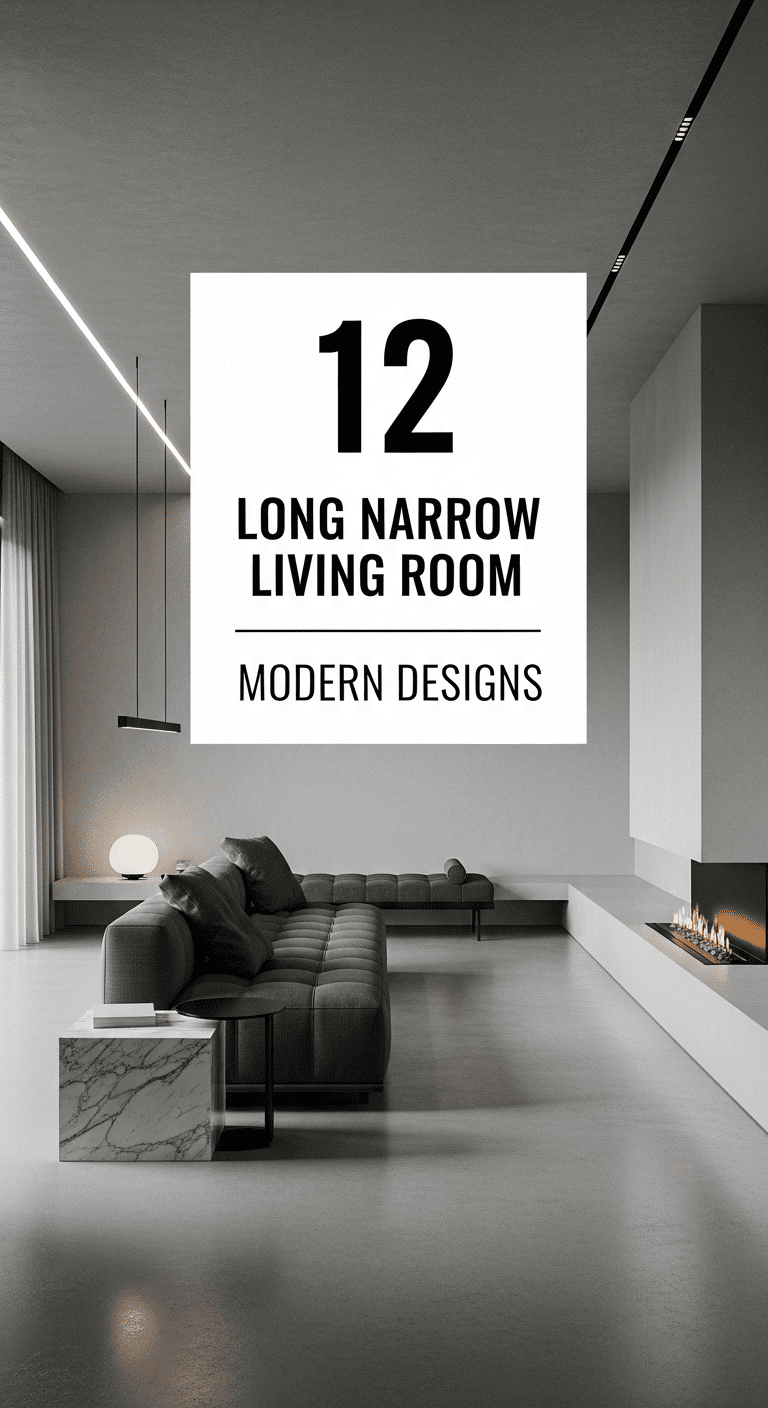
Keep the area within 6 feet of the balcony doors completely clear of furniture, creating an open threshold that blurs the boundary between inside and outside. When balcony doors are open, the spaces merge seamlessly. Use light colors and simple lines throughout to maintain the airy, uncluttered aesthetic.
This layout works particularly well in small narrow living rooms where adding too much furniture would create a cramped feeling. The minimalist approach prioritizes space and light over abundant seating, creating a serene environment that celebrates the balcony connection.
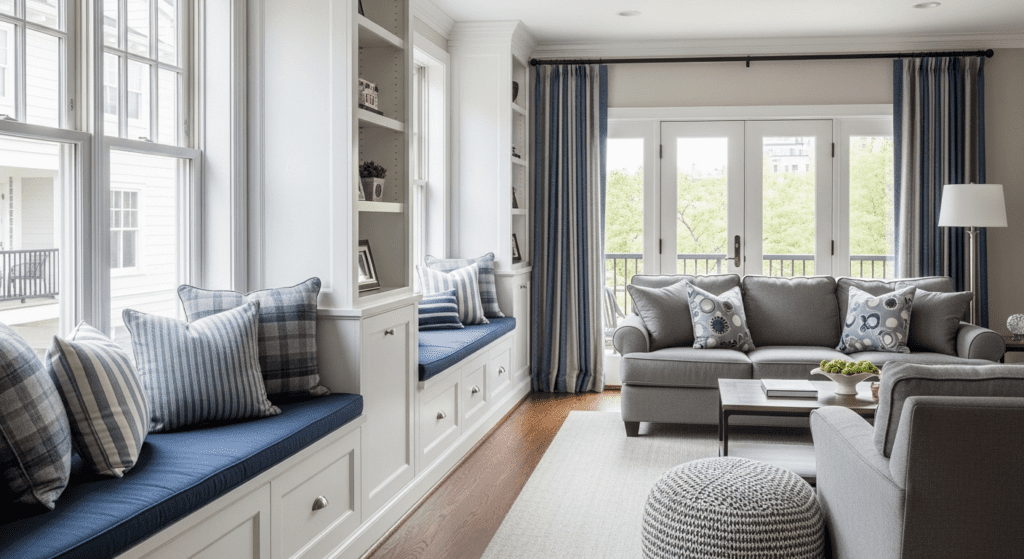
8. Window Seat Adjacent to Balcony
Create a window seat or built-in bench adjacent to the balcony doors that provides seating while maintaining clear balcony access.
Build or install a window seat along the wall beside the balcony doors, with storage underneath and cushions on top. This creates additional seating that doesn’t protrude into the narrow room or block the balcony path. Style with throw pillows and use the seat for reading, relaxing, or enjoying the natural light and views.
Position your main living furniture—sofa and coffee table—in the central area of the narrow room, maintaining the clear path to the balcony. The window seat provides supplementary seating that capitalizes on the natural light near the balcony without interfering with traffic flow or the primary living arrangement.
This layout adds character and functionality while making smart use of the valuable space near the balcony. The built-in nature of the window seat means it doesn’t visually clutter the room the way freestanding furniture might.
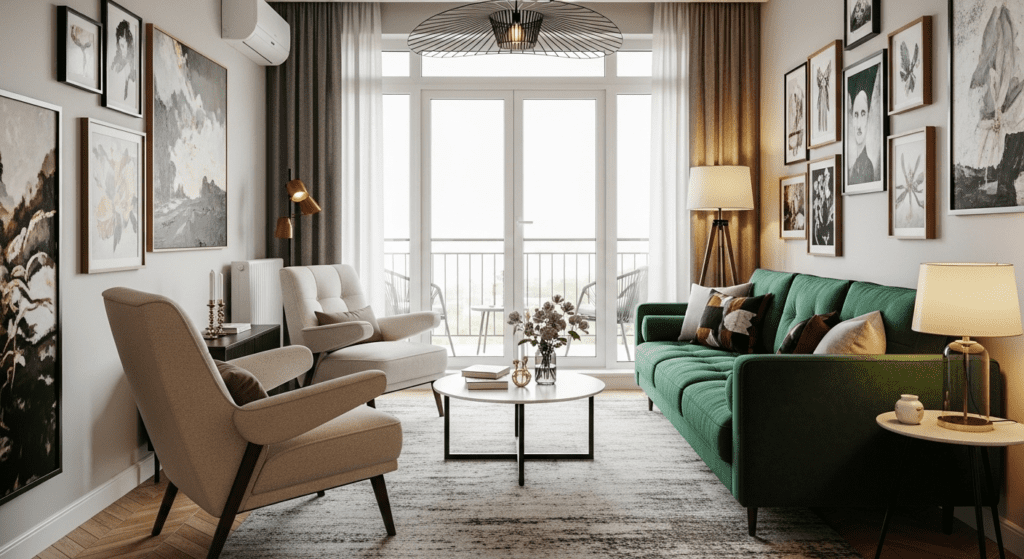
9. Angled Conversation Area with Balcony Views
Position furniture at angles rather than parallel to walls, creating a dynamic conversation area that enjoys balcony views without conventional orientation.
Place your sofa at a 45-degree angle in relation to the balcony doors, with chairs angled to complement the diagonal arrangement. The angled positioning creates visual interest while maintaining views toward the balcony from multiple seating positions. A coffee table in the center follows the angular theme.
The diagonal furniture arrangement breaks up the rigid lines of the narrow room while creating interesting negative spaces in corners that can be filled with plants or lighting. The angles naturally guide traffic flow around the seating area toward the balcony, making the path feel organic rather than forced.
This layout works well when you want to create a less conventional, more dynamic space that doesn’t follow typical furniture placement rules. The angled arrangement adds personality while celebrating the balcony connection from multiple vantage points.
10. Entertainment Center Away from Balcony
Position your TV and entertainment center on the wall opposite or perpendicular to the balcony, directing seating toward the TV while maintaining easy balcony access.
Mount your TV on a wall away from the balcony—either on one of the long walls or the short wall opposite the balcony. Arrange seating to face the TV, creating a traditional entertainment-focused layout. This arrangement allows you to watch TV without glare from the balcony doors while maintaining clear access to the outdoor space.
Place your sofa perpendicular to the balcony, facing the TV. The balcony remains easily accessible without people needing to cross in front of the TV to reach it. This layout works well when TV viewing is a priority but you still want to benefit from the balcony’s natural light and outdoor access.
Add blackout curtains or adjustable blinds on the balcony doors for glare control during screen time. The layout separates entertainment functions from the balcony area while keeping both accessible and functional.
11. Balcony-Integrated Reading Nook
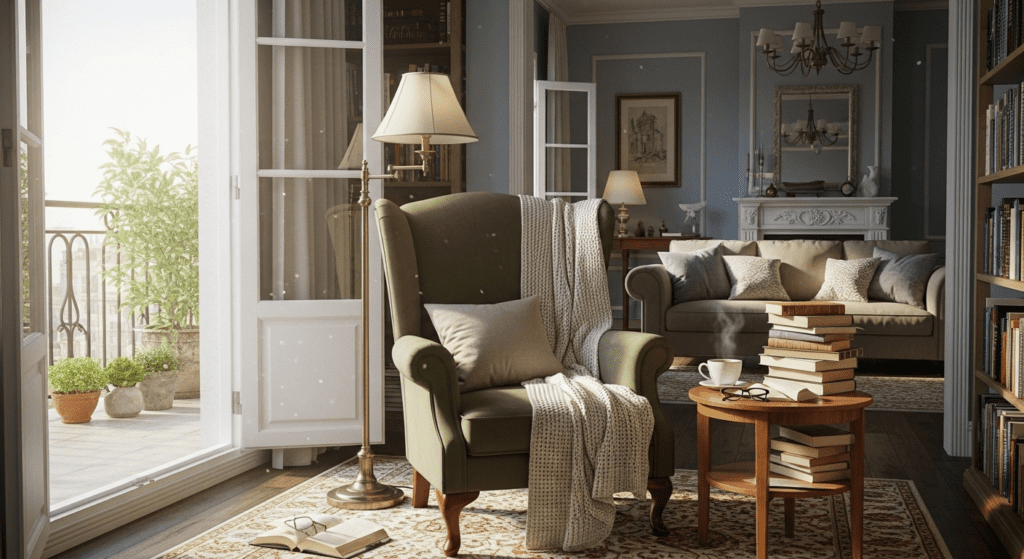
Create a dedicated reading nook immediately adjacent to the balcony doors that takes advantage of natural light and easy outdoor access.
Position a comfortable reading chair and floor lamp directly beside or near the balcony doors, creating a special spot for reading that benefits from abundant natural light. Add a small side table for books and tea, and a throw blanket for comfort. The reading nook becomes a transitional space between indoor and outdoor, perfect for enjoying a book with fresh air.
Arrange the main living area deeper in the narrow room with sofa and coffee table serving traditional purposes. The reading nook near the balcony becomes a destination within the room, giving people a reason to move toward and appreciate the outdoor connection.
This layout works beautifully for book lovers or anyone who wants a dedicated peaceful spot that celebrates the balcony. The reading nook can easily overflow onto the balcony during pleasant weather, extending your reading space outdoors.
12. Balcony Bar and Entertainment Zone
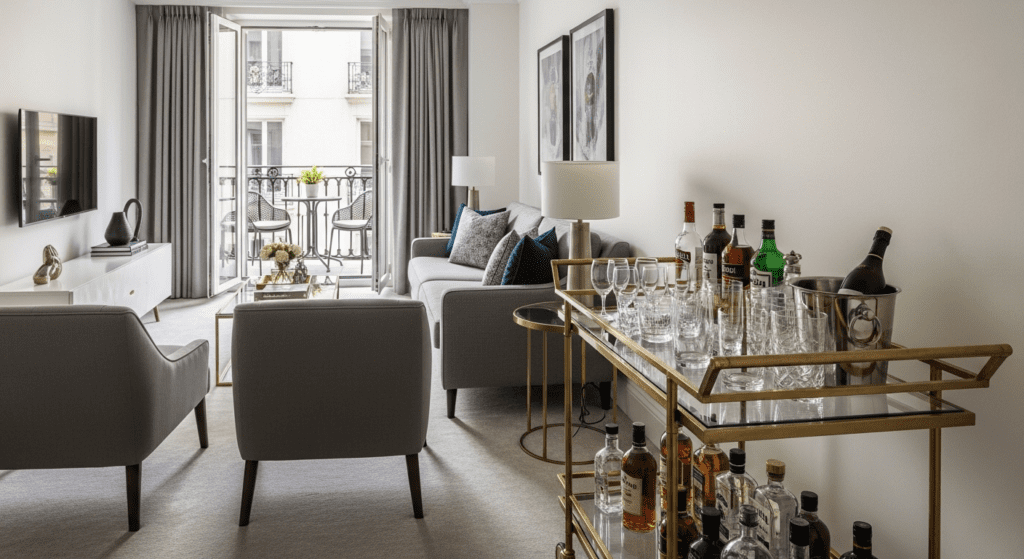
Create a bar or beverage station near the balcony doors that facilitates indoor-outdoor entertaining and takes advantage of easy balcony access.
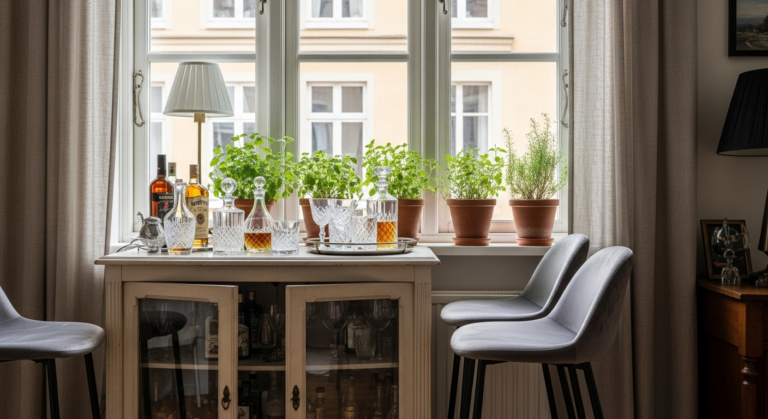
Position a bar cart, console table styled as a bar, or small built-in bar near the balcony doors. Stock with glasses, beverages, and bar accessories. When entertaining, guests can easily take drinks from the indoor bar out to the balcony. Arrange main seating perpendicular to the balcony with the bar accessible from both living room and balcony.
This layout works particularly well for those who frequently entertain and want to maximize both indoor and outdoor spaces. The bar location near the balcony creates natural flow for parties where guests mingle between spaces. Add a small outdoor dining set or lounge furniture on the balcony to complete the entertaining setup.
The bar zone creates a functional hub that connects indoor and outdoor entertaining, making your narrow living room feel like a sophisticated entertaining space rather than a limiting floor plan.
13. Sliding Door Open-Plan Integration
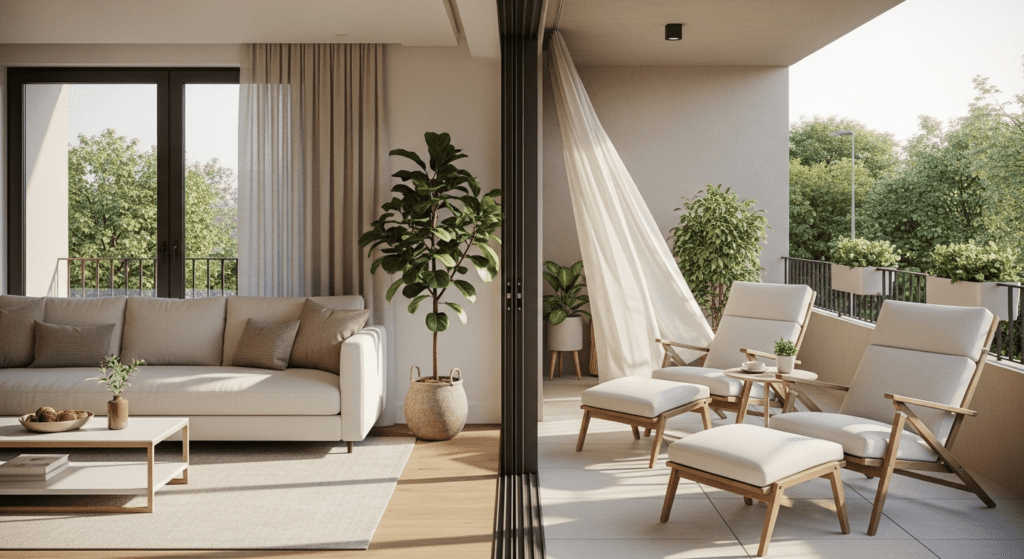
Design your layout assuming the balcony doors will often be open, creating a true indoor-outdoor living space that functions as one extended area.
Choose furniture that can withstand some outdoor exposure and position it to embrace the open-door scenario. Use outdoor-appropriate fabrics for pillows near the balcony, and select furniture that won’t be damaged by occasional moisture. Extend your area rug close to (but not touching) the balcony threshold to create visual continuity.
Coordinate your indoor furniture style with outdoor balcony furniture, using similar colors, materials, or aesthetic so the spaces feel like one cohesive design. When doors are open, the living room and balcony function as one large space. Position seating to take advantage of cross-ventilation and fresh air flow.
This layout works best in mild climates where doors can be open much of the year, or for those who prioritize outdoor living. The integrated approach treats the balcony as an actual room extension rather than a separate outdoor space.
Maximizing Your Balcony Connection
Clear Pathways are Essential: Always maintain at least 36 inches of clearance for the pathway to your balcony. Traffic flow must be easy and unobstructed—if people have to navigate around furniture to reach the balcony, they won’t use it as much.
Consider Door Swing or Slide: Factor in how your balcony doors operate. Sliding doors require clearance for the door panels, while French doors need space to swing open. Ensure furniture placement doesn’t interfere with door operation.
Light Control Matters: Balcony doors flood rooms with light, which is wonderful but can create glare on TV screens or fade furniture. Plan for adjustable window treatments—sheer curtains, blinds, or shades—that allow light control without permanently blocking your outdoor connection.
Furniture Near Doors: Use furniture materials that can tolerate occasional sun exposure near balcony doors. Fade-resistant fabrics and finishes prevent damage from UV rays streaming through the glass.
Visual Connection: Even when balcony doors are closed, maintain visual connection to the outdoors. Avoid blocking views with tall furniture, and position seating where occupants can see outside.
Temperature Considerations: Balcony doors can be a source of heat gain in summer and heat loss in winter. Consider this when positioning furniture—you may not want your sofa directly in front of single-pane doors that create a cold zone in winter.
Coordinate Indoor-Outdoor Design: Choose balcony furniture and decor that complements your living room style. When visible through the doors, the balcony becomes part of your living room’s visual landscape.
Safety First: Ensure area rugs don’t create tripping hazards near the balcony threshold. Secure rugs with non-slip pads and ensure the transition between flooring and balcony is clearly visible and safe.
Seasonal Adjustments: Consider creating a flexible layout that can be adjusted seasonally. In summer when the balcony is used frequently, furniture might be positioned for maximum indoor-outdoor flow. In winter, you might close off the balcony and rearrange for cozier indoor-focused living.
Creating Successful Balcony-Connected Living Rooms
Long narrow living room layout with balcony ideas center on one fundamental principle: celebrate and maximize the indoor-outdoor connection rather than treating it as an obstacle to furniture arrangement. Your balcony is a valuable asset that extends your living space, provides natural light, and offers access to fresh air and outdoor living.
The most successful layouts recognize that a balcony changes how you use your living room. It’s not just about fitting furniture into a narrow space—it’s about creating a lifestyle where indoor and outdoor living flow seamlessly together. Whether you orient seating to enjoy balcony views, create entertainment zones that facilitate indoor-outdoor gatherings, or design minimalist spaces that blur the boundaries between inside and outside, your layout should enhance rather than ignore the balcony connection.
Consider your climate, how often you’ll use the balcony, and what activities you want to support. A reading nook near the balcony makes sense for book lovers. A bar area works for entertainers. Dining space benefits those who eat outdoors. Your layout should serve your specific lifestyle while maximizing the unique advantage of having outdoor space connected to your narrow living room.
With thoughtful planning, your narrow living room with balcony becomes not a challenging space to furnish, but an opportunity to create an expanded living environment that celebrates both indoor comfort and outdoor connection.