14 Backyard Garden Layouts
A great garden starts with a smart layout. Whether you have a tiny city patch or a sprawling acre, how you arrange your beds, paths, and seating determines everything—from how much you harvest to how often you actually want to spend time out there. These 14 backyard garden layouts cover vegetable beds, flower borders, pollinator patches, and family-friendly designs. No landscape architecture degree required.
1. The Classic Raised Bed Grid Layout
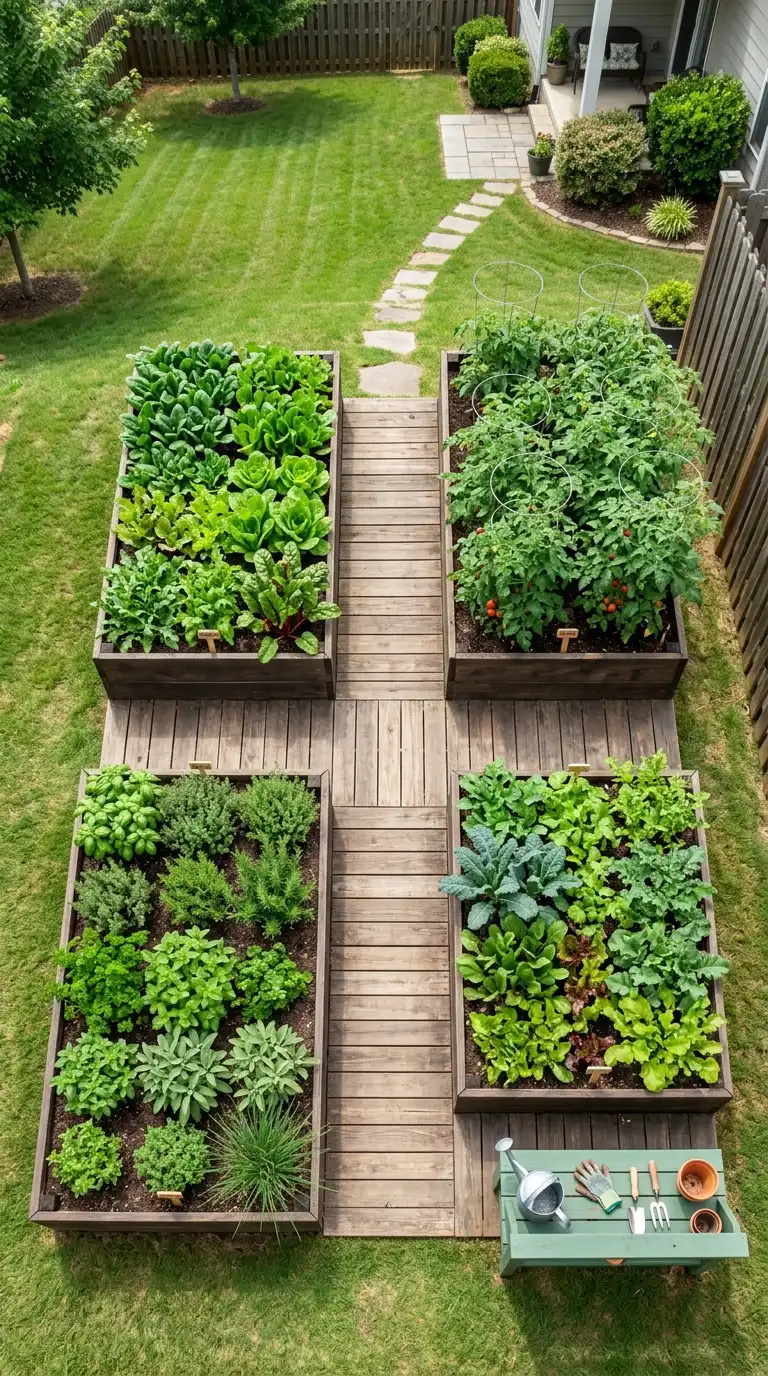
Four identical 4×8 foot raised beds arranged in a simple grid with 2-foot paths between them. This layout maximizes growing space while keeping every bed within arm’s reach. Perfect for beginners. Add a small tool bench at one end.
2. The Circular Mandala Keyhole Bed
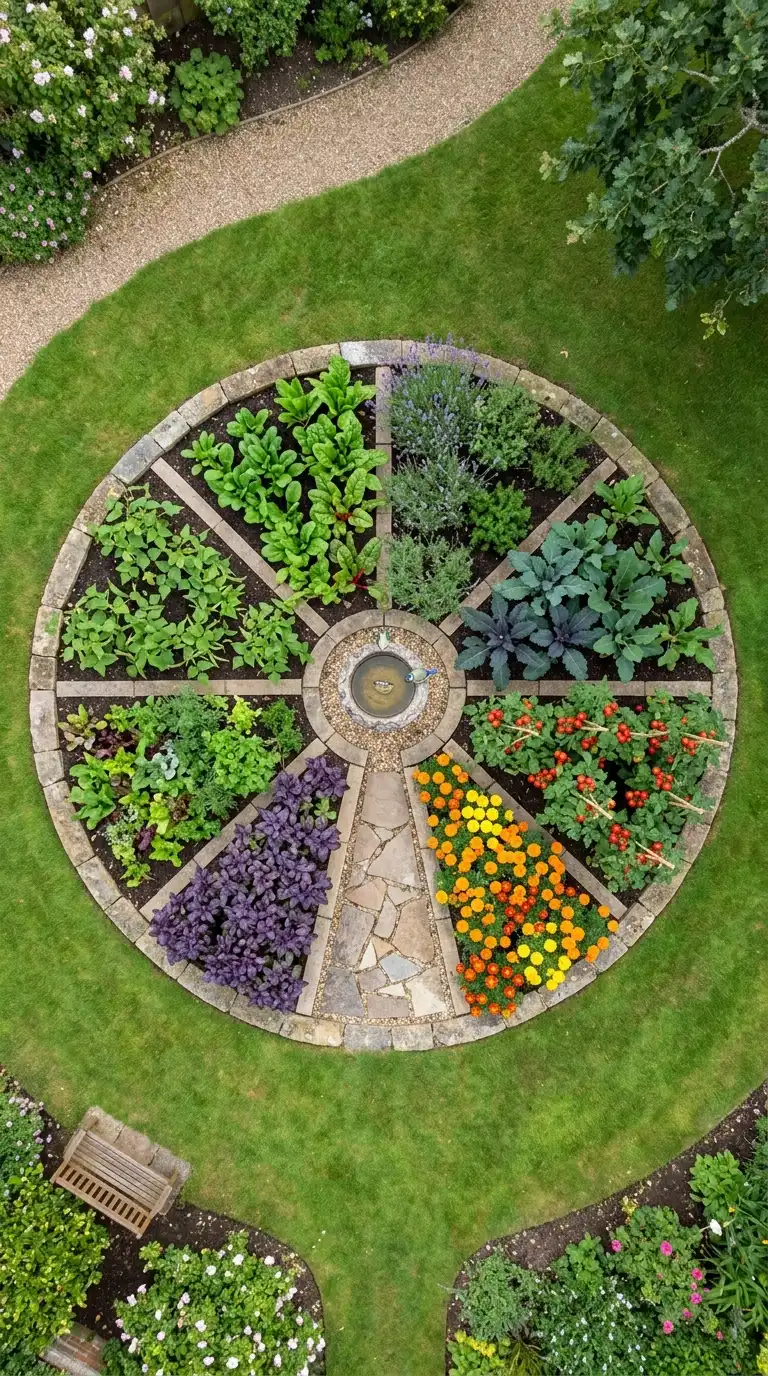
A single large circular bed (12-foot diameter) with a wedge-shaped “keyhole” cutout that allows access to the center. From above, it looks like a flower. This layout reduces wasted path space and looks stunning. Great for intensive planting.
3. The North-South Row Layout for Sun Maximization
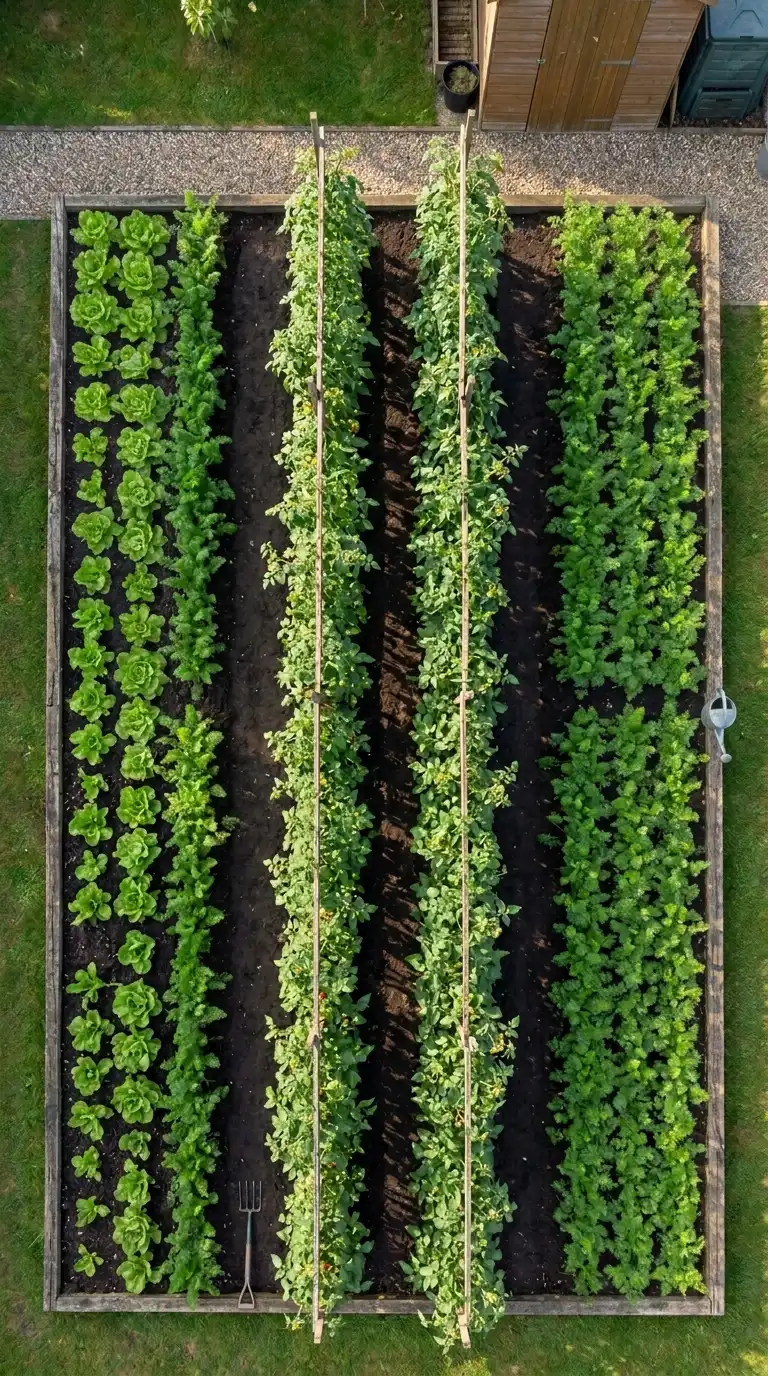
Long, straight rows running north to south. This ensures that tall plants (corn, tomatoes) don’t shade shorter ones (lettuce, radishes). Rows are 3 feet apart. A simple, old-fashioned layout that works for large vegetable gardens.
4. The Four-Quadrant Companion Planting Layout
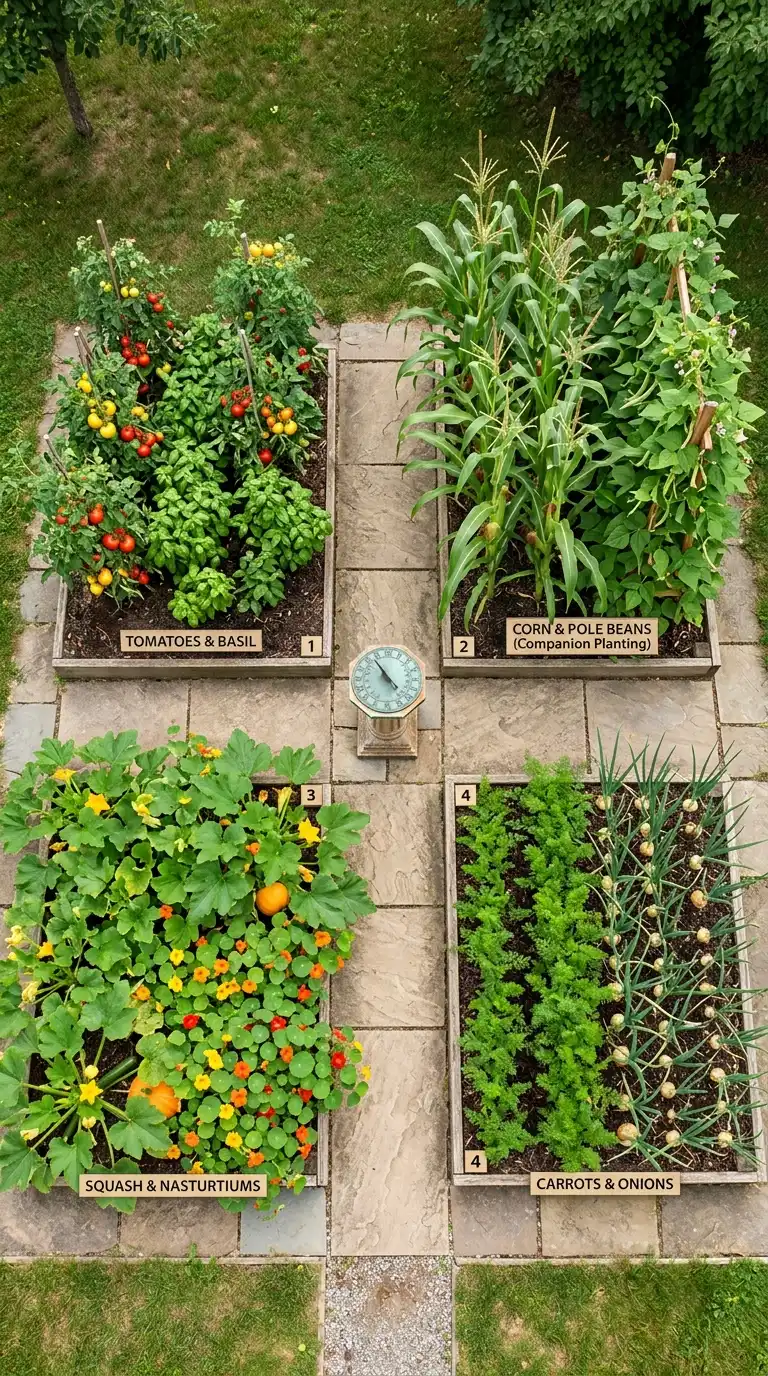
A square bed divided into four equal quadrants. Each quadrant pairs compatible plants: tomatoes with basil, carrots with onions, corn with beans, squash with nasturtiums. A small stone path forms a plus sign through the center.
5. The Pollinator Ring Layout
A large circular bed (or donut shape) planted exclusively with native flowers that attract bees, butterflies, and hummingbirds. The center is left open as a bare soil “bee hotel” area. Place this layout away from high-traffic zones.
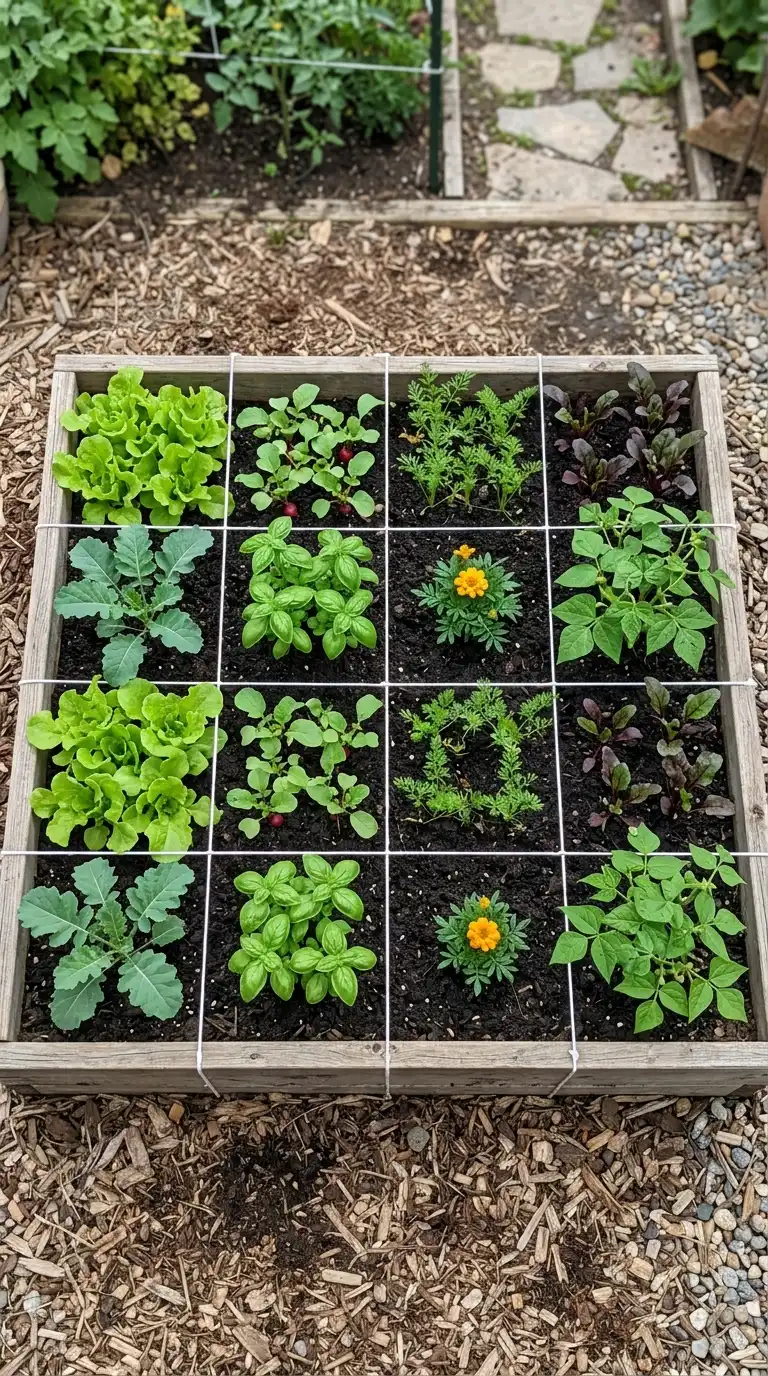
6. The Square Foot Gardening Grid
A single 4×4 foot raised bed divided into 16 one-foot squares by a physical grid (string or wooden slats). Each square holds a different crop: one square of radishes, one of carrots, one of kale, etc. Maximum production in minimum space.

7. The Spiral Herb Garden Layout
A raised bed shaped like an Archimedes spiral, typically 6 feet in diameter. The spiral creates microclimates: dry herbs (rosemary, thyme) on the sunny outer edges, moisture-loving herbs (mint, parsley) in the lower inner curves. Beautiful and functional.
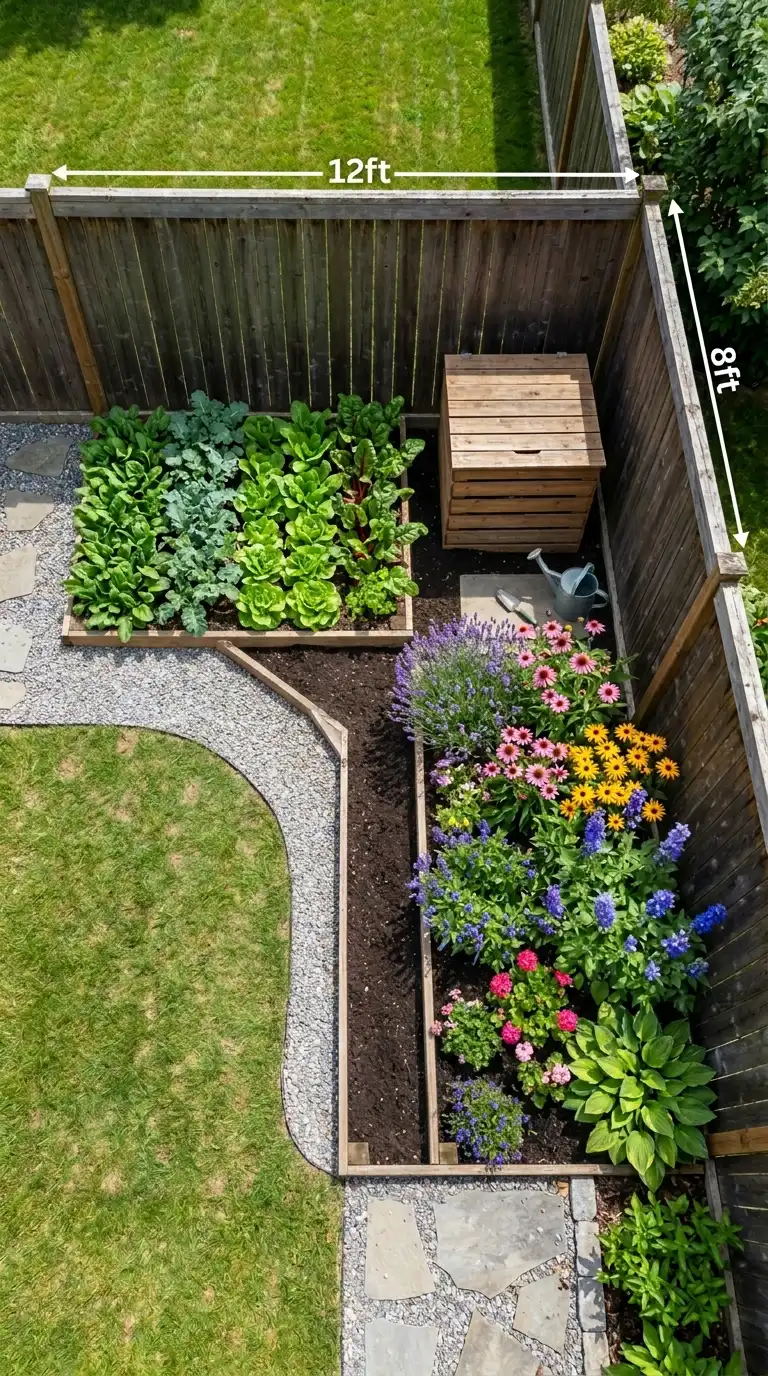
8. The L-Shaped Corner Layout
Perfect for awkward corners of the yard. Two rectangular beds meet at a 90-degree angle, forming an L. The inside corner becomes a small seating nook or compost bin area. Uses space that would otherwise be wasted.
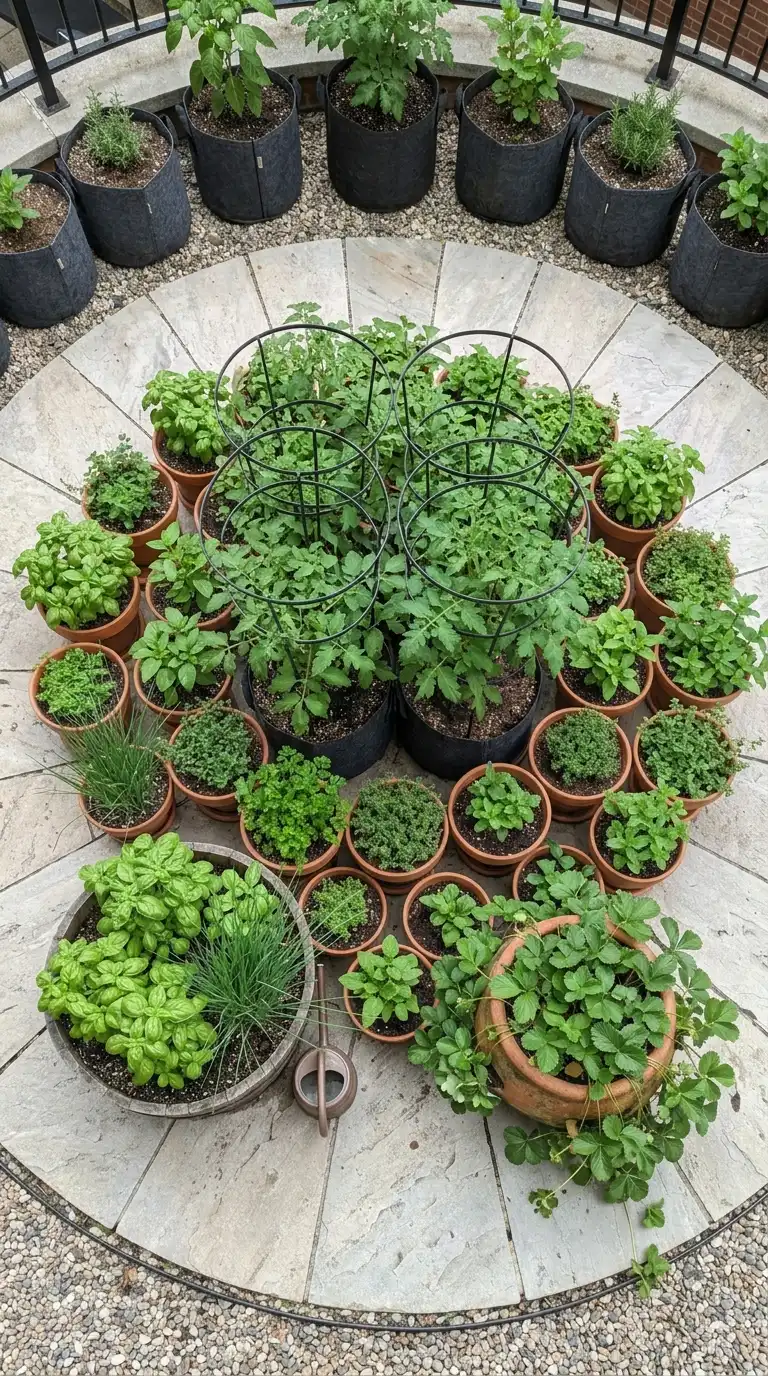
9. The Container Cluster Layout
No in-ground beds at all. A clustered arrangement of pots, grow bags, and planters on a patio or gravel pad. Group tall plants (tomatoes, peppers) in the back or center, trailing plants (strawberries, nasturtiums) at the edges. Entirely portable.

10. The Forest Garden Layered Layout
Mimics a natural woodland edge. Tall canopy trees (pawpaw, serviceberry) on the north side. Shrubs (currants, hazelnut) in the middle. Herbaceous plants (rhubarb, comfrey) below. Ground covers (wild ginger, strawberries) at the base. A path winds through all layers.
11. The Straight-and-Curved Path Layout
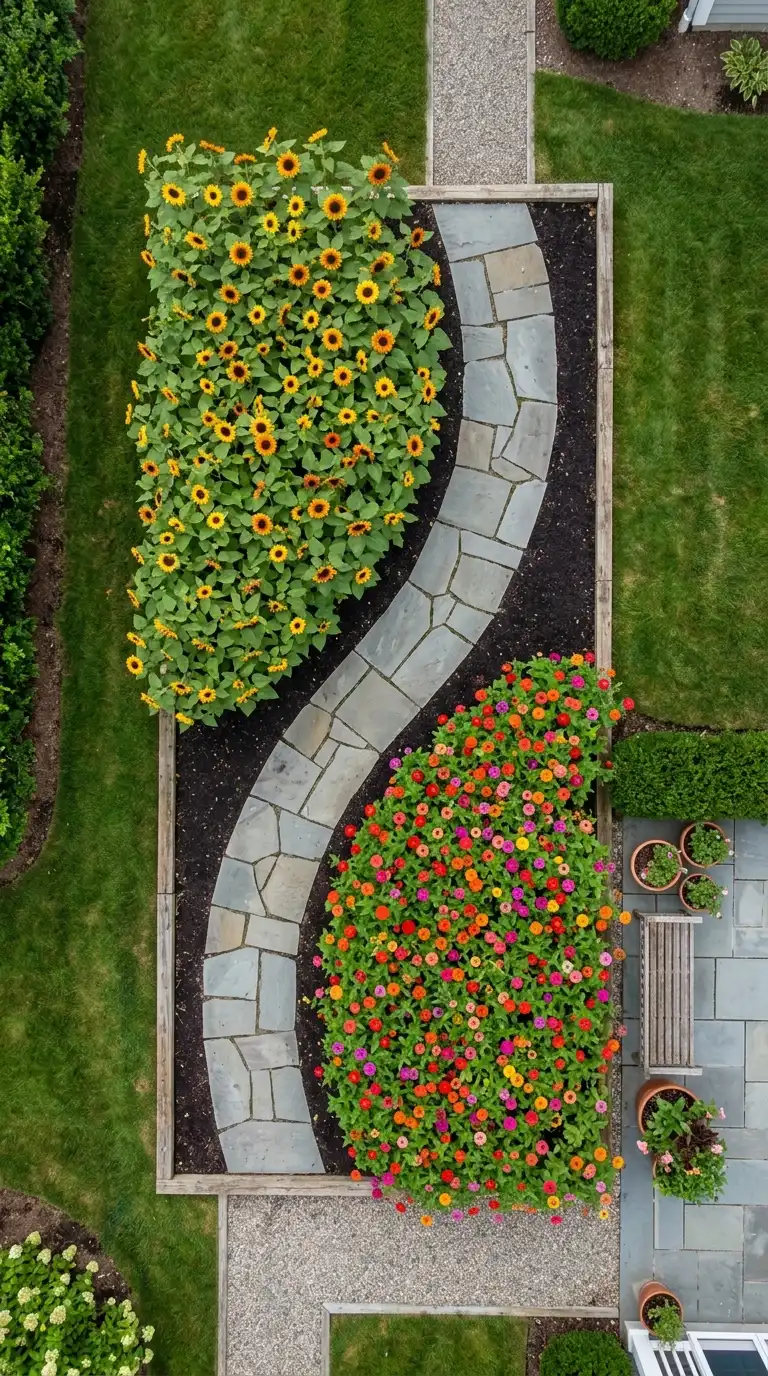
A single long rectangular bed (say, 4×20 feet) with a curved flagstone path cutting through it, creating two crescent-shaped planting zones. This softens the formal rectangle and makes a narrow space feel larger and more inviting.
12. The Children’s Pizza Garden Layout
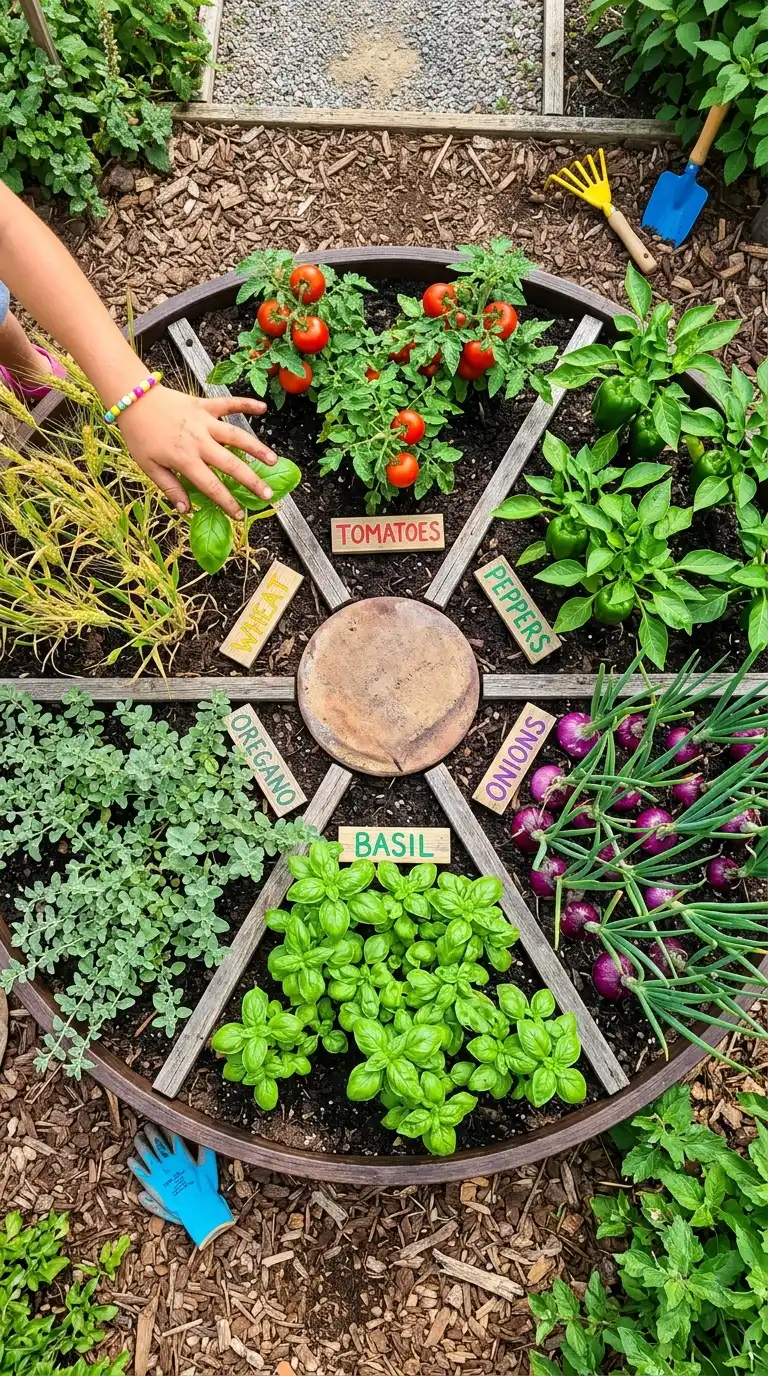
A circular bed divided into wedges, each wedge growing a pizza ingredient: tomatoes (sauce), peppers (topping), onions (topping), basil (garnish), oregano (seasoning), and wheat (for crust in theory). A small round pa stone sits in the center as a “table.”
13. The Accessible Wide-Path Layout
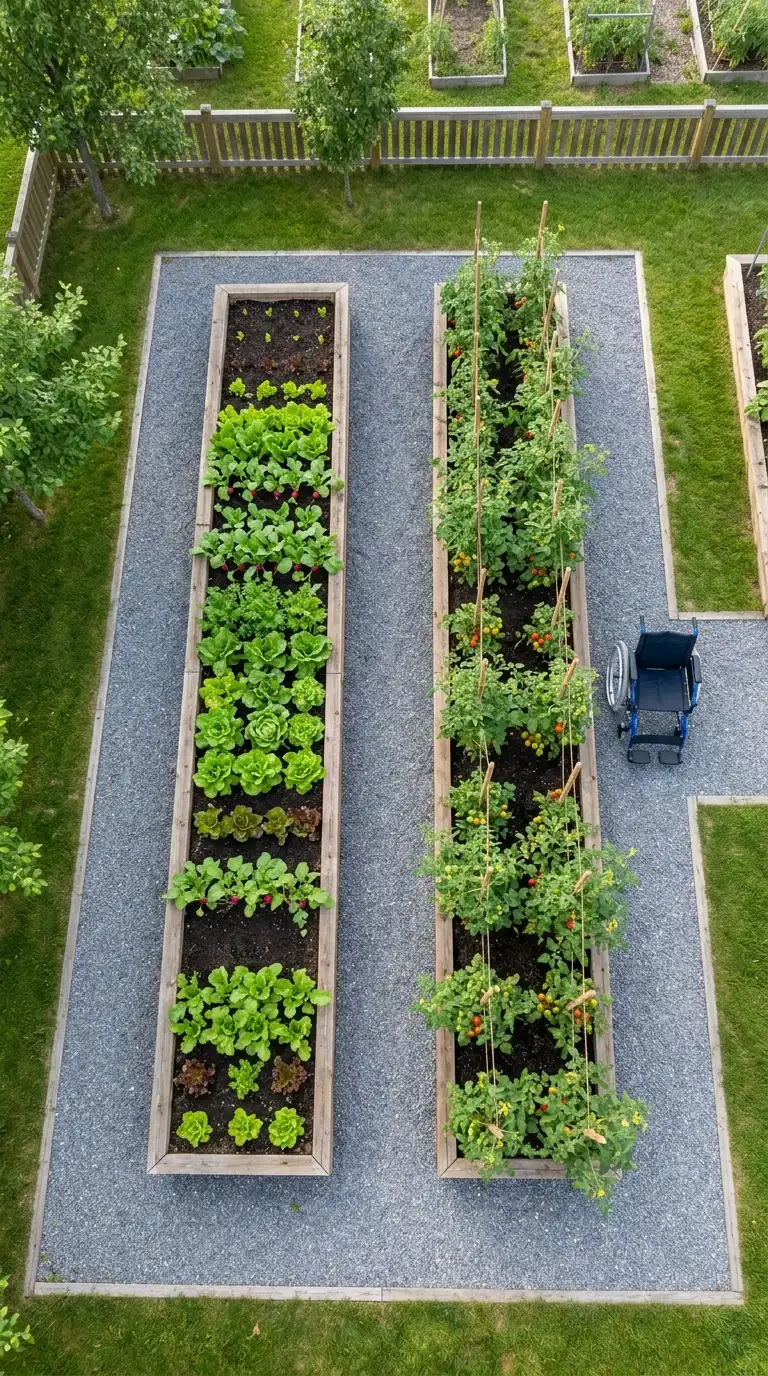
Designed for wheelchairs, walkers, or anyone who prefers not to bend deeply. Beds are raised to 30 inches tall. Paths are a full 4 feet wide. Beds are narrow (2 feet deep) so everything can be reached from either side. No kneeling required.
14. The Moon Garden (Night-Blooming) Layout
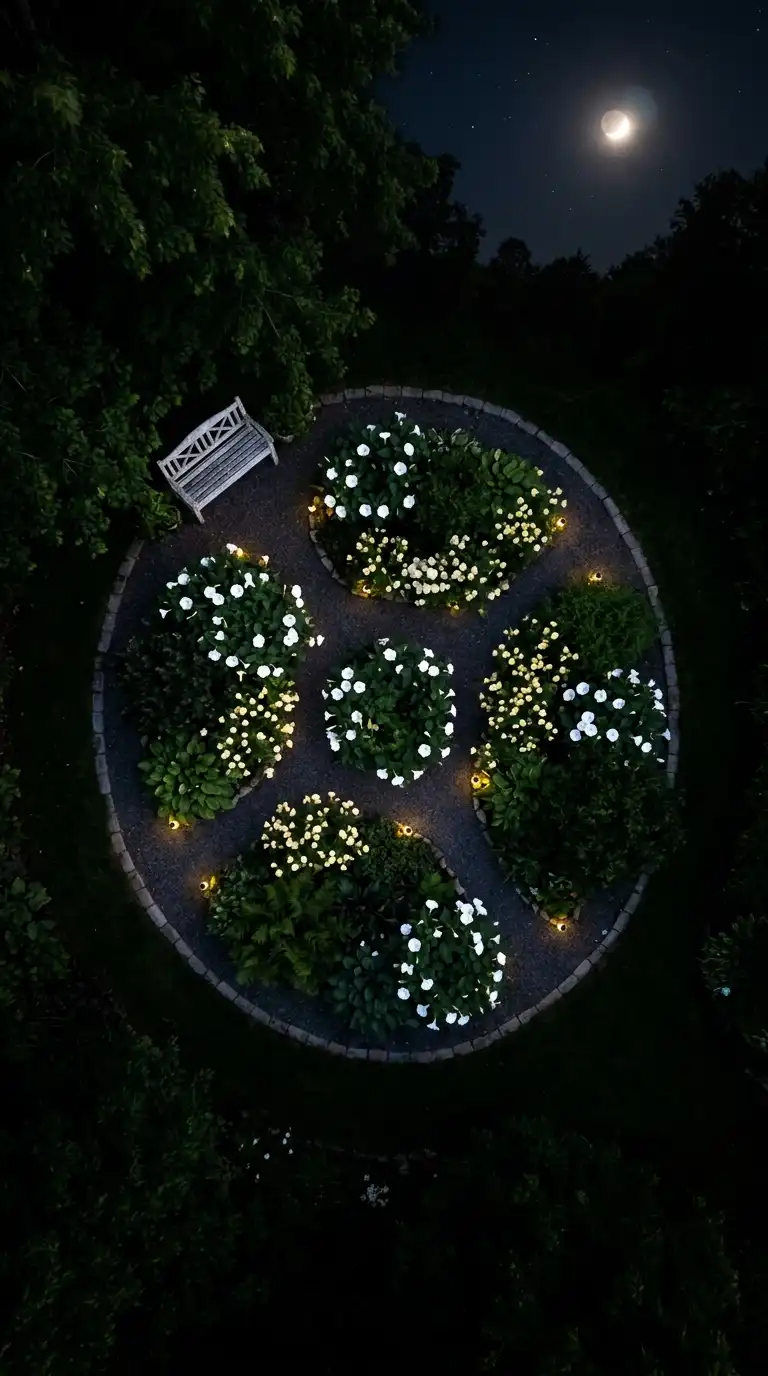
A circular or kidney-shaped bed planted entirely with white or pale flowers that reflect moonlight and open in the evening. Evening primrose, moonflower vine, night-blooming jasmine, and white nicotiana. Place it near a patio or bedroom window.
Conclusion
The best garden layout isn’t the prettiest sketch—it’s the one you’ll actually use. Start with how much time you have, how much space you need, and whether you want to feed a family or just watch butterflies. Draw your layout on paper first, then walk it in your yard. Move the lines until they feel right. Then dig. Your perfect garden is just a layout away.