Skip to content
A hotel is not just a building with beds. It is a stage for travel, a respite from the road, a destination in itself. A well-designed hotel balances private rooms with public spaces, efficiency with delight, and local character with international standards. The best hotels are not just places to sleep — they are places to remember.
These 14 hotel architecture designs span urban towers, resort complexes, boutique hotels, and historic conversions. Each design includes defining characteristics, spatial principles, and guest experience strategies.
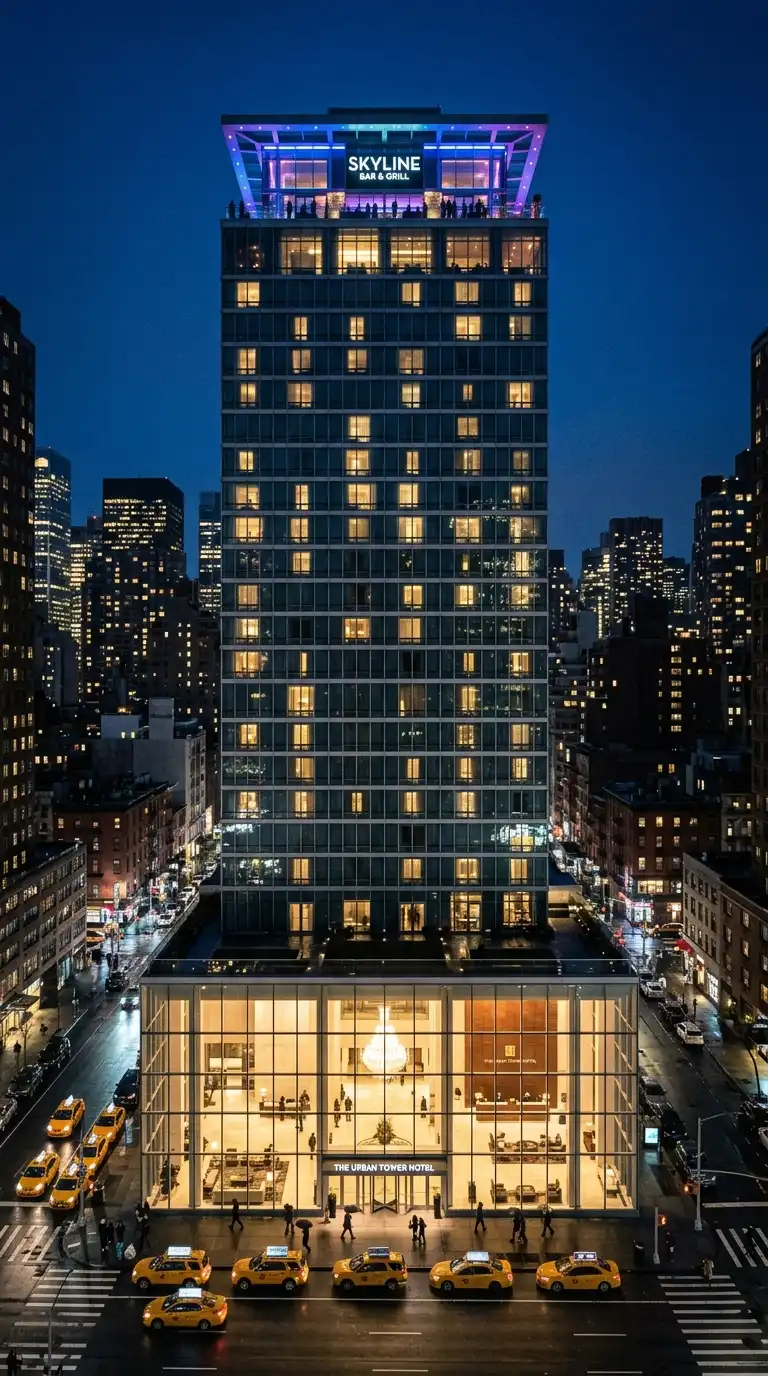
1. The Urban Tower Hotel
The urban tower hotel is a tall building in a city centre. The ground floor has a grand lobby. The middle floors have guest rooms. The top floors have a restaurant, bar, and observation deck. The urban tower hotel is vertical, efficient, and skyline-defining.
This design is ideal for business hotels and luxury hotels in dense cities. The emotional effect is vertical, efficient, and skyline-defining.
Quick Tips
- The lobby must be grand and welcoming.
- Guest rooms must be on upper floors for quiet and views.
- The top floor must have a restaurant or bar with a view.
2. The Resort Hotel
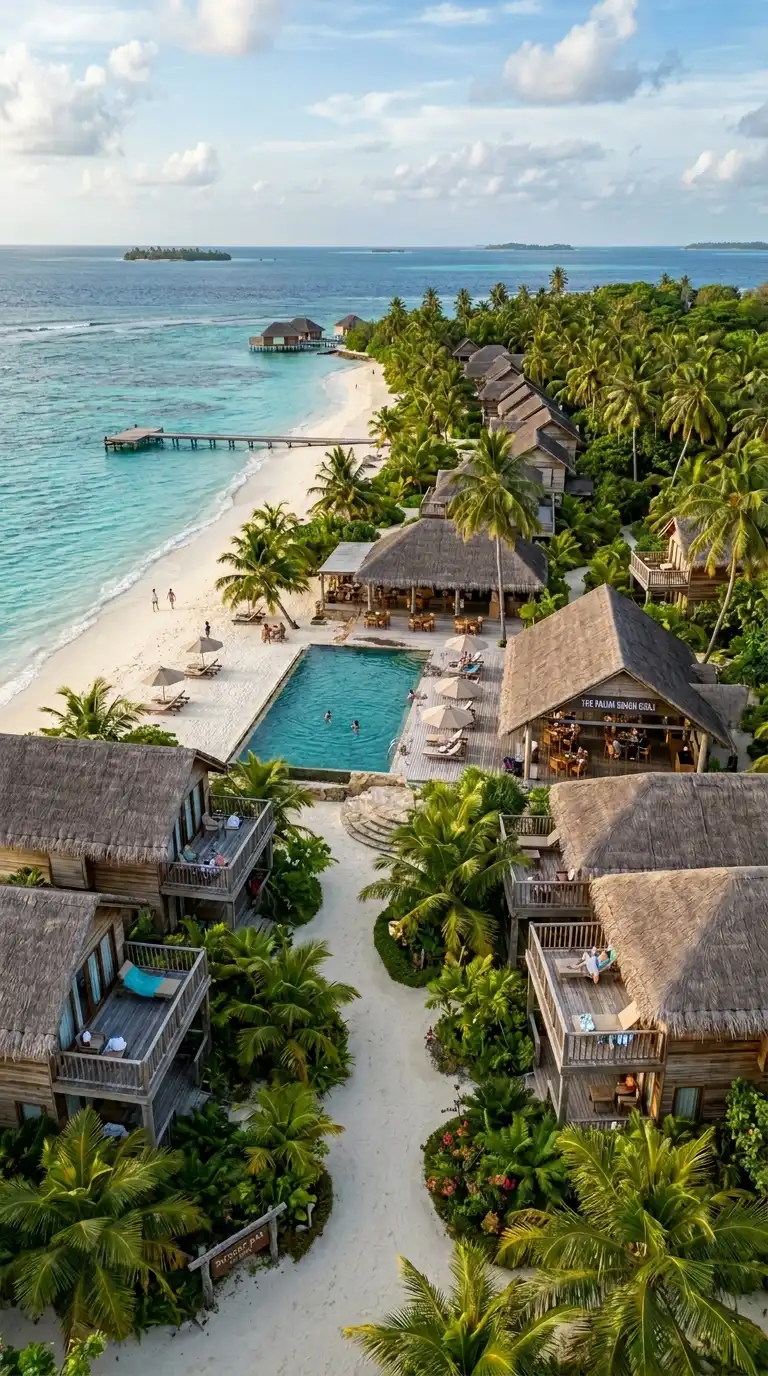
The resort hotel is a low-rise complex in a beautiful natural setting — beach, mountains, forest. The buildings are scattered through the landscape. Each room has a view. The resort hotel is horizontal, nature-integrated, and leisurely.
This design is ideal for vacation destinations and eco-resorts. The emotional effect is horizontal, nature-integrated, and leisurely.
Quick Tips
- Buildings must be low-rise (1-3 storeys).
- Each room must have a view of the landscape.
- Outdoor amenities (pool, restaurant, spa) must be integrated.
3. The Boutique Hotel
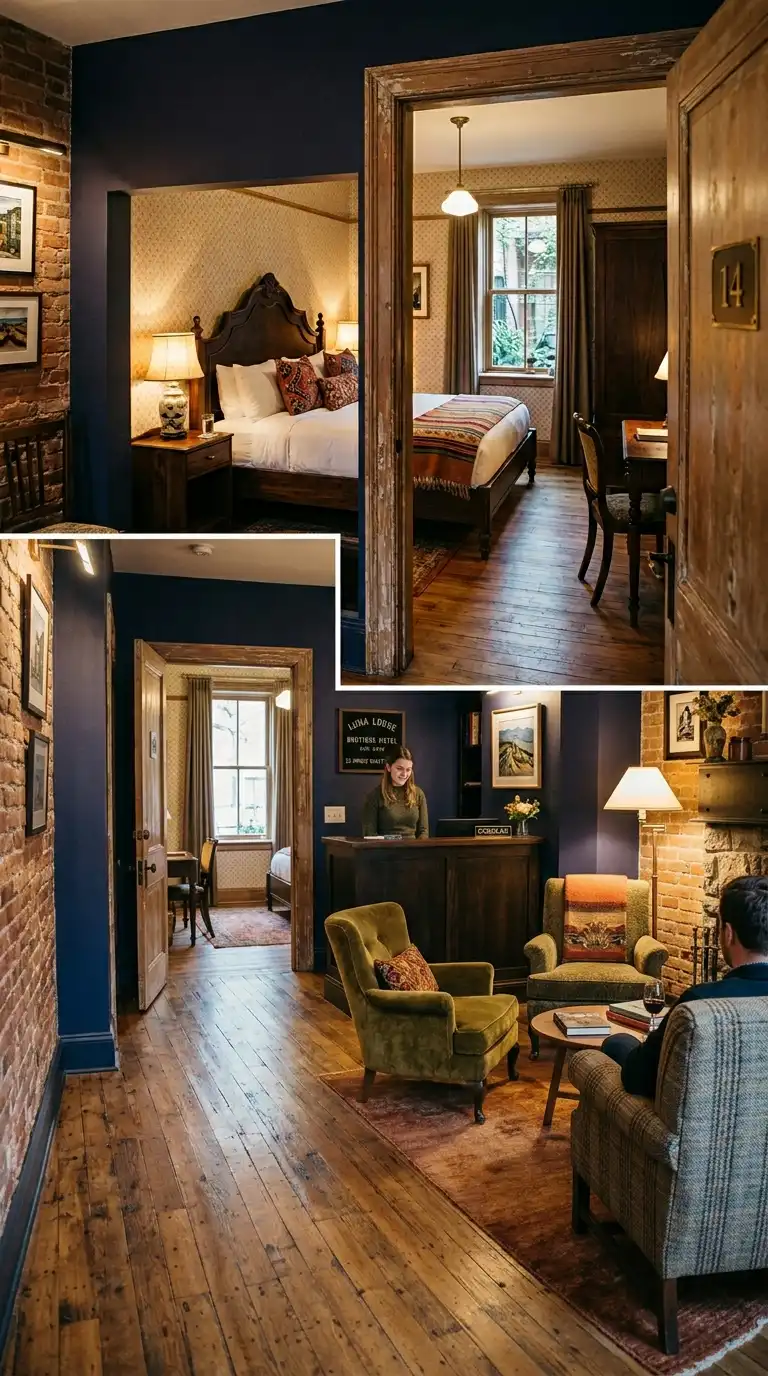
The boutique hotel is small (20-50 rooms) and design-focused. The hotel is often in a renovated historic building. Each room is unique. The public spaces are intimate and stylish. The boutique hotel is personal, unique, and design-forward.
This design is ideal for urban neighbourhoods and creative travellers. The emotional effect is personal, unique, and design-forward.
Quick Tips
- The hotel must have 20-50 rooms.
- Each room should be unique.
- The lobby should be small and intimate.
4. The Atrium Hotel
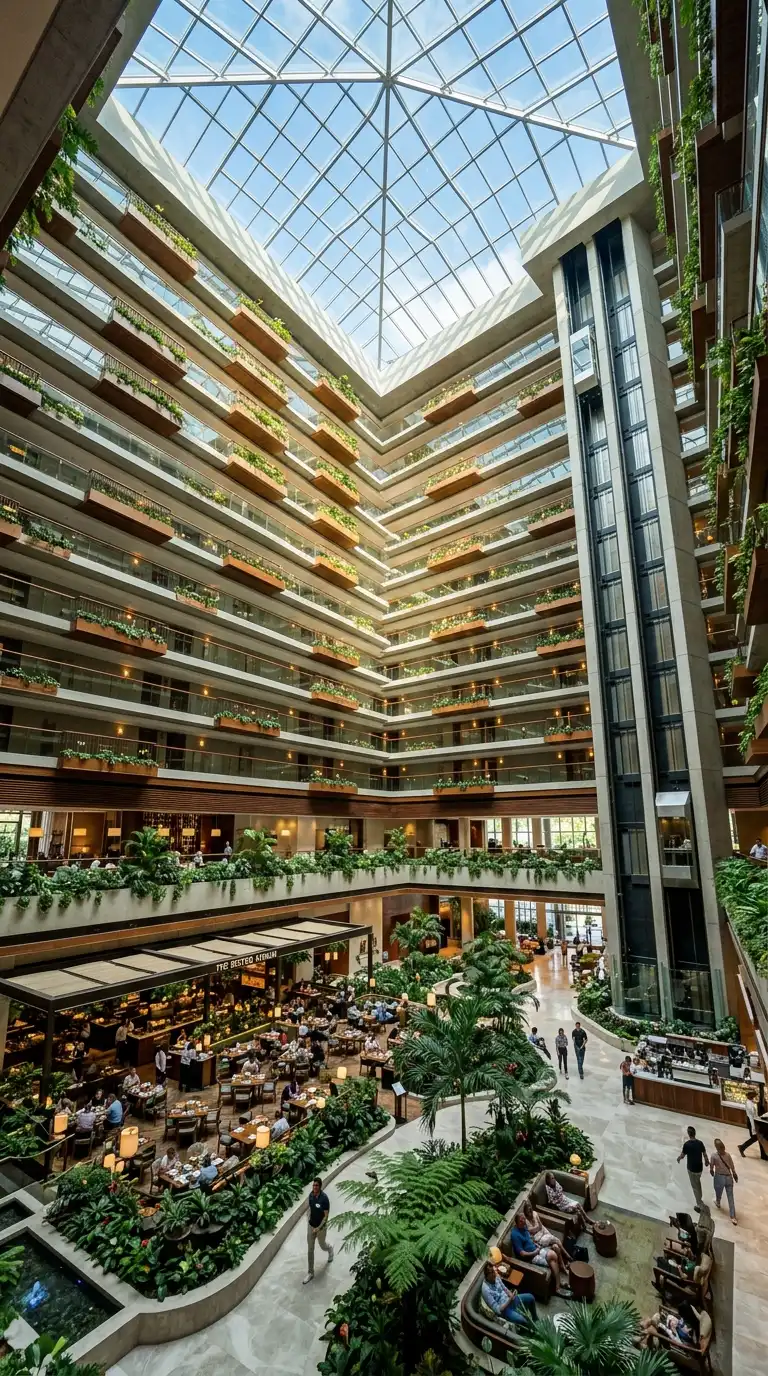
The atrium hotel has a large central atrium open to the sky, surrounded by guest room balconies. The atrium is the heart of the hotel — a lobby, a lounge, a restaurant, a garden. Light enters from above. The atrium hotel is luminous, vertical, and communal.
This design is ideal for large convention hotels and airport hotels. The emotional effect is luminous, vertical, and communal.
Quick Tips
- The atrium must be at least 6 metres wide.
- Guest room balconies must face the atrium.
- The atrium must have plants, seating, and a restaurant.
5. The Courtyard Hotel
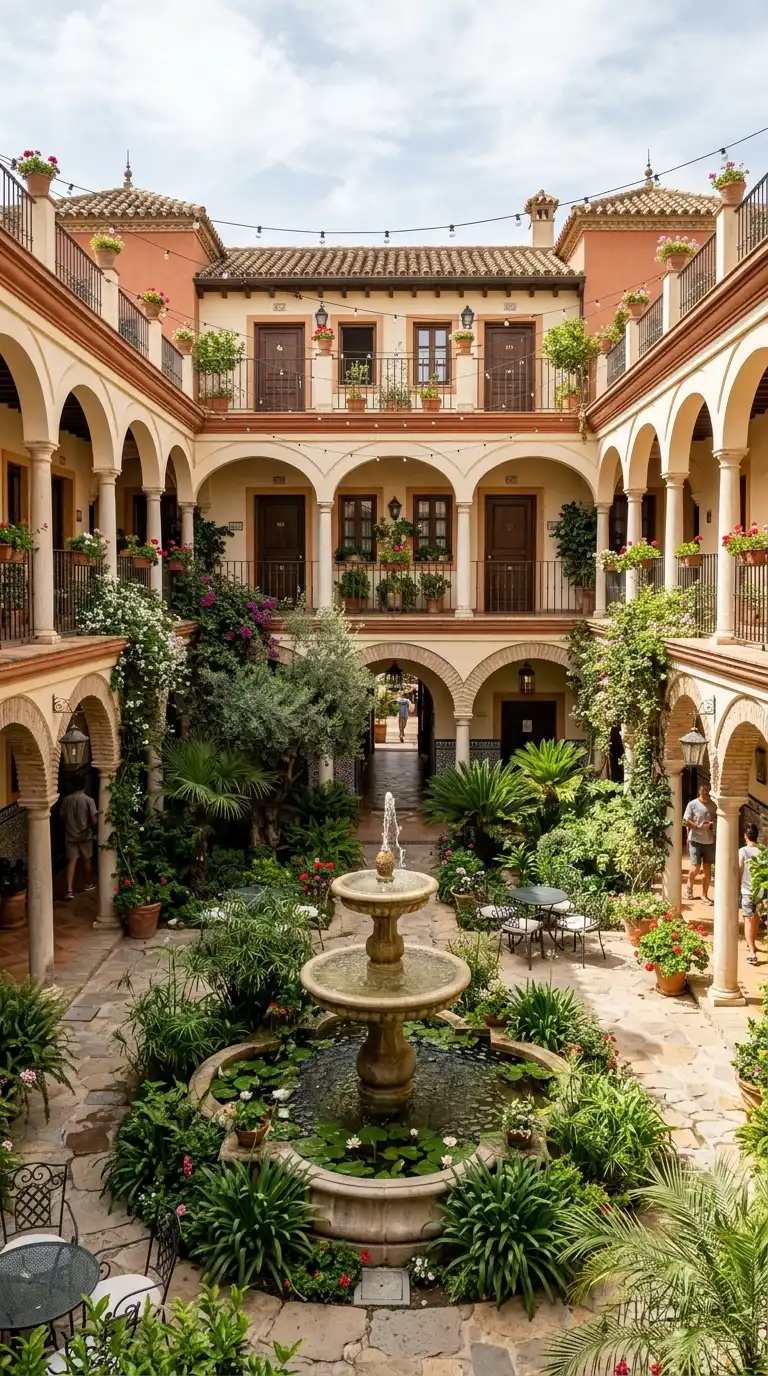
The courtyard hotel wraps guest rooms around a central outdoor courtyard. The courtyard is a garden with a fountain, seating, and sometimes a pool. The courtyard is the heart of the hotel. The courtyard hotel is private, shaded, and garden-centred.
This design is ideal for hotels in warm climates and historic districts. The emotional effect is private, shaded, and garden-centred.
Quick Tips
- The courtyard must be at least 10×10 metres.
- Guest rooms must face the courtyard.
- The courtyard must have a fountain or pool.
6. The Historic Conversion Hotel
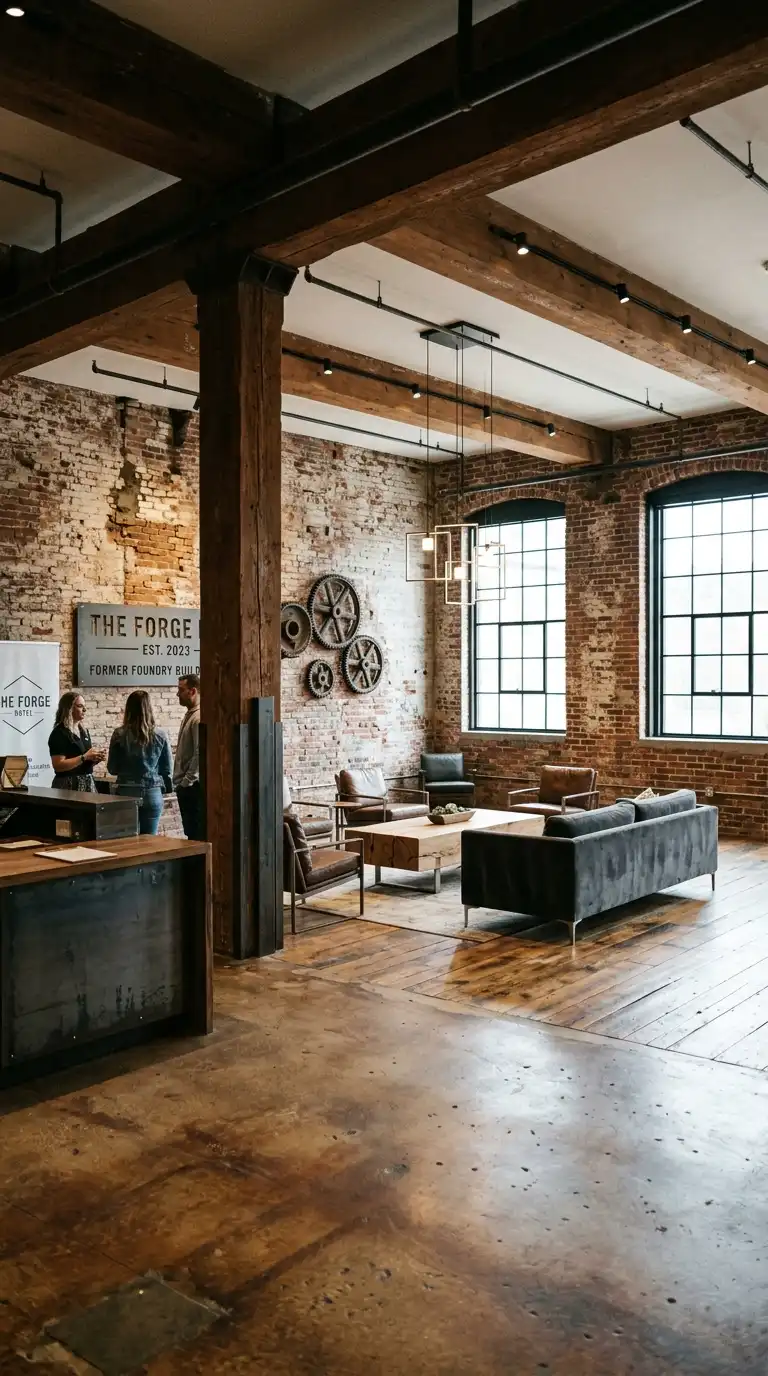
The historic conversion hotel is a hotel in a renovated historic building — a palace, a monastery, a factory, a warehouse. The historic fabric is preserved and celebrated. New insertions are clearly modern. The historic conversion hotel is historic, authentic, and layered.
This design is ideal for heritage travellers and luxury hotels. The emotional effect is historic, authentic, and layered.
Quick Tips
- Preserve original fabric (walls, beams, windows).
- New insertions must be clearly modern.
- The history of the building must be visible.
7. The Capsule Hotel
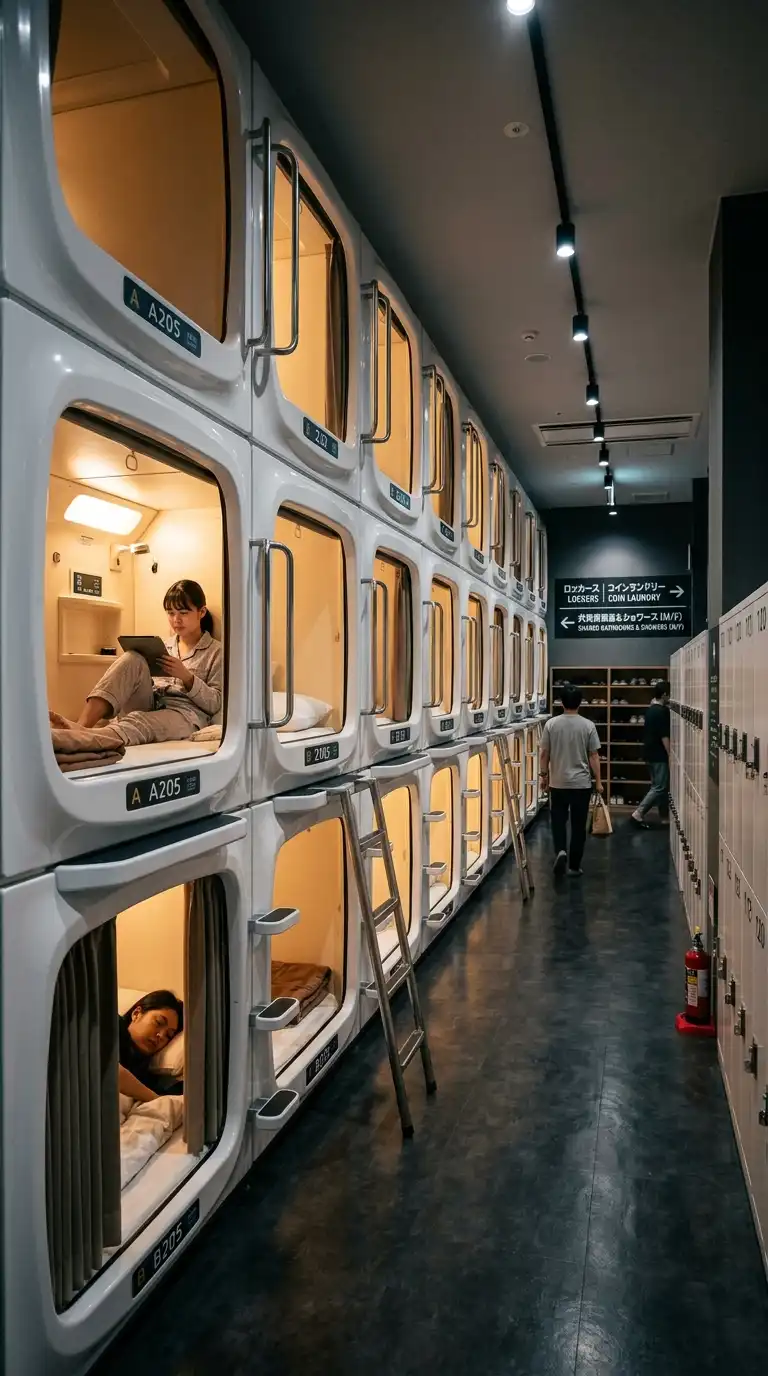
The capsule hotel is a hotel with tiny sleeping capsules instead of rooms. Each capsule is just big enough for a bed. The capsules are stacked in rows. The capsule hotel is efficient, cheap, and futuristic.
This design is ideal for budget travellers and solo travellers. The emotional effect is efficient, cheap, and futuristic.
Quick Tips
- Capsules must be 1x1x2 metres.
- Capsules must be stacked in rows.
- Shared bathrooms and lockers must be provided.
8. The Treehouse Hotel
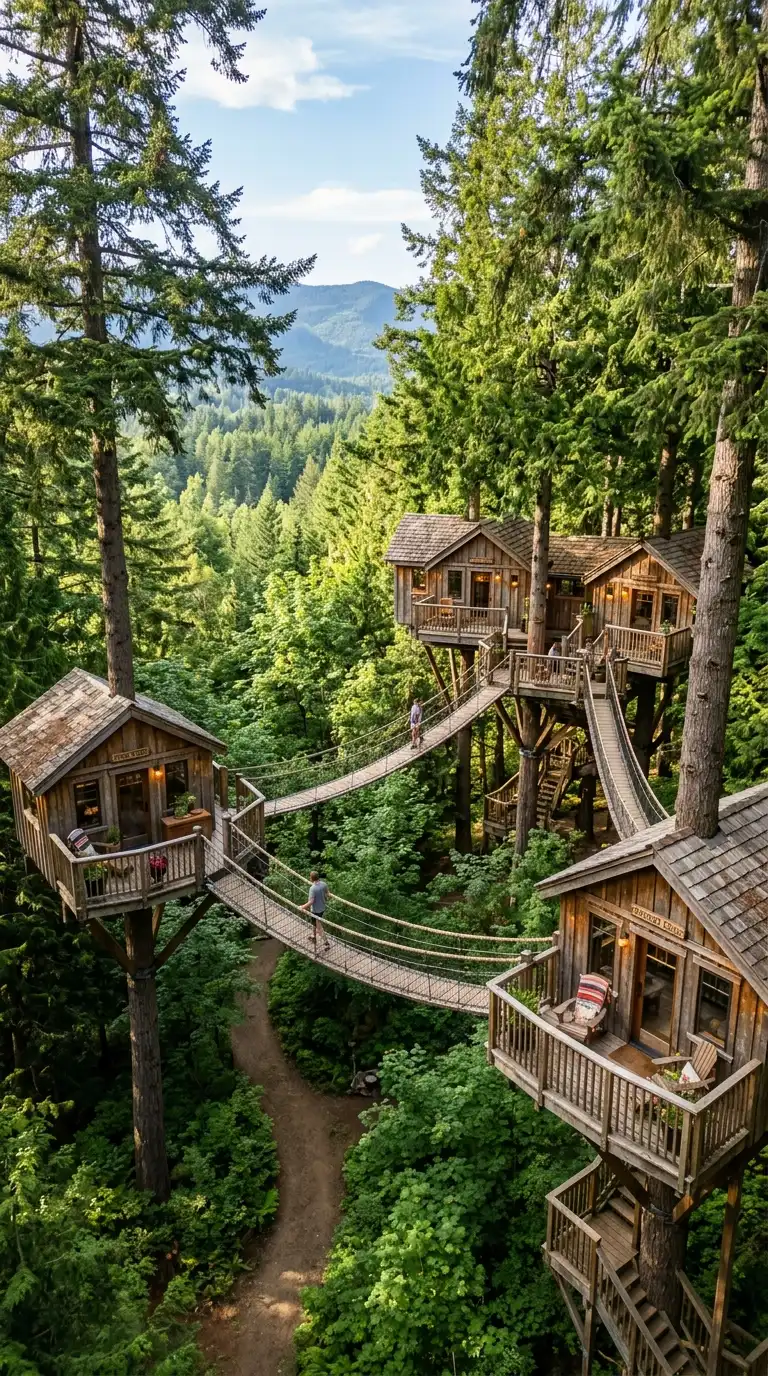
The treehouse hotel is a hotel with guest rooms in treehouses. Each treehouse is a small wooden cabin in the trees. The treehouses are connected by bridges or stairs. The treehouse hotel is elevated, forested, and magical.
This design is ideal for eco-resorts and adventure travellers. The emotional effect is elevated, forested, and magical.
Quick Tips
- Each treehouse must be supported by a living tree or columns.
- Treehouses must be connected by bridges or stairs.
- Each treehouse must have a view of the forest.
9. The Floating Hotel
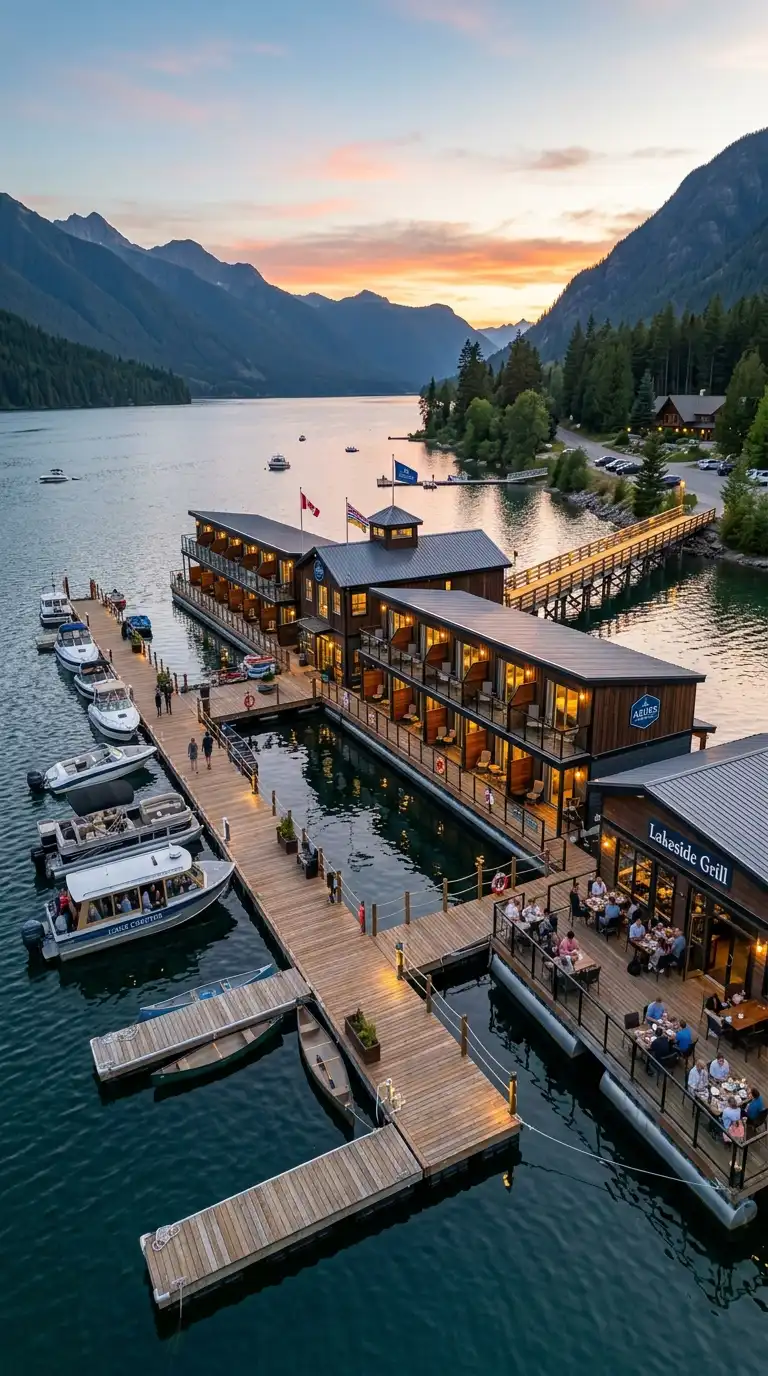
The floating hotel is a hotel on water — a boat, a barge, or a floating platform. The hotel is accessible by land and by water. Each room has a view of the water. The floating hotel is nautical, floating, and waterfront.
This design is ideal for waterfront sites and marine travellers. The emotional effect is nautical, floating, and waterfront.
Quick Tips
- The hotel must be on water (floating platform or boat).
- Each room must have a water view.
- Access must be by land and by water.
10. The Desert Hotel
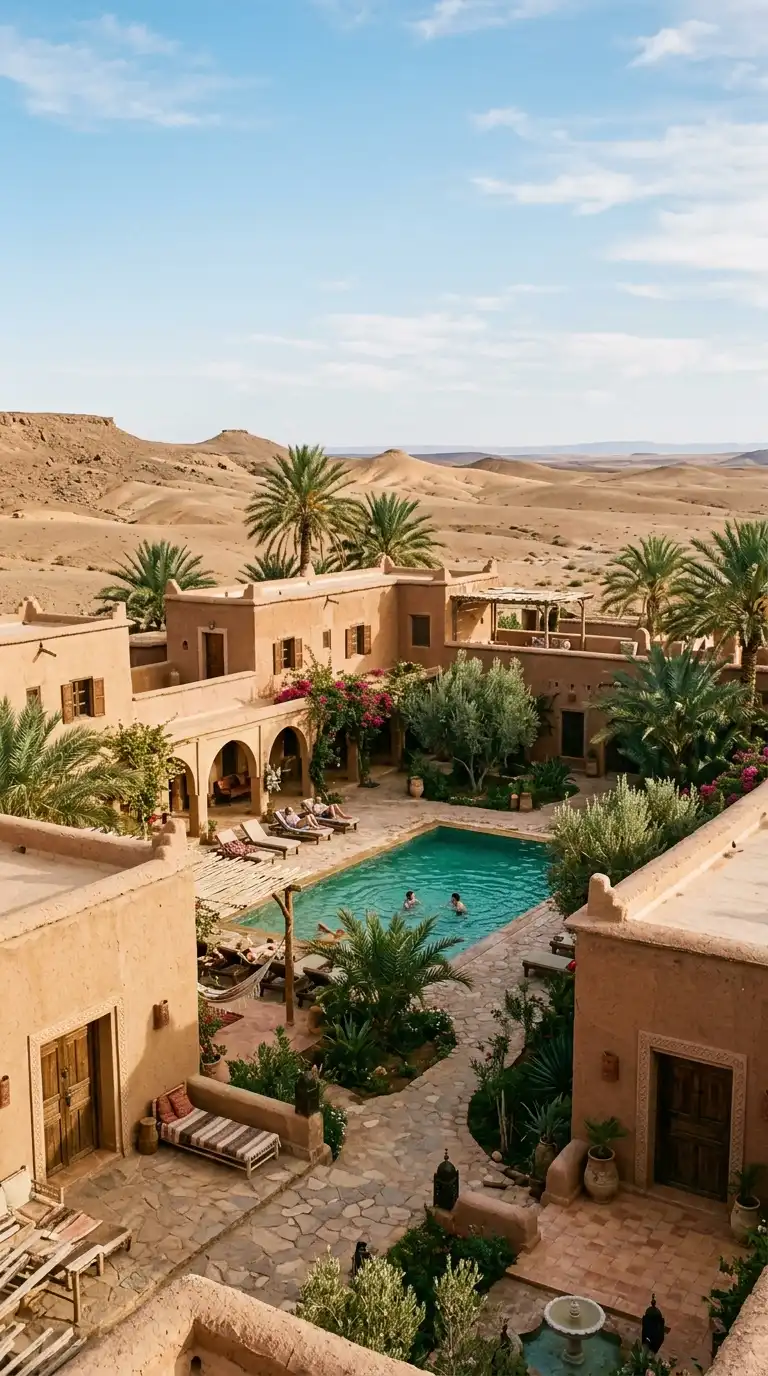
The desert hotel is a hotel in a desert landscape. The building is low and earth-coloured. The walls are thick for insulation. The windows are small. The hotel has courtyards, pools, and shaded walkways. The desert hotel is earthy, cool, and desert-adapted.
This design is ideal for desert destinations and luxury travellers. The emotional effect is earthy, cool, and desert-adapted.
Quick Tips
- The building must be low and earth-coloured.
- Walls must be thick (thermal mass).
- Courtyards and pools must provide cooling.
11. The Ski Hotel
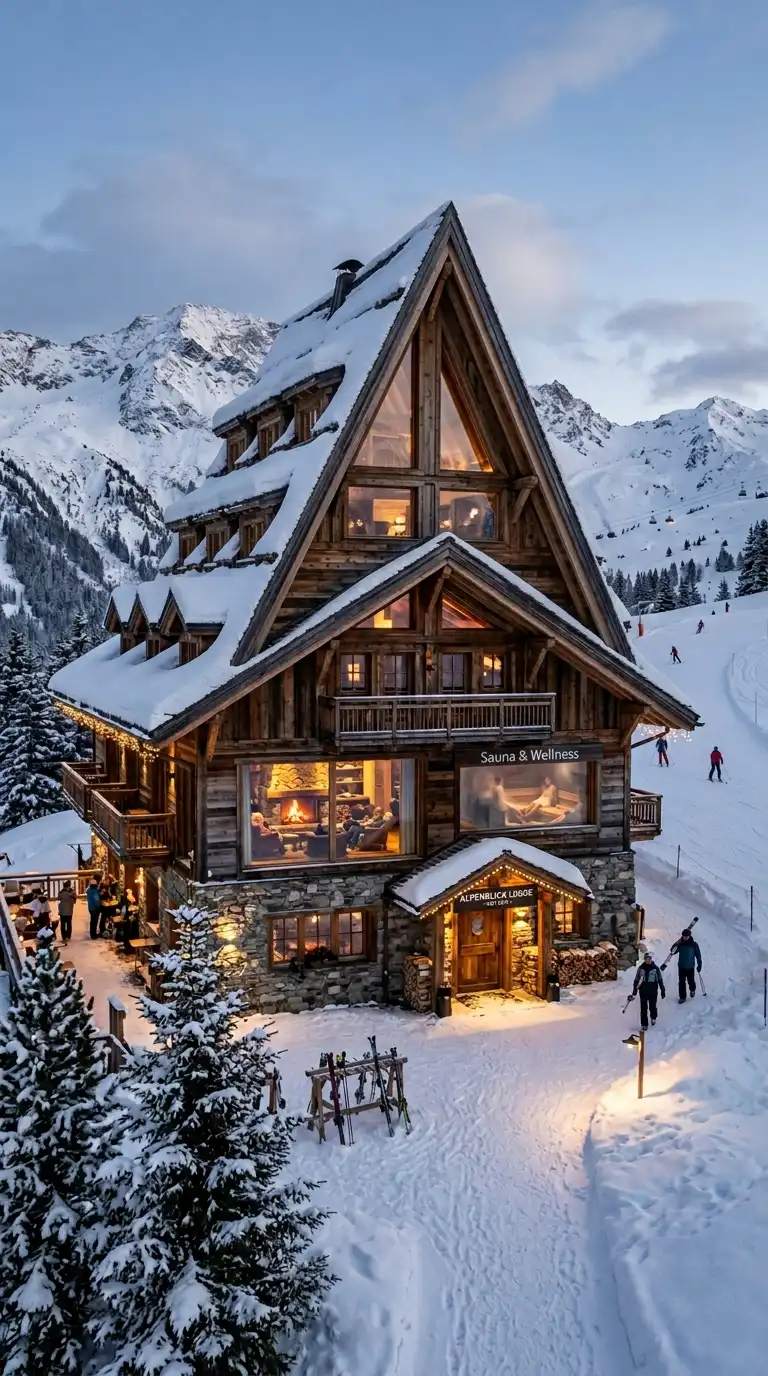
The ski hotel is a hotel in a mountain ski resort. The building is made of timber and stone. The roof is steep for snow shedding. The windows are large for mountain views. The hotel has a ski room, a fireplace, and a sauna. The ski hotel is alpine, cosy, and mountain-adapted.
This design is ideal for ski resorts and winter travellers. The emotional effect is alpine, cosy, and mountain-adapted.
Quick Tips
- The building must be timber and stone.
- The roof must be steep.
- A ski room, fireplace, and sauna must be provided.
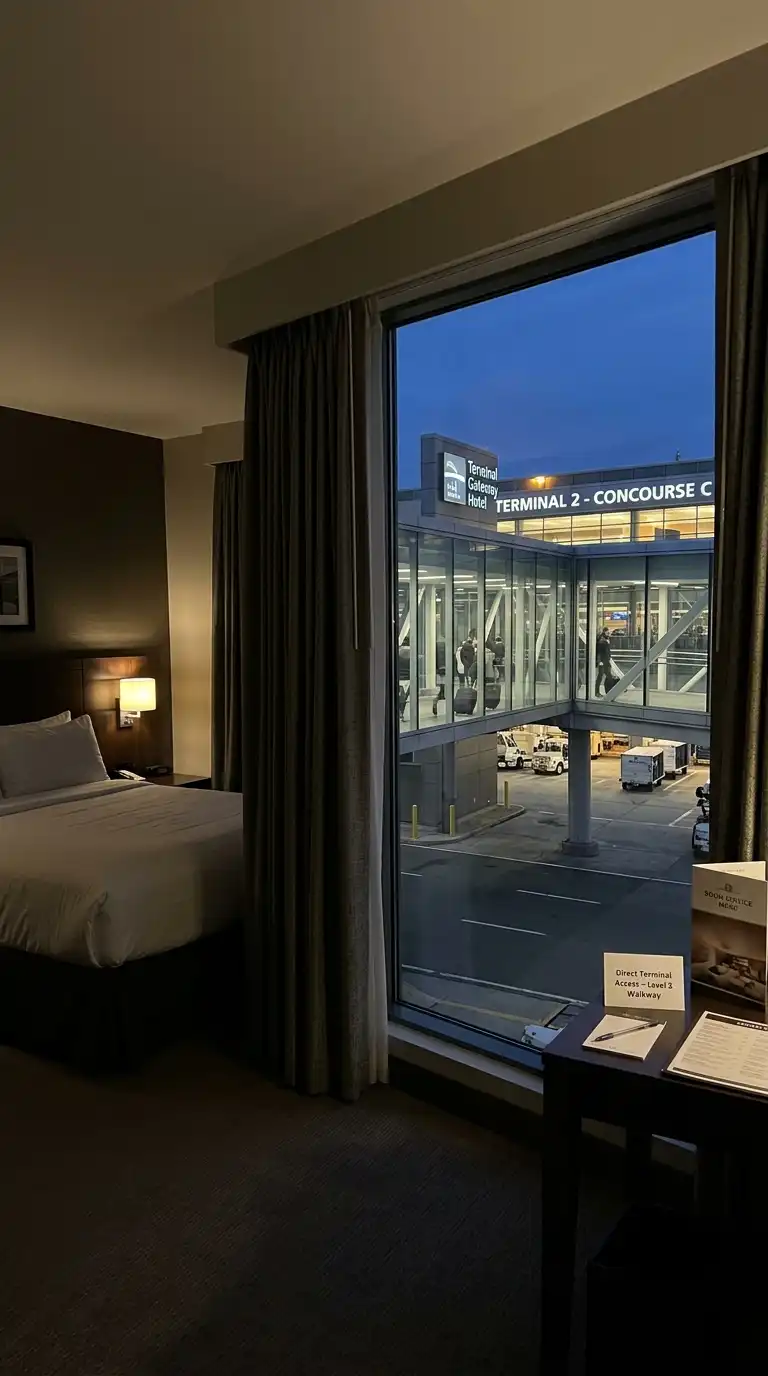
12. The Airport Hotel
The airport hotel is a hotel connected to an airport terminal. The hotel is designed for convenience, not beauty. Guest rooms are quiet and dark for sleeping during the day. The airport hotel is functional, convenient, and efficient.
This design is ideal for transit travellers and business travellers. The emotional effect is functional, convenient, and efficient.
Quick Tips
- The hotel must be connected to the airport terminal.
- Guest rooms must be soundproofed.
- Windows must have blackout curtains.
13. The Eco-Lodge
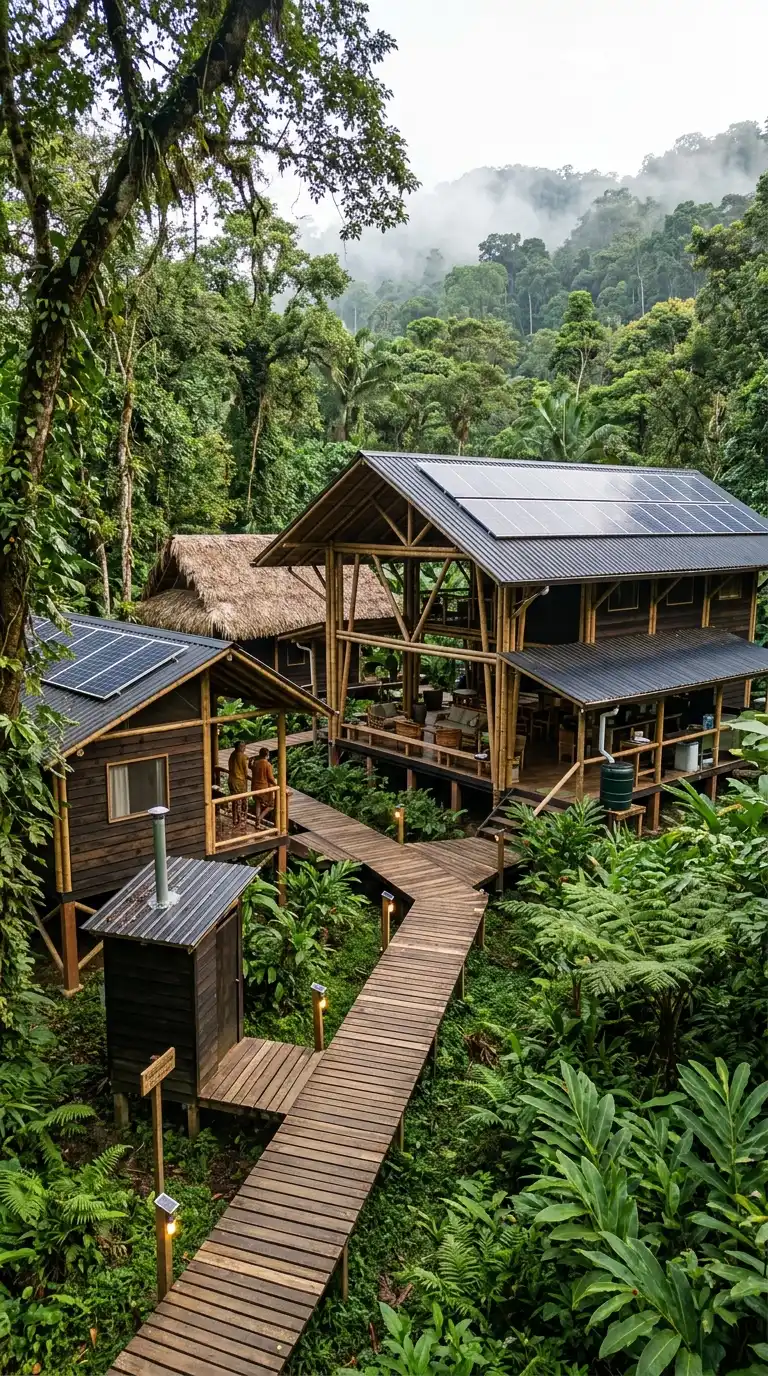
The eco-lodge is a hotel built with sustainable materials and powered by renewable energy. The building is off-grid or low-impact. The eco-lodge is small, remote, and nature-integrated. The eco-lodge is sustainable, responsible, and nature-connected.
This design is ideal for eco-tourism and nature travellers. The emotional effect is sustainable, responsible, and nature-connected.
Quick Tips
- The building must be built with sustainable materials (timber, bamboo, rammed earth).
- The hotel must be powered by solar or wind.
- Waste must be treated on-site.
14. The Ryokan (Japanese Inn)
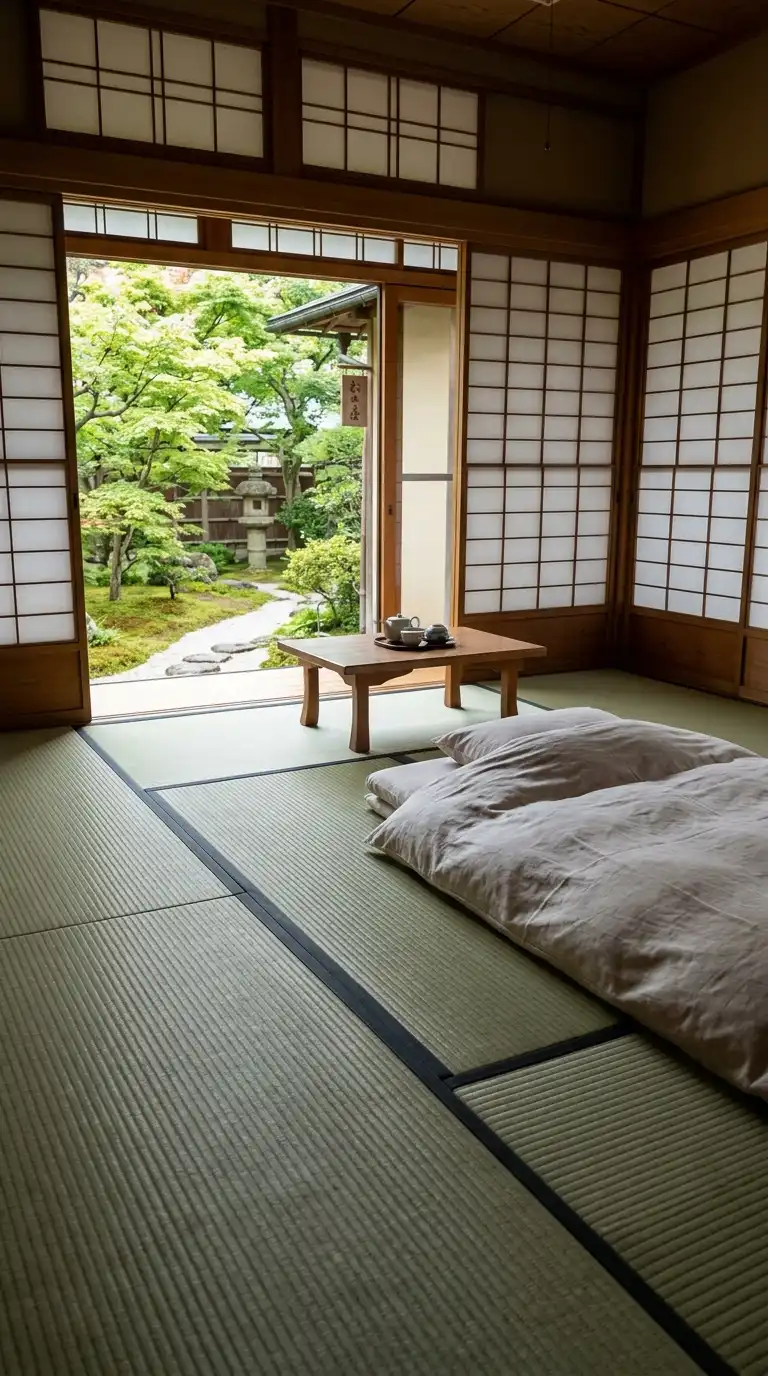
The ryokan is a traditional Japanese inn. The rooms have tatami mats, sliding paper screens (shoji), and futon beds. The ryokan has a communal bath (onsen). Dinner is served in the room. The ryokan is traditional, serene, and Japanese.
This design is ideal for cultural travellers and luxury travellers. The emotional effect is traditional, serene, and Japanese.
Quick Tips
- Floors must be tatami mats.
- Walls must be sliding paper screens (shoji).
- A communal bath (onsen) must be provided.