14 Kids Room Wardrobe Designs
A child’s wardrobe needs to be more than just a place to hang clothes. It must grow with them, adapt to changing needs, and encourage independence while standing up to daily use. The right wardrobe design can transform a cluttered room into an organized space where children can easily find what they need and learn to put things away. From playful themes and bright colors to practical storage solutions that accommodate everything from tiny onesies to teenage trends, here are fourteen kids wardrobe designs to inspire your next project.
1. Floor-to-Ceiling Wardrobe with Lower Access
A floor-to-ceiling wardrobe maximizes storage while keeping everyday essentials within easy reach for little ones. Design the lower sections with open cubbies or pull-out drawers that children can access independently. Reserve the higher shelves for out-of-season clothing, extra bedding, or items you want to keep out of reach. This design grows with your child—lower sections can be adjusted as they get taller, and the overall storage capacity ensures the wardrobe lasts through multiple stages.
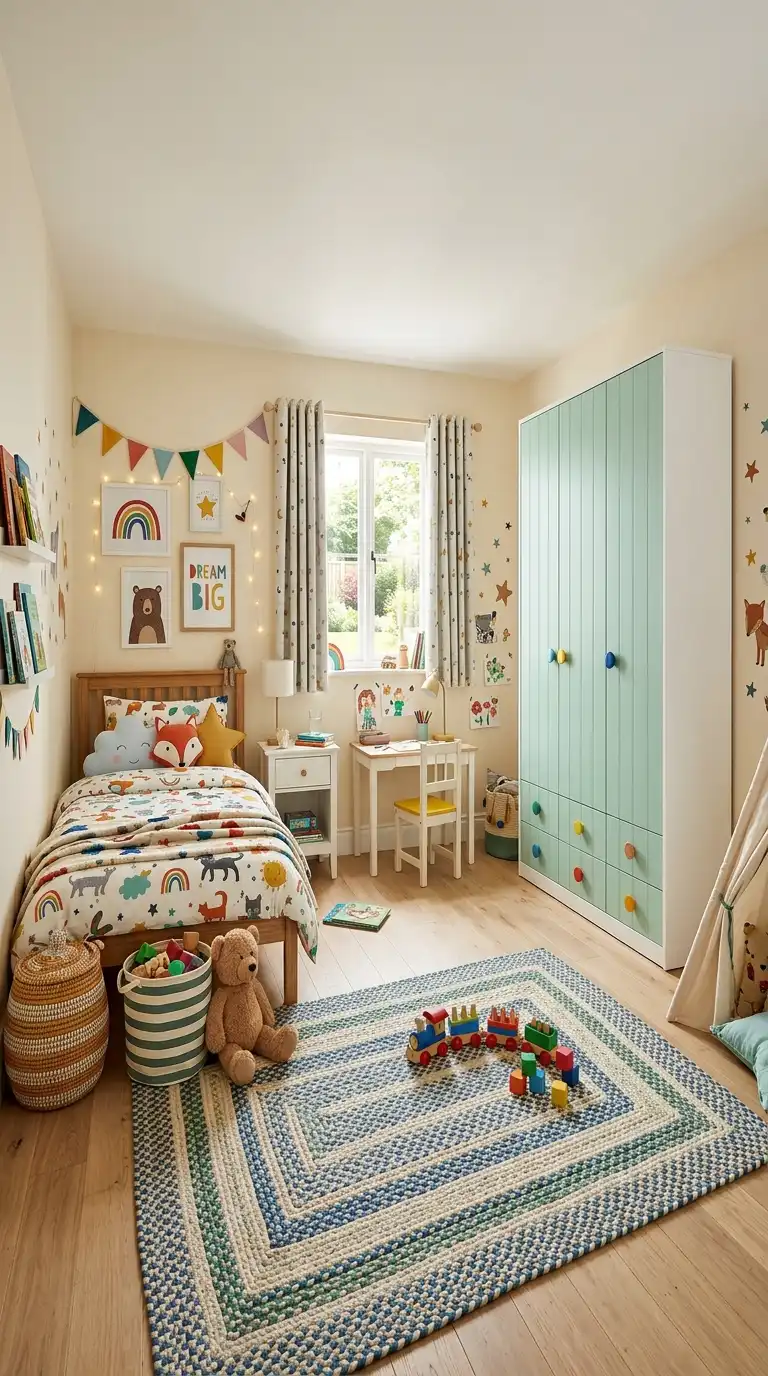
2. Two-Tone Wardrobe with Fun Color Accents
A two-tone wardrobe adds visual interest and personality to a child’s room. Use a neutral base—white, light gray, or natural wood—for the main structure, and add a pop of color on door panels, handles, or interior accents. Choose colors that complement the room’s theme or your child’s favorite hues. This approach allows the wardrobe to feel playful without being overwhelming and can be easily updated as your child’s tastes change.
3. Wardrobe with Built-In Play Niche
Combine storage with play by incorporating a niche into the wardrobe design. A small alcove can become a reading nook, a space for displaying toys, or a play area with a curtain for imaginative games. Add soft cushions, a low shelf for books, and a curtain that can be drawn for cozy hideaway moments. This design transforms a functional storage piece into a multi-purpose feature that delights young children.
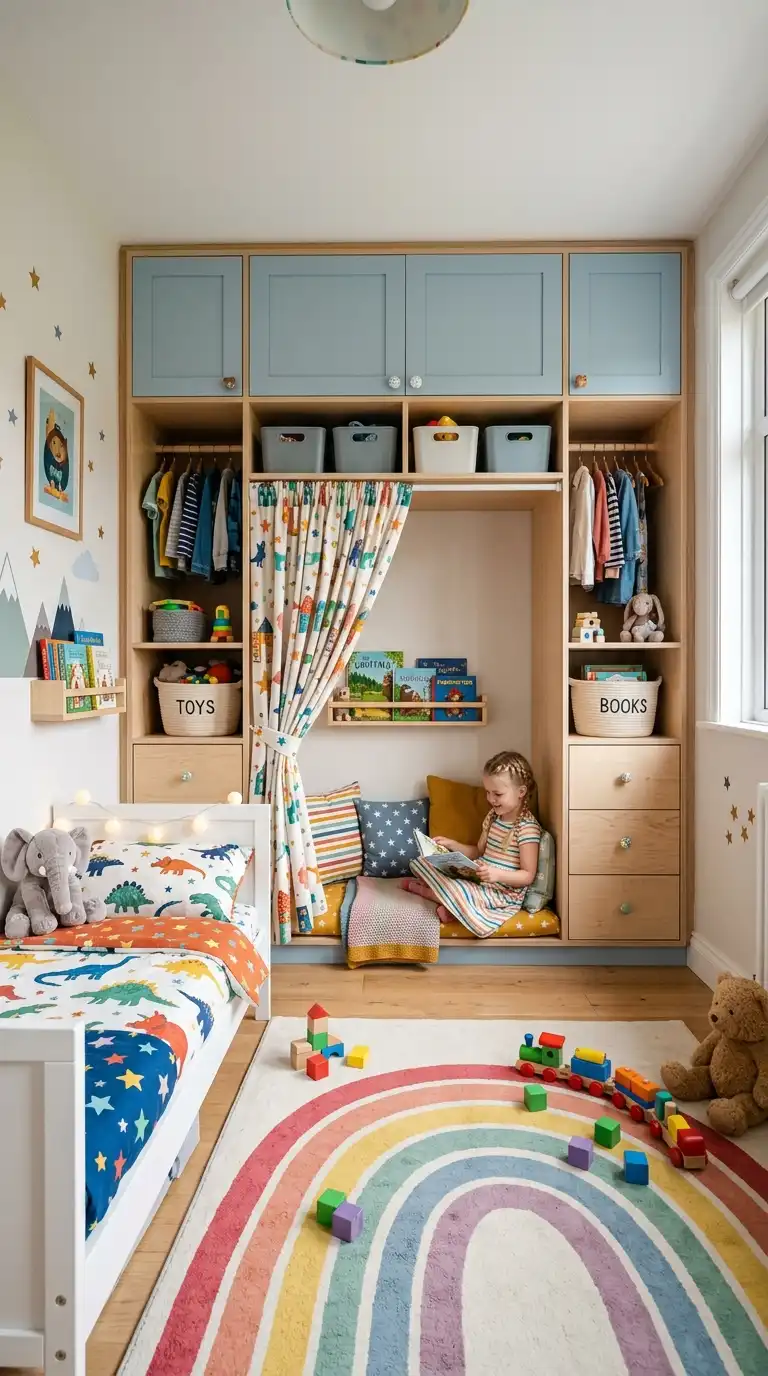
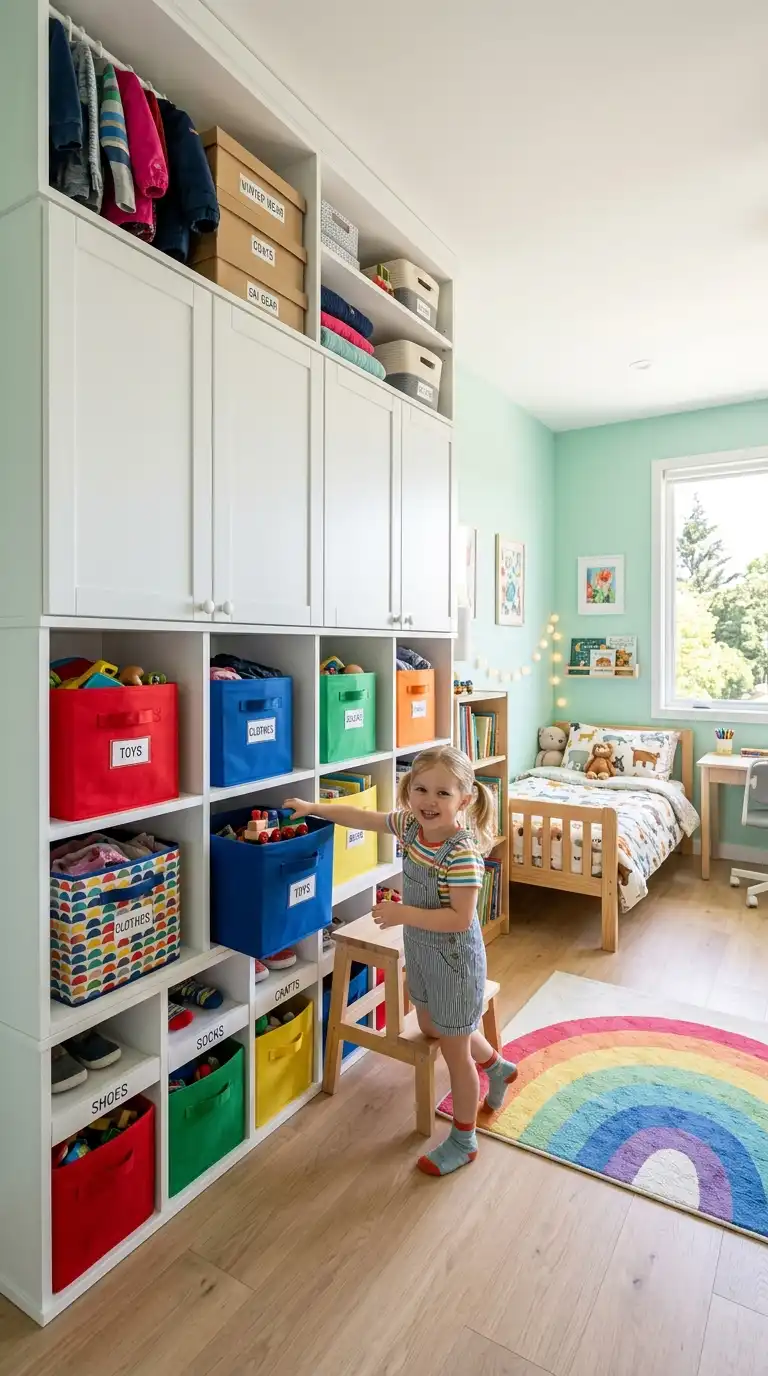
4. Open Lower Shelving with Baskets
Open shelving at the bottom of a wardrobe makes it easy for young children to see and access their belongings. Use colorful bins or woven baskets to store toys, shoes, and folded items. The open design encourages independence—children can pull out a basket, find what they need, and return it to its place. Label each basket with words or pictures to help with organization and early literacy skills.
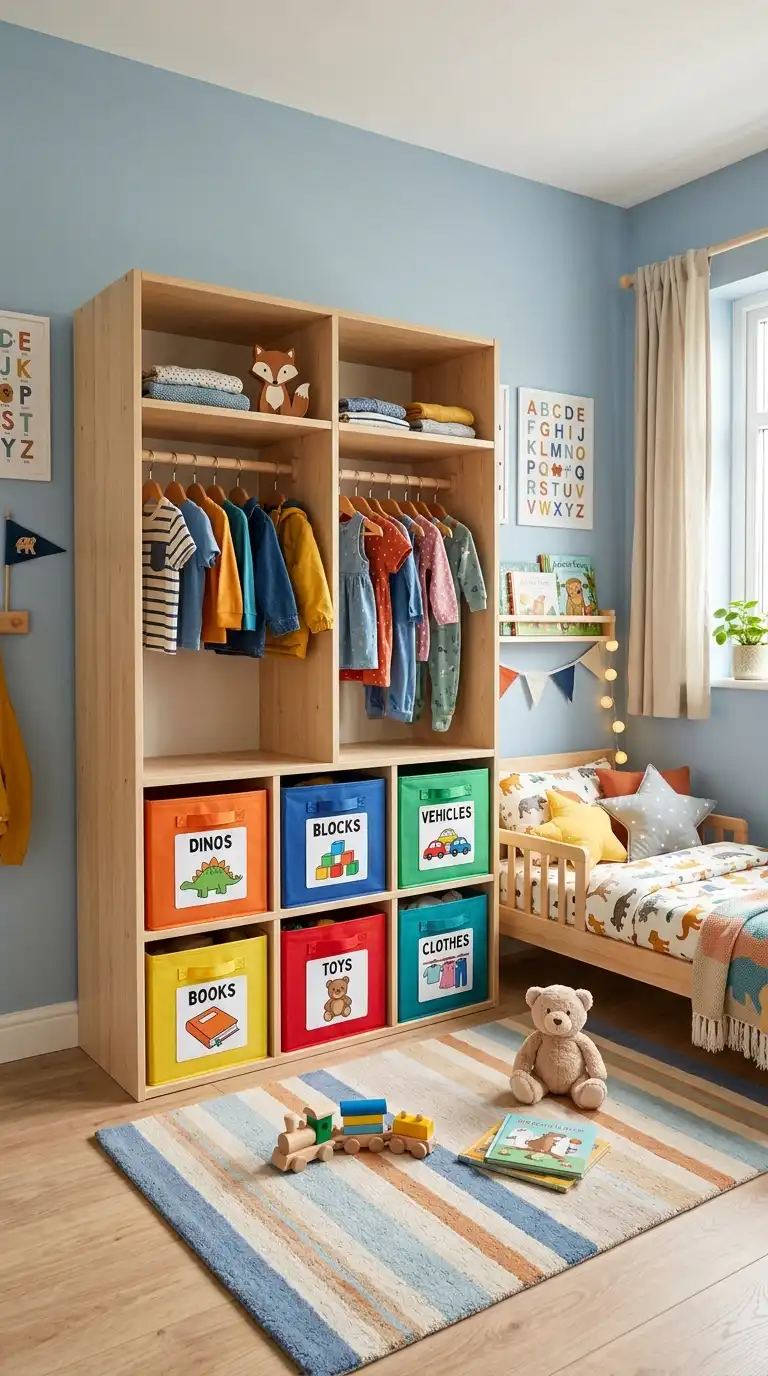
5. Sliding Door Wardrobe with Chalkboard Surface
Sliding doors are space-efficient and ideal for smaller kids’ rooms. Cover one or both doors with chalkboard paint, creating a surface for drawing, writing, and creative expression. This interactive feature turns the wardrobe into a canvas for imagination while maintaining functionality. Choose soft pastel chalkboard paint for a subtle look, or go bold with classic black. The doors can be wiped clean for endless creativity.
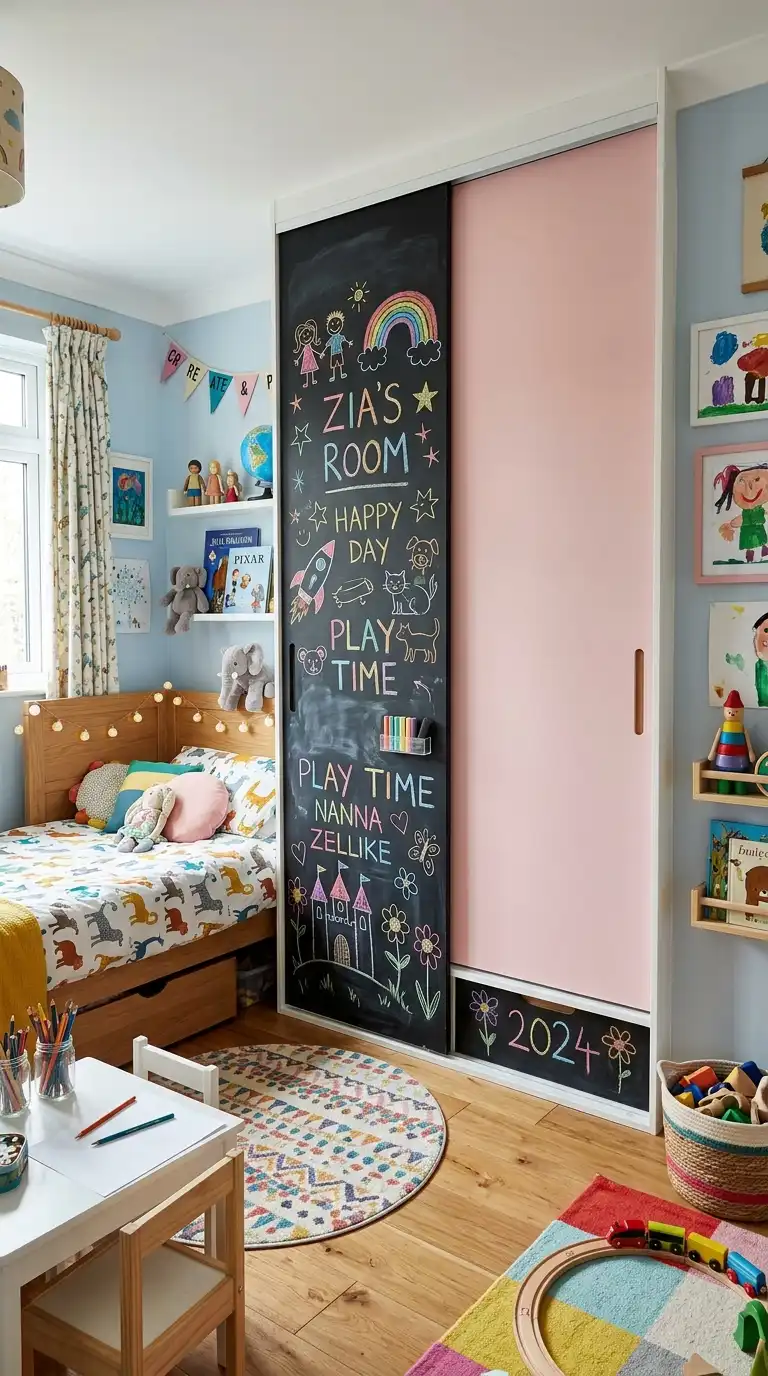
6. Wardrobe with Display Nooks
Incorporate display nooks into your child’s wardrobe to showcase their favorite toys, books, or artwork. Open cubbies at eye level can hold treasured possessions, allowing children to personalize their space. As they grow, these nooks can transition to displaying trophies, collectibles, or framed photos. The display areas add warmth and personality while breaking up the expanse of cabinetry.
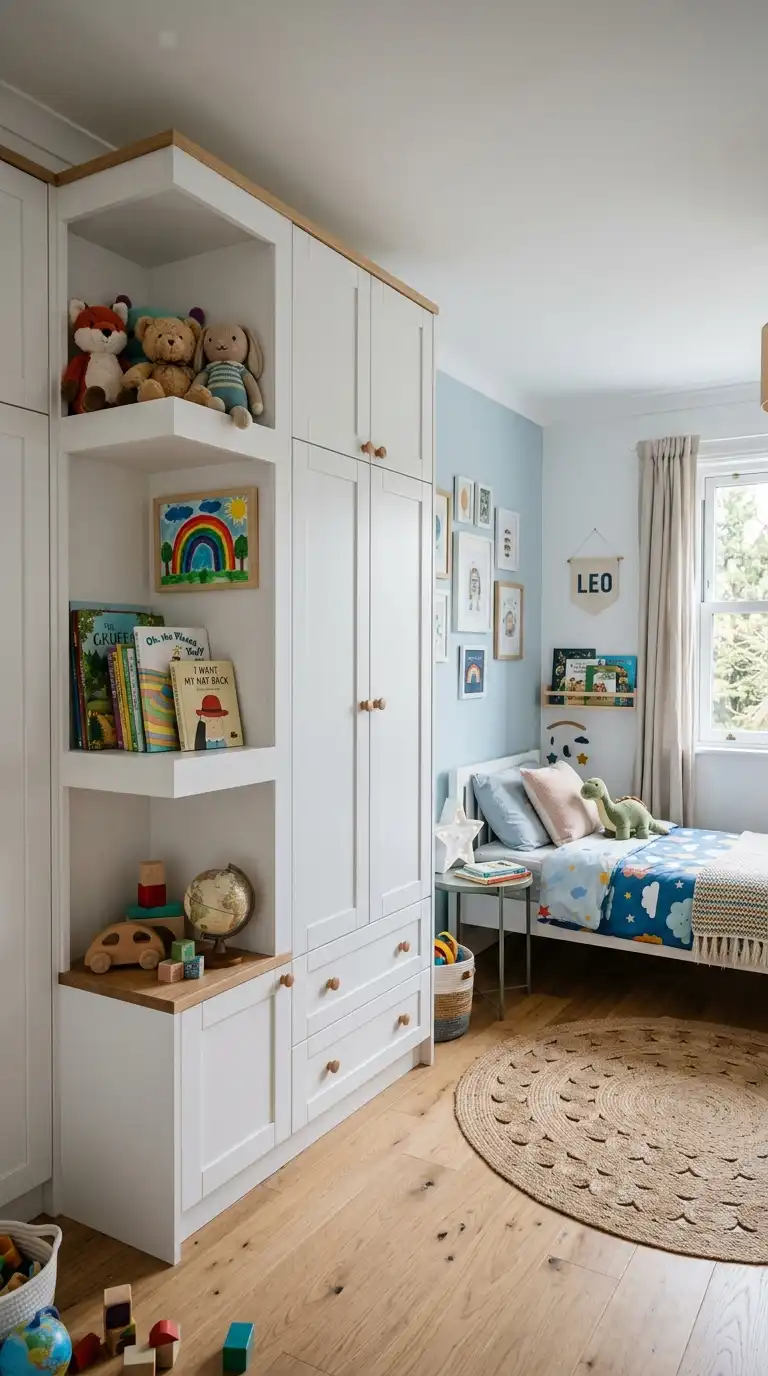
7. Adjustable Interior System
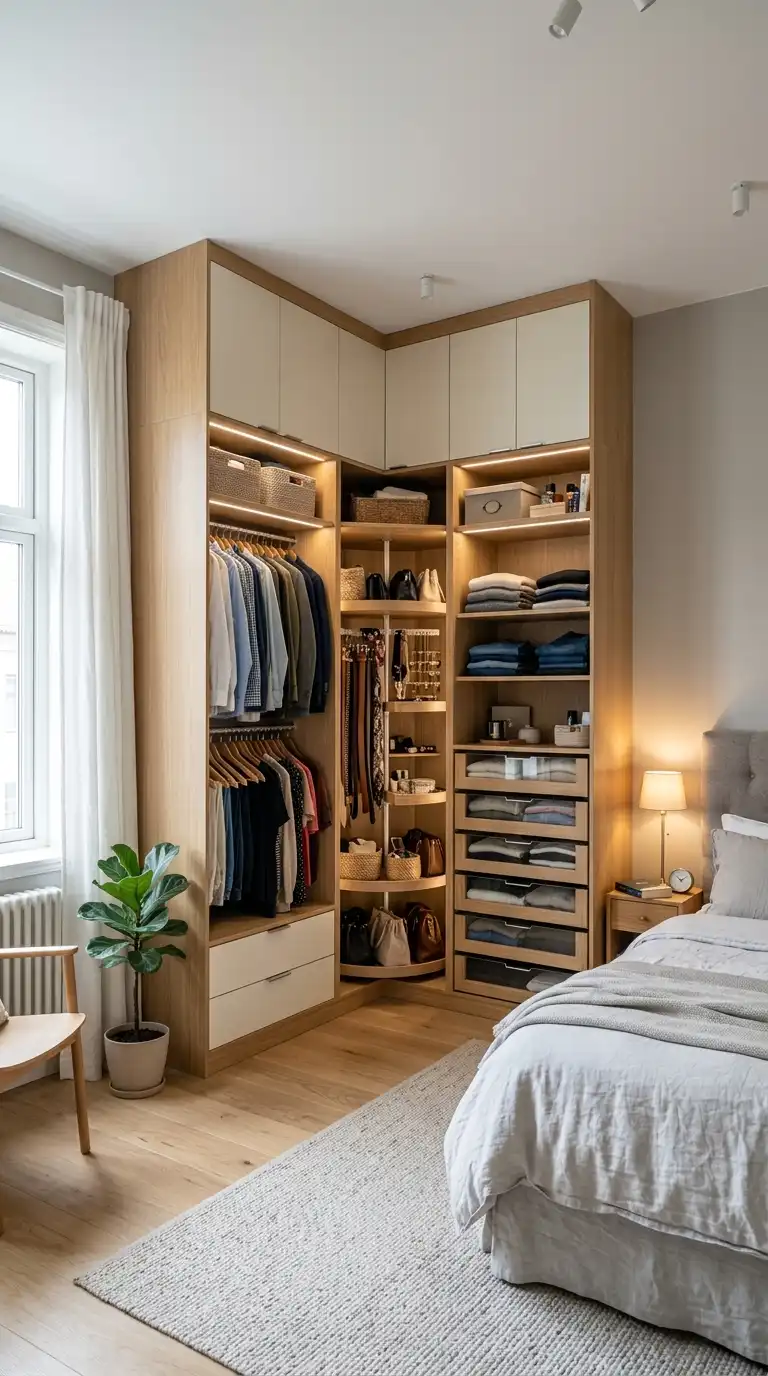
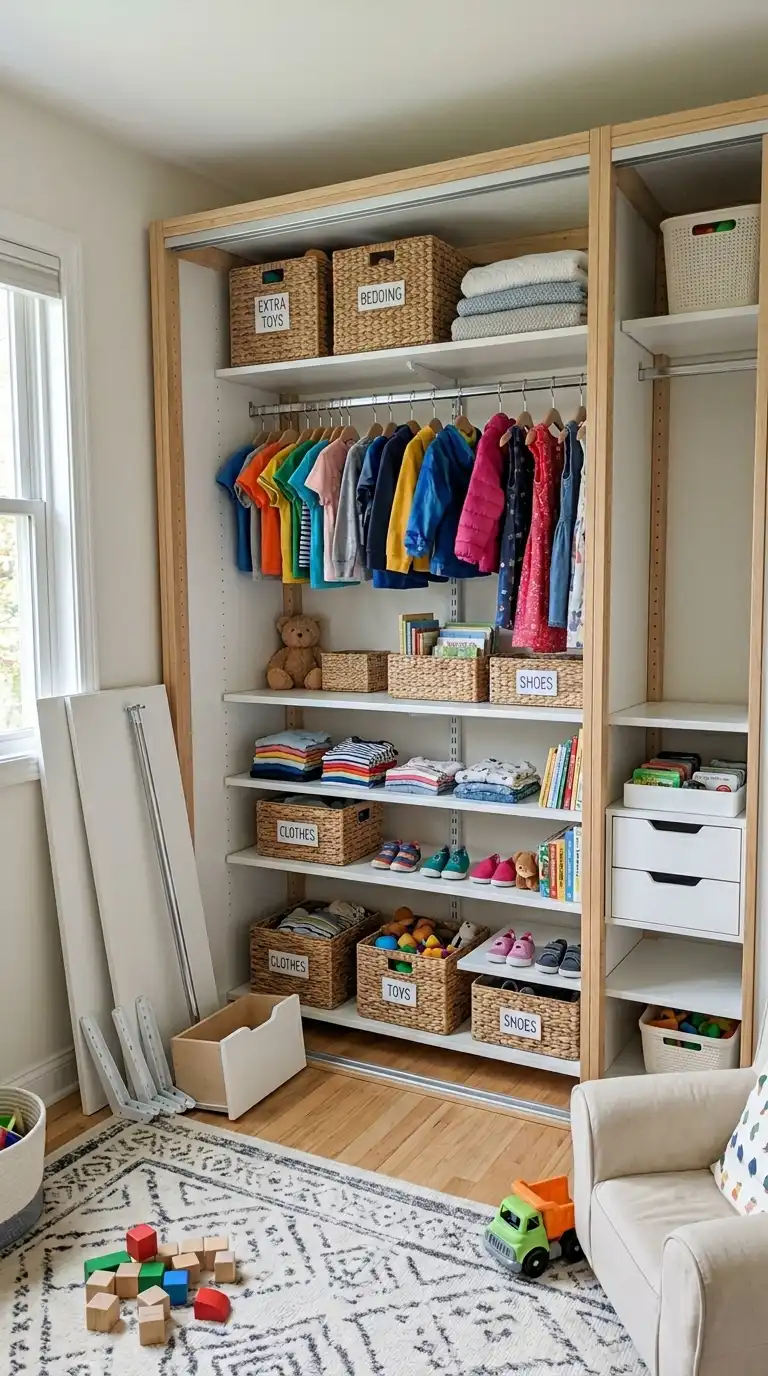
Children grow quickly, and their storage needs change just as fast. An adjustable interior system with movable shelves, repositionable hanging rods, and removable dividers ensures your wardrobe adapts to every stage. Configure the interior for baby clothes and cloth diapers, then reconfigure for toddler outfits, and later for teenage wardrobe essentials. This flexibility makes the wardrobe a long-term investment that serves your child for years.
8. Themed Wardrobe with Character Details
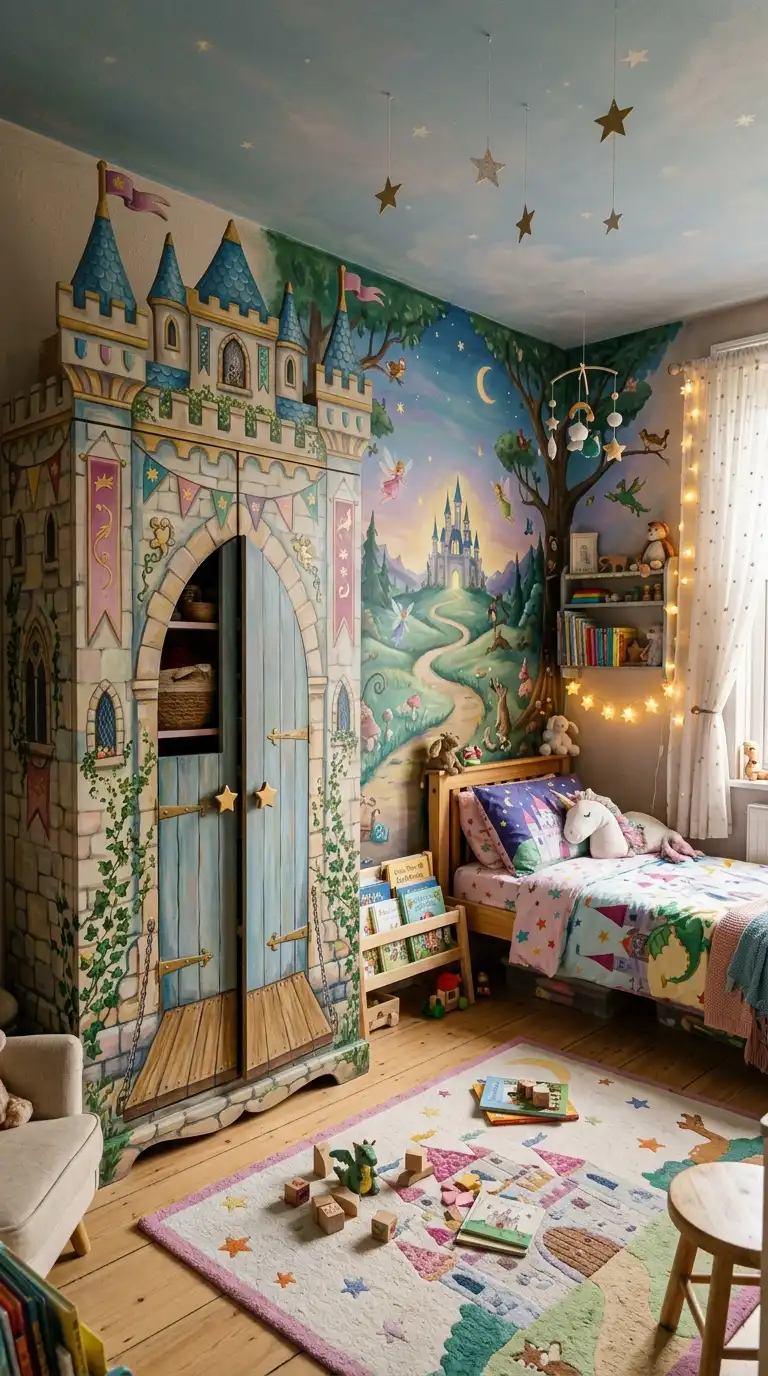
Bring a favorite theme to life with wardrobe details inspired by your child’s interests. Paint the doors to resemble a fairy-tale castle, a rocket ship, or a forest scene. Add whimsical handles shaped like stars, animals, or flowers. Use decals or stencils to create patterns that can be easily updated as interests change. A themed wardrobe becomes a cherished part of the room that sparks imagination.
9. Wardrobe with Integrated Desk
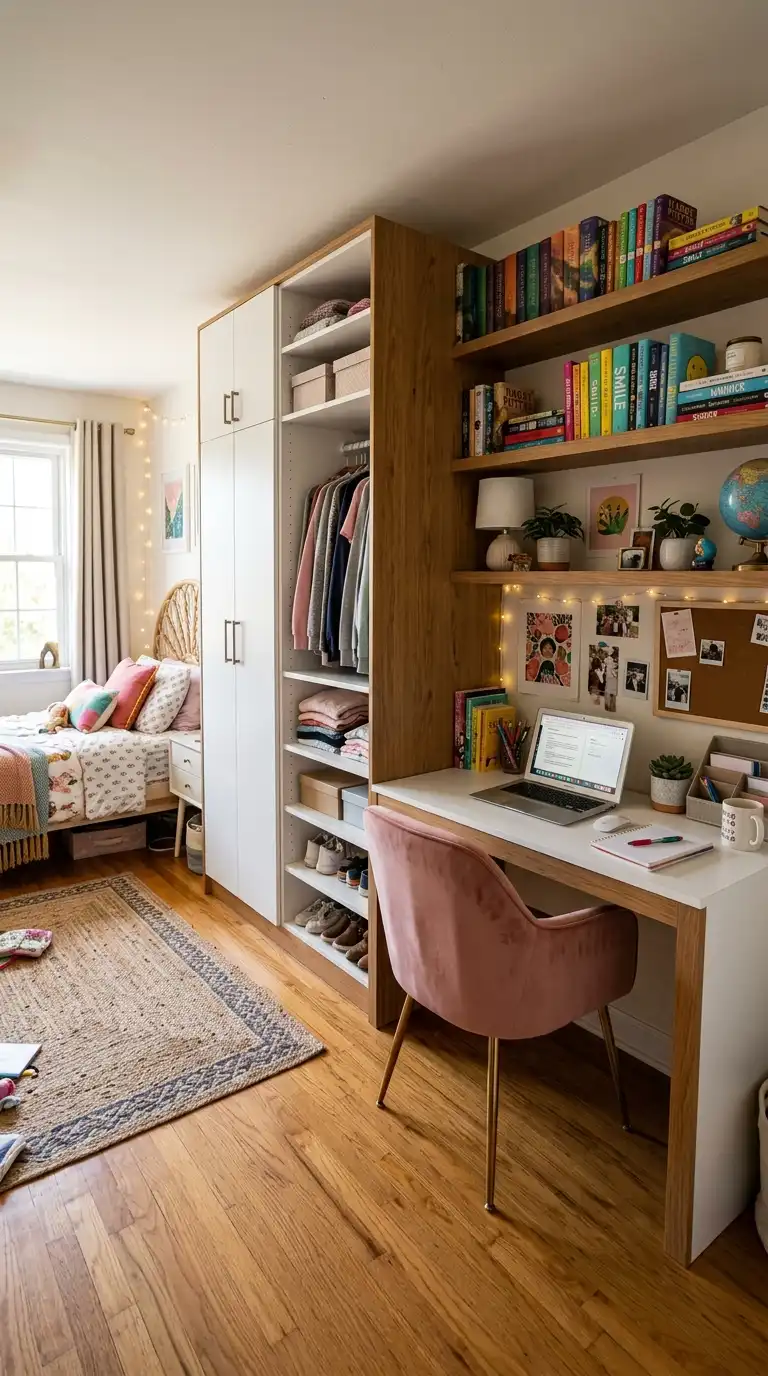
For older children and teens, a wardrobe with an integrated desk creates a functional study zone within the bedroom. Position the desk at one end of the wardrobe unit, with shelves above for books and supplies. This space-saving solution is ideal for smaller rooms where a separate desk would be impractical. Choose finishes that suit both study and sleep, and ensure adequate task lighting.
10. Brightly Colored Interior
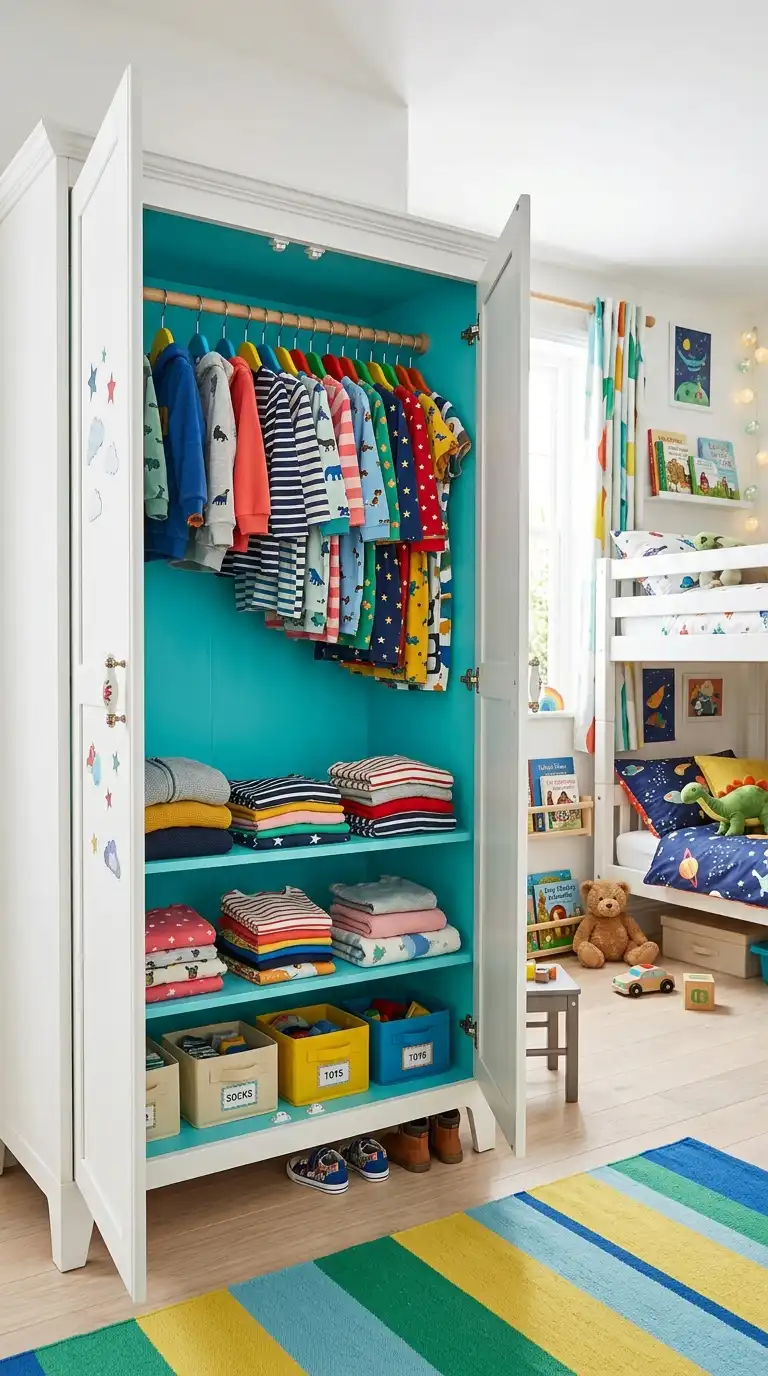
Make opening the wardrobe an exciting experience by painting the interior in a bright, cheerful color. A pop of vibrant yellow, coral, or turquoise inside the wardrobe adds unexpected delight and makes it easier for children to see their belongings. Keep the exterior neutral for a cohesive room design, and let the interior surprise. This detail is easy to update as your child’s preferences evolve.
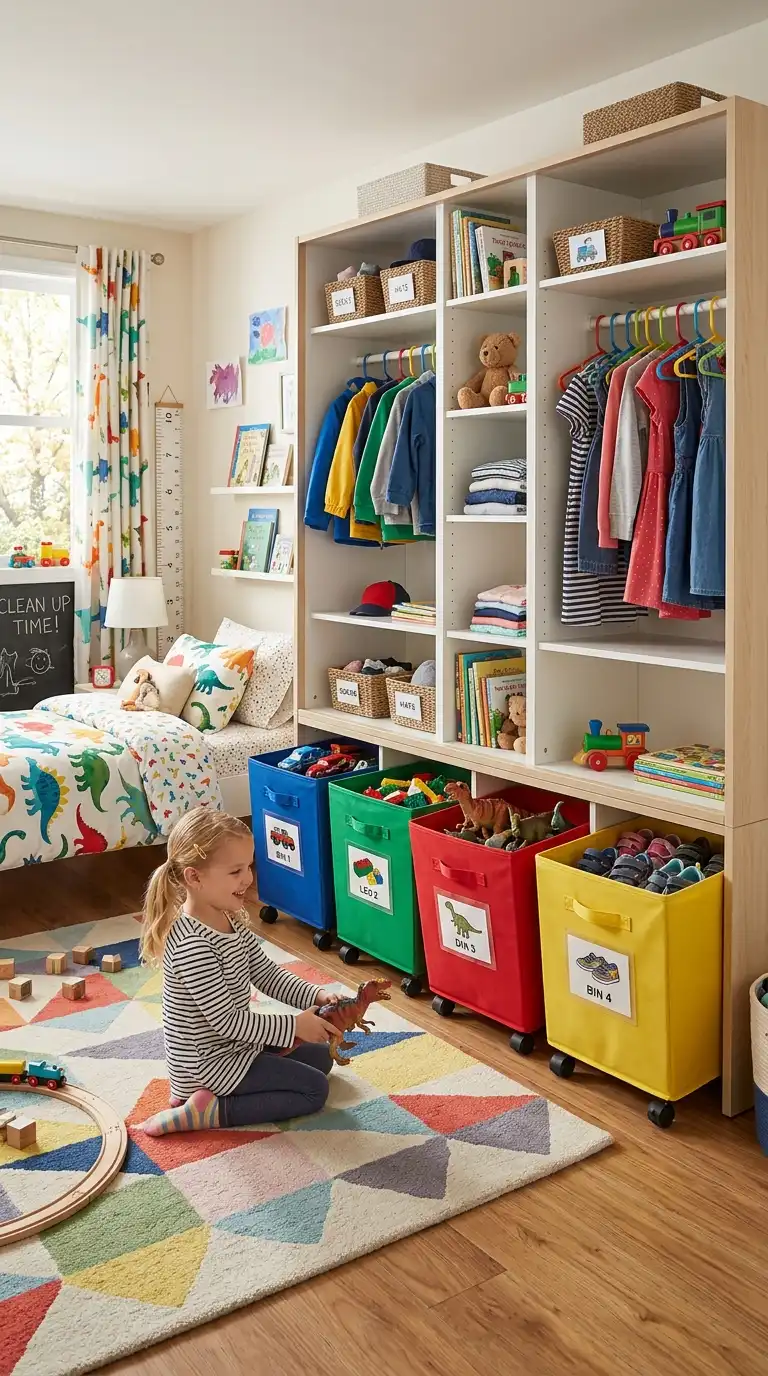
11. Wardrobe with Rolling Storage Bins
Incorporate rolling bins or pull-out drawers at the base of the wardrobe for easy-access toy and shoe storage. The bins can be pulled out completely for playtime and rolled back in for tidying. Choose bins in durable plastic or fabric that are easy to clean and lightweight for small hands. Label each bin with pictures or words to help with organization.
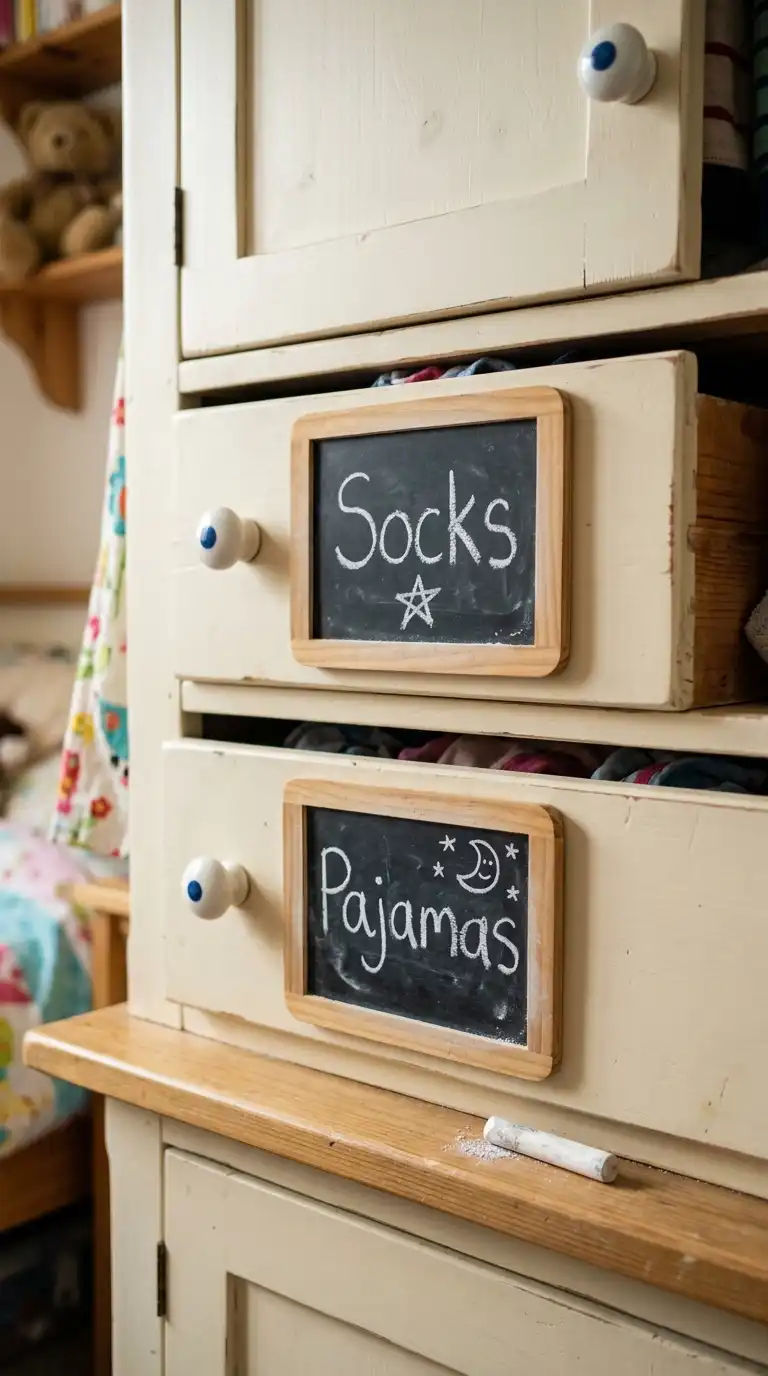
12. Wardrobe with Chalkboard Labels
Use chalkboard labels on drawers and bins to create a flexible labeling system that can be updated as contents change. Children can participate in organizing by drawing or writing labels. This approach teaches organization skills while allowing for easy adjustments as your child’s wardrobe evolves. Chalkboard labels also add a playful, interactive element to the storage system.
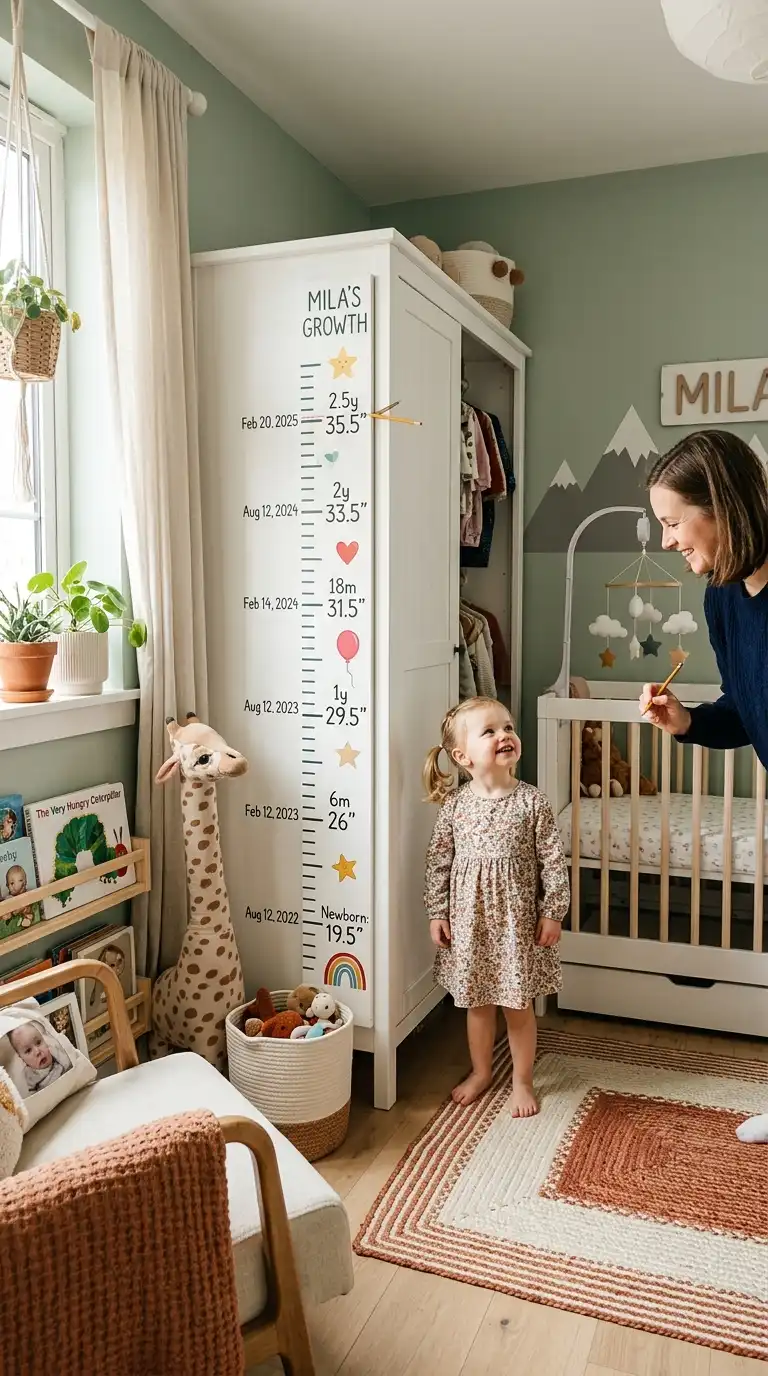
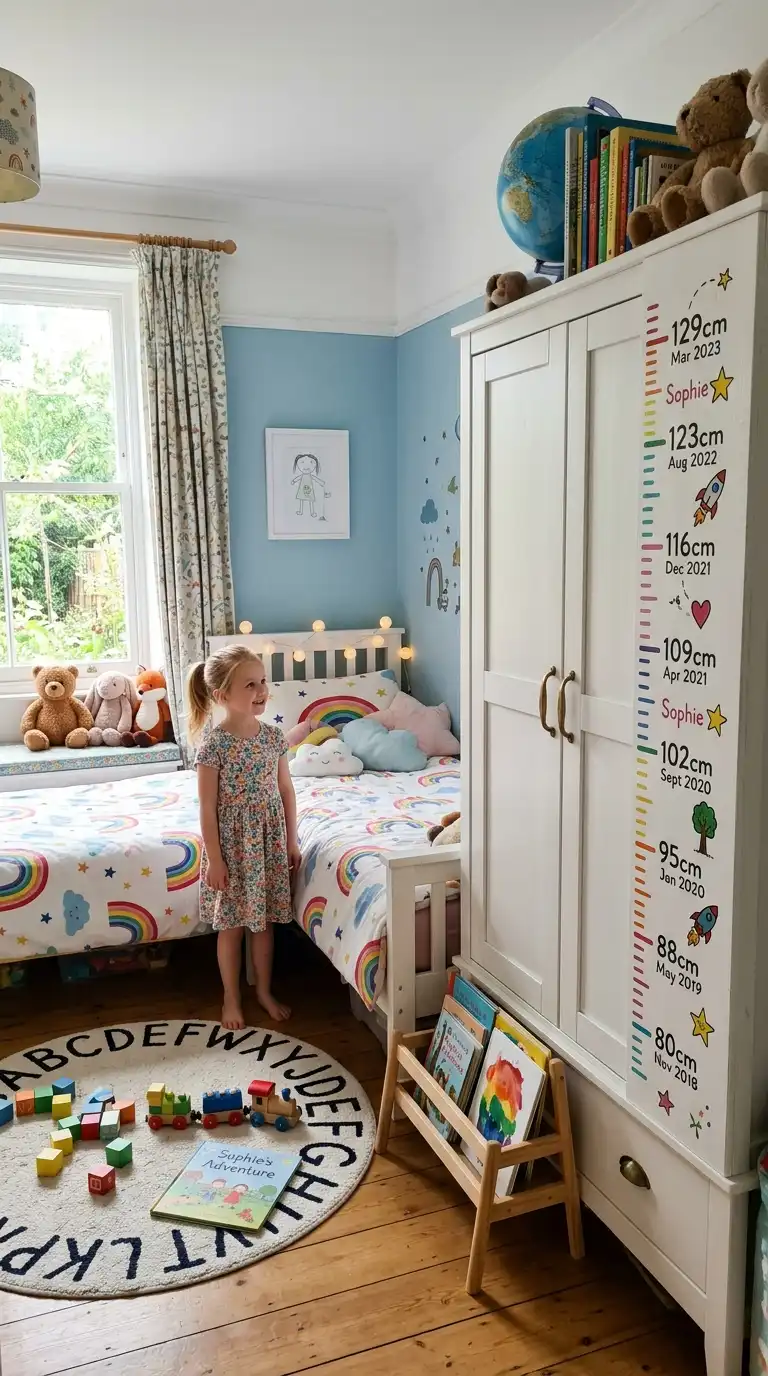
13. Wardrobe with Growth Chart
Incorporate a growth chart into the side or door of the wardrobe to track your child’s height over the years. Use painted markings, vinyl decals, or etched lines to create a lasting record of milestones. This detail turns a functional piece of furniture into a cherished keepsake that holds memories beyond storage.
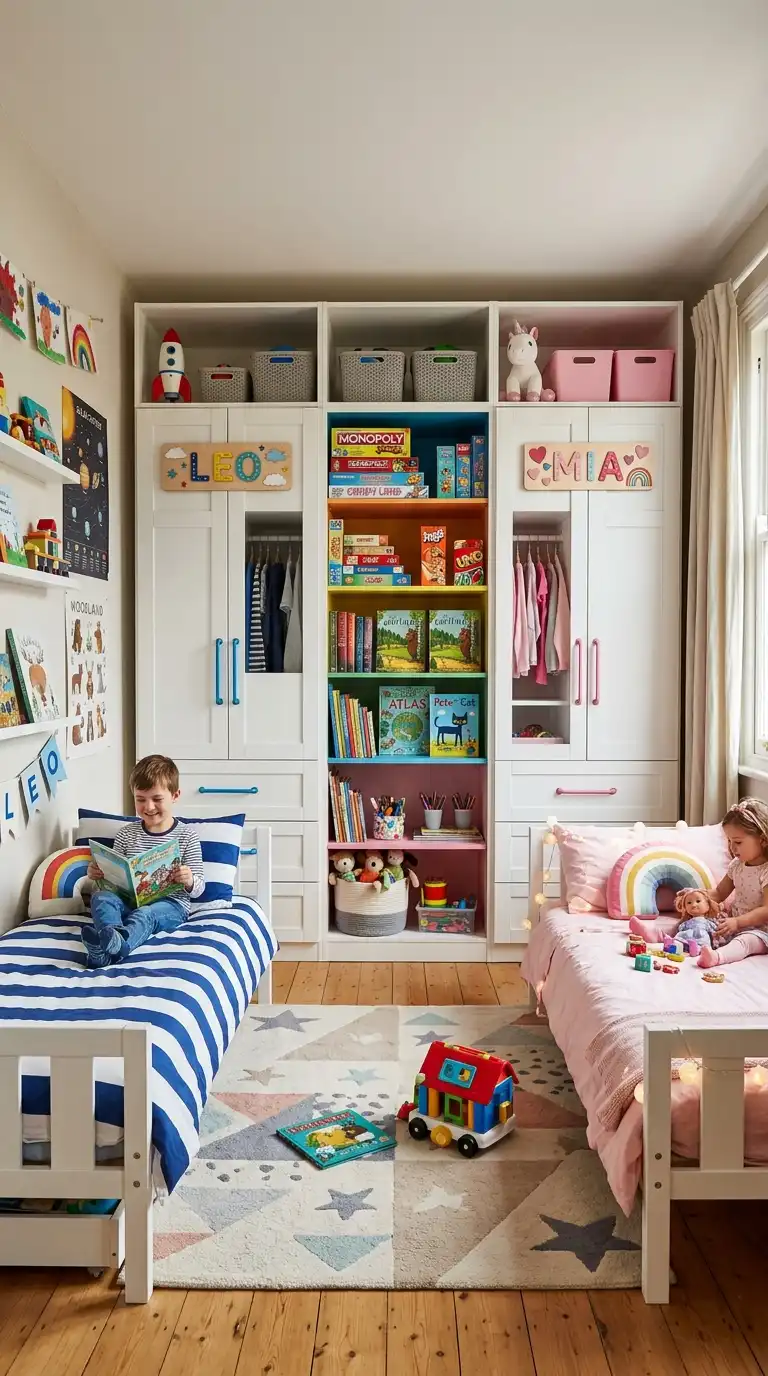
14. Shared Wardrobe with Divided Zones
For siblings sharing a room, a shared wardrobe with clearly divided zones helps maintain order and reduce conflict. Use different colors for each child’s section, add personalized nameplates, or designate specific drawers and hanging areas. This approach teaches respect for personal space while maximizing shared storage. Consider a central open section for shared items like games or extra bedding.
Frequently Asked Questions
- What is the best height for kids’ wardrobe storage?
Lower sections should be accessible for young children—typically within 90–120 centimeters from the floor. Use adjustable shelving and hanging rods that can be raised as your child grows. This allows the wardrobe to adapt to changing heights and needs. - How can I make a wardrobe grow with my child?
Choose an adjustable interior system with movable shelves and repositionable hanging rods. Select a neutral exterior finish that will suit both young children and teens. Avoid overly themed designs that may be outgrown quickly, or use removable elements like decals that can be easily updated. - What materials are best for kids’ wardrobes?
Durable, easy-to-clean materials are essential. High-quality laminates, painted MDF, and solid wood are all good options. Avoid materials that show fingerprints easily or require special cleaning. Ensure all finishes are low-VOC and non-toxic for a healthy environment. - How do I encourage my child to use their wardrobe?
Make it accessible and fun. Use low shelves, colorful bins, and picture labels. Involve your child in organizing and decorating. Celebrate their independence in choosing and putting away clothes. A wardrobe that is designed for their height and abilities fosters confidence and responsibility. - Can I convert a standard wardrobe into a kids’ wardrobe?
Yes. Add lower shelves or remove doors for open access. Use colorful bins and baskets to make storage inviting. Install adjustable shelving to accommodate smaller items. Add playful details like chalkboard paint, fun knobs, or decals to personalize the space.
A kids’ wardrobe is more than storage—it is a tool for teaching organization, encouraging independence, and creating a space that reflects your child’s personality. By designing with flexibility, accessibility, and fun in mind, you create a storage solution that serves your child through every stage of growth. Whether you choose bright colors, interactive features, or timeless finishes that adapt to changing tastes, the right wardrobe design brings order and joy to your child’s room.