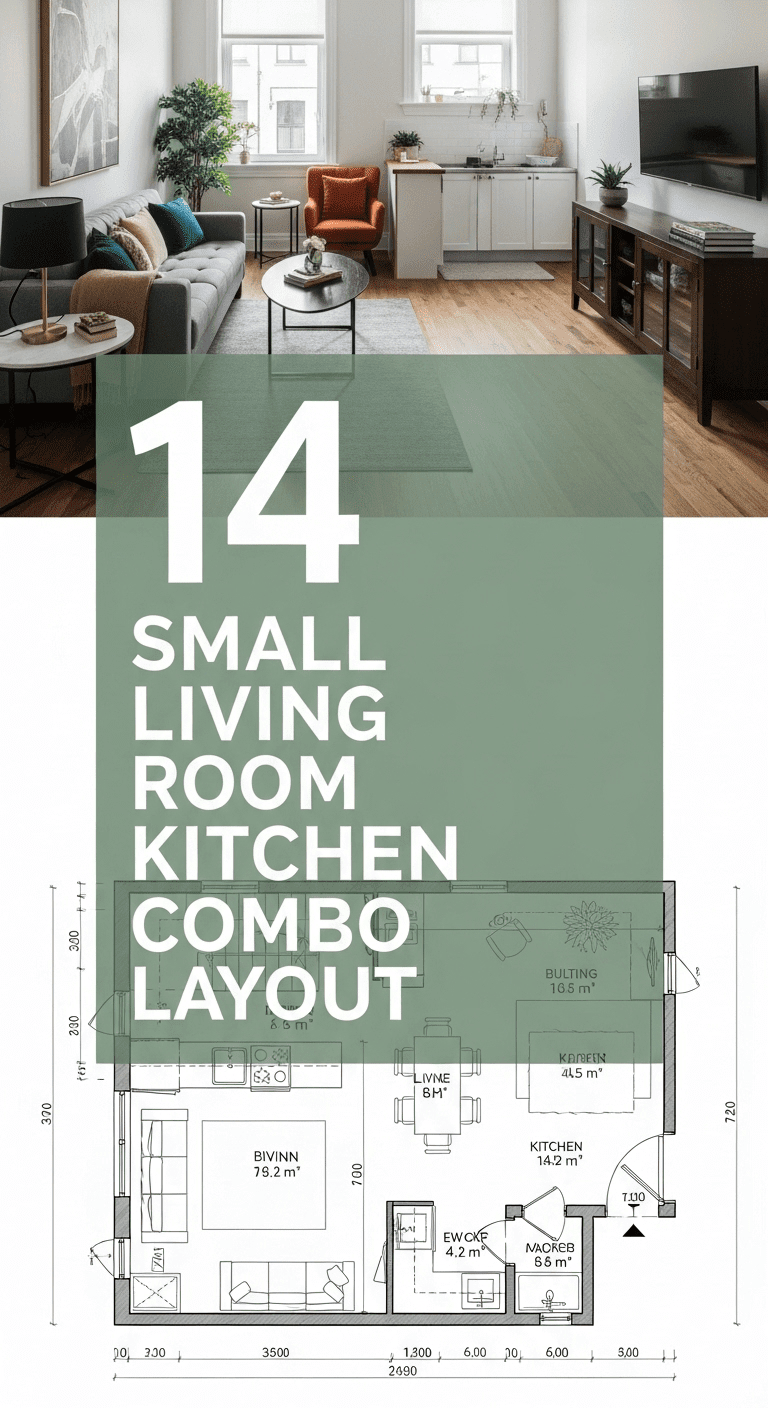
14 Sectional in Small Living Room Layout
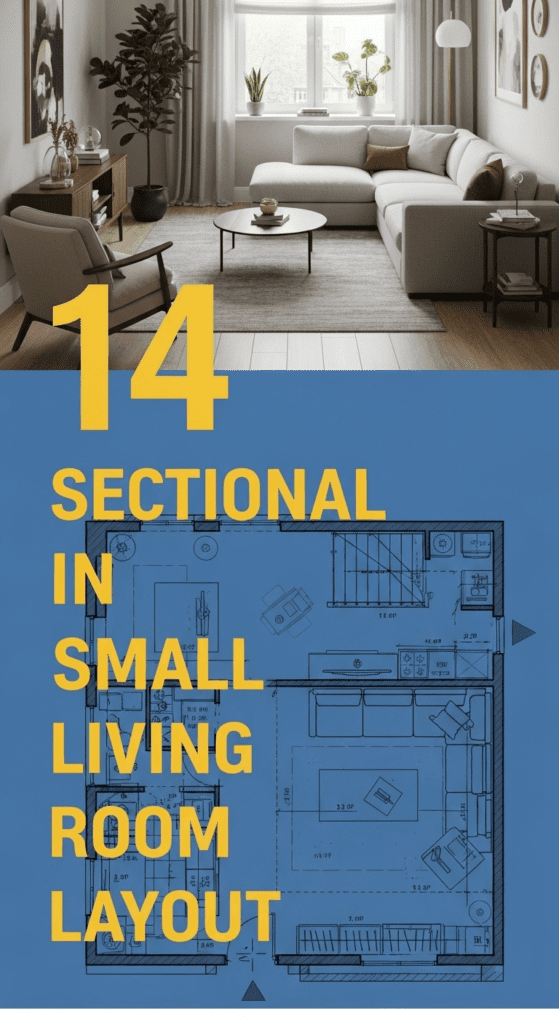
Sectional in small living room layout planning proves that L-shaped and modular sofas can maximize seating and spatial efficiency in compact spaces when positioned strategically and sized appropriately. Sectionals offer unique advantages over traditional sofa-and-chair arrangements—they eliminate gaps between separate furniture pieces, maximize corner utilization, provide generous seating within single footprints, and create natural room division in open-plan small apartments. These fourteen layouts demonstrate proven sectional arrangements for various small living room configurations, showcasing how to incorporate L-shaped, U-shaped, and modular sectionals into compact spaces successfully.
1. Corner L-Configuration Classic
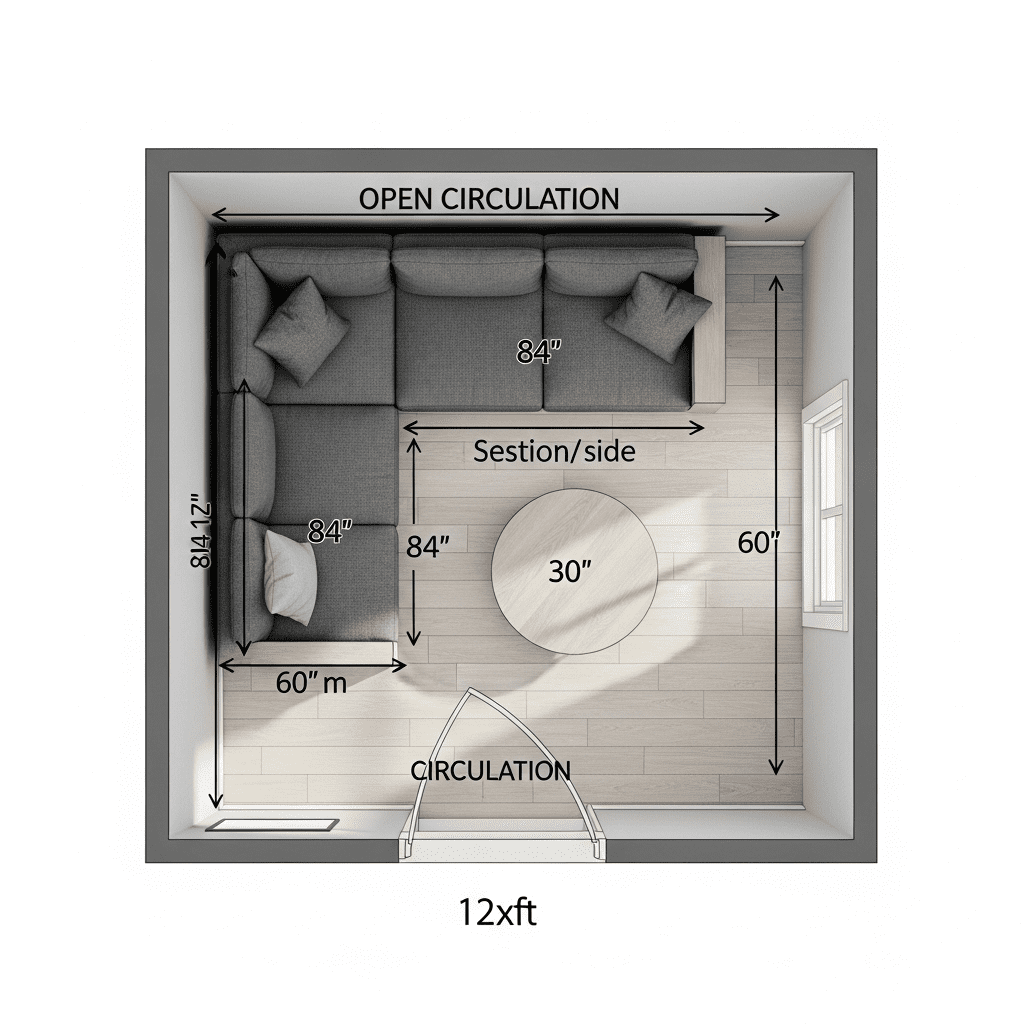
L-shaped sectional tucked into corner position maximizes seating while leaving maximum floor center open for circulation in square small rooms.
2. Window Wall Adjacent
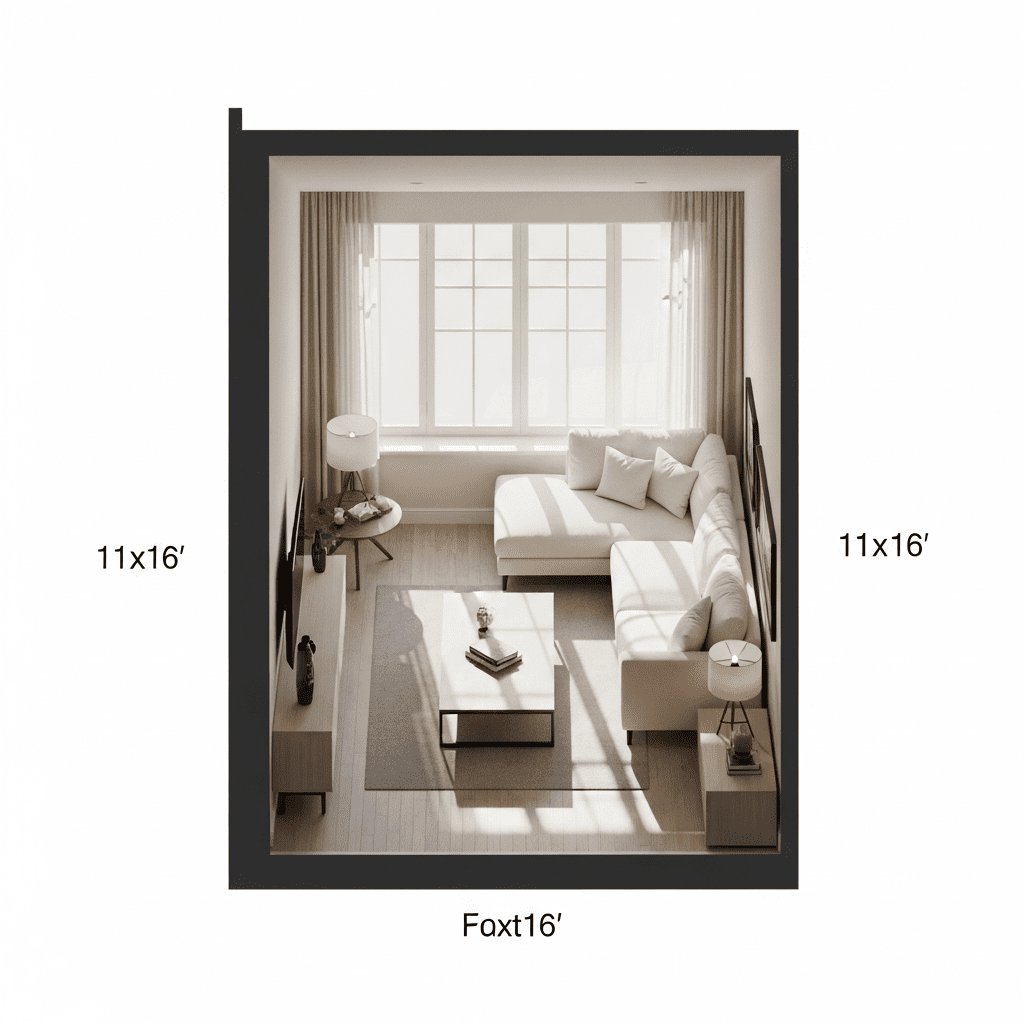
Sectional positioned along window wall captures natural light while maintaining comfortable seating arrangement in rectangular small living rooms.
3. Floating Room Divider
Sectional positioned away from walls divides small open-plan space creating distinct living and dining zones without physical barriers.
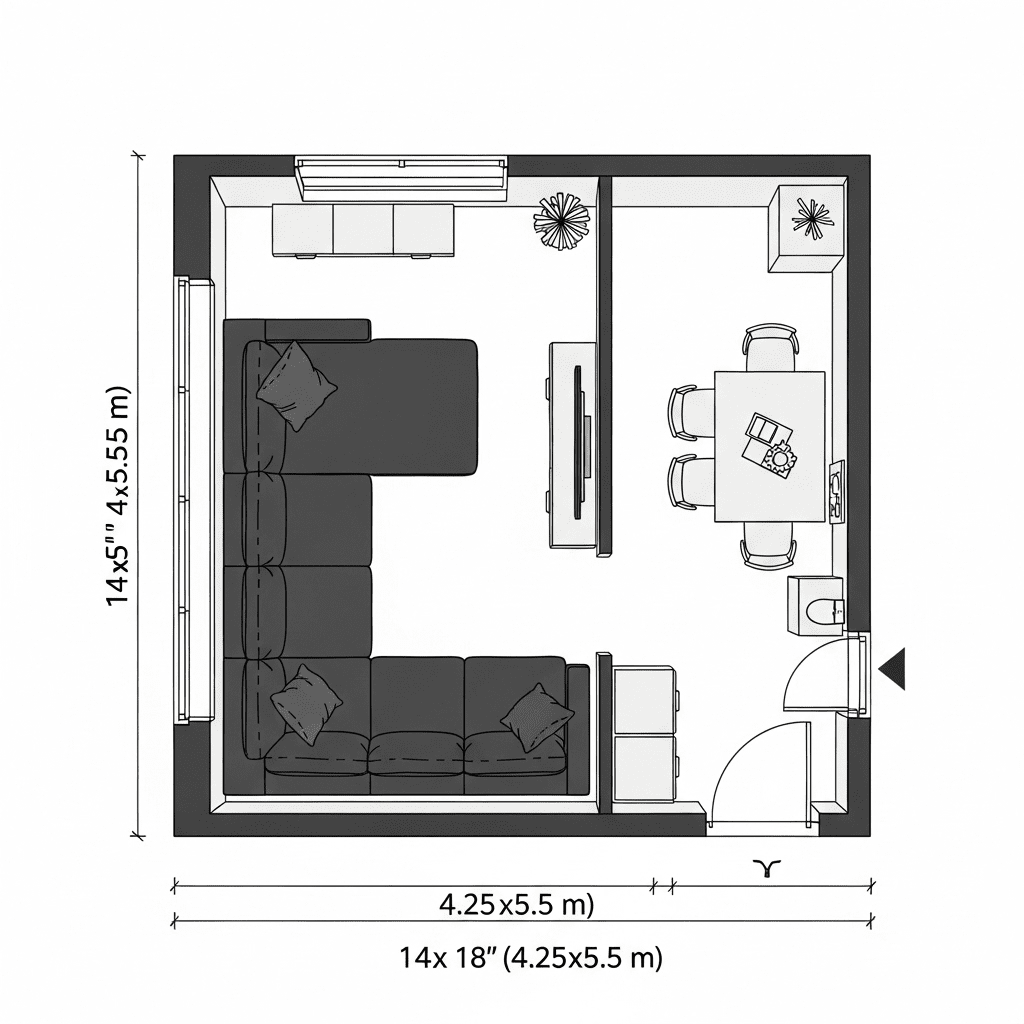
4. Compact Apartment-Scale
Smaller-scale sectional specifically proportioned for tight spaces provides sectional benefits without overwhelming compact square footage.
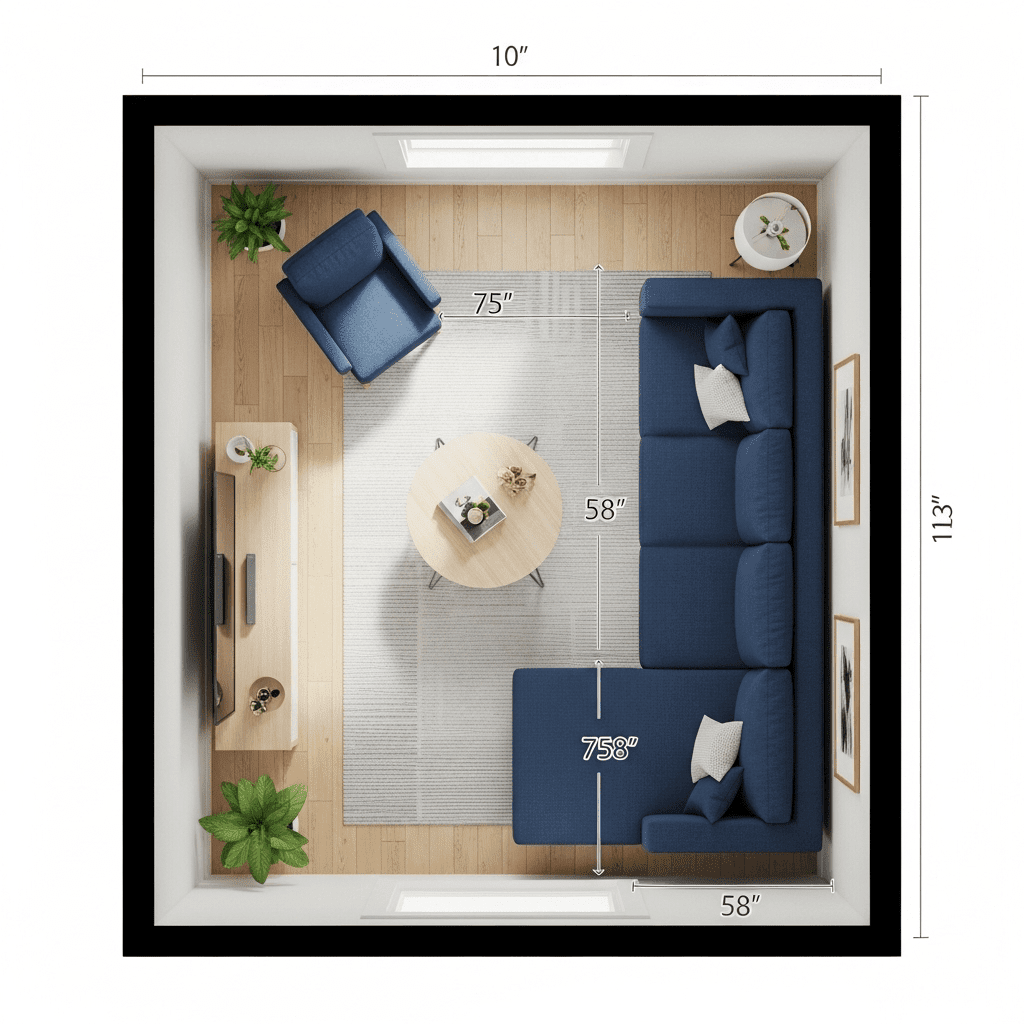
5. Reversible Chaise Flexibility
Reversible chaise sectional allows left or right configuration adapting to different room layouts and furniture placement needs.
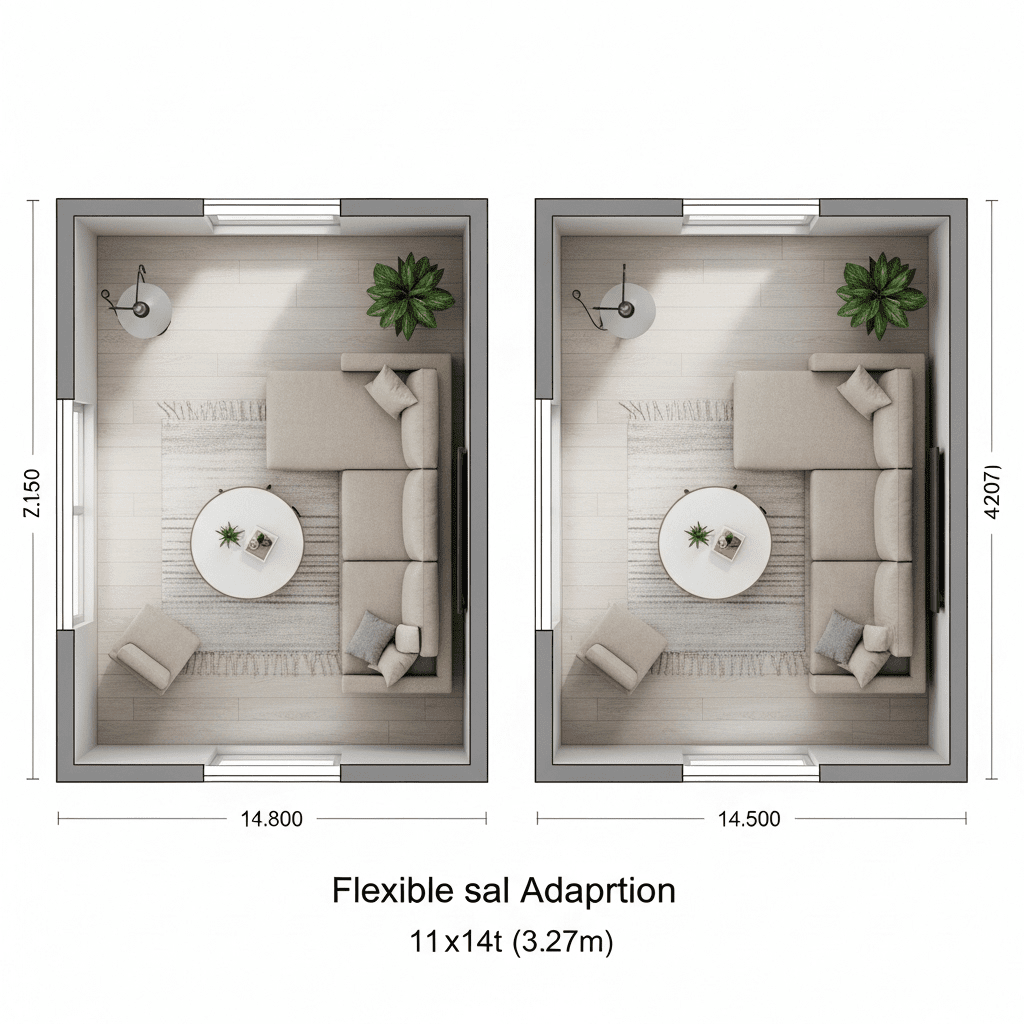
6. Against-Wall Perimeter
Both sectional sections positioned flush against walls maximizes open center floor space in extremely tight small living rooms.
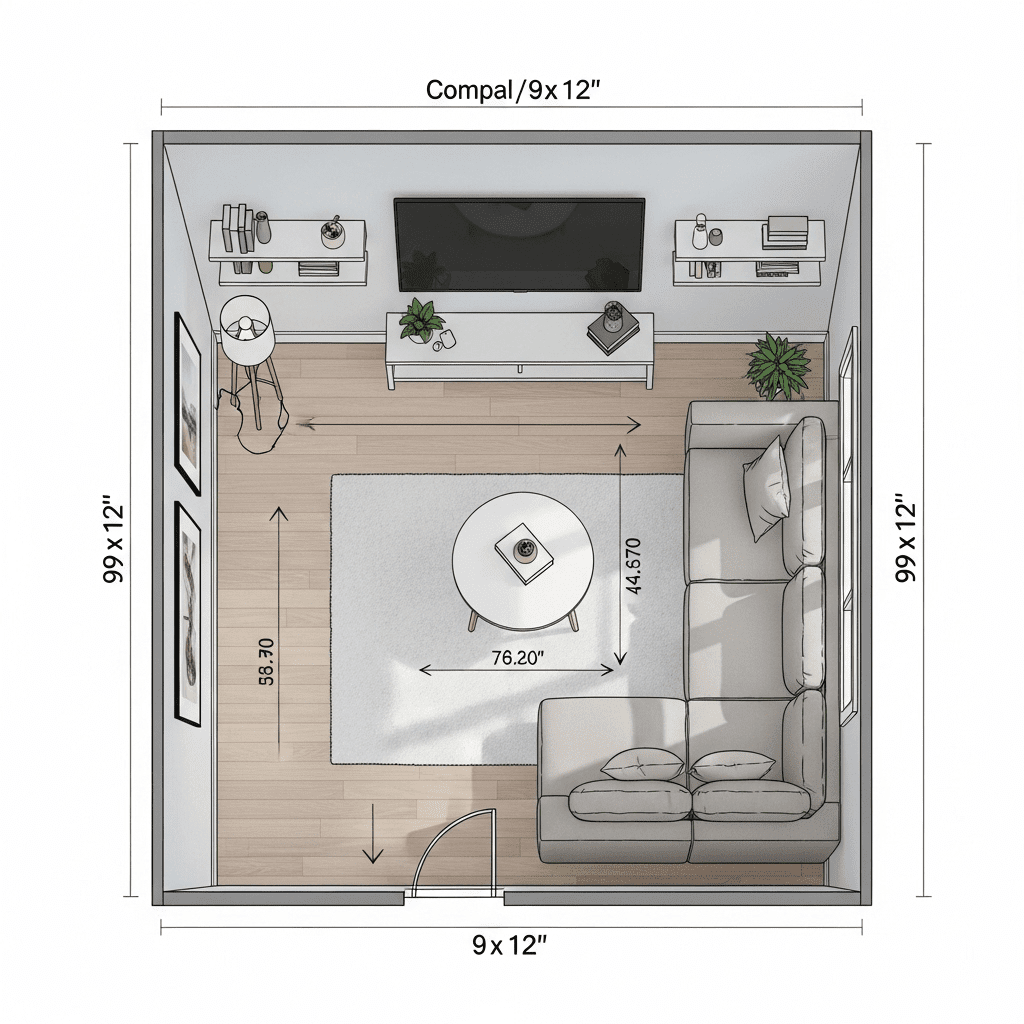
7. Diagonal Corner Placement
Sectional positioned diagonally across corner creates dynamic visual interest and sometimes improves traffic flow in awkward small rooms.
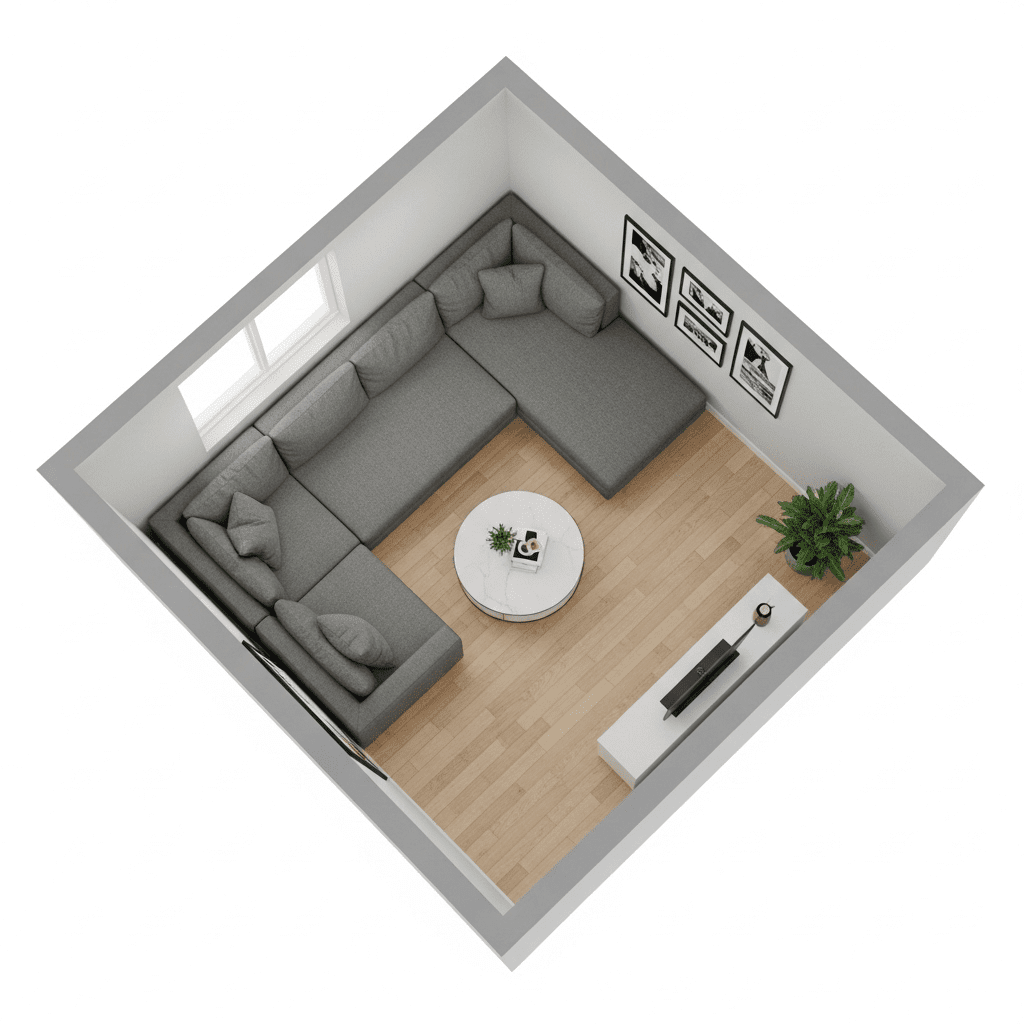
8. U-Shape Small Scale
Compact U-shaped sectional creates conversation pit arrangement providing maximum seating in surprisingly small footprints.
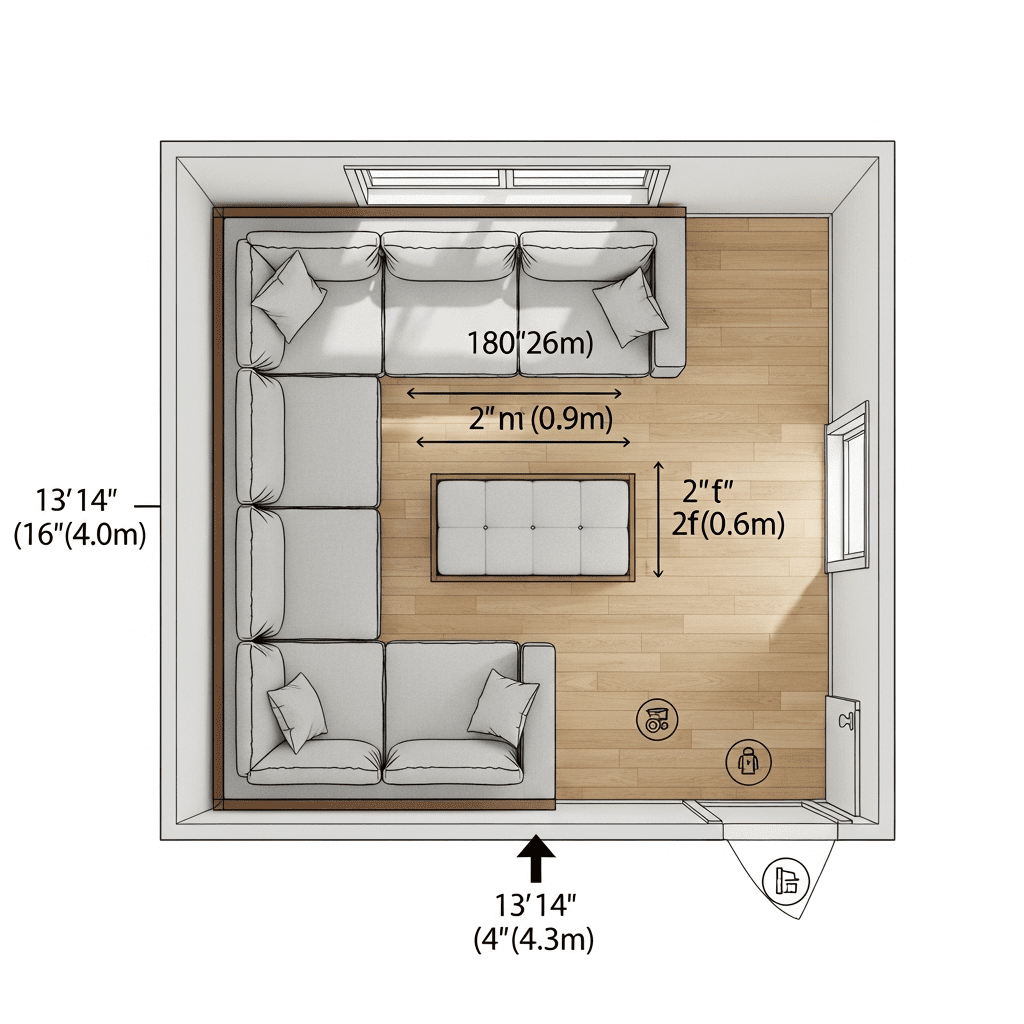
9. With Accent Chair Addition
L-sectional paired with single contrasting accent chair adds seating variety without overwhelming limited small living space.
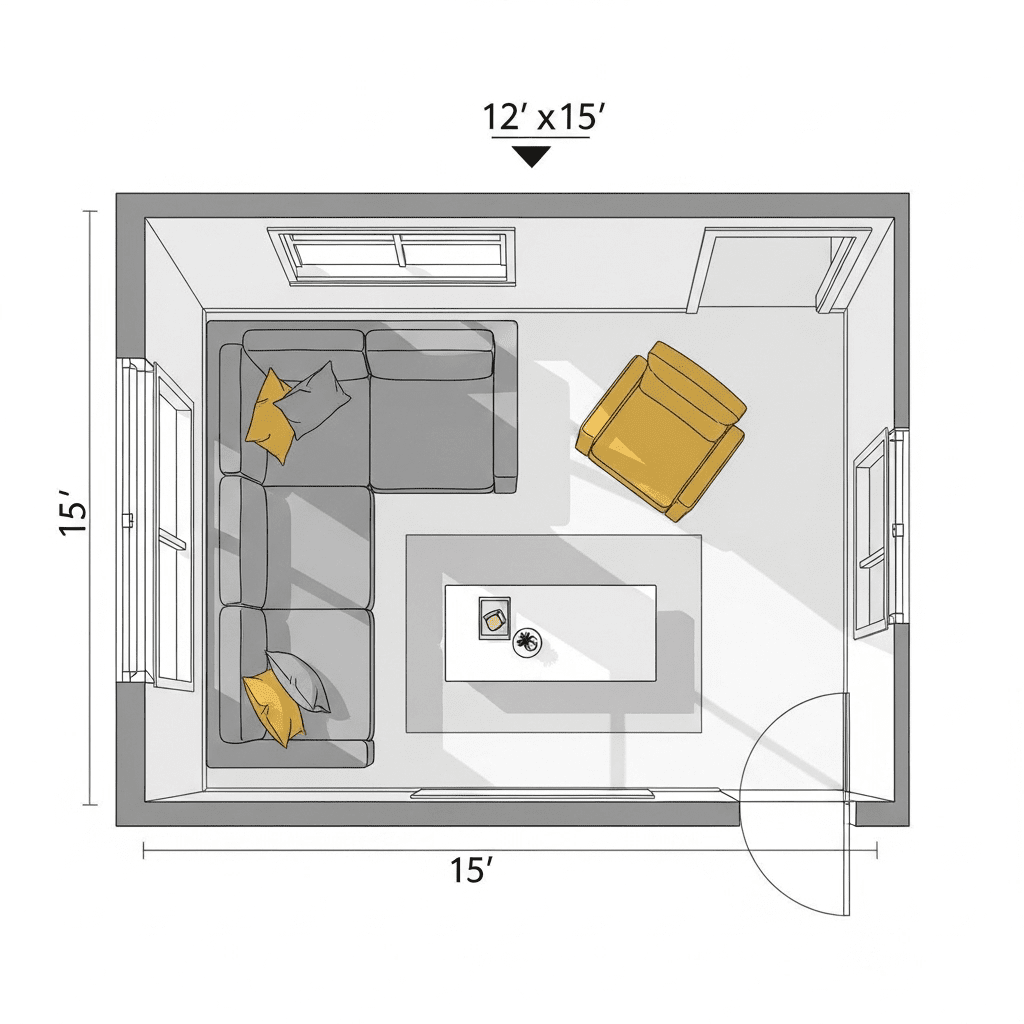
10. Narrow Room Long Wall
Sectional with chaise along longest wall works efficiently in narrow rectangular rooms maximizing length while minimizing width consumption.
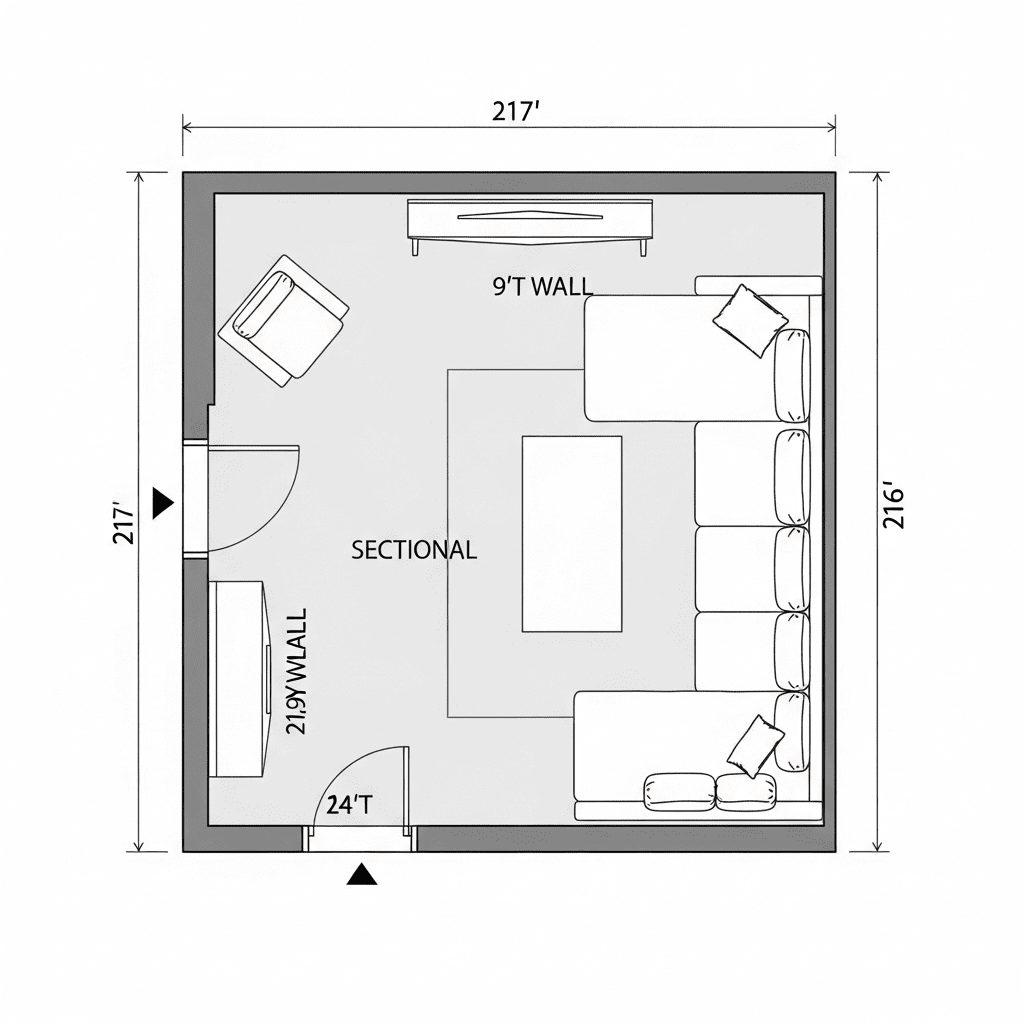
11. Modular Reconfigurable
Modular sectional pieces rearrange into different configurations adapting to entertaining, relaxing, or changing spatial needs over time.
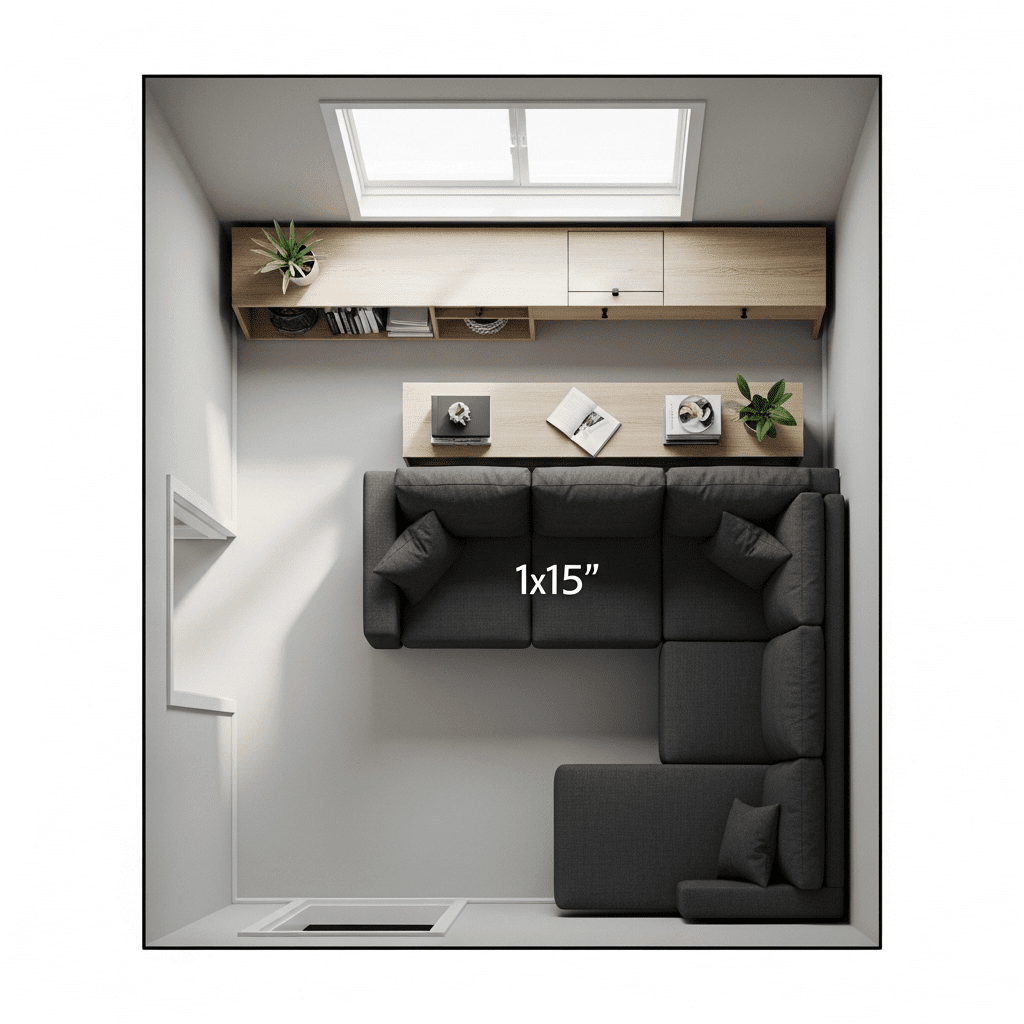
12. Floating with Console
Sectional pulled away from walls with slim console table behind provides display and storage without sacrificing seating functionality.
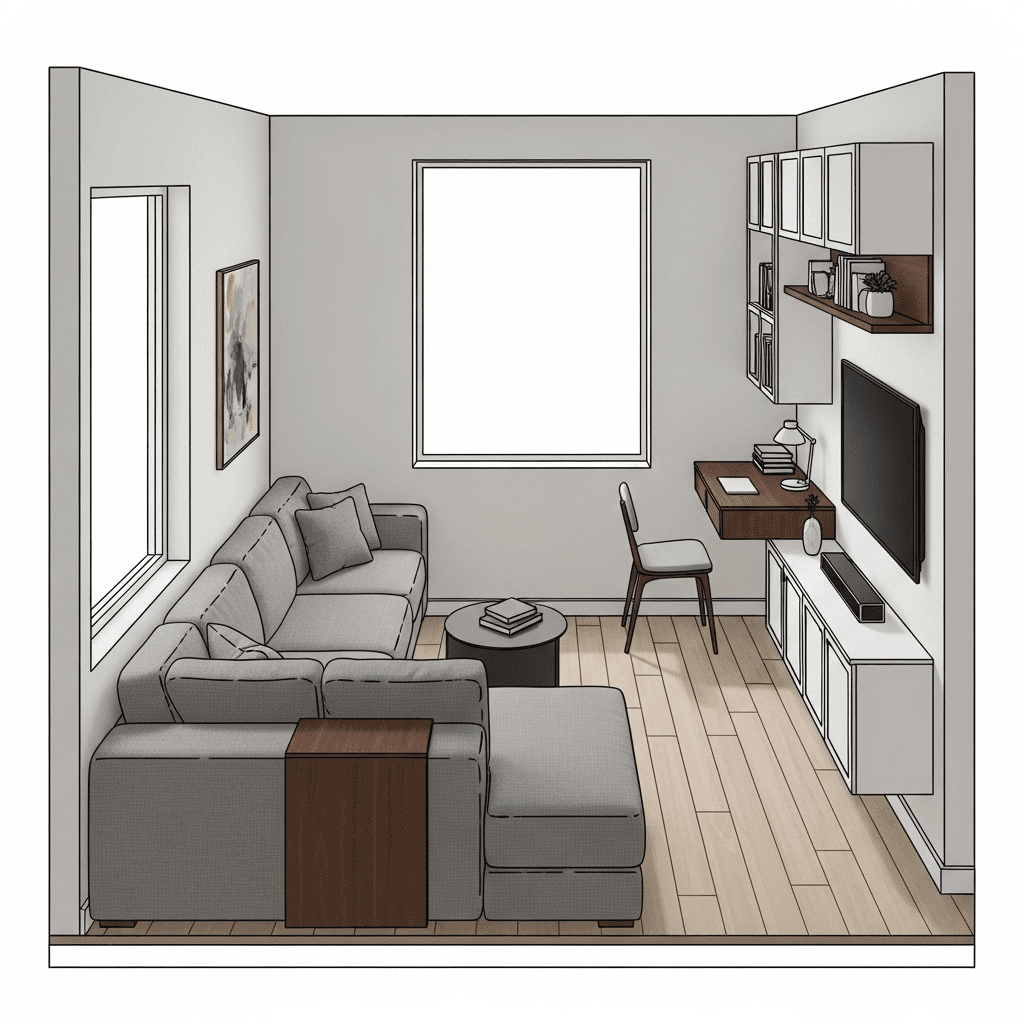
13. Built-In Side Table Integration
Sectional with built-in side table or shelf eliminates separate furniture reducing overall furniture footprint in small spaces.
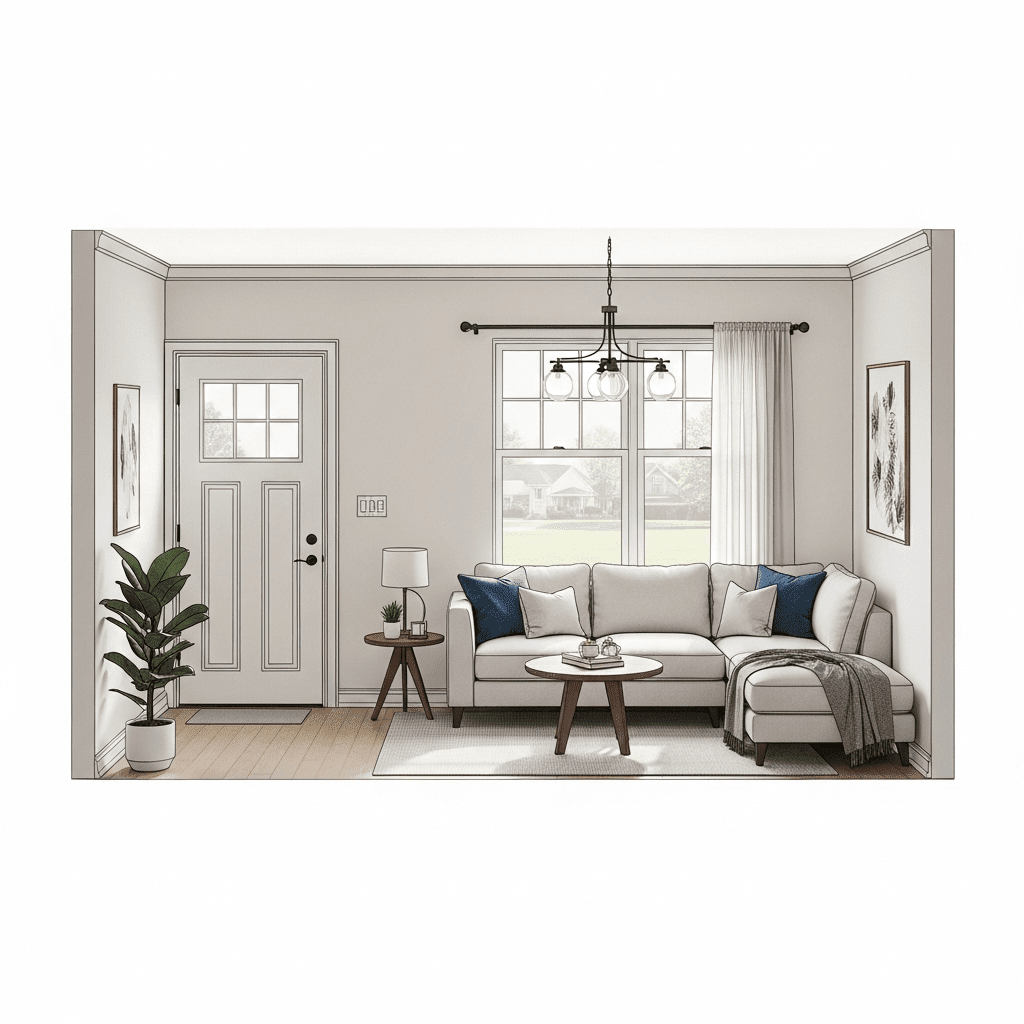
14. Corner Entry Accommodation
Sectional arrangement addressing corner doorway entry creating welcoming flow despite awkward entry placement in small rooms.
Sectional Selection for Small Spaces
Choosing appropriate sectionals for compact living rooms requires understanding specific considerations that differ from large room selection.
Critical Measurements: Measure room dimensions precisely before shopping. Small living room sectionals typically measure 75-90 inches on long side, 55-70 inches on short side—significantly smaller than standard 96-120 inch sectionals.
Depth Considerations: Sectional depth matters enormously in small rooms. Choose pieces under 36 inches deep, ideally 32-34 inches, preserving crucial walkway space around furniture.
Arm Style Impact: Track arms or narrow arms consume 4-6 inches less width than rolled English arms—critical inches in tight quarters.
Back Height: Lower backs (under 36 inches) maintain sight lines and create less visual weight than tall backs overwhelming small rooms.
Configuration Options: Right-facing versus left-facing chaise orientation; reversible chaises offer maximum flexibility for different room layouts.
Scale Testing: Use painter’s tape outlining sectional footprint on floor before purchasing, visualizing actual spatial impact accurately.
Placement Strategies
Corner Optimization: Tucking sectionals into corners maximizes seating while keeping room centers open for circulation and visual spaciousness.
Traffic Flow Maintenance: Ensure minimum 30-36 inch pathways around sectional allowing comfortable circulation despite substantial furniture footprint.
Focal Point Orientation: Position sectional facing room’s primary focal point—fireplace, window view, or TV wall—creating purposeful arrangements.
Floating When Possible: In rooms over 12×14 feet, floating sectionals slightly from walls creates intentional, designed arrangements improving flow.
Room Division: Open-plan spaces benefit from sectionals positioned perpendicular to walls dividing areas without physical barriers.
Entry Acknowledgment: Ensure sectional placement welcomes entry rather than presenting furniture backs to doorways creating unwelcoming feelings.
Layout Configurations
L-Shape Standard: Most common and versatile; long section typically 75-96 inches, short section 60-75 inches, fitting various room shapes.
L-Shape with Chaise: Chaise end provides lounging space; ensure chaise doesn’t block windows, entries, or circulation pathways.
Small U-Shape: Compact U-configurations create enclosed conversation areas in rooms minimum 13×14 feet.
Modular Straight: Some modular sectionals configure as straight sofas when L-shape doesn’t fit room geometry appropriately.
Symmetrical Layout: Two identical sectional halves create symmetrical arrangements in perfectly square rooms when desired.
Color and Material Selection
Light Colors Expand: White, cream, light grey sectionals reflect maximum light creating spacious feelings essential in small rooms.
Neutral Versatility: Neutral sectionals adapt to décor changes over years without requiring expensive replacement as tastes evolve.
Performance Fabrics: Durable, cleanable performance fabrics suit families ensuring longevity despite significant furniture investment.
Leather Considerations: Genuine leather adds luxury but costs more and requires maintenance; faux leather offers easier care at lower prices.
Pattern Avoidance: Solid colors work better in small spaces where patterned sectionals can overwhelm when covering substantial square footage.
Complementary Furniture
Coffee Table Selection: Round or oval tables work better than rectangular allowing easier circulation around sectional corners.
Table Scale: Coffee tables should measure roughly two-thirds sectional length; oversized tables crowd small rooms unnecessarily.
Ottoman Alternatives: Large storage ottomans serve as coffee tables while providing flexibility and additional seating when needed.
Side Tables: Small side tables on sectional ends provide surface space without floor-consuming additional separate furniture.
Minimal Additional Seating: Sectionals provide substantial seating; additional chairs often prove excessive in small living rooms.
Common Layout Mistakes
Oversized Sectionals: Most frequent error—sectionals too large overwhelm small rooms regardless of quality or style.
Blocking Traffic: Sectional positioned obstructing natural circulation creates daily frustration despite comfortable seating provision.
Wrong Configuration: Chaise end blocking windows, entries, or pathways creates awkward, non-functional arrangements.
Too Much Furniture: Adding full traditional furniture set beyond sectional creates cluttered, unusable small living rooms.
Ignoring Proportions: Sectional fitting physically doesn’t guarantee appropriate visual scale relationships with room dimensions.
Improper Orientation: Sectional facing away from focal points or positioned awkwardly relative to TV creates uncomfortable viewing.
Traffic Flow Planning
Primary Pathways: Main circulation routes require 36 inches minimum width for comfortable passage through small rooms.
Secondary Paths: Less-used routes (window access) can narrow to 24-30 inches when necessary in very tight spaces.
Entry Clearance: Maintain open area immediately inside doorway allowing comfortable entry without furniture obstacles.
Behind Sectional: When floating sectionals, maintain 12-18 inches behind for circulation and cleaning access.
Chaise Clearance: Ensure adequate space (18-24 inches) in front of chaise for comfortable leg extension and standing.
Styling Sectionals
Pillow Layering: 5-8 throw pillows in coordinating colors add comfort and visual interest without overwhelming sectional or room.
Throw Blankets: 1-2 coordinating throws draped casually over sectional invite comfort while adding textural warmth.
Area Rug Anchoring: Large rug under entire sectional anchors arrangement; ensure rug extends 12-18 inches beyond furniture edges.
Wall Art Balance: Balance sectional’s substantial presence with appropriately scaled wall art—neither diminutive nor overwhelming.
Lighting Placement: Floor or table lamps near sectional ends provide task lighting without consuming additional floor space.
Multi-Functional Features
Storage Sectionals: Some include storage compartments under chaise sections maximizing functionality in space-constrained rooms.
Sleeper Sectionals: Pull-out beds provide guest sleeping without dedicated guest rooms, essential in small apartments.
Reclining Options: Reclining seats add comfort; ensure adequate wall clearance (6-12 inches) for reclining mechanism operation.
Built-In Tables: Integrated consoles or tables reduce separate furniture needs streamlining small living room arrangements.
USB Charging: Built-in USB ports eliminate cord clutter, particularly valuable in compact entertainment-focused rooms.
Budget Considerations
Entry Level: $500-1200 for basic sectionals with engineered wood frames and polyester upholstery.
Mid-Range: $1200-2500 for quality construction, durable fabrics, better cushioning and frame materials.
Premium: $2500-5000+ for hardwood frames, top-grain leather, premium fabrics, superior craftsmanship.
Custom Options: $3000-8000+ for custom-sized sectionals fitted to exact room dimensions and personal specifications.
Delivery Costs: Factor delivery, assembly, and stair/elevator surcharges into total budget planning.
Maintenance and Care
Regular Vacuuming: Vacuum sectional weekly removing dust, crumbs, and debris maintaining appearance and hygiene.
Cushion Rotation: Rotate and flip cushions quarterly ensuring even wear extending sectional lifespan significantly.
Professional Cleaning: Annual professional upholstery cleaning maintains appearance in substantial furniture investment.
Spot Treatment: Address spills immediately preventing permanent staining on large, expensive sectional surfaces.
Frame Checks: Periodically inspect frame stability, tighten any loose screws or connections ensuring structural integrity.
Sectional in small living room layout planning proves that L-shaped and modular sofas maximize seating efficiency and spatial utilization when chosen thoughtfully and positioned strategically. The key lies in selecting appropriately scaled sectionals (typically 75-90 inches maximum), positioning them purposefully in corners or along walls, maintaining adequate traffic flow (minimum 30-36 inches), and resisting temptation to add excessive additional furniture. When sectionals fit room proportions properly and orient toward focal points appropriately, they transform small living rooms into surprisingly spacious-feeling, highly functional spaces accommodating family and guests comfortably—proving that intelligent furniture selection and strategic placement matter far more than raw square footage in creating genuinely livable, comfortable homes.