14 Small rectangular living room layouts
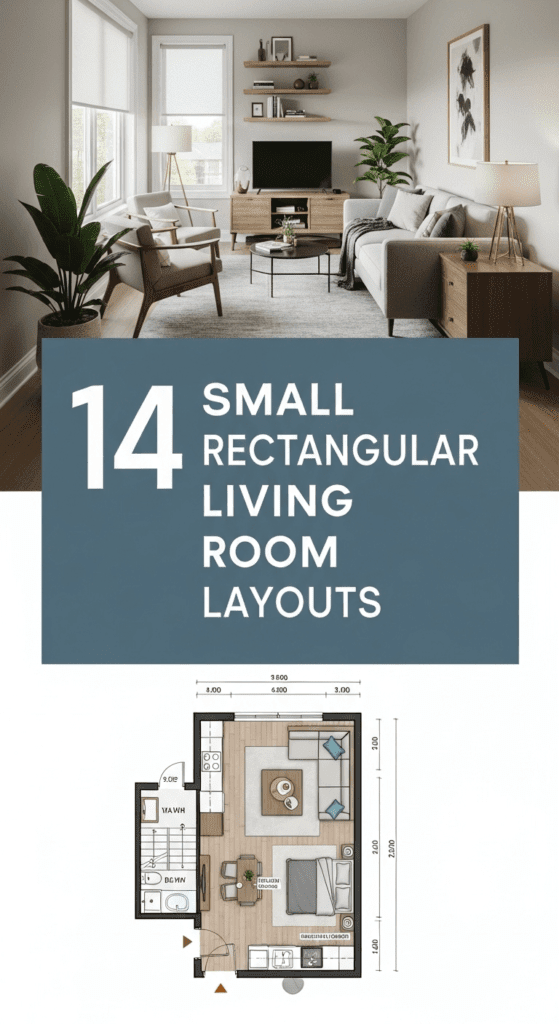
Small rectangular living room layouts focus on the “long-axis” design strategy, where furniture is arranged to emphasize the length of the room while preventing a narrow “tunnel” effect. In a rectangular footprint, the goal is to create clear walking paths on one side of the room while clustering social or media zones on the other. By utilizing slim furniture, wall-mounted units, and strategic rug placement, you can transform a “shoebox” shape into a sophisticated, multi-functional lounge that feels balanced and spacious. Here are 14 layout ideas to master the rectangular living room.
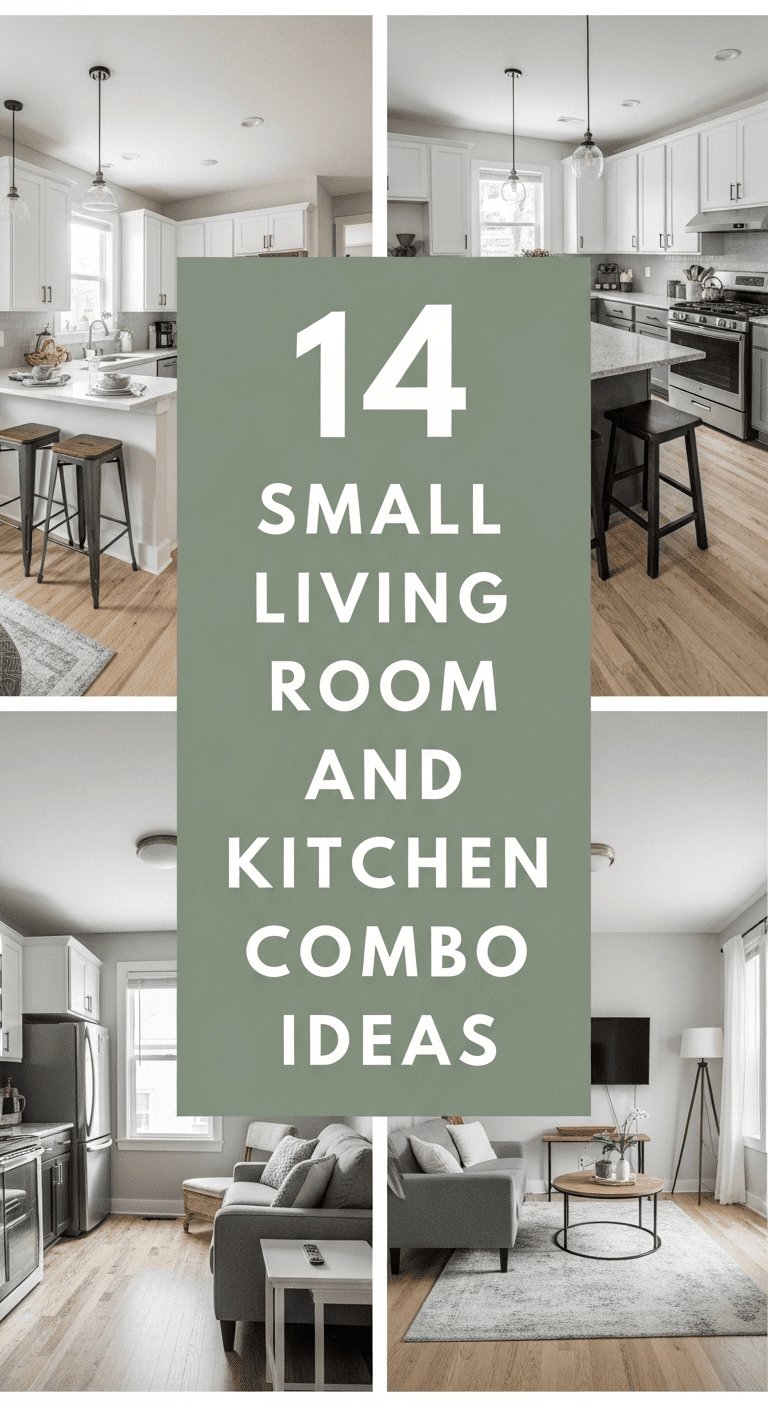
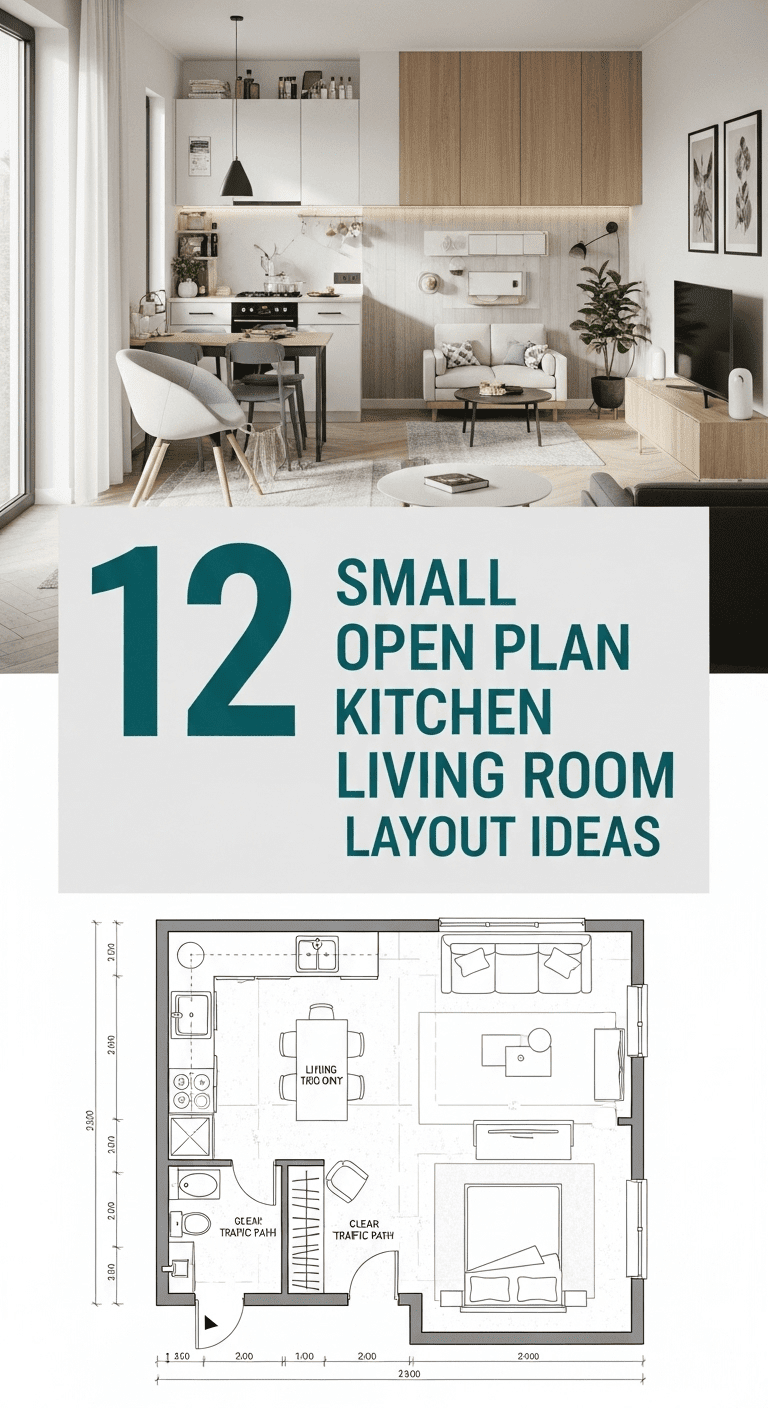
See also: Small Living Room Kitchen Combo Layout
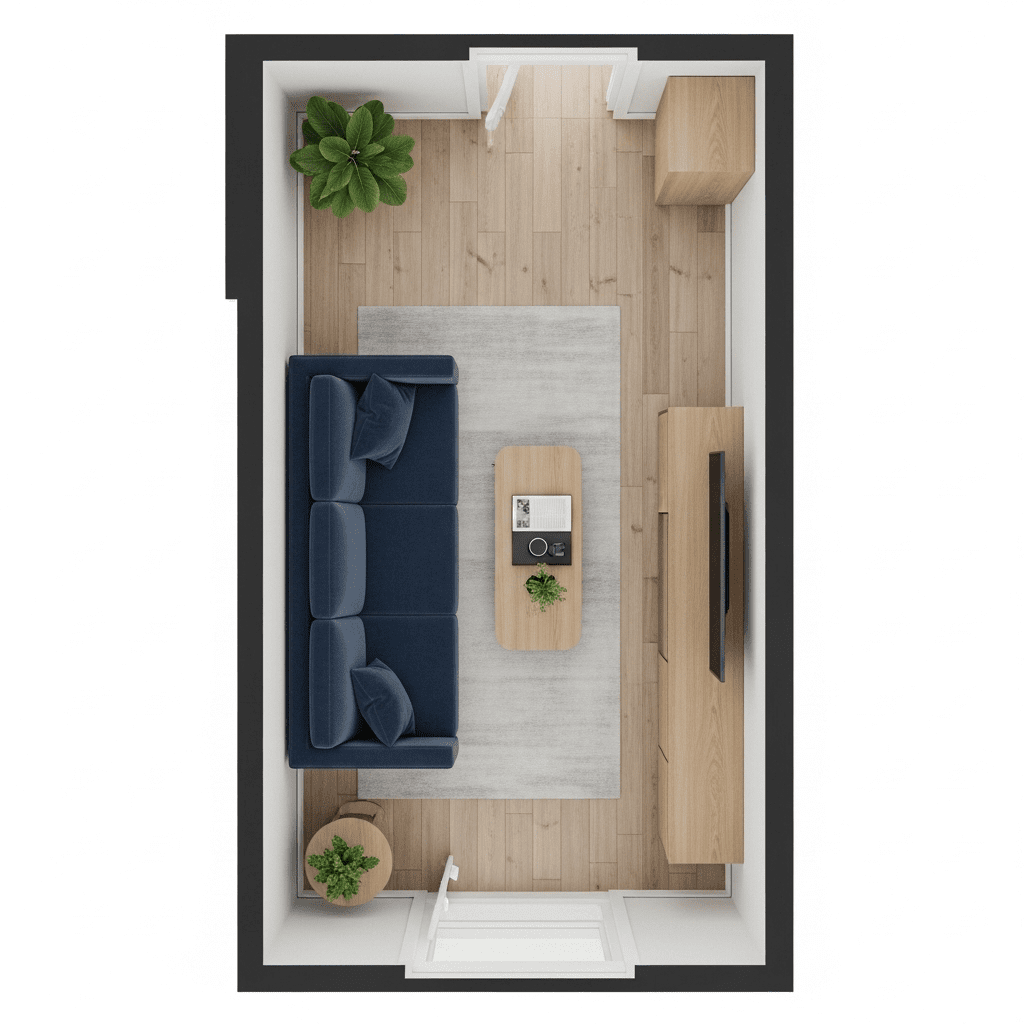
1. The Classic Linear Social
Place a long, slim sofa against the longest wall and a low-profile media unit directly opposite. Keep the center clear with a narrow rectangular coffee table to maintain a wide, unobstructed path through the room.
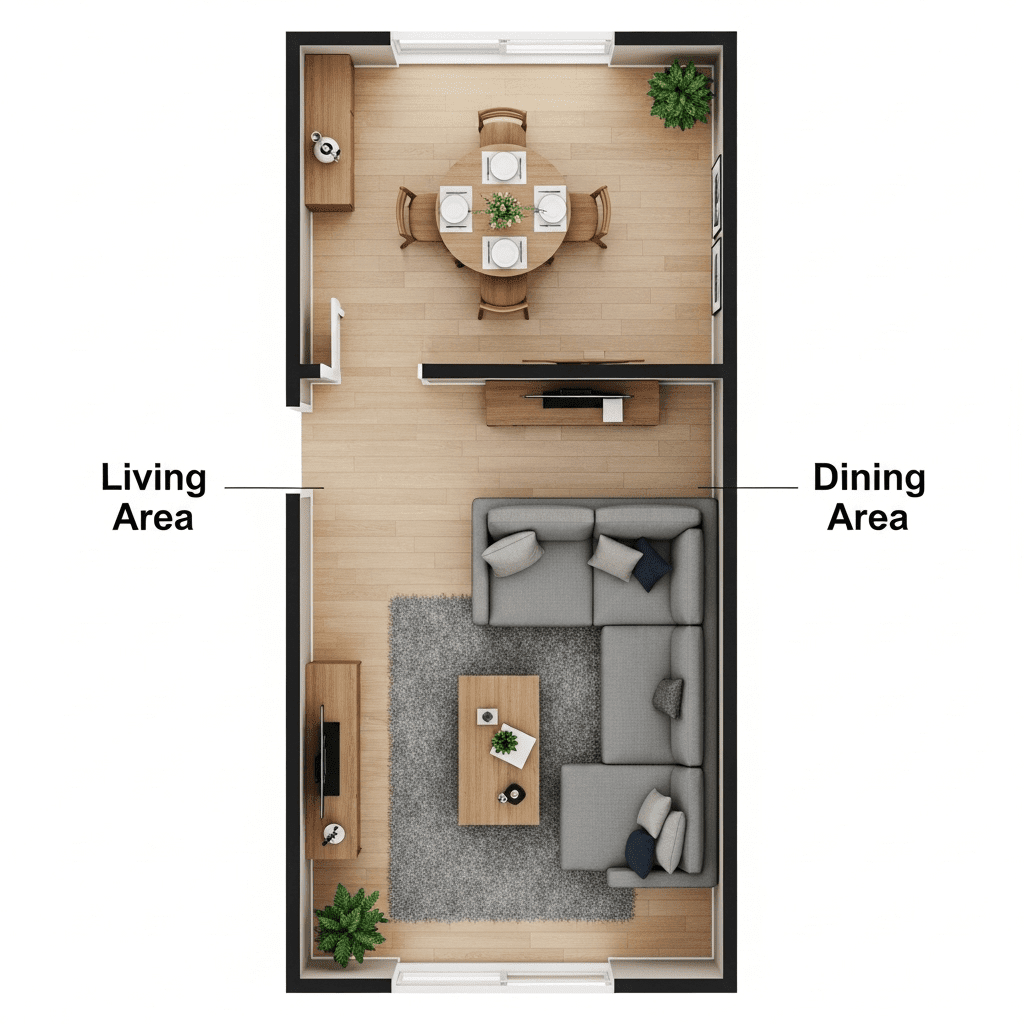
2. The Floating “Zoned” Combo
In a very long rectangle, pull the sofa away from the wall to sit in the middle of the room. Place a small dining table or a desk behind the sofa to break the room into two distinct functional “squares.”
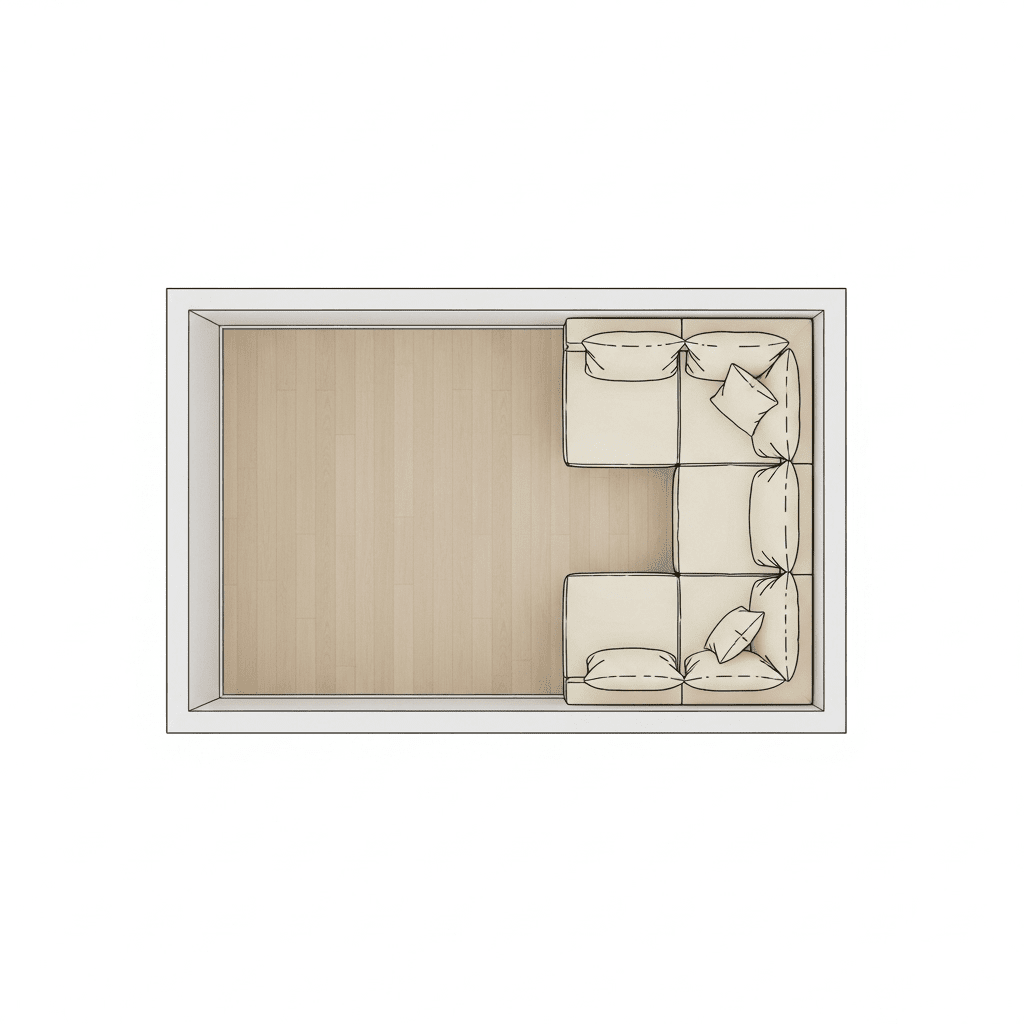
3. The L-Shape Corner Hugger
Tuck a sectional sofa into one of the far corners. This utilizes the “dead space” at the end of the rectangle and leaves the rest of the floor open for a reading nook or an entryway.
See also: Small Living Room With Front Door Entry Designs
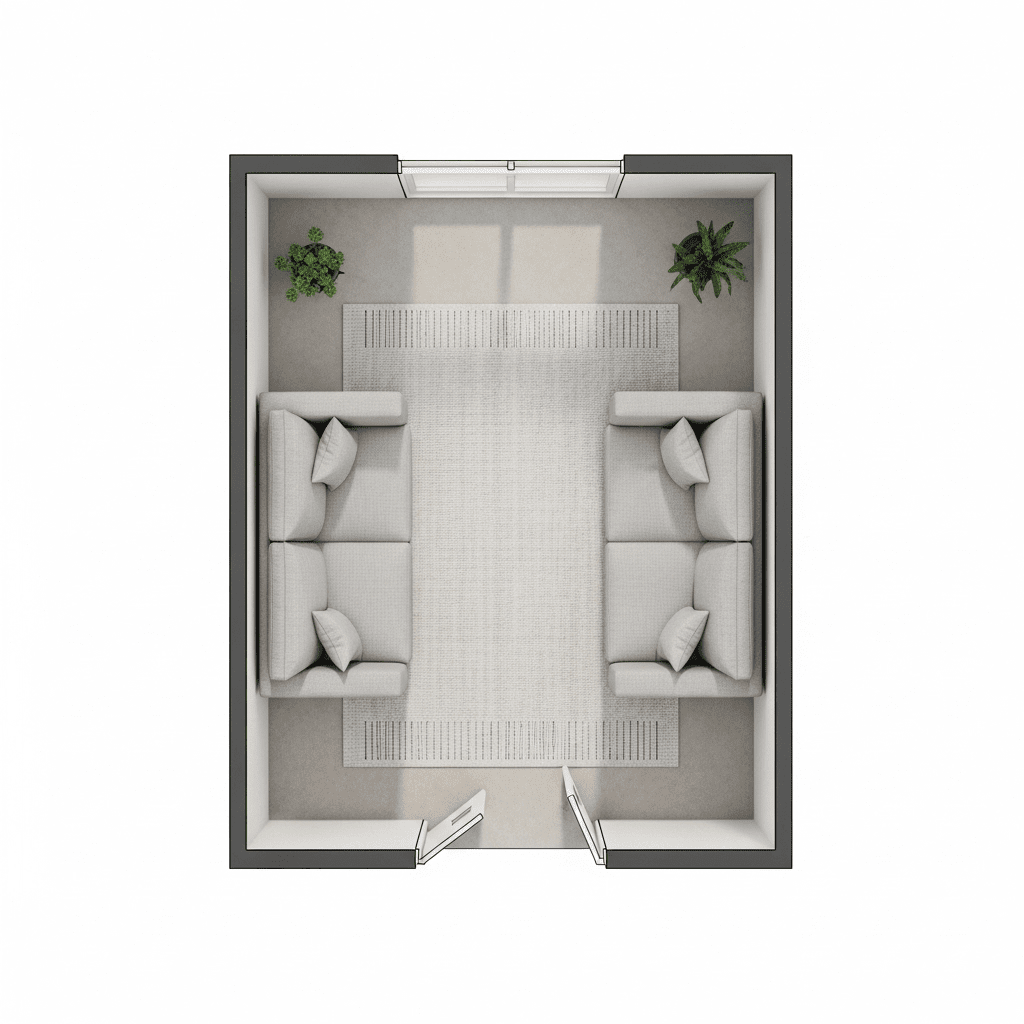
4. The Parallel Conversation Pit
Place two identical loveseats facing each other, perpendicular to the long walls. This creates an intimate social “box” in the center of the rectangle, ideal for homes without a television as the main focus.
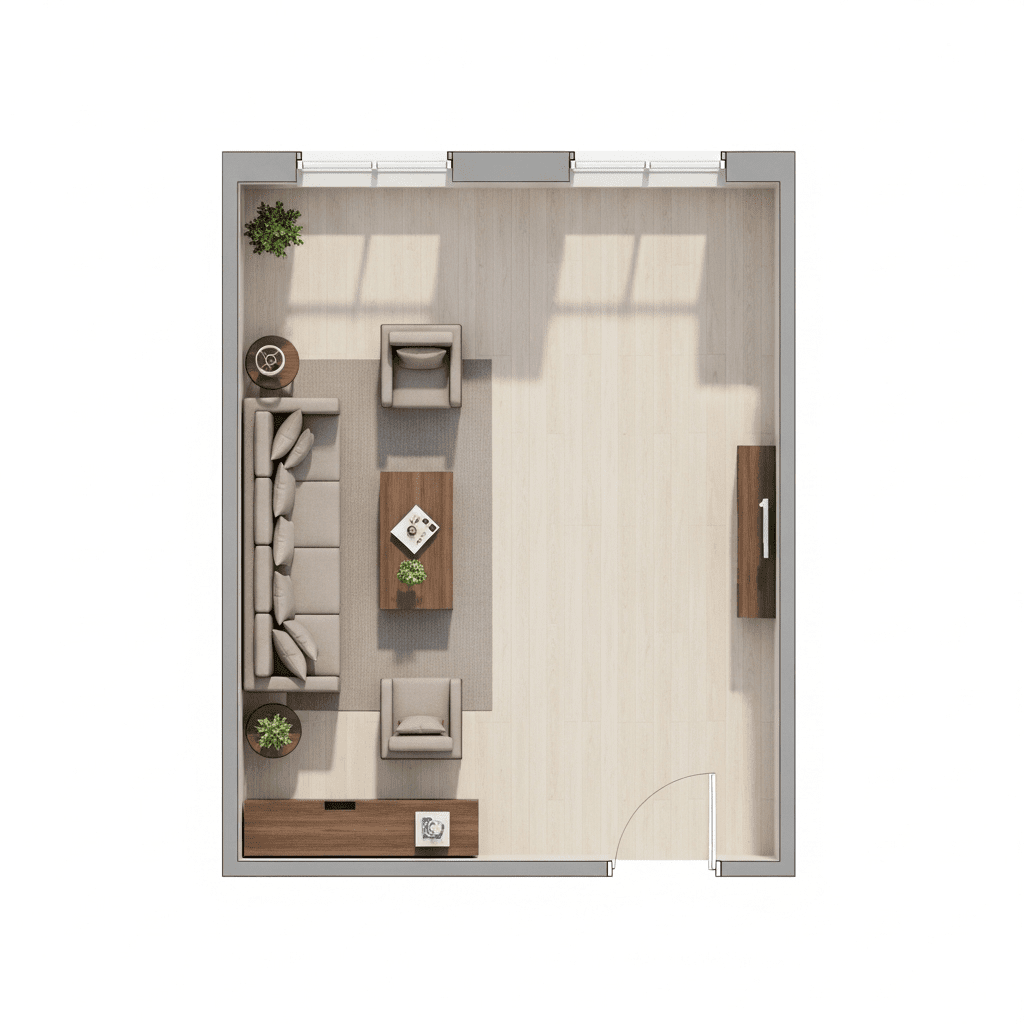
5. The Asymmetrical Path
Shift all furniture—the sofa, rug, and coffee table—to one side of the room. This leaves a dedicated, straight-line “hallway” on the opposite side, ensuring that foot traffic never interrupts the conversation zone.
6. The Window-Centric Lounge
Position the main seating area at the far end of the rectangle, facing a large window. This makes the “destination” of the room feel bright and airy, drawing the eye away from the narrow entrance.
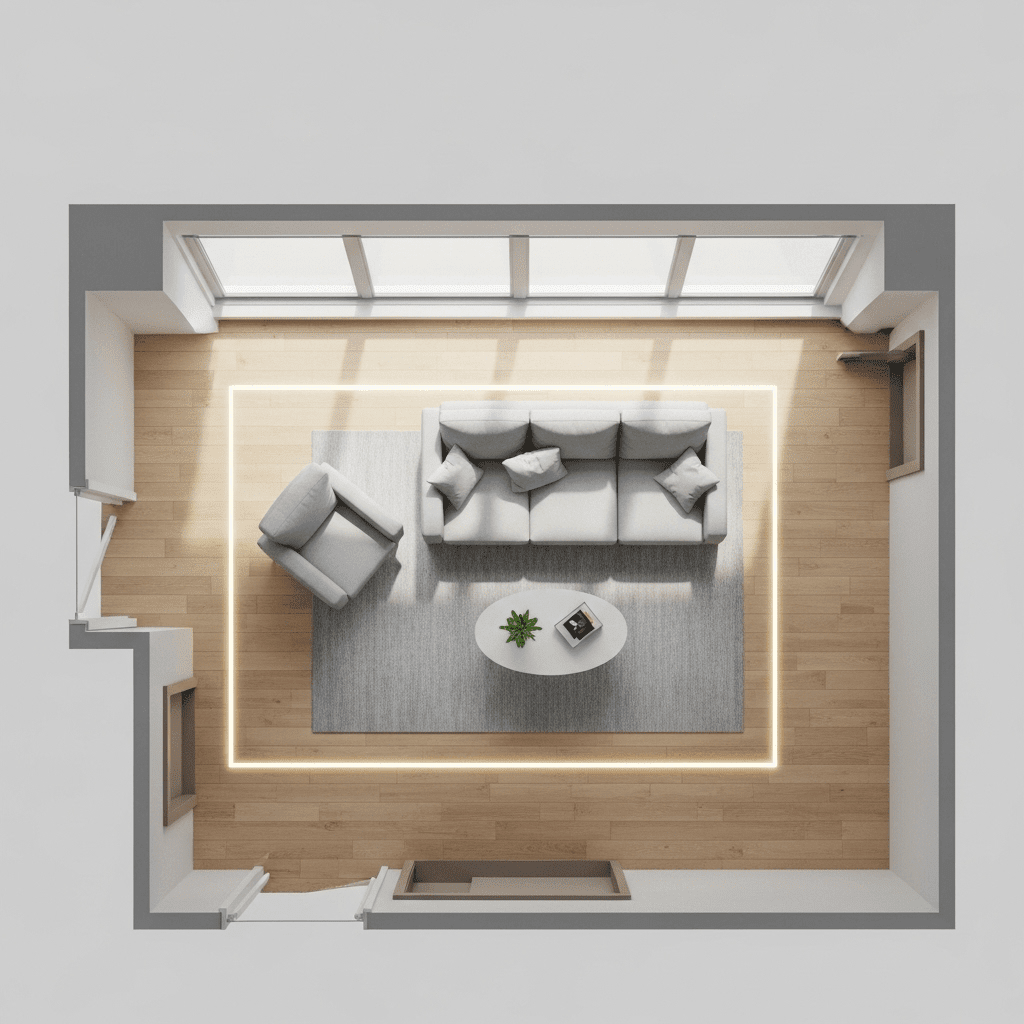
7. The Dual-Armchair Symmetry
Instead of a sofa, use four armchairs arranged in a circle around a round coffee table. This breaks up the “long lines” of a rectangular room and makes it feel more square and social.
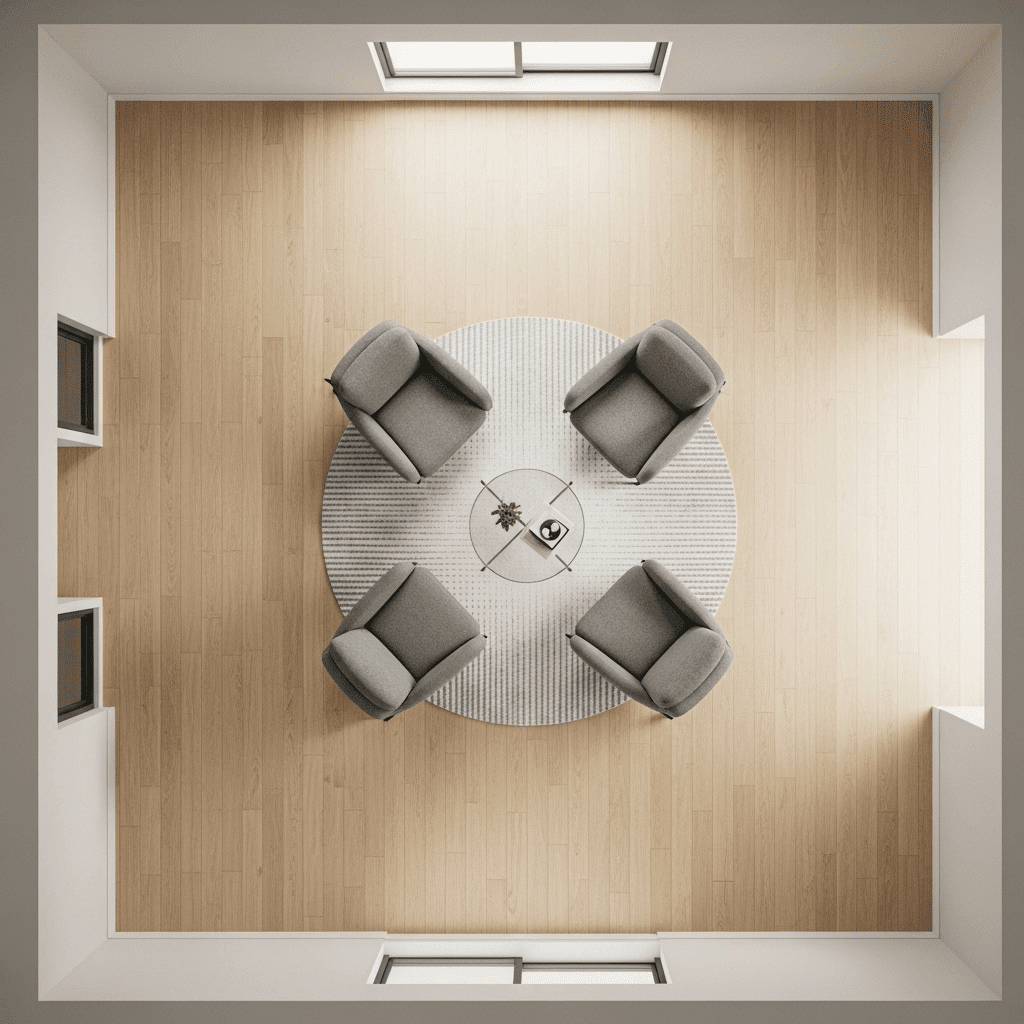
8. The Back-to-Back Work/Live
In a long rectangle, place a sofa facing one way and a desk facing the other, sharing the same backrest space. This uses the length of the room to support a “work-from-home” lifestyle without sacrificing lounge space.
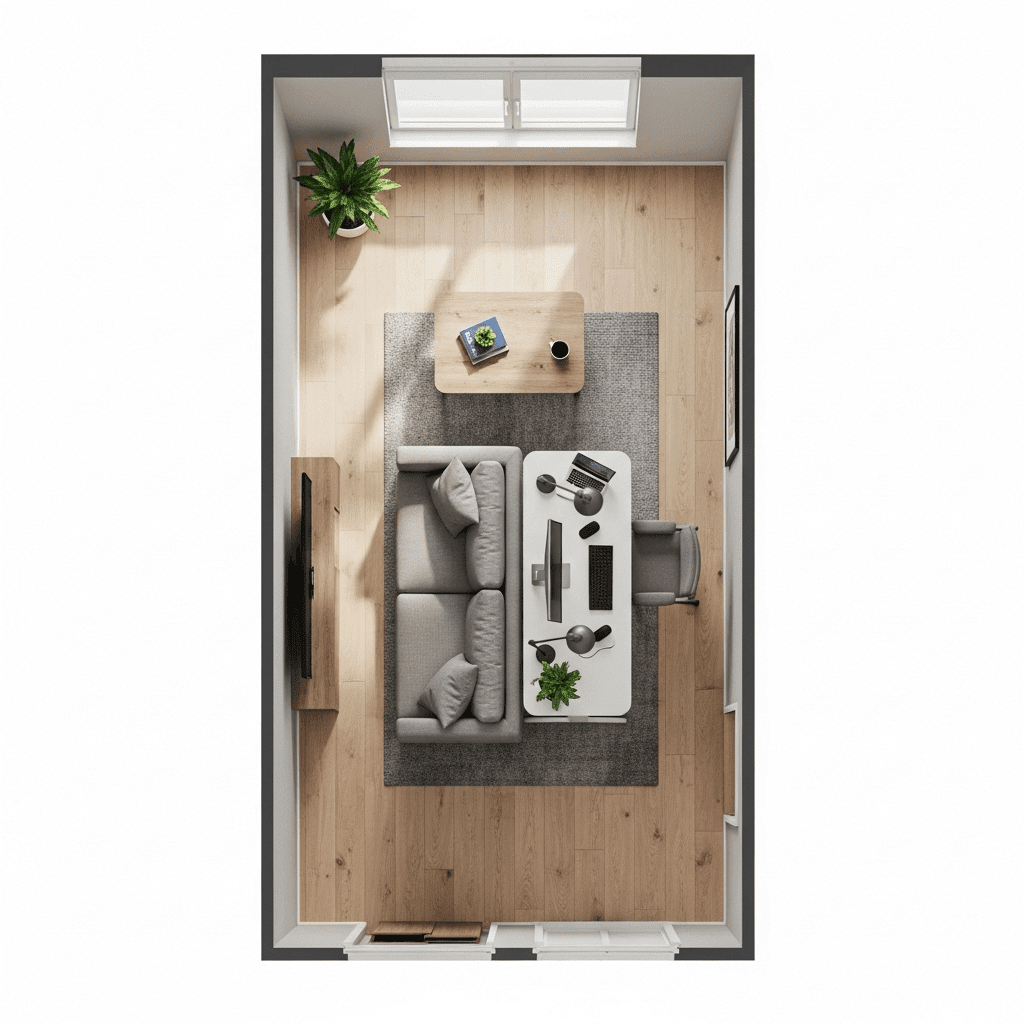
9. The Gallery Wall Corridor
Line one long wall with slim bookshelves and art, and place all seating on the opposite side. This turns the “walking path” side of the rectangle into a visual gallery, adding depth to the narrow space.
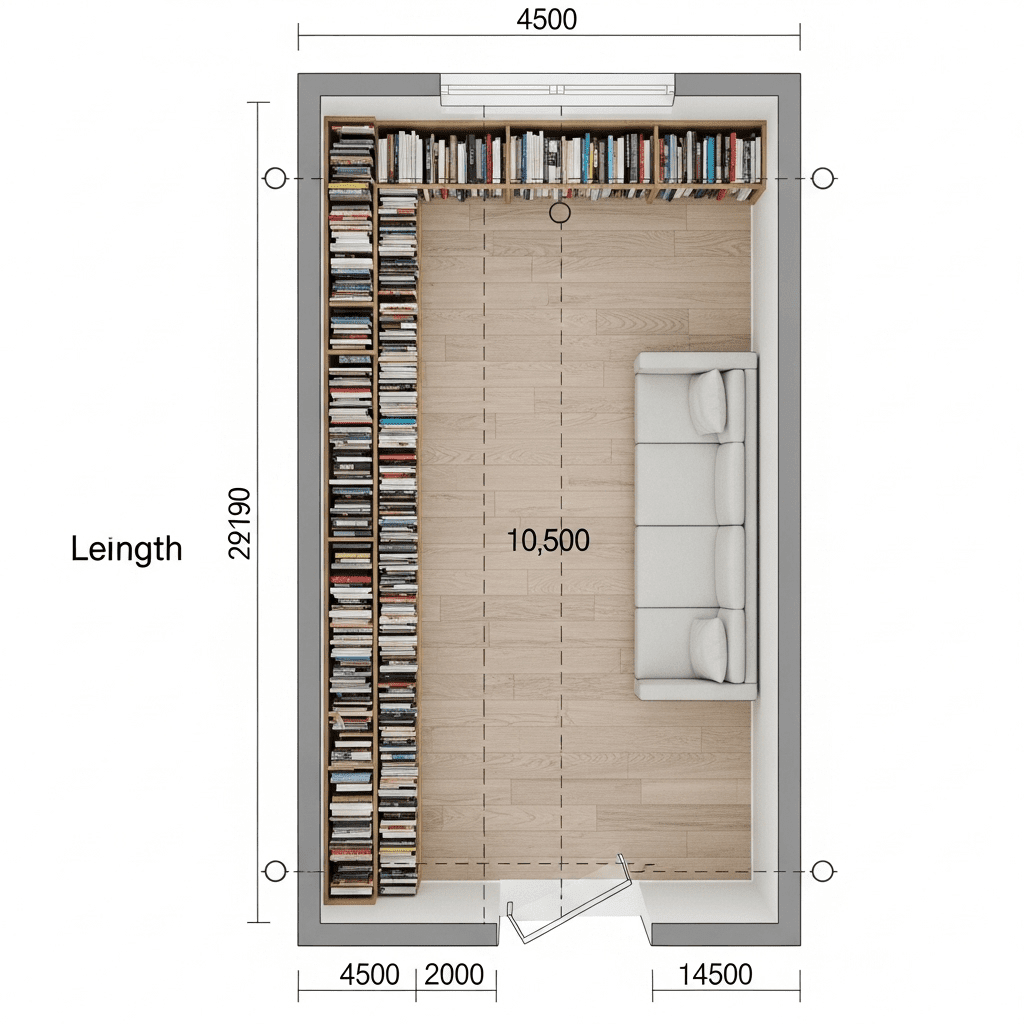
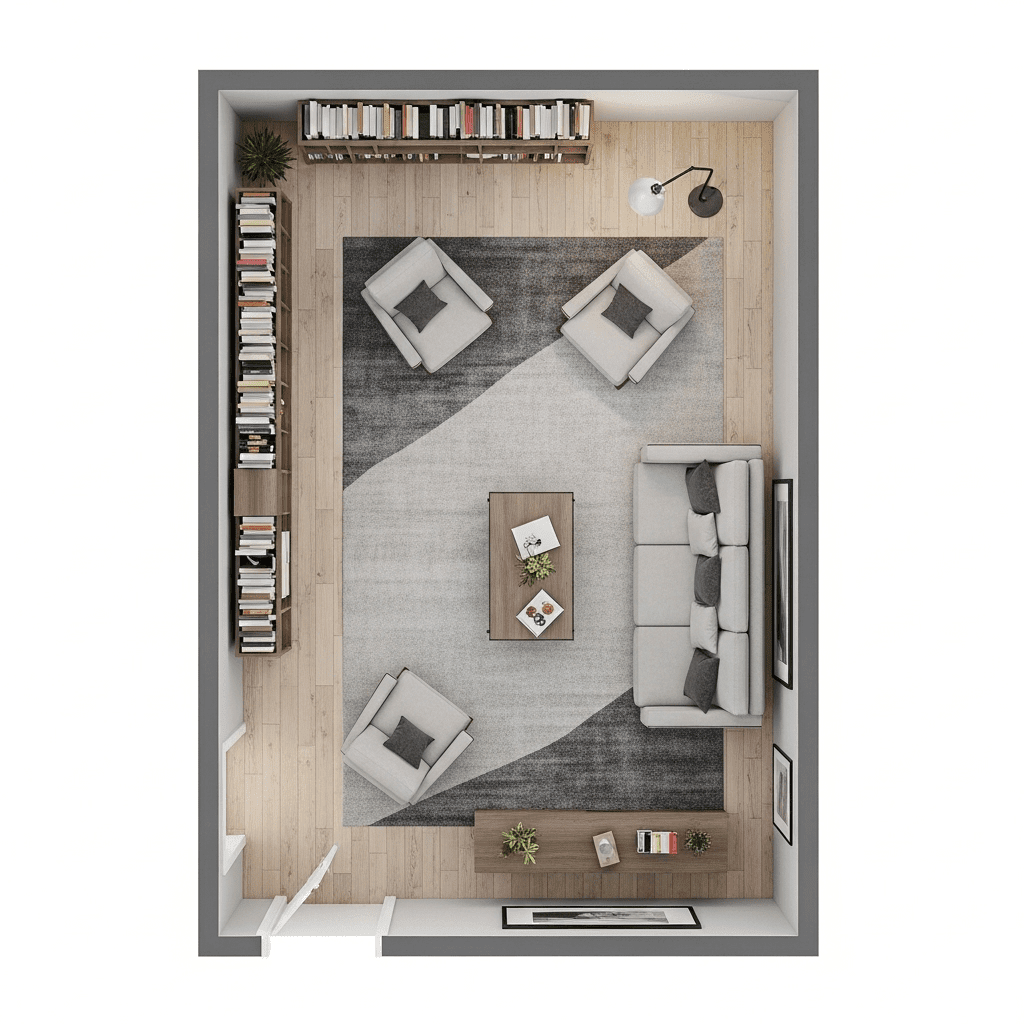
10. The Diagonal Shift
Angle your rug and coffee table at a 45-degree angle to the walls. Breaking the parallel lines of a rectangle makes the room feel wider and less like a “corridor.”
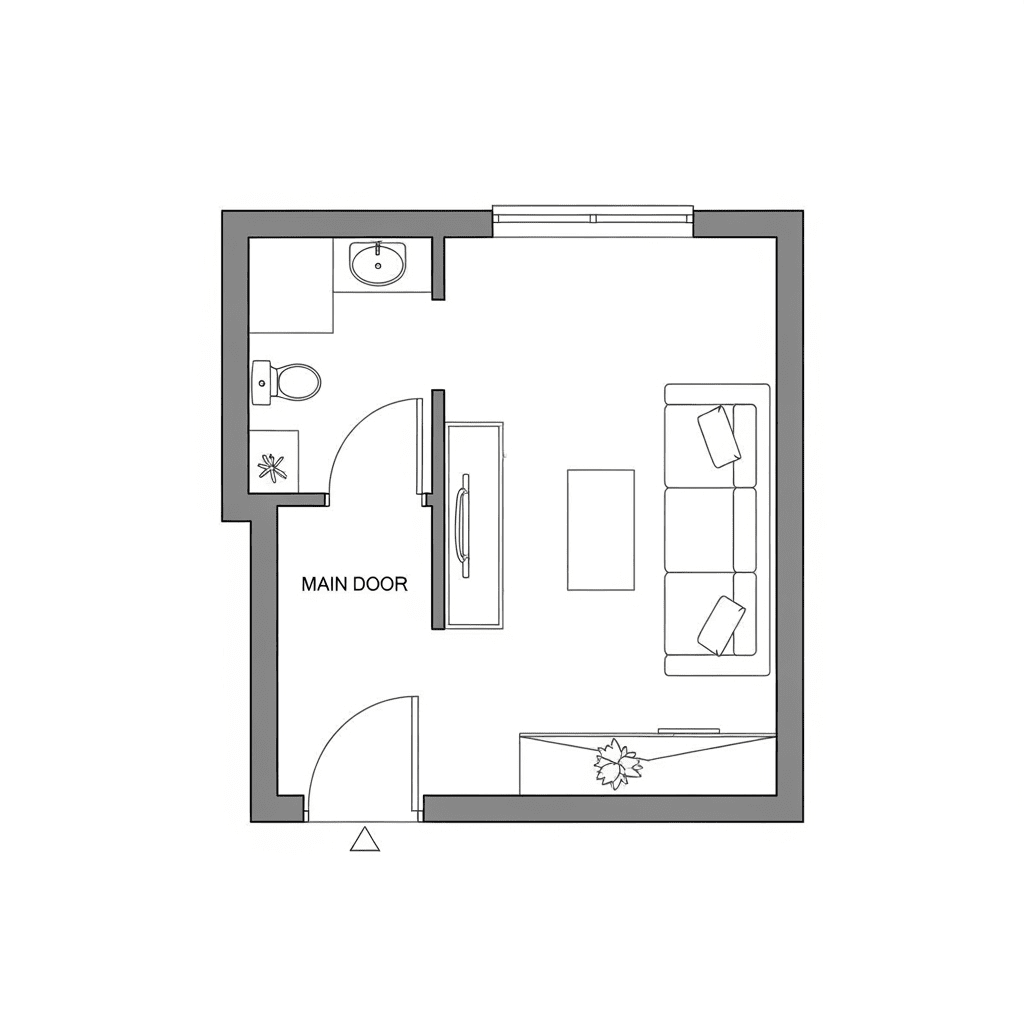
11. The Entryway Buffer
Use a slim console table or a bench behind a floating sofa to create a “foyer” area at one end of the rectangle. This prevents the front door from opening directly into the “heart” of the lounge.
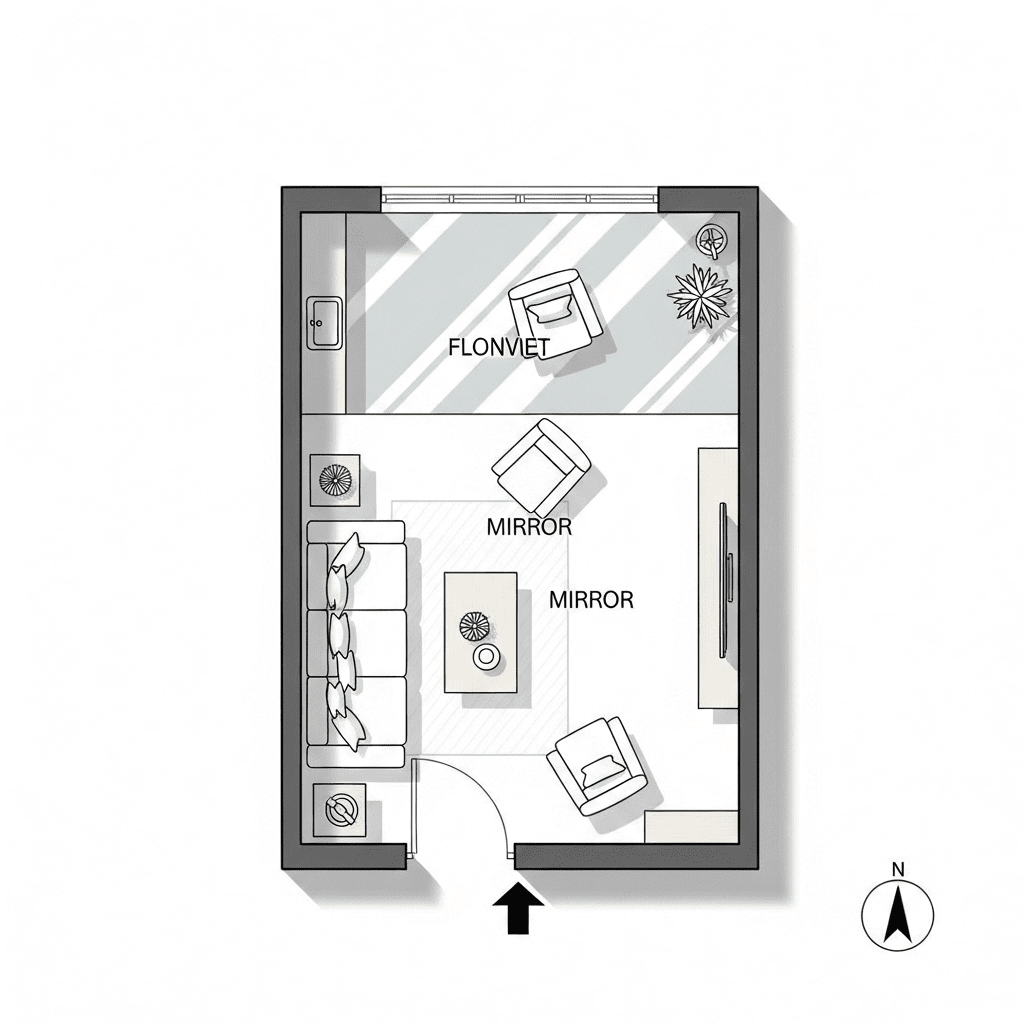
12. The Mirrored Ends
Place a large mirror at one (or both) of the short ends of the rectangle. This visually extends the length of the room to infinity, making a small “shoebox” feel like a grand hall.
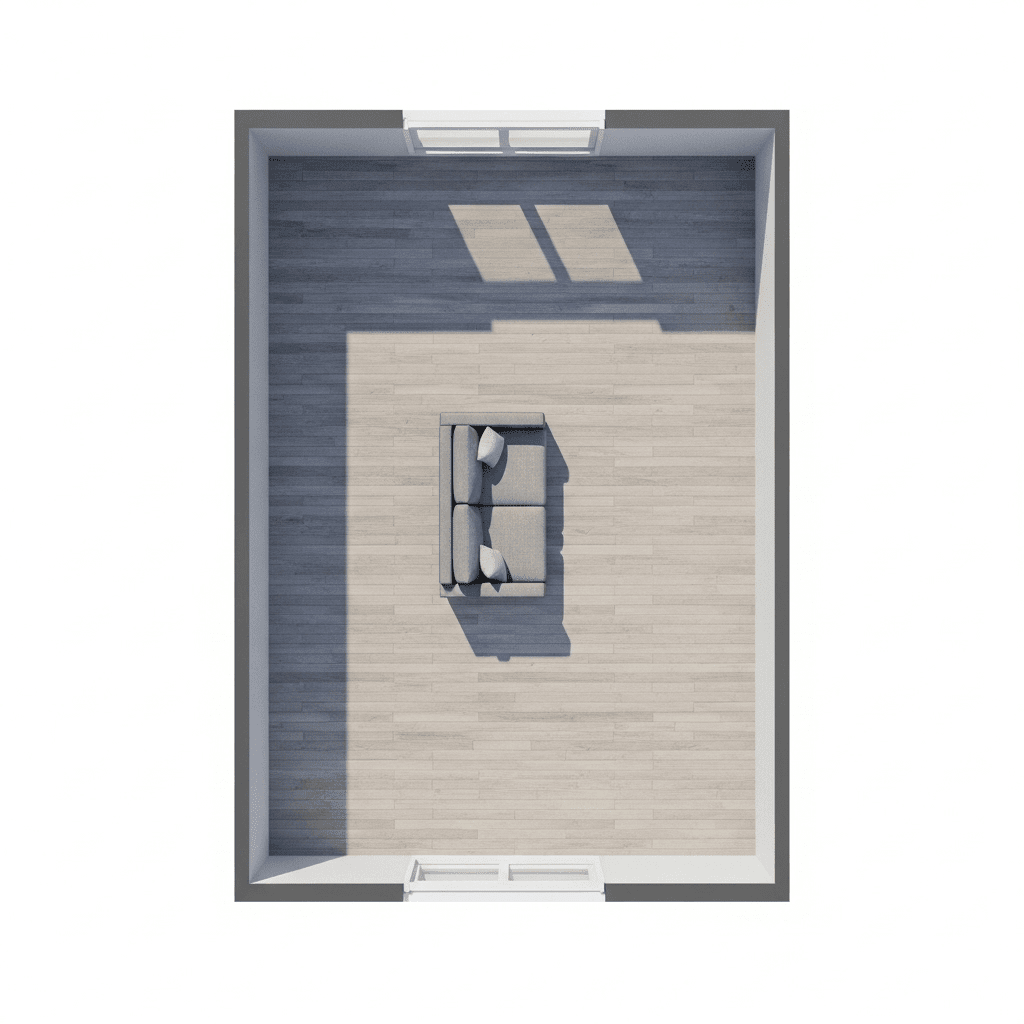
13. The Minimalist “Floating” Center
Place a small sofa and a transparent coffee table right in the middle of the room, leaving air around all four sides. This “island” approach makes the room feel spacious and prevents it from looking “stuffed.”
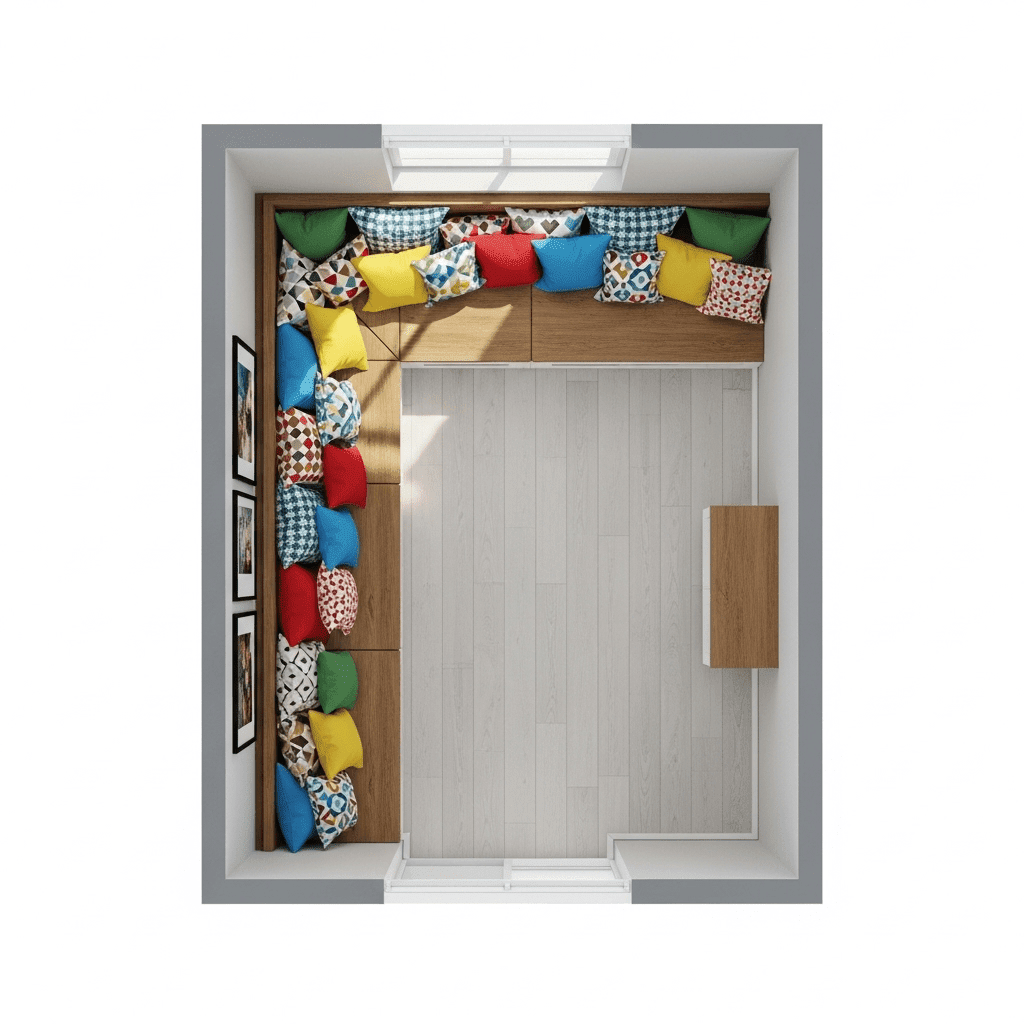
14. The Multifunctional Bench Wall
Install a low, wall-to-wall wooden bench along one of the long walls. This provides massive amounts of seating and storage while keeping the furniture profile extremely slim and out of the way.
Conclusion
Mastering a rectangular living room layout is about leaning into the length while creating functional “breaks” in the space. By using rugs to define zones and keeping traffic paths clear, you can make even the narrowest room feel balanced and inviting. Focus on slim-profile furniture to ensure the room remains easy to navigate.