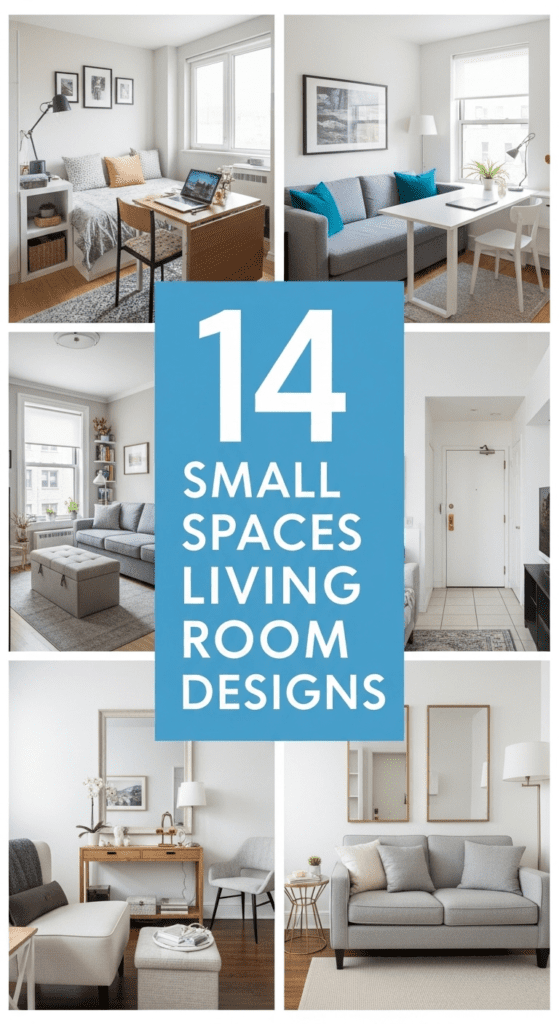
14 Small Spaces Living Room Designs: Mastering the Art of Compact Style
Small spaces living room designs are a masterclass in efficiency, proving that square footage doesn’t dictate style. The key to success in a compact footprint is choosing furniture that performs double duty and utilizing vertical space to keep the floor clear. By focusing on light-reflective surfaces, smart storage, and “leggy” furniture that allows light to pass through, you can create a room that feels expansive and curated. Here are 14 designs tailored for tiny homes, studios, and cozy apartments.
See also: 42 Home Decor Quotes to Inspire Your Space
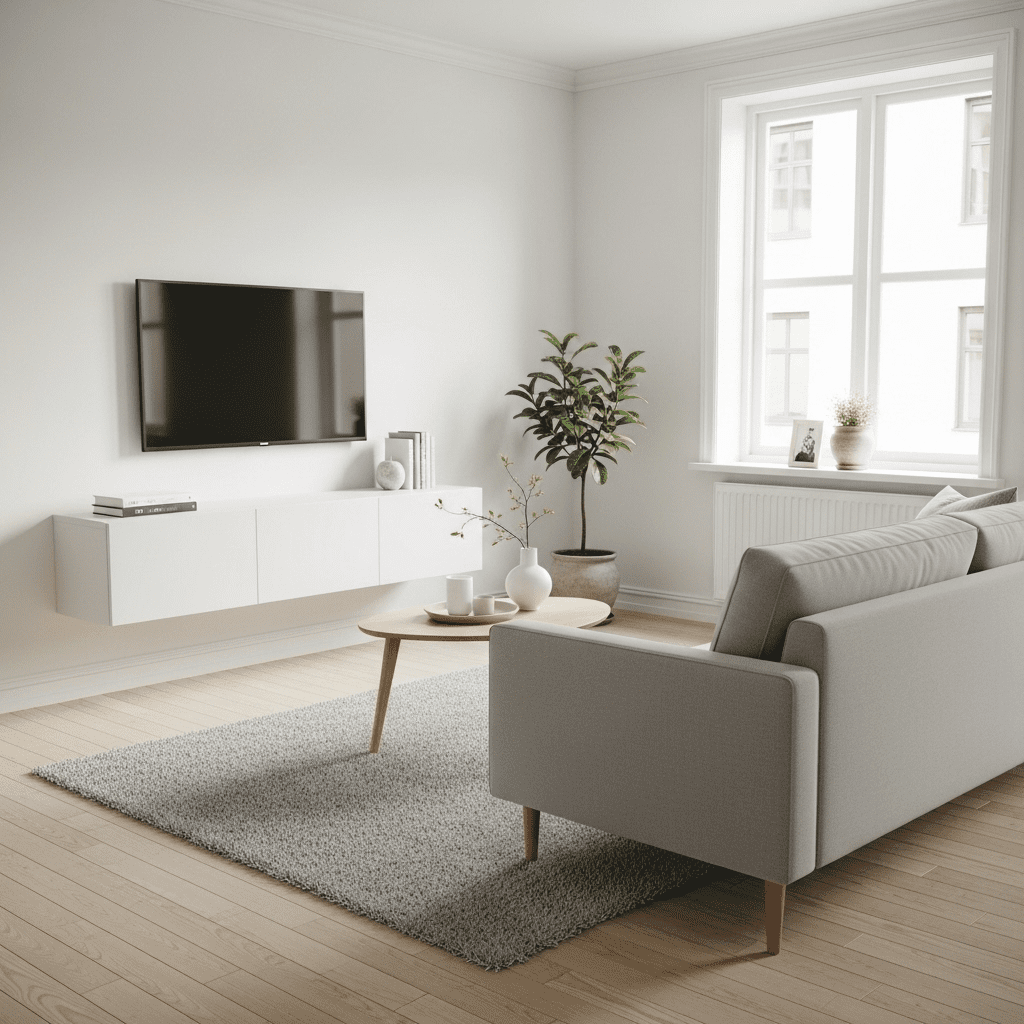
1. The Floating Furniture Layout
Using wall-mounted media consoles and sideboards to free up floor space. When the floor remains visible all the way to the wall, the room feels significantly larger.
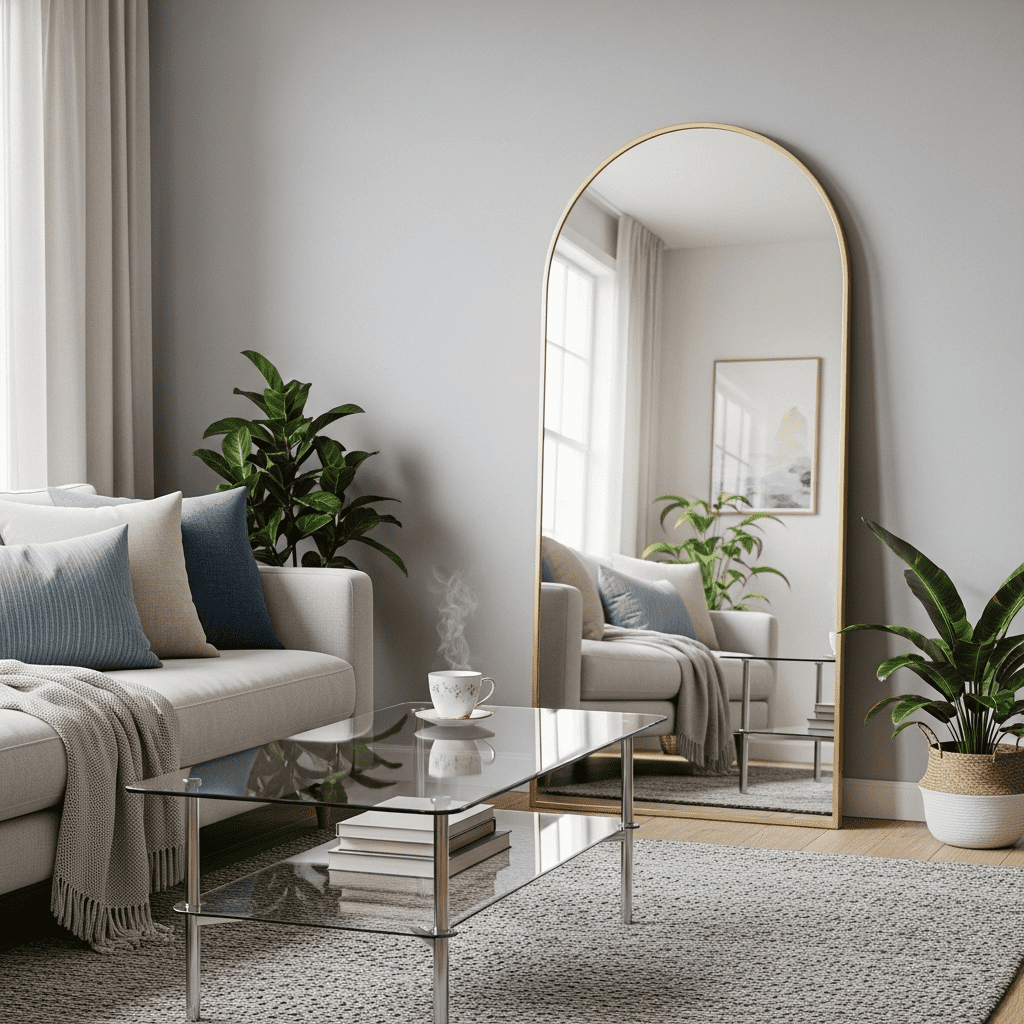
2. The Glass & Mirror Expansion
Incorporating a glass coffee table and a large leaning mirror. Transparent materials remove visual weight, while mirrors “double” the light and the perceived depth of the room.
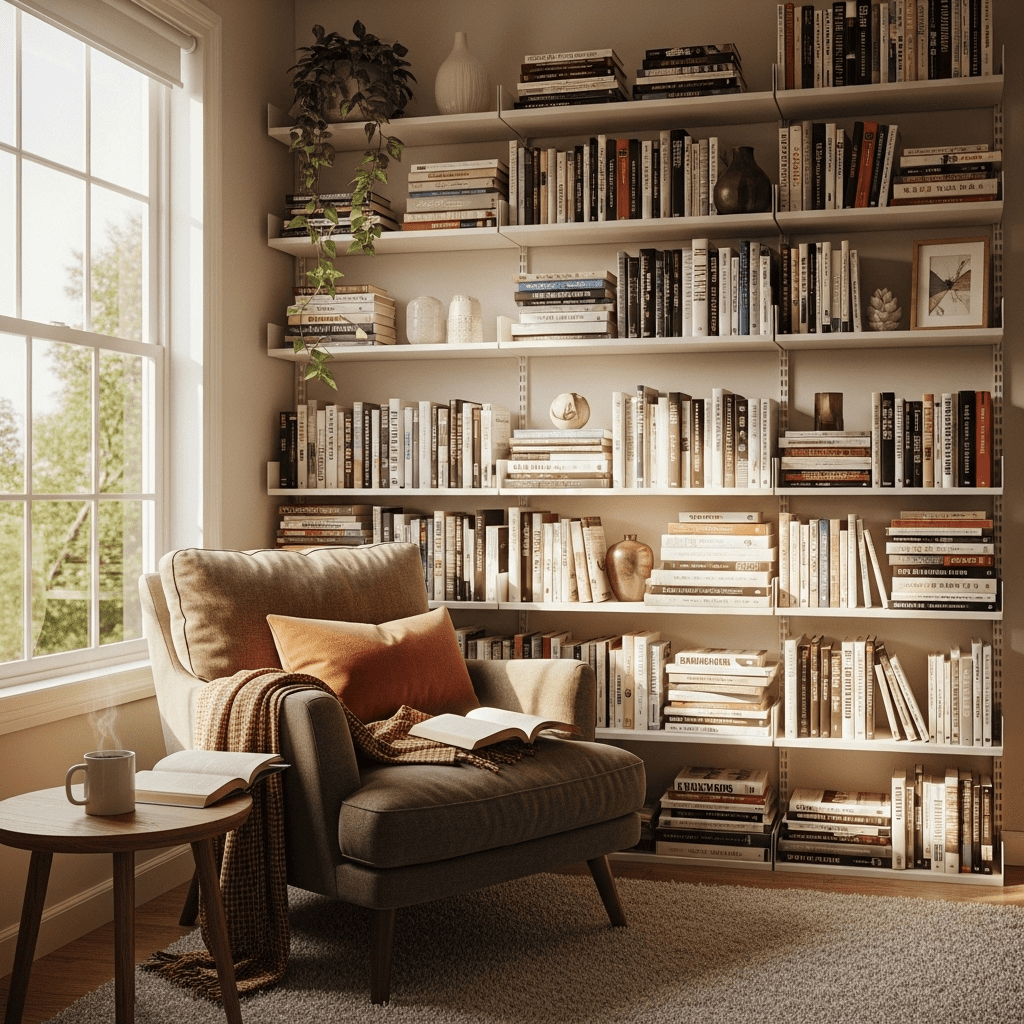
3. Vertical Library Nook
Utilizing floor-to-ceiling shelving to draw the eye upward. This maximizes storage for books and decor without occupying the limited horizontal space in the center of the room.
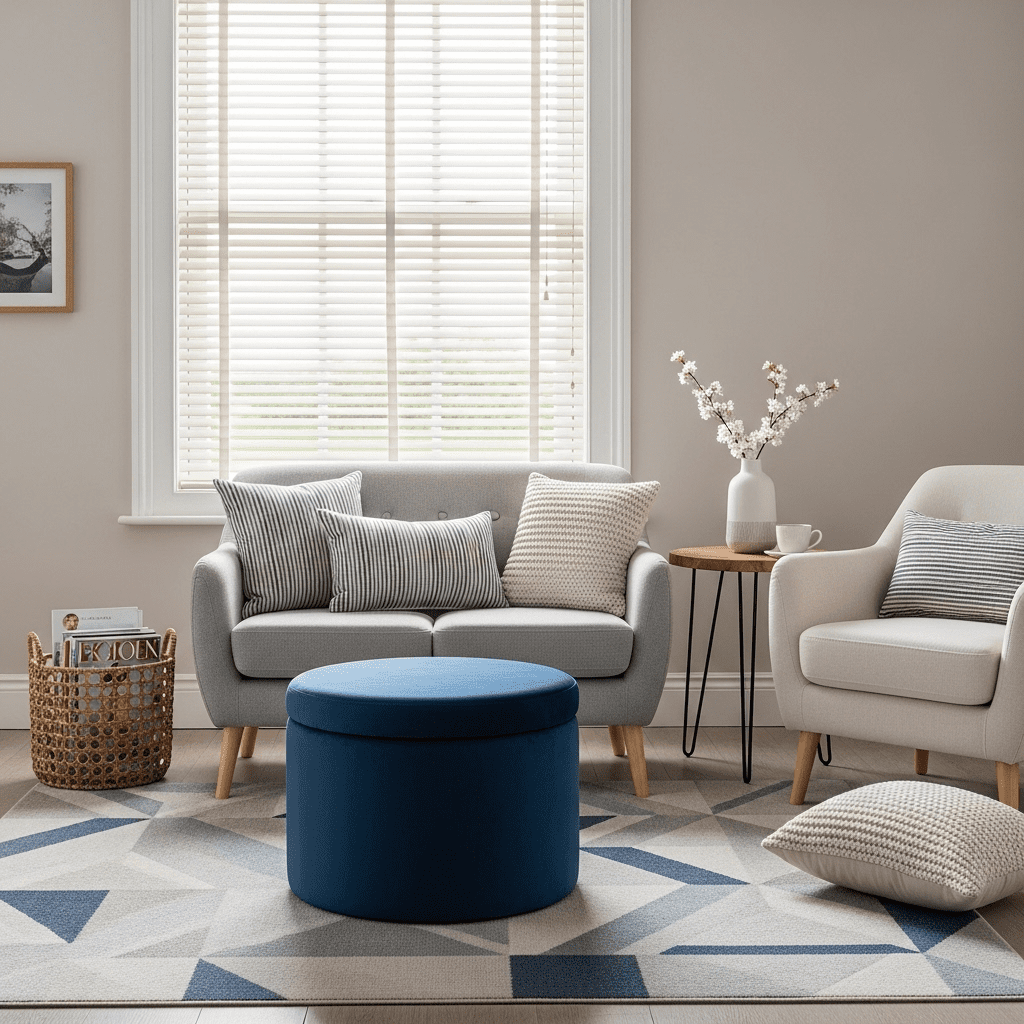
4. The Multi-Functional Ottoman
Replacing a traditional coffee table with a large storage ottoman. It serves as a table, extra seating for guests, and a hidden bin for blankets or clutter.
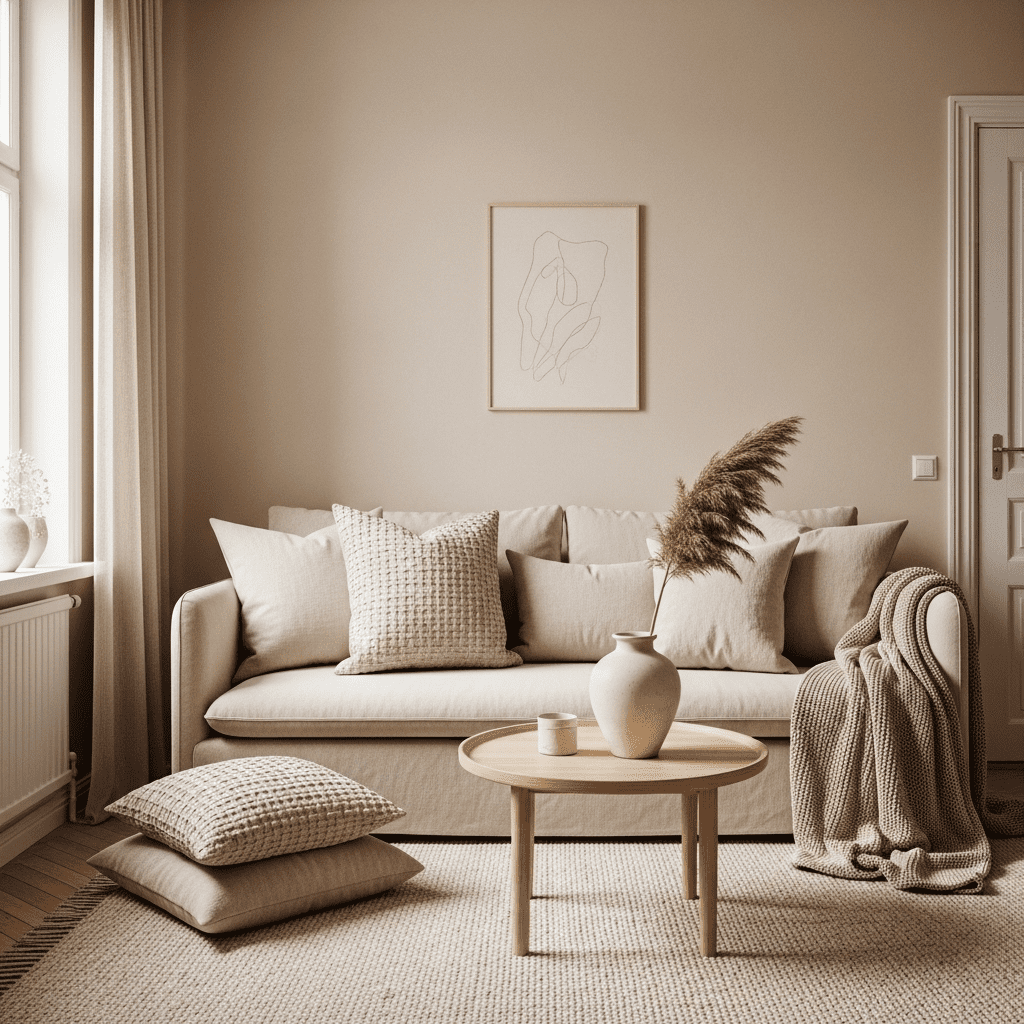
5. Monochrome Serenity
Decorating with varying shades of a single neutral color, like oatmeal or greige. This “blurs” the edges of the room, making the boundaries less obvious and the space feel continuous.
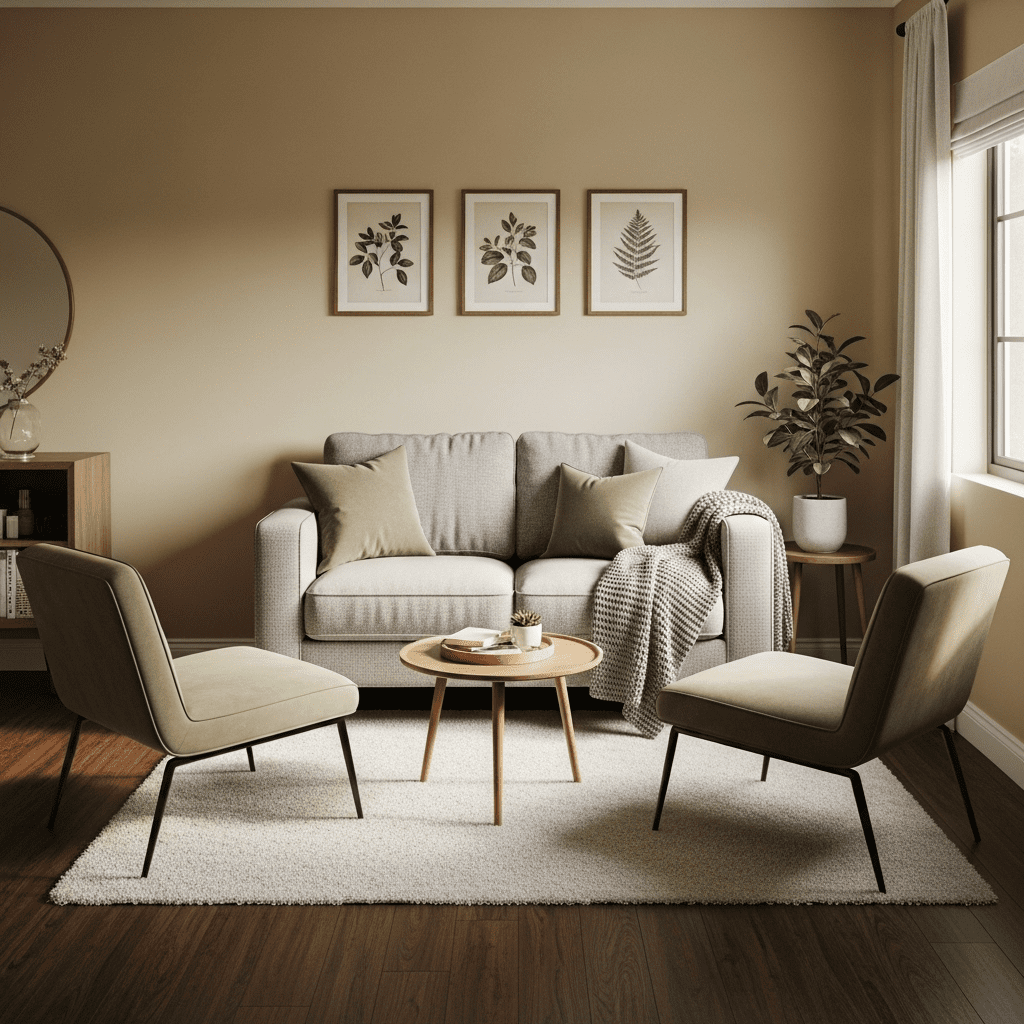
6. The “Slipper Chair” Seating
Using armless slipper chairs which have a smaller footprint than standard armchairs. They provide comfortable seating without the bulk that blocks traffic flow.
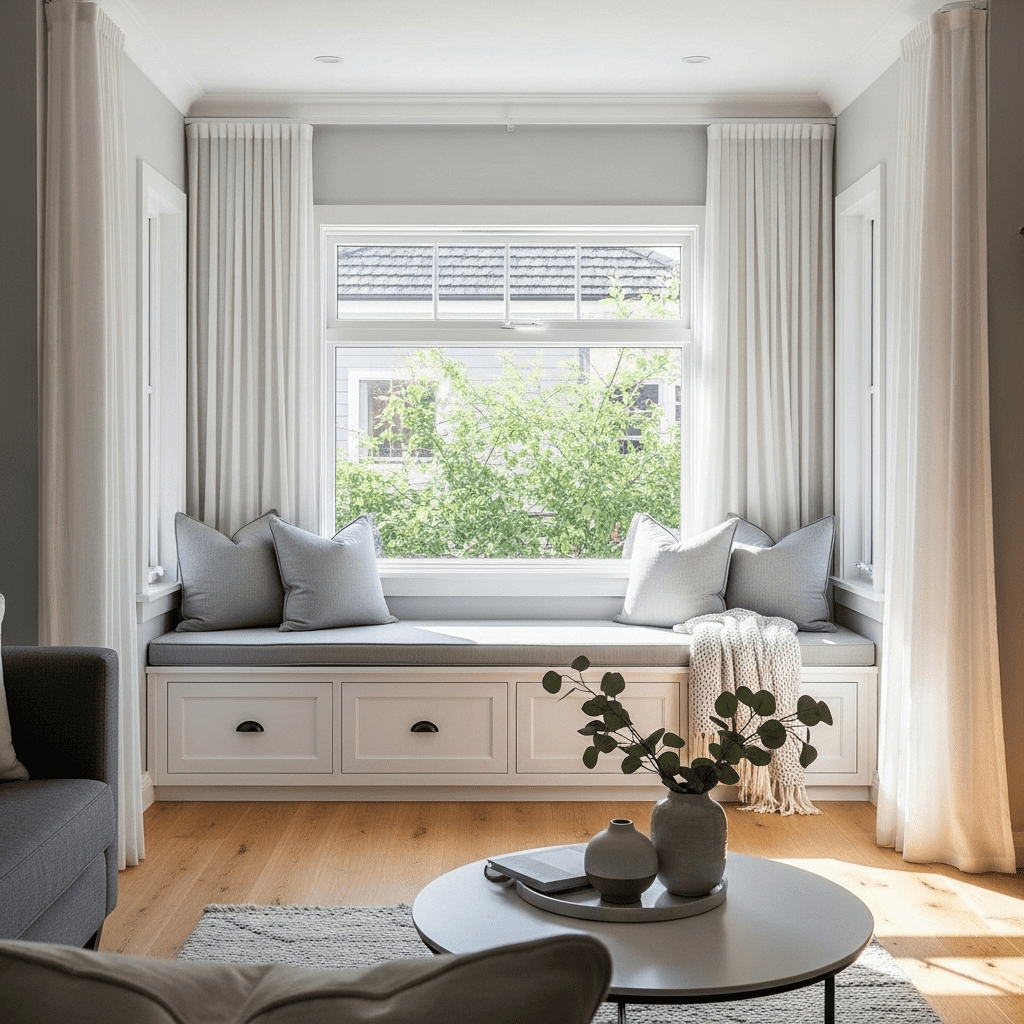
7. Under-Window Storage Bench
Installing a low bench with built-in drawers under a window. This provides a sunny place to sit and massive storage for items that usually cause clutter.
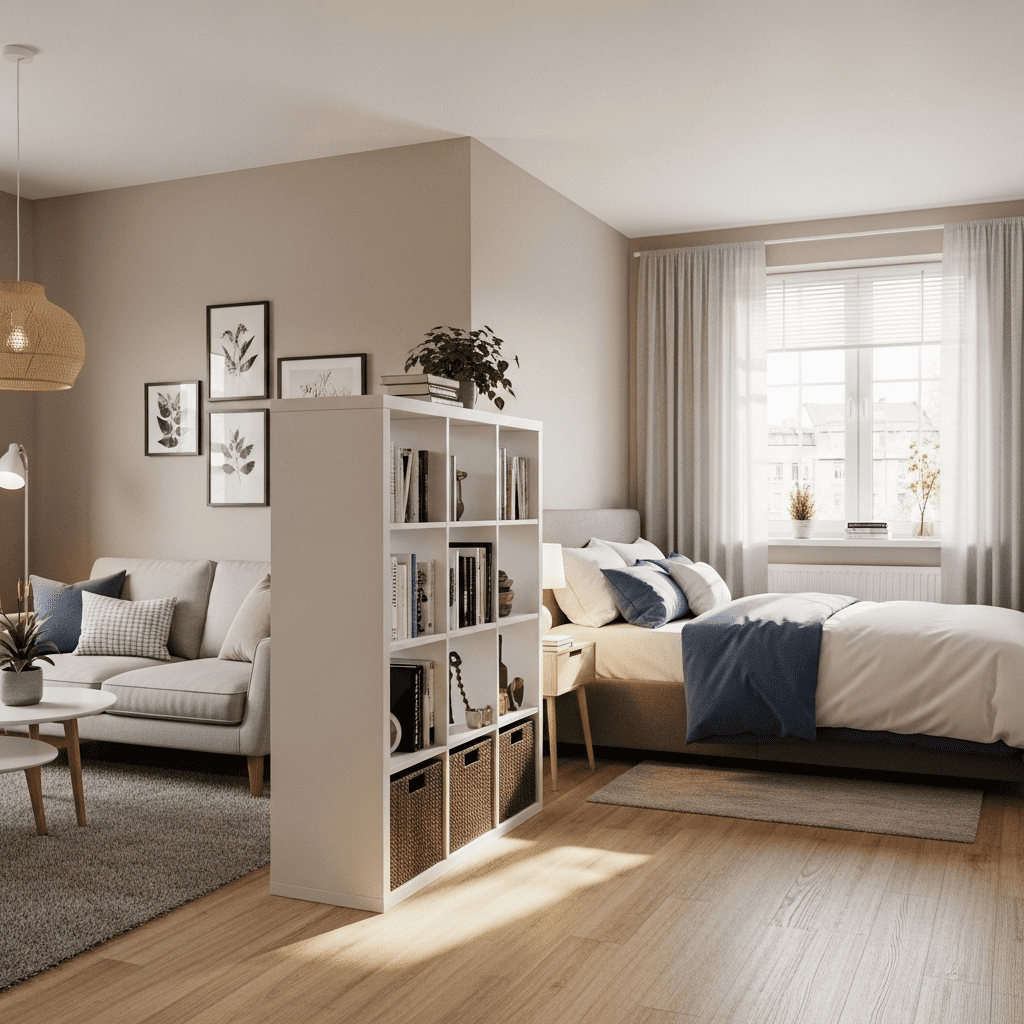
8. The Loft-Style Studio Split
Using a semi-transparent room divider or a low bookshelf to separate the living area from a sleeping or dining nook without cutting off the light.
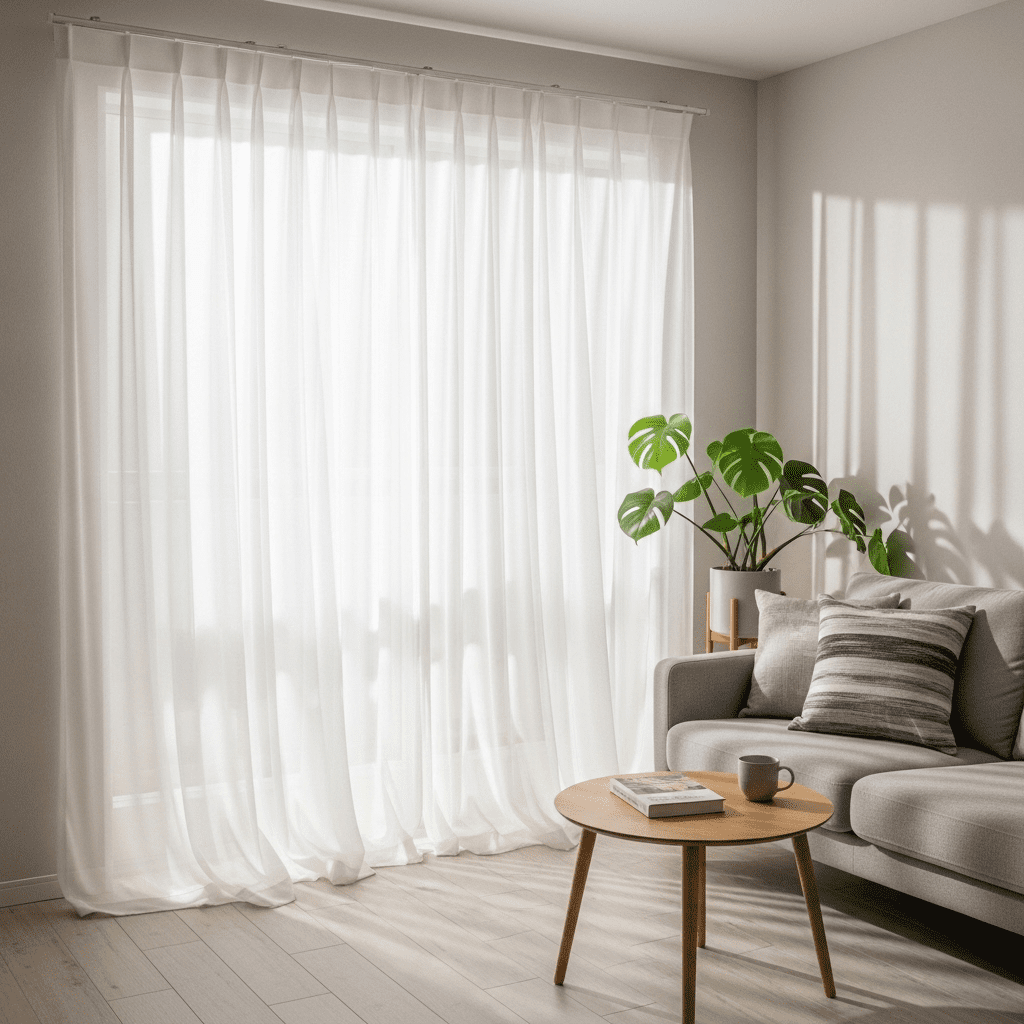
9. High-Hung Drapery
Mounting curtain rods right at the ceiling line and letting the fabric hit the floor. This trick creates a vertical line that makes low ceilings feel significantly higher.
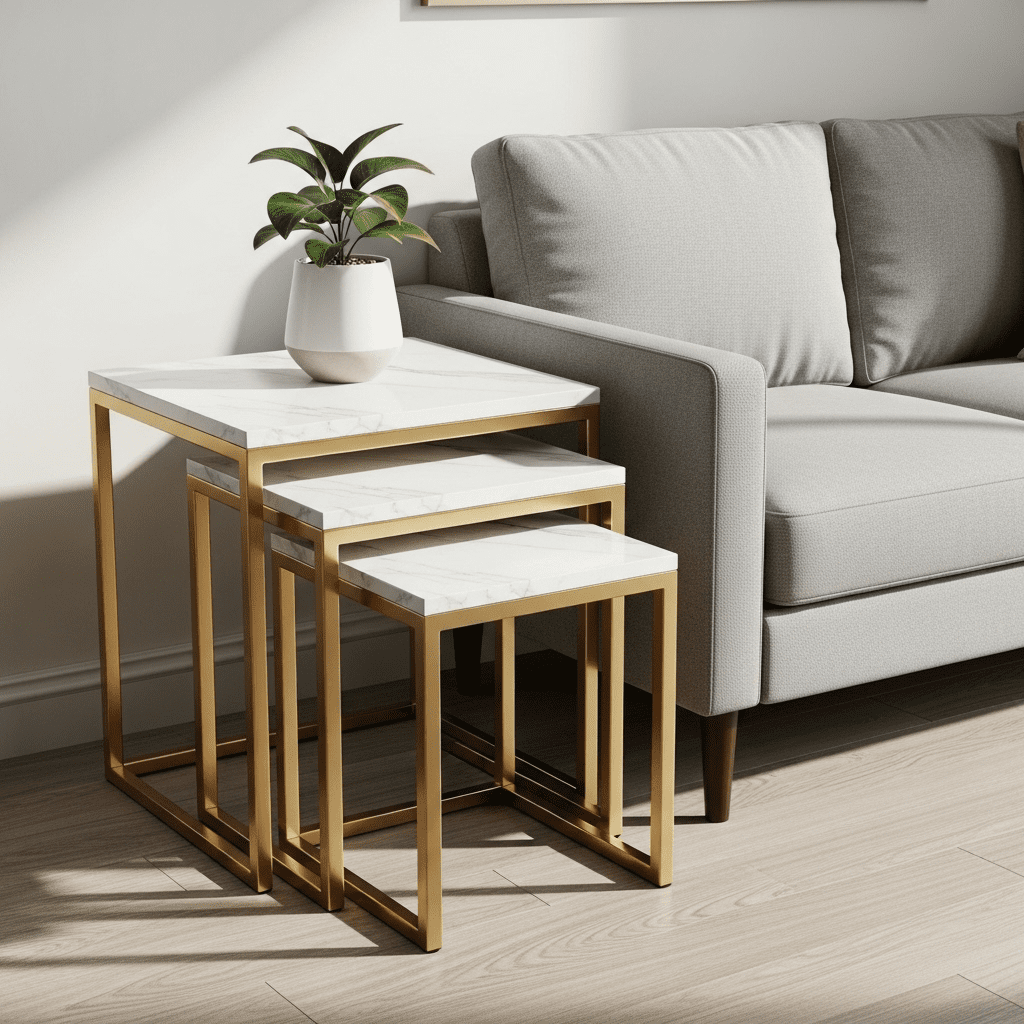
10. The Nesting Table Solution
Using a set of nesting side tables that can be pulled out for drinks and snacks during a movie, then tucked away to save floor space afterward.
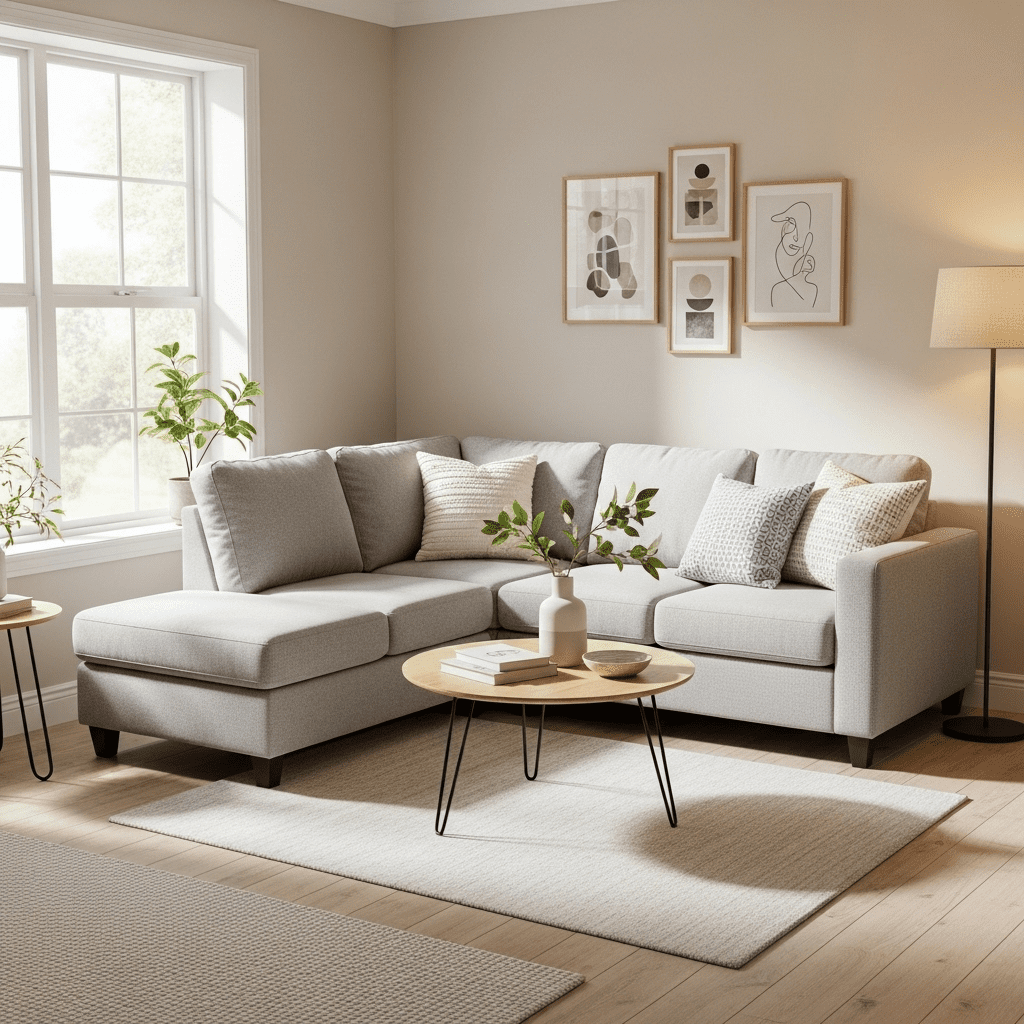
11. Corner Sectional Strategy
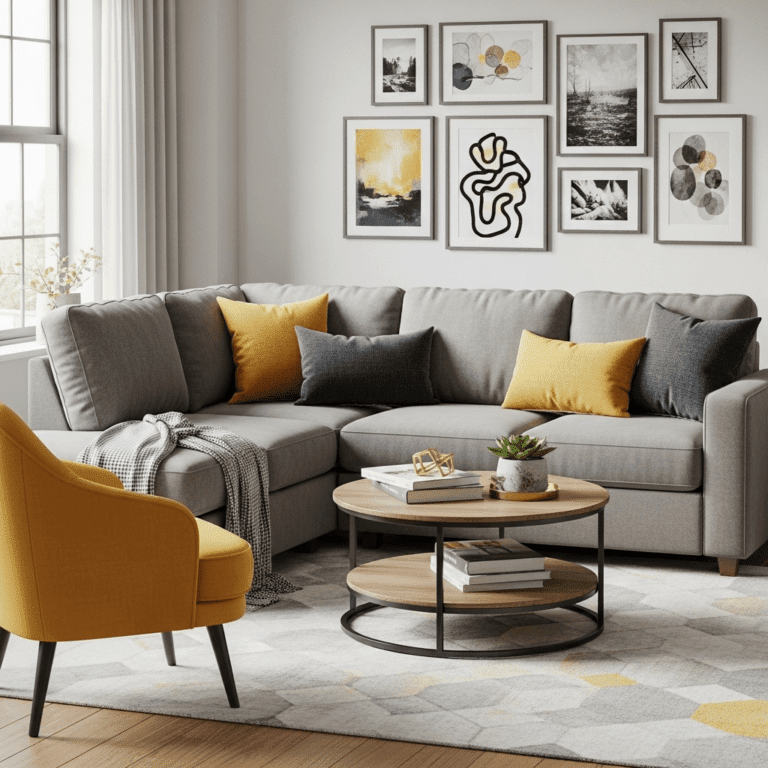
Placing one appropriately scaled L-shaped sectional in a corner. Surprisingly, one large piece often looks cleaner and more spacious than several small, mismatched chairs.
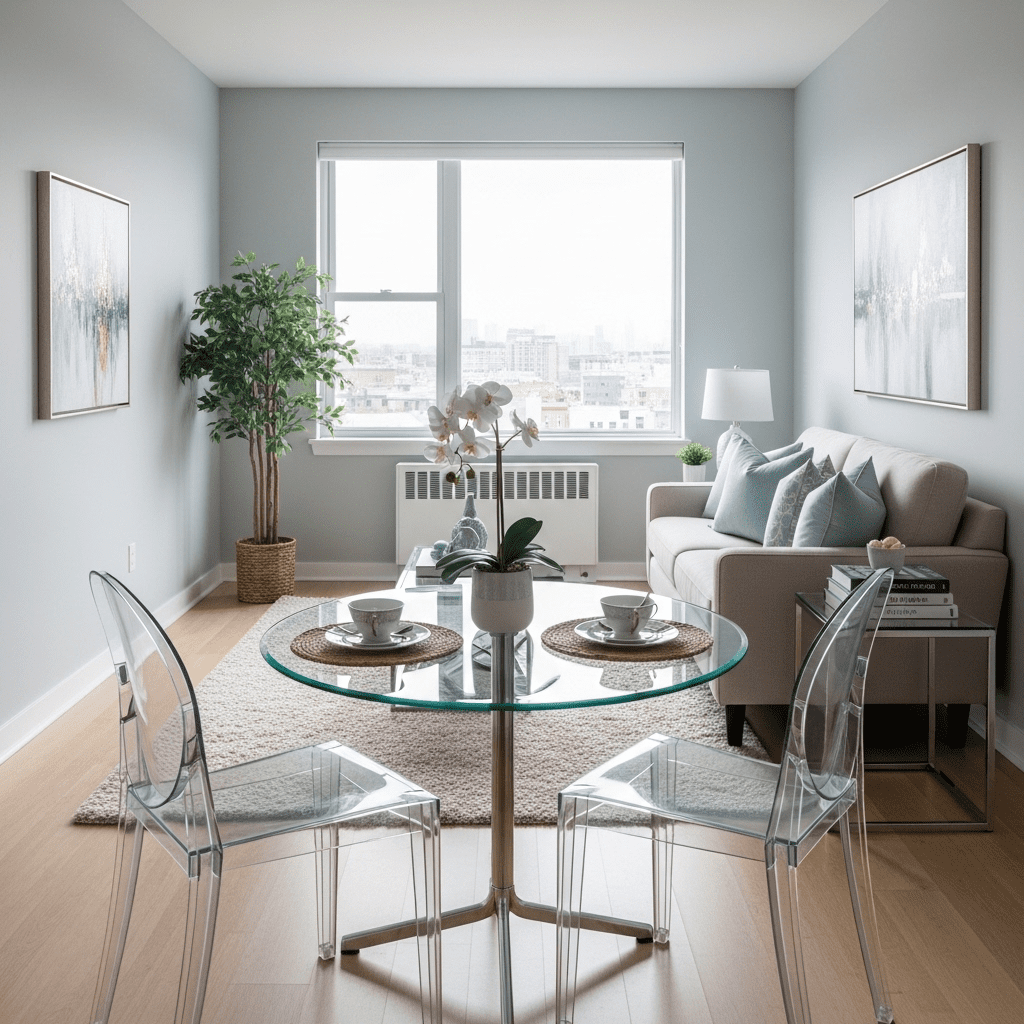
12. The “Ghost” Dining Nook
If the living room must include a dining area, using clear acrylic “Ghost” chairs and a glass table keeps the zone from feeling visually heavy.
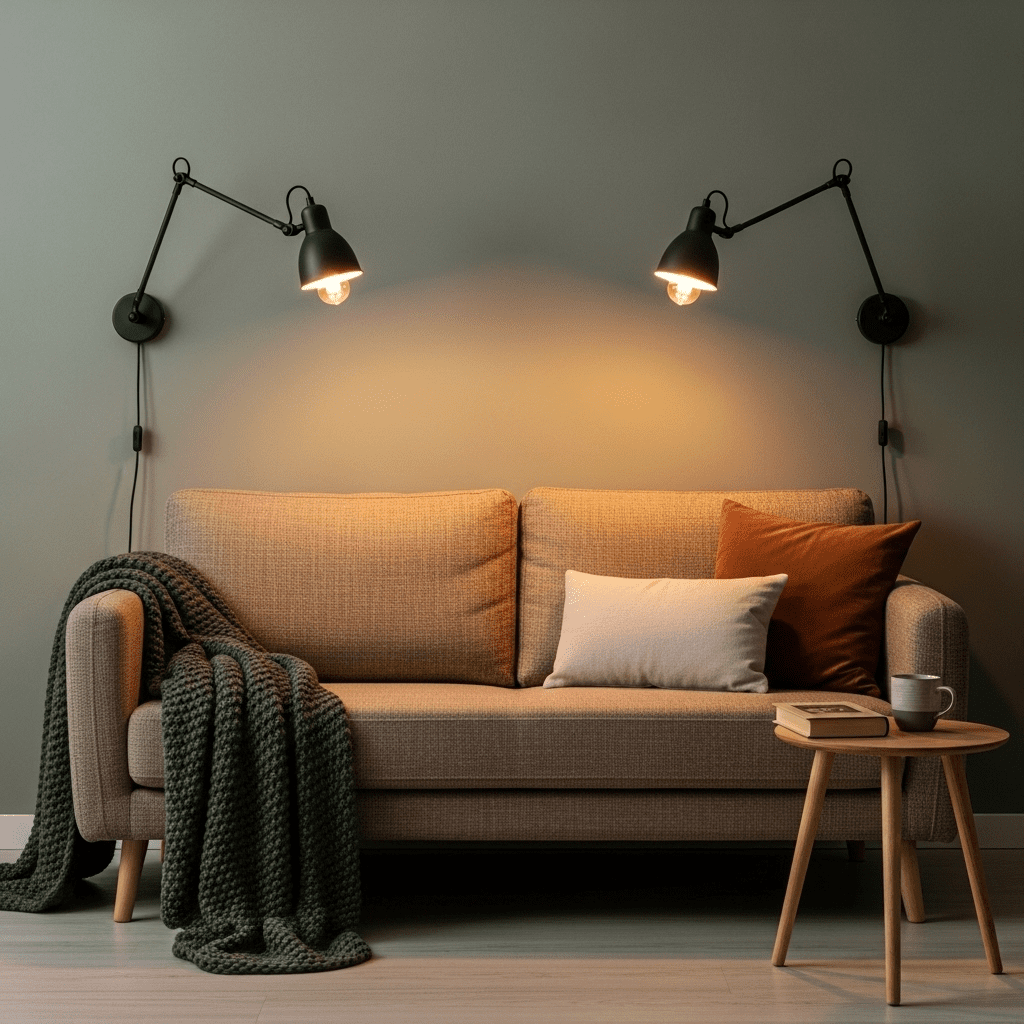
13. Sconce Lighting Focus
Replacing floor and table lamps with wall-mounted swing-arm sconces. This clears up surface area on end tables and keeps the floor unobstructed.
14. The Statement “Big Art”
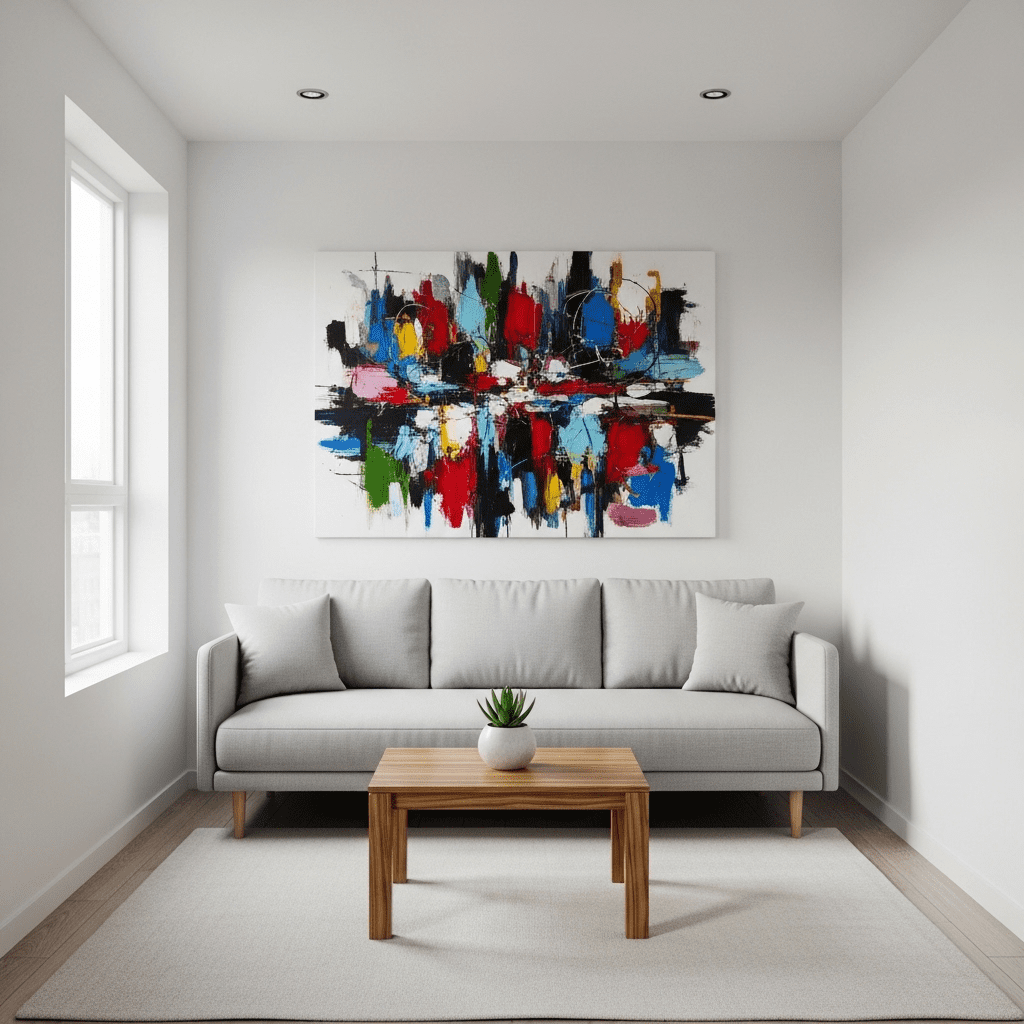
Instead of a cluttered gallery wall, use one large-scale piece of art. This creates a singular, bold focal point that makes a small room feel grand and intentional.
Conclusion
Small spaces living room designs thrive on the “less but better” philosophy. By selecting pieces that are scaled to your room and focusing on clever vertical storage, you can create a home that feels both functional and high-end. Remember to keep paths clear and prioritize light—the more light you can bounce around, the more your small space will feel like a grand retreat.