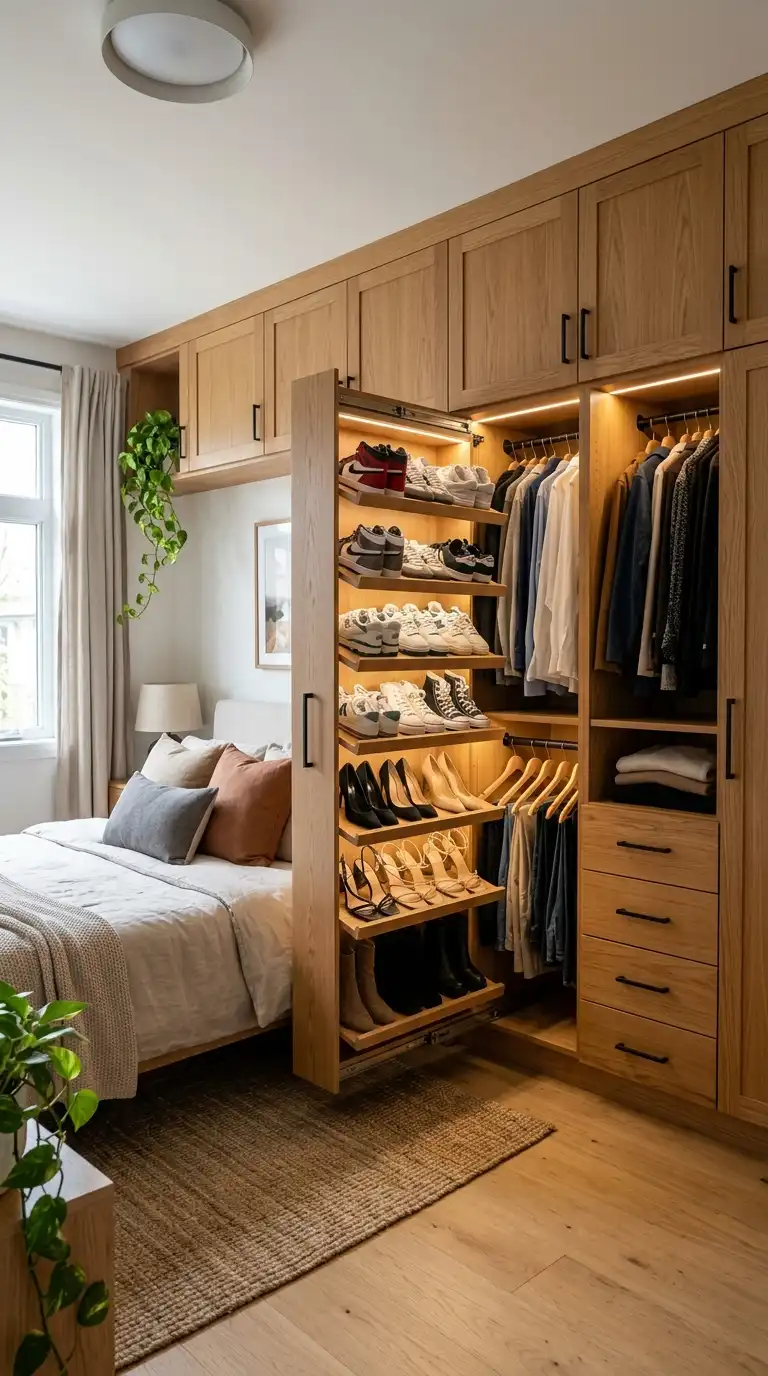
14 Small Wardrobe Designs
A small bedroom doesn’t mean you have to compromise on storage. With thoughtful design, even the most compact space can accommodate a functional, stylish wardrobe that meets all your needs. The key is maximizing every inch—using vertical space, choosing space-saving door mechanisms, and incorporating clever interior organization. Here are fourteen small wardrobe designs to help you make the most of your space.
1. Floor-to-Ceiling Slim Wardrobe
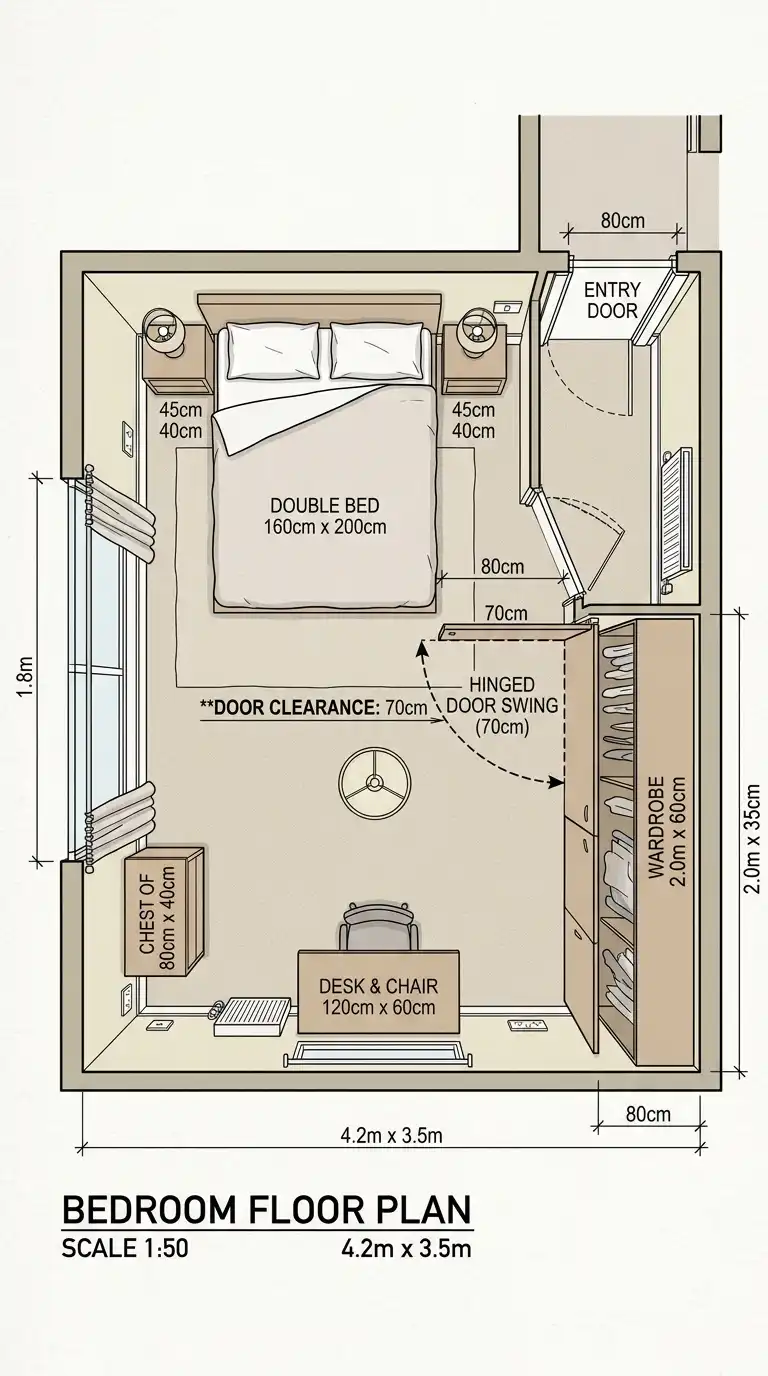
A floor-to-ceiling wardrobe makes use of vertical space, providing ample storage without taking up additional floor area. Choose a slim depth (50–60 centimeters) to minimize the footprint while maximizing height. Use the top shelves for out-of-season items or accessories, and keep everyday essentials at eye level. Light colors and mirrored panels help the wardrobe recede visually, making the room feel larger.
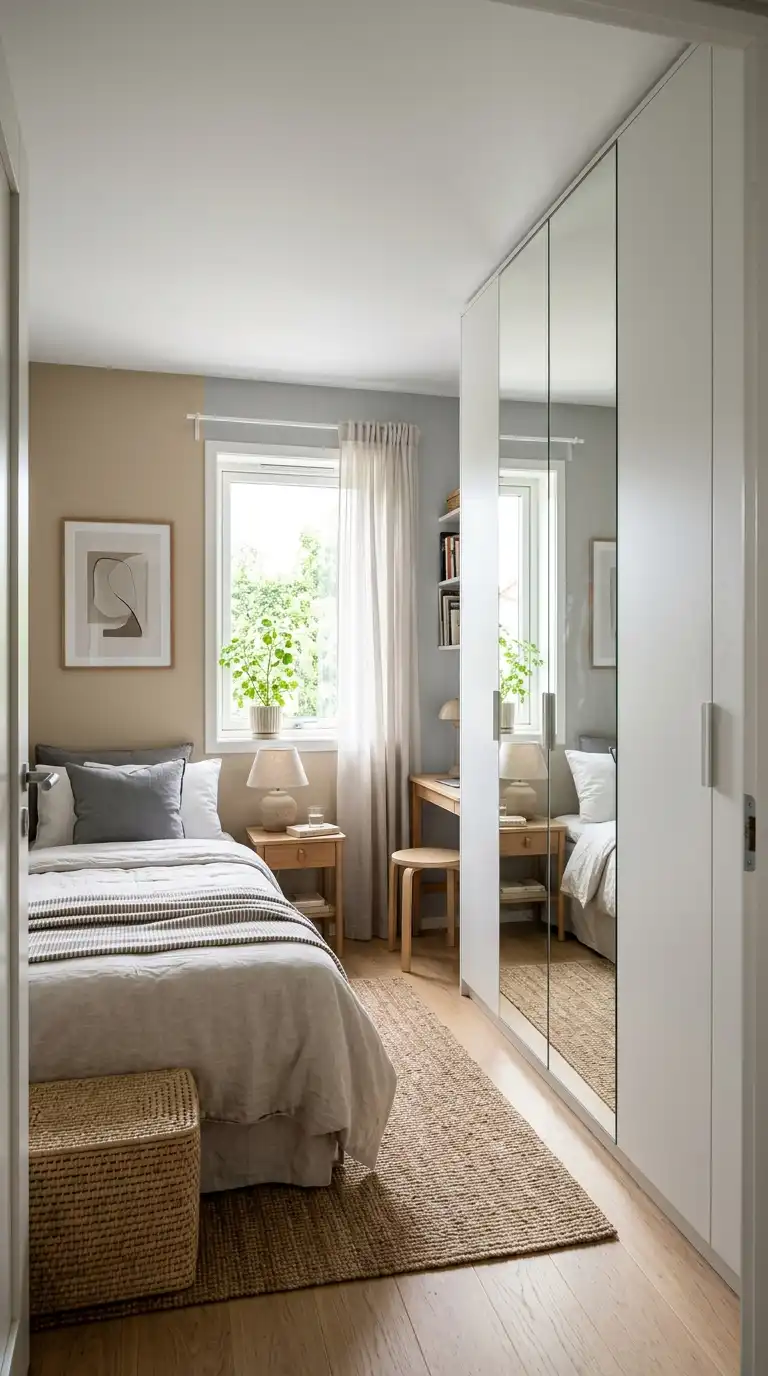
2. Sliding Door Wardrobe
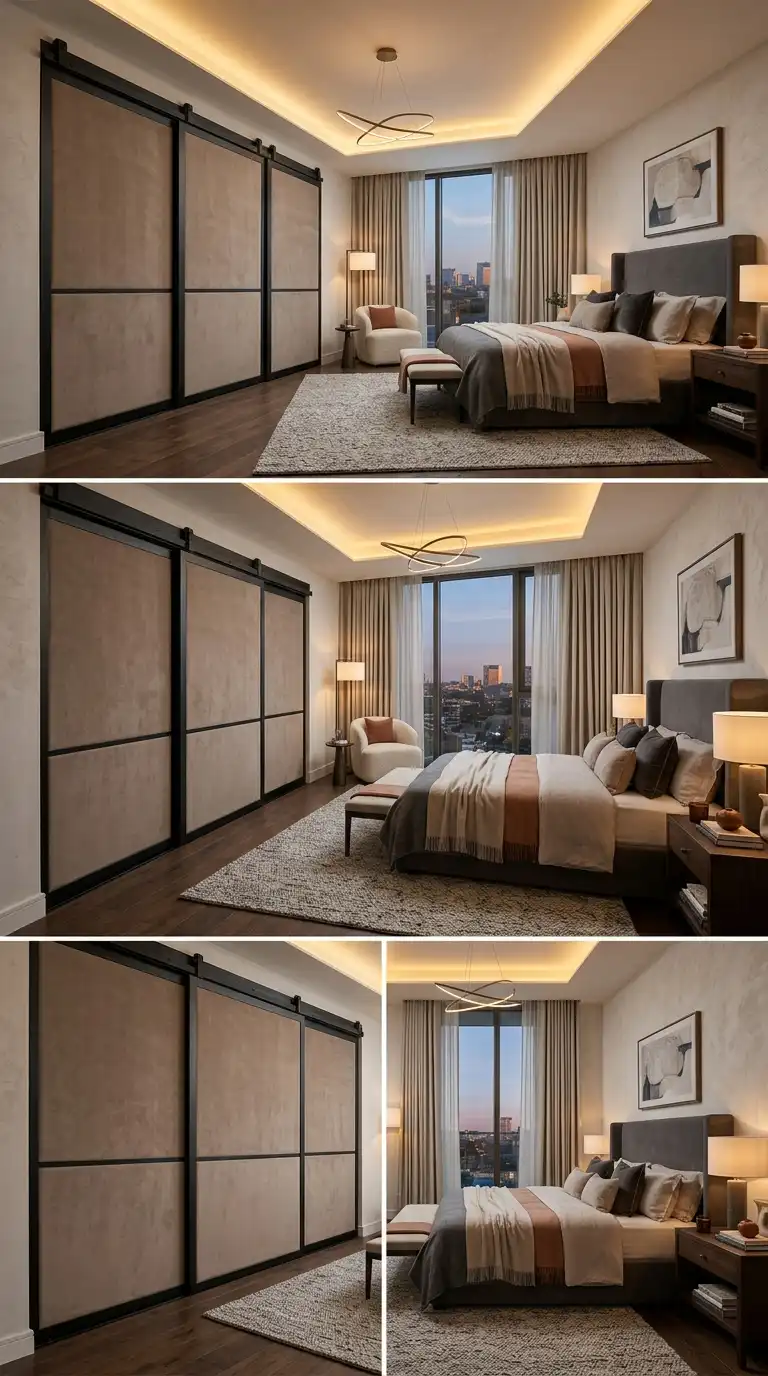
Sliding doors are ideal for small bedrooms because they require no swing space. Unlike hinged doors that open outward, sliding doors glide along a track, allowing you to place furniture close to the wardrobe. Choose mirrored panels to reflect light and visually expand the room, or opt for light-colored matte finishes for a clean, unobtrusive look.
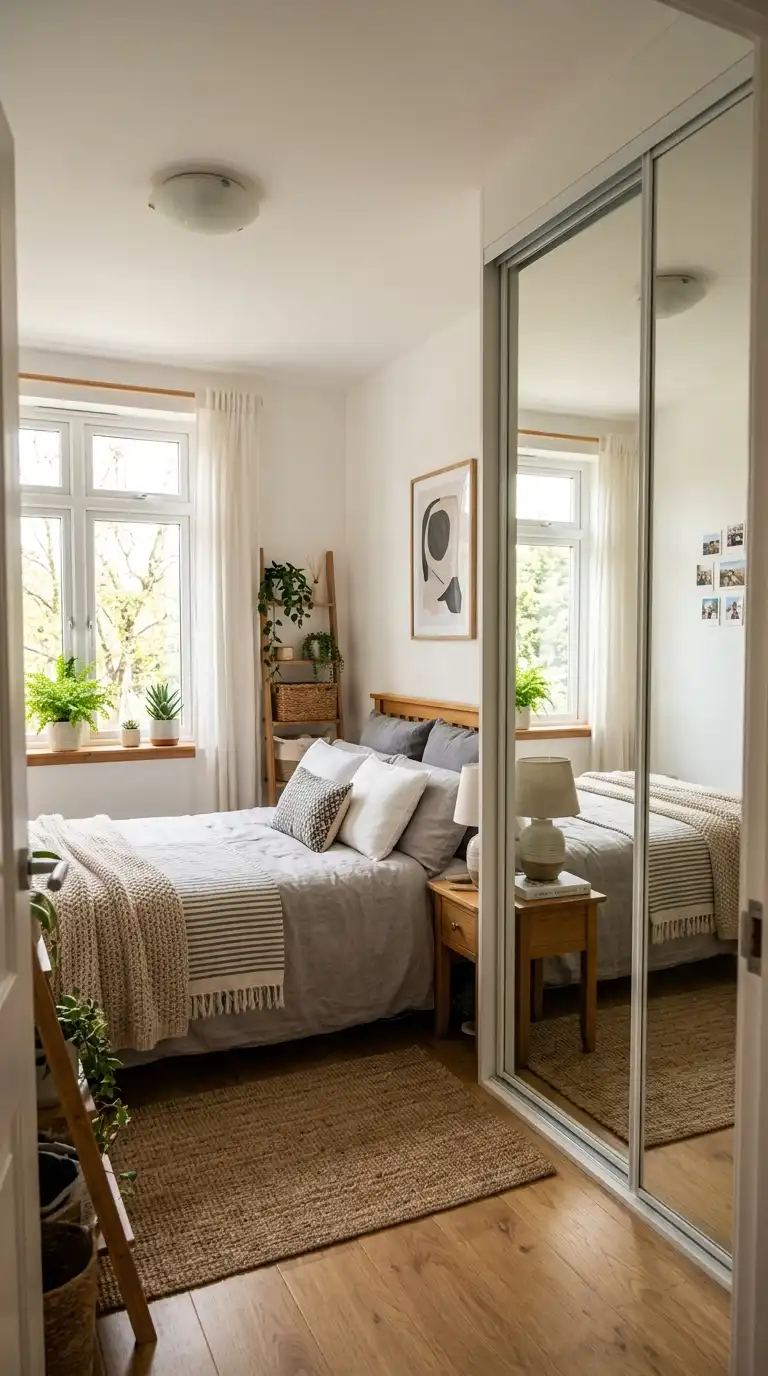
3. Corner Wardrobe
Corner wardrobes utilize space that is often wasted in small bedrooms. By fitting into a corner, these wardrobes free up wall space for other furniture. Choose an angled design with sliding doors, or opt for an L-shape that wraps around the corner. Inside, use rotating carousels or pull-out racks to make the corner storage accessible.
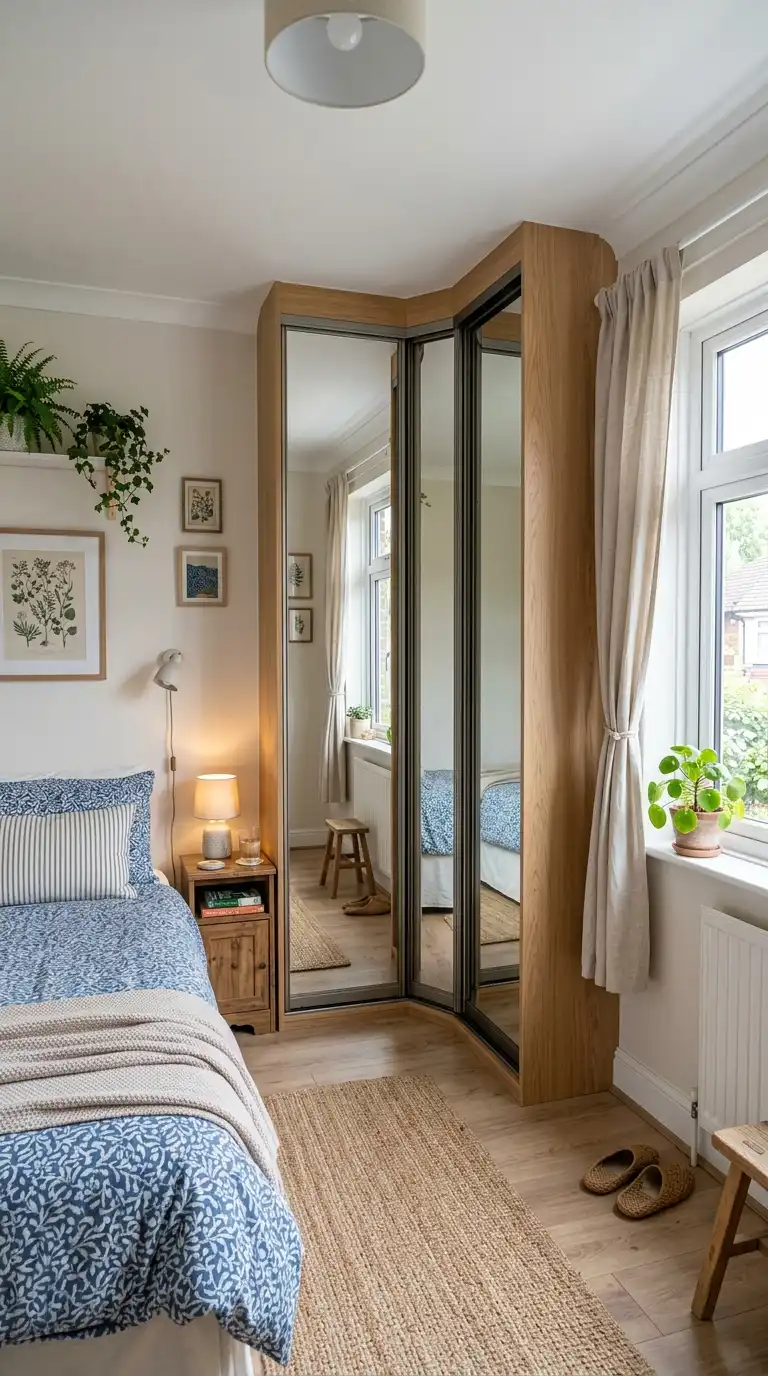
4. Open Wardrobe
An open wardrobe—with no doors—creates a light, airy feel in a small bedroom. Without bulky doors, the space feels less enclosed. Use uniform hangers and neatly folded items to maintain a polished appearance. Open shelving can display accessories and folded clothing, while hanging rods keep garments visible and accessible.
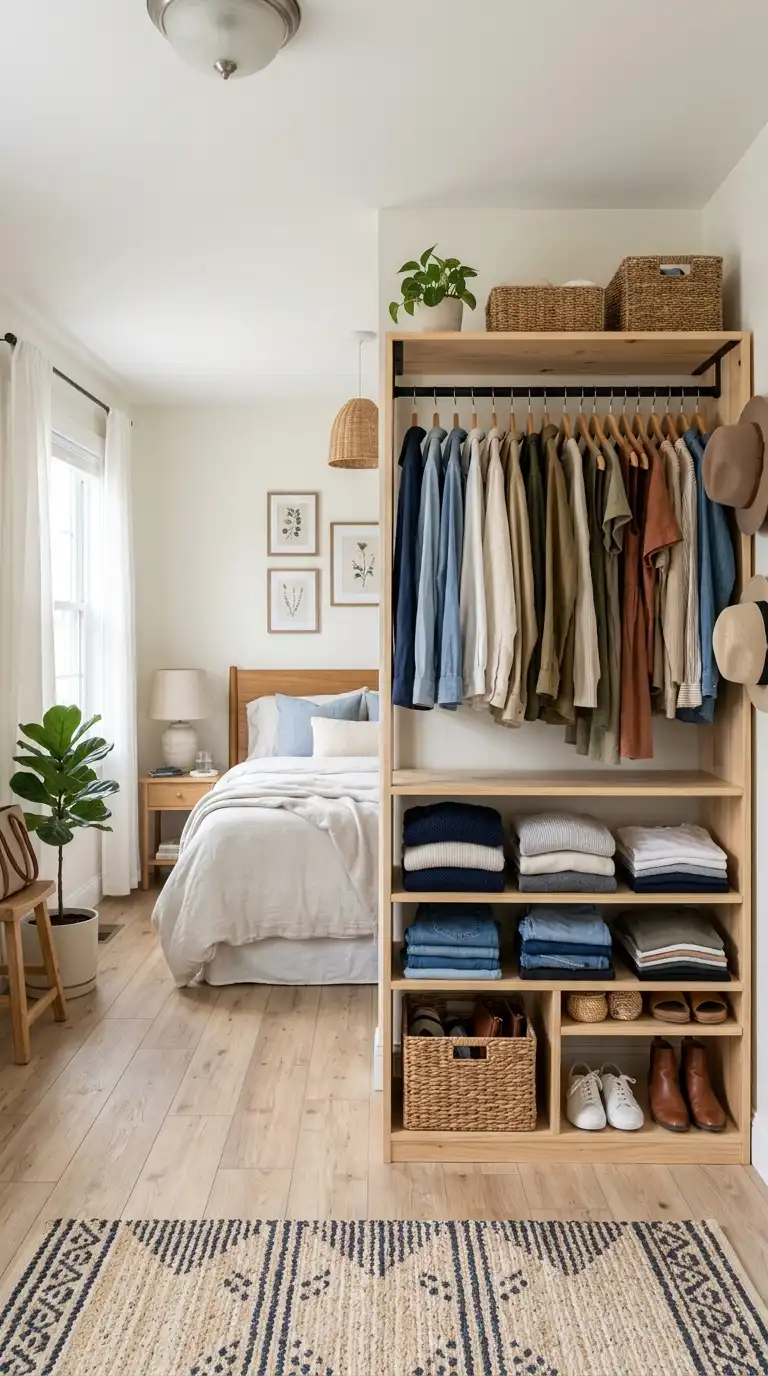
5. Wardrobe with Mirrored Doors
Mirrored doors are a classic choice for small bedrooms. The reflective surface bounces light around the room, making the space feel larger and brighter. Full-height mirrored panels offer the most dramatic effect, while mirrored sections combined with solid panels provide a balanced look. The mirrors also serve as a practical full-length dressing mirror.
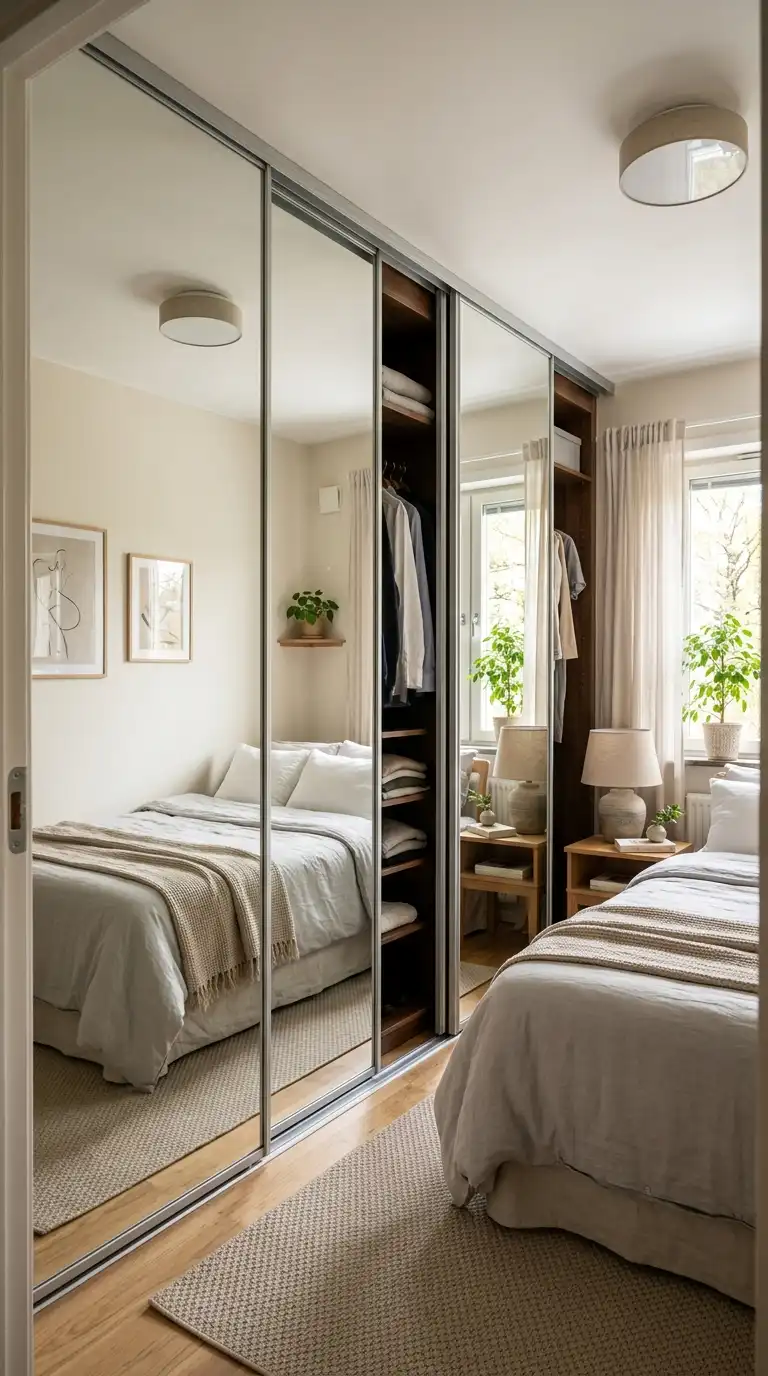
6. Built-in Alcove Wardrobe
If your small bedroom has an alcove or recessed wall, transform it into a built-in wardrobe. The recessed space provides natural definition, and custom shelving and hanging rods can be fitted precisely to the alcove’s dimensions. This makes use of awkward space while creating a seamless, integrated look.
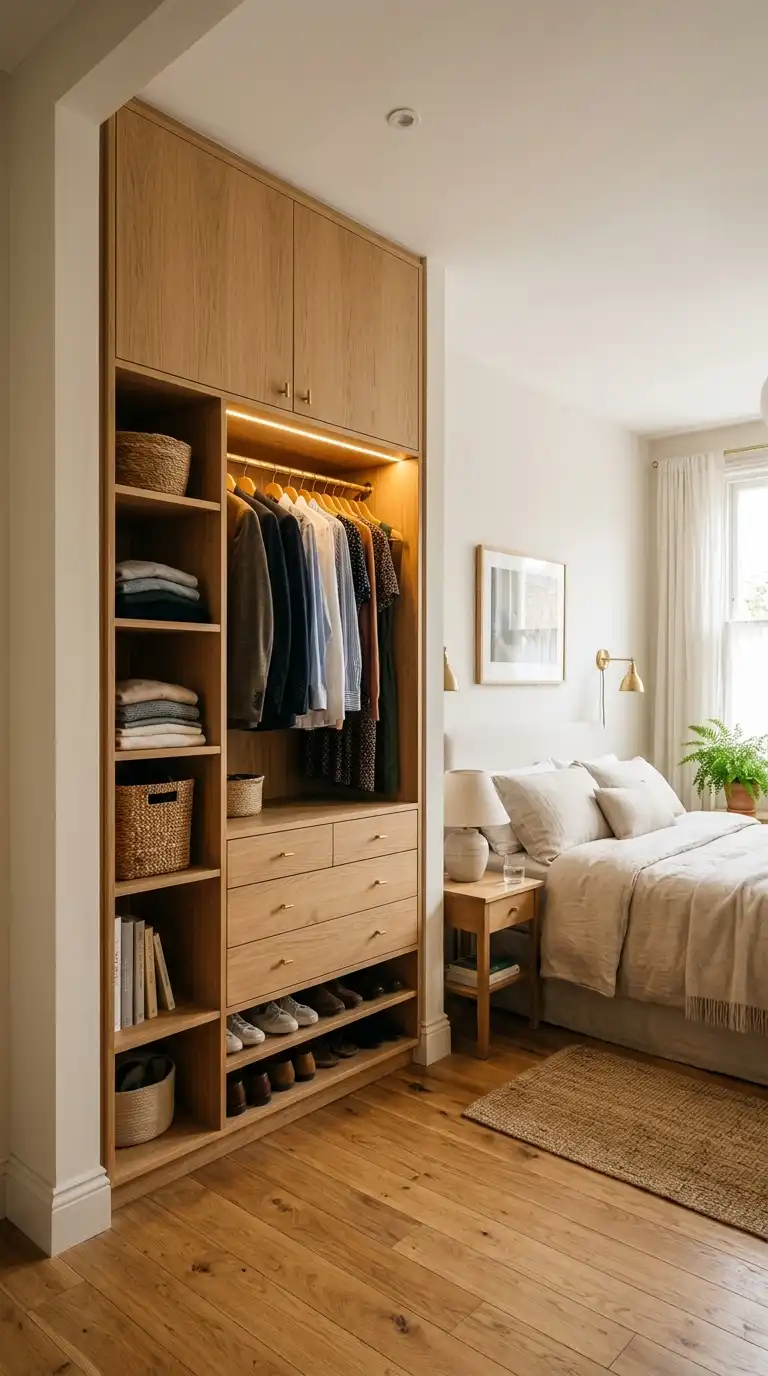
7. Wardrobe with Pull-Out or Fold-Down Features
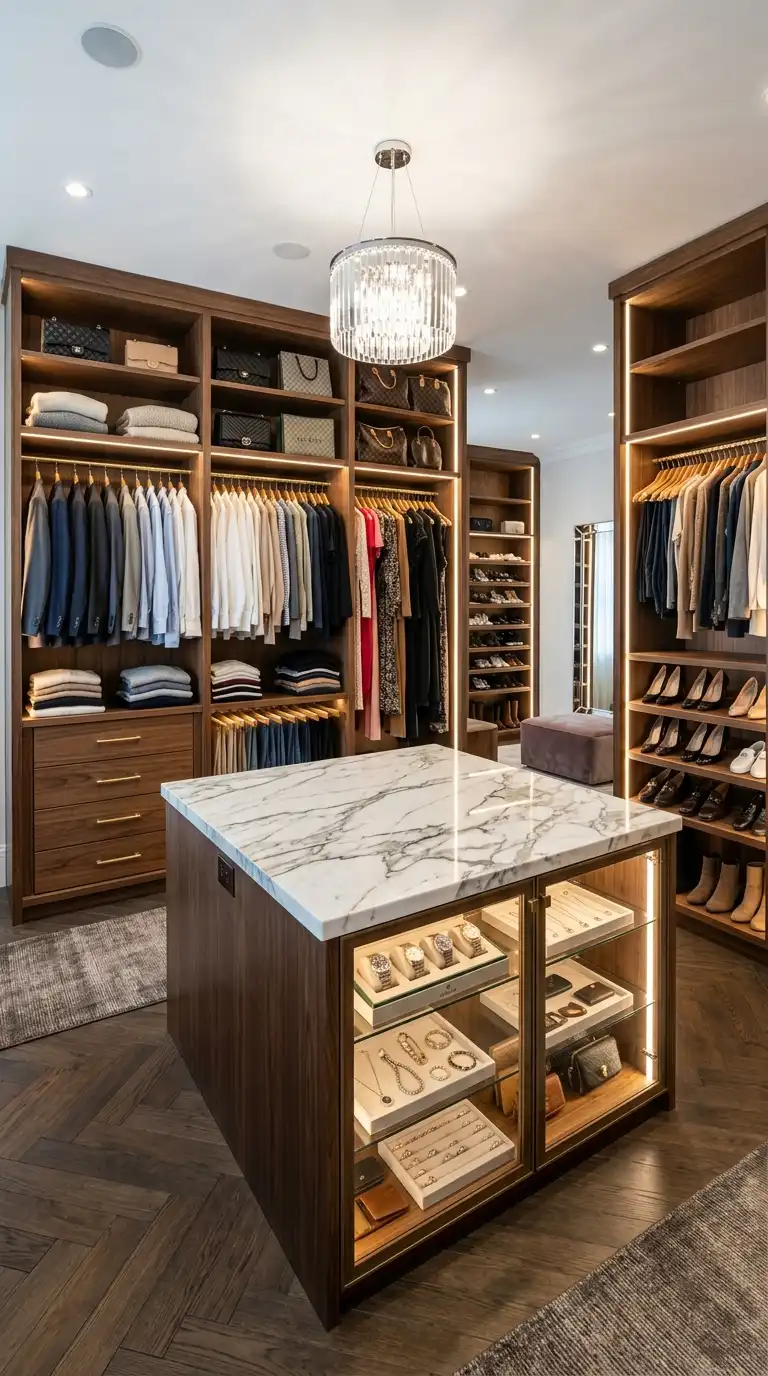
Incorporate pull-out or fold-down features to maximize functionality in a small wardrobe. Pull-out shoe racks, fold-down ironing boards, and pull-out hampers make every inch count. These features allow you to store more in a compact footprint while keeping the wardrobe organized and accessible.
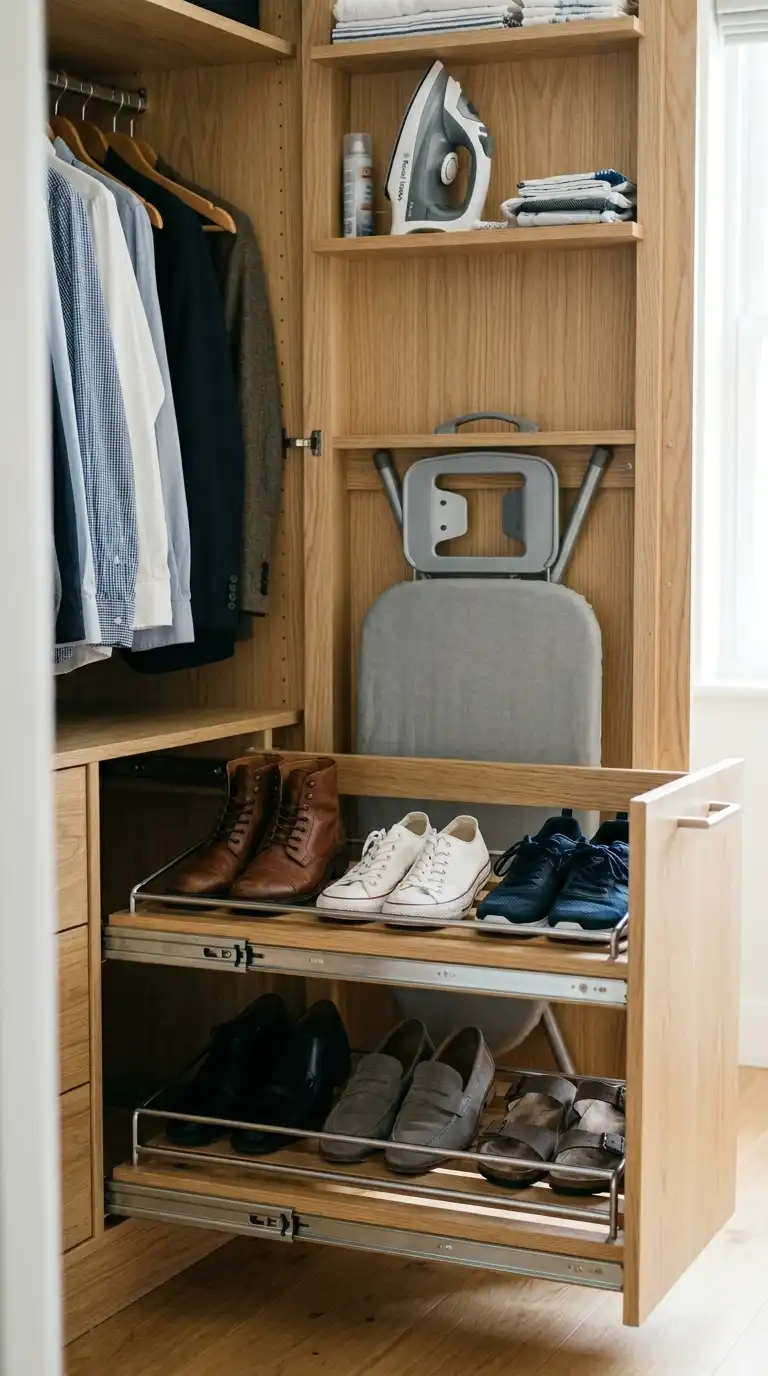
8. Single-Door Wardrobe
In the smallest of bedrooms, a single-door wardrobe may be the most practical solution. Choose a design with a full-length mirror to add functionality, and use the interior efficiently with double hanging rods to maximize vertical space. A slim depth of 50–60 centimeters keeps the footprint minimal.
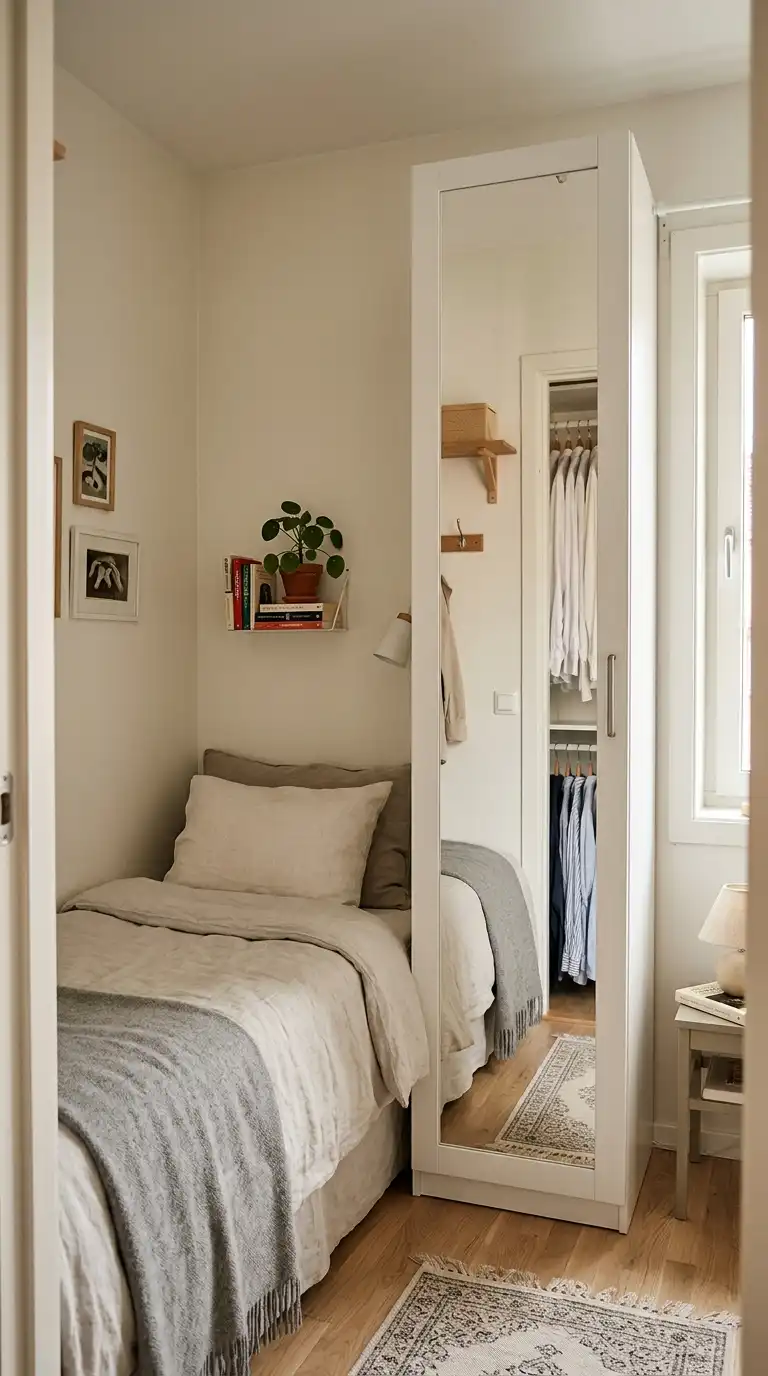
9. Wardrobe with Open and Closed Sections
Combine open shelving with closed cabinets to create a wardrobe that feels less bulky. Use open sections to display accessories or folded items, which can make the space feel more open. Closed sections hide everyday clothing. This approach adds visual interest while maintaining functionality.
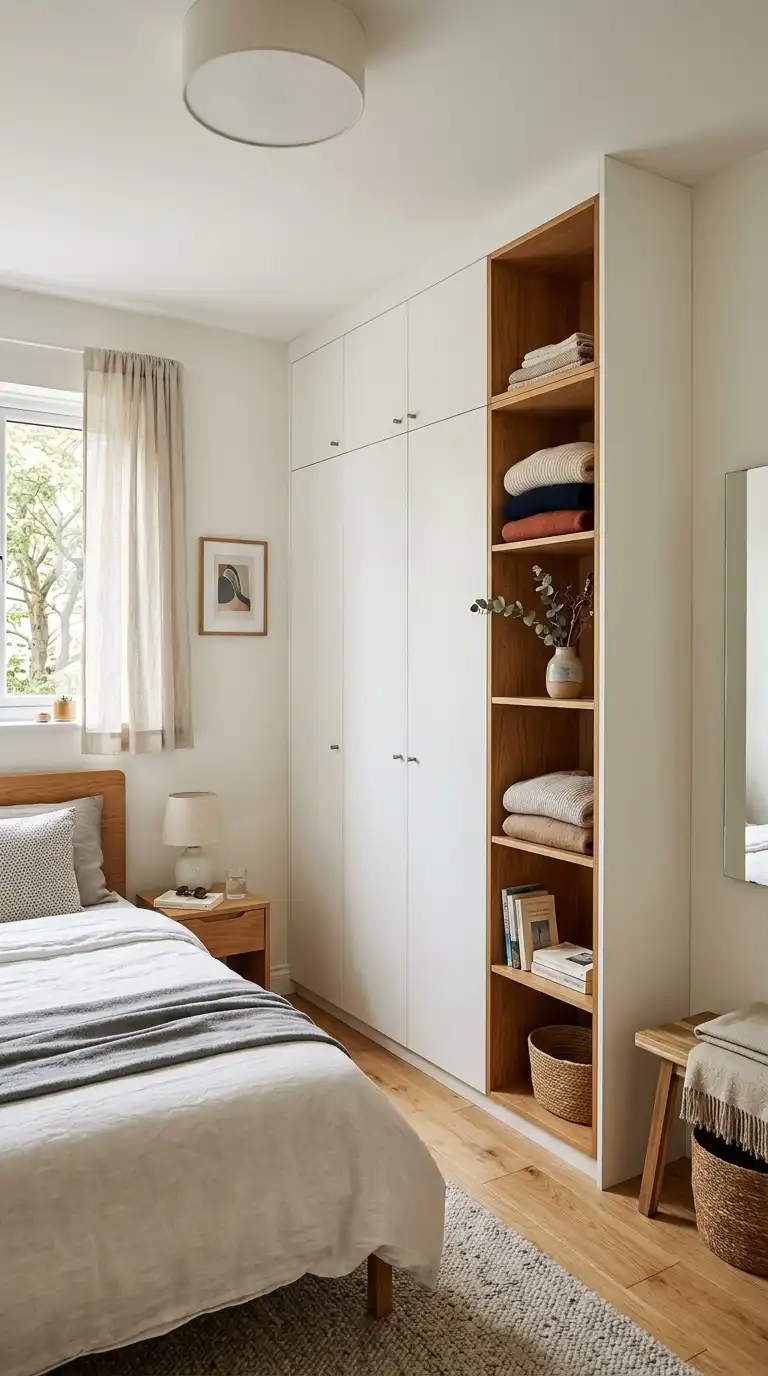
10. Light-Colored Wardrobe
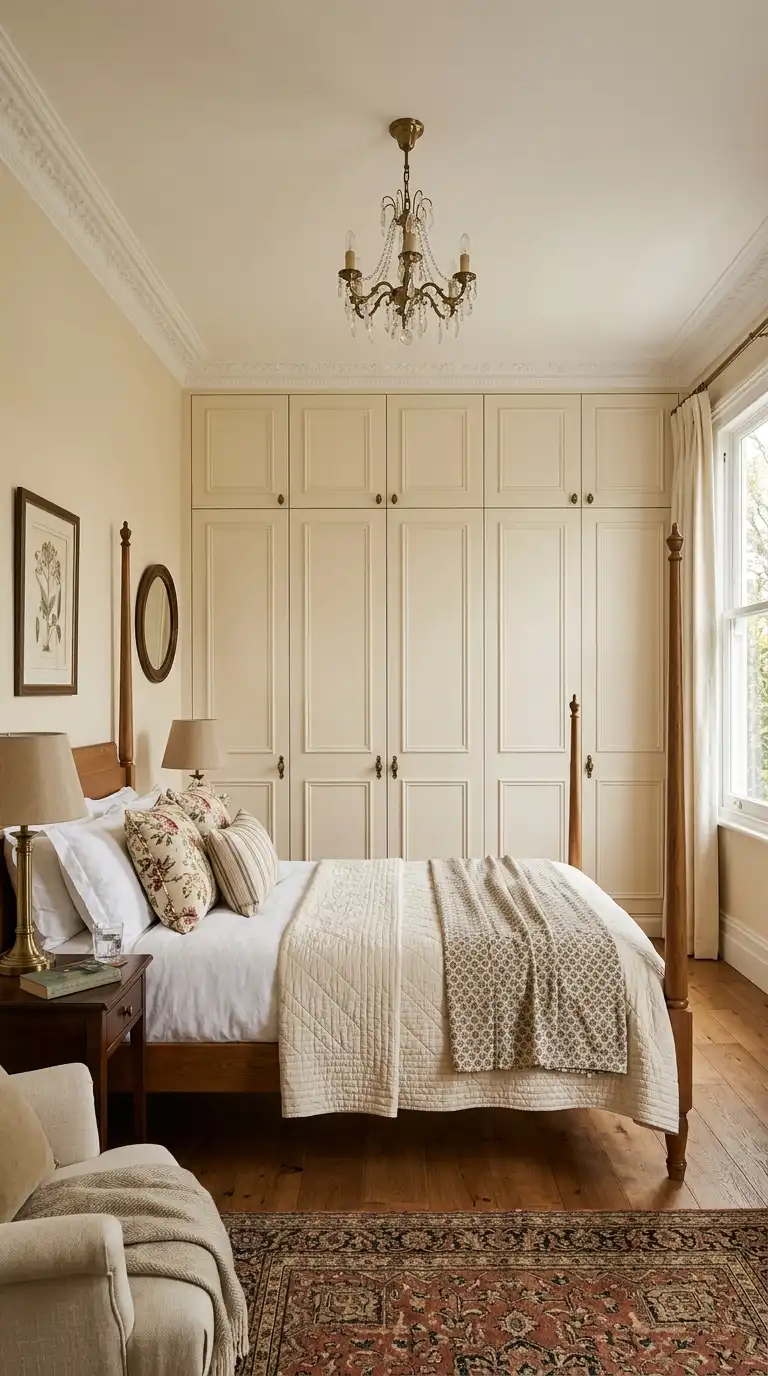
Light colors make small spaces feel larger. Choose white, cream, light gray, or pale wood finishes for your wardrobe to reflect light and create an airy atmosphere. High-gloss finishes add reflectivity, while matte finishes offer a soft, understated look. Keep the color consistent with the walls for a seamless appearance.
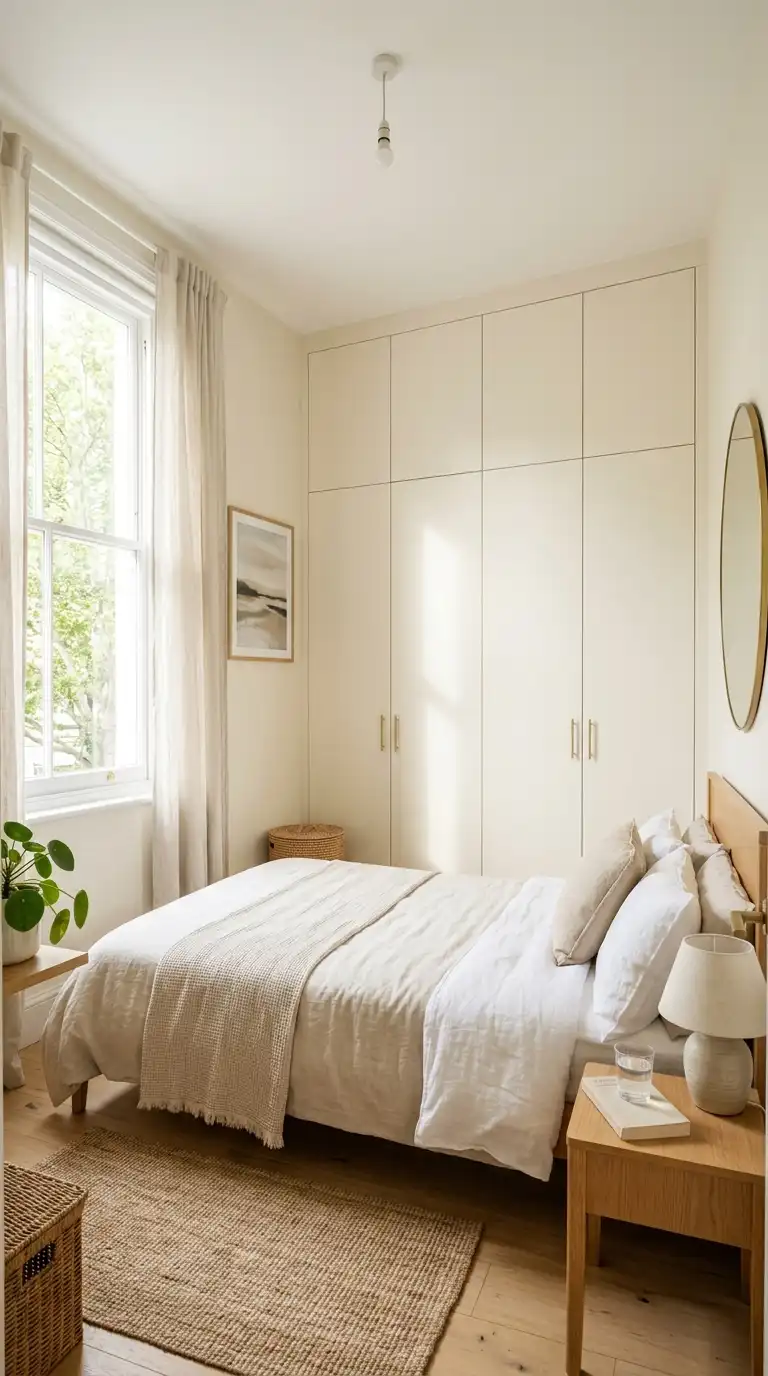
11. Wardrobe with Integrated Desk
Combine storage and workspace in a small bedroom by integrating a desk into your wardrobe design. Use the lower section for the desk surface and the upper sections for hanging and shelf storage. This space-saving solution is ideal for studio apartments or children’s rooms where a separate desk would be impractical.
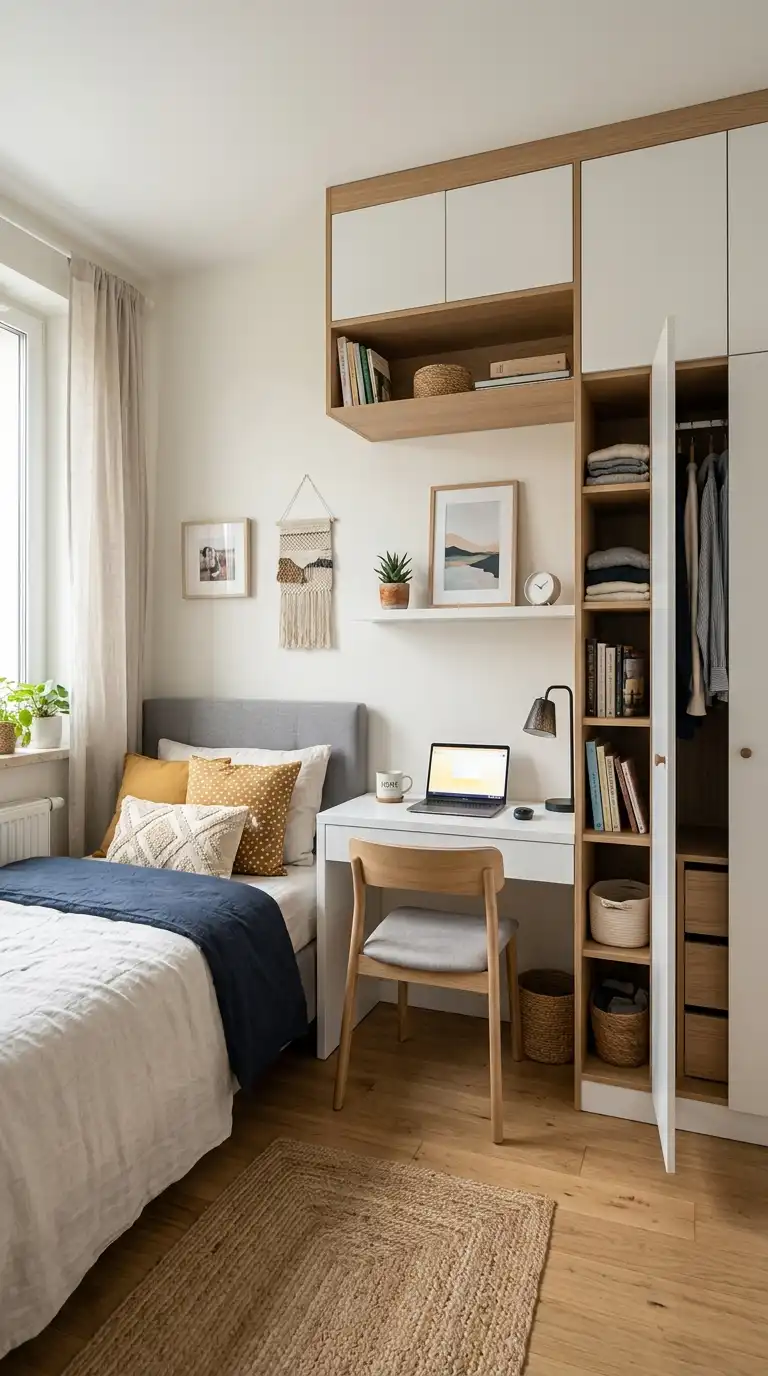
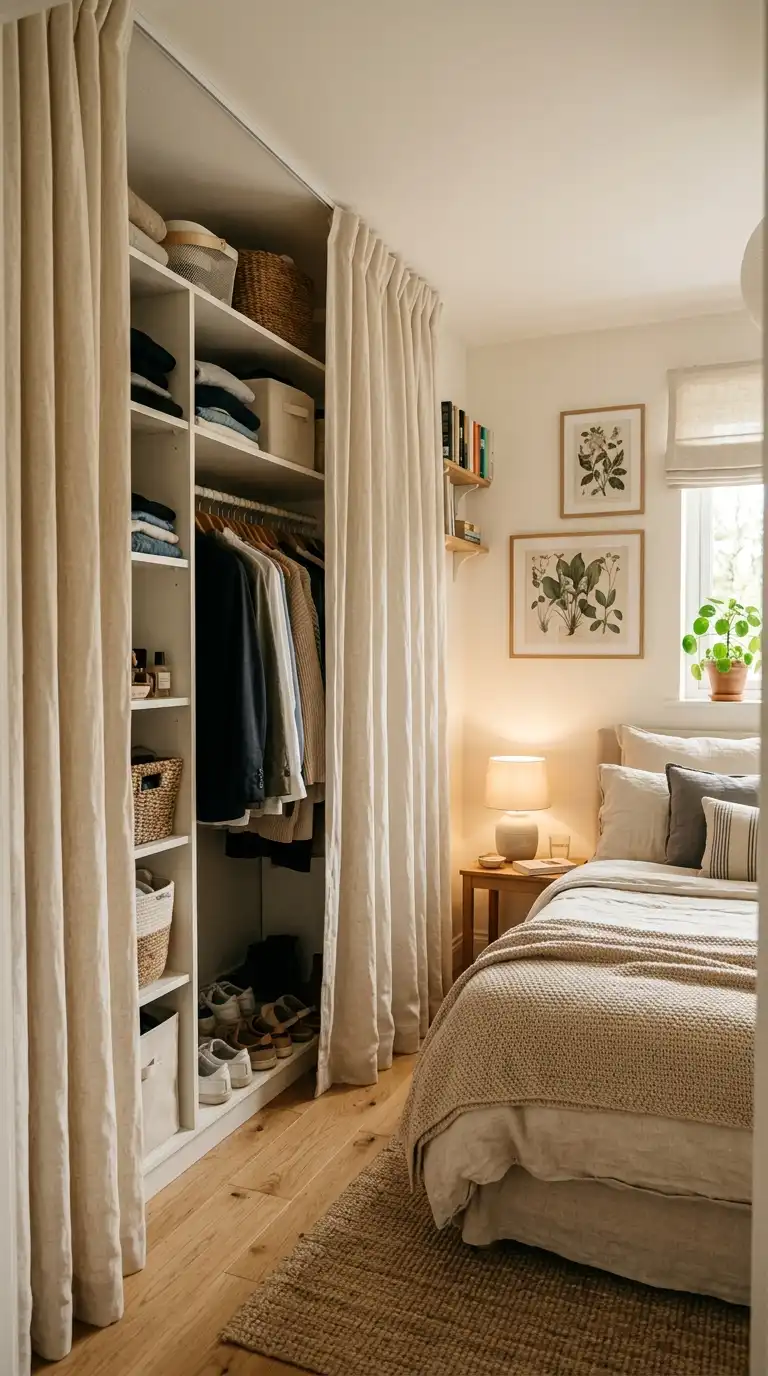
12. Wardrobe with Curtain Instead of Doors
For a soft, flexible alternative to traditional doors, use a curtain to conceal your wardrobe. A floor-to-ceiling curtain in linen, cotton, or velvet provides the flexibility to conceal the wardrobe when desired while maintaining a light, textured look. This approach softens the overall appearance and adds a layer of warmth to the room.
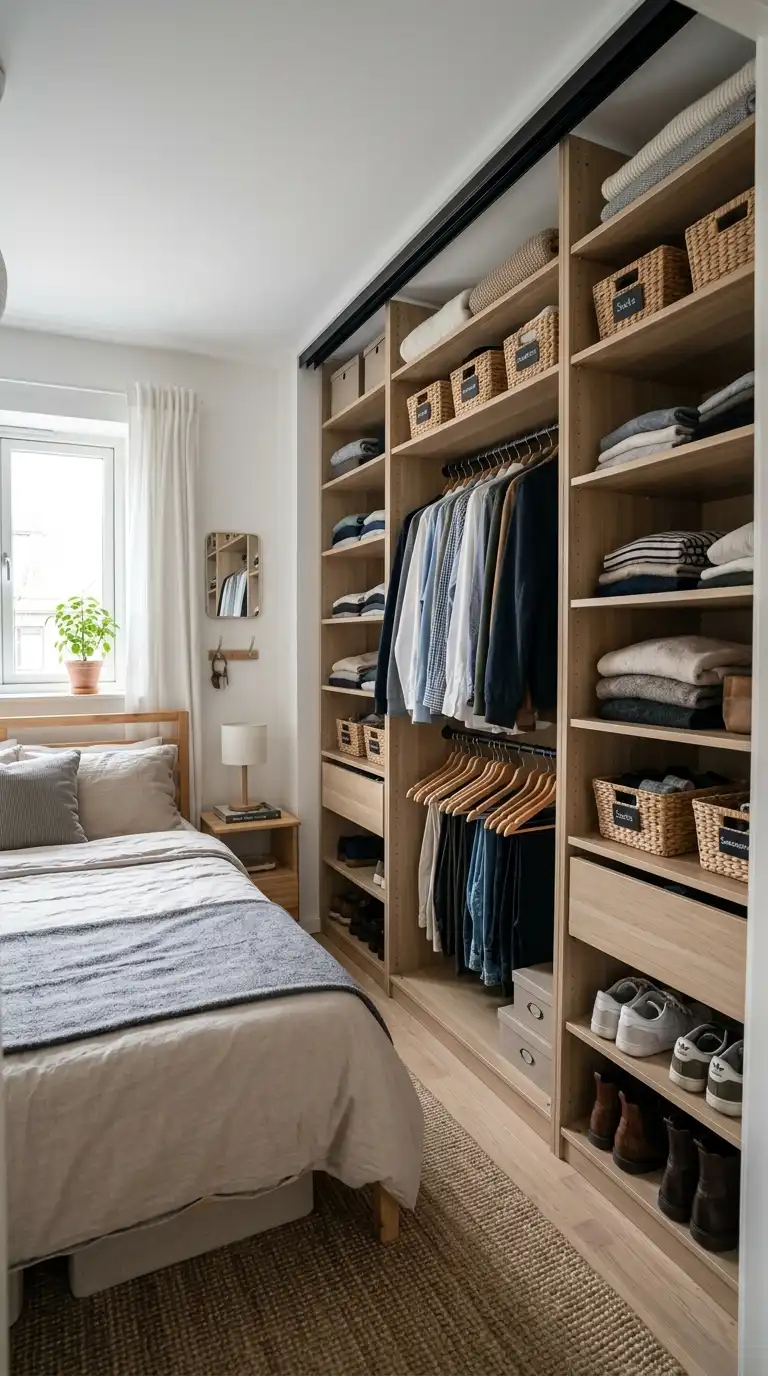
13. Modular Small Wardrobe System
Modular wardrobe systems allow you to customize the configuration to fit your exact space. Choose a system with adjustable shelves, movable hanging rods, and interchangeable components that can be reconfigured as your needs change. Modular systems are ideal for small bedrooms because they maximize every inch and adapt to evolving storage requirements.
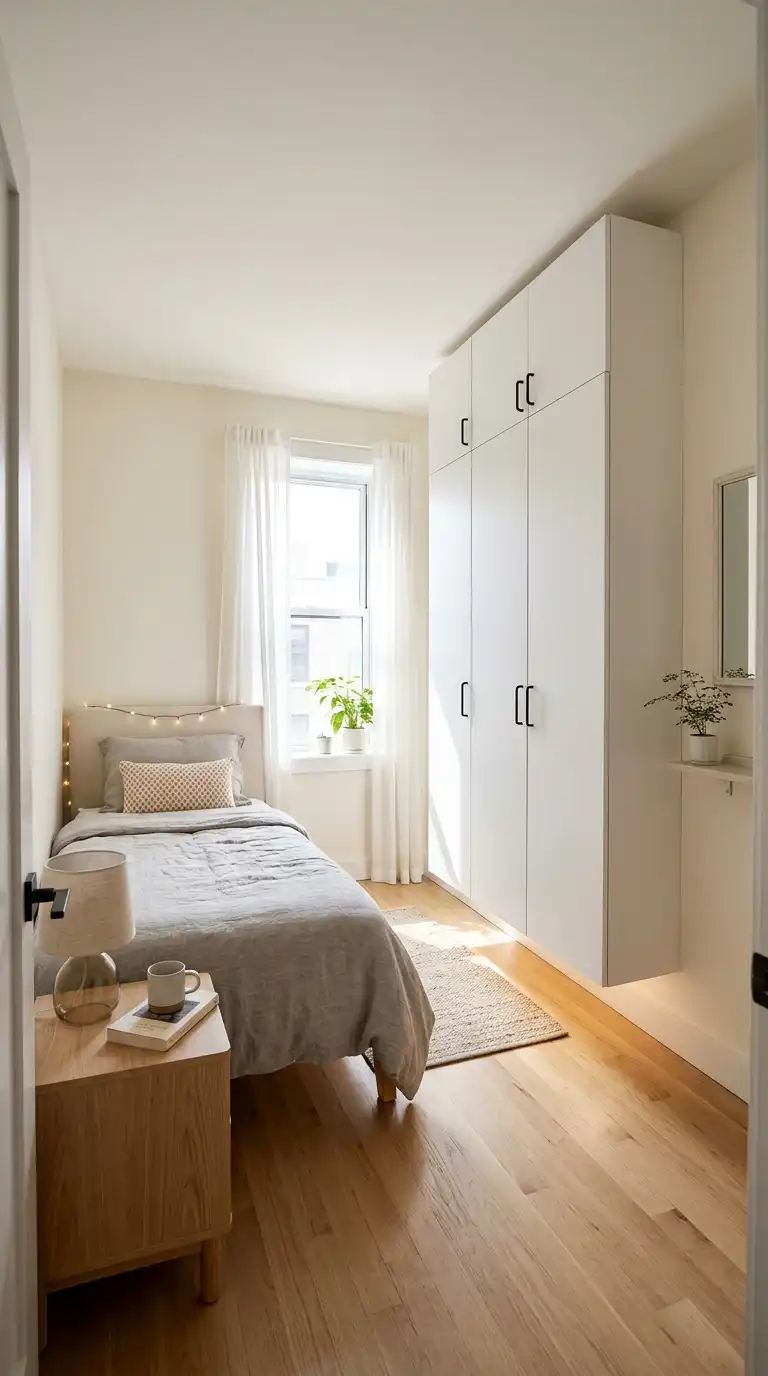
14. Wall-Mounted Wardrobe
A wall-mounted wardrobe creates a floating effect that adds lightness to a small bedroom. The gap beneath the wardrobe allows light to pass through, making the room feel less cramped. Use a slim depth and light-colored finishes to maintain the airy feel. The wall-mounted design also makes cleaning underneath easier.
Frequently Asked Questions
- What is the best wardrobe for a small bedroom?
The best wardrobe for a small bedroom depends on the layout. Sliding doors save floor space, corner wardrobes utilize awkward areas, and floor-to-ceiling designs maximize vertical storage. Mirrored panels reflect light and create the illusion of more space. - How deep should a small wardrobe be?
A depth of 50–60 centimeters is standard for hanging clothes. For very tight spaces, slim-depth wardrobes of 35–40 centimeters can accommodate folded items, accessories, and some hanging clothes (using slim hangers or side-facing rods). - Can I have a wardrobe in a very small bedroom?
Yes. Consider a single-door wardrobe, a corner unit, or a wall-mounted design. Use light colors, mirrored panels, and sliding doors to minimize visual impact. Prioritize vertical space and efficient interior organization. - How do I organize a small wardrobe?
Use double hanging rods to maximize vertical space. Add pull-out drawers and shelves for folded items. Use door space for hooks or slim organizers. Store out-of-season items elsewhere (under bed, high shelves). Regularly edit to keep only what you need. - What colors make a small wardrobe recede?
Light colors—white, cream, light gray, pale wood—reflect light and make the wardrobe feel less imposing. Keeping the wardrobe color consistent with the walls creates a seamless look that helps the unit blend into the background.