
Backyard farming is a rewarding way to grow your own food, reduce your environmental footprint, and connect with the land. Whether you have a large suburban lot or a compact urban yard, you can cultivate vegetables, fruits, herbs, and even small livestock. From raised beds and vertical gardens to aquaponics and beekeeping, here are fifteen backyard farming ideas to help you start growing your own sustenance.
1. Raised Bed Vegetable Garden
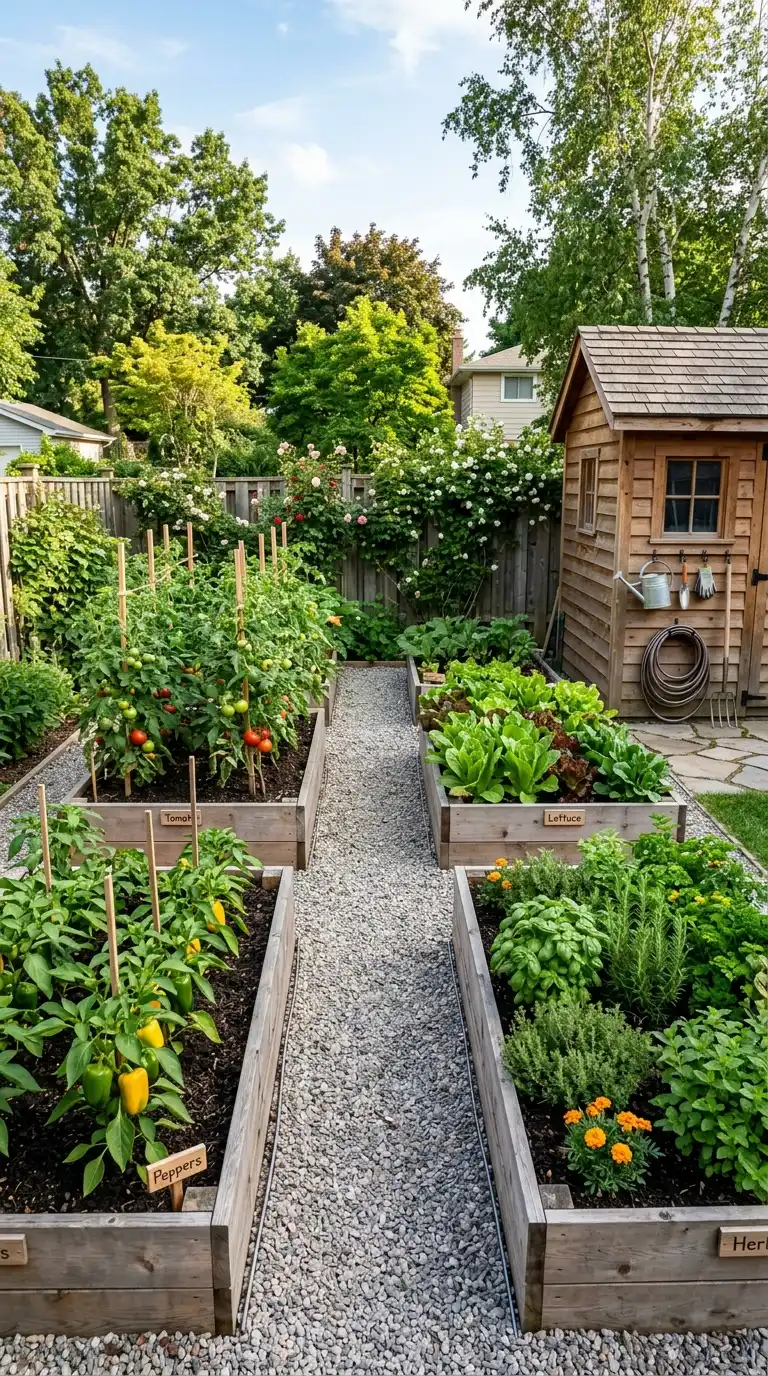
Raised beds are one of the most efficient ways to grow vegetables in a backyard. They provide excellent drainage, warm up faster in spring, and reduce weed pressure. Build beds from untreated wood, stone, or galvanized metal. Fill with high-quality soil and compost. Plant a mix of seasonal vegetables—tomatoes, peppers, lettuce, carrots, beans, and squash. Raised beds also make gardening accessible for those with mobility issues.
2. Vertical Garden for Small Spaces
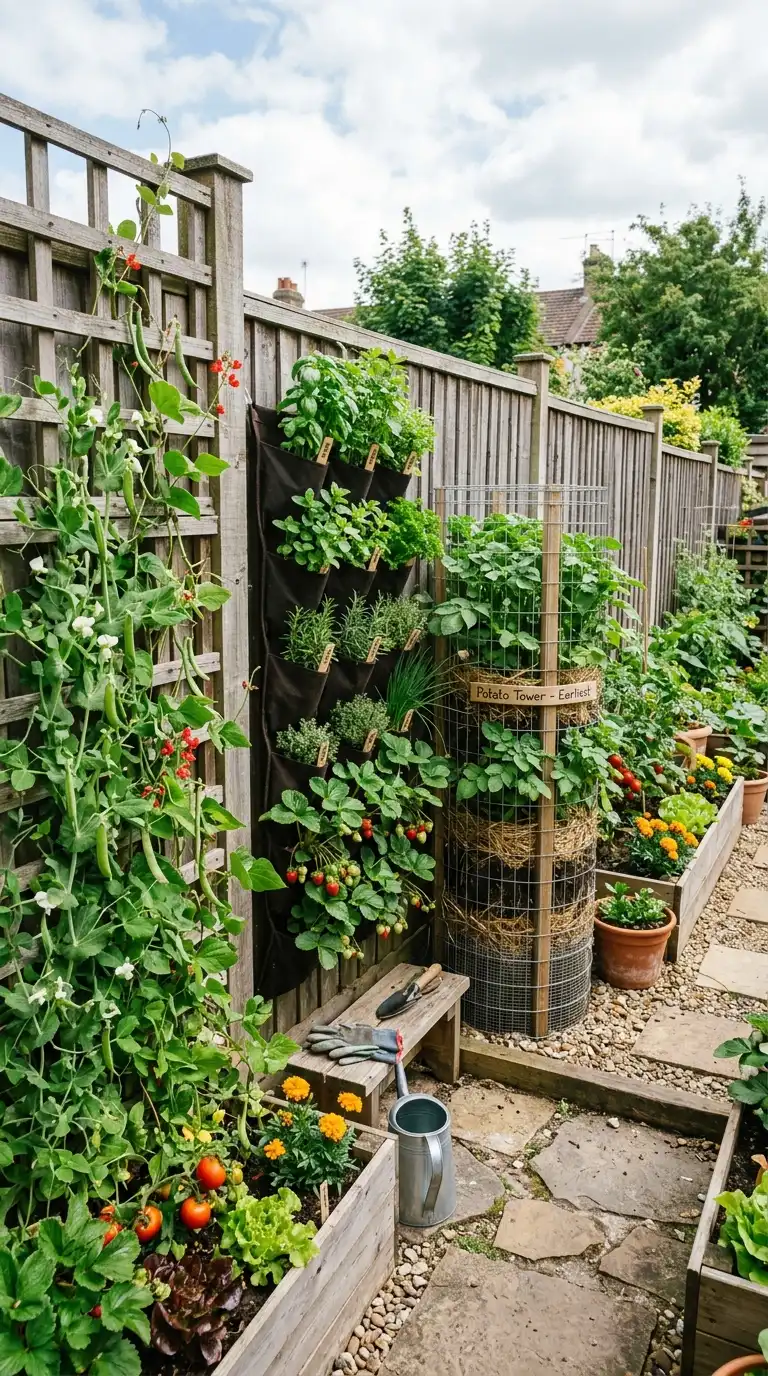
Vertical gardening maximizes growing space in compact yards. Use trellises for climbing vegetables like peas, beans, and cucumbers. Install pocket planters on fences for herbs and strawberries. Build a tower from wire mesh to grow potatoes or sweet potatoes. Vertical gardens increase yield per square foot and add visual interest to blank walls and fences.
3. Backyard Orchard
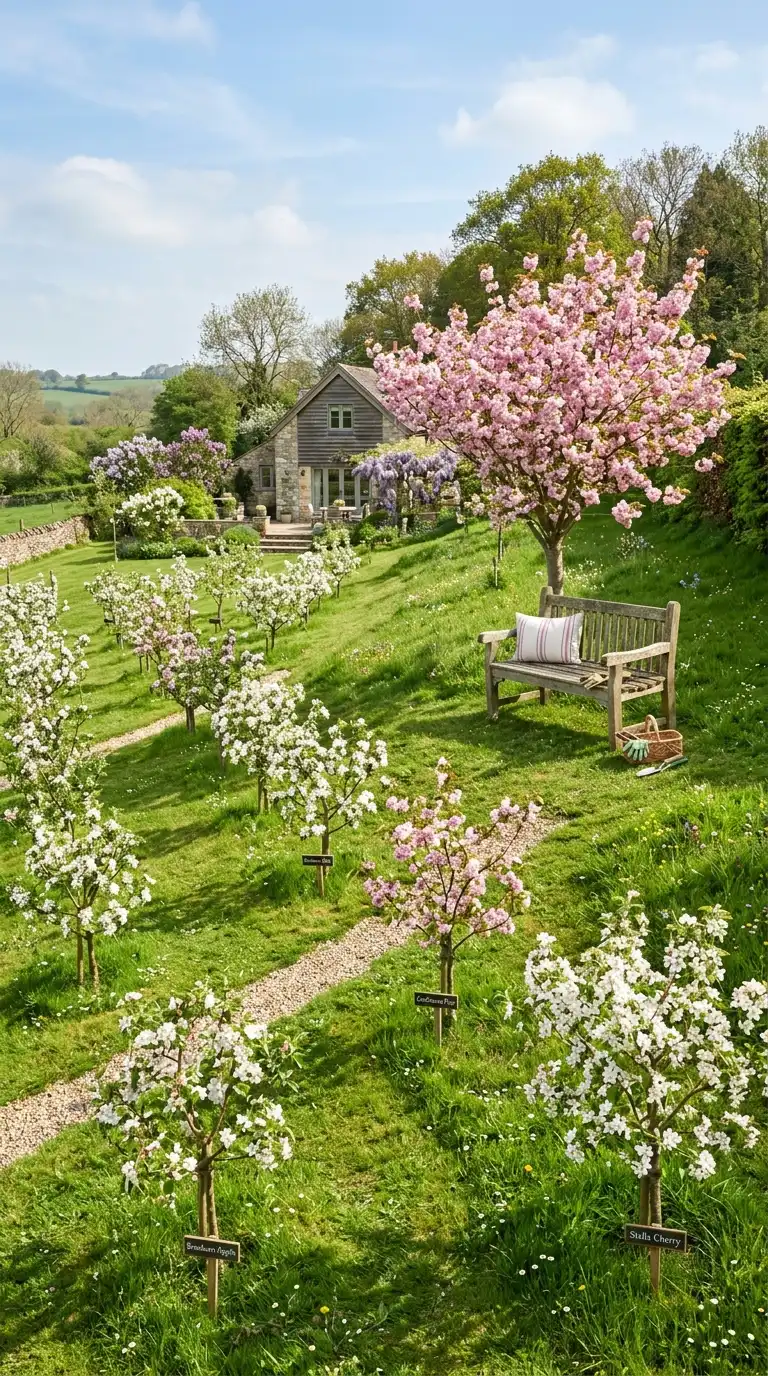
Plant dwarf or semi-dwarf fruit trees to create a small backyard orchard. Choose varieties suited to your climate—apples, pears, peaches, plums, cherries, or citrus. Space trees appropriately and prune regularly to maintain size and shape. Underplant with nitrogen-fixing plants or pollinator-friendly flowers. A backyard orchard provides fresh fruit for years to come.
4. Chicken Tractor for Eggs and Pest Control
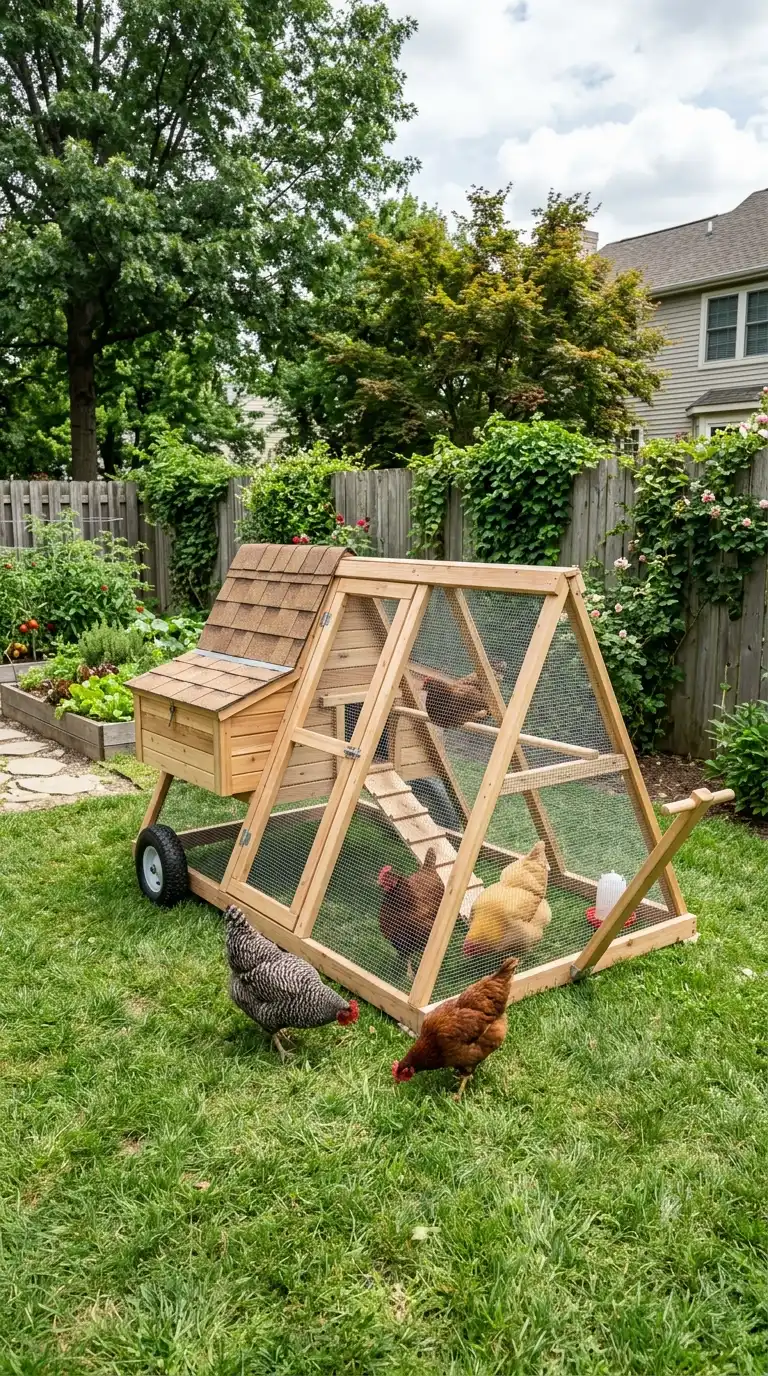
A chicken tractor is a portable coop that allows chickens to forage on fresh grass while fertilizing the soil. Move the tractor daily to give chickens access to new ground. Chickens eat insects, weed seeds, and kitchen scraps, and they provide fresh eggs. A small flock of 3-6 hens is manageable for most backyards.
5. Aquaponics System
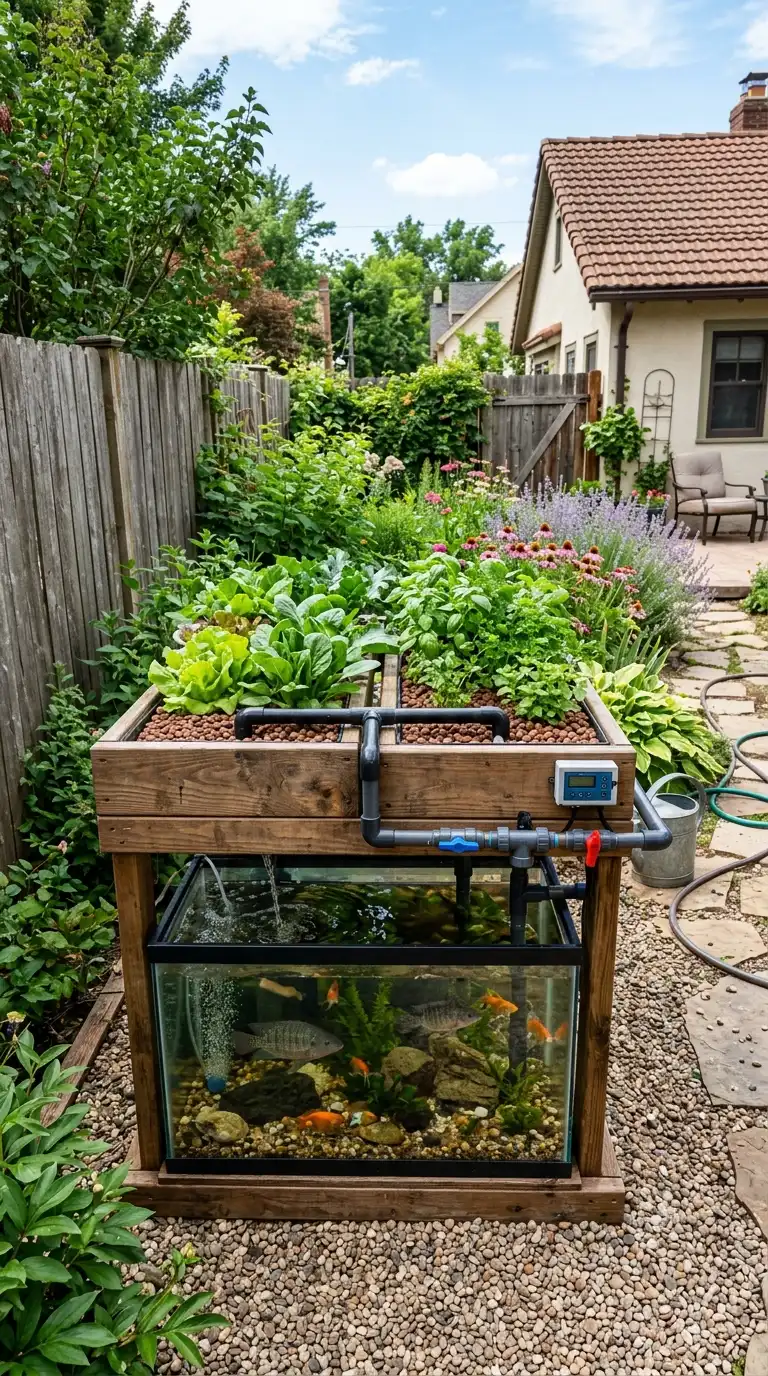
Aquaponics combines fish farming with hydroponics. Fish waste provides nutrients for plants, and plants filter the water for fish. Build a small backyard system with a fish tank and grow beds. Raise tilapia, goldfish, or koi alongside leafy greens, herbs, and tomatoes. Aquaponics uses less water than traditional gardening and produces both fish and vegetables.
6. Compost Bin for Soil Health
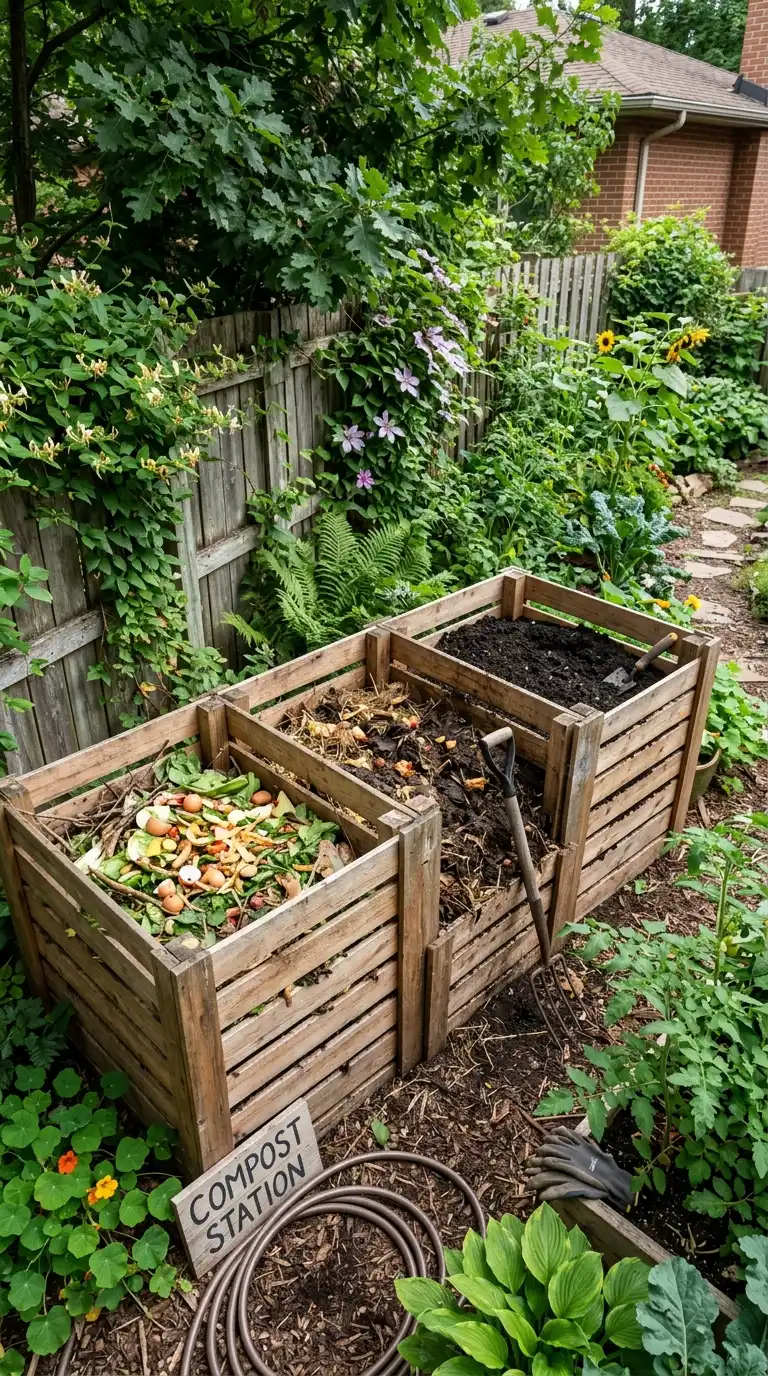
A compost bin turns kitchen scraps and yard waste into rich, organic fertilizer for your garden. Build a simple bin from pallets, wire mesh, or a plastic tumbler. Layer greens (kitchen scraps, grass clippings) and browns (leaves, straw, cardboard). Keep the pile moist and turn it regularly. Finished compost improves soil structure, retains moisture, and feeds your plants.
7. Rainwater Harvesting
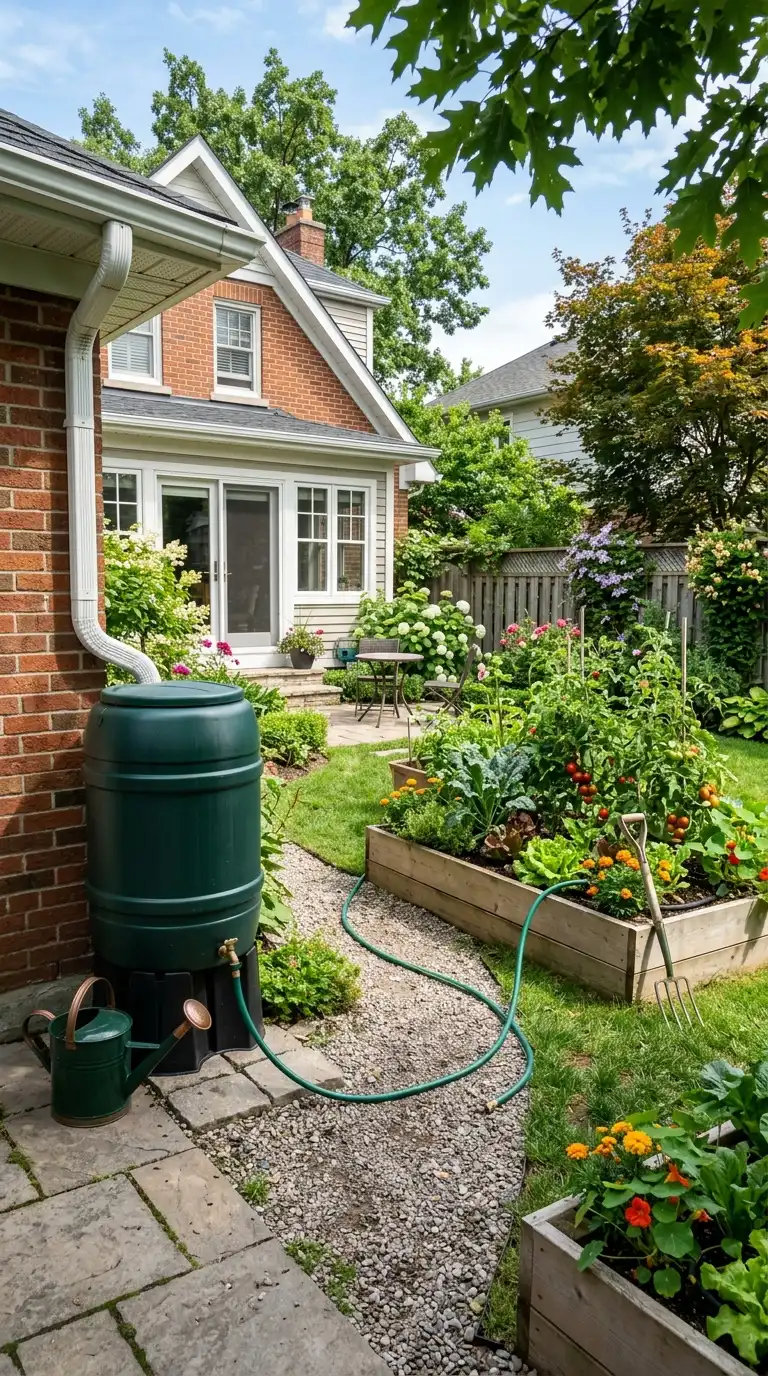
Collect rainwater from your roof to irrigate your garden. Install a rain barrel under a downspout, or connect multiple barrels for larger storage. Use the water for vegetables, fruit trees, and ornamental plants. Rainwater is free of chlorine and other chemicals found in tap water, making it better for your soil and plants.
8. Pollinator Garden
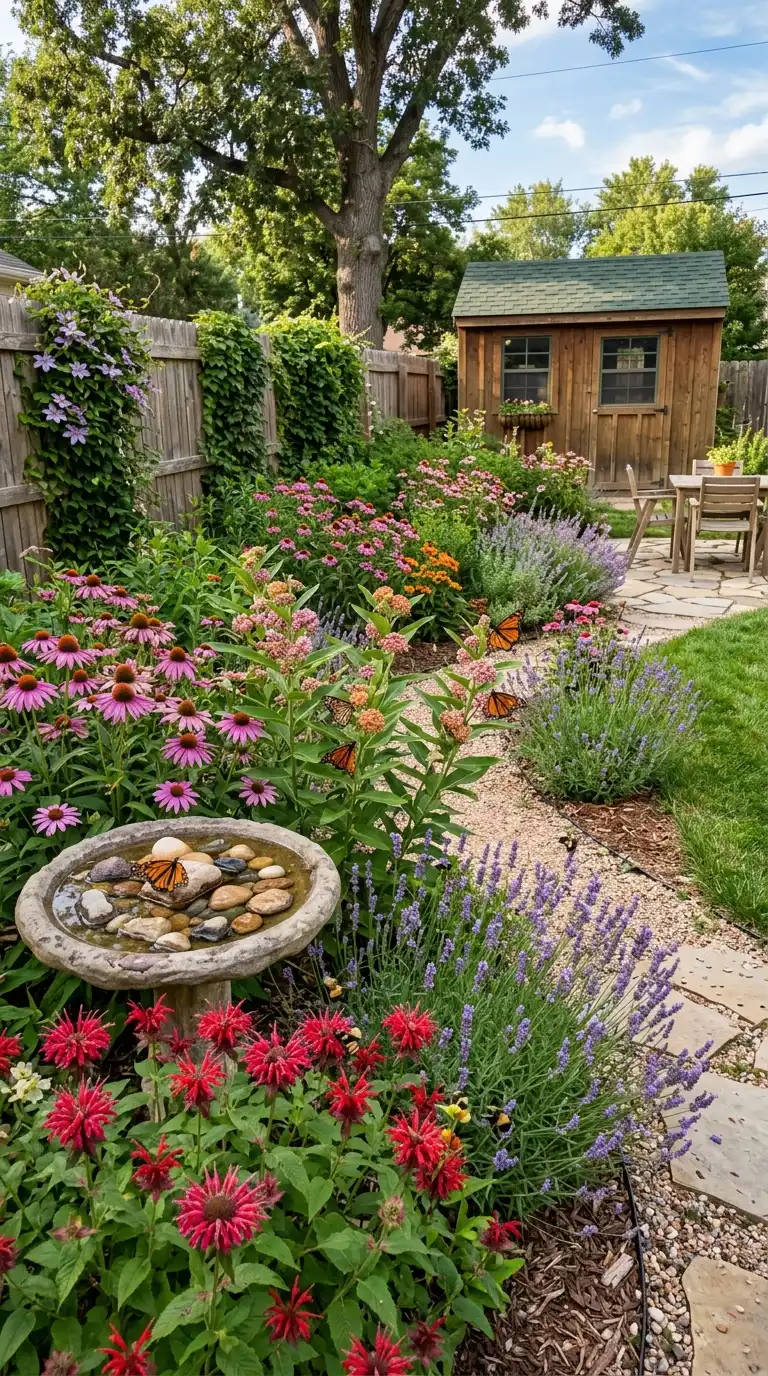
Support bees, butterflies, and other pollinators by planting a dedicated pollinator garden. Choose native flowering plants that bloom at different times of the year. Include milkweed for monarch butterflies, coneflowers, bee balm, lavender, and asters. Provide a shallow water source and avoid pesticides. A pollinator garden increases fruit and vegetable yields in your entire yard.
9. Mushroom Logs
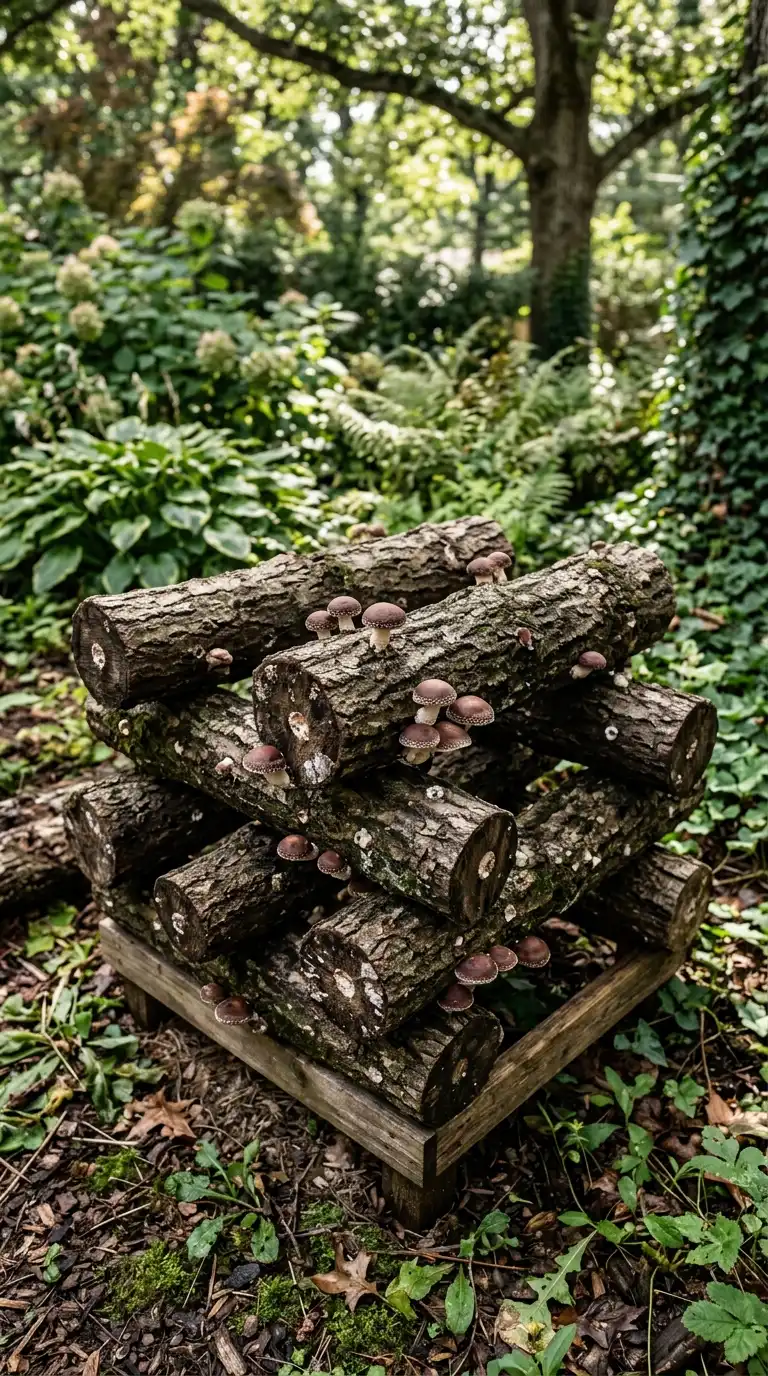
Grow gourmet mushrooms on hardwood logs in a shady corner of your yard. Drill holes in freshly cut oak, maple, or beech logs, and insert mushroom spawn (shiitake, oyster, or lion’s mane). Seal with wax and stack the logs in a damp, shaded area. Mushrooms will fruit seasonally for several years, providing a unique and valuable crop.
10. Straw Bale Garden
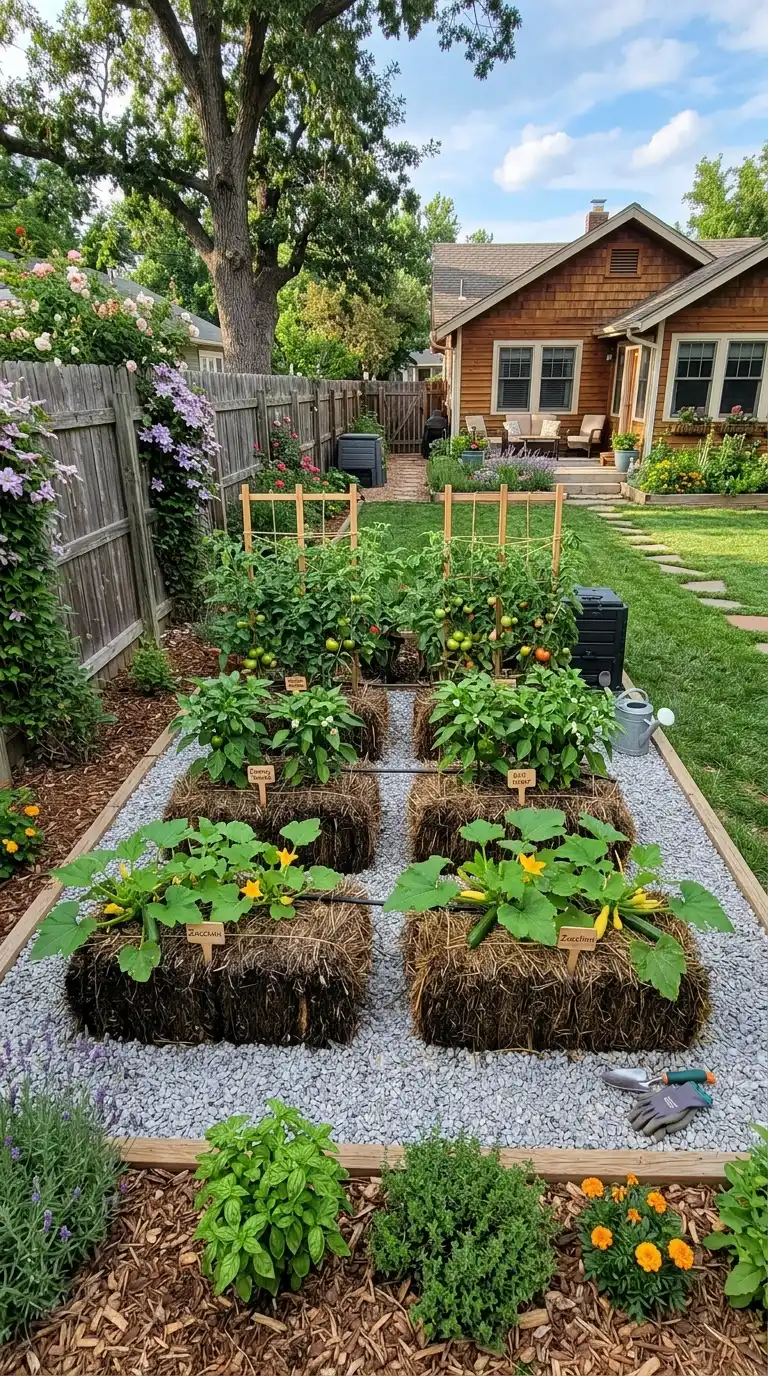
Straw bale gardening is an inexpensive, no-dig method for growing vegetables. Condition straw bales with nitrogen fertilizer and water for 10-14 days, then plant seedlings directly into the bales. Straw bales retain moisture, suppress weeds, and decompose into compost by the end of the season. This method is ideal for poor soil or temporary gardens.
11. Backyard Beekeeping
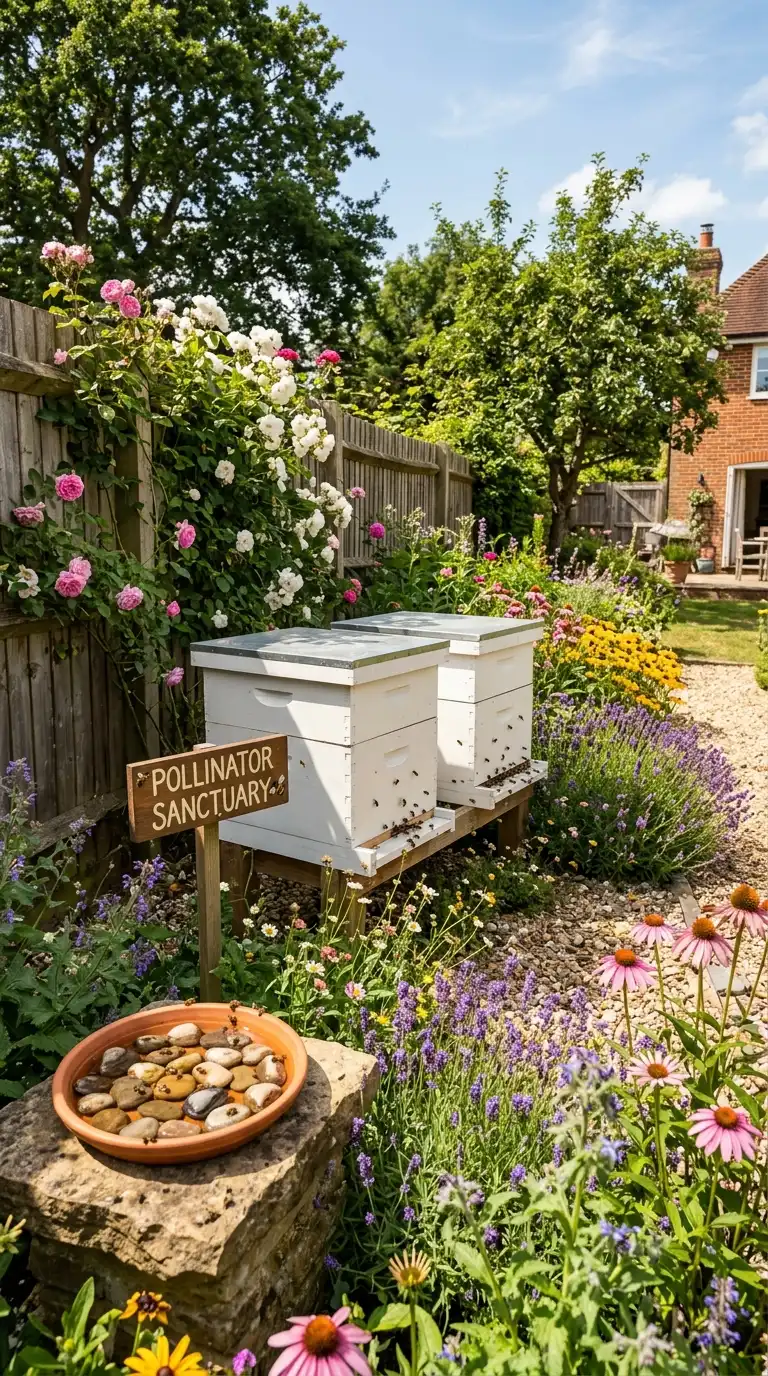
Keep a hive or two of honeybees to pollinate your garden and produce honey. Place hives in a sunny, sheltered spot with a water source nearby. Learn proper beekeeping techniques and check hives regularly. Harvest honey in late summer. Beekeeping supports local ecosystems and provides a sweet reward.
12. Espalier Fruit Trees
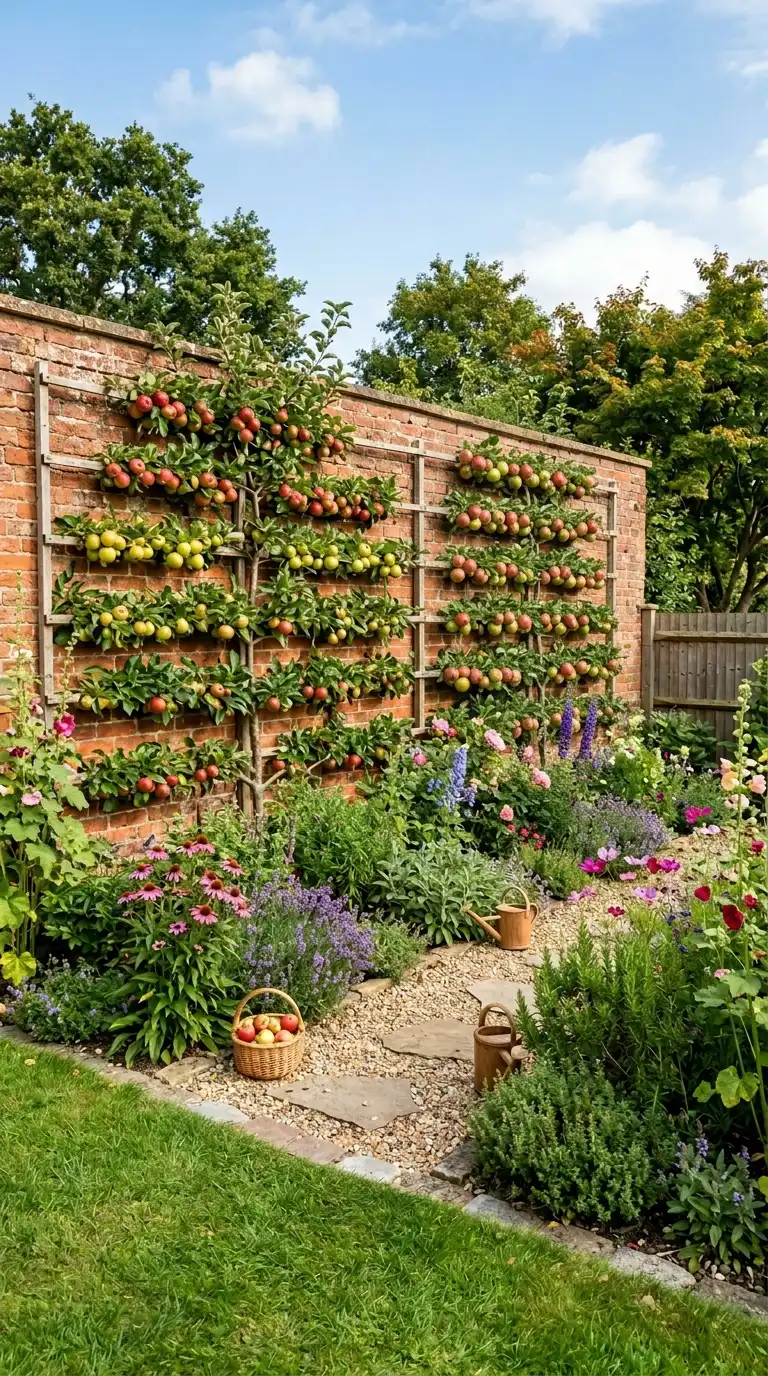
Espalier is a training technique that grows fruit trees flat against a wall, fence, or trellis. This method saves space, improves sun exposure, and makes harvesting easier. Train apple, pear, or fig trees into horizontal tiers, fan shapes, or cordons. Espaliered trees are both productive and ornamental.
13. Hugelkultur Raised Beds
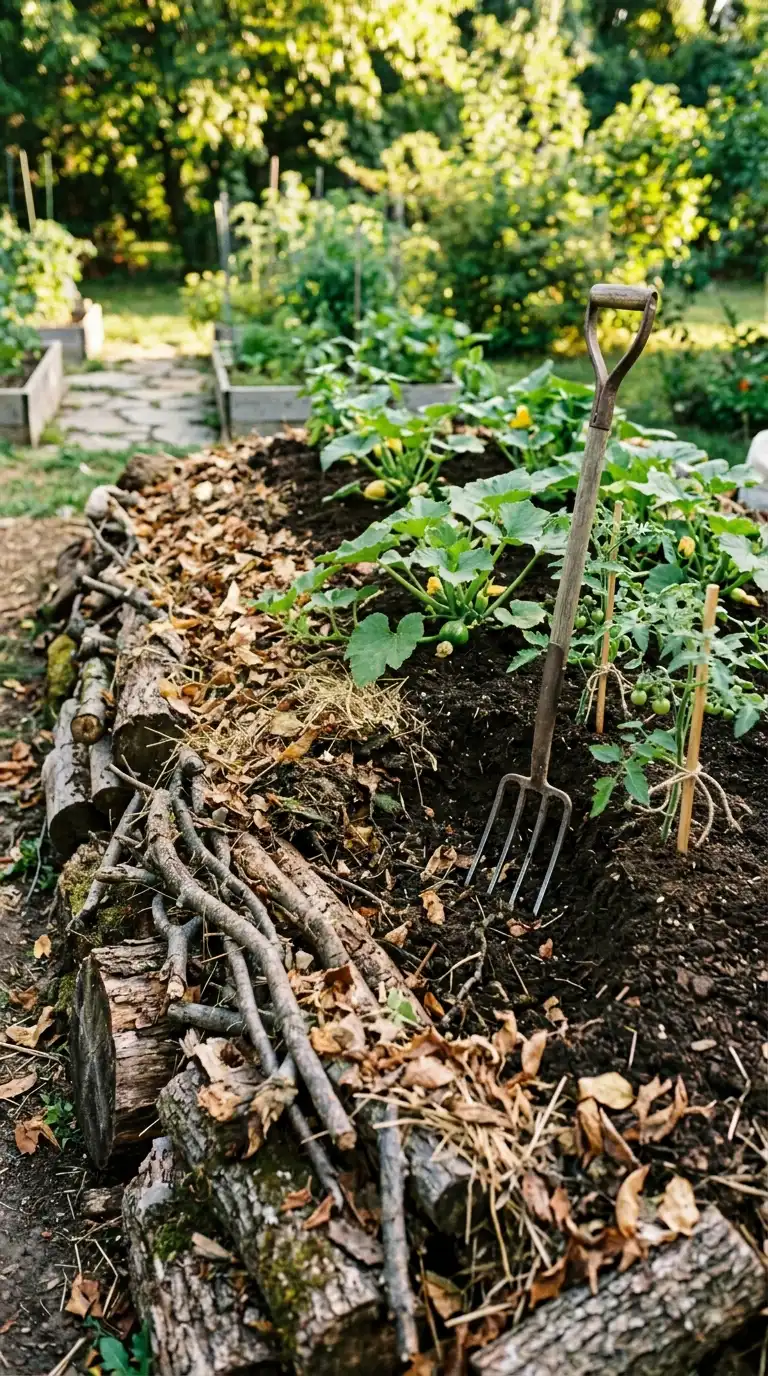
Hugelkultur is a German gardening technique that builds raised beds from buried logs and woody debris. The wood decomposes slowly, releasing nutrients and retaining moisture for years. Layer logs, branches, leaves, compost, and soil to create a self-fertilizing, drought-resistant bed. Hugelkultur beds are ideal for permaculture gardens.
14. Herb Spiral
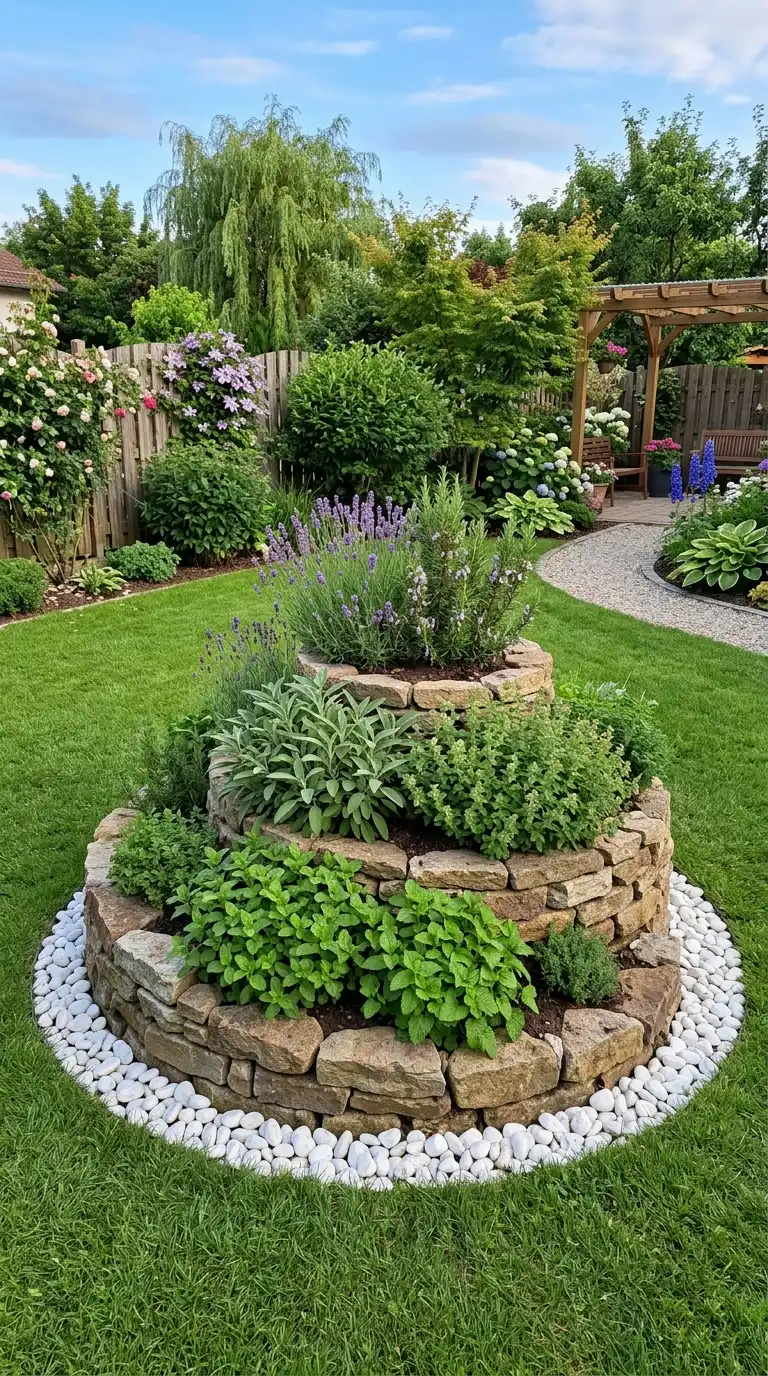
An herb spiral is a space-efficient, vertical garden that creates multiple microclimates for different herbs. Build a spiral mound of stones or bricks, with the center higher and the outer edges lower. Plant mediterranean herbs like rosemary and thyme at the top (dry, sunny), and moisture-loving herbs like mint and lemon balm at the bottom. An herb spiral is both beautiful and productive.
15. Cold Frame or Hoop House
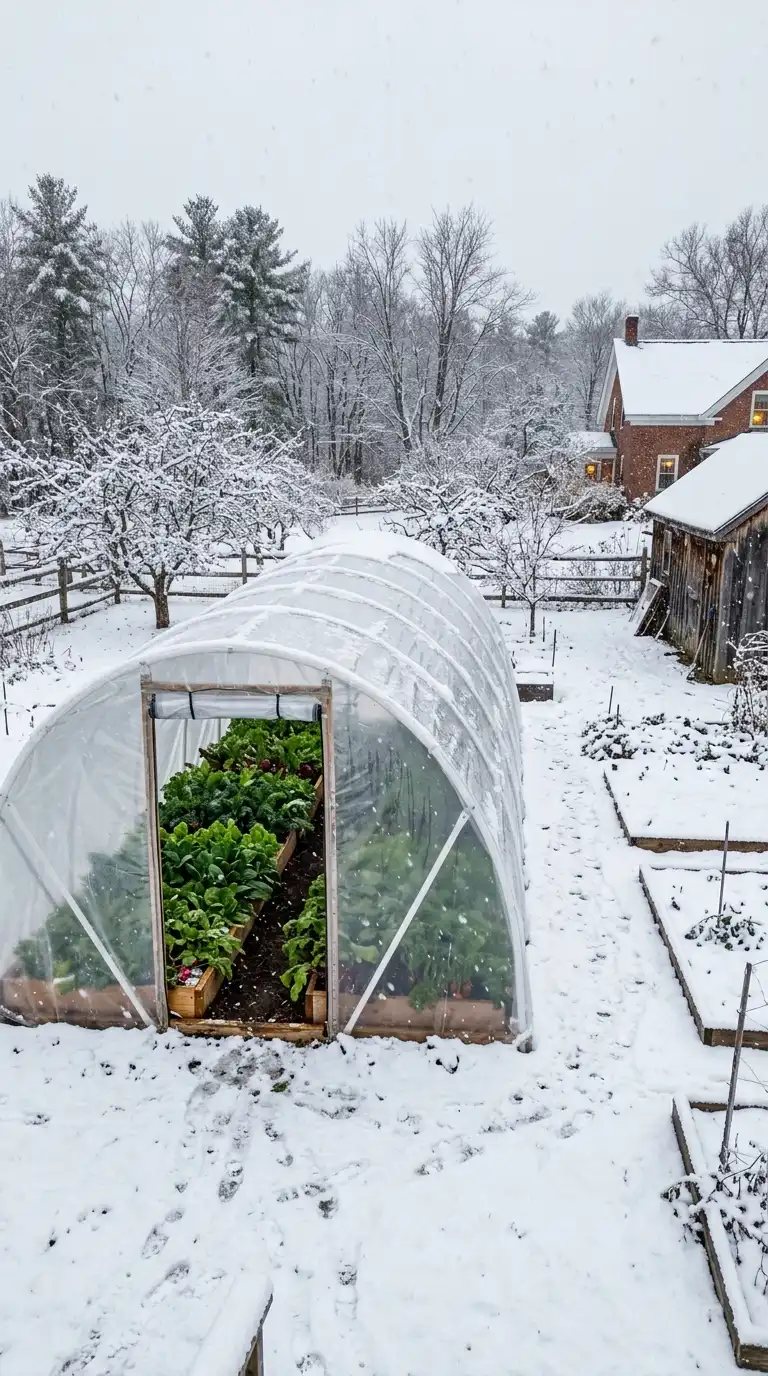
Extend your growing season with a cold frame or hoop house. A cold frame is a low, enclosed box with a transparent lid, ideal for starting seeds and hardening off seedlings. A hoop house is a larger, walk-in structure made of PVC hoops covered with polyethylene film. Both protect plants from frost and allow you to grow cool-season crops into winter.
Conclusion
Backyard farming is a journey of self-sufficiency, sustainability, and connection to the land. Whether you start with a single raised bed, a small flock of chickens, a few fruit trees, or a beehive, each step brings you closer to growing your own food and reducing your environmental footprint. Choose projects that fit your space, climate, and interests, and enjoy the satisfaction of harvesting what you have grown with your own hands. With patience and care, your backyard can become a thriving farm that nourishes your body and soul.