15 Backyard Layout Designs
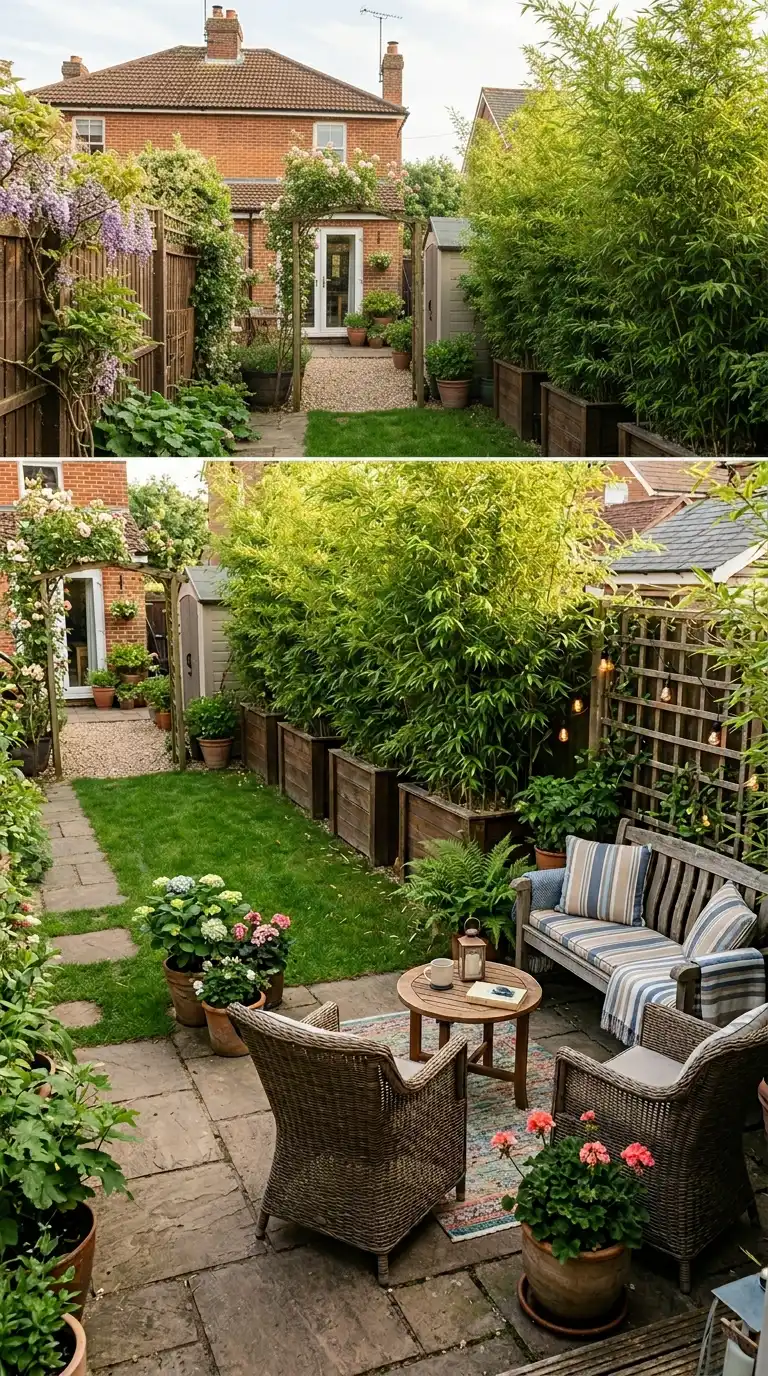
A well-planned backyard layout is the foundation of a functional, beautiful, and enjoyable outdoor space. Whether you have a sprawling estate, a modest suburban lot, or a compact urban garden, thoughtful layout design ensures every square foot serves a purpose and flows seamlessly from one area to the next. From zoning and pathways to focal points and transitions, here are fifteen backyard layout designs to inspire your next project.
1. The Central Lawn with Perimeter Planting
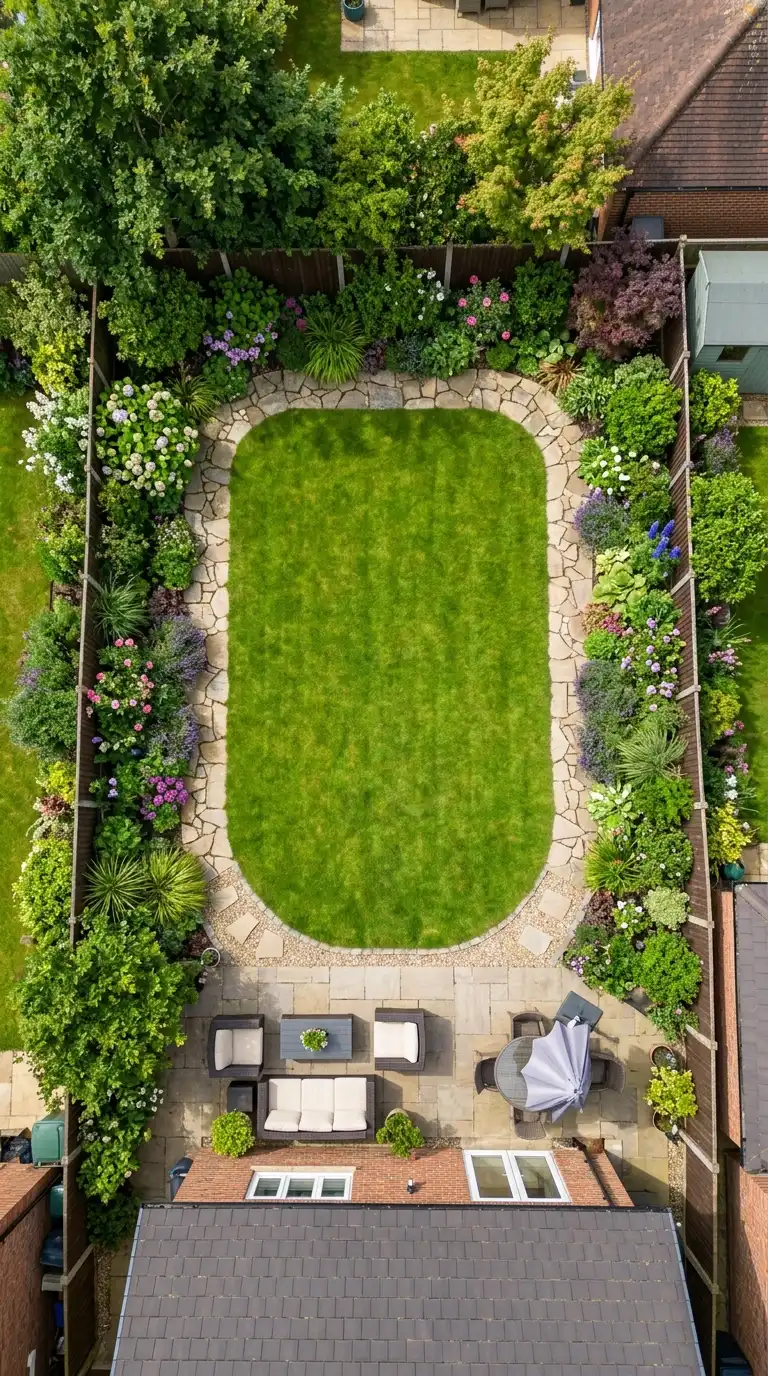
A classic layout featuring a central lawn surrounded by perimeter planting creates a clean, open space that feels larger than it is. Use trees, shrubs, and flower beds along the edges to frame the lawn and provide privacy. This design works well for families who want open space for play and entertaining, with lush borders adding color and texture without encroaching on the usable area.
2. The L-Shaped Layout
An L-shaped layout is ideal for corner lots or homes with an L-shaped footprint. Use the two arms of the L to define distinct zones—one for dining and entertaining, another for lounging or gardening. The corner where the two arms meet can house a focal feature like a fire pit, water feature, or specimen tree. This layout maximizes usable space while creating natural separation between activity zones.
3. The Zoned Layout
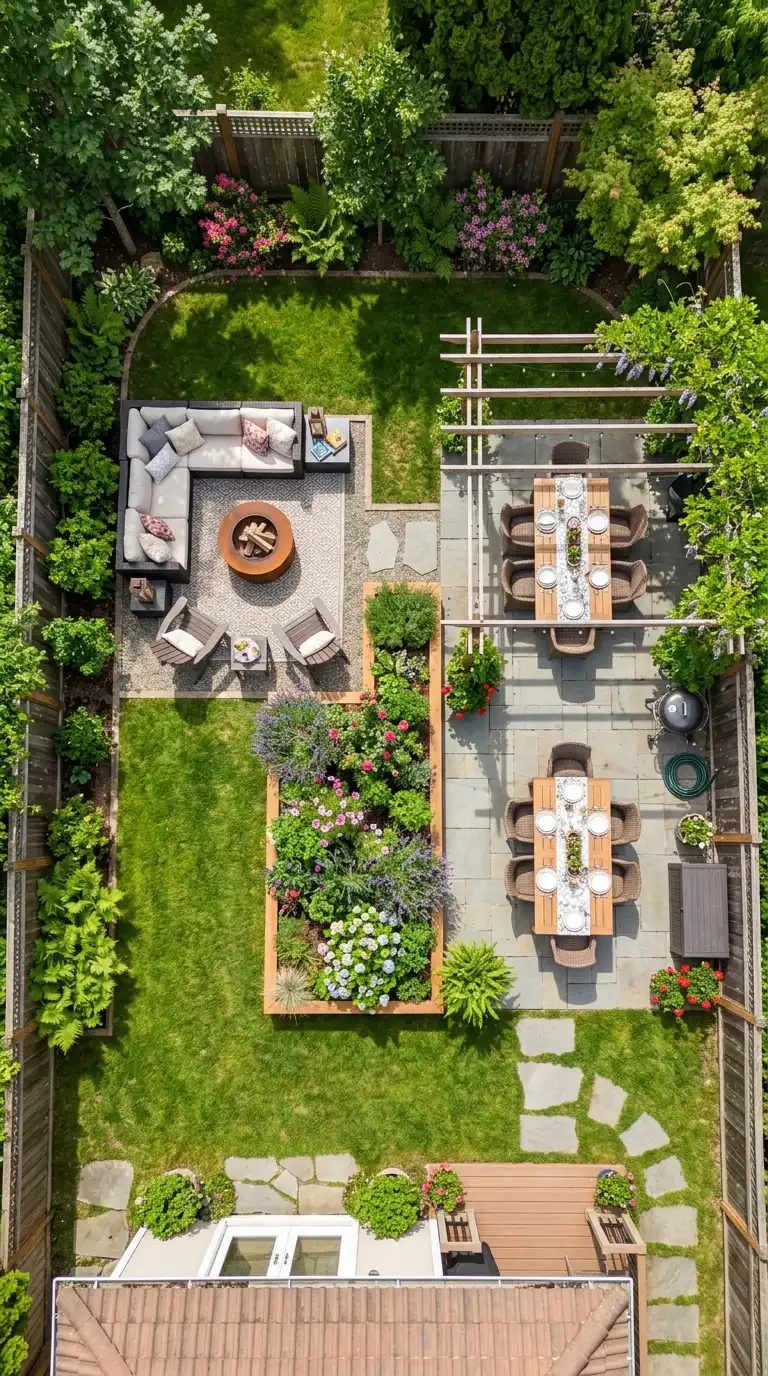
Divide your backyard into distinct zones for different activities—dining, lounging, cooking, gardening, and play. Use pathways, changes in surface material, or low plantings to define each zone. A zoned layout ensures that every area has a clear purpose and that activities don’t interfere with one another. This design is ideal for families with varied interests or for those who entertain frequently.
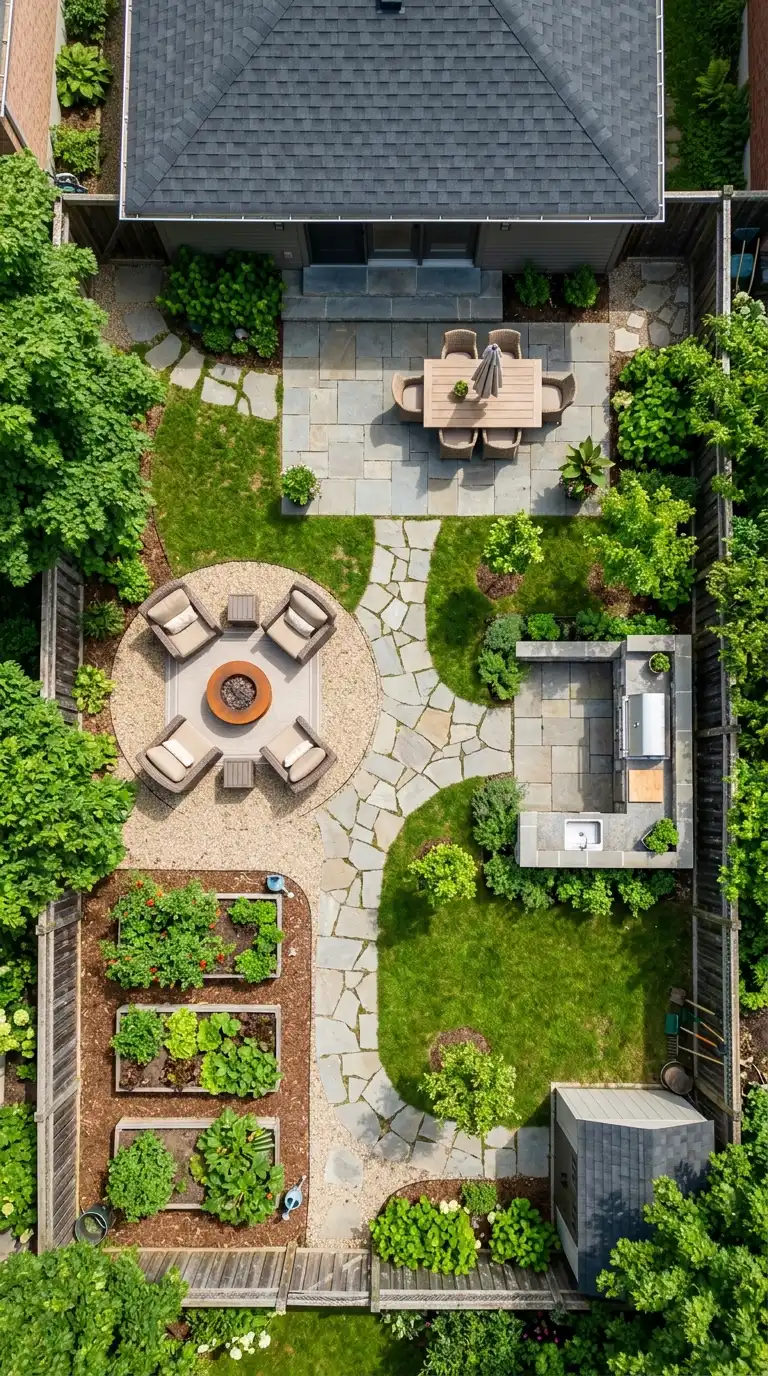
4. The Circular Layout
A circular layout centers around a focal point—a fire pit, fountain, or specimen tree—with pathways radiating outward and seating arranged in a circular pattern. This design creates a sense of intimacy and encourages conversation. Circular layouts work well in smaller backyards where a central feature draws the eye and anchors the space.
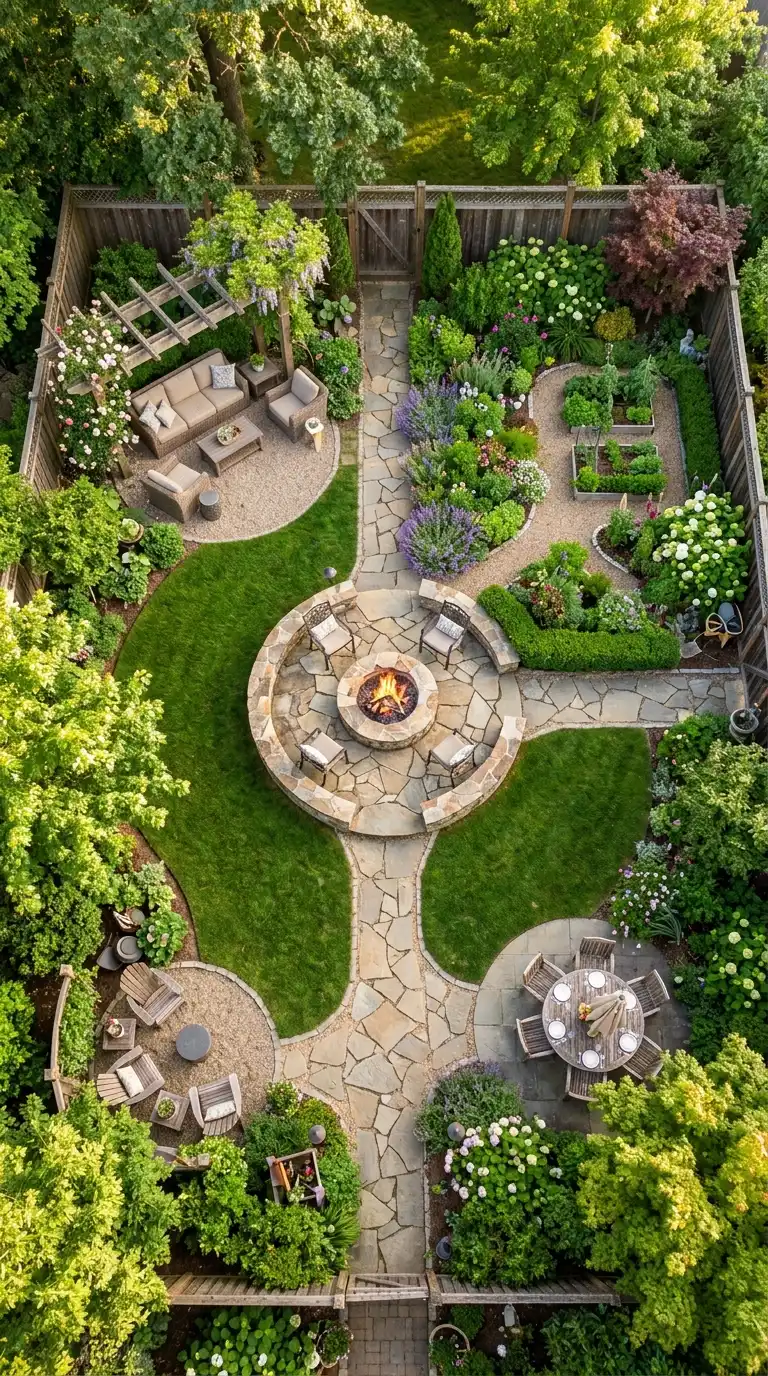
5. The Multi-Level Terrace Layout
For sloped backyards, a multi-level terrace layout uses retaining walls to create distinct, flat zones at different elevations. Each terrace can serve a different purpose—a dining area on the upper level, a lounge area on the middle level, and a garden or play area on the lower level. This design maximizes usable space on challenging terrain and adds architectural interest.
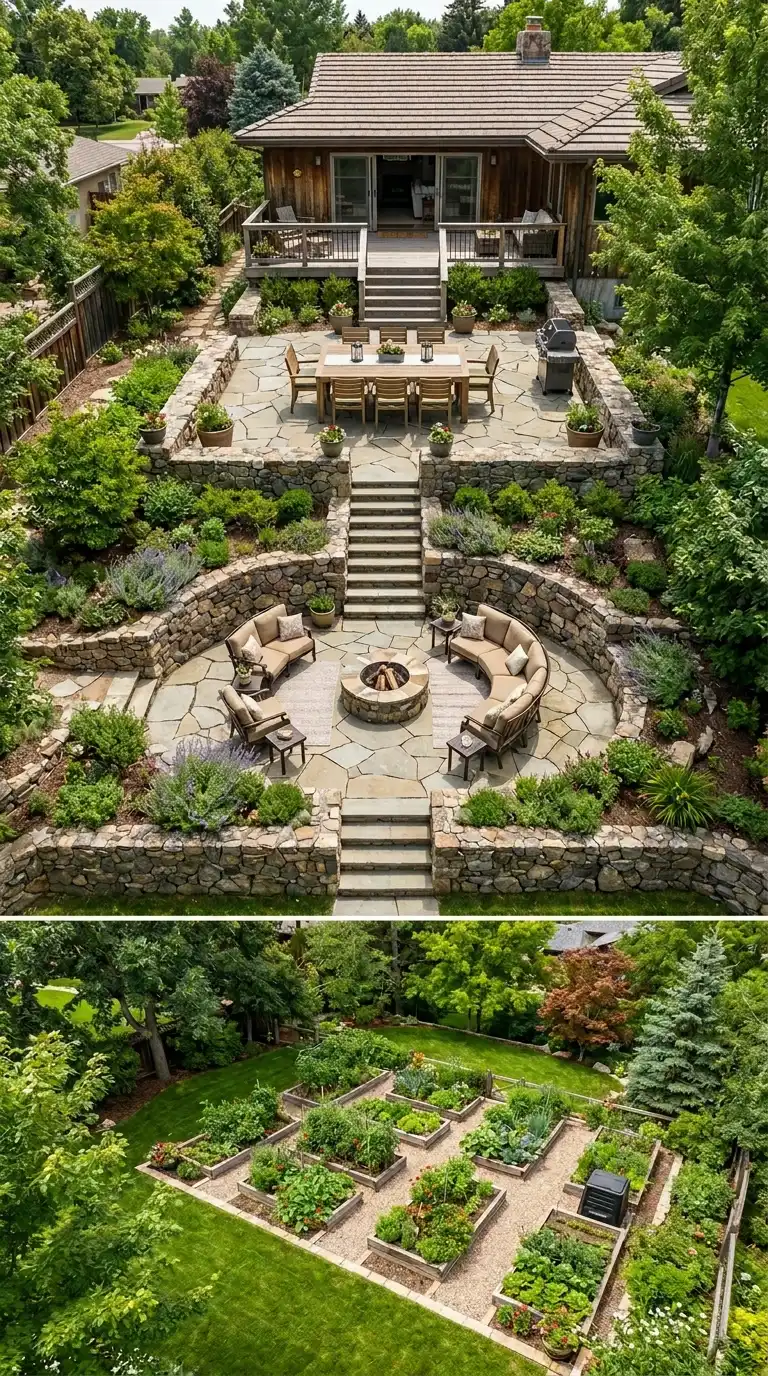
6. The Labyrinth or Winding Pathway Layout
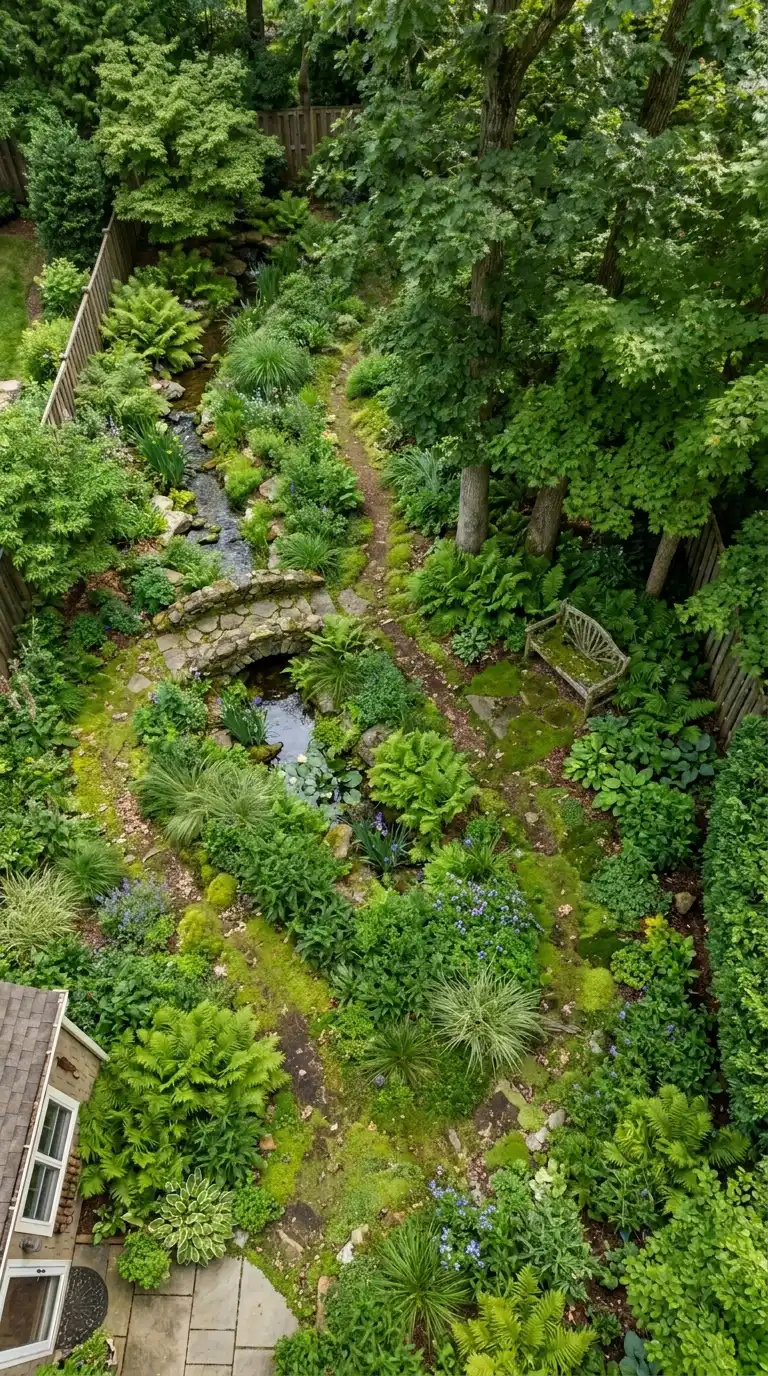
Create a sense of discovery with a winding pathway that meanders through your backyard, connecting different zones and hidden seating areas. Use curves and plantings to create visual interest and encourage exploration. This layout works well in larger backyards where you want to create a sense of journey and surprise.
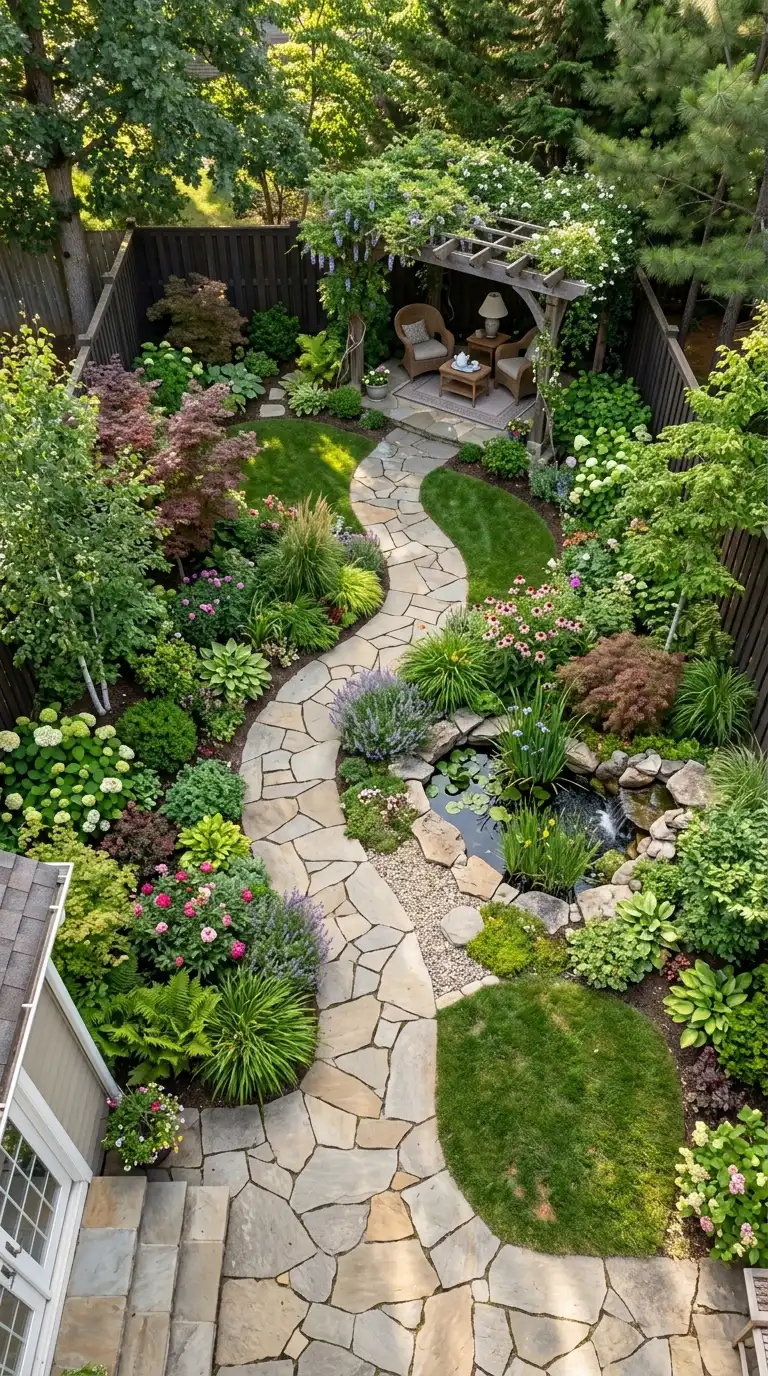
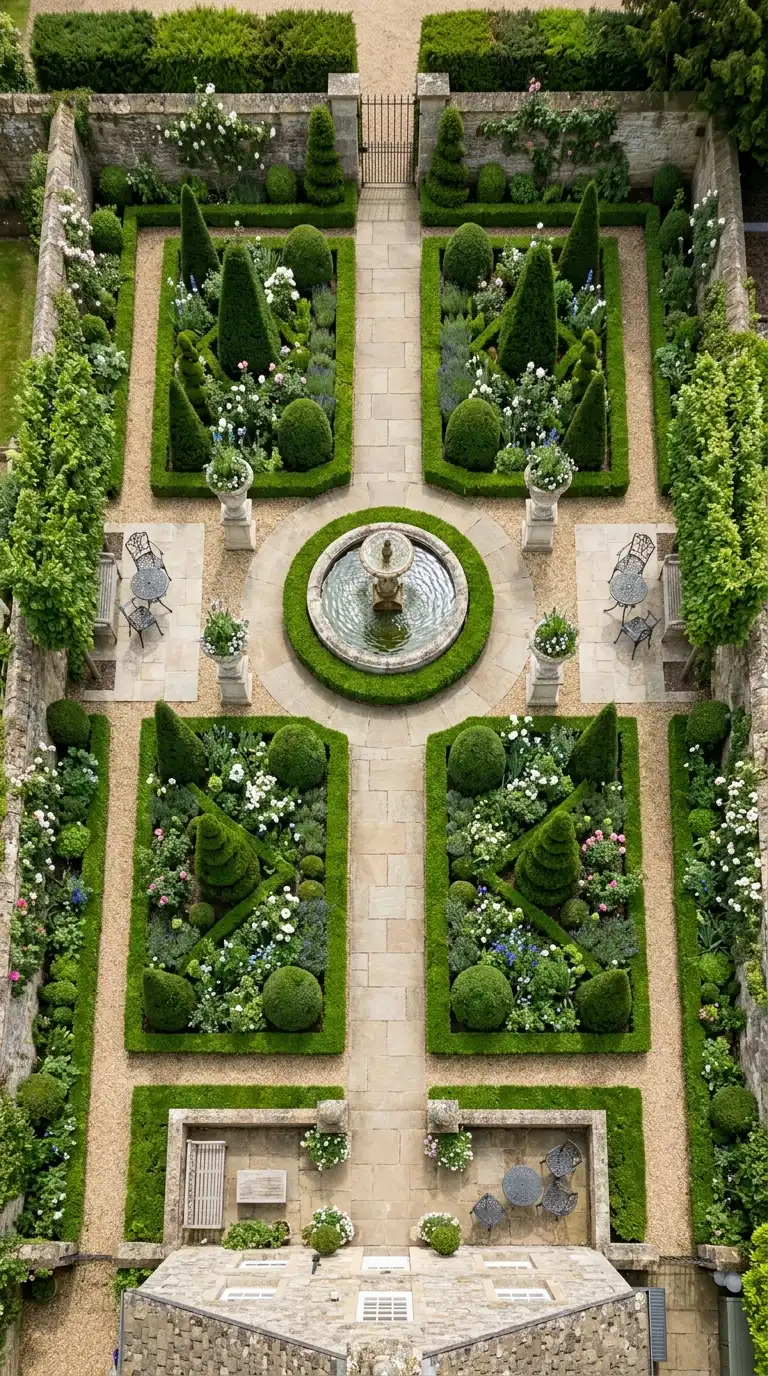
7. The Formal Symmetrical Layout
A formal symmetrical layout is characterized by balance, order, and geometric shapes. Use a central axis—often aligned with the house—with symmetrical planting beds, pathways, and features on either side. This design suits traditional homes and creates an elegant, timeless aesthetic. A central fountain or statue often serves as the focal point.
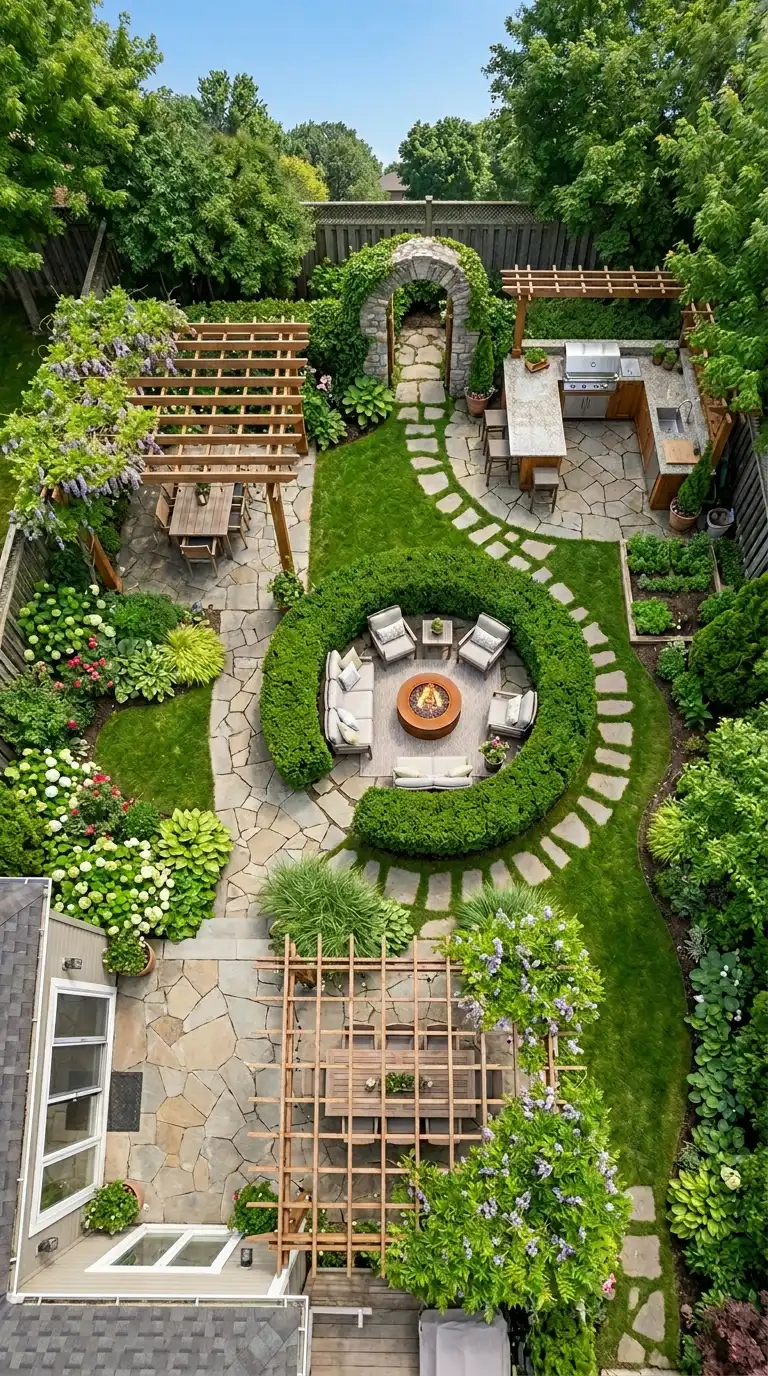
8. The Outdoor Room Layout
Treat your backyard as a series of outdoor rooms, each with its own function and character. Use pergolas, arbors, hedges, or changes in elevation to define each room. An outdoor dining room, a lounge room, a cooking room, and a garden room create distinct spaces that flow into one another, making the backyard feel like an extension of the home.
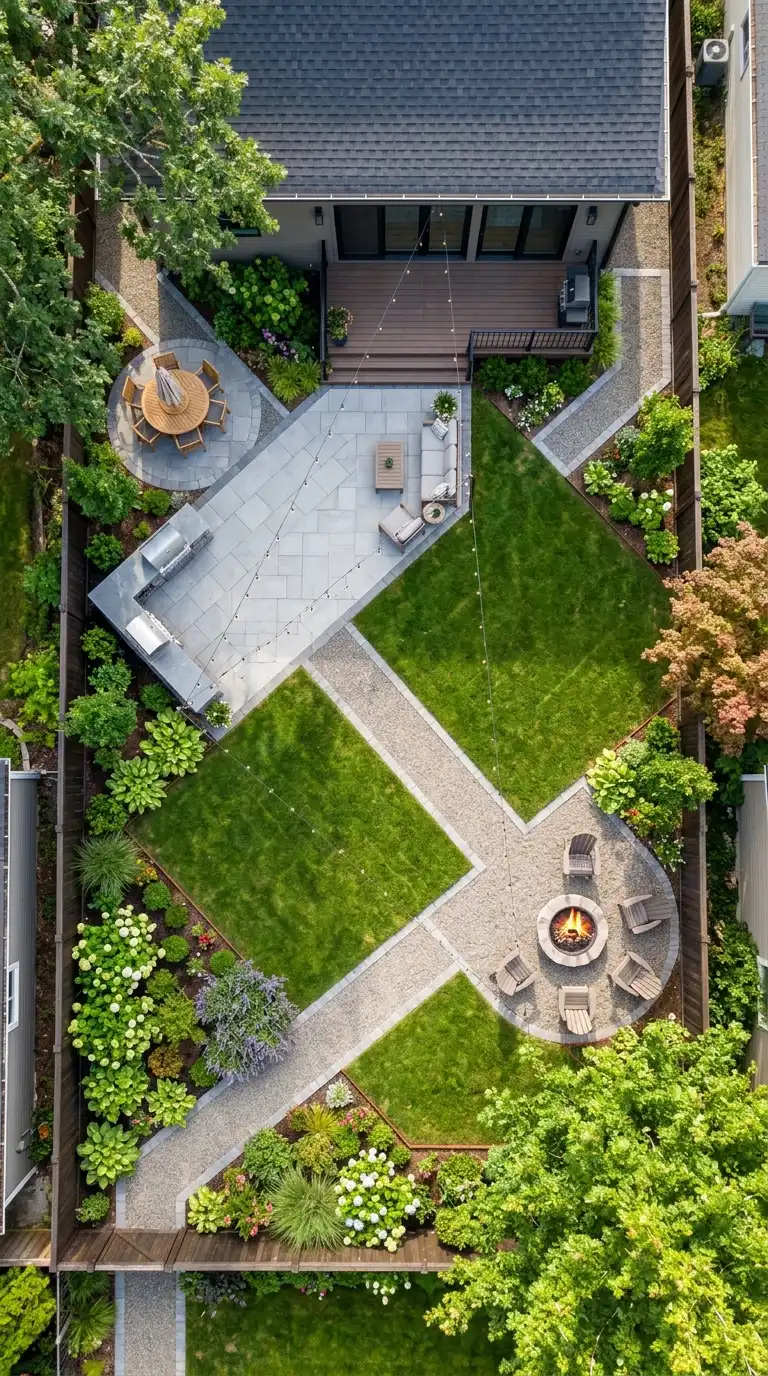
9. The Diagonal Layout
Break away from traditional right angles with a diagonal layout that uses 45-degree angles to create visual interest and maximize space. Position patios, pathways, and planting beds on the diagonal to create a sense of movement and make a narrow yard feel wider. This design works well for contemporary homes and smaller spaces.
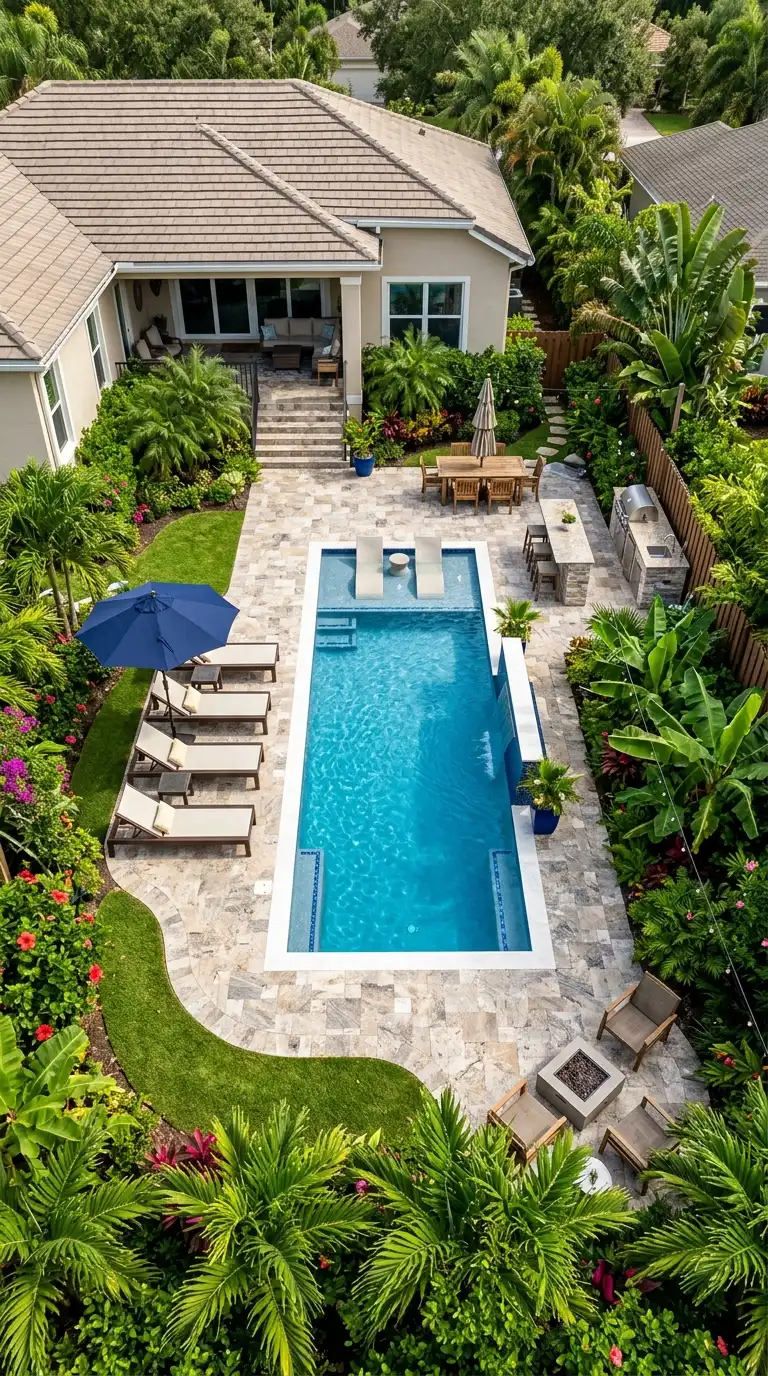
10. The Pool-Centric Layout
Design your backyard around a swimming pool as the central feature. Position the pool to capture sun and views, and arrange seating, dining, and lounging areas around it. Use decking or paving to create a cohesive surface, and add landscaping to soften the edges and provide privacy. A pool-centric layout creates a resort-like atmosphere.
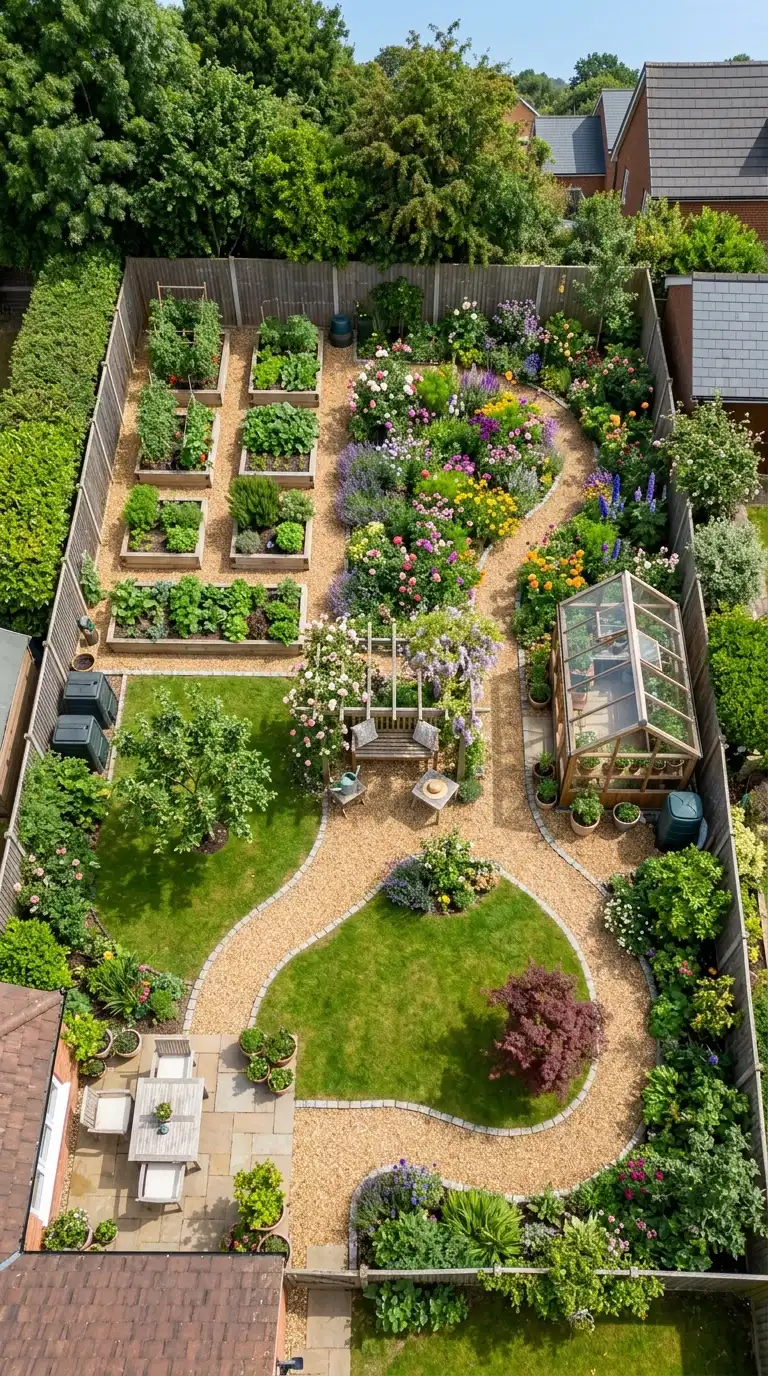
11. The Garden-Focused Layout
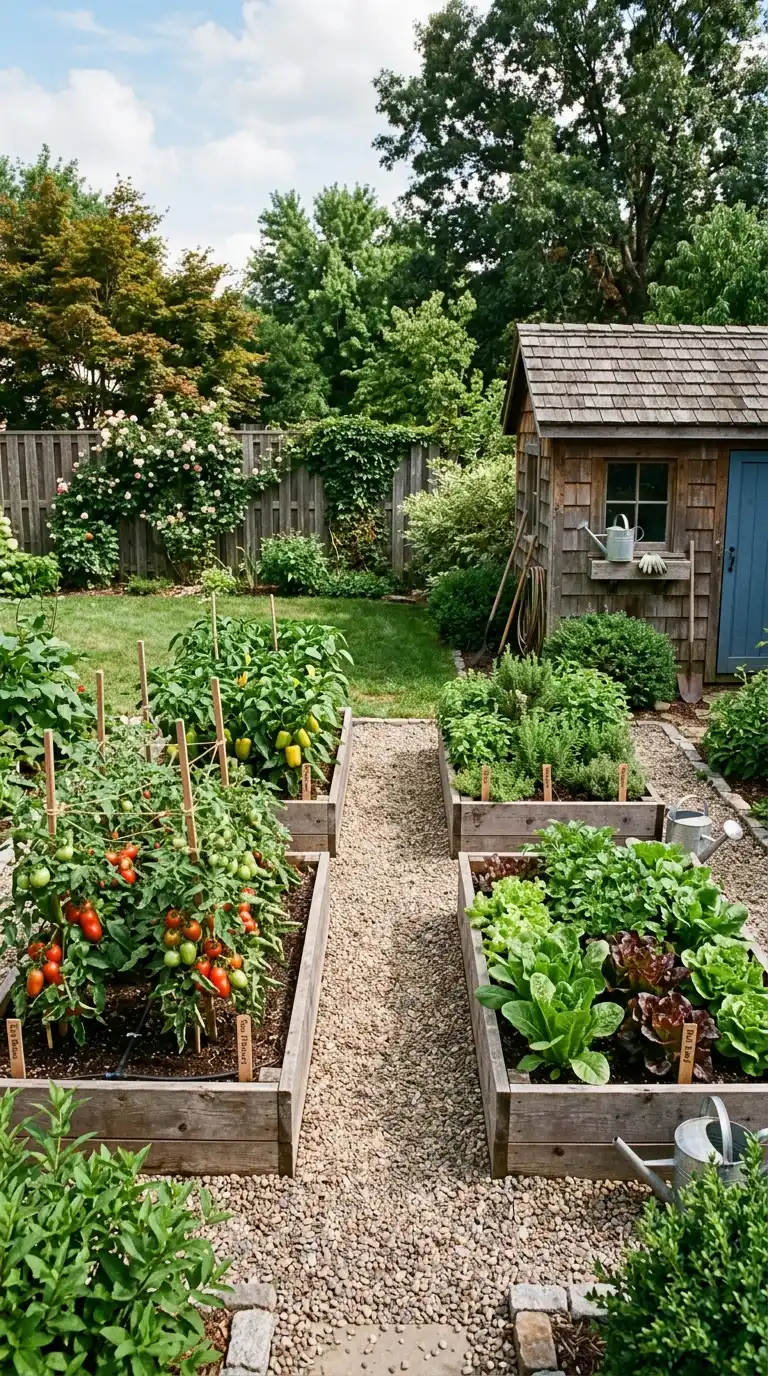
For avid gardeners, design your backyard around planting beds, vegetable gardens, and greenhouse structures. Use pathways to connect different garden zones—a cutting garden, a vegetable plot, a shade garden, and a greenhouse. Include a small seating area where you can rest and enjoy the fruits of your labor. This layout prioritizes beauty and productivity.
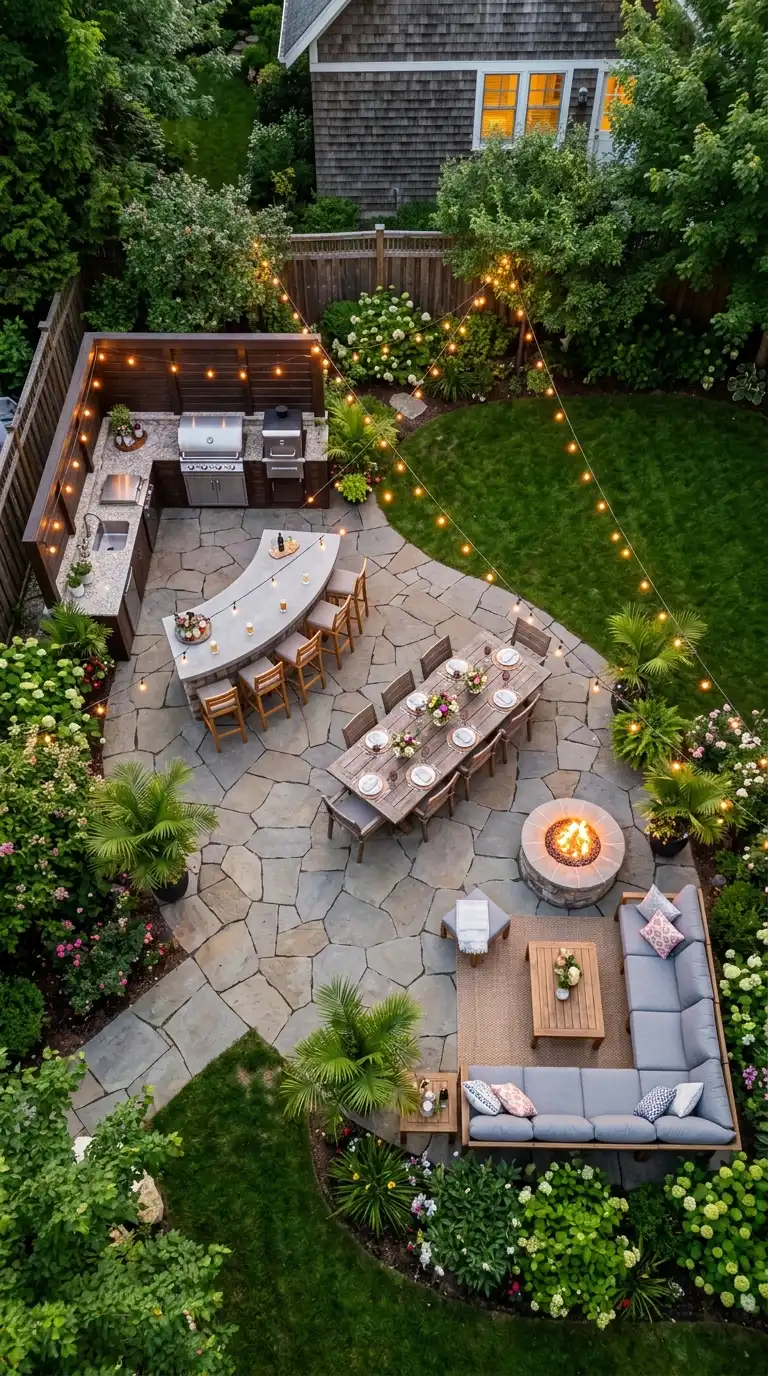
12. The Entertainment Hub Layout
Design your backyard for maximum entertainment capacity with a large patio or deck, an outdoor kitchen, a bar, and ample seating. Position the cooking and dining areas close together, and include a lounge area with a fire pit or outdoor fireplace. Add a dance floor or open space for gatherings. This layout is ideal for those who love to host.
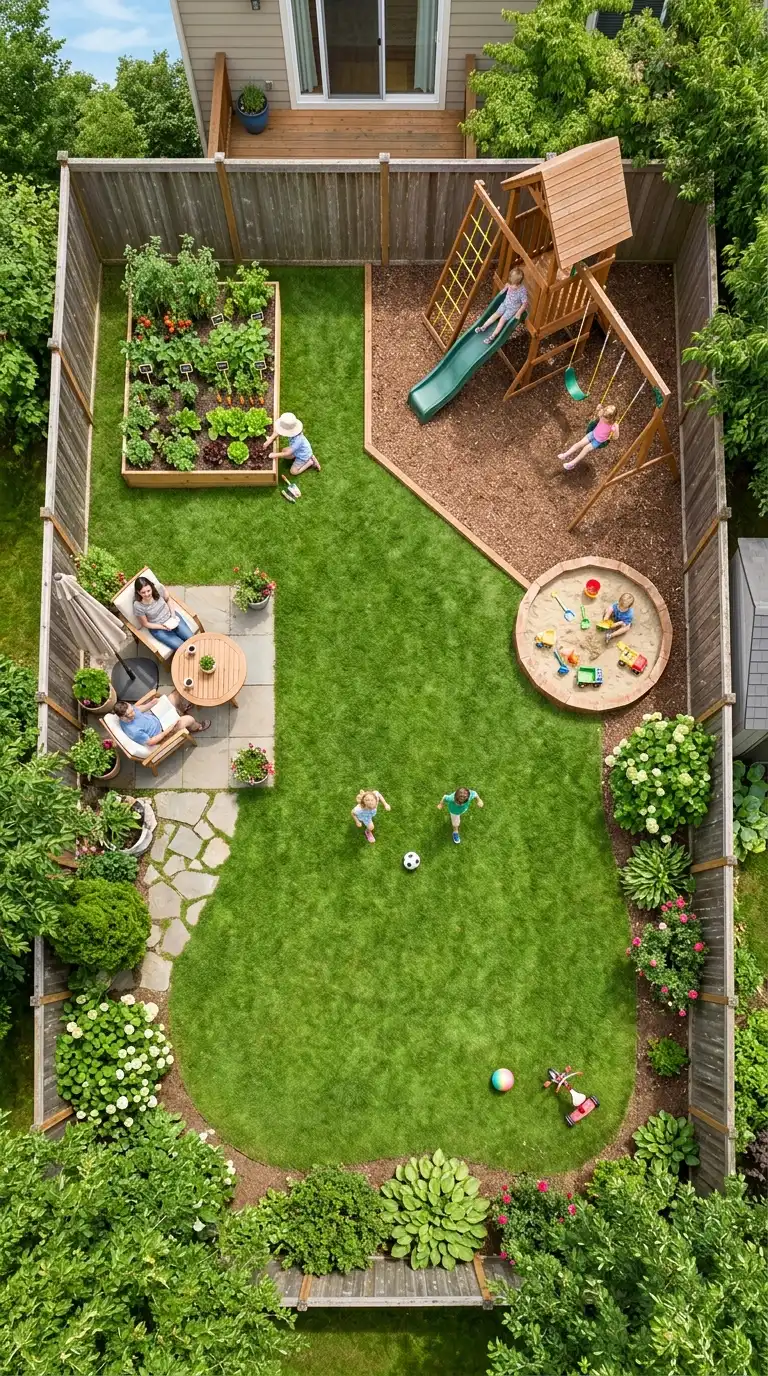
13. The Kid-Friendly Layout
Design your backyard with children in mind, creating zones for play, exploration, and family gatherings. Include a flat lawn for running and games, a play structure or sandbox, and a garden area where kids can dig and plant. Position seating for parents within view of the play areas, and use durable, low-maintenance materials that can withstand active use.
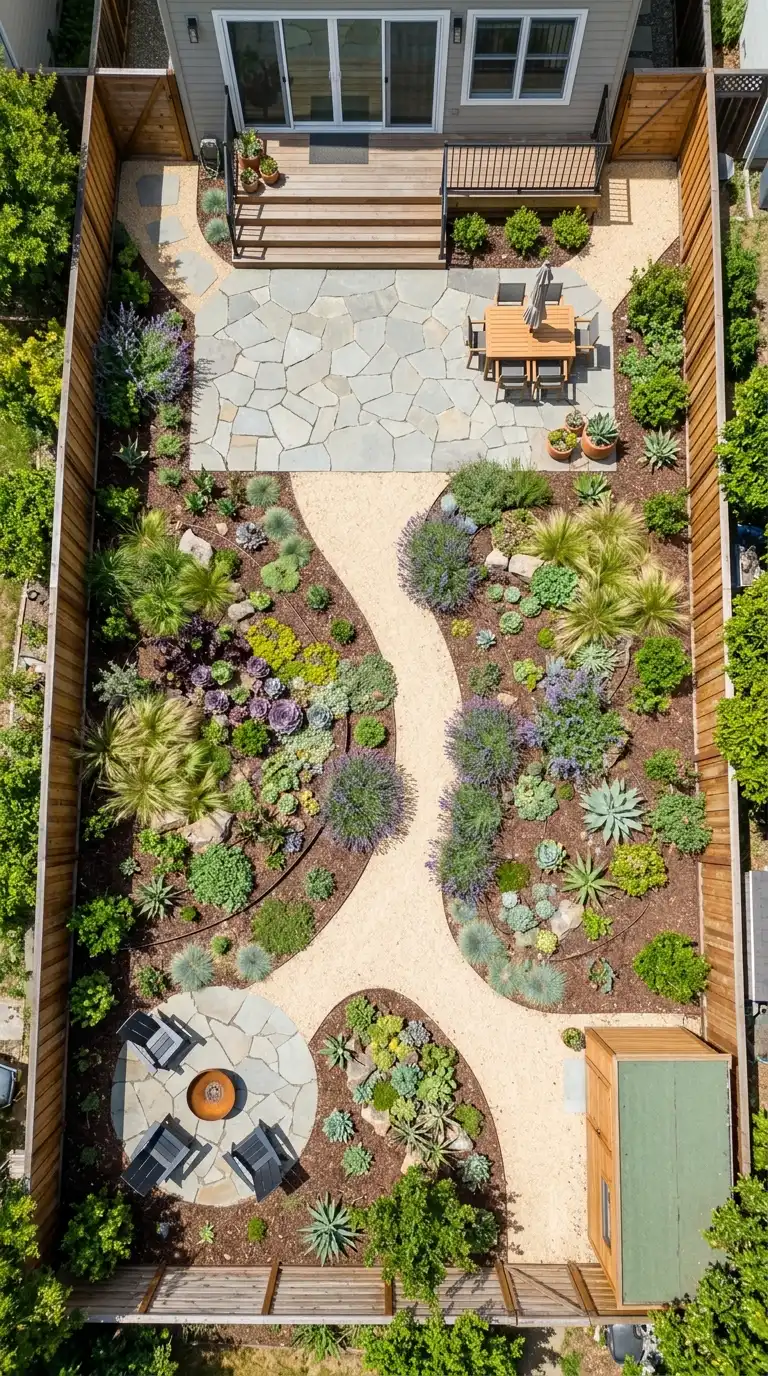
14. The Low-Maintenance Layout
For those who prefer minimal upkeep, design a layout that prioritizes hardscaping over lawn and planting. Use patios, decks, gravel, and pathways to cover most of the space, and incorporate drought-tolerant plants, ornamental grasses, and succulents in containers or small beds. Mulch planting areas to suppress weeds and retain moisture. This layout is beautiful and requires little maintenance.
15. The Naturalistic Layout
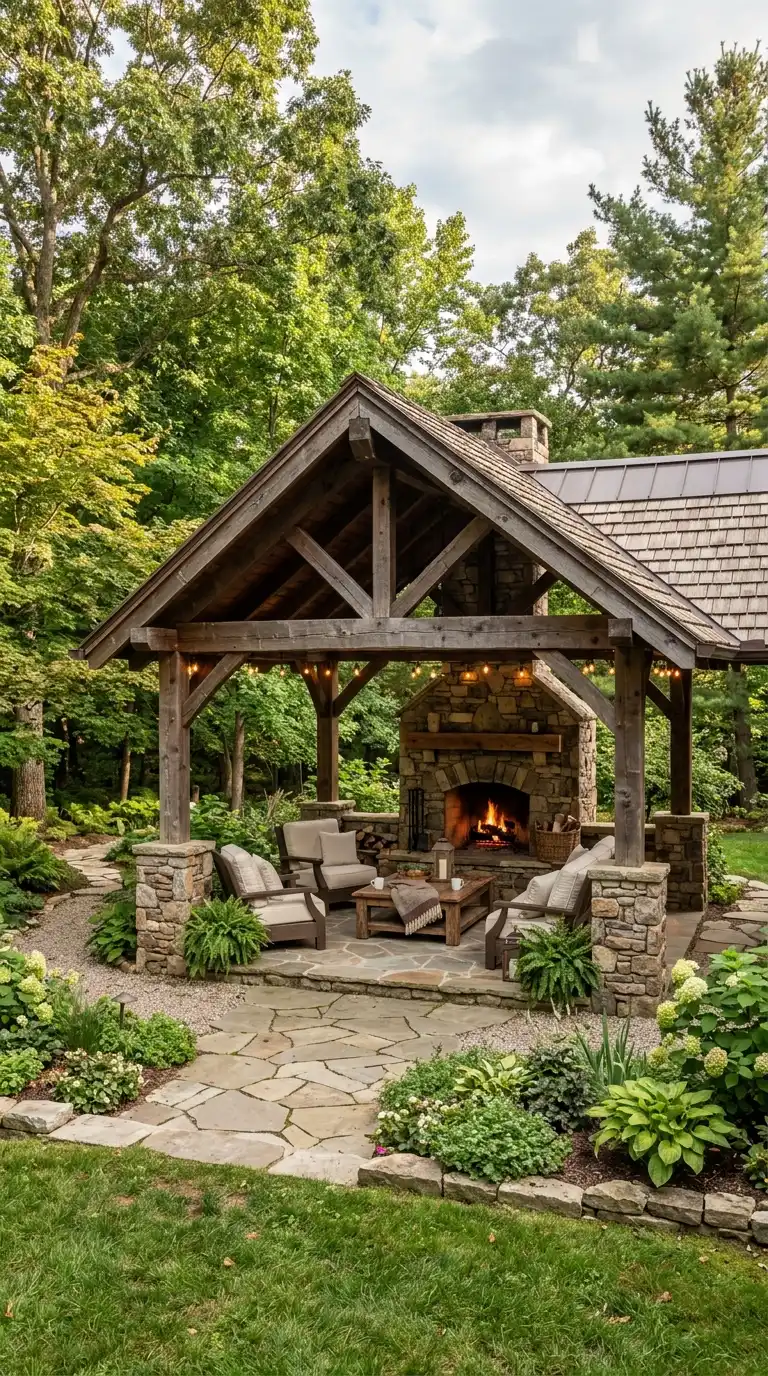
Embrace a natural, organic aesthetic with a layout that mimics the curves and randomness of nature. Use winding pathways, irregularly shaped planting beds, and native plants that blend with the surrounding landscape. Incorporate natural materials like stone, wood, and gravel. A naturalistic layout creates a peaceful, woodland-like atmosphere that feels like an escape from the built environment.
Conclusion
The layout of your backyard sets the stage for how you will use and enjoy your outdoor space. Whether you prefer the open expanse of a central lawn, the intimacy of distinct zones, the elegance of formal symmetry, or the tranquility of a naturalistic design, thoughtful planning ensures that your backyard is both beautiful and functional. Consider how you want to use the space—entertaining, gardening, relaxing, playing—and choose a layout that supports those activities. With careful design, your backyard can become a seamless extension of your home and a cherished place for years to come.