
15 Delicious Nigerian Food Ideas
Nigerian cuisine is a vibrant celebration of bold flavors, rich spices, and diverse culinary traditions that reflect the country’s multicultural heritage. From smoky jollof rice to spicy pepper soups, Nigerian food offers an exciting palette of tastes and textures that captivate food lovers worldwide. Whether you’re Nigerian seeking nostalgic home cooking, a food enthusiast exploring African cuisine, or simply looking for new recipe ideas, this comprehensive guide presents 15 must-try Nigerian dishes that showcase the country’s incredible culinary diversity.
1. Jollof Rice
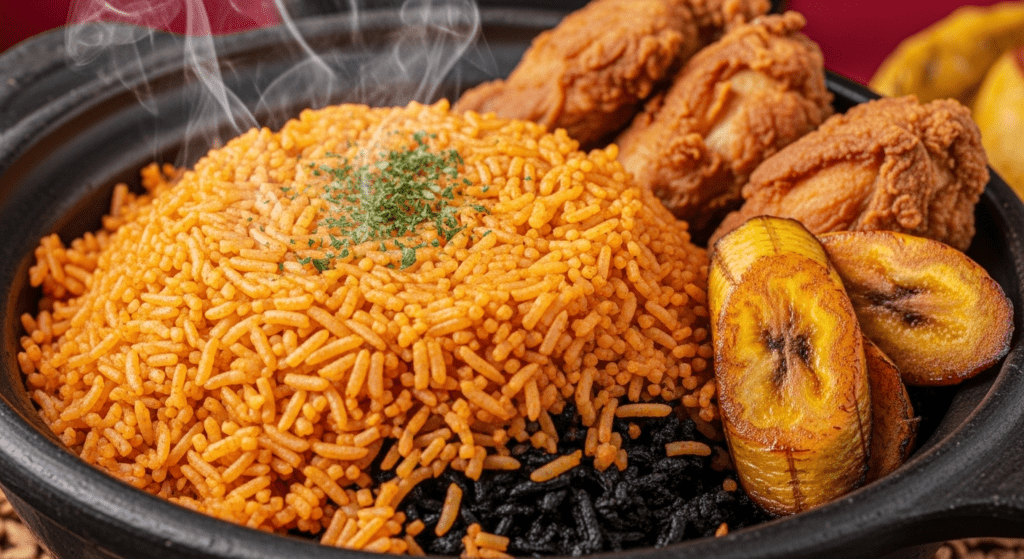
Jollof rice reigns as Nigeria’s most famous dish and a source of national pride in the friendly “Jollof wars” with neighboring Ghana. This one-pot wonder features parboiled rice cooked in a rich tomato-pepper sauce with onions, spices, and stock. The signature smoky flavor comes from allowing the bottom layer to slightly char—a coveted portion called “the bottom of the pot.” Nigerian jollof typically uses a fried tomato base that’s cooked until deep red and the oil separates. Serve with fried plantain, coleslaw, and your choice of protein for a complete meal that’s perfect for parties, celebrations, or satisfying weeknight dinners.
2. Egusi Soup
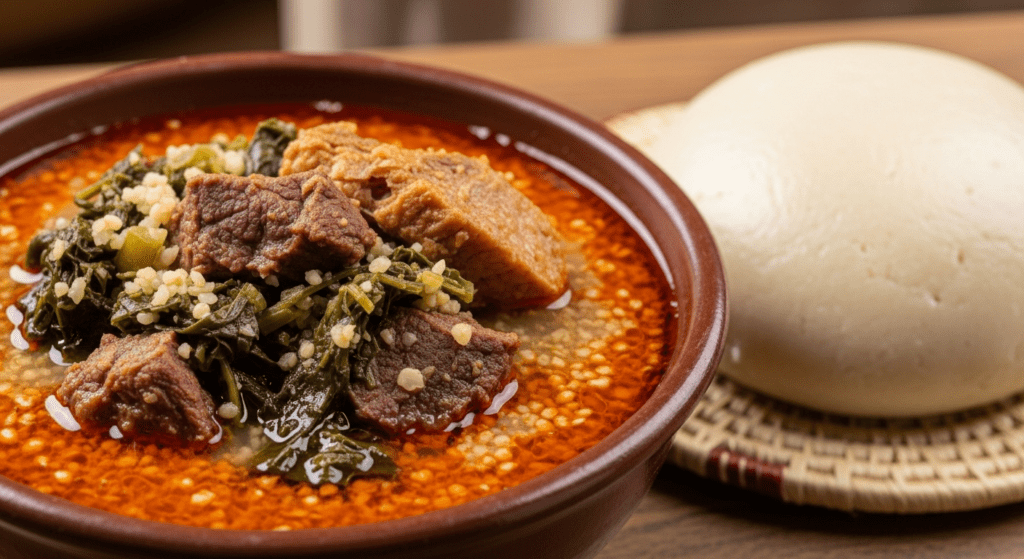
Egusi soup is a beloved Nigerian delicacy made from ground melon seeds that create a thick, nutty-flavored soup. The ground egusi is cooked with palm oil, leafy vegetables (usually bitter leaf or spinach), stockfish, dried fish, and assorted meats. The result is a rich, protein-packed soup with a unique texture and deeply satisfying flavor. Regional variations exist across Nigeria, with some versions including vegetables like pumpkin leaves (ugu) or adding locust beans for extra depth. Egusi soup pairs perfectly with pounded yam, eba (garri), fufu, or any Nigerian swallow, making it a staple at family gatherings and special occasions.
3. Suya (Nigerian Spiced Meat Skewers)
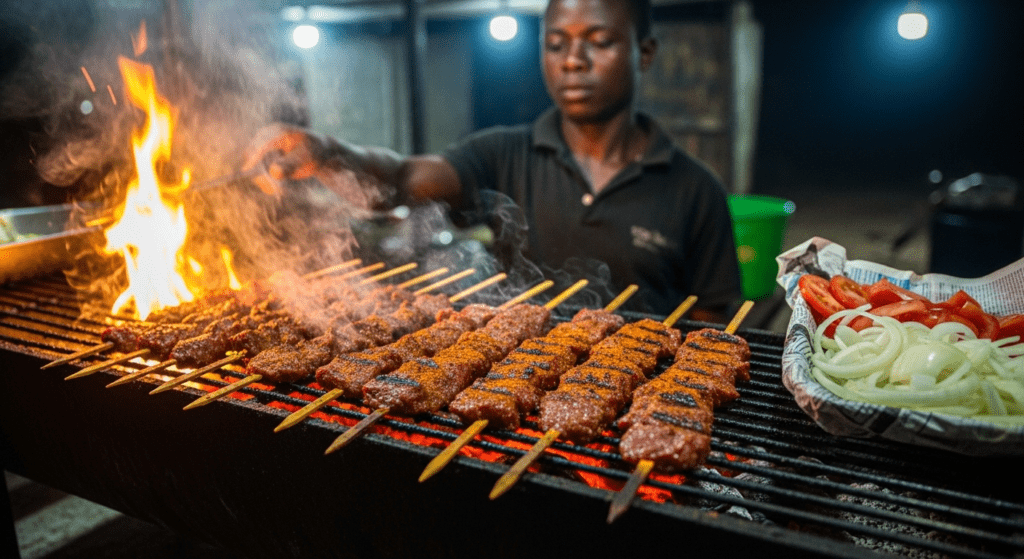
Suya is Nigeria’s iconic street food—thinly sliced beef, chicken, or ram meat threaded onto skewers, coated with spicy suya spice (yaji), and grilled over open flames. The suya spice blend typically contains ground peanuts, cayenne pepper, ginger, garlic, and other aromatic spices creating a complex, spicy-nutty flavor profile. Suya vendors are fixtures of Nigerian nightlife, their grills sending irresistible smoky aromas through neighborhoods. Served wrapped in old newspapers (traditionally) or foil with sliced onions, tomatoes, and cabbage, suya makes perfect party appetizers, late-night snacks, or casual meal options that bring authentic Lagos street food vibes to any occasion.
4. Pounded Yam and Egusi
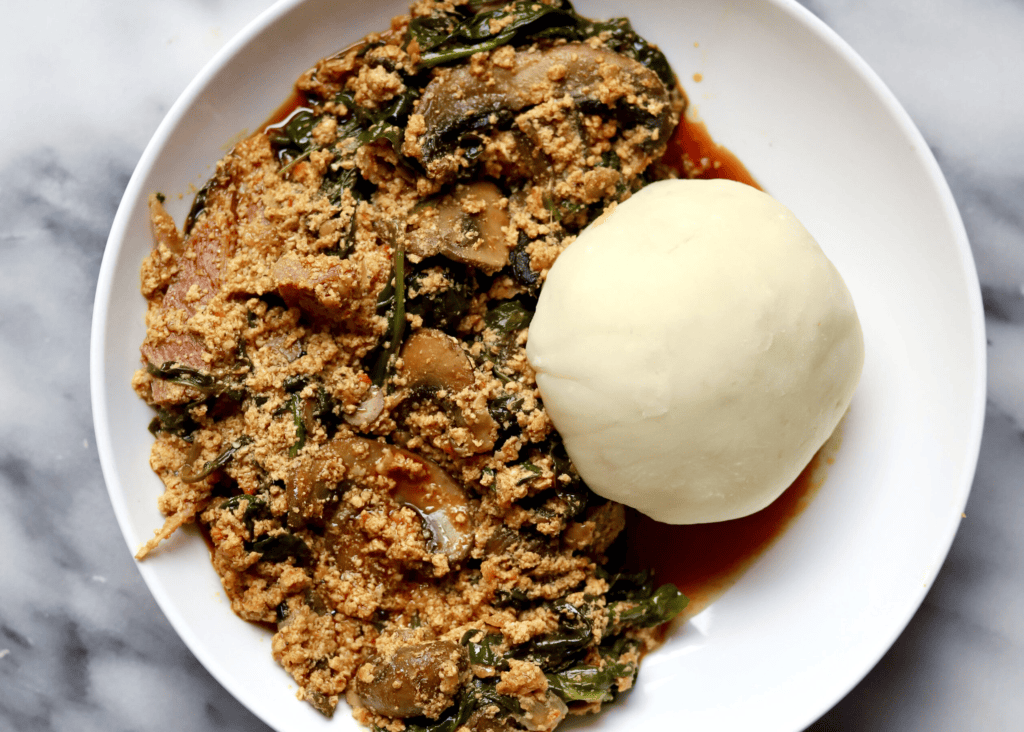
This classic combination represents Nigerian cuisine at its finest. Pounded yam is made by boiling yam pieces until soft, then pounding them in a traditional mortar with a pestle until achieving a smooth, stretchy, dough-like consistency. The labor-intensive process creates a swallow with unmatched texture—smooth, elastic, and satisfying. Paired with egusi soup, pounded yam becomes the ultimate comfort food. The neutral, slightly sweet yam perfectly complements the rich, savory soup. While traditional pounding requires significant effort, modern alternatives like yam flour (poundo yam) offer convenience, though purists insist the authentic pounded version remains superior in taste and texture.
5. Pepper Soup
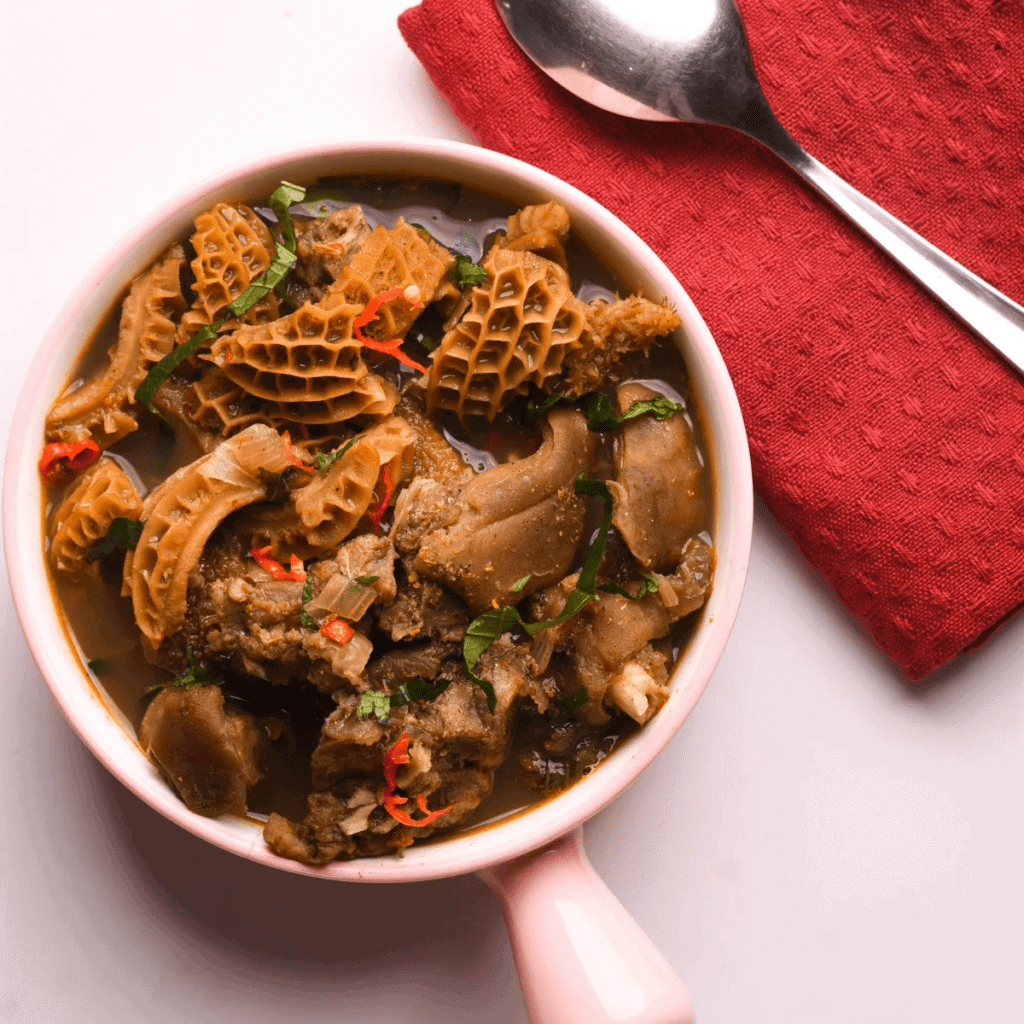
Nigerian pepper soup is a spicy, aromatic broth that warms the soul and clears sinuses. Various proteins work beautifully—goat meat, catfish, chicken, or assorted offal—simmered with pepper soup spices including uziza seeds, ehuru (calabash nutmeg), and uda pods. The fiery soup gets heat from scotch bonnet peppers and derives complex flavors from the spice blend. Pepper soup serves multiple purposes: as an appetizer, hangover cure, cold remedy, or light meal. Catfish pepper soup particularly stands out for its unique flavor, while goat meat pepper soup remains a celebratory favorite at events and gatherings throughout Nigeria.
6. Moi Moi (Steamed Bean Pudding)
Moi moi is a protein-rich steamed pudding made from blended peeled black-eyed peas (beans), onions, peppers, and spices. The smooth batter is poured into containers—traditionally wrapped in leaves, now often in plastic cups or aluminum containers—and steamed until set. Popular additions include boiled eggs, corned beef, sardines, or smoked fish nestled inside. The result is a soft, savory cake-like dish that’s nutritious, versatile, and beloved across all age groups. Moi moi works as a standalone meal, breakfast option with pap (ogi), side dish with jollof rice, or protein-packed snack that’s both delicious and wholesome.

7. Fried Rice
Nigerian fried rice differs significantly from Asian versions, featuring a unique flavor profile and vibrant appearance. Mixed vegetables—carrots, green beans, sweet corn, and green peas—are stir-fried with curry powder, thyme, and stock, creating a colorful, aromatic rice dish. Liver, shrimp, or chicken often enhance the protein content. The rice maintains distinct grains rather than the clumped texture of Chinese fried rice. Nigerian fried rice appears at celebrations alongside jollof rice, creating the classic party rice duo. The curry powder gives a distinctive yellow tint and warm flavor that makes this fried rice unmistakably Nigerian.

8. Akara (Bean Fritters)
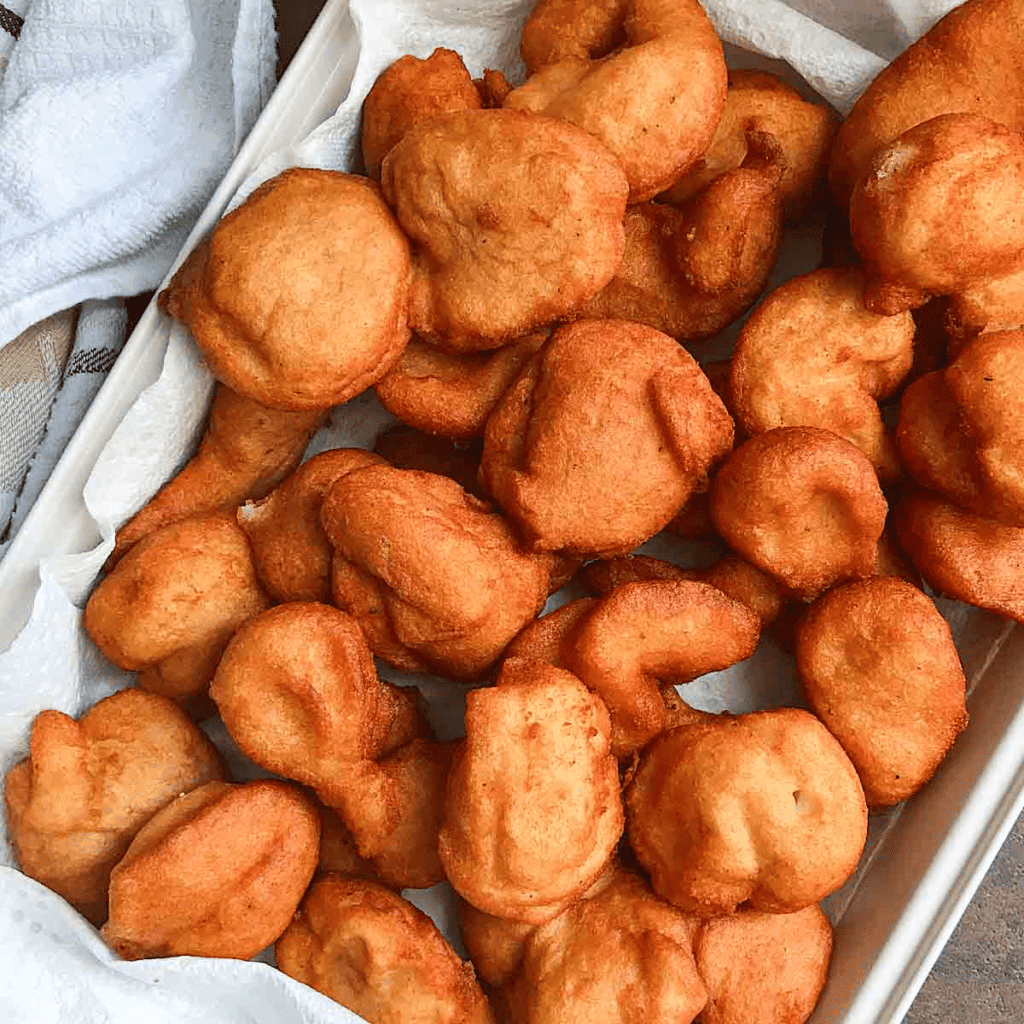
Akara are crispy-on-the-outside, fluffy-on-the-inside bean fritters that serve as a beloved Nigerian breakfast staple. Made from peeled black-eyed peas blended with onions and peppers, then deep-fried until golden brown, akara achieves that perfect textural contrast—crunchy exterior giving way to soft, flavorful interior. The key to perfect akara lies in properly peeling the beans and achieving the right batter consistency for maximum fluffiness. Traditionally enjoyed with pap (ogi), bread, or custard for breakfast, akara also makes excellent appetizers or snacks. Street vendors across Nigeria fry fresh batches daily, the aroma drawing customers to these addictive fritters.
9. Boli and Groundnut (Roasted Plantain and Peanuts)
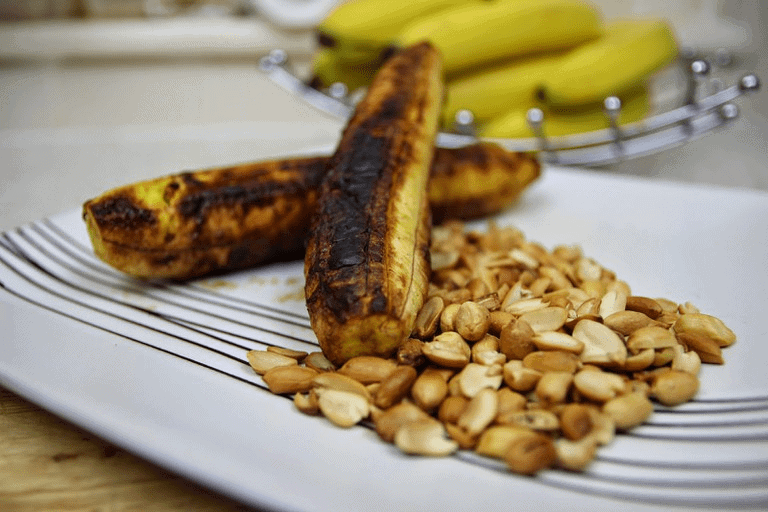
Boli is roasted plantain—a simple yet incredibly satisfying Nigerian street food. Ripe plantains are roasted over open flames or charcoal until the skin blackens and the flesh becomes soft, sweet, and slightly smoky. Served with roasted groundnuts (peanuts) for protein and crunch, boli creates a perfect sweet-savory combination. Some vendors offer boli with pepper sauce or fried fish for enhanced flavor. This affordable, nutritious snack enjoyed across all social classes demonstrates Nigerian cuisine’s ability to transform humble ingredients into memorable eating experiences. The smoky sweetness of boli paired with crunchy groundnuts creates an addictive flavor combination.
10. Ofada Rice and Ayamase (Designer Stew)
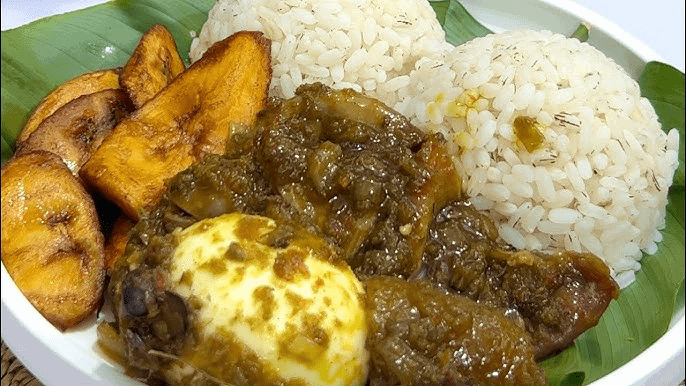
Ofada rice is an indigenous Nigerian rice variety with a distinctive aroma and slightly chewy texture. Paired with ayamase (designer stew)—a spicy green pepper sauce made with green bell peppers, scotch bonnet peppers, locust beans, assorted meats, and palm oil—this combination represents Nigerian culinary sophistication. The pungent, intensely flavored ayamase contrasts beautifully with the earthy ofada rice. Traditionally served on local leaves, this dish appears at upscale events and restaurants celebrating indigenous Nigerian cuisine. The unique fermented aroma of authentic ofada rice and the complex, spicy ayamase create an unforgettable flavor experience for adventurous food lovers.
11. Efo Riro (Vegetable Soup)
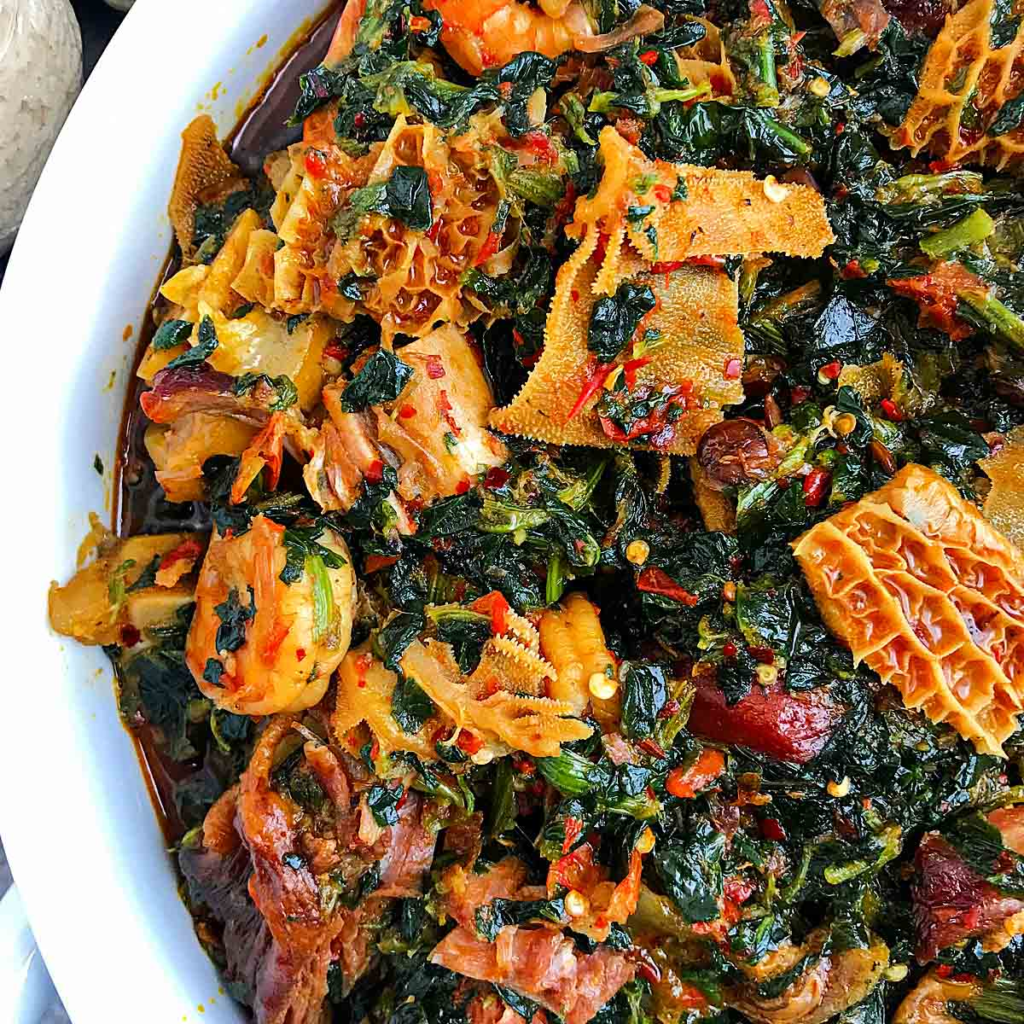
Efo riro is a Yoruba vegetable soup that celebrates leafy greens while packing serious flavor. Spinach or other leafy vegetables are cooked with a fried pepper base (ata din din), palm oil, stockfish, smoked fish, assorted meats, and crayfish. Despite being called a vegetable soup, efo riro doesn’t skimp on protein, creating a hearty, nutritious meal. The red palm oil and pepper base give it a rich color and robust flavor, while the greens add nutritional value and pleasant texture. Served with pounded yam, eba, or amala, efo riro proves that Nigerian vegetable dishes can be just as satisfying as meat-heavy options.
12. Gizdodo (Gizzard and Plantain)
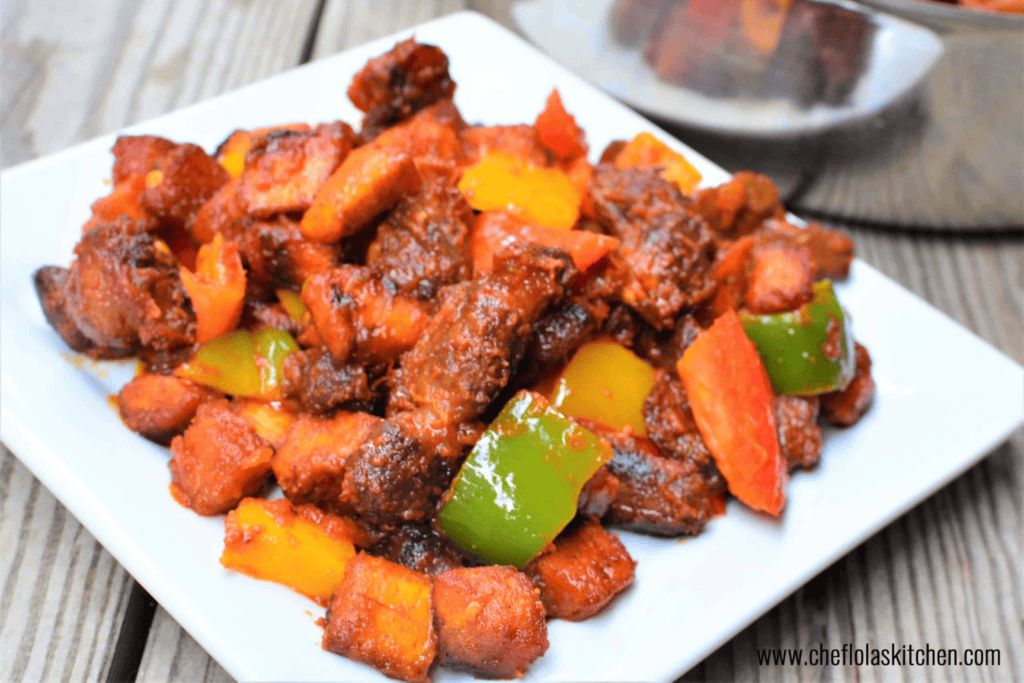
Gizdodo combines two Nigerian favorites—peppered gizzards and fried plantain—into one irresistible dish. Chicken gizzards are seasoned, boiled until tender, then sautéed with bell peppers, onions, and scotch bonnet peppers in a rich tomato sauce. Cubed fried plantains are added, absorbing the spicy sauce while maintaining their sweet flavor. The result is a sweet-spicy-savory explosion that works as an appetizer, side dish, or standalone meal. Popular at parties and gatherings, gizdodo demonstrates Nigerian creativity in combining ingredients. The chewy gizzards contrast beautifully with soft sweet plantains, all coated in that addictive pepper sauce.
13. Nkwobi (Spicy Cow Foot)
Nkwobi is an Igbo delicacy featuring cow foot cooked until tender, then tossed in a rich, spicy palm oil sauce thickened with ground ehuru (calabash nutmeg) and potash. The sauce creates a unique, slightly sticky coating with intense flavor from uziza leaves, crayfish, and peppers. Served in a wooden bowl (okwa), garnished with sliced onions and utazi leaves, nkwobi appears at bars, restaurants, and celebrations throughout southeastern Nigeria. This protein-rich, gelatinous delicacy pairs perfectly with cold drinks and good conversation. The complex spice blend and tender meat make nkwobi a must-try for adventurous eaters exploring authentic Nigerian cuisine.
14. Okro Soup (Okra Soup)
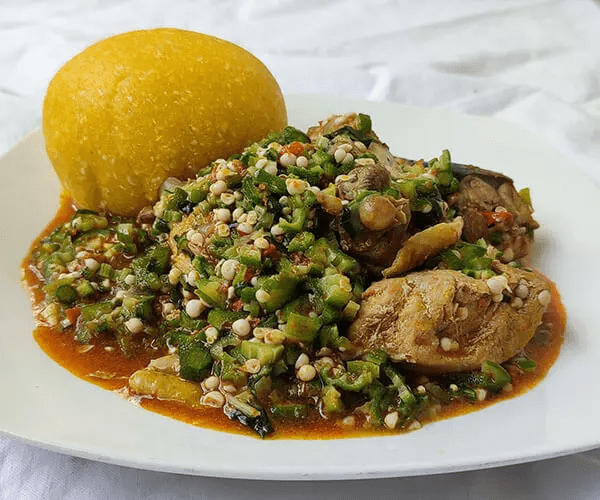
Okro soup showcases the beloved mucilaginous vegetable in a comforting, draw-heavy soup that’s a Nigerian staple. Fresh okra is sliced and cooked with palm oil, crayfish, stockfish, assorted meats, and seasonings until it develops that signature slimy texture (the “draw”). The soup can be prepared chunky with visible okra pieces or blended smooth for those who prefer uniform texture. Regional variations include adding ogbono (wild mango seeds) for extra draw or incorporating ugu leaves. Okro soup pairs perfectly with fufu, eba, or pounded yam, with the draw helping the swallow slide down smoothly—a textural experience central to Nigerian soup culture.
15. Chin Chin
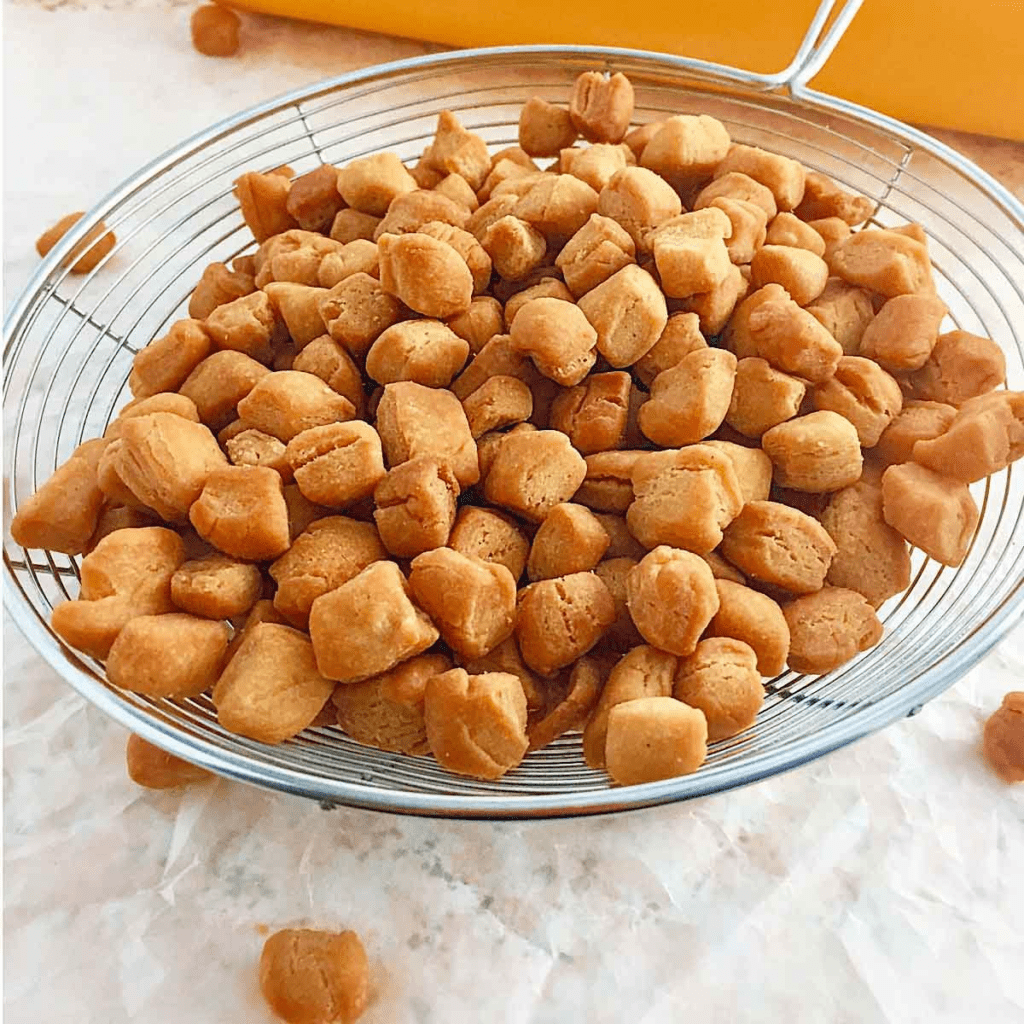
Chin chin are crunchy, slightly sweet fried dough snacks that appear at every Nigerian celebration. Made from flour, sugar, butter, eggs, and milk, the dough is rolled thin, cut into small squares or strips, and deep-fried until golden and crispy. The result is an addictive snack with a satisfying crunch and subtle sweetness. Chin chin variations include adding nutmeg for warmth, coconut for tropical flavor, or extra sugar for sweetness. These bite-sized treats store well, making them perfect for parties, gifts, or keeping in containers for anytime snacking. The distinctive crunch and nostalgic flavor make chin chin a beloved part of Nigerian food culture across generations.
Tips for Cooking Nigerian Food at Home
Start with accessible recipes like jollof rice or fried rice before attempting complex soups. Source ingredients from African markets or online specialty stores. Invest in key staples: palm oil, crayfish, stockfish, Nigerian spices, and scotch bonnet peppers. Don’t be intimidated by unfamiliar ingredients—many have substitutes, though authenticity may vary. Join online Nigerian cooking communities for tips and troubleshooting. Watch video tutorials to understand techniques like achieving jollof’s smoky bottom or properly pounding yam. Most importantly, embrace the bold flavors and generous seasoning that characterize Nigerian cuisine—when recipes say “to taste,” Nigerians typically taste bold!
Conclusion
These 15 Nigerian food ideas represent just a fraction of the country’s incredible culinary diversity. From the celebratory jollof rice to comforting egusi soup, street food favorites like suya and boli to sophisticated dishes like ofada rice with ayamase, Nigerian cuisine offers something for every palate and occasion. The bold flavors, generous use of spices, and emphasis on communal eating make Nigerian food a celebration of life, culture, and tradition. Whether you’re cooking these dishes at home or seeking them at Nigerian restaurants, each bite tells a story of heritage, creativity, and the vibrant spirit of West African cuisine.


