15 Modern Wardrobe Designs
Modern wardrobe design is characterized by clean lines, minimalist aesthetics, innovative materials, and seamless functionality. Moving beyond traditional cabinetry, contemporary wardrobes embrace handleless surfaces, integrated lighting, bold finishes, and smart storage solutions that cater to the way we live today. Whether you prefer the warmth of natural wood, the sleekness of high-gloss lacquer, or the industrial edge of glass and metal, modern wardrobes combine form and function to create storage that is both beautiful and highly practical. Here are fifteen modern wardrobe designs to inspire your next project.
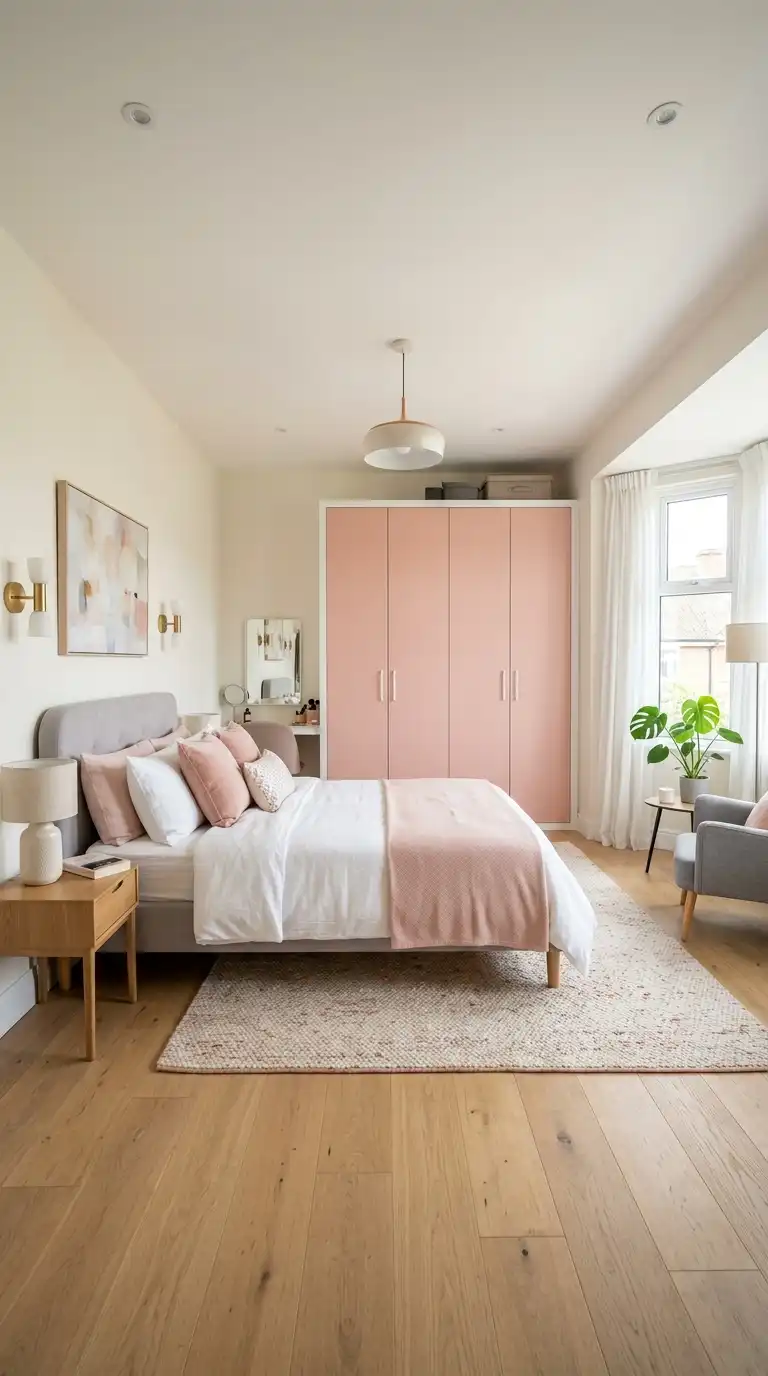
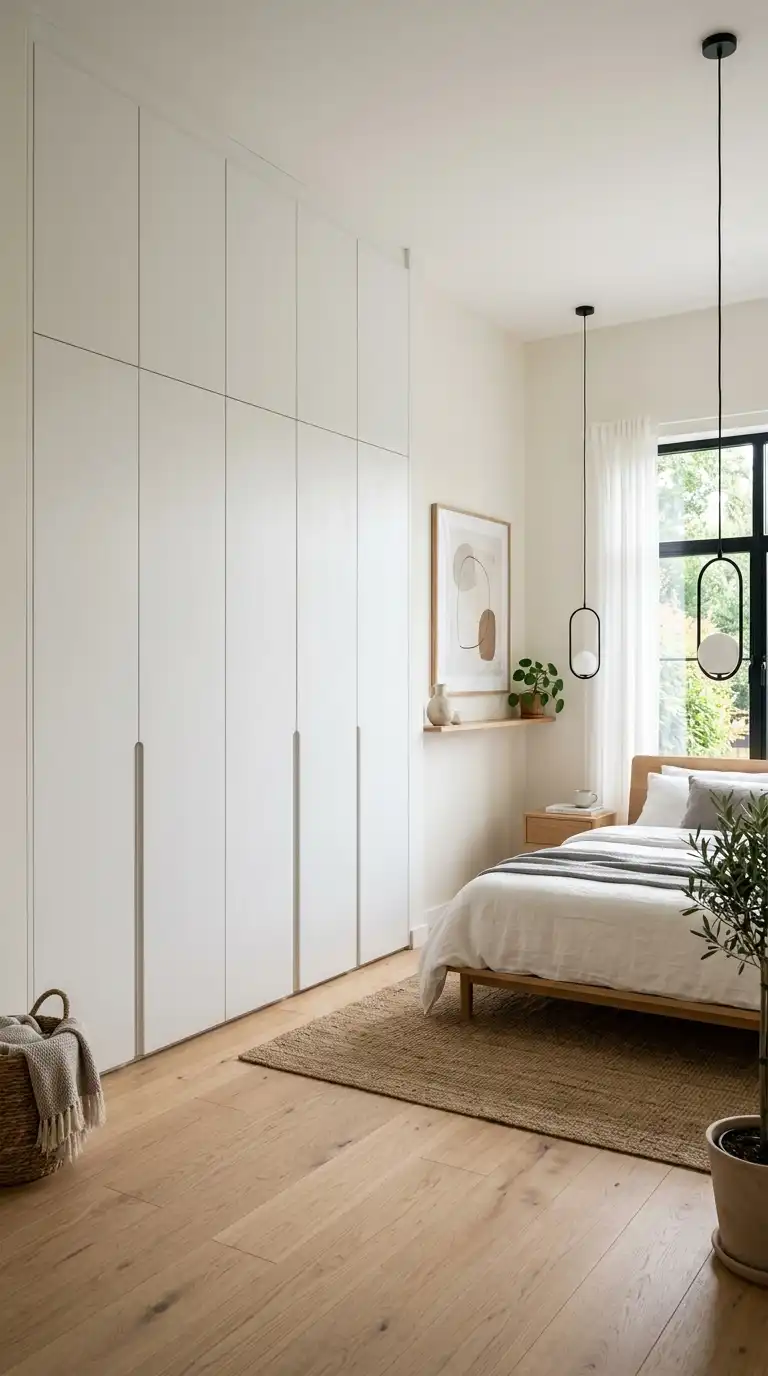
1. Handleless Floor-to-Ceiling Wardrobe
The handleless floor-to-ceiling wardrobe is the quintessential modern storage solution. Without visible hardware, the doors create a seamless, uninterrupted surface that blends quietly into the architecture of the room. Push-to-open mechanisms or integrated grooves allow doors to open without protruding handles, maintaining the clean aesthetic. The floor-to-ceiling design maximizes vertical storage while eliminating the gap above traditional wardrobes, drawing the eye upward and making the room feel taller. Choose matte finishes in neutral tones—soft white, warm gray, or charcoal—to enhance the sense of calm and simplicity.
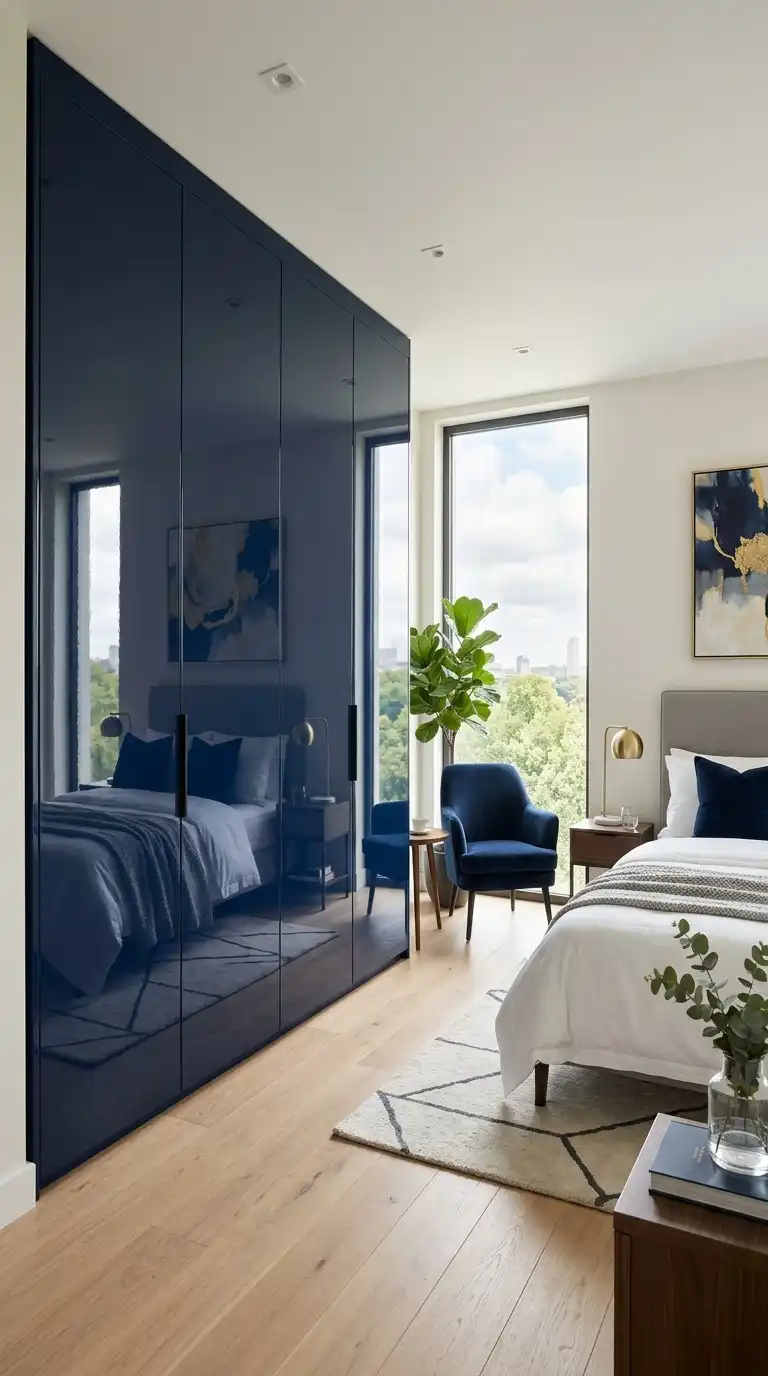
2. High-Gloss Lacquer Wardrobe
High-gloss lacquer finishes add a sleek, reflective quality to modern wardrobes. The mirror-like surface bounces light around the room, making spaces feel larger and more open. High-gloss works particularly well in contemporary and minimalist interiors, where its clean, polished appearance enhances the sense of sophistication. Choose bold colors like deep navy, charcoal, or black for a dramatic statement, or stick with classic white for timeless elegance. The glossy surface is easy to clean but requires regular dusting to maintain its shine.
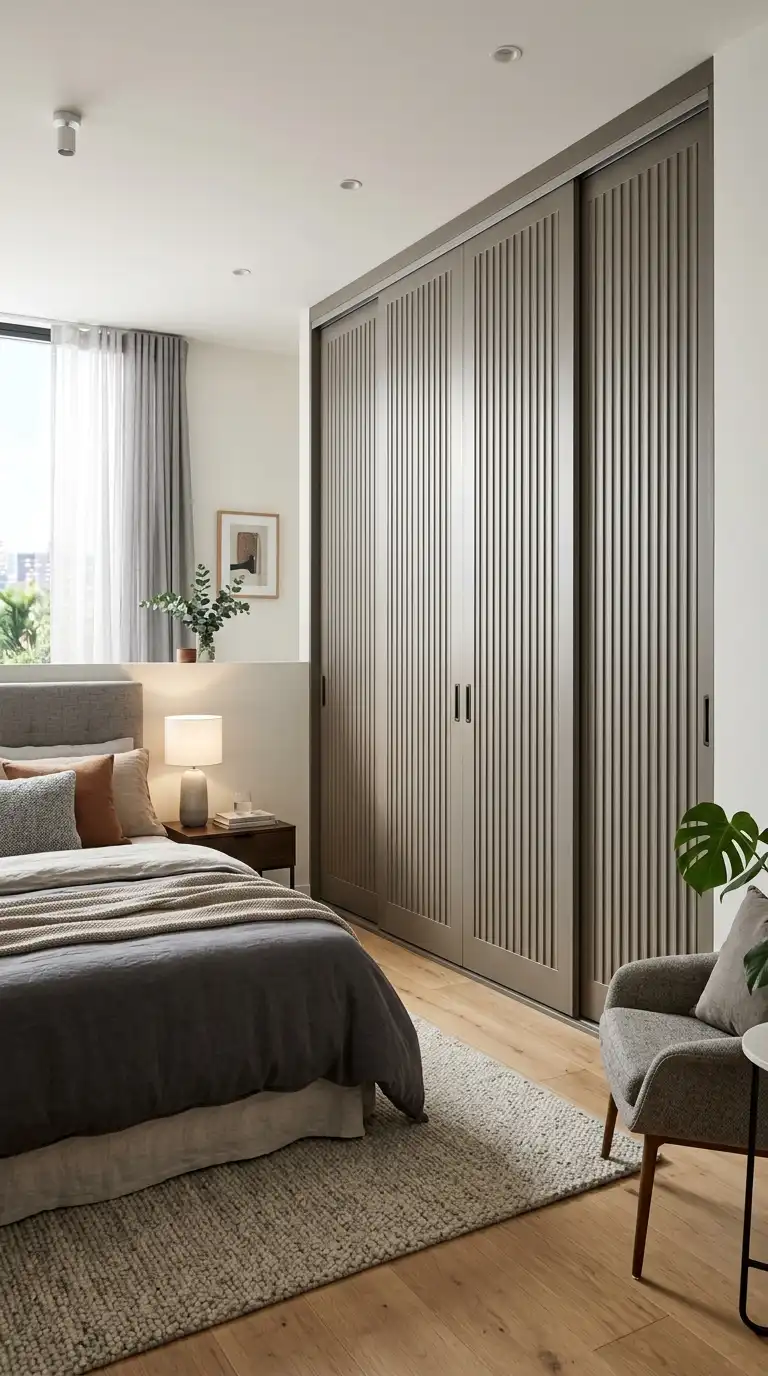
3. Sliding Wardrobe with Fluted Panels
Fluted or ribbed panels add texture and architectural interest to sliding wardrobe doors. The vertical grooves create rhythm and depth, catching light and casting subtle shadows that change throughout the day. This detailing transforms a simple wardrobe into a design feature, adding visual richness without overwhelming the space. Fluted panels work beautifully in modern, transitional, and eclectic interiors. Choose a matte finish to emphasize the texture, and pair with minimal hardware—or no hardware at all—to let the fluted pattern take center stage.
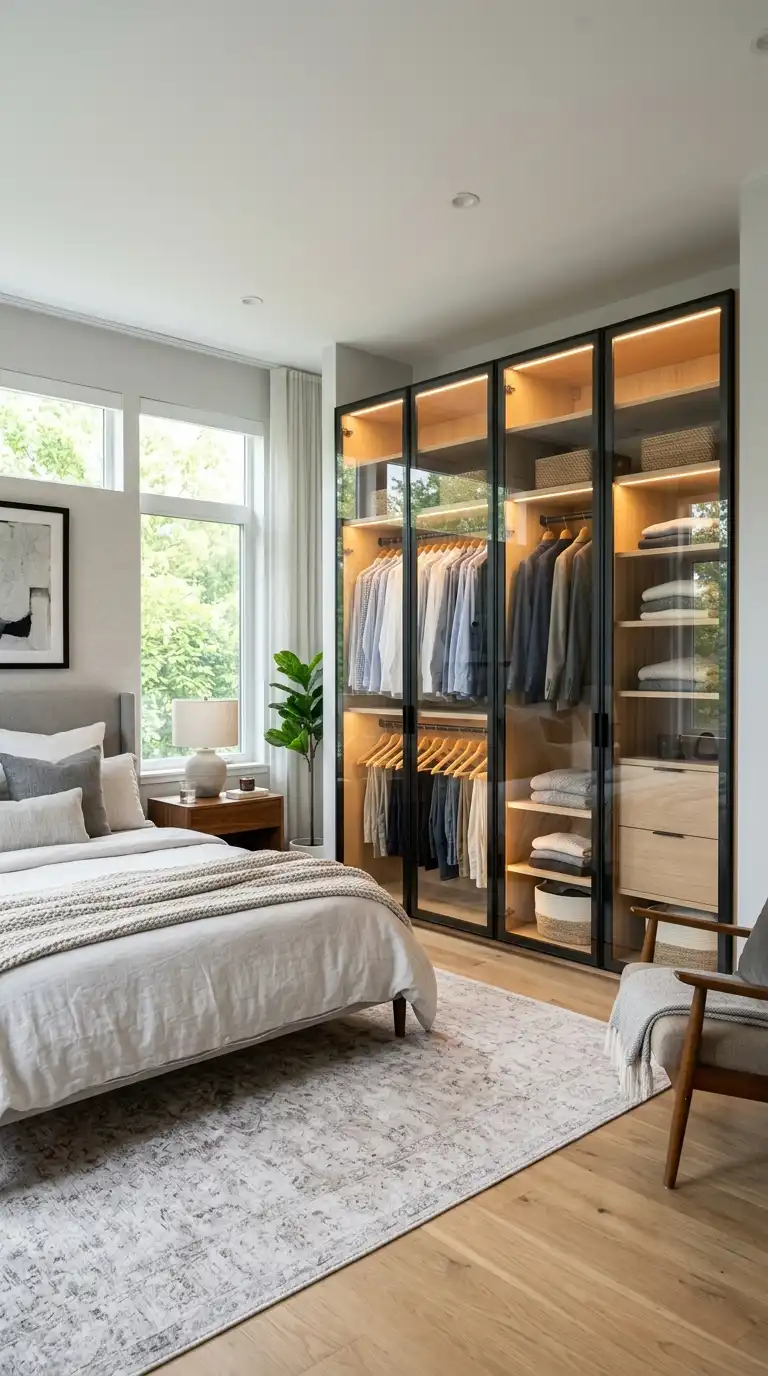
4. Glass-Front Wardrobe with Metal Frames
Glass-front wardrobes with slim metal frames offer a light, industrial aesthetic that is both modern and timeless. The transparency of the glass creates an open, airy feel, while the metal frames add structure and definition. Choose clear glass for a full display of your wardrobe contents, frosted glass for privacy, or tinted glass for a dramatic effect. Frame materials like black steel, brushed brass, or matte aluminum complement the glass and add a touch of sophistication. Interior LED lighting enhances the display and adds warmth.
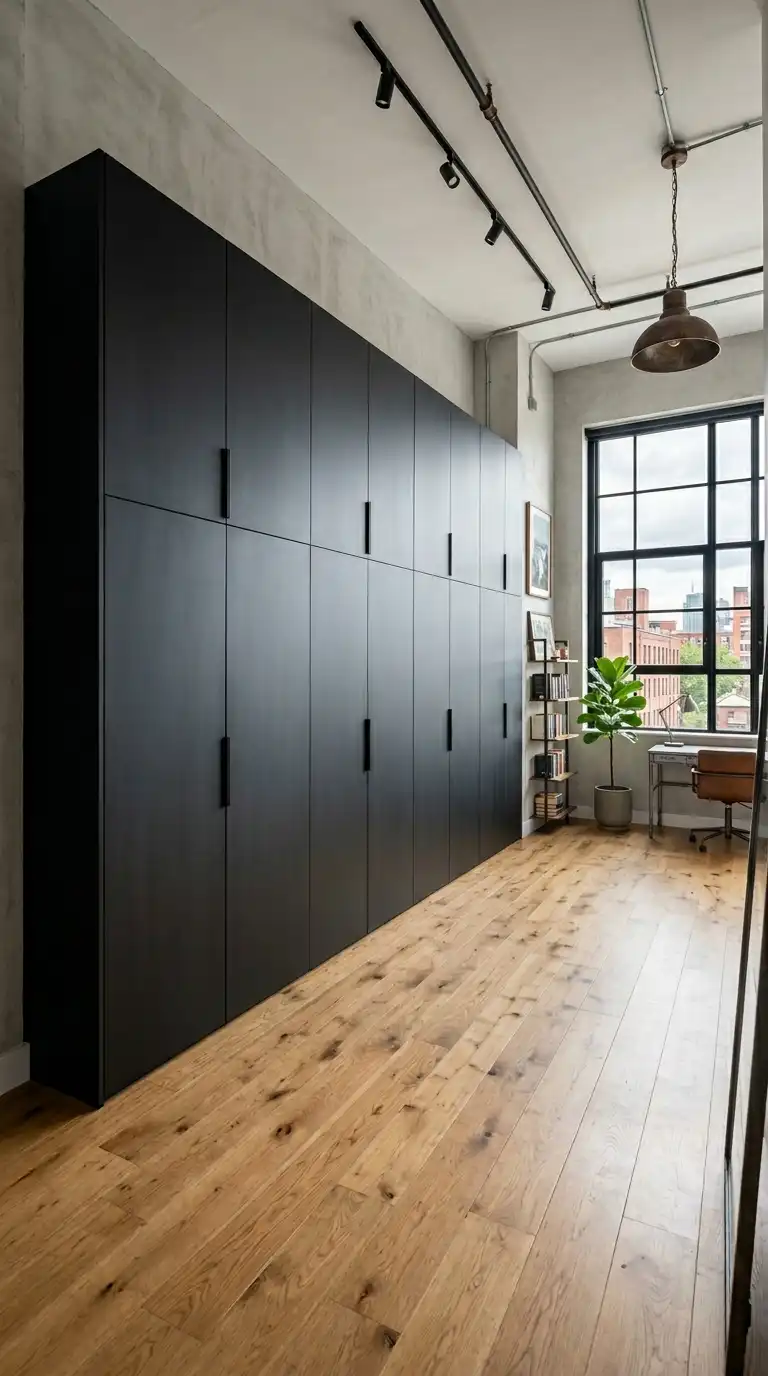
5. Matte Black Wardrobe
Matte black wardrobes make a bold, dramatic statement in a modern bedroom. The deep, saturated finish exudes confidence and sophistication, creating a striking focal point that anchors the space. Matte black works beautifully in industrial, minimalist, and contemporary interiors, and pairs well with warm wood tones, brass hardware, and light-colored walls to balance its intensity. Use floor-to-ceiling panels for maximum impact, or combine matte black with lighter finishes for a two-tone effect. The matte surface also resists fingerprints, making it practical for daily use.
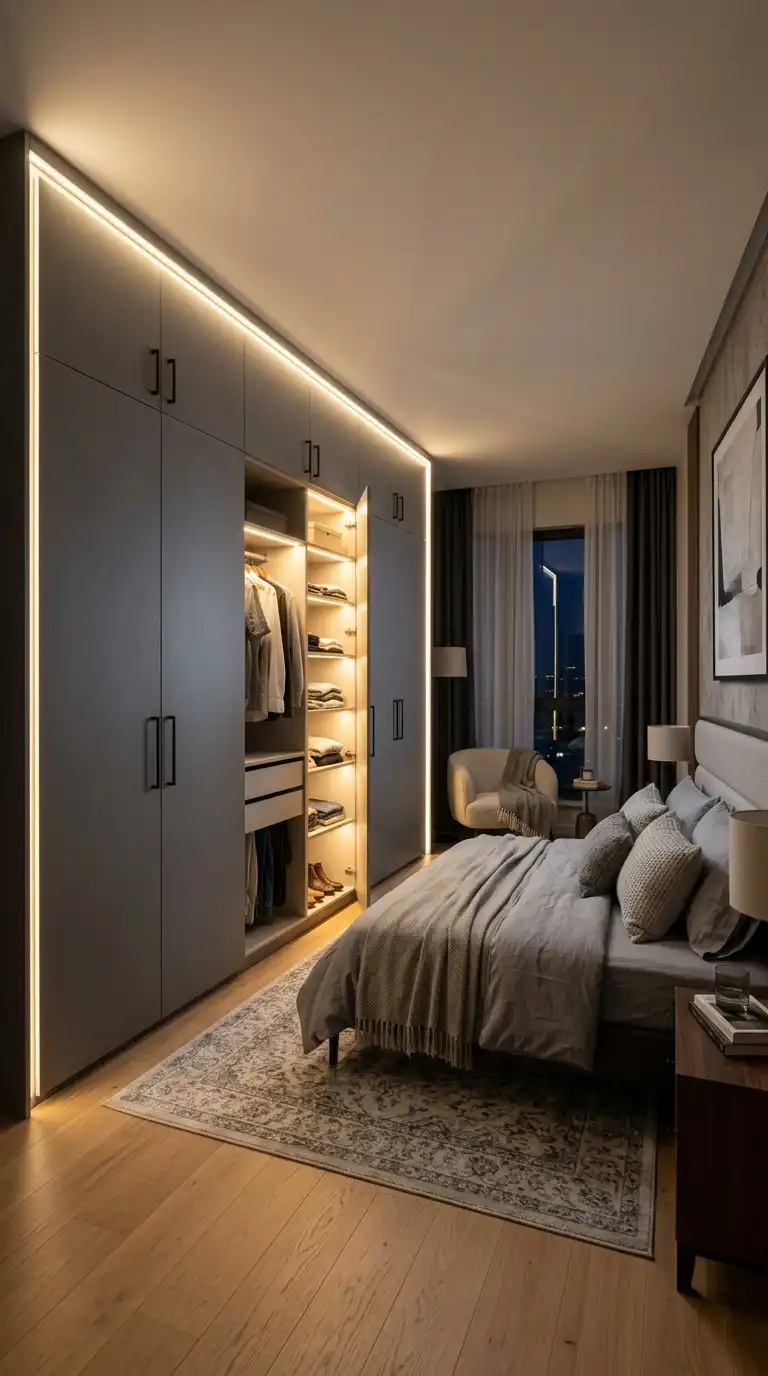
6. Wardrobe with Integrated LED Lighting
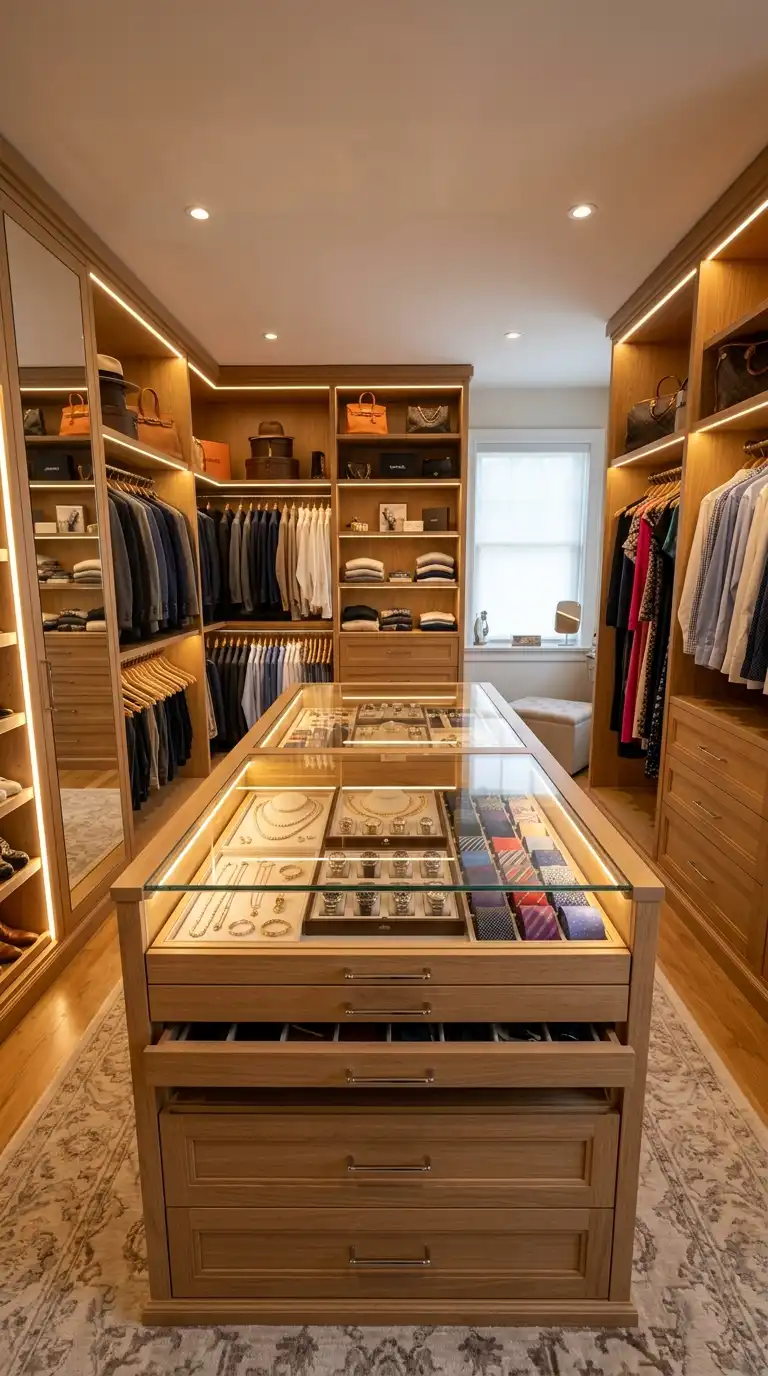
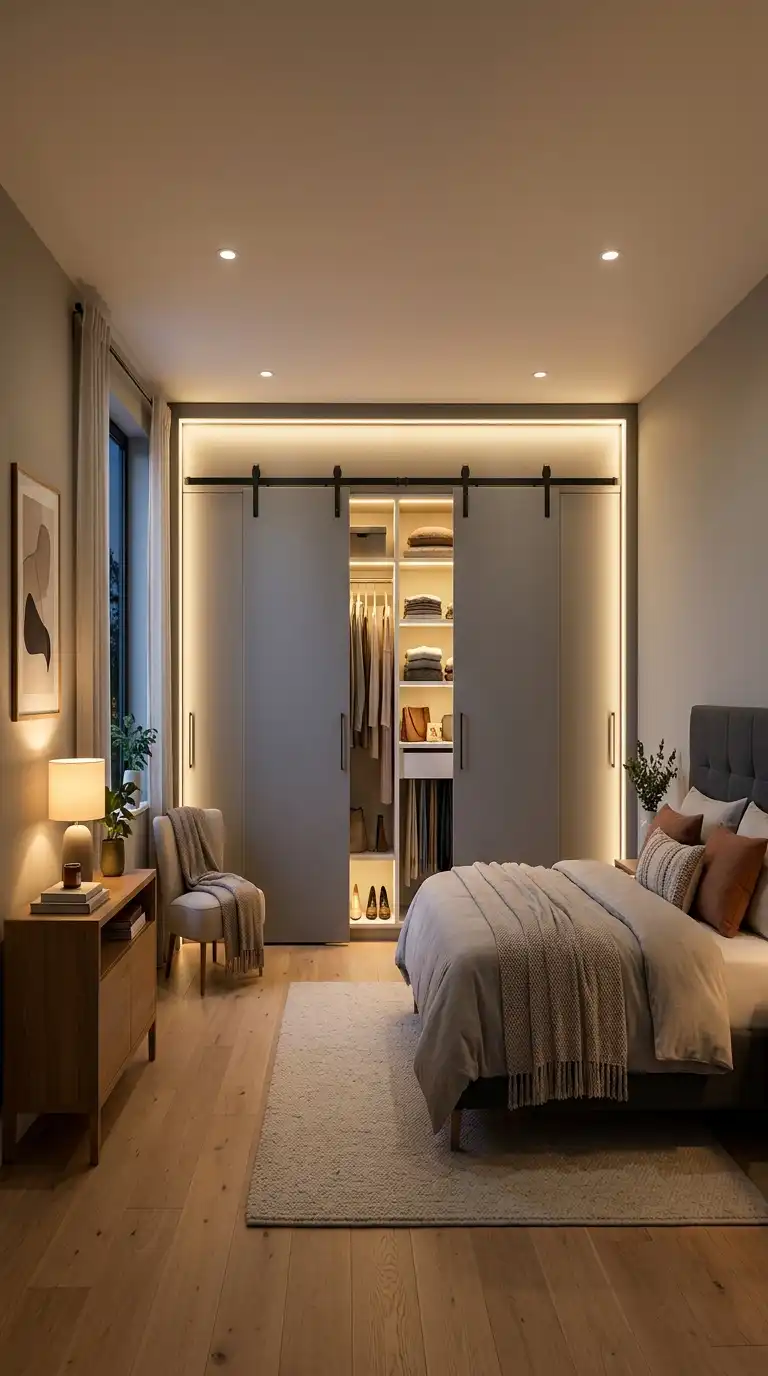
Integrated LED lighting transforms a wardrobe from utilitarian to luxurious. Install warm white LED strips along the top, bottom, or sides of the wardrobe to create a soft, ambient glow that highlights the door finish and adds drama to the bedroom. Motion sensors can activate the lights when doors are opened, adding convenience and a touch of luxury. This design works particularly well with glass panels, fluted textures, and high-gloss finishes, where light can reflect and create visual interest. Lighting also makes selecting items easier, especially in darker rooms.
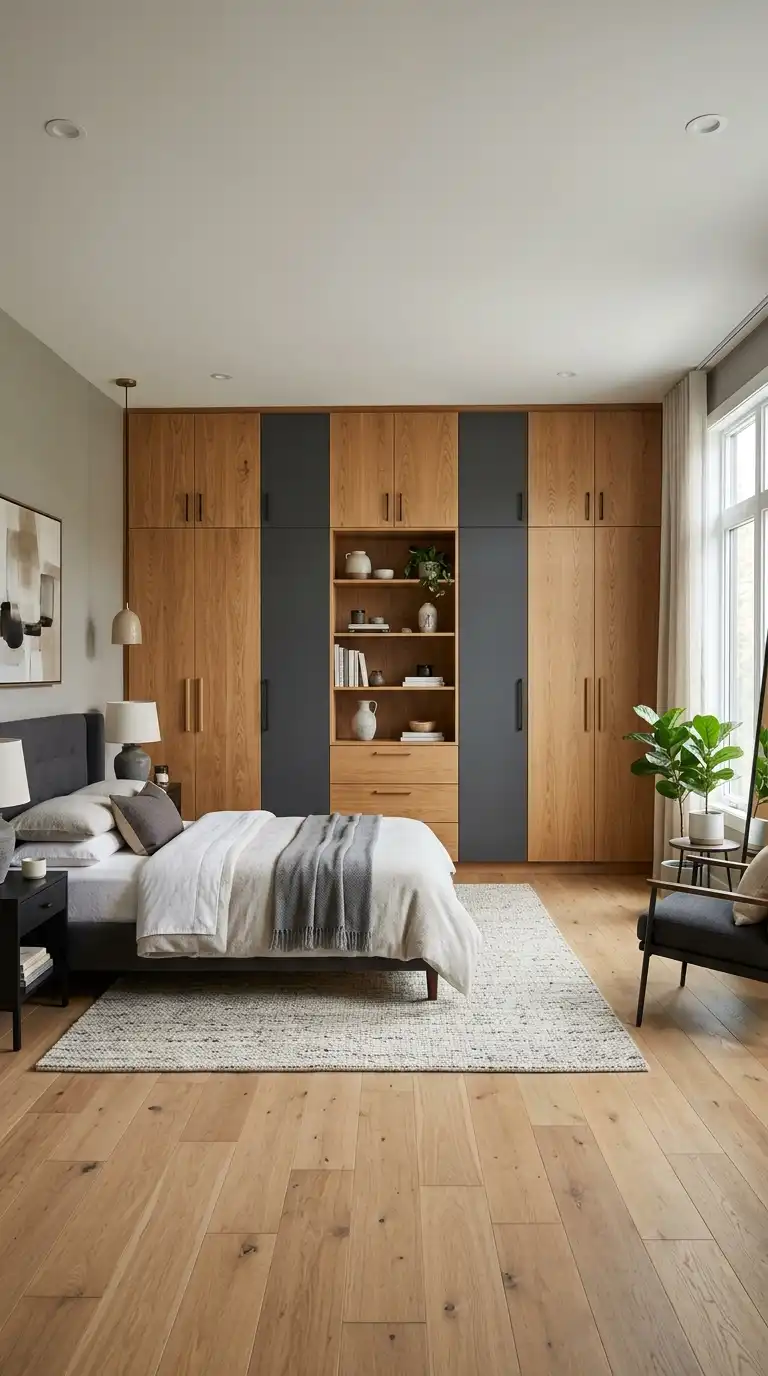
7. Two-Tone Wardrobe
Two-tone wardrobes add visual interest and personality by combining two complementary finishes within a single design. Popular combinations include light wood with matte white, dark wood with high-gloss gray, or matte black with natural oak. Use one finish for the main structure and another for door panels, or create a horizontal division that defines different storage zones. This approach breaks up large expanses of cabinetry and creates a custom, designer look that feels unique and intentional. The contrasting finishes also allow you to incorporate both warm and cool tones in a cohesive way.
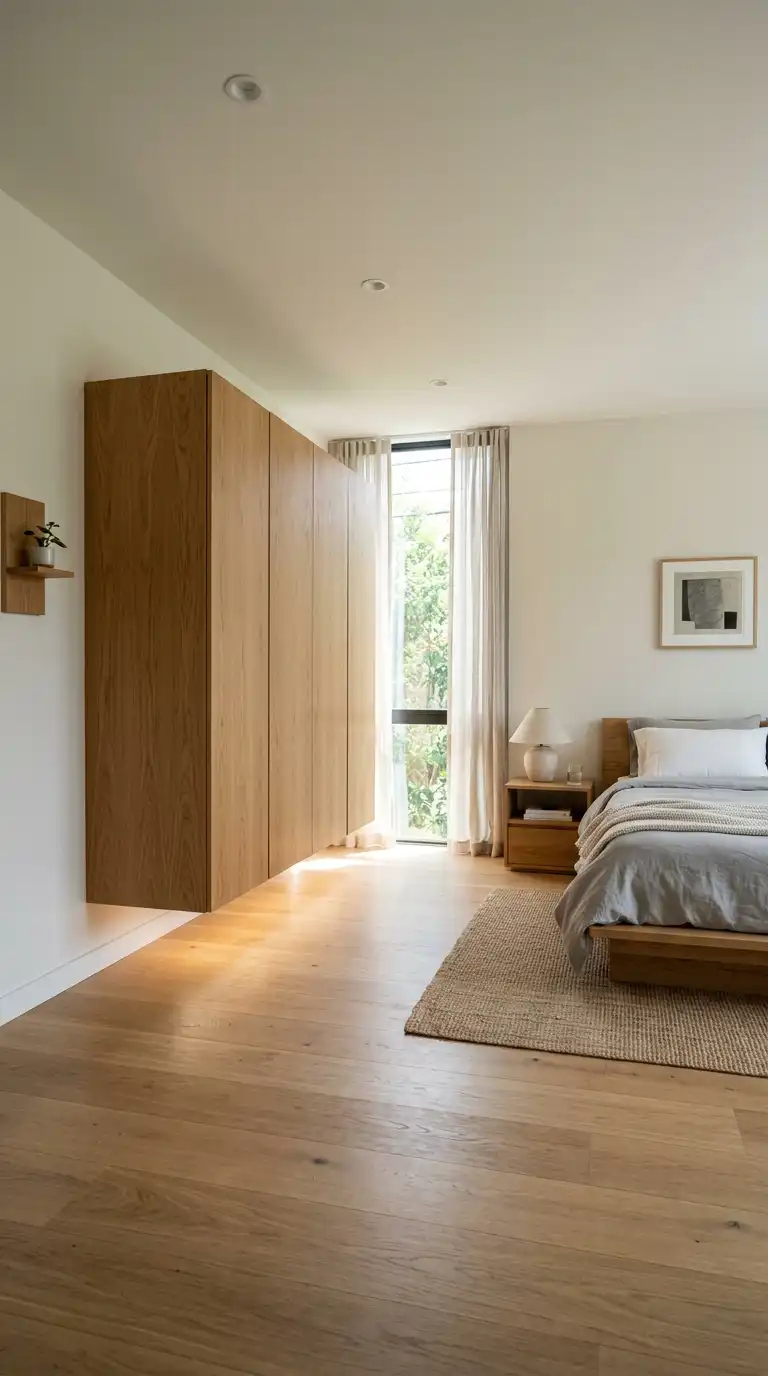
8. Floating Wardrobe
A floating wardrobe mounted off the floor creates a sense of lightness and space in a modern bedroom. The gap between the wardrobe and the floor allows light to pass underneath, making the room feel larger and more open. This design works particularly well in minimalist and Scandinavian interiors, where clean lines and simplicity are key. Use concealed brackets or a wall-mounted rail system to achieve the floating effect, and choose a finish that complements your wall color for a seamless appearance. Add under-cabinet lighting to enhance the floating illusion.
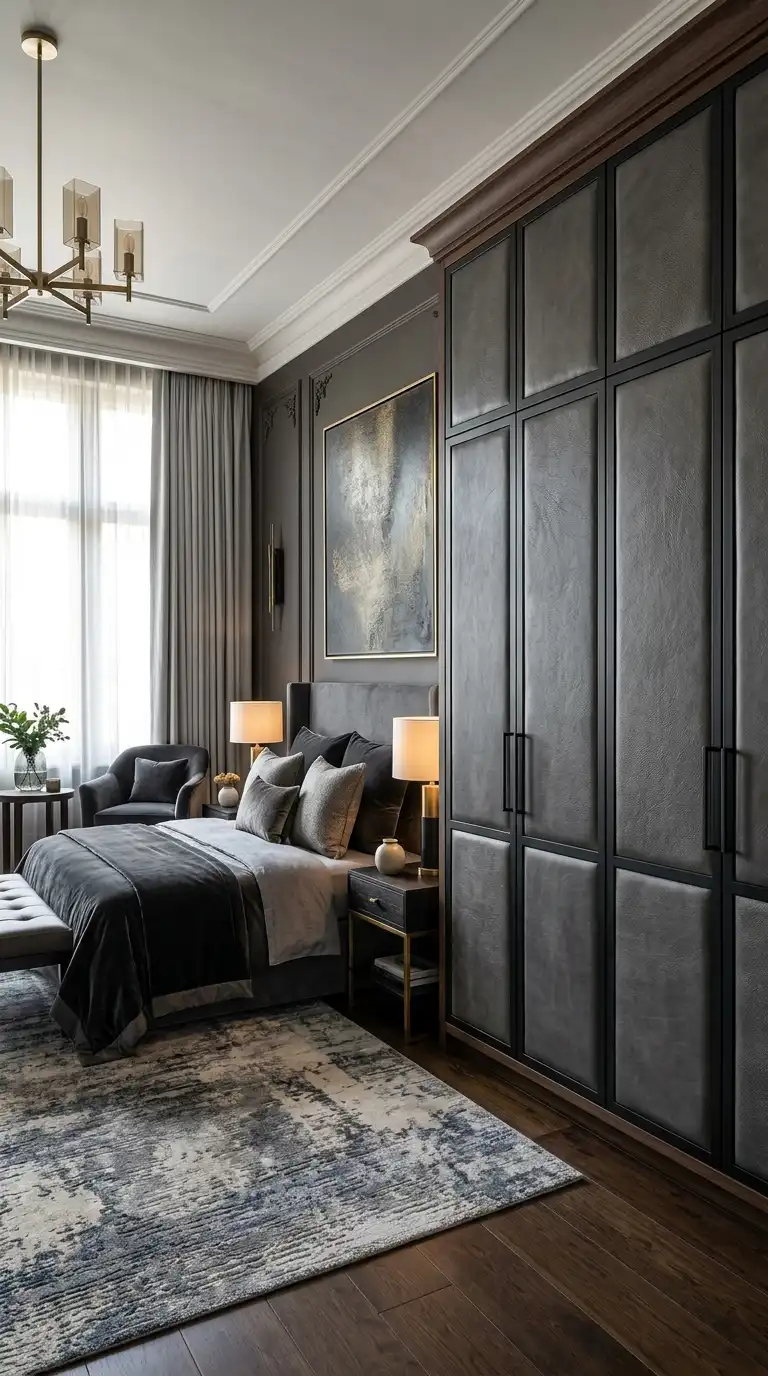
9. Wardrobe with Leather or Upholstered Panels
For a truly luxurious touch, incorporate leather or upholstered panels into your wardrobe design. Soft, textured materials like leather, velvet, or suede add warmth, sophistication, and a tactile element that contrasts beautifully with smooth surfaces. Use upholstered panels on door fronts or as accent sections within a larger cabinetry design. Choose neutral tones like taupe, cream, or charcoal for understated elegance, or opt for bold jewel tones for a dramatic statement. This design works beautifully in master bedrooms and dressing rooms where luxury is a priority.
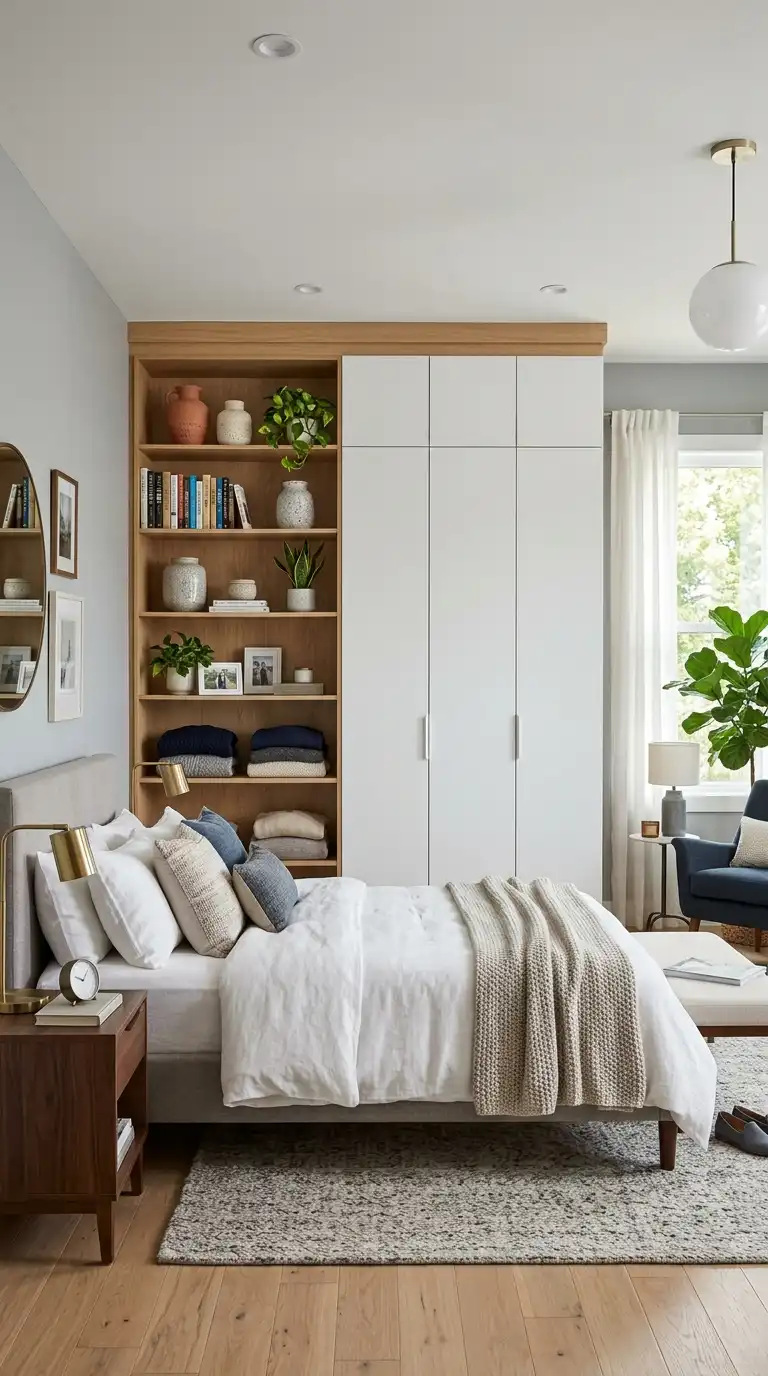
10. Wardrobe with Open and Closed Sections
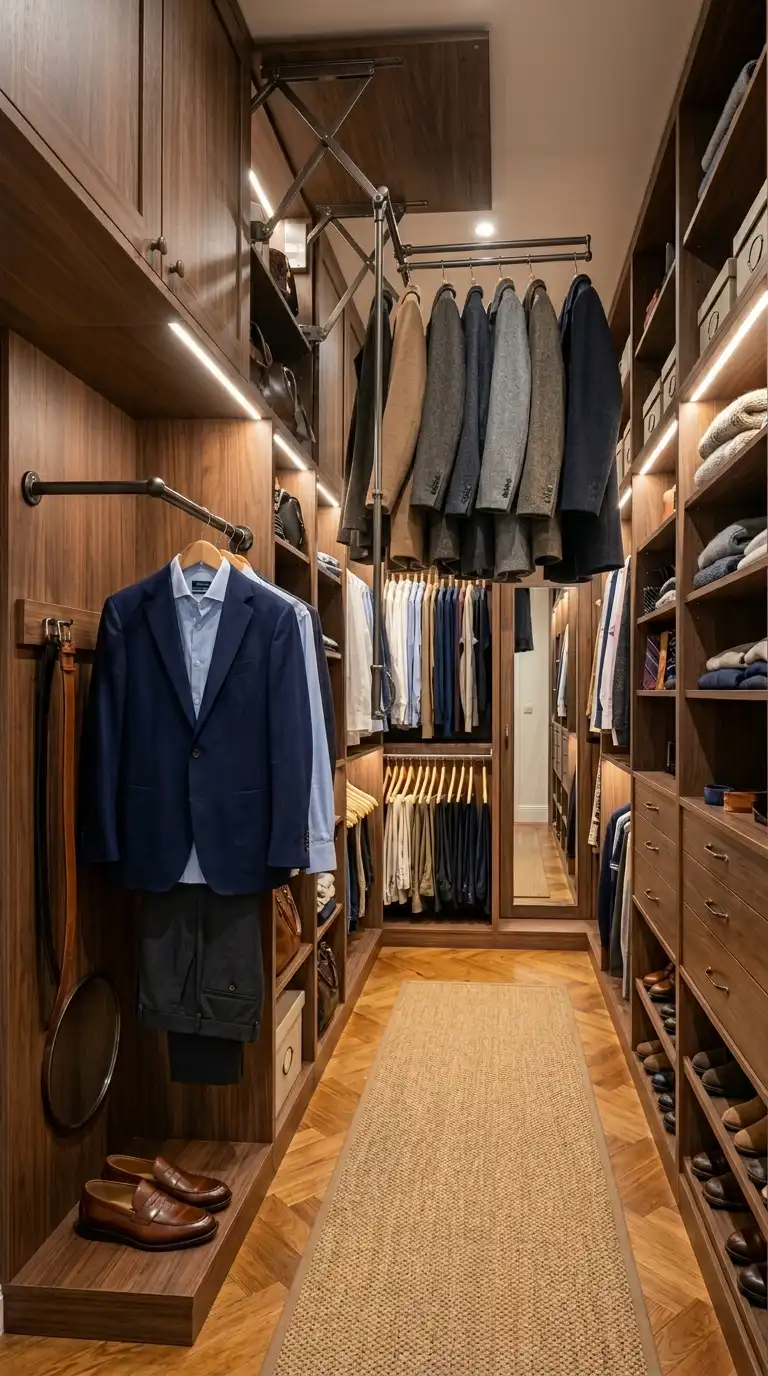
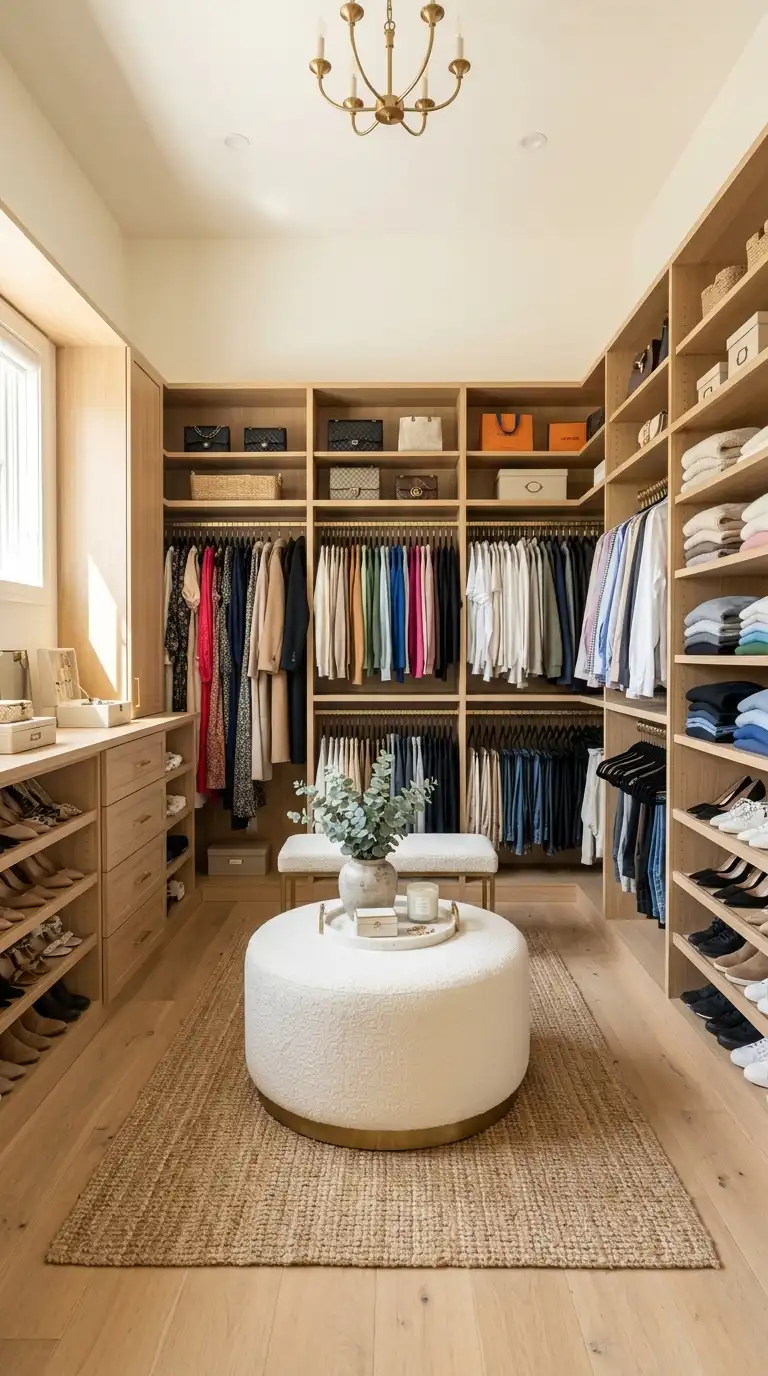
Combine open shelving with closed cabinets in a single wardrobe design for a balanced mix of display and concealment. Use open sections to showcase accessories, books, or folded knitwear, while closed sections hide everyday clothing and less visually appealing items. This approach creates visual interest and prevents the wardrobe from feeling too monolithic. Position open sections at eye level for easy access and display, and use closed storage above and below. The mix of open and closed storage adds rhythm and variety to the design.
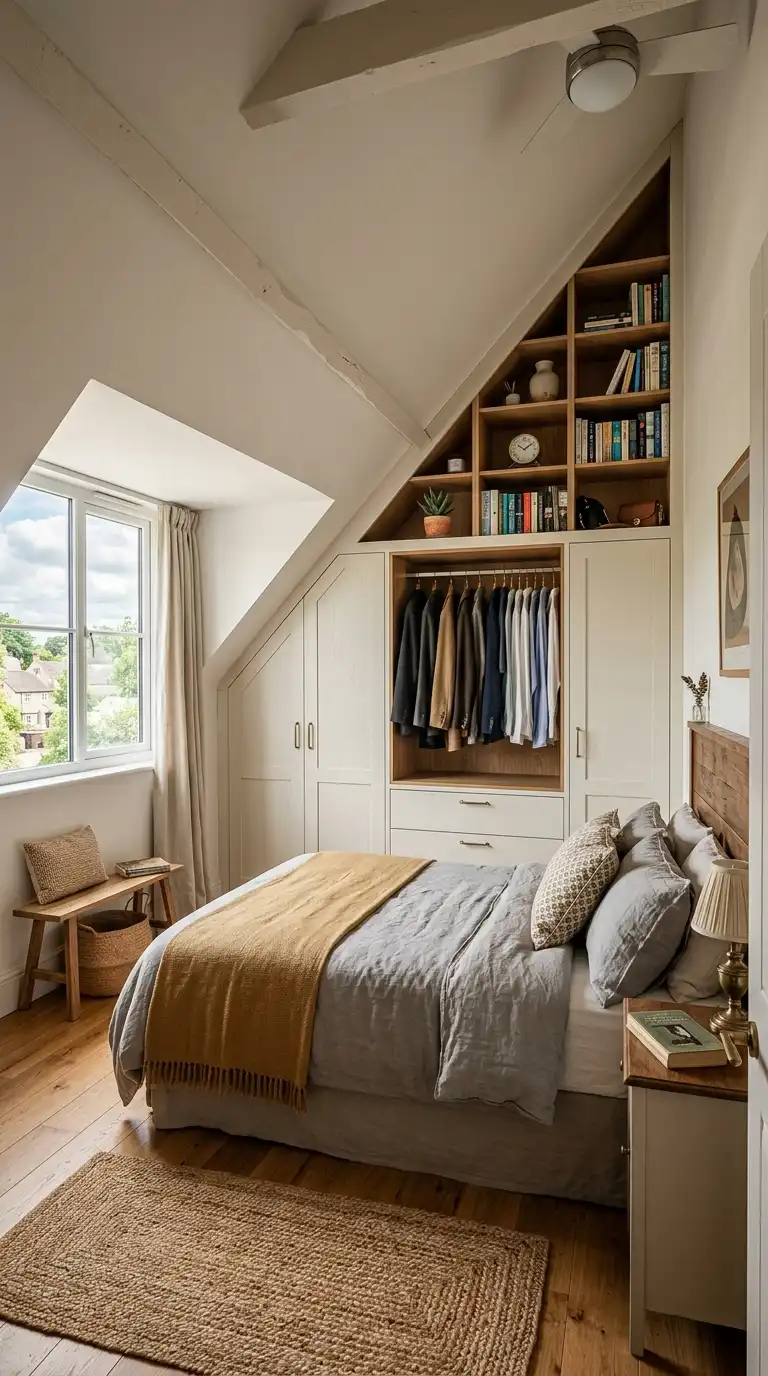
11. Wardrobe with Slanted or Angled Top
A wardrobe with a slanted or angled top adds architectural interest and can help integrate storage into rooms with sloped ceilings or irregular architecture. This design is ideal for attic bedrooms, loft spaces, or rooms where a traditional rectangular wardrobe would create awkward gaps. Custom-built to follow the line of the ceiling, the slanted top creates a seamless, built-in appearance that maximizes storage in challenging spaces. Use the lower sections for hanging clothes and the angled top for shelving or seasonal storage.
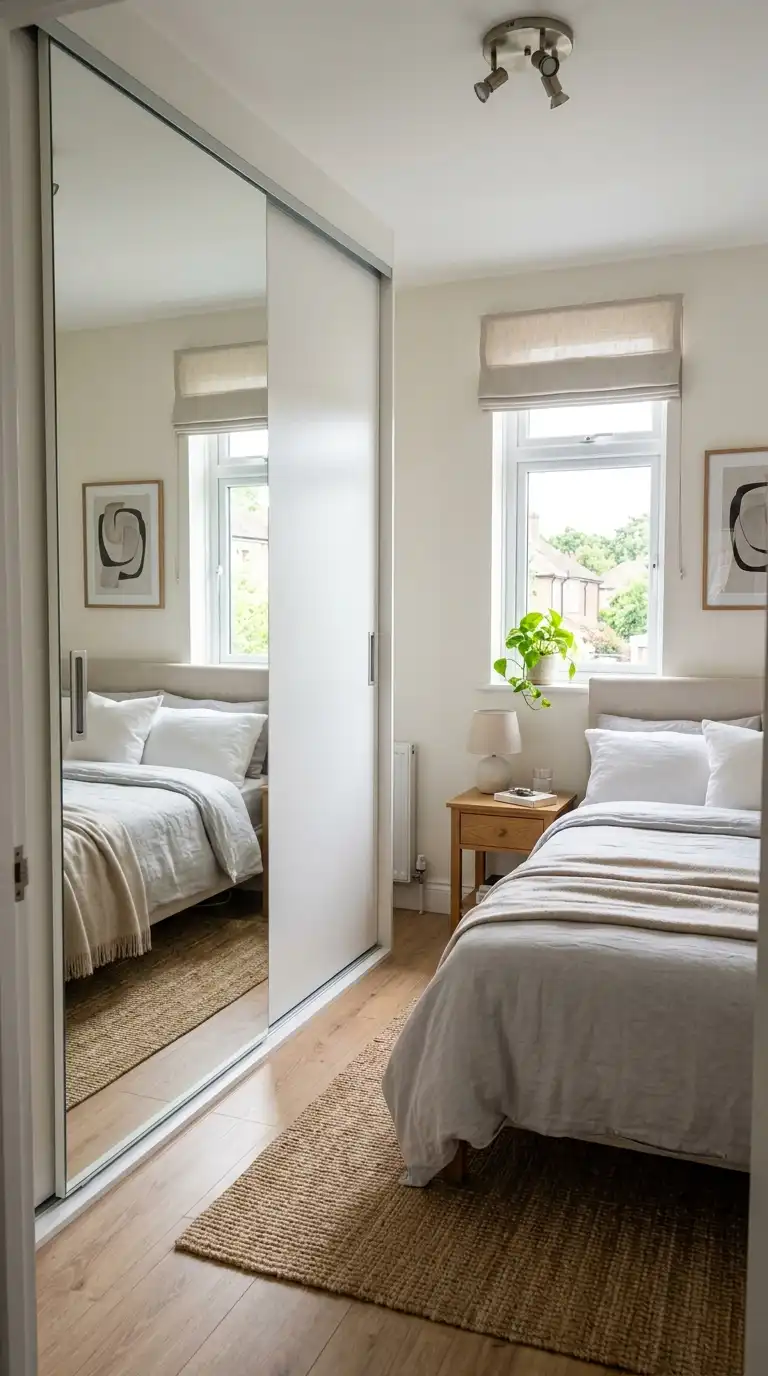
12. Wardrobe with Mirror Panels
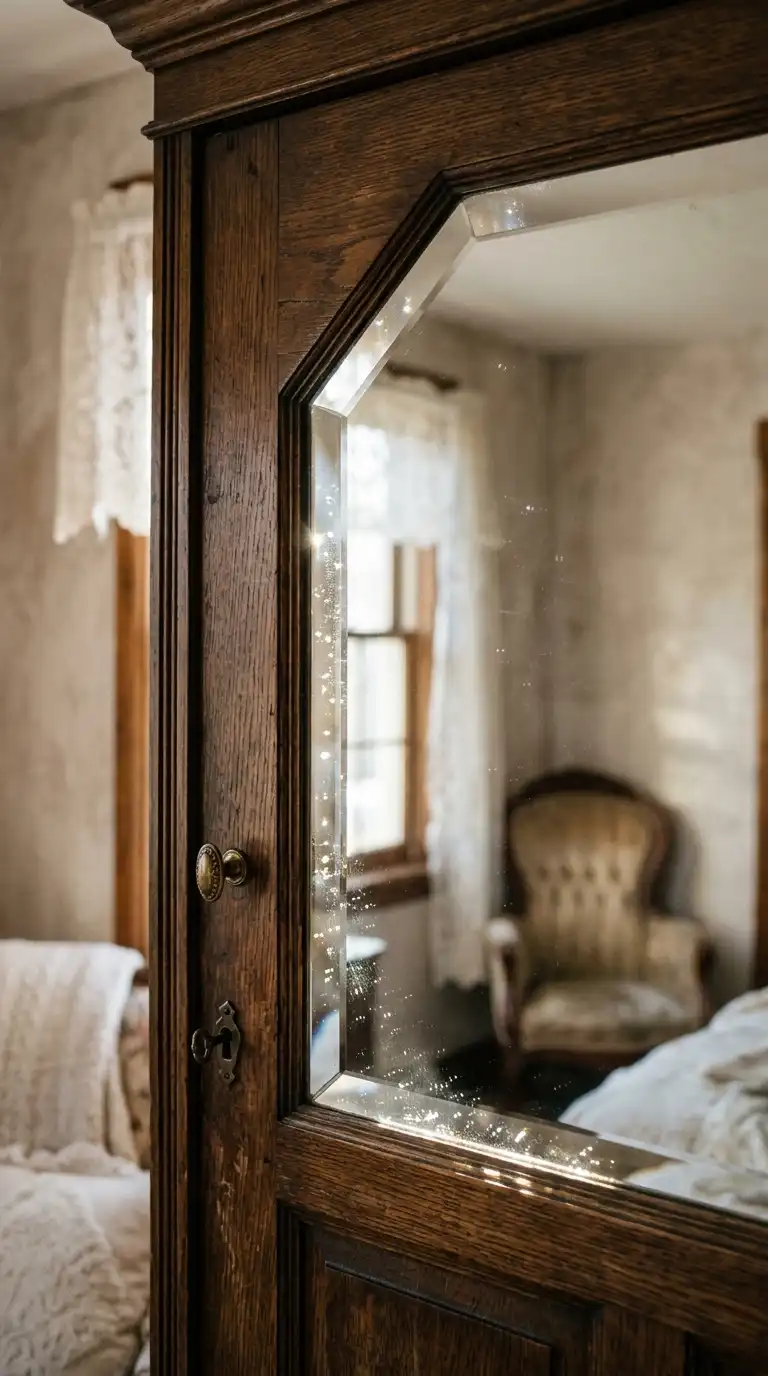
Mirrored wardrobe panels serve both practical and spatial purposes in modern bedrooms. A full-length mirror integrated into a sliding or hinged door eliminates the need for a separate mirror, reducing visual clutter. The reflective surface also bounces light around the room, making the space feel larger and brighter. For a minimalist approach, choose frameless mirrors or those with slim, discreet edges. Position mirrored panels strategically to reflect natural light from windows, enhancing the sense of openness without adding decorative elements.
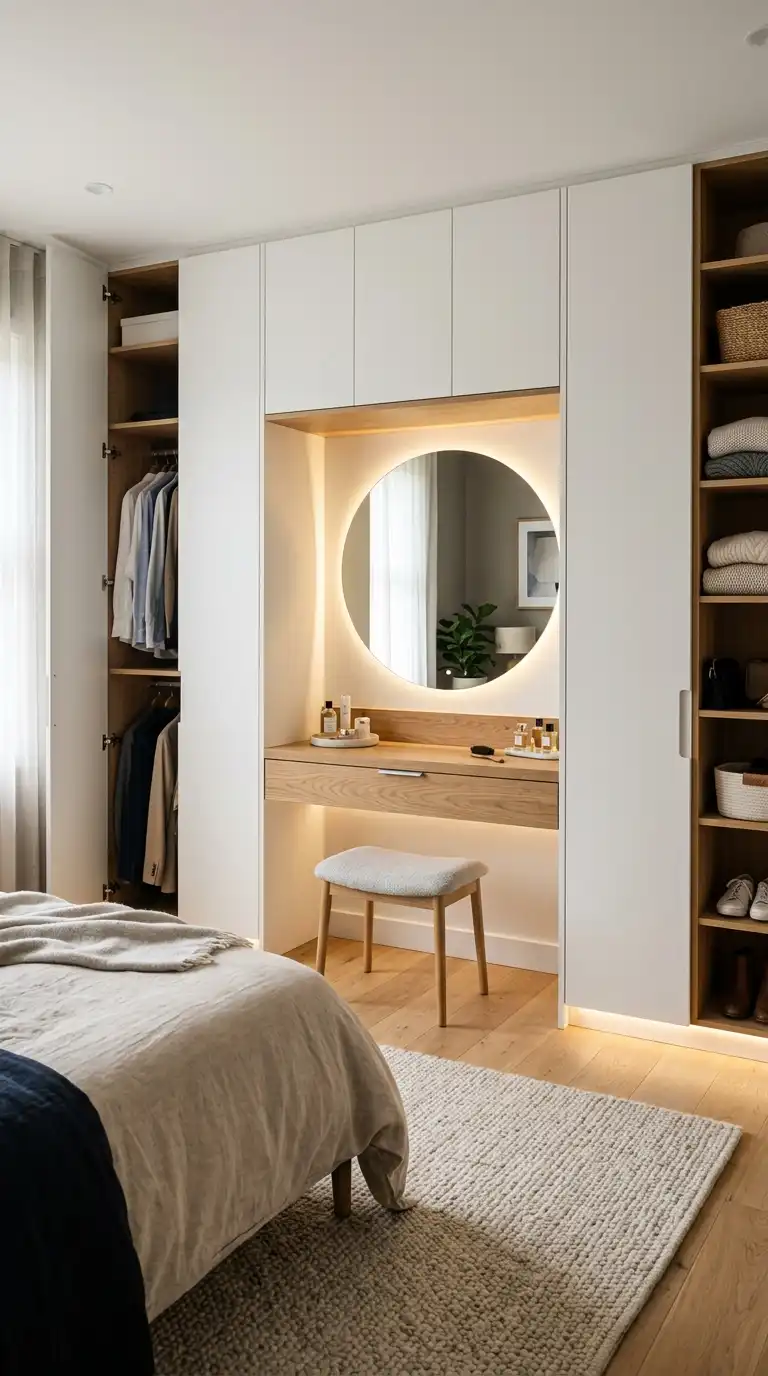
13. Wardrobe with Integrated Dressing Table
Combine storage and grooming by integrating a dressing table into your wardrobe design. Position the dressing table at the center or one end of the wardrobe unit, with a mirror, stool, and dedicated storage for makeup and accessories. This setup streamlines your routine, keeping all beauty and wardrobe essentials in one cohesive space. For a modern look, choose a floating table surface with no visible supports, a backlit mirror, and handleless drawers. This design is ideal for master bedrooms and dressing rooms where efficiency and style are equally important.
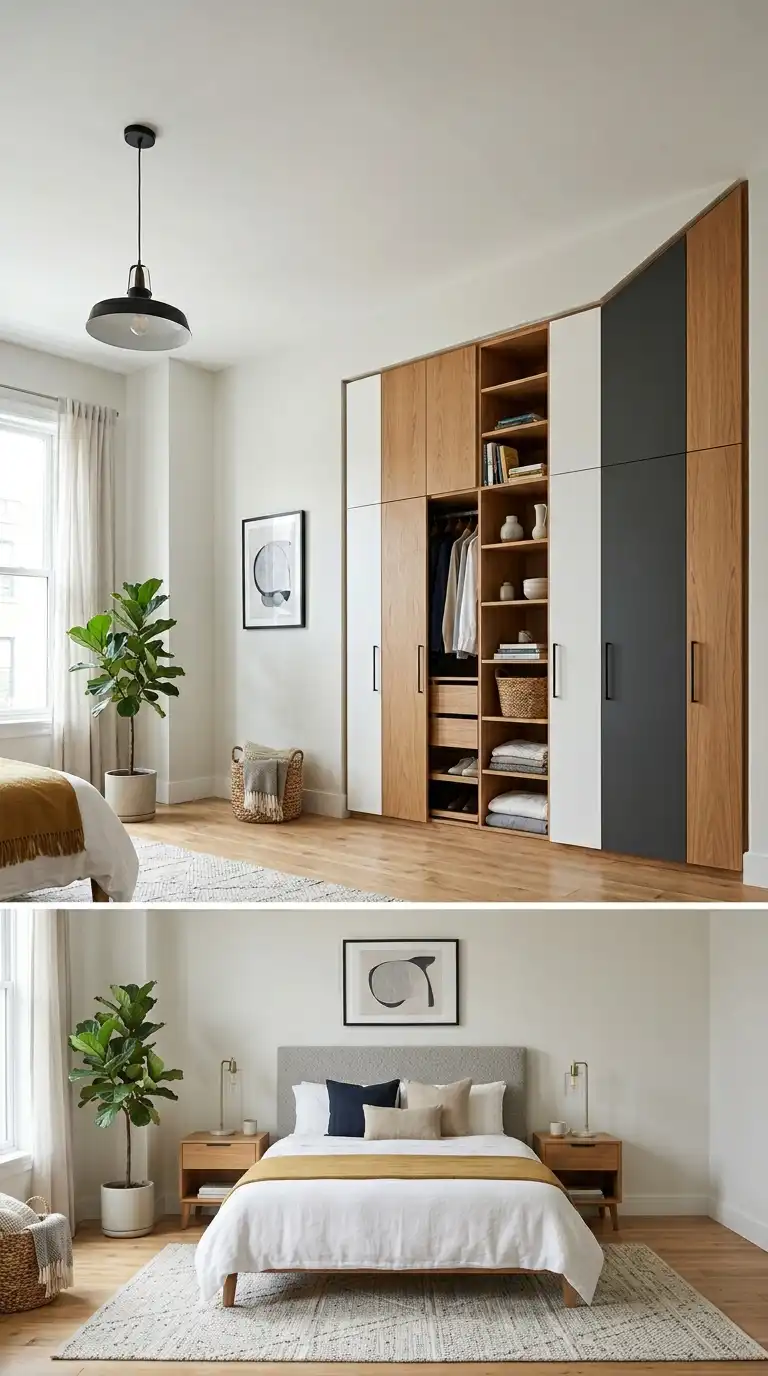
14. Wardrobe with Asymmetrical Door Configuration
Break away from traditional symmetrical layouts with an asymmetrical wardrobe design. Use doors of varying widths, or combine sliding panels with open shelving or a dressing niche. This approach creates a dynamic, custom look that feels unique and tailored to your space. Asymmetrical configurations are ideal for bedrooms with alcoves, sloped ceilings, or irregular wall spaces, allowing you to maximize storage while creating a visually interesting design. The asymmetry adds a sense of movement and modernity to the room.
15. Sustainable Material Wardrobe
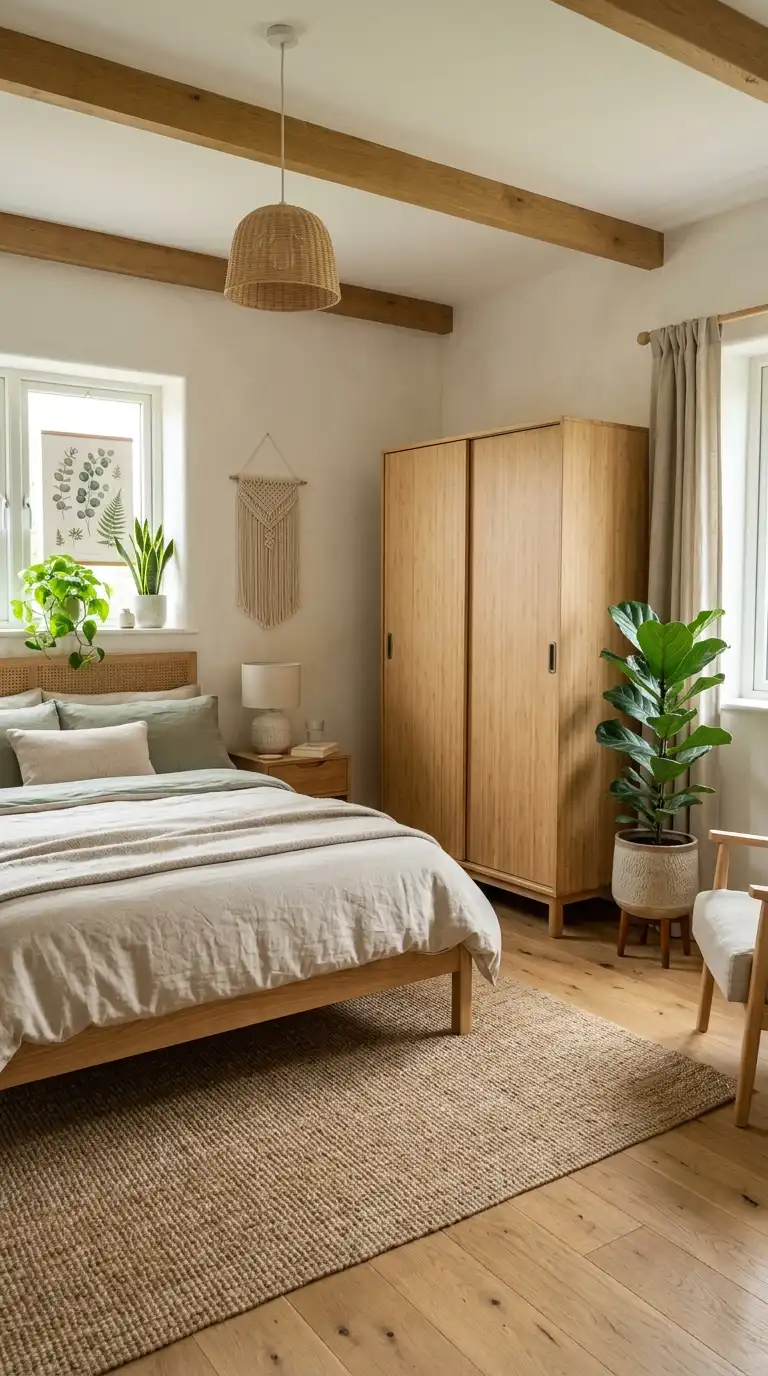
For environmentally conscious design, choose wardrobes crafted from sustainable materials like bamboo, reclaimed wood, or FSC-certified timber. Low-VOC finishes and non-toxic adhesives contribute to a healthier indoor environment. The natural beauty of these materials adds warmth and authenticity to modern bedrooms. Combine with energy-efficient LED lighting and natural textures like linen or wool for a cohesive, eco-friendly aesthetic. Sustainable wardrobes prove that modern design can be both stylish and responsible.
Frequently Asked Questions
- What defines a modern wardrobe design?
Modern wardrobe design is characterized by clean lines, minimalist aesthetics, handleless surfaces, innovative materials, and seamless functionality. It emphasizes simplicity, open space, and integration with the room’s architecture, often incorporating features like integrated lighting, sliding doors, and mixed finishes. - What materials are popular in modern wardrobes?
Popular materials include matte and high-gloss laminates, natural wood veneers, glass with metal frames, and textured panels like fluted or ribbed MDF. Sustainable materials like bamboo and reclaimed wood are also gaining popularity. Finishes are often neutral—white, gray, black, oak—with occasional bold colors for accent. - How do I choose the right finish for my modern wardrobe?
Consider the overall aesthetic of your bedroom. Matte finishes offer a soft, understated look that recedes into the background. High-gloss finishes add drama and reflect light, making spaces feel larger. Wood veneers bring warmth and texture. Bold colors like navy or black create a striking focal point. - Are sliding doors or hinged doors better for modern wardrobes?
Sliding doors are ideal for compact bedrooms as they require no swing space. They also allow for floor-to-ceiling designs with uninterrupted panels. Hinged doors offer full access to the interior and can be designed with handleless push-to-open mechanisms. Both can be incorporated into modern designs depending on your space and preference. - How can I incorporate lighting into my modern wardrobe?
Integrated LED lighting is a key feature of modern wardrobe design. Install warm white strips along the top, bottom, or sides of the wardrobe for ambient glow. Motion sensors can activate lights when doors open. For glass-front units, interior lighting creates a stunning display effect. Lighting adds both functionality and ambiance.
Modern wardrobes are a testament to the power of thoughtful design—where every element serves a purpose, and beauty emerges from simplicity. Whether you choose a handleless floor-to-ceiling unit, a high-gloss statement piece, or a sustainable bamboo design, the result is a storage solution that enhances both your space and your daily life.