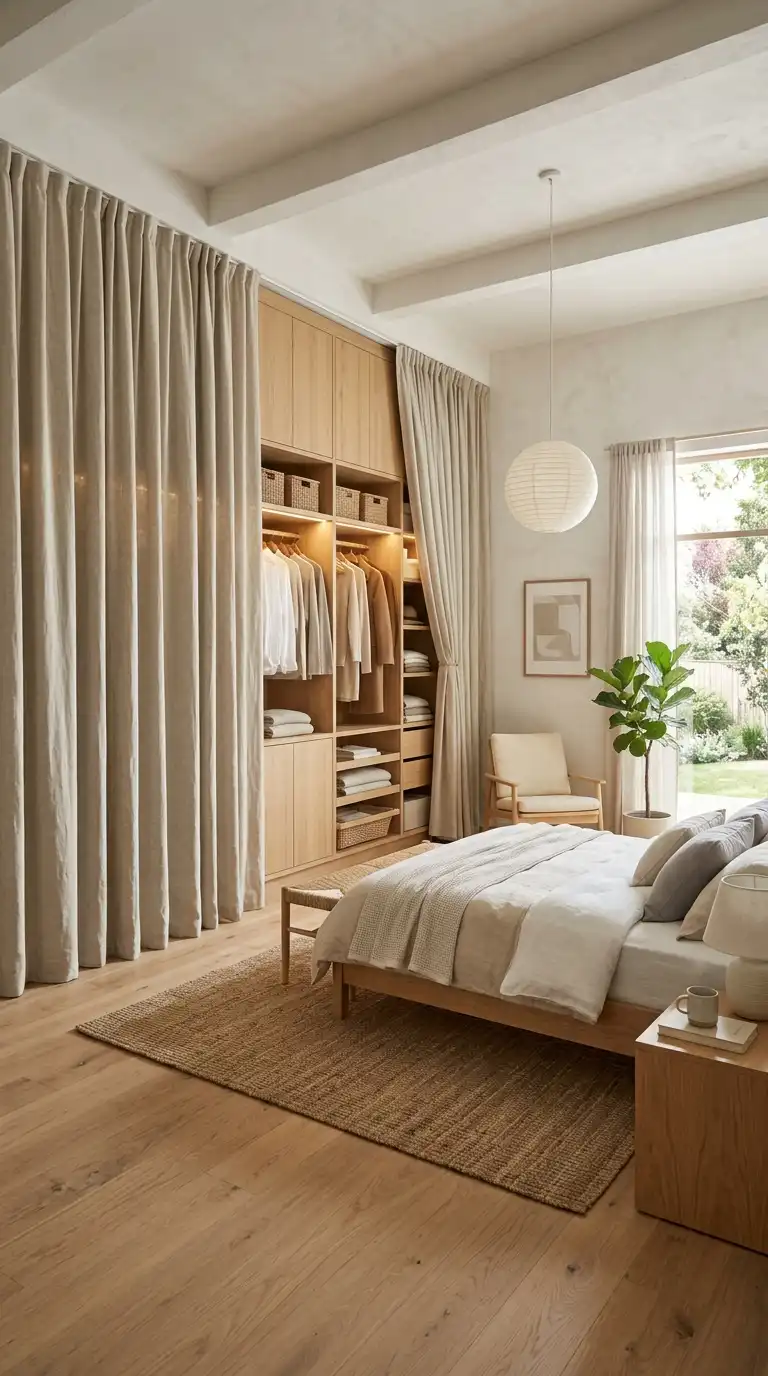
16 Baby Wardrobe Designs
A baby’s wardrobe needs to be functional, accessible, and adaptable as your little one grows. From tiny onesies to toddler outfits, the right storage system makes dressing easier and keeps essentials organized. Safety, accessibility, and flexibility are key considerations—drawers and shelves should be within easy reach, and the design should accommodate changing needs. Here are sixteen baby wardrobe designs to inspire a nursery that is both beautiful and practical.
1. Floor-to-Ceiling Wardrobe with Lower Access
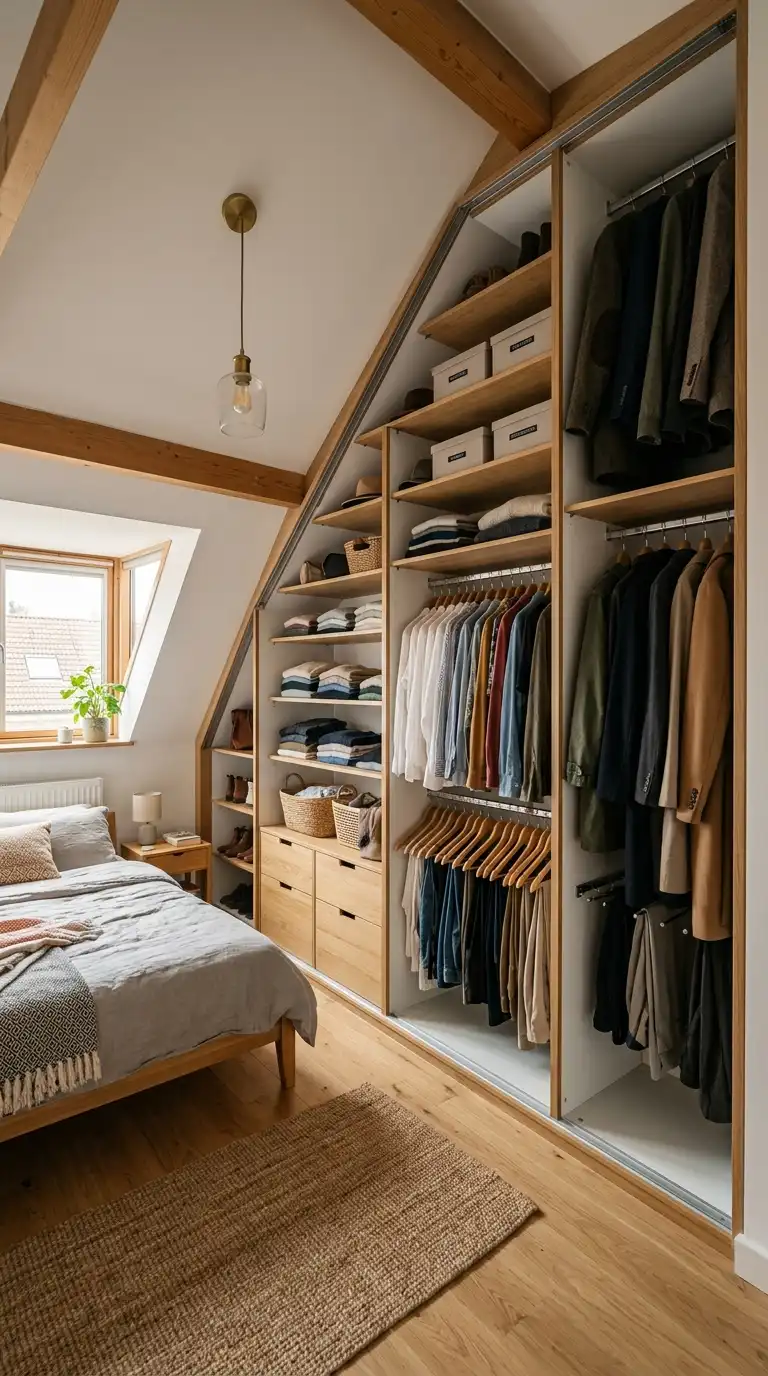
A floor-to-ceiling wardrobe maximizes storage while keeping everyday essentials within easy reach for parents. Design the lower sections with open cubbies or pull-out drawers that provide convenient access to diapers, wipes, and frequently used clothing. Reserve the higher shelves for out-of-season items, extra bedding, or items you want to keep out of reach. This design grows with your child—lower sections can be adjusted as they get taller, and the overall storage capacity ensures the wardrobe lasts through multiple stages.
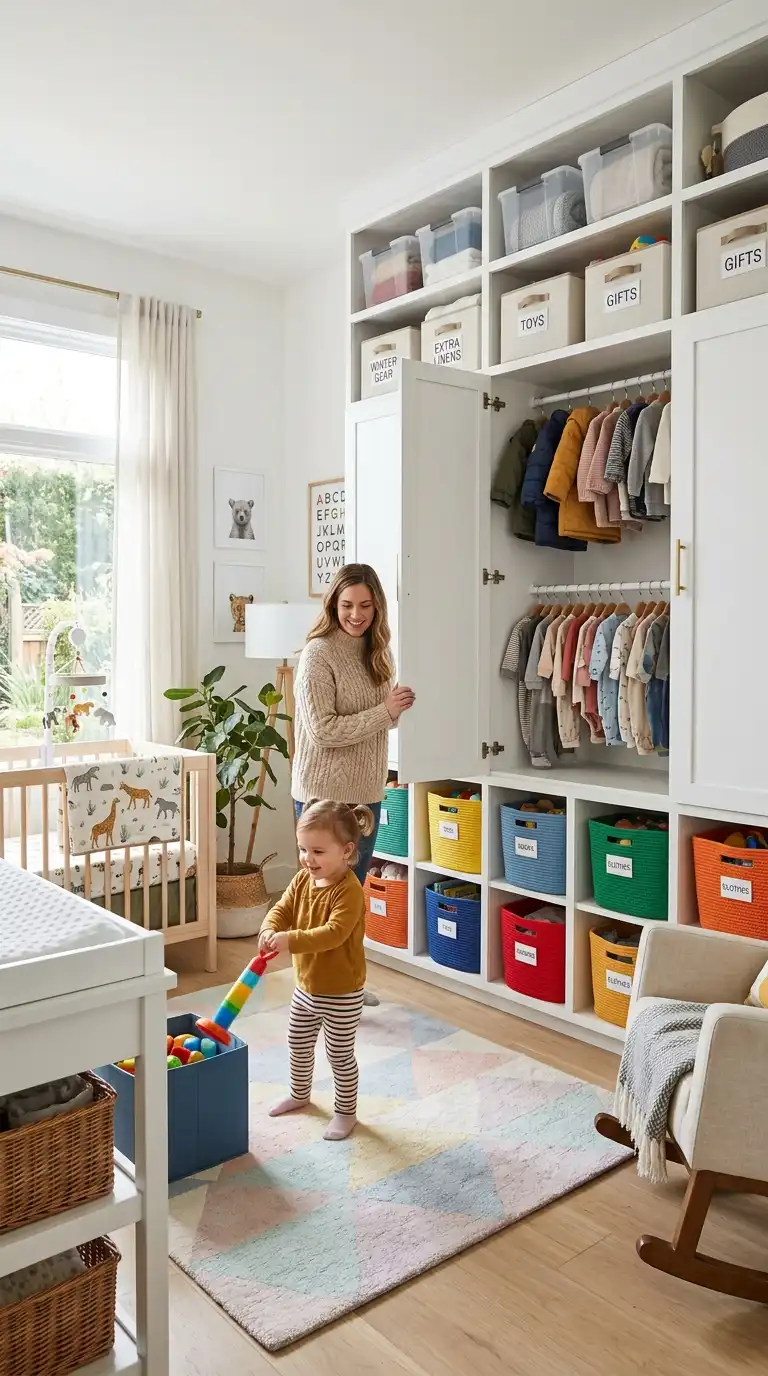
2. Wardrobe with Open Lower Shelving
Open shelving at the bottom of a wardrobe makes it easy to see and access baby essentials. Use colorful fabric bins or woven baskets to store diapers, wipes, blankets, and small clothing items. Label each bin with words or pictures for organization. The open design encourages tidiness and makes it simple to grab what you need during quick changes. As your child grows, the shelving can transition to displaying books, toys, or folded clothing.
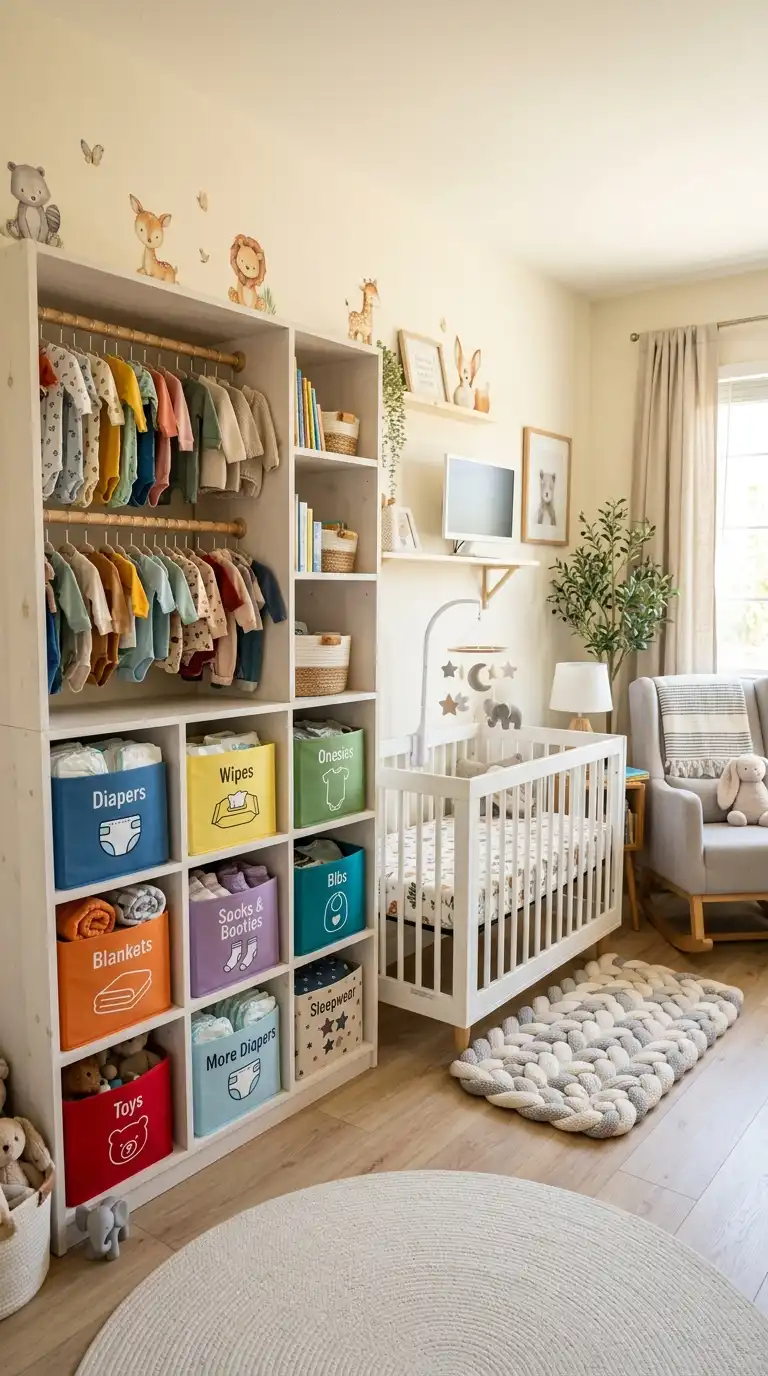
3. Wardrobe with Adjustable Interior
Babies grow quickly, and their storage needs change just as fast. An adjustable interior system with movable shelves, repositionable hanging rods, and removable dividers ensures your wardrobe adapts to every stage. Configure the interior for baby clothes and cloth diapers, then reconfigure for toddler outfits, and later for preschool wardrobe essentials. This flexibility makes the wardrobe a long-term investment that serves your child for years.
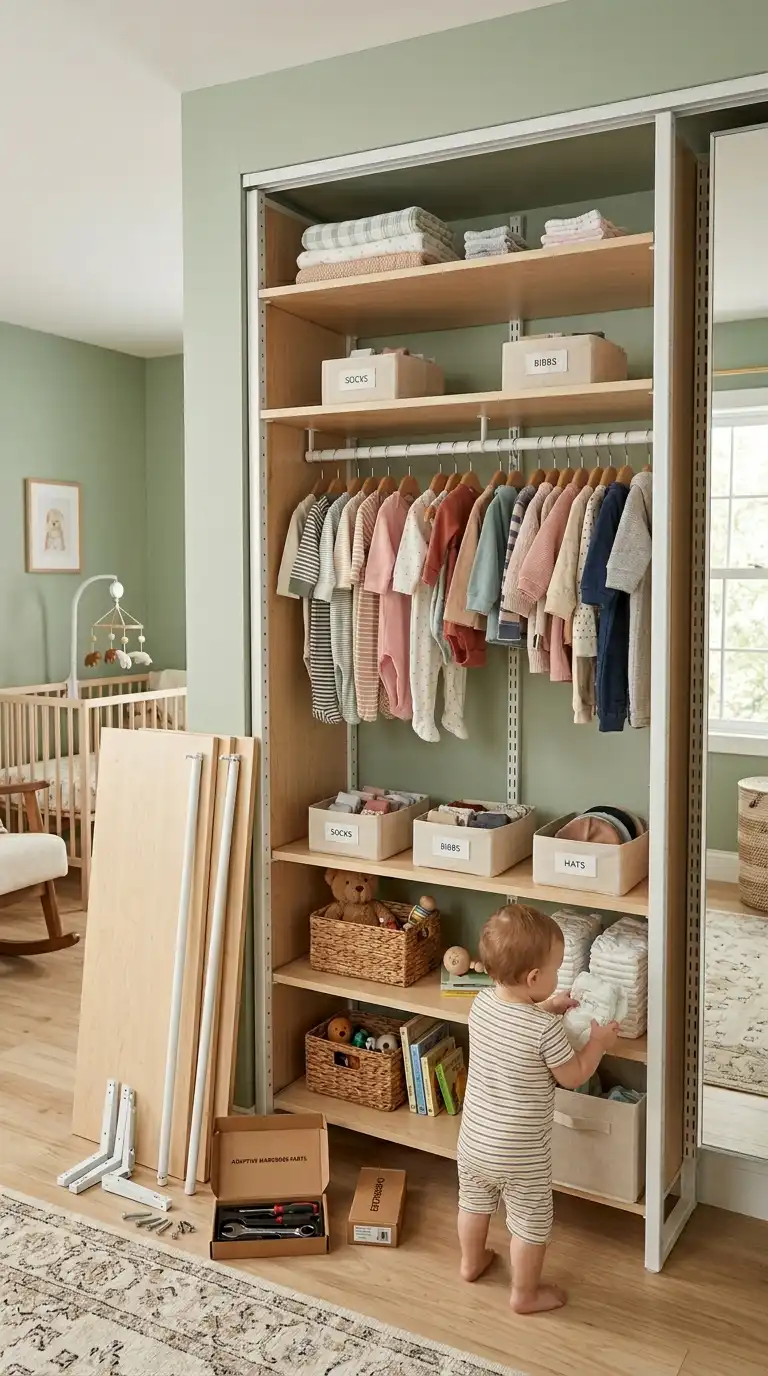
4. Two-Tone Wardrobe with Soft Colors
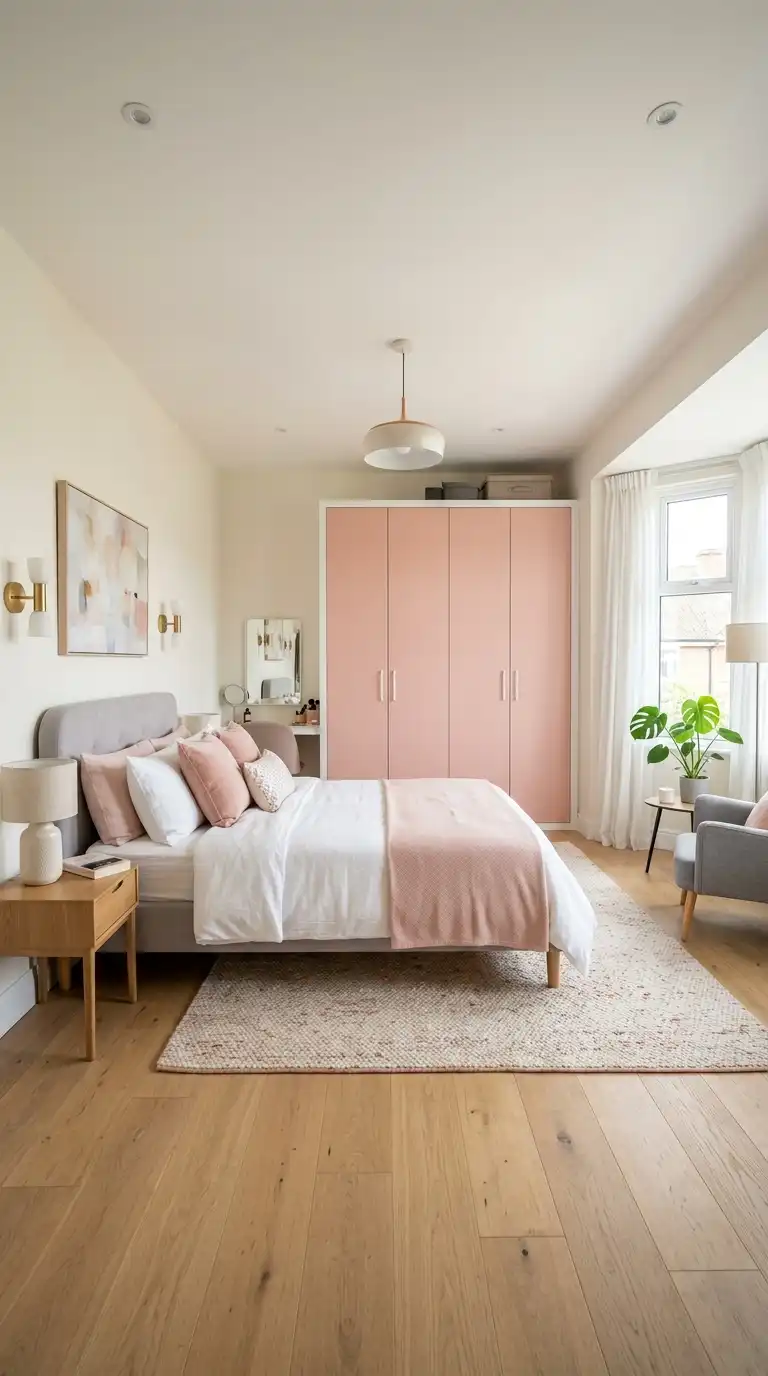
A two-tone wardrobe adds visual interest to the nursery while maintaining a calm, soothing environment. Use a neutral base—white, light gray, or natural wood—for the main structure, and add a soft pastel accent on door panels or drawers. Choose colors like blush pink, mint green, or pale blue to complement the nursery’s theme. The two-tone design can be easily updated as your child’s preferences change by repainting the accent panels.
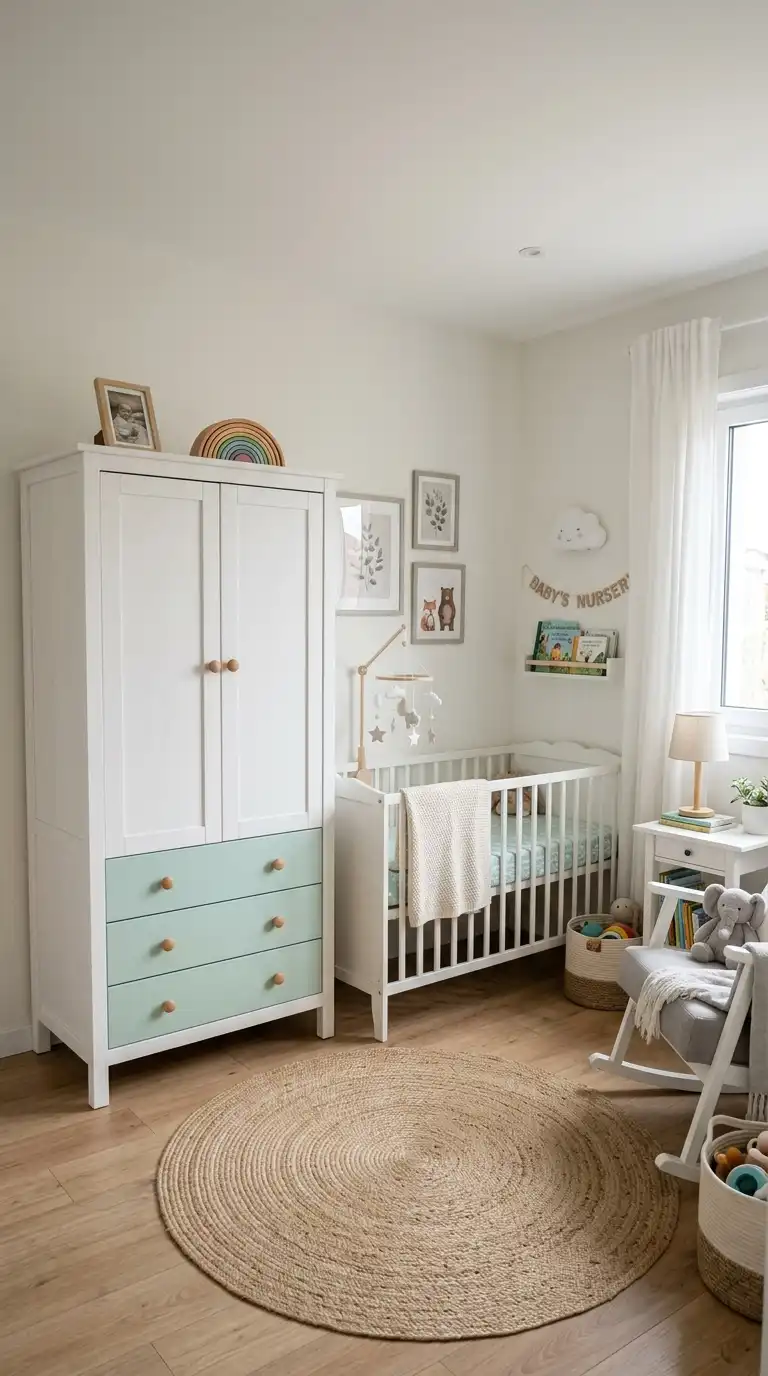
5. Wardrobe with Built-In Changing Station
Incorporate a changing station into your baby’s wardrobe for a space-saving, functional nursery. Design a pull-out or fold-down surface at a comfortable height for diaper changes. Add shelves or drawers nearby for diapers, wipes, and creams. A small rail or lip prevents items from rolling off. When not in use, the changing surface tucks away, leaving the wardrobe looking clean and uncluttered. This design is ideal for smaller nurseries where a separate changing table would take up valuable floor space.
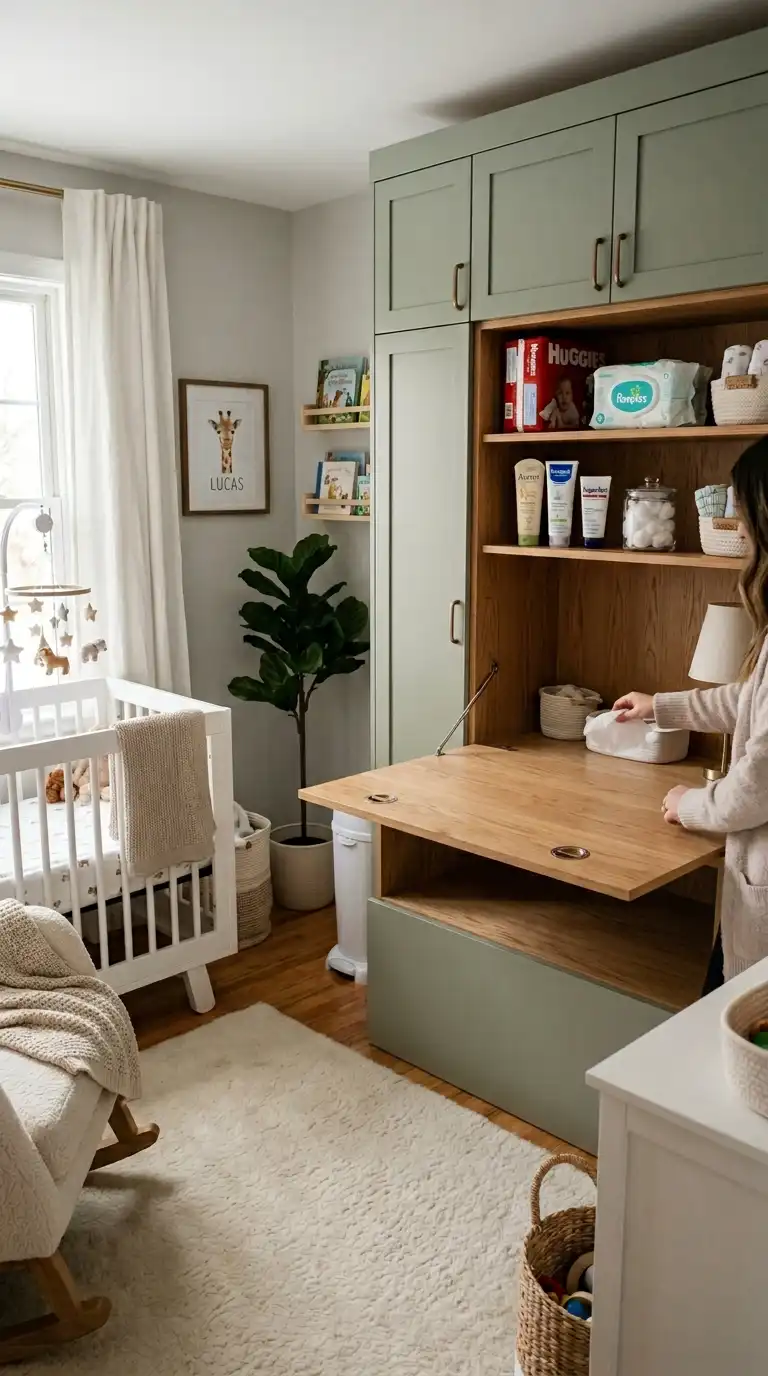
6. Wardrobe with Display Nook
Incorporate a display nook into your baby’s wardrobe to showcase favorite books, stuffed animals, or keepsakes. An open cubby at eye level adds warmth and personality to the storage unit. As your child grows, the nook can transition to displaying artwork, trophies, or treasured mementos. The display area breaks up solid cabinetry and makes the wardrobe feel like a special part of the nursery.
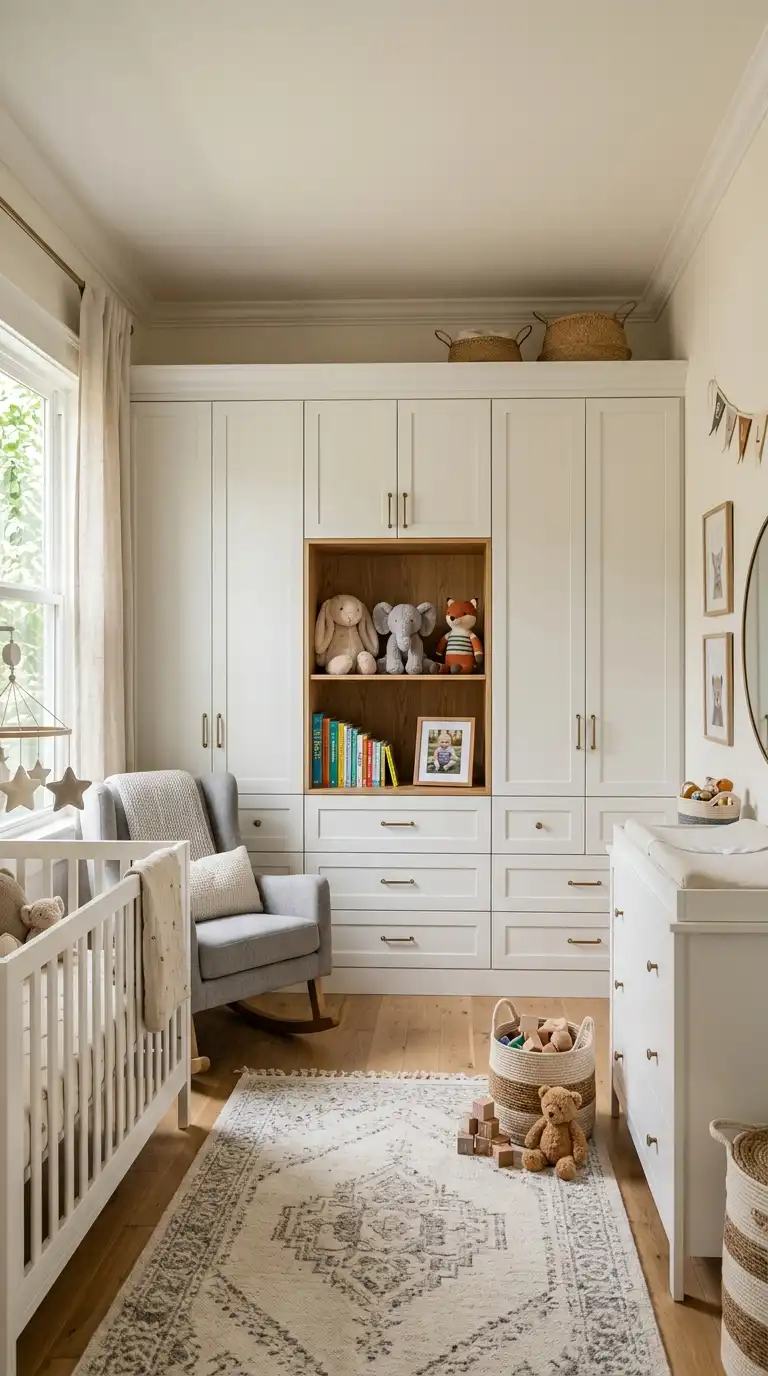
7. Wardrobe with Rolling Storage Bins
Incorporate rolling bins or pull-out drawers at the base of the wardrobe for easy-access toy and clothing storage. The bins can be pulled out completely for playtime and rolled back in for tidying. Choose bins in durable, easy-to-clean materials that are lightweight for small hands. Label each bin with pictures or words to help with organization. This design encourages independence as your child grows and can begin to put things away themselves.
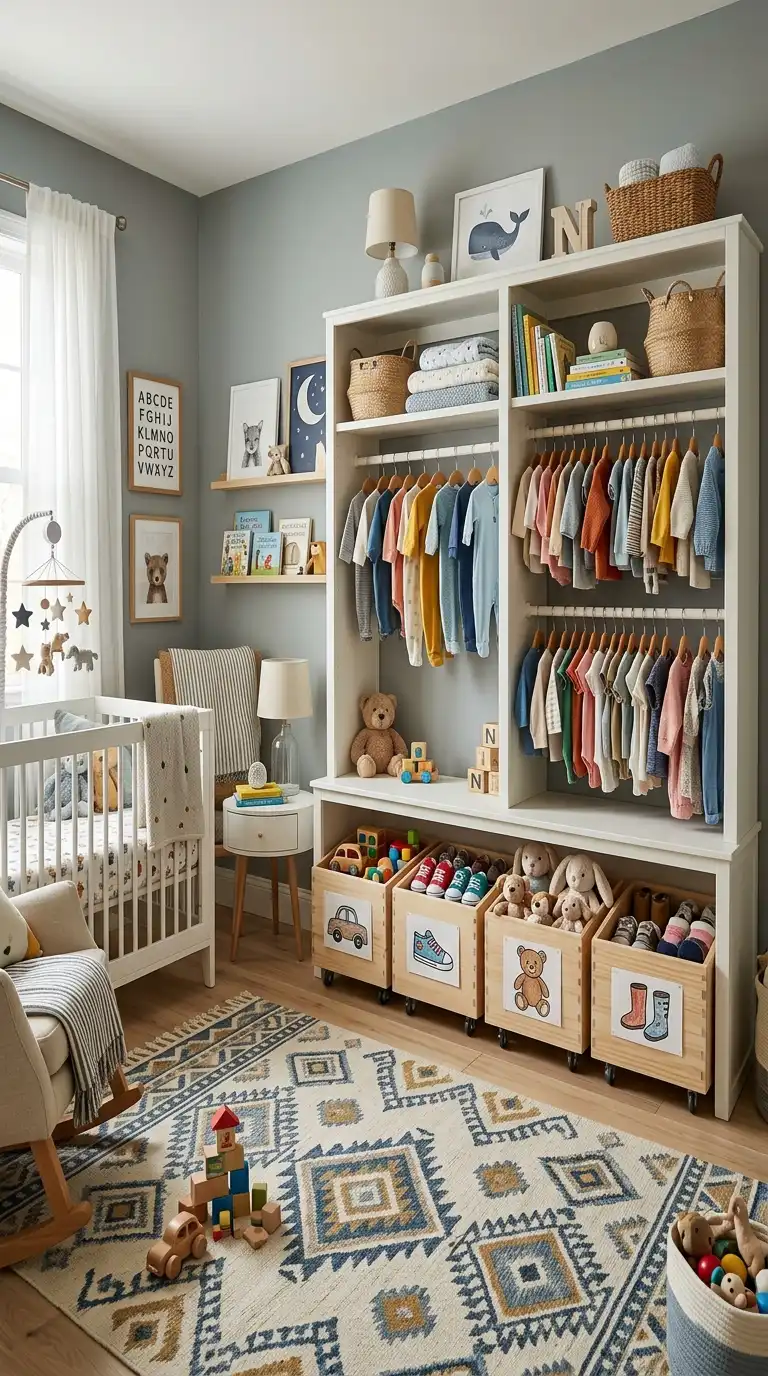
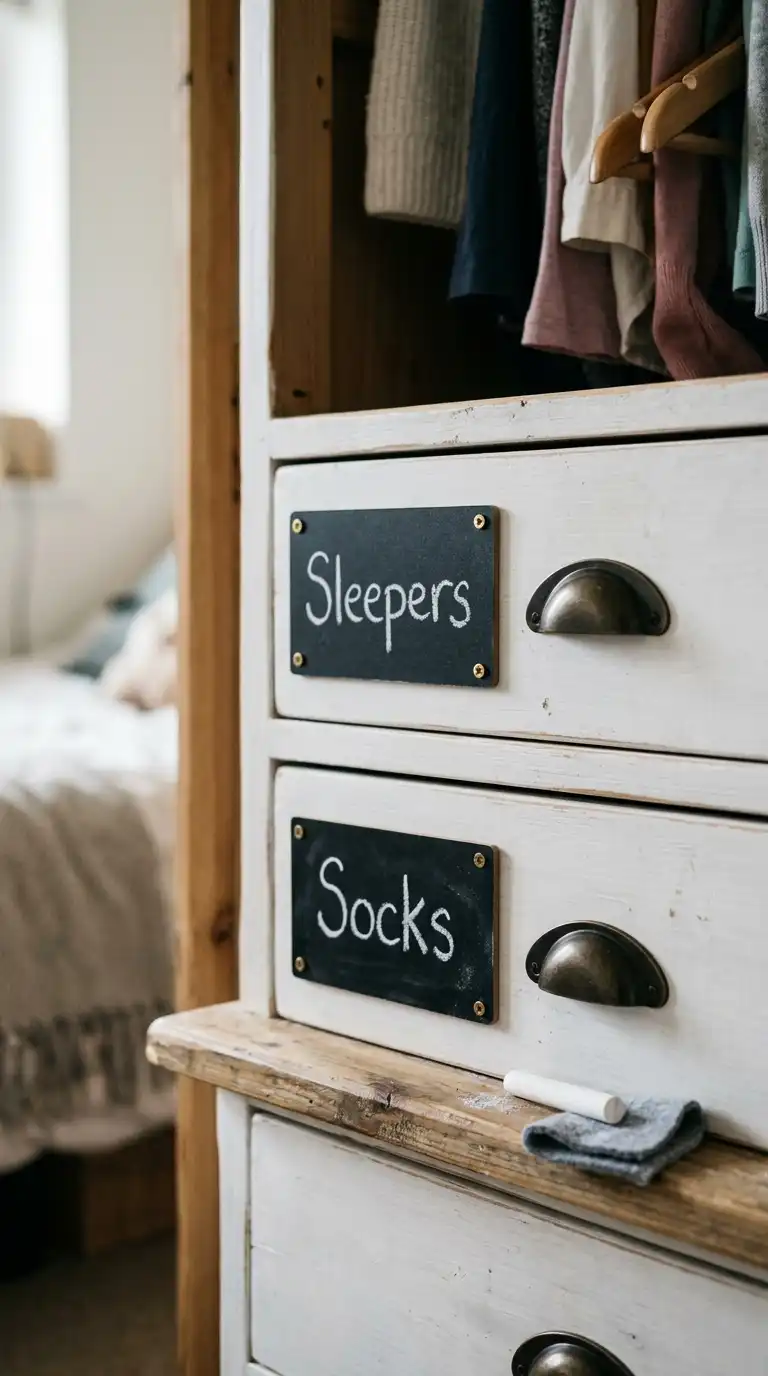
8. Wardrobe with Chalkboard Labels
Use chalkboard labels on drawers and bins to create a flexible labeling system that can be updated as contents change. Parents can label bins for “Onesies,” “Pajamas,” “Blankets,” and later, children can participate in organizing by drawing or writing labels. This approach teaches organization skills while allowing for easy adjustments as your child’s wardrobe evolves. Chalkboard labels also add a playful, interactive element to the storage system.
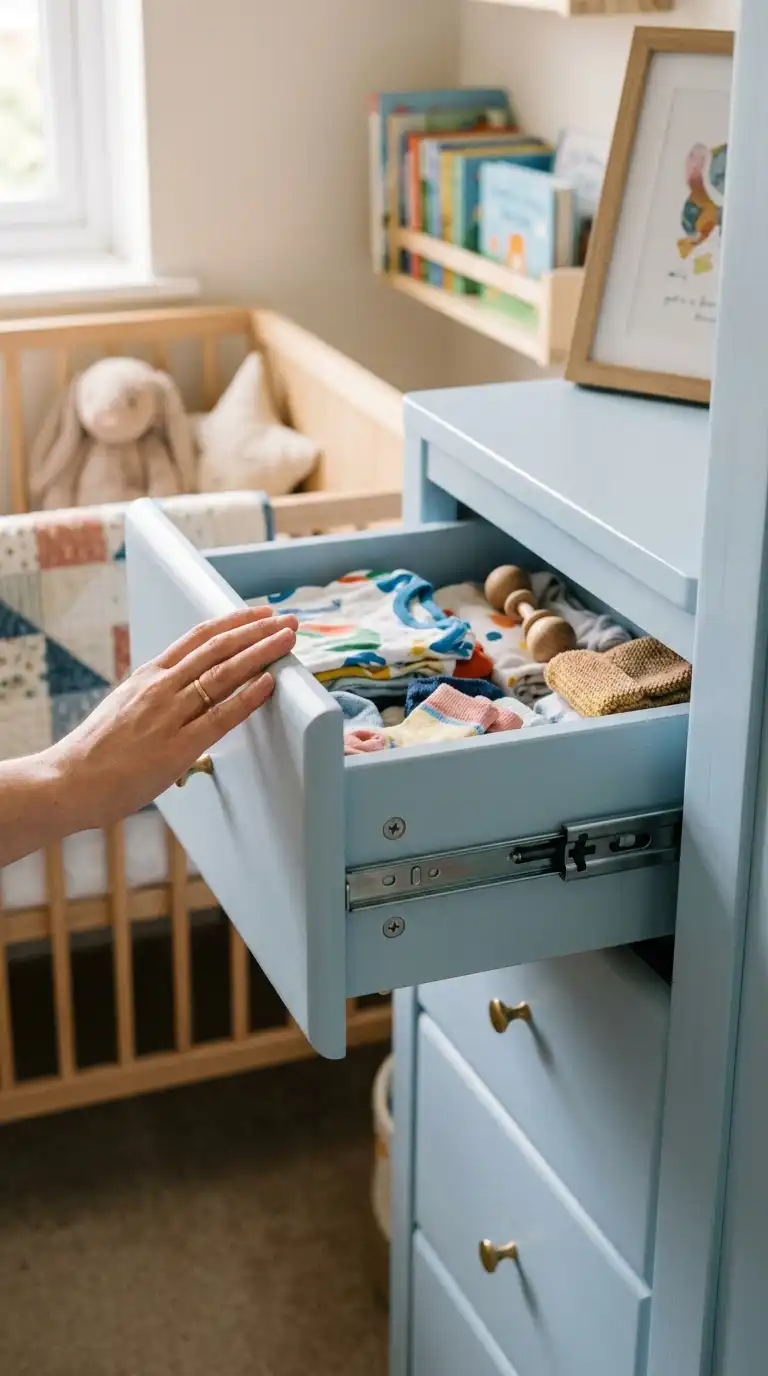
9. Wardrobe with Soft-Close Drawers
Safety is paramount in a baby’s room. Soft-close drawers prevent little fingers from being pinched and ensure quiet operation during nap times. Choose drawers with smooth glides that close gently with a slight push. This feature also protects the contents from being jarred and extends the life of the furniture. Soft-close mechanisms are a worthwhile investment for any nursery wardrobe.
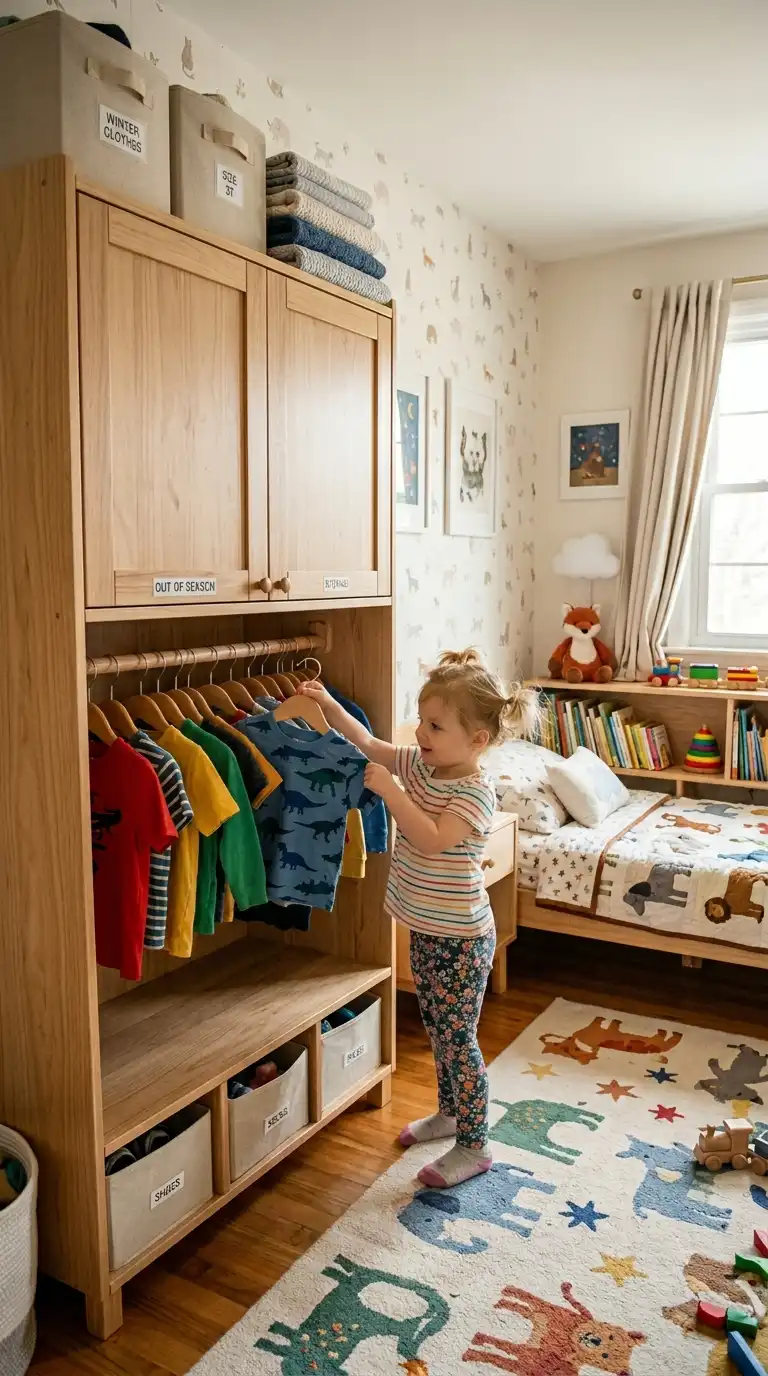
10. Wardrobe with Hanging Rod at Child Height
As your child grows, they will want to choose their own clothes. Design your wardrobe with a hanging rod at a height they can reach—typically around 90–100 centimeters from the floor. This encourages independence and makes dressing a positive experience. For younger babies, the rod can be used for hanging outfits for the week, and later, for your child’s own selections.
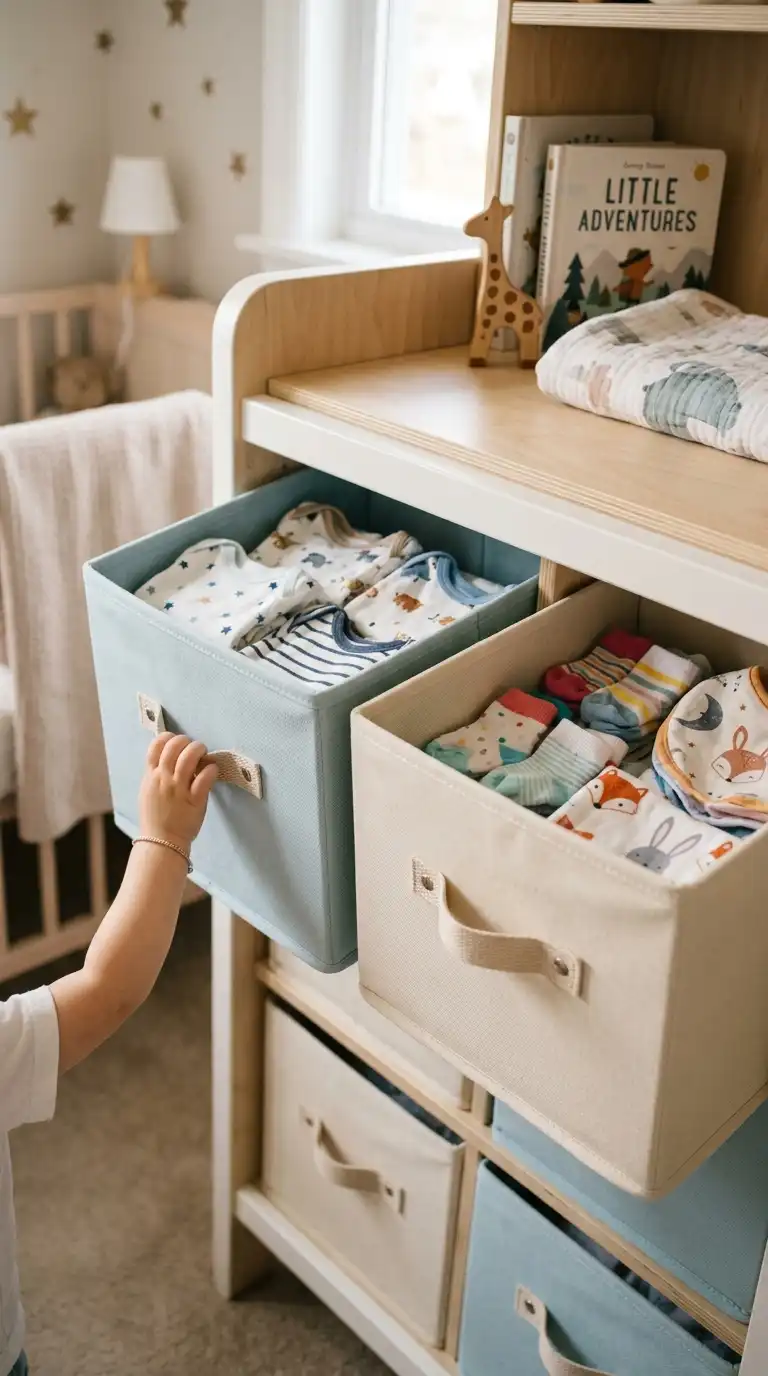
11. Wardrobe with Canvas or Fabric Drawers
For a soft, flexible storage solution, use canvas or fabric drawers instead of rigid ones. These are lightweight, easy to clean, and safe for curious little ones. The soft sides are gentle on small hands, and the drawers can be removed and folded when not in use. Choose neutral colors that complement the nursery decor, or opt for playful patterns to add interest.
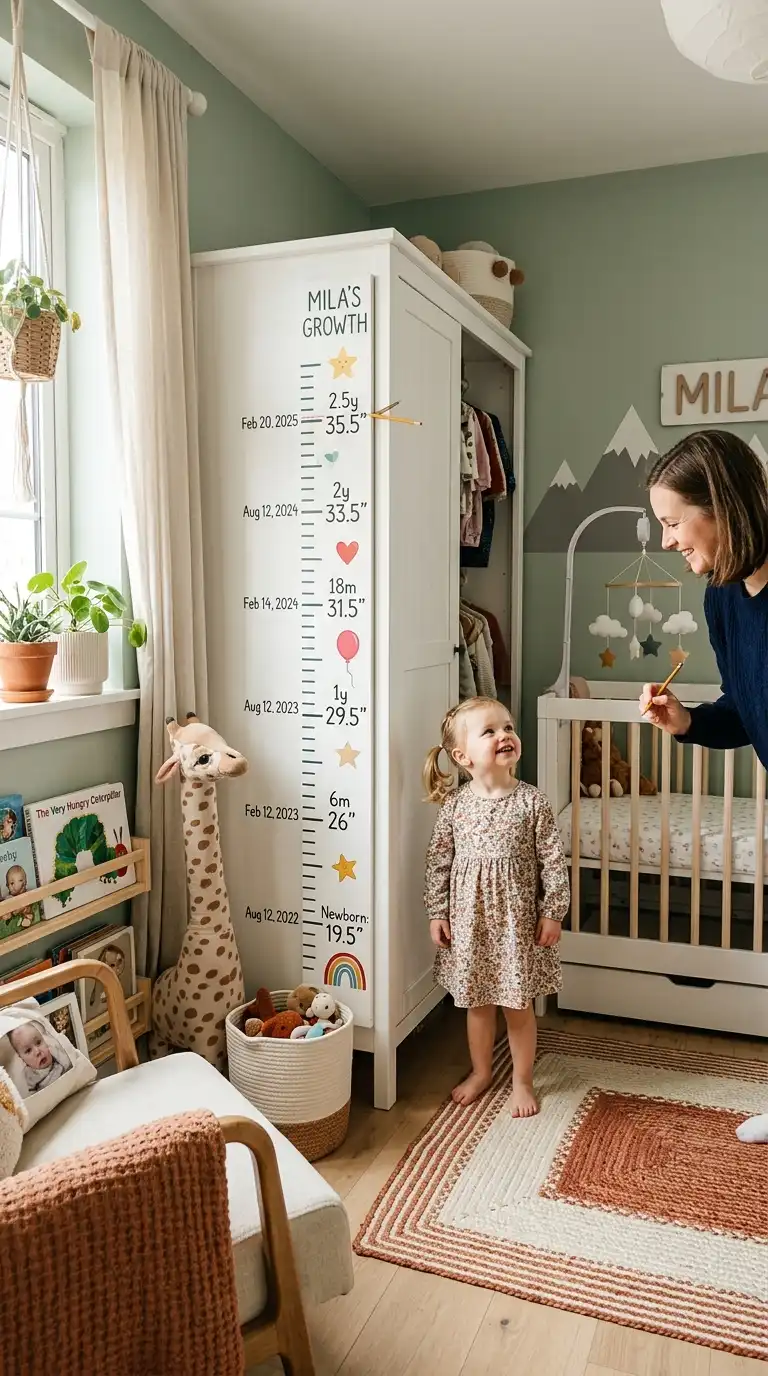
12. Wardrobe with Growth Chart
Incorporate a growth chart into the side or door of the wardrobe to track your child’s height over the years. Use painted markings, vinyl decals, or etched lines to create a lasting record of milestones. This detail turns a functional piece of furniture into a cherished keepsake that holds memories beyond storage. It also adds a personal, sentimental touch to the nursery.
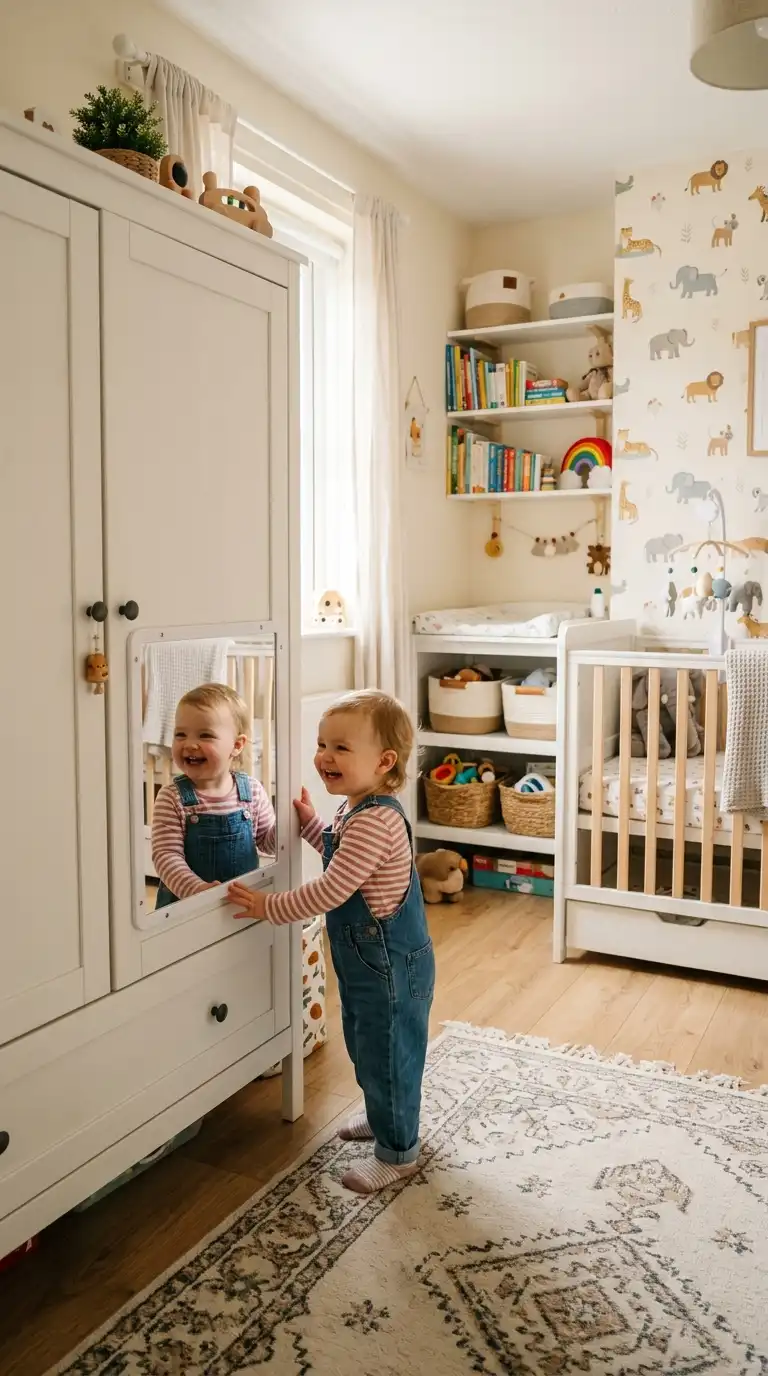
13. Wardrobe with Mirror at Child Height
Add a child-safe acrylic mirror to the lower section of the wardrobe for your little one to enjoy. Watching themselves in the mirror aids in self-recognition and makes dressing more fun. Choose a shatterproof acrylic mirror for safety, and mount it securely at a height your child can see. As they grow, the mirror can be moved or replaced.
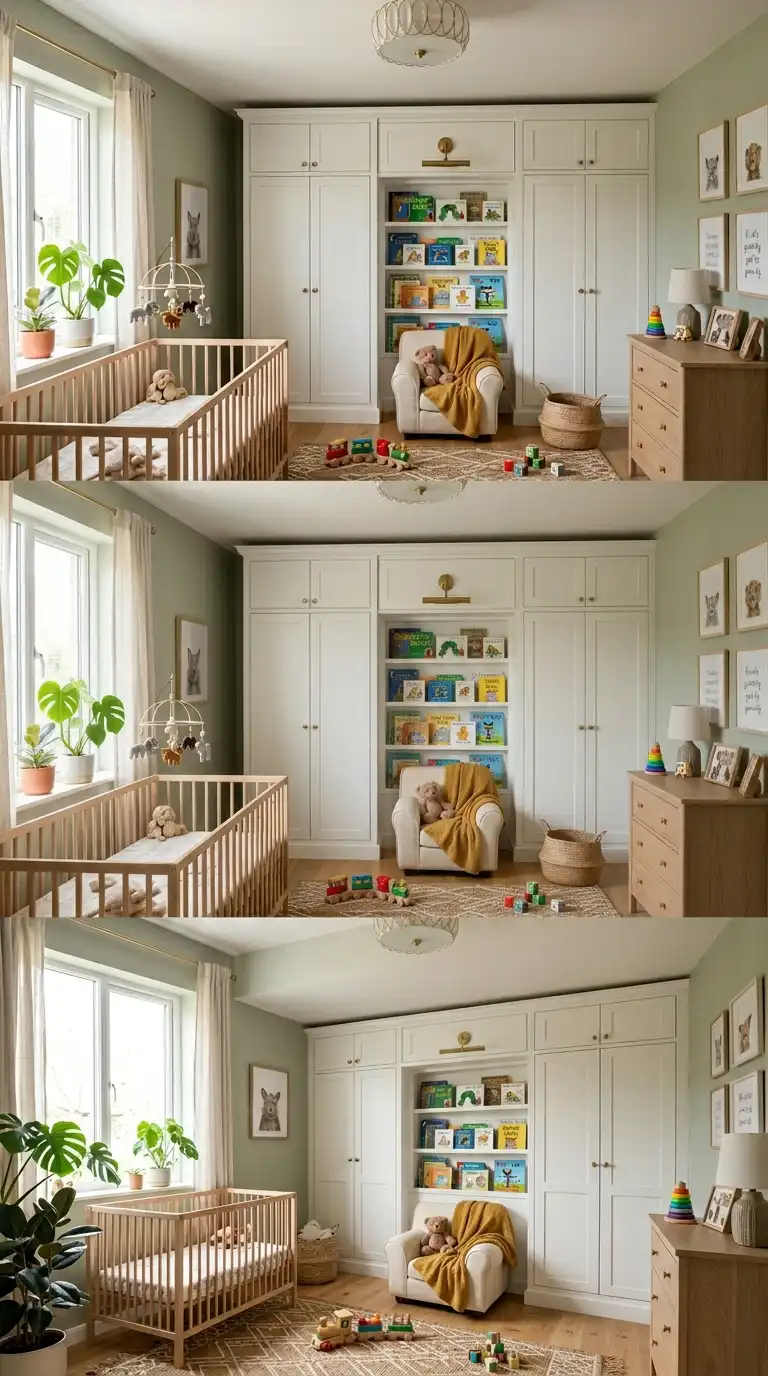
14. Wardrobe with Built-In Bookshelf
Combine storage with literacy by incorporating a built-in bookshelf into your baby’s wardrobe. A few open shelves at eye level can hold board books, creating a mini library within the nursery. This design encourages reading from an early age and makes books easily accessible. As your child grows, the bookshelf can be expanded or repurposed for toys and treasures.
15. Wardrobe with Themed Details
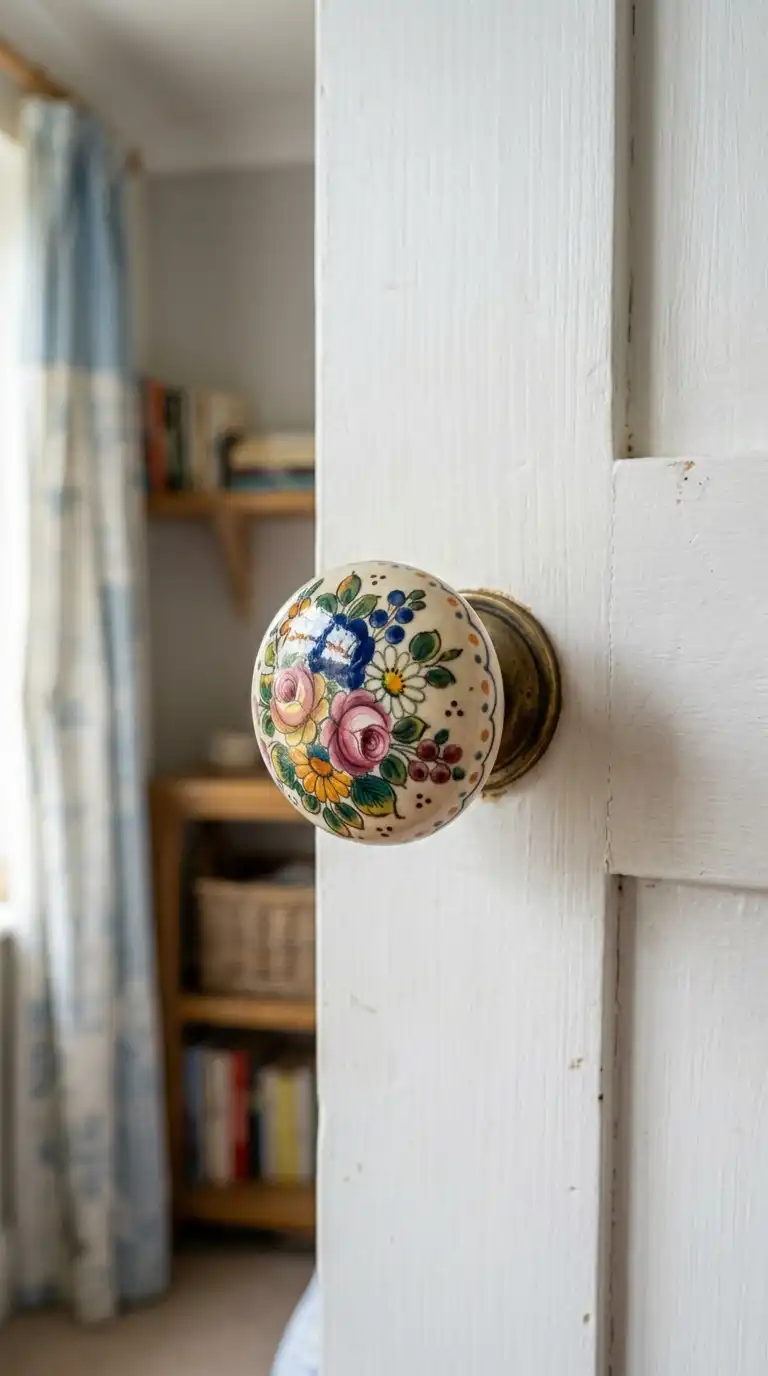
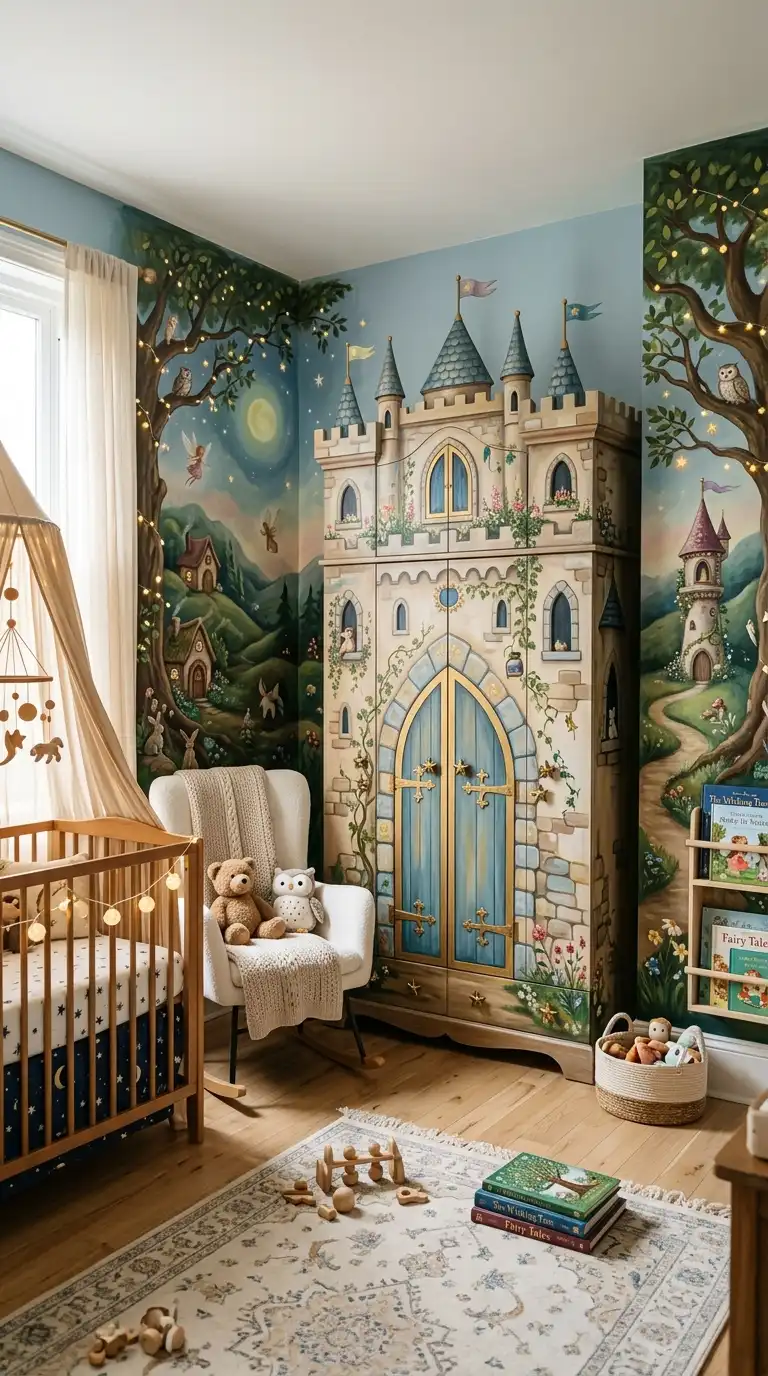
Bring a favorite theme to life with wardrobe details inspired by your child’s interests. Paint the doors to resemble a fairy-tale castle, a jungle scene, or a starry night sky. Add whimsical handles shaped like stars, animals, or flowers. Use decals or stencils to create patterns that can be easily updated as interests change. A themed wardrobe becomes a cherished part of the room that sparks imagination.
16. Shared Wardrobe with Divided Zones
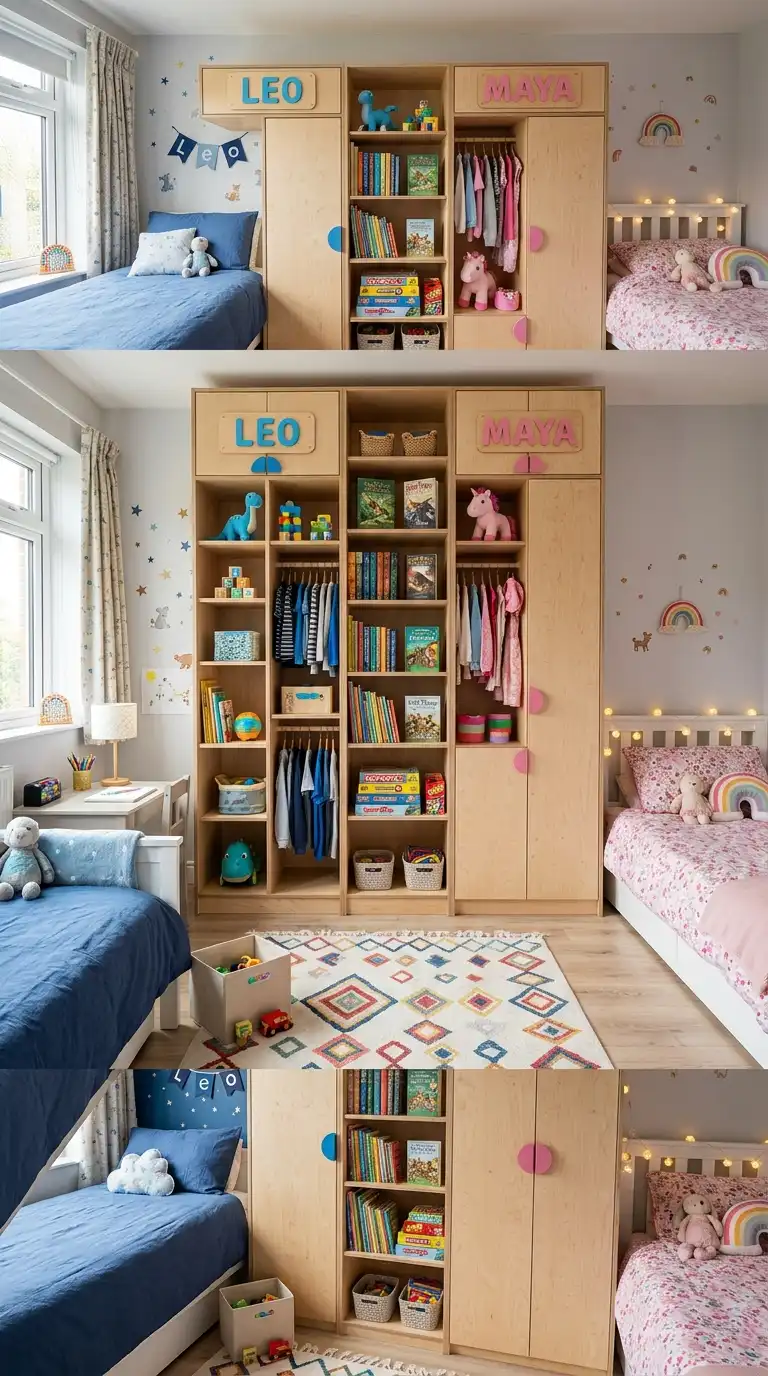
For siblings sharing a room, a shared wardrobe with clearly divided zones helps maintain order and reduce conflict. Use different colors for each child’s section, add personalized nameplates, or designate specific drawers and hanging areas. This approach teaches respect for personal space while maximizing shared storage. Consider a central open section for shared items like games, extra bedding, or seasonal clothing.
Frequently Asked Questions
- What is the best height for baby wardrobe storage?
Lower sections should be accessible for parents and later for children—typically within 90–120 centimeters from the floor. Use adjustable shelving and hanging rods that can be raised as your child grows. This allows the wardrobe to adapt to changing heights and needs. - How can I make a baby wardrobe safe?
Secure the wardrobe to the wall to prevent tipping. Use soft-close drawers to prevent pinched fingers. Choose child-safe finishes with low-VOC paints and non-toxic materials. Ensure handles are smooth and free of sharp edges. For mirrors, use shatterproof acrylic. - What materials are best for baby wardrobes?
Durable, easy-to-clean, non-toxic materials are essential. High-quality laminates, painted MDF with low-VOC finishes, and solid wood are good choices. Avoid materials that off-gas or have sharp edges. Ensure all finishes are smooth and safe for little hands. - How do I organize a baby wardrobe?
Use the top shelves for out-of-season clothing, extra bedding, and items not frequently used. At eye level, store everyday clothing, diapers, and wipes. Lower shelves or bins can hold toys, books, and shoes. Use dividers to keep small items organized. - How do I transition the wardrobe as my baby grows?
Choose an adjustable interior system with movable shelves and repositionable hanging rods. Select a neutral exterior finish that will suit both a baby and older child. As your child grows, lower the hanging rod, add more shelves for folded items, and introduce storage for toys and school supplies.