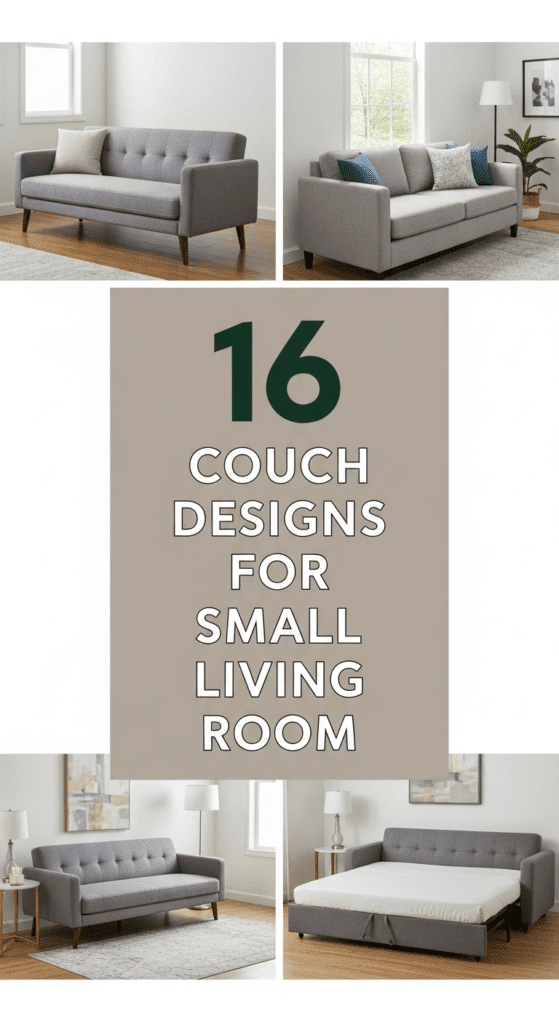
16 Couch designs for small living room
Couch designs for small living room spaces prioritize “compact comfort,” where the scale of the furniture is meticulously calibrated to provide ample seating without overwhelming the room’s physical boundaries. In a limited footprint, the ideal couch utilizes high-end materials and slim architectural lines—such as track arms and tapered legs—to maintain a sense of openness and “visual air.” By choosing multi-functional modular pieces or light-reflecting fabrics, you can transform a tiny lounge into a sophisticated and inviting sanctuary that feels curated rather than crowded. Here are 16 couch designs to elevate your small-scale interior.
See also: 16 Small Living Room Ideas With Fireplace
1. The Slim Track-Arm Loveseat
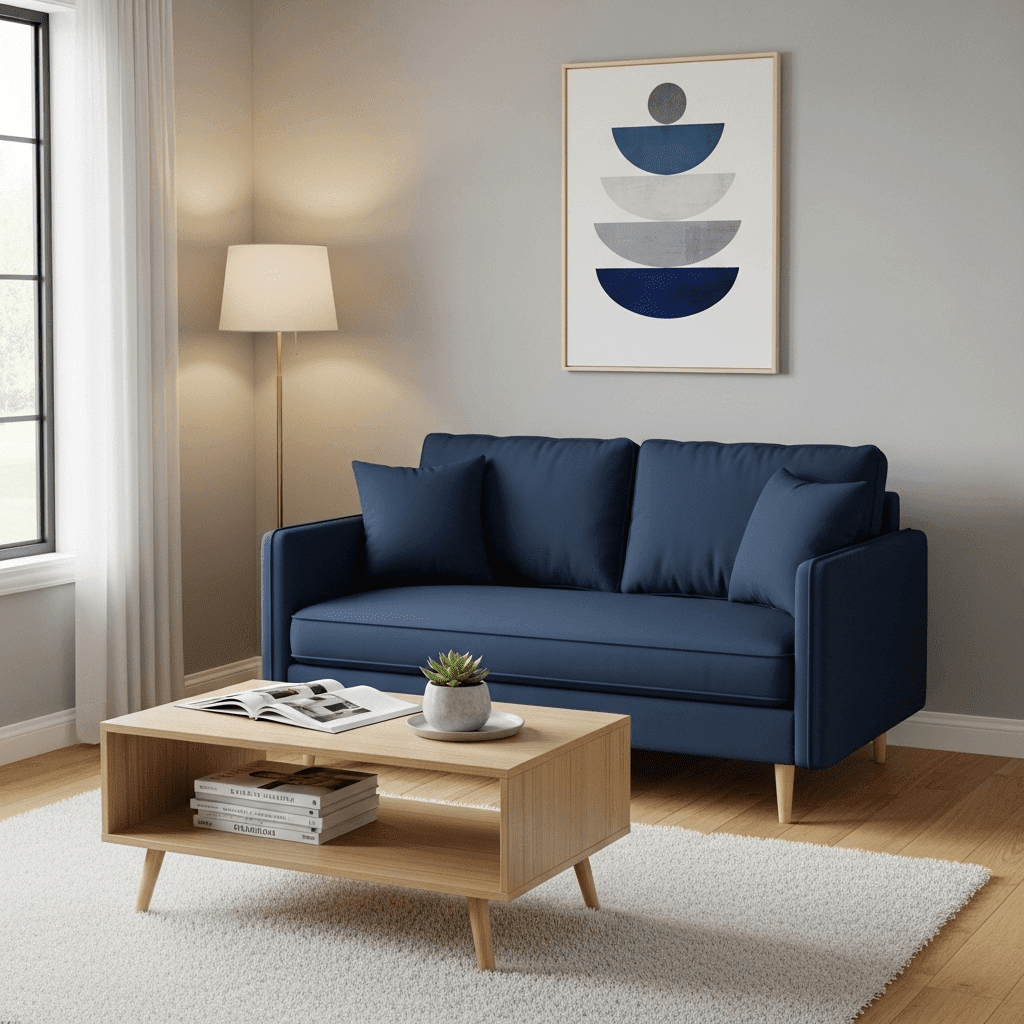
Opt for a couch with thin, straight “track” arms. By eliminating the bulk of traditional rolled arms, you gain extra inches of seating space on the inside while keeping the overall width of the sofa minimal for tight walls.
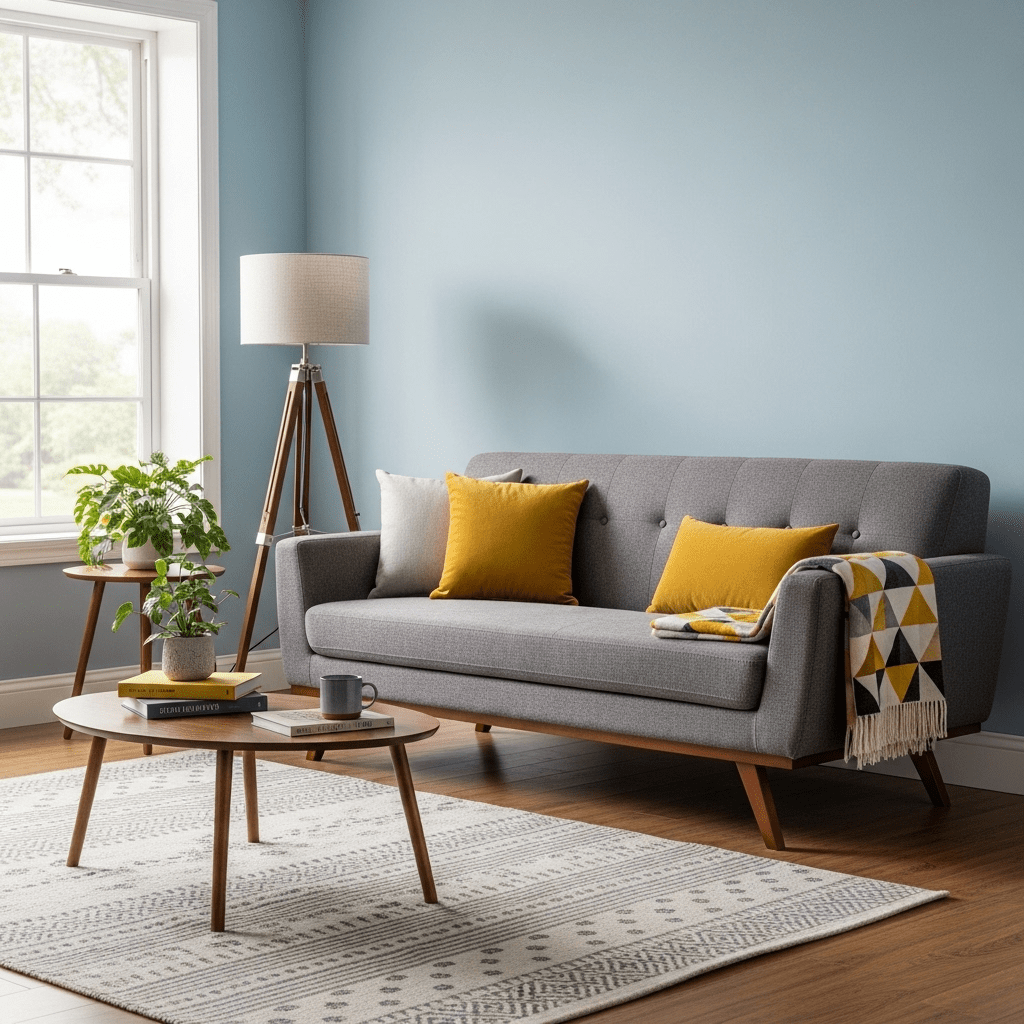
2. The Mid-Century Tapered Leg
Select a design with high, tapered wooden legs. Elevating the body of the couch off the floor allows light to pass underneath, which prevents the piece from looking like a heavy “block” and makes the floor plan feel more expansive.
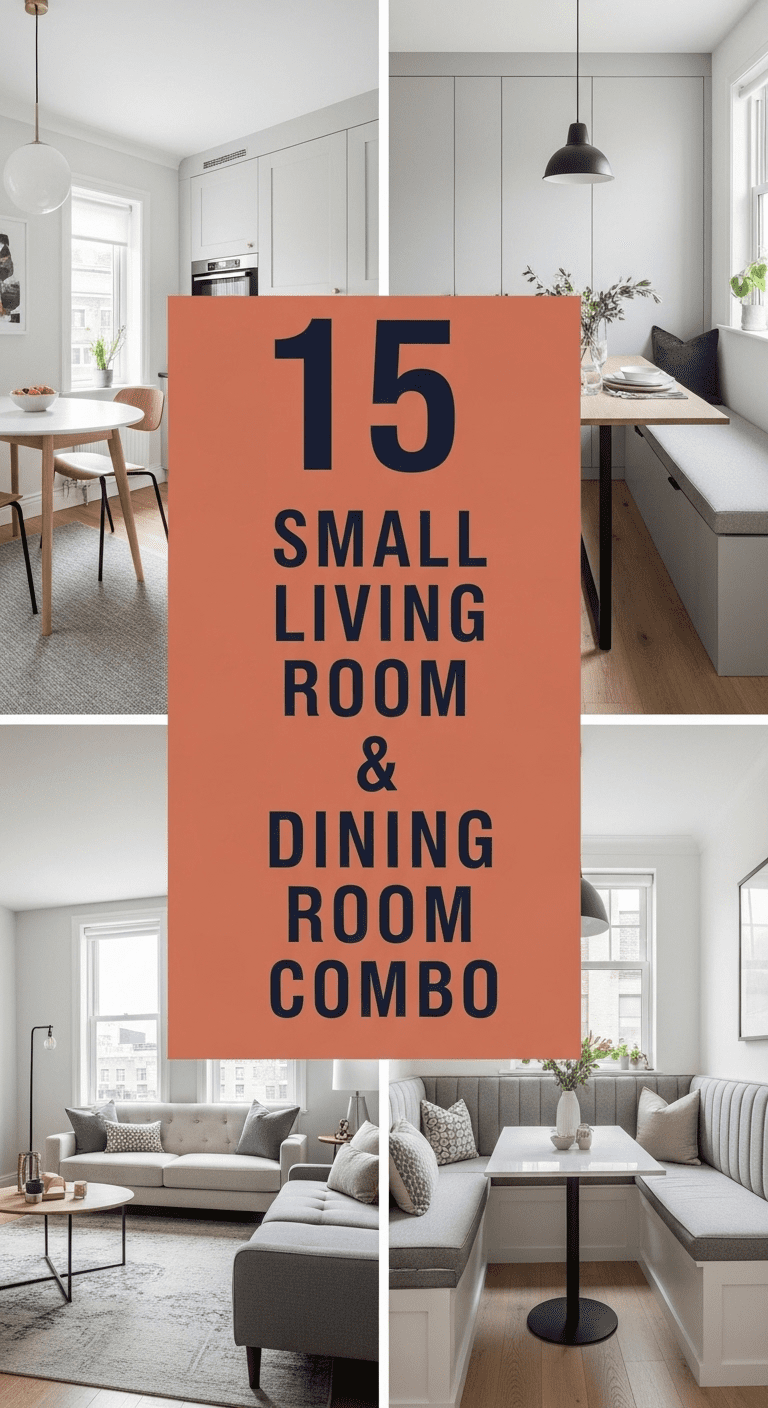
See also: Small Living Room Kitchen Combo Layout
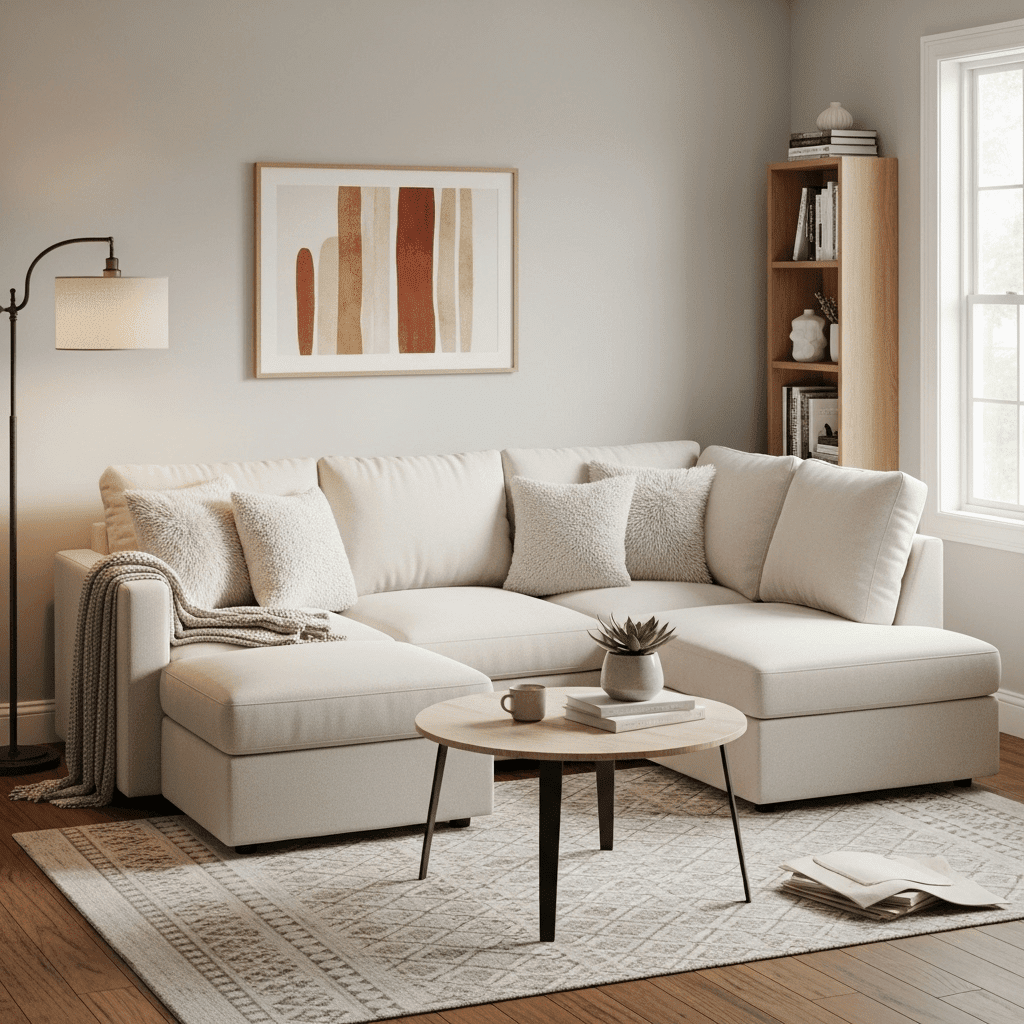
3. The Reversible Chaise Sectional
Choose a small sectional where the chaise portion can be moved to either the left or the right side. This adaptability is crucial for small rooms, allowing you to reconfigure the layout if you move or change your focal point.
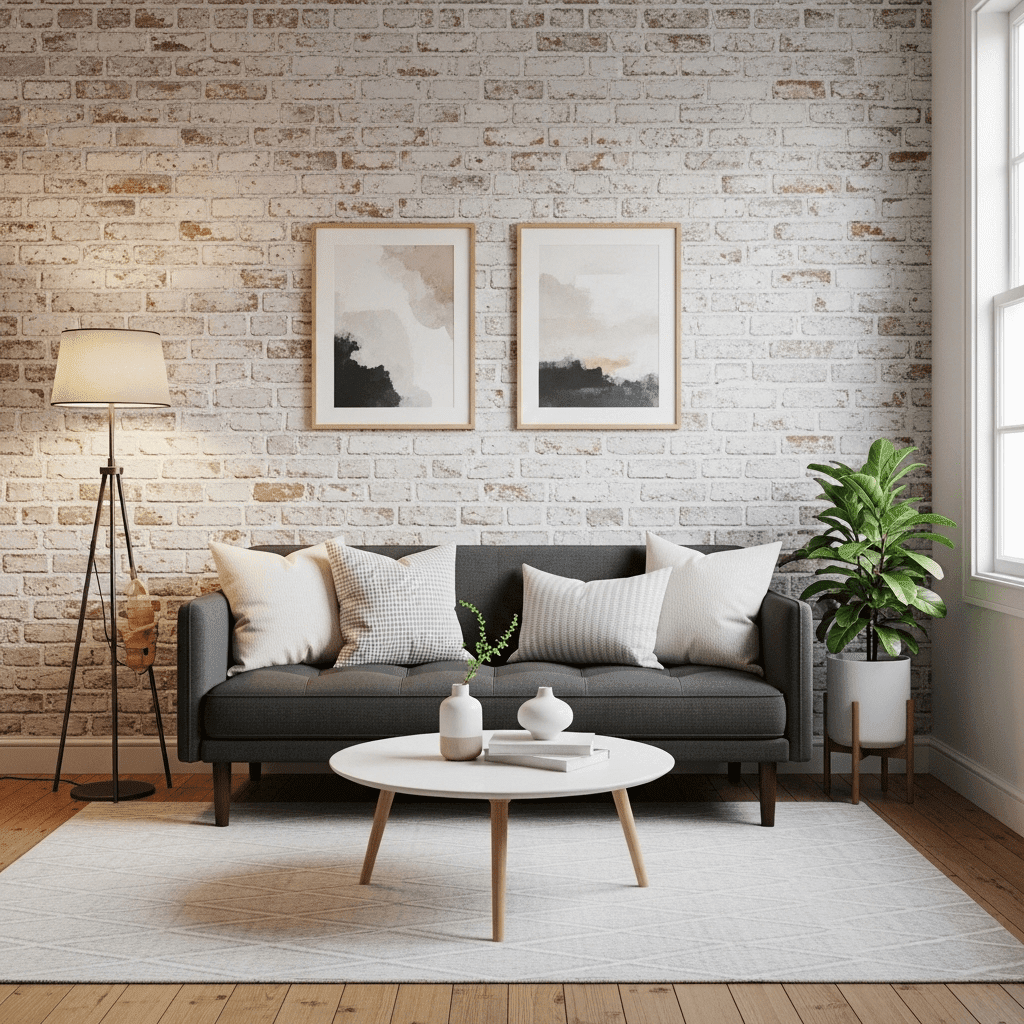
4. The Armless “Slipper” Sofa
Incorporate a couch with no arms at all. This “slipper” style offers an unobstructed visual line across the room and makes it easier to slide onto the seat from the side in narrow layouts.
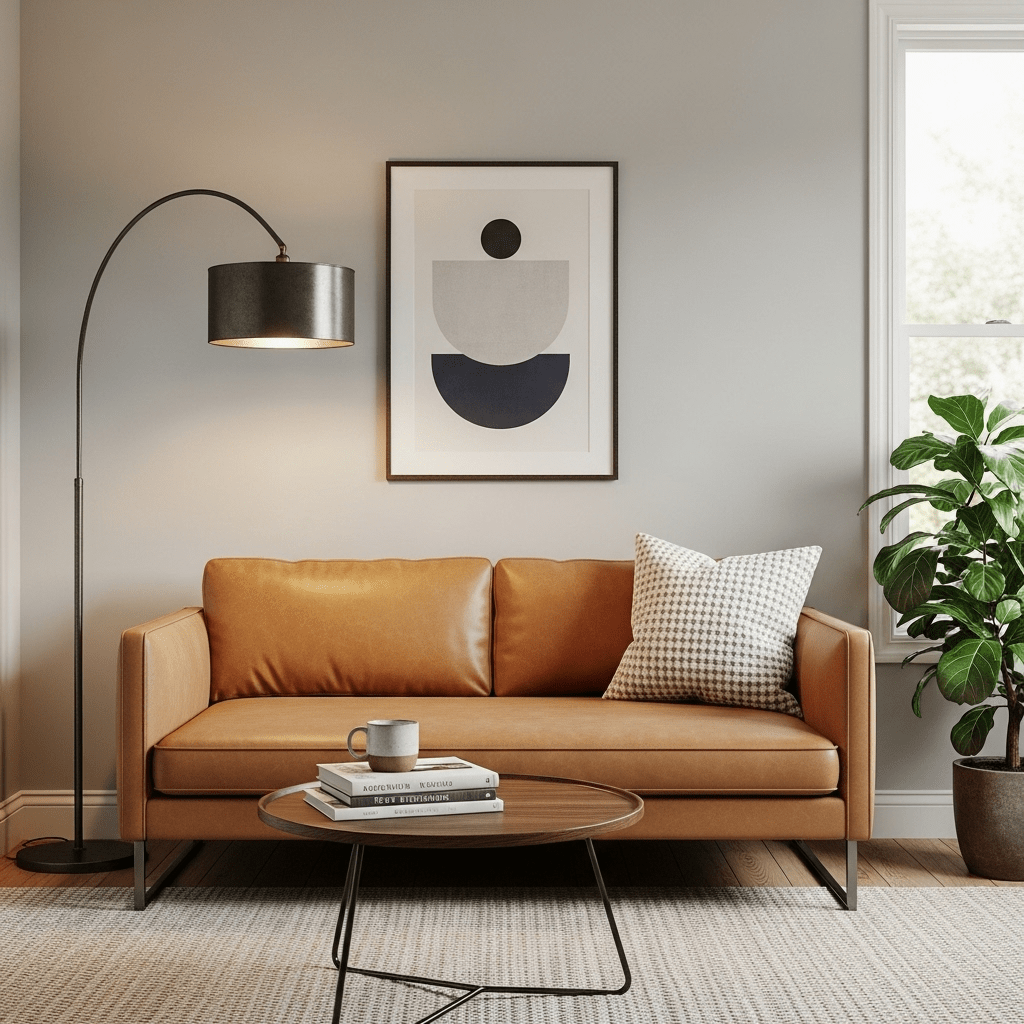
5. The Low-Slung Zen Profile
Use a sofa with a very low backrest. By keeping the silhouette close to the ground, you increase the “wall real estate” above the furniture, which draws the eye upward and makes the ceiling appear significantly higher.
6. The Velvet Light-Reflector
Pick a couch upholstered in high-quality velvet. The natural sheen of the fabric catches and reflects light, adding a sense of depth and “glow” to a small room that might otherwise feel dark or flat.
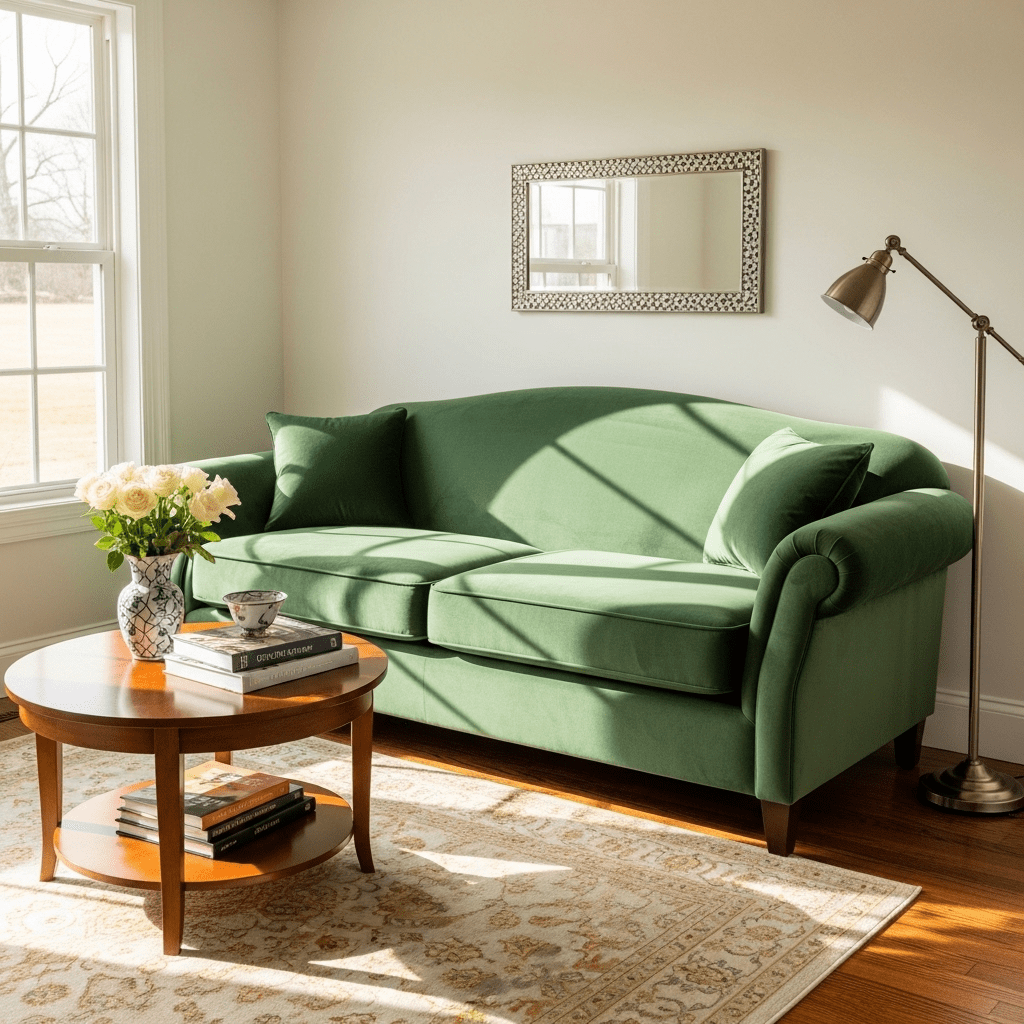
7. The Curved Crescent Couch
Select a sofa with a gentle “C” curve. Soft, rounded edges prevent the “boxy” look of standard furniture and help the piece flow more naturally into the corners of a small, square room.
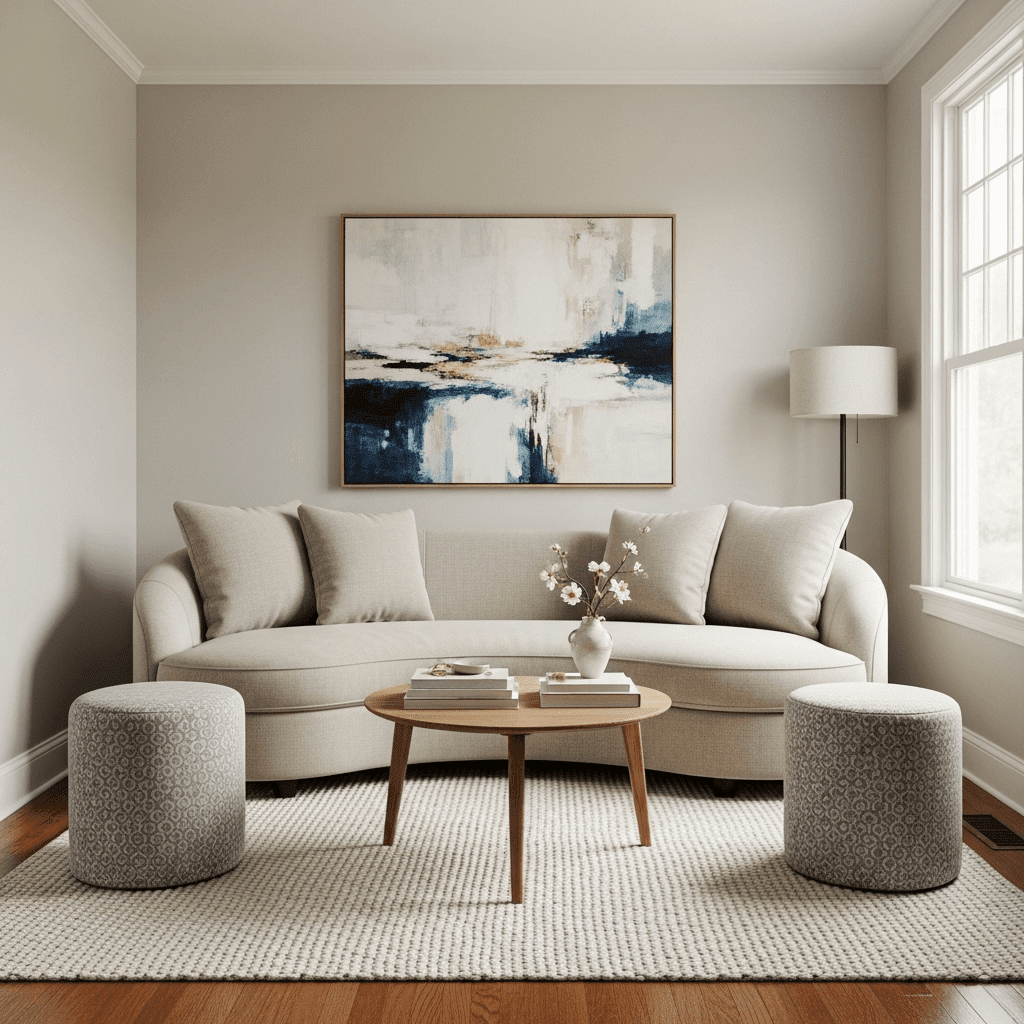
8. The Floating Modular Unit
Use a modular sofa made of individual “blocks” that can be separated. This allows you to break the couch into two separate armchairs if you need to clear a path or host a more spread-out social gathering.
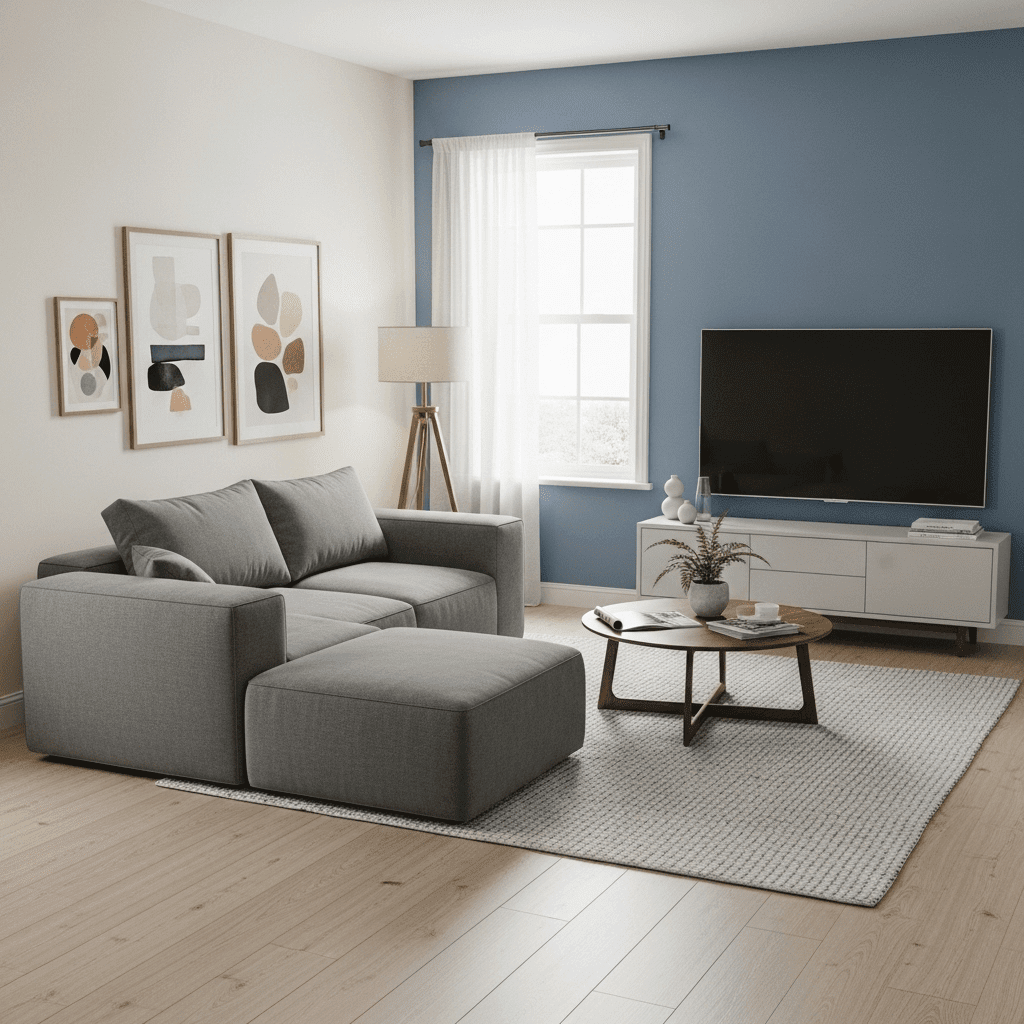
9. The Deep-Seat “Snuggler”
Instead of a full-sized sofa, choose an oversized “snuggler” chair. It is wider than a standard armchair but narrower than a loveseat, providing a luxurious nesting spot for one or two people without taking up a whole wall.
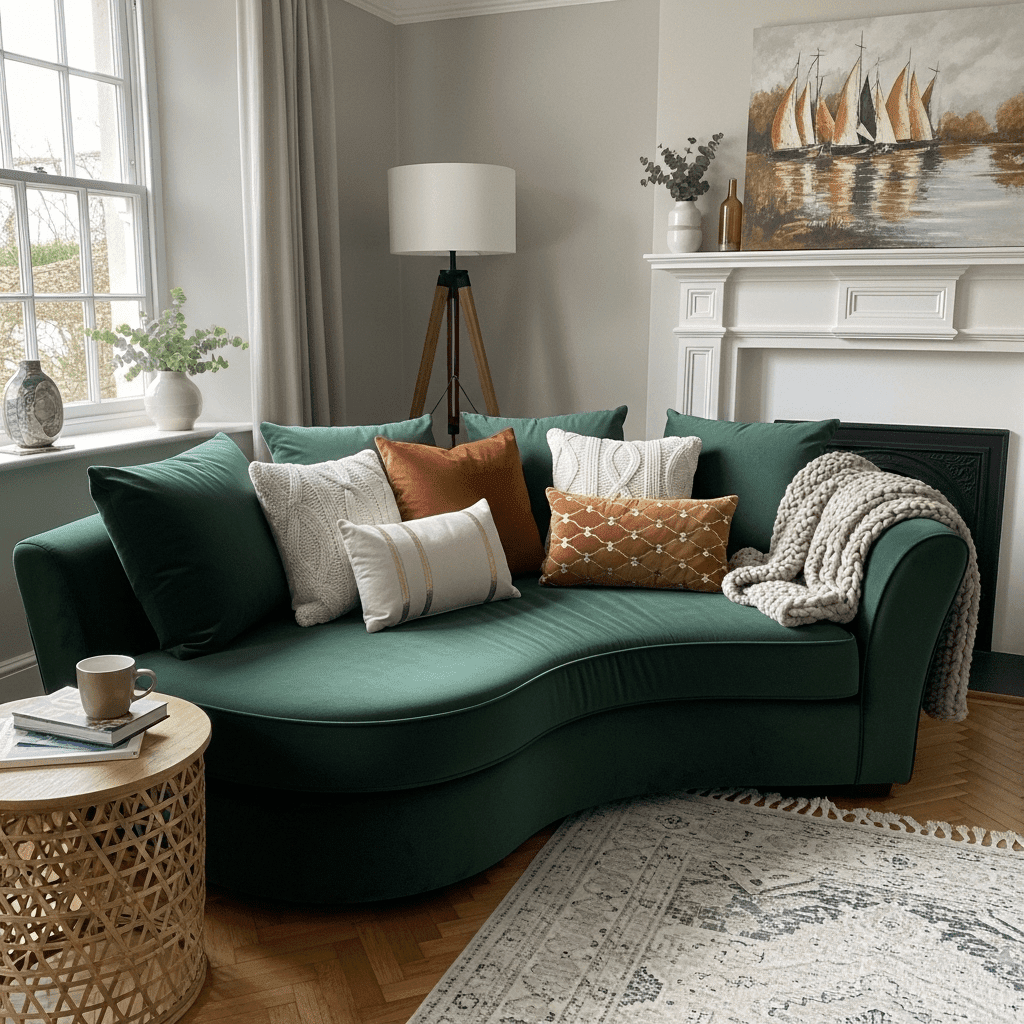
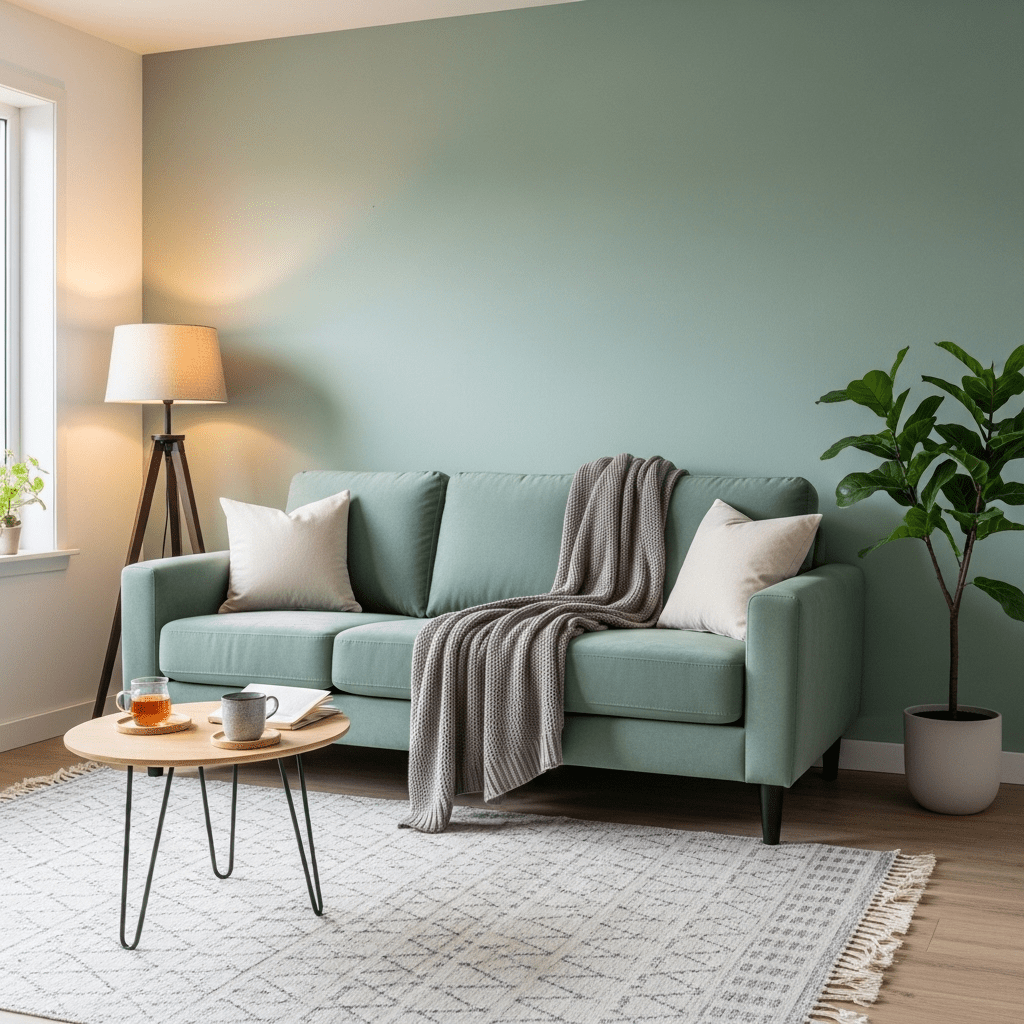
10. The Wall-Blended Monochrome
Match the color of your couch exactly to your wall color. Whether it’s white-on-white or navy-on-navy, this monochromatic approach makes the furniture “disappear” into the architecture, reducing visual clutter.
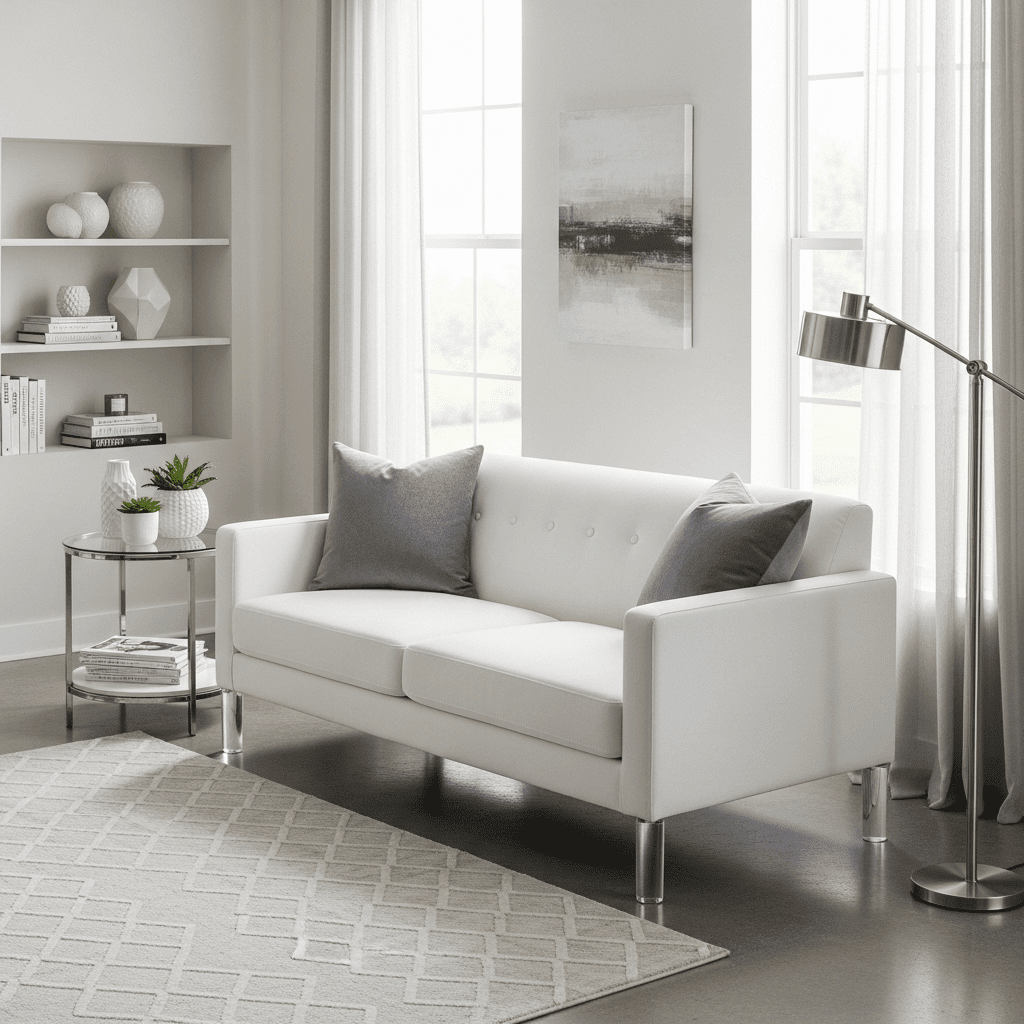
11. The Acrylic-Base Illusion
Look for a couch that features clear acrylic or “ghost” legs. This creates the magical illusion that the seating is floating in mid-air, maintaining a completely unobstructed view of the rug and floor.
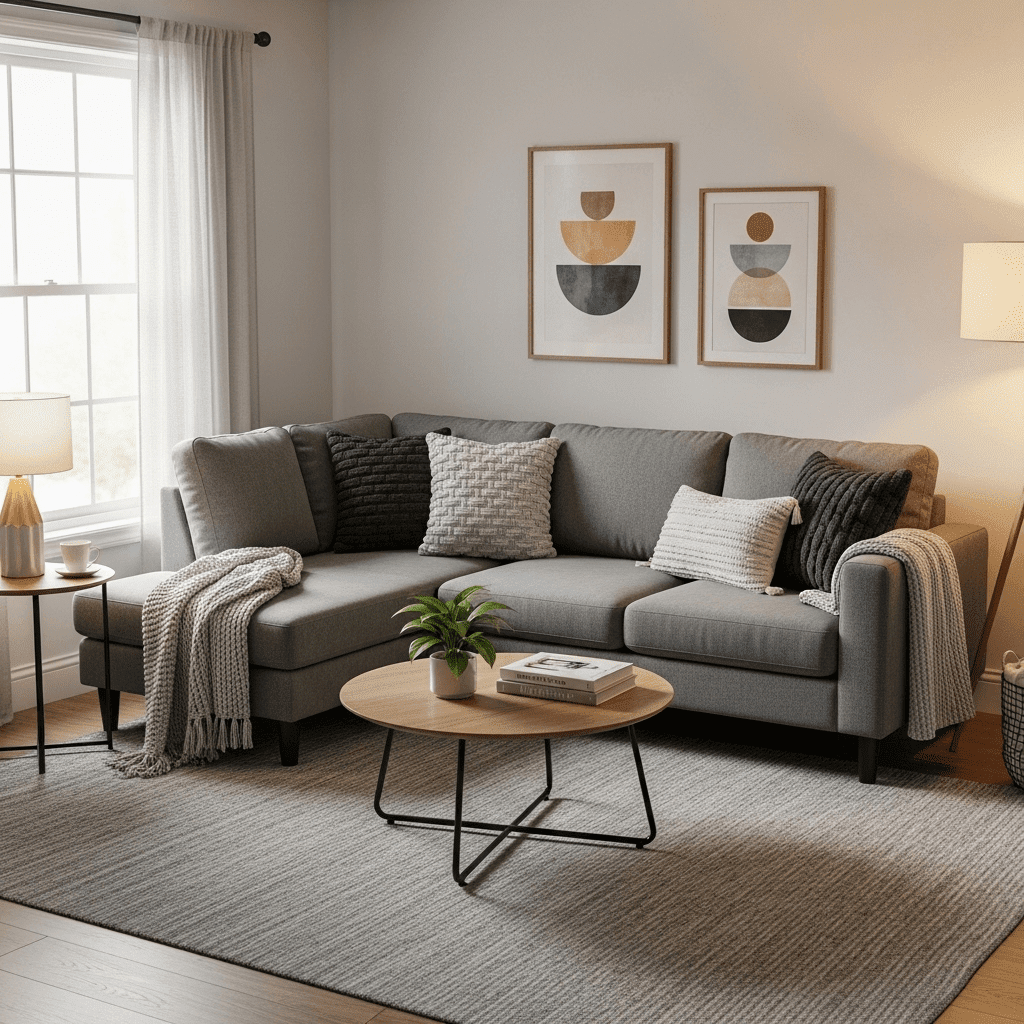
12. The Bumper-End Sectional
Choose an L-shaped sofa where one end has a “bumper” (a seat with no backrest). This provides the extra lounging space of a sectional without the visual “wall” of a traditional backrest, keeping the room open.
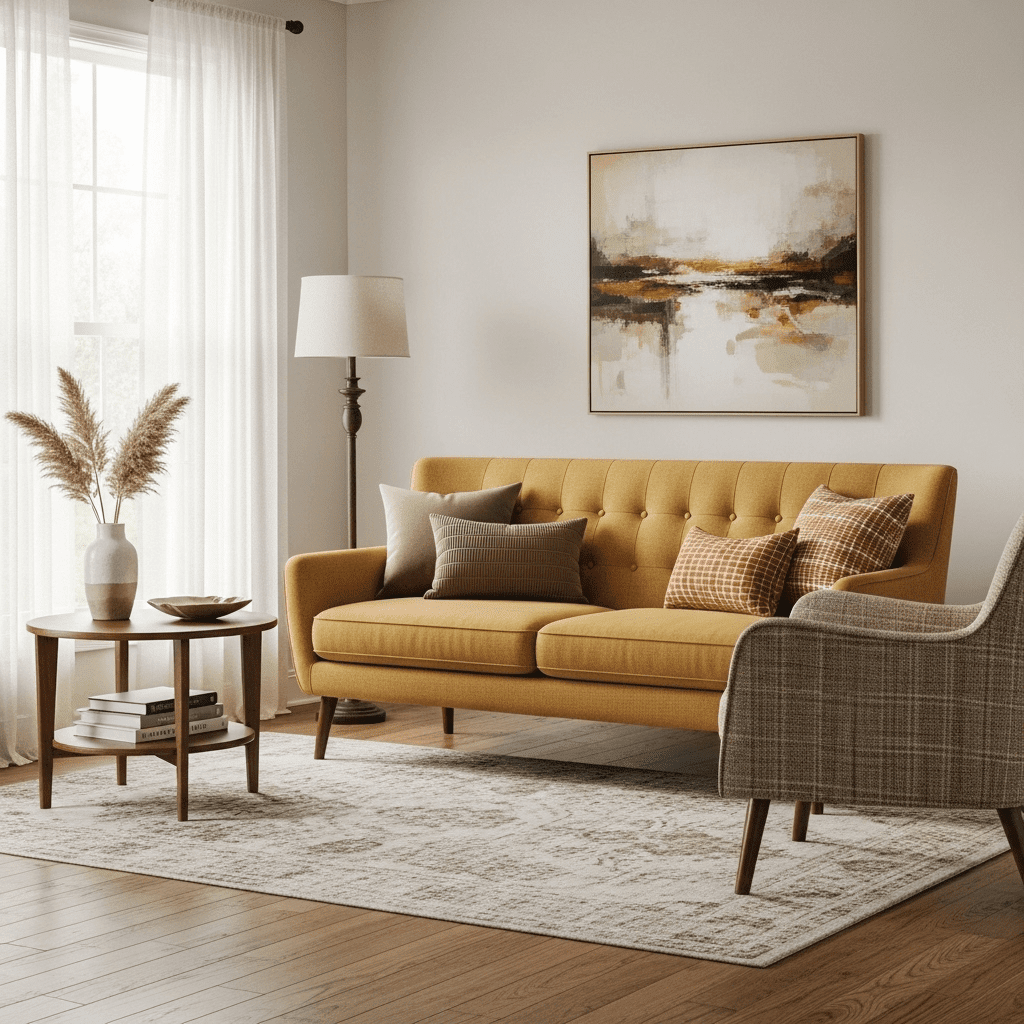
13. The Tufted Back “No-Pillow” Design
Opt for a sofa with a tufted back rather than loose cushions. The fixed back keeps the profile slim and tidy, preventing the “slouchy” look that can make a small room feel disorganized and cramped.
14. The Bench-Seat Minimalist
Select a couch with a single “bench” cushion rather than two or three separate ones. The long, continuous line of a single cushion makes the sofa look wider and the room feel more streamlined.
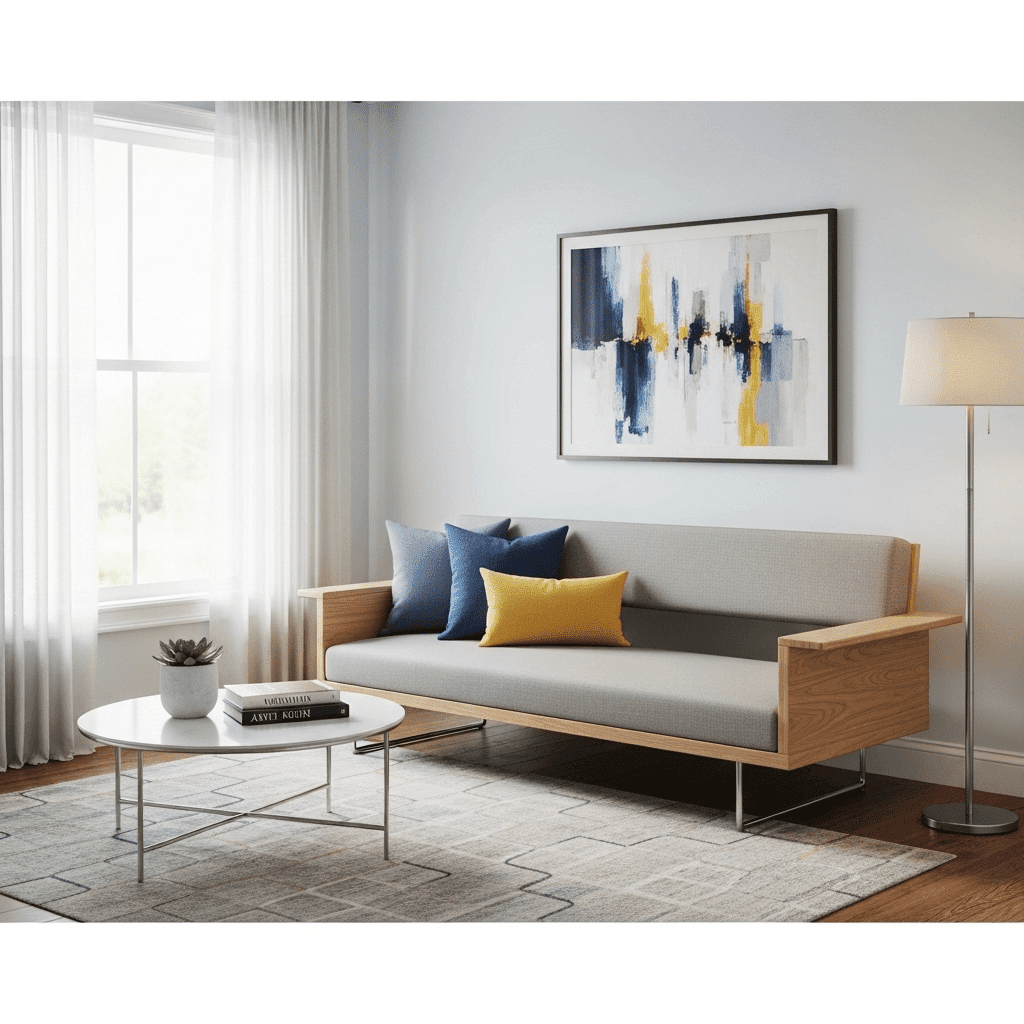
15. The Built-in Corner Banquet
Incorporate a custom built-in bench that hugs two walls. This “nook” style uses zero clearance behind the furniture, providing the maximum amount of seating in the smallest possible footprint.
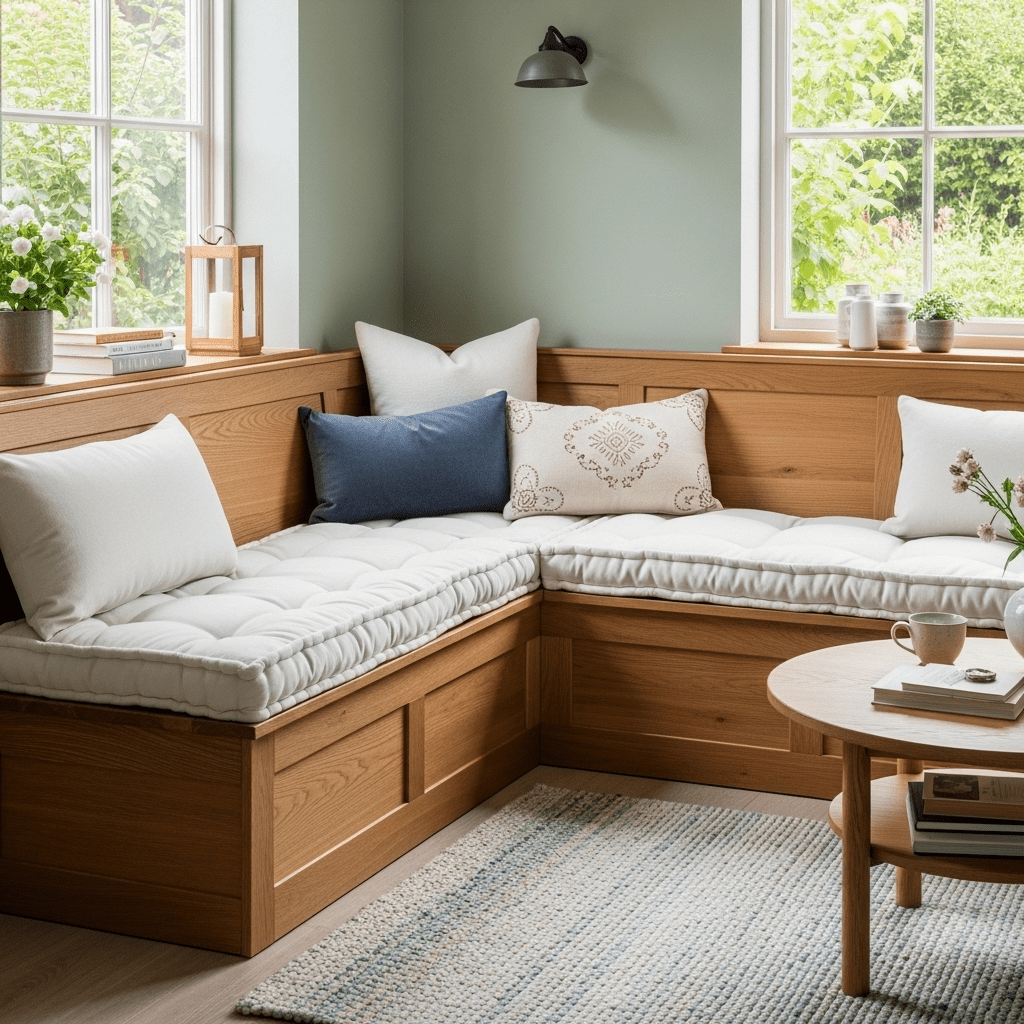
16. The Rattan-Frame Airy Sofa
Use a couch with a woven rattan or cane frame. The natural gaps in the weave allow you to see through the furniture, which maintains a “breezy” coastal feel and prevents the room from feeling closed in.
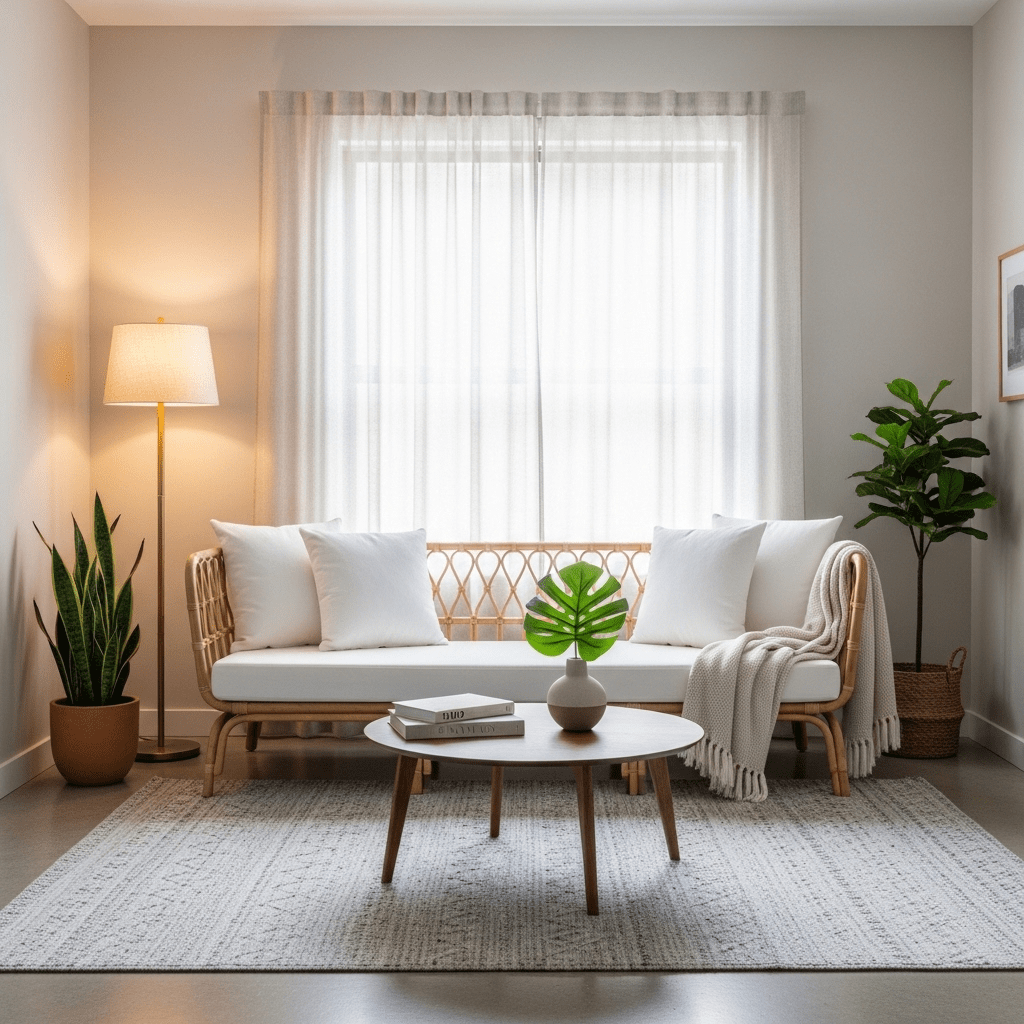
Conclusion
Mastering a small living room layout is about selecting a couch that balances physical comfort with visual lightness. By prioritizing high-leg designs, armless silhouettes, and monochromatic color schemes, you can ensure your seating is functional without being overbearing. Focus on pieces that offer flexibility, such as modular units or reversible chaises, to keep your home adaptable for the future.