17 Small Living Room Furniture Layout Ideas
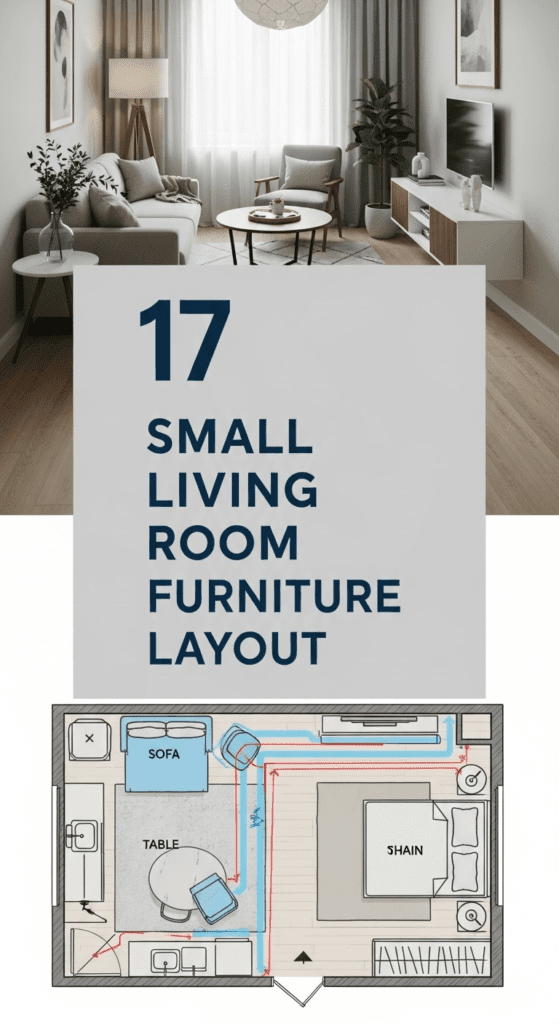
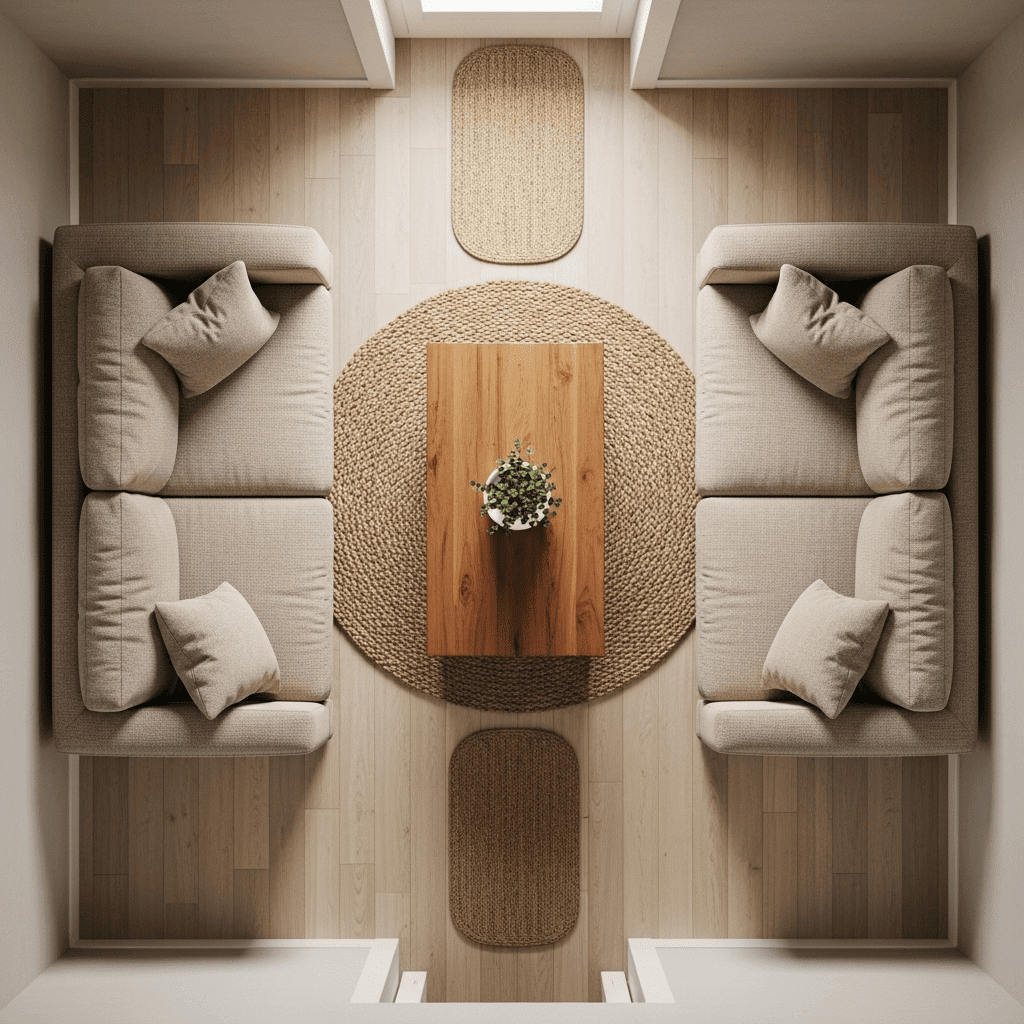
Small living room furniture layout strategies are about maximizing functionality and flow within a constrained footprint. In compact spaces, the arrangement of your pieces determines whether the room feels like an organized sanctuary or a cluttered storage unit. By utilizing “floating” furniture, strategic zoning, and verticality, you can create a layout that feels both generous and balanced. Here are 17 layout ideas featuring a top-view plan perspective.
1. The Classic Parallel Layout
Place two small-scale sofas or a sofa and two armchairs directly facing each other with a coffee table in the center. This symmetrical arrangement is perfect for conversation-heavy spaces and keeps the room balanced.
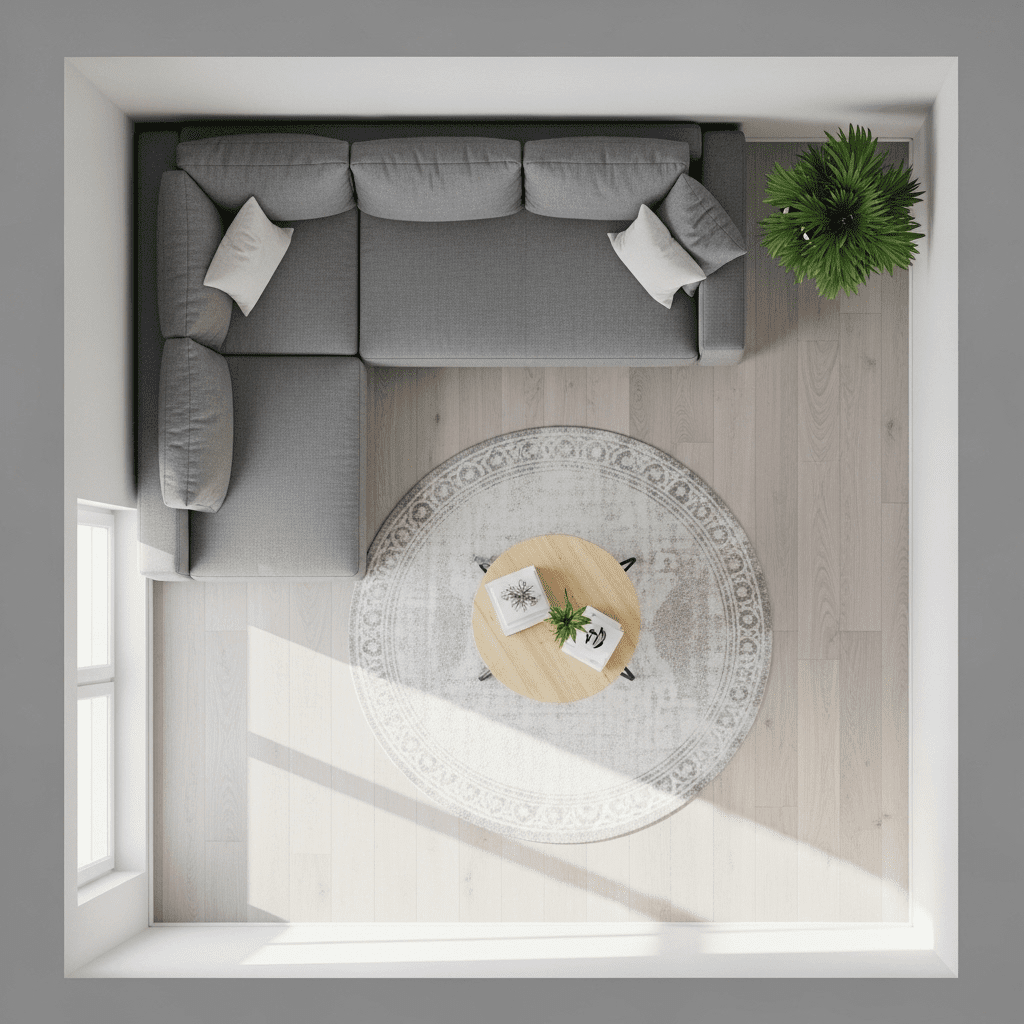
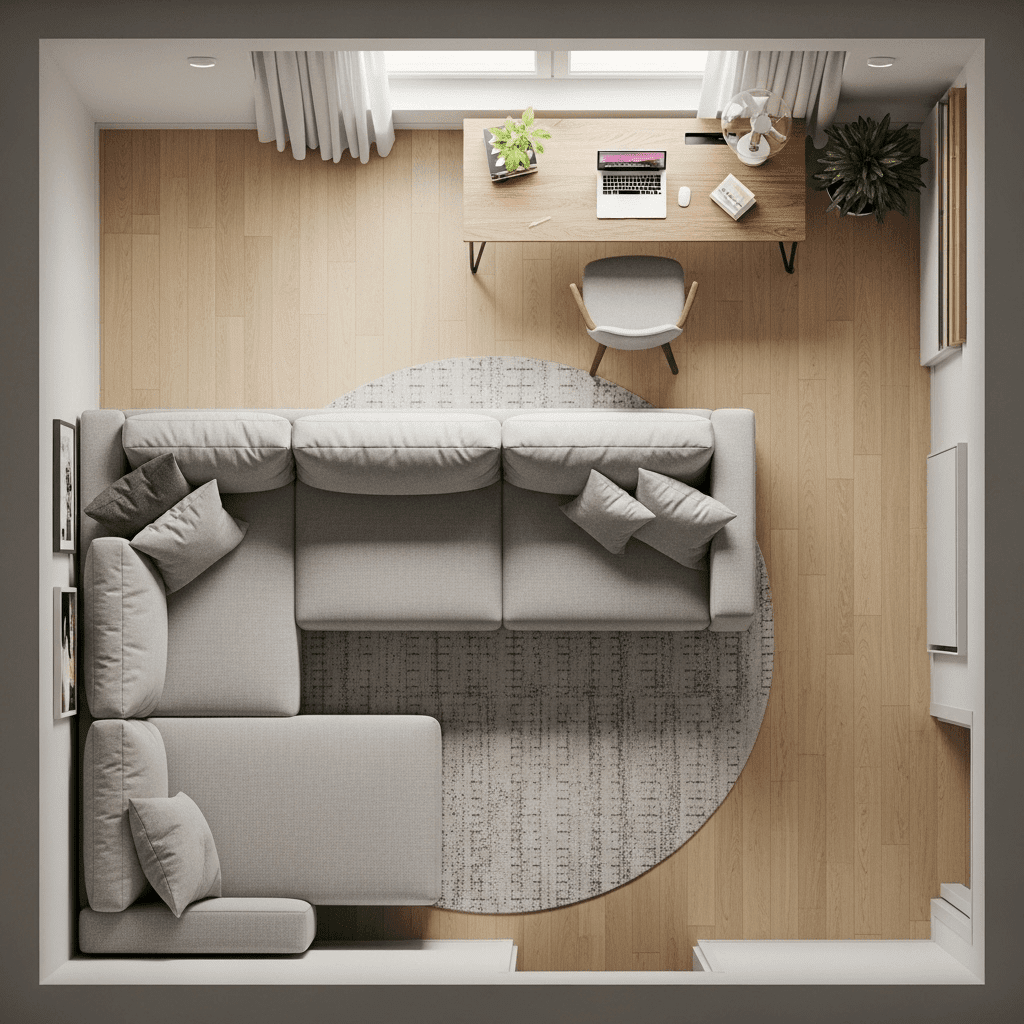
2. The L-Shaped Corner Fit
Tuck a compact sectional sofa into a corner to open up the center of the room. This layout maximizes seating while keeping the walkway clear for a more expansive feel.
See also: 200 Unique Home Quotes
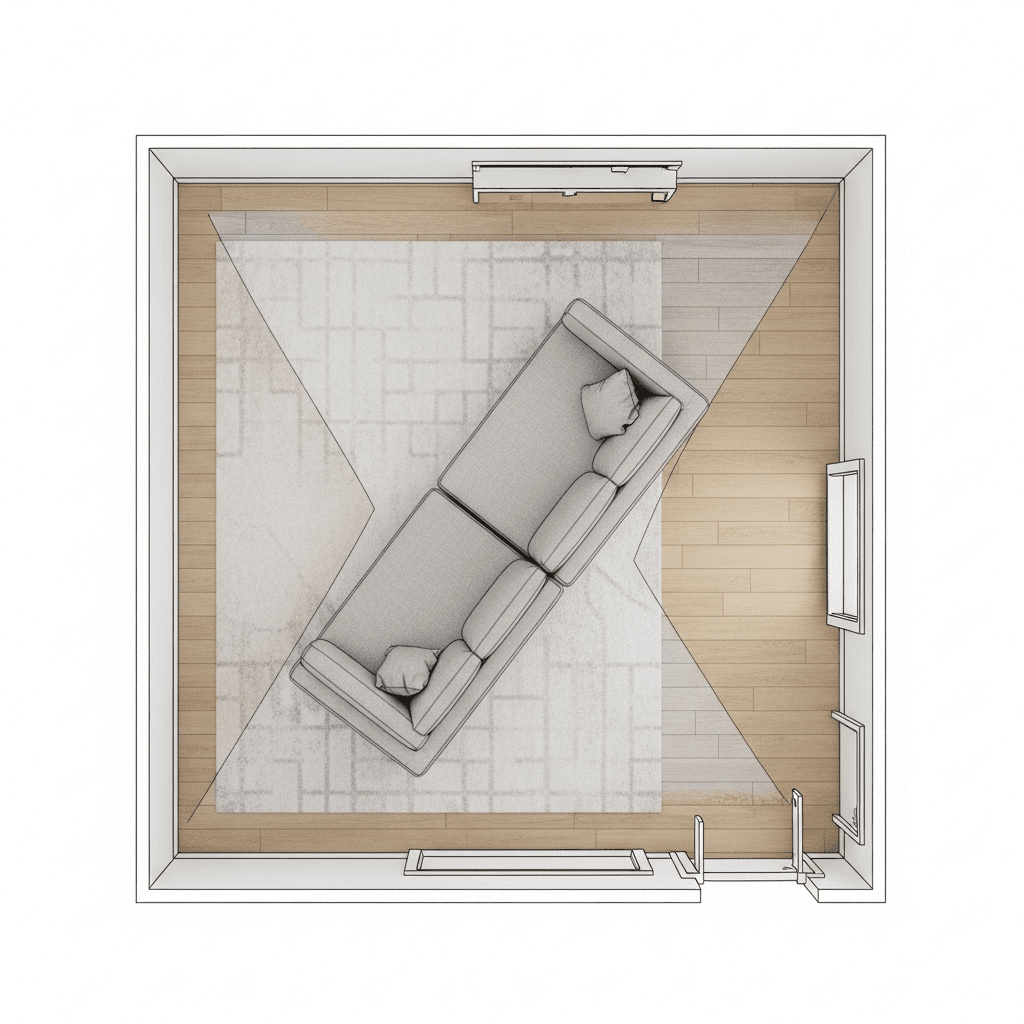
3. The Diagonal Pivot
Angle your main seating at a 45-degree angle to the walls. This unexpected layout can make a narrow room feel wider by drawing the eye along the longest dimension of the space.
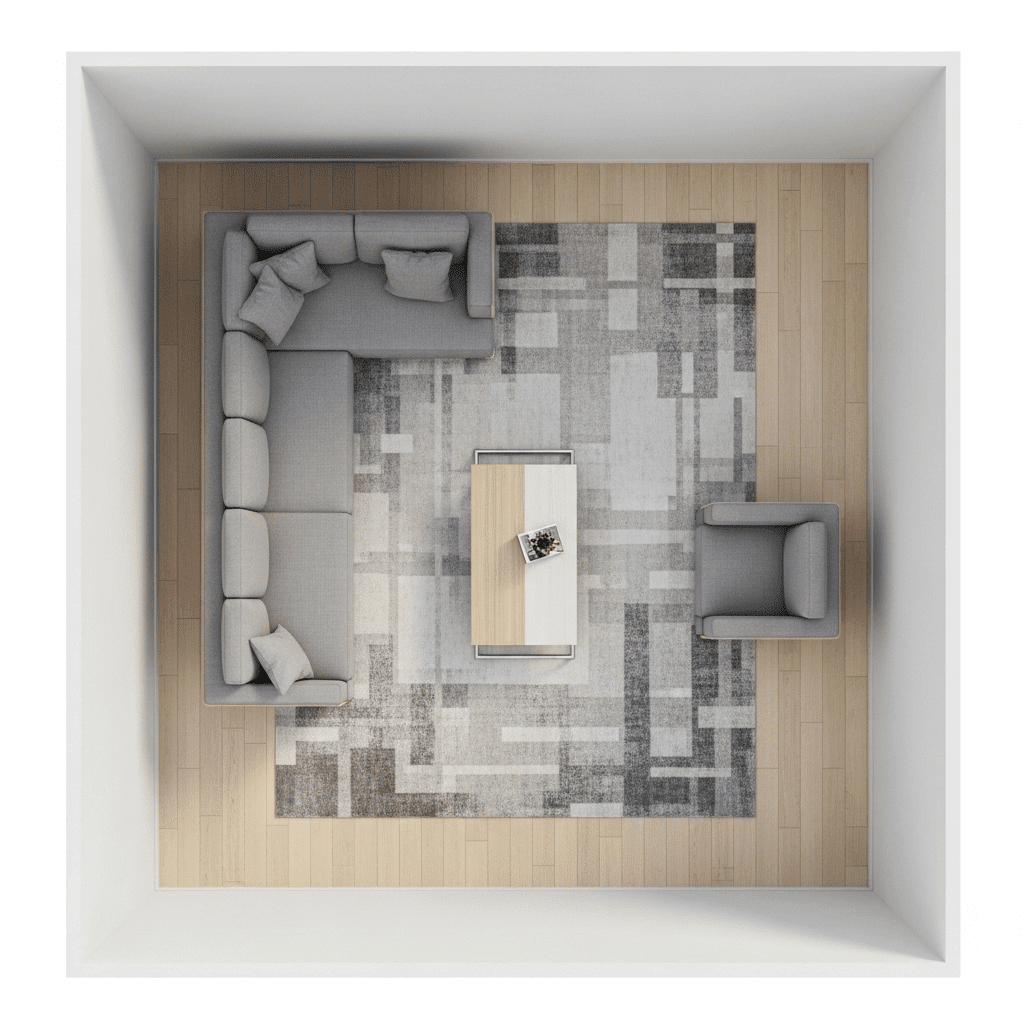
4. The Floating Island
Pull all furniture away from the walls toward the center of the room. This “floating” effect creates a sense of “air” around the pieces, making the walls feel further away.
See also: 50 New Home Quotes to Celebrate Your Fresh Start
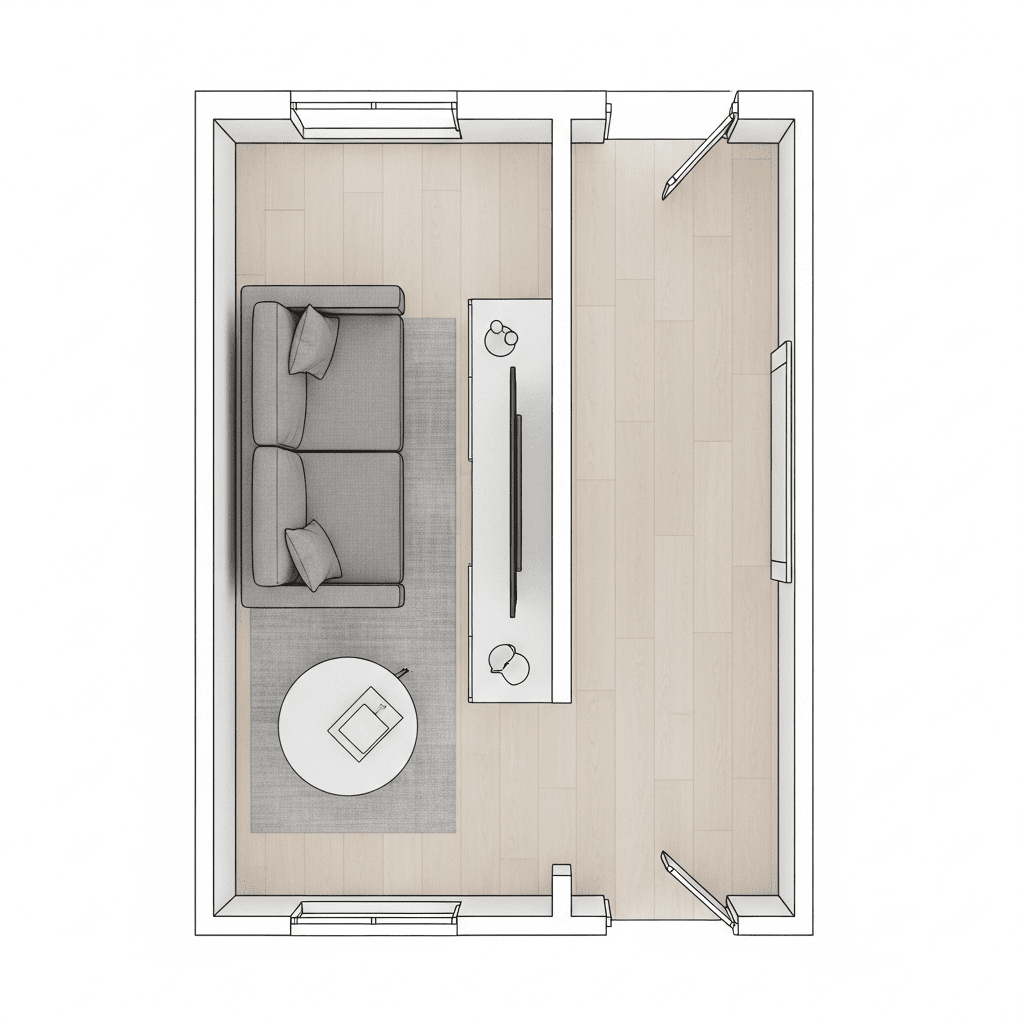
5. The Long and Lean Galley
In a narrow, “tunnel” style room, place all furniture along one long wall. Keep the opposite wall clear or use only slim floating shelves to maintain a wide thoroughfare.
6. The “Back-to-Back” Zone
If you have an open-plan studio, place a console table behind the sofa to separate the living area from the bedroom or dining area without using a wall.
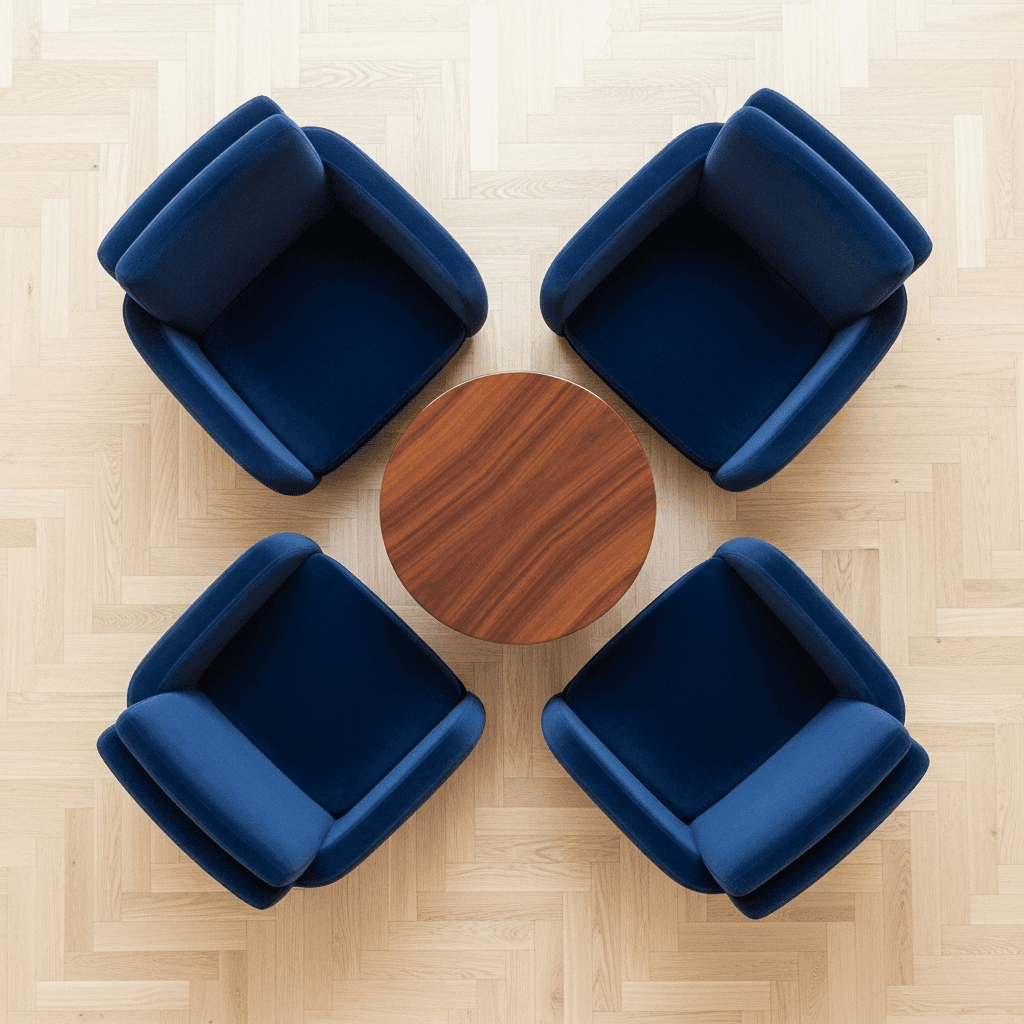
7. The Circle of Conversation
Arrange four armchairs around a circular coffee table. This layout eliminates the “heavy” look of a large sofa and makes a small room feel like a high-end hotel lounge.
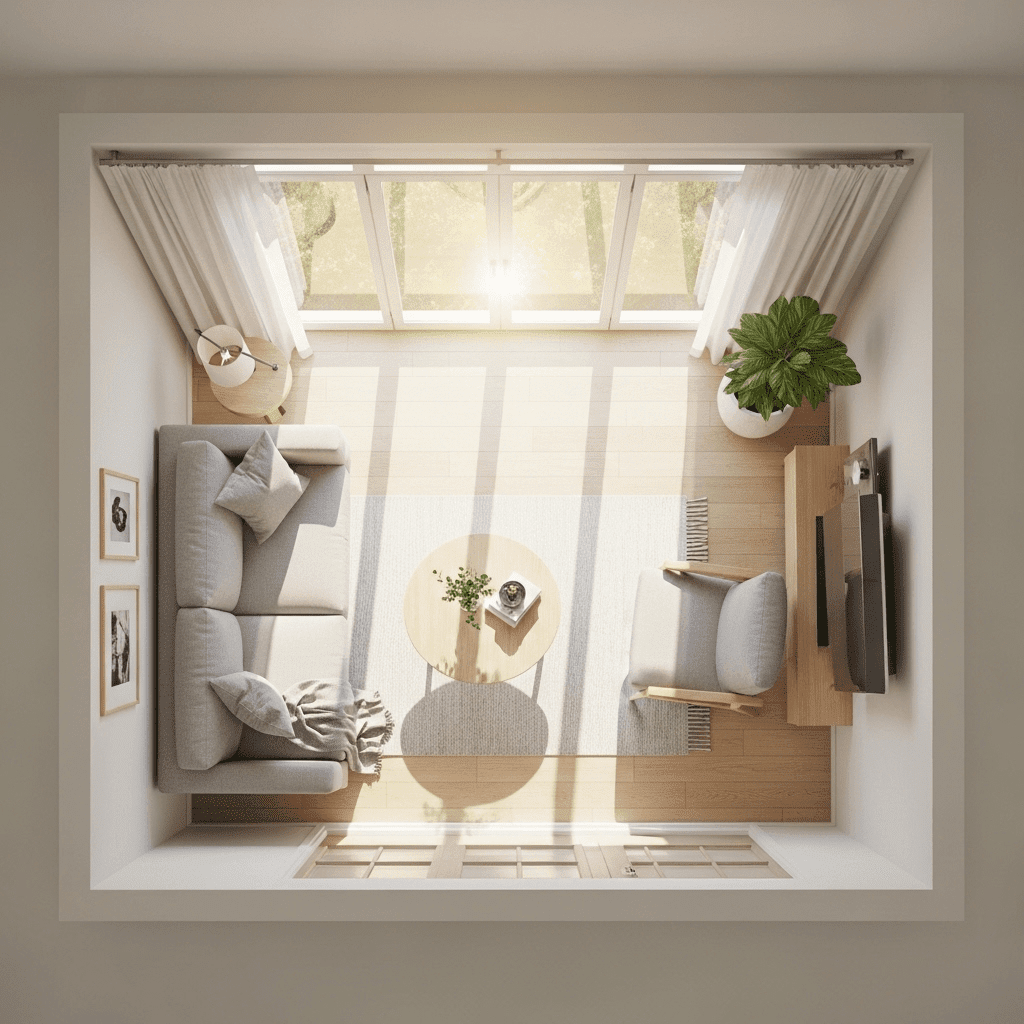
8. The Window-Focus Layout
Position your primary seating to face a window rather than a TV. This connects the small interior to the outside world, making the room feel as big as the view.
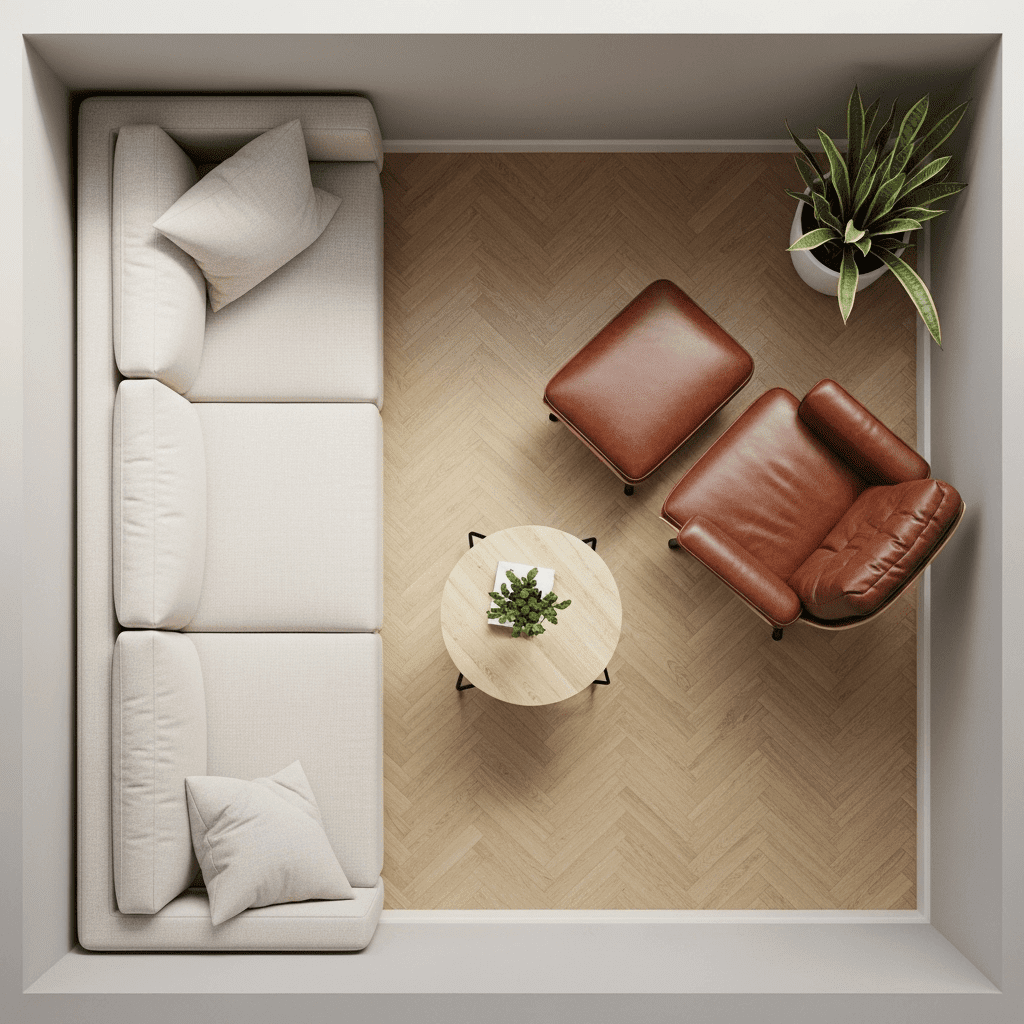
9. The Asymmetrical Balance
Place a sofa on one side and a single large statement chair and a floor lamp on the other. This creates a relaxed, modern vibe that doesn’t feel overly “stiff.”
10. The Entryway Buffer
If your front door opens directly into the living room, use the back of a sofa to create a “faux hallway” that directs traffic around the seating area.
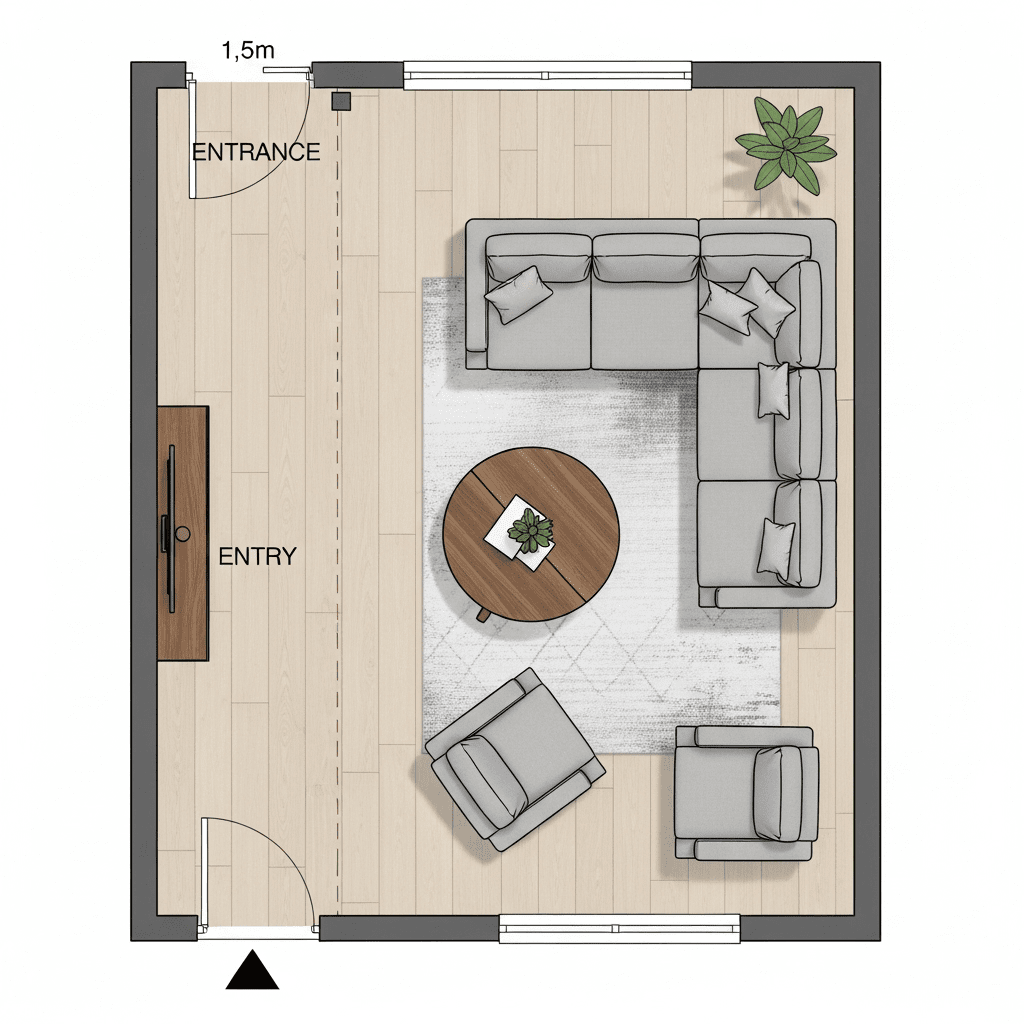
11. The Media Wall Focus
Orient all seating toward a single wall featuring a wall-mounted TV and floating console. This layout is the most efficient for movie lovers in tight quarters.
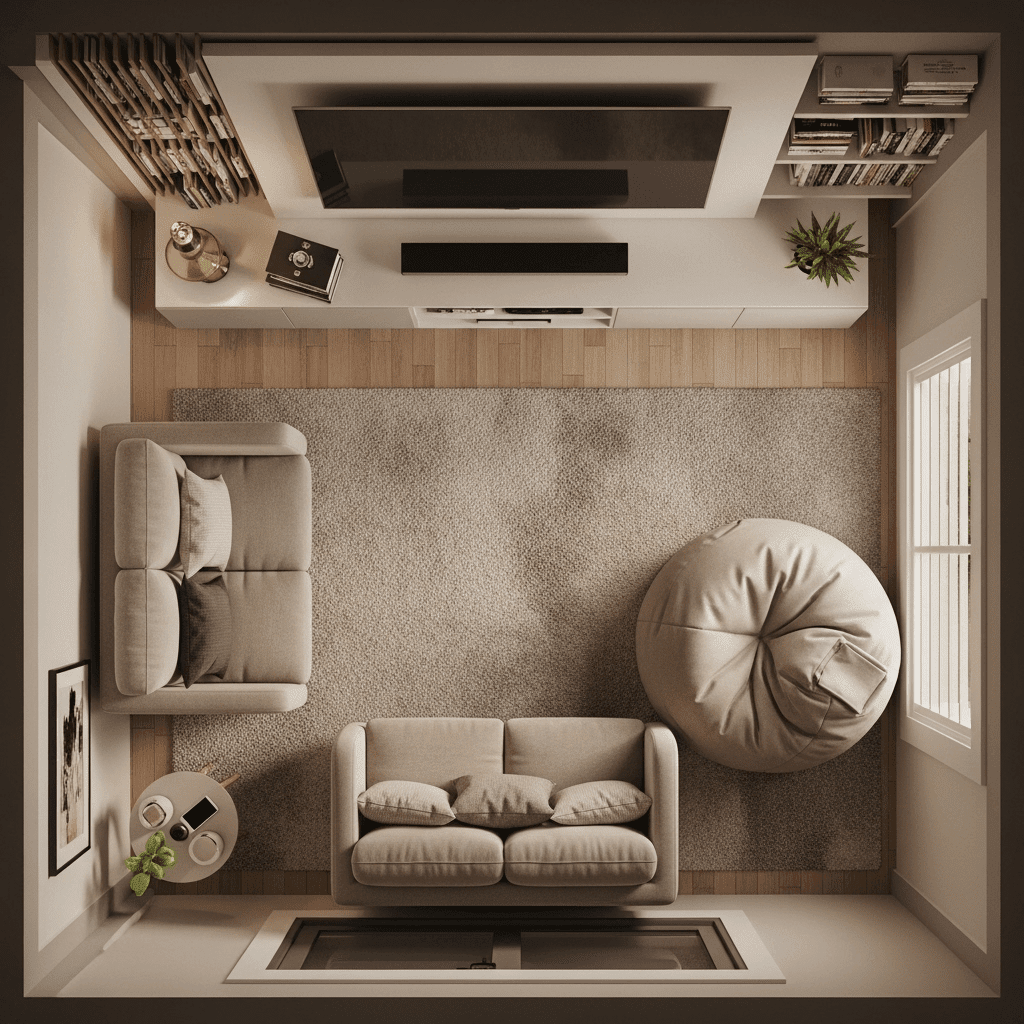
12. The Multi-Purpose Nook
Incorporate a small bistro table in the corner of the living room. This dual-purpose layout allows the space to function as both a lounge and a dining room.
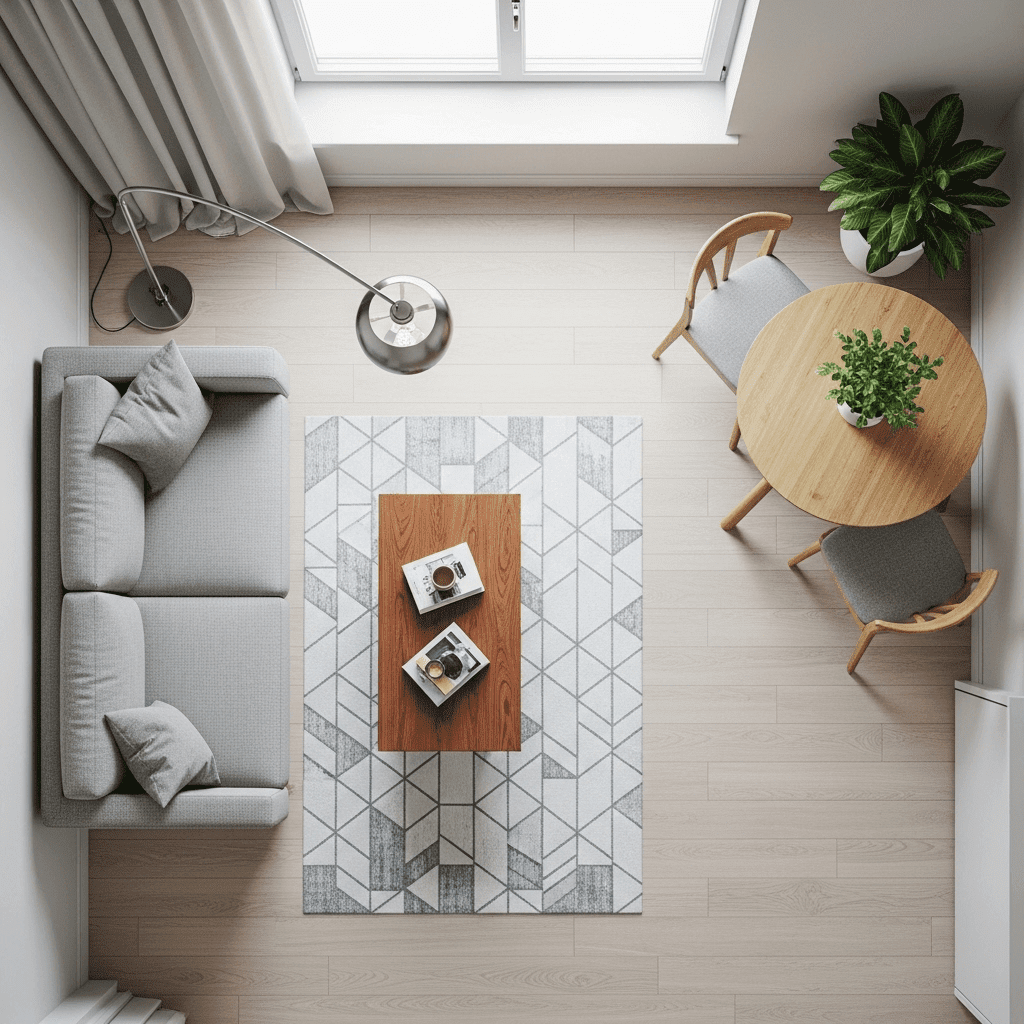
13. The “C-Shaped” Hug
Arrange a sofa and two chairs in a ‘C’ shape around a rug. This creates a cozy, enclosed feeling that makes the small space feel like a warm retreat.
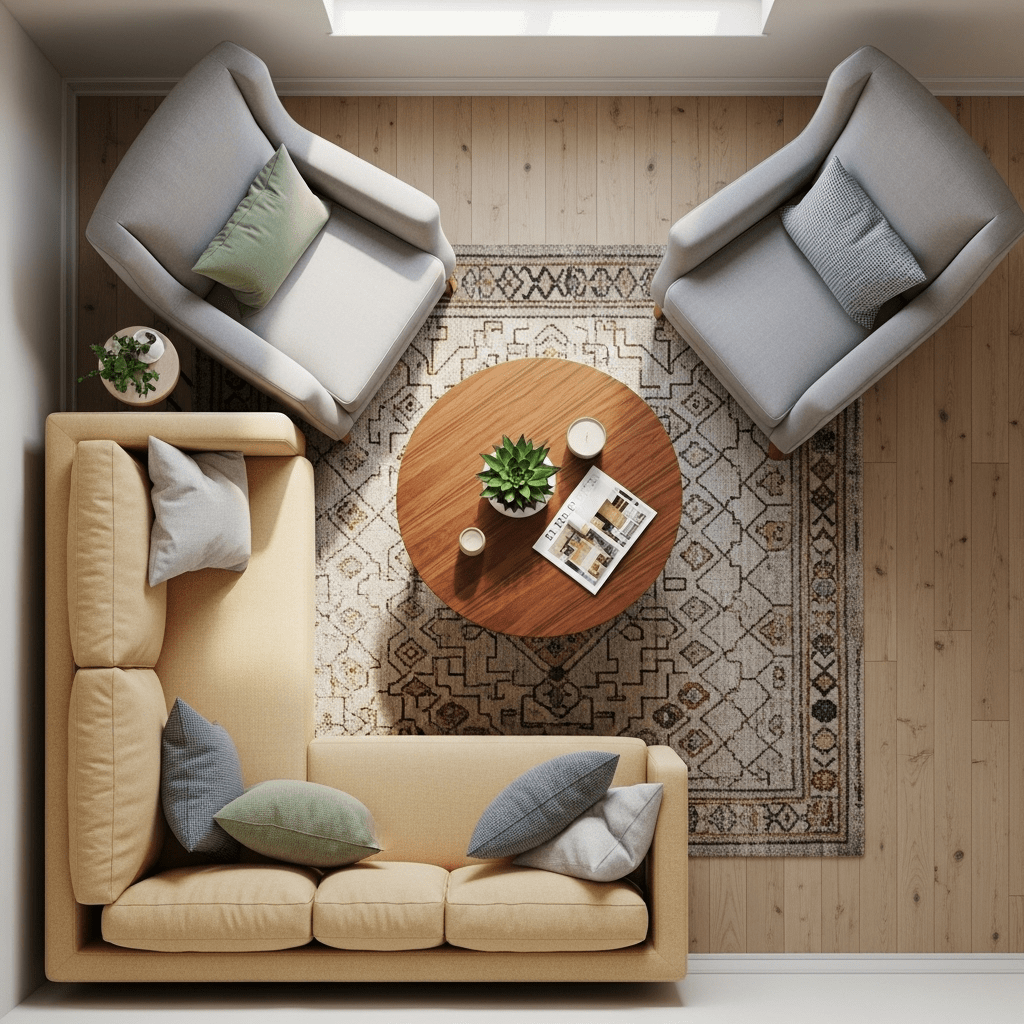
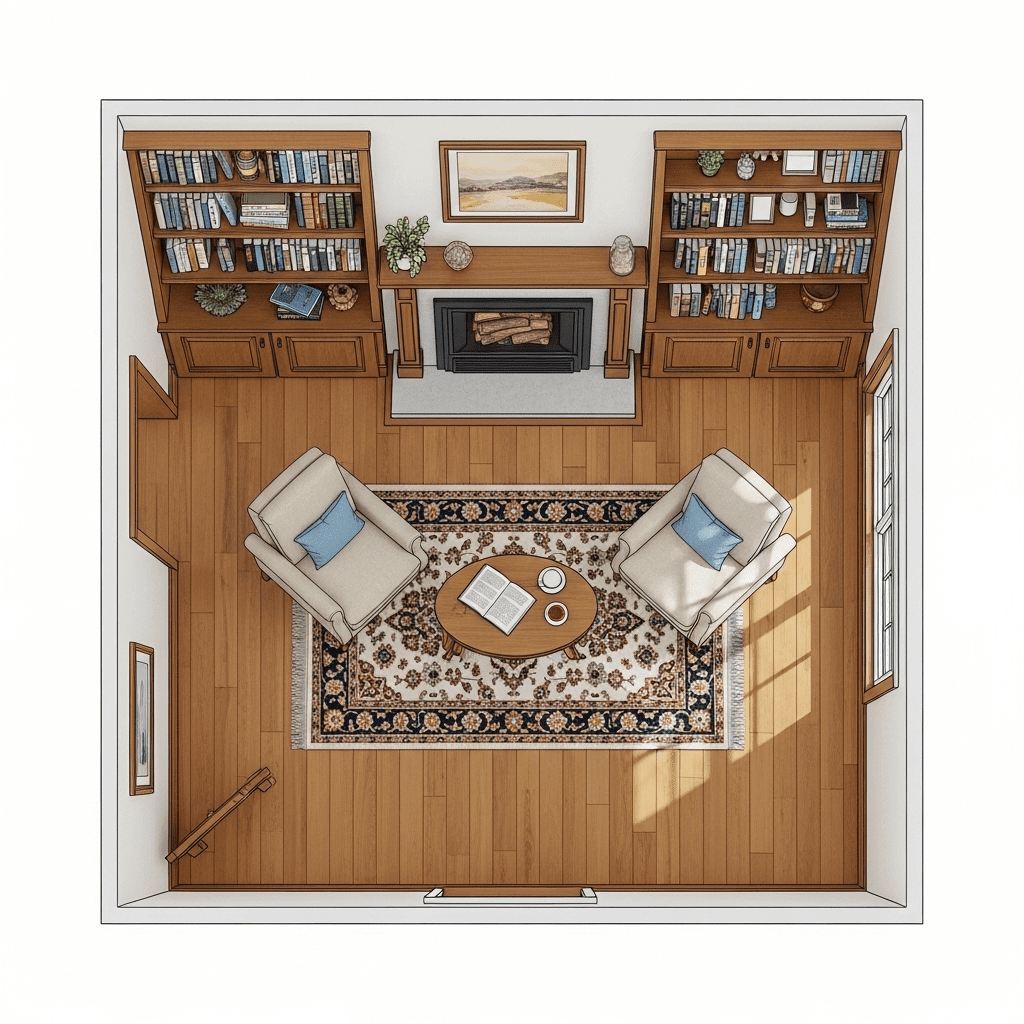
14. The Mirrored Twin Layout
If you have a fireplace, place two identical armchairs directly in front of it, mirrored on either side. It’s a classic look that respects the room’s architecture.
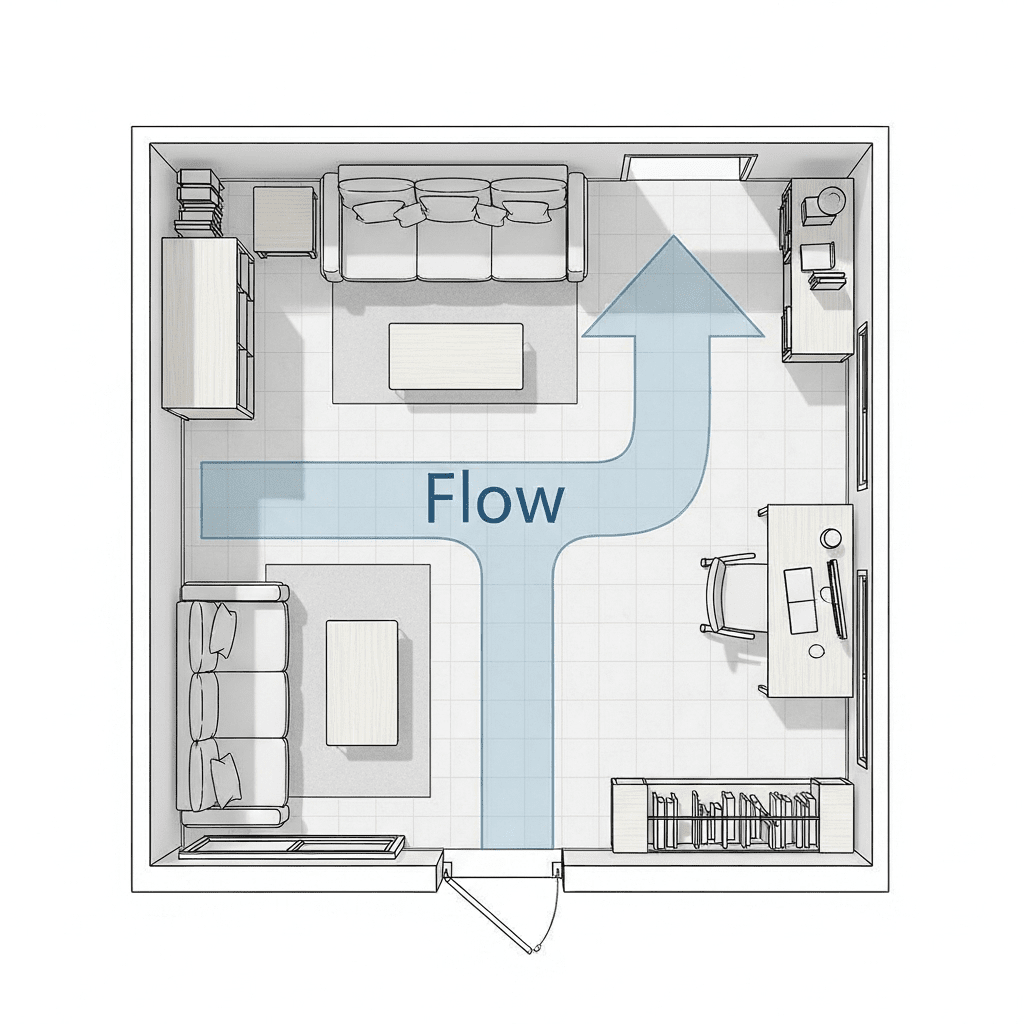
15. The “Path of Least Resistance”
Arrange furniture to create a clear “S-curve” or straight path through the room. This prevents the “obstacle course” feeling often found in small, cluttered apartments.
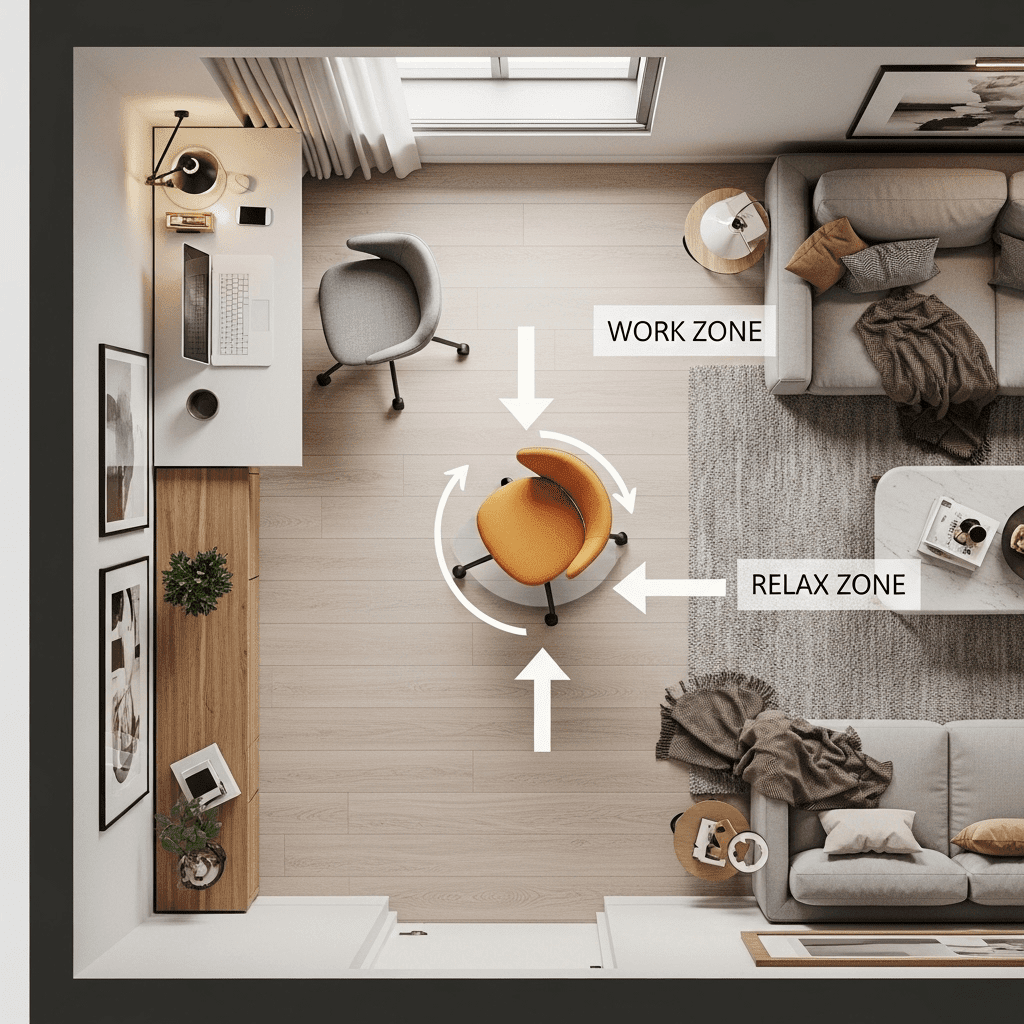
16. The Floating Desk Integration
Install a floating desk along one wall and place a swivel chair that can turn toward the TV or the desk, making the chair serve two different functions.
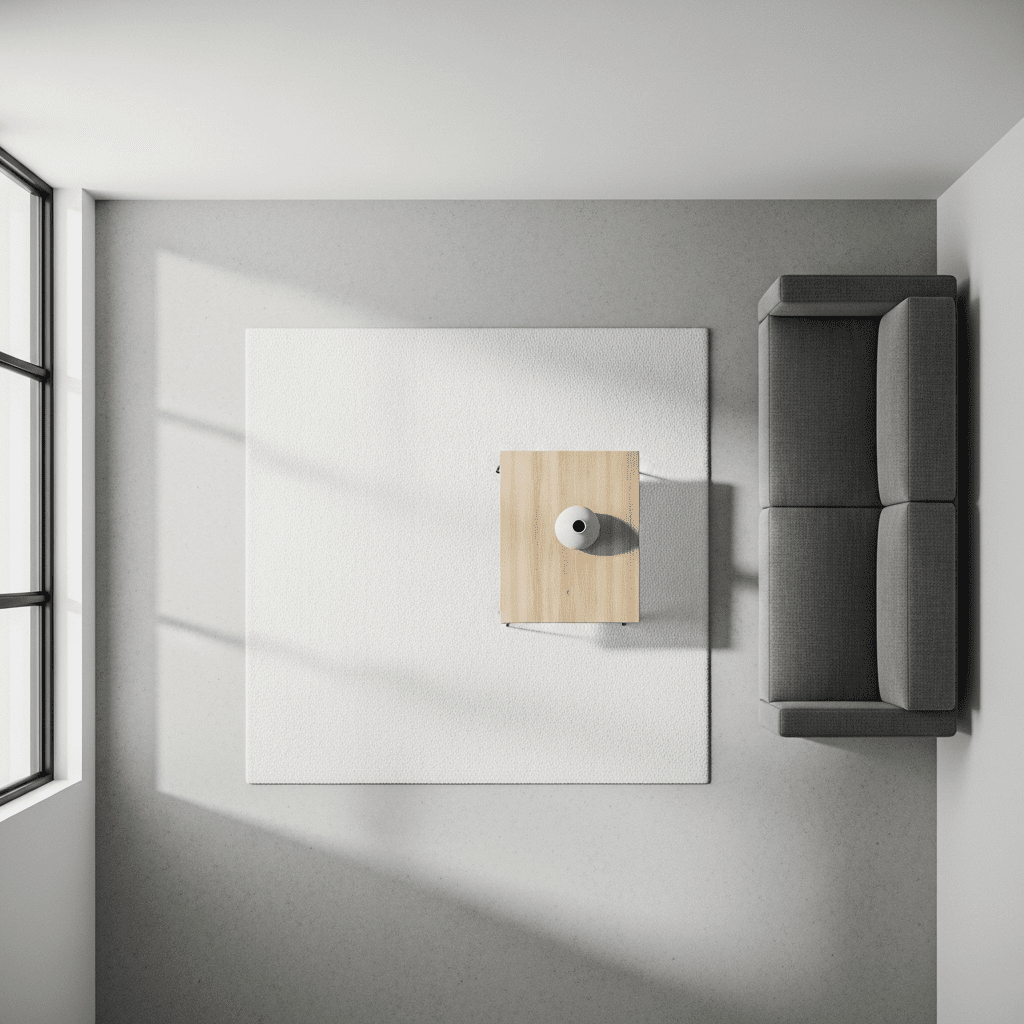
17. The Minimalist “Square”
Use a large square rug to define the space and keep only a sofa and a low-profile coffee table on it. The simplicity of the square layout keeps the room feeling “tidy.”
Conclusion
Mastering a small living room layout is about being intentional with your paths. By looking at your room from a “top-view plan” perspective, you can easily spot where traffic gets blocked or where space is being wasted. Prioritize furniture that offers multiple uses and always keep your main walkways clear to maintain a sense of freedom and comfort.