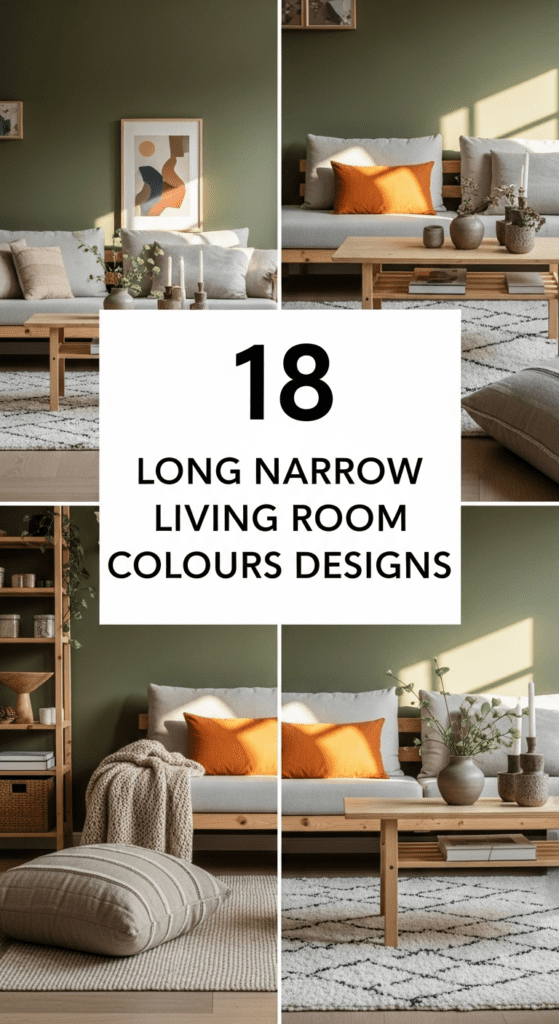
18 Long Narrow Living Room Colours Designs
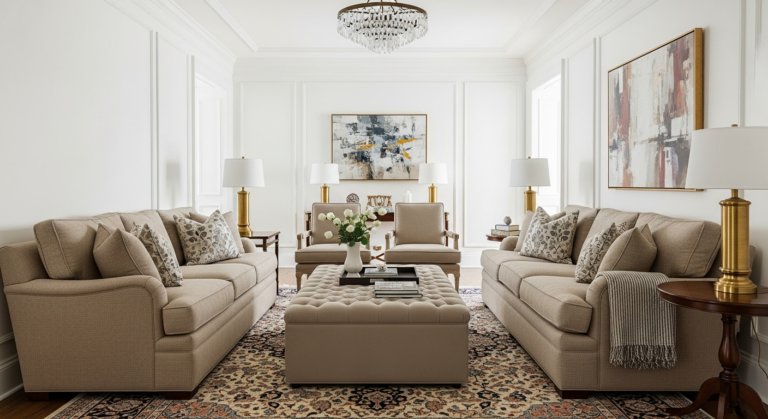
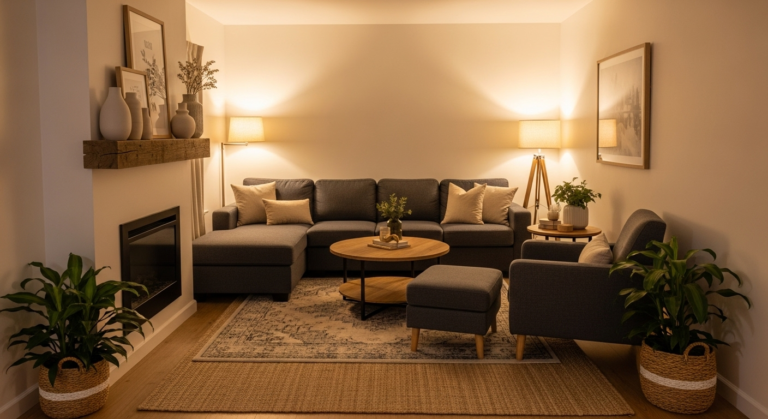
Long narrow living room colours designs transform challenging proportions into stunning, intentional spaces where colour becomes your most powerful design tool. The right colour palette doesn’t just paint walls—it reshapes perception, alters dimensions, creates atmosphere, and defines your living room’s entire personality. From soft neutrals that expand space to bold darks that embrace intimacy, from cool tones that calm to warm hues that energize, colour choice fundamentally determines how your narrow living room looks, feels, and functions. These eighteen colour design ideas showcase the full spectrum of possibilities, proving that narrow living rooms can successfully wear virtually any colour when applied strategically and paired with thoughtful design decisions.
See also: White Guest Bedroom Designs 13 Ways to Master the Art of the Pristine Retreat
1. Soft White Serenity
Create an airy, spacious atmosphere with soft white walls that reflect maximum light and make your narrow living room feel infinitely more open.
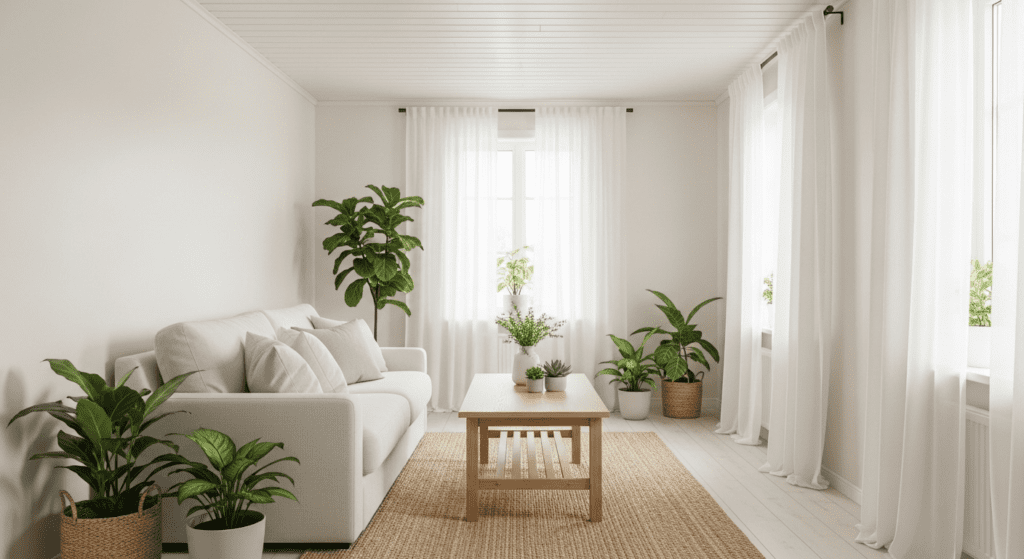
Paint all walls, ceiling, and trim in warm white shades like Benjamin Moore’s “White Dove,” Sherwin Williams’ “Alabaster,” or Farrow & Ball’s “Pointing.” These warm whites contain subtle cream or ivory undertones that prevent the sterile feeling of stark white while maintaining brightness. Pair with light wood furniture in blonde oak or ash, and layer in texture through cream linen upholstery, natural fiber rugs, and woven baskets.
Add subtle color through accessories—soft blue throw pillows, sage green plants, or pale blush accents—that provide visual interest without disrupting the light, airy feeling. Use varied textures to prevent the white-on-white from feeling flat—mix smooth painted walls with chunky knit throws, sleek furniture with nubby textiles.
The soft white design works beautifully in narrow rooms with limited natural light, as the reflective surfaces bounce available light throughout the space. This approach creates maximum perceived space while providing a serene, Scandinavian-inspired backdrop for living.
See also: Yellow Guest Bedroom Designs 13 Ways to Infuse Your Home With Sunshine
2. Greige Sophistication
Embrace the perfect neutral with greige—a sophisticated blend of gray and beige that adds warmth while maintaining the space-expanding properties of light neutrals.
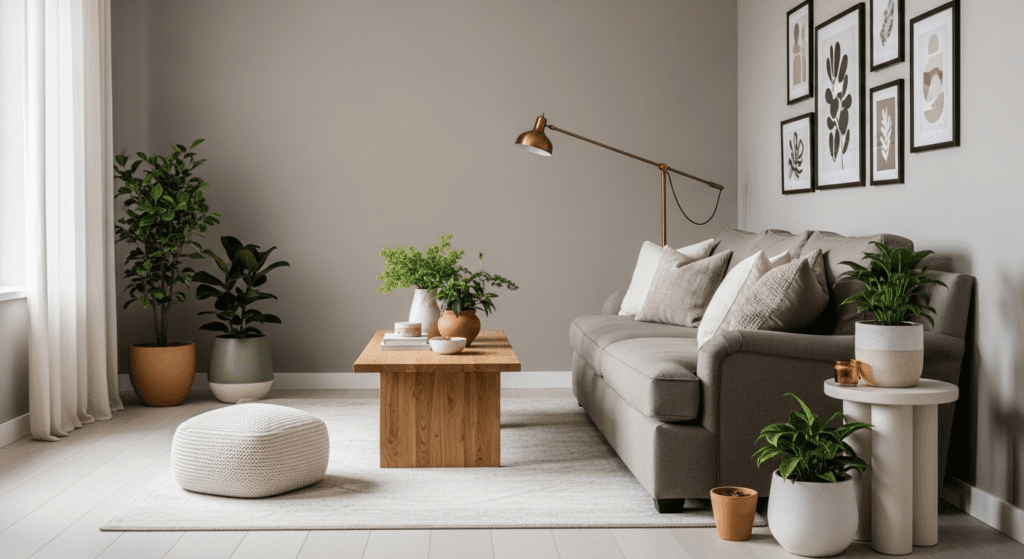
Choose greige shades like Sherwin Williams’ “Agreeable Gray,” Benjamin Moore’s “Revere Pewter,” or Behr’s “Perfect Taupe” for walls. These colors read as neutral but contain enough warmth to prevent coldness. Pair with furniture in complementary neutrals—taupe sofa, cream chairs, warm gray ottoman. Layer in natural wood tones, brass metallic accents, and greenery.
Greige works beautifully because it’s chameleon-like, appearing more gray in cool light and more beige in warm light. This adaptability makes it perfect for narrow living rooms where lighting conditions change throughout the day. The color provides enough depth to create interest without closing in the space.
Add contrast through darker wood furniture, black-framed artwork, or charcoal accent pillows. The greige backdrop allows both light and dark elements to shine while maintaining the neutral, sophisticated palette perfect for contemporary or transitional designs.
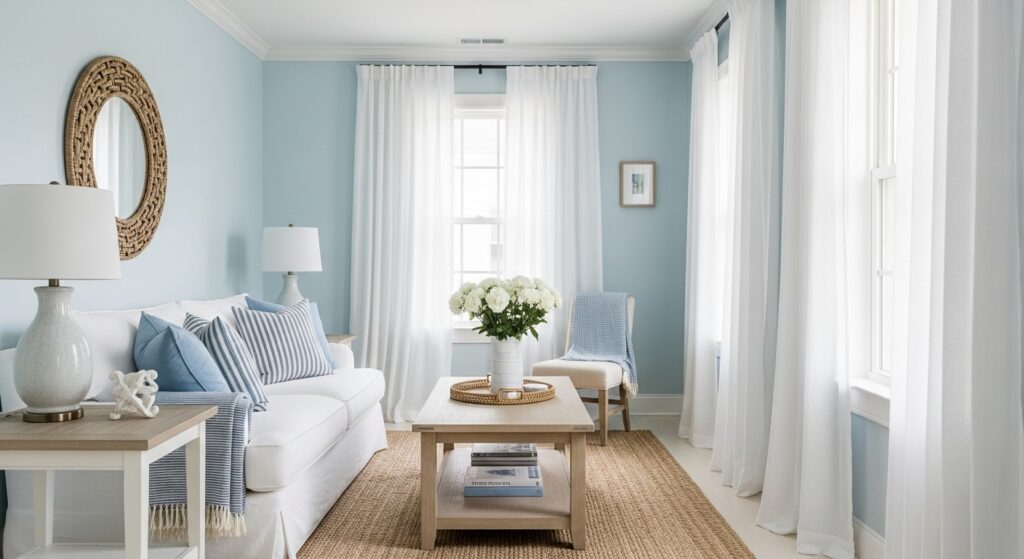
3. Pale Blue Calm
Introduce soft pale blue walls that create a calming, sky-like atmosphere while maintaining the light-reflective properties essential in narrow spaces.
Paint walls in gentle blue shades like Benjamin Moore’s “Palladian Blue,” Farrow & Ball’s “Borrowed Light,” or Sherwin Williams’ “Rainwashed.” These pale blues contain enough gray to prevent them from reading as nursery colors, maintaining sophistication while adding serene color. Pair with white trim for crisp definition and furniture in natural materials—white linen sofa, light wood accents, natural fiber rugs.
The pale blue creates a fresh, coastal-inspired atmosphere without the cliché of typical beach house colors. The cool tone can make spaces feel slightly larger while the color itself provides more personality than simple white. Layer in white, cream, and natural wood to keep the palette light and airy.
Add subtle pattern through blue and white striped pillows, botanical prints, or textured ceramics in coordinating blues. The monochromatic blue scheme with neutral accents creates cohesion while the color itself brings calm, peaceful energy to your narrow living room.
4. Warm Sage Green
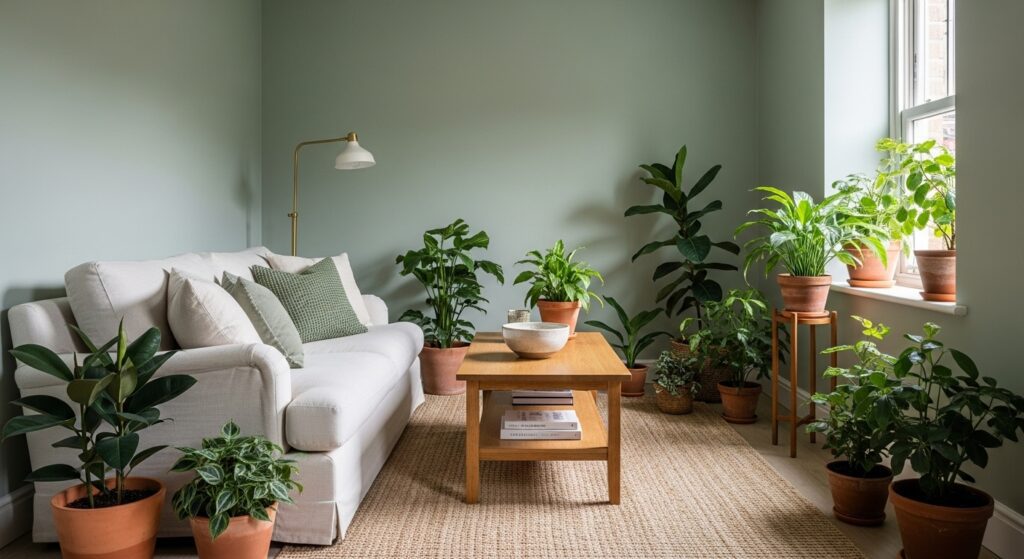
Embrace earthy warmth with soft sage green walls that bring nature indoors while maintaining the light, open feeling necessary in narrow spaces.
Choose muted sage shades like Sherwin Williams’ “Clary Sage,” Benjamin Moore’s “Saybrook Sage,” or Farrow & Ball’s “Vert De Terre.” These soft green-grays provide color and personality while remaining light enough to keep the space feeling open. Pair with natural materials—cream upholstery, warm wood furniture, woven textures, and abundant plants that complement the green walls.
The sage green creates an organic, calming atmosphere that references nature without being overly literal. The color works particularly well in narrow living rooms with good natural light, as the green responds beautifully to changing light throughout the day. Add brass or gold metallic accents that complement the warm undertones in sage.
Layer in cream, white, and natural wood to balance the green. Include plants in terracotta pots that coordinate with the earthy palette. The sage green design creates a fresh, modern organic aesthetic that feels both trendy and timeless.
5. Charcoal Drama
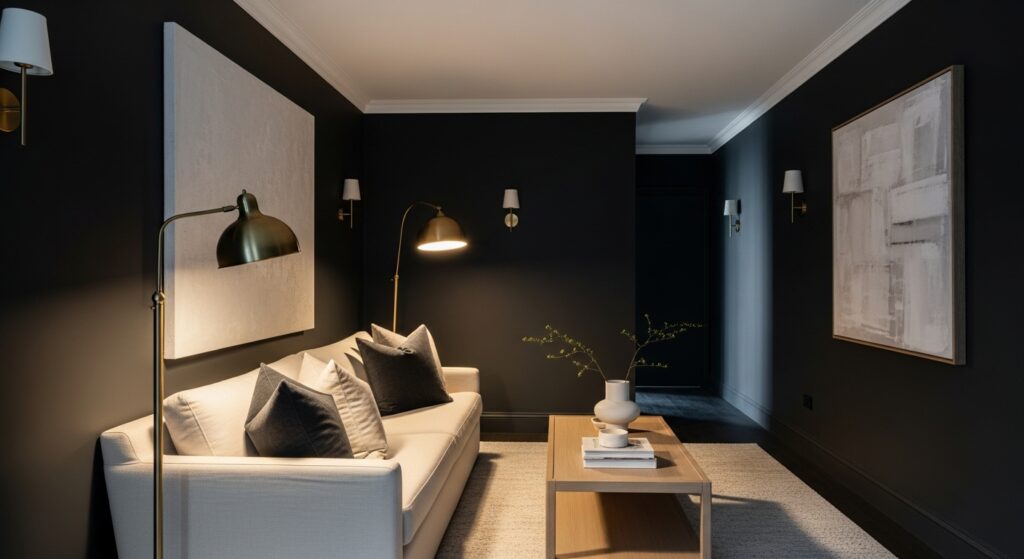
Embrace bold sophistication with charcoal gray walls that create a moody, intentional atmosphere, proving narrow rooms can successfully wear dark colors.
Paint walls in deep charcoal like Benjamin Moore’s “Kendall Charcoal,” Sherwin Williams’ “Peppercorn,” or Farrow & Ball’s “Railings.” The dark walls create an enveloping, cozy feeling that transforms the narrow space into an intimate den rather than an awkward corridor. Pair with lighter furniture—cream or tan sofa, light wood coffee table—that pops against the dark backdrop.
Layer in abundant lighting—floor lamps, table lamps, wall sconces, candles—to ensure the dark space doesn’t feel gloomy. Add metallic accents in brass or gold that catch light and create warmth against the charcoal. Include white or cream accents through trim, ceiling, artwork, and textiles.
The charcoal design works beautifully for those who want drama and sophistication. The dark walls make the narrow space feel intentionally cozy and intimate, perfect for evening entertaining or creating a sophisticated urban aesthetic. The contrast between dark walls and light furnishings creates striking visual interest.
6. Navy Blue Elegance
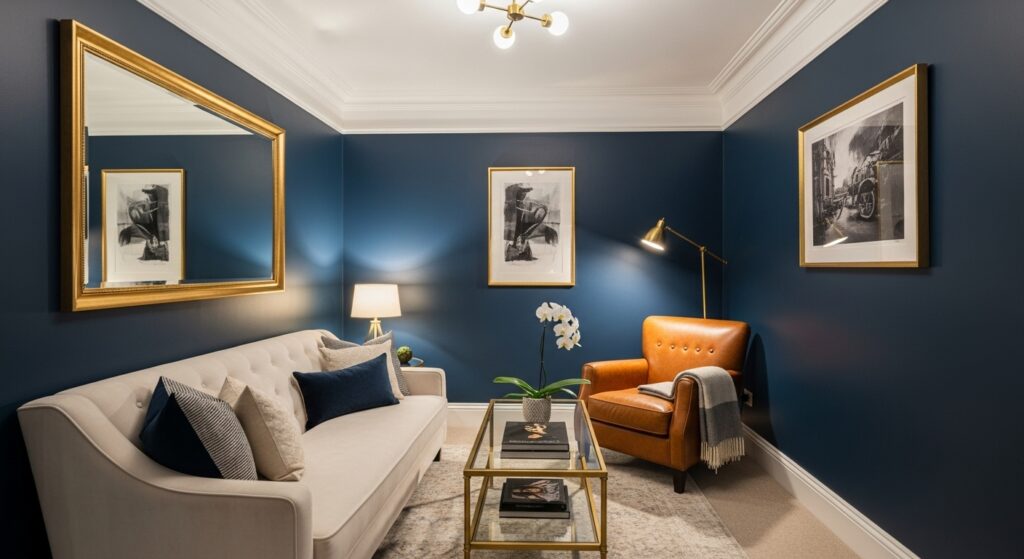
Create refined elegance with rich navy blue walls that add depth, sophistication, and surprising warmth to your narrow living room.
Choose deep navy shades like Benjamin Moore’s “Hale Navy,” Sherwin Williams’ “Naval,” or Farrow & Ball’s “Stiffkey Blue.” Navy is sophisticated and classic, creating a jewel-box effect in narrow spaces. Pair with brass or gold metallic accents, white trim, and furniture in cream, tan, or cognac leather that coordinates beautifully with navy.
The navy walls create depth and drama while the cool undertone prevents the space from feeling too dark or oppressive. Layer in warm lighting and metallic accents that add warmth and sparkle. Include artwork with gold frames, brass lamps, and white or cream textiles that create contrast.
Navy works particularly well in living rooms used primarily in the evening, as the dark color creates an intimate, sophisticated atmosphere perfect for entertaining. The rich color elevates the entire space, making it feel intentional and designed rather than awkwardly proportioned.
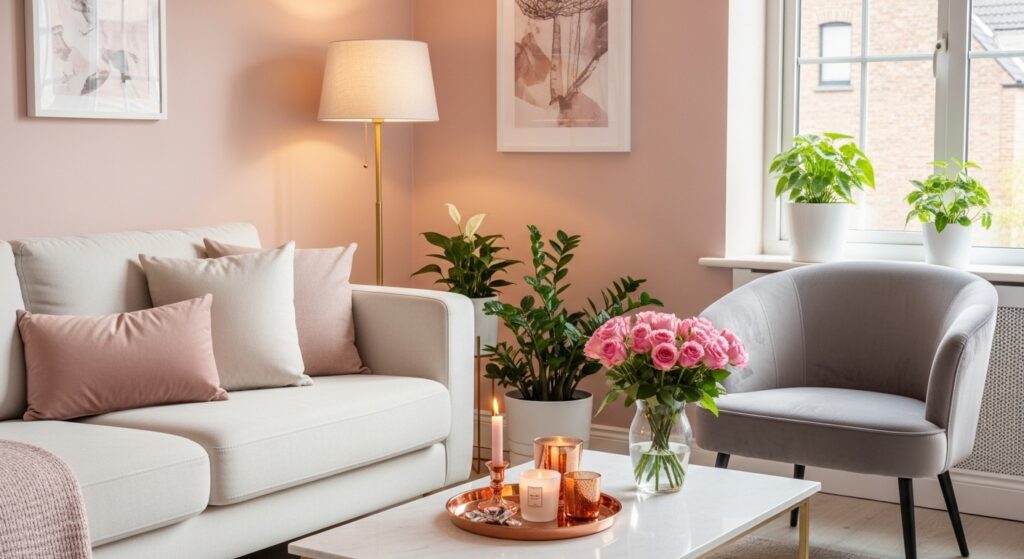
7. Blush Pink Warmth
Introduce subtle warmth with soft blush pink walls that create a cozy, romantic atmosphere while maintaining enough lightness to keep the narrow space feeling open.
Paint walls in gentle blush tones like Benjamin Moore’s “First Light,” Sherwin Williams’ “Touching White,” or Farrow & Ball’s “Setting Plaster.” These barely-there pinks add warmth and personality without reading as overtly feminine. Pair with neutral furniture in cream, gray, or taupe, and add metallic accents in brass or rose gold.
The blush pink creates warmth through color rather than through dark tones, making it perfect for narrow spaces where you want coziness without sacrificing brightness. The subtle color reads as warm neutral in most lighting, with the pink becoming more apparent in direct sunlight or warm artificial light.
Layer in whites, creams, and soft grays to balance the blush. Add plants, natural wood, and varied textures to prevent the pink from feeling too sweet. The result is a warm, inviting space that feels contemporary and sophisticated rather than traditionally feminine.
8. Forest Green Depth
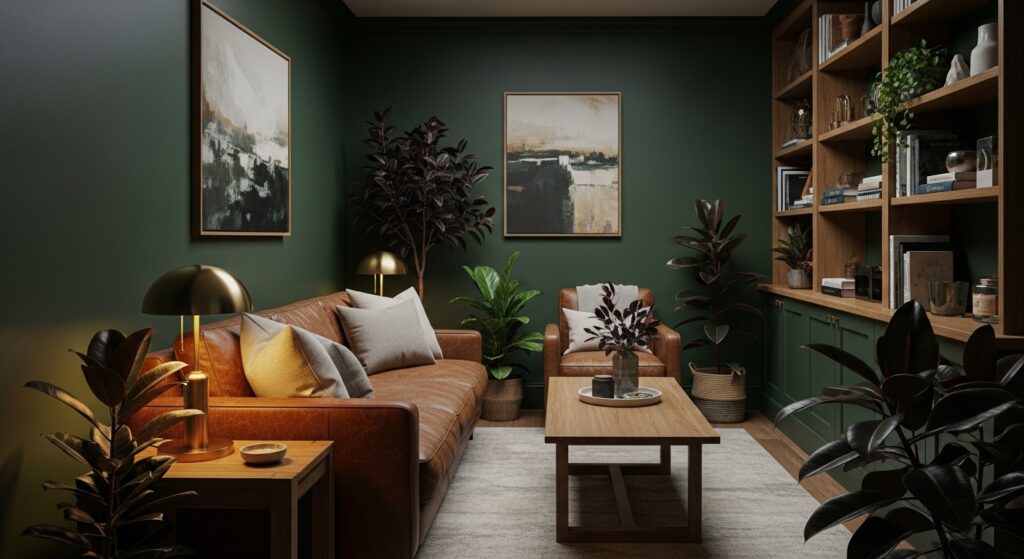
Create rich, cocooning warmth with deep forest green walls that embrace the narrow proportions and create an intimate, nature-inspired sanctuary.
Choose saturated greens like Benjamin Moore’s “Hunter Green,” Sherwin Williams’ “Evergreens,” or Farrow & Ball’s “Studio Green.” The deep green creates a moody, sophisticated atmosphere that feels both dramatic and grounding. Pair with natural materials—wood furniture, leather seating, brass accents—that complement the organic color.
The forest green works beautifully when you want to create a library-like or study atmosphere in your narrow living room. Layer in warm lighting, include plants that harmonize with the wall color, and add textures like velvet, leather, and wood that enhance the rich, layered feeling.
Use cream or white accents through trim, ceiling, artwork, and pillows to prevent the green from feeling too dark. The contrast between deep walls and light accents creates striking visual interest. This design suits those who embrace rather than fight the narrow proportions, creating intentional intimacy.
9. Terracotta Sunset
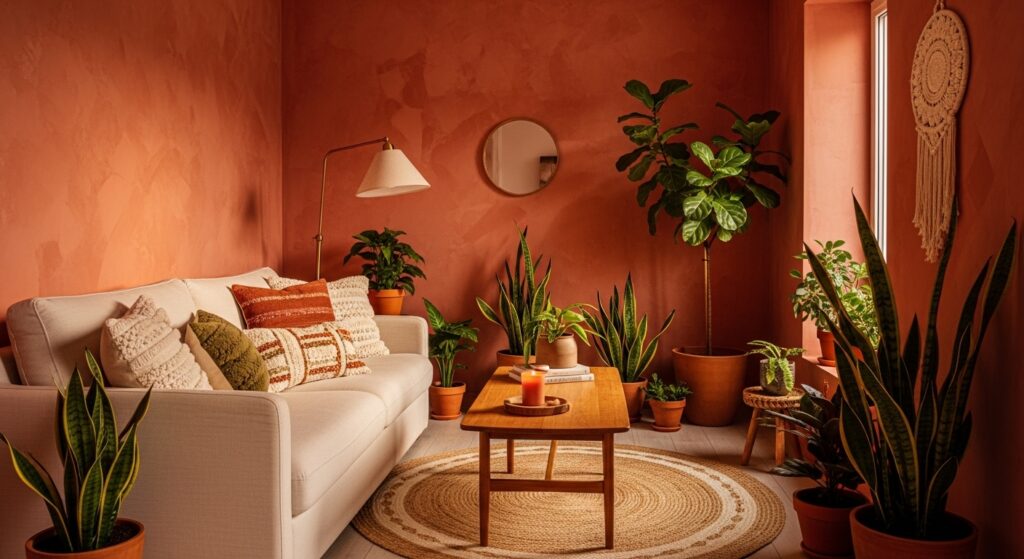
Bring warm, earthy energy with terracotta walls that create a sunset-inspired glow and make your narrow living room feel perpetually bathed in golden hour light.
Paint walls in warm terracotta shades like Sherwin Williams’ “Cavern Clay,” Benjamin Moore’s “Adobe Orange,” or Farrow & Ball’s “Red Earth.” The warm orange-brown tone creates instant coziness and warmth, perfect for living rooms used primarily in evening hours. Pair with natural materials—cream linen, warm wood, brass accents—that complement the earthy palette.
Terracotta creates a bold, confident statement that transforms narrow proportions into an intentional cozy den. The warm color energizes without being overly bright, creating a welcoming atmosphere. Layer in plants, natural fibers, and varied textures that enhance the organic, earthy feeling.
Balance the saturated terracotta with plenty of neutral elements—cream sofa, natural wood furniture, jute rugs—to prevent overwhelm. The warm walls paired with neutral furnishings create a balanced, sophisticated bohemian or Mediterranean-inspired aesthetic.
10. Two-Tone Gray Architectural
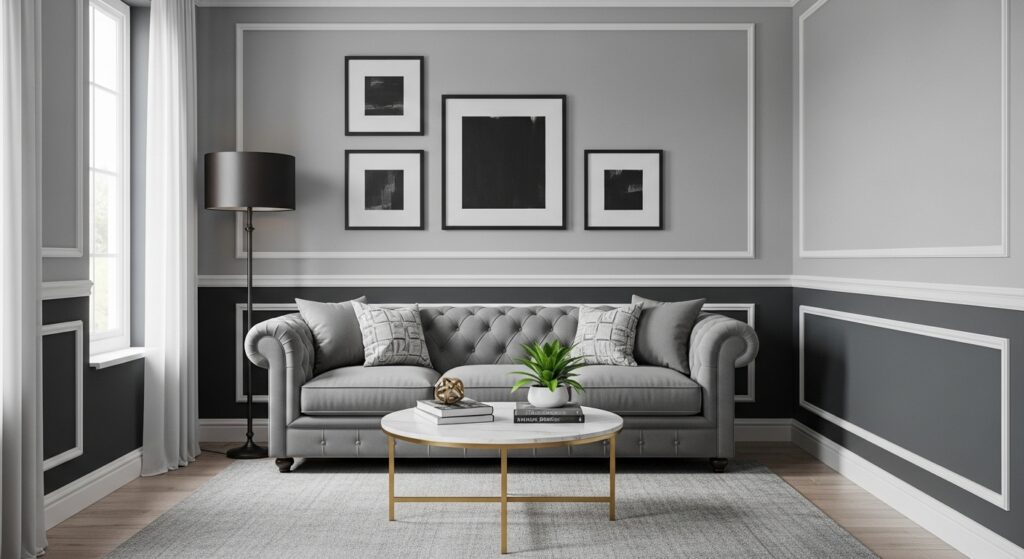
Create architectural interest with two-tone gray walls—darker gray on lower portion, lighter gray above—separated by a chair rail or clean paint line.
Paint the lower third (approximately 32-36 inches from floor) in deeper gray like Sherwin Williams’ “Gauntlet Gray” and the upper portion in lighter gray like “Repose Gray.” This technique adds visual interest and can make ceilings feel higher while preventing the narrow space from feeling monotonous. Add white trim and molding for crisp definition.
The two-tone approach creates architectural detail where none exists, making your narrow living room feel more designed and intentional. The darker lower portion grounds the space while the lighter upper portion keeps it feeling open. This works particularly well in traditional or transitional designs.
Pair with furniture in coordinating grays and neutrals, adding contrast through black accents, white elements, and natural wood. The monochromatic gray scheme with architectural division creates sophisticated elegance that works in any design style.
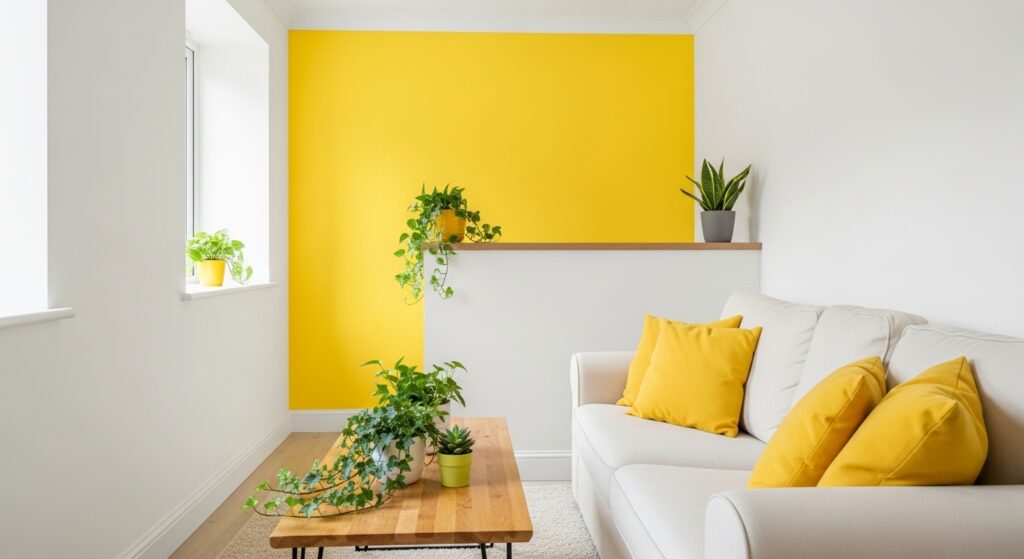
11. Sunny Yellow Accent Wall
Energize your narrow living room by painting one short end wall in cheerful sunny yellow while keeping long walls neutral.
Paint one short end wall in vibrant yellow like Benjamin Moore’s “Hawthorne Yellow” or Sherwin Williams’ “Bee,” with remaining walls in soft white or cream. The yellow accent creates a focal point that visually shortens the room, making proportions feel more balanced. The bright color energizes and adds personality without overwhelming the narrow space.
Pair with neutral furniture that allows the yellow to shine—white or cream sofa, natural wood accents. Add yellow accents throughout the room via pillows, artwork, or accessories that tie into the accent wall. Include plants and natural materials that complement the sunny, optimistic color.
The yellow accent wall strategy works well in rooms with limited natural light, as the color creates artificial brightness and warmth. The cheerful hue makes the living room feel welcoming and positive, perfect for spaces where family gathers.
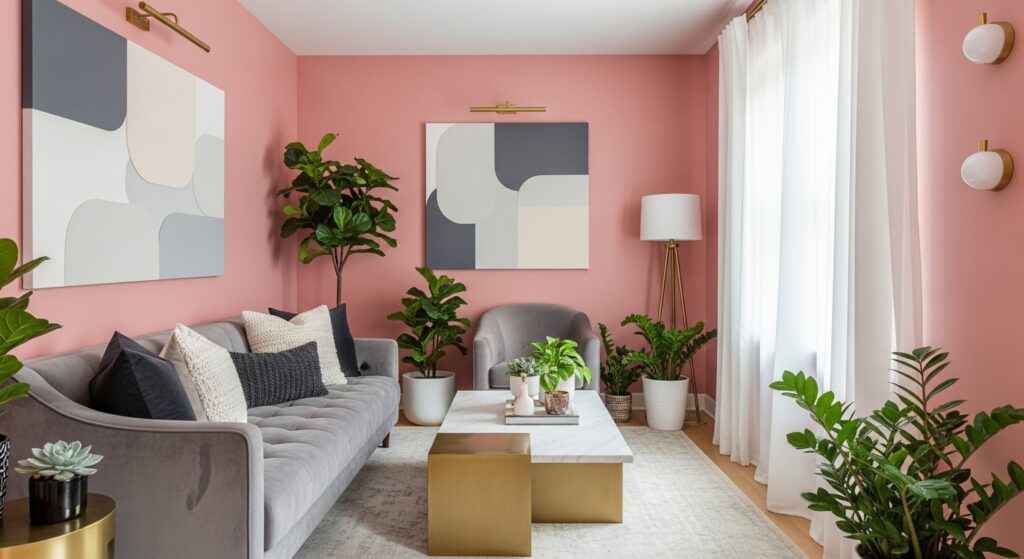
12. Millennial Pink Modern
Create contemporary warmth with millennial pink walls—a sophisticated dusty rose that adds color and personality while maintaining modern sensibility.
Paint walls in modern pink shades like Sherwin Williams’ “Rosebud” or Benjamin Moore’s “Yours Truly.” This isn’t traditional baby pink—it’s a muted, dusty rose with gray undertones that feels sophisticated and current. Pair with contemporary furniture in gray, white, or natural wood, and add brass or copper metallic accents.
The millennial pink creates warmth and personality without the darkness of traditional warm colors like terracotta or rust. It works particularly well in well-lit narrow spaces where the color can shine. Layer in neutrals, greenery, and varied textures to balance the pink and prevent it from feeling too sweet.
Include modern art, geometric patterns, and clean-lined furniture that keeps the aesthetic contemporary rather than traditional. The pink walls paired with modern elements create a fresh, current look that feels both warm and stylish.
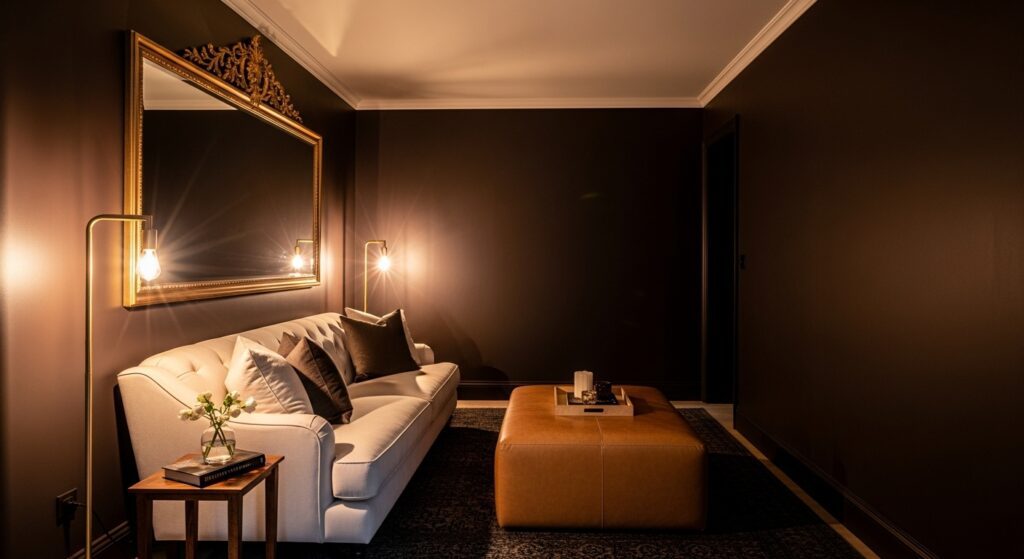
13. Chocolate Brown Luxury
Embrace rich luxury with chocolate brown walls that create ultimate coziness and sophistication in your narrow living room.
Paint walls in deep brown shades like Benjamin Moore’s “Dark Chocolate” or Sherwin Williams’ “Turkish Coffee.” The deep brown creates a warm, enveloping atmosphere that feels luxurious and intimate. Pair with lighter furniture—cream or tan upholstery, natural wood in lighter tones—that creates contrast against the dark walls.
Layer in abundant warm lighting through brass lamps, warm white bulbs, and candles. Add cream, caramel, and gold accents that complement the brown walls. Include rich textures—velvet, leather, silk—that enhance the luxurious feeling.
The chocolate brown works beautifully for creating a sophisticated library, den, or evening entertainment space. The dark color makes the narrow proportions feel intentional and cozy rather than awkward. This bold choice suits confident designers who want drama and warmth.
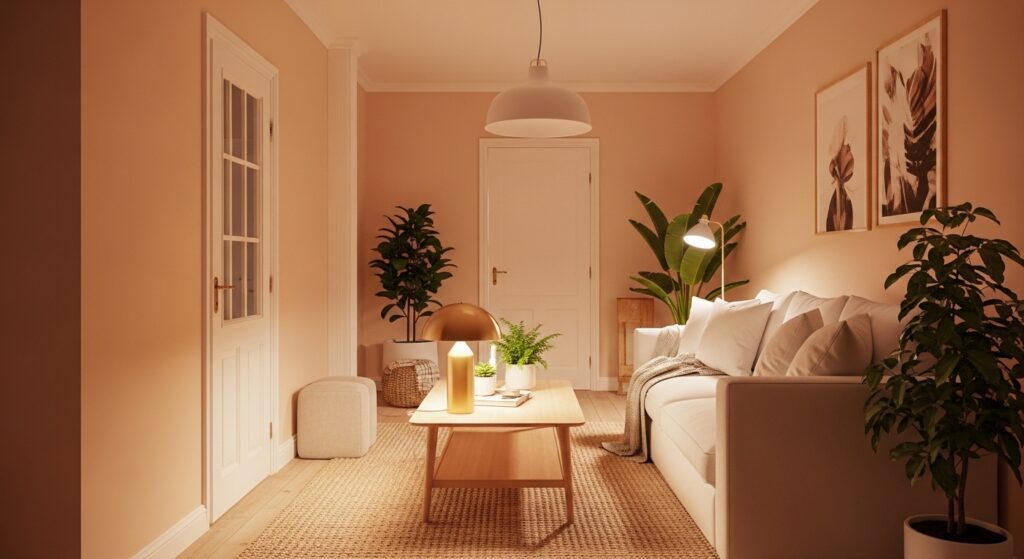
14. Pale Peach Glow
Create a soft, glowing atmosphere with pale peach walls that add warmth through subtle color while maintaining the light, open feeling.
Paint walls in gentle peach tones like Benjamin Moore’s “Peach Parfait” or Sherwin Williams’ “Romantic” that read as warm neutral with just a hint of coral-pink. The subtle color creates warmth without darkness, making it perfect for narrow spaces. Pair with white trim, natural wood furniture, and neutral upholstery.
The pale peach creates a glow that makes the living room feel perpetually lit by flattering light. The color is subtle enough to work as a neutral but warm enough to create coziness. Layer in whites, creams, and natural materials to balance the peach.
Add greenery that pops beautifully against the warm peachy backdrop. Include brass or gold accents that complement the warm undertones. The result is a welcoming, warm space that feels light and open while having more personality than simple white.
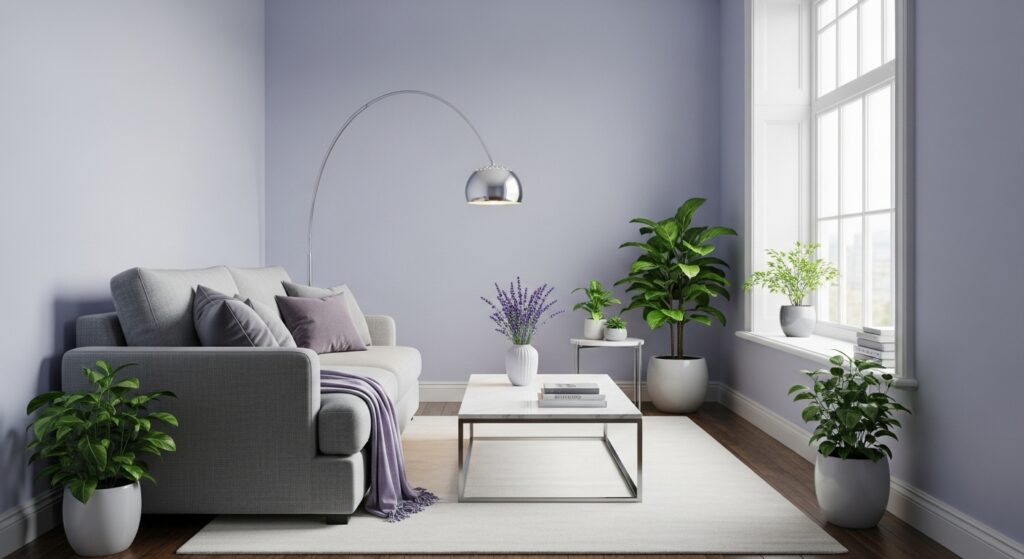
15. Lavender Serenity
Introduce unexpected color with soft lavender walls that create a calming, unique atmosphere in your narrow living room.
Paint walls in muted lavender like Benjamin Moore’s “Misty Lilac” or Farrow & Ball’s “Brassica.” Choose lavenders with gray undertones that feel sophisticated rather than childish. Pair with neutral furniture in gray, cream, or taupe, and add silver or chrome metallic accents that complement the cool purple.
Lavender is unexpected in living rooms, making your space feel unique and personal. The cool tone can help narrow spaces feel slightly more open while the color itself adds significant personality. Layer in white, gray, and natural wood to balance the lavender and prevent it from overwhelming.
Include artwork and accessories that work with purple tones—abstract art with purple accents, silvery textiles, or white ceramics. The lavender creates a serene, almost meditative atmosphere perfect for relaxation spaces.
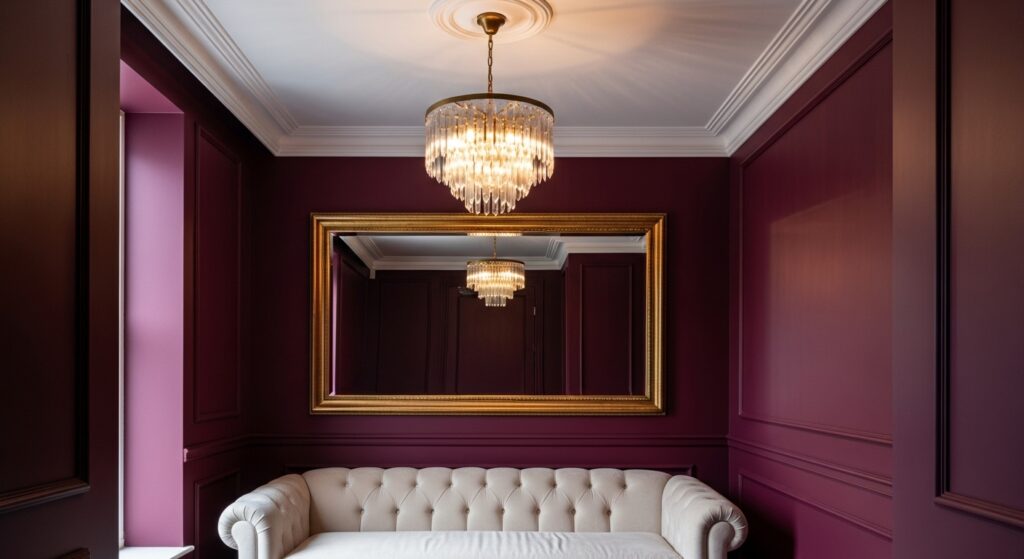
16. Burgundy Wine Richness
Create deep, jewel-tone richness with burgundy walls that make your narrow living room feel like a precious jewel box.
Paint walls in rich burgundy shades like Benjamin Moore’s “Caliente” or Sherwin Williams’ “Red Theatre.” The deep wine color creates instant drama and sophistication, transforming narrow proportions into intentional intimacy. Pair with lighter furniture—cream, tan, or gray upholstery—that creates striking contrast.
Layer in gold or brass metallic accents that complement the rich burgundy. Include warm lighting that makes the color glow rather than appearing flat. Add textures like velvet, silk, and leather that enhance the luxurious feeling.
The burgundy works beautifully for those who want a bold, memorable living room that makes a statement. The rich color creates warmth and drama perfect for evening entertaining. Balance with plenty of light-colored elements to prevent the space from feeling too dark.
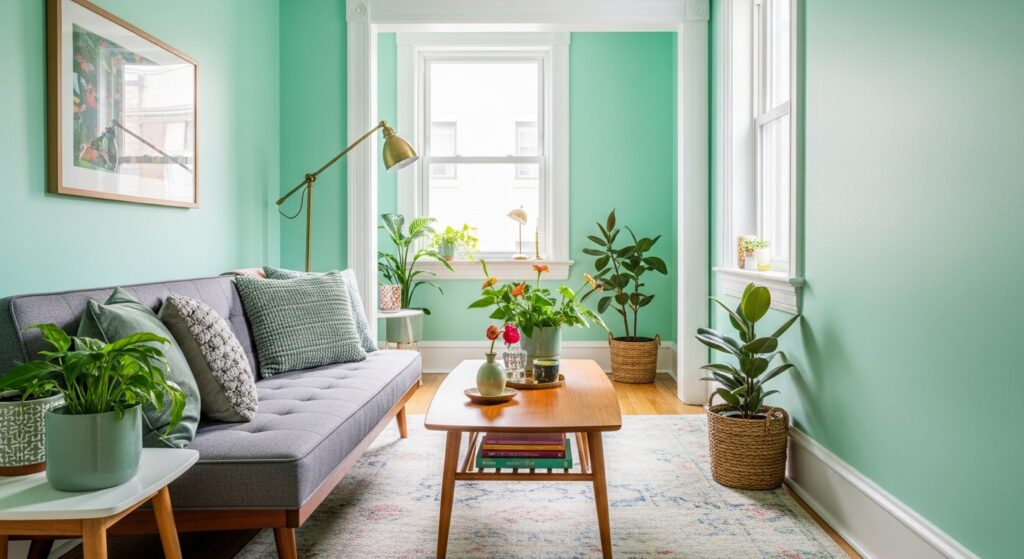
17. Mint Green Freshness
Bring fresh, cheerful energy with mint green walls that create a retro-modern atmosphere with personality and brightness.
Paint walls in soft mint like Benjamin Moore’s “Fresh Mint” or Sherwin Williams’ “Mint Condition.” The pale green adds color and personality while maintaining enough lightness to keep narrow spaces feeling open. Pair with white trim, natural wood furniture, and neutral upholstery in gray or cream.
Mint creates a fresh, vintage-modern aesthetic that references mid-century design while feeling current. The color works particularly well in rooms with good natural light where the green can appear crisp and fresh. Layer in brass or gold accents, plants, and white elements.
Include retro-inspired accessories—vintage finds, geometric patterns, mid-century furniture—that complement the mint’s vintage associations. The fresh green creates an optimistic, cheerful atmosphere that makes the narrow living room feel welcoming and unique.
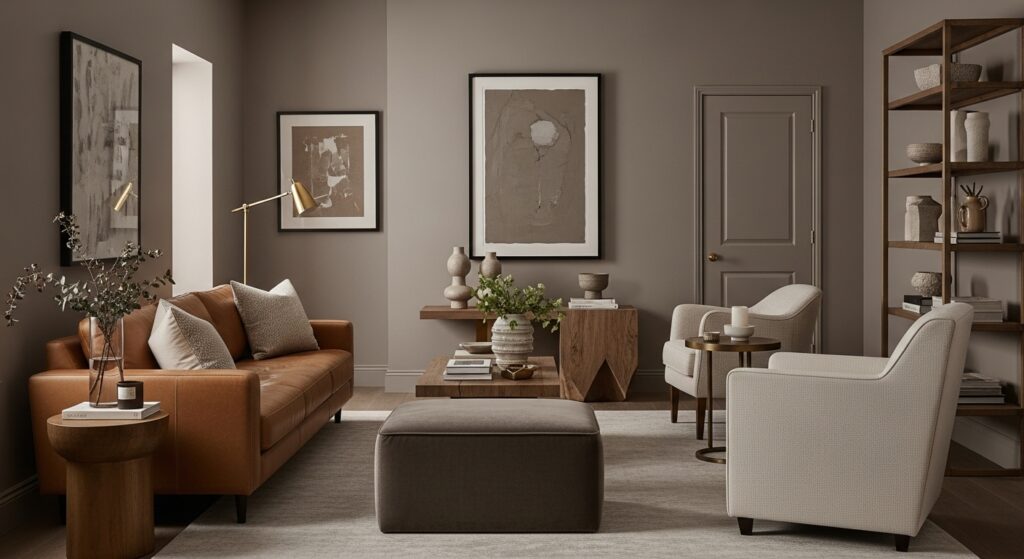
18. Monochromatic Taupe Layers
Create sophisticated depth with monochromatic taupe walls paired with varied shades of taupe throughout the furniture and accessories.
Paint walls in medium taupe like Benjamin Moore’s “Brandon Beige” or Sherwin Williams’ “Balanced Beige,” then layer in lighter and darker taupes through furniture—caramel leather sofa, cream ottoman, darker taupe accent chair. The monochromatic scheme creates cohesion while the varied tones provide depth and interest.
The all-taupe palette prevents visual fragmentation that can make narrow spaces feel choppy. The continuous neutral color creates flow while the varied tones add sophistication. Include different textures—velvet, leather, linen, wool—to create visual interest within the monochromatic palette.
Add warmth through natural wood in medium to dark tones and metallic accents in brass or bronze. The monochromatic taupe creates a serene, sophisticated space that feels both warm and neutral, working with any design style from traditional to contemporary.
Choosing the Right Colour for Your Narrow Living Room
Consider Natural Light: Rooms with abundant natural light can handle darker, more saturated colors. Limited-light spaces benefit from lighter, reflective colors unless you’re intentionally creating a cozy, moody atmosphere.
Think About Usage: Living rooms used primarily during daylight hours benefit from fresh, bright colors. Spaces used mainly in evening hours can embrace richer, moodier tones perfect for relaxation and entertaining.
Test Before Committing: Always test paint colors on large poster boards (at least 2×2 feet) and observe them at different times of day. Colors change dramatically depending on natural and artificial light.
Short Wall Strategy: Painting short end walls in darker or more saturated colors while keeping long walls lighter can visually shorten and balance narrow proportions.
Don’t Fear Dark Colors: While counterintuitive, dark colors can work beautifully in narrow spaces when you embrace rather than fight the intimate proportions. The key is adequate lighting and light-colored furnishings for contrast.
Consider Color Temperature: Warm colors (reds, oranges, yellows, warm neutrals) create coziness and energy. Cool colors (blues, greens, purples, cool grays) create calm and can make spaces feel slightly more open.
Coordinate With Furnishings: Choose wall colors that work with your existing or planned furniture. If you have a colorful sofa or rug, neutral walls might be best. If your furniture is neutral, walls can carry color personality.
Think Long-Term: Bold colors are exciting but consider whether you’ll still love them in 2-3 years. Trendy colors date quickly, while classic neutrals with warmth provide longevity.
Bringing Your Colour Design to Life
Long narrow living room colours designs prove that narrow spaces can successfully wear virtually any color when applied thoughtfully. The key is understanding how different colors affect perception and mood, then choosing palettes that serve your specific goals—whether that’s making the space feel larger, creating cozy intimacy, adding personality, or simply crafting a beautiful backdrop for living.
Don’t be limited by conventional rules that suggest only light colors work in narrow spaces. Dark colors create intentional coziness. Bold colors add personality and confidence. Unexpected colors make spaces memorable and unique. The “right” color for your narrow living room is the one that makes you happy and serves how you actually use the space.
Consider your lighting, test thoroughly, coordinate with furnishings, and most importantly, choose colors that resonate with your personal style. Your narrow living room’s colour design should reflect who you are and how you want to feel in the space—that’s when colour truly transforms dimensions into personality.