
18 POP Designs for Living Room
POP designs for living room transform ordinary ceilings and walls into architectural statements through Plaster of Paris’s versatility and elegance. This malleable material allows for intricate detailing, curved forms, and dimensional designs that add sophistication and visual interest to living spaces. From simple false ceilings to elaborate 3D wall panels, POP work elevates interiors while serving practical functions like concealing wiring and improving acoustics. The following eighteen designs showcase the remarkable range of possibilities with POP, demonstrating how this traditional material continues to define contemporary Indian interior design.
See also: Modern Guest Bedroom Designs 12 Ways to Achieve a Sleek Retreat
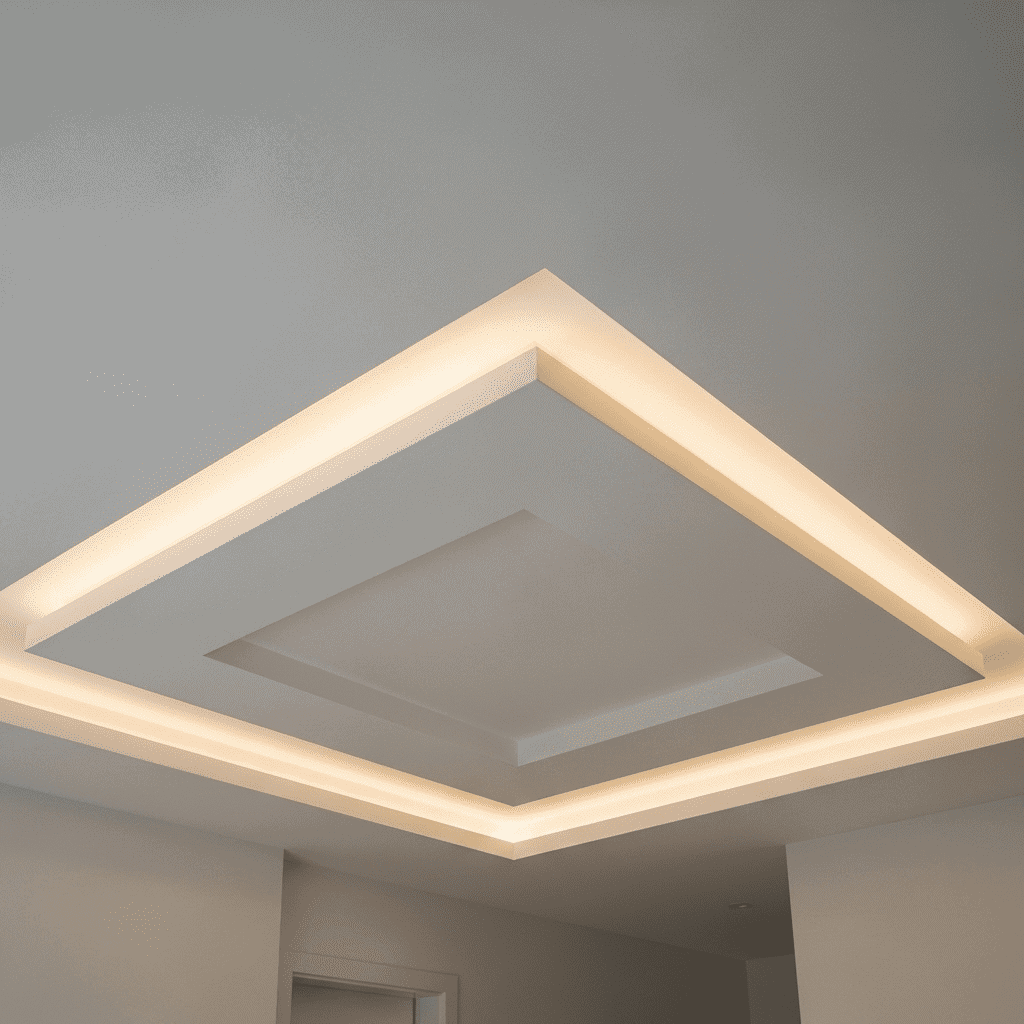
1. Simple Tray Ceiling with Cove Lighting
A recessed tray ceiling with concealed LED strip lighting around the perimeter creates elegant depth. This classic POP design suits all decor styles while adding architectural sophistication.
See also: Moody Guest Bedroom Designs 15 Ways to Embrace the Dark Side
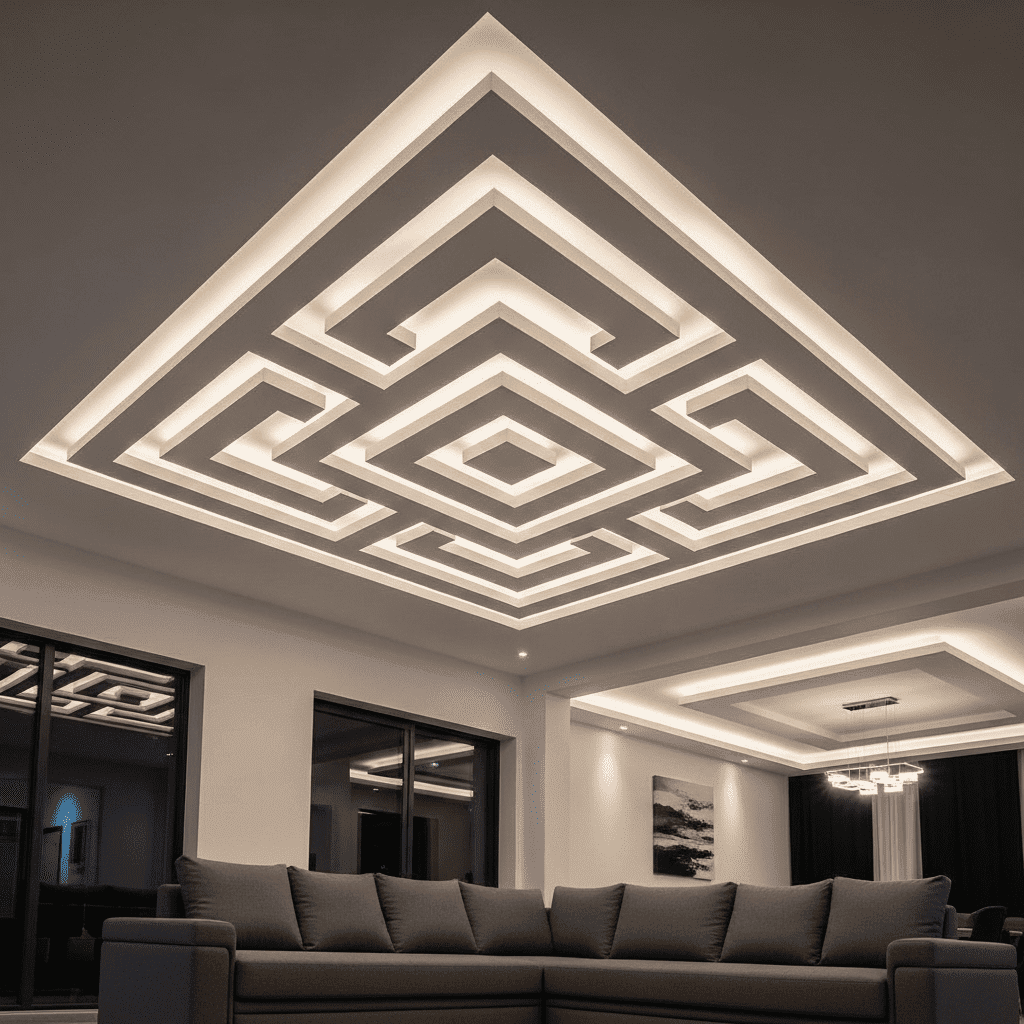
2. Geometric Pattern False Ceiling
Square, rectangular, or hexagonal geometric patterns in multiple levels create contemporary visual interest. Alternating depths and integrated lighting emphasize geometric forms.
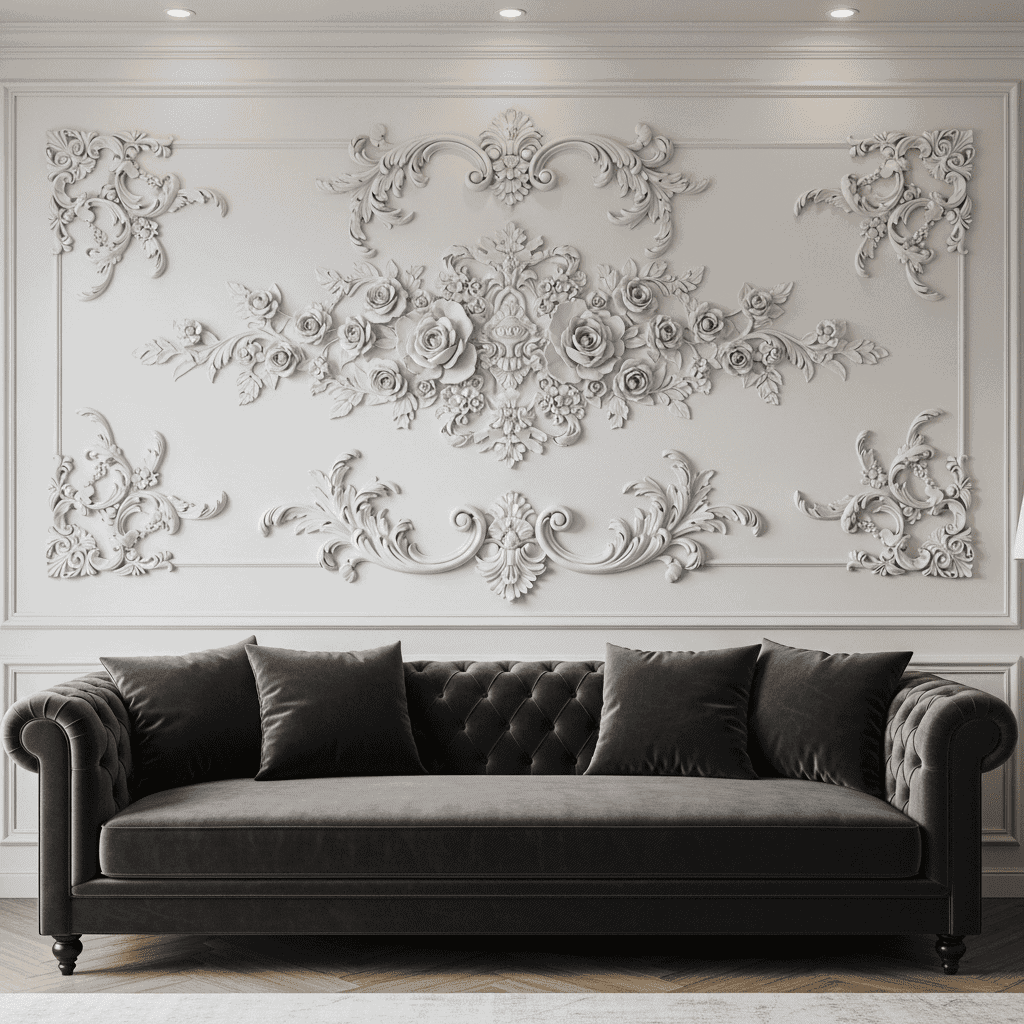
3. Floral Relief Wall Panel
Intricate POP floral motifs on feature walls create classical elegance. Hand-carved or molded flower patterns add dimensional beauty and traditional sophistication to accent walls.
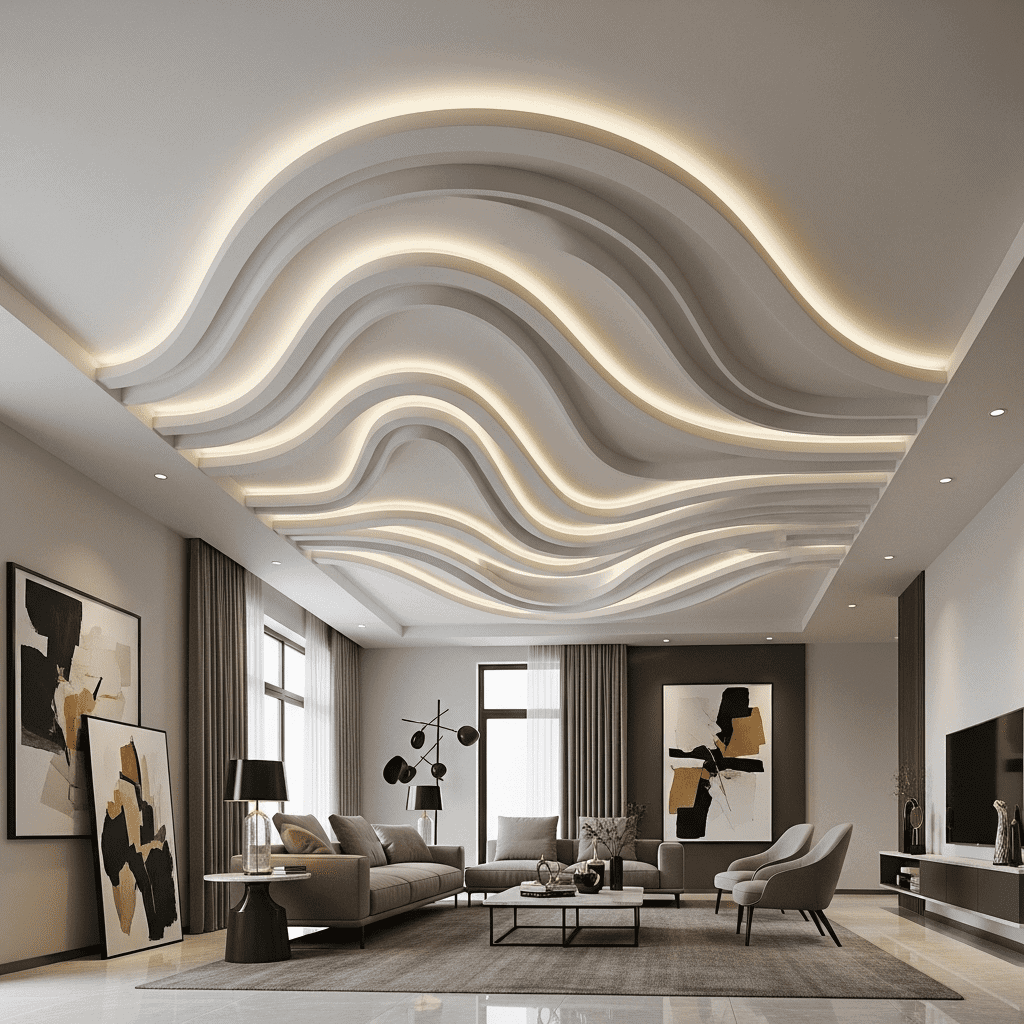
4. Curved Wave Ceiling Design
Flowing curved lines across ceilings create dynamic movement and organic visual appeal. These sculptural waves add contemporary elegance while softening rectangular room geometries.
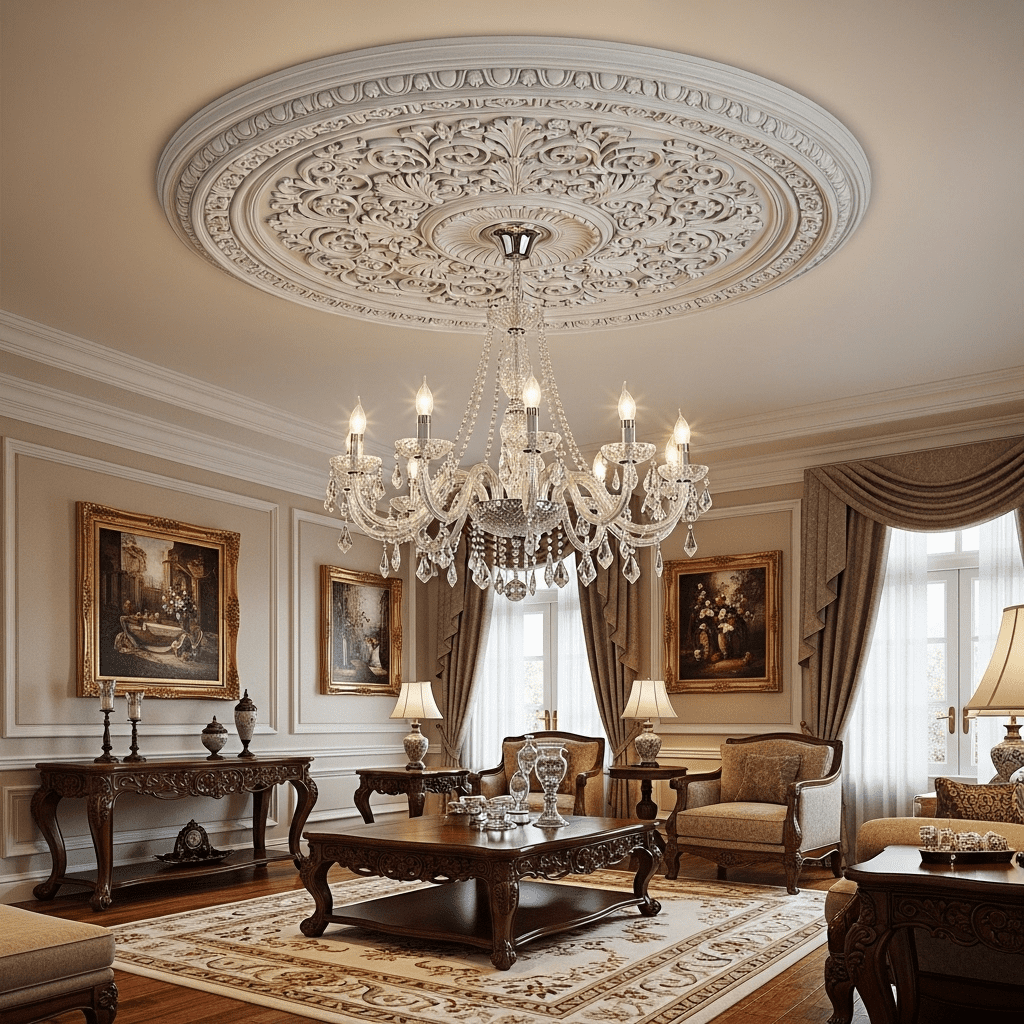
5. Central Medallion with Chandelier
A decorative circular POP medallion centered on the ceiling provides elegant backdrop for chandeliers. Detailed molding and concentric circles create classical focal points.
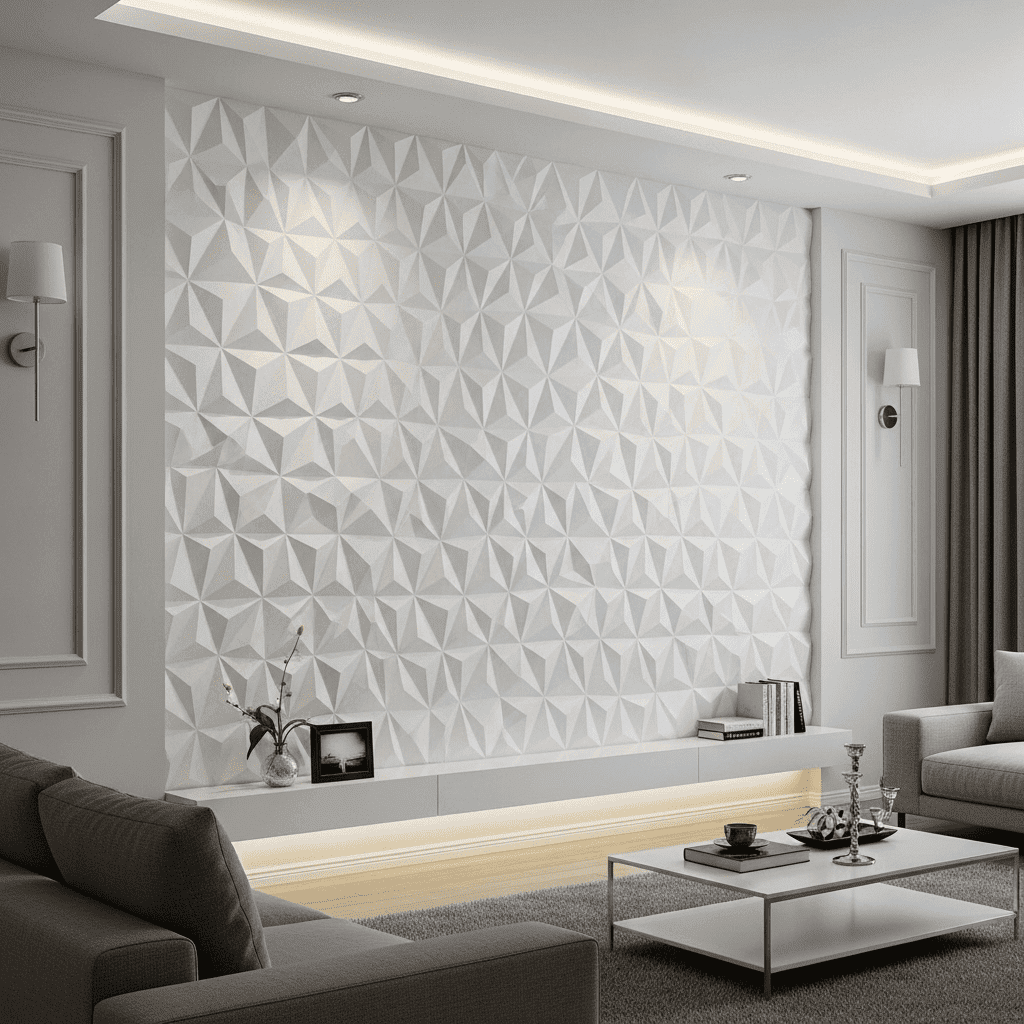
6. 3D Geometric Wall Panels
Dimensional cube, pyramid, or hexagonal patterns create textured feature walls. These architectural elements add depth, shadow play, and contemporary sophistication.
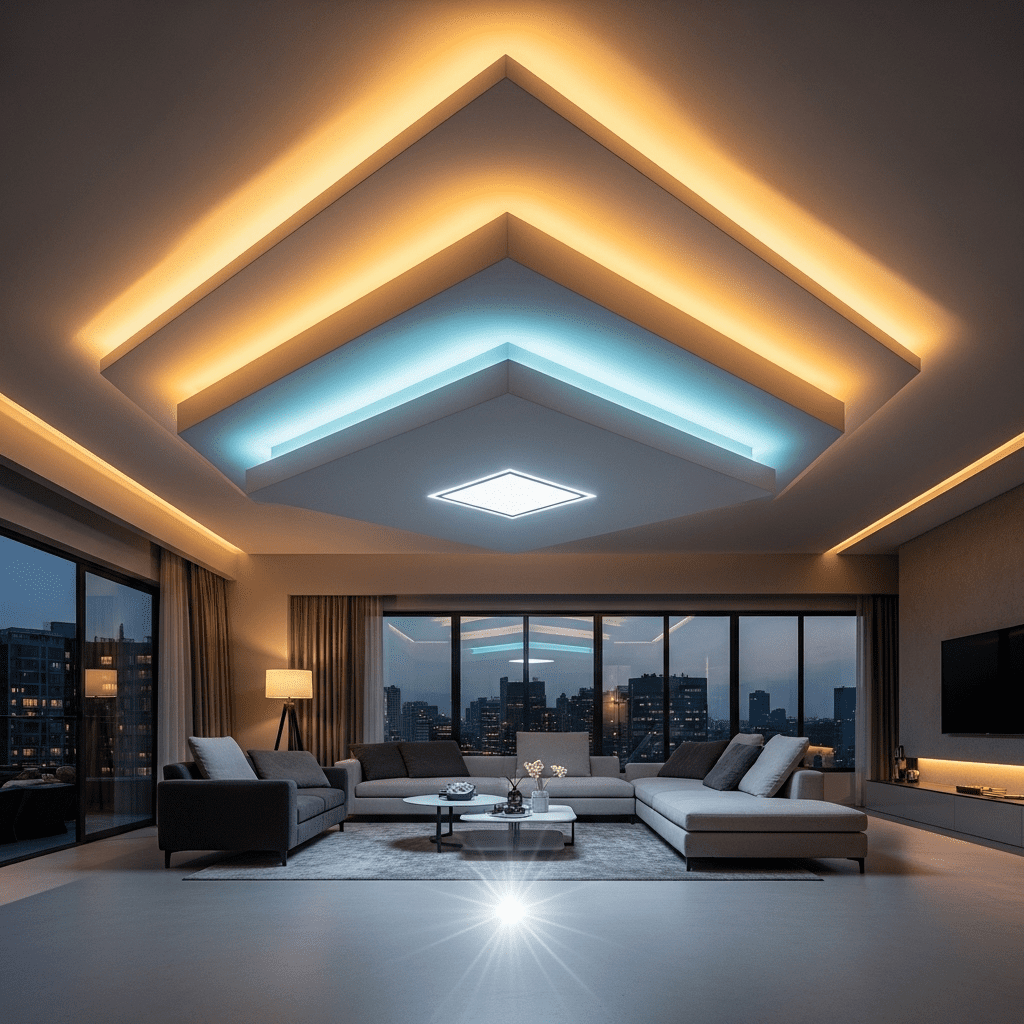
7. Stepped Ceiling Levels
Multiple ceiling levels descending toward center or corners create architectural drama. Each level can incorporate different lighting creating layered illumination effects.
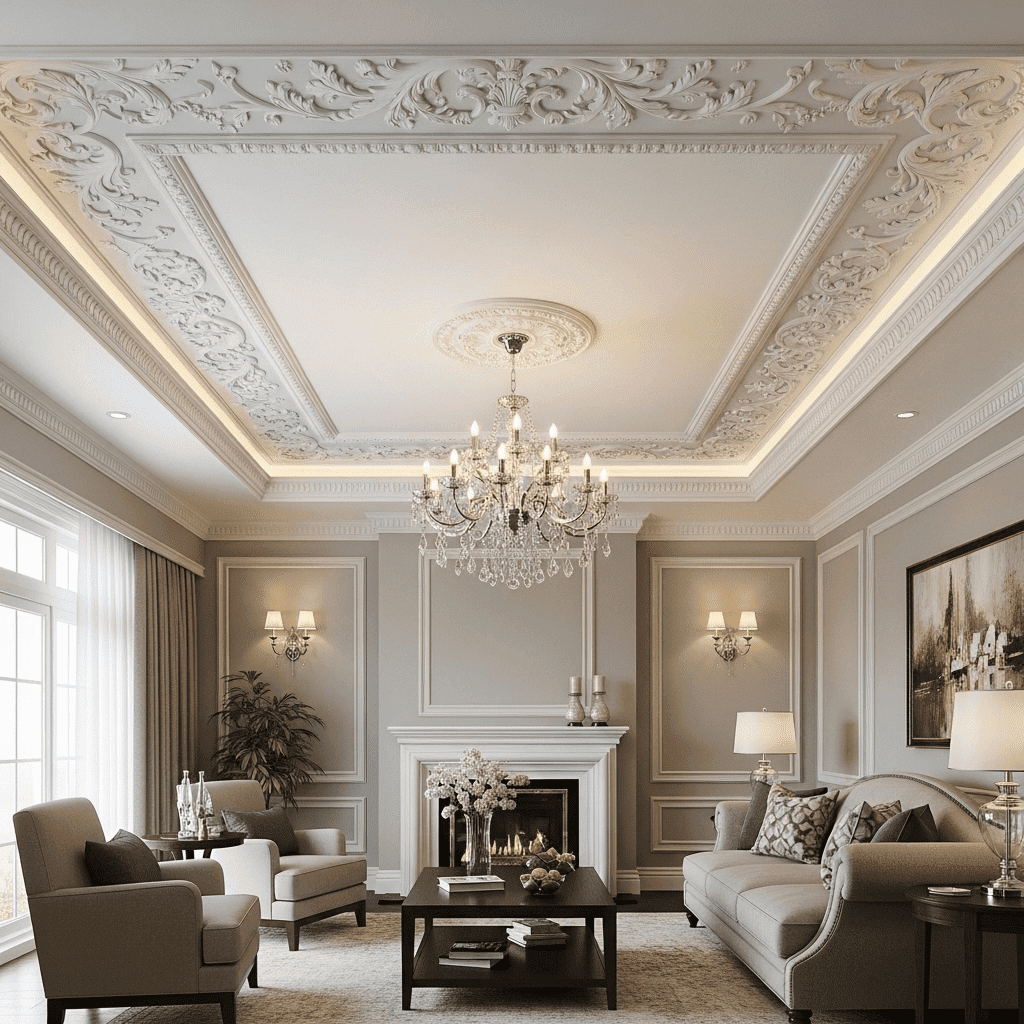
8. Border Design with Central Plain
Ornate POP border running around ceiling perimeter with plain center maintains elegance while feeling less heavy. This balanced approach suits various interior styles.
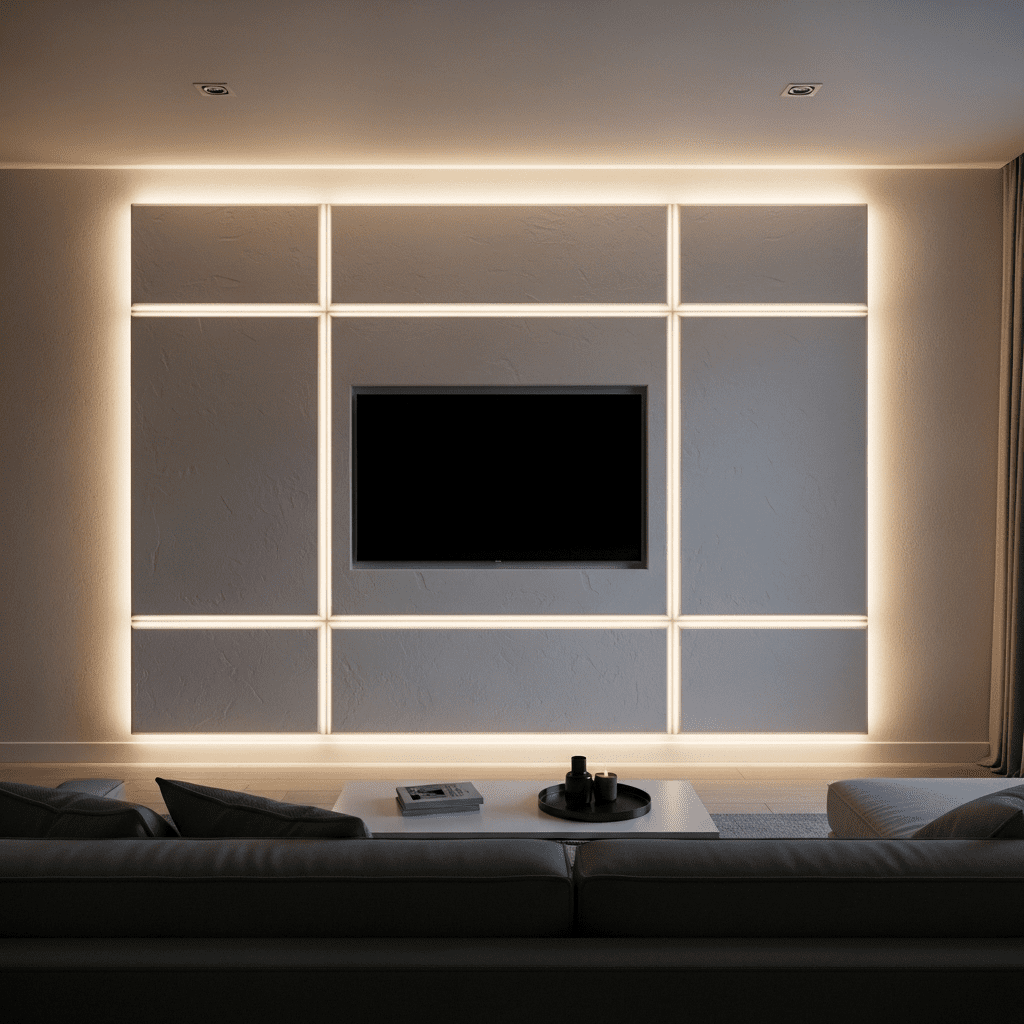
9. Backlit TV Wall Panel
POP framework around TV with integrated backlighting creates glowing feature walls. Hidden LED strips behind POP panels provide ambient illumination and modern aesthetics.
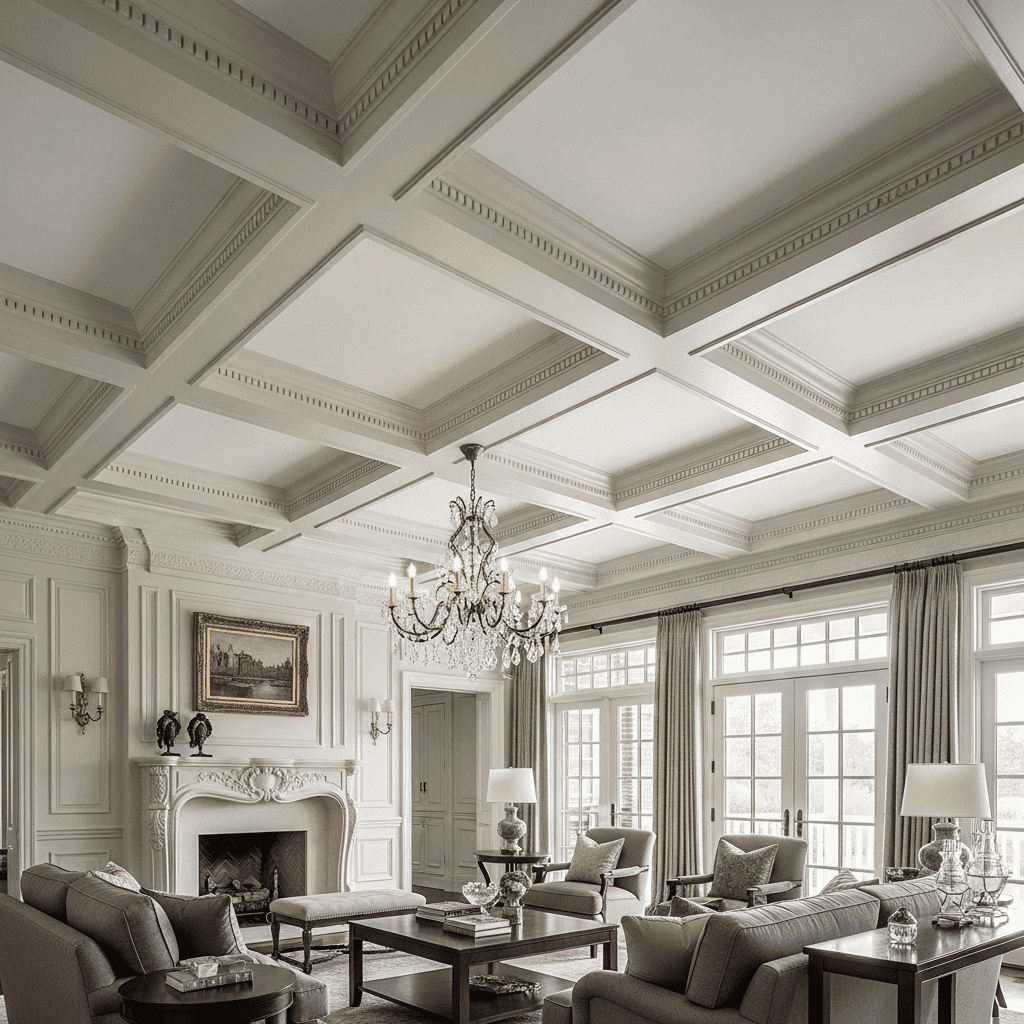
10. Coffered Ceiling Pattern
Traditional coffered ceiling using POP beams creates grid patterns with recessed panels. This classical architectural detail adds elegance and perceived height.
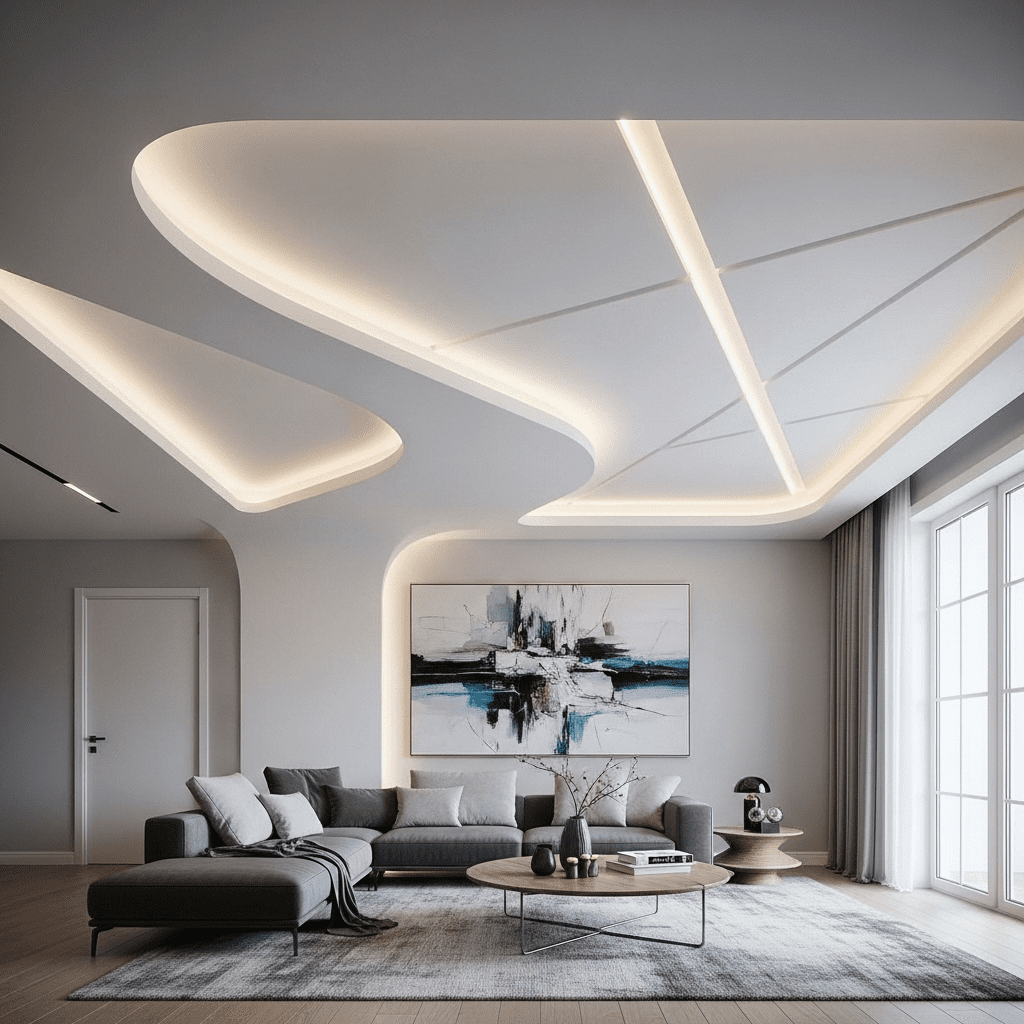
11. Contemporary Curves and Straight Lines Mix
Combining curved organic forms with straight geometric lines creates dynamic contemporary designs. This mixed approach delivers visual interest and modern sophistication.
12. Jaali-Inspired Perforated Panels
POP panels with traditional Indian jaali patterns allow light filtration while adding cultural architectural beauty. These perforated designs create atmospheric lighting effects.

13. Minimalist Linear Channels
Simple parallel lines or channels across ceilings with integrated linear LED lighting create sleek contemporary designs. This minimal approach suits modern minimalist interiors.

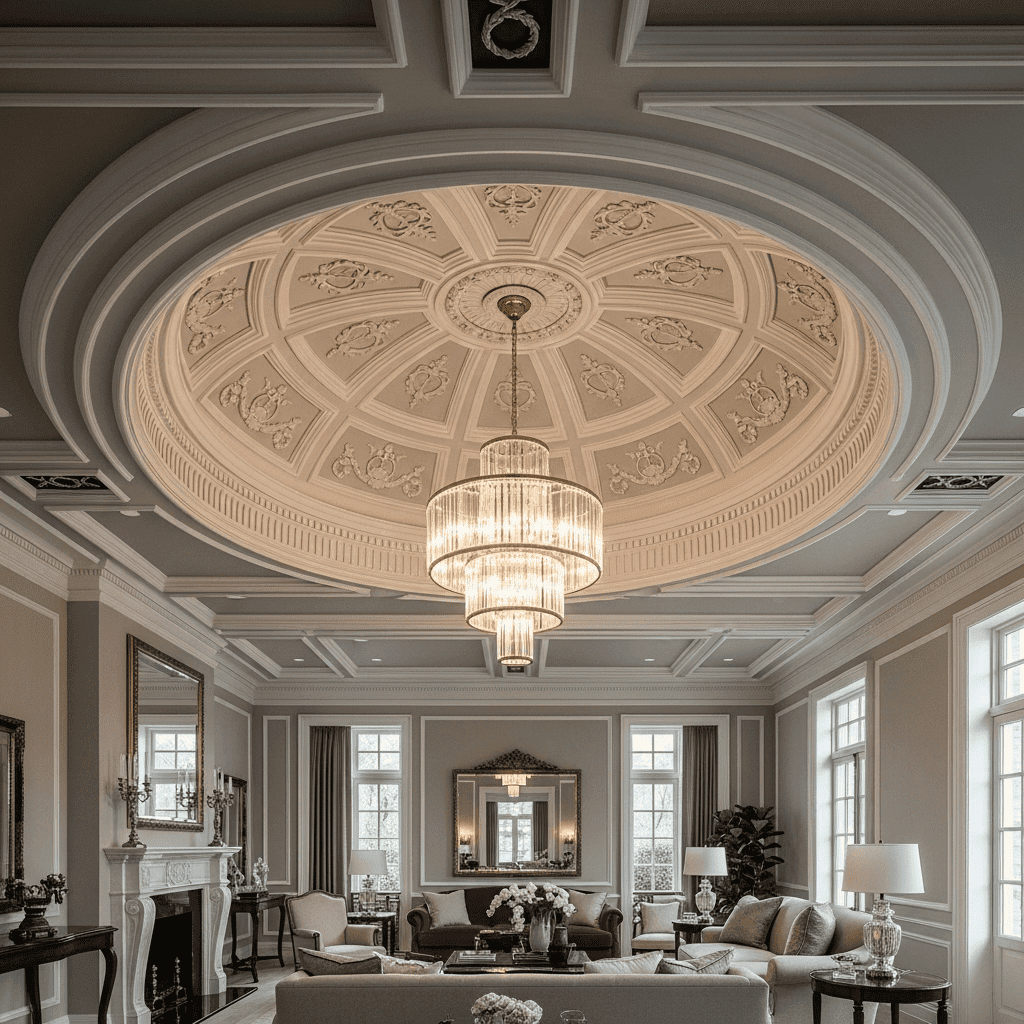
14. Dome or Semi-Dome Feature
Curved dome sections in ceiling corners or centers add classical architectural grandeur. These dimensional features create visual focal points and spatial drama.
15. Layered Rectangular Frames
Concentric rectangular frames descending toward center create perspective depth. This geometric approach emphasizes room proportions while adding contemporary elegance.
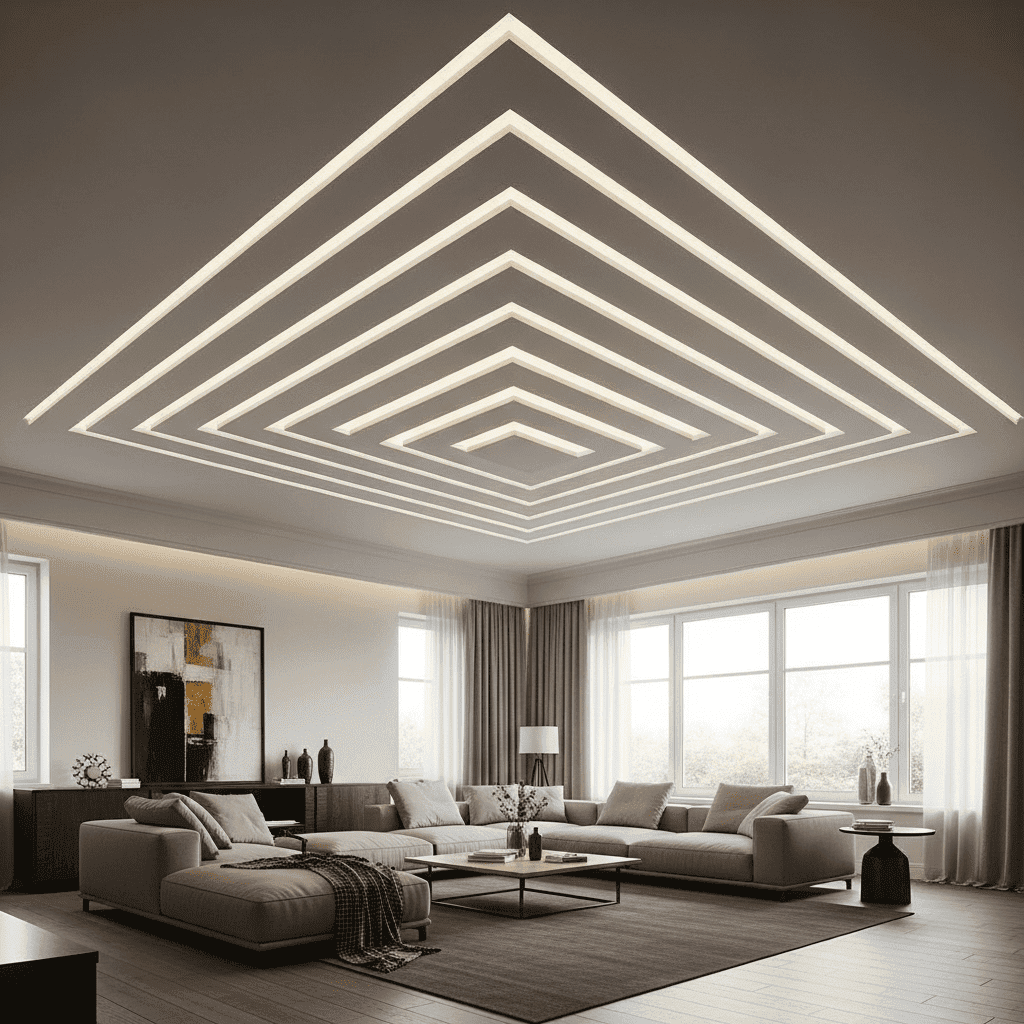
16. Nature-Inspired Organic Forms
Flowing, irregular organic shapes mimicking clouds, leaves, or water create artistic ceiling treatments. These sculptural designs make bold contemporary statements.

17. Combination Ceiling with Exposed Beams
POP false ceiling sections combined with exposed wooden beams create rustic-contemporary fusion. This mixed approach adds warmth while maintaining clean lines.

18. LED Panel Integration Design
POP framework creating geometric sections housing LED panel lights. This modern approach combines architectural detail with efficient contemporary lighting.

Understanding POP (Plaster of Paris)
POP is gypsum-based material offering unique advantages for interior design:
Versatility: Molds into any shape—curves, geometric patterns, intricate details—allowing unlimited design possibilities.
Lightweight: Despite appearing substantial, POP adds minimal structural weight, suitable for most ceiling types.
Fire Resistant: Gypsum provides natural fire resistance, important safety consideration for residential applications.
Acoustic Benefits: POP false ceilings improve room acoustics by reducing echo and sound transmission.
Smooth Finish: Creates perfectly smooth surfaces accepting paint beautifully for flawless final appearance.
Cost-Effective: More affordable than many alternative ceiling treatments while delivering high-end appearance.
Quick Installation: Skilled craftsmen install POP designs relatively quickly compared to alternative materials.
Benefits of POP False Ceilings
Concealment: Hides electrical wiring, plumbing, structural elements, and air conditioning ducts maintaining clean aesthetics.
Lighting Integration: Accommodates recessed lights, cove lighting, and LED strips seamlessly within design.
Thermal Insulation: Adds insulation layer improving temperature regulation and energy efficiency.
Height Adjustment: Lowers perceived ceiling height in tall rooms creating better proportions and coziness.
Aesthetic Enhancement: Transforms plain ceilings into architectural features adding sophistication and value.
Room Definition: Helps define different zones in open-plan spaces through varied ceiling treatments.
Design Considerations
Room Proportions: Choose designs appropriate to room size—elaborate patterns suit large spaces; simple designs work better in compact rooms.
Ceiling Height: False ceilings reduce height by 6-12 inches; ensure adequate remaining height (minimum 9 feet recommended).
Existing Architecture: Coordinate POP designs with architectural features, moldings, and overall interior style.
Lighting Plans: Plan electrical and lighting layouts before POP installation; changes afterward prove difficult and costly.
Weight Distribution: Ensure proper support for chandeliers or heavy fixtures; reinforce POP at mounting points.
Maintenance Access: Include removable panels for accessing concealed plumbing, electrical, or HVAC systems.
Popular POP Design Styles
Traditional Classical: Ornate moldings, medallions, cornices, and floral details reflecting classical European architecture.
Contemporary Geometric: Clean lines, geometric patterns, minimal ornamentation suiting modern minimalist aesthetics.
Indian Fusion: Incorporating jaali patterns, traditional motifs, and cultural elements with contemporary forms.
Minimalist Linear: Simple straight lines, recessed channels, and geometric simplicity for understated elegance.
Organic Modern: Flowing curves, irregular shapes, and nature-inspired forms creating sculptural ceilings.
Luxury Ornate: Elaborate detailing, multiple levels, extensive molding for high-end, luxurious appearances.
Lighting Integration with POP
Cove Lighting: Concealed LED strips in recesses creating indirect ambient glow around ceiling perimeters.
Recessed Spotlights: Downlights installed flush within POP providing focused task and accent lighting.
LED Strips: Linear LED lighting integrated within channels or borders emphasizing architectural details.
Chandelier Accommodation: Reinforced central medallions providing structural support and decorative framing for hanging fixtures.
Backlit Panels: LED panels behind translucent or perforated POP creating glowing features.
Color-Changing LEDs: RGB LED systems allowing mood lighting and color customization within POP designs.
POP Wall Designs
Beyond ceilings, POP enhances walls:
TV Unit Backdrop: Dimensional POP panels framing televisions with integrated lighting creating feature walls.
3D Textured Panels: Geometric or organic patterns adding depth and shadow play to accent walls.
Arches and Niches: Creating architectural details, display alcoves, and traditional archways.
Cornices and Moldings: Crown molding, chair rails, and baseboards adding classical elegance.
Column Cladding: Decorative POP covering structural columns with ornate or fluted details.
Partition Walls: Decorative screens and perforated panels serving as functional yet beautiful room dividers.
Color and Finish Options
Classic White: Timeless, versatile, reflects maximum light, suits all interior styles.
Painted Colors: Any paint color matches overall color schemes; colored ceilings create dramatic effects.
Textured Finishes: Stippling, sponging, or other techniques adding subtle visual interest.
Metallic Accents: Gold, silver, or bronze highlighting within details creating luxury touches.
Faux Finishes: Techniques mimicking marble, wood, or stone adding richness without material cost.
Combination Finishes: Different finishes on various levels or sections creating dimensional interest.
Installation Process
Planning Phase: Finalize design, measurements, electrical layouts, and material requirements with contractors.
Framework Creation: Metal or wooden framework installed establishing basic structure and levels.
POP Application: Gypsum plaster mixed and applied over framework, shaped according to design.
Detailing Work: Intricate patterns, moldings, and decorative elements hand-crafted or molded.
Drying Period: Adequate drying time (several days) essential before finishing work begins.
Finishing: Sanding smooth, priming, and painting completing the installation.
Lighting Installation: Electrical fixtures installed, lights tested, final adjustments made.
Maintenance Requirements
Regular Cleaning: Dust accumulation addressed through gentle vacuuming or soft cloth wiping.
Paint Touch-Ups: Periodic repainting maintains fresh appearance, addressing any stains or discoloration.
Crack Monitoring: Inspect for hairline cracks potentially indicating structural settling; address promptly.
Water Damage Prevention: POP damaged by water exposure; address leaks immediately, prevent moisture accumulation.
Light Fixture Maintenance: Replace bulbs, clean fixtures, ensure proper functioning regularly.
Professional Inspection: Periodic professional assessment checking structural integrity, especially around heavy fixtures.
Cost Considerations
Basic Designs: Simple tray ceilings or border designs ₹60-120 per square foot.
Medium Complexity: Geometric patterns, multiple levels ₹120-200 per square foot.
Elaborate Designs: Intricate detailing, extensive molding, 3D elements ₹200-400+ per square foot.
Factors Affecting Cost:
- Design complexity and detailing level
- Ceiling height and room size
- Quality of materials and finish
- Lighting integration requirements
- Labor expertise and location
- Additional features (medallions, cornices)
Common Mistakes to Avoid
Inadequate Planning: Finalizing electrical layouts after POP installation creates costly modifications.
Proportion Mismatch: Overly elaborate designs in small rooms or too-simple patterns in large spaces.
Poor Quality Materials: Cheap POP degrades quickly; invest in quality materials for longevity.
Insufficient Support: Heavy chandeliers require proper reinforcement; inadequate support causes failures.
Neglecting Maintenance Access: No removable panels complicates future repairs or modifications.
Rushing Drying: Painting before complete drying causes cracking, peeling, and finish failures.
Ignoring Room Style: POP design conflicting with overall interior style creates aesthetic discord.
Trends in Modern POP Design
Minimalist Approach: Simpler, cleaner designs with minimal ornamentation gaining popularity.
Geometric Precision: Sharp, precise geometric patterns creating contemporary sophistication.
LED Integration: Increased focus on lighting integration as design element itself.
Nature-Inspired Organic: Flowing, irregular forms mimicking natural elements trending upward.
Mixed Materials: Combining POP with wood, metal, or glass creating dynamic visual interest.
Smart Lighting: Integration with smart home systems allowing programmable, app-controlled lighting.
POP vs. Alternative Materials
POP vs. Gypsum Board: POP more versatile for curves and details; gypsum board faster installation.
POP vs. Wood: POP more affordable, fire-resistant; wood adds warmth, requires more maintenance.
POP vs. Metal: POP offers intricate detailing; metal provides industrial aesthetics, different aesthetic entirely.
POP vs. PVC: POP more elegant, paintable; PVC water-resistant, less sophisticated appearance.
POP vs. Exposed Concrete: POP adds elegance; exposed concrete suits industrial minimalist aesthetics.
Regional and Cultural Variations
North Indian Preference: Elaborate designs, ornate detailing, traditional motifs reflecting cultural richness.
South Indian Style: Often simpler, incorporating temple-inspired elements and traditional patterns.
Modern Metro Aesthetic: Urban apartments favor minimalist geometric designs over ornate traditional patterns.
Luxury Homes: Extensive, elaborate POP work with intricate detailing signifying prestige and luxury.
Budget-Conscious Approach: Simple border designs or single-level false ceilings maintaining elegance affordably.
Selecting the Right POP Design
Assess Space: Measure ceiling height, room dimensions, architectural features before selecting designs.
Define Style: Ensure POP design aligns with overall interior aesthetic—modern, traditional, fusion.
Consider Lighting: Plan lighting requirements; choose designs accommodating desired fixtures and effects.
Budget Realistically: Understand cost implications of complexity; balance desires with financial realities.
Future Flexibility: Consider designs allowing future modifications, color changes, or lighting updates.
Professional Consultation: Engage experienced POP contractors; their expertise prevents costly mistakes.
Environmental Considerations
Material Sourcing: Gypsum mining has environmental impacts; sourcing from responsible suppliers matters.
Disposal: POP waste requires proper disposal; cannot simply discard; check local regulations.
Energy Efficiency: False ceilings improve insulation, reducing heating/cooling energy consumption.
VOC Concerns: Use low-VOC paints and sealants minimizing indoor air quality impacts.
Longevity: Durable POP installations lasting decades prove more sustainable than frequently replaced alternatives.
The Future of POP Design
3D Printing Integration: Emerging technologies allowing complex POP forms previously impossible to create.
Smart Material Development: Research into gypsum formulations offering improved properties.
Sustainable Practices: Increasing focus on eco-friendly gypsum sourcing and recycling.
Digital Design Tools: Software enabling precise visualization before installation reducing errors.
Hybrid Materials: Combining POP with other materials creating new aesthetic and functional possibilities.
POP designs for living room offer unlimited creative possibilities for transforming ordinary spaces into architectural showcases. Whether you prefer simple elegance, contemporary geometry, or elaborate traditional detailing, Plaster of Paris provides the versatility to realize your vision while delivering practical benefits like lighting integration, acoustic improvement, and infrastructure concealment. The key to successful POP design lies in balancing aesthetic ambitions with room proportions, maintaining harmony with overall interior style, and working with skilled craftsmen who can execute designs with precision and artistry. When thoughtfully planned and expertly installed, POP ceilings and walls become defining features that elevate living rooms from functional spaces to sophisticated environments reflecting personal taste and architectural appreciation.


