Living room designs with plants are the centerpiece of the “biophilic” movement, which focuses on our innate need to connect with nature. Beyond just looking beautiful, plants act as natural air purifiers, sound dampeners, and stress reducers. Whether you have a bright “urban jungle” or a low-light minimalist space, these 21 inspirations show how to integrate greenery as a living architectural element.
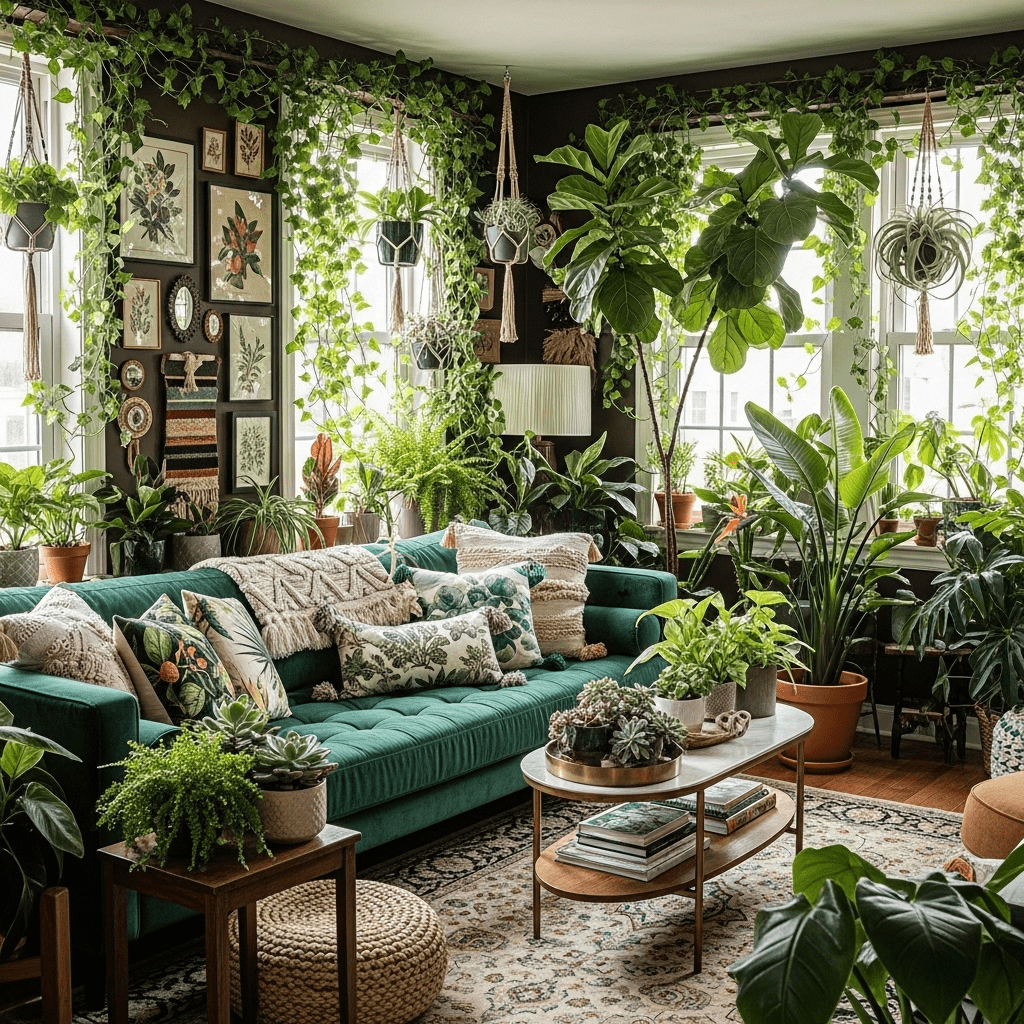
A room overflowing with life, where every available surface is covered in greenery. It uses various heights—from floor pots to ceiling hooks—to create a fully immersive botanical experience.
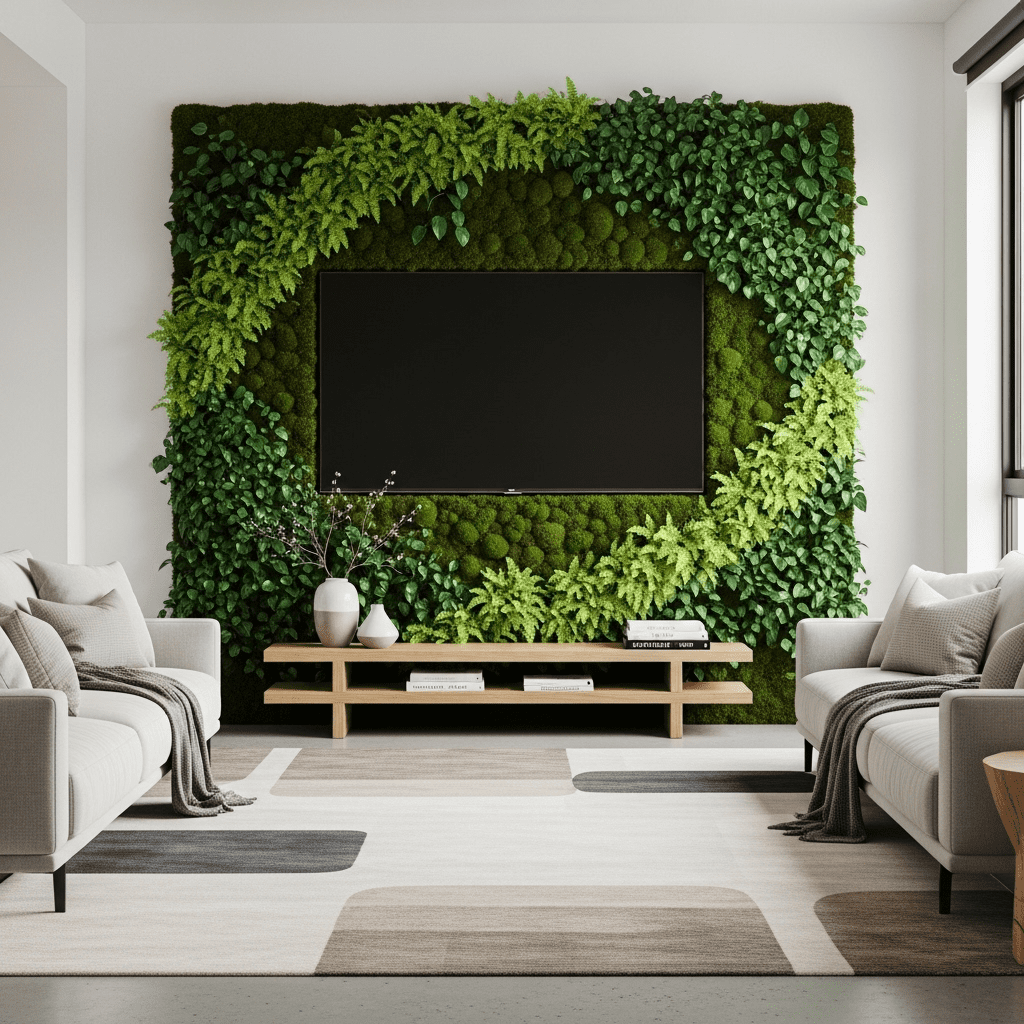
Integrating a vertical garden or “moss wall” directly around the TV or fireplace. This turns the entertainment hub into a lush, organic focal point.
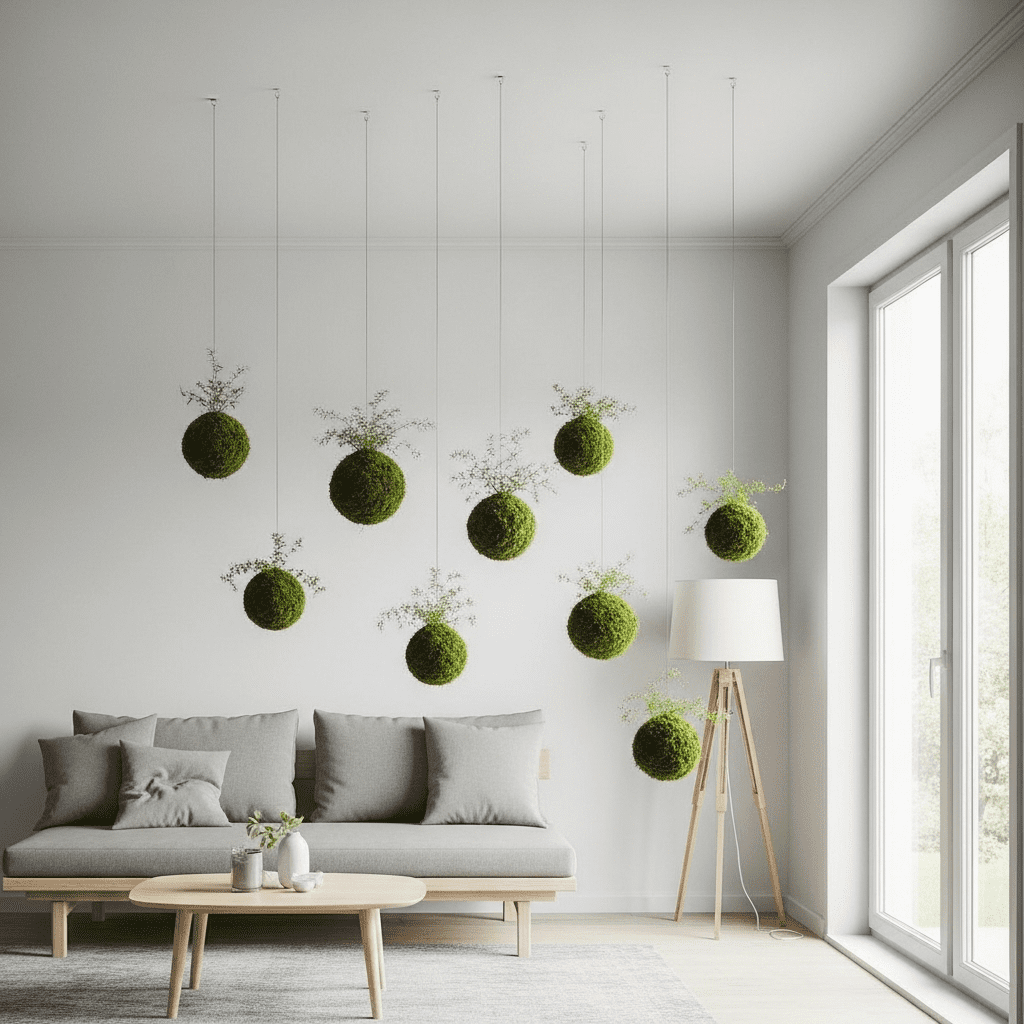
3. Hanging Kokedama Canopy
Japanese “moss balls” (kokedama) suspended at different levels from the ceiling. This creates a floating garden that doesn’t take up any floor space.
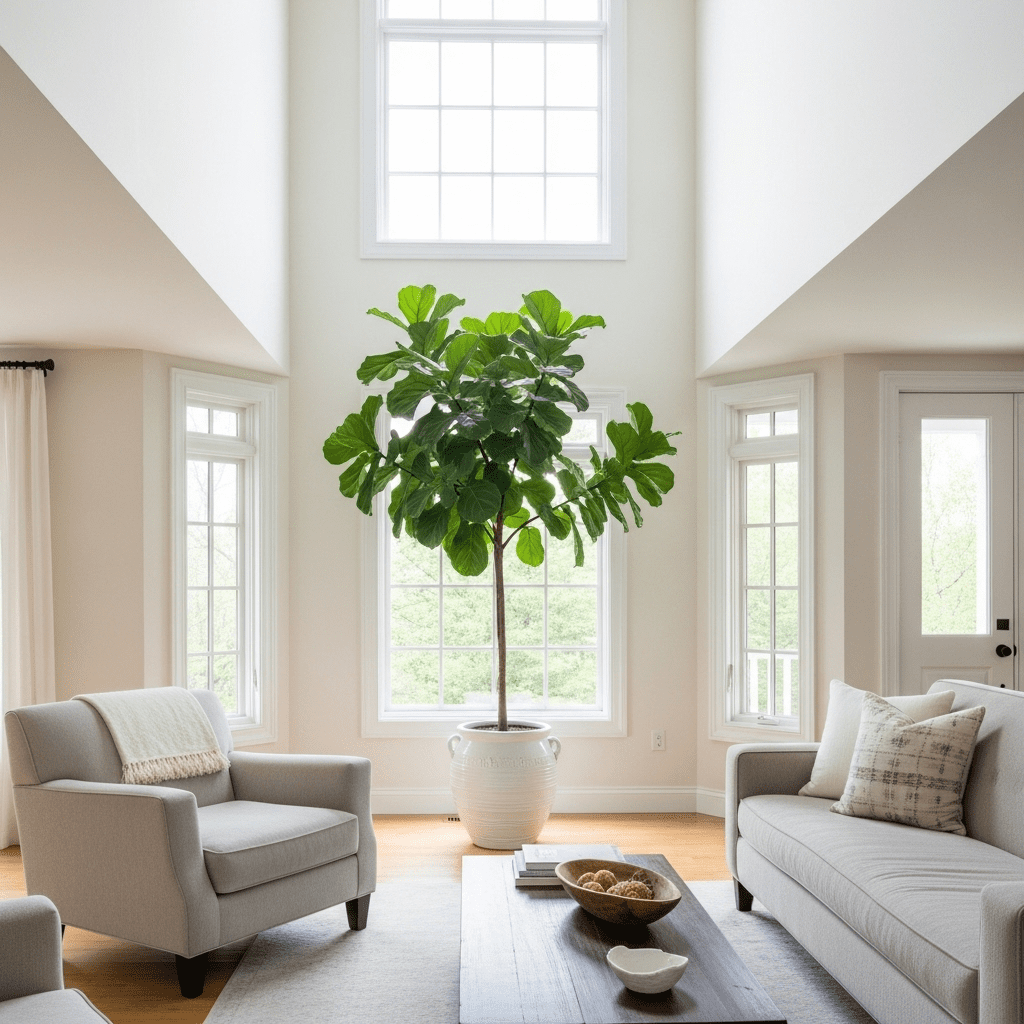
4. Statement Fiddle Leaf Fig Corner
Using one massive, architectural tree—like a Fiddle Leaf Fig or a Bird of Paradise—to anchor a corner and add dramatic height.
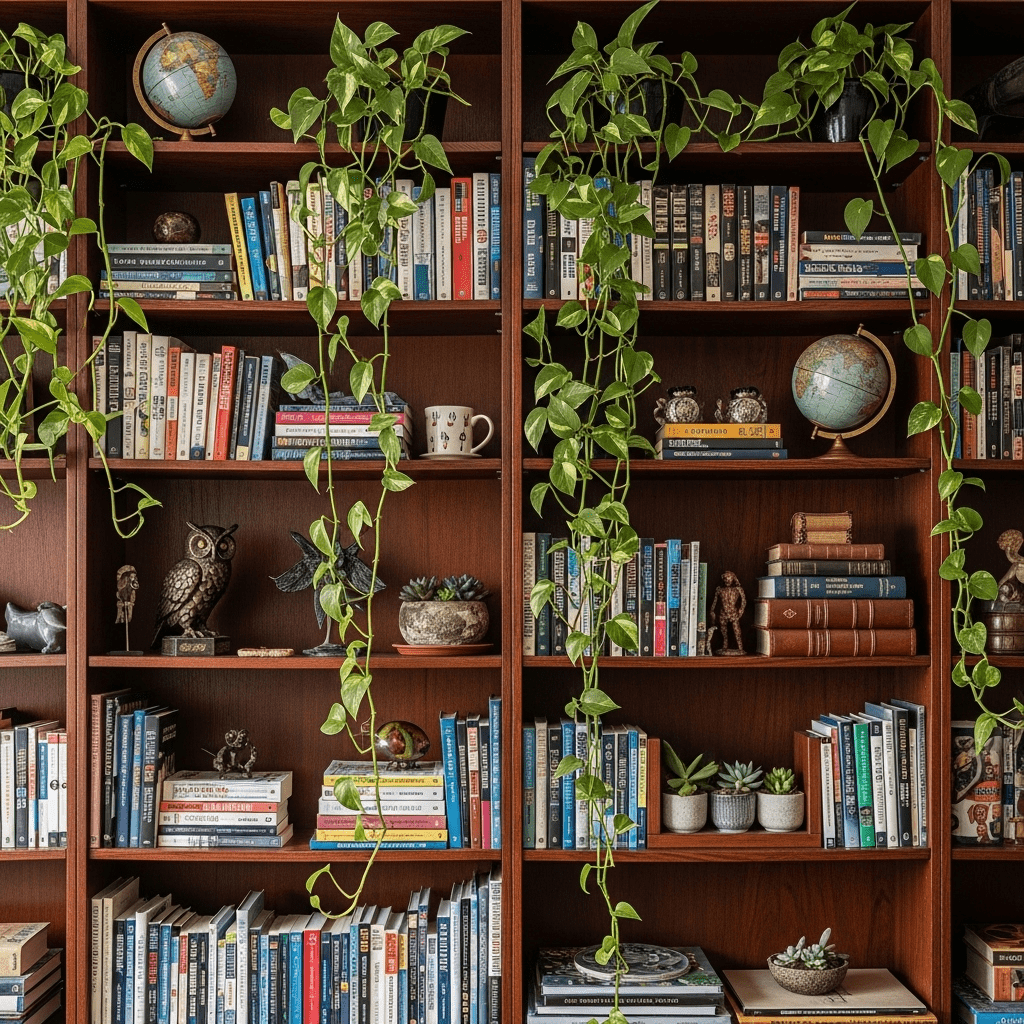
5. Shelf-Integrated Trailing Vines
Placing “string of pearls” or pothos on high bookshelves so the vines can spill down like a green waterfall over your books and decor.
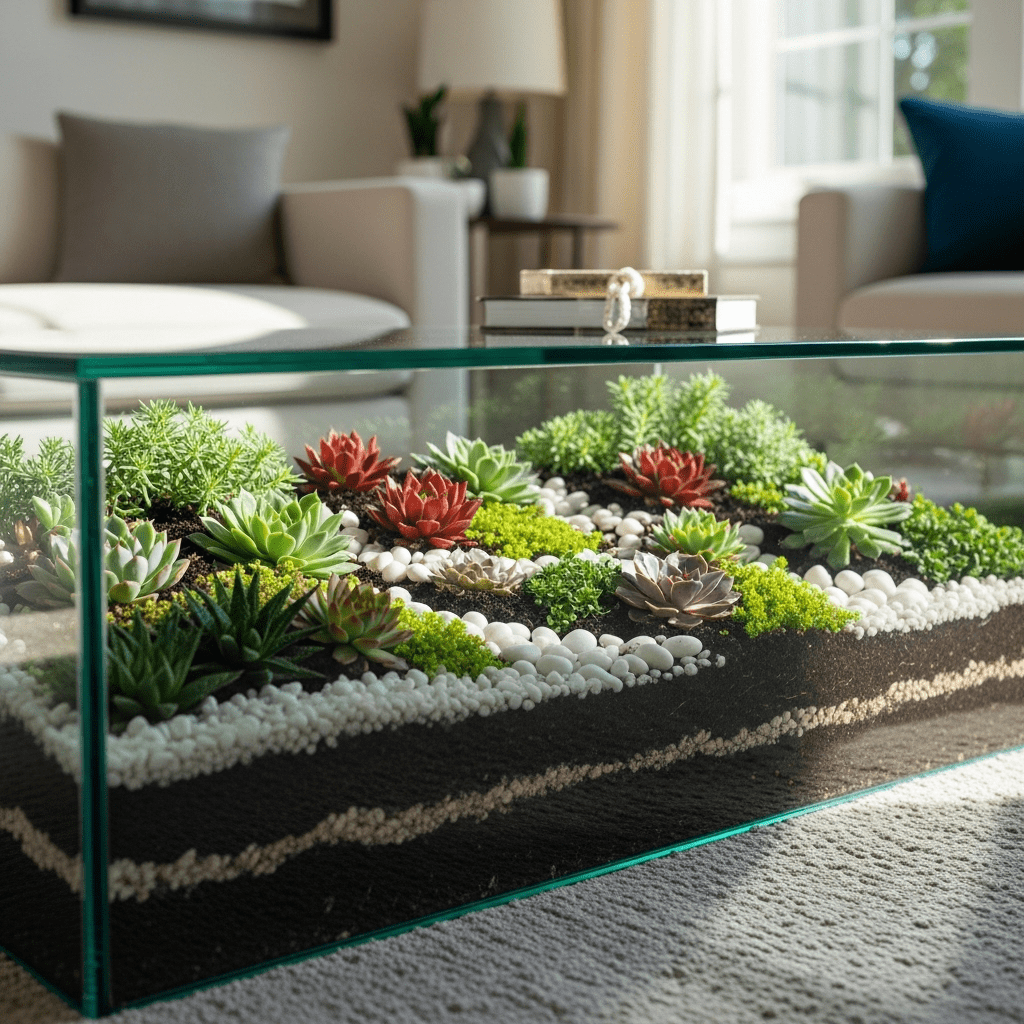
6. The Glass Terrarium Coffee Table
A custom coffee table with a glass top and a hollow base that houses a miniature desert or tropical ecosystem inside.
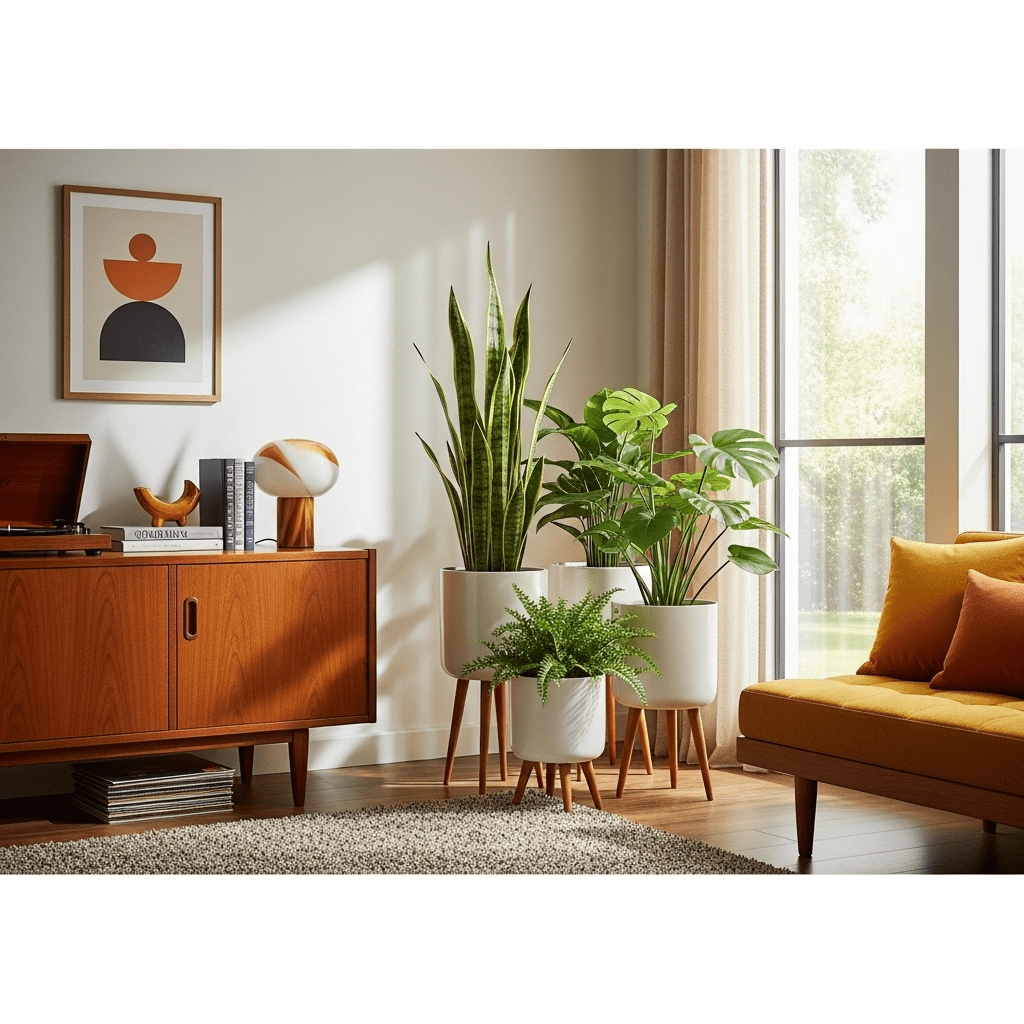
7. Mid-Century Modern Planter Trio
Grouping three plants of different heights in iconic tapered-leg ceramic planters to complement retro-modern furniture.
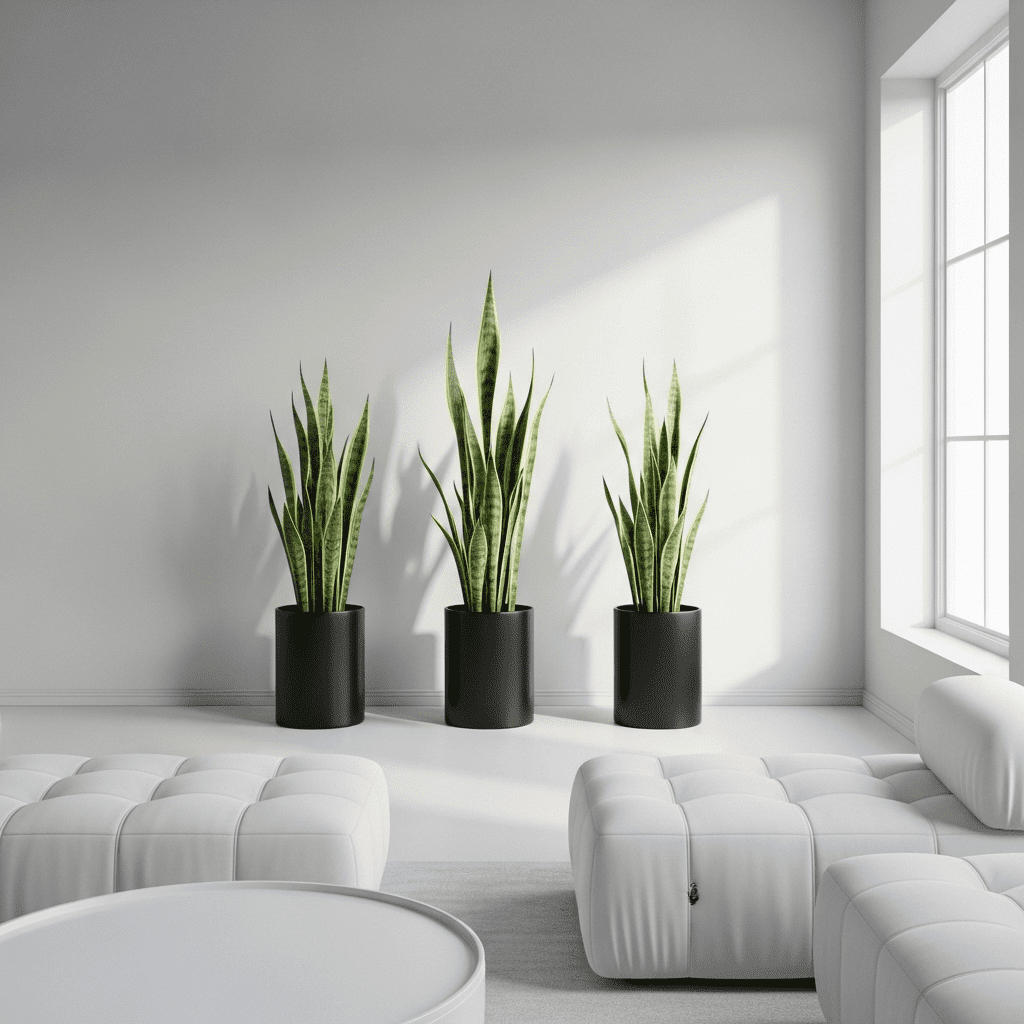
8. The “Snake Plant” Minimalist
Using the sharp, vertical lines of Snake Plants (Sansevieria) in sleek black or white pots for a clean, architectural look that requires almost no maintenance.
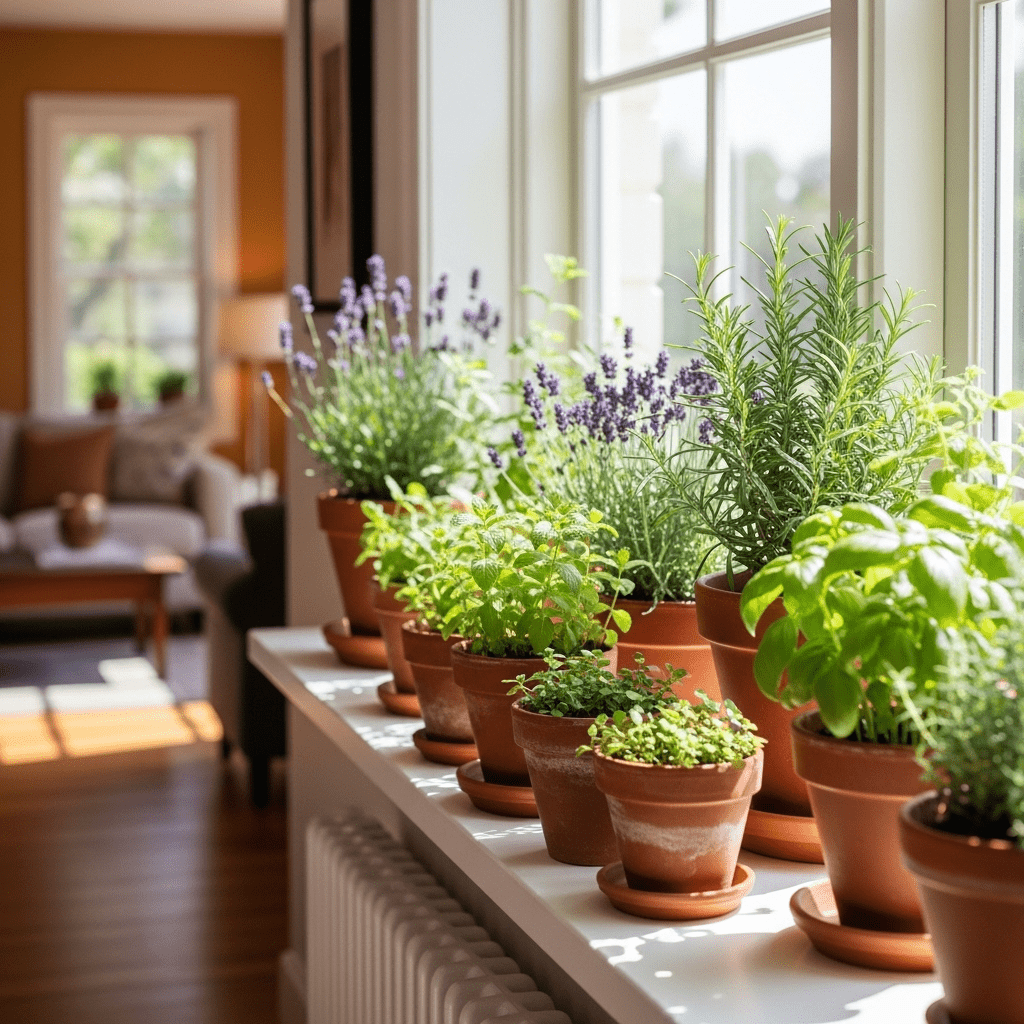
9. Window Sill Herb Garden
A functional and aesthetic choice where the living room window is lined with small pots of lavender, mint, and rosemary for a natural fragrance.
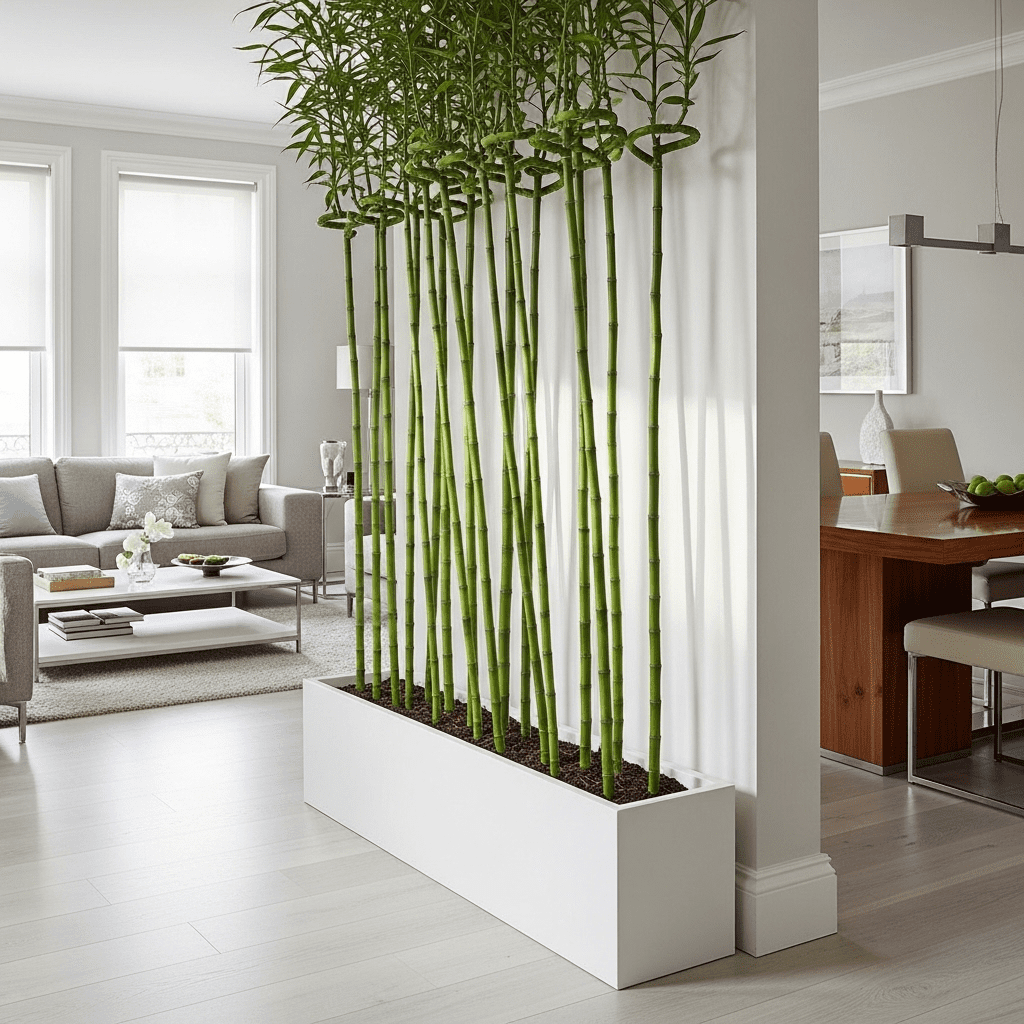
10. The Indoor Bamboo Screen
Using tall, slender bamboo stalks in a long, rectangular planter to act as a semi-transparent room divider between the lounge and dining area.
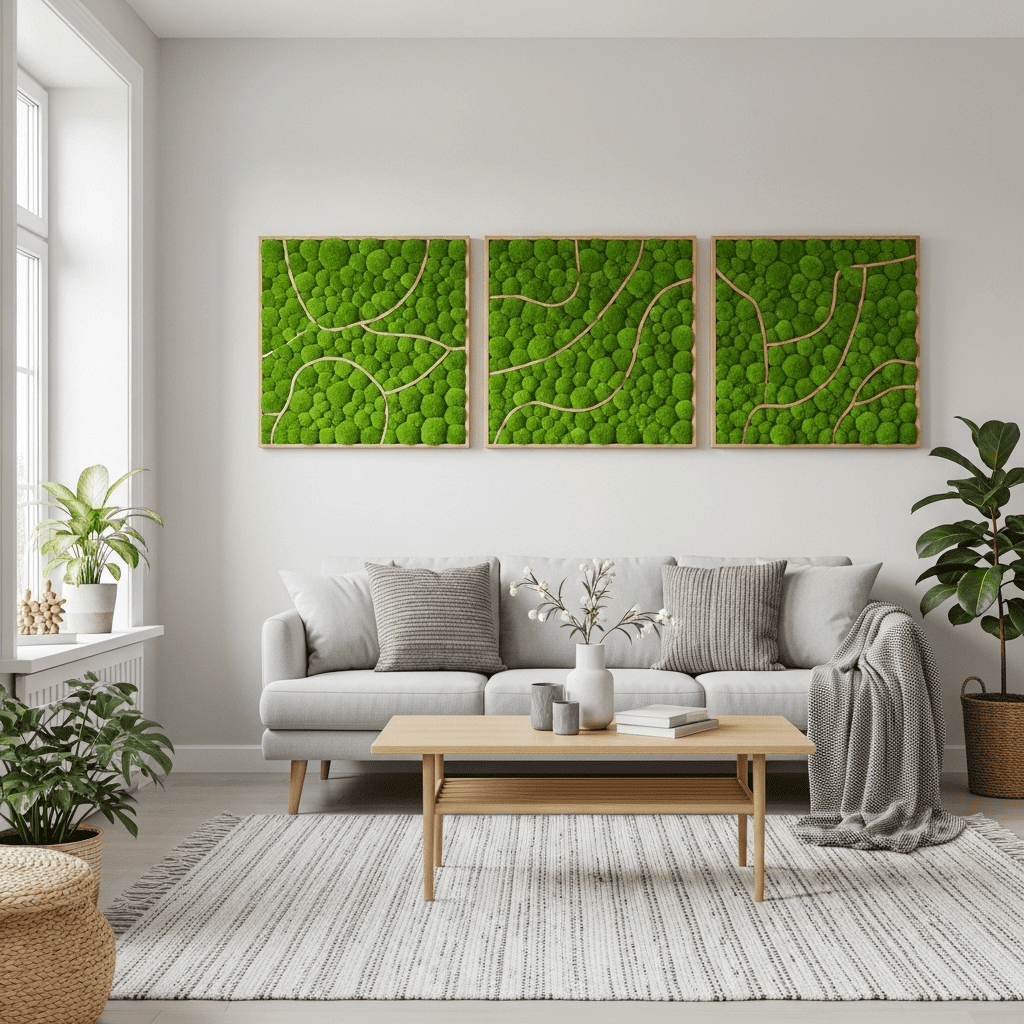
11. Scandi-Style Moss Frames
Framing preserved reindeer moss in wooden shadow boxes and hanging them as a “living” gallery wall that stays green without needing water.
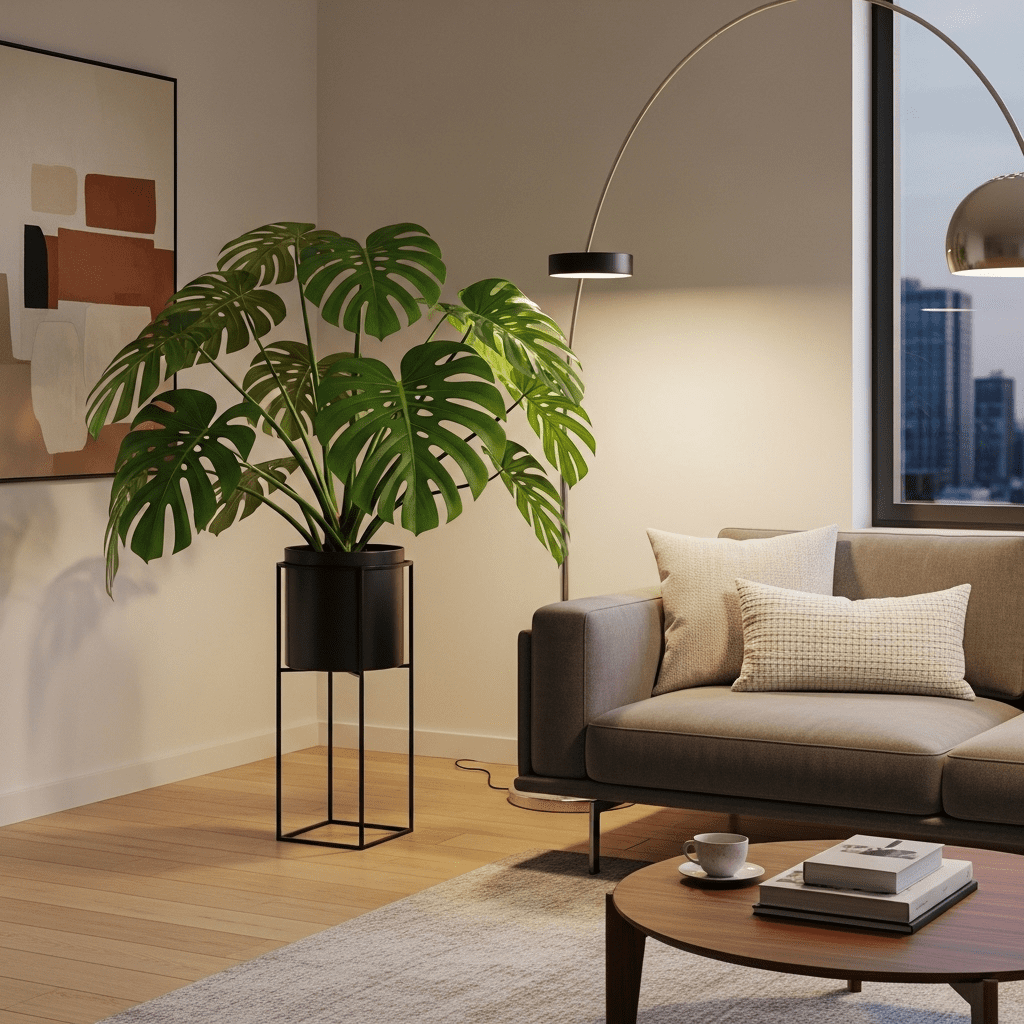
12. Monstera “Deliciosa” Statement
Centering the room around the iconic Swiss Cheese Plant. Its massive, hole-filled leaves add an instant tropical-luxe vibe to any space.
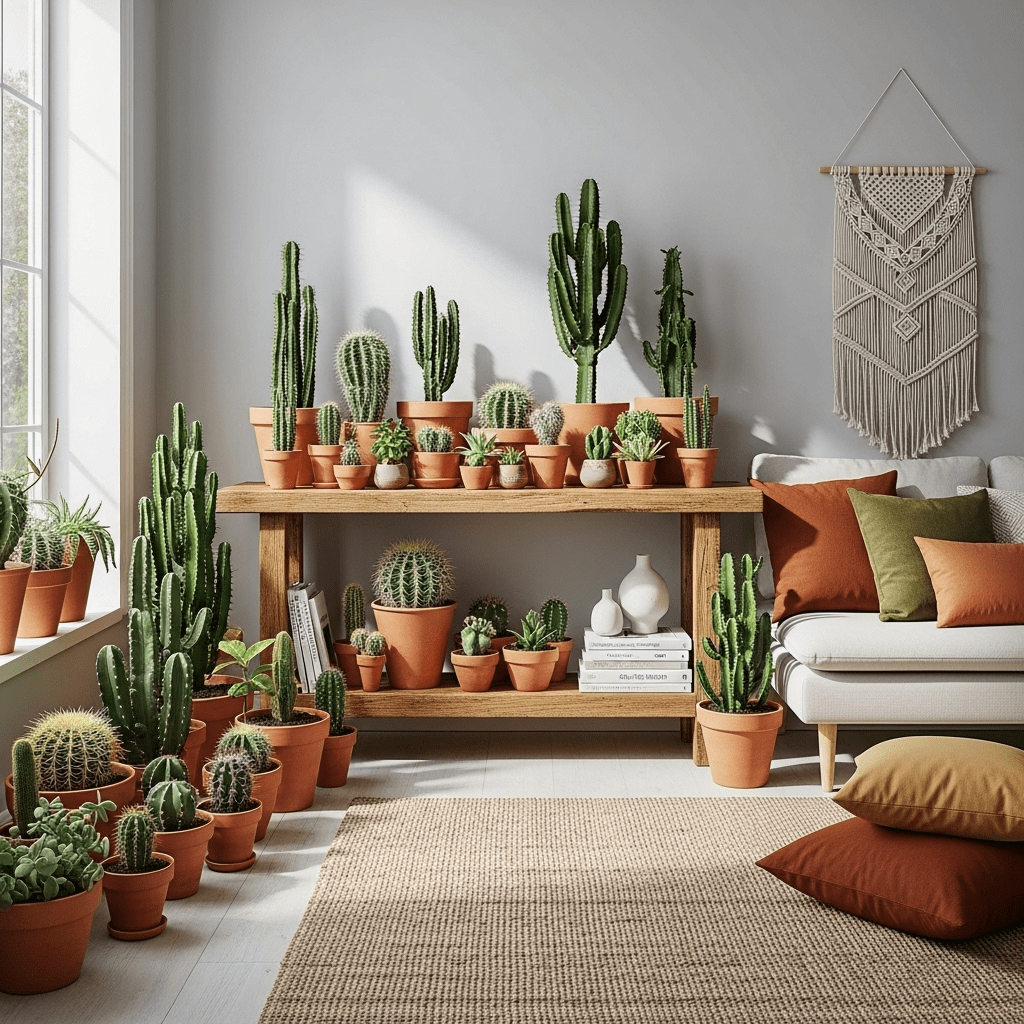
13. The Cactus & Succulent Desert Lounge
A low-humidity design featuring terra cotta pots filled with various cacti and succulents on a sun-drenched console table.
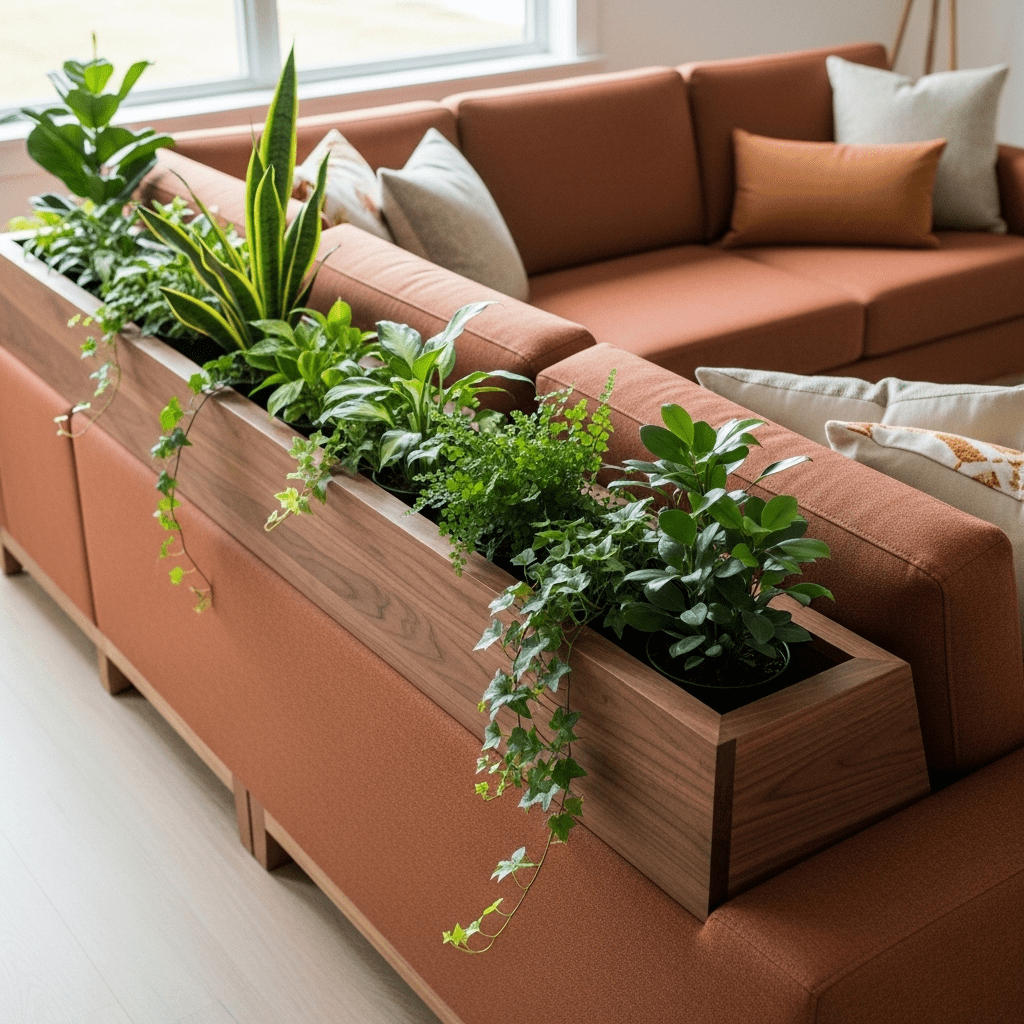
14. Integrated Sofa Troughs
Custom furniture where the back or side of the sofa features a built-in wooden trough for plants, literally surrounding you with greenery while you sit.
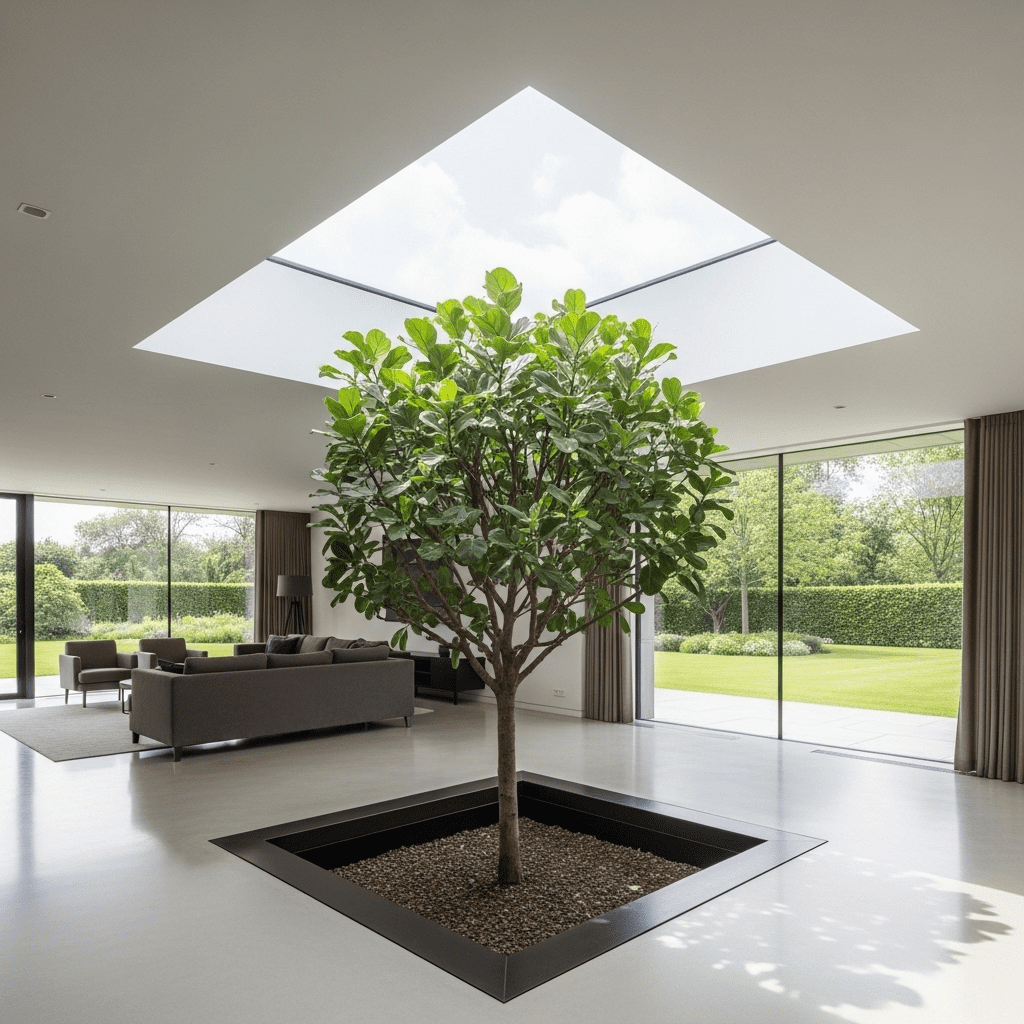
15. The “Tree-in-the-Floor” Concept
A high-end architectural choice where a small section of the floor is removed to plant a small tree directly into the ground, often under a skylight.
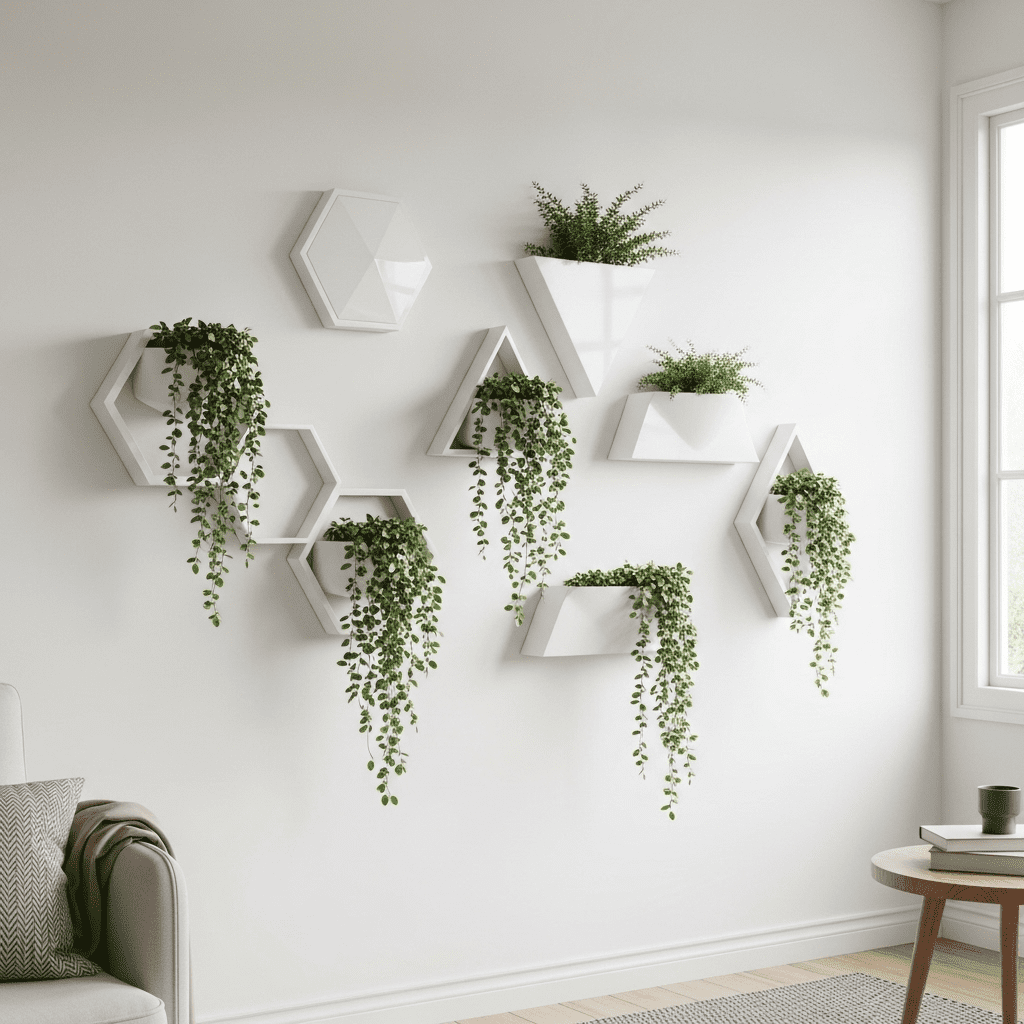
16. Floating Wall-Mounted Planters
Using geometric wall-mounted “pockets” to grow small plants upward, turning a blank wall into a 3D botanical installation.
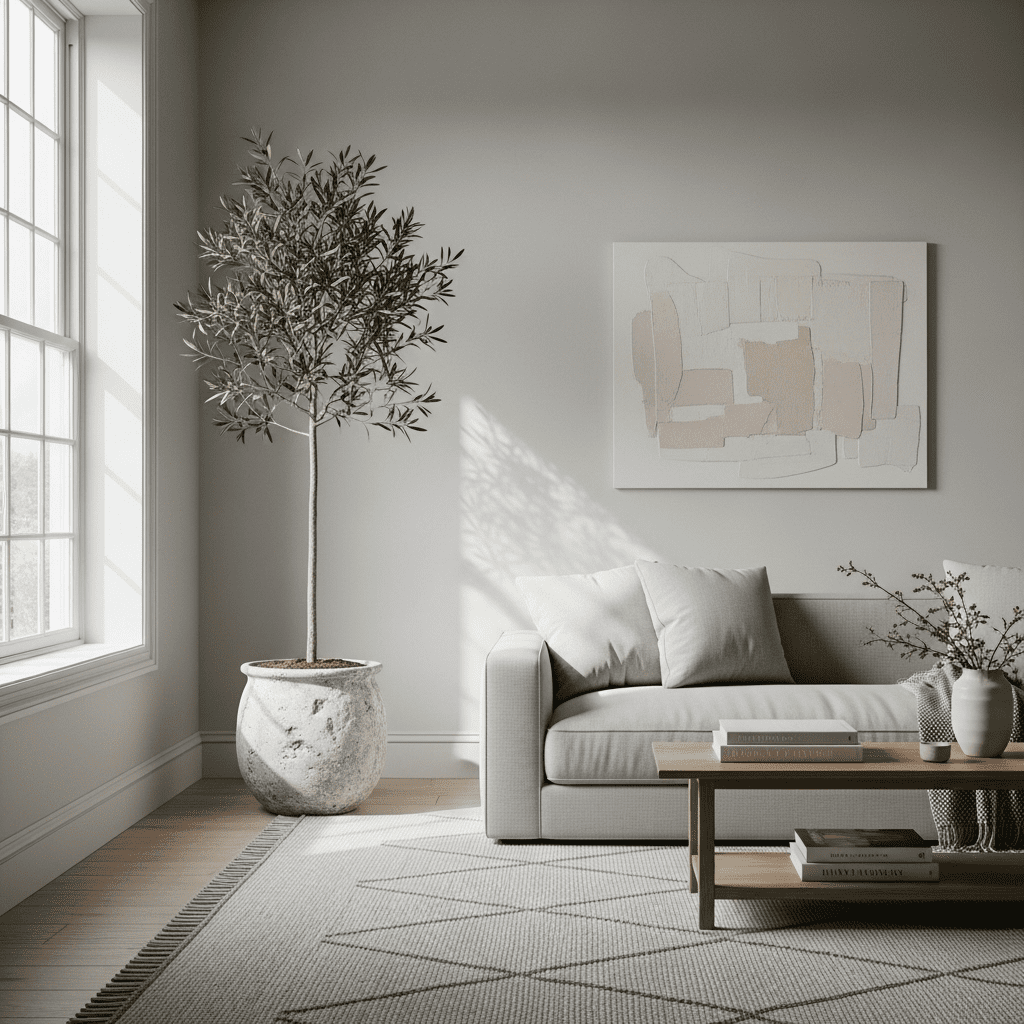
17. The Eucalyptus Zen Retreat
Focusing on silver-green foliage like Eucalyptus and Olive trees, paired with a soft gray and white palette for a calming, Mediterranean feel.
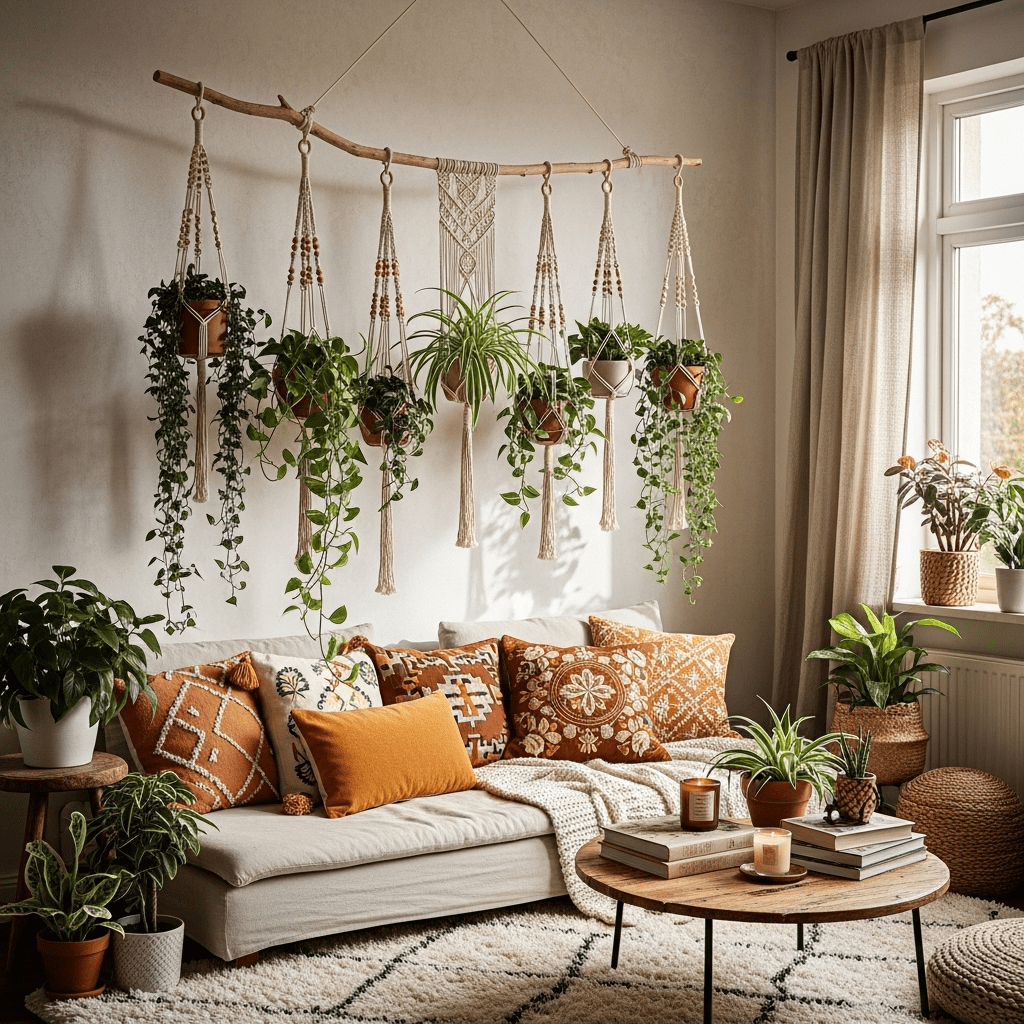
18. Hanging Macramé Boho Vibe
A classic 70s revival featuring hand-woven rope hangers for spider plants and ferns, adding a tactile, cozy texture to the room.
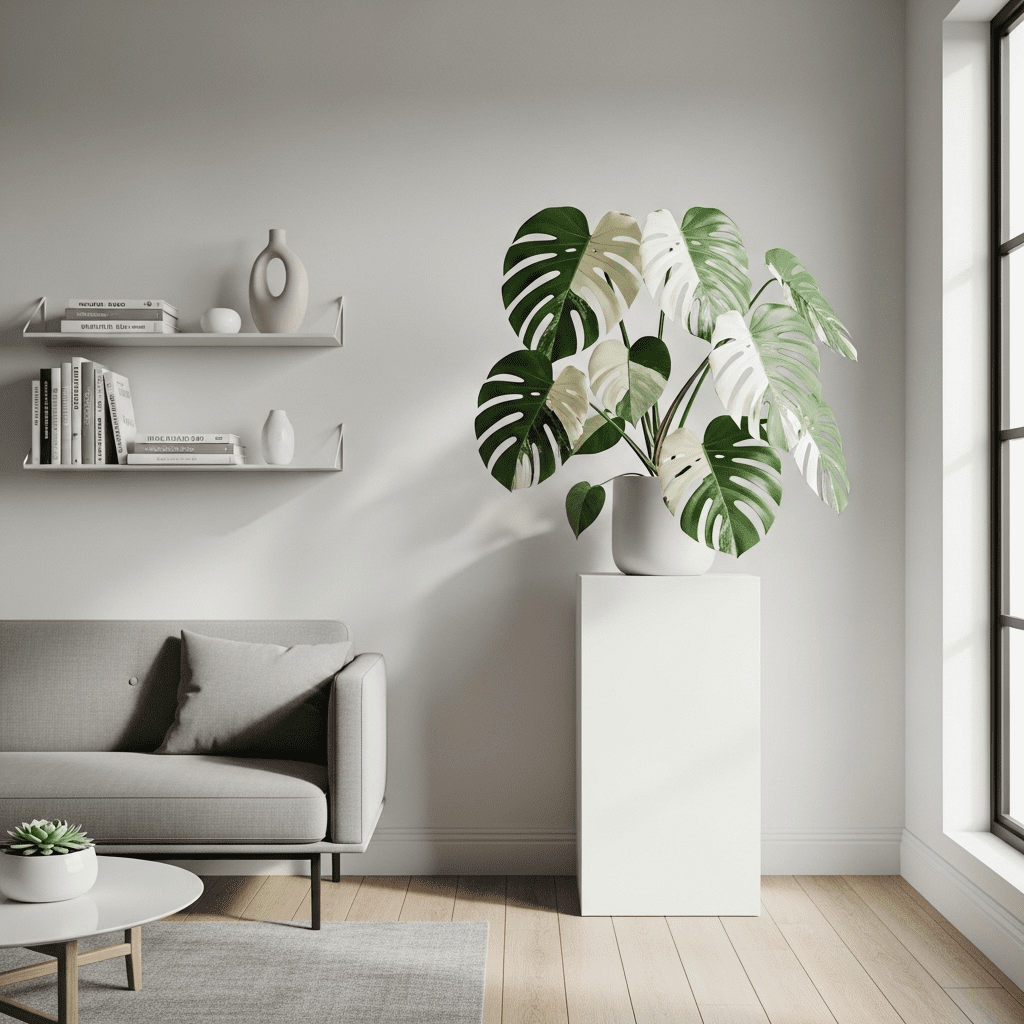
19. The “Plant-as-Art” Pedestal
Placing a single, rare, or uniquely shaped plant on a museum-style pedestal to treat it as a high-value piece of sculpture.
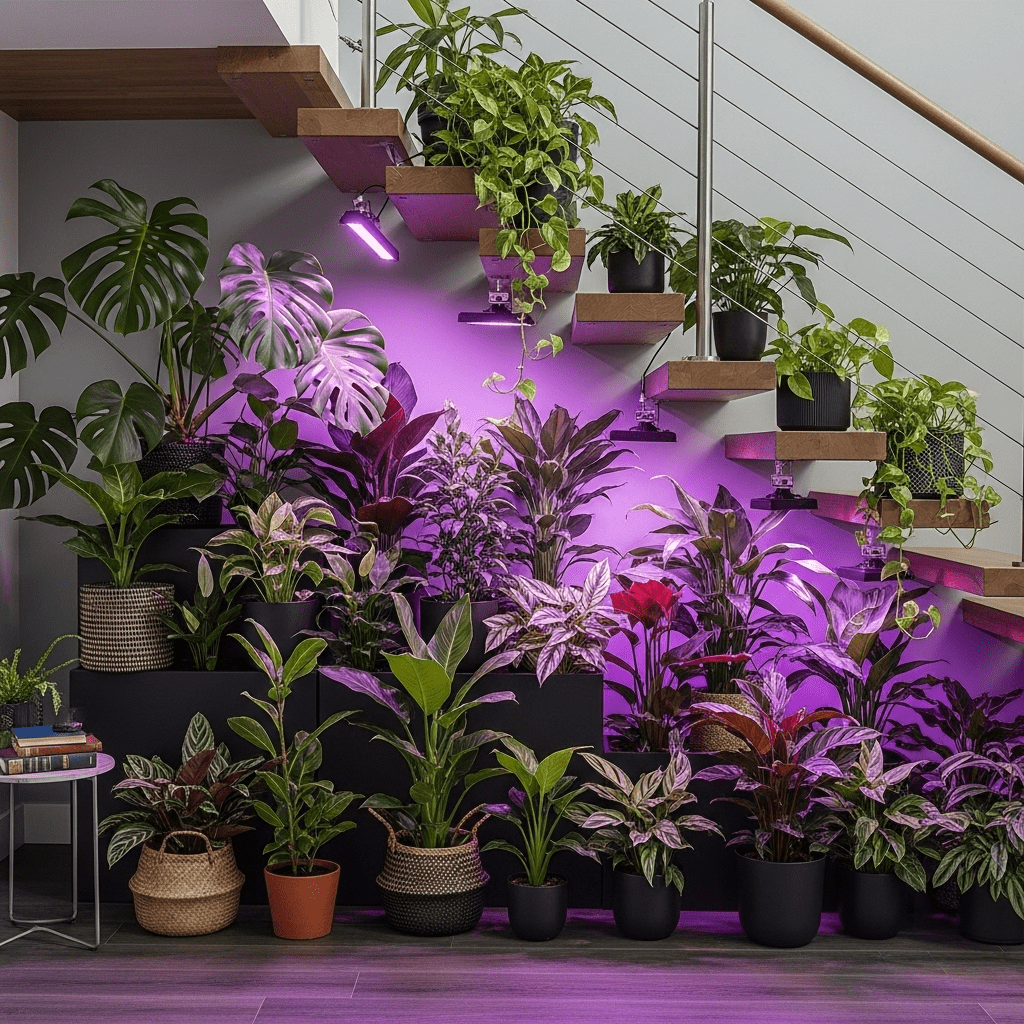
20. Under-Stair Greenhouse
Utilizing the often-wasted space beneath a staircase to create a tiered garden with grow lights, turning a dark corner into a vibrant oasis.
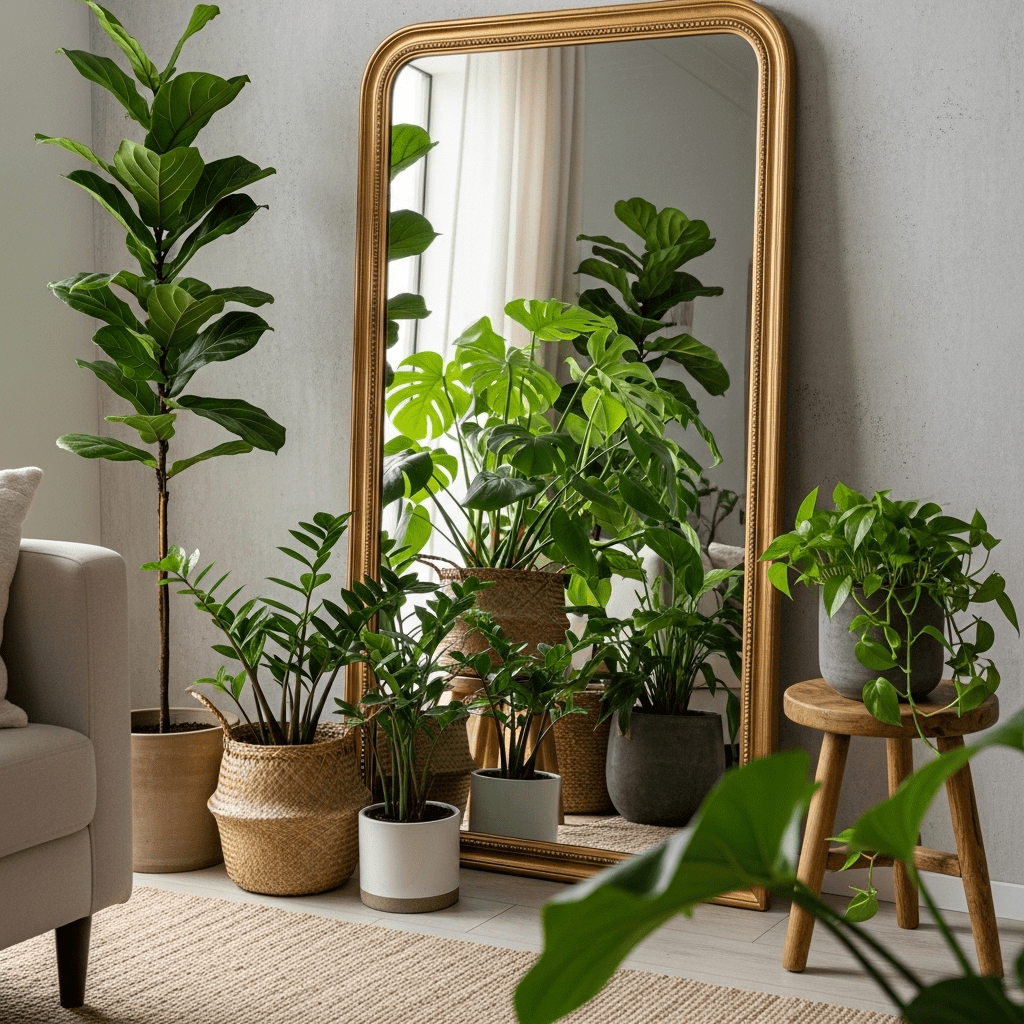
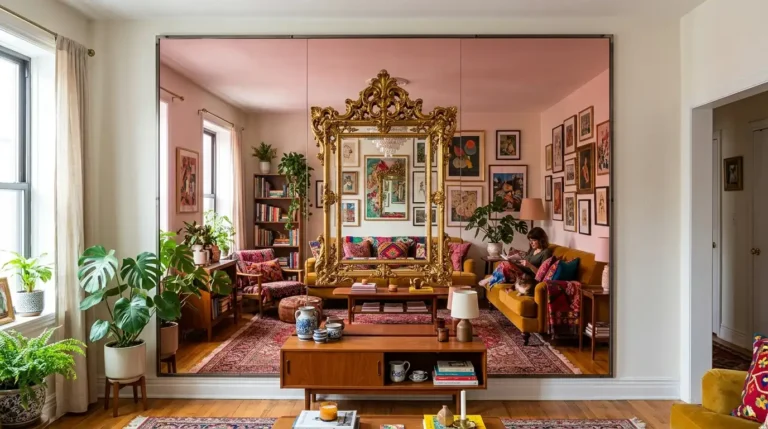
21. Reflective Mirror-Plant Duo
Placing a large mirror behind a group of plants to double their visual volume and reflect more light onto the leaves.
Conclusion
Integrating plants into your living room is about more than just decoration; it’s about creating a living, breathing ecosystem that improves your well-being. By layering different leaf shapes, varying the heights of your planters, and choosing species that thrive in your specific light conditions, you can turn any room into a refreshing sanctuary.