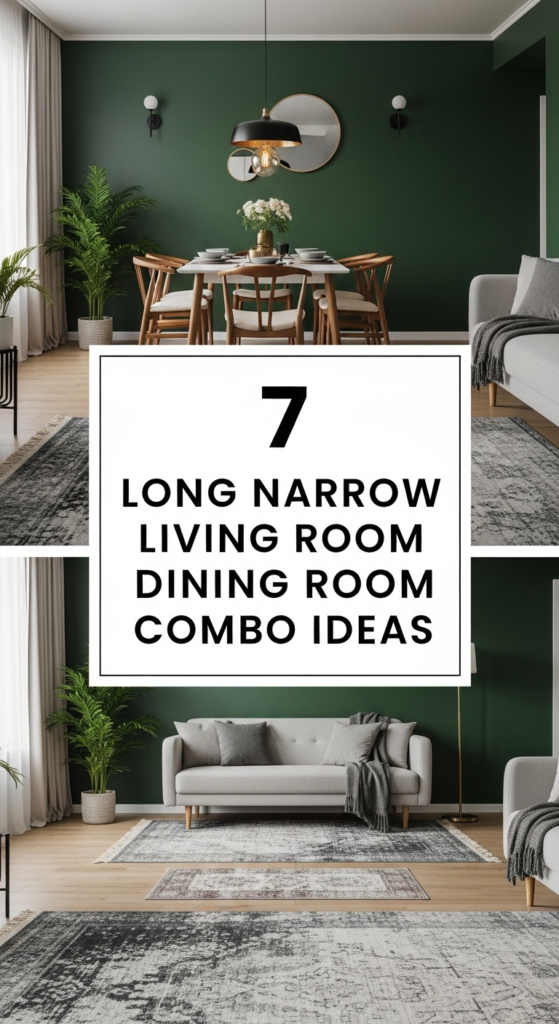
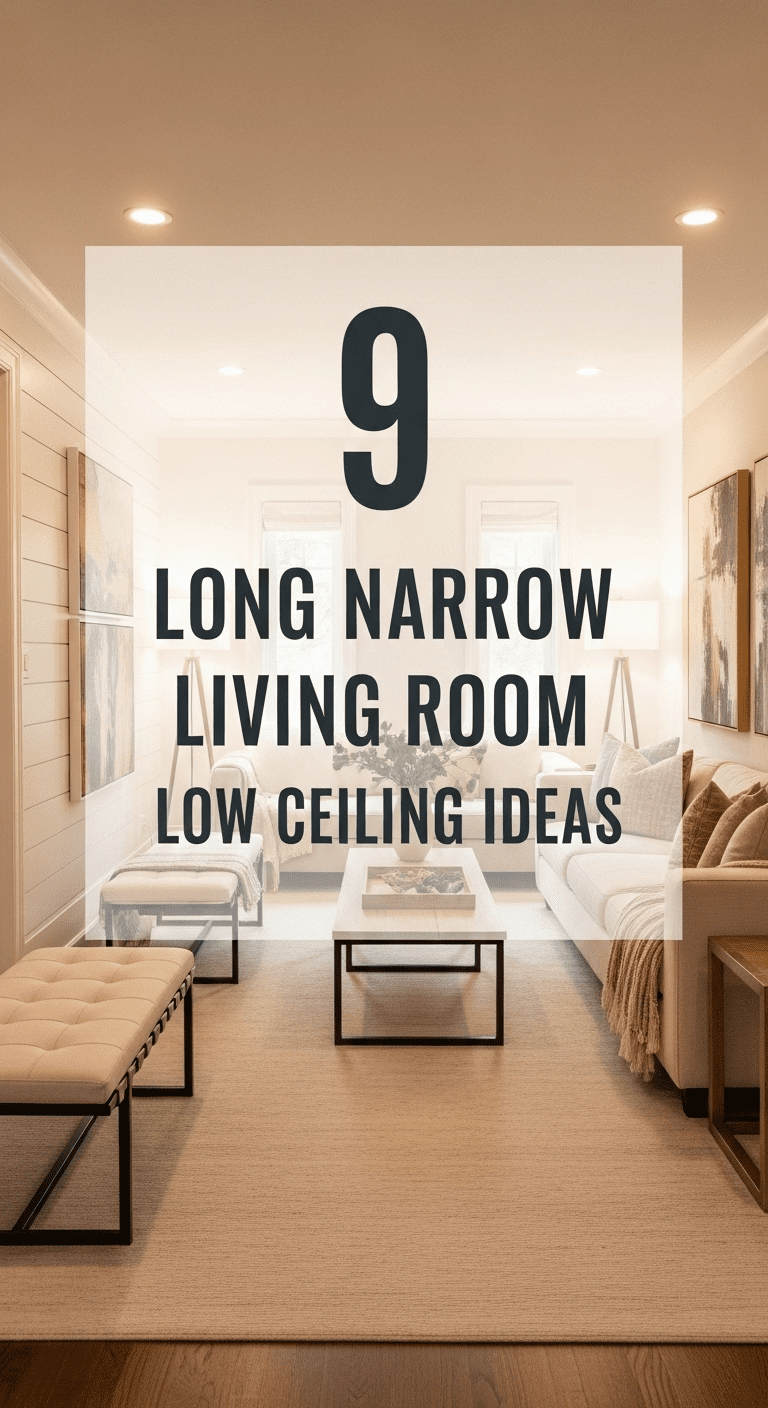
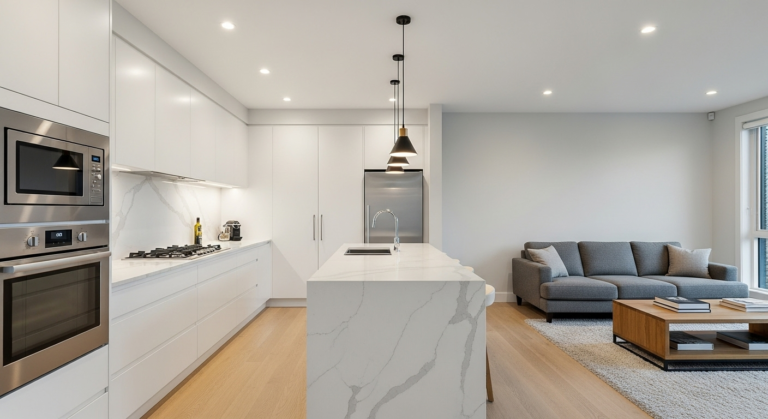
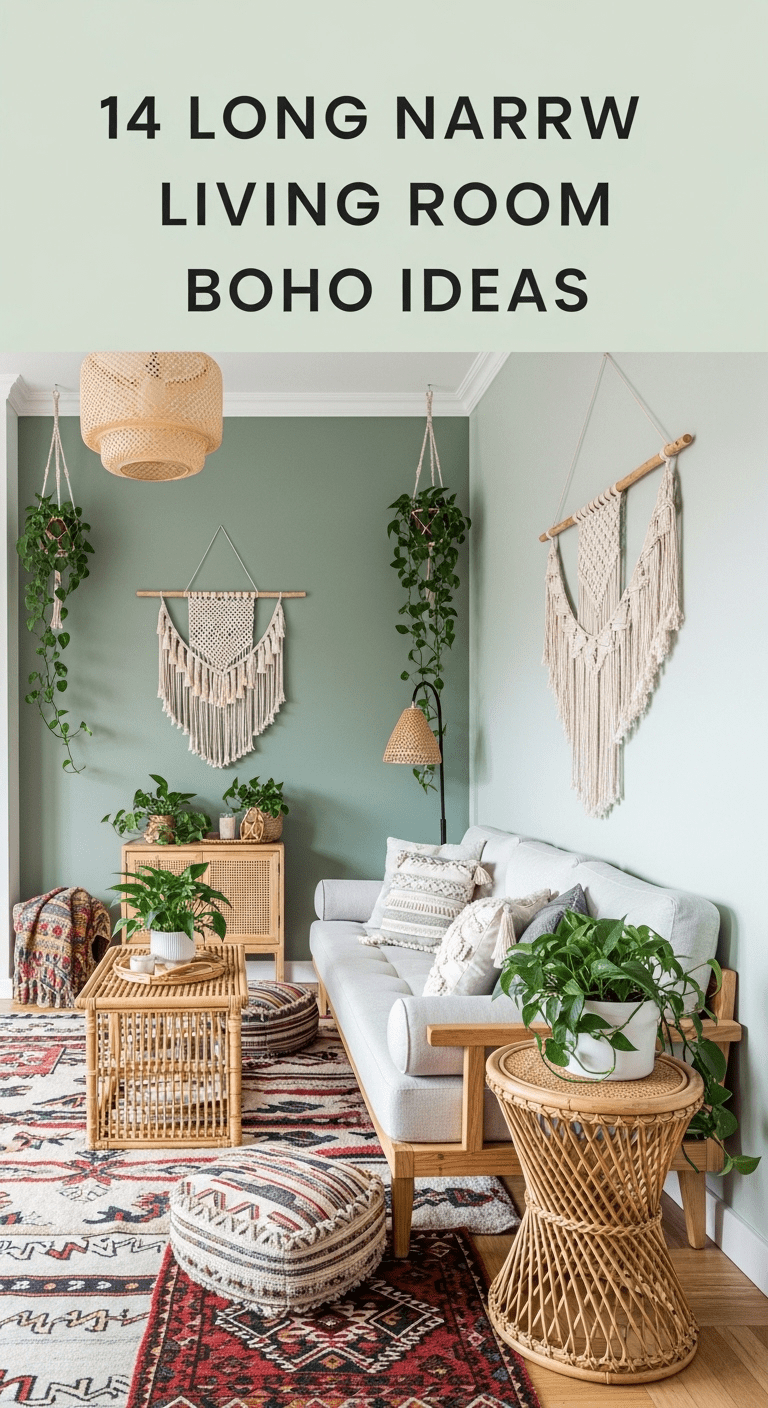
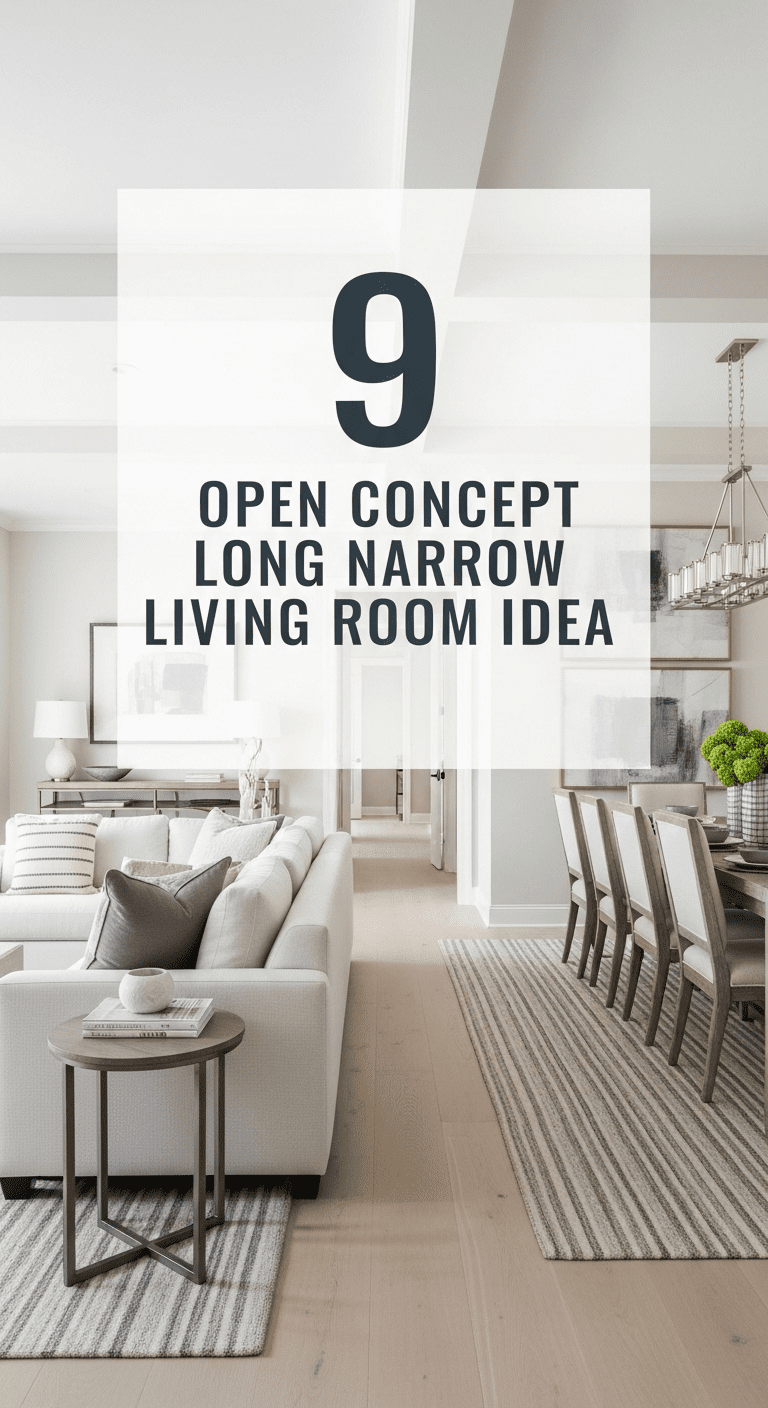
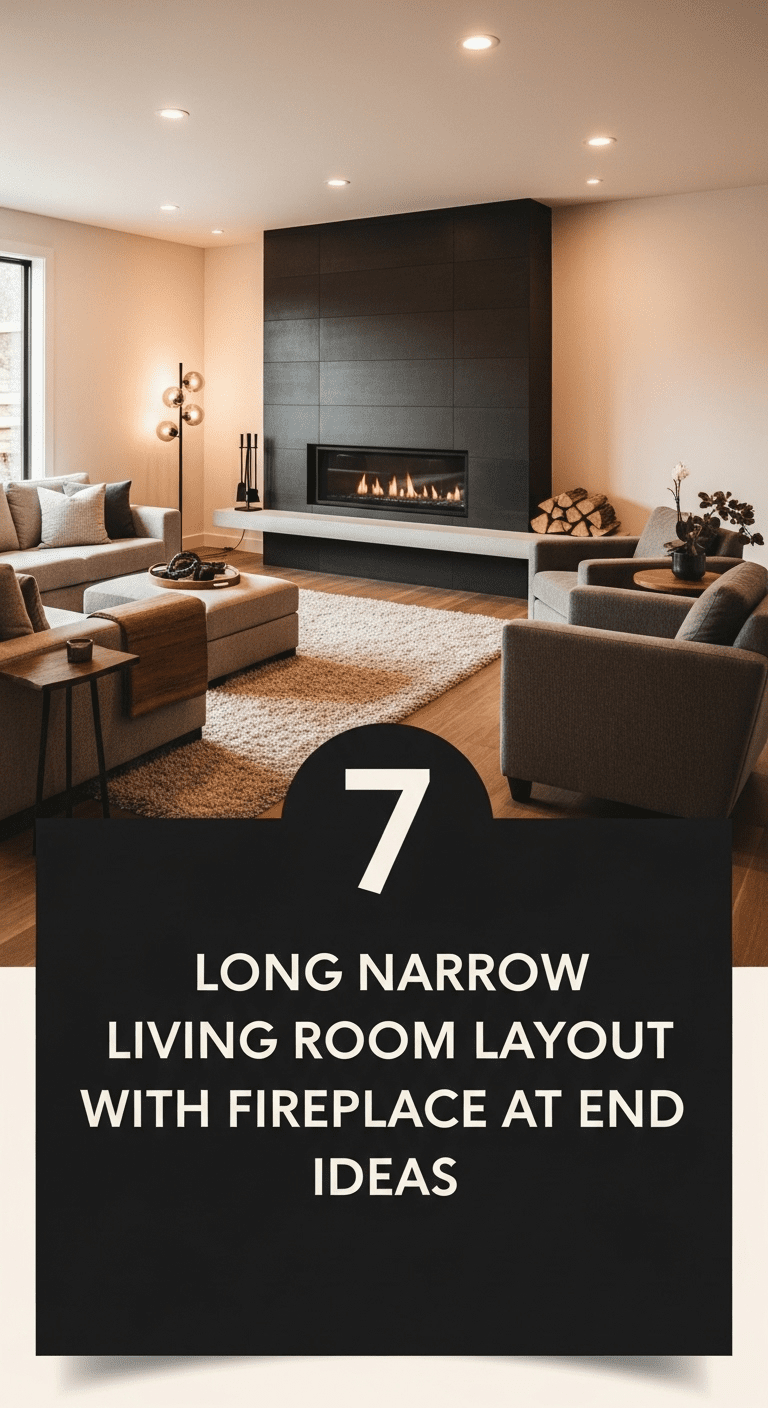
7 Long Narrow Living Room Dining Room Combo Ideas
Combining a living room and dining room in a long, narrow space presents unique design challenges. The key is creating two distinct functional zones that flow seamlessly together without making the space feel cramped or tunnel-like. These seven layout ideas will help you maximize your elongated combo room while maintaining both style and functionality.
See also: Master Bedroom Bed Back Wall Designs 12 Ways to Define Your Suites Focal Point
1. The Linear Flow Layout
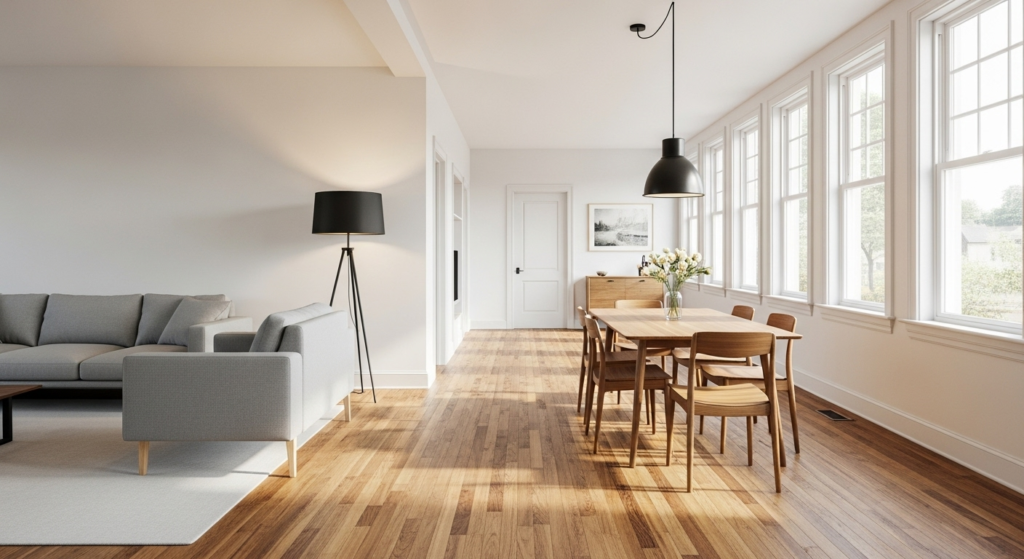
Arrange your living and dining areas in a straight line along the length of the room, with the living room at one end and the dining area at the other. This classic approach creates clear zones while maintaining an open sightline through the entire space. Place the sofa perpendicular to the longest wall to act as a subtle divider between the two areas.
See also: Boho Master Room Bedroom Ideas 15 Ways to Master the Art of Effortless Soul
2. The Back-to-Back Zone Creator
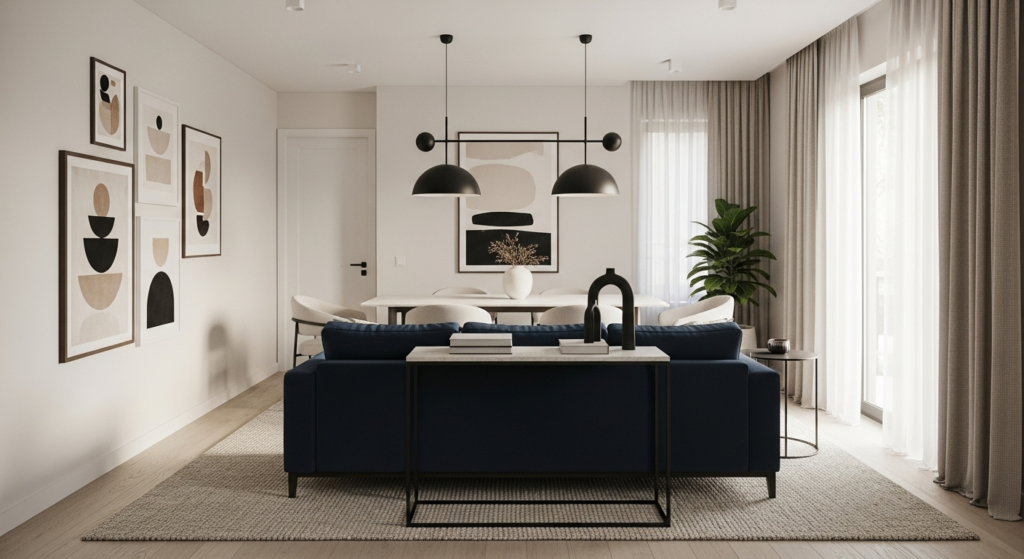
Position your sofa back-to-back with your dining chairs or use a console table behind the sofa to create a natural division between living and dining zones. This arrangement maximizes space efficiency while providing a psychological barrier that defines each area without blocking light or views.
3. The Offset Parallel Plan
Rather than centering everything, offset your furniture to create visual interest and better flow. Place the dining table closer to one long wall with the living room furniture arranged at an angle on the opposite side. This asymmetrical approach prevents the bowling alley effect common in narrow spaces.
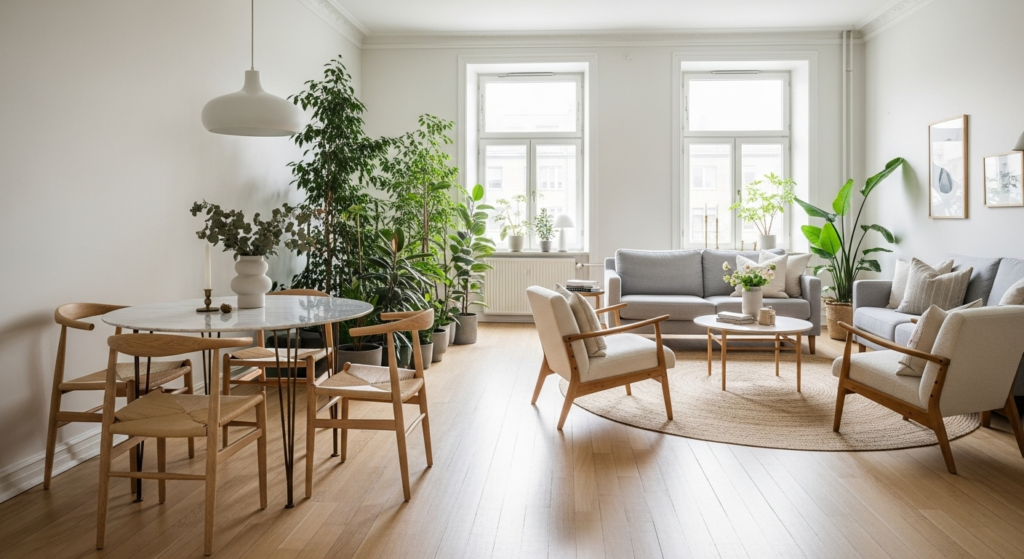
4. The Rug-Defined Territory
Use area rugs to visually separate your living and dining zones without physical barriers. Choose complementary rugs in different sizes or styles—one under the seating area and another beneath the dining table. This technique creates definition while allowing the space to feel cohesive and flowing.
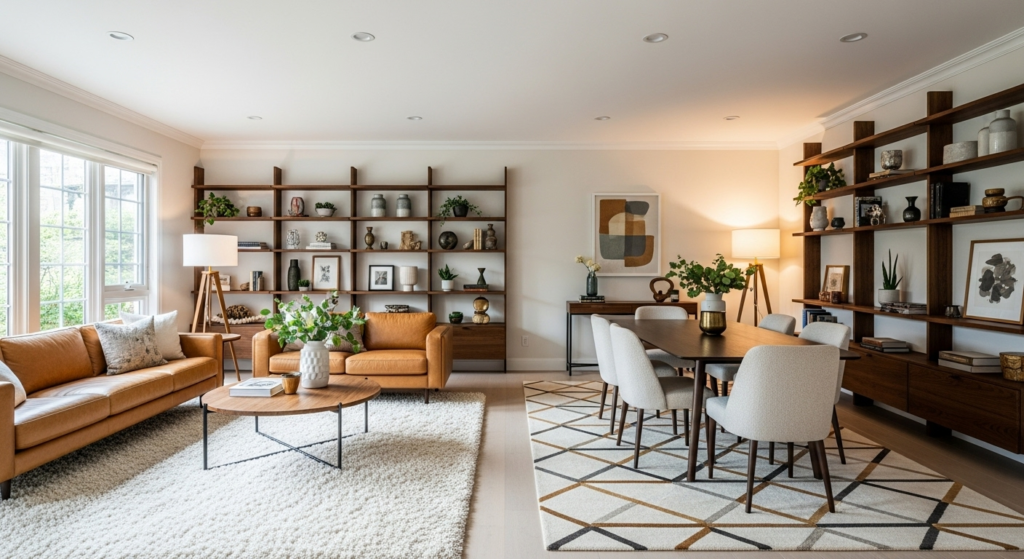
5. The Multi-Functional Middle Ground
Create a transitional zone between living and dining areas using multi-functional furniture. A narrow bookshelf, bar cart, or plant stand positioned between the two spaces provides storage while subtly marking the boundary. This approach works particularly well in extremely narrow rooms where every inch counts.
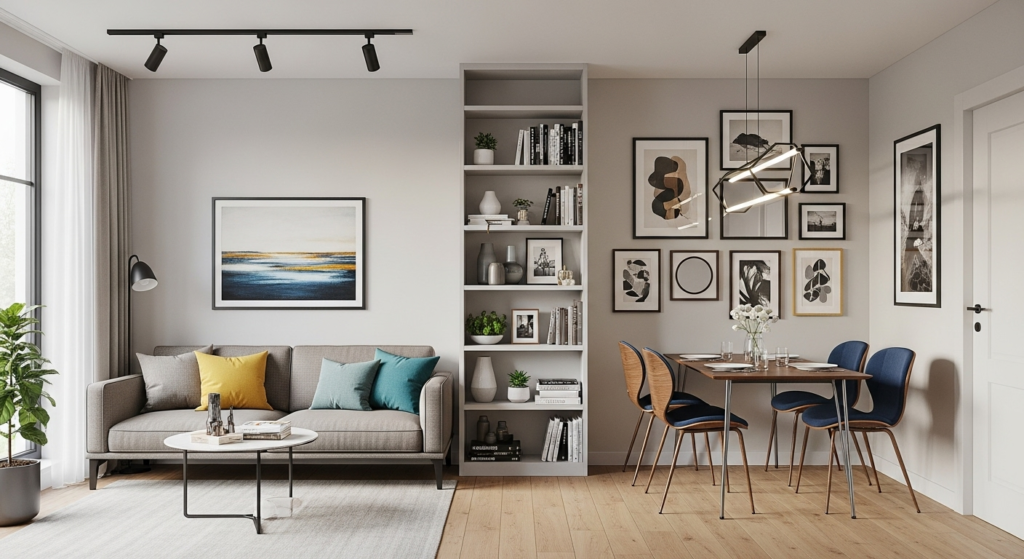
6. The Floating Furniture Freedom
Pull your furniture away from the walls to create intimate, defined zones within the larger space. Float the dining table in the center of one section and arrange living room seating as a cozy conversation area in another section. This counterintuitive approach actually makes narrow rooms feel wider and more dynamic.
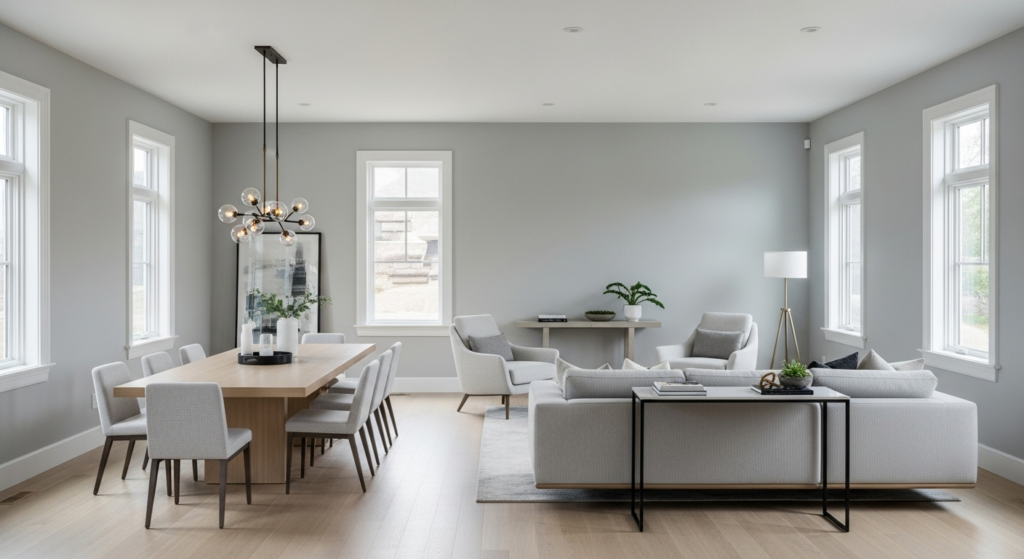
7. The Two-Tone Color Blocking
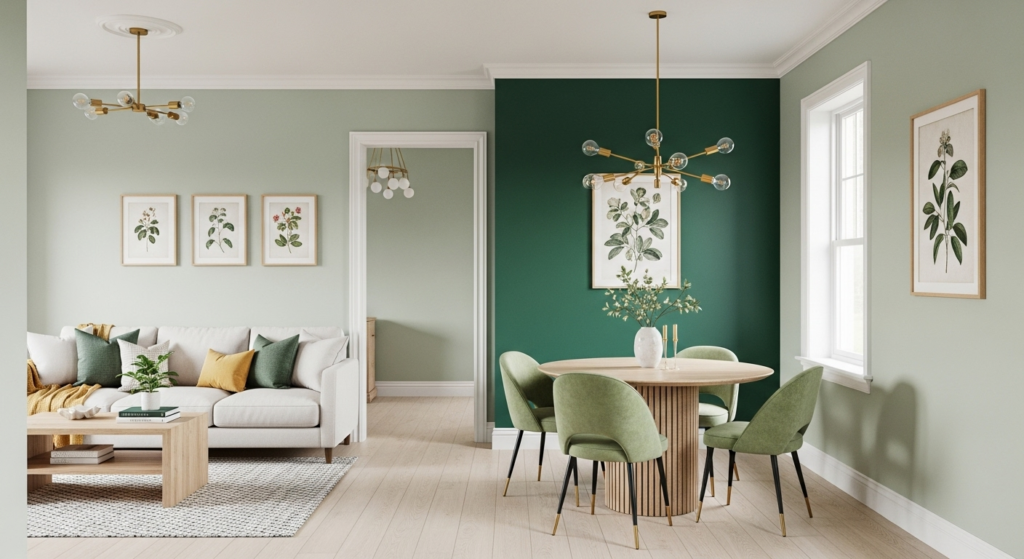
Use paint, wallpaper, or different wall treatments to visually separate your living and dining areas. Paint the dining end in a deeper or contrasting color while keeping the living area lighter, or use an accent wall to create distinct zones. This architectural approach adds depth and prevents the space from feeling monotonous.
Essential Tips for Long Narrow Living-Dining Combos
Maintain Traffic Flow: Always leave at least 36 inches of clearance for main walkways through the space. In narrow rooms, this often means keeping one long side relatively clear as a circulation path.
Scale Your Furniture: Choose appropriately sized furniture—oversized pieces will overwhelm a narrow space. Consider a loveseat instead of a full sofa, or a round dining table instead of a large rectangular one.
Light It Right: Use multiple light sources at different heights to create ambiance and define zones. Pendant lights over the dining table, floor lamps in the living area, and wall sconces create layers of light.
Mirror Magic: Place mirrors on long walls to visually widen the space and reflect light, making your narrow combo room feel more spacious and less confined.
Keep It Cohesive: While defining separate zones, maintain a cohesive design throughout with a consistent color palette, flooring, and style to ensure the space flows as one harmonious room.
With thoughtful planning and strategic furniture placement, your long narrow living-dining combo can become a functional, stylish space that serves both purposes beautifully.