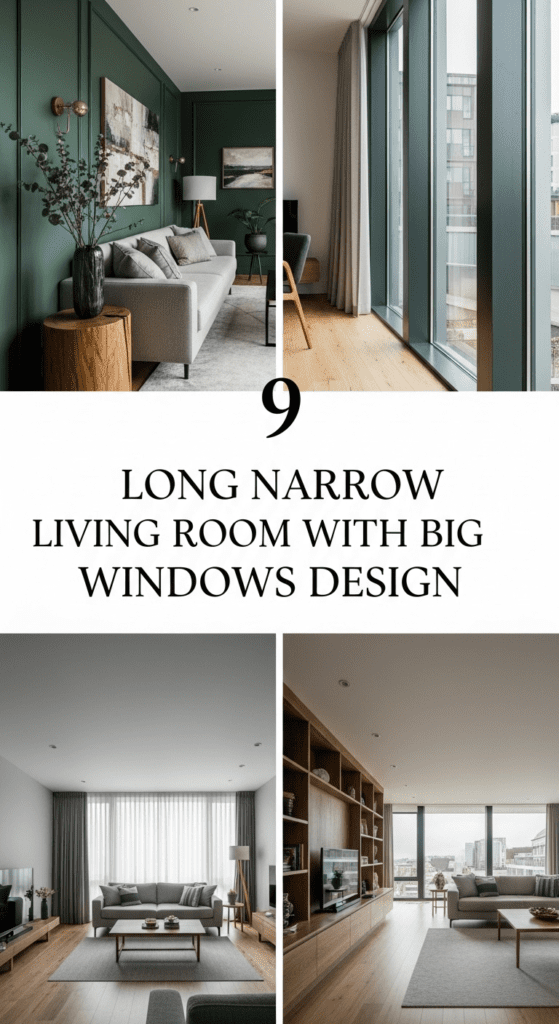
9 Long Narrow Living Room with Big Windows Design
Long narrow living room with big windows design requires a strategic approach that maximizes natural light while addressing the challenges of elongated proportions. When you’re blessed with expansive windows in a narrow space, you have an incredible opportunity to create a bright, airy living room that feels far more spacious than its dimensions suggest. The abundance of natural light becomes your greatest asset, allowing you to experiment with darker colors, deeper furniture, and bolder design choices that would feel oppressive in darker narrow spaces. These nine design ideas will help you celebrate your big windows while creating a functional, beautiful living room that works with rather than against your room’s unique proportions.
See also: Guest Bedroom Closet Designs 10 Ways to Maximize Visitor Storage
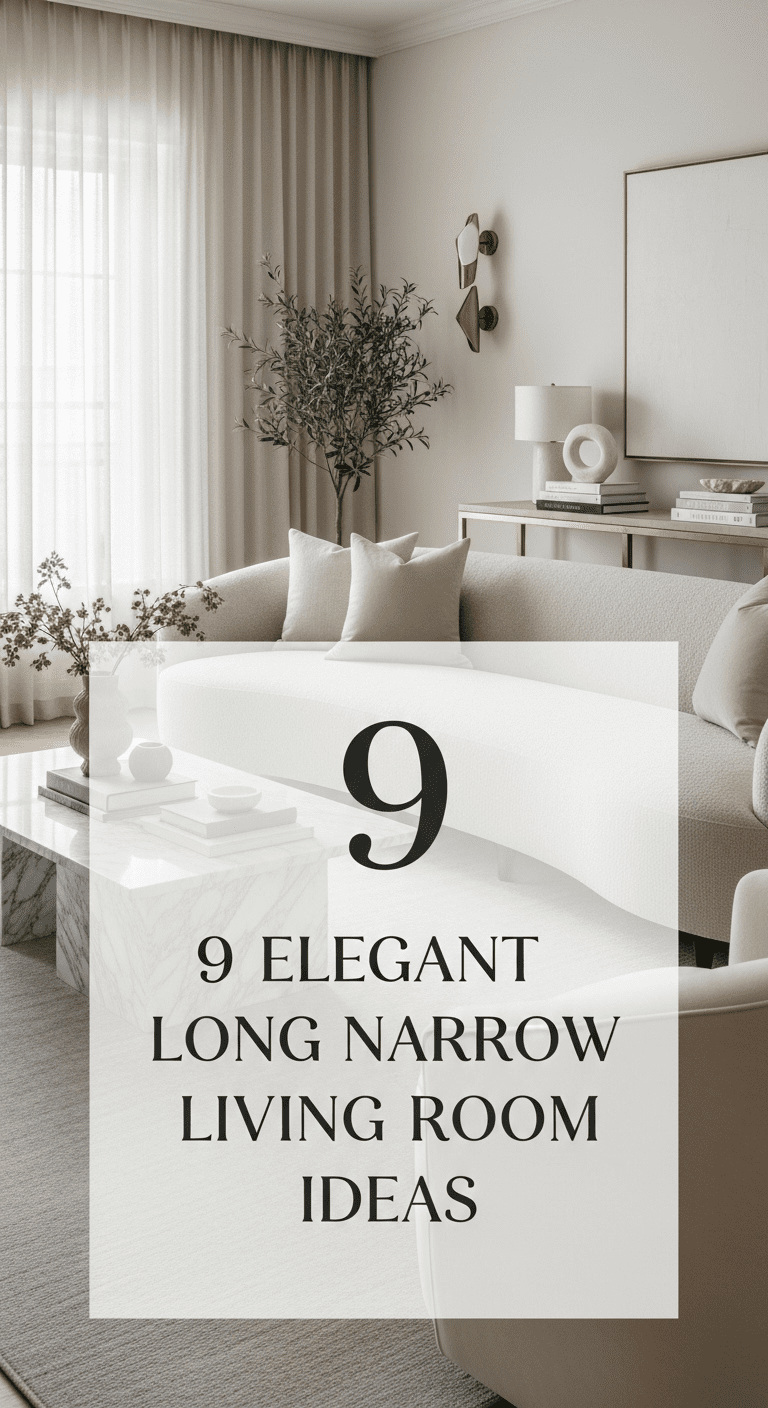
1. Light-Maximizing All-White Design
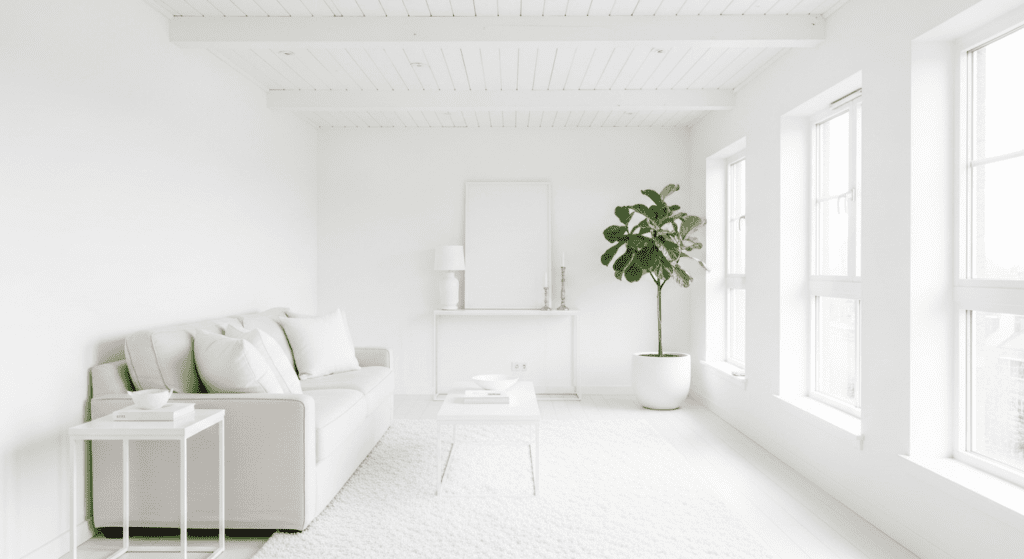
Embrace the abundance of natural light by creating an all-white design scheme that amplifies brightness and makes your narrow living room feel ethereally spacious.
Paint walls, ceiling, and trim in coordinating shades of white—perhaps warm white on walls and crisp white on trim for subtle definition. Choose white or cream upholstered furniture that reflects light rather than absorbing it. Layer in white textiles through curtains, throw pillows, and area rugs, creating a monochromatic palette that feels serene and expansive.
The big windows flood this white canvas with natural light, creating a luminous space that changes throughout the day as light shifts. The lack of color contrast eliminates visual barriers, making the narrow room feel as open and spacious as possible. Add texture through varied materials—linen, velvet, cotton, wool—to prevent the space from feeling flat or sterile.
Incorporate natural elements like light wood floors, woven baskets, and greenery to add warmth and life to the white scheme. The plants become striking focal points against the white backdrop, their green tones beautifully highlighted by the abundant natural light. Use metallic accents in brass or chrome sparingly for subtle sophistication.
This approach works particularly well in narrow living rooms where you want to maximize the airy, open feeling that big windows provide. The all-white design becomes a blank canvas that showcases your windows as the room’s primary architectural feature.
See also: Black and White Guest Bedroom Designs 15 Ways to Master Monochromatic Elegance
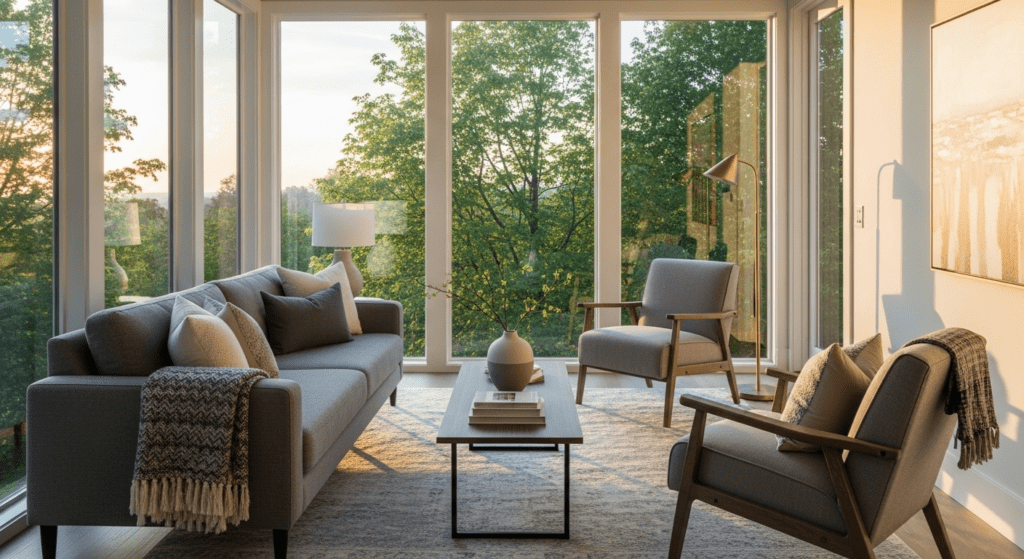
2. Window-Facing Furniture Arrangement
Orient your primary seating to face the big windows, making the natural light and views the focal point of your narrow living room rather than fighting against them.
Position your sofa perpendicular to the long walls, facing directly toward the large windows. This arrangement breaks up the narrow proportions while creating a conversation area that enjoys the views and natural light. Add chairs angled slightly toward both the windows and the sofa to complete a U-shaped seating arrangement that encourages interaction while celebrating the windows.
Place a low-profile coffee table in the center that doesn’t obstruct the view to the windows from the entrance. This window-focused layout makes entering the room a pleasure, as you’re immediately drawn toward the light and views rather than down a narrow corridor. The big windows become the natural focal point that anchors the entire space.
Keep window treatments minimal or use sheer panels that can be drawn back completely during the day. The goal is embracing the windows as a feature rather than covering them. Add task lighting through floor lamps and table lamps positioned around the seating area for evening use when natural light fades.
This arrangement works beautifully when your big windows overlook an attractive view—a garden, city skyline, or natural landscape. The furniture orientation ensures you can enjoy these views while relaxing in your living room.
3. Dramatic Dark Contrast Design
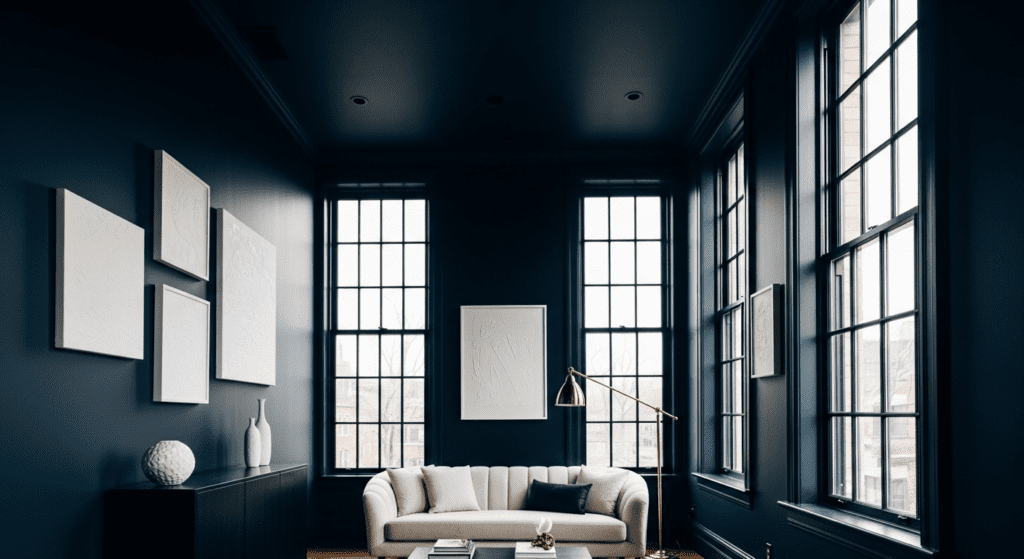
Use the big windows’ abundant natural light to support a bold, dramatic design with dark walls and rich colors that would typically make narrow rooms feel oppressive.
Paint walls in deep charcoal, navy blue, forest green, or even black, creating a moody, sophisticated backdrop that contrasts beautifully with the bright natural light pouring through your windows. The abundant light prevents the dark colors from feeling cave-like, instead creating depth and drama. Choose furniture in lighter tones—cream, gray, or tan—that pops against the dark walls.
The contrast between dark surfaces and bright windows creates architectural drama and makes the windows appear even more prominent. The natural light becomes sculptural, casting interesting shadows throughout the day. This unexpected approach transforms a challenging narrow room into a sophisticated, memorable space.
Layer in metallic accents through brass or gold light fixtures, mirrors, and accessories that catch and reflect the natural light. Use rich textiles in velvets and silks that add luxury and depth. The big windows ensure the dark scheme never feels oppressive, as abundant natural light balances the dramatic colors.
This design direction works particularly well in urban settings where you want to create a bold, contemporary aesthetic. The dark walls provide a stunning backdrop for artwork and make furnishings stand out as focal points.
4. Floor-to-Ceiling Sheer Curtain Drama
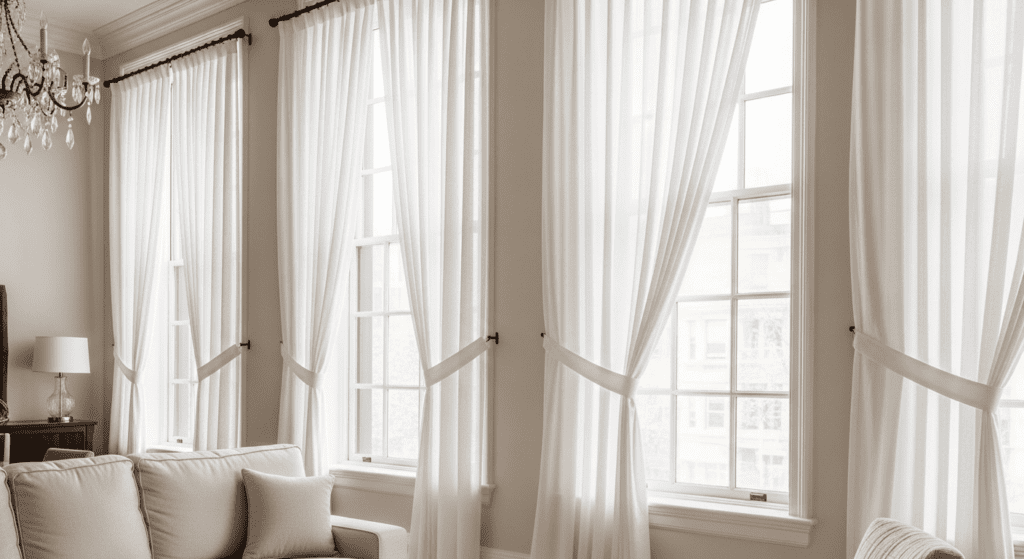
Install floor-to-ceiling sheer curtains that frame your big windows dramatically while softening the hard edges of your narrow living room.
Mount curtain rods as close to the ceiling as possible and let sheer white or cream panels extend all the way to the floor, even puddling slightly for extra drama. The vertical lines draw the eye upward, emphasizing ceiling height and making the narrow room feel taller. When drawn, the sheers diffuse natural light beautifully while maintaining privacy.
During the day, tie the sheers back to showcase the full expanse of your windows. The flowing fabric adds softness to the hard architectural lines of the narrow room while the floor-to-ceiling installation creates the illusion of even larger windows than you actually have. Choose quality sheers in natural fibers like linen or silk that catch light beautifully.
This approach adds elegance and romance to your narrow living room while solving the practical issue of privacy without sacrificing natural light. The billowing sheers create gentle movement when windows are open, adding life and dynamism to the space. Layer with blackout shades or blinds behind the sheers for light control when needed.
The vertical emphasis of floor-to-ceiling curtains counteracts the horizontal stretch of your narrow room, creating better visual proportion. This simple addition transforms ordinary big windows into a dramatic architectural statement.
5. Window Seat with Storage Integration
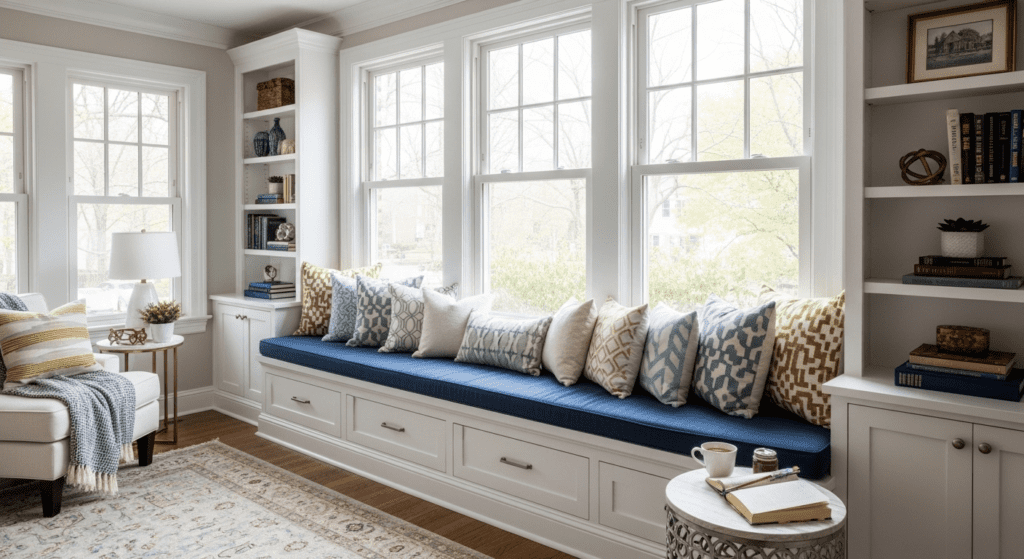
Create a custom window seat along your big windows that provides seating, storage, and a cozy spot to enjoy the natural light and views.
Build a bench or install a custom window seat that runs the length of your large windows, with lift-top storage or drawers underneath for blankets, books, or seasonal items. Top with a thick cushion and pile on throw pillows in colors and patterns that complement your living room design. Add built-in bookshelves or cabinets on either end of the window seat for additional storage and architectural interest.
This solution maximizes the window area while providing practical benefits in a narrow room where storage is often limited. The window seat creates additional seating without free-standing furniture that would protrude into the narrow space. It’s perfect for reading, napping, or simply sitting and enjoying the views and natural light.
Position your main seating area to complement rather than compete with the window seat—perhaps a sofa and chairs arranged perpendicular to the windows creating a separate conversation zone. The window seat becomes a special feature that adds charm and functionality, transforming your big windows from a simple architectural element into a lived-in, loved space.
Choose cushion fabrics that resist fading from sun exposure, and consider UV-filtering window treatments that can be lowered when needed to protect the cushions and the room from harsh afternoon sun.
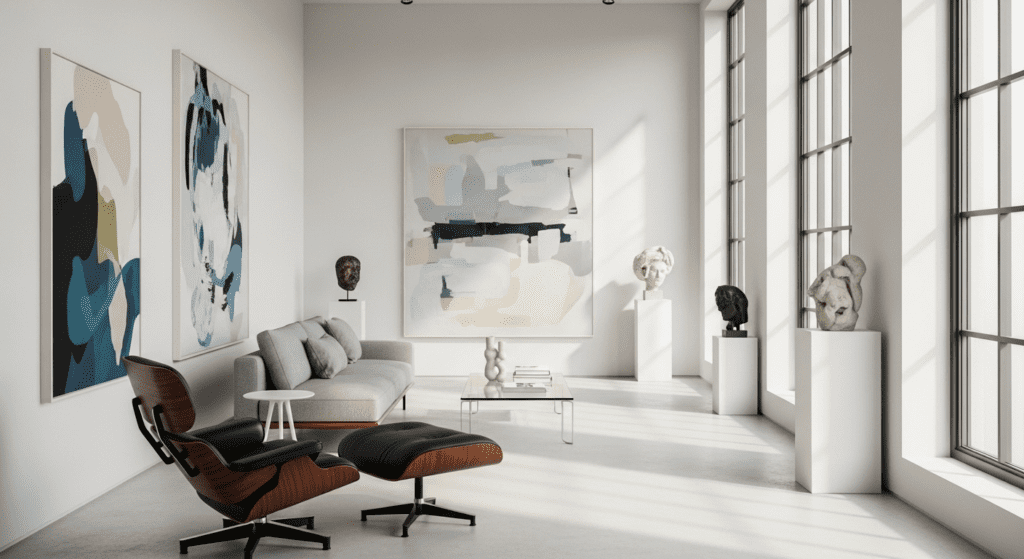
6. Minimalist Gallery Aesthetic
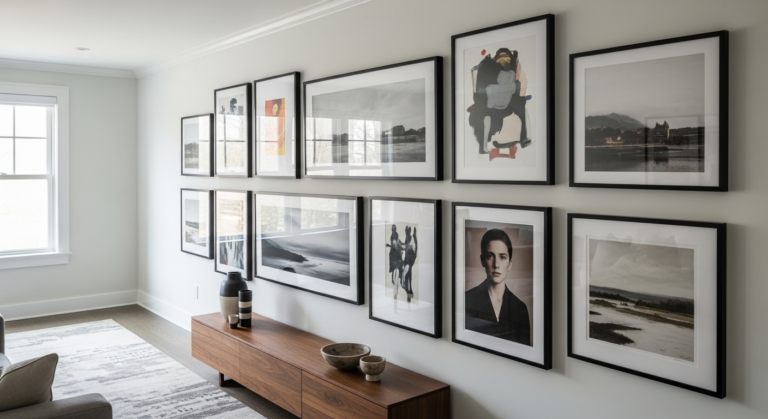
Create a minimalist, gallery-like aesthetic that uses the big windows’ natural light to illuminate carefully curated furniture and artwork in your narrow living room.
Keep furniture minimal and sculptural—one statement sofa, a sleek coffee table, and perhaps one accent chair. Choose pieces with clean lines and interesting silhouettes that look beautiful when backlit by natural light from the windows. Leave generous negative space around furniture to create the open, breathing room typical of art galleries.
Paint walls in a neutral tone—white, soft gray, or warm beige—that acts as a backdrop for both natural light and your carefully selected artwork. Hang large-scale art on walls where the natural light will illuminate it beautifully throughout the day. The big windows flood the space with the quality of light typically found in galleries, allowing you to truly appreciate your art.
This minimalist approach works particularly well in narrow living rooms because it prevents visual clutter while making the most of the generous natural light. The limited furniture creates maximum open floor space, making the narrow proportions less noticeable. The focus shifts to light, art, and the carefully chosen pieces that occupy the space.
Add adjustable task lighting for evening use, but during the day, let natural light do all the work. The result is a serene, sophisticated space that feels larger than its dimensions and celebrates both your windows and your personal aesthetic.
7. Biophilic Design with Abundant Plants
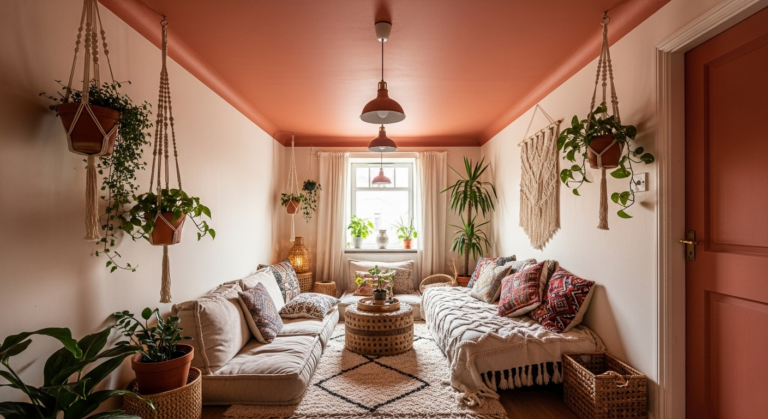
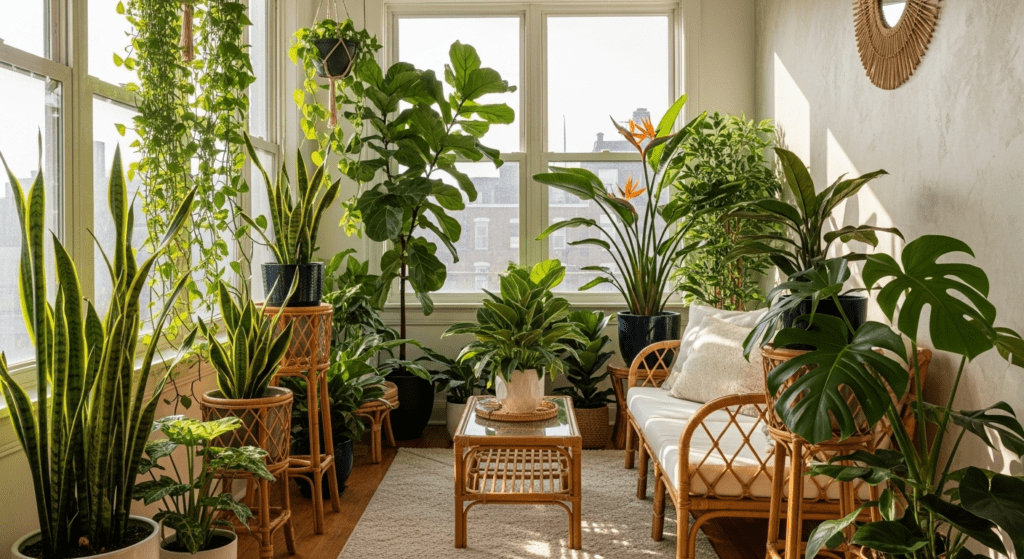
Transform your narrow living room into an indoor garden by leveraging the big windows’ abundant natural light to support a lush collection of plants.
Position large floor plants—fiddle leaf figs, bird of paradise, monstera—near the windows where they’ll receive optimal light. Use plant stands, shelves, and hanging planters to display plants at varying heights throughout the room. The vertical arrangement of greenery draws eyes upward while the varied plant shapes and sizes create visual interest that distracts from narrow proportions.
Choose furniture in natural materials—rattan, wicker, wood, linen—that complements the organic feel of the abundant plants. Keep the color palette neutral with whites, creams, and natural wood tones that allow the plants’ green hues to stand out. The big windows provide the intense natural light necessary for a thriving indoor garden.
This biophilic approach creates a connection to nature that makes your narrow living room feel like a peaceful retreat. The plants improve air quality while adding life and movement to the space. The varied textures of leaves—large and dramatic, small and delicate, trailing and climbing—create visual complexity that makes the room feel designed and intentional.
Group plants in clusters near the windows for maximum impact, and use the plants themselves as natural room dividers to create zones within your narrow space. The abundance of greenery benefits from and showcases your big windows’ natural light.
8. Symmetrical Traditional Layout
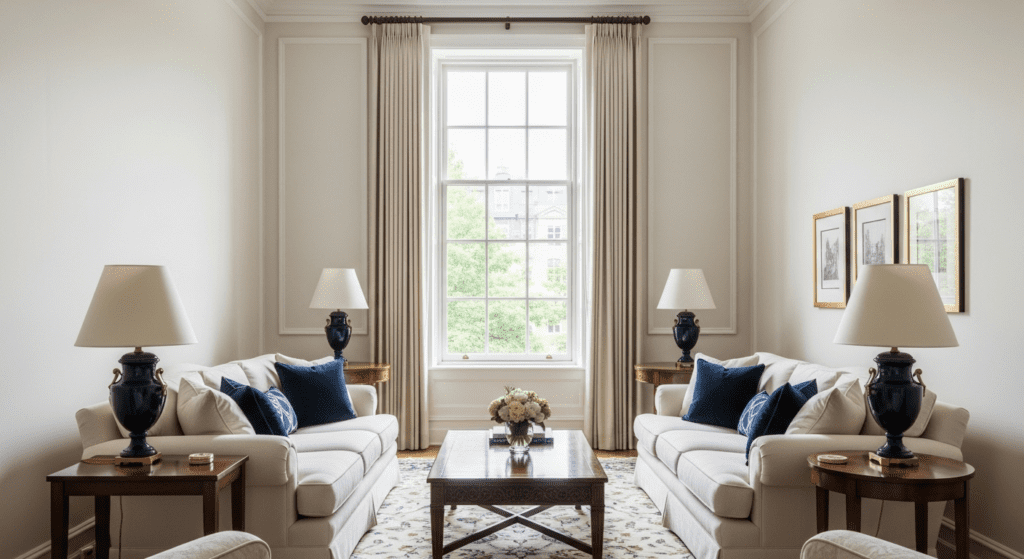
Create a formal, balanced design by arranging furniture symmetrically in relation to your big windows, emphasizing classical proportions and traditional elegance.
If your windows are centered on one wall, flank them with matching elements—identical table lamps on matching side tables, or twin bookcases on either side. Position a sofa centered in relation to the windows, with matching chairs or loveseats on either side creating perfect symmetry. Add a centered coffee table and centered area rug to reinforce the balanced composition.
The symmetrical arrangement brings order and elegance to your narrow living room while the big windows serve as the central focal point around which everything is organized. This classical approach creates a sense of calm and proportion that counteracts the potentially awkward narrow dimensions.
Choose traditional furniture styles with classic lines and quality upholstery. Use a refined color palette—navy and cream, gray and white, or soft neutrals—that enhances the formal aesthetic. Add architectural details like crown molding, picture rails, or wainscoting to reinforce the traditional design direction.
The abundant natural light from the big windows illuminates the symmetrical arrangement beautifully, creating balanced shadows and highlights that emphasize the careful composition. This approach works particularly well in historic homes or spaces where traditional elegance is desired.
9. Modern Open-Plan Integration
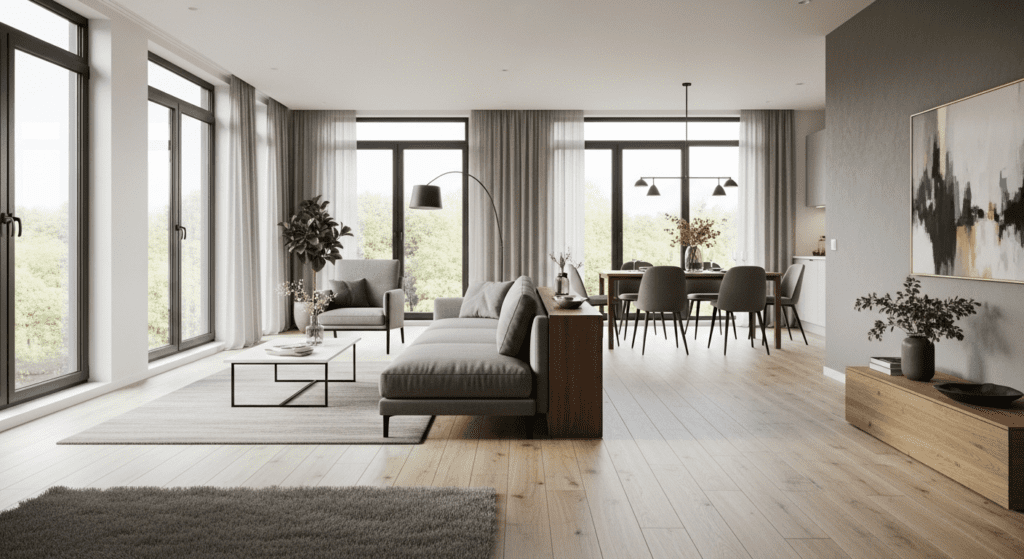
Design your narrow living room as part of an open flow space where the big windows provide natural light for multiple functional zones beyond just the living area.
Position furniture to create a living zone that doesn’t block light from flowing to adjacent spaces. Use the back of your sofa as a subtle room divider while keeping furniture profiles low so natural light from the big windows can spread throughout the open plan. Coordinate your living room design with adjacent dining or kitchen areas using a cohesive color palette and style.
The big windows become a light source for your entire open-plan space, making them even more valuable. Choose furniture and accessories that look attractive from multiple angles since they’ll be viewed from various spaces. Use consistent flooring throughout to emphasize the flow and connection between zones.
This approach maximizes the impact of your big windows by sharing their natural light benefit across multiple functional areas. The narrow living room feels less constrained when it’s part of a larger visual space. Use area rugs to define the living zone while maintaining the open, connected feeling.
Add lighting that complements the natural light—pendant lights over dining areas, task lighting in work zones—creating layers that transition seamlessly from day to evening. The big windows anchor the entire open space as the primary light source and visual focal point.
Design Principles for Big Windows in Narrow Rooms
Embrace the Light: Your big windows are your greatest asset. Design choices should celebrate rather than cover them. Keep window treatments minimal and furniture arrangements that showcase rather than block the windows.
Consider Sun Exposure: Big windows mean significant sun exposure. Use UV-filtering window treatments to protect furniture and floors from fading. Consider the sun’s path throughout the day when positioning furniture and sensitive materials.
Balance Privacy and Light: Even with big windows, you’ll need privacy options. Choose window treatments that provide privacy when needed without permanently blocking your light source—sheer curtains, top-down bottom-up shades, or adjustable blinds work well.
Window Treatments Matter: The scale of window treatments should match your large windows. Skimpy curtains or small blinds will look out of proportion. Use substantial panels that extend beyond window frames when open, or large-scale roman shades that make a statement.
Furniture Placement: Never block your big windows with tall furniture. Position sofas and chairs to enjoy the views and light rather than having your back to the windows. Low-profile furniture works best near big windows.
Leverage Natural Light for Mood: Big windows allow you to use color and tone in ways that wouldn’t work in darker narrow rooms. Don’t be afraid of deeper colors, richer fabrics, or bolder patterns—the natural light balances these choices.
Seasonal Considerations: Big windows mean your room will be bright and potentially hot in summer, beautiful in fall and spring, and cold near windows in winter. Plan furniture placement with seasonal comfort in mind, and consider energy-efficient window treatments.
Clean Regularly: Big windows show dirt, dust, and streaks more obviously than small windows. Plan for regular cleaning to maintain the beautiful natural light they provide.
Architectural Enhancement: Consider the architectural style of your windows—modern floor-to-ceiling, traditional multi-pane, industrial warehouse-style—and design your room to complement rather than fight their character.
Making Big Windows Work in Narrow Spaces
When you have long narrow living room with big windows design challenges, remember that the windows are solving one of the biggest problems narrow rooms face: insufficient light and a closed-in feeling. Your design job is to maximize these benefits while creating a functional, beautiful space that serves your lifestyle.
The key is treating the windows as the hero of your design rather than an obstacle to work around. Every furniture placement decision, every color choice, every accessory should enhance rather than compete with your windows. When you orient your entire design around celebrating the natural light and views your big windows provide, the narrow proportions become secondary to the overall feeling of brightness and openness.
Whether you choose a dramatic dark scheme that contrasts with bright light, an all-white approach that amplifies luminosity, or a plant-filled biophilic design that leverages the light for greenery, your big windows give you design flexibility that narrow rooms without such features simply don’t have. Embrace this advantage and create a narrow living room that feels like a light-filled sanctuary rather than a challenging space.