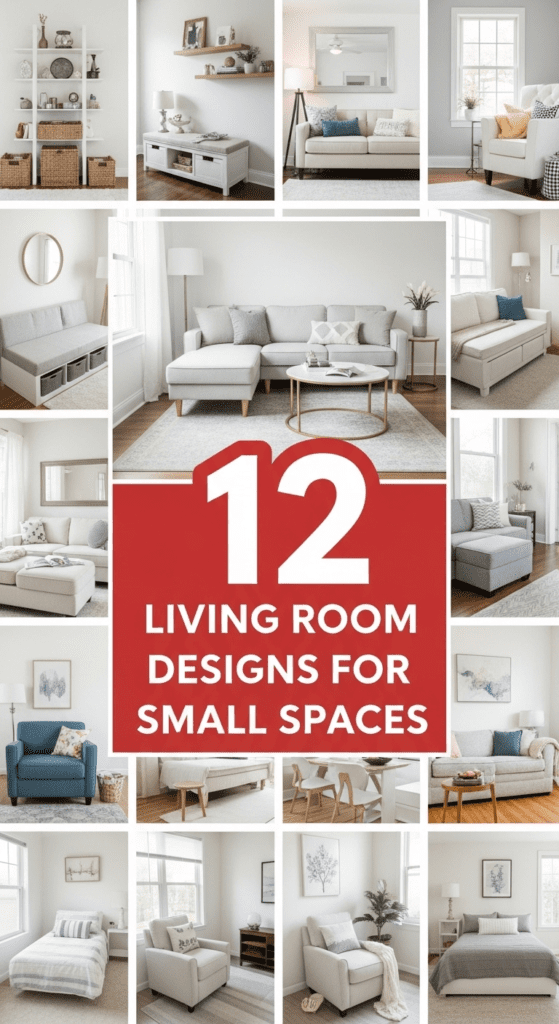
12 Living Room Designs for Small Spaces
Small living rooms present unique design challenges, but with smart strategies and creative solutions, compact spaces can feel just as stylish and functional as their larger counterparts. The key to successful small space design lies in maximizing every square foot while maintaining an open, uncluttered aesthetic that prevents the room from feeling cramped. These twelve design approaches prove that limited square footage doesn’t mean limited style—in fact, small living rooms often feel cozier and more intimate than expansive spaces when designed thoughtfully.
1. Minimalist Scandinavian Design
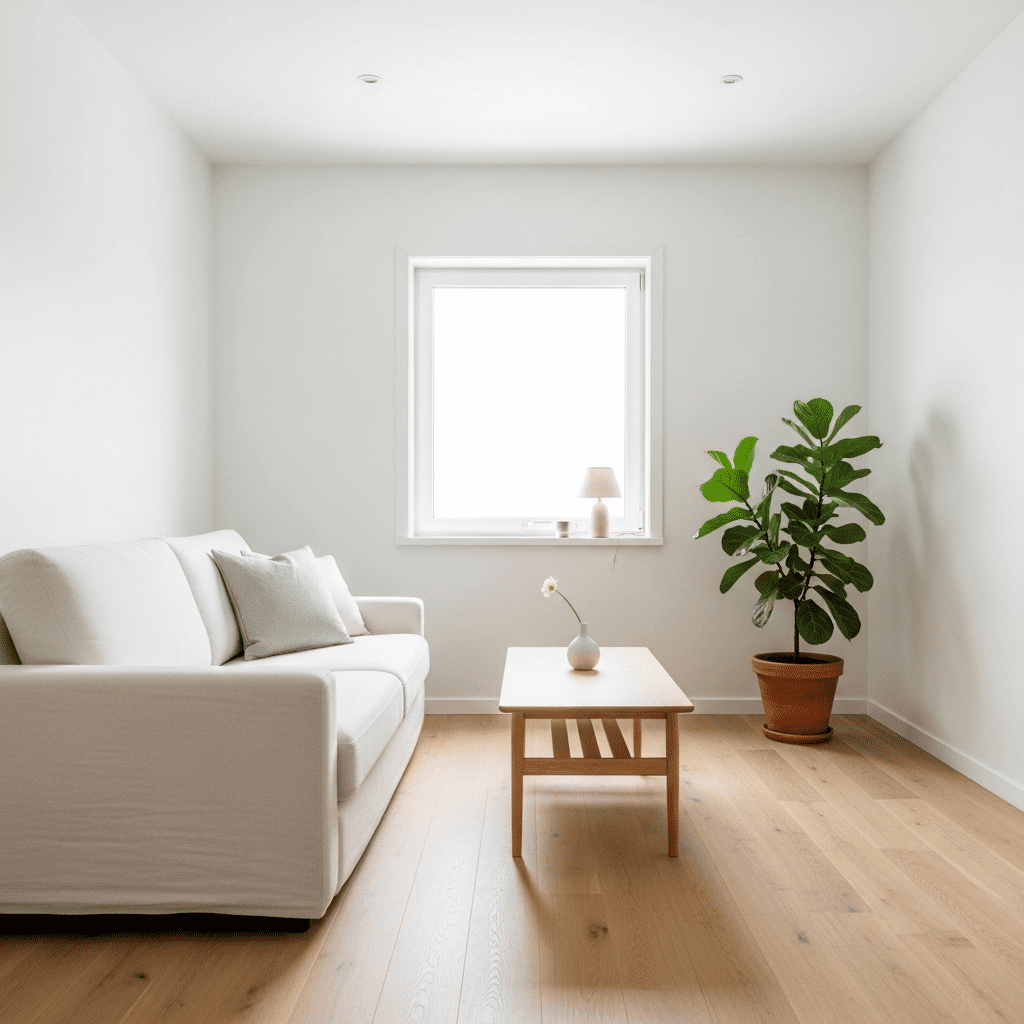
Embrace Nordic simplicity with an all-white or light neutral palette that maximizes the perception of space. Use light wood furniture with clean lines, a compact sofa in cream or gray, and minimal accessories. The Scandinavian approach prioritizes function and quality over quantity, making it perfect for small living rooms where every piece must earn its place.
Add warmth through natural textures—chunky knit throws, sheepskin rugs, and linen cushions—while keeping the color palette light and cohesive. Include a few carefully chosen plants in simple ceramic pots for life and freshness. The restrained aesthetic creates breathing room that makes small spaces feel significantly larger.
2. Multi-Functional Modern
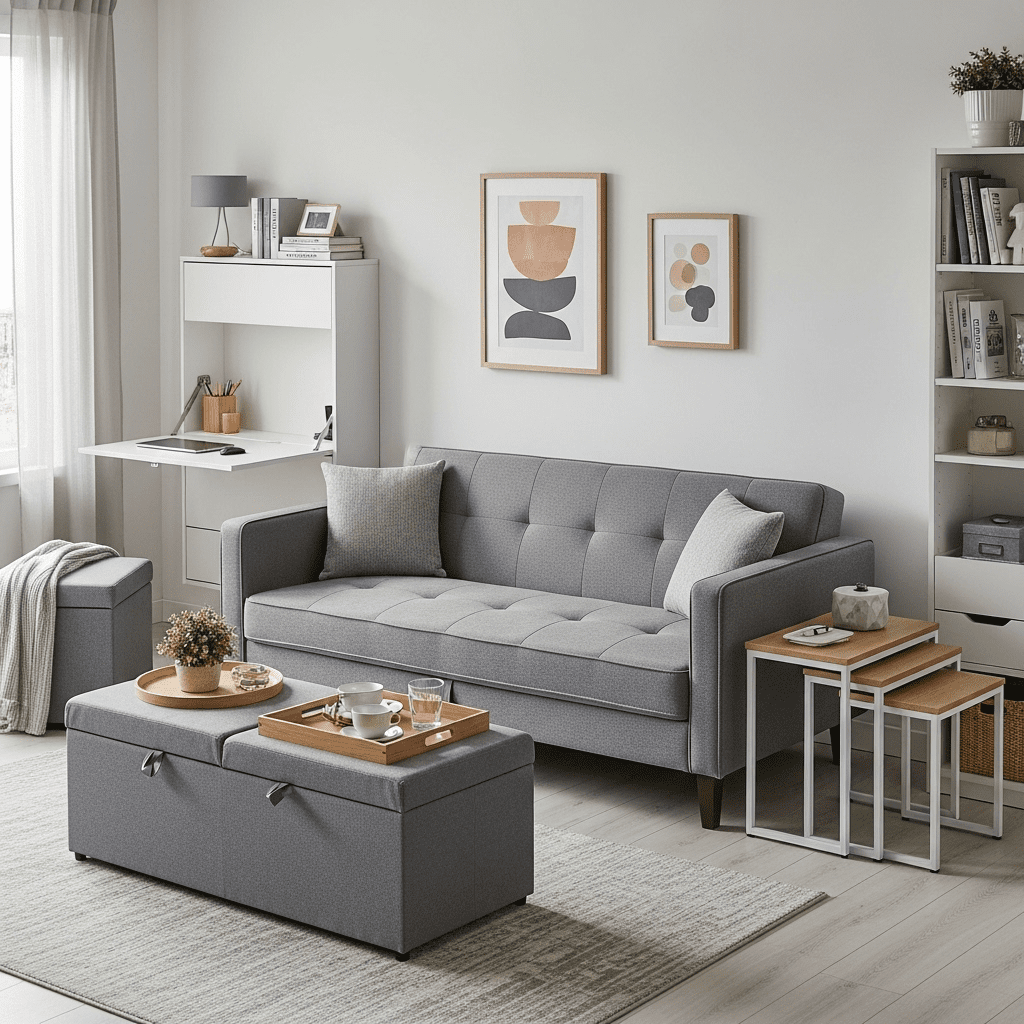
Design with dual-purpose furniture that serves multiple needs in your limited space. Choose a sofa bed for overnight guests, a storage ottoman that doubles as coffee table and holds blankets, and nesting tables that tuck away when not needed. Wall-mounted fold-down desks provide workspace without permanent floor space commitment.
The modern aesthetic with clean lines and neutral colors keeps the multi-functional space feeling cohesive rather than cluttered. Select furniture with exposed legs rather than skirted pieces—the visible floor underneath creates the illusion of more space. This practical approach maximizes functionality without sacrificing style.
3. Light and Bright All-White
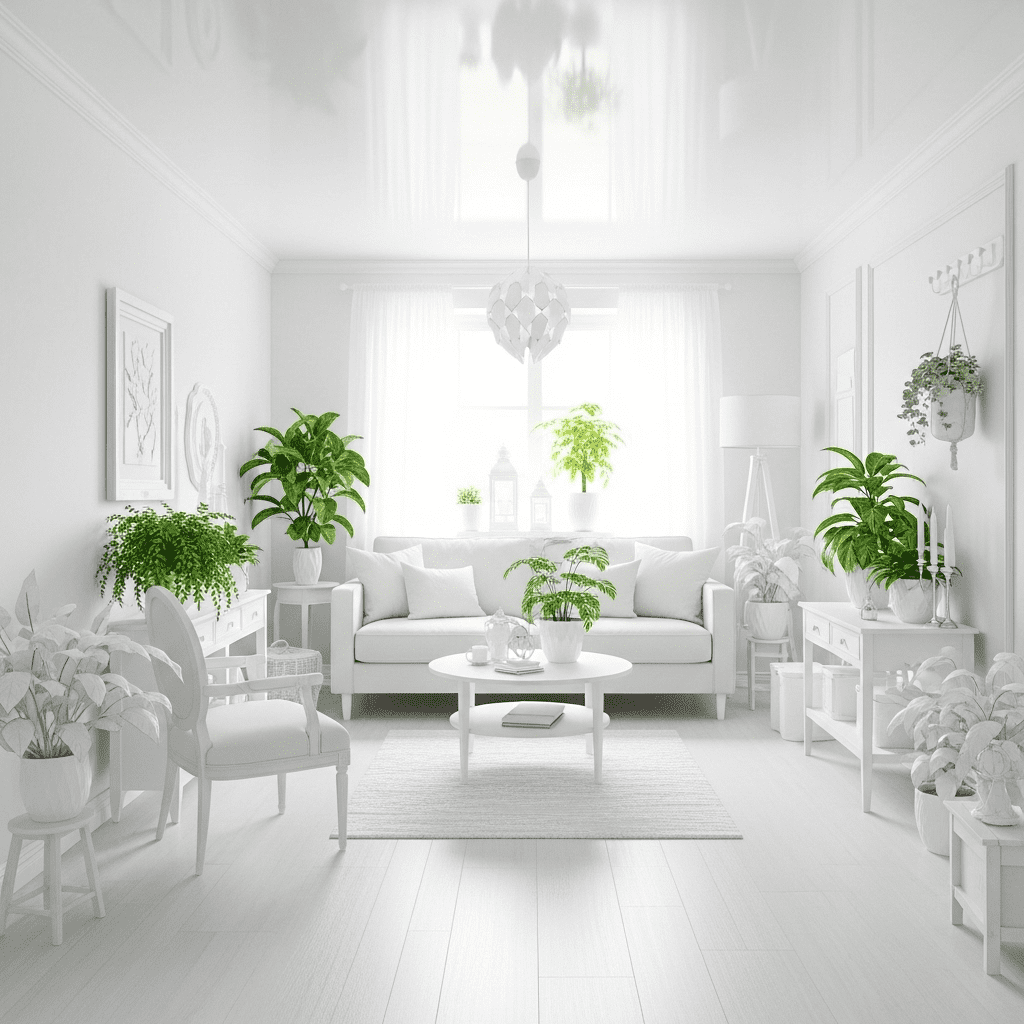
Create an expansive feeling by painting everything—walls, ceiling, trim, and even furniture—in varying shades of white. This monochromatic approach eliminates visual barriers that can make small rooms feel choppy and confined. Layer different textures to prevent flatness: smooth painted walls, nubby linen upholstery, glossy ceramic accessories, and matte cotton textiles.
The all-white palette reflects maximum light, bouncing it around the room and creating a bright, airy atmosphere. Add subtle warmth through cream and ivory undertones rather than stark cool whites. Introduce color sparingly through plants, which pop dramatically against the white backdrop while adding life to the space.
4. Vertical Storage Emphasis
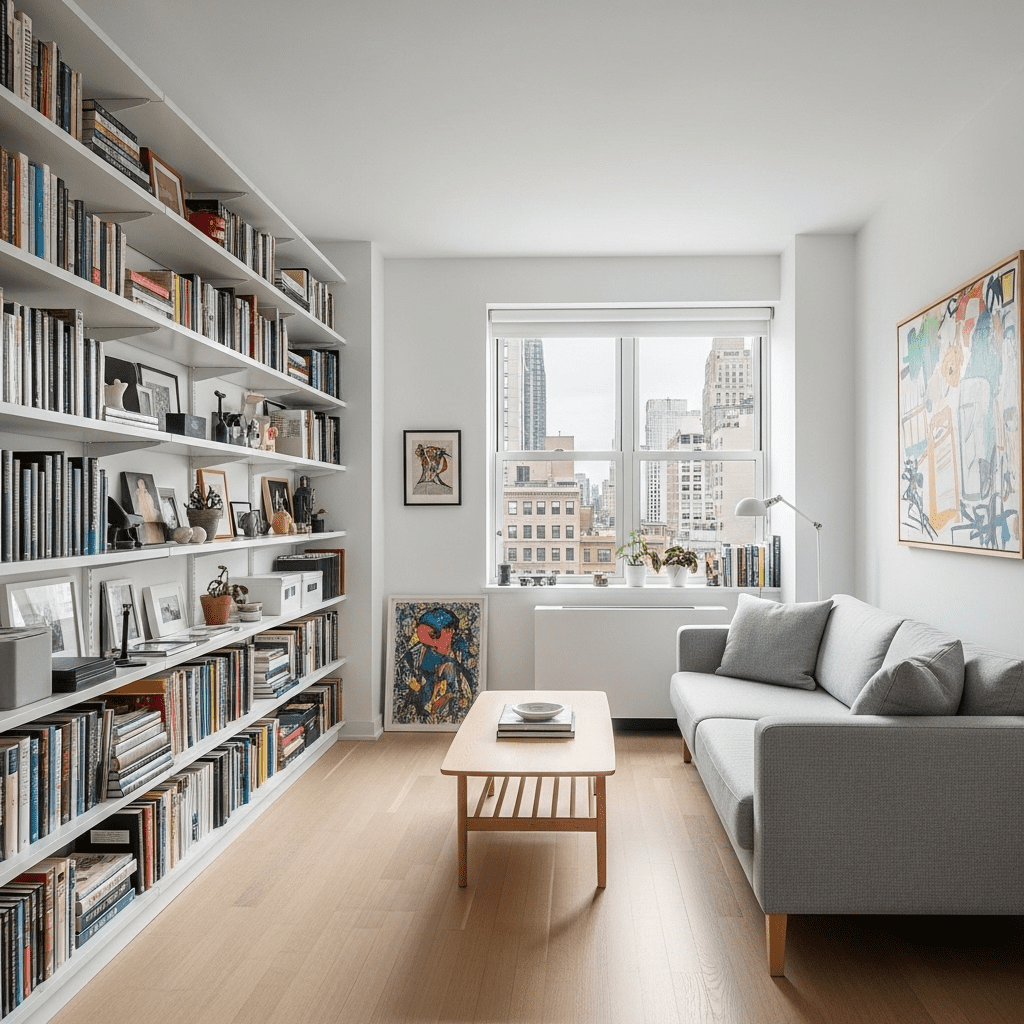
When floor space is limited, utilize vertical space with floor-to-ceiling storage solutions. Install tall bookcases, floating shelves at multiple heights, and wall-mounted cabinets that draw the eye upward. This vertical emphasis makes ceilings appear higher while providing essential storage without consuming precious floor area.
Keep lower levels of the room relatively open for seating and movement, using upper zones for storage and display. Paint built-ins the same color as walls to make them recede visually, or choose contrasting colors to make them statement features. The vertical approach is both practical and visually elongating.
5. Glass and Lucite Transparency
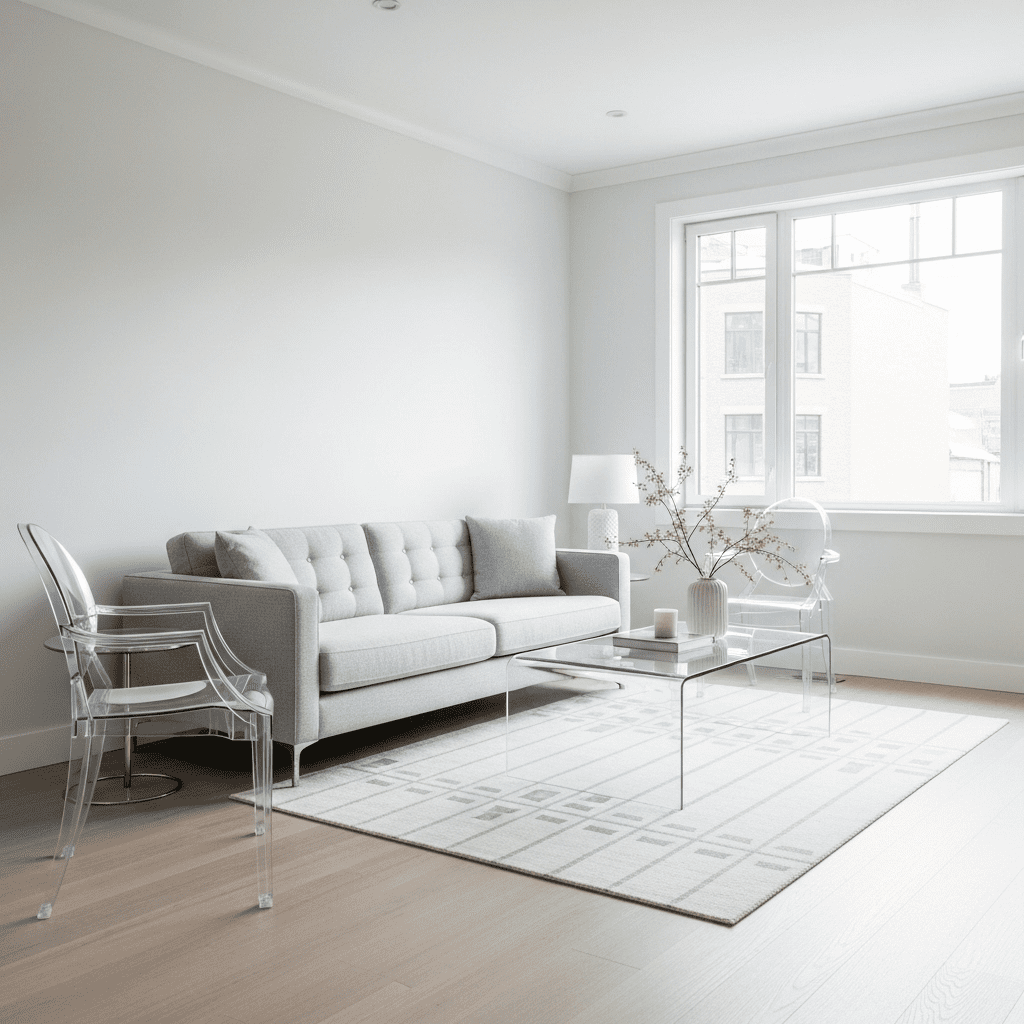
Incorporate transparent furniture that maintains visual openness while providing necessary function. Choose a glass-topped coffee table with lucite legs, acrylic accent chairs, or glass shelving units. These transparent pieces allow light to pass through unobstructed, preventing the visual weight that solid furniture creates in small spaces.
Pair transparent furniture with light-colored upholstered pieces for a balanced look that feels both substantial and airy. The see-through elements create a floating effect that makes the room feel less crowded. This modern approach works beautifully in contemporary and transitional designs.
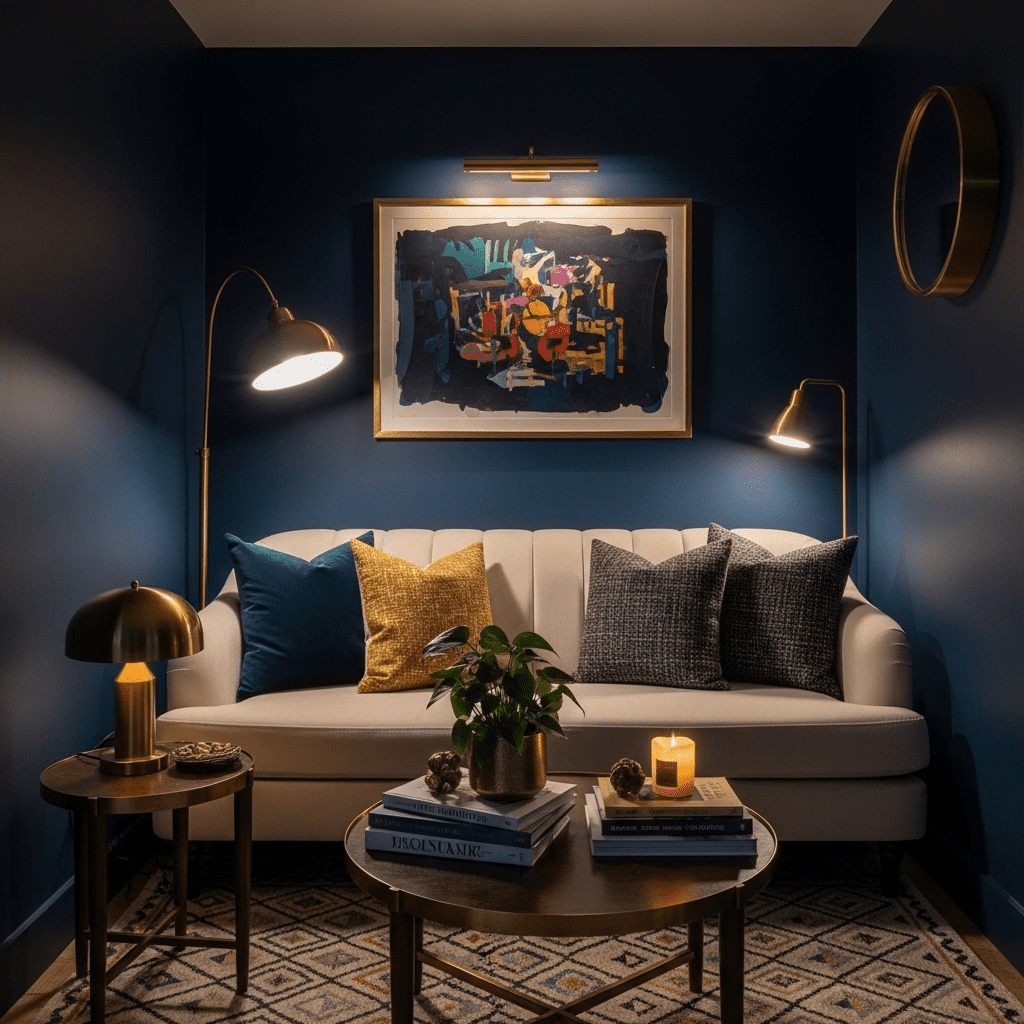
6. Bold Dark Cozy
Contrary to conventional wisdom, embrace dark walls in small spaces to create intentional coziness rather than trying to fight the compact dimensions. Paint walls in deep navy, charcoal, or forest green, then contrast with lighter furniture that pops against the dark backdrop. The moody approach makes small rooms feel like jewel boxes—intimate and intentional rather than accidentally small.
Layer abundant lighting through multiple sources at different heights to ensure the dark space doesn’t feel gloomy. Add metallic accents in brass or gold that catch light and provide warmth. This confident approach suits those who want drama and sophistication over conventional space-expanding tricks.
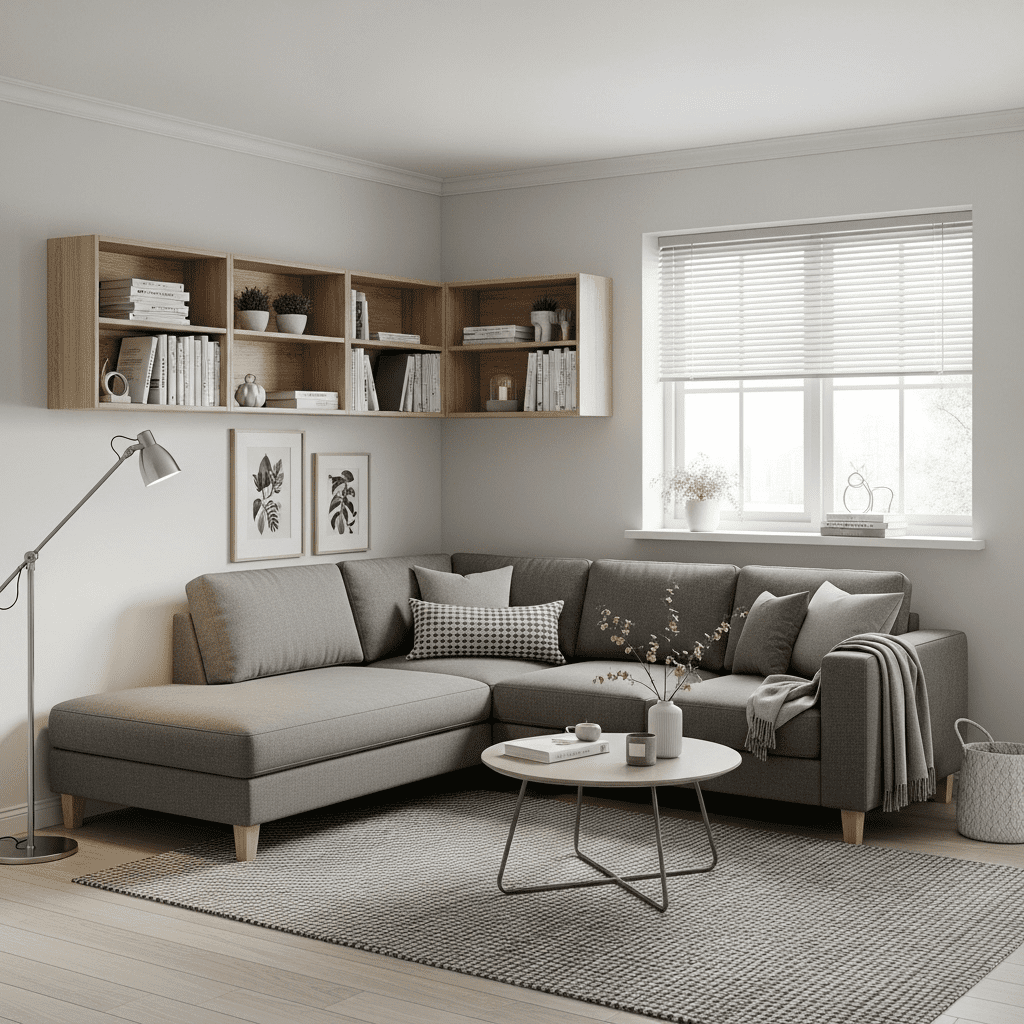
7. Corner-Focused Layout
Maximize awkward corners with strategic furniture placement. Use a corner sectional that wraps around the corner, or position a reading chair with floor lamp in an otherwise unused corner. Corner shelving units utilize dead space while providing storage and display opportunities.
This approach leaves the center of the small room relatively open, creating better traffic flow and a more spacious feeling. The corner-focused layout works particularly well in square small living rooms where traditional linear arrangements might feel cramped.
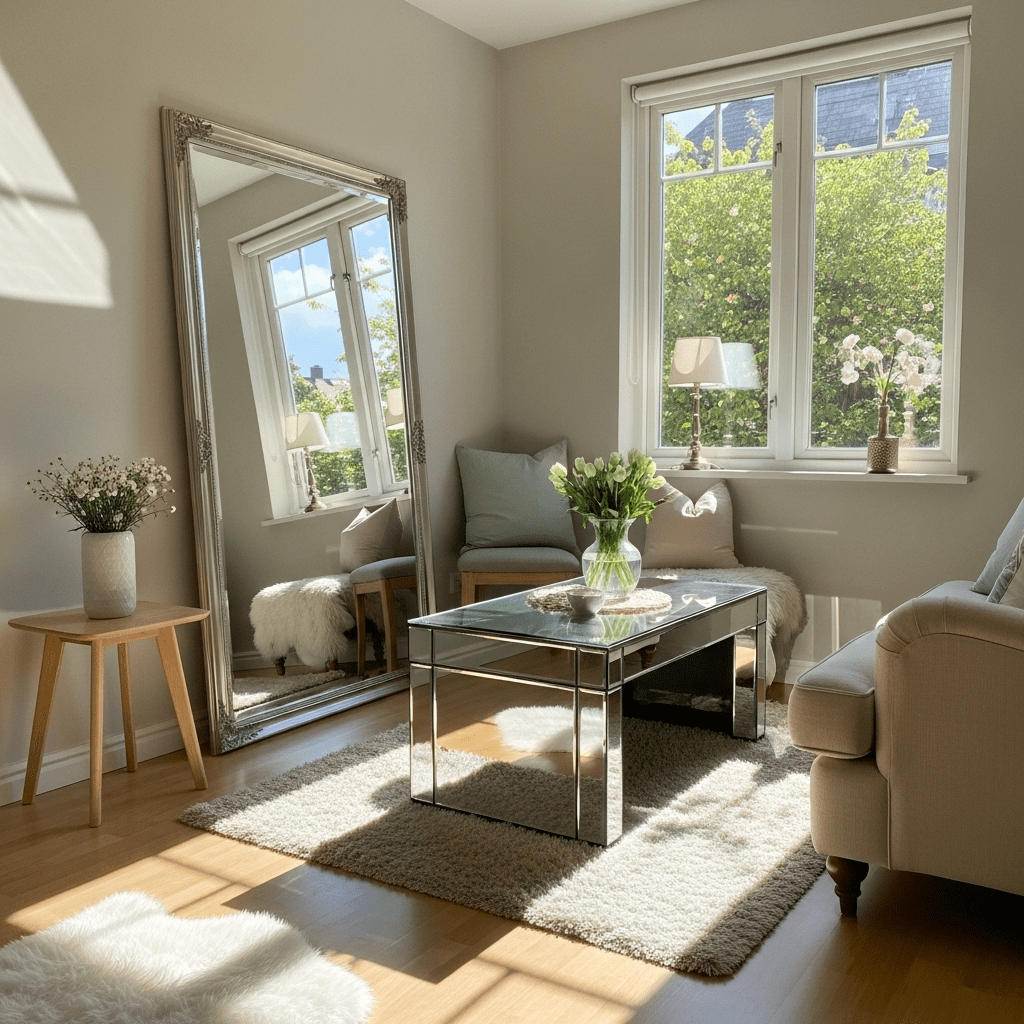
8. Mirror Magic Expansion
Strategically place mirrors to visually double your space and reflect light throughout the room. Hang a large mirror opposite windows to capture and reflect natural light, or create a gallery wall that incorporates multiple mirrors among artwork. Mirrored furniture pieces like coffee tables or side tables add additional reflective surfaces.
The reflection creates depth and the illusion of expanded space while brightening the room through light multiplication. Choose mirrors with decorative frames that complement your design style—from ornate vintage to sleek modern, the mirror becomes both functional and decorative element.
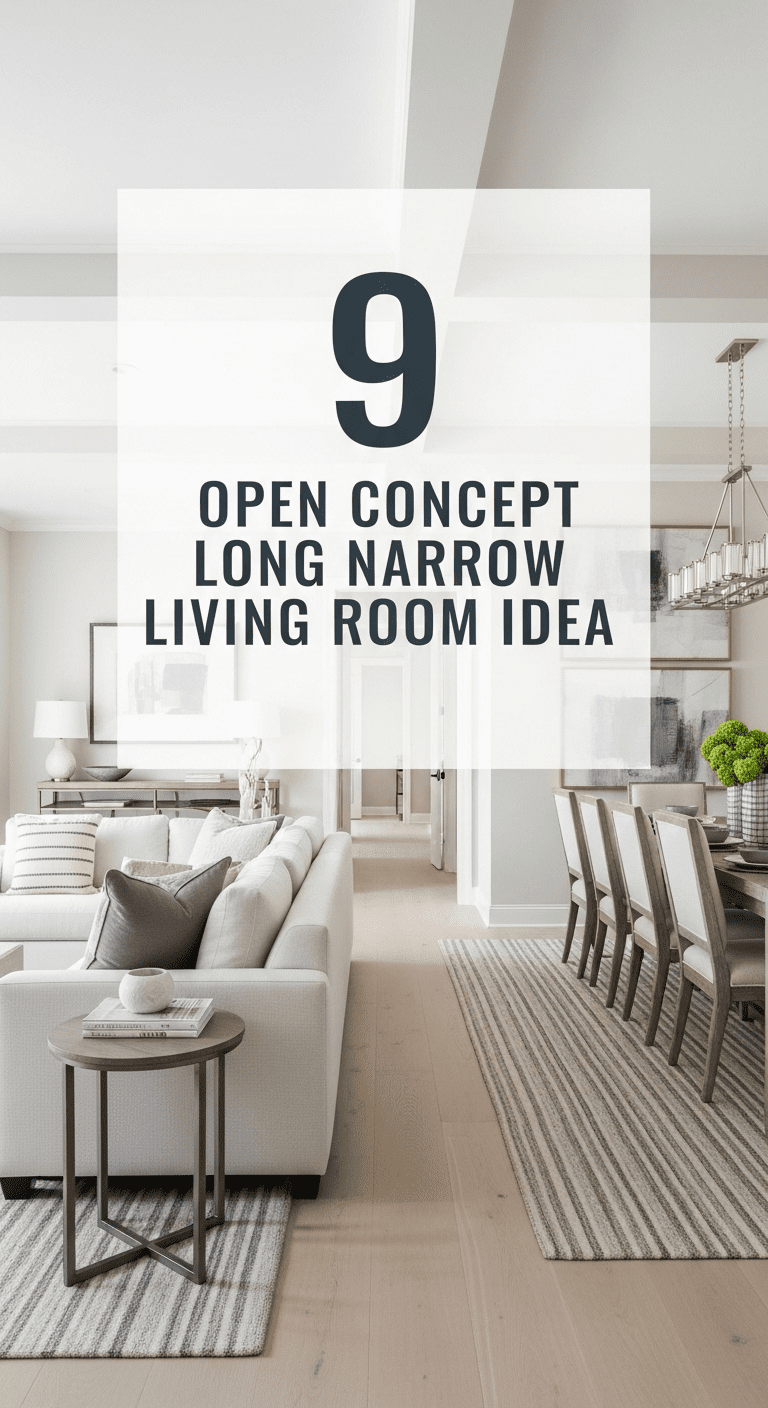
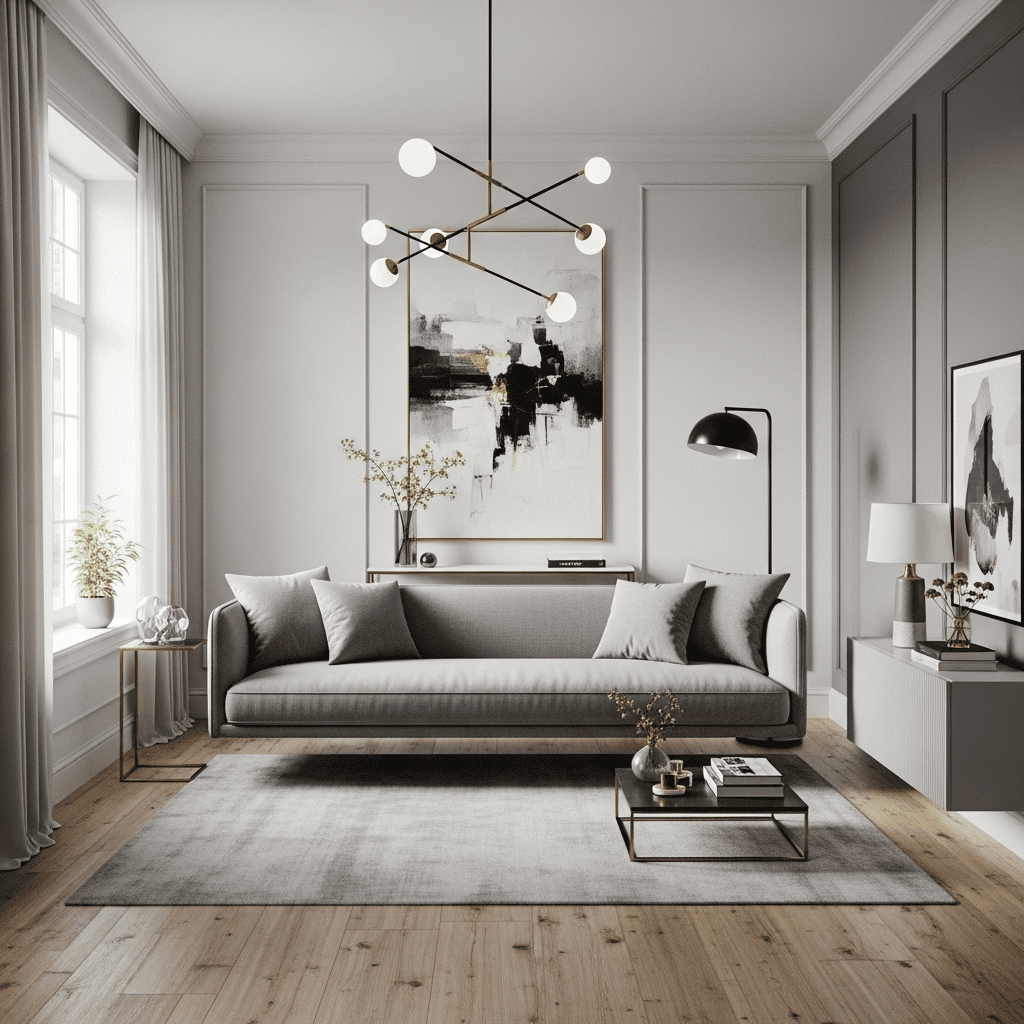
9. Floating Furniture Openness
Pull furniture away from walls to create a floating arrangement that paradoxically makes small rooms feel larger. Position a compact sofa floating in the space with a slim console table behind it. This creates defined zones and pathways while the visible floor around furniture perimeter creates spaciousness.
The floating layout works best in small rooms that are relatively square rather than extremely narrow. Leave at least 18 inches between furniture and walls for the effect to work properly. This sophisticated approach creates intentional design rather than furniture-pushed-against-walls necessity.
10. Built-In Banquette Seating
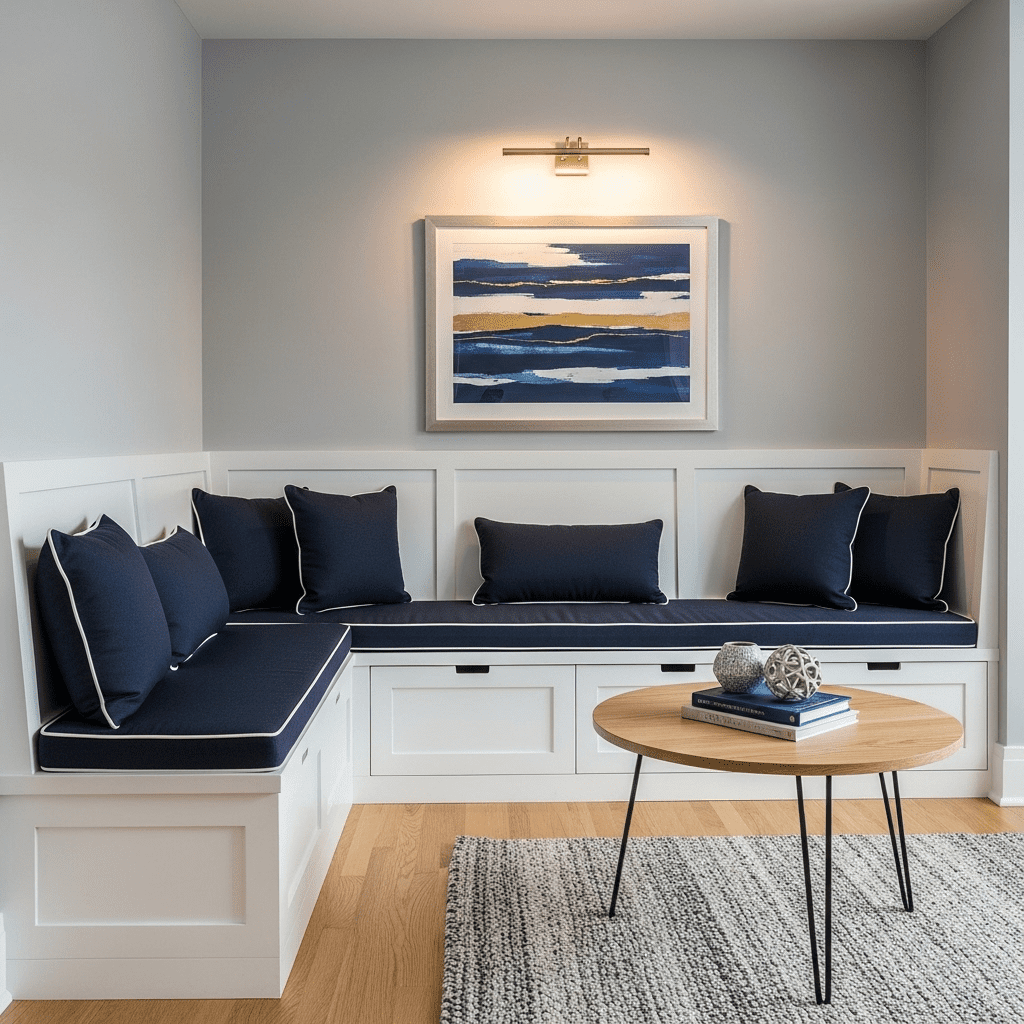
Maximize seating capacity while minimizing floor space by installing built-in banquette seating along one wall. Add a hinged seat for hidden storage underneath, topping with comfortable cushions and throw pillows. Pair with a small coffee table or ottoman that can be easily moved when needed.
The built-in approach provides generous seating without free-standing furniture that consumes floor space. Style the banquette with varied pillows and throws to make it feel more like a sofa than a bench. This custom solution works beautifully in small spaces where every inch counts.
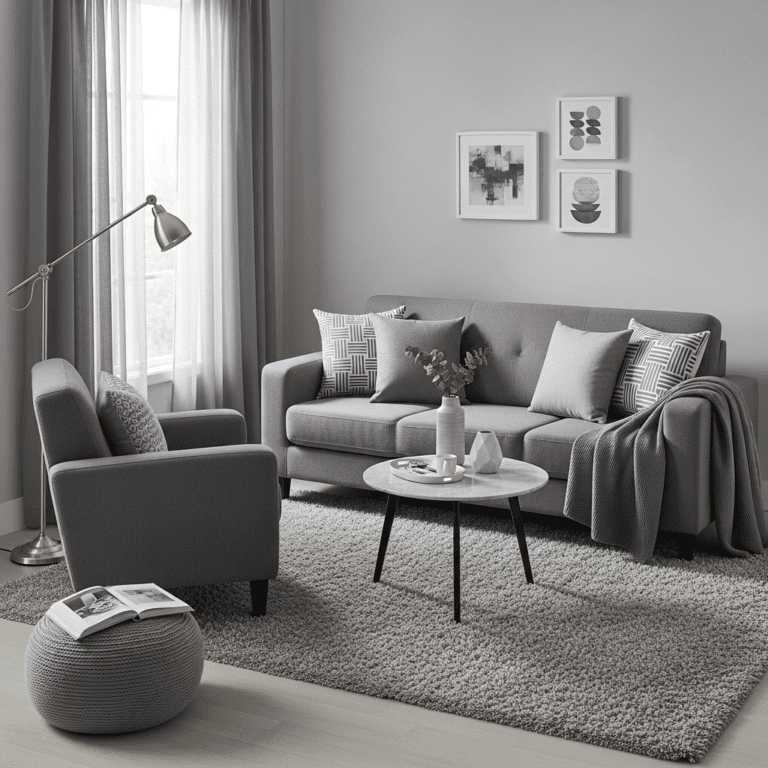
11. Monochromatic Neutral Scheme
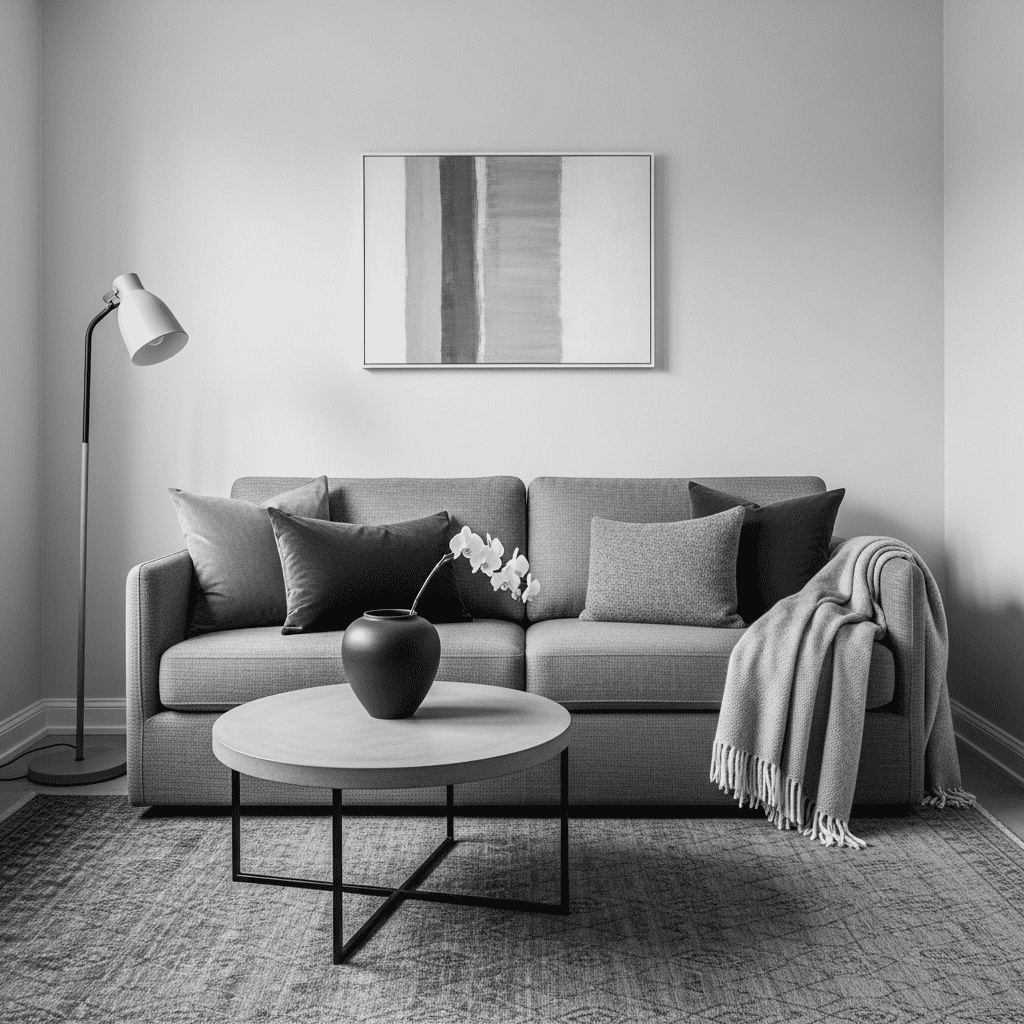
Create visual continuity with a monochromatic palette using varying shades of one neutral color—grays, beiges, or taupes. This cohesive approach eliminates visual fragmentation that makes small spaces feel choppy. Layer different tones of your chosen neutral through walls, furniture, and accessories.
Add depth through varied textures rather than contrasting colors. Include velvet, linen, wood, metal, and natural fibers in your neutral palette. The monochromatic scheme creates sophisticated serenity while the textural variety prevents blandness. This approach works in any design style from modern to traditional.
12. Compact Furniture Scale
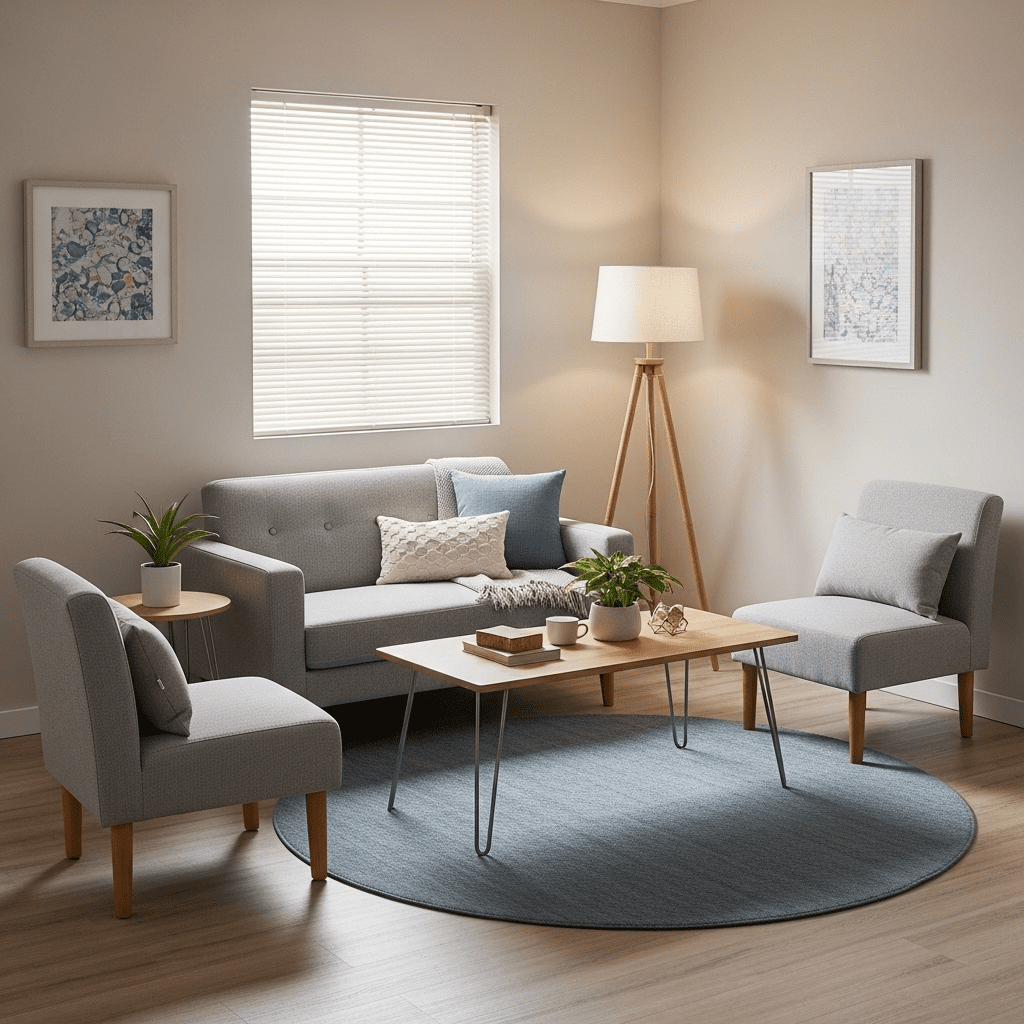
Choose apartment-sized furniture specifically designed for small spaces. Select a 72-inch loveseat instead of 84-inch sofa, armless chairs instead of bulky wingbacks, and slim-profile coffee tables. The properly scaled furniture fits comfortably without overwhelming the room.
Pay attention to proportions—furniture should be substantial enough to be comfortable but not so large that it dominates. Measure carefully before purchasing, and use painter’s tape to outline furniture footprints on your floor to visualize scale before committing.
Small living room design requires creativity, but these twelve approaches prove that compact spaces can be just as stylish, functional, and comfortable as larger rooms when designed with intention and smart strategies.