13 Living Room Wall Decor Designs
Wall decor transforms blank surfaces into compelling focal points that define your living room’s character and style. From dramatic art installations to textured accents, the right wall treatments add personality, depth, and visual interest to any space. These thirteen designs showcase creative approaches to decorating living room walls, proving that vertical surfaces offer unlimited potential for self-expression and design innovation.
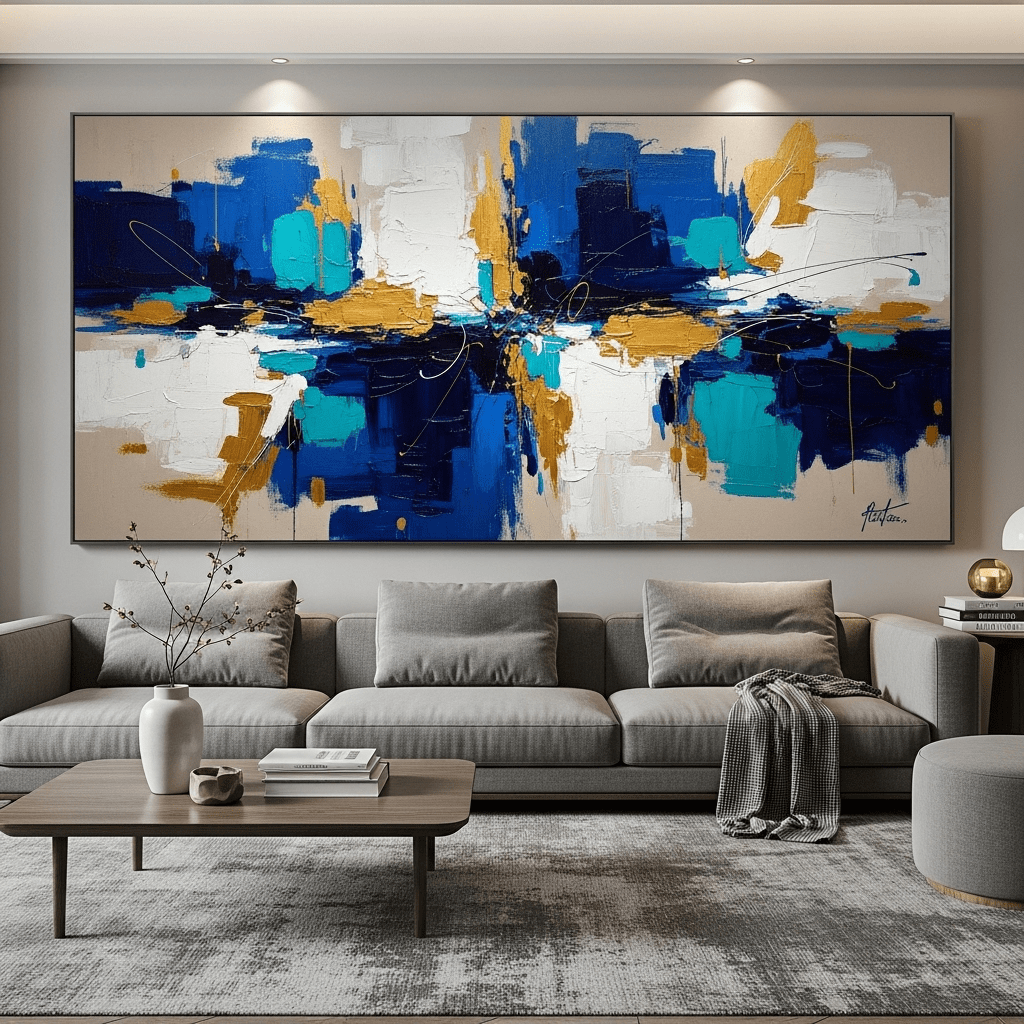
1. Oversized Statement Art
Command attention with a single large-scale piece that dominates the wall. Abstract paintings, photography prints, or contemporary art create instant impact without the complexity of arranging multiple pieces.
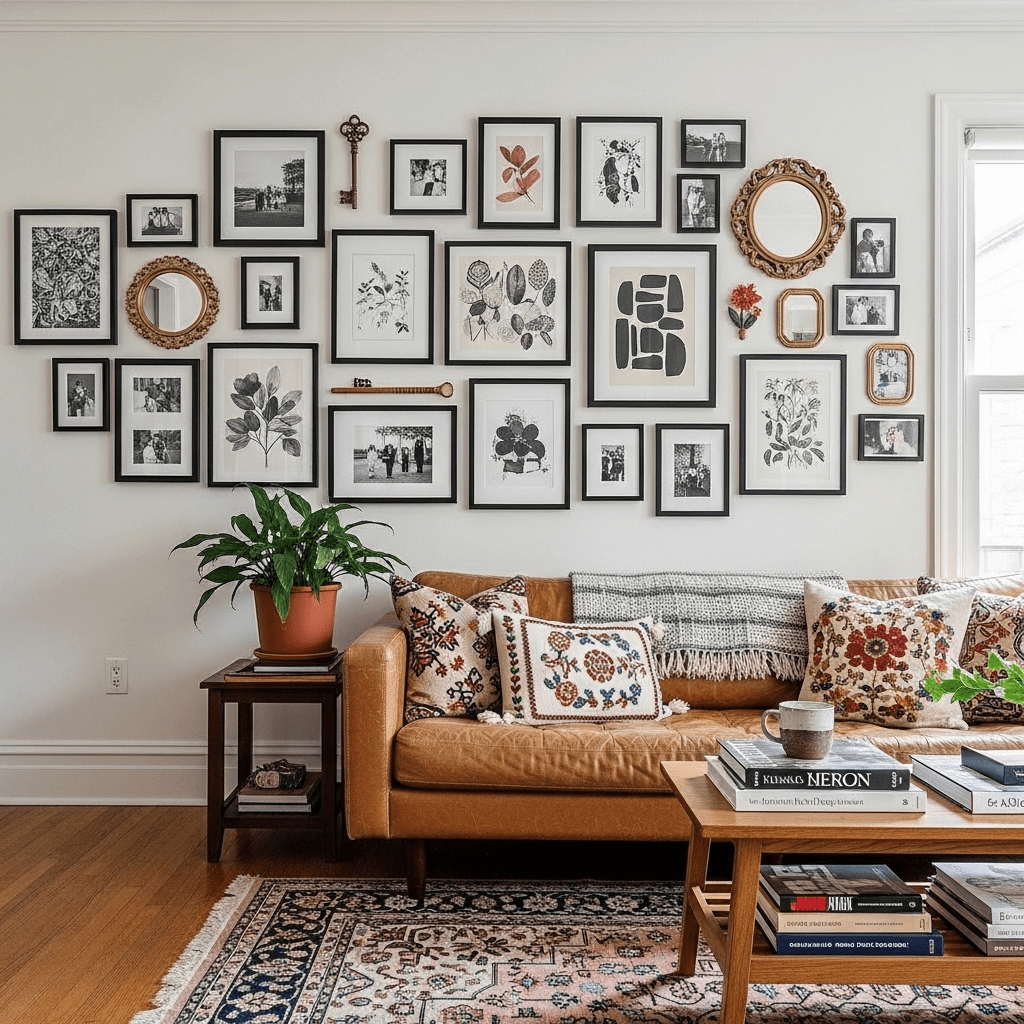
2. Curated Gallery Wall
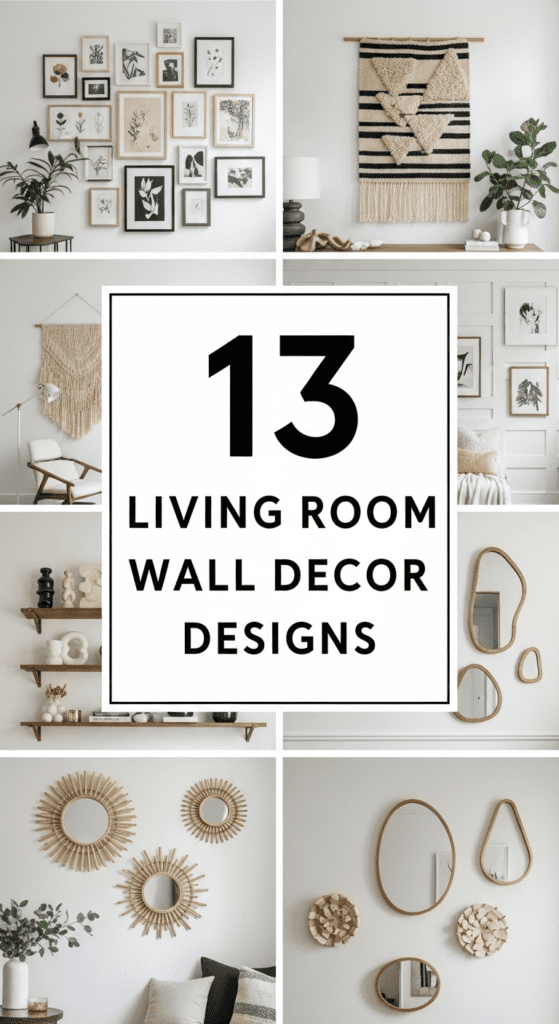
Create visual stories through carefully arranged collections of varied artwork, photographs, and objects. Mix frame sizes, styles, and subjects while maintaining cohesive spacing for collected-over-time sophistication.
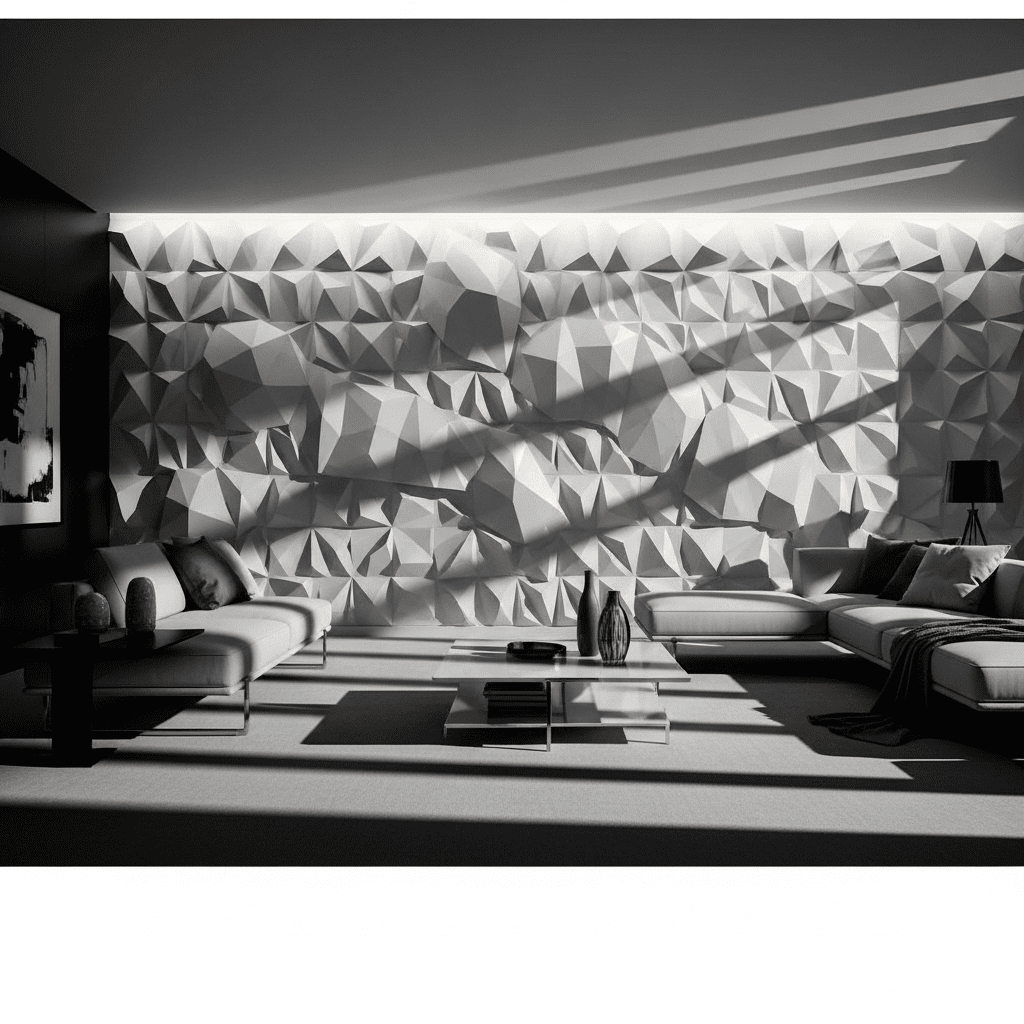
3. Textured 3D Wall Panels
Add architectural dimension with geometric 3D panels that create shadow play and tactile interest. These panels transform flat walls into sculptural features that catch light dynamically throughout the day.
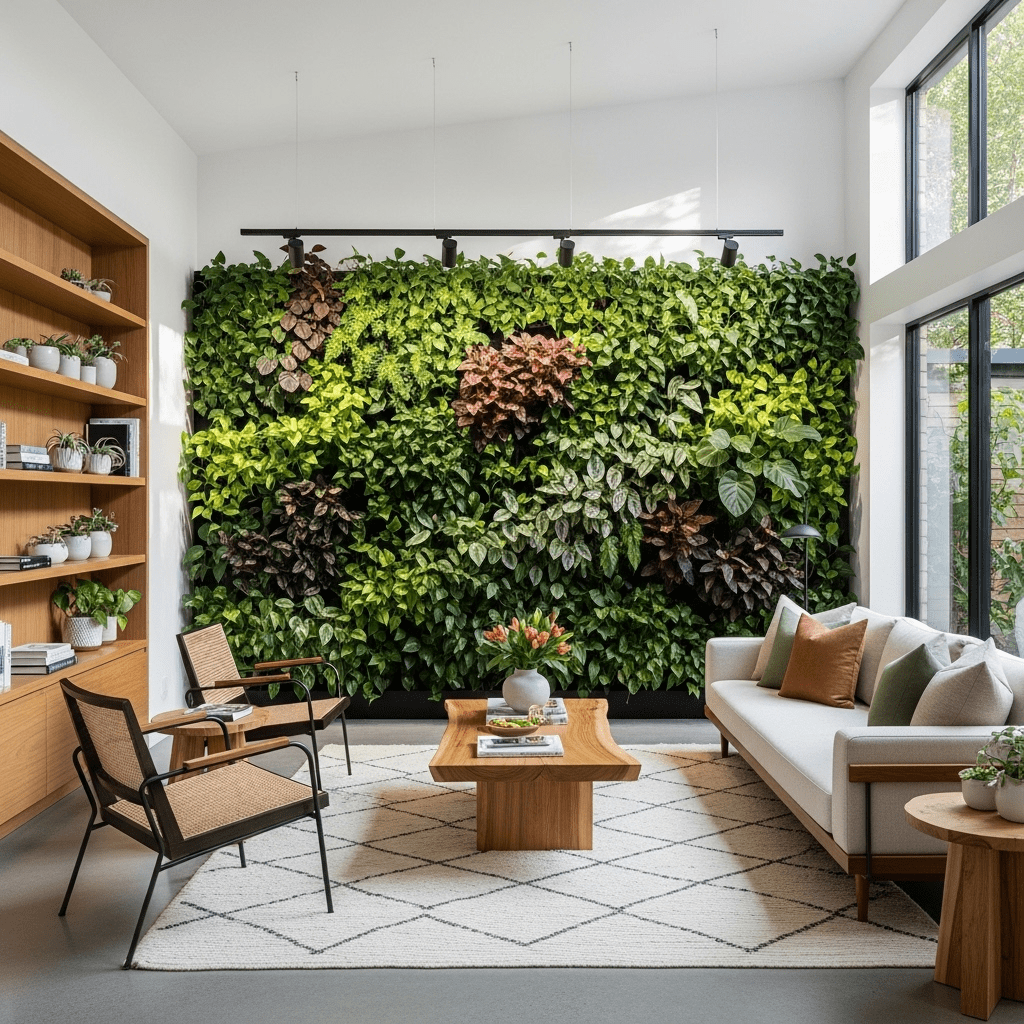
4. Living Plant Wall
Bring nature indoors with vertical gardens or preserved moss installations. Living walls purify air, add color, and create organic focal points that evolve and grow over time.
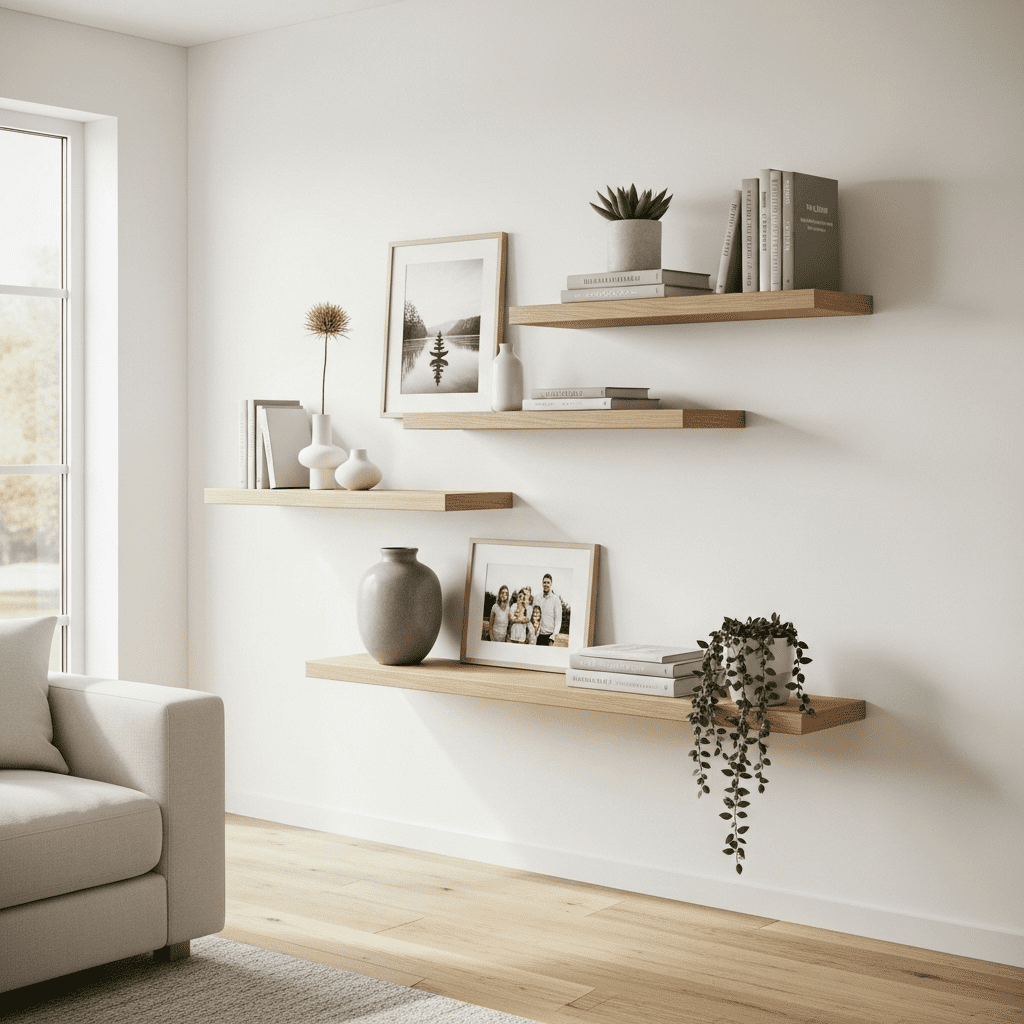
5. Floating Shelves Display
Arrange floating shelves in asymmetric patterns to showcase books, plants, pottery, and treasured objects. This flexible approach allows for seasonal changes and personal curation.
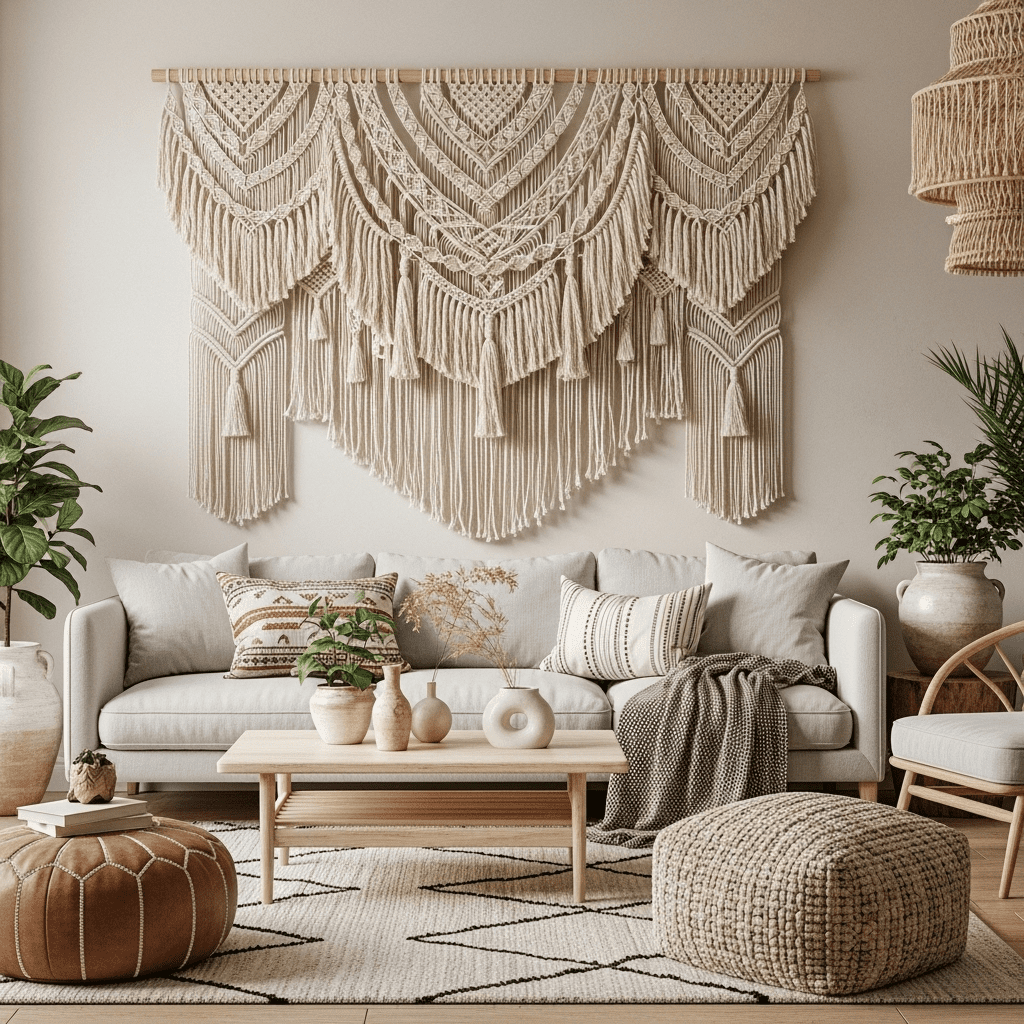
6. Woven Wall Hangings
Introduce texture and warmth through macramé, woven tapestries, or fiber art. These tactile pieces add bohemian sophistication and organic softness to contemporary spaces.
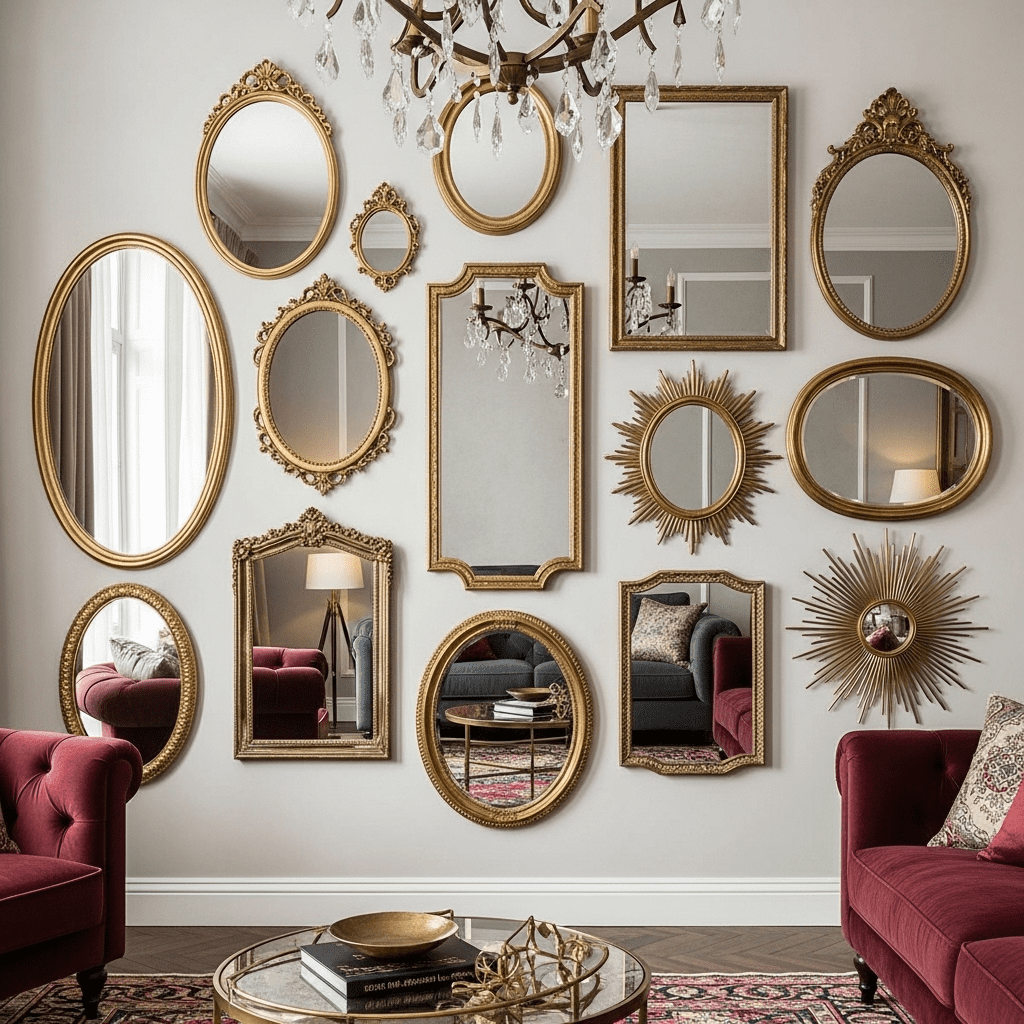
7. Mirror Arrangement
Expand space visually and reflect light through strategic mirror placement. Mix sizes and shapes—round, rectangular, arched—for dimensional, glamorous displays.
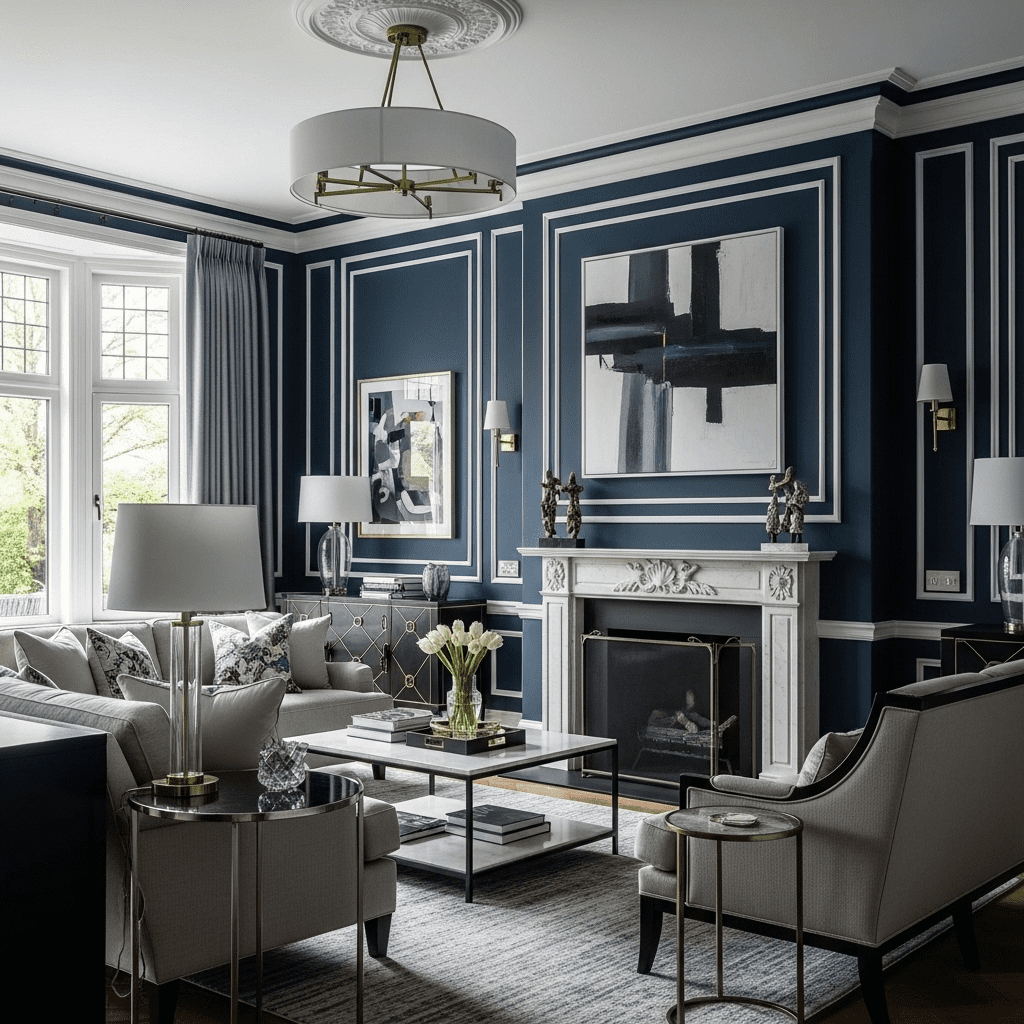
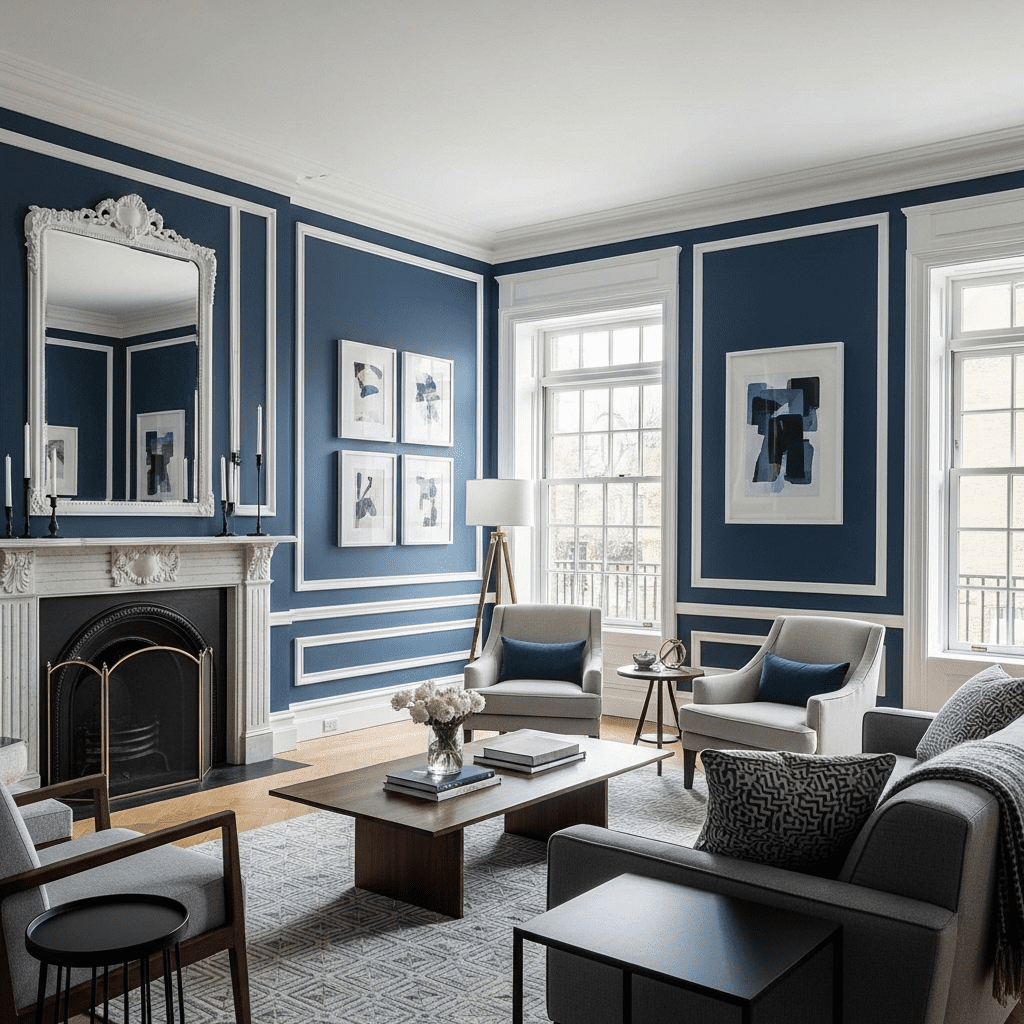
8. Accent Paint and Molding
Elevate plain walls with picture frame molding, wainscoting, or board and batten painted in contrasting colors. This classic technique adds architectural interest affordably.
9. Wallpaper Feature Wall
Transform a single wall with bold wallpaper—geometric patterns, botanical prints, or metallic designs. This high-impact treatment provides personality without overwhelming the entire room.
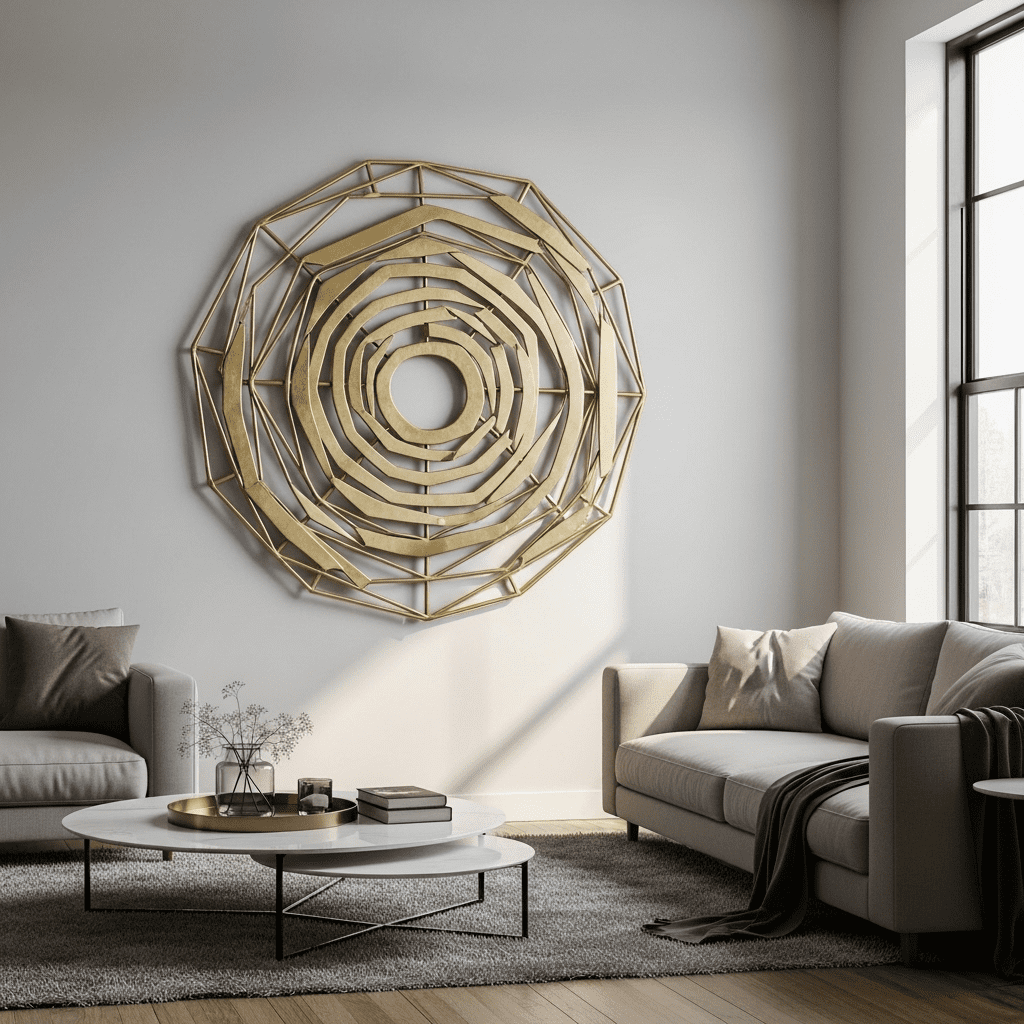
10. Metal Wall Sculpture
Add modern sophistication with abstract metal wall art. Bronze, brass, copper, or black metal sculptures create dimensional interest and artistic focal points.
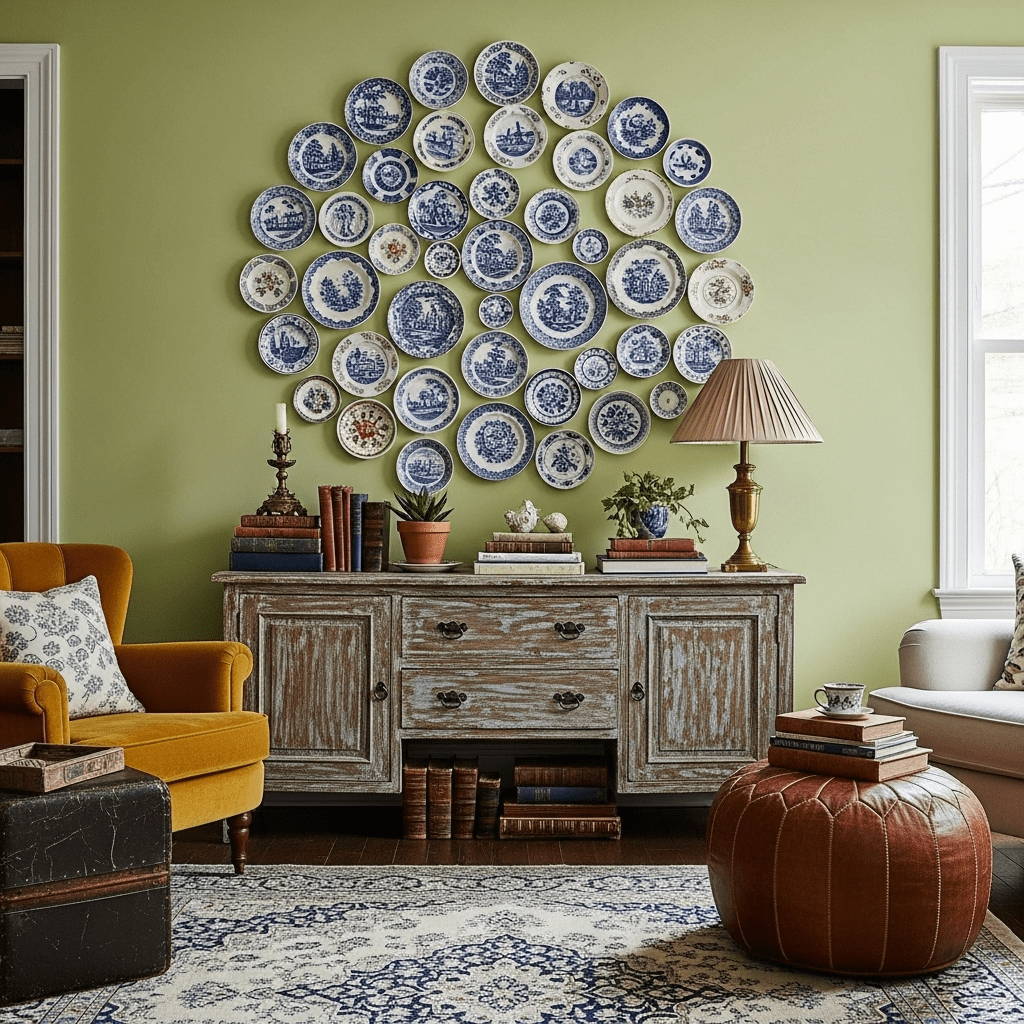
11. Plate Wall Collection
Display decorative plates in cohesive arrangements for unexpected charm. Mix patterns, colors, and sizes while maintaining unified themes—all blue and white, vintage florals, or modern geometrics.
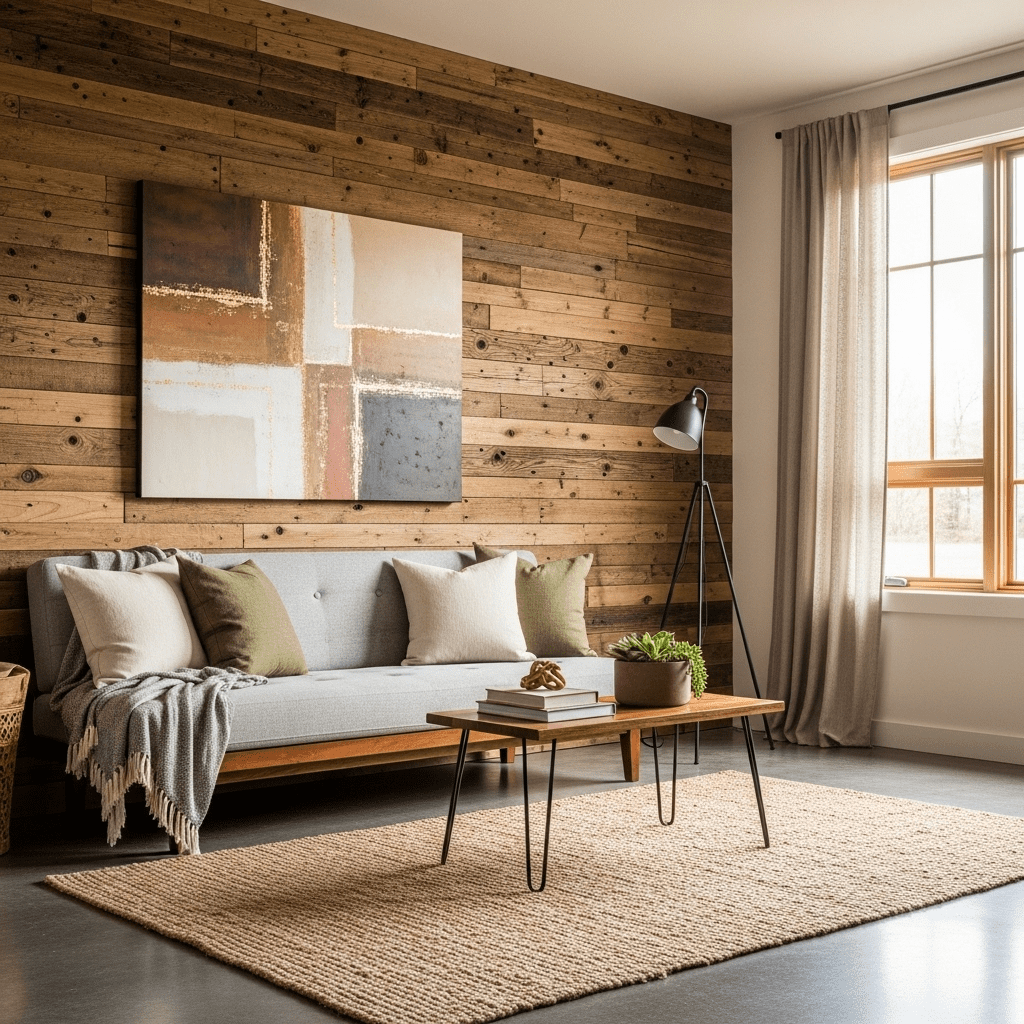
12. Wood Accent Wall Treatment
Create warmth with reclaimed wood planks, shiplap, or geometric wood designs. Natural wood tones and varied grain patterns add organic texture and architectural interest.
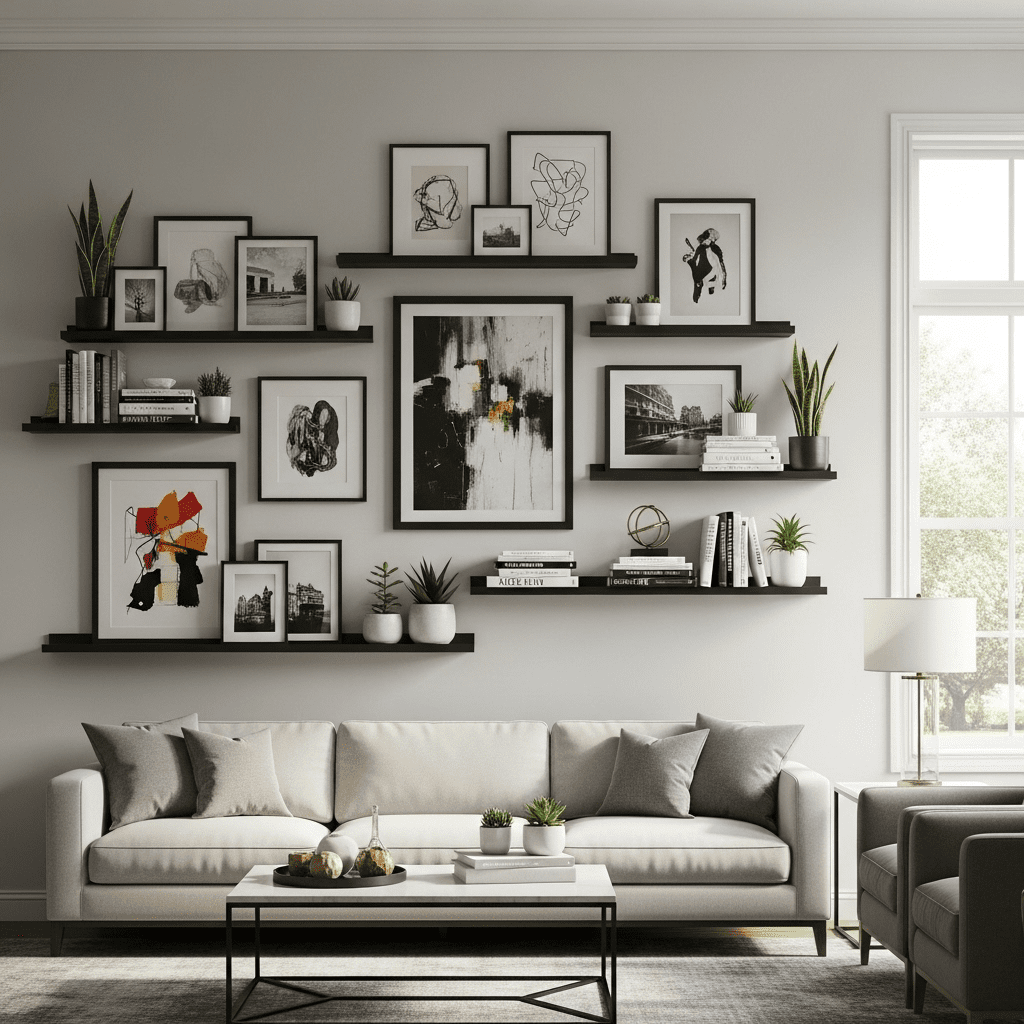
13. Layered Ledge Shelving
Install picture ledges at various heights to create flexible display options. Layer artwork, lean mirrors, and intersperse objects for dynamic, changeable wall arrangements.
Principles of Effective Wall Decor
Successful wall decoration follows several fundamental principles that ensure cohesive, balanced results regardless of chosen style.
Scale and Proportion: Wall decor should relate appropriately to both the wall size and surrounding furniture. A tiny print above a large sofa feels lost; oversized art in small rooms overwhelms. The general rule suggests wall art should cover 60-75% of available wall space above furniture.
Height Placement: Hang artwork at eye level, typically 57-60 inches from floor to center. When hanging above furniture, maintain 6-8 inches between the furniture top and art bottom. Gallery walls should center at eye level even if individual pieces vary in height.
Visual Weight Balance: Distribute visual weight across walls so rooms feel balanced. If one wall features heavy, dark artwork, balance with lighter pieces or mirrors opposite. Consider how wall treatments affect the room’s overall equilibrium.
Color Harmony: Wall decor should relate to the room’s color scheme without matching exactly. Pull accent colors from artwork into throw pillows, or echo wall colors in decorative objects for cohesive design.
Personal Meaning: The most successful wall decor reflects inhabitants’ personalities, interests, and experiences. Display what you love rather than what designers dictate—authentic spaces feel more inviting.
Planning Your Wall Decor
Before purchasing or installing, thoughtful planning prevents costly mistakes:
Create Templates: Cut paper or newspaper to match frame sizes and tape on walls before committing. This allows experimentation with arrangements without nail holes or damage.
Consider Lighting: How does natural and artificial light interact with planned decor? Glossy finishes reflect light; textured pieces create shadows. Adjust placement for optimal lighting conditions throughout the day.
Room Function: Living rooms used for TV viewing might avoid reflective glass over screens. Conversely, formal living rooms benefit from dramatic, attention-grabbing treatments.
Architectural Features: Work with existing elements—fireplaces, windows, built-ins—rather than competing with them. Frame architectural features or create symmetry around them.
Long-Term Flexibility: Consider whether wall treatments allow for change. Gallery walls with multiple pieces offer flexibility; permanent installations like 3D panels commit to specific aesthetics longer.
Gallery Wall Arrangement Strategies
Gallery walls require careful planning for successful results:
Layout Styles:
- Grid arrangement: Uniform spacing creates clean, modern looks
- Salon style: Varied sizes frame-to-frame create eclectic sophistication
- Geometric patterns: Intentional shapes (squares, rectangles) provide structure
- Organic arrangements: Flowing, asymmetric layouts feel casual and collected
Frame Selection: Maintain consistency through unified frame colors (all black, all white, all wood) or intentionally mix styles for eclectic galleries. Avoid random frame selection that lacks cohesive vision.
Content Curation: Mix mediums—photographs, prints, paintings, mirrors, objects—for dimensional interest. Ensure pieces relate through color, theme, or style even when subjects vary.
Spacing Consistency: Maintain 2-3 inches between frames regardless of arrangement style. Consistent spacing creates cohesion even in varied collections.
Color Considerations for Wall Decor
Wall decor color relationships significantly impact room atmosphere:
Monochromatic Schemes: Using various shades of one color creates sophisticated, calming environments. Black and white photography suits minimalist or traditional spaces beautifully.
Complementary Contrast: Opposite color wheel colors (blue/orange, purple/yellow) create vibrant, energetic spaces when used in wall art.
Analogous Harmony: Adjacent color wheel colors (blue/green, orange/red) provide cohesive, harmonious feelings that flow naturally.
Neutral with Pops: Predominantly neutral walls punctuated with colorful art allow flexibility to change accent colors seasonally through textiles and accessories.
Texture and Dimension
Flat walls benefit enormously from textural variety:
Mixing Mediums: Combine two-dimensional art with three-dimensional objects—paintings with sculptures, prints with woven pieces, photos with plants—for rich, layered interest.
Material Variety: Metal, wood, fabric, paper, glass, and ceramic each contribute unique textural qualities. Mix materials for sensory richness that engages touch and sight.
Shadow and Light: Dimensional decor creates shadow patterns that change throughout the day, adding dynamic visual interest beyond static flat art.
Budget-Friendly Wall Decor Ideas
Effective wall decoration doesn’t require extravagant spending:
DIY Artwork: Create your own abstract paintings, frame fabric or wallpaper samples, or photograph and print your own images for personalized, affordable art.
Thrift and Vintage: Source unique frames, mirrors, and artwork from thrift stores, estate sales, and flea markets. Mix with new pieces for collected character.
Printable Art: Download and print digital artwork from online marketplaces or museums offering free high-resolution images. Professional framing elevates affordable prints.
Natural Elements: Frame pressed botanicals, display collections of found objects, or create shadow boxes with meaningful items for zero-cost personal art.
Removable Options: Peel-and-stick wallpaper, removable decals, and washi tape designs allow impactful change without permanent commitment or damage—perfect for renters.
Seasonal and Changeable Displays
Design wall decor for easy updates:
Picture Ledges: Lean artwork instead of hanging for effortless seasonal swaps or mood changes without new nail holes.
Rotating Collections: Own more art than displayed and rotate pieces quarterly for fresh perspectives without additional purchases.
Flexible Arrangements: Gallery walls accept new additions easily. Leave intentional gaps for future finds or remove pieces temporarily without disrupting overall composition.
Seasonal Accents: Add seasonal elements—autumn leaves in frames, holiday garlands over galleries—that integrate with permanent decor for timely freshness.
Common Wall Decor Mistakes
Avoid these frequent pitfalls:
Hanging Too High: The most common error—art hung far above eye level creates disconnection and feels floating rather than anchored.
Undersized Art: Timid, too-small pieces look insignificant. When uncertain, size up rather than down.
Ignoring Proportion: Matching art scale to wall and furniture size creates harmony; mismatched proportions feel awkward regardless of quality.
Overcrowding: More isn’t always better. Negative space allows individual pieces to shine and prevents visual chaos.
Forgetting Hardware: Visible wires, crooked hanging, or inadequate support cheapens even expensive art. Invest in proper hardware and installation.
Lighting Wall Decor Properly
Proper illumination transforms good wall decor into great focal points:
Picture Lights: Mounted above artwork, these fixtures provide focused illumination that highlights specific pieces while adding warm ambiance.
Track Lighting: Adjustable track lights allow flexible highlighting of various wall areas, perfect for gallery walls or changing displays.
Uplighting: Floor lamps or wall sconces directed upward create dramatic shadows and highlight textured walls or dimensional decor.
Natural Light: Position reflective pieces (mirrors, glass art) to capture and distribute natural light throughout rooms, maximizing available sunshine.
Living room walls offer boundless creative potential limited only by imagination. Whether you embrace maximalist gallery walls or minimalist single statements, textured installations or traditional arrangements, thoughtful wall decor transforms spaces from generic to genuinely personal. The most successful treatments balance aesthetic impact with authentic self-expression, creating living rooms that feel both beautiful and meaningfully yours.