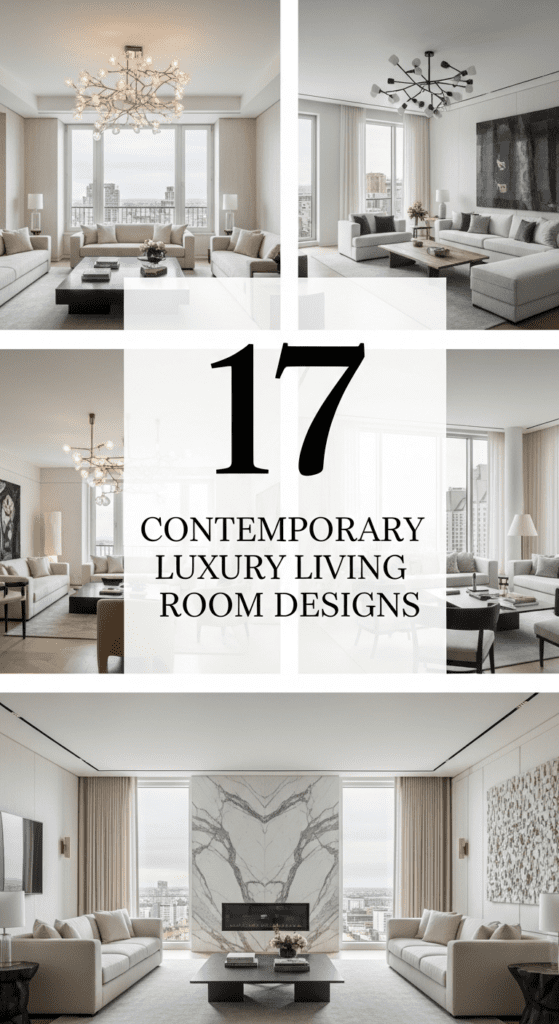
17 Contemporary Luxury Living Room Designs
Contemporary luxury living room designs represent the pinnacle of modern sophistication, where cutting-edge aesthetics meet premium materials and impeccable craftsmanship. These spaces transcend mere functionality to become showcases of refined taste, innovative design, and elevated living. The following seventeen designs exemplify how contemporary luxury creates environments that are both visually stunning and supremely comfortable, proving that modern elegance can feel both impressive and inviting.
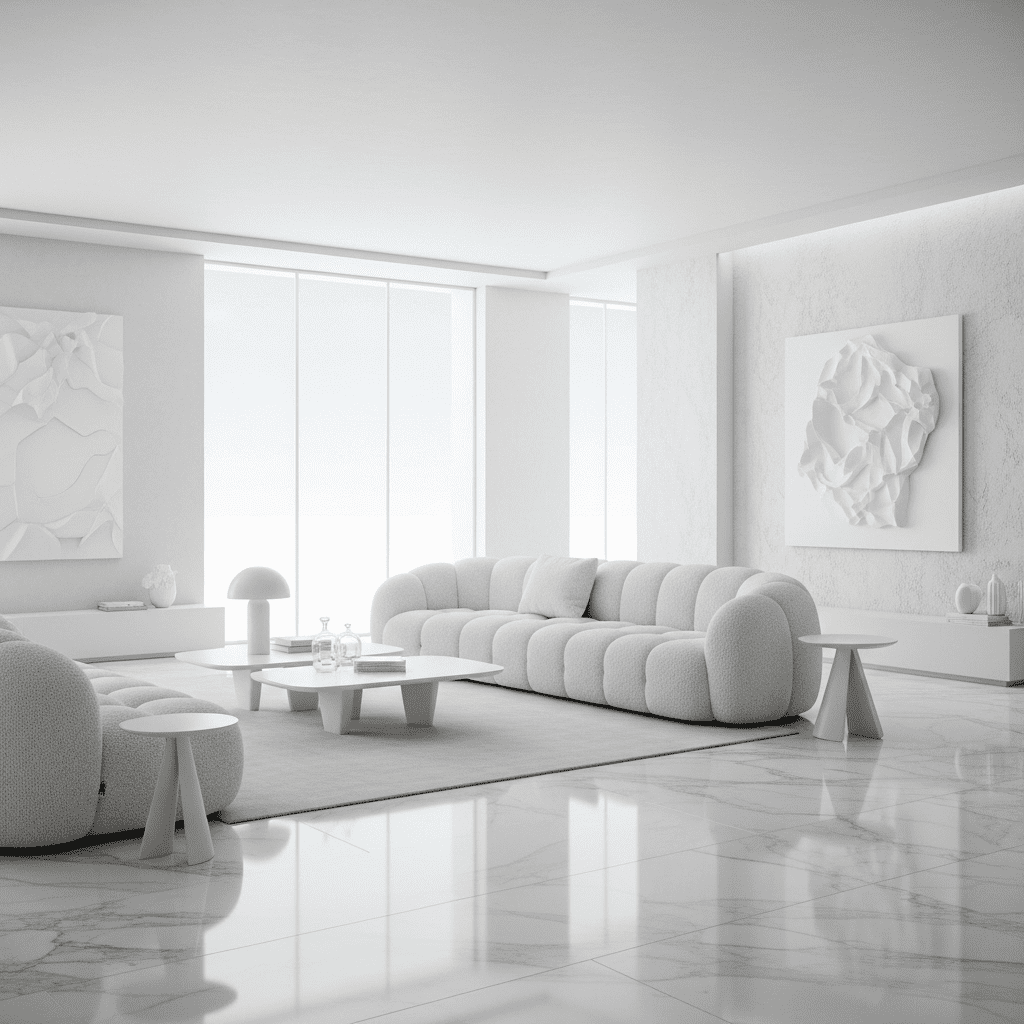
1. Monochromatic White Minimalism
Pure white surfaces, premium materials, and sculptural furniture create serene luxury through restraint. Textured fabrics, varied whites, and strategic lighting prevent sterility while maintaining minimalist sophistication.
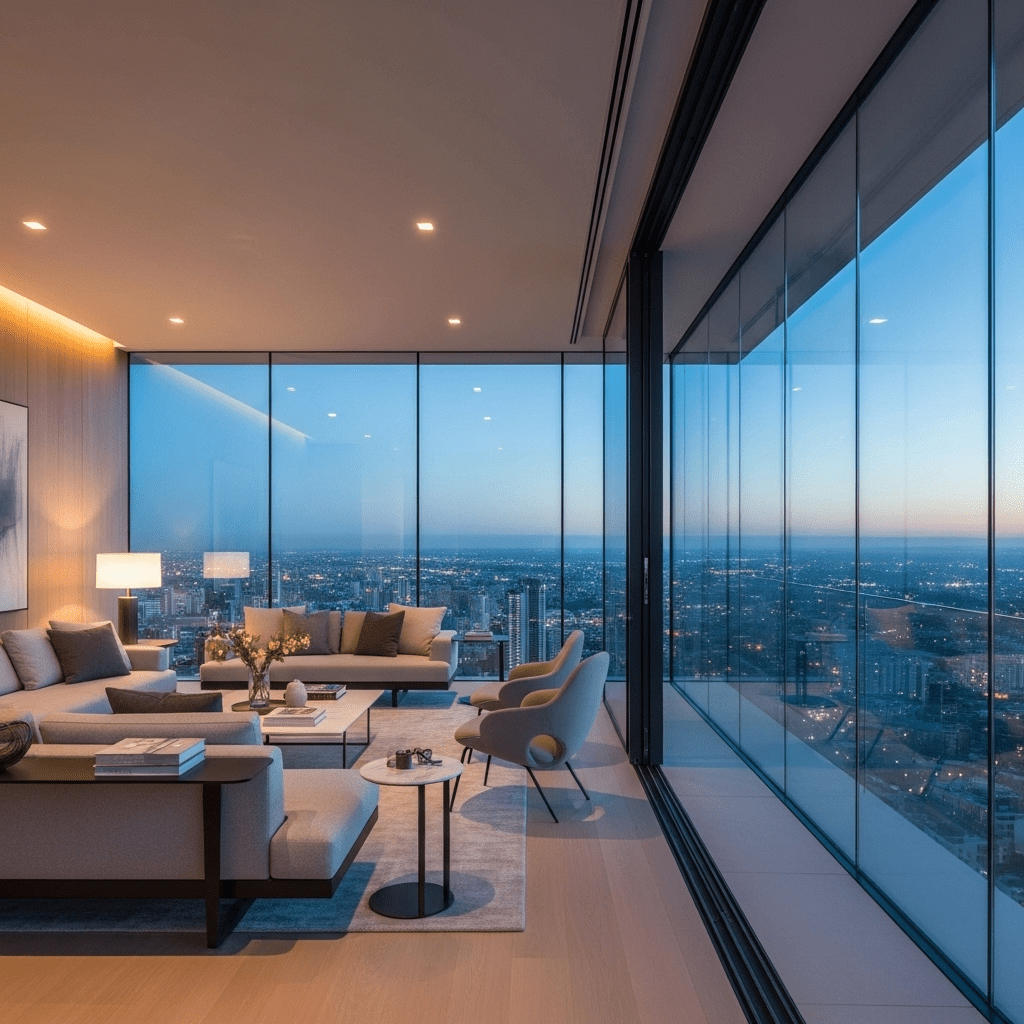
2. Floor-to-Ceiling Glass Walls
Dramatic glass walls blur indoor-outdoor boundaries while showcasing spectacular views. Minimal window treatments and sleek furniture emphasize architectural transparency and connection to surroundings.
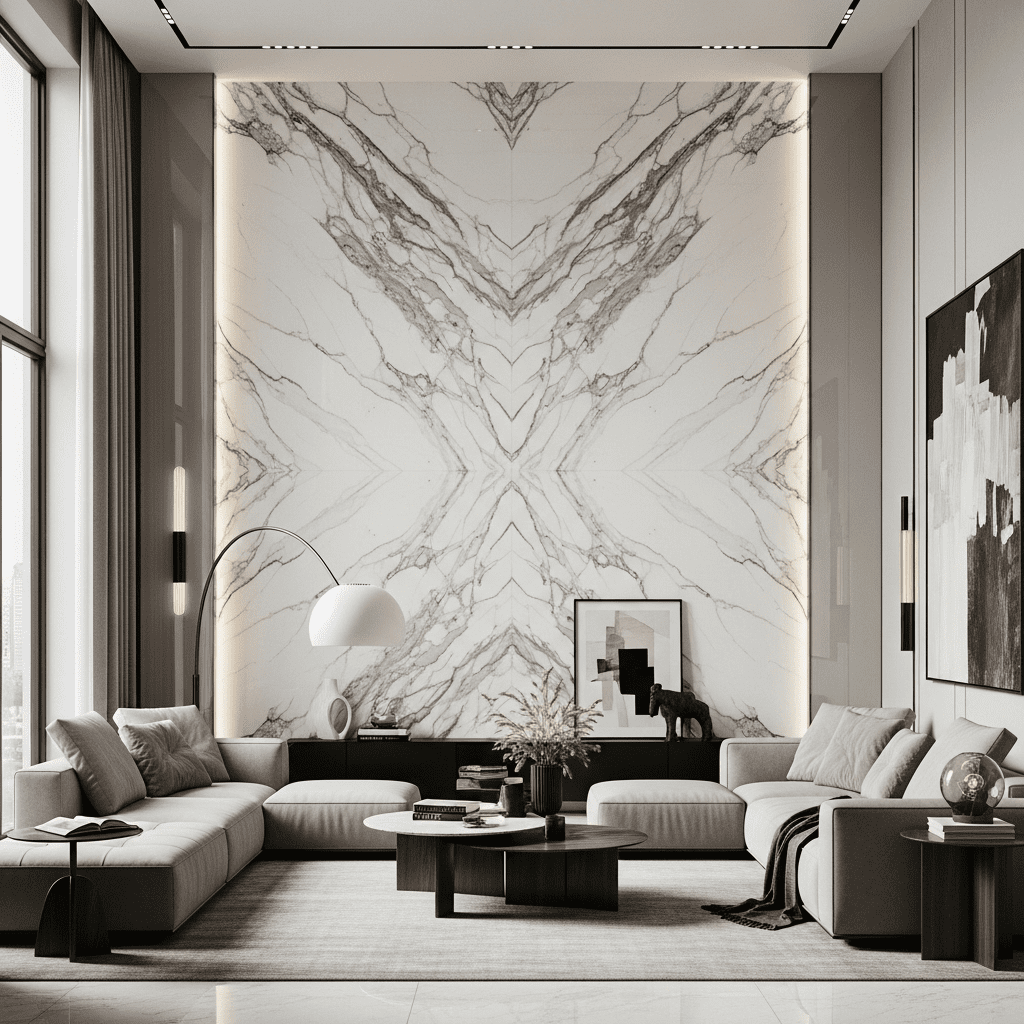
3. Natural Stone Feature Walls
Book-matched marble, travertine, or onyx slabs create breathtaking focal walls. Natural stone veining becomes living art, adding organic luxury and timeless elegance to contemporary spaces.
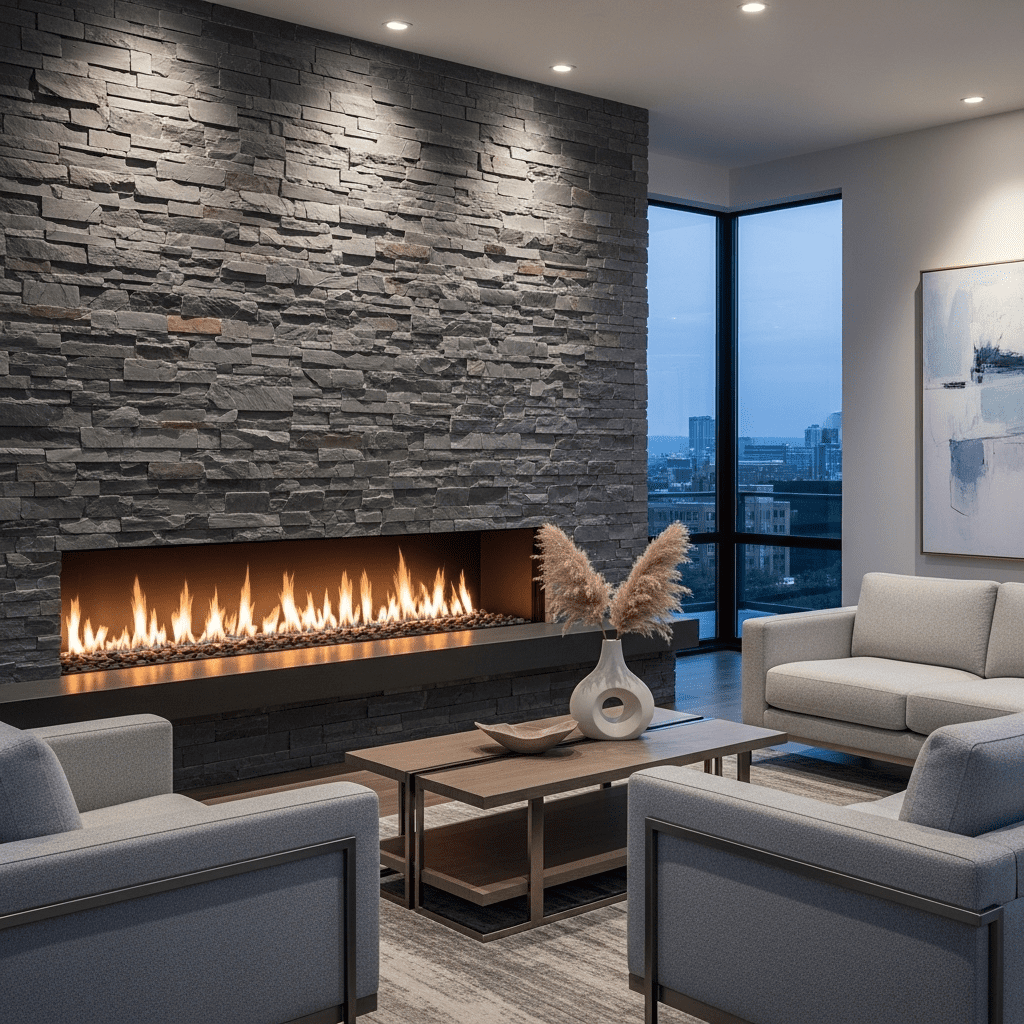
4. Integrated Linear Fireplace
Suspended or wall-mounted linear fireplaces create contemporary focal points. Gas flames visible through glass, minimal surrounds, and seamless integration deliver modern warmth and ambiance.
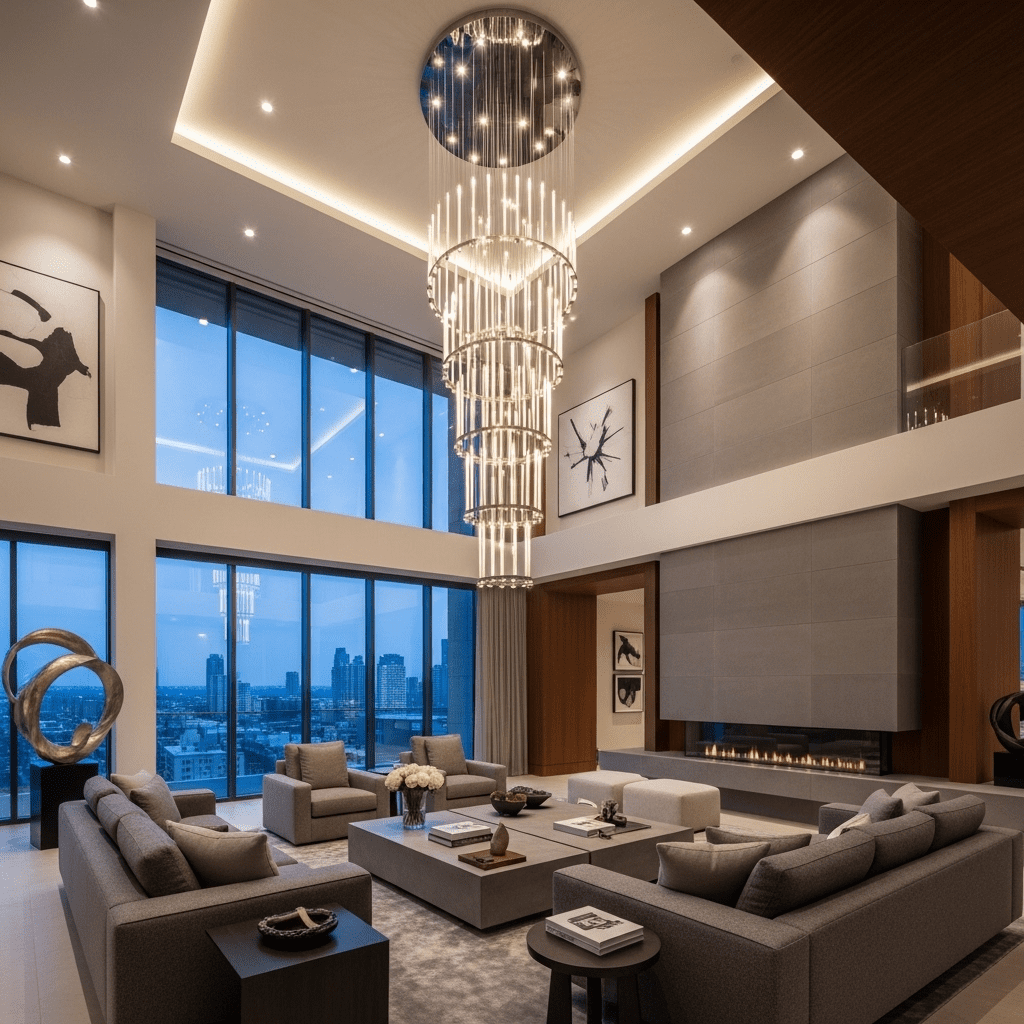
5. Double-Height Ceiling Drama
Soaring ceilings create grandeur and spatial drama. Statement chandeliers, tall windows, and appropriately scaled furniture emphasize impressive vertical proportions.
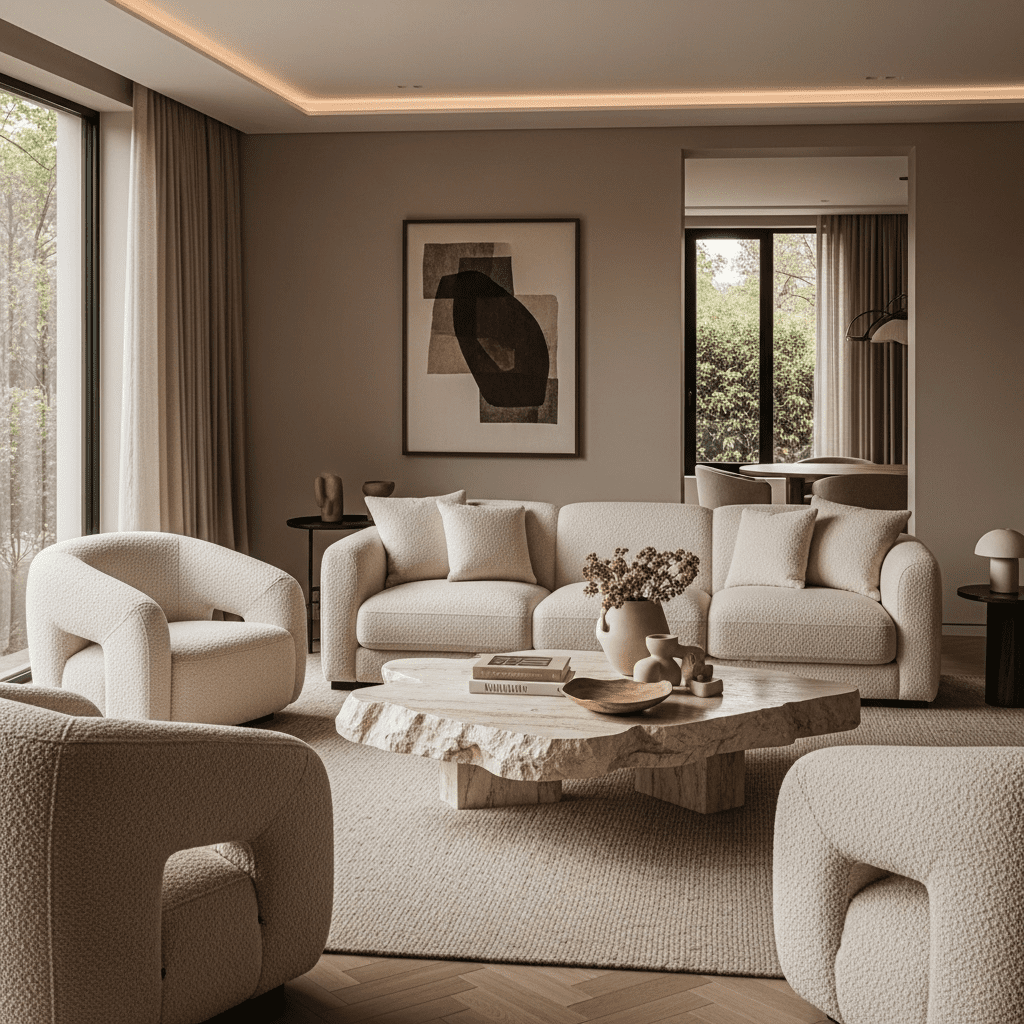
6. Neutral Earth Tone Palette
Layered beiges, taupes, creams, and warm greys create sophisticated, enveloping environments. Natural materials and varied textures add depth to neutral luxury.
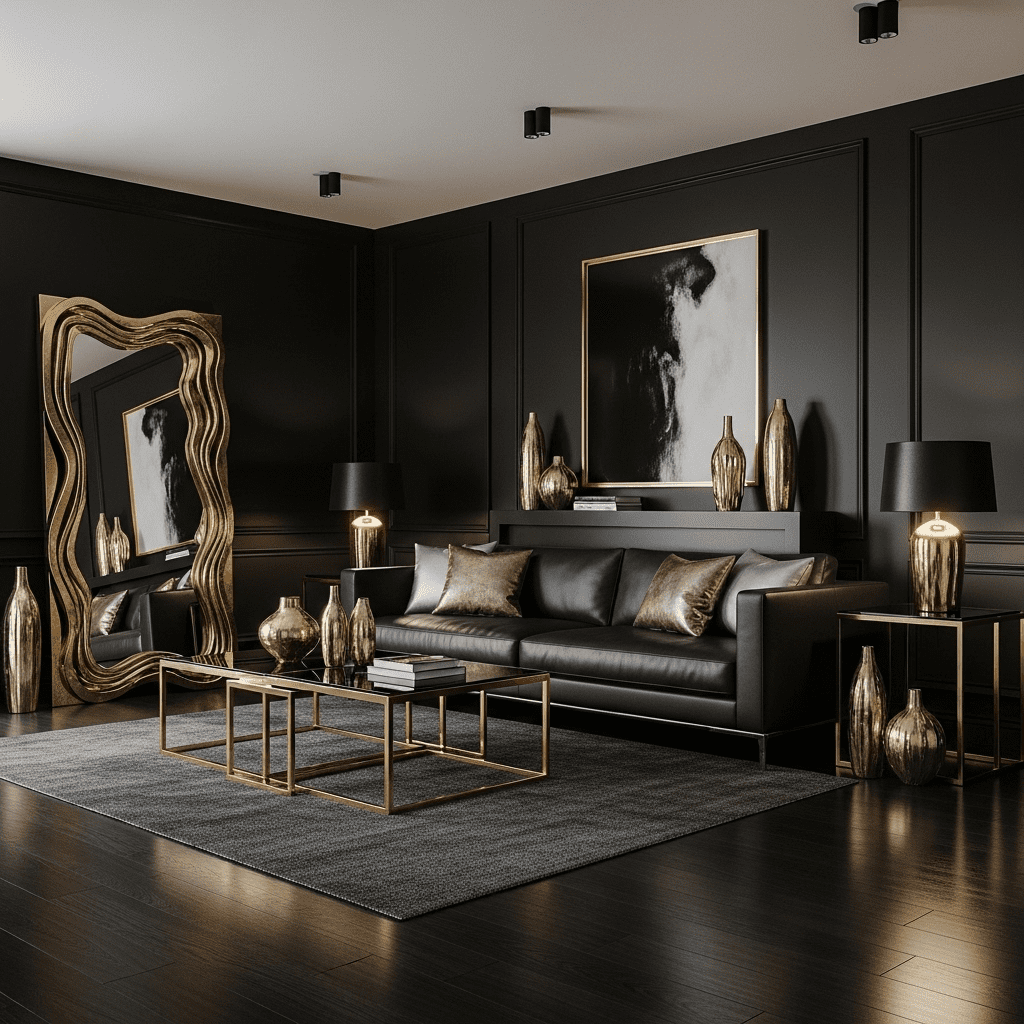
7. Black and Gold Opulence
Dramatic black surfaces paired with gold or brass accents create bold contemporary glamour. This high-contrast combination delivers modern luxury with undeniable presence.
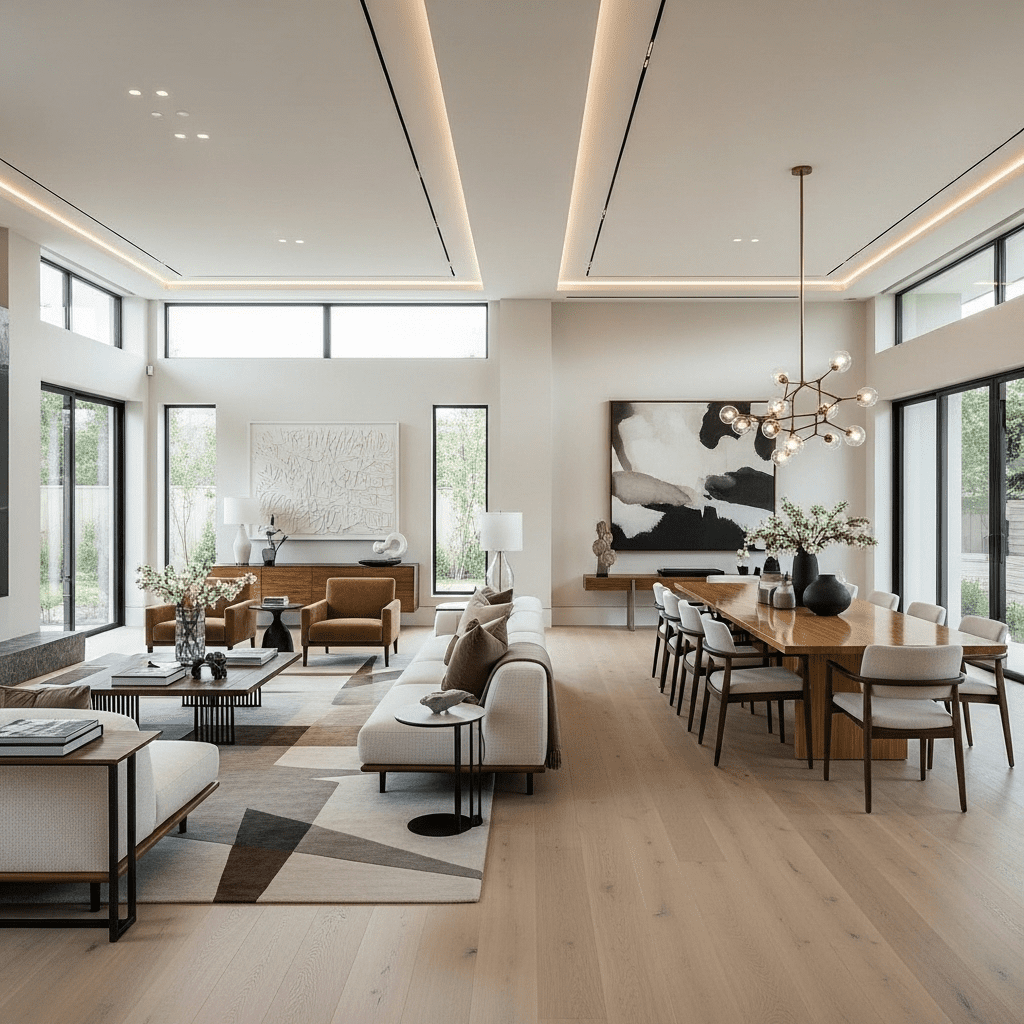
8. Open-Plan Flowing Spaces
Generous open layouts combine living, dining, and sometimes kitchen areas. Cohesive materials, consistent color palettes, and strategic furniture placement define zones without walls.
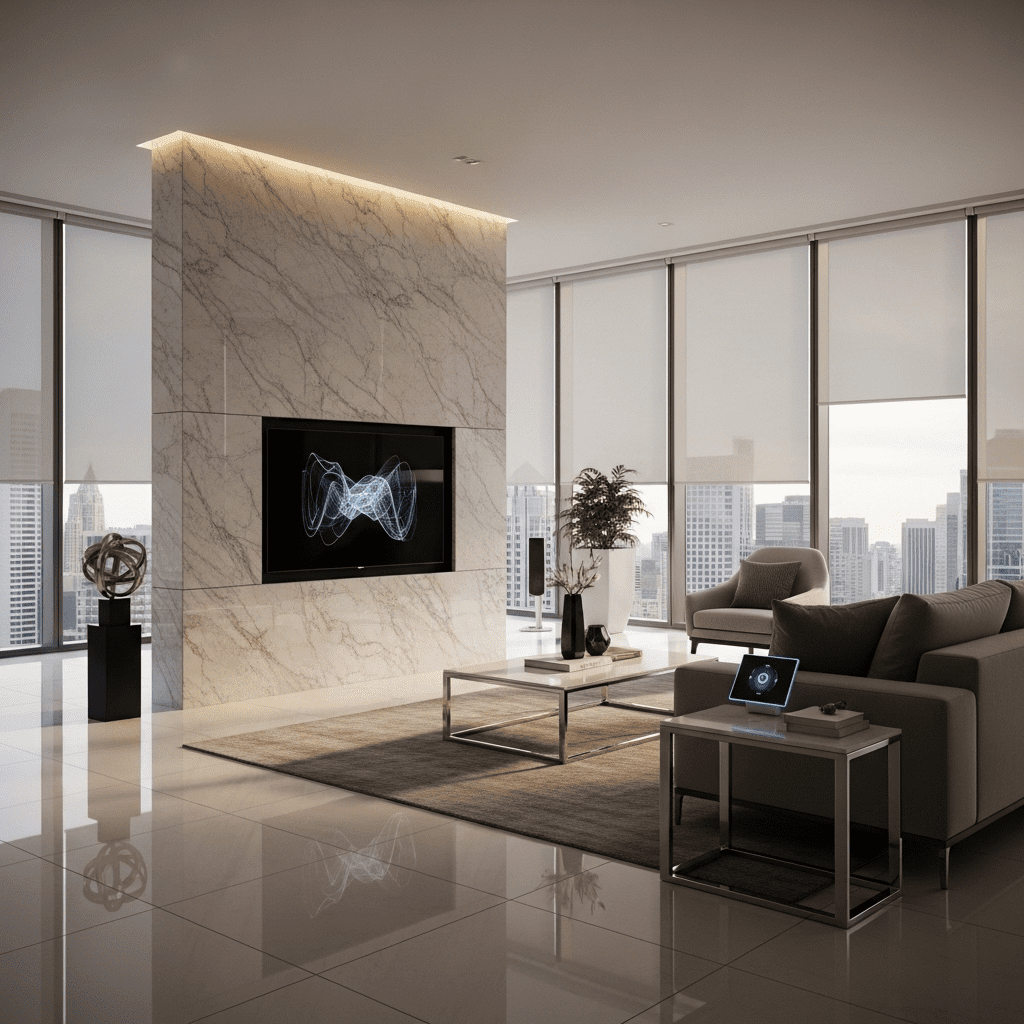
9. Smart Home Integration
Invisible technology controls lighting, climate, entertainment, and shades via voice or app. Motorized elements, hidden screens, and integrated systems provide luxury convenience.
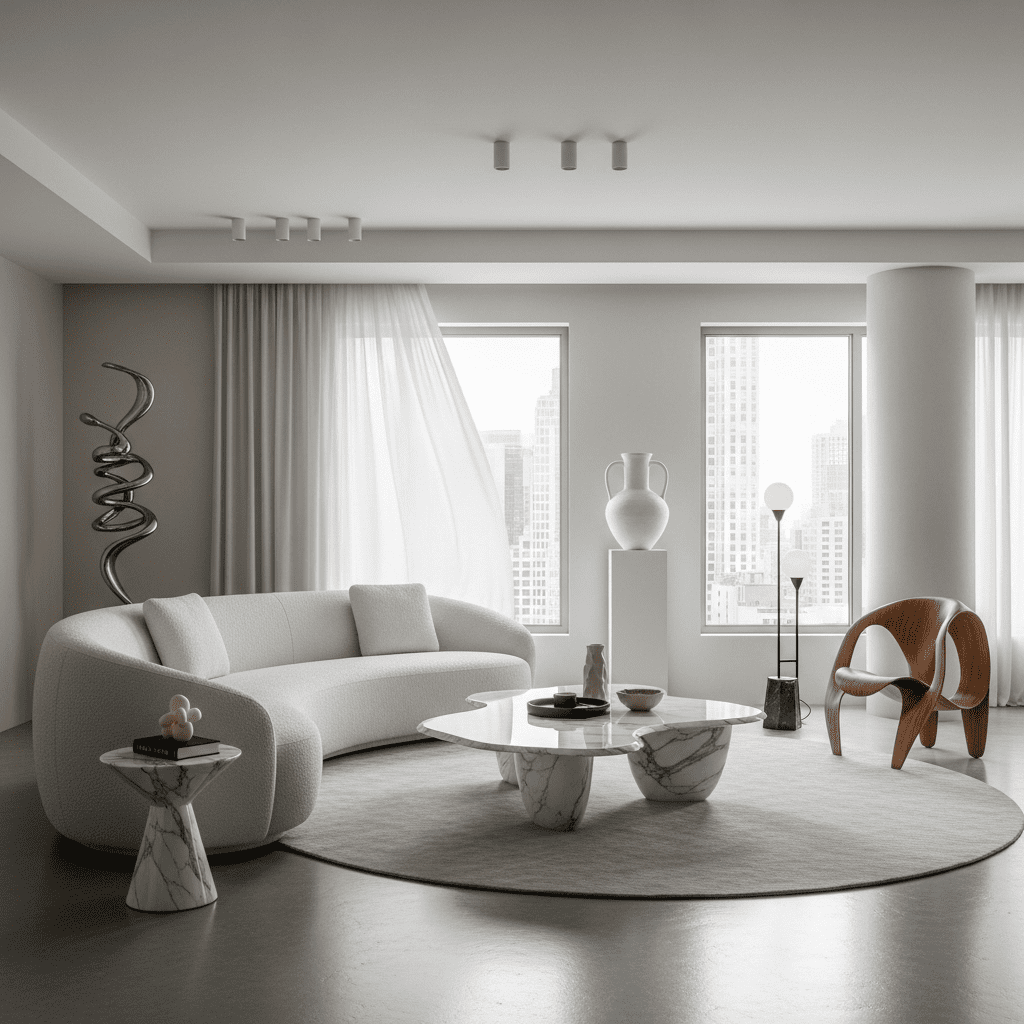
10. Sculptural Modern Furniture
Statement furniture pieces function as art—organic shaped sofas, sculptural coffee tables, dramatic seating that commands attention while providing comfort.
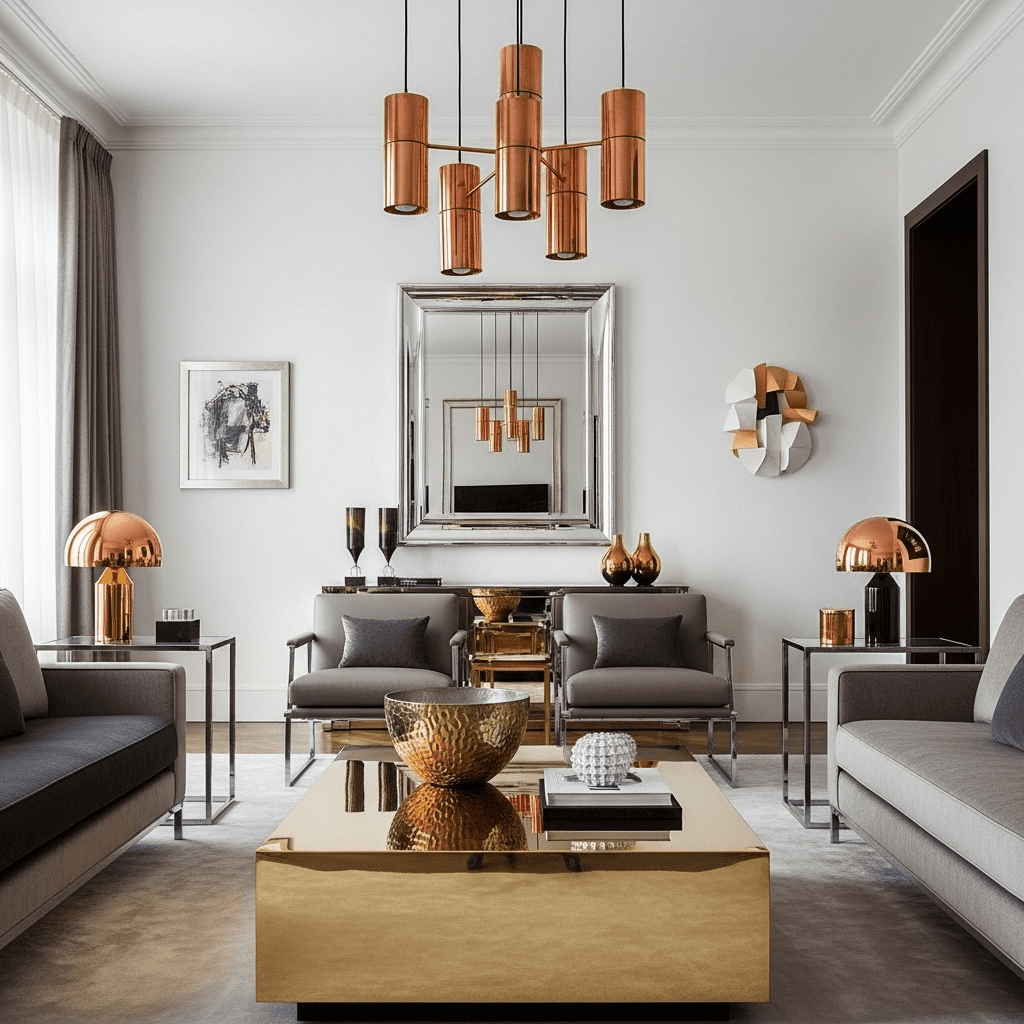
11. Mixed Metallic Accents
Layer brass, chrome, bronze, and copper throughout spaces. Mixed metals add dimensional luxury and visual interest while maintaining contemporary sophistication.
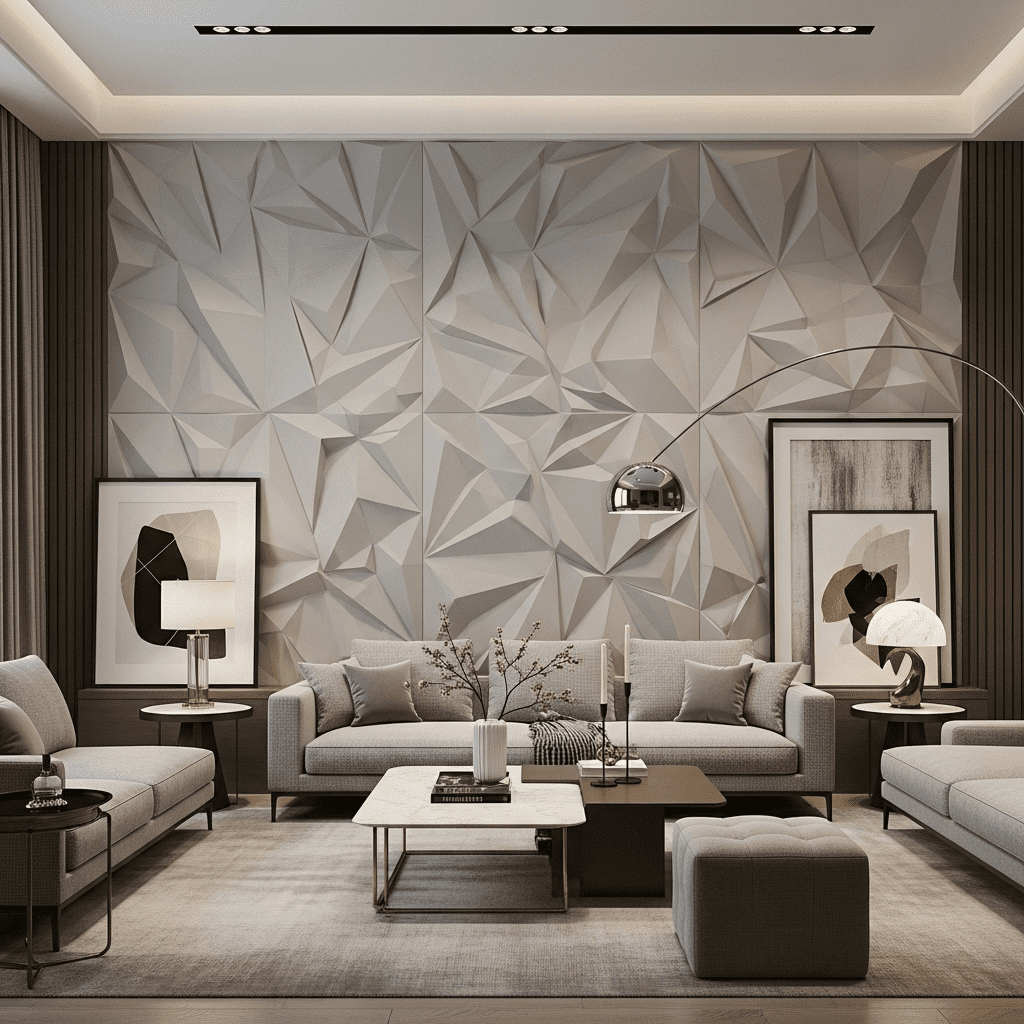
12. Textured Wall Treatments
3D panels, wood slats, textured plaster, or fabric walls add tactile dimension. Contemporary luxury embraces texture as integral design element beyond color.
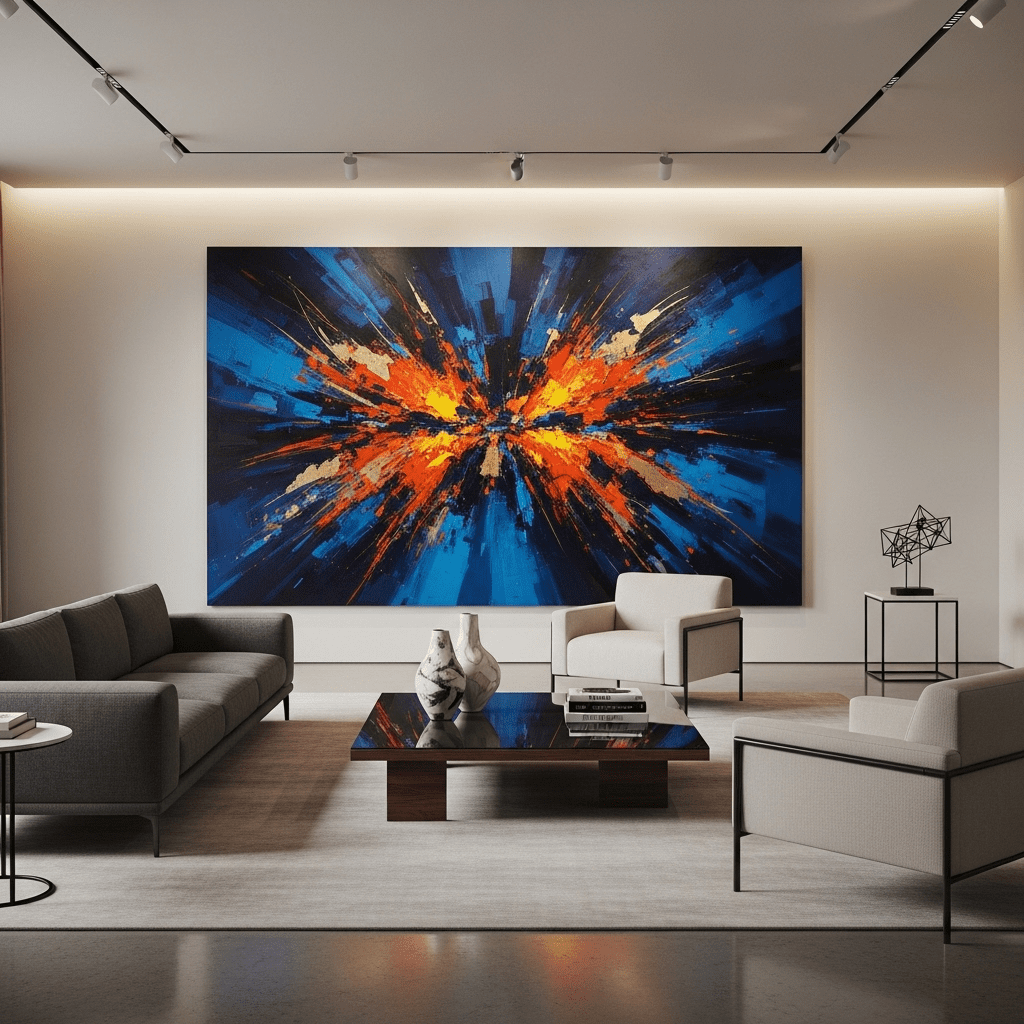
13. Oversized Contemporary Art
Museum-quality large-scale artwork dominates walls, becoming room focal points. Abstract pieces, photography, or contemporary paintings showcase personal taste and cultural sophistication.
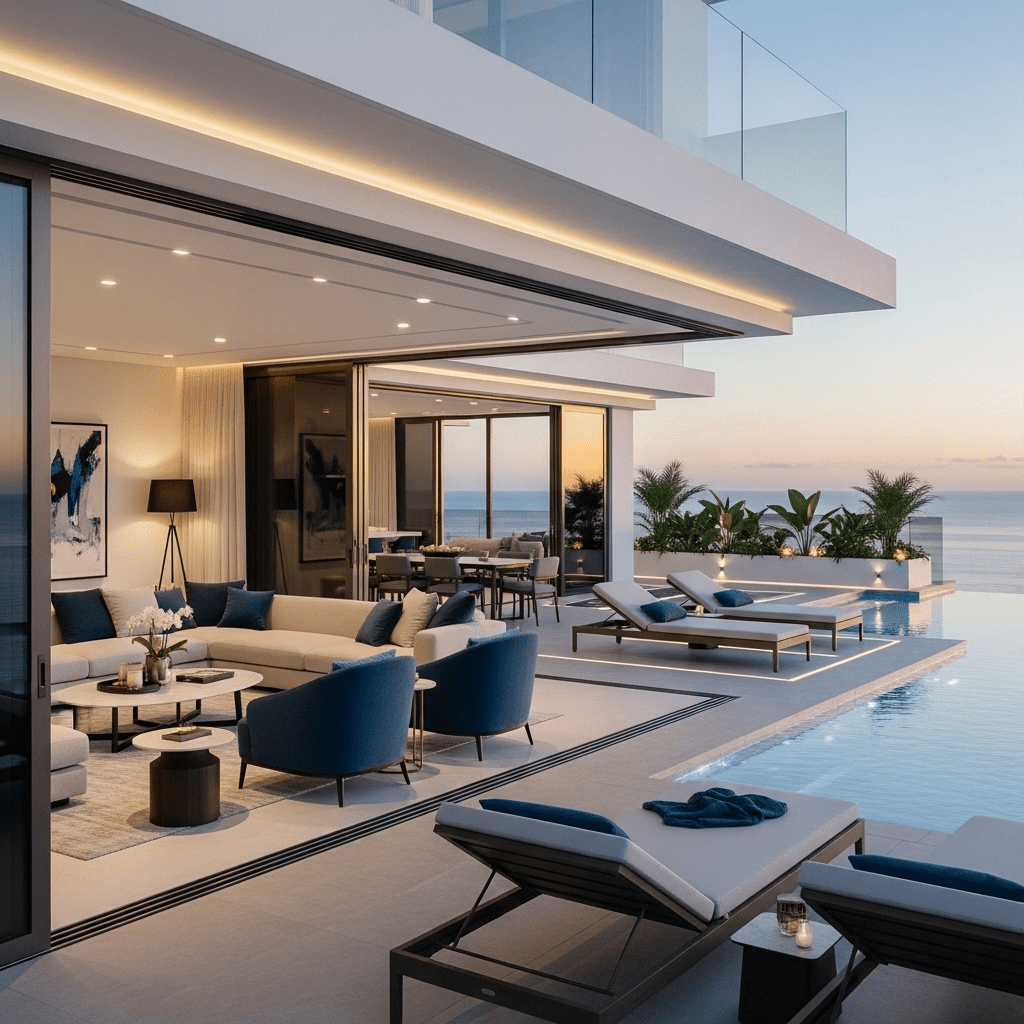
14. Indoor-Outdoor Living Integration
Disappearing glass walls, consistent flooring materials, and cohesive furniture styles create seamless transitions between interior and exterior luxury spaces.
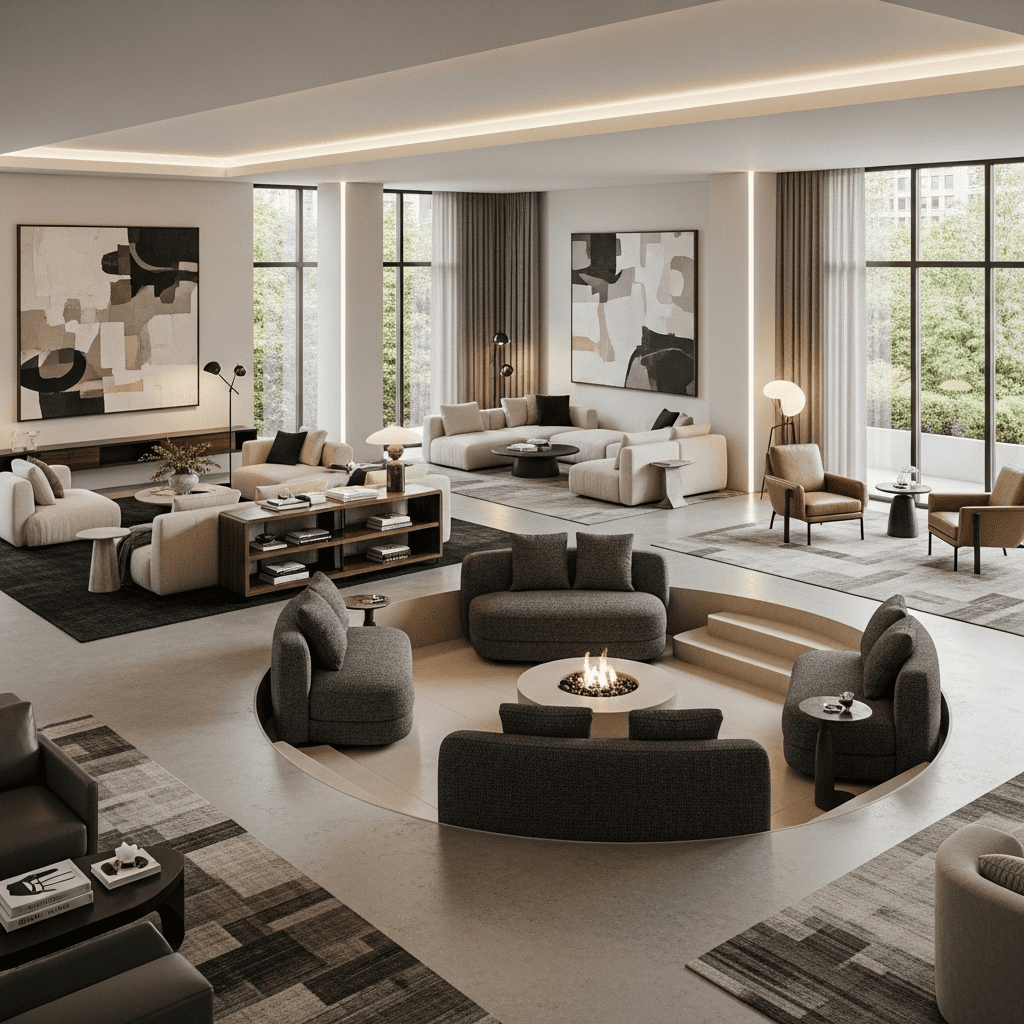
15. Luxury Lounge Seating Zones
Multiple conversation areas with varied seating types create sophisticated entertaining spaces. Low-profile furniture, modular arrangements, and strategic placement encourage social interaction.
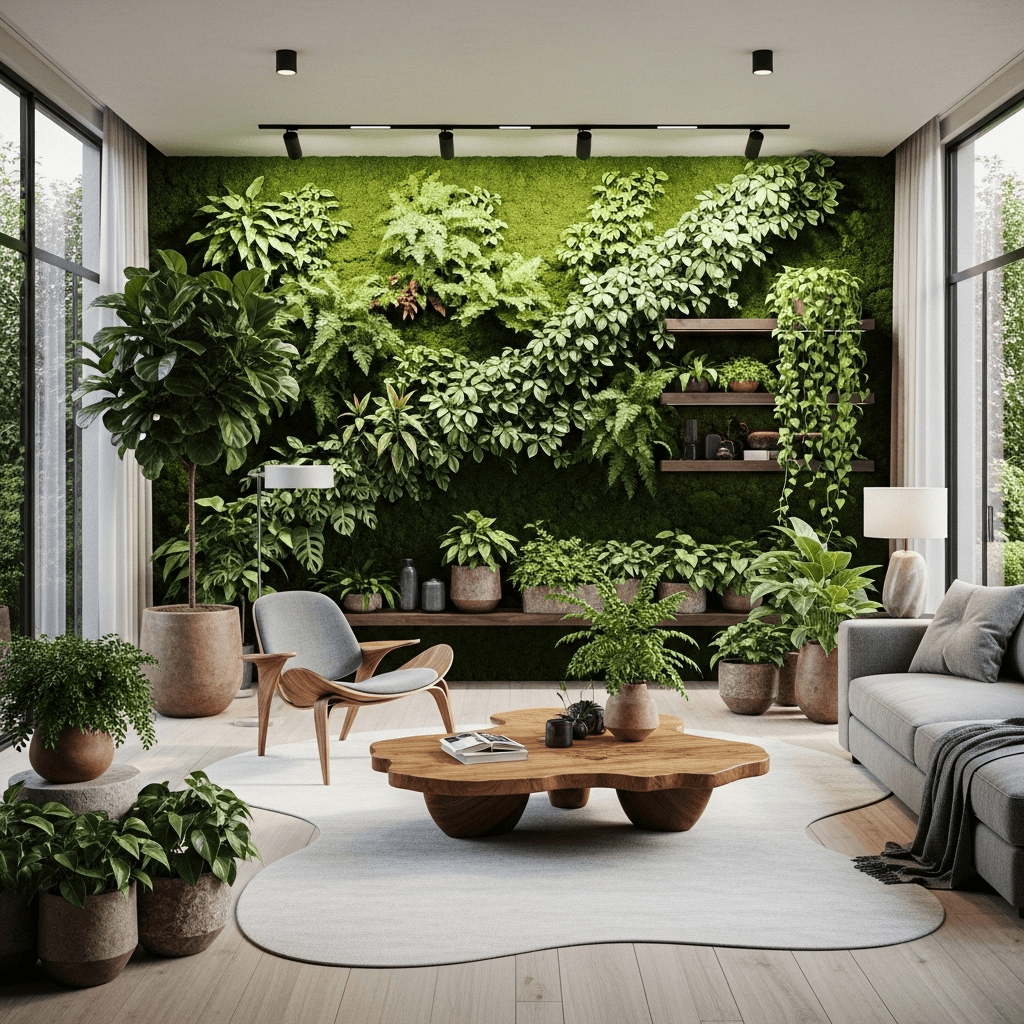
16. Organic Modern Biophilic Design
Natural materials, abundant plants, living walls, and nature-inspired forms bring organic elements into contemporary luxury. This approach prioritizes wellness alongside aesthetics.
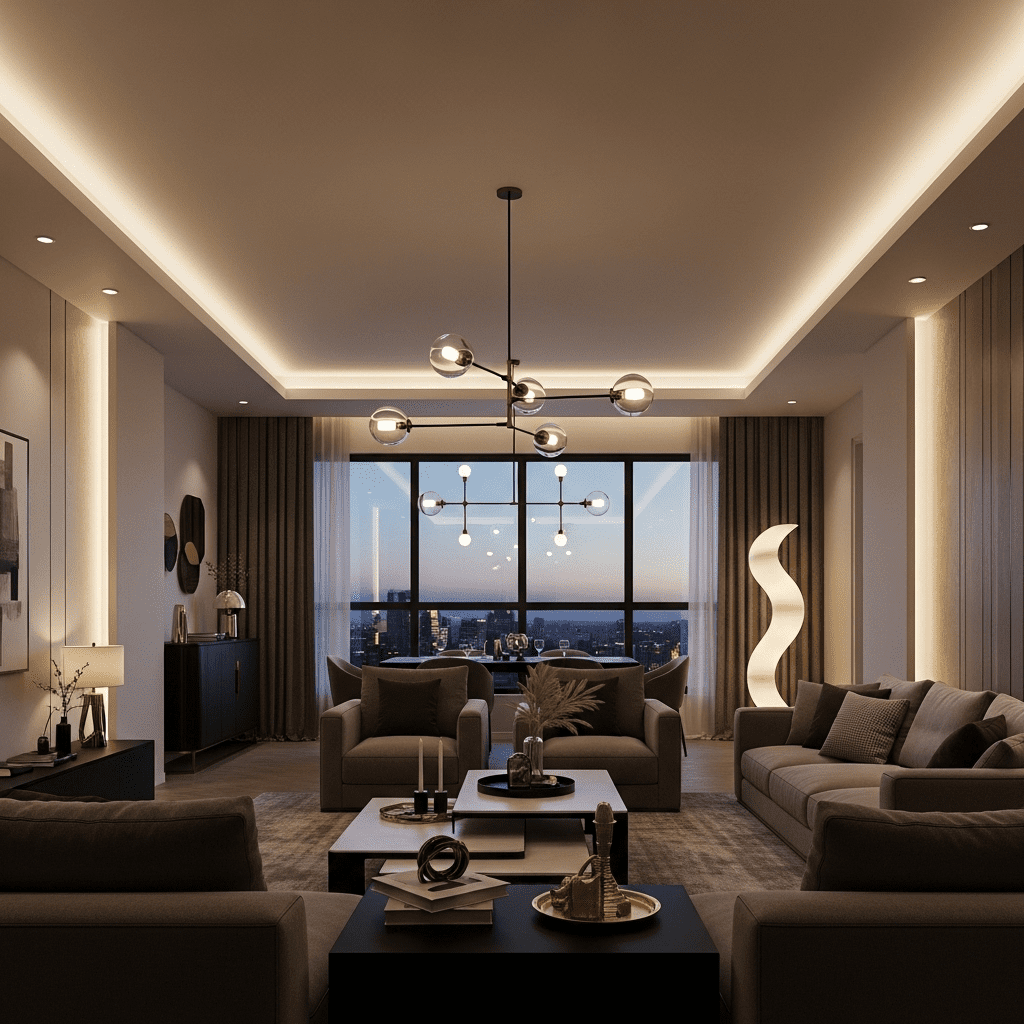
17. Layered Lighting Design
Architectural lighting—recessed spots, LED strips, statement fixtures, table lamps—creates layered illumination. Dimmable controls allow mood customization from bright to intimate.
Defining Contemporary Luxury
Contemporary luxury distinguishes itself through specific characteristics that elevate spaces beyond standard modern design:
Quality Over Quantity: Every element earns its place through superior quality, design merit, or both. Fewer exceptional pieces create more impact than numerous mediocre items.
Material Excellence: Genuine marble, solid hardwoods, top-grain leather, natural stone, and premium metals replace imitations and laminates. Authentic materials age beautifully and feel substantial.
Spatial Generosity: Contemporary luxury embraces negative space as luxury itself. Rooms feel expansive, furniture has breathing room, and circulation flows effortlessly.
Craftsmanship Visibility: Expert joinery, perfect alignment, flawless finishes—craftsmanship shows in every detail. Doors close precisely, drawers glide smoothly, seams align perfectly.
Architectural Integration: Built-ins, lighting, and finishes relate to architecture intentionally. Design feels cohesive and site-specific rather than furniture showroom generic.
Technology Seamlessness: Smart systems enhance comfort invisibly. Controls hide, screens disappear, and automation happens effortlessly without visible complexity.
Material Palette for Contemporary Luxury
Natural Stone: Marble varieties (Calacatta, Statuario, Emperador), limestone, travertine, quartzite, and onyx provide organic luxury with unique patterns.
Premium Woods: Walnut, teak, oak, ebony—solid hardwoods with beautiful grain patterns add warmth while demonstrating quality investment.
Metals: Brushed brass, polished chrome, matte bronze, stainless steel, and blackened steel deliver contemporary sophistication through varied finishes.
Glass: Tempered, laminated, back-painted, or smoked glass maintains contemporary transparency and lightness while providing function.
Textiles: Natural linens, premium wools, silk velvets, mohair, and cashmere demonstrate luxury through touch and drape quality.
Concrete: Polished, exposed aggregate, or smooth-troweled concrete provides industrial-contemporary sophistication and architectural substance.
Color Strategies in Contemporary Luxury
Sophisticated Neutrals: Contemporary luxury favors complex neutrals—warm greys, greiges, soft taupes, creamy whites—over stark contrasts.
Monochromatic Depth: Single-color schemes in varied values create sophisticated tonal environments emphasizing texture and form over color.
Strategic Accent Colors: When color appears, it’s intentional and high-impact—jewel tones, deep earth tones, or saturated architectural color.
Black Statement: Matte black accents, fixtures, or surfaces provide contemporary edge and graphic contrast without harshness.
Natural Color: Stone, wood, leather, and plant colors provide organic palette grounding contemporary aesthetics in nature.
Furniture Selection Principles
Scale Appropriateness: Furniture relates to room size and ceiling height correctly. Undersized pieces look cheap; oversized overwhelms—professional designers calculate ideal proportions.
Low Profiles: Contemporary luxury often features lower-to-ground furniture creating horizontal emphasis and spatial expansiveness.
Clean Lines: Minimal ornamentation, geometric forms, and refined silhouettes define contemporary furniture aesthetics.
Comfort Priority: Despite modern appearances, luxury furniture provides exceptional comfort through quality cushioning, ergonomic design, and supportive construction.
Statement Pieces: One or two sculptural furniture items become focal points—a curved sofa, organic coffee table, or dramatic chair.
Quality Construction: Hardwood frames, eight-way hand-tied springs, down cushions, and expert upholstery demonstrate invisible quality markers.
Lighting as Design Element
Contemporary luxury lighting operates on multiple levels:
Ambient Base: Recessed lighting provides overall illumination without visible fixtures competing for attention.
Accent Drama: Spotlights highlight artwork, architectural features, or textured walls creating visual interest.
Task Function: Reading lamps, desk lights positioned precisely where activities occur without overwhelming spaces.
Statement Fixtures: Sculptural chandeliers or dramatic floor lamps function as art pieces commanding attention.
Architectural Integration: LED strips concealed in coves, under cabinets, or behind elements create glowing accents.
Smart Control: Scenes, dimming, color temperature adjustment—all controlled via touch, voice, or automation.
Technology Integration
Invisible Systems: Equipment hides in cabinetry; speakers integrate into ceilings or walls; screens disappear behind panels.
Wireless Solutions: Eliminate visible cords through wireless charging, hidden outlets, and cable management systems.
Smart Home Platforms: Unified control systems manage lighting, climate, entertainment, security, and shades from single interfaces.
Motorized Elements: Automated window treatments, lift systems for TVs, opening walls—all enhancing convenience invisibly.
High-Performance Audio: Distributed sound systems deliver exceptional audio without visible speakers cluttering clean aesthetics.
Creating Spatial Flow
Open Sightlines: Contemporary luxury maintains visual connections between spaces, using furniture arrangement rather than walls to define areas.
Consistent Flooring: Continuous materials throughout create seamless flow and spatial expansion perception.
Unified Color Stories: Cohesive palettes flowing between rooms create harmonious progression rather than jarring transitions.
Proportional Openings: Doorways and passages scaled generously allow effortless circulation and maintain spatial dignity.
Strategic Focal Points: Each space has clear focal point—fireplace, view, artwork—providing visual anchors without competing elements.
Balancing Luxury with Livability
Durable Materials: Contemporary luxury chooses beautiful materials that withstand daily use—performance fabrics, sealed stone, quality finishes.
Comfortable Seating: Sofas and chairs look stunning but provide genuine comfort for extended sitting, conversation, and relaxation.
Practical Storage: Hidden storage maintains clean aesthetics while providing necessary organization for real-life belongings.
Easy Maintenance: Surfaces clean simply; fabrics resist stains; finishes tolerate normal wear without constant preservation anxiety.
Personal Expression: Contemporary luxury accommodates personal collections, family photos, and meaningful objects without cluttering sophisticated aesthetics.
Budget Considerations
Contemporary luxury spans price ranges, but certain principles apply across budgets:
Investment Priorities: Allocate most budget to permanent elements—quality sofa, built-ins, finishes—that last decades.
Material Authenticity: Genuine materials cost more but age beautifully and feel substantial compared to imitations.
Professional Services: Architects, interior designers, and specialized contractors ensure proper execution of luxury vision.
Timeline Realism: Quality work requires time. Rush jobs compromise craftsmanship regardless of budget.
Long-Term Value: Higher initial investment often delivers lower lifetime costs through durability and timeless appeal.
Maintenance Requirements
Stone Care: Seal natural stone annually; clean with pH-neutral products; address spills immediately preventing staining.
Wood Maintenance: Dust regularly; use appropriate polish; address scratches promptly; maintain humidity levels preventing warping.
Textile Protection: Professional cleaning for upholstery; treat fabrics with stain protection; rotate cushions evenly distributing wear.
Metal Polishing: Some metals develop patina naturally; others require periodic polishing maintaining original finish.
Technology Updates: Smart systems need periodic updates; plan for eventual equipment replacement as technology advances.
Contemporary luxury living room designs represent the synthesis of aesthetic sophistication, material quality, technological innovation, and thoughtful livability. These spaces demonstrate that true luxury isn’t about excessive ornamentation or obvious expense displays, but rather about refined taste, superior quality, and environments that enhance daily living while inspiring through their beauty. Whether your contemporary luxury embraces minimalist serenity, dramatic architectural statements, or organic modern warmth, success lies in commitment to quality, attention to detail, and creating spaces that feel both impressive and genuinely comfortable—the hallmark of authentic contemporary luxury living.