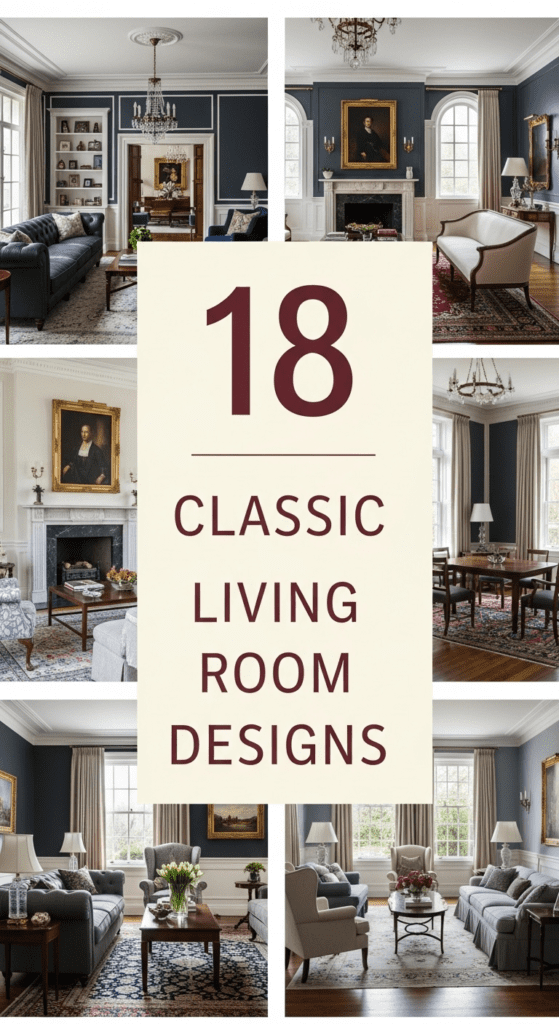
18 Classic Living Room Designs
Classic living room designs transcend fleeting trends to embody timeless elegance that remains beautiful across decades and generations. These spaces draw inspiration from established design periods—Georgian symmetry, Victorian opulence, French refinement, English tradition—adapting historical aesthetics for contemporary comfort while preserving the sophisticated grace that defines truly classic interiors. Unlike trendy rooms that date quickly, classic living rooms age like fine wine, growing more distinguished and valuable as years pass. These eighteen designs showcase the remarkable breadth within classic style, from formal traditional grandeur to relaxed transitional elegance, proving that classic design offers far more variety and personality than conventional wisdom suggests.
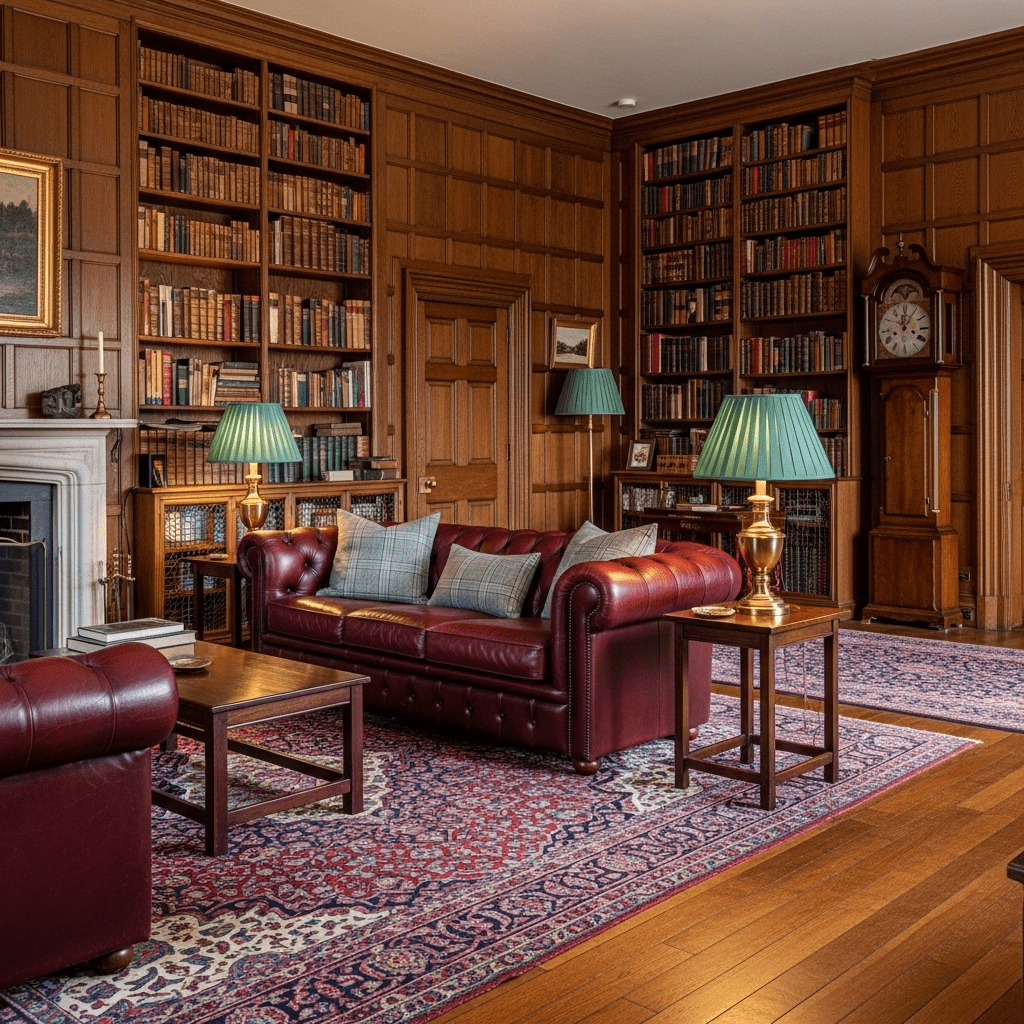
1. English Traditional Library
Dark wood paneling, leather Chesterfield sofas, floor-to-ceiling bookshelves, and Persian rugs create the quintessential English library living room. Rich mahogany, brass fixtures, and warm lighting deliver intellectual sophistication and traditional masculine elegance.
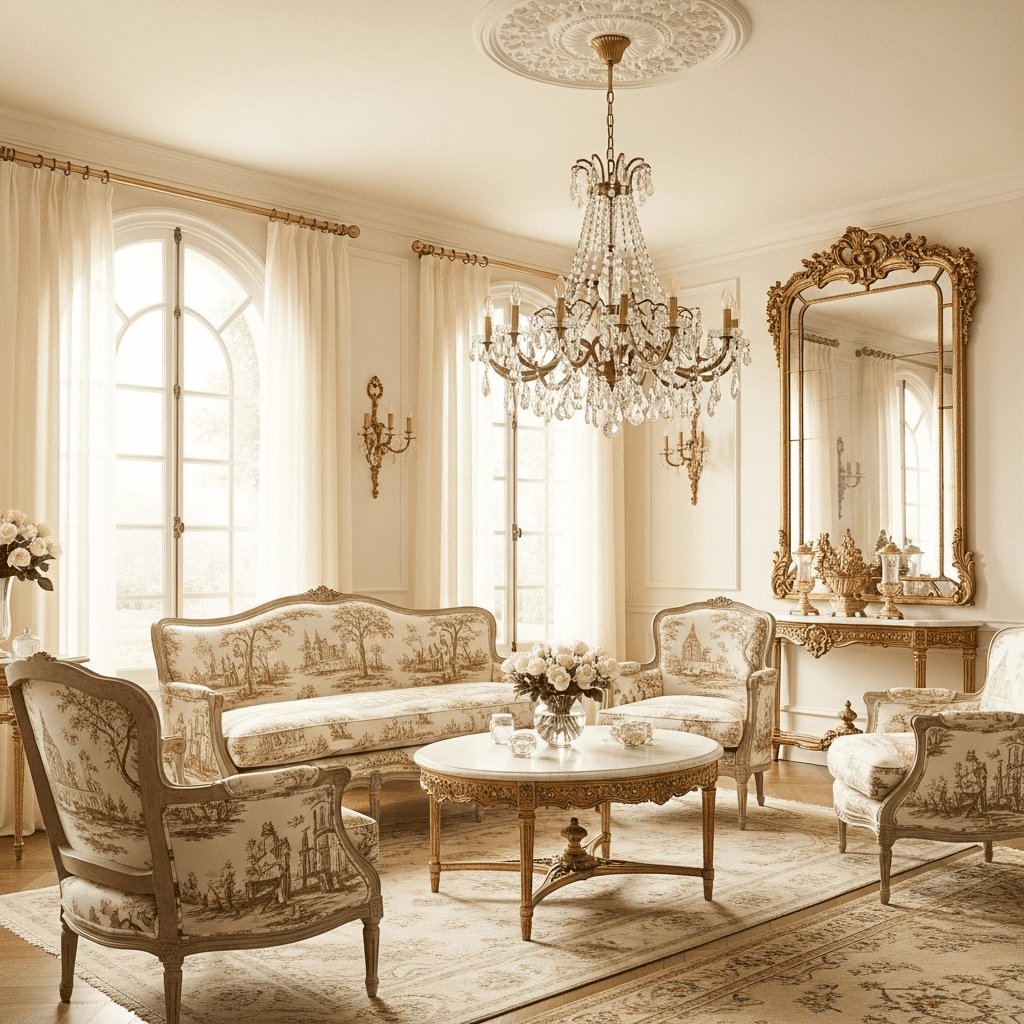
2. French Provincial Elegance
Soft pastels, curved furniture, ornate carved details, and delicate fabrics create refined French provincial charm. Cream and gold color schemes, toile patterns, and antique reproduction pieces deliver romantic European countryside elegance.
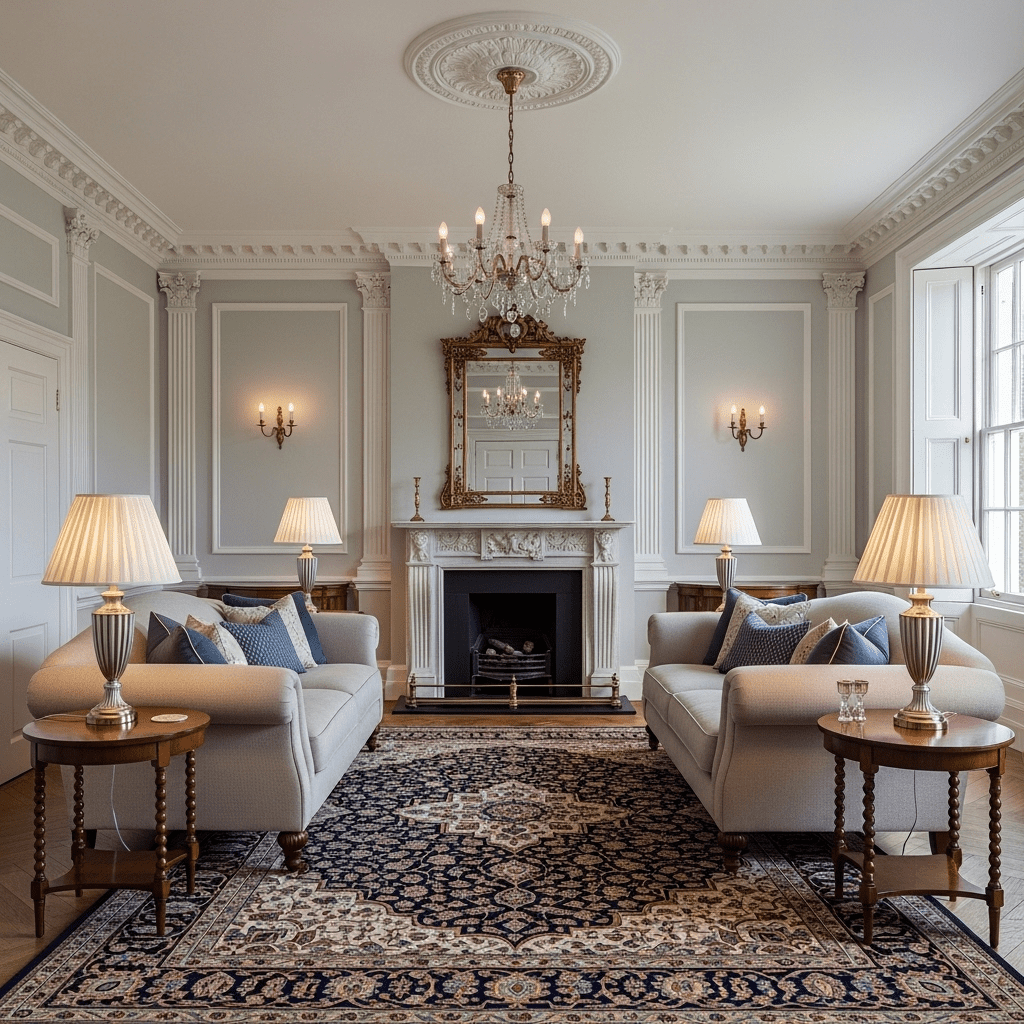
3. Georgian Symmetrical Balance
Perfect symmetry defines Georgian classic design—matching sofas flanking fireplaces, paired side tables, mirrored architectural elements. This balanced formality creates impressive, well-ordered living rooms celebrating proportion and classical harmony.
4. Victorian Opulent Grandeur
Rich jewel tones, heavy drapery, ornate furniture, and layered patterns create luxurious Victorian living rooms. Deep burgundy, forest green, and gold combined with tufted velvet and carved wood deliver dramatic period opulence.
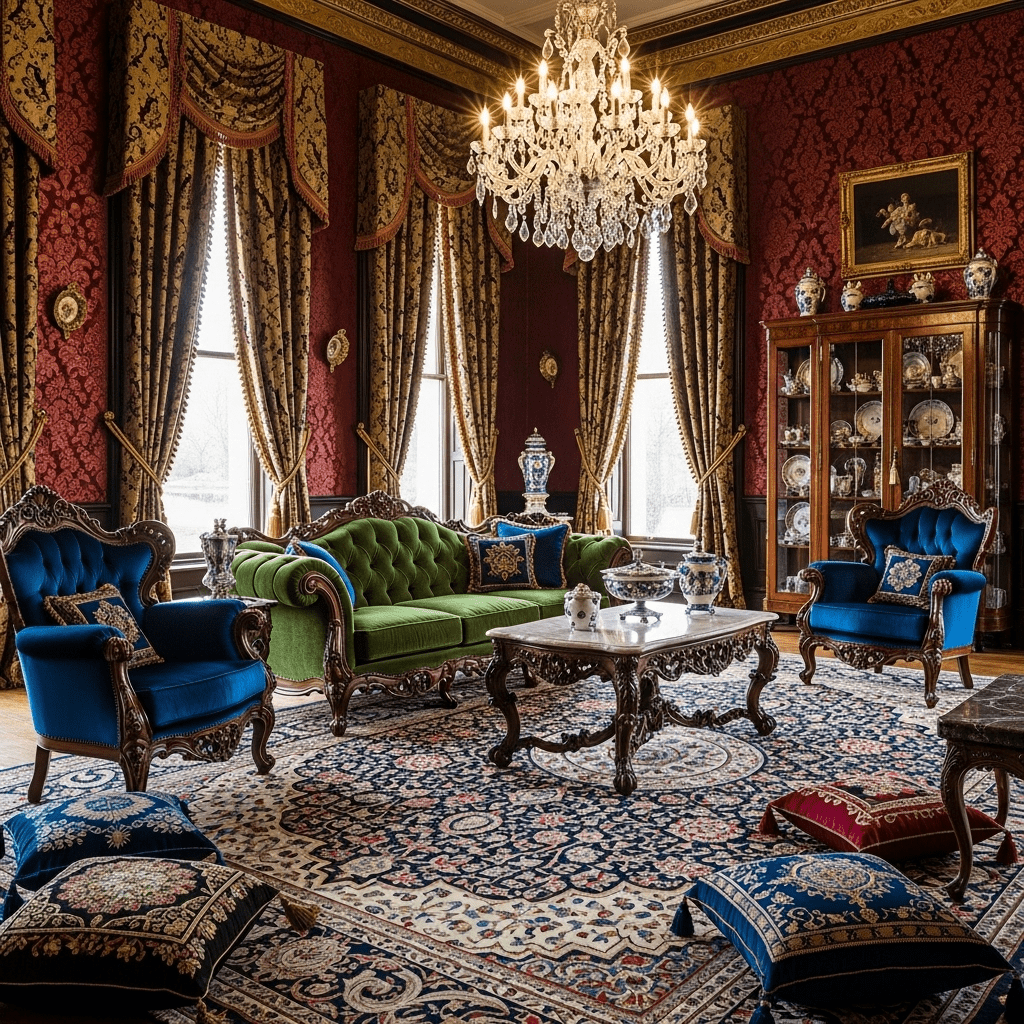
5. American Colonial Heritage
Dark wood furniture, braided rugs, colonial-era reproductions, and traditional fabrics create warm American heritage living rooms. Windsor chairs, wing-back sofas, and pewter accessories deliver patriotic classical American style.
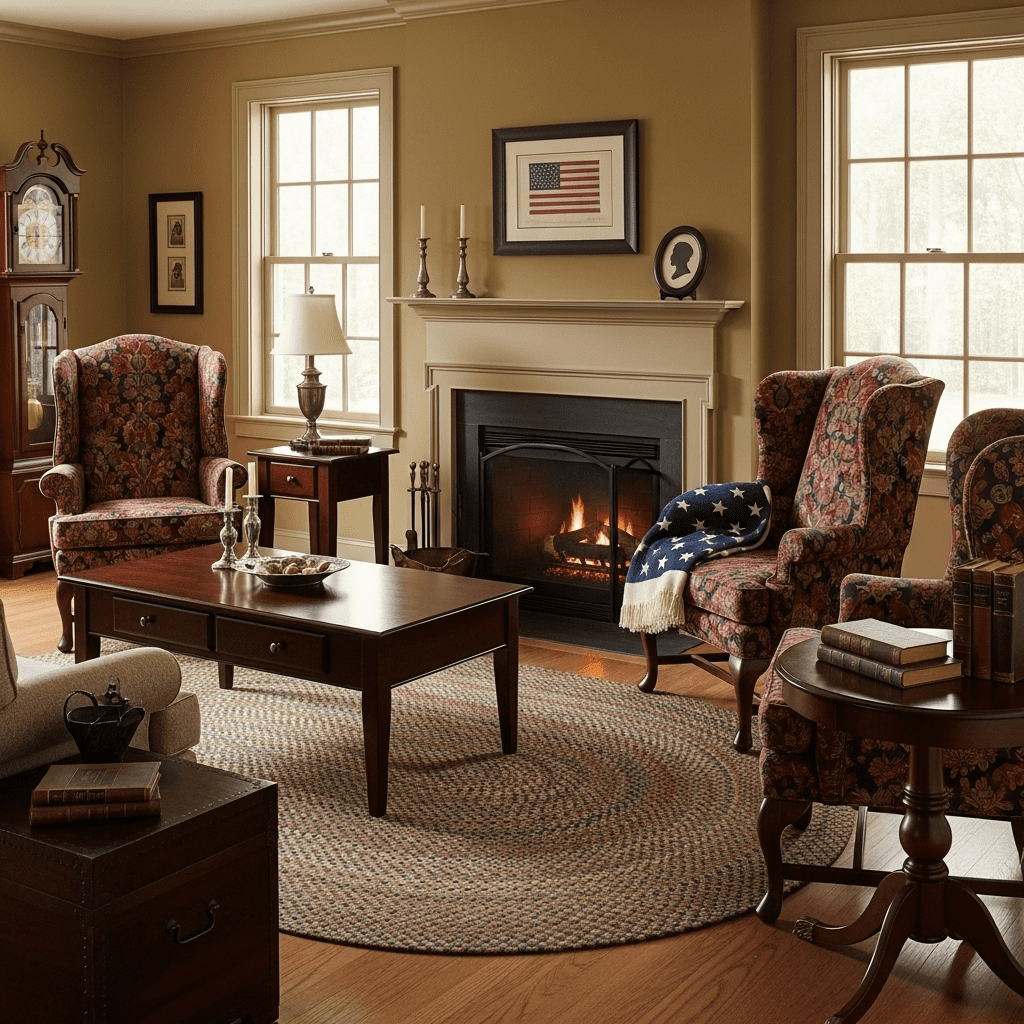
6. Neoclassical Refined Grace
Inspired by ancient Greece and Rome, neoclassical living rooms feature clean lines, classical columns, Greek key patterns, and refined proportions. White and cream with gold accents create sophisticated, architecturally inspired elegance.
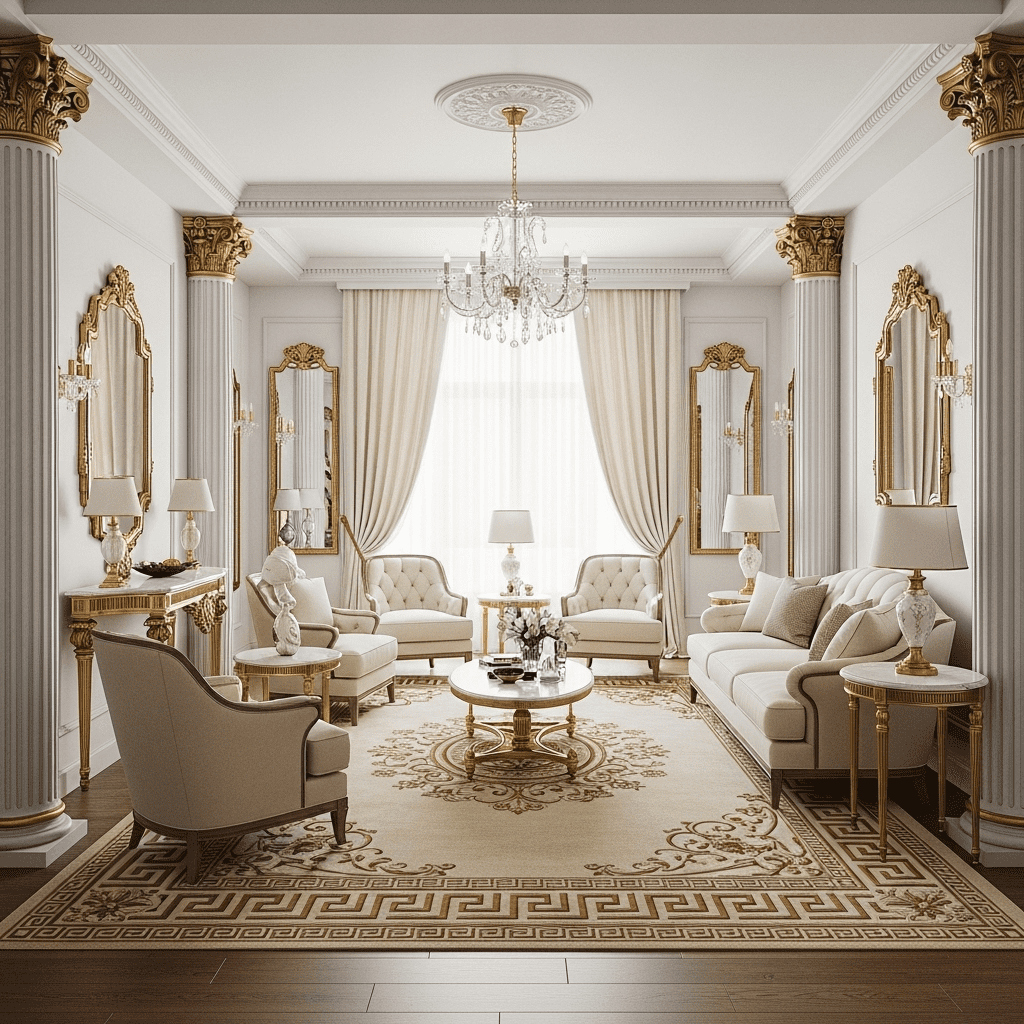
7. Traditional Chinoiserie
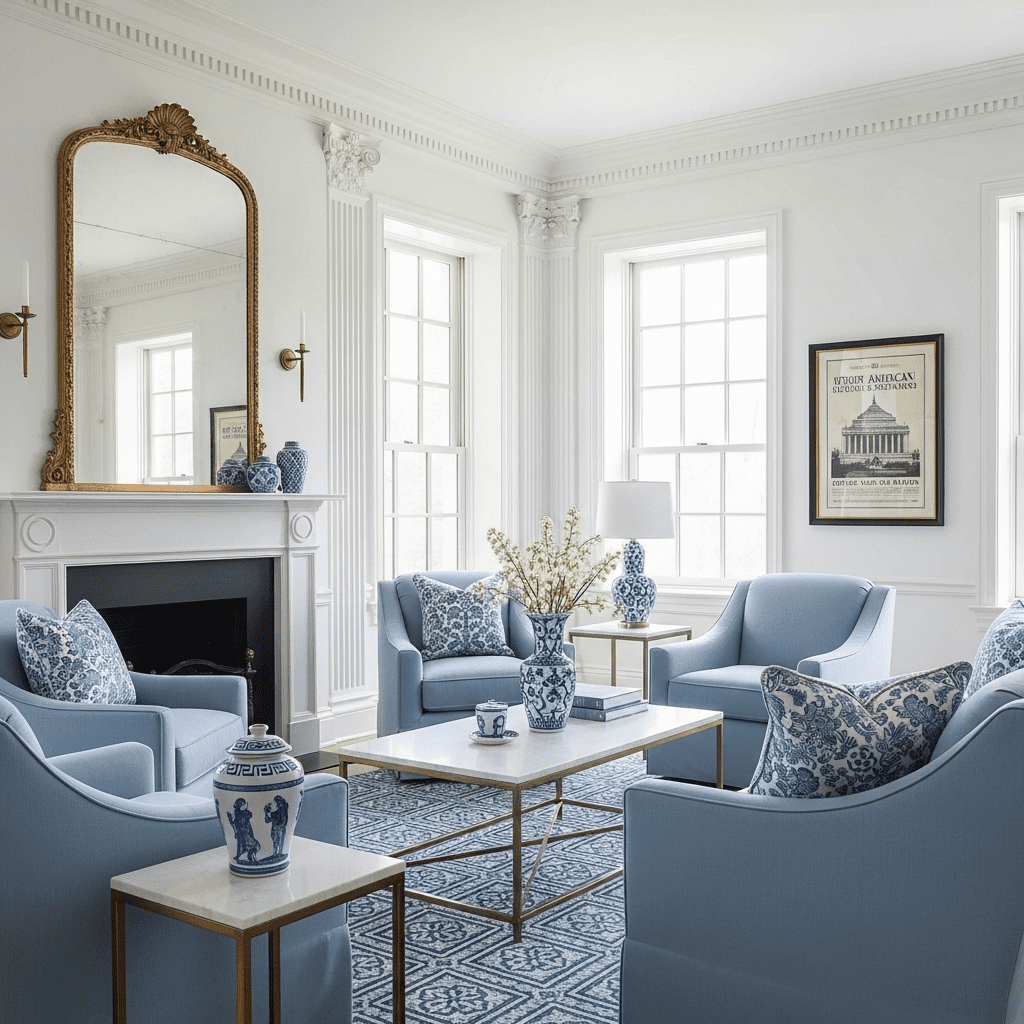
Blue and white porcelain, Asian-inspired motifs, lacquered furniture, and exotic patterns create classic chinoiserie living rooms. This East-meets-West aesthetic delivers sophisticated global elegance with timeless appeal.
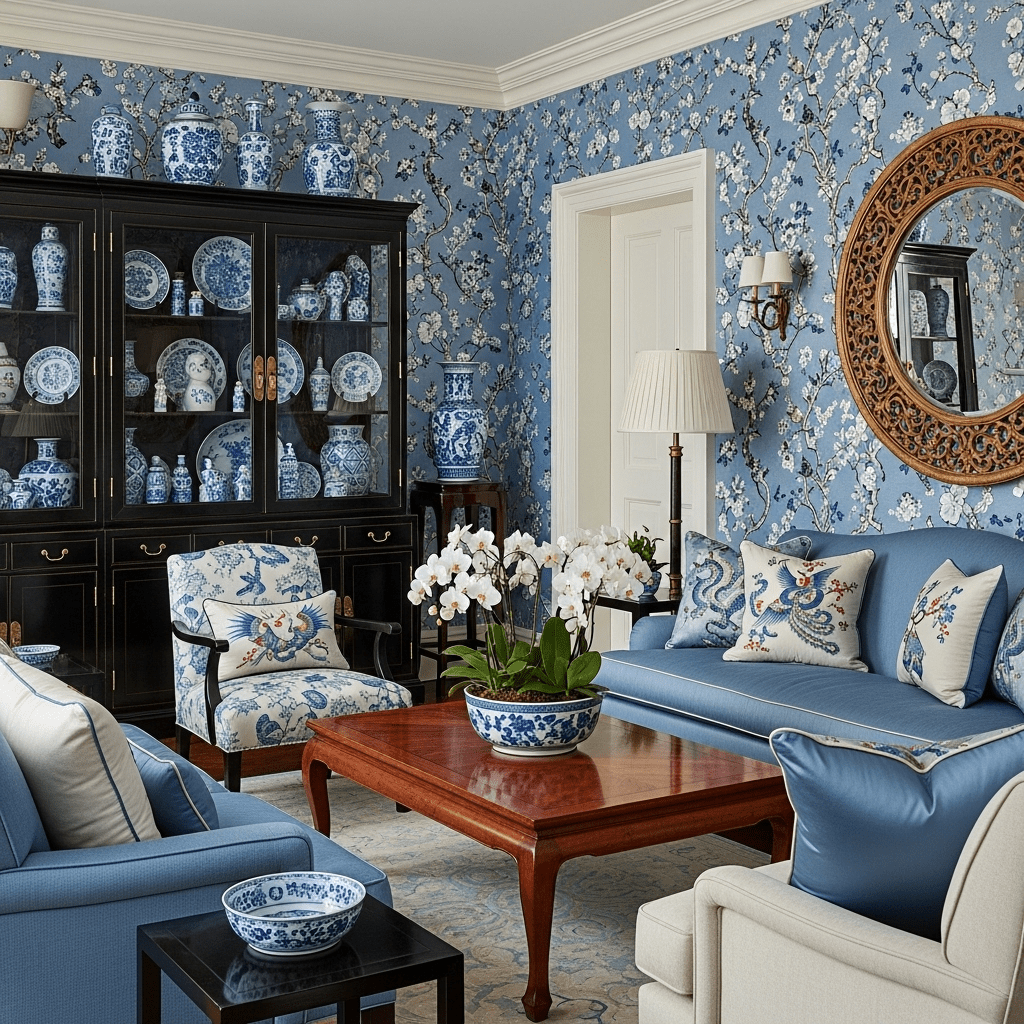
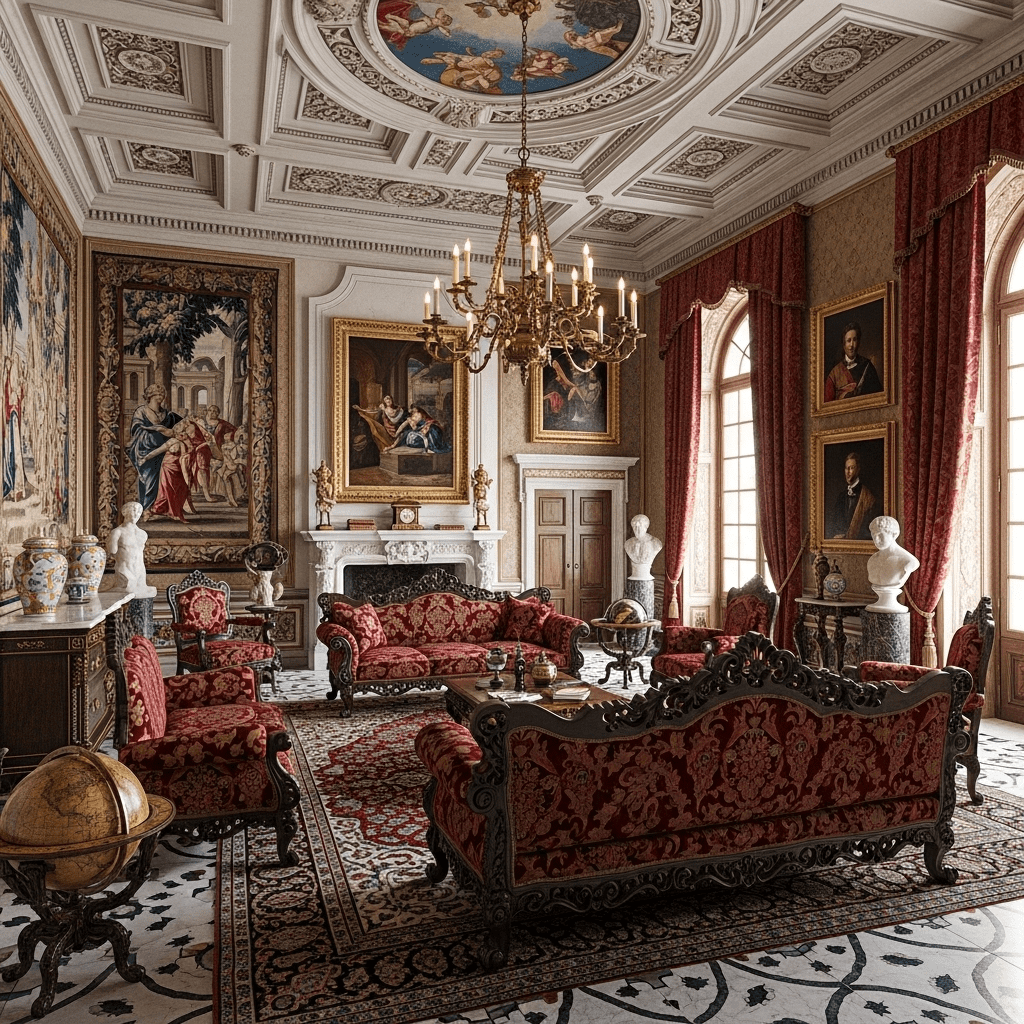
8. Italian Renaissance Inspired
Rich colors, ornate carved furniture, frescoed ceiling details, and luxurious fabrics create Italian Renaissance-inspired living rooms. Gold leaf, marble, and velvet deliver Old World European grandeur and artistic sophistication.
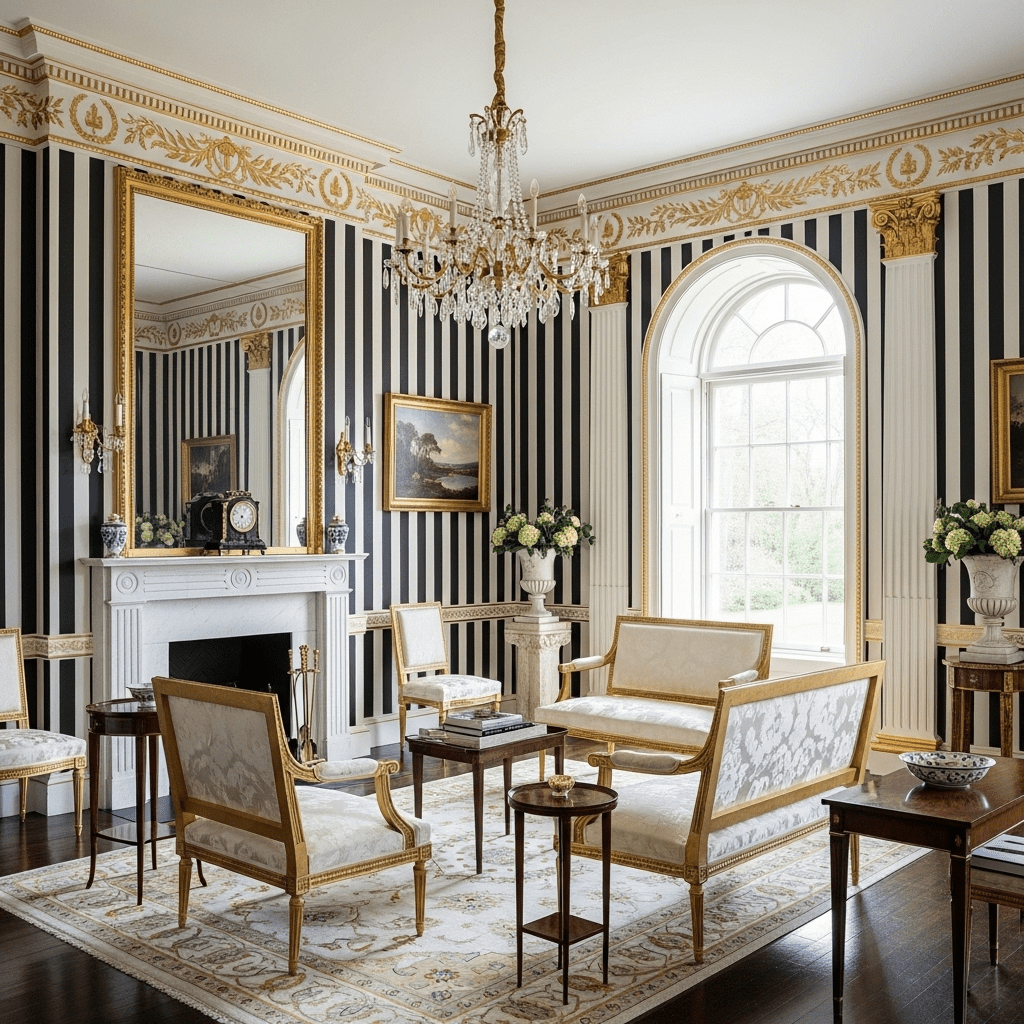
9. Regency Striped Elegance
Bold stripes, Grecian influences, elegant proportions, and refined details define English Regency style. Black and white with gold accents, classical motifs, and sophisticated restraint create timeless elegant living rooms.
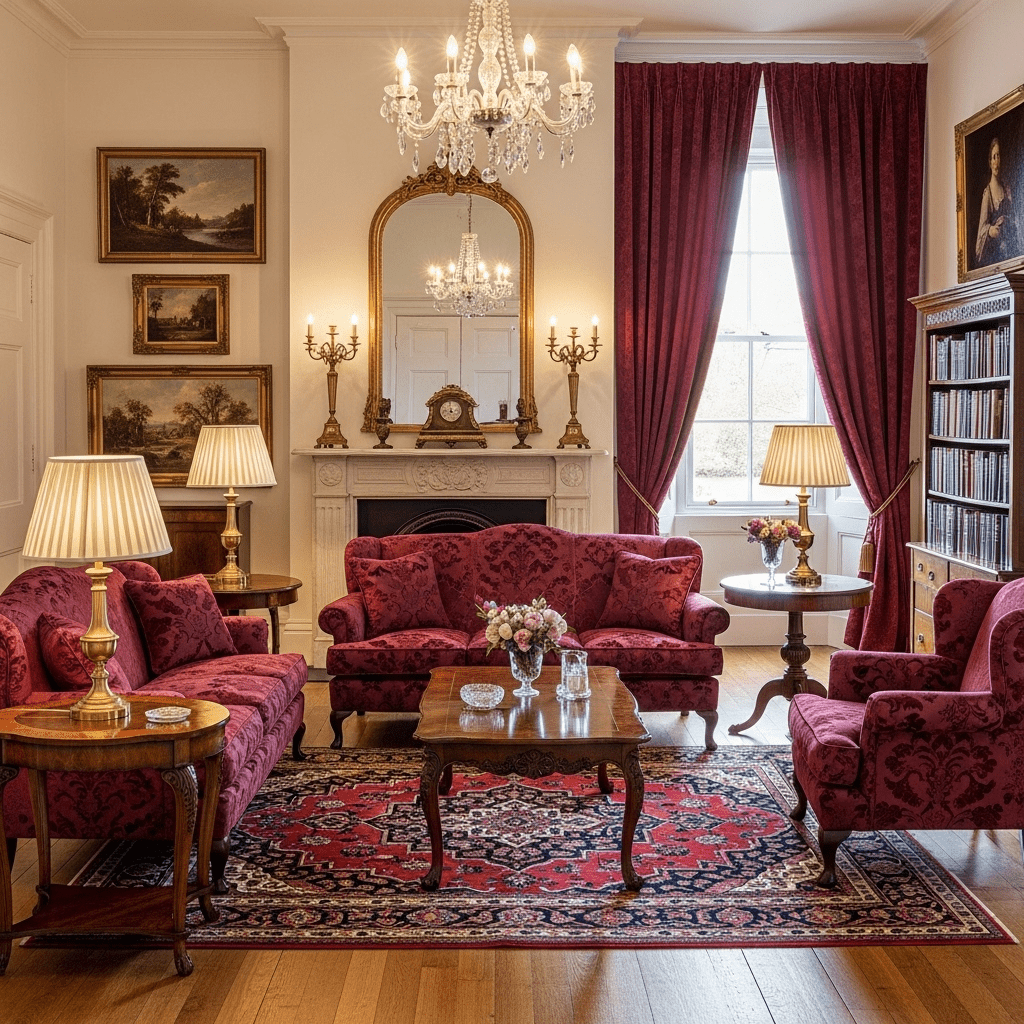
10. Traditional Formal Sitting Room
Matched furniture sets, formal arrangements, fine antiques, and traditional accessories create classic formal sitting rooms. Sophisticated color schemes, quality materials, and careful symmetry deliver impressive entertaining spaces.
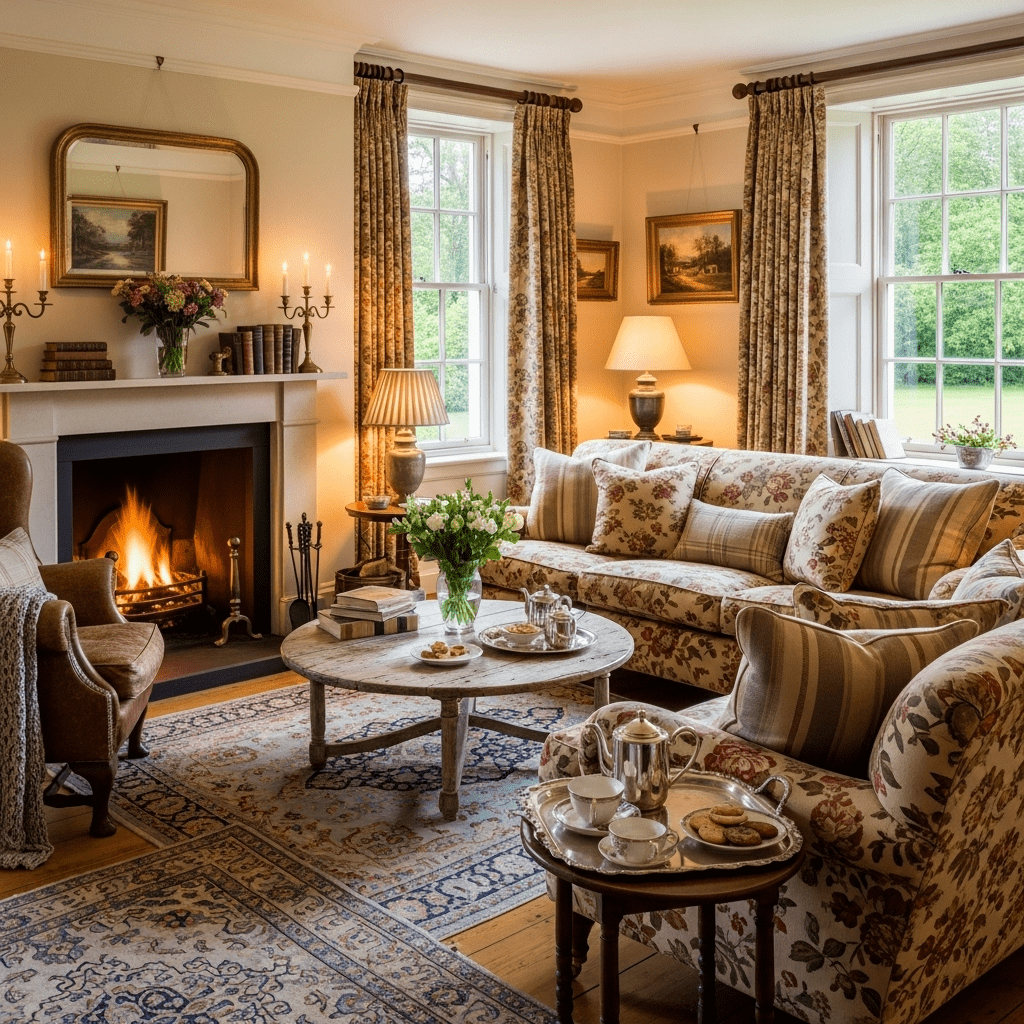
11. Country House Comfort
Floral chintzes, comfortable upholstery, layered patterns, and relaxed elegance create classic country house living rooms. English countryside charm combines beauty with genuine livability and welcoming warmth.
12. Federal American Refinement
Delicate proportions, refined details, mahogany furniture, and patriotic motifs create Federal-era American living rooms. Eagle emblems, shield-back chairs, and understated elegance deliver early American classical sophistication.
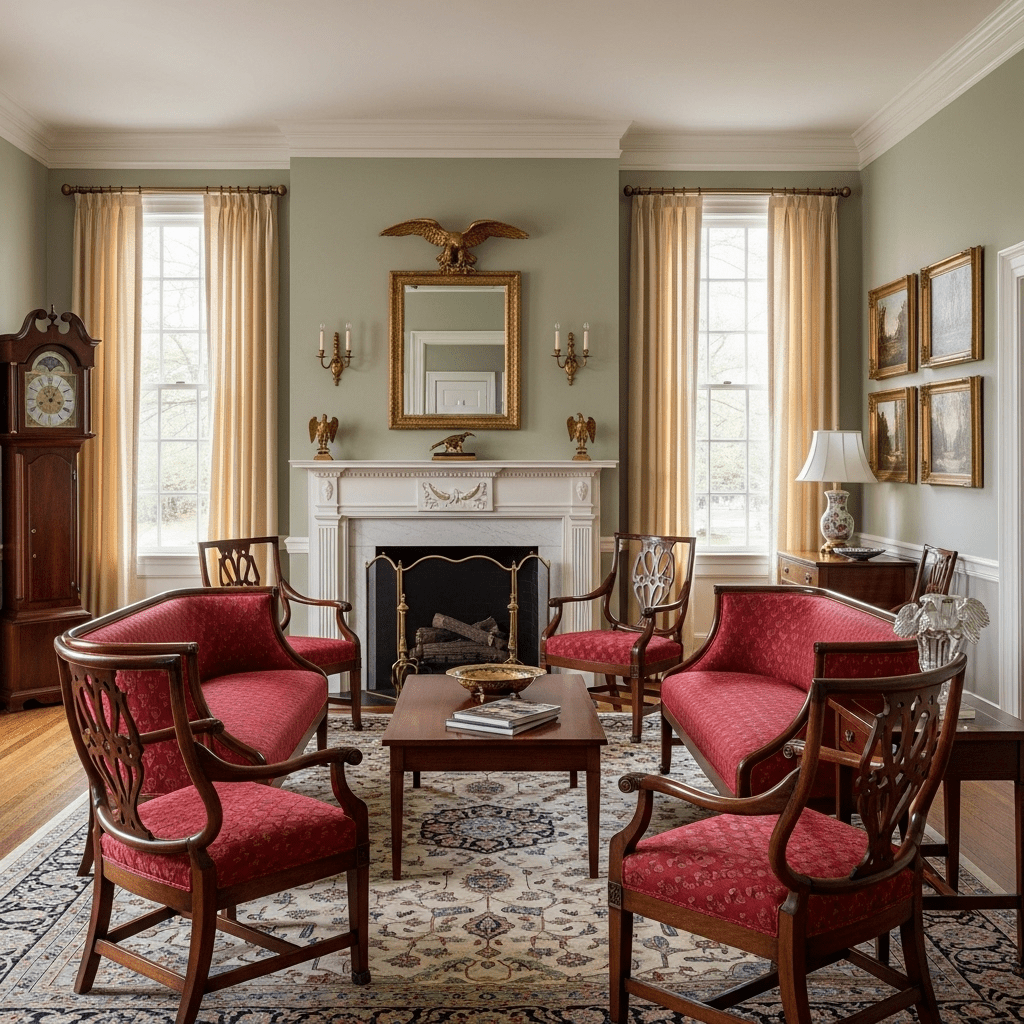
13. Baroque Dramatic Luxury
Elaborate gilding, curved furniture, rich tapestries, and dramatic scale create Baroque-inspired living rooms. Gold, burgundy, and deep blue with ornate mirrors and chandeliers deliver theatrical European luxury.
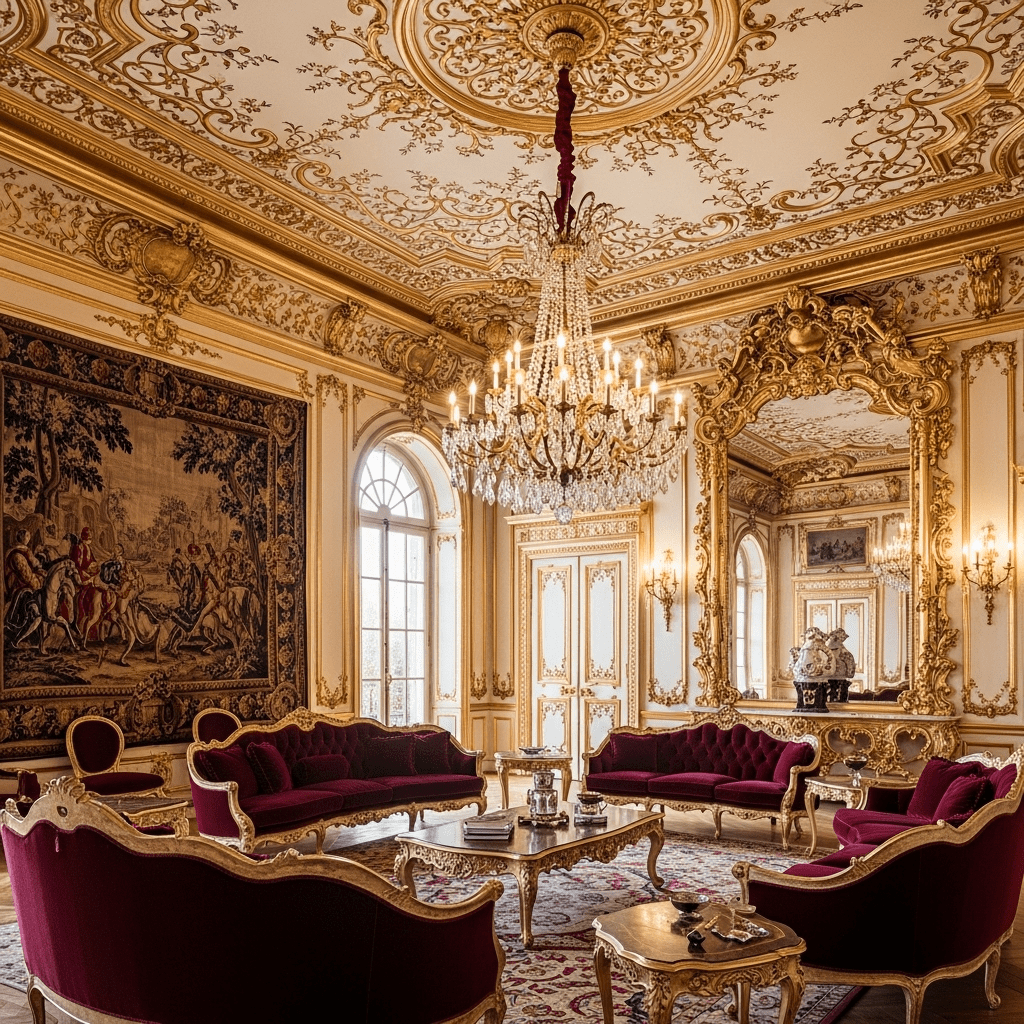
14. Traditional Coastal Classic
Navy and white, maritime accessories, traditional furniture, and relaxed elegance create classic coastal living rooms. Stripes, natural textures, and timeless nautical elements deliver sophisticated seaside style.
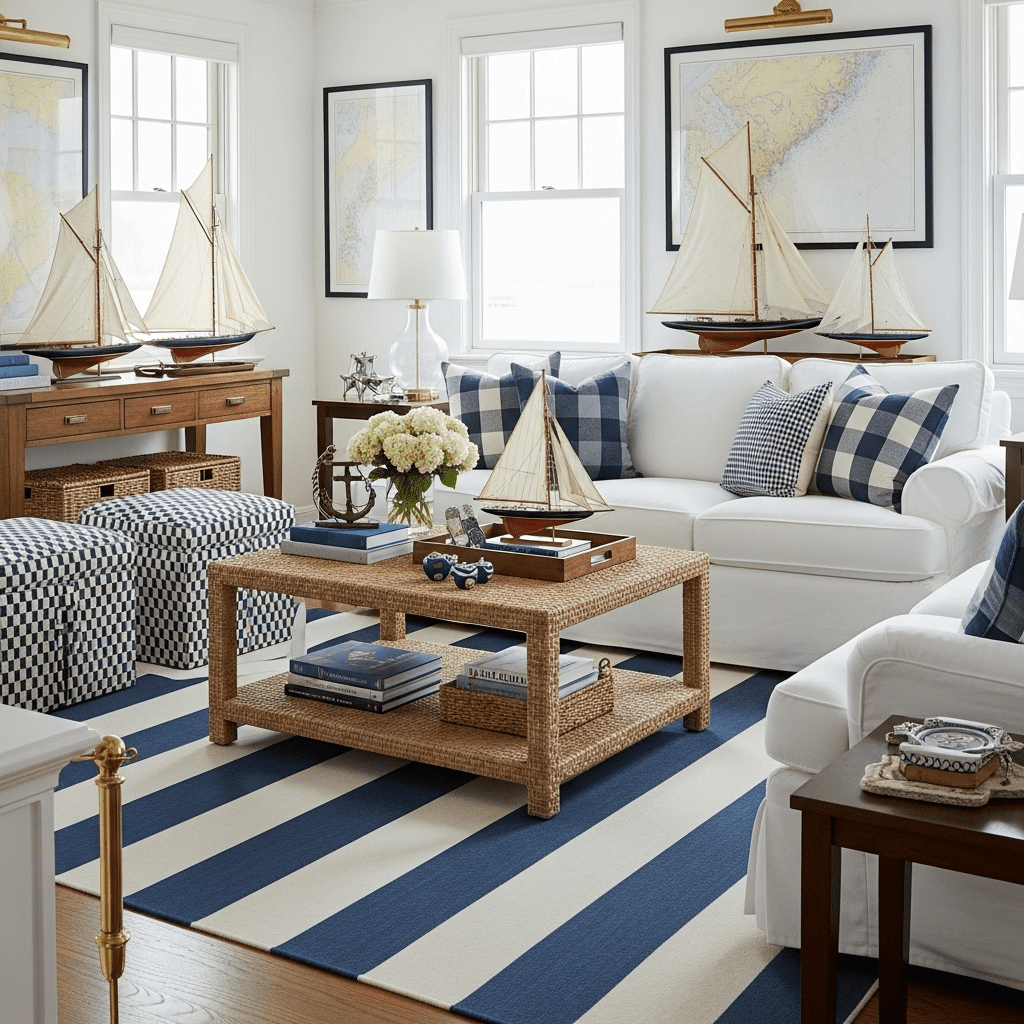
15. Tudor Revival Warmth
Exposed wooden beams, stone fireplaces, leaded glass windows, and rich woods create Tudor-inspired living rooms. Medieval architectural elements combined with comfortable furnishings deliver Old English warmth and character.
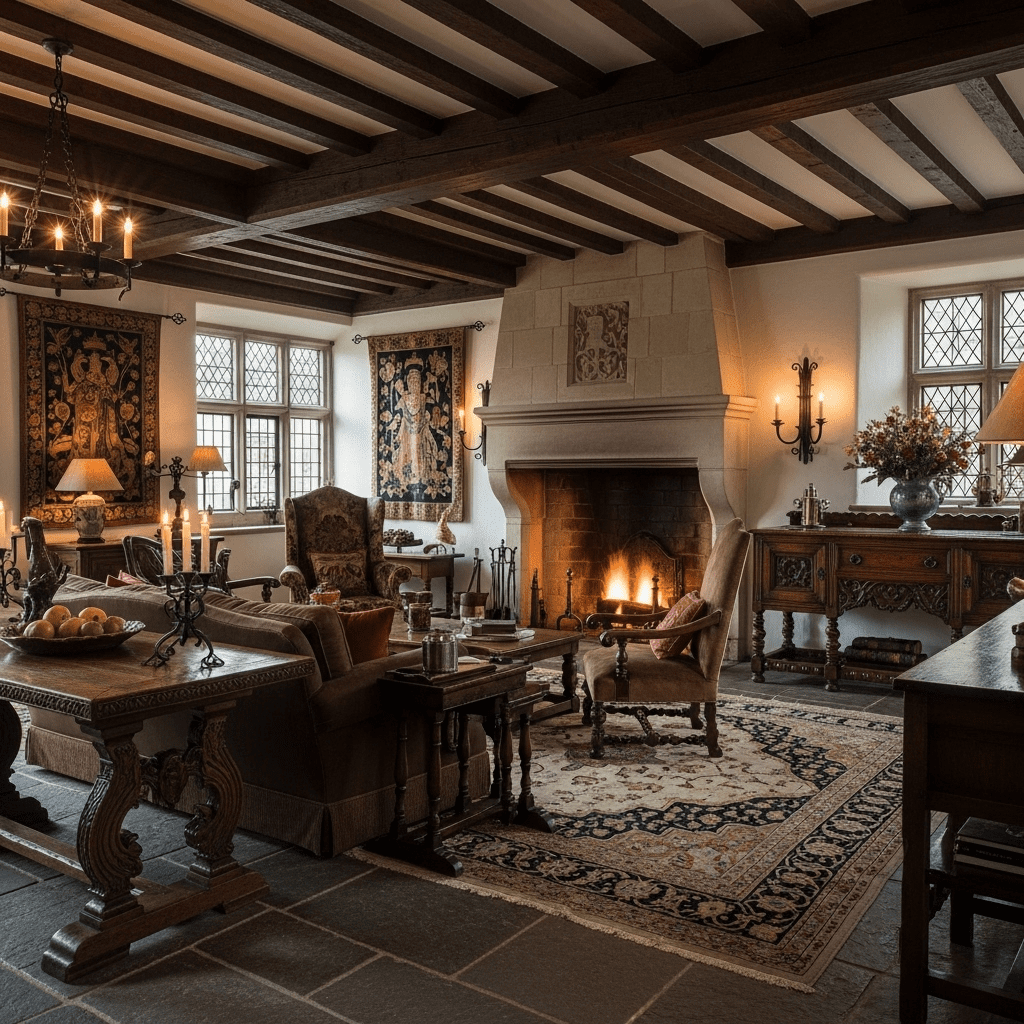
16. Greek Revival Simplicity
White walls, classical columns, simple lines, and balanced proportions create Greek Revival living rooms. This American classical style combines ancient Greek inspiration with clean, democratic simplicity.
17. Art Nouveau Organic Flow
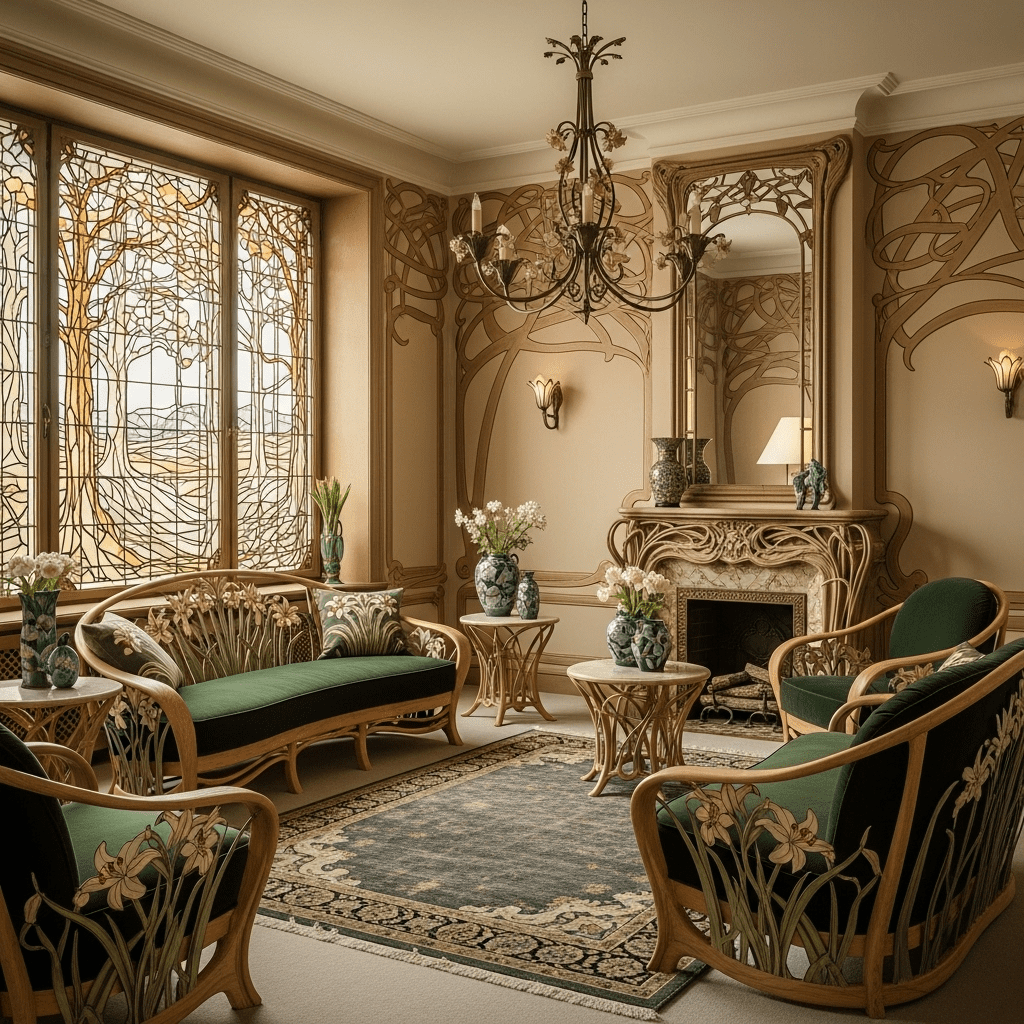
Flowing organic lines, nature-inspired motifs, curved furniture, and stained glass create Art Nouveau classic living rooms. This artistic movement’s sinuous elegance delivers timeless romantic beauty.
18. Traditional Gentleman’s Club
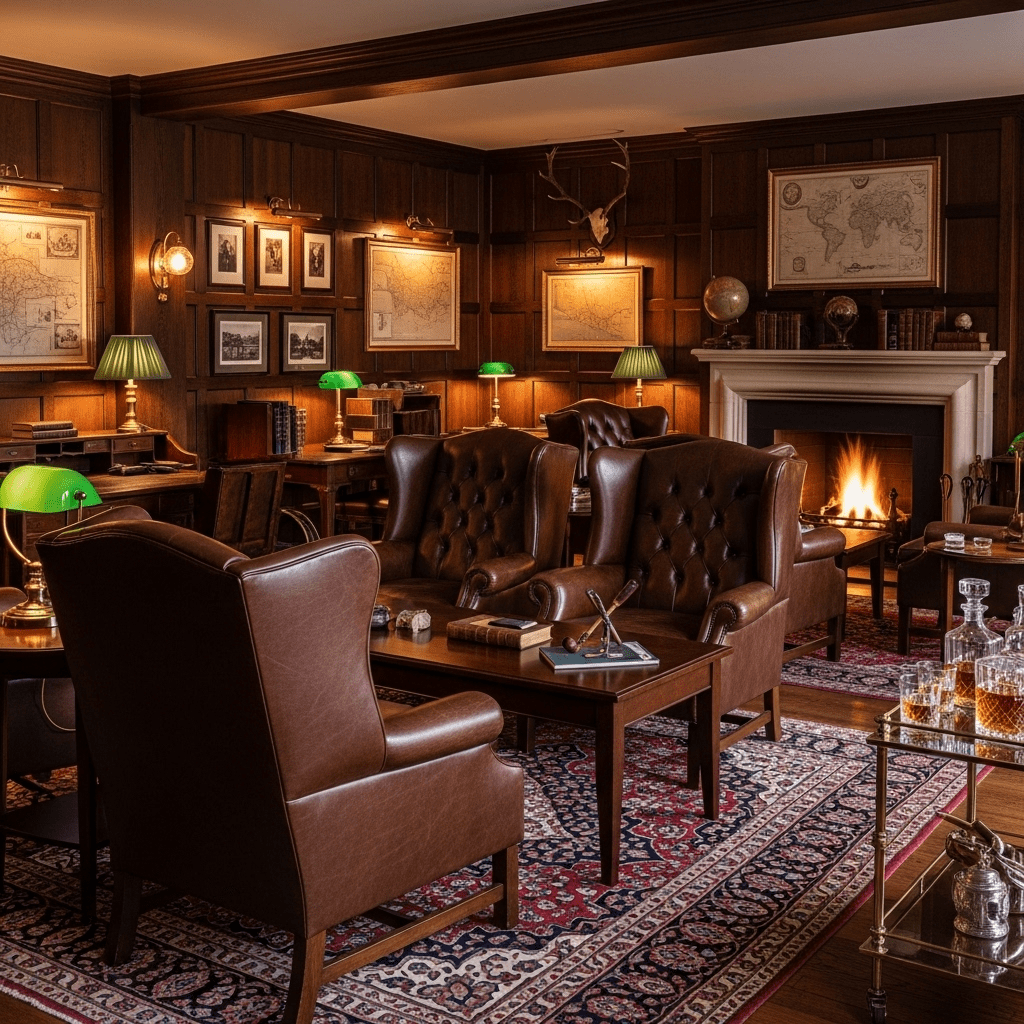
Deep leather, dark woods, masculine restraint, and clubby atmosphere create gentleman’s club-inspired living rooms. British club aesthetics with leather wingbacks, study lights, and refined masculinity deliver timeless sophisticated comfort.
The Enduring Appeal of Classic Design
Classic living room designs succeed across generations because they’re rooted in fundamental principles of beauty, proportion, and craftsmanship that transcend temporary fashion. Understanding why classic design endures helps explain its continued relevance and appeal.
Quality Over Novelty: Classic design prioritizes lasting quality—solid wood construction, proper joinery, durable fabrics—over trendy materials that age poorly. This investment approach proves economically and aesthetically superior long-term.
Proven Proportions: Classical furniture proportions evolved over centuries to flatter human scale perfectly. These time-tested dimensions create comfort and visual harmony that arbitrary contemporary proportions often miss entirely.
Cultural Resonance: Classic styles connect us to design heritage, cultural history, and artistic traditions spanning centuries. These meaningful connections add emotional depth impossible in styles lacking historical foundation.
Timeless Color Palettes: Classic color schemes—navy and cream, burgundy and gold, forest green and tan—remain beautiful indefinitely because they’re based on nature’s timeless combinations rather than manufactured trend cycles.
Architectural Integrity: Classic design respects and enhances architecture rather than fighting it. Period-appropriate details, proper scale relationships, and architectural harmony create cohesive, resolved spaces.
Adapting Classic Design for Contemporary Living
Successfully incorporating classic design into modern life requires thoughtful adaptation balancing historical authenticity with contemporary comfort and practicality.
Modern Comfort Standards: Antique seating often proves uncomfortable by current standards. Choose reproduction furniture offering period aesthetics with modern cushioning, support, and ergonomics ensuring genuine usability.
Updated Technology Integration: Conceal modern necessities—televisions, sound systems, Wi-Fi equipment—within period-appropriate cabinets or behind decorative screens maintaining classic aesthetics while accommodating contemporary technology.
Simplified Ornamentation: While appreciating classic detailing, contemporary interpretations often reduce ornamental density creating cleaner, more livable versions of historical styles suitable for modern sensibilities.
Lighting Improvements: Supplement period fixtures with modern task lighting, dimmers, and LED technology providing adequate illumination for contemporary activities while maintaining classic ambiance.
Washable Fabrics: Modern performance fabrics replicating traditional appearances offer practical durability perfect for families, pets, and active lifestyles without sacrificing classic beauty.
Color in Classic Interiors
Rich Jewel Tones: Emerald, sapphire, ruby, and amethyst deliver traditional luxury and sophisticated depth throughout classic living rooms.
Warm Neutrals: Cream, beige, tan, and warm grey provide sophisticated backgrounds allowing furniture, artwork, and architectural details to shine prominently.
Traditional Accent Colors: Navy blue, hunter green, burgundy, and gold serve as timeless accent colors adding depth without overwhelming spaces.
White and Cream Foundations: Pure white or warm cream walls provide classical brightness that flatters period furniture while maintaining traditional elegance.
Furniture Selection for Classic Rooms
Investment Pieces: Prioritize quality sofas, chairs, and tables built traditionally—solid wood frames, eight-way hand-tied springs, quality upholstery—ensuring pieces last generations.
Antique Integration: Genuine antiques or quality reproductions add authentic character impossible to replicate with new mass-produced furniture.
Proper Scale: Choose furniture proportional to room dimensions and ceiling heights—undersized pieces look insignificant in grand rooms; oversized furniture overwhelms smaller spaces.
Matched or Coordinated Sets: Traditional design often employs matched sofa and chair sets or carefully coordinated pieces creating cohesive, intentional arrangements.
Maintaining Classic Living Rooms
Regular Care: Quality furniture deserves proper maintenance—polish wood regularly, vacuum upholstery, clean brass and silver, protecting investments ensuring longevity.
Professional Restoration: Address damage promptly through professional furniture restoration, reupholstery, or refinishing maintaining beauty and value across decades.
Appropriate Cleaning: Use period-appropriate cleaning methods and products—specific wood cleaners, gentle upholstery treatments, proper brass polish—preventing damage while maintaining appearance.
Climate Control: Maintain consistent temperature and humidity protecting wood from warping, fabrics from fading, and finishes from deteriorating prematurely.
Classic living room designs ultimately offer something increasingly rare in contemporary life—connection to enduring beauty, craftsmanship traditions, and design principles proven across centuries. These rooms don’t merely follow current trends but rather participate in design conversations spanning generations, honoring the past while remaining genuinely livable and beautiful today. When executed with both historical respect and contemporary adaptation, classic living rooms create spaces that feel simultaneously impressive and welcoming, sophisticated and comfortable, timeless and genuinely, authentically home.