18 Open Concept Living Room Designs: Mastering the Art of Fluid Space
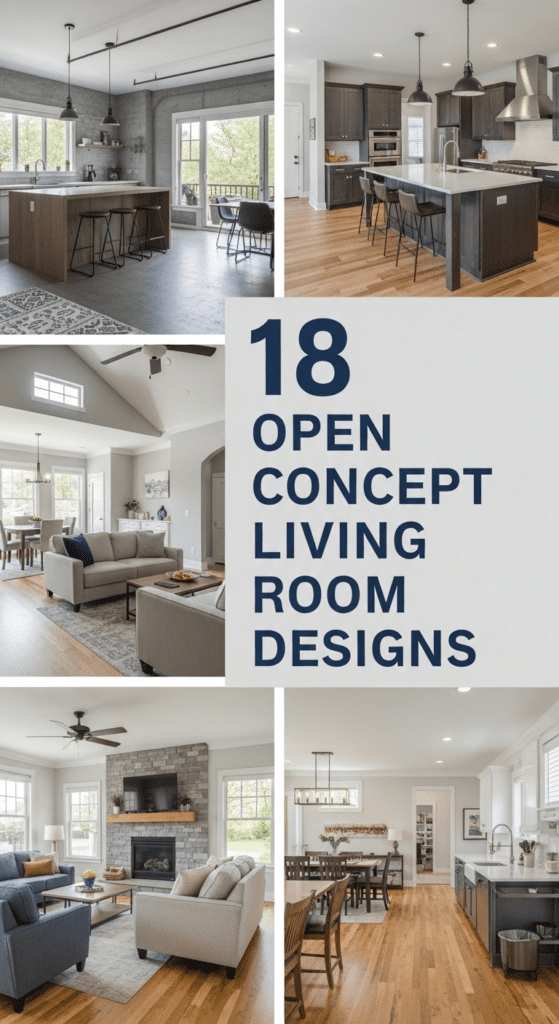
Open concept living room designs are the gold standard for modern architecture, prioritizing connectivity and the unhindered flow of natural light. By removing the physical barriers between the kitchen, dining, and lounging areas, these layouts transform a home into a multi-functional social hub. The challenge lies in defining distinct “zones” without the use of walls, relying instead on furniture placement, lighting, and textural shifts. From expansive industrial lofts to cozy suburban great rooms, these 18 designs demonstrate how to create a cohesive yet organized open-plan environment.
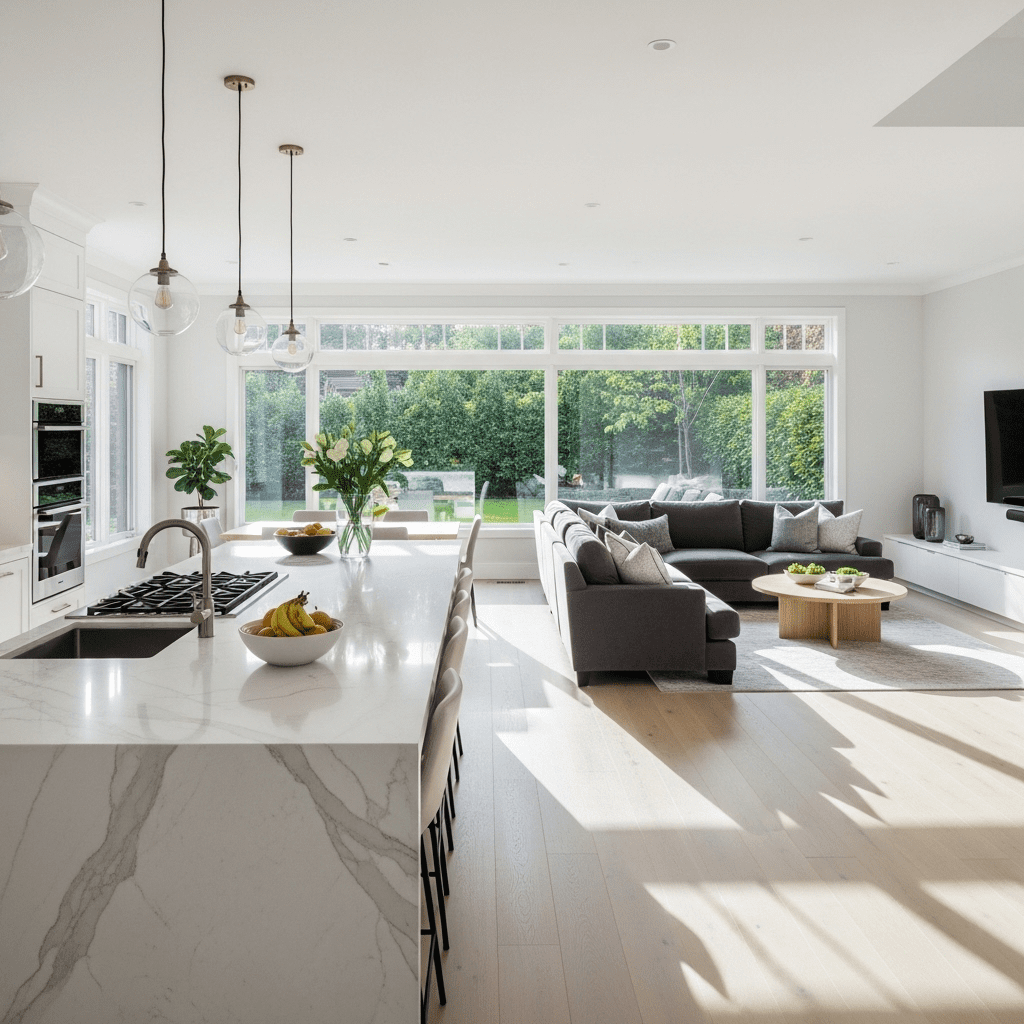
1. The Central Island Anchor
Using a large kitchen island as the bridge between the cooking and living zones. It provides a visual boundary while serving as a social gathering point for both areas.
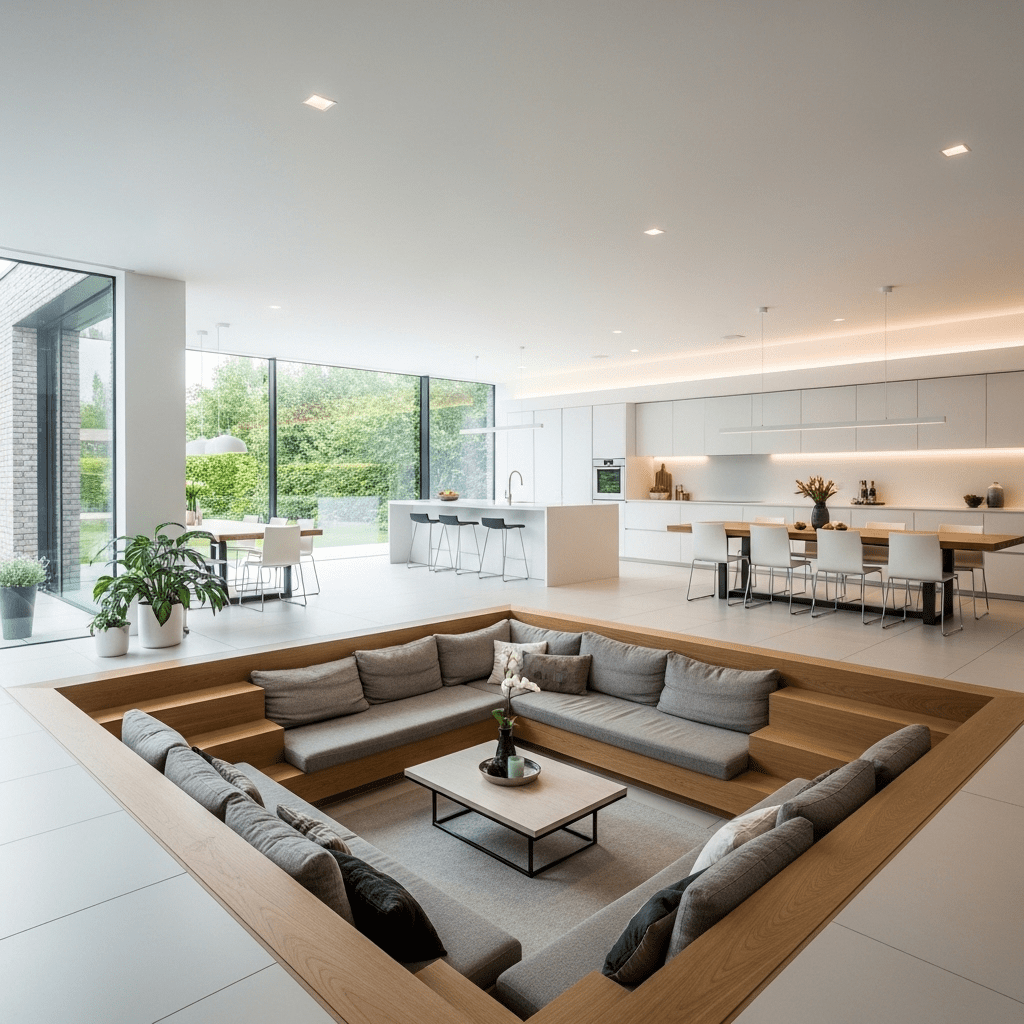
2. Sunken “Conversation Pit” Zoning
Creating a physical shift in floor height to define the living area. This architectural choice marks the lounge as a distinct “destination” within a vast open floor plan.
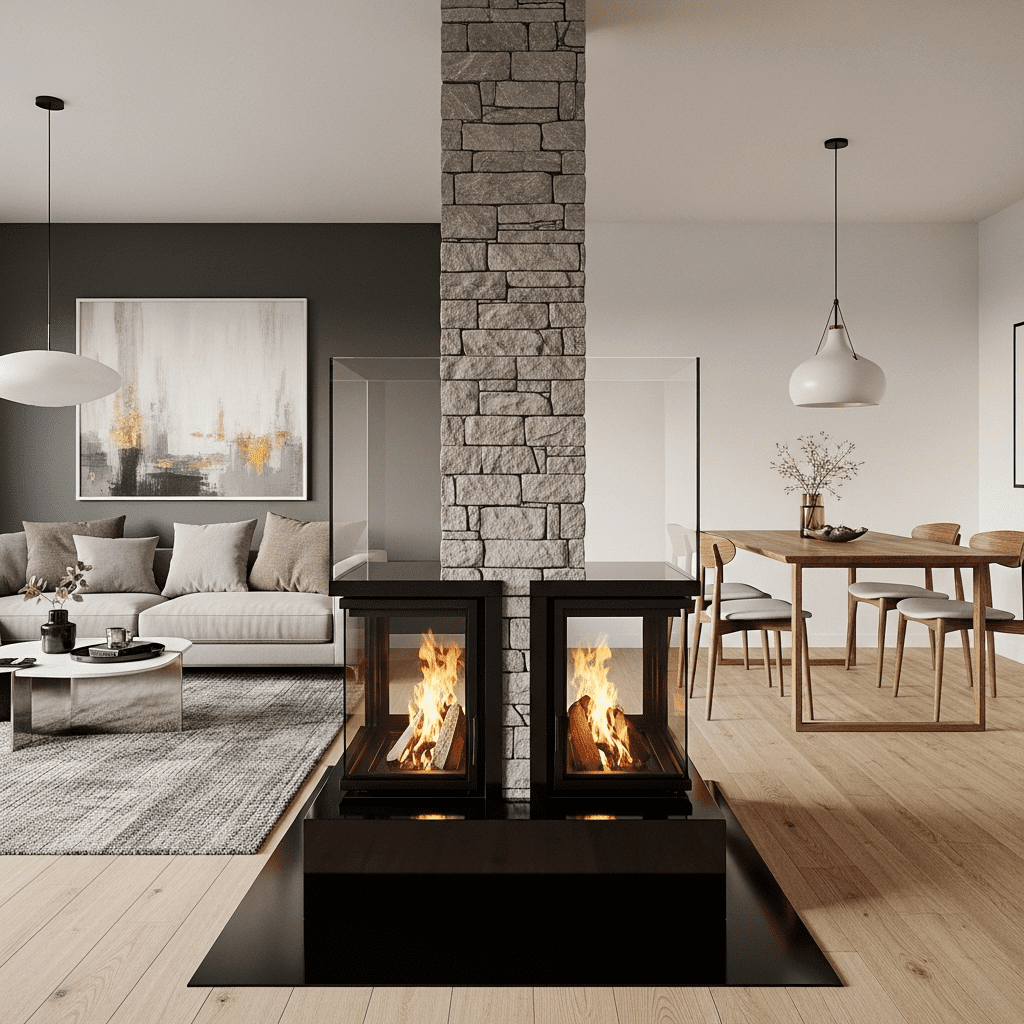
3. The Double-Sided Fireplace Divider
A fireplace situated in the center of the room that can be enjoyed from the sofa on one side and the dining table on the other, acting as a transparent anchor.
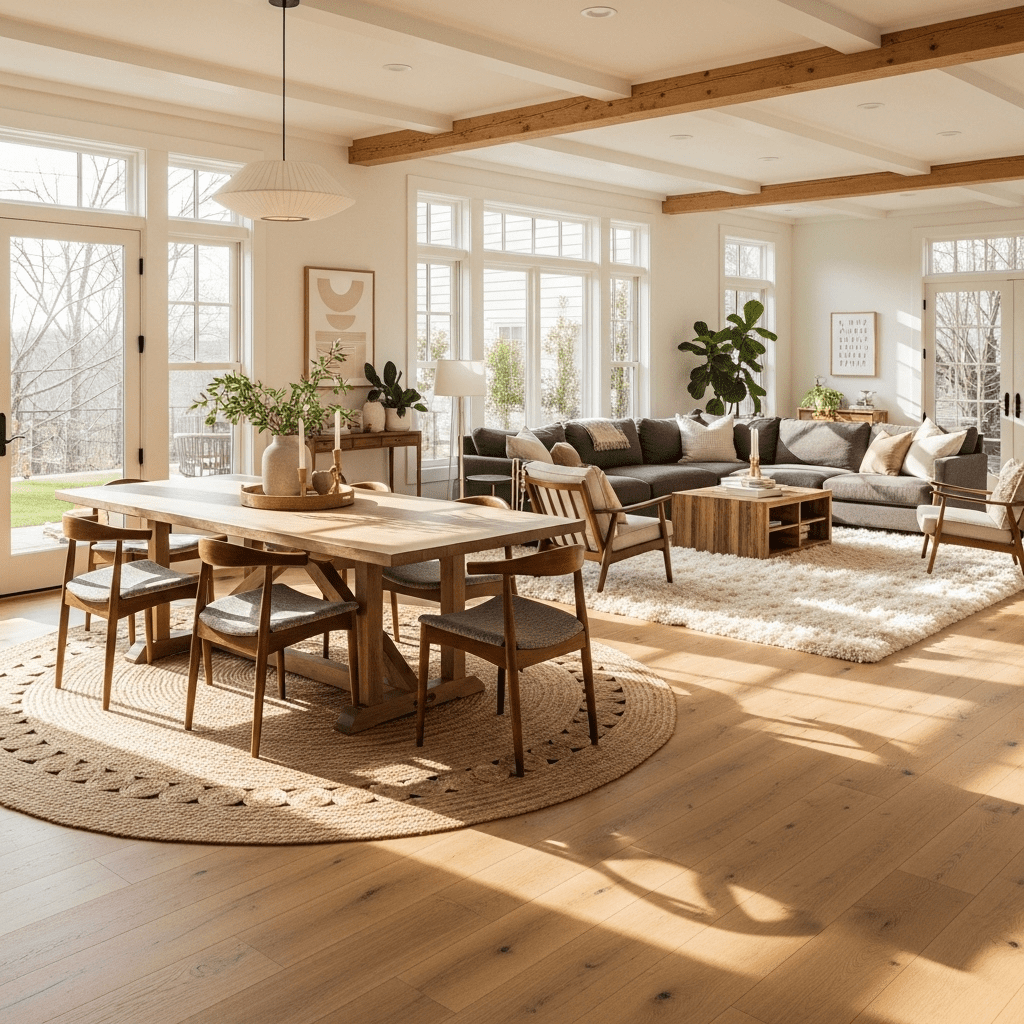
4. Rug-Defined Islands
Using oversized area rugs in different textures or colors to “box in” the living and dining furniture, creating invisible walls that organize the space.
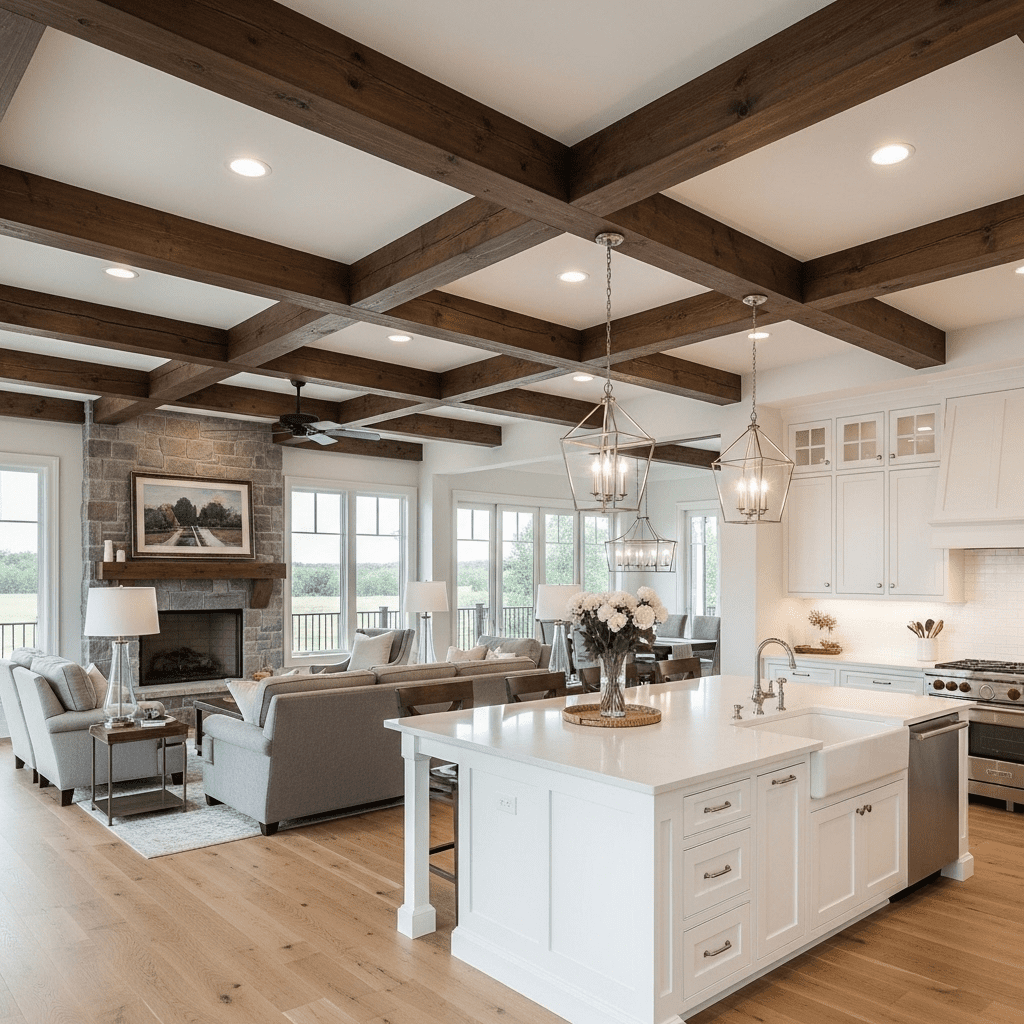
5. Architectural Beam Alignment
Utilizing exposed ceiling beams to trace the perimeter of the living zone. The overhead structure provides a subtle psychological boundary between functional areas.
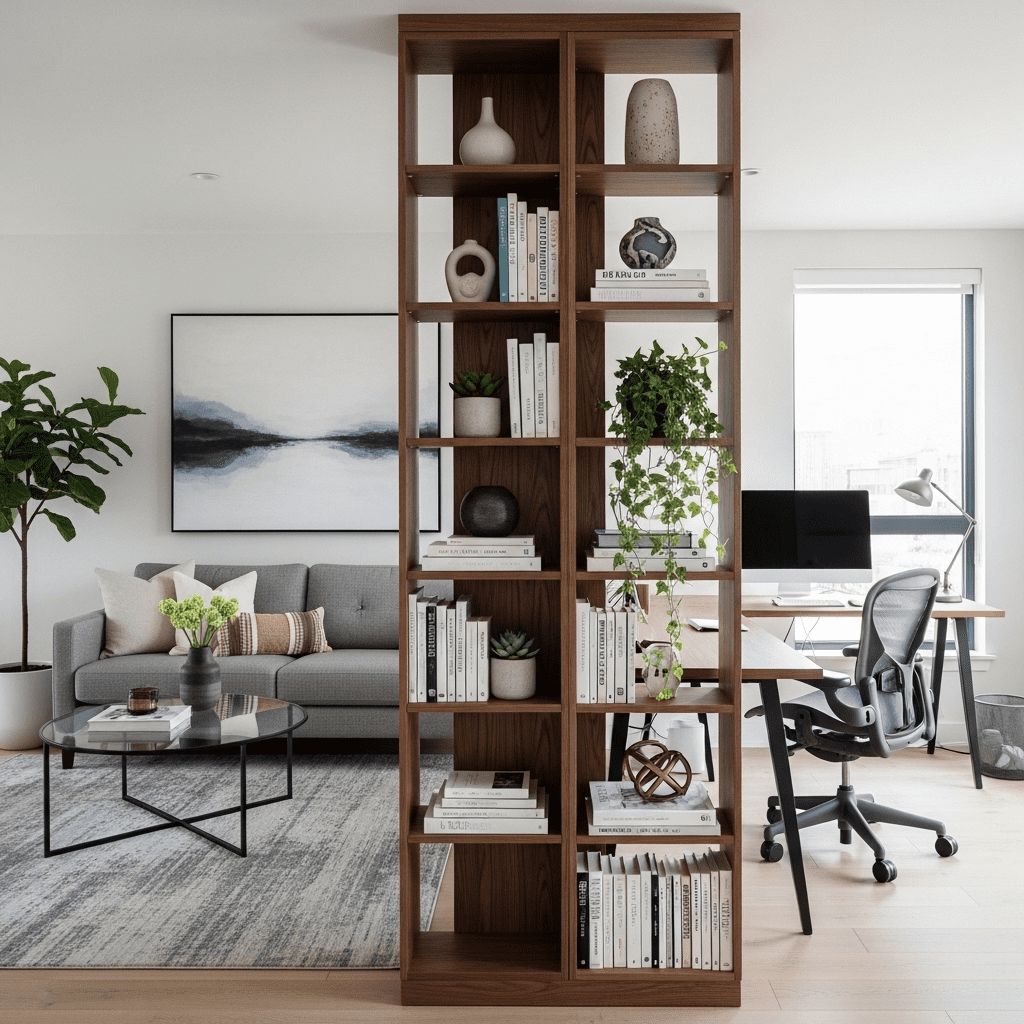
6. The Floating Bookshelf Screen
An open-back shelving unit placed perpendicular to the wall. It offers storage and display space while partially obscuring the view to create a sense of intimacy.
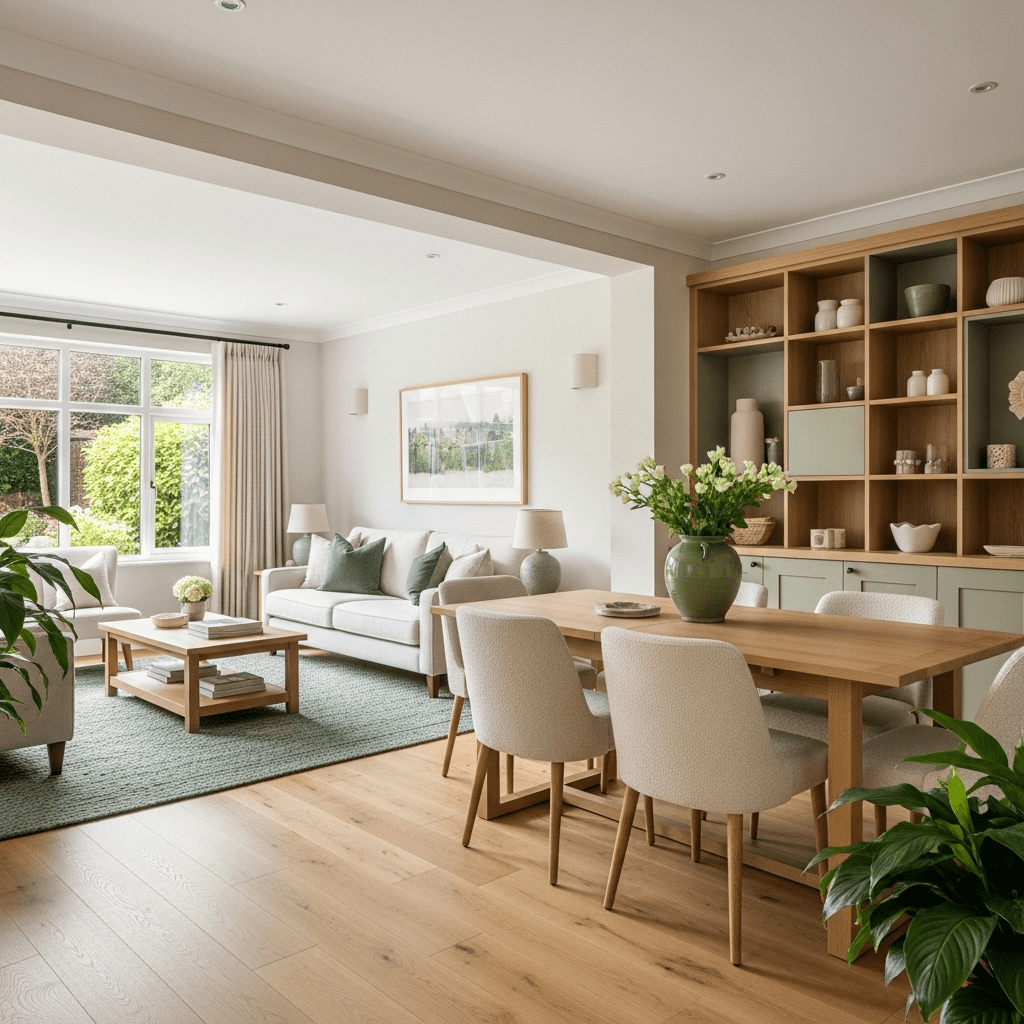
7. Consistent Color Flow
Using a single, unified color palette across the kitchen, dining, and living areas to ensure the large space feels like one harmonious environment.
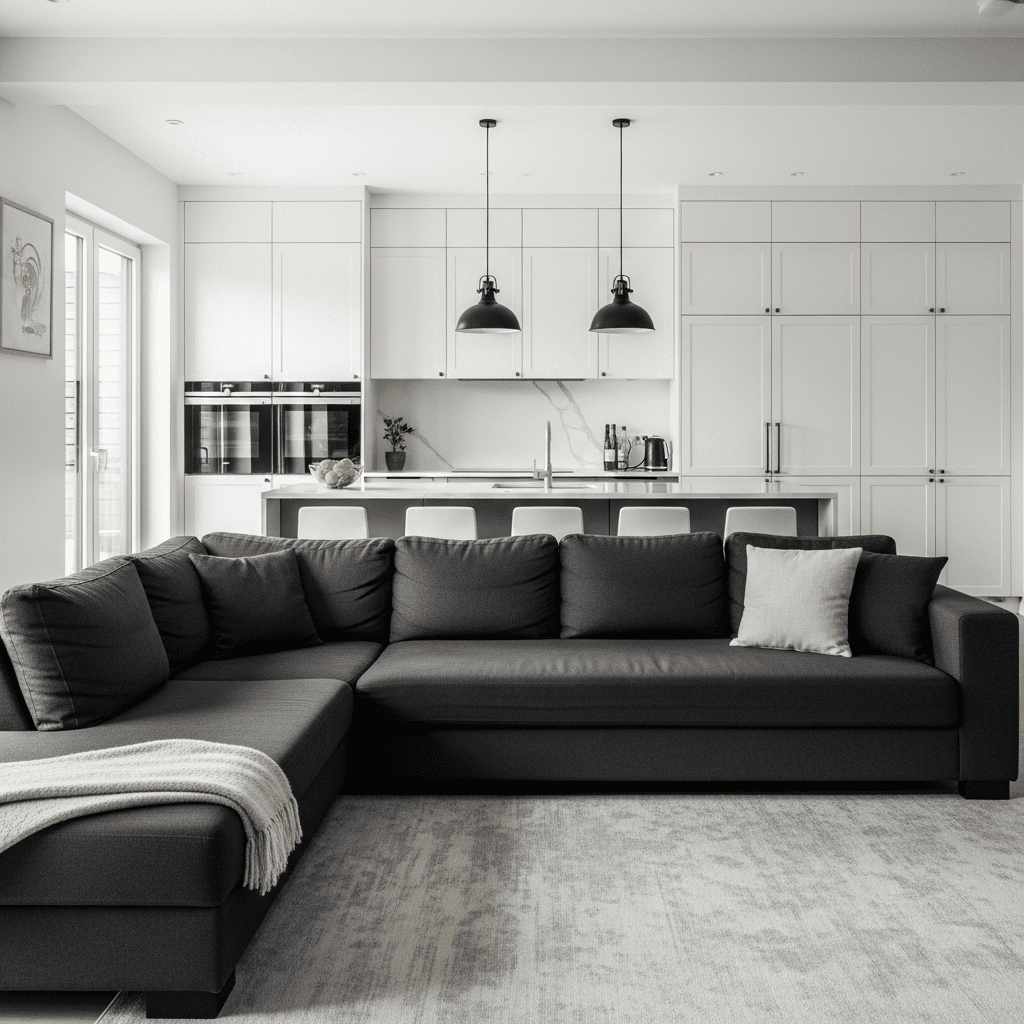
8. L-Shaped Sectional Boundary
Positioning the “back” of a large L-shaped sofa toward the dining or kitchen area to act as a soft, upholstered wall that directs traffic.
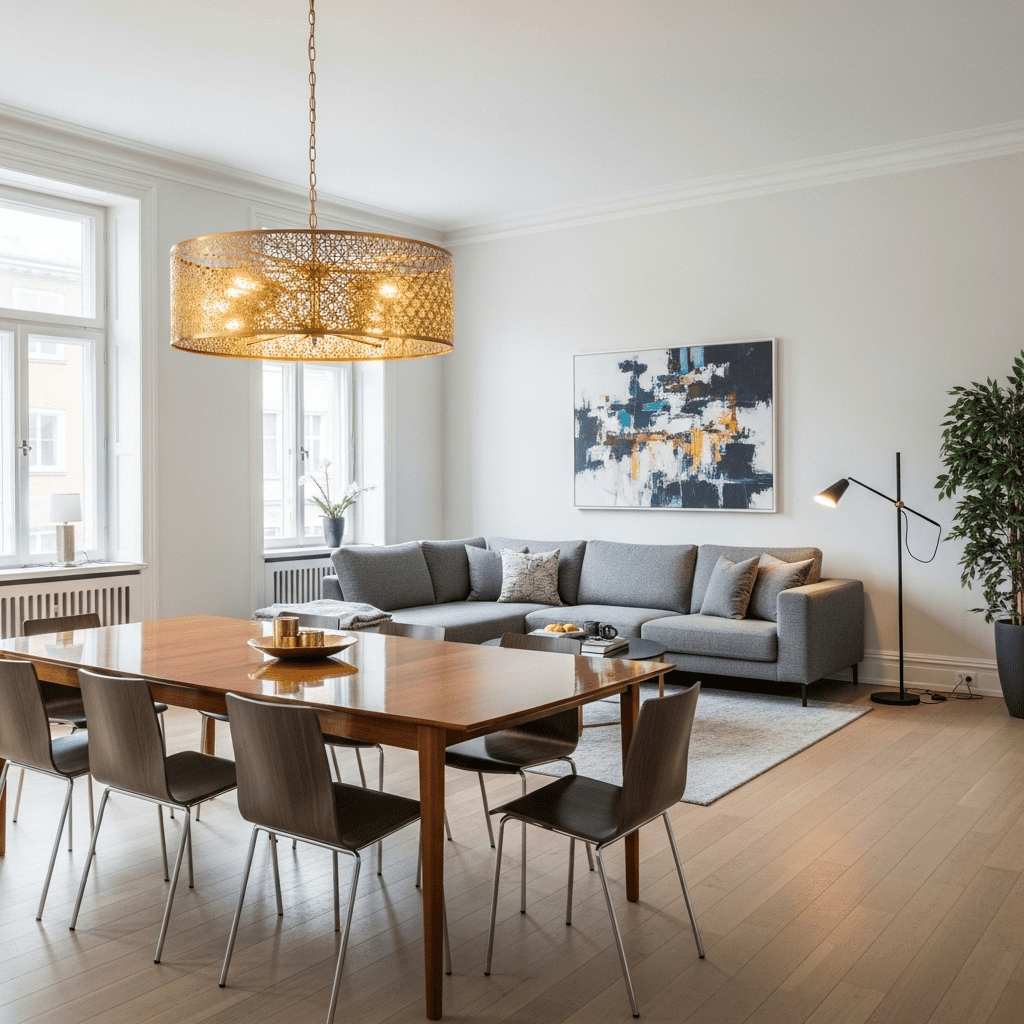
9. The Lighting Grid Distinction
Using different styles of lighting—like a chandelier over the dining table and recessed spots in the living area—to signal a change in the room’s purpose.
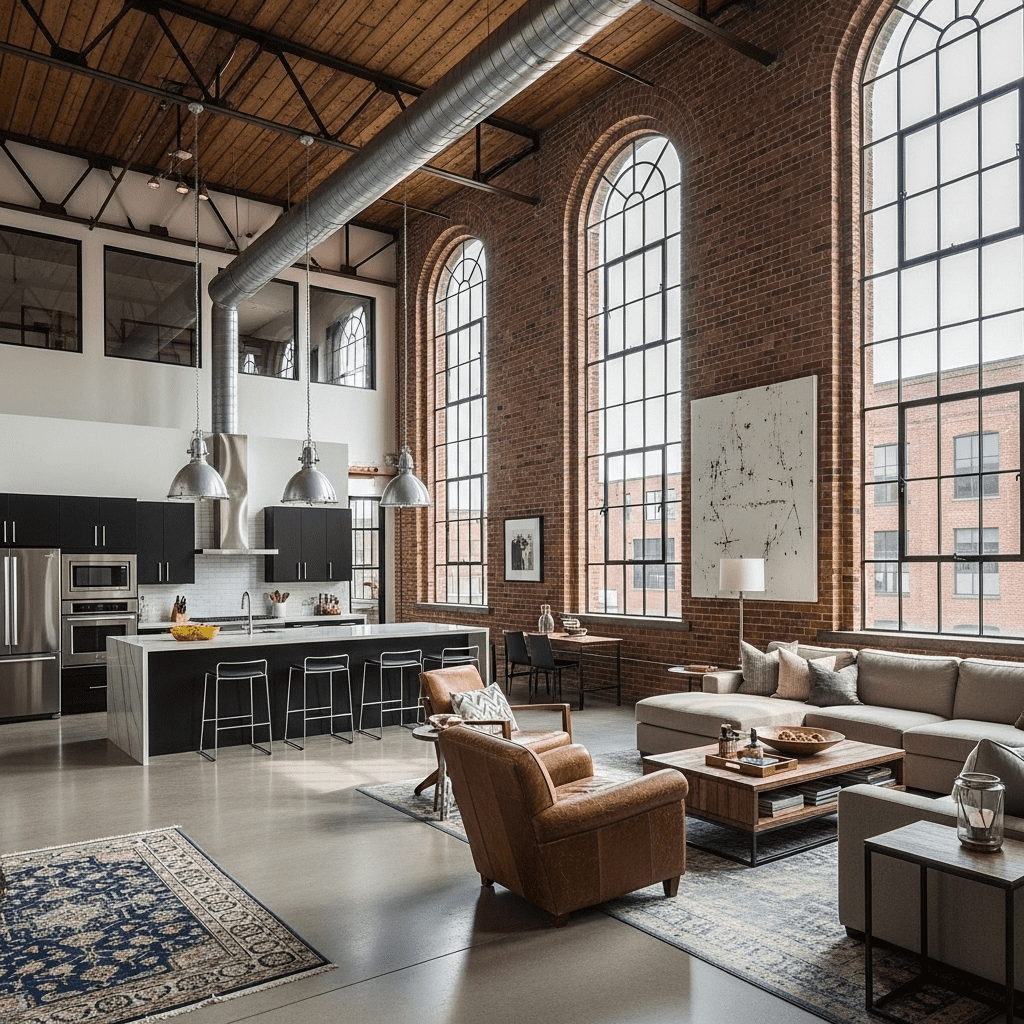
10. Industrial Loft Connectivity
Embracing high ceilings and raw materials like brick and concrete to create a massive, unified volume where the bedroom, lounge, and kitchen coexist.
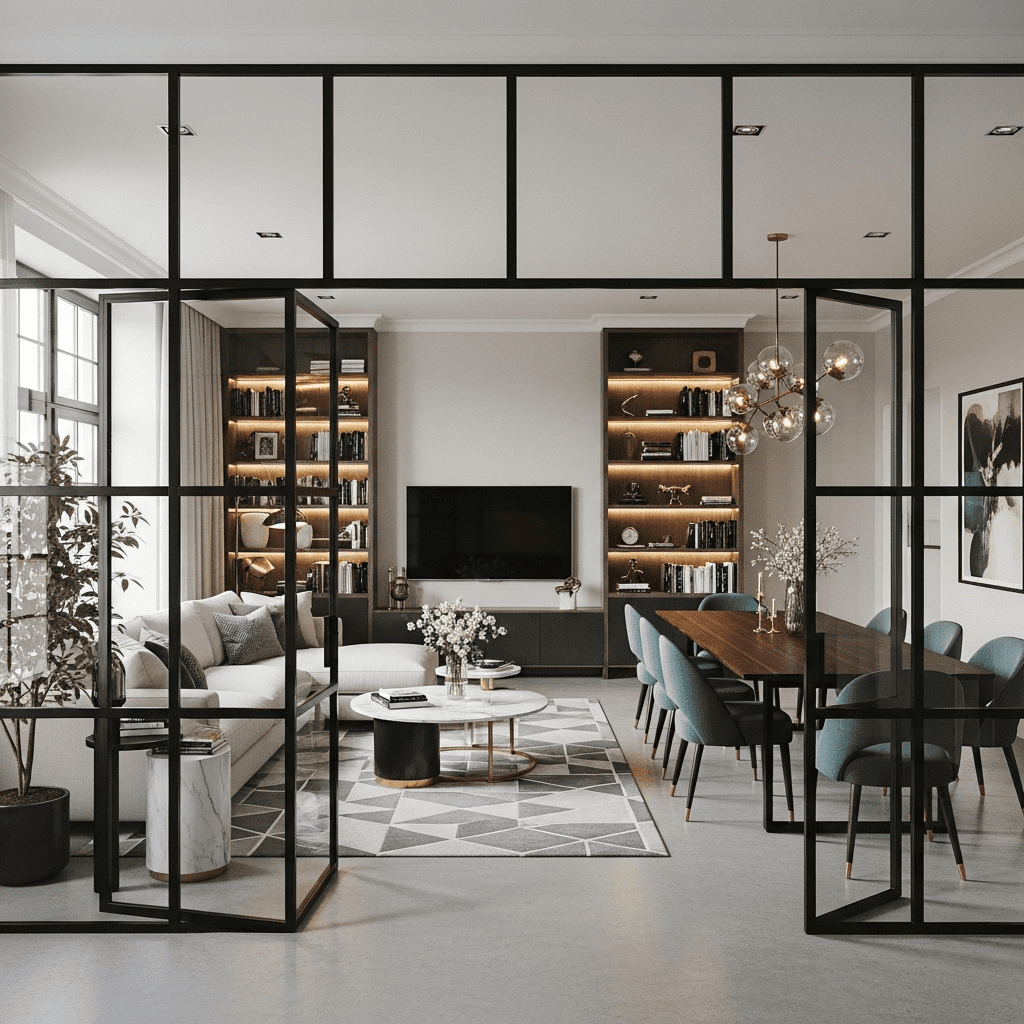
11. The Glass Partition Wall
Utilizing “Crittall-style” black-framed glass partitions to provide sound insulation while maintaining 100% visual transparency between zones.
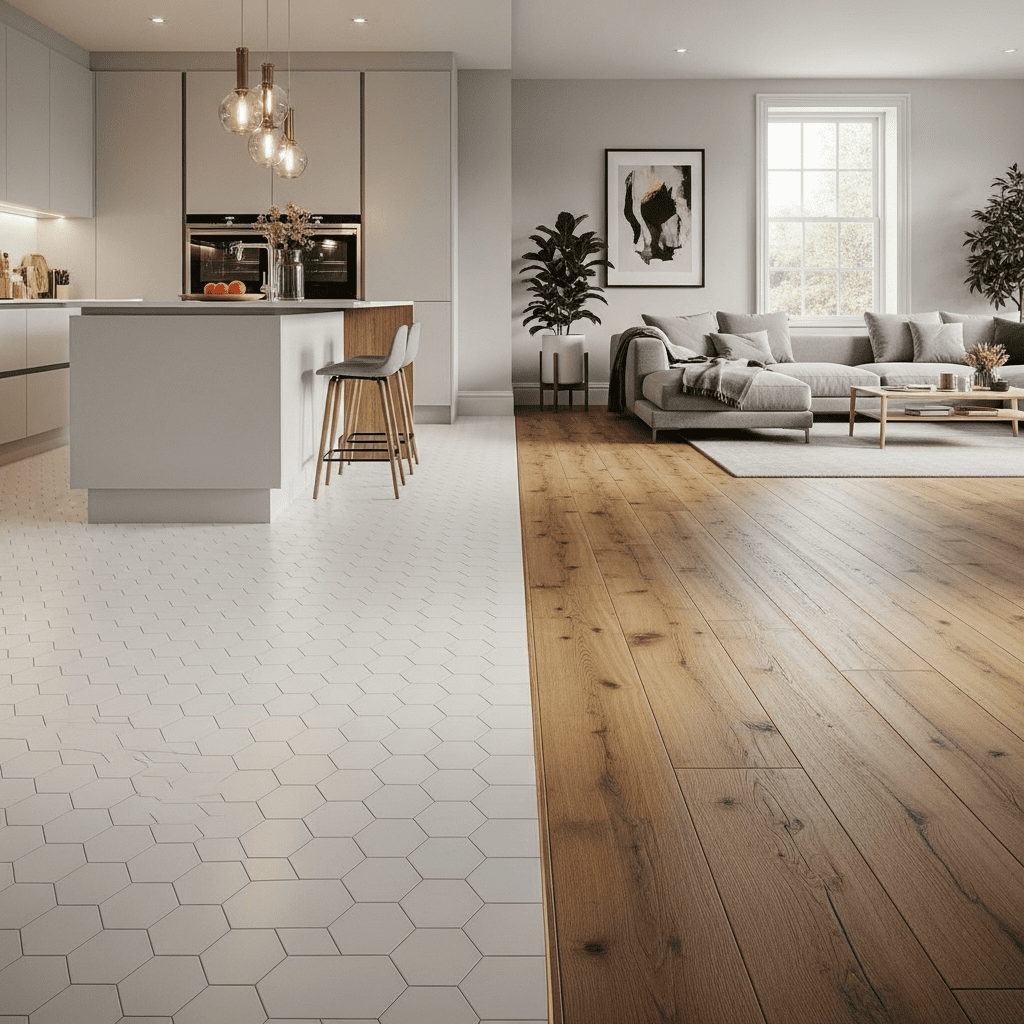
12. Floor Material Transition
Switching from kitchen tiles to living room hardwood at a precise line to indicate where the utility zone ends and the relaxation zone begins.
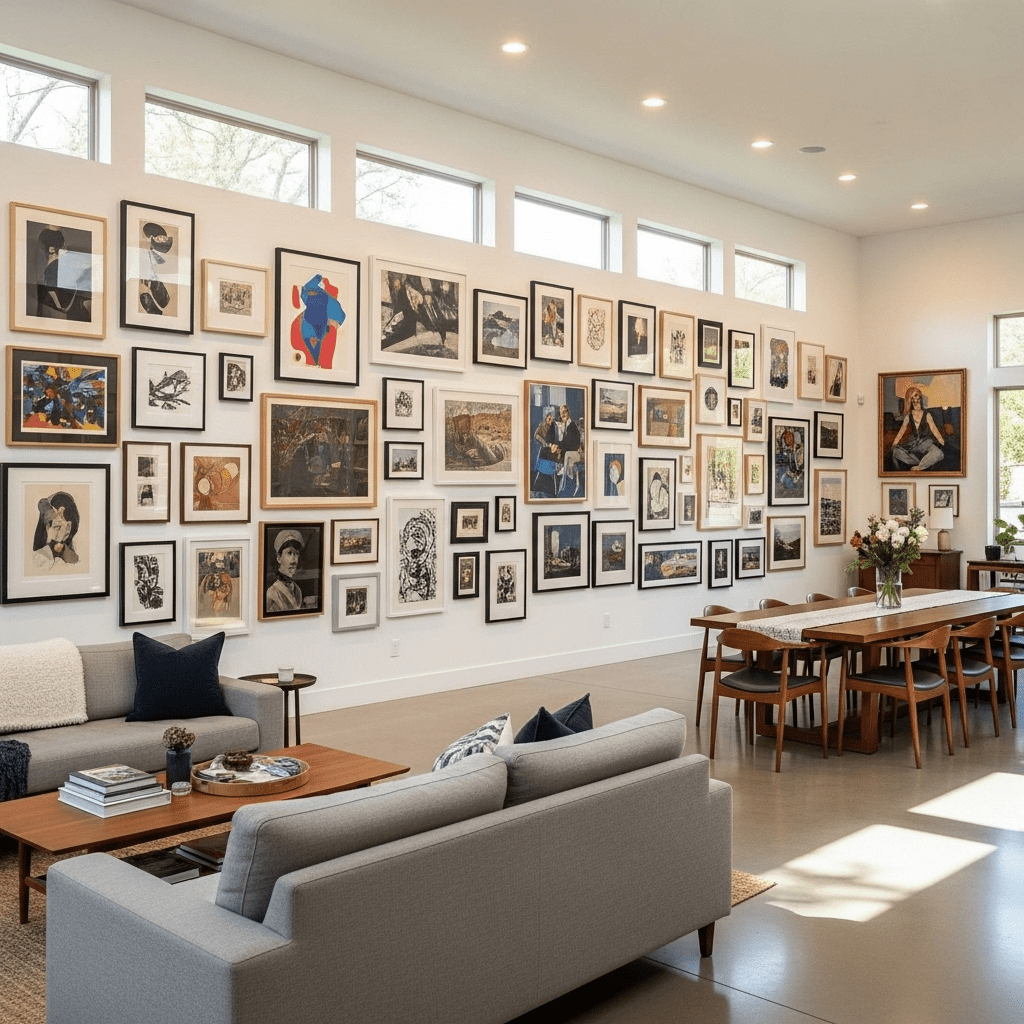
13. The Gallery Wall Pathway
Using a long, continuous wall of art that spans both the living and dining areas, drawing the eye across the space and connecting the two zones visually.
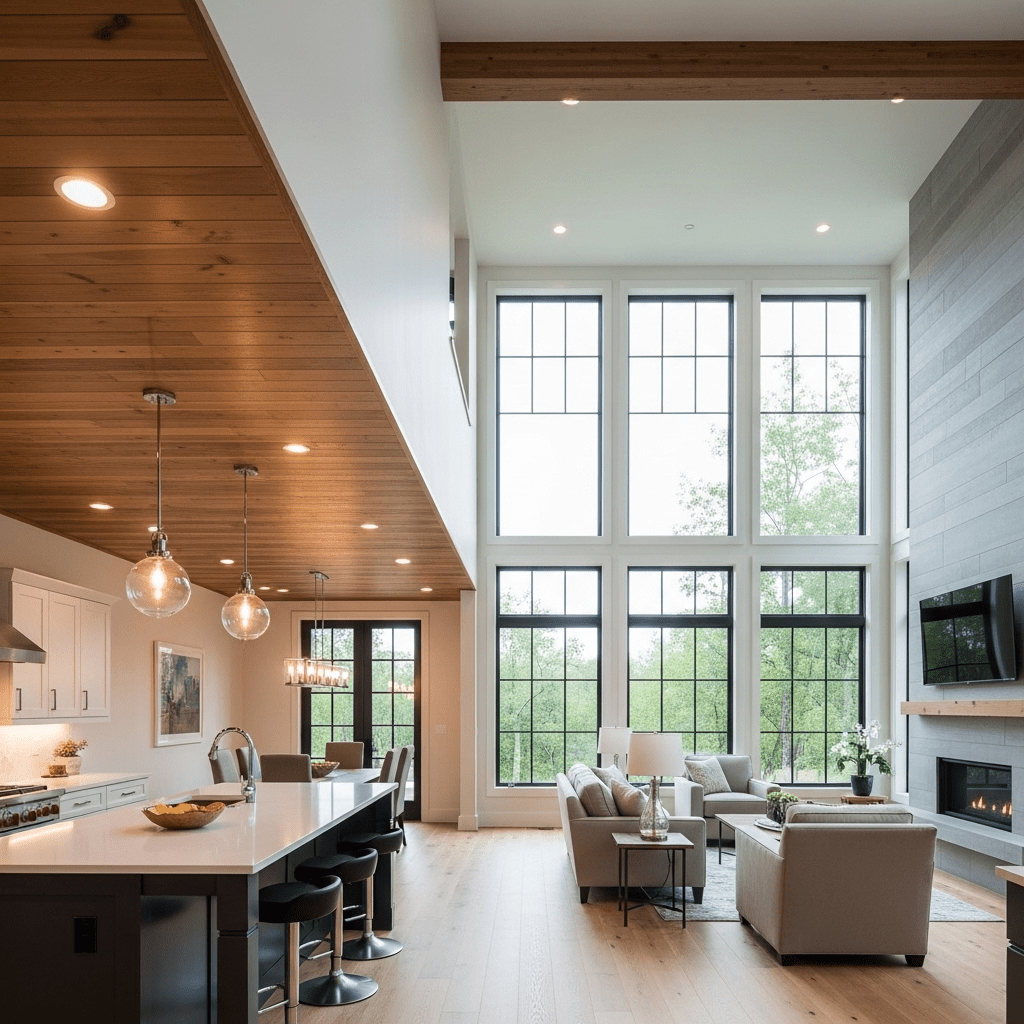
14. Ceiling Height Variation
Lowering the ceiling height (using a drop-ceiling or soffit) over the kitchen while keeping it high in the living room to create a sense of compression and release.
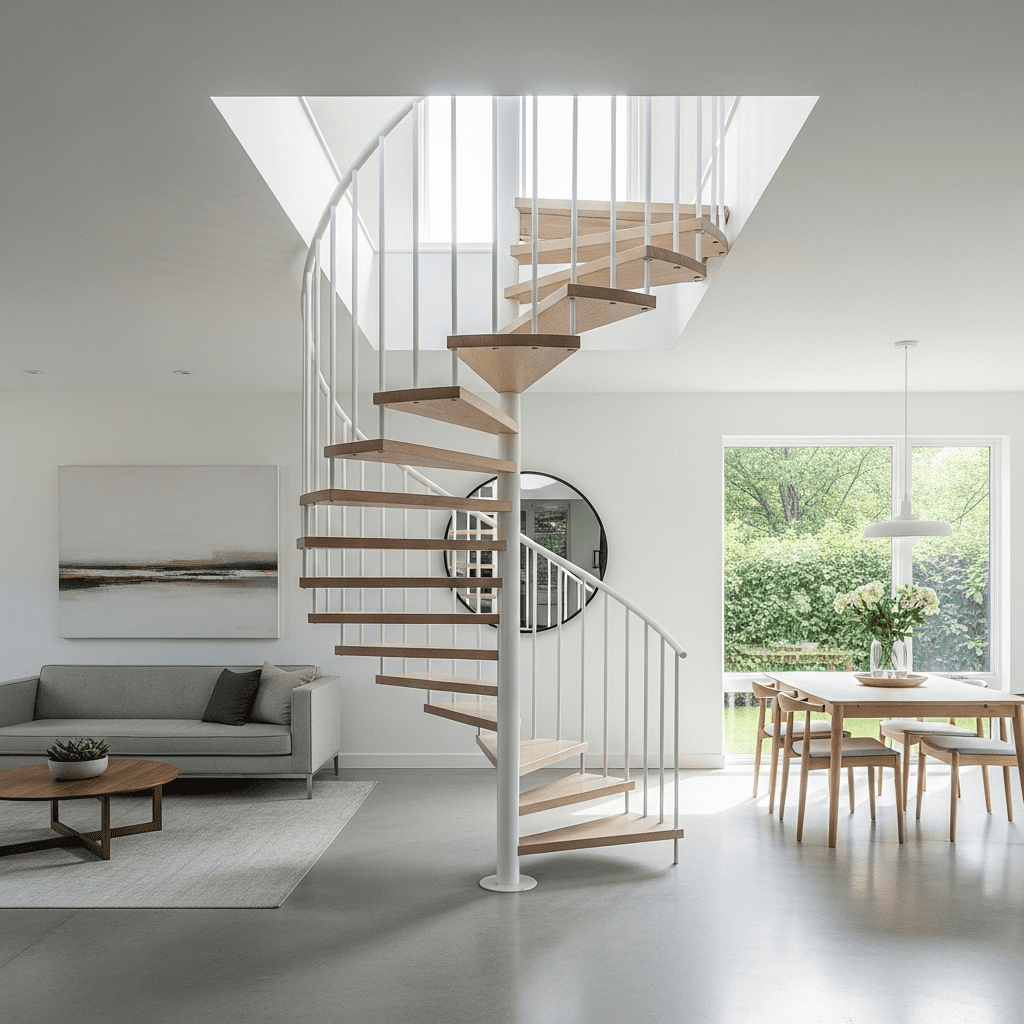
15. The Statement Staircase Centerpiece
Placing a sculptural staircase in the middle of the open floor plan to act as a functional piece of art that naturally divides the room.
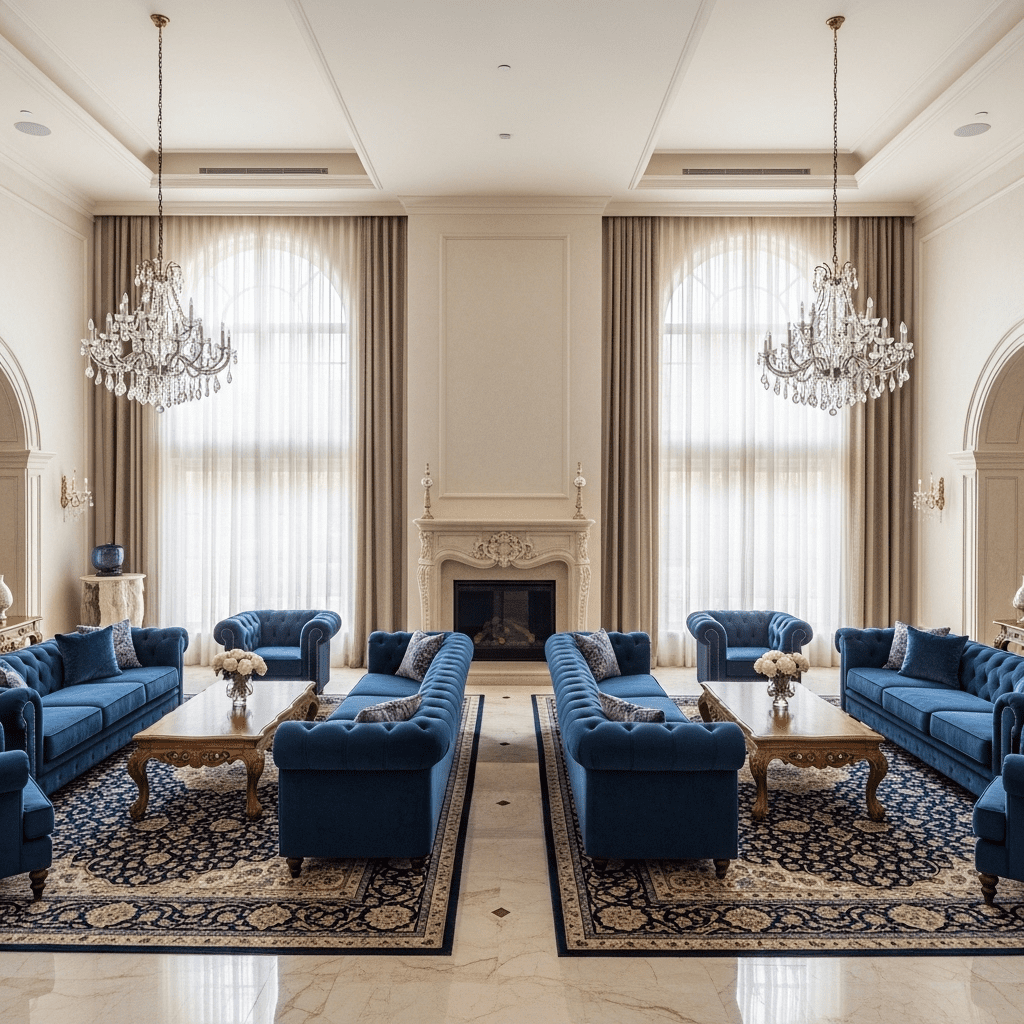
16. Symmetrical Furniture Grouping
Arranging furniture in two mirrored groups within the same open space to create a sense of order and balance in a large, airy room.
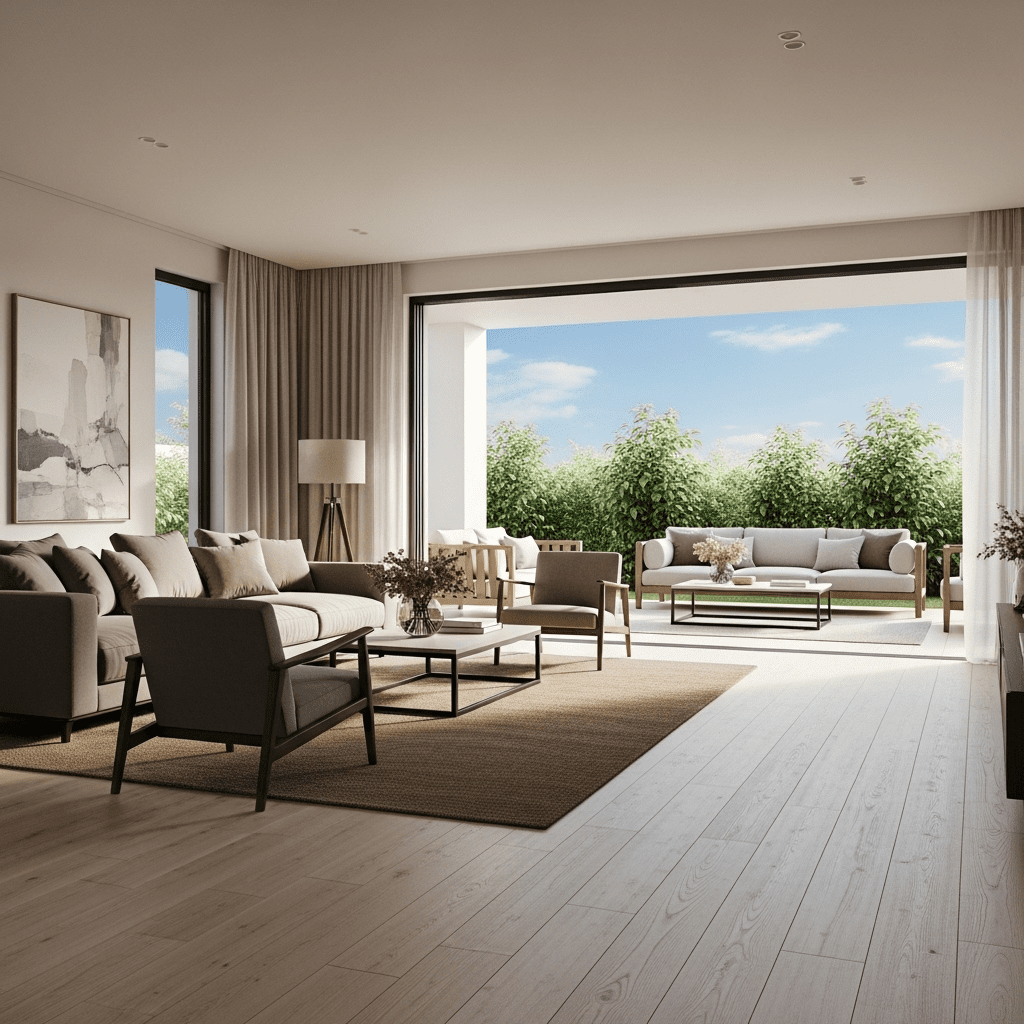
17. Indoor-Outdoor Infinity Flow
Using massive sliding glass doors that pocket into the walls, extending the open-concept living room out onto a matching patio or deck.
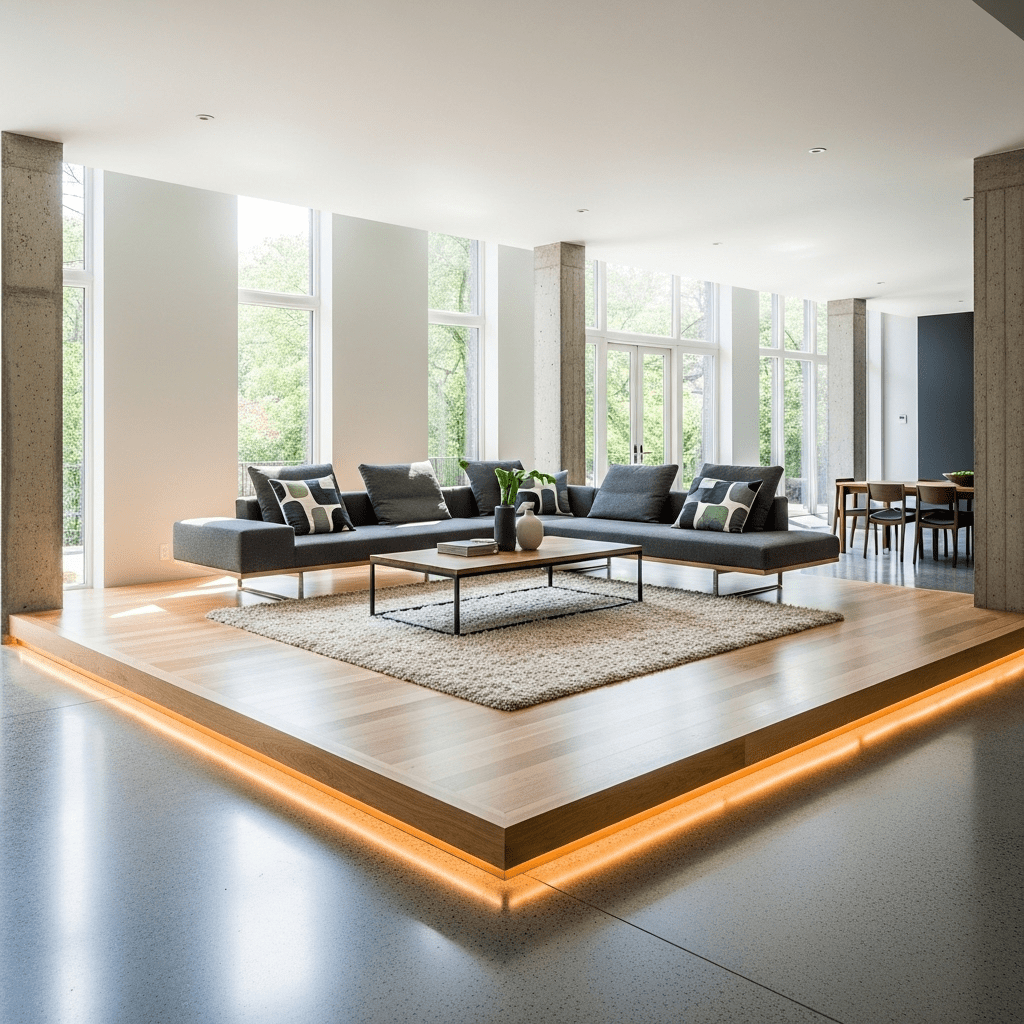
18. The Multi-Level “Platform” Lounge
Building the living area on a slightly raised wooden platform to give it an elevated, stage-like presence within the open great room.
Conclusion
Open concept living is more than just a lack of walls; it is a deliberate design choice that fosters togetherness and light. By using these zoning techniques—from textural rugs to architectural partitions—you can maintain the freedom of a large space while ensuring every corner has a clear and cozy purpose. The result is a home that feels expansive, organized, and perfectly suited for the rhythms of modern life.