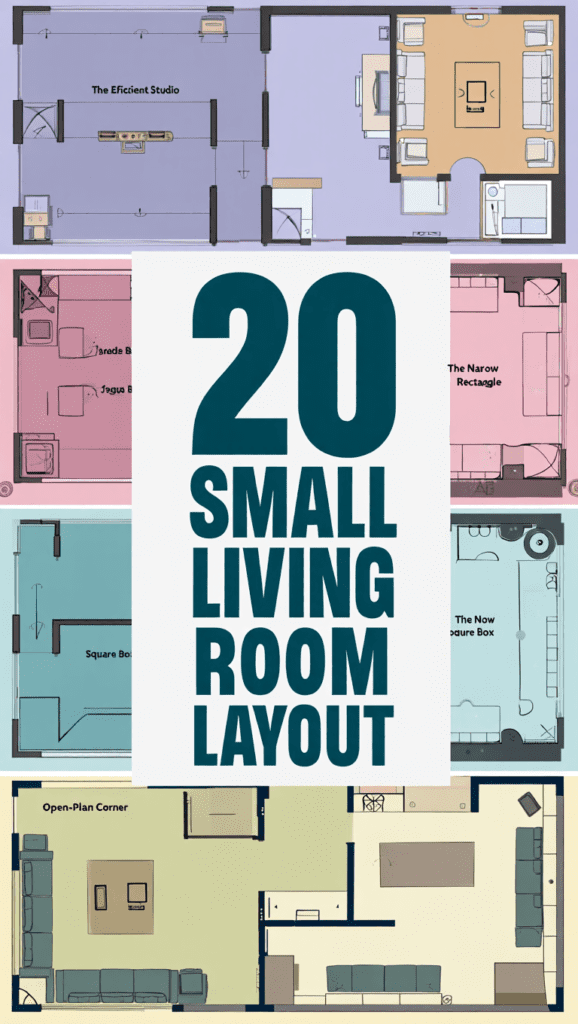
20 Small Living Room Layout
Small living room layout planning determines whether compact spaces feel cramped and chaotic or surprisingly spacious and thoughtfully arranged. The right furniture placement, circulation paths, and spatial organization can transform even the tiniest living room into a functional, comfortable environment that serves daily living beautifully. These twenty layouts showcase proven arrangements for various small living room configurations, from narrow rectangles to challenging squares, awkward L-shapes to studio apartment combinations, offering practical blueprints for maximizing limited square footage through intelligent design.
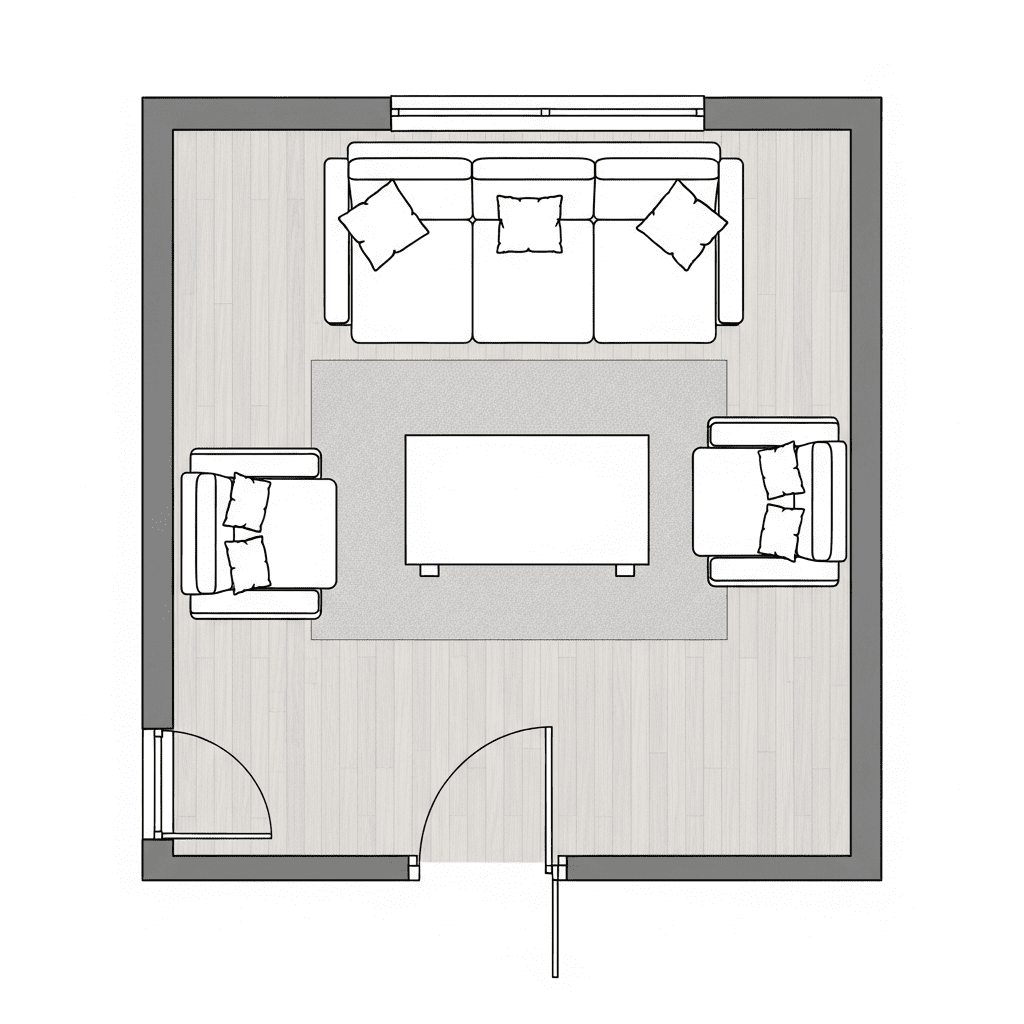
1. Classic Sofa-Against-Wall Layout
The sofa positioned along the longest wall with two chairs angled opposite creates traditional, conversation-friendly arrangements in rectangular small living rooms.
2. Floating Sofa Room Division
Sofa positioned away from walls divides larger small spaces into distinct zones without physical barriers, creating living and dining areas within one room.
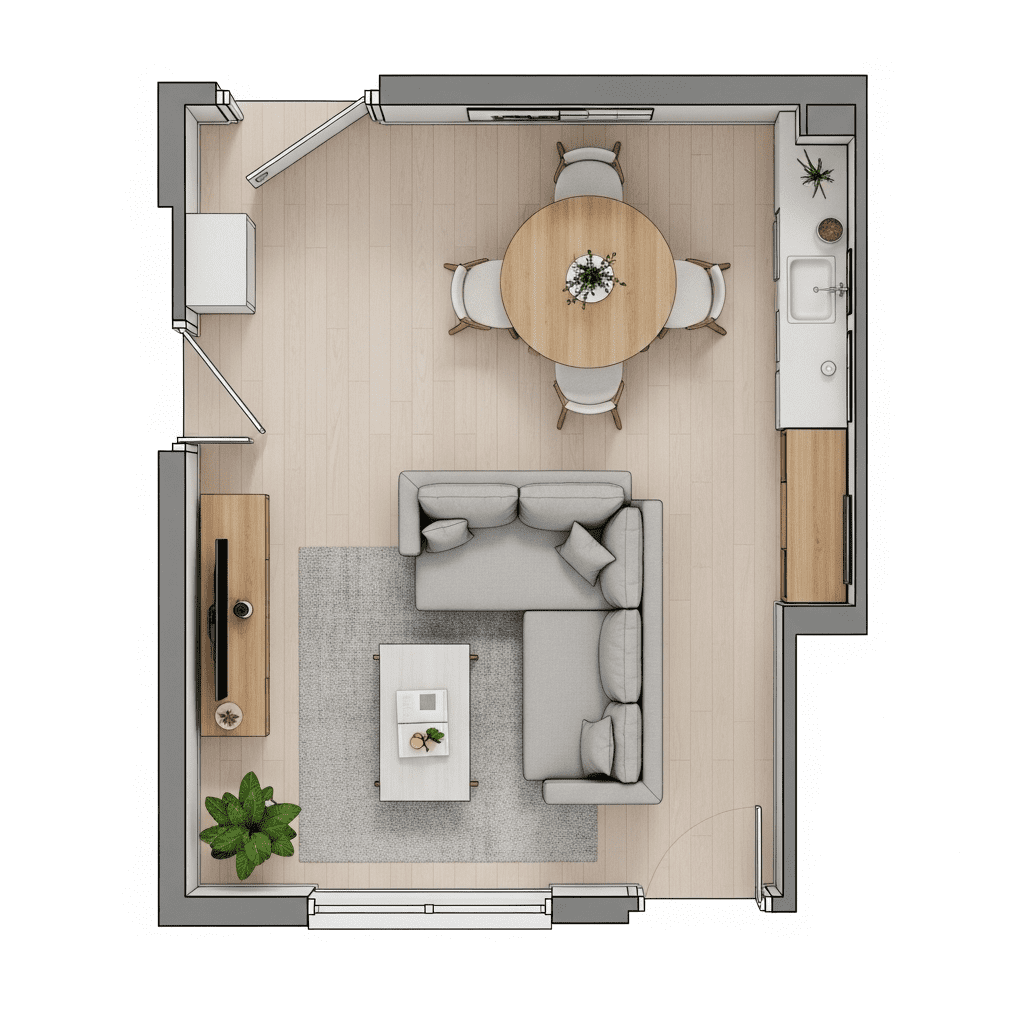
3. Corner Sectional Maximization
L-shaped sectional tucked into corner maximizes seating while maintaining open floor center for circulation and visual spaciousness.
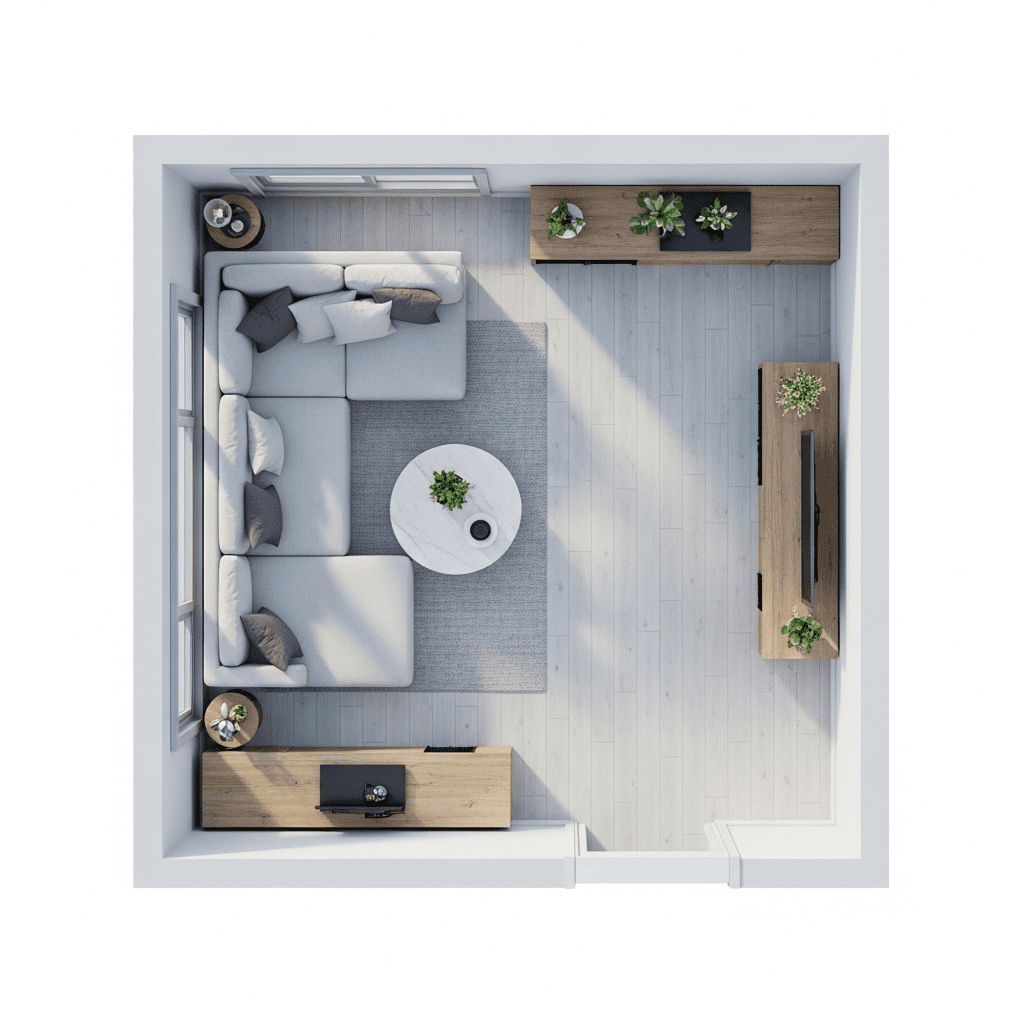
4. Window-Focused Arrangement
Furniture arranged to celebrate window views with seating oriented toward natural light and outdoor vistas.
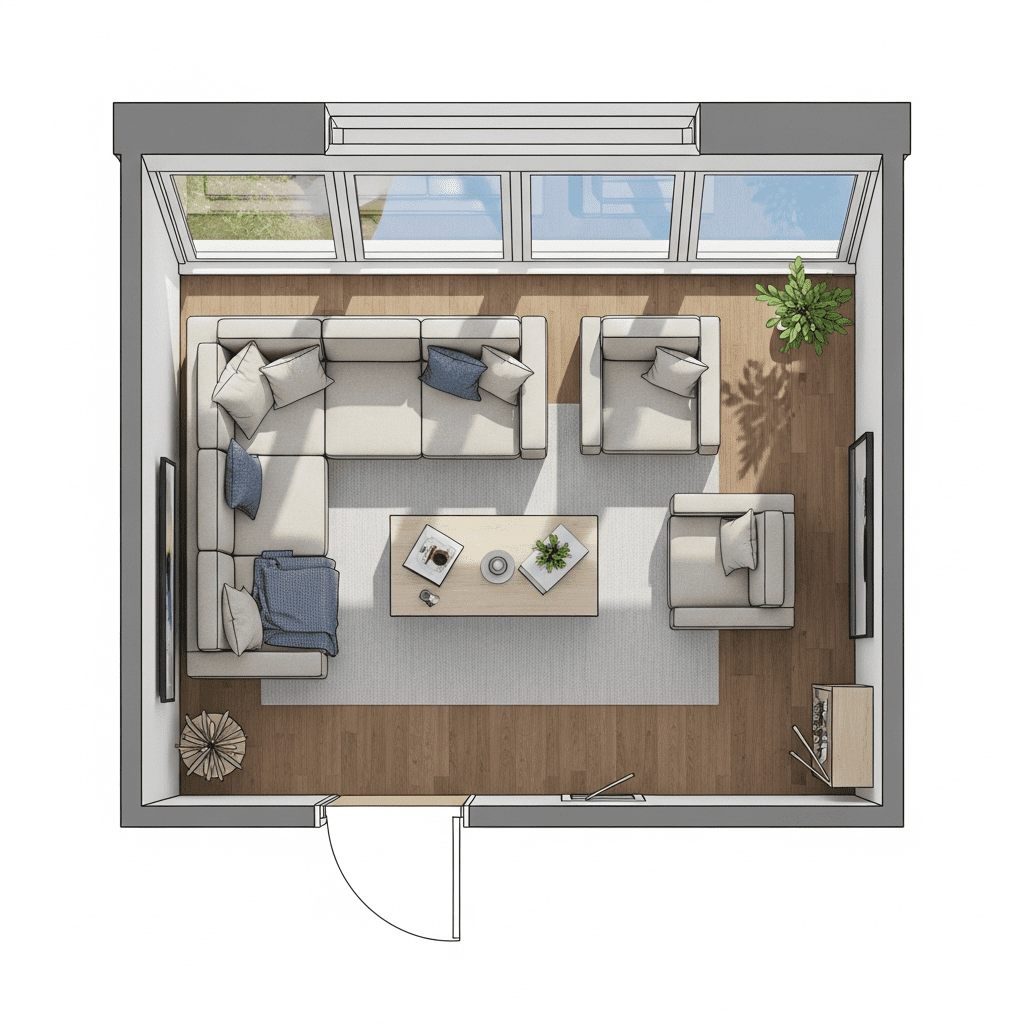
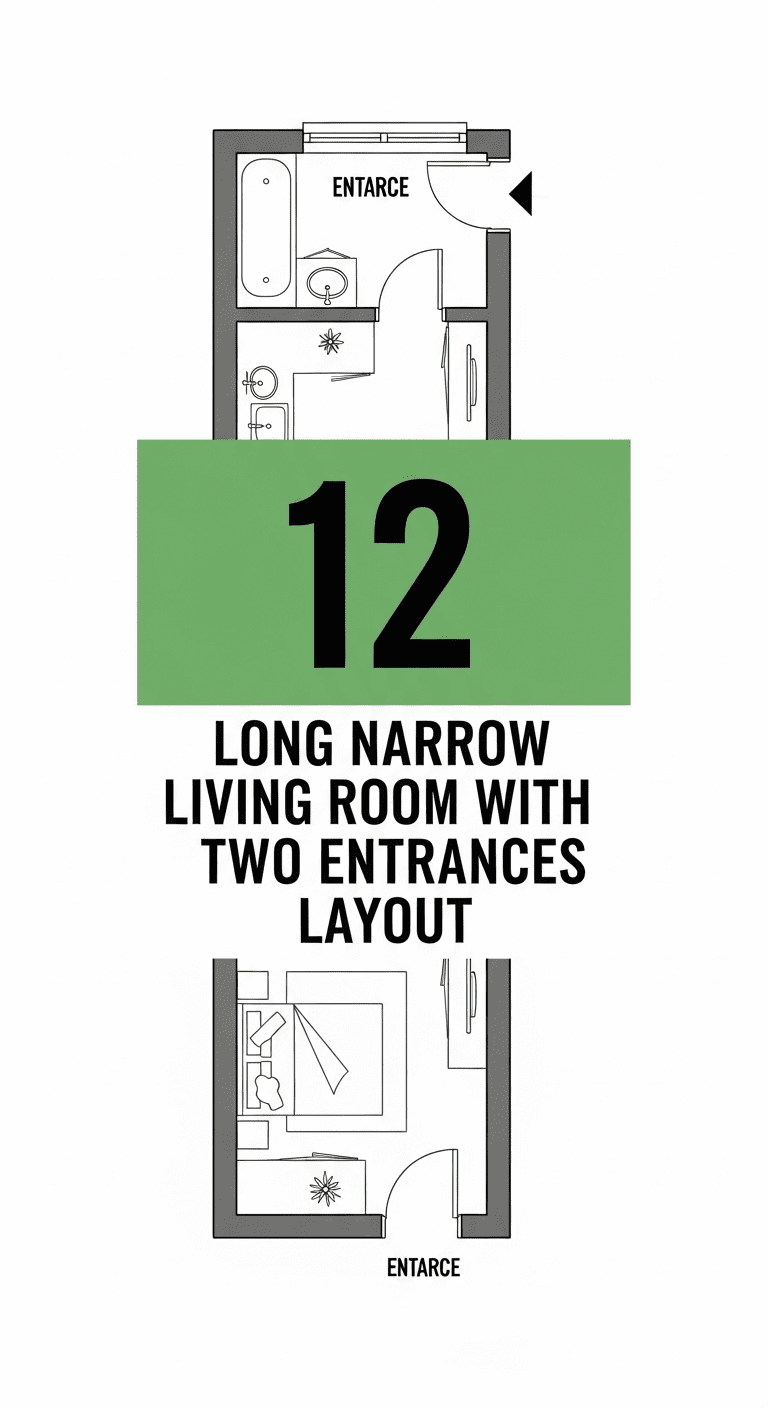
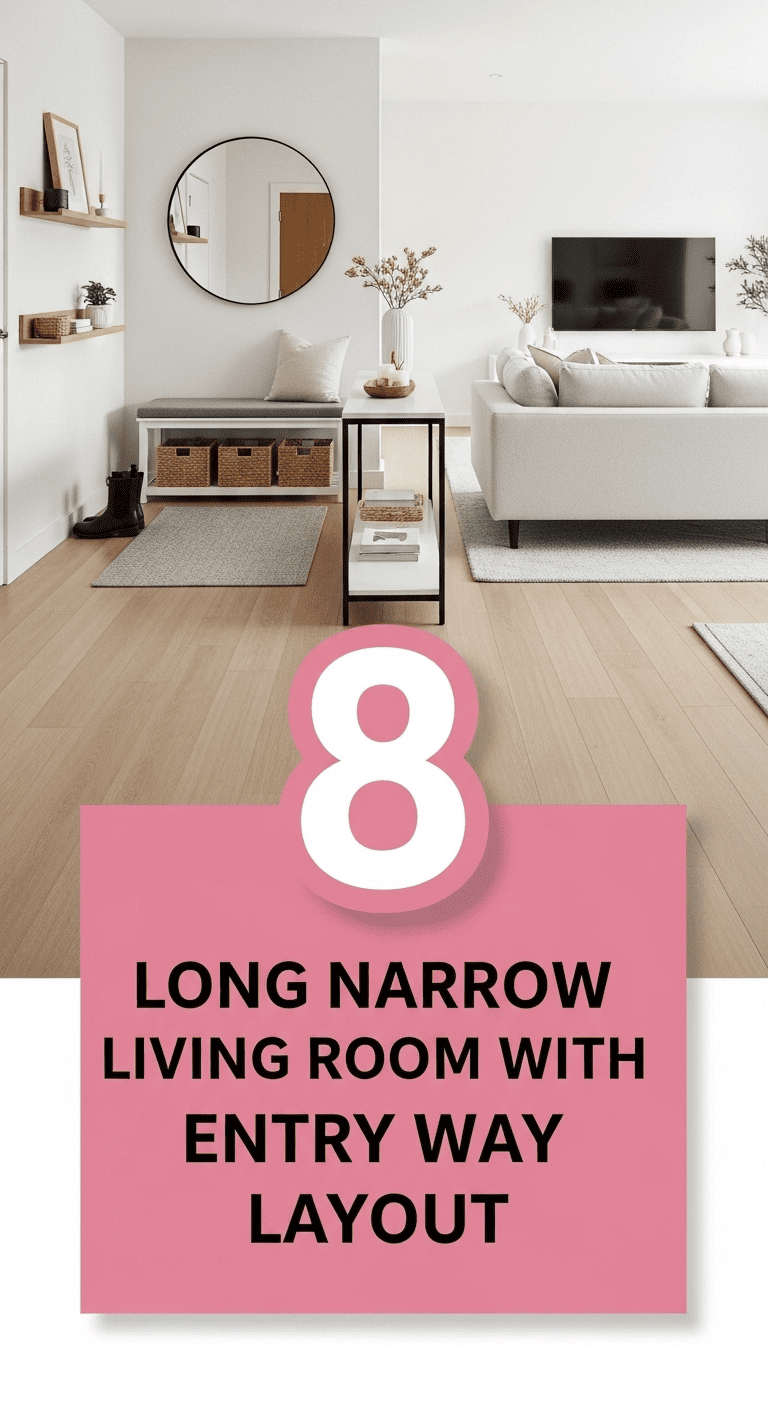
5. Narrow Room Linear Layout
Sofa on one long wall, console table behind, chairs along opposite wall creates functional arrangement in extremely narrow spaces.
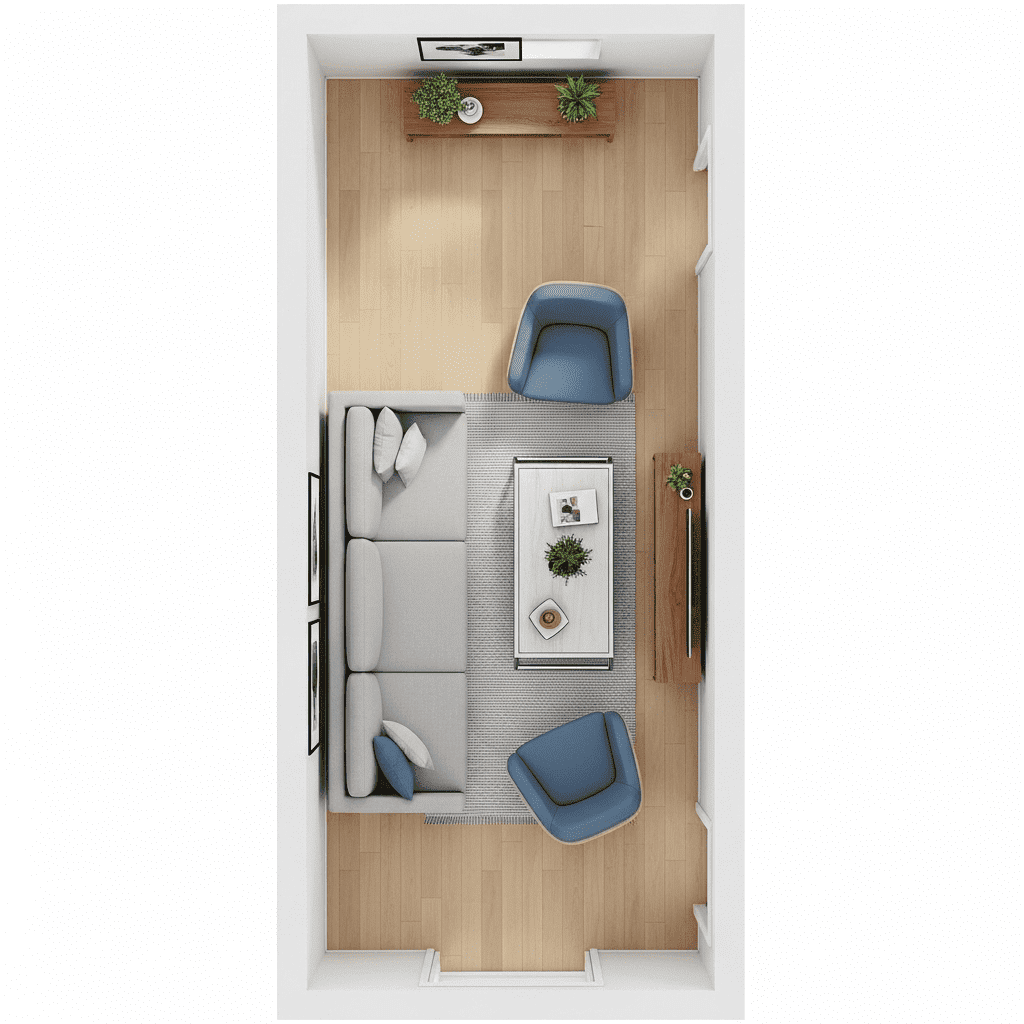
6. Fireplace-Centered Symmetry
Symmetrical furniture placement flanking fireplace creates balanced, formal small living room arrangements.
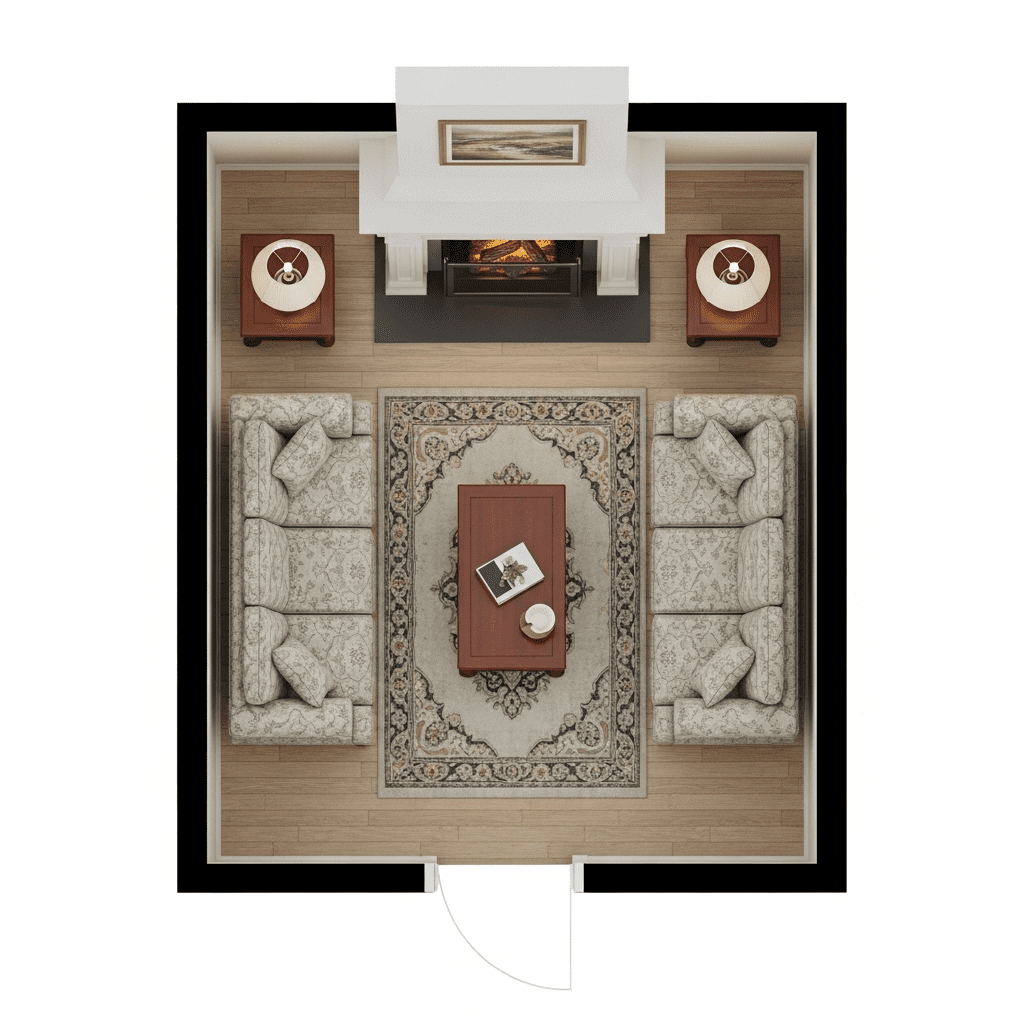
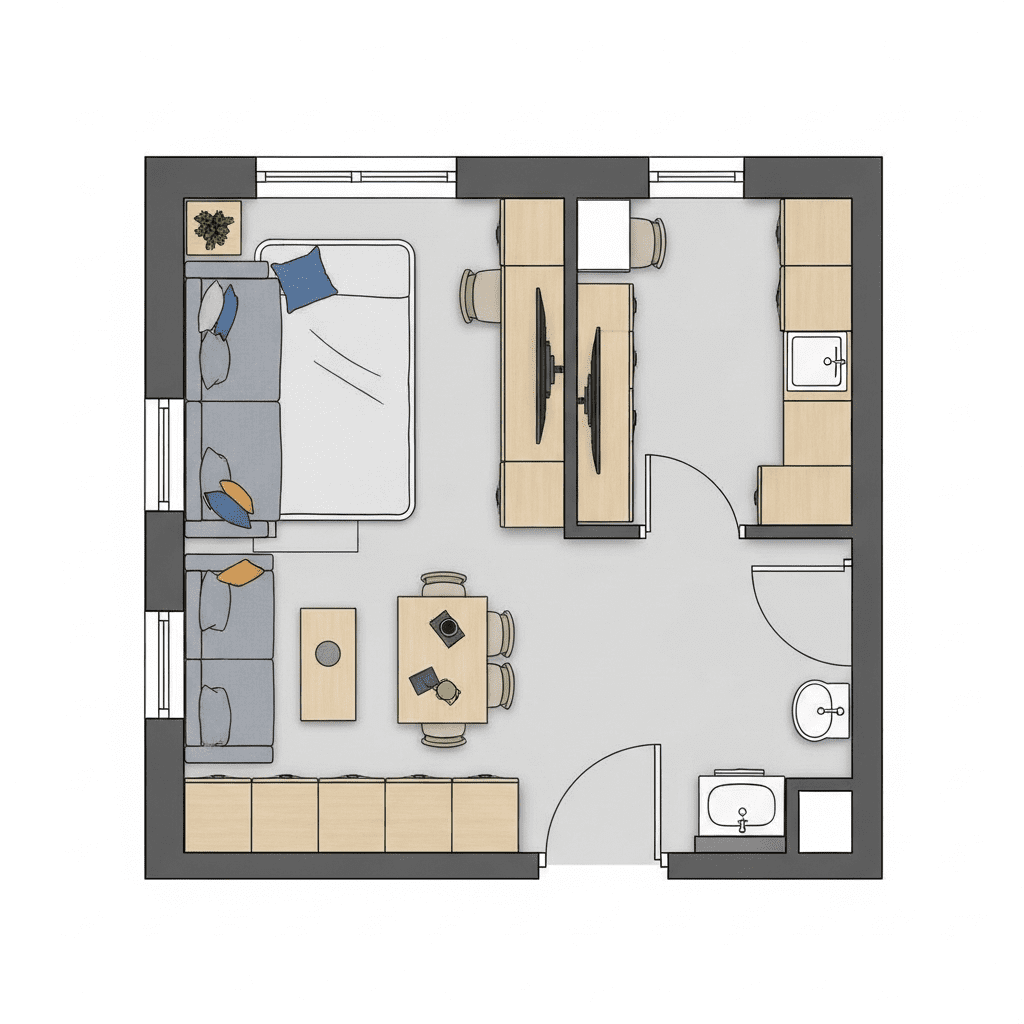
7. Multi-Purpose Studio Layout
Combined living and sleeping area with sofa bed, folding table, and strategically placed storage maximizing studio apartment functionality.
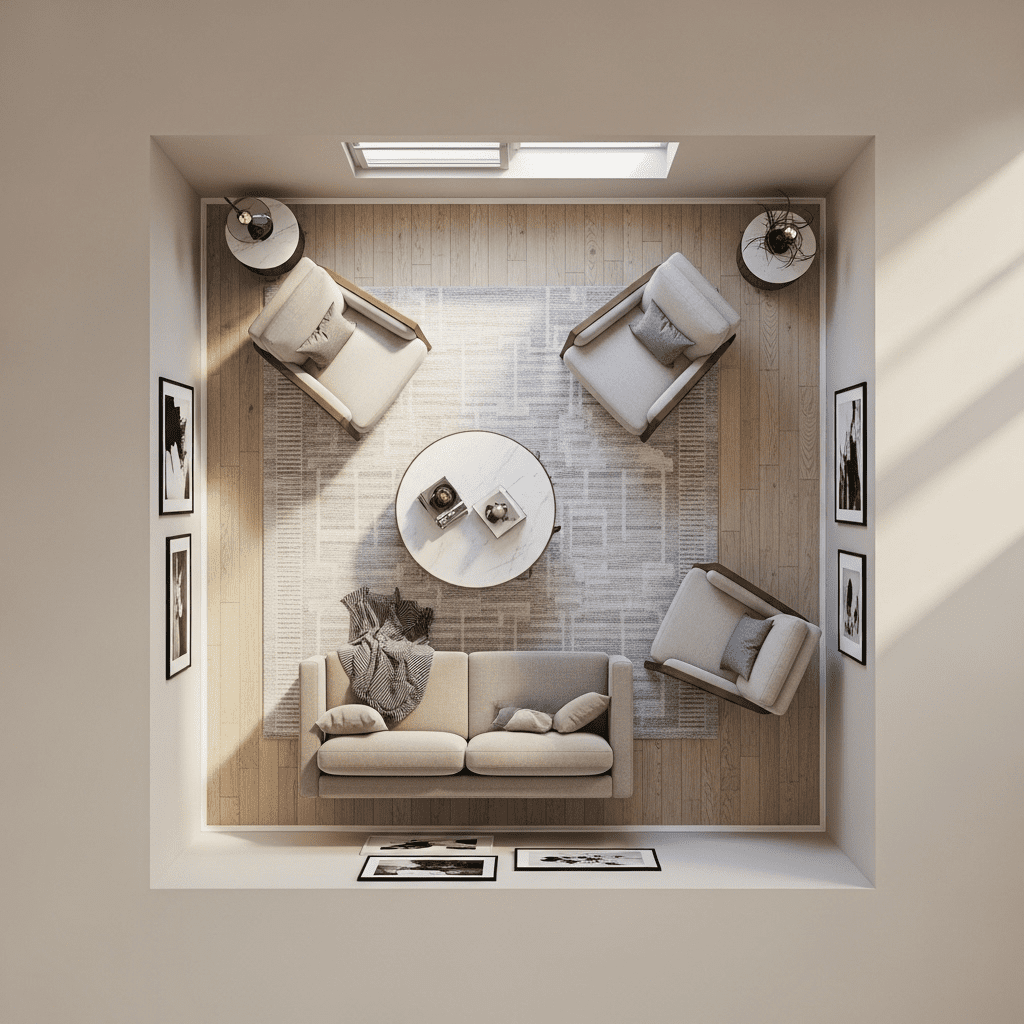
8. Diagonal Furniture Angle
Furniture positioned diagonally creates dynamic visual interest and sometimes better circulation in square small rooms.
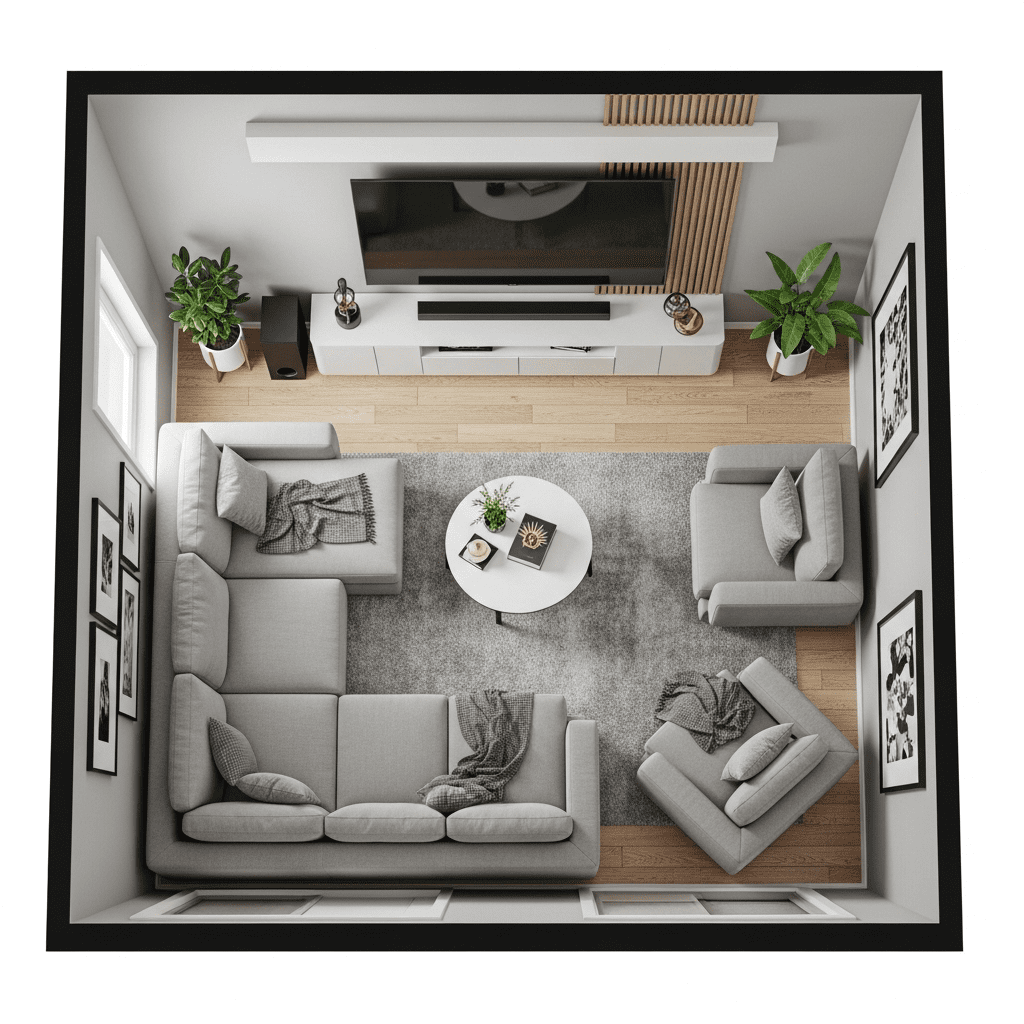
9. One-Wall Entertainment Focus
All furniture facing single entertainment wall with TV, creating media-focused layout ideal for small spaces prioritizing viewing.
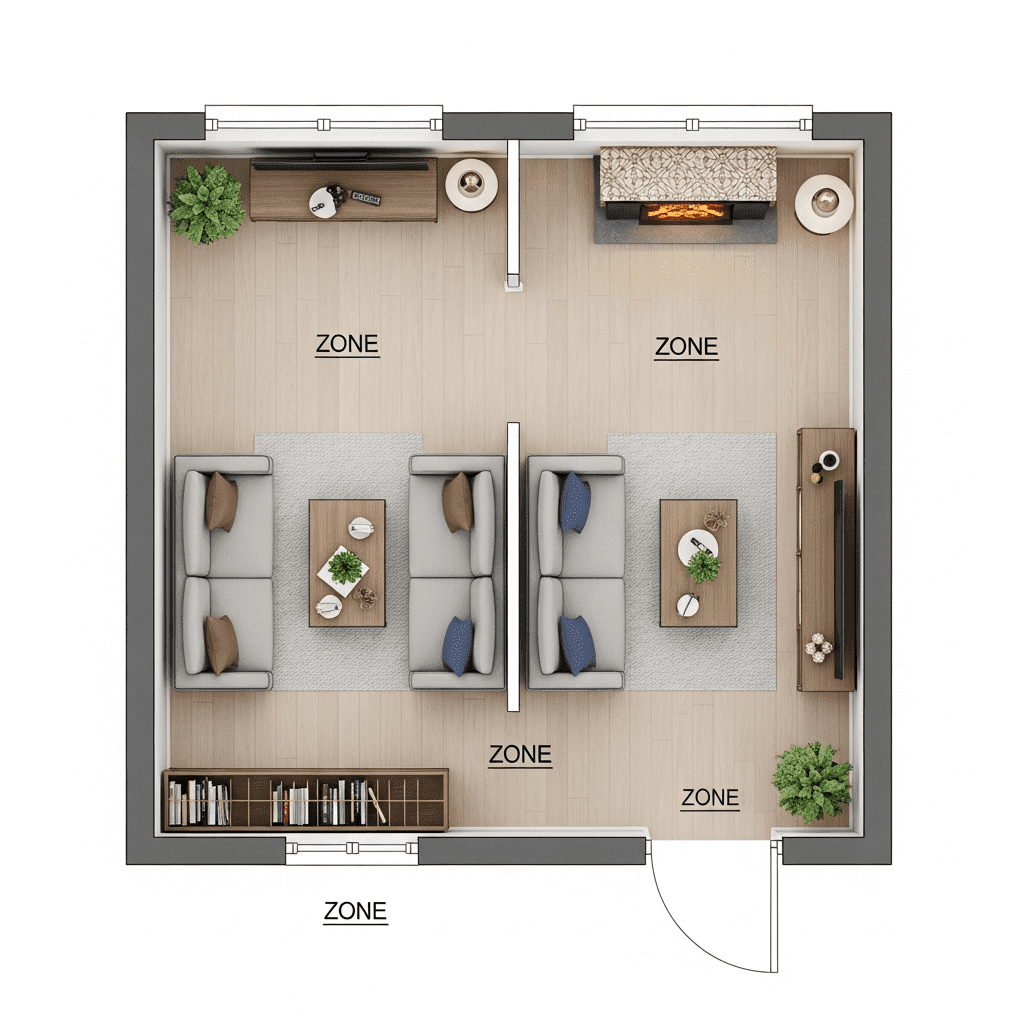
10. Back-to-Back Seating Zones
Two small seating areas positioned back-to-back creates distinct conversation zones within limited space without walls.
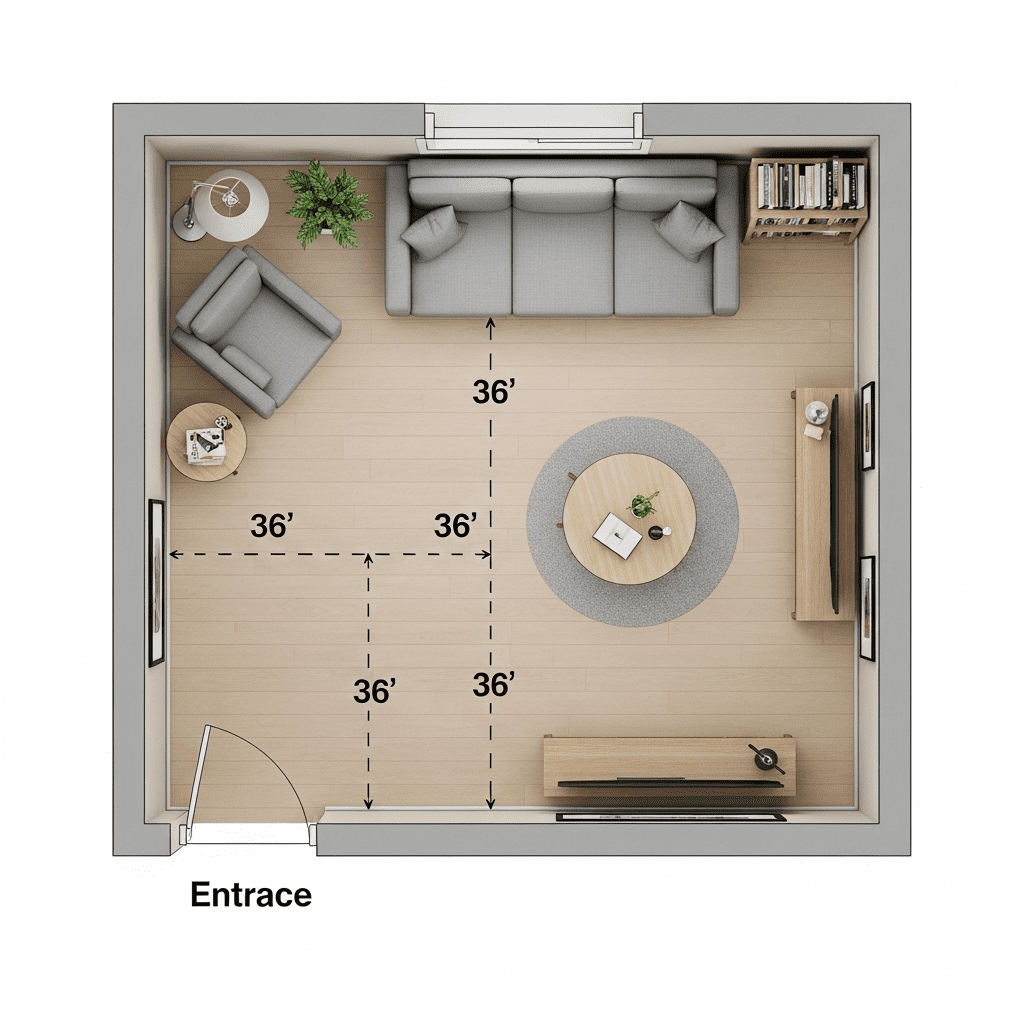
11. Traffic-Flow Priority Layout
Furniture arranged maintaining clear 36-inch pathways ensuring comfortable circulation despite limited overall space.
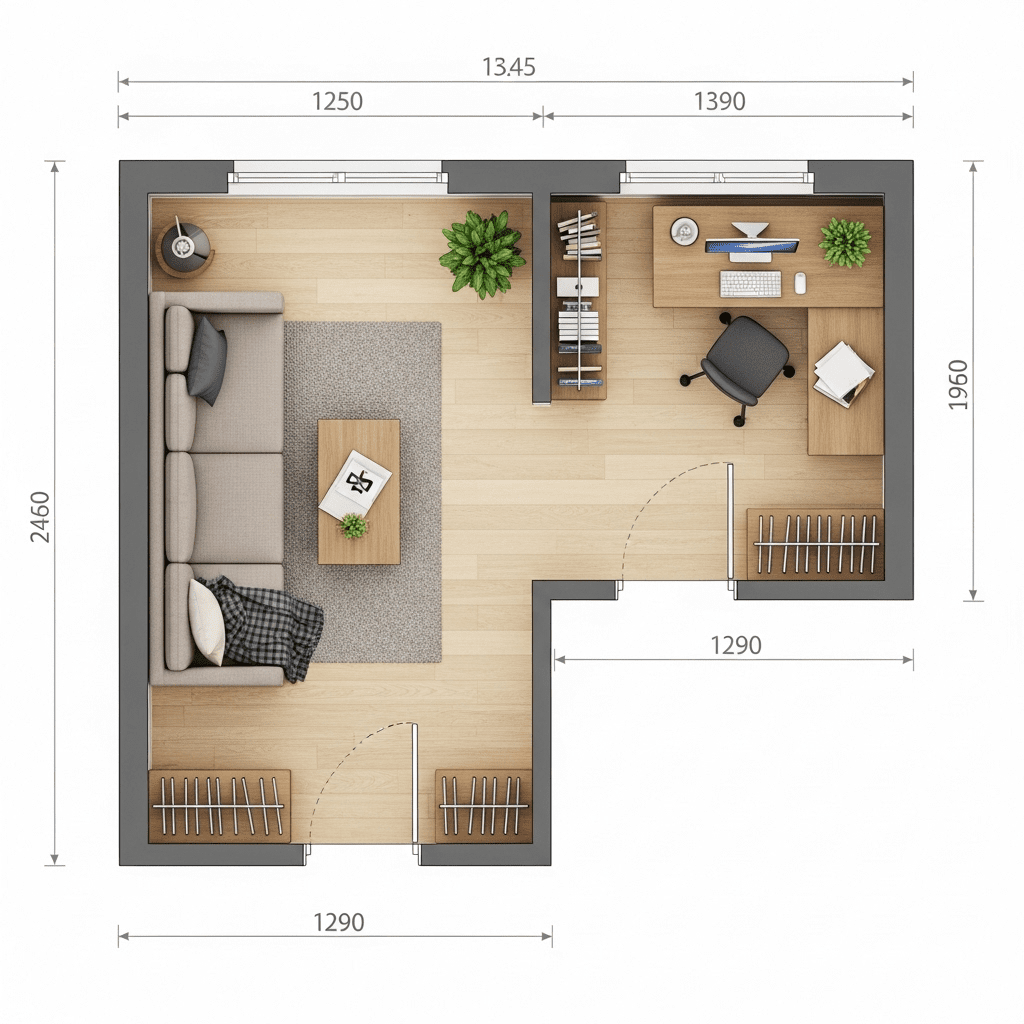
12. L-Shaped Room Utilization
Furniture arrangement working with L-shaped room configuration, utilizing both sections distinctly while maintaining visual connection.
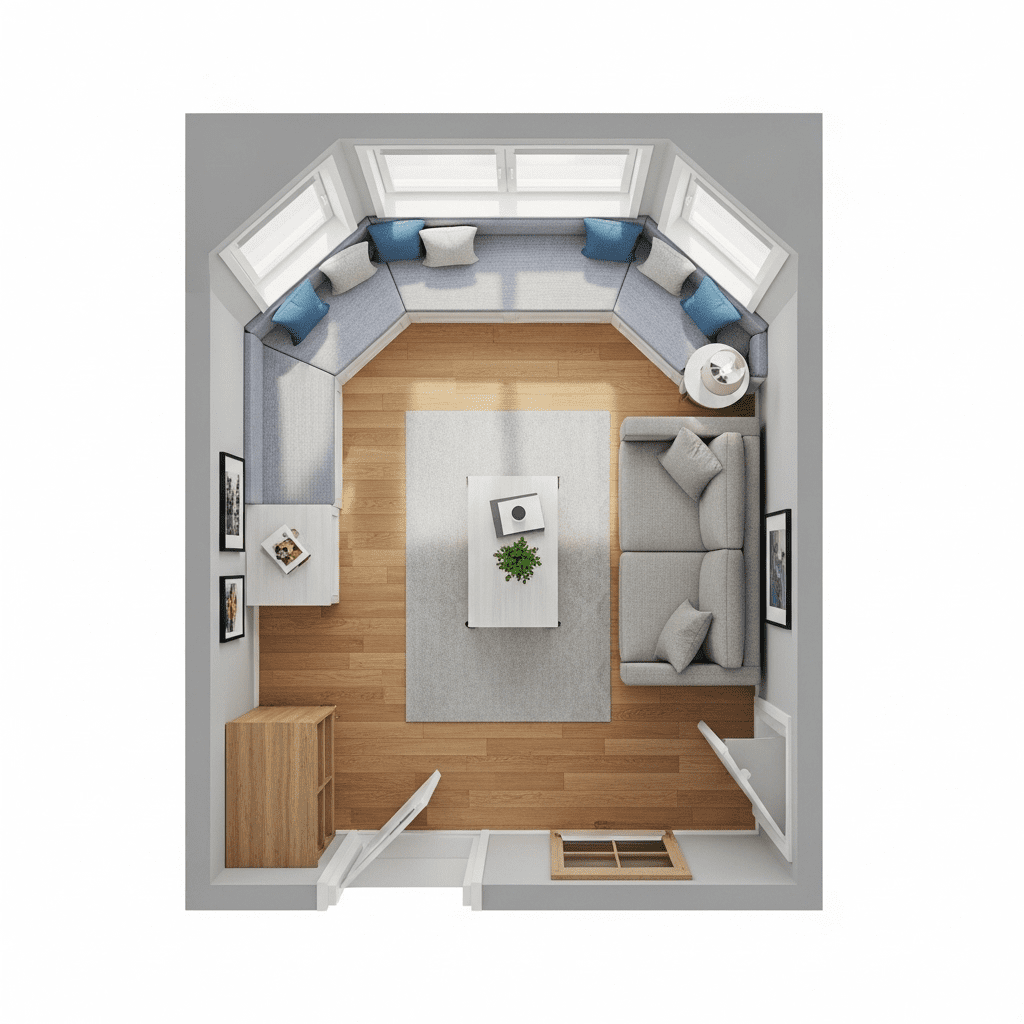
13. Bay Window Integration
Seating positioned to incorporate bay window area, creating cozy nook while maintaining main living room function.
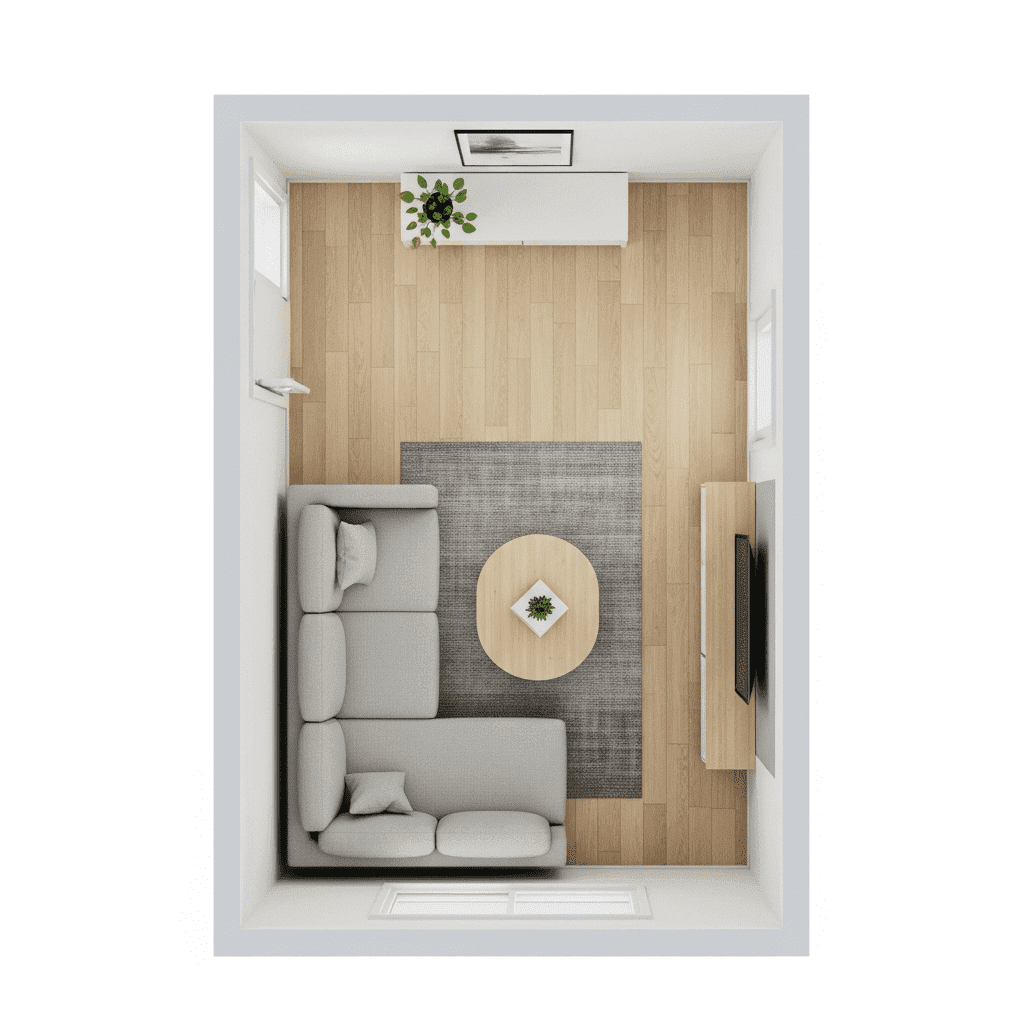
14. Minimal Furniture Maximalist Space
Intentionally sparse furniture arrangement—single sofa, one coffee table, one chair—prioritizing open floor space over maximum seating.
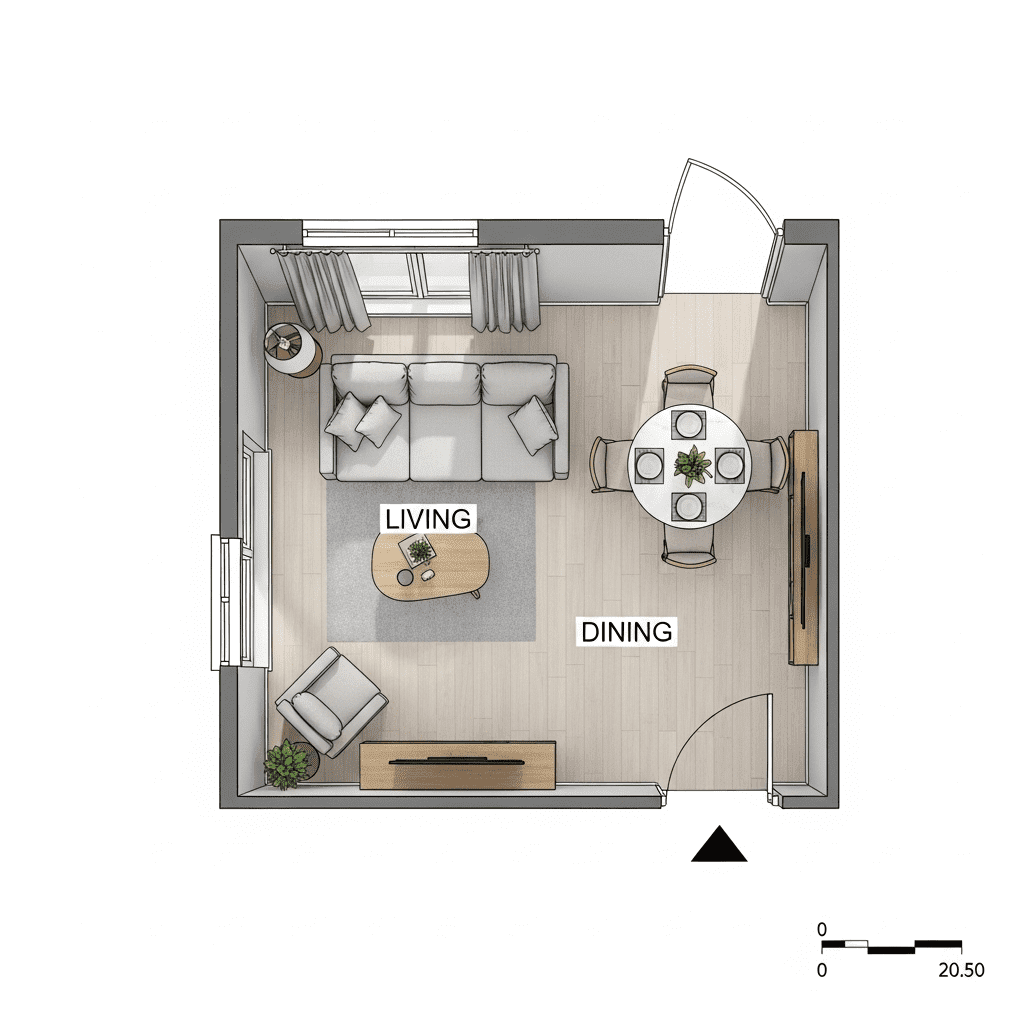
15. Dual-Purpose Living-Dining Layout
Combined living and dining areas with sofa dividing zones and compact dining table maximizing small open-plan space.
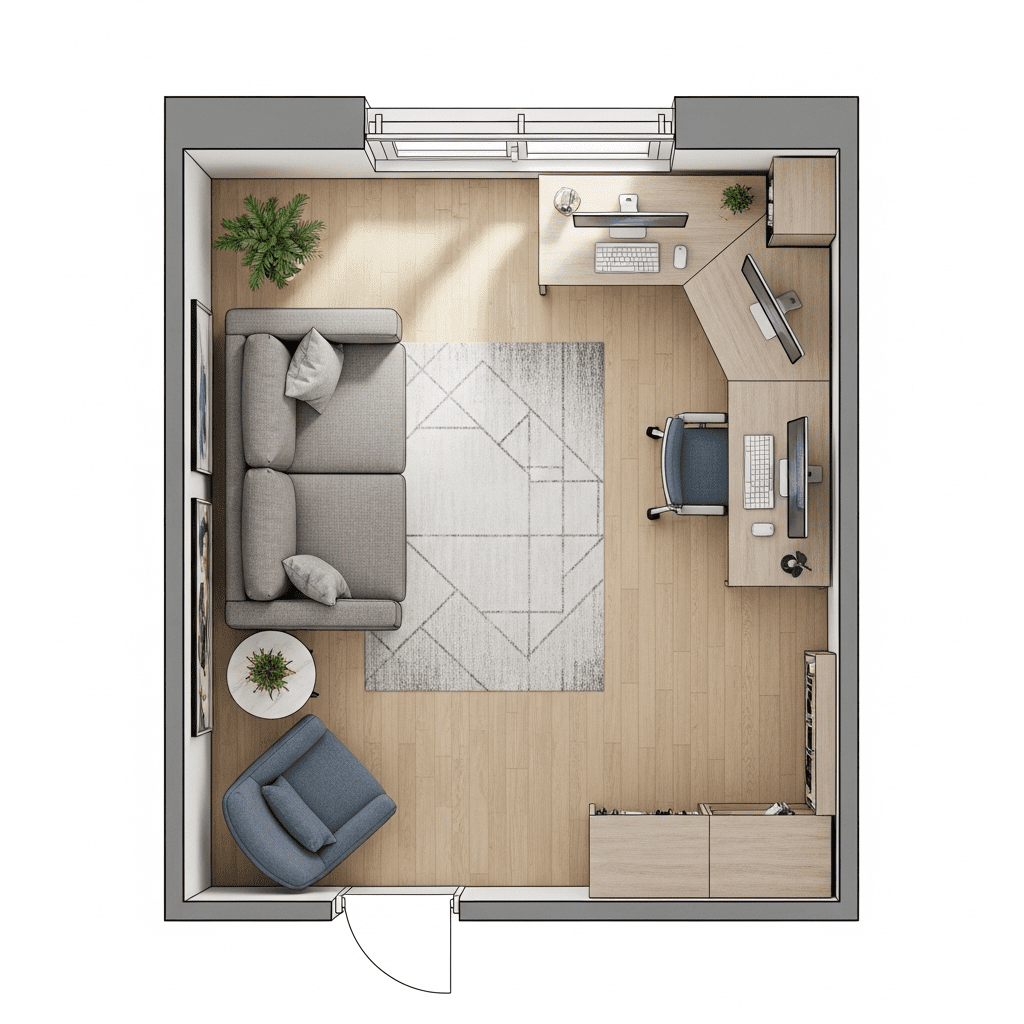
16. Corner Desk Integration
Living room layout incorporating workspace corner with small desk fitting seamlessly among seating furniture.
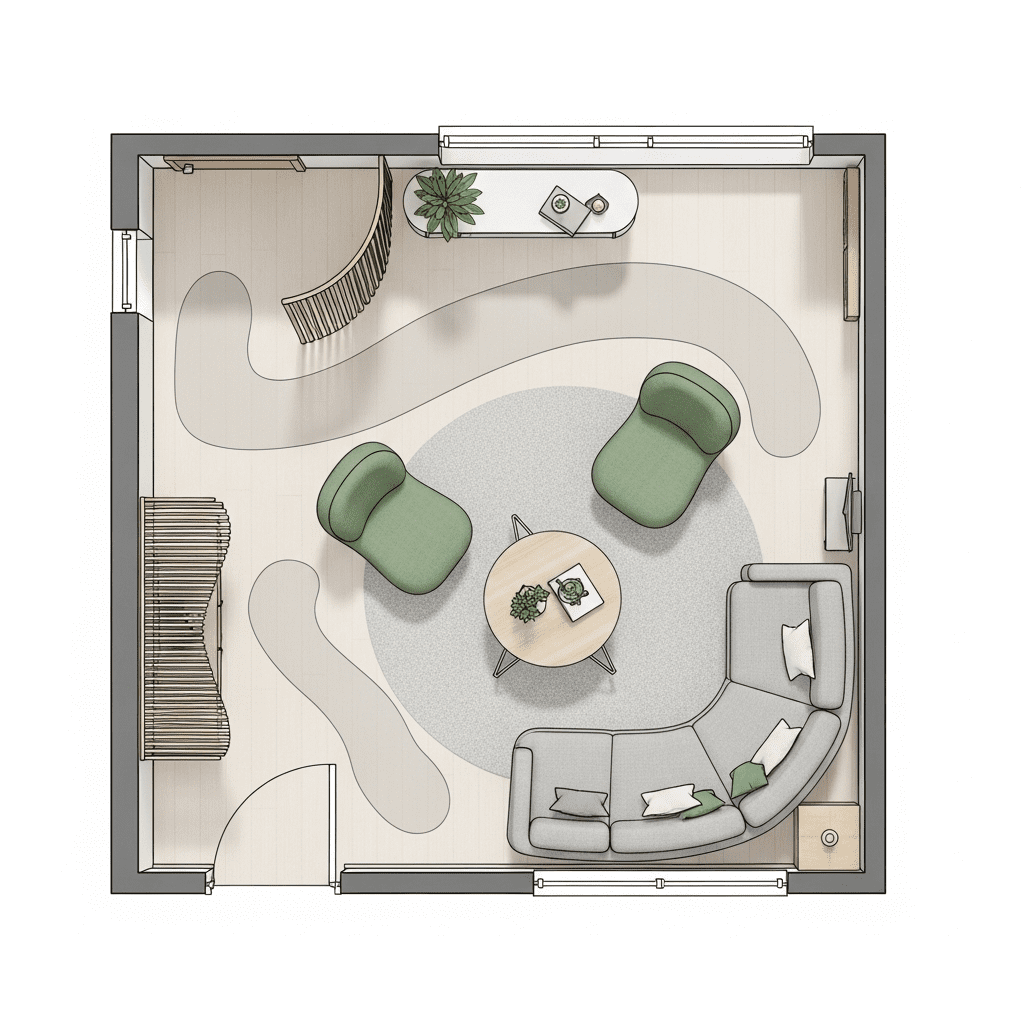
17. Curved Traffic Flow
Furniture arranged creating curved circulation paths rather than straight lines, sometimes feeling more spacious in small rooms.
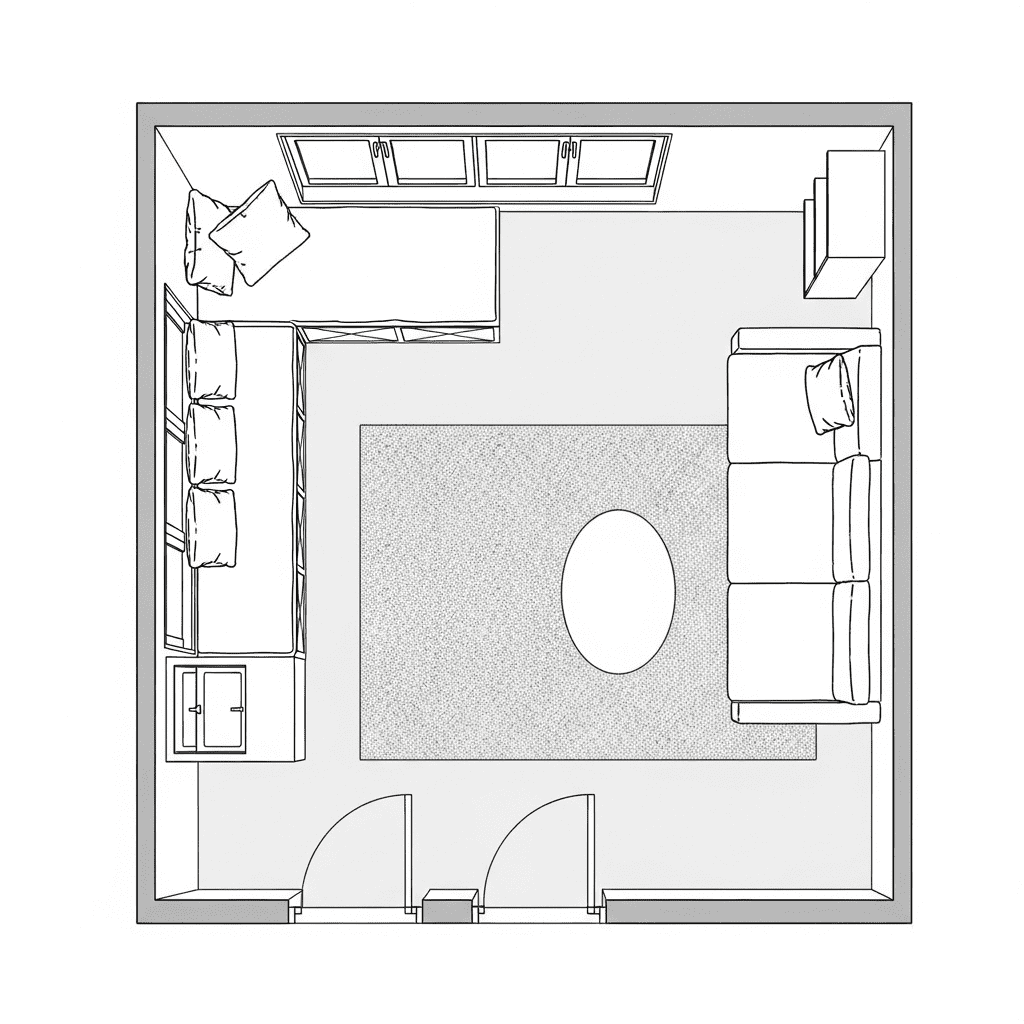
18. Window Seat Utilization
Built-in window seat providing seating without floor space consumption, furniture arranged complementing this architectural feature.
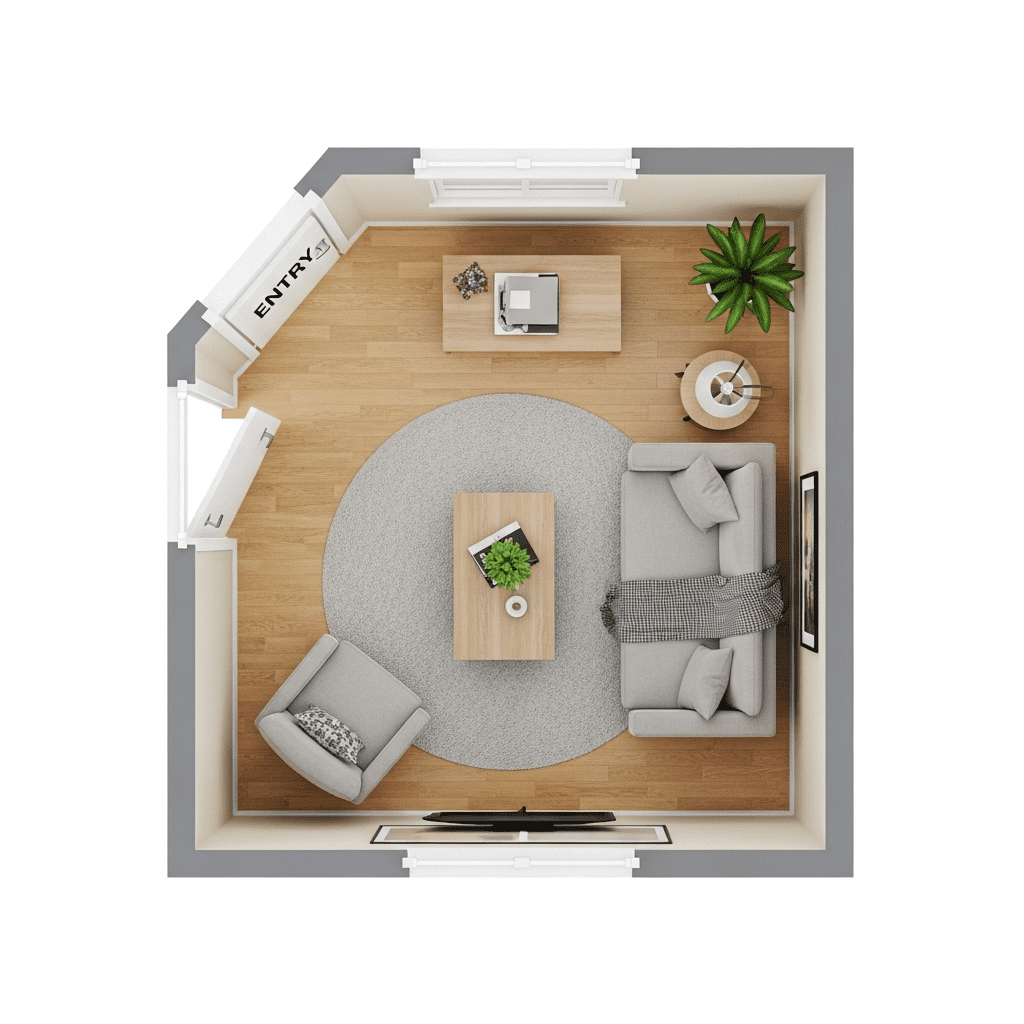
19. Angled Corner Entry
Furniture arrangement addressing corner doorway entry, creating welcoming flow despite awkward entry placement.
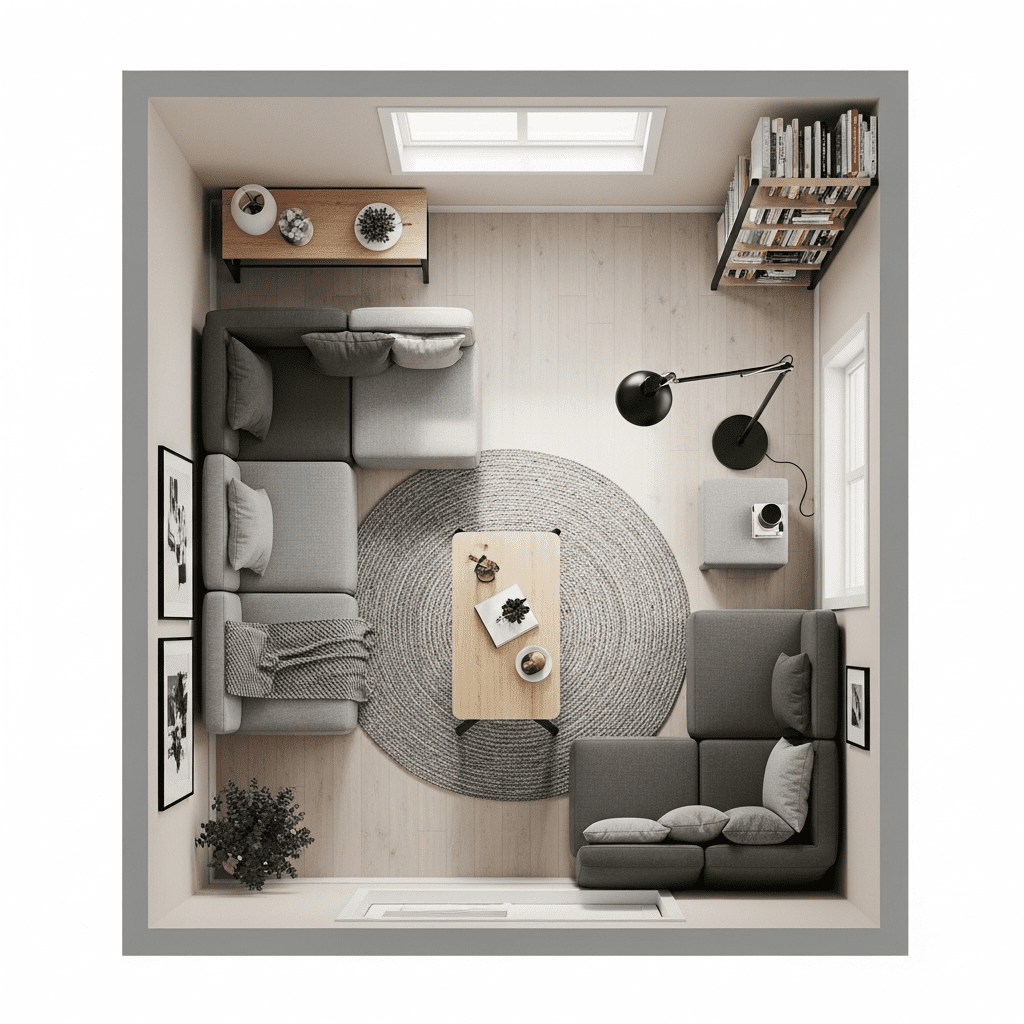
20. Modular Flexible Arrangement
Movable, modular furniture pieces allowing multiple layout configurations adapting to different activities and needs.
Principles of Small Living Room Layout
Successful small living room layouts follow fundamental principles ensuring both function and comfort within space constraints.
Traffic Flow First: Maintain minimum 36-inch wide pathways through and around furniture. Cramped circulation makes small rooms feel smaller regardless of furniture quality or style.
Anchor Largest Piece: Position the sofa first—typically against the longest wall or in the most logical location—then arrange remaining furniture around this primary anchor.
Scale Appropriately: Measure carefully before purchasing. Furniture should fit proportionally—neither overwhelming the room nor appearing insignificant and temporary.
Multi-Function Emphasis: Prioritize pieces serving multiple purposes—storage ottomans, sofa beds, nesting tables—maximizing functionality within limited square footage.
Visual Balance: Distribute furniture weight evenly. All heavy pieces clustered one side creates imbalanced, uncomfortable feelings despite technical functionality.
Conversation Distance: Position seating 6-10 feet apart—close enough for comfortable conversation without shouting, far enough to avoid cramped feelings.
Measuring and Planning
Accurate Dimensions: Measure room length, width, and any architectural features—windows, doors, radiators, electrical outlets—before planning layouts or purchasing furniture.
Furniture Footprints: Know exact furniture dimensions including depth (often overlooked). A 90-inch sofa might fit lengthwise but 40-inch depth could compromise circulation.
Doorway Clearances: Ensure furniture fits through entry doors, hallways, and stairwells. Measure these access points preventing delivery day disasters.
Graph Paper Planning: Draw scaled floor plans on graph paper or use digital room planning tools testing arrangements before moving heavy furniture physically.
Tape Floor Templates: Use painter’s tape outlining furniture footprints on actual floors visualizing spatial impact before purchase commitment.
Furniture Selection for Small Layouts
Apartment-Scale Furniture: Specifically designed smaller-scale pieces suit compact rooms better than standard residential furniture measurements.
Armless or Low-Arm Seating: Reduces visual bulk and physical footprint compared to traditional high-armed sofas and chairs.
Glass or Lucite Tables: Transparent surfaces maintain function without visual weight or sight line obstruction.
Leggy Furniture: Pieces with visible legs create airiness allowing light underneath versus heavy skirted furniture sitting flush with floors.
Scaled Storage: Narrow consoles, slim bookcases, and vertical storage utilize height rather than consuming precious floor width.
Common Layout Mistakes
Pushing Everything to Walls: Contrary to instinct, floating furniture slightly away from walls often creates better flow and more intentional arrangements.
Oversized Furniture: The single most common error—furniture too large for space overwhelms regardless of arrangement quality.
Blocking Windows: Furniture obstructing natural light makes small rooms feel darker and smaller. Keep window areas clear when possible.
Too Much Furniture: Cramming maximum seating into minimum space creates cluttered chaos. Sometimes less furniture creates more livable space.
Ignoring Entry Points: Arrangements blocking or ignoring entry doorways create awkward, unwelcoming feelings despite technical functionality.
Single Light Source: Relying on one overhead light creates harsh, unflattering illumination. Layer multiple light sources throughout small layouts.
Adapting Layouts to Room Shapes
Rectangular Rooms: Position longest furniture along longest walls, creating balanced proportions and efficient circulation.
Square Rooms: Diagonal arrangements or corner sectionals often work better than traditional rectangular room approaches.
L-Shaped Spaces: Treat each section distinctly—living area in main section, dining or workspace in extension—while maintaining visual connection.
Narrow Rooms: Linear arrangements with furniture along walls maximize limited width while emphasizing length visually.
Irregular Shapes: Custom-fitted or modular furniture adapts to odd angles, alcoves, and unusual configurations standard pieces cannot address.
Technology Integration
TV Placement Height: Mount screens at seated eye level (typically 42-48 inches from floor to center) ensuring comfortable viewing without neck strain.
Outlet Accessibility: Plan furniture placement considering electrical outlet locations for lamps, charging stations, and electronics avoiding visible cord runs.
Cable Management: Built-in channels, cord covers, or strategically positioned furniture hide unsightly wiring maintaining clean aesthetics.
Smart Home Devices: Consider placement for speakers, smart home hubs, and other technology ensuring functionality without cluttering small layouts.
Seasonal and Flexible Layouts
Adaptable Arrangements: Design layouts allowing furniture rearrangement for different seasons, activities, or guest accommodations.
Folding Elements: Incorporate collapsible dining tables, folding chairs, or nesting tables providing flexibility without permanent space commitment.
Movable Pieces: Lightweight furniture on casters or glides enables easy rearrangement adapting to changing needs over time.
Small living room layout planning ultimately transforms spatial limitations into design opportunities. The right arrangement makes 150 square feet feel spacious, comfortable, and beautifully organized while the wrong layout makes 300 square feet feel cramped and chaotic. Measure carefully, plan thoughtfully, prioritize circulation, and choose appropriately scaled furniture—these fundamental principles ensure your small living room layout serves you beautifully for years to come.