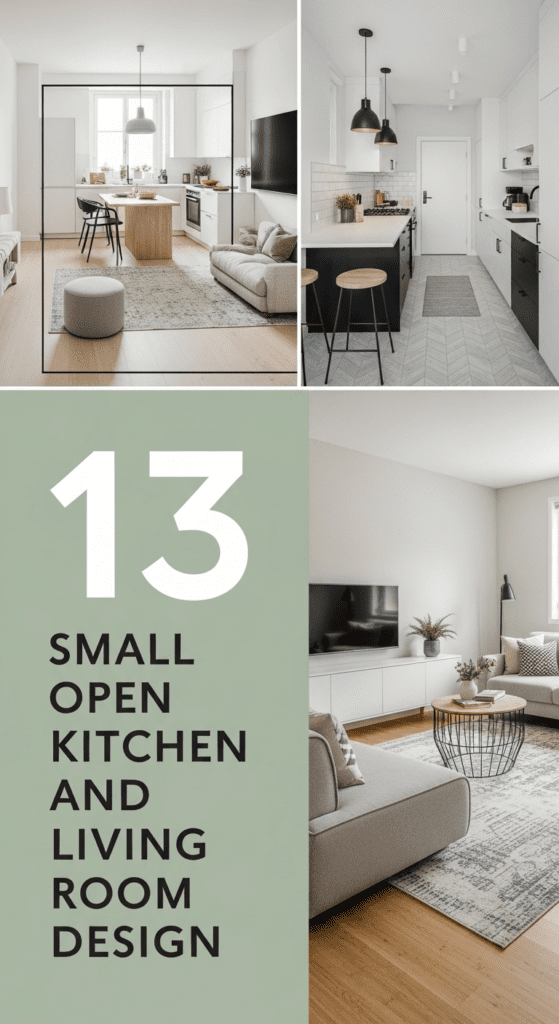
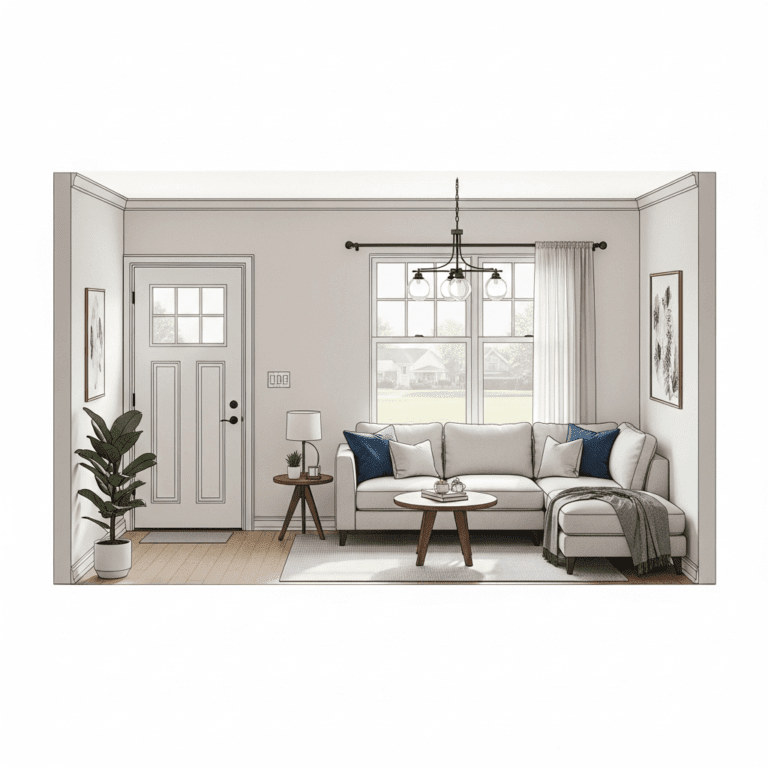
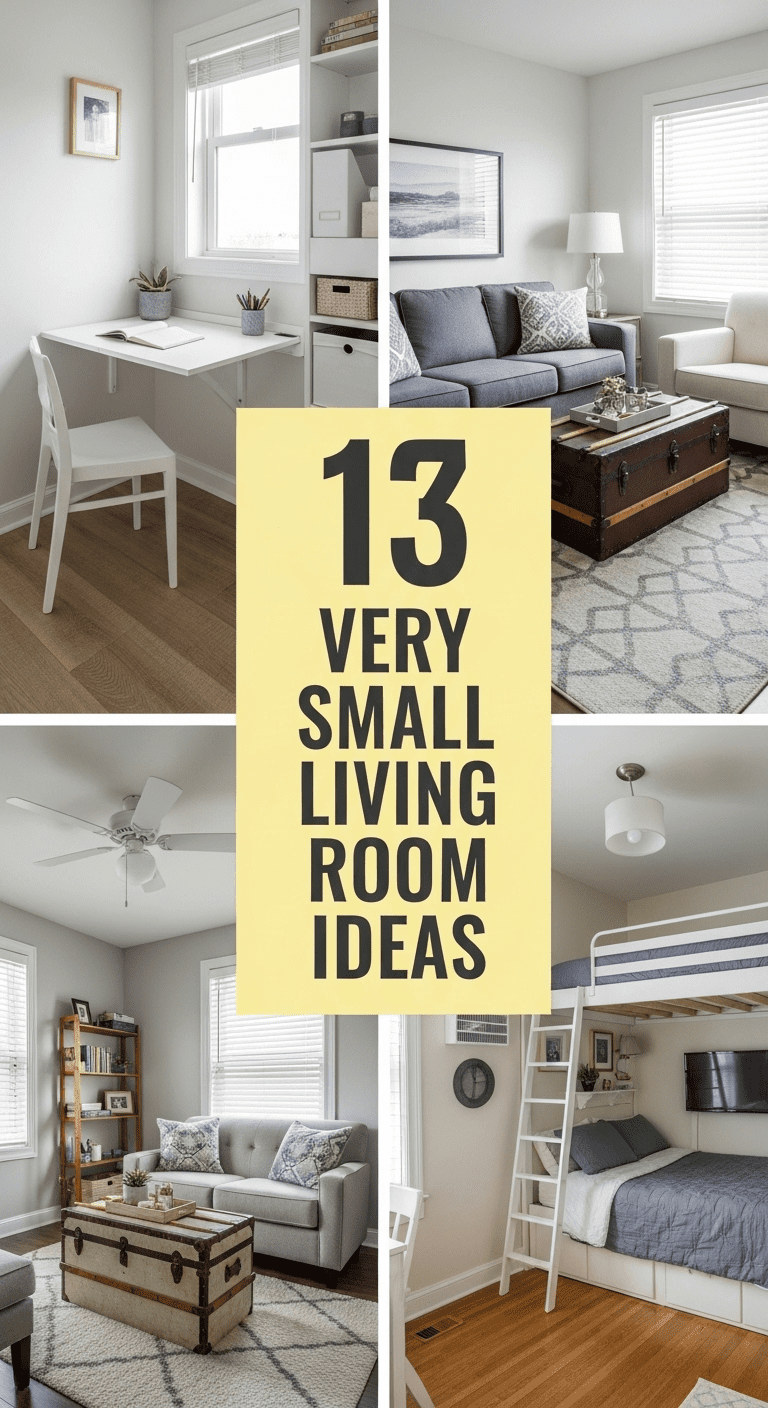
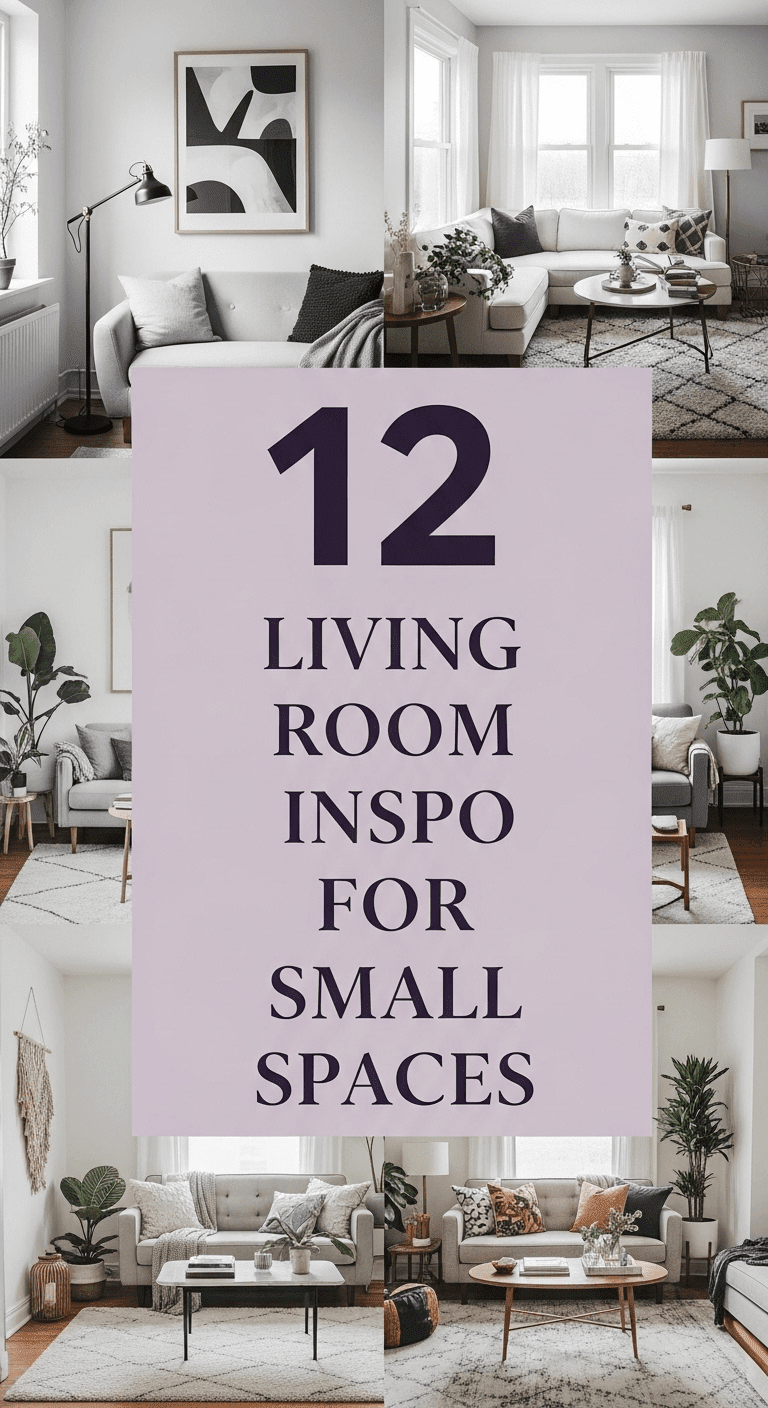
13 Small Open Kitchen and Living Room Design
Small open kitchen and living room design represents one of the most effective strategies for maximizing limited square footage while creating modern, functional, and surprisingly spacious-feeling homes. By removing walls separating cooking and living areas, these open-plan designs eliminate wasted corridor space, improve natural light distribution, and foster the connected, communal living that defines contemporary home life. These thirteen designs showcase proven approaches to small open-plan living, demonstrating how thoughtful design transforms potential chaos into harmonious, highly functional spaces.
See also: 32 My Home Quotes to Celebrate Your Personal Sanctuary
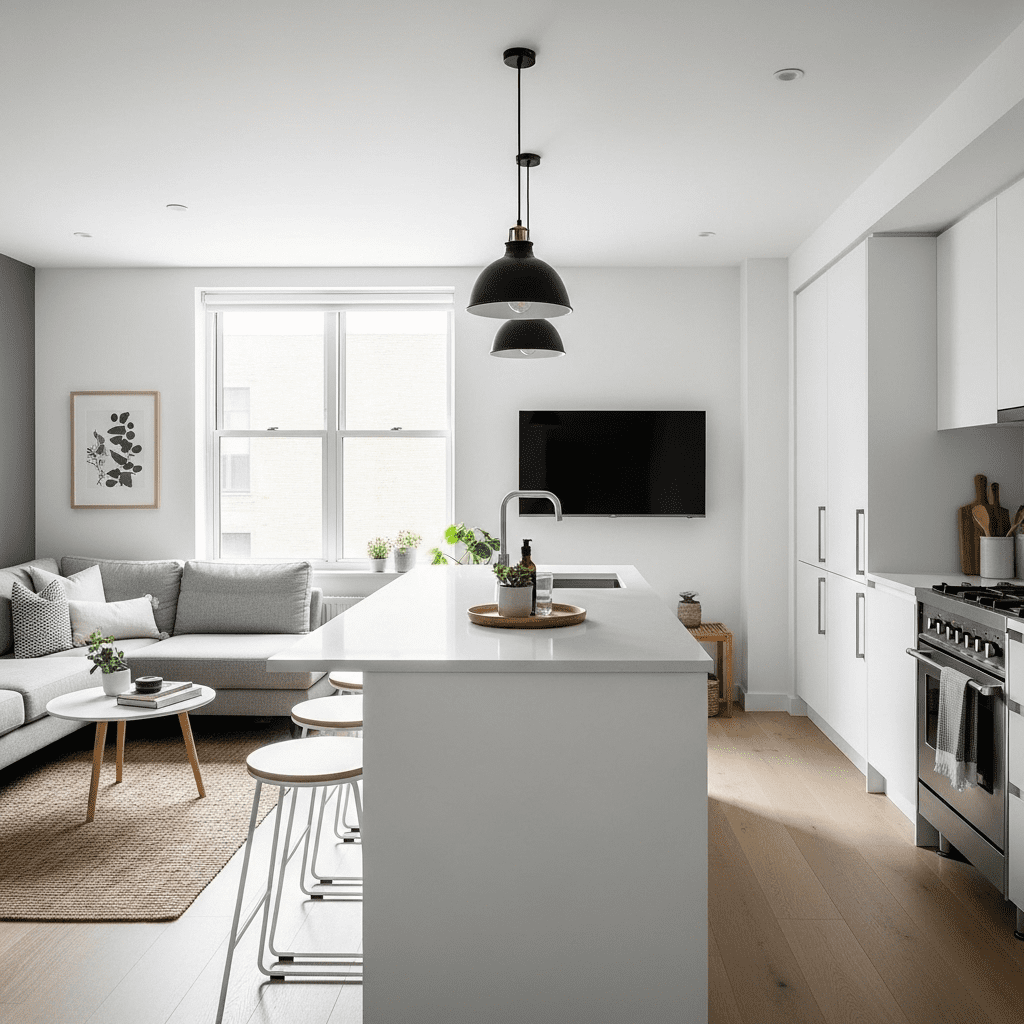
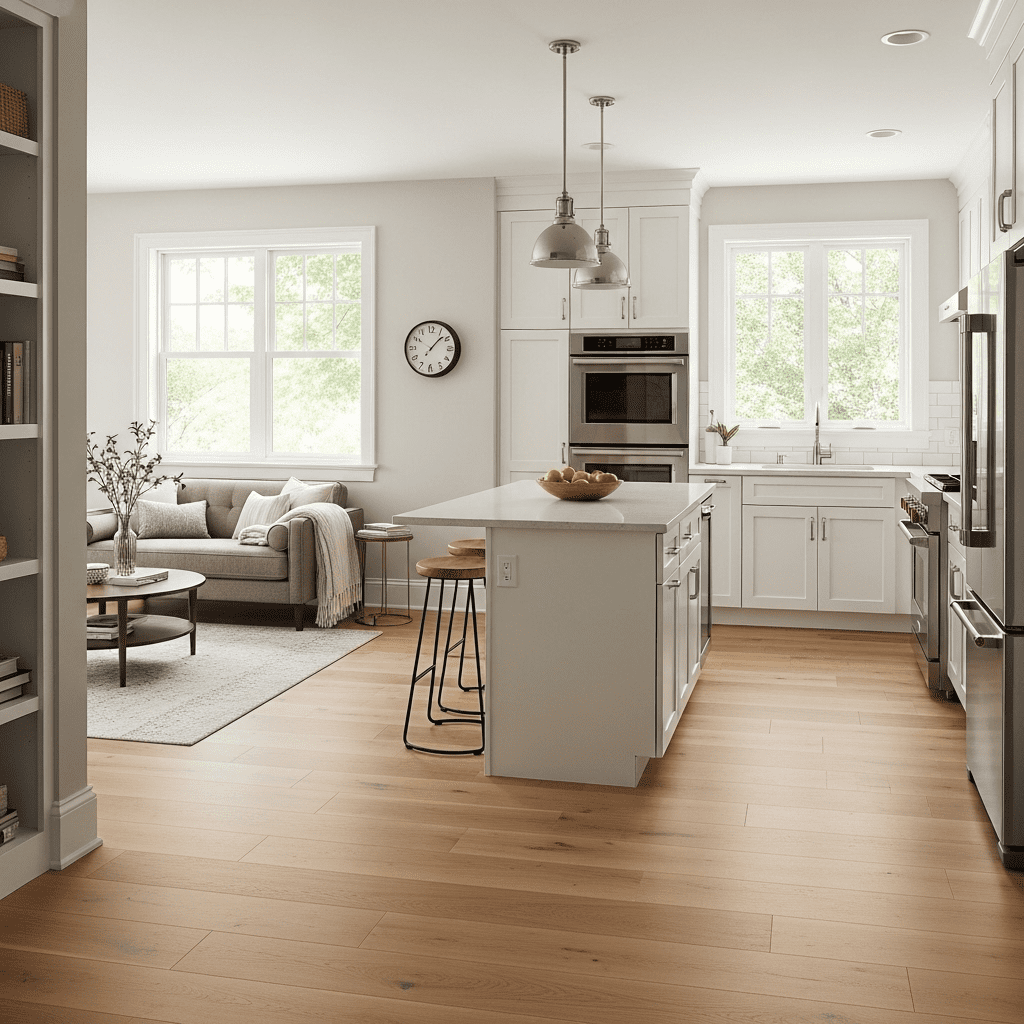
1. Island Room Divider
A kitchen island positioned between kitchen and living areas provides workspace, storage, and casual dining while visually separating zones without blocking sight lines or light.
2. Continuous Flooring Flow
Identical flooring materials throughout both areas create visual continuity and spatial expansion, unifying kitchen and living room into one cohesive environment.
See also: 50 Home Quotes and Sayings to Warm Your Heart
3. Matching Color Palette
Consistent color schemes—coordinating kitchen cabinets with living room furniture colors—create harmonious, professionally designed open spaces.
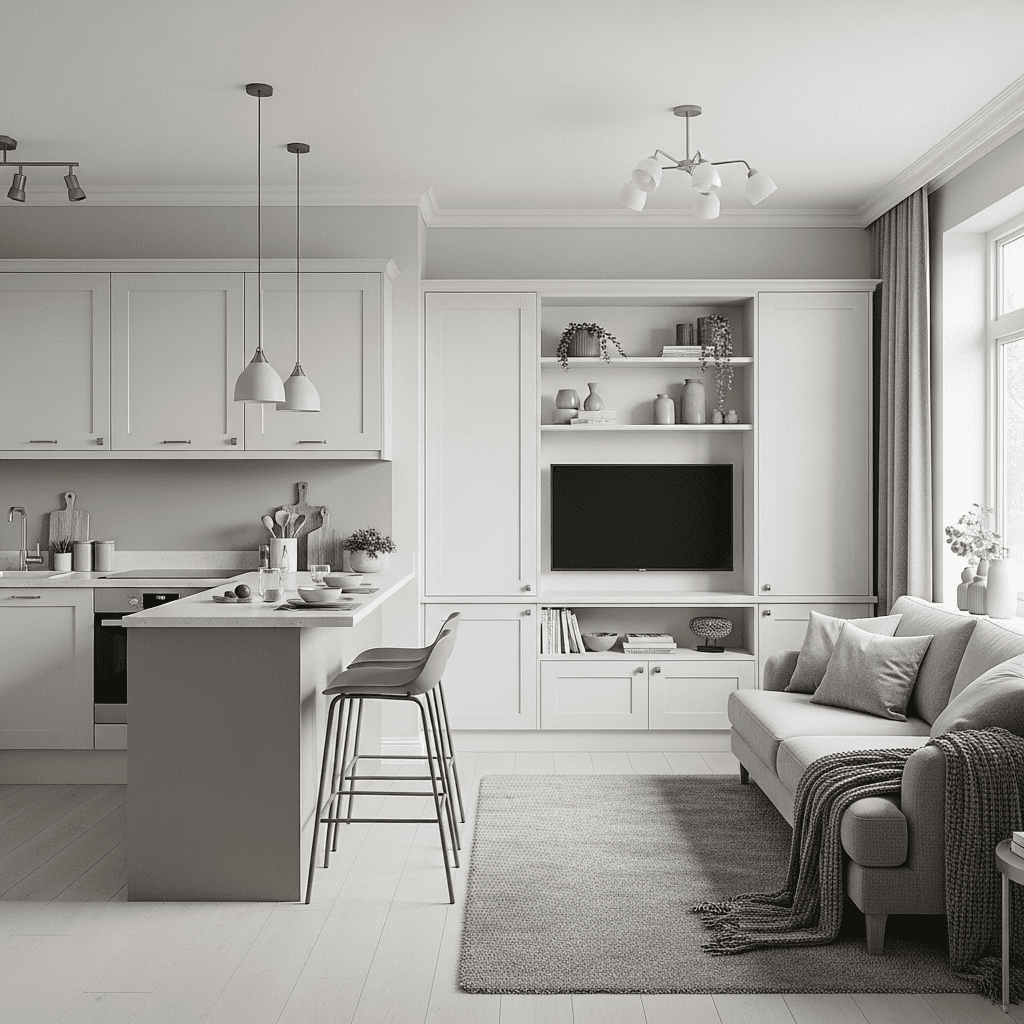
4. Peninsula Breakfast Bar
Kitchen peninsula with overhang creates casual dining and workspace while defining kitchen boundaries without full wall separation.
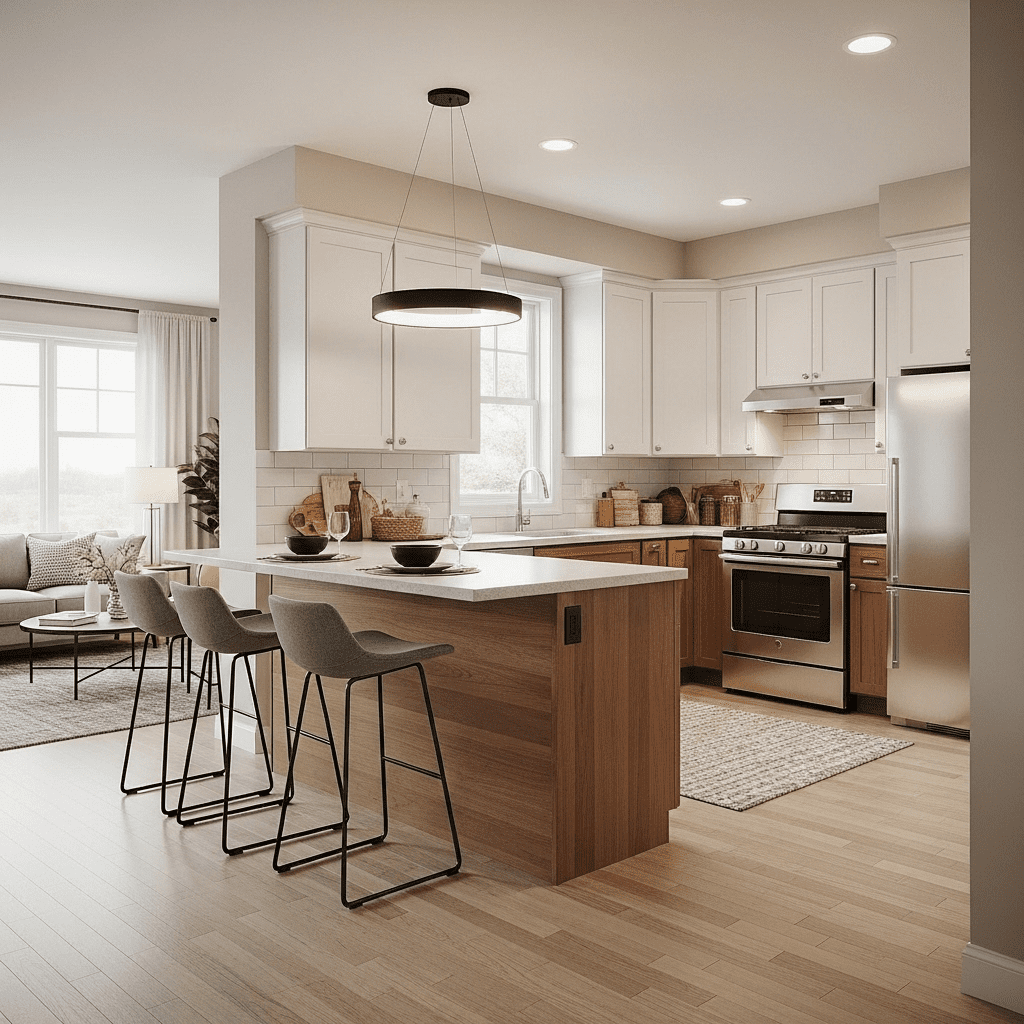
5. Sofa Back-to-Kitchen Placement
Positioning sofa backs toward kitchen visually separates living area while maintaining open flow and conversation between zones.
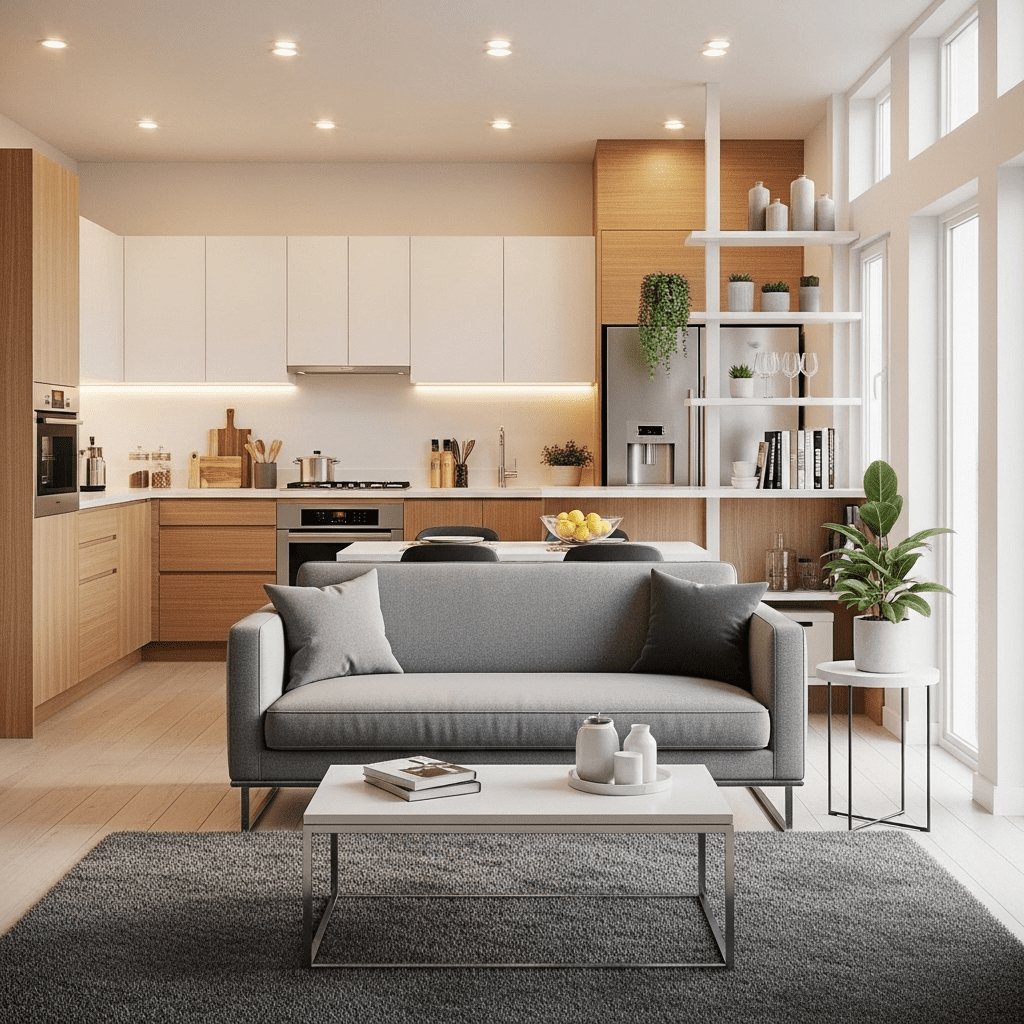
6. Consistent Cabinetry Style
Kitchen cabinets and living room storage units sharing same style and finish create unified, custom-built appearance throughout open space.
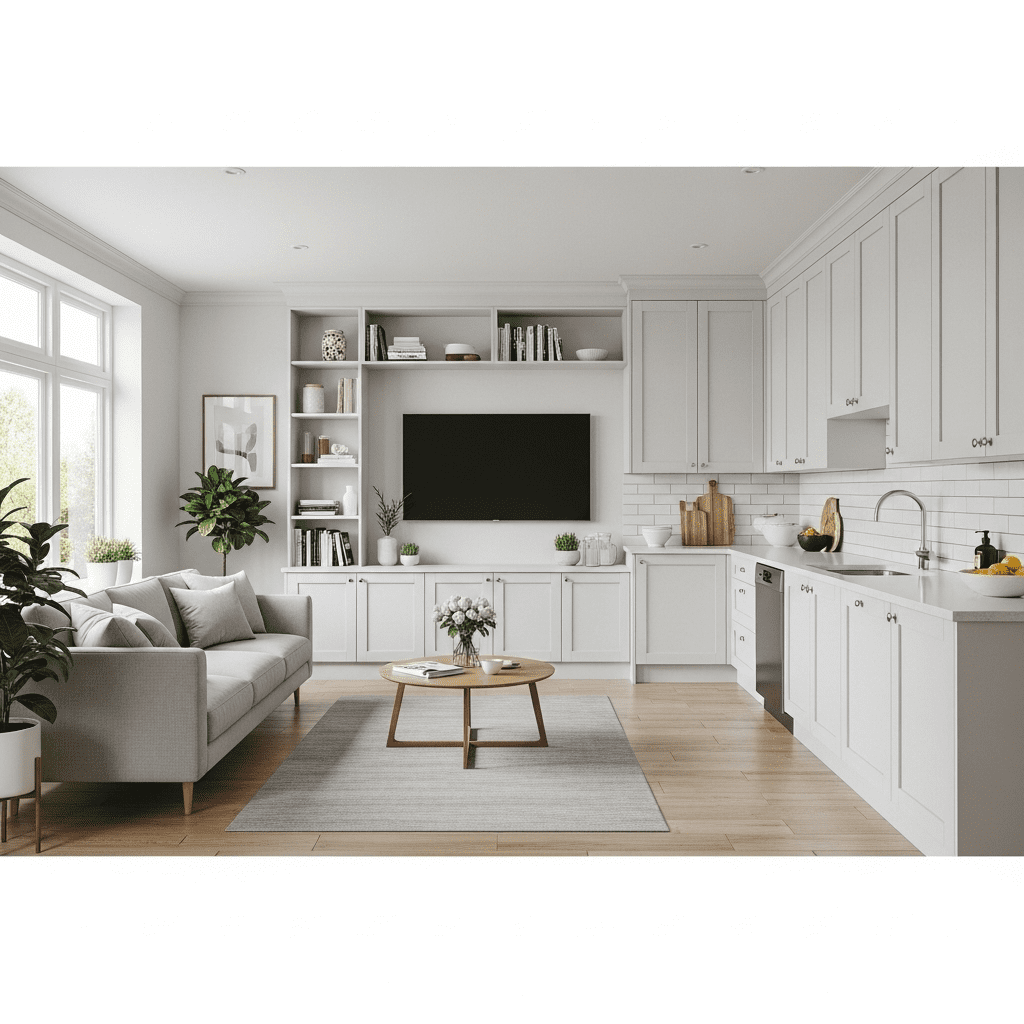
7. Rug Zone Definition
Area rug under living room furniture defines and anchors seating area visually separating from hard kitchen flooring.
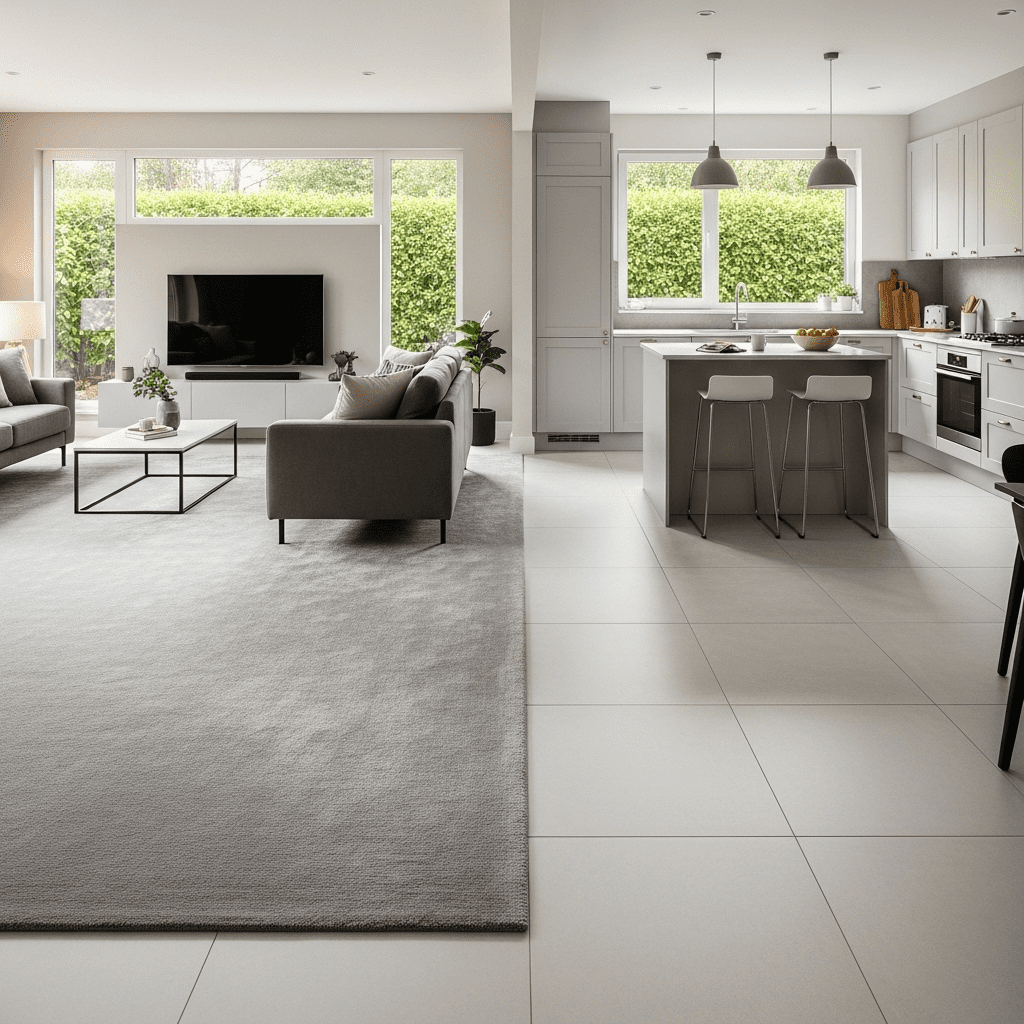
8. Half-Wall Separation
Low half-wall or pony wall between kitchen and living room provides separation while preserving open-plan benefits and sight lines.
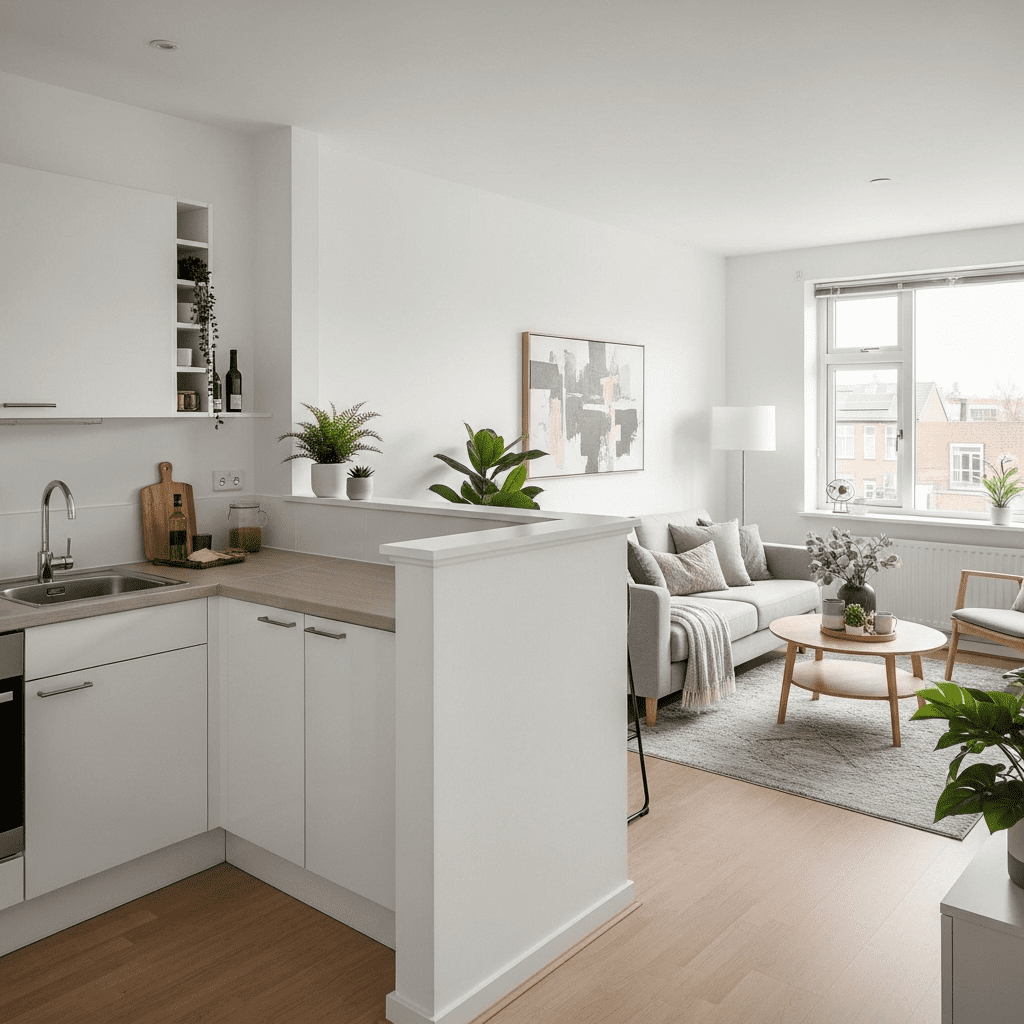
9. Galley Kitchen Efficiency
Narrow galley kitchen along one wall maximizes living room space in small open plans, creating efficient cooking zone without overwhelming footprint.
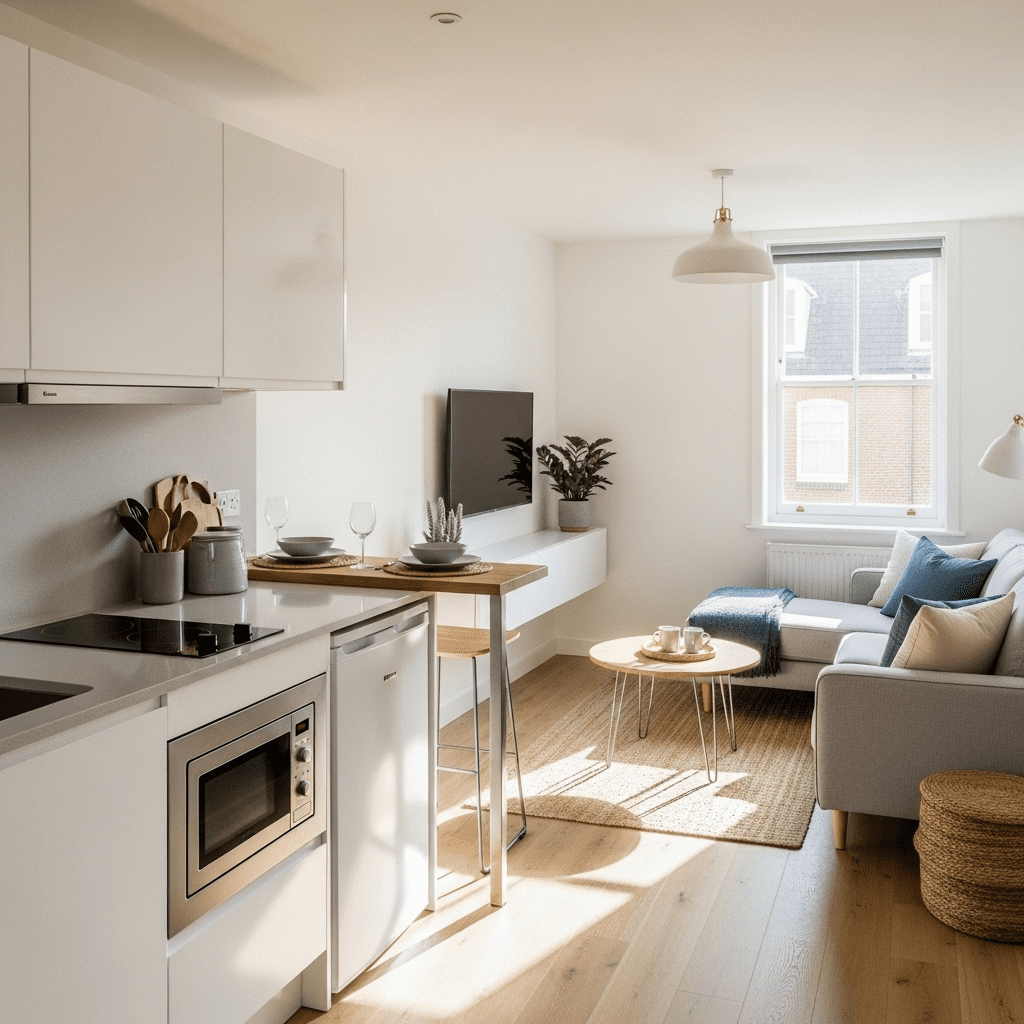
10. Coordinated Lighting Design
Unified lighting scheme—matching pendant styles or consistent fixture finishes—creates cohesive design across both kitchen and living zones.
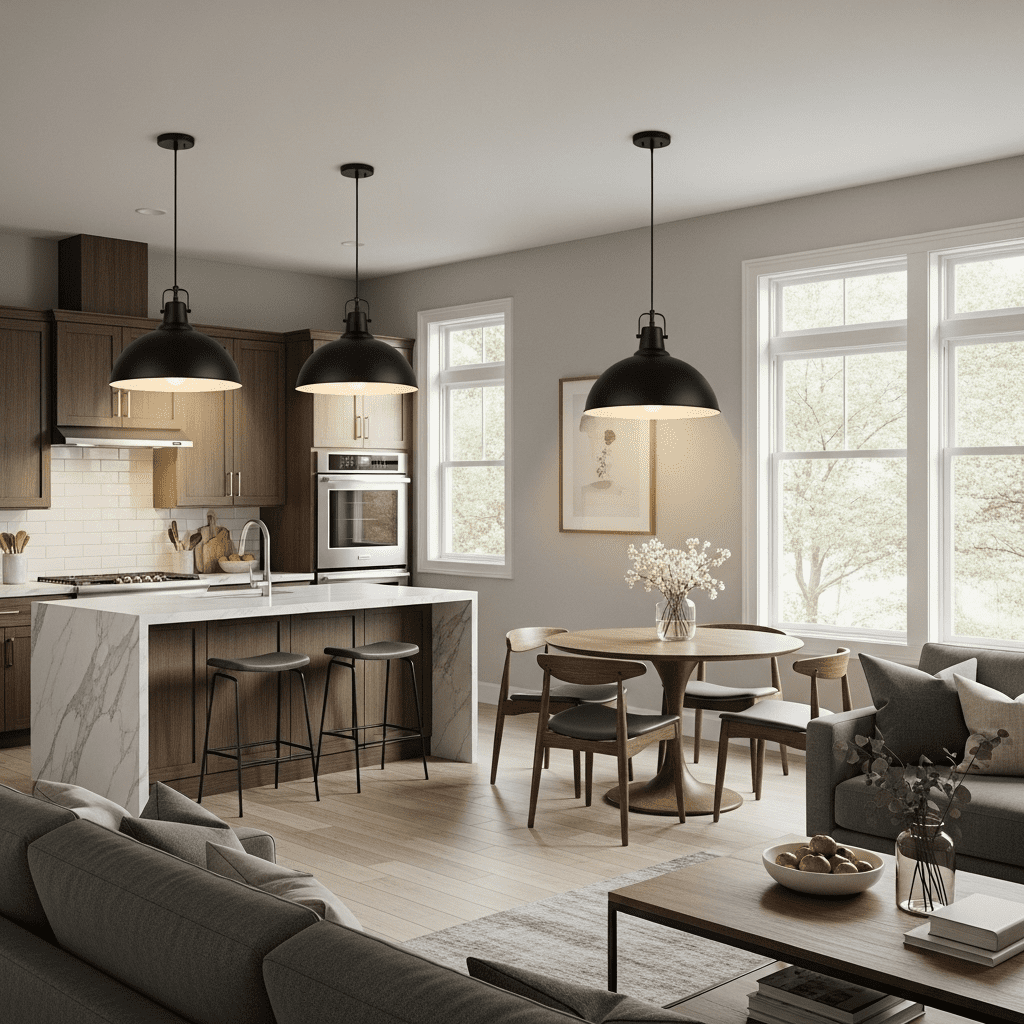
11. L-Shaped Kitchen Layout
Kitchen occupying corner L-shape leaves maximum open floor for living area while providing ample kitchen workspace and storage.
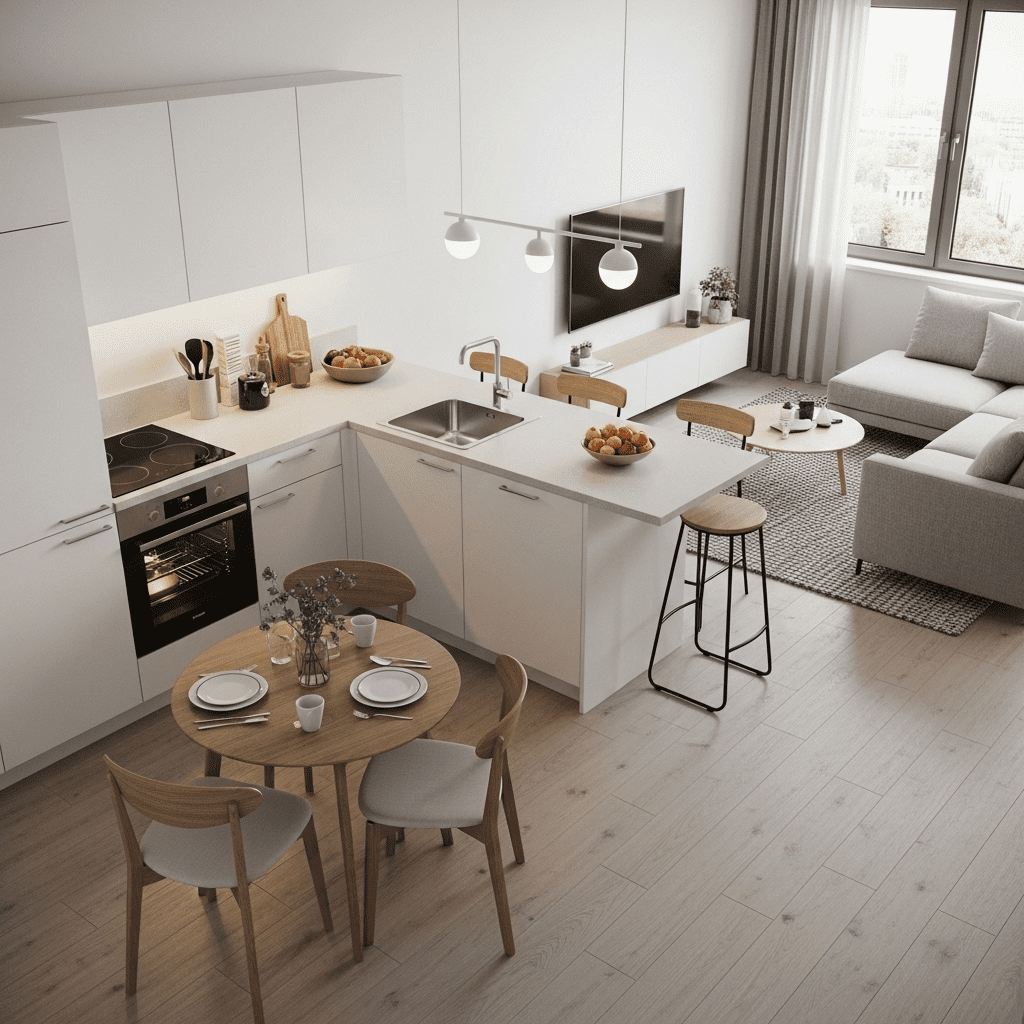
12. Transparent Shelving Division
Open shelving or glass-front cabinets between zones maintain visual connection while providing storage and subtle separation.
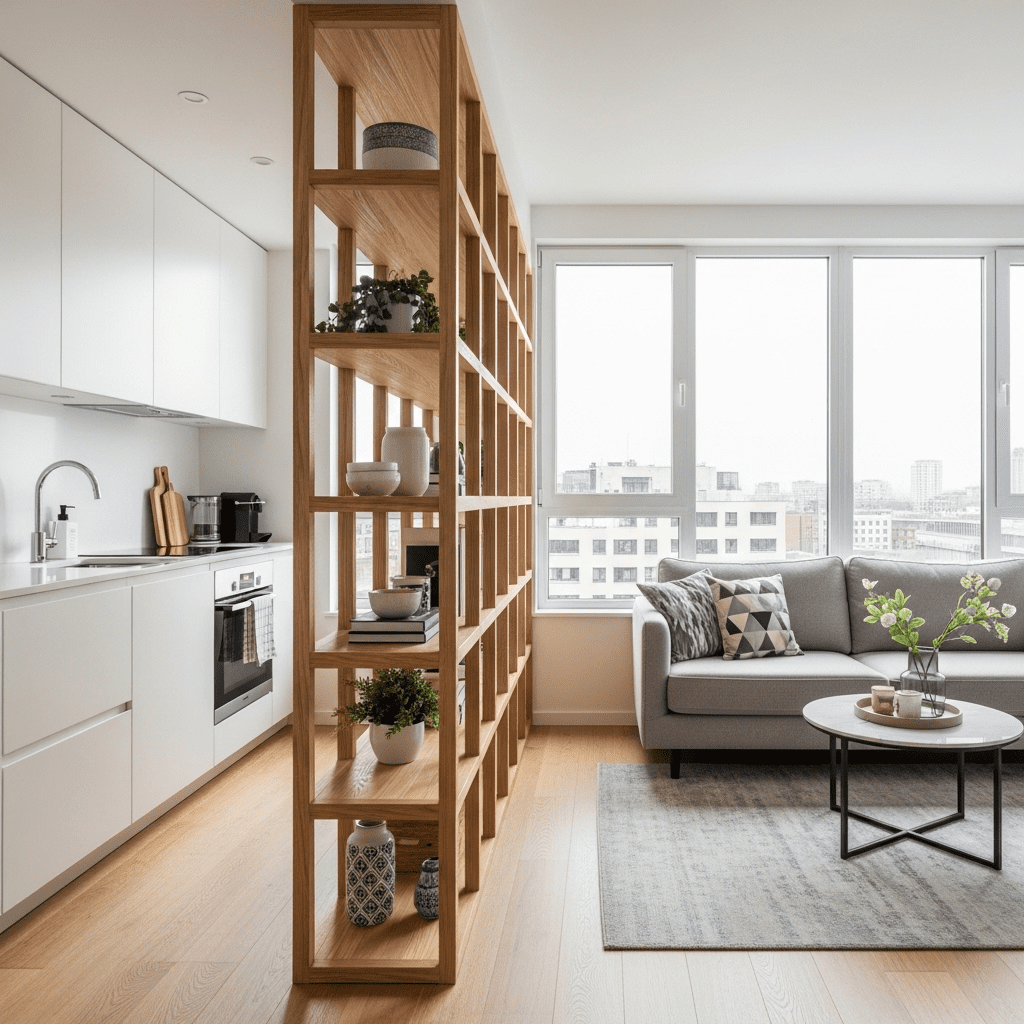
13. Consistent Material Palette
Using same materials—wood species, metal finishes, stone types—throughout both areas creates sophisticated, designer-quality cohesion.
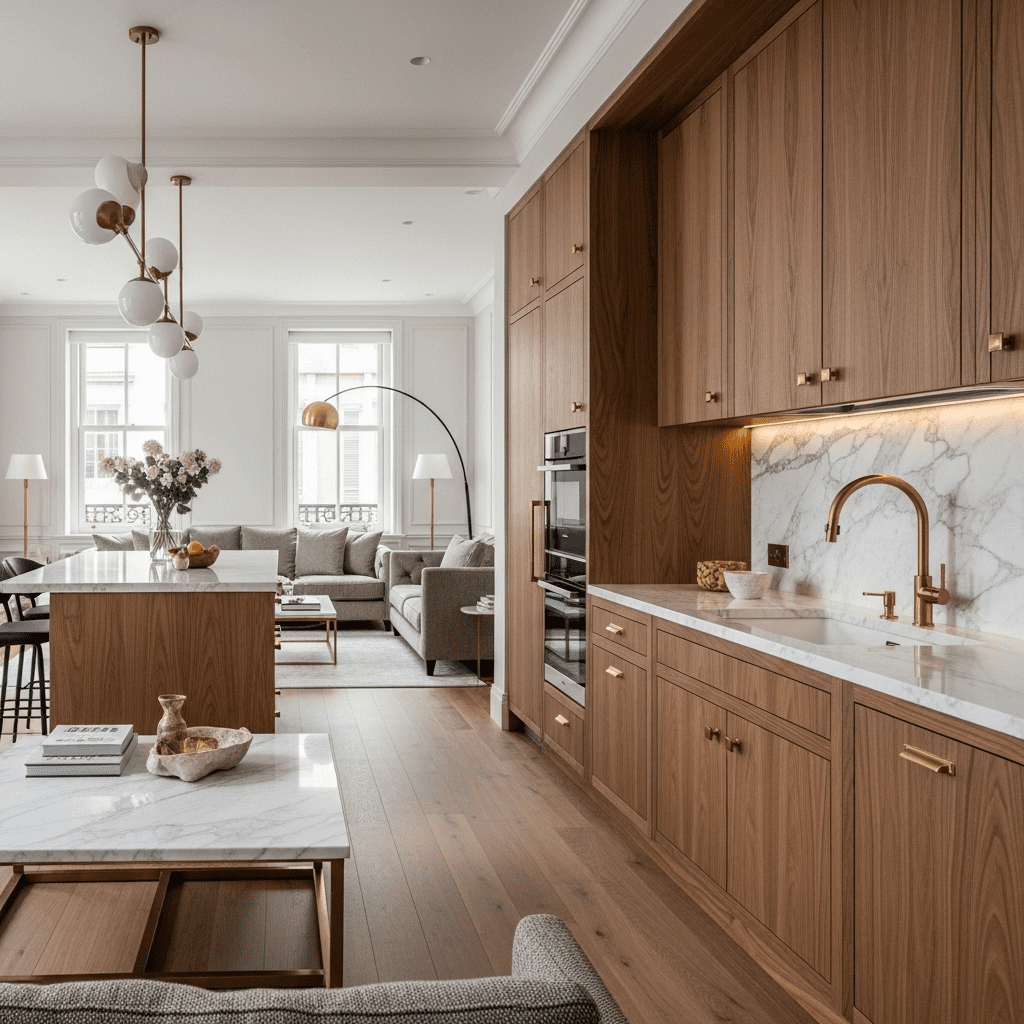
Design Principles for Small Open Plans
Successfully combining kitchen and living room in limited square footage requires understanding fundamental principles that prevent common pitfalls.
Visual Cohesion: Every element visible from both zones must coordinate aesthetically. Kitchen backsplash, living room artwork, all furniture—everything appears simultaneously, demanding intentional color and style harmony.
Clutter Control: Kitchen messes visible from living areas destroy relaxation. Prioritize closed storage, maintaining immaculate organization, or accepting that cooking disorder becomes part of living room view.
Ventilation Requirements: Powerful range hoods become essential preventing cooking odors and grease from permeating living room furniture and fabrics.
Acoustic Considerations: Kitchen appliances, clattering dishes, and running water create noise. Soft living room furnishings, area rugs, and curtains help absorb sound reducing echo.
Lighting Layers: Both zones require different lighting—task lighting for cooking, ambient lighting for relaxing. Design schemes accommodating both needs without visual confusion.
Furniture Scale: Appropriately sized pieces prevent overwhelming small spaces while ensuring comfort and functionality aren’t sacrificed.
Color Strategy for Open Plans
Neutral Foundations: White, cream, or light grey walls and cabinets create bright, spacious foundations allowing accent colors through accessories and textiles.
Coordinated Accents: Introduce same accent colors in both zones—kitchen bar stools matching living room pillows, coordinating artwork and accessories creating visual threads throughout.
Monochromatic Sophistication: Single color in varied values creates sophisticated, cohesive environments without overwhelming small open spaces.
Contrasting Zone Colors: Intentionally different colors in kitchen versus living room can work when carefully balanced—perhaps warm kitchen tones with cool living room palette unified through shared accent color.
Furniture Selection and Placement
Floating Furniture: Position sofas away from walls when space allows, creating intentional room division without physical barriers.
Scaled Appropriately: Measure carefully ensuring furniture fits proportionally. Oversized pieces overwhelm; undersized appear temporary and uncomfortable.
Multi-Functional Pieces: Storage ottomans, extendable dining tables, and sofa beds maximize versatility essential in compact open plans.
Clear Circulation: Maintain minimum 36-inch pathways between kitchen and living zones ensuring comfortable movement despite limited space.
Kitchen Design for Open Plans
Streamlined Cabinetry: Simple cabinet styles without excessive ornamentation maintain clean aesthetics visible from living areas.
Concealed Appliances: Panel-ready dishwashers and refrigerators hide behind cabinetry maintaining cohesive appearance throughout open space.
Organized Storage: Everything behind closed doors prevents visual clutter that overwhelms when visible from living areas constantly.
Quality Finishes: Kitchen surfaces visible from living room warrant investment in attractive materials—beautiful countertops, stylish backsplashes, quality cabinet finishes.
Living Room Design for Open Plans
Sofa Orientation: Position seating acknowledging kitchen—facing away creates privacy, facing toward maintains connection. Choose based on lifestyle preference.
Stylistic Harmony: Living room furniture style should coordinate with kitchen aesthetic—modern kitchen demands contemporary furniture; traditional cabinets suit classic seating.
Storage Solutions: Living room storage concealing everyday clutter maintains visual calm essential when kitchen potentially adds visual busyness.
Comfort Priority: Despite kitchen proximity, living area must feel genuinely comfortable and inviting for relaxation, not merely furniture showroom display.
Dining Integration
Breakfast Bar Seating: Kitchen islands or peninsulas with overhang accommodate casual dining without separate dining table in very compact spaces.
Compact Dining Tables: Small round or square tables fitting 2-4 people provide formal dining without consuming excessive floor area.
Extendable Solutions: Tables expanding for entertaining then compacting for daily use maximize flexibility in limited square footage.
Strategic Placement: Position dining tables between kitchen and living room creating natural transitional zone connecting both areas.
Lighting Design Across Zones
Task Lighting: Adequate under-cabinet lighting for food preparation prevents dark kitchen corners while pendant lights illuminate islands or peninsulas.
Ambient Lighting: Recessed ceiling lights provide overall illumination across entire open plan without visual clutter.
Accent Lighting: Table lamps and floor lamps in living area create warm, layered lighting for evening relaxation separate from bright kitchen task lighting.
Dimmers: Dimmer switches allow brightness adjustment—bright for cooking and cleaning, soft for relaxing evening atmosphere.
Storage Maximization
Vertical Storage: Floor-to-ceiling cabinets maximize kitchen storage without consuming additional floor space needed for living functions.
Hidden Solutions: Storage ottomans, lift-top coffee tables, and media consoles with cabinets conceal living room clutter maintaining visual calm.
Multi-Zone Storage: Bookshelves or cabinets serving both areas—kitchen items one side, living room objects the other—maximize efficiency.
Regular Decluttering: Limited storage demands ruthless editing. Keep only essential, frequently used items maintaining organization essential for visual peace.
Common Design Mistakes
Ignoring Sight Lines: Forgetting kitchen visible from living room leads to mismatched styles, clashing colors, and visual chaos.
Inadequate Ventilation: Insufficient range hood power allows cooking odors saturating living room fabrics and furniture.
Poor Traffic Flow: Furniture blocking natural paths between zones creates frustration despite otherwise functional design.
Mismatched Flooring: Different flooring in each zone fragments small spaces making them feel smaller and disjointed.
Overwhelming Patterns: Too many competing patterns visible simultaneously—kitchen backsplash, living room pillows, area rugs—creates visual chaos.
Insufficient Storage: Underestimating storage needs leads to visible clutter destroying open plan’s clean aesthetic benefits.
Making Small Open Plans Work
Embrace Openness: Rather than fighting the open plan attempting false separation, celebrate connection and flow it provides.
Maintain Discipline: Open plans demand tidiness. Develop cleaning routines keeping both zones presentable since everything remains visible constantly.
Choose Quality: Fewer, better pieces create more sophisticated appearances than numerous mediocre items filling space.
Personalize Thoughtfully: Display meaningful objects and personal touches, but edit carefully preventing clutter that overwhelms small open spaces.
Flexibility: Design allowing easy rearrangement adapts to changing needs over time without complete renovation.
Small open kitchen and living room designs ultimately succeed by treating both zones as one unified environment rather than two separate rooms awkwardly combined. When color palettes coordinate thoughtfully, materials repeat throughout creating threads of connection, and furniture placement acknowledges the open relationship between cooking and living, these compact spaces feel surprisingly generous, impressively cohesive, and genuinely comfortable—proving that removing walls often adds more than it subtracts, creating modern homes perfectly suited to contemporary life.