17 Extremely Small Living Room Ideas
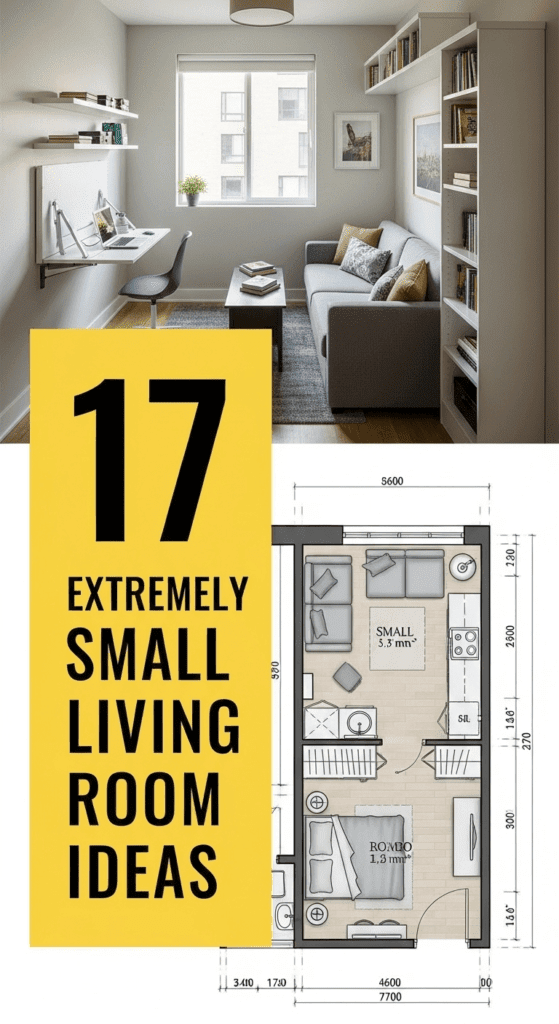
Extremely small living room ideas address the unique challenges of micro-spaces where every square foot matters critically and conventional design wisdom simply doesn’t apply. These ultra-compact rooms—often measuring just 80-120 square feet—demand radical creativity, merciless editing, and innovative solutions that transform severe spatial constraints into surprisingly functional, beautiful living environments. These seventeen ideas showcase practical strategies for maximizing micro living rooms, proving that thoughtful design conquers even the most challenging spatial restrictions.
See also: Bedroom Ideas for 2 Kids in a Small Room
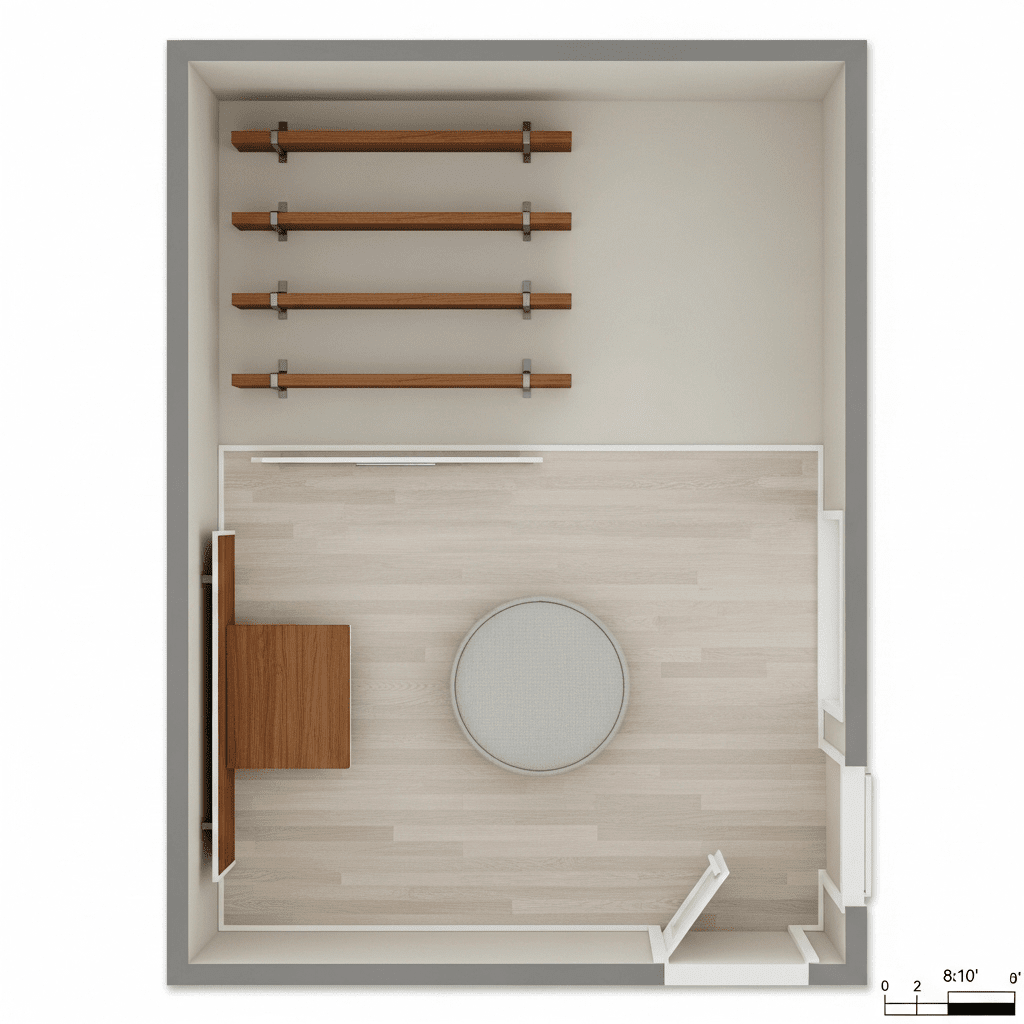
1. Wall-Mounted Everything Layout
Floating shelves, wall-mounted TV, and fold-down table eliminate floor furniture, keeping precious floor space completely open and uncluttered.
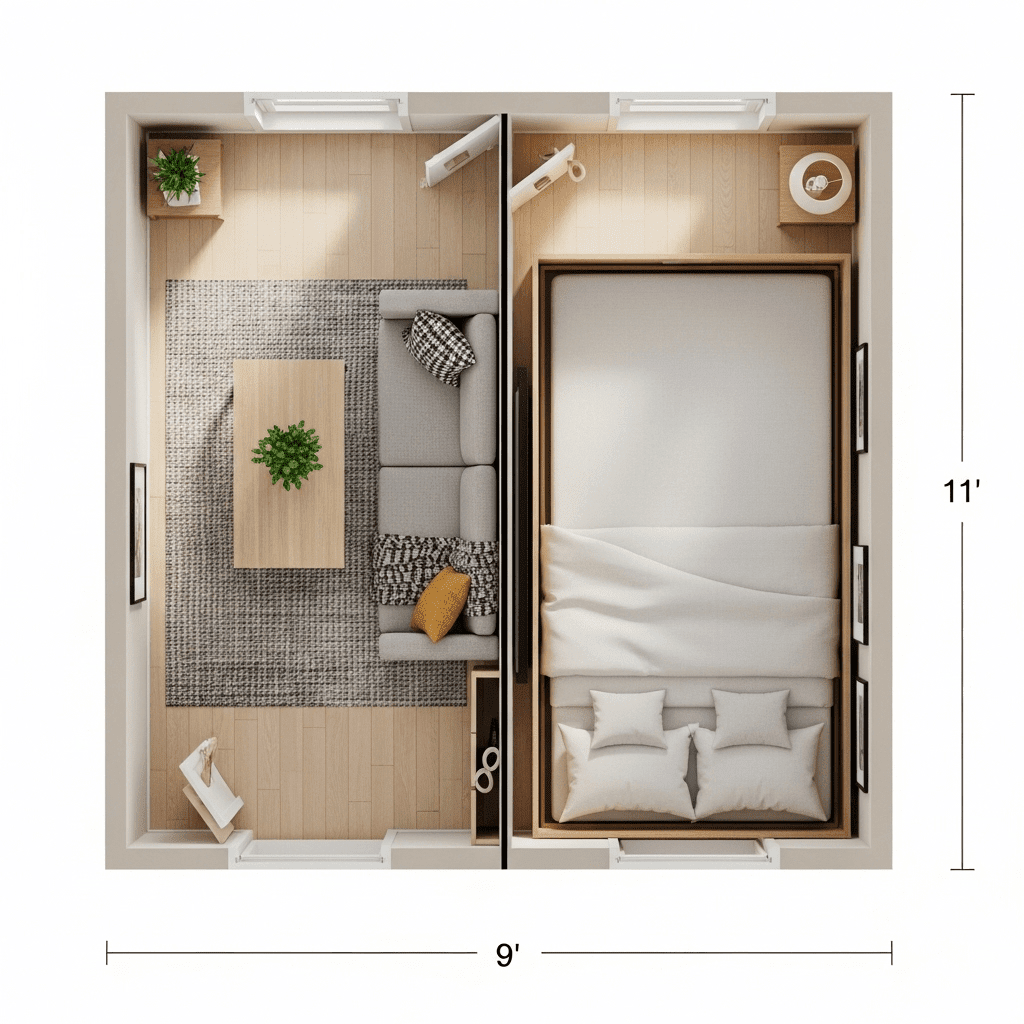
2. Murphy Bed Dual Function
Hidden Murphy bed folds into wall revealing full living room daily, transforming to bedroom nightly in studio micro-apartments.
See also: 12 Living Room Center Table Designs
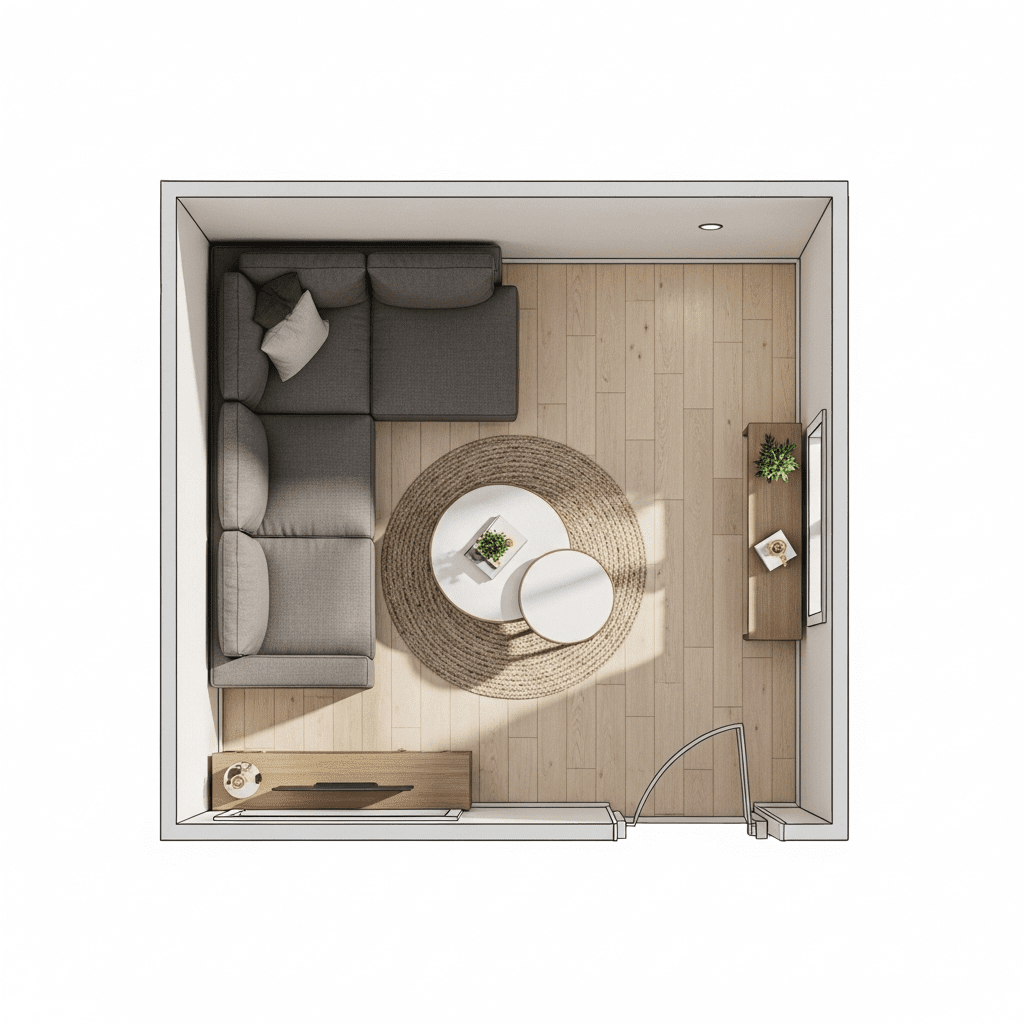
3. Corner Sectional Maximization
Tiny L-shaped sectional in corner provides maximum seating using minimal floor footprint in extremely compact square rooms.
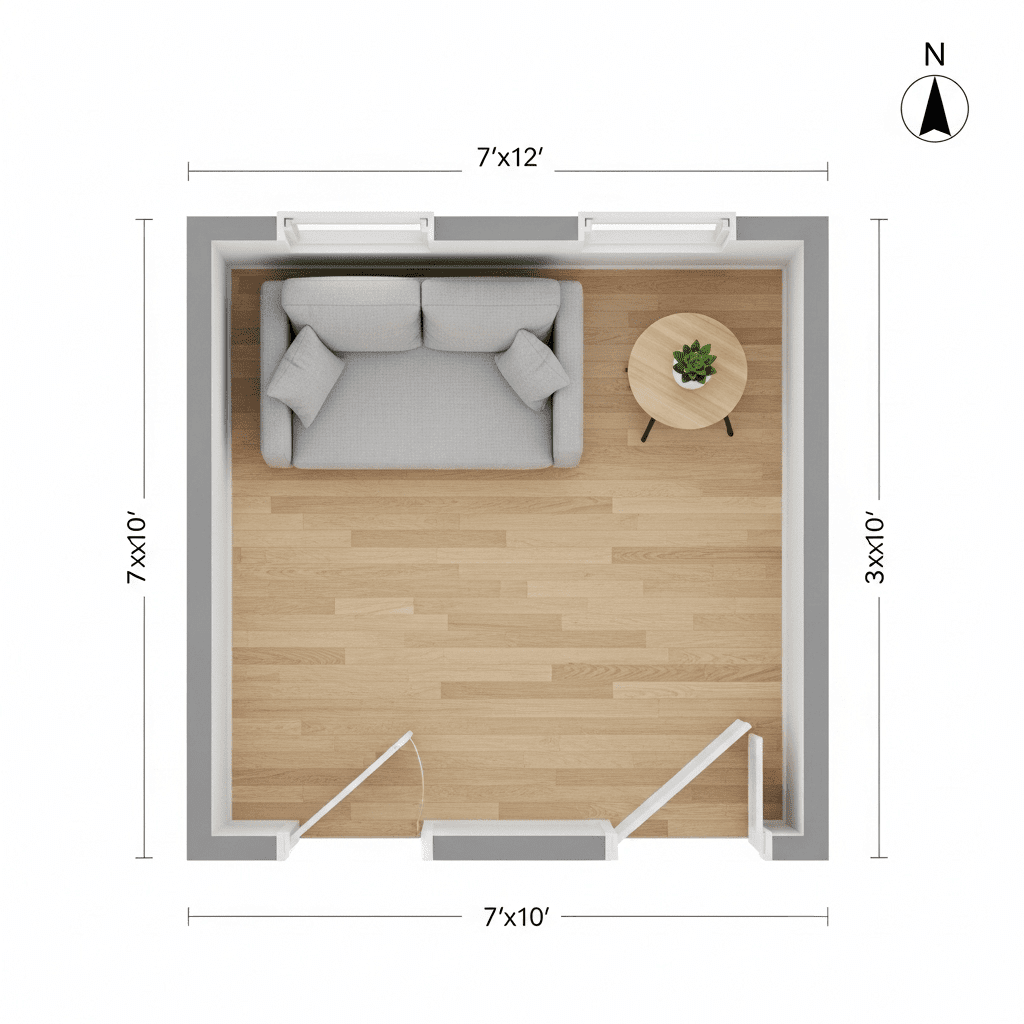
4. Single Loveseat Minimal
Just one small loveseat and side table, intentionally minimal furniture prioritizing walking space over seating quantity.
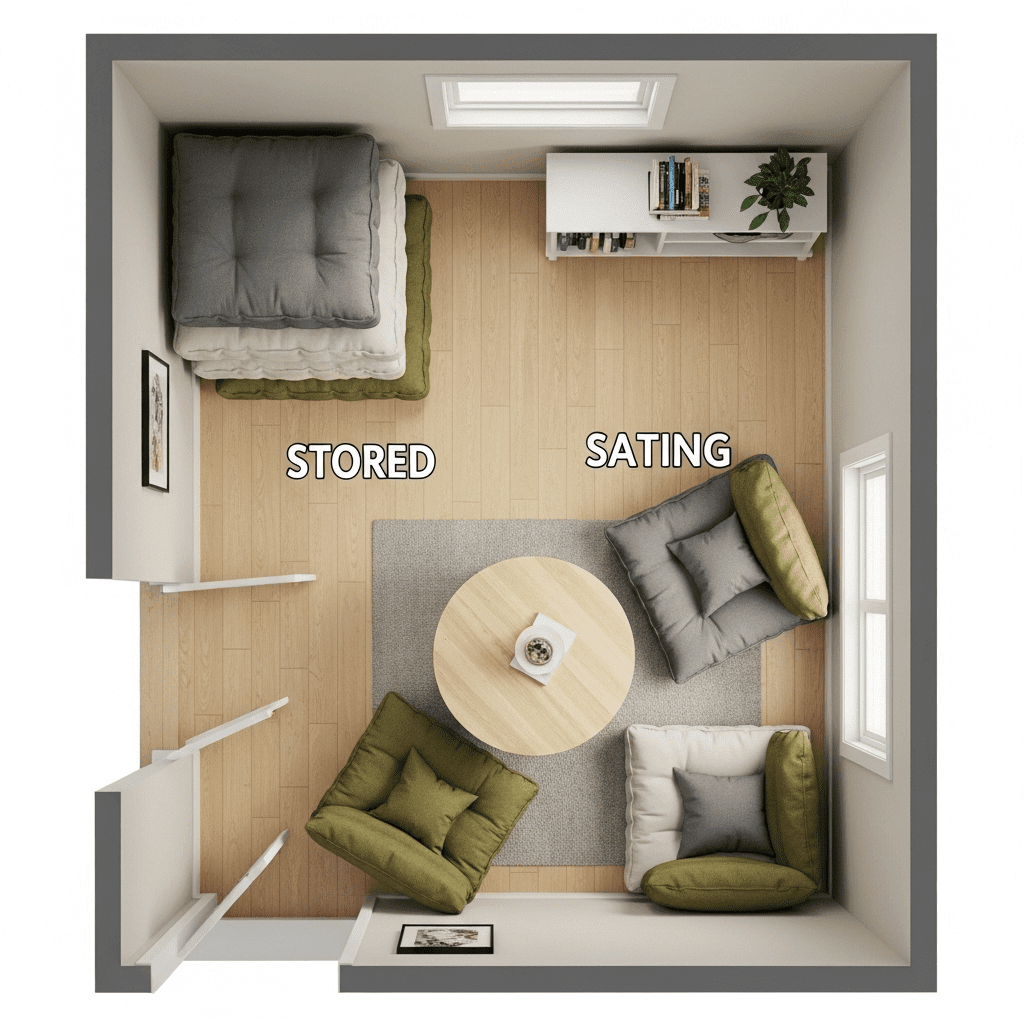
5. Floor Cushion Flexible Seating
Removable floor cushions and poufs provide flexible seating stored away when unused, freeing floor space daily.
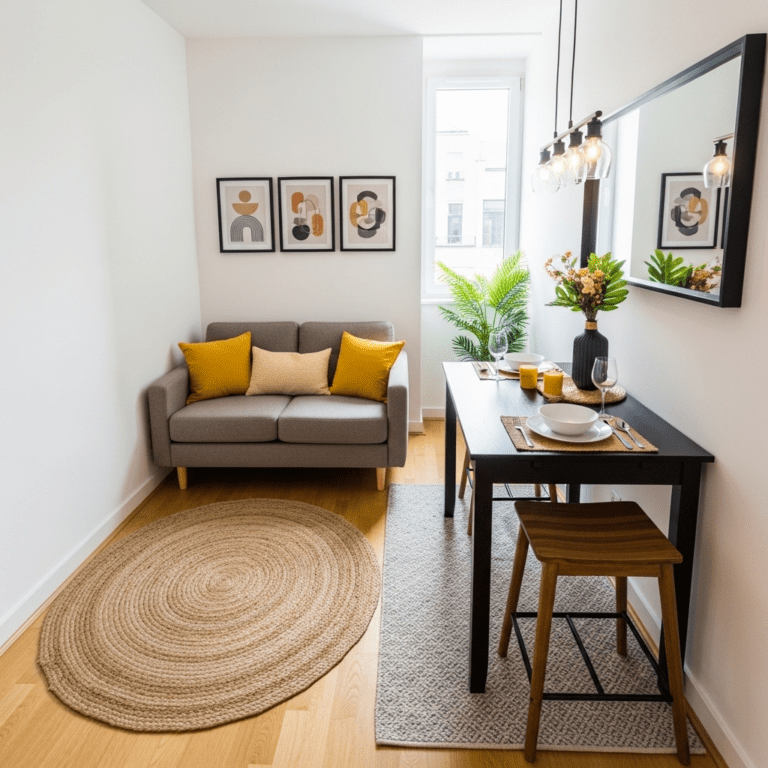
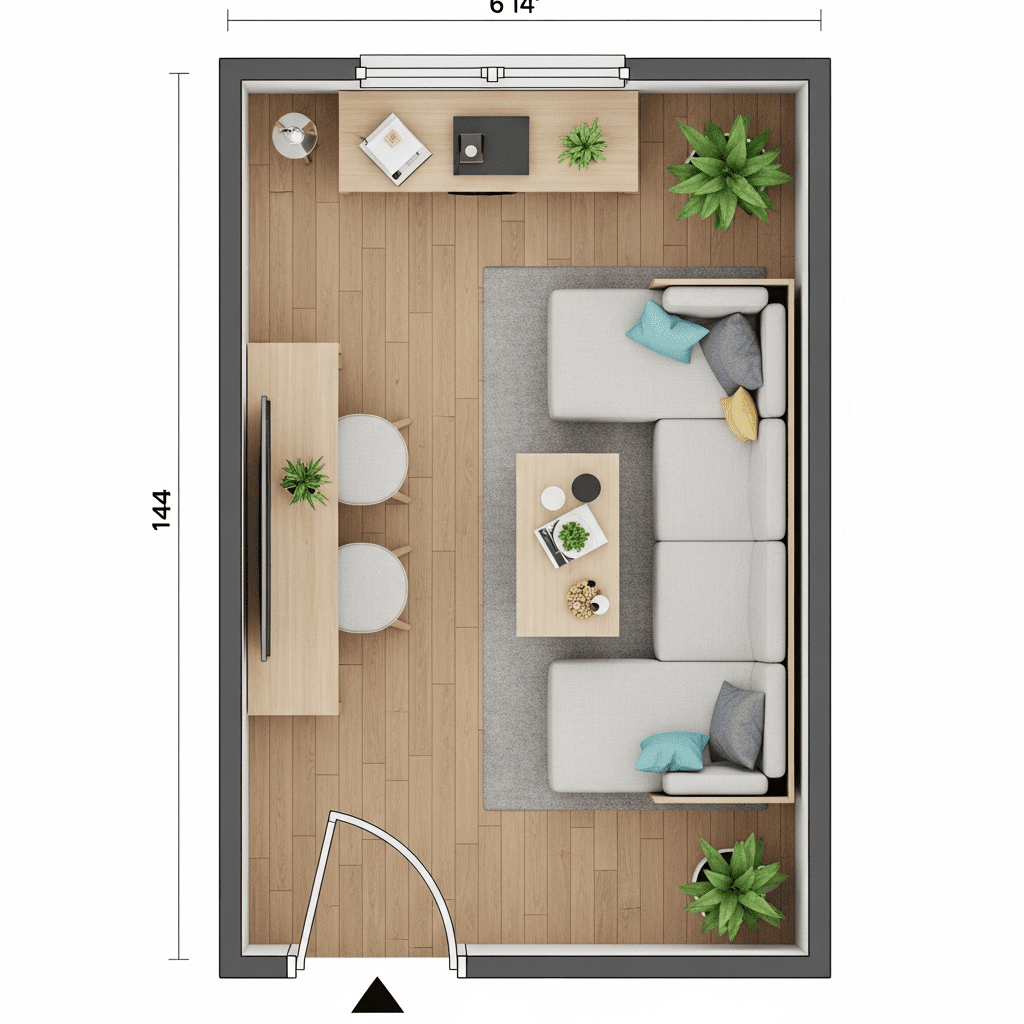
6. Narrow Console Sofa Alternative
Slim console table with two stools behind replaces traditional sofa, functioning as workspace, dining, and minimal seating.
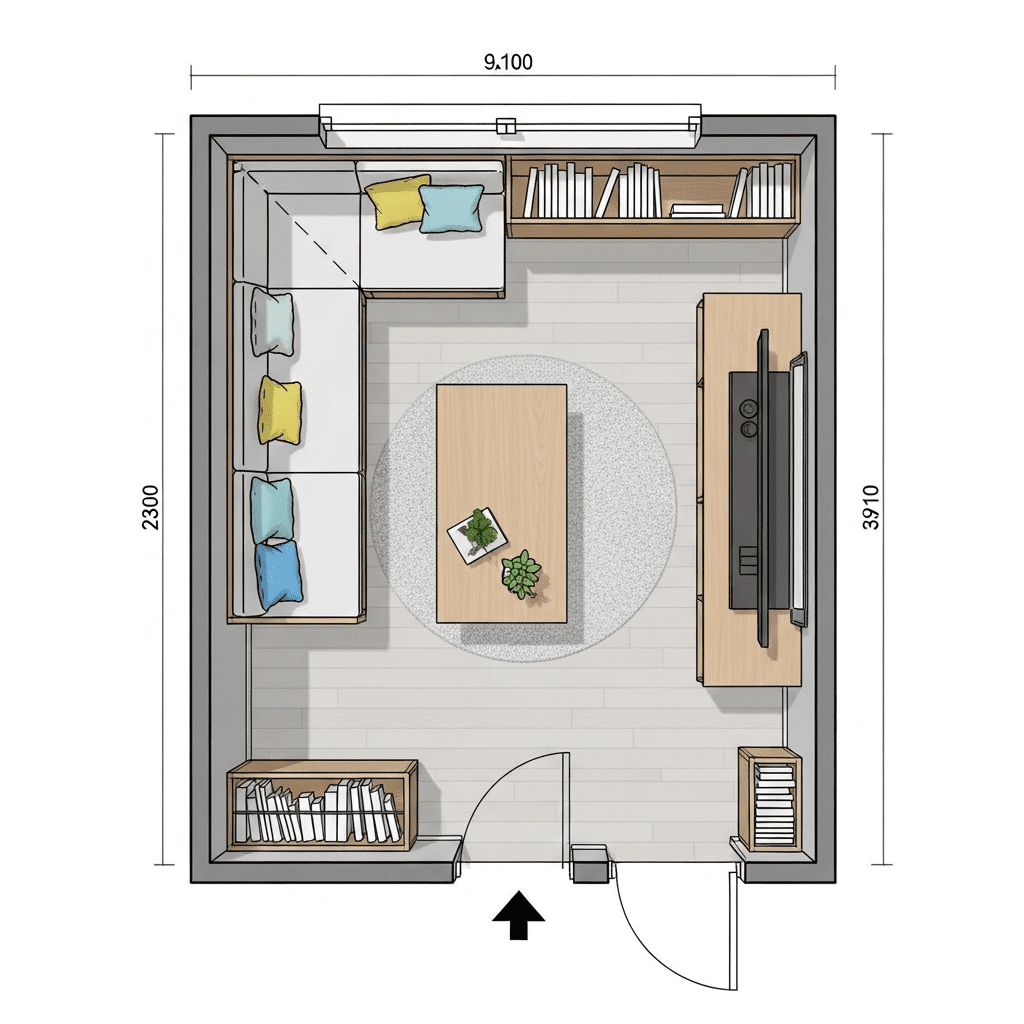
7. Built-In Banquette Seating
Custom built-in seating with storage underneath maximizes seating and storage without consuming precious floor area.
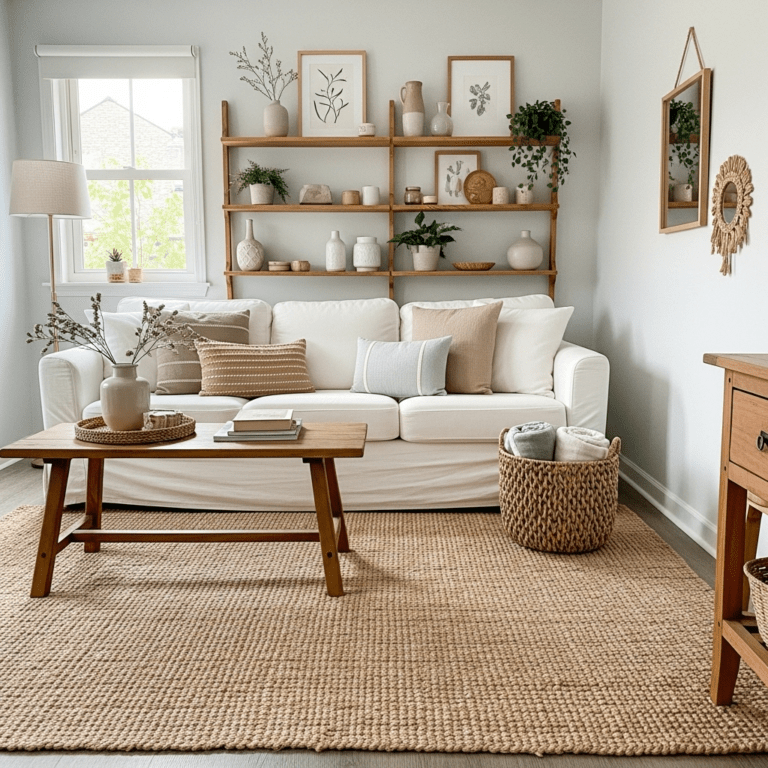
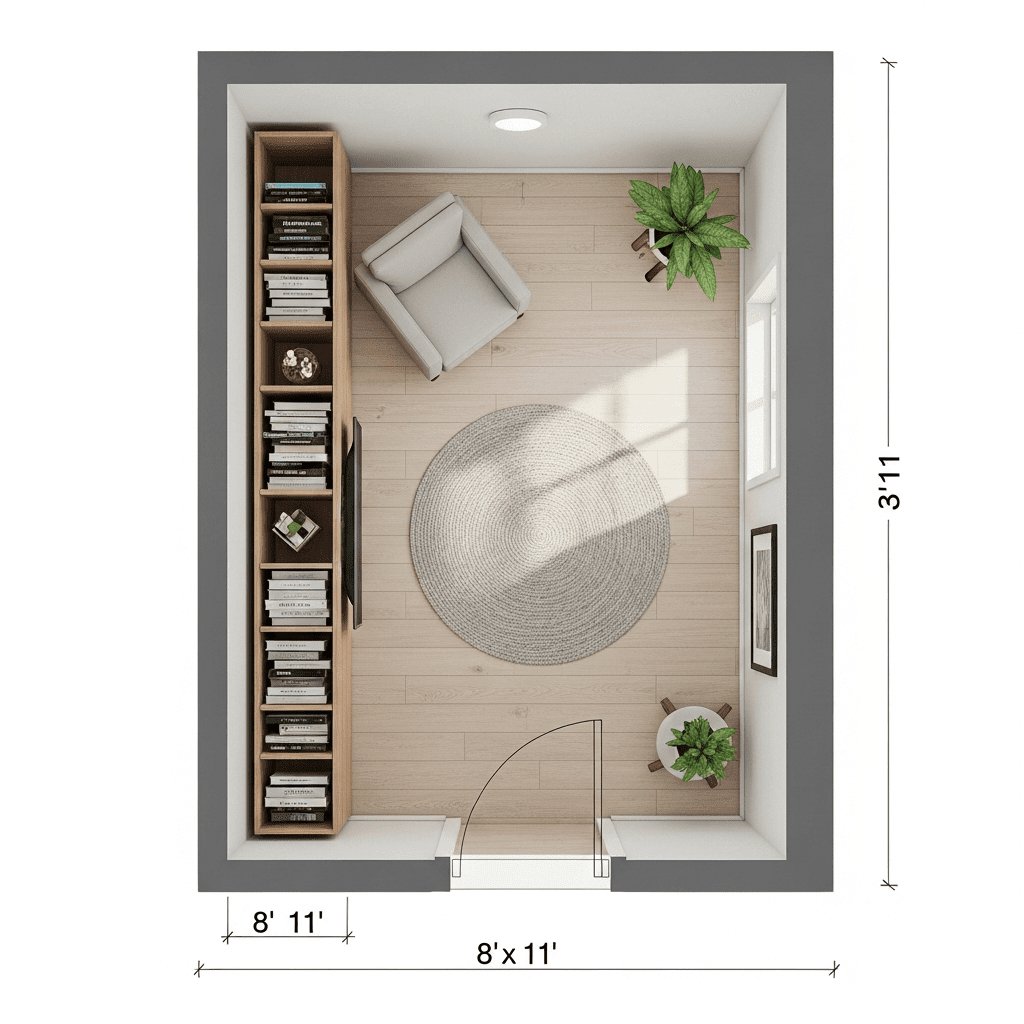
8. Vertical Storage Focus
Floor-to-ceiling shelving units maximize storage vertically while maintaining minimal horizontal footprint in micro spaces.
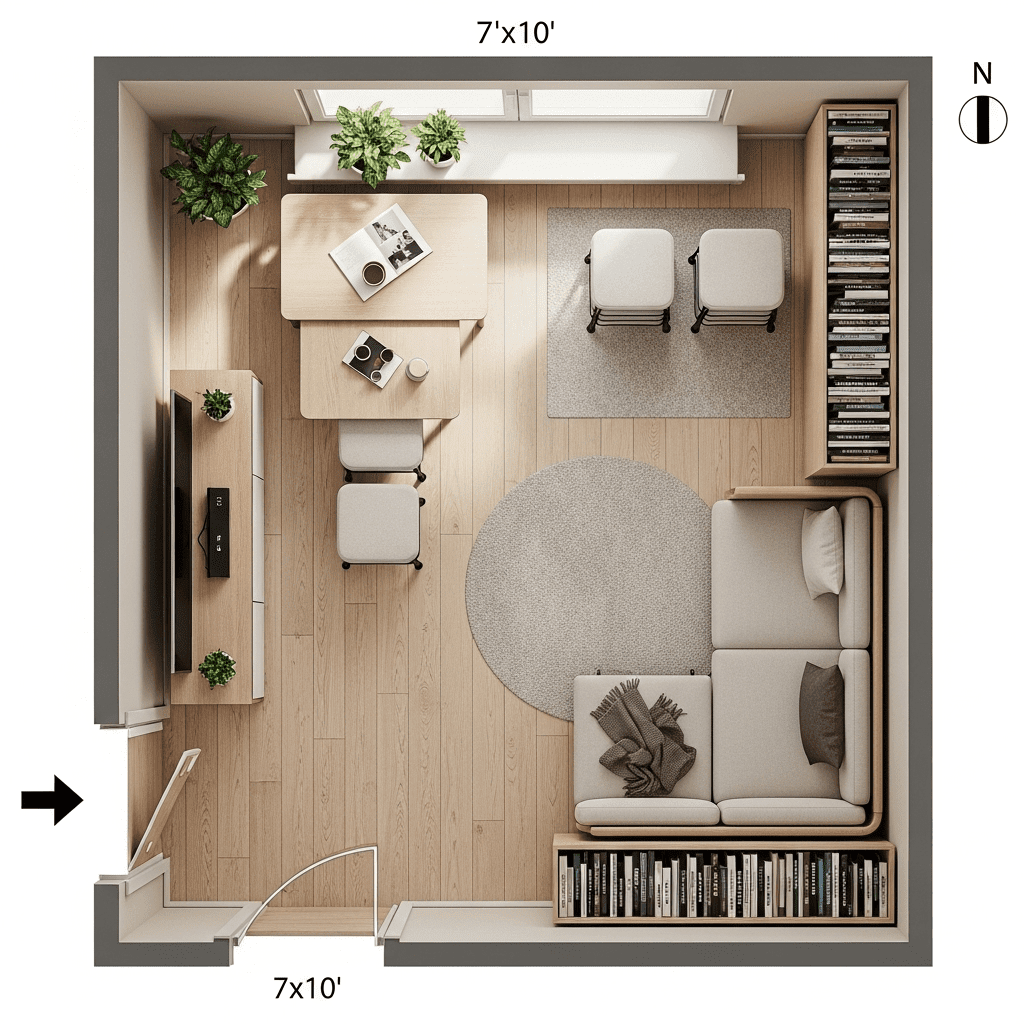
9. Nesting Furniture Only
Nesting tables, stacking stools, collapsible furniture allows expansion when needed, compact storage when unused.
10. Diagonal Small Sofa
Compact sofa positioned diagonally creates dynamic arrangement and sometimes better traffic flow in awkward micro rooms.
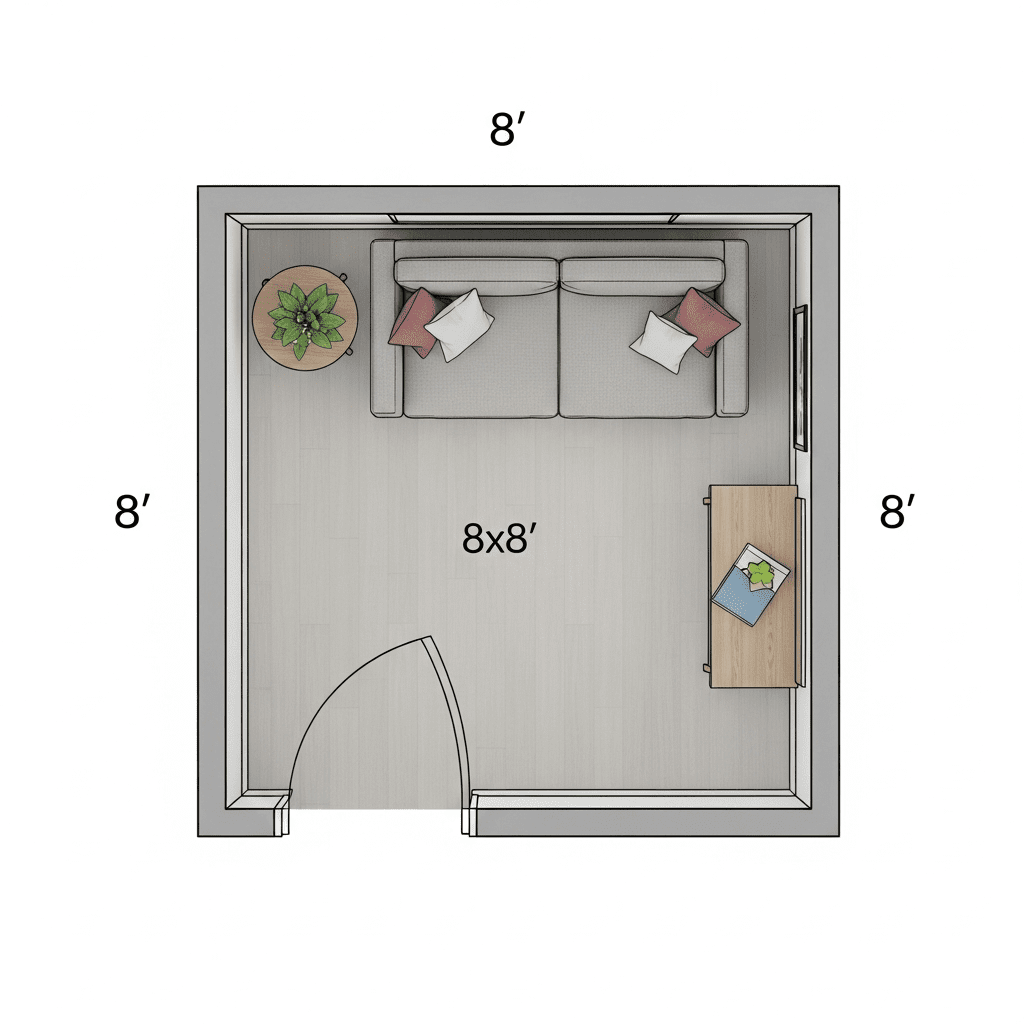
11. Window Seat Only Seating
Built-in window seat provides all seating needs without any floor furniture consumption in extremely tight spaces.
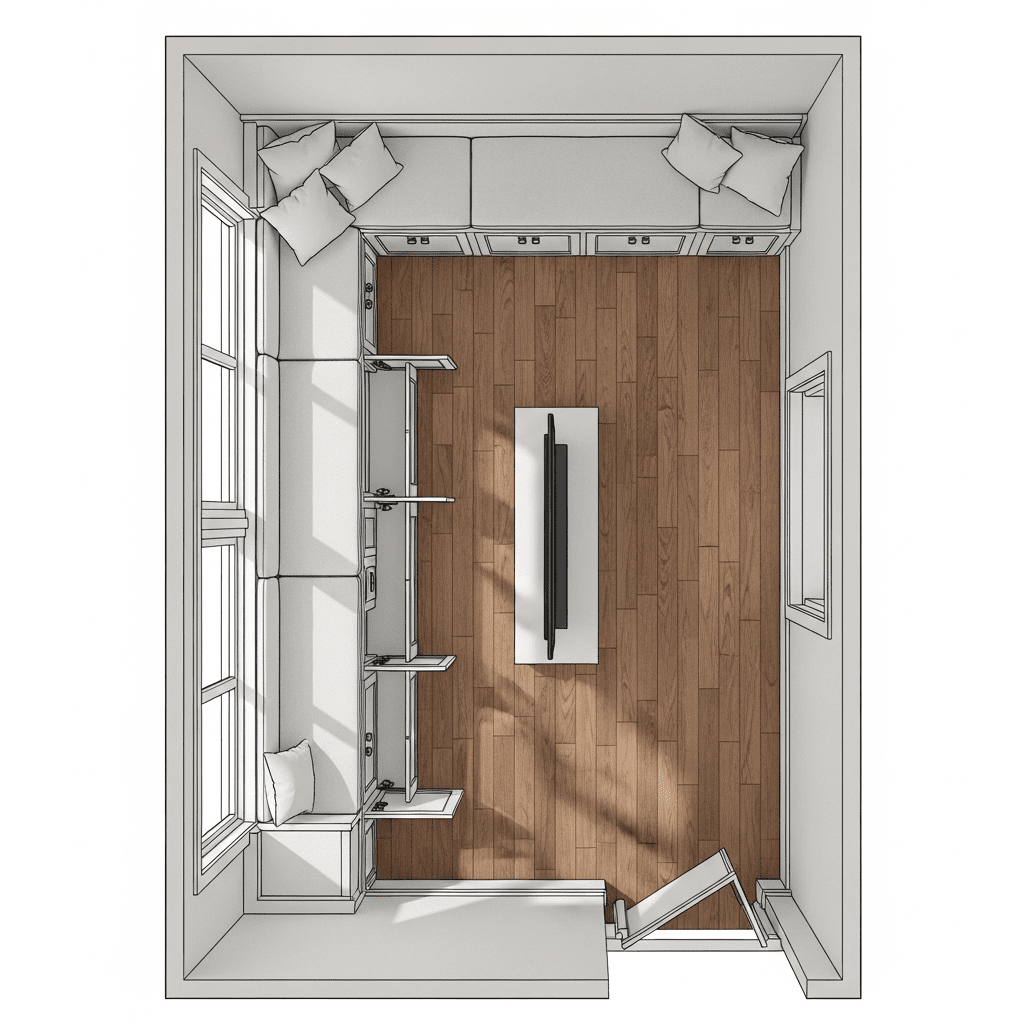
12. Ottoman as Coffee Table
Large storage ottoman serves as coffee table, extra seating, and storage simultaneously in multi-functional micro layouts.
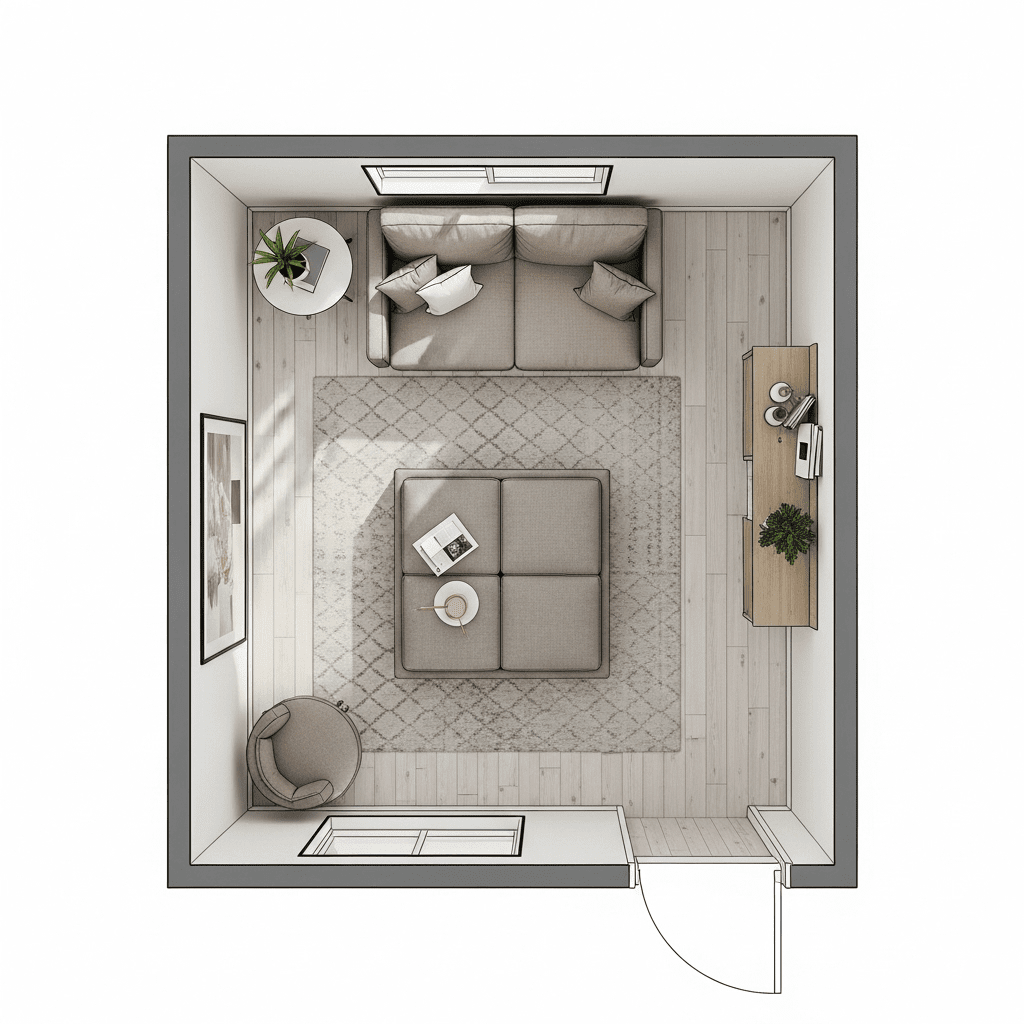
13. One Armchair Reading Room
Single comfortable armchair with floor lamp creates intentional reading room rather than attempting inadequate multi-seat arrangement.
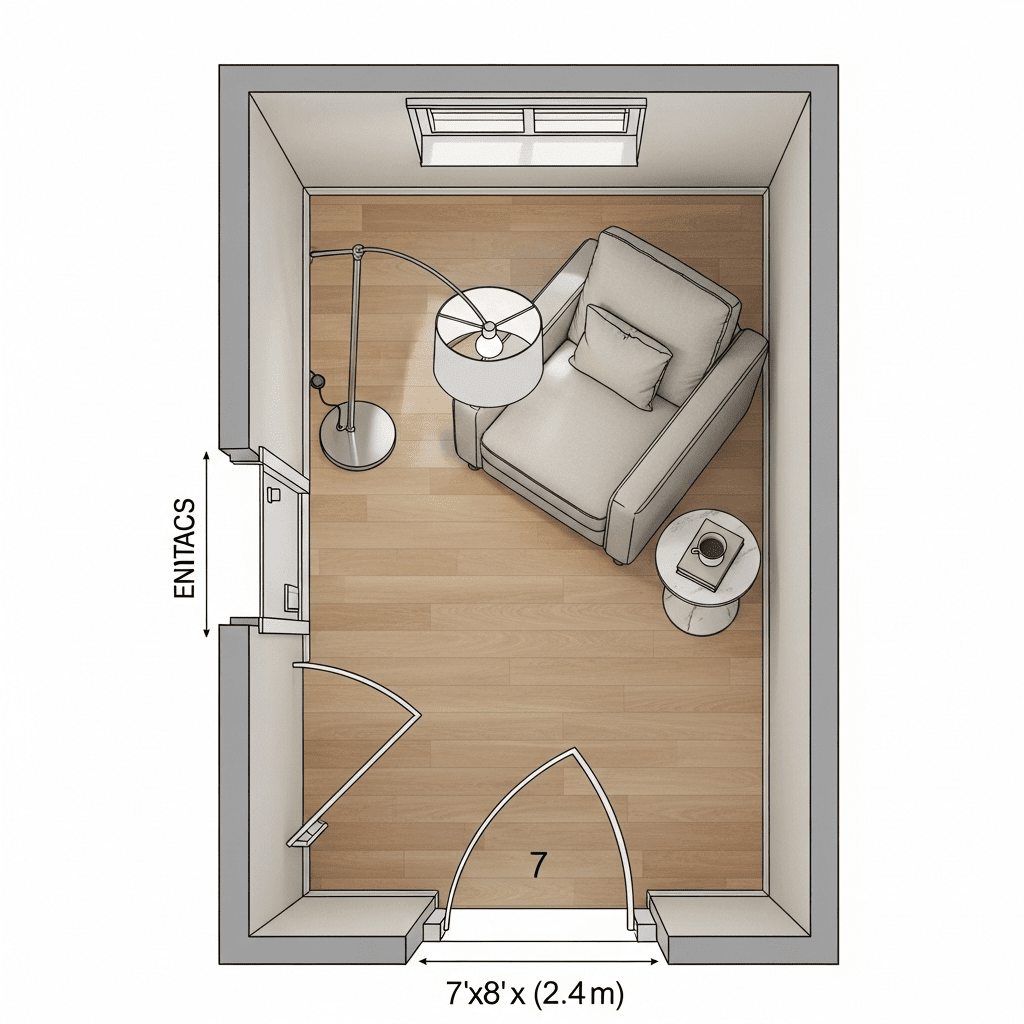
14. Fold-Down Wall Desk
Wall-mounted fold-down desk provides workspace when needed, folds completely flat maintaining open floor space when unused.
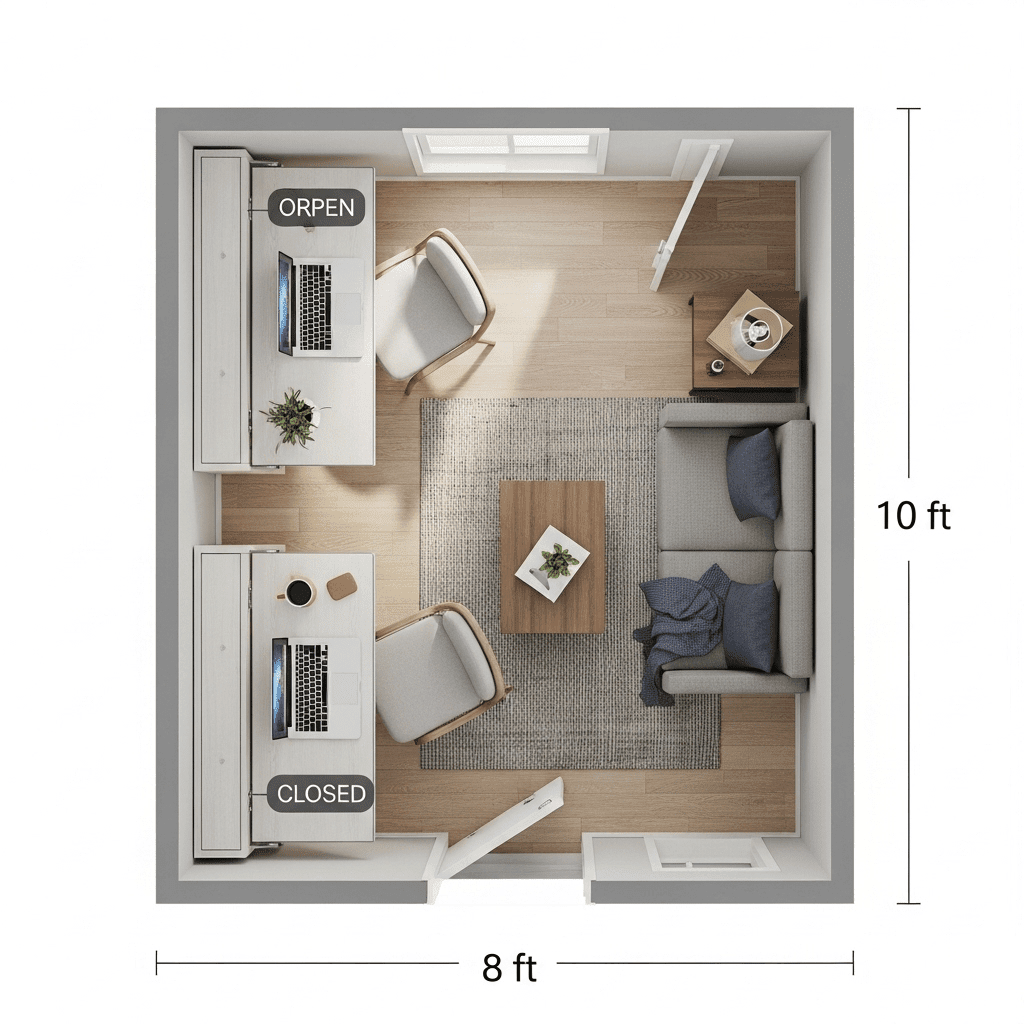
15. Modular Floor Cubes
Lightweight modular cube seats rearrange for different activities, stack for storage, maximum flexibility in changing micro space.
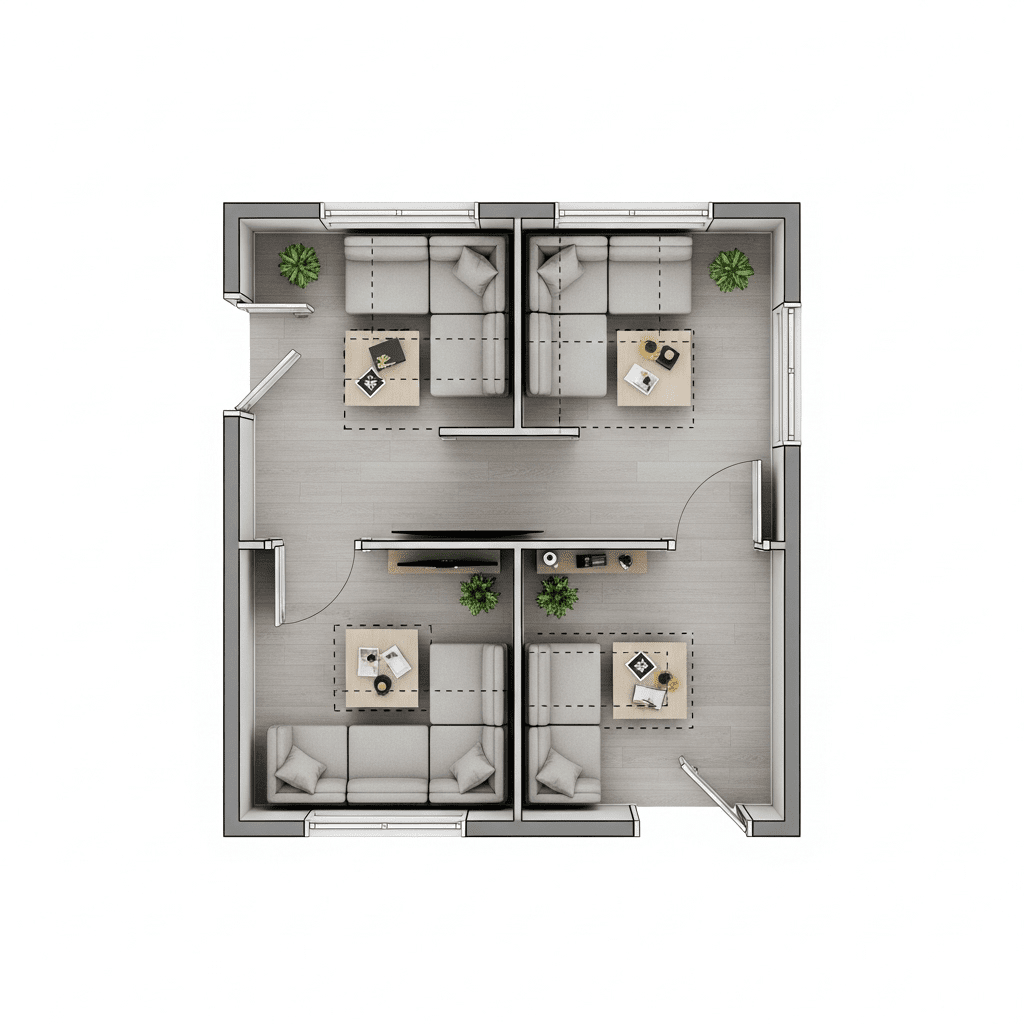
16. Platform Raised Storage
Raised platform creates under-storage while defining living area, utilizing vertical space creatively in extremely small rooms.
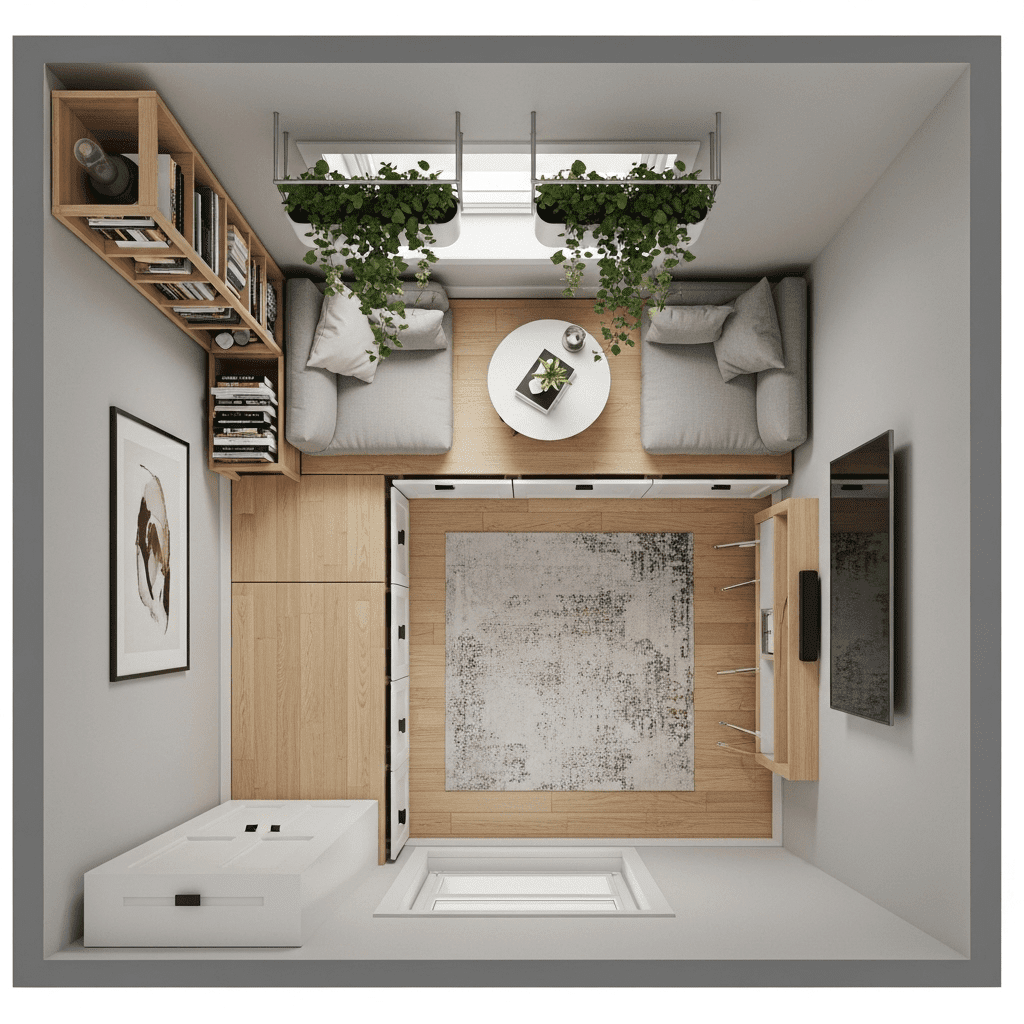
17. All-In-One Furniture Wall
Custom furniture wall combining TV storage, seating, desk, and shelving in single integrated unit maximizing extremely limited space.
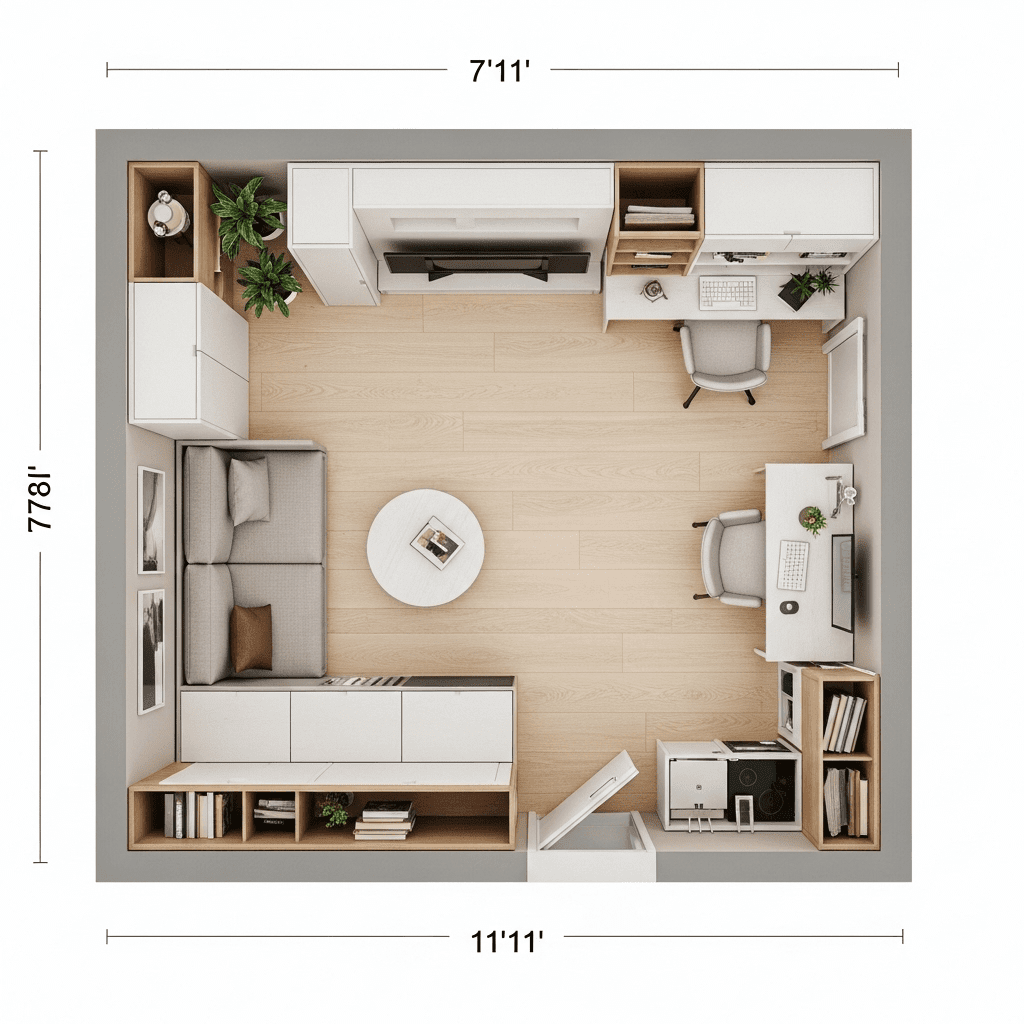
Strategies for Extremely Small Spaces
Successfully designing micro living rooms requires abandoning conventional approaches, embracing radical solutions that prioritize function and flexibility over traditional aesthetics.
Ruthless Editing: Extremely small rooms cannot accommodate everything. Choose only absolute essentials, removing anything not serving daily critical functions.
Multi-Function Everything: Every piece must serve multiple purposes. Single-function furniture wastes precious space that micro rooms cannot afford.
Vertical Emphasis: Utilize walls floor-to-ceiling through shelving, storage, and wall-mounted elements freeing valuable floor area completely.
Flexible Arrangements: Furniture must move, fold, nest, or stack allowing space transformation for different activities throughout day.
Visual Lightness: Light colors, reflective surfaces, and minimal visual clutter create spacious feelings despite undeniable physical limitations.
Quality Over Quantity: Fewer, better pieces create sophisticated appearances superior to numerous mediocre items filling limited space.
Color and Material Choices
All-White Expansion: White walls, ceiling, and large furniture pieces maximize light reflection creating maximum spatial expansion visually.
Light Wood Tones: Pale oak or ash provides warmth without darkness, maintaining bright, spacious feelings heavy woods compromise.
Glass and Lucite: Transparent furniture maintains function without blocking sight lines or consuming visual space.
Monochromatic Schemes: Single color in varied tones creates cohesive, unbroken visual flow preventing fragmentation that makes small spaces feel smaller.
Reflective Metallics: Mirrors, glass, and metallic accents reflect light amplifying brightness essential in extremely small rooms.
Furniture Selection for Micro Spaces
Apartment-Scale Minimum: Even apartment-scale furniture may prove too large—consider compact, bistro, or children’s furniture sized appropriately.
Custom Built-Ins: Purpose-built furniture fitted exactly to room dimensions maximizes every inch impossible with standard furniture.
Armless Designs: Armless sofas and chairs reduce footprint significantly compared to traditional armed alternatives.
Slim Profiles: Furniture depth matters enormously—choose pieces under 30 inches deep preserving walkway space.
Dual-Purpose Pieces: Ottoman storage, sofa beds, nesting tables, fold-down desks—every piece must work overtime.
Leggy or Wall-Mounted: Furniture with visible legs or wall-mounted pieces create airiness crucial in extremely tight quarters.
Storage Solutions
Vertical Storage: Tall, narrow bookcases and floor-to-ceiling shelving maximize storage without consuming floor width.
Hidden Storage: Ottoman interiors, under-bed storage, behind-sofa consoles, wall-mounted cabinets conceal necessities.
Multi-Zone Storage: Furniture serving both storage and other functions—storage ottomans, benches with lift tops, beds with drawers.
Regular Decluttering: Extremely small spaces demand constant editing. Remove unused items immediately preventing accumulation.
Off-Site Storage: Consider external storage for seasonal items, rarely-used belongings, keeping only daily essentials in micro space.
Maximizing Visual Space
Large Mirrors: Oversized mirrors opposite windows double perceived space through reflection while amplifying natural light.
Continuous Flooring: Single flooring material throughout creates uninterrupted flow expanding perceived square footage.
Minimal Window Treatments: Bare windows or simple sheers maximize natural light essential for spatial expansion feelings.
Unified Color Palette: Consistent colors throughout prevent visual breaks fragmenting already limited space.
Strategic Lighting: Multiple light sources prevent dark corners making small rooms feel even more confined.
Traffic Flow in Micro Spaces
Minimal Pathway Width: In extremely small rooms, 24-30 inch pathways may suffice where larger rooms require 36 inches.
Furniture Floating: Counter-intuitively, pulling furniture slightly from walls sometimes improves flow creating intentional pathways.
Multi-Use Circulation: Pathways should serve multiple purposes—access, activity space—rather than dead circulation-only zones.
Flexible Furniture: Movable pieces adapt to different activities—pushed aside for exercise, pulled together for entertaining.
Technology Integration
Wall-Mounted Screens: Mounting TVs eliminates entertainment center footprint freeing valuable floor space.
Wireless Everything: Eliminate cord clutter through wireless speakers, charging, and connectivity maintaining visual calm.
Compact Devices: Choose smallest functional electronics—compact soundbars versus bulky systems, laptops versus desktops.
Hidden Cable Management: Route all cables behind walls or furniture preventing visual clutter overwhelming small spaces.
Lighting Strategies
Layered Sources: Multiple small lights work better than single large fixtures in extremely small rooms.
Wall-Mounted Fixtures: Wall sconces and swing-arm lamps provide light without consuming floor or surface space.
Under-Shelf Lighting: LED strips under shelves illuminate without visible fixtures maintaining visual simplicity.
Natural Light Maximization: Keep windows completely unobstructed allowing maximum daylight entry.
Common Micro-Space Mistakes
Too Much Furniture: Attempting standard living room furniture quantities in micro spaces creates unusable clutter.
Wrong Scale: Standard-sized furniture overwhelms regardless of quality or arrangement in extremely small rooms.
Dark Colors: Despite being trendy, dark walls make micro spaces feel even more confined and smaller.
Heavy Curtains: Thick window treatments block precious natural light essential for spatial expansion.
Surface Clutter: Leaving items on visible surfaces creates visual chaos overwhelming in extremely limited space.
Ignoring Vertical Space: Focusing only on floor area wastes walls’ significant storage and functional potential.
Living Successfully in Micro Spaces
Embrace Minimalism: Extremely small living demands minimal lifestyle. Fewer possessions equals more livable space.
Establish Routines: Folding, storing, rearranging furniture becomes daily routine maintaining functionality.
Get Creative: Think unconventionally—furniture from unexpected sources, repurposed items, custom solutions.
Accept Limitations: Some activities simply won’t fit. Acknowledge limitations rather than attempting impossible compromises.
Maximize Outside Space: Use building common areas, parks, cafes extending living space beyond apartment walls.
Stay Organized: Disorder destroys micro spaces instantly. Maintain rigorous organization preventing chaos.
Extremely small living room ideas ultimately prove that thoughtful design, creative problem-solving, and willingness to abandon conventional approaches transform even the most challenging micro spaces into surprisingly functional, comfortable environments. When you embrace limitations as opportunities, prioritize multi-function flexibility, edit ruthlessly, and think three-dimensionally utilizing every vertical inch, extremely small living rooms can serve you beautifully—proving that great design isn’t about square footage but rather about intelligence, creativity, and the courage to reimagine how living spaces can function in our increasingly compact urban world.