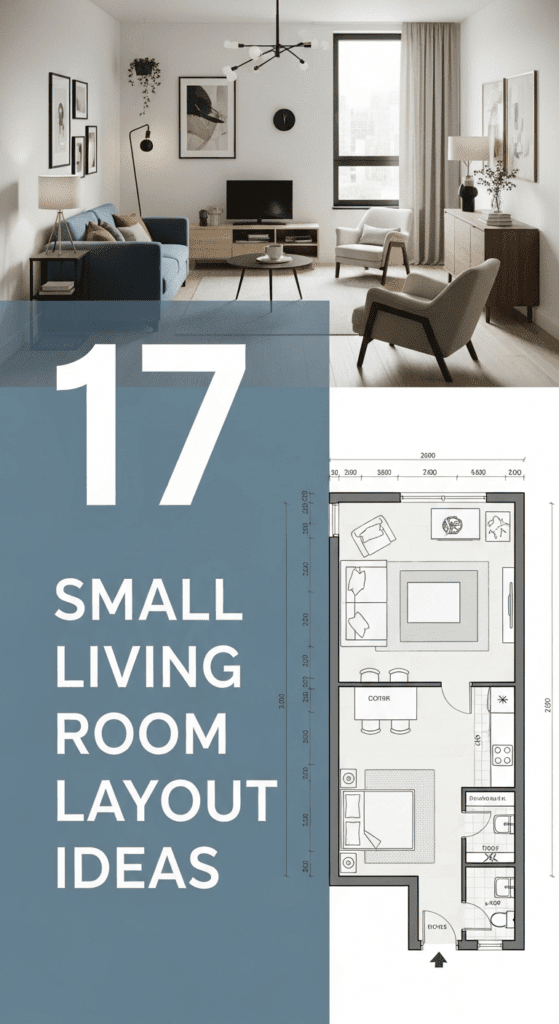
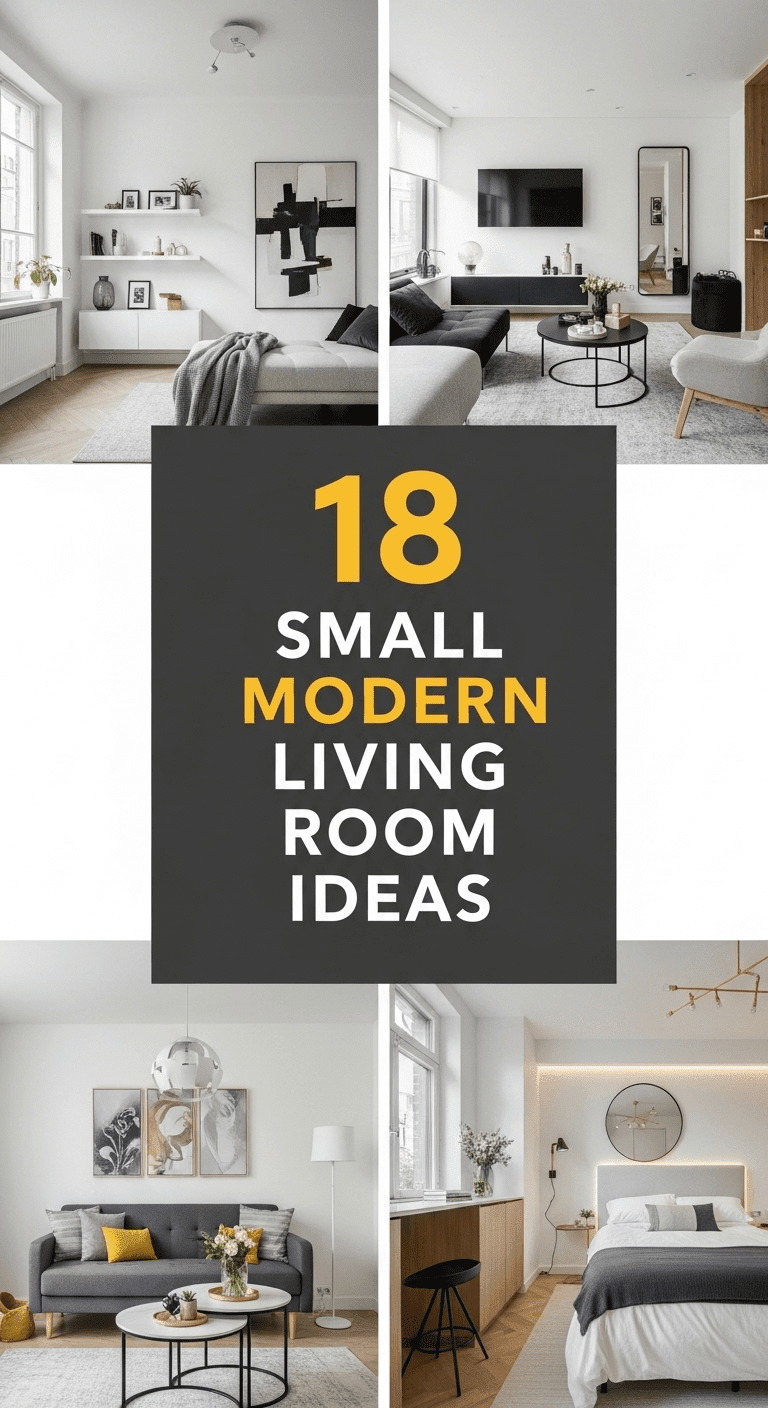
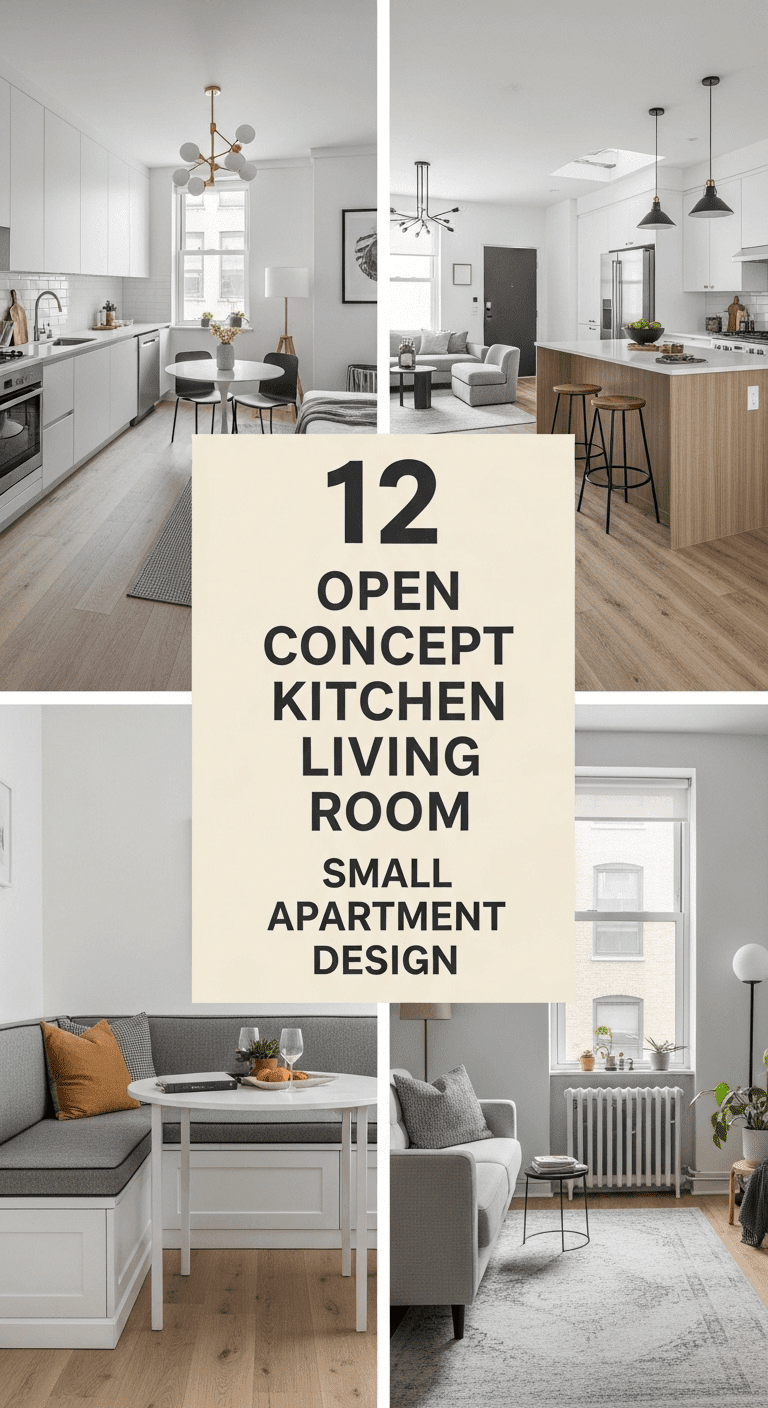
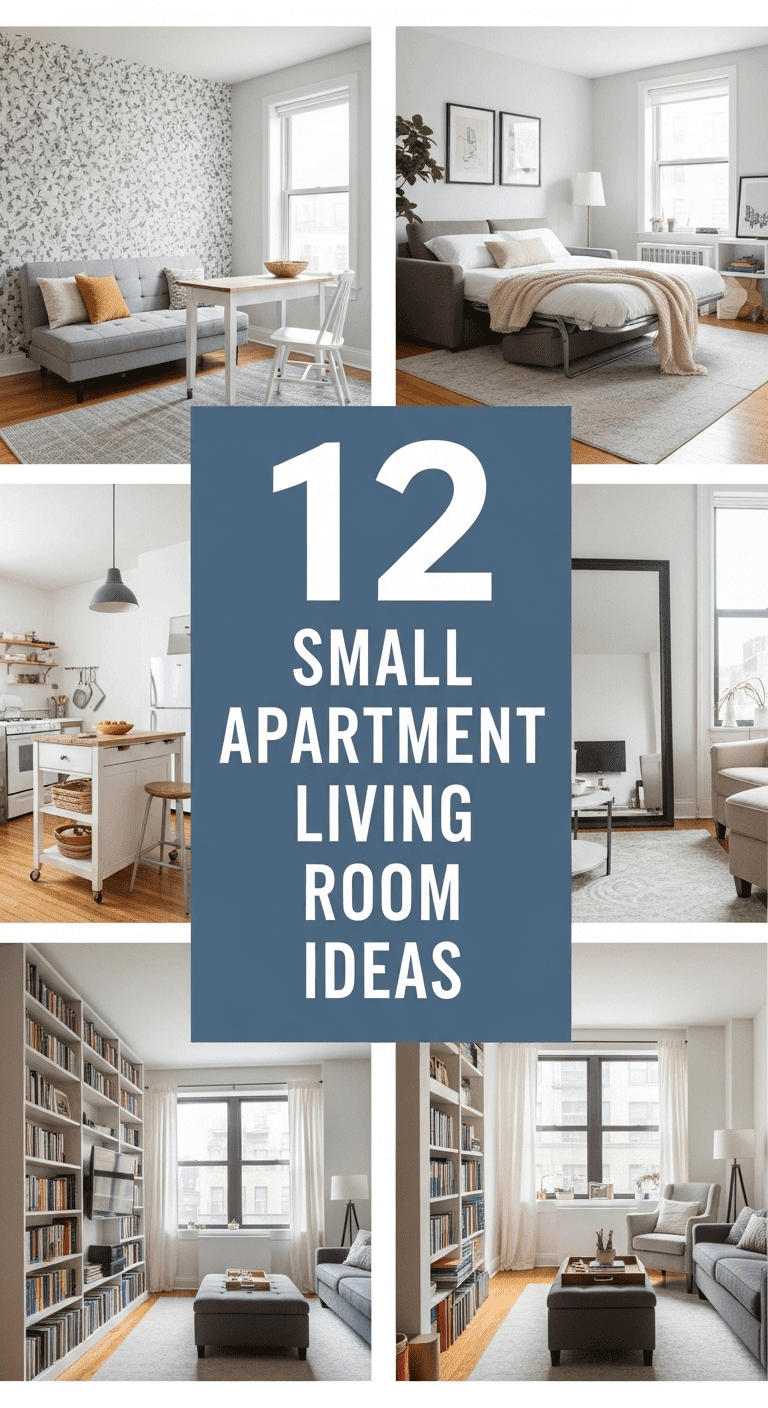
17 Small Living Room Layout Ideas
Small living room layout ideas are essential for transforming a cramped space into a functional and inviting sanctuary. In compact homes, every square inch counts, and the arrangement of furniture dictates the “flow” and perceived size of the room. By thinking vertically, utilizing multi-functional pieces, and keeping walkways clear, you can create a layout that serves your lifestyle without feeling crowded. Here are 17 layout ideas to maximize your small space, complete with top-view planning details.
See also: 13 Bedroom Ideas for Small Rooms for Teens
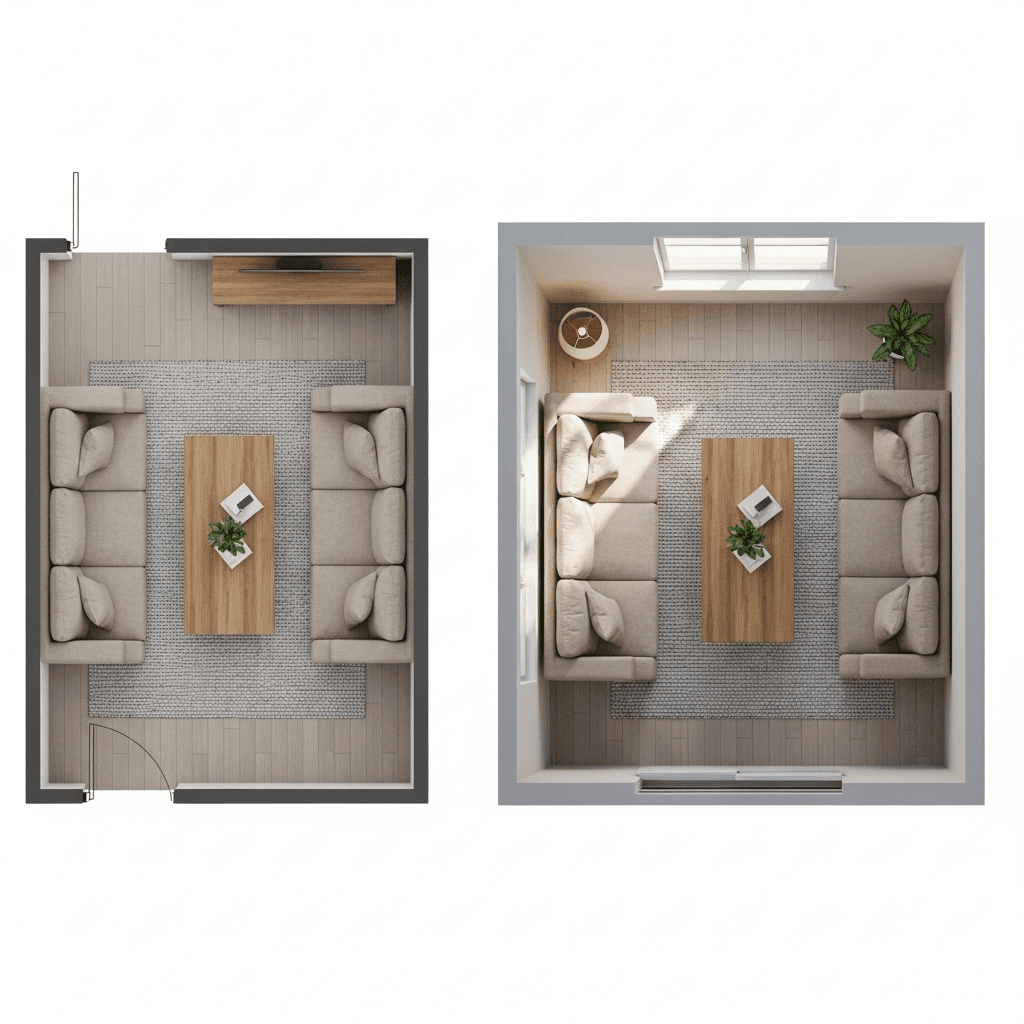
1. The Symmetrical Parallel Layout
Place two identical loveseats or small sofas directly facing each other with a coffee table in the center. This creates a formal but cozy conversation zone that feels balanced and intentional.
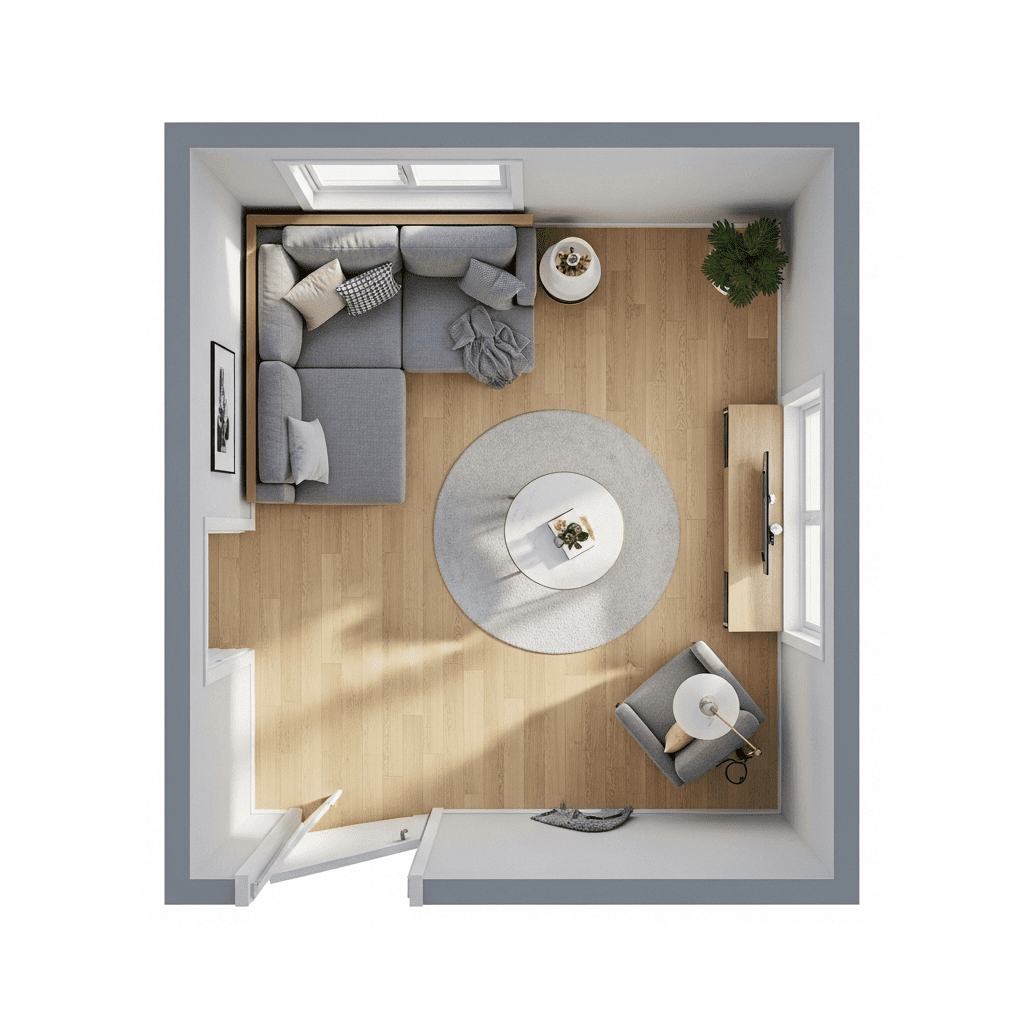
2. The Corner Sectional Hug
Tuck an L-shaped sectional into one corner to open up the center of the room. This layout maximizes seating capacity while leaving the main floor area clear for walking.
See also: 12 Aesthetic Bedroom Ideas for Small Rooms
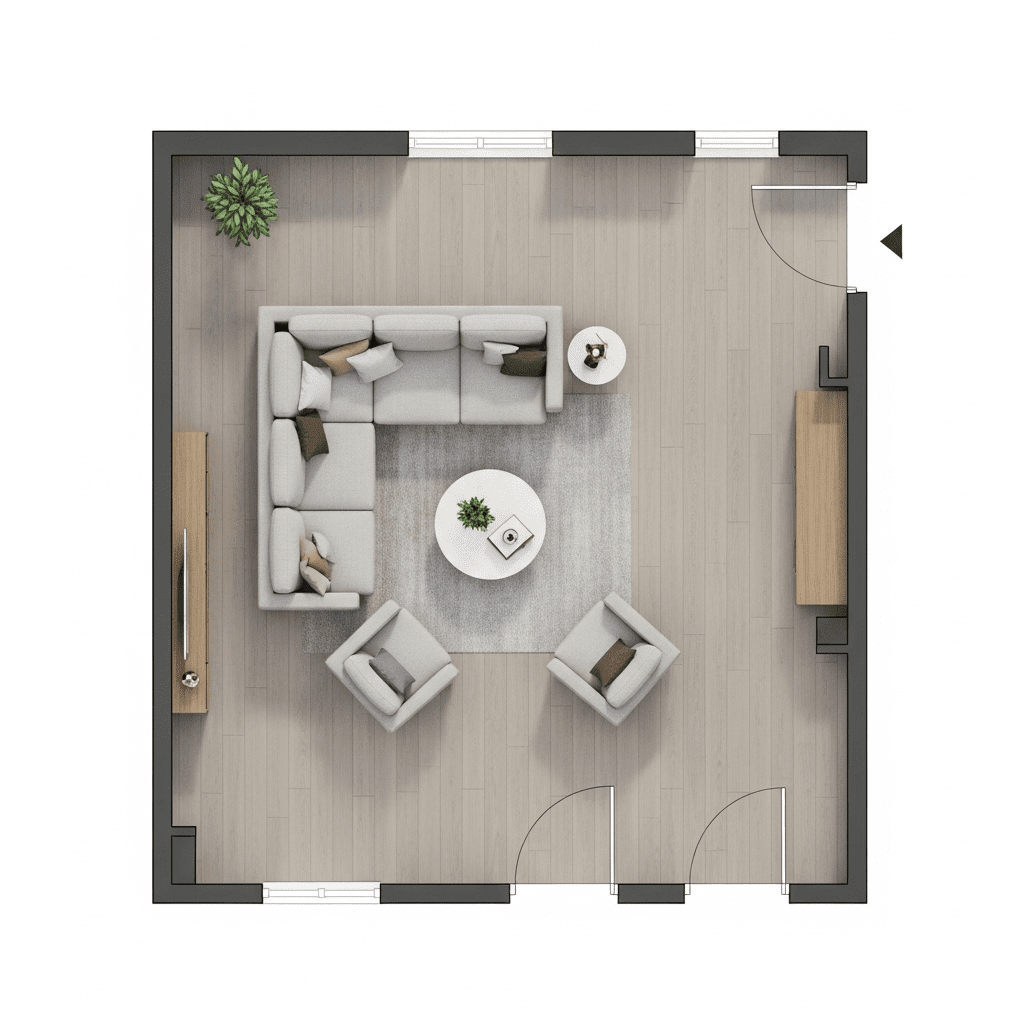
3. The “Floating” Center Island
Pull all furniture away from the walls and center it on a large rug. This creates a sense of airiness around the perimeter, making the walls feel further away than they actually are.
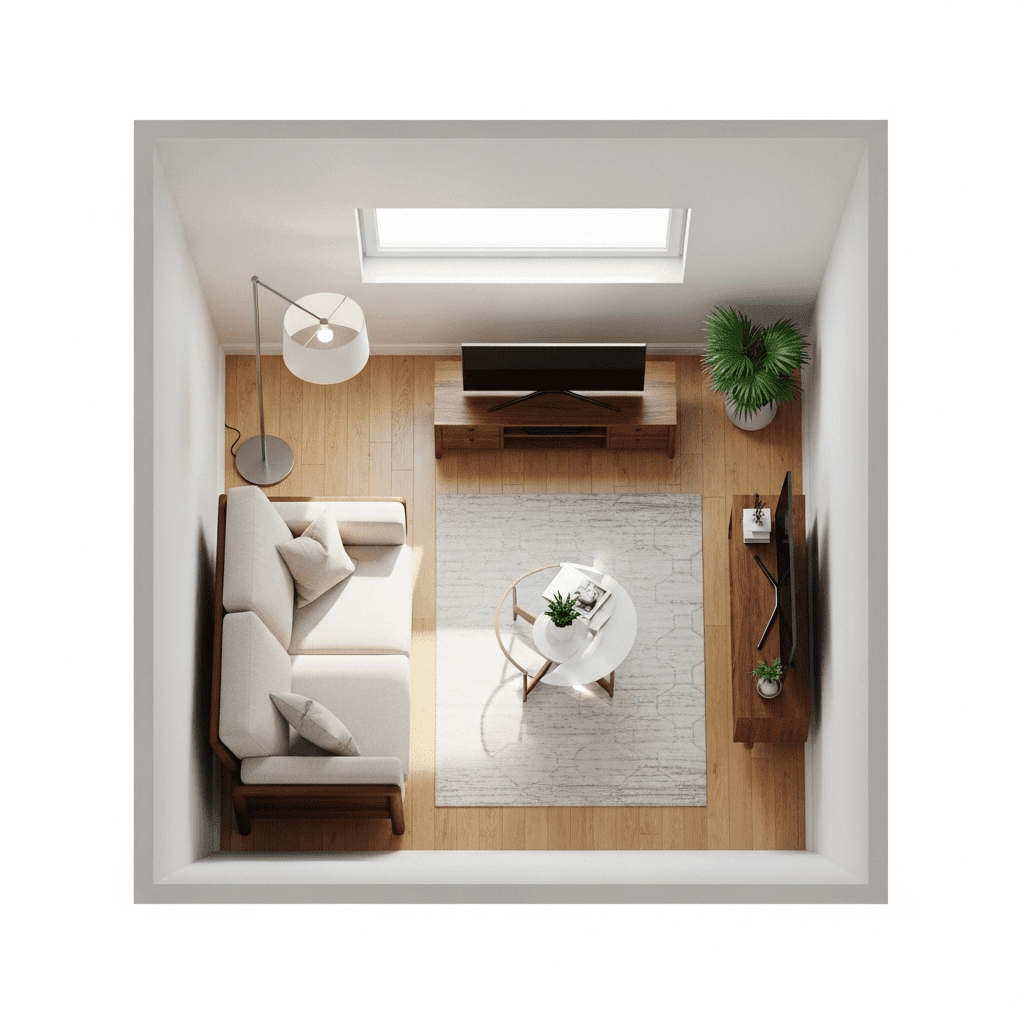
4. The Diagonal Dynamic
Angle your main seating at a 45-degree angle to the walls. This draws the eye along the longest dimension of the room, creating a sense of greater width and depth.
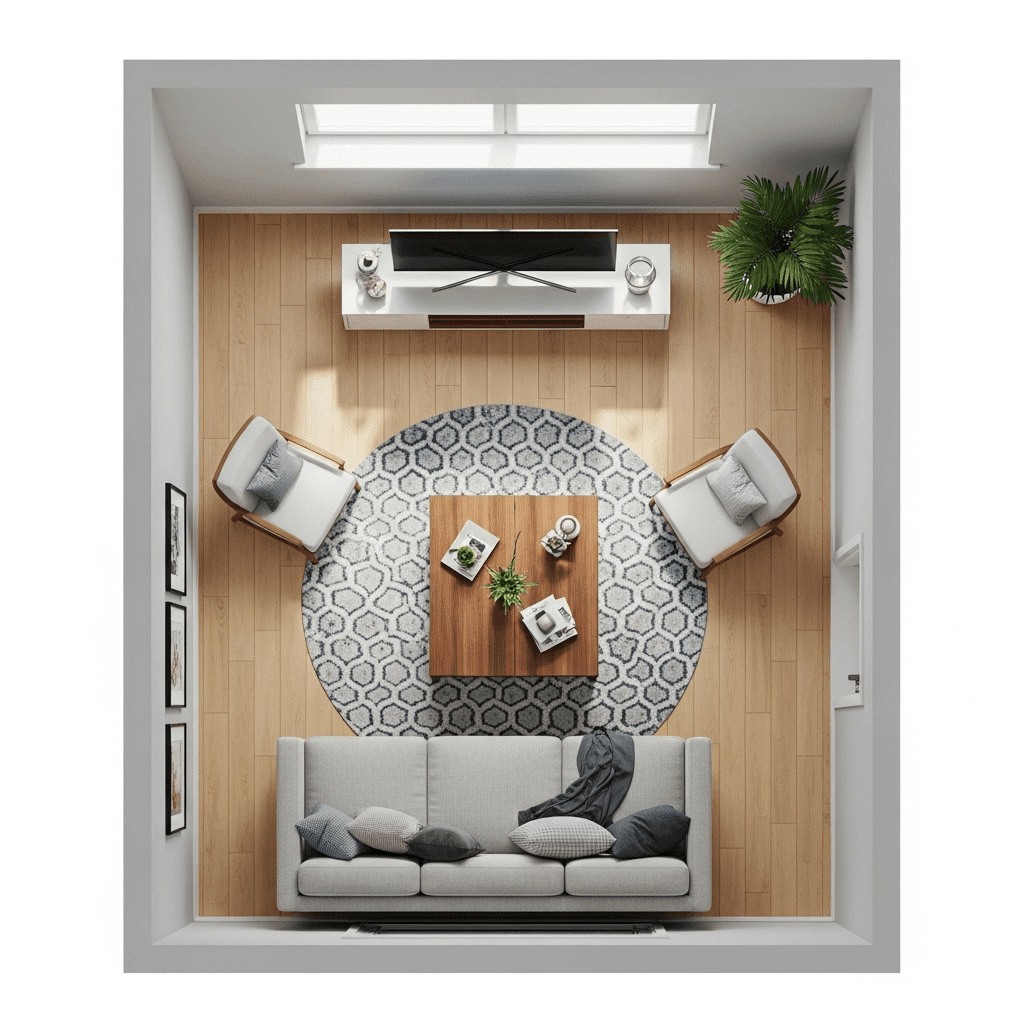
5. The Narrow Galley Layout
In a long, narrow room, keep all major furniture along one wall. Use a slim console and wall-mounted TV on the opposite side to keep the central walkway wide.
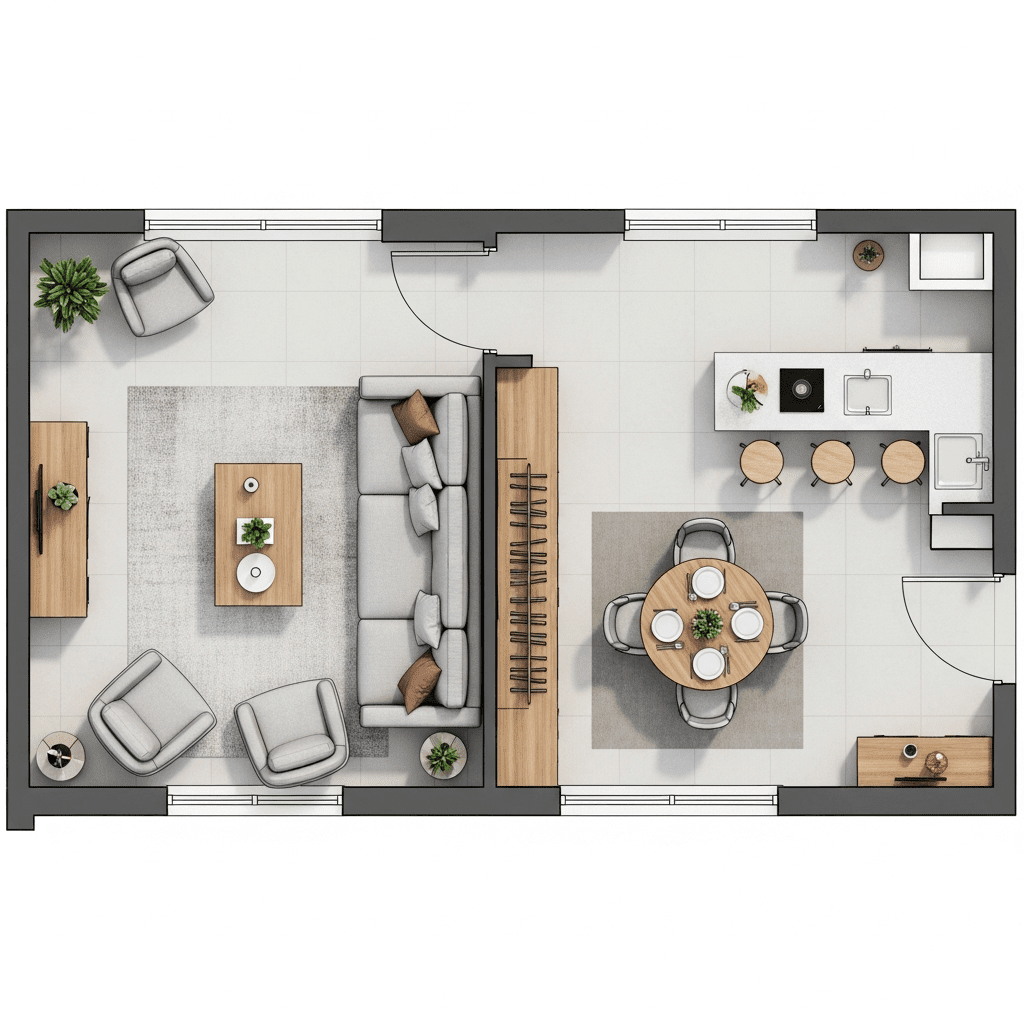
6. The Back-to-Back Divider
In an open-plan studio, place a sofa with its back to the kitchen or dining area. This creates a clear “living room” zone without needing physical walls.
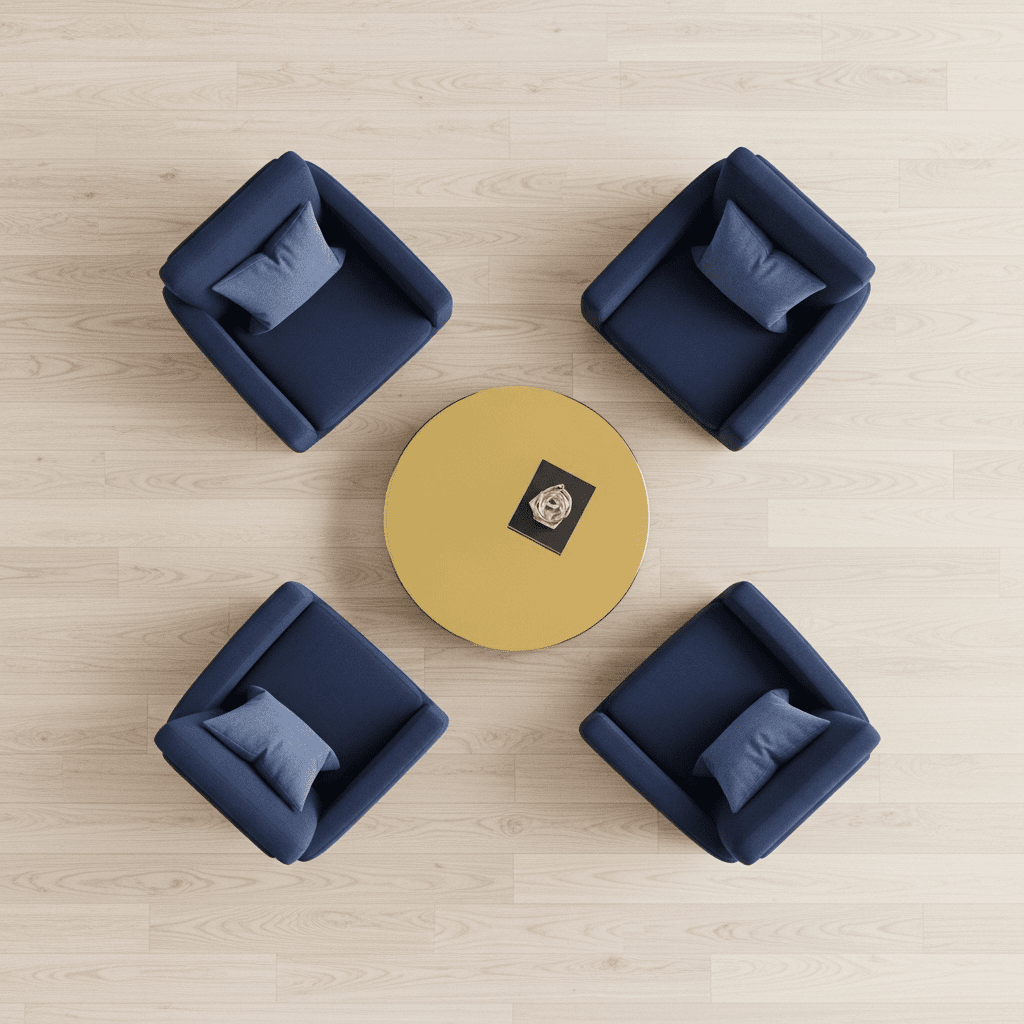
7. The Four-Chair Conversation Circle
Eliminate the sofa entirely and arrange four comfortable armchairs around a circular coffee table. This hotel-lounge style is perfect for small rooms dedicated to social gatherings.
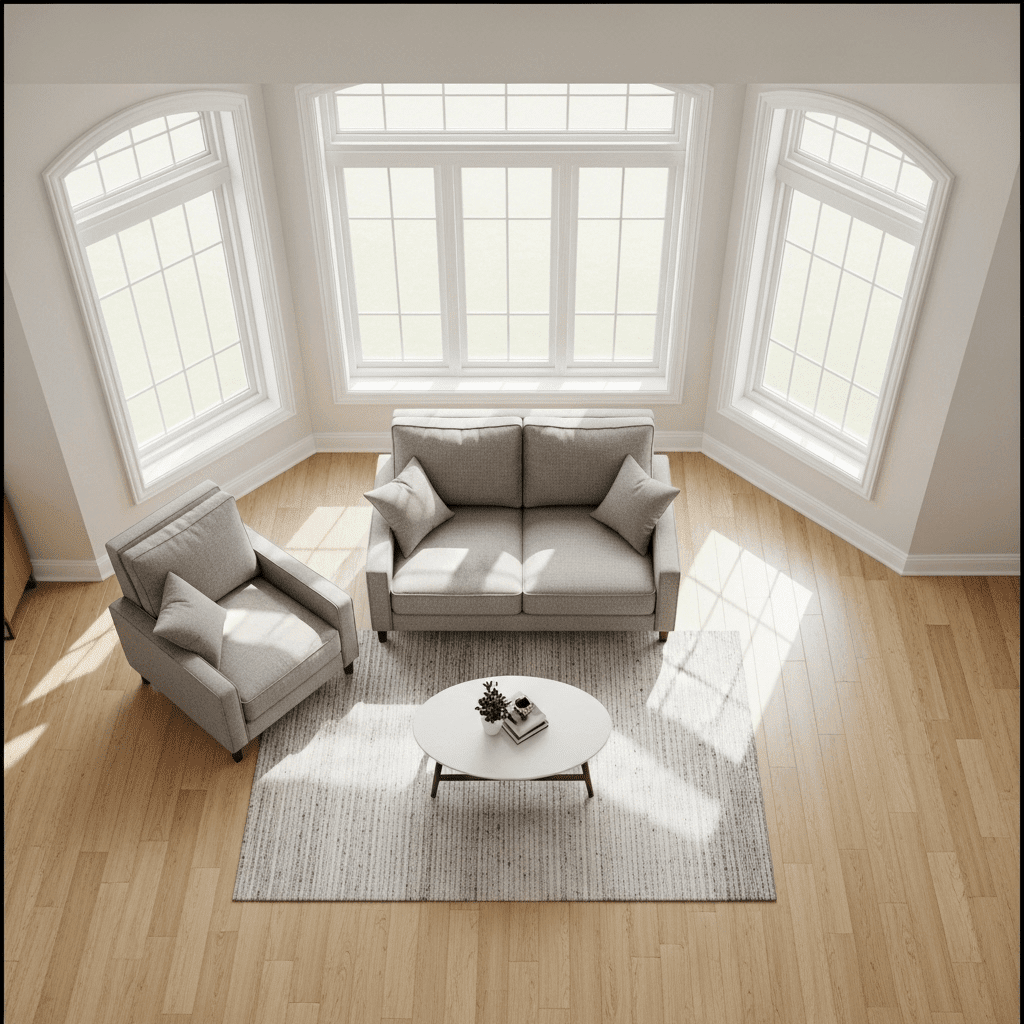
8. The Window-Facing Vista
Orient your seating to face the largest window rather than the television. This connects the indoors with the outside, making the room feel as big as the view.
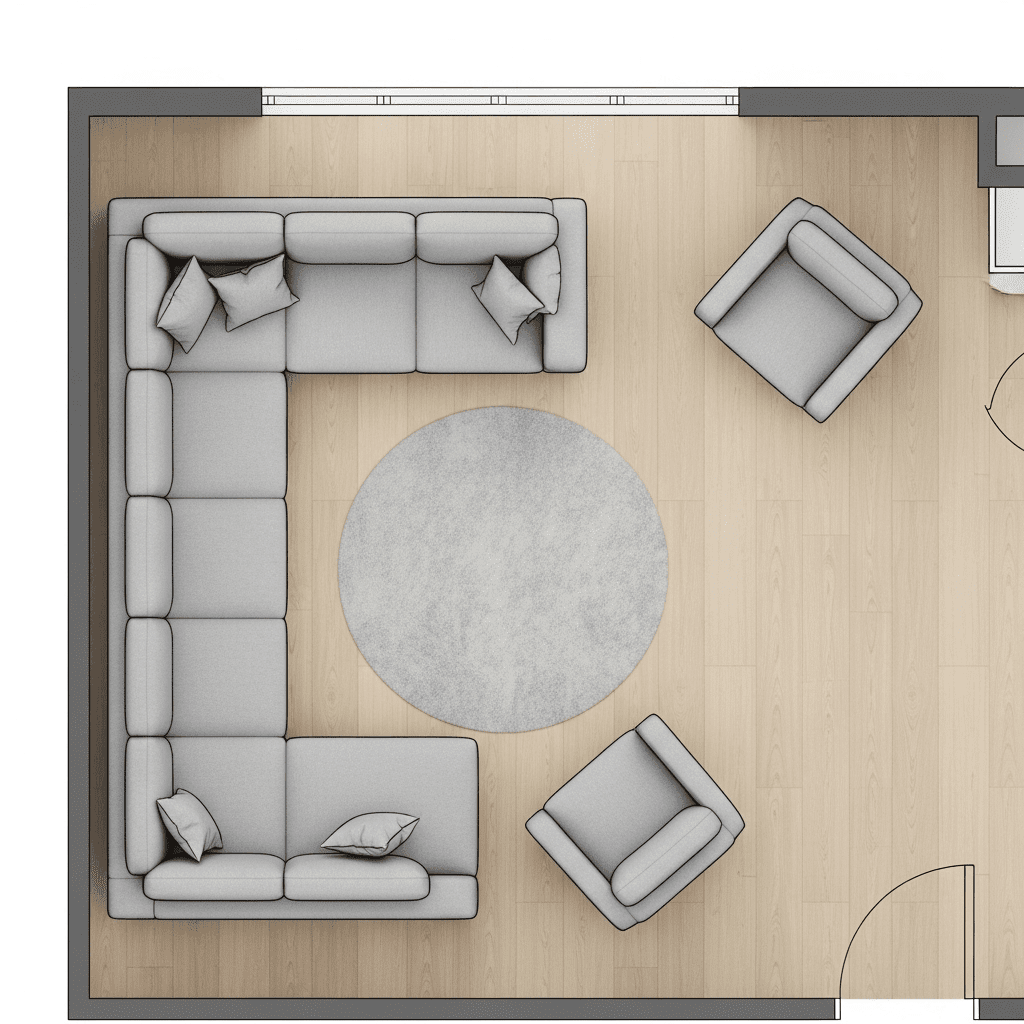
9. The L-Shaped Zoning with Armchairs
Place a sofa against the long wall and two armchairs at a right angle to it. This creates a “closed” cozy corner that clearly defines the living area from an entryway.
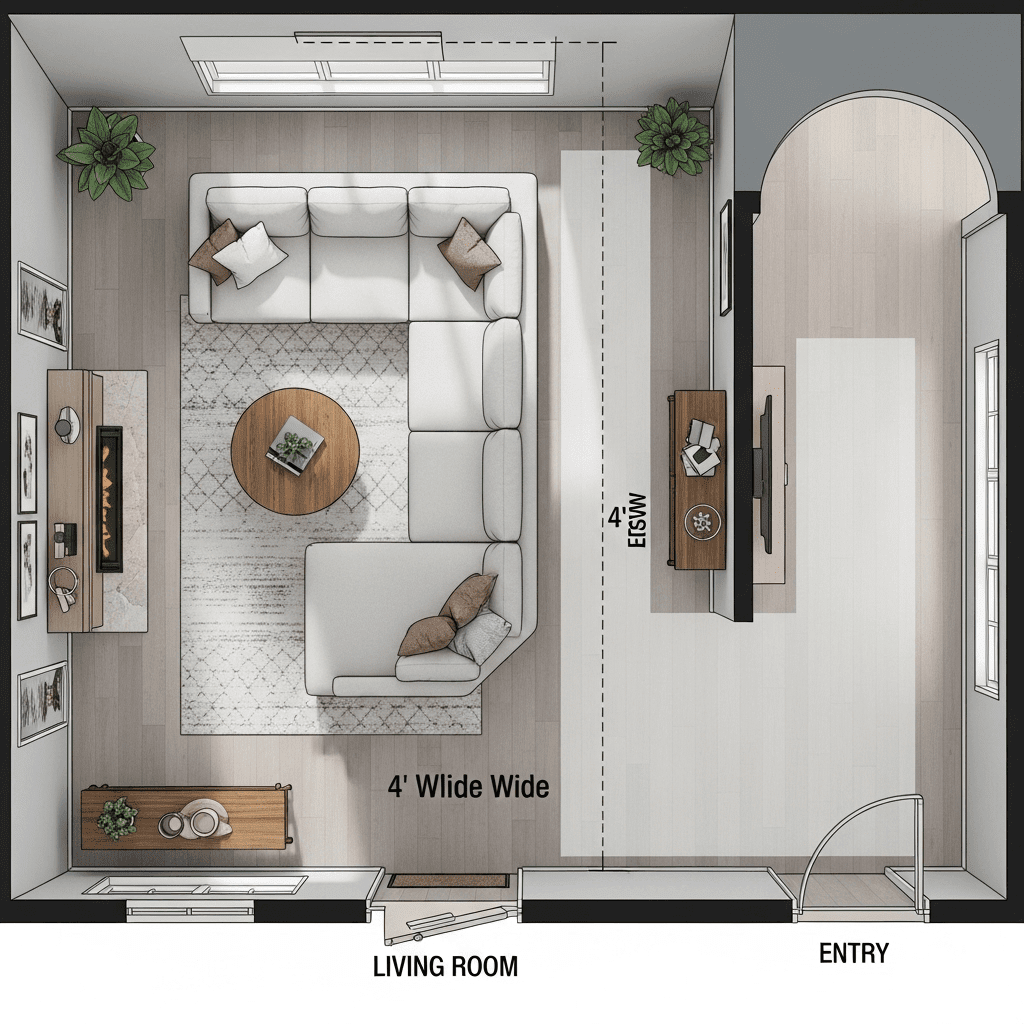
10. The Entryway Corridor Layout
If your front door opens directly into the room, use the back of a sofa to create a faux “hallway” that guides guests around the seating area rather than through it.
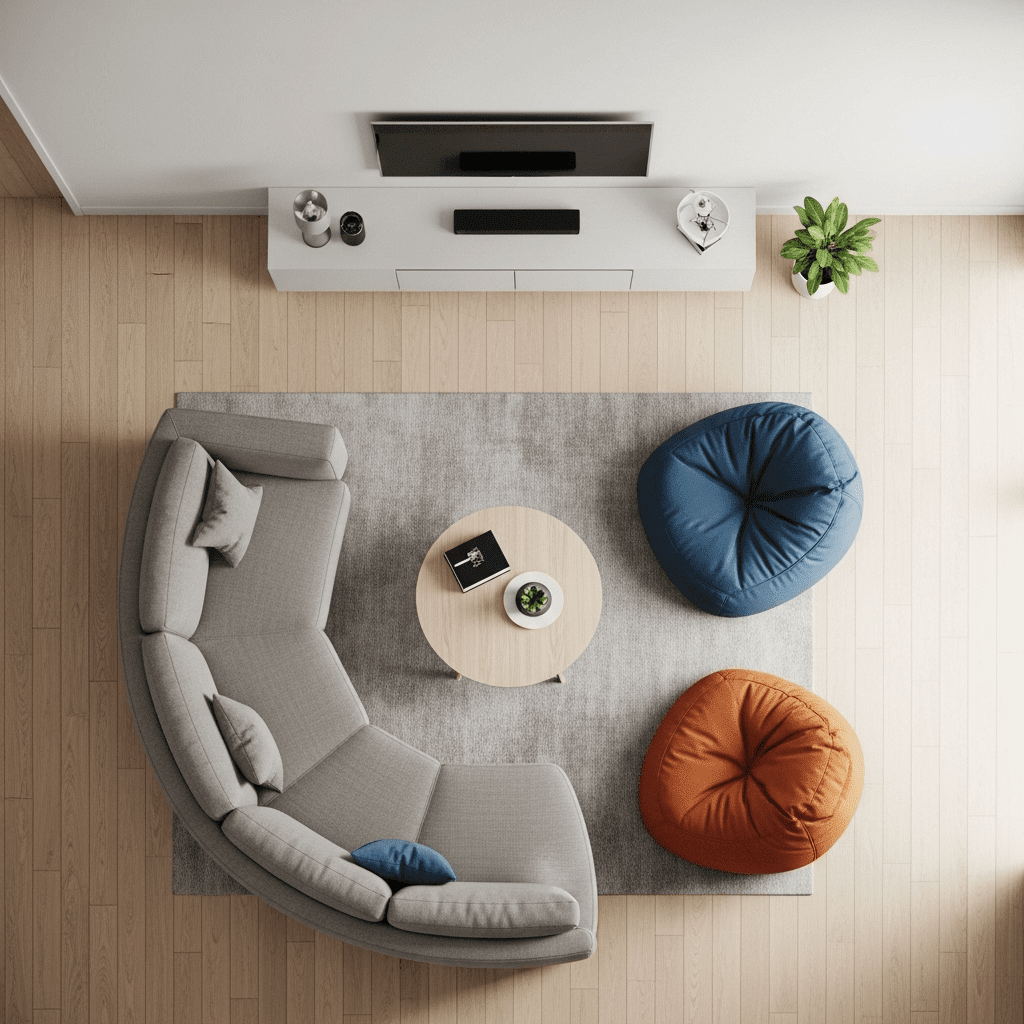
11. The Media Wall Focus
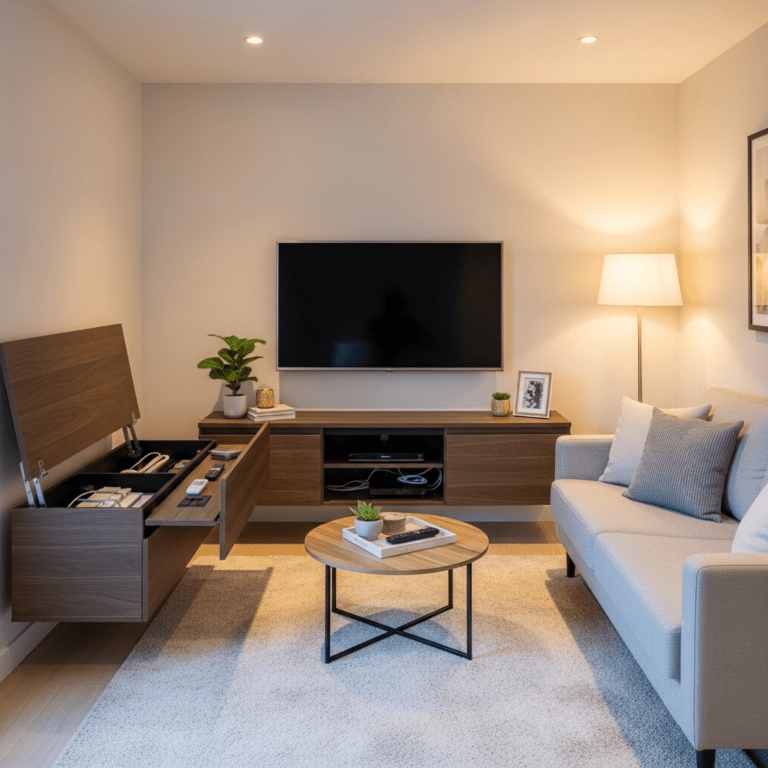
Arrange all seating to face a single “media wall” with built-in cabinetry. This keeps all the visual weight on one side, leaving the rest of the room feeling open and light.
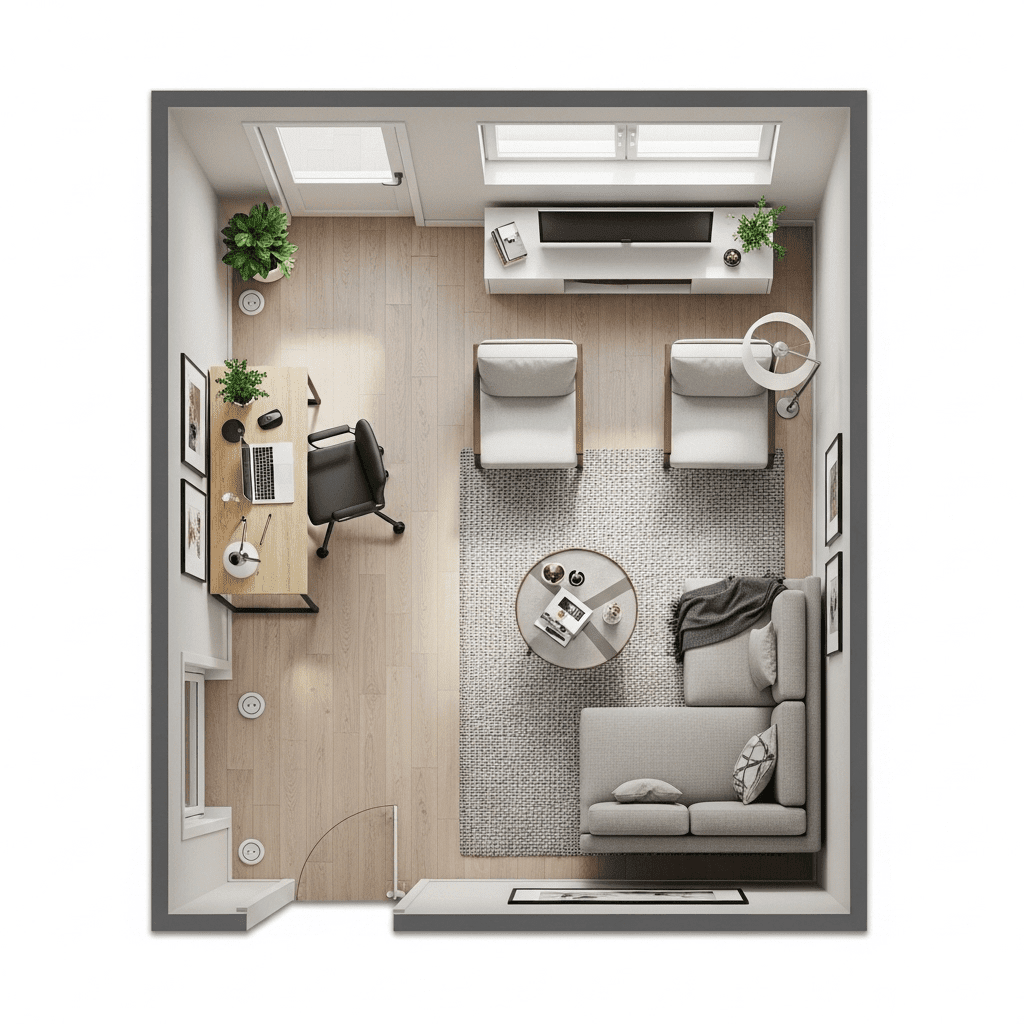
12. The Multi-Purpose Desk Nook
Incorporate a small desk into the layout by placing it behind the sofa or in a corner. This allows the living room to function as a home office without cluttering the lounge.
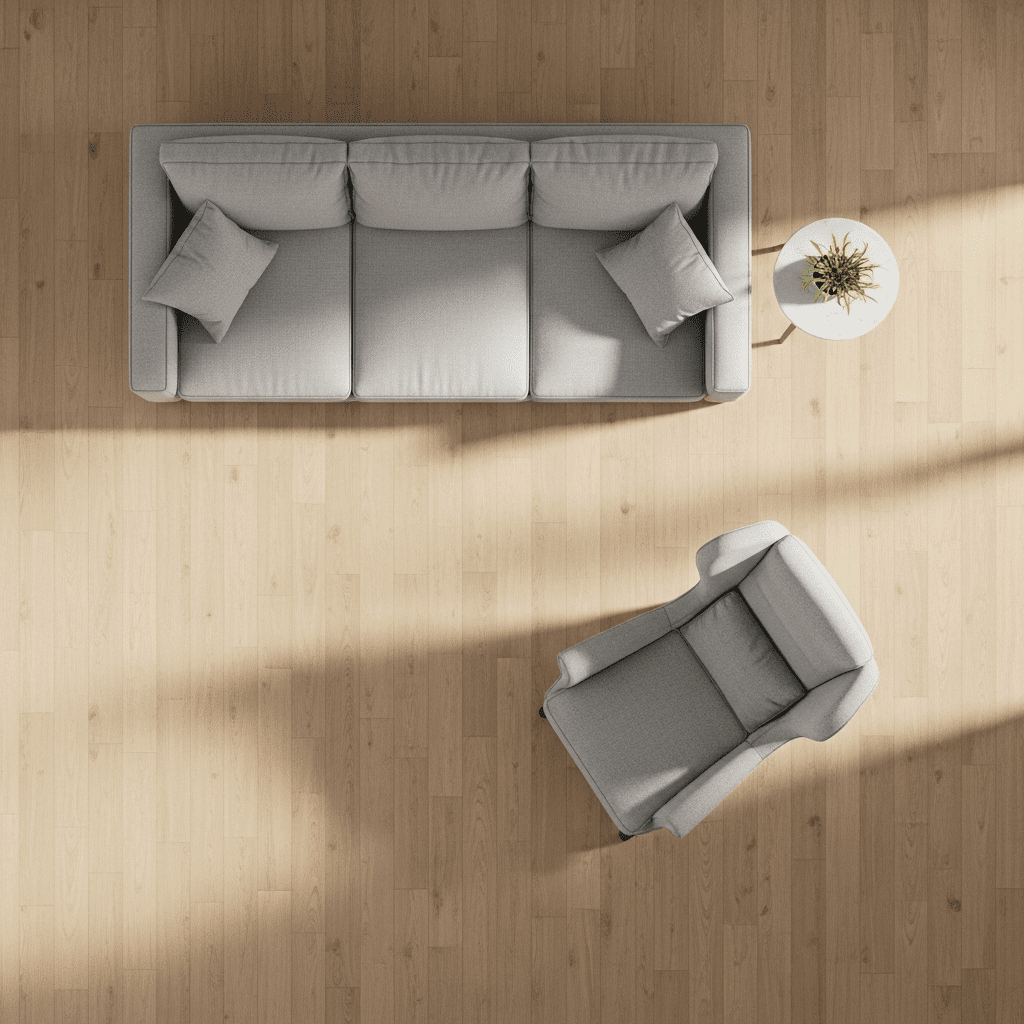
13. The Balanced Asymmetry
Place a sofa on one side and a single large armchair and floor lamp on the other. This creates a relaxed, modern vibe that feels balanced but not “stiff.”
14. The Open-Flow Bistro Layout
Integrate a small bistro table into the living room layout. This “bridge” furniture works well for dining, working, or as an extra surface for drinks.
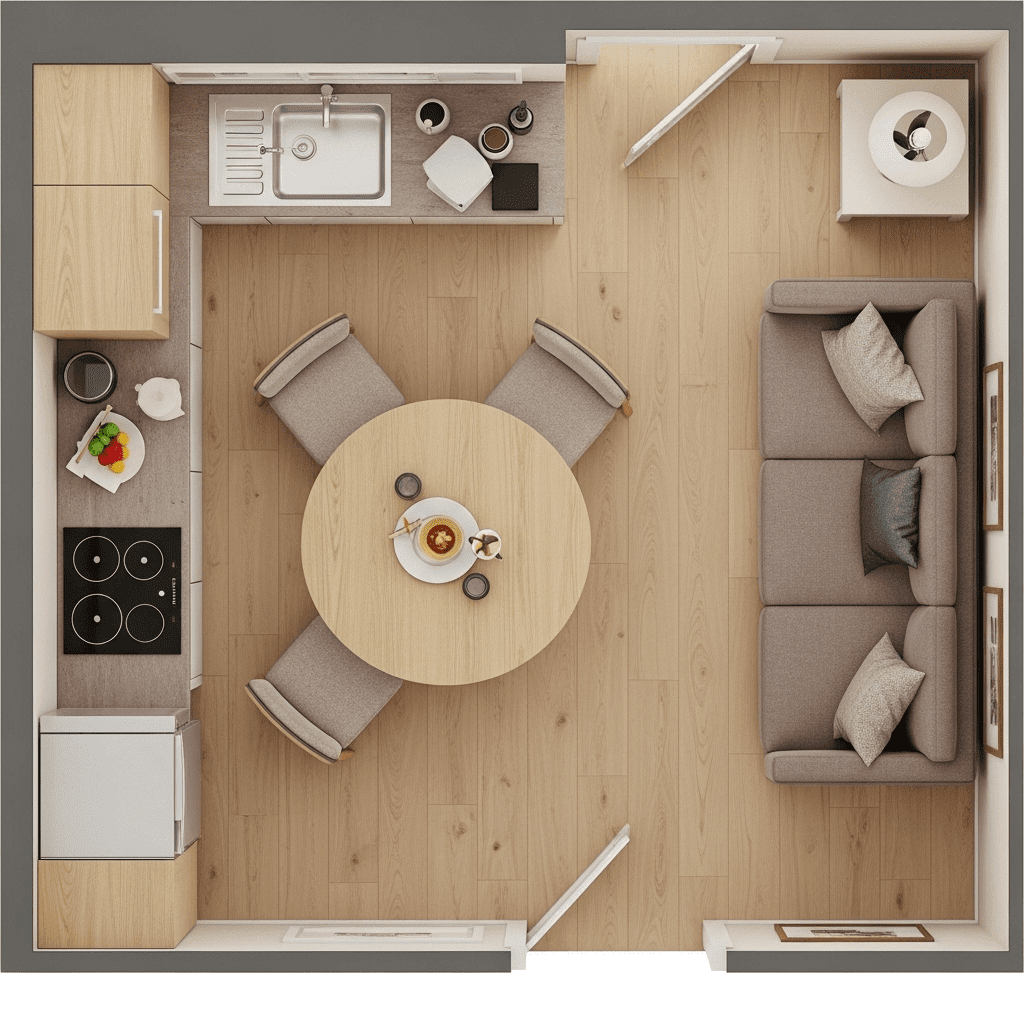
15. The “C-Shape” Intimate Layout
Curve your seating around a central focal point like a fireplace or coffee table using a sofa and two angled chairs. This creates a “hug” effect that feels very cozy.
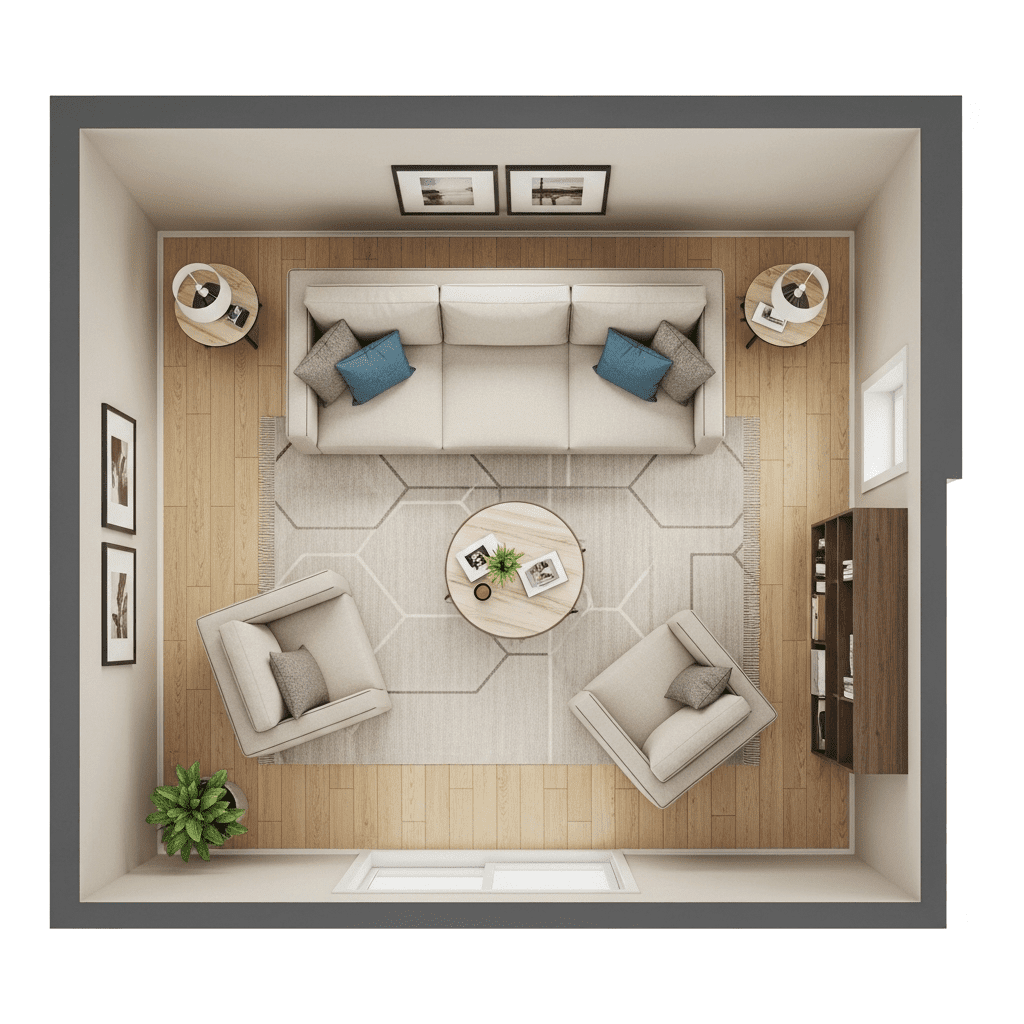
16. The Minimalist “Square”
Use a perfectly square rug to define the boundaries and keep only the essentials—a sofa and a low-profile table—within that square to maintain maximum “white space.”
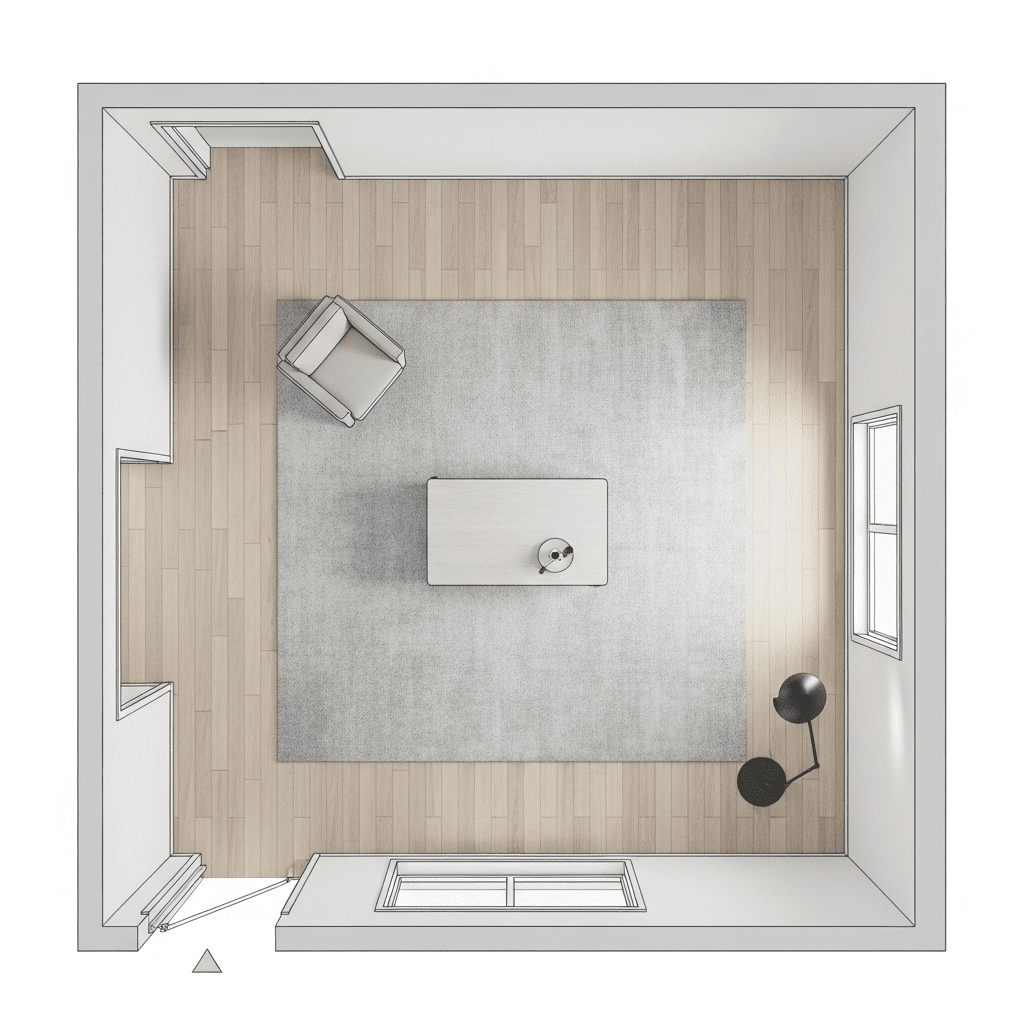
17. The Mirror-Image Twin Layout
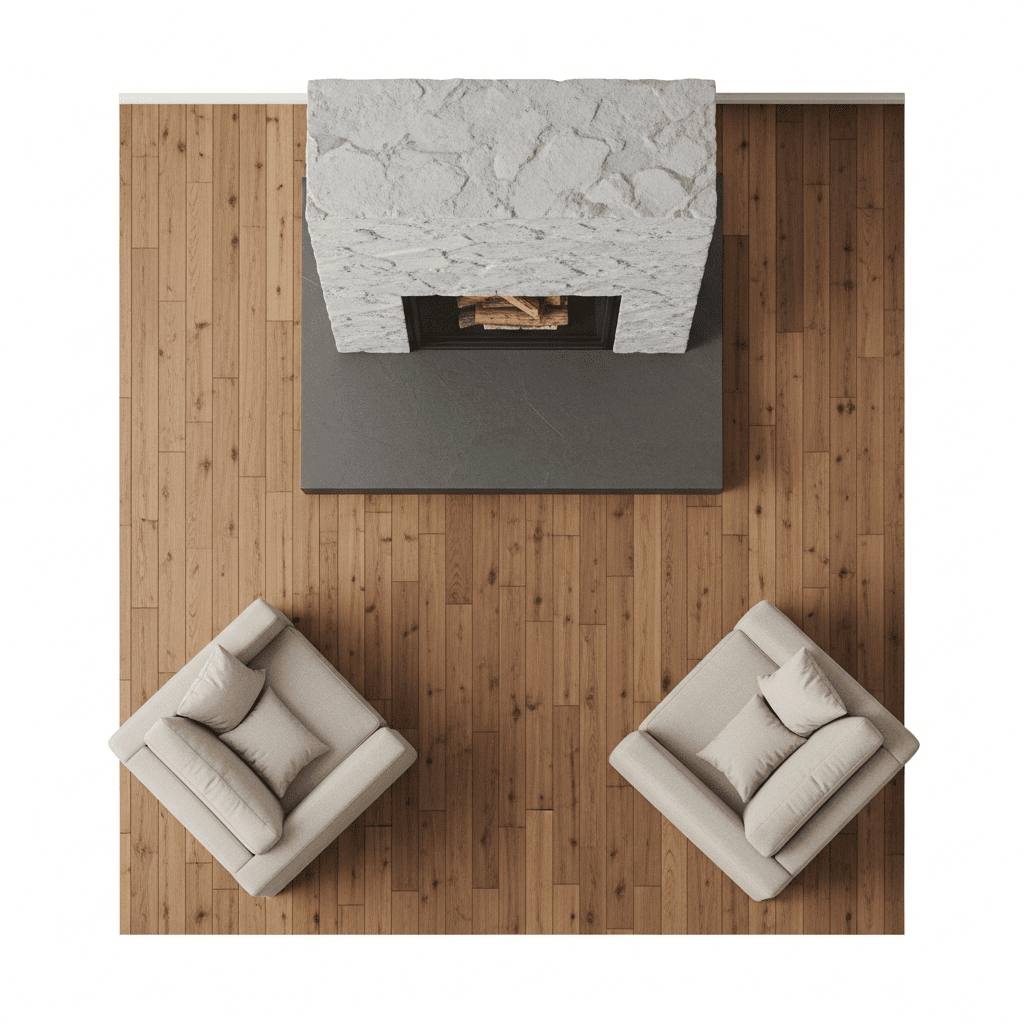
Place two identical armchairs in front of a window or fireplace, mirrored exactly. This symmetrical “twin” look adds a sense of order and elegance to a tiny footprint.
Conclusion
Creating a successful small living room layout is all about prioritizing “flow.” By utilizing a top-view planning approach, you can visualize where traffic might get stuck and ensure your furniture choices support a sense of openness. Focus on keeping your pathways at least 30 inches wide and utilize light, leggy furniture to keep the floor visible.