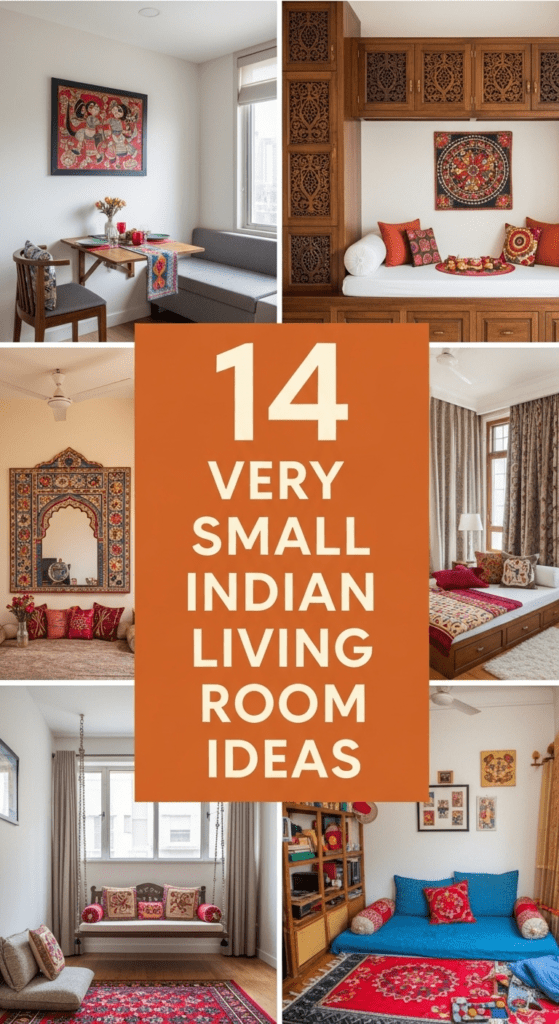
14 Very Small Indian Living Room Ideas
Very small indian living room ideas celebrate the vibrant culture and traditional warmth of an Indian home while utilizing modern spatial techniques. In a compact Indian apartment, the challenge is to balance intricate patterns, rich wood tones, and religious or cultural artifacts without the room feeling cluttered. By opting for multifunctional seating, traditional “jaali” work for partitions, and bright, reflective colors, you can create a “Baithak” that feels both grand and spacious. Here are 14 ideas to maximize your small Indian living room.
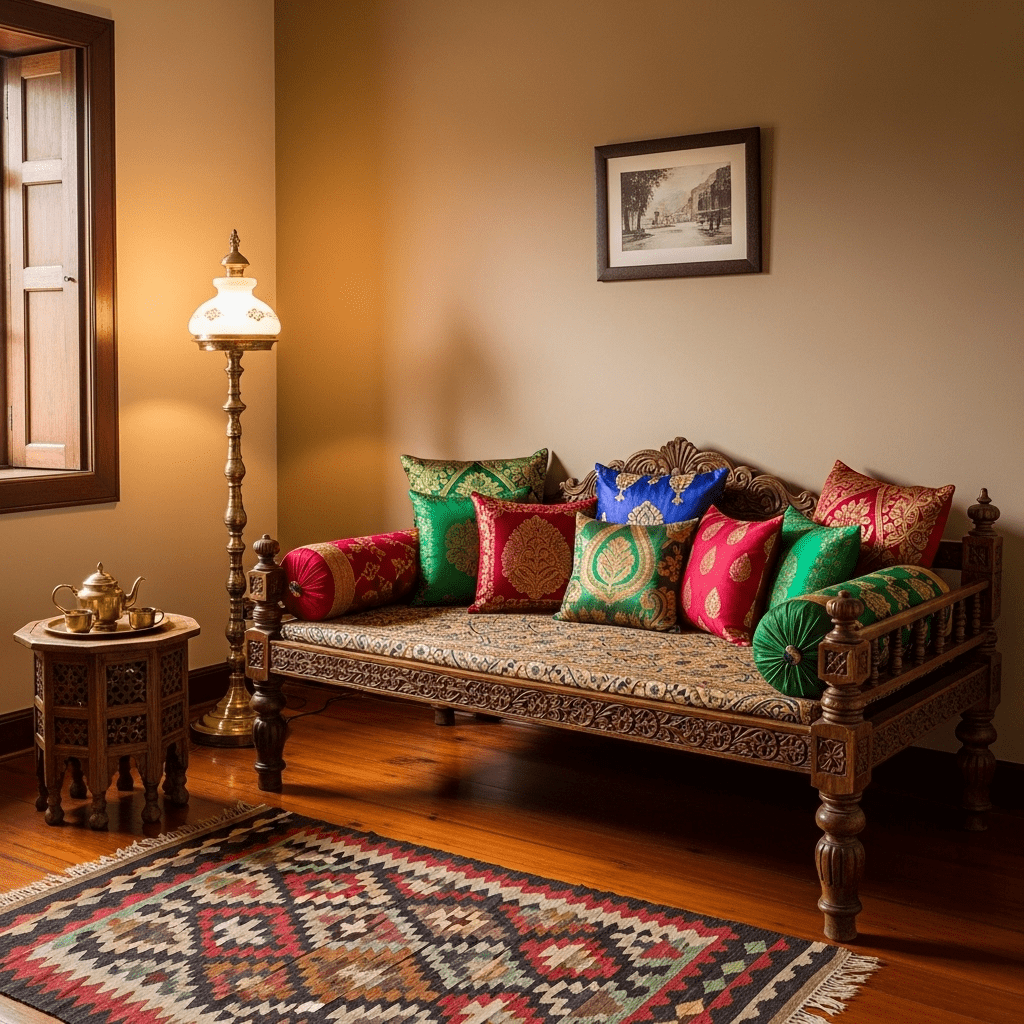
1. The Low-Profile Traditional Baithak
Embrace the traditional Indian floor-seating style by using a low-profile wooden “Diwan” or a thick floor mattress with bolsters. This keeps the “visual horizon” low, making the ceiling feel much higher and the room more expansive.
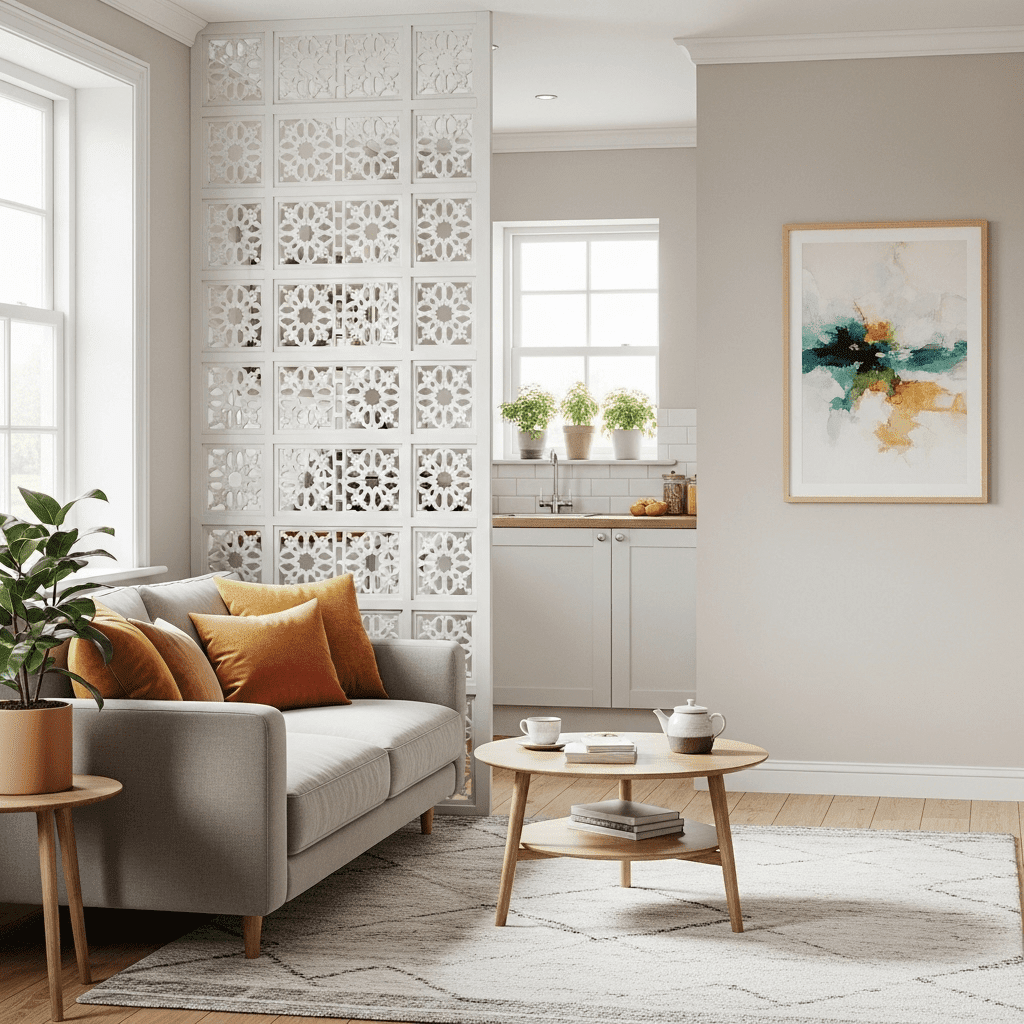
2. Space-Saving Jaali Partitions
Instead of solid walls or heavy curtains to separate the living room from the dining area, use a thin laser-cut “jaali” screen. The intricate patterns allow light and air to flow through, maintaining an open feel while providing privacy.
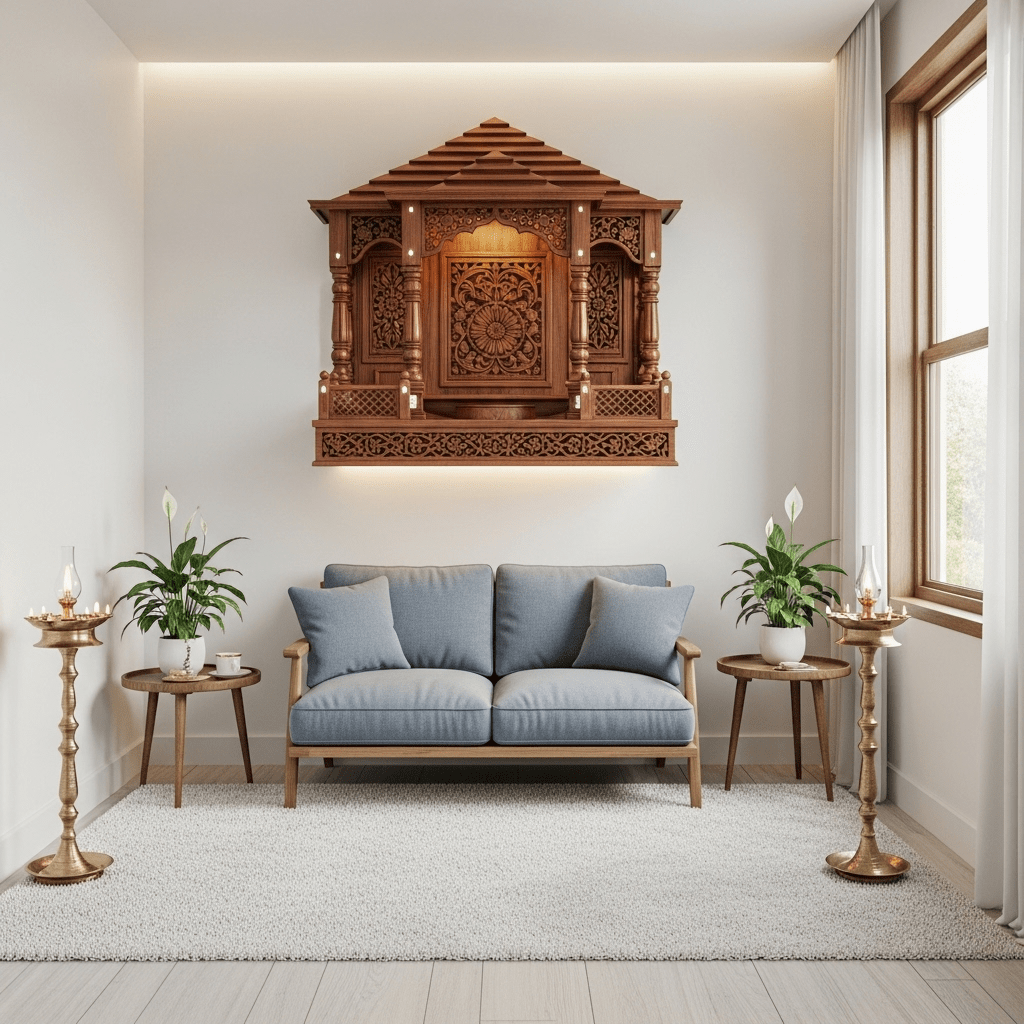
3. Vertical Mandir Nooks
In a very small home, a standalone Mandir can take up too much floor space. Use a wall-mounted floating Mandir with intricate carvings to keep the sacred space elevated and the floor area clear for walking.
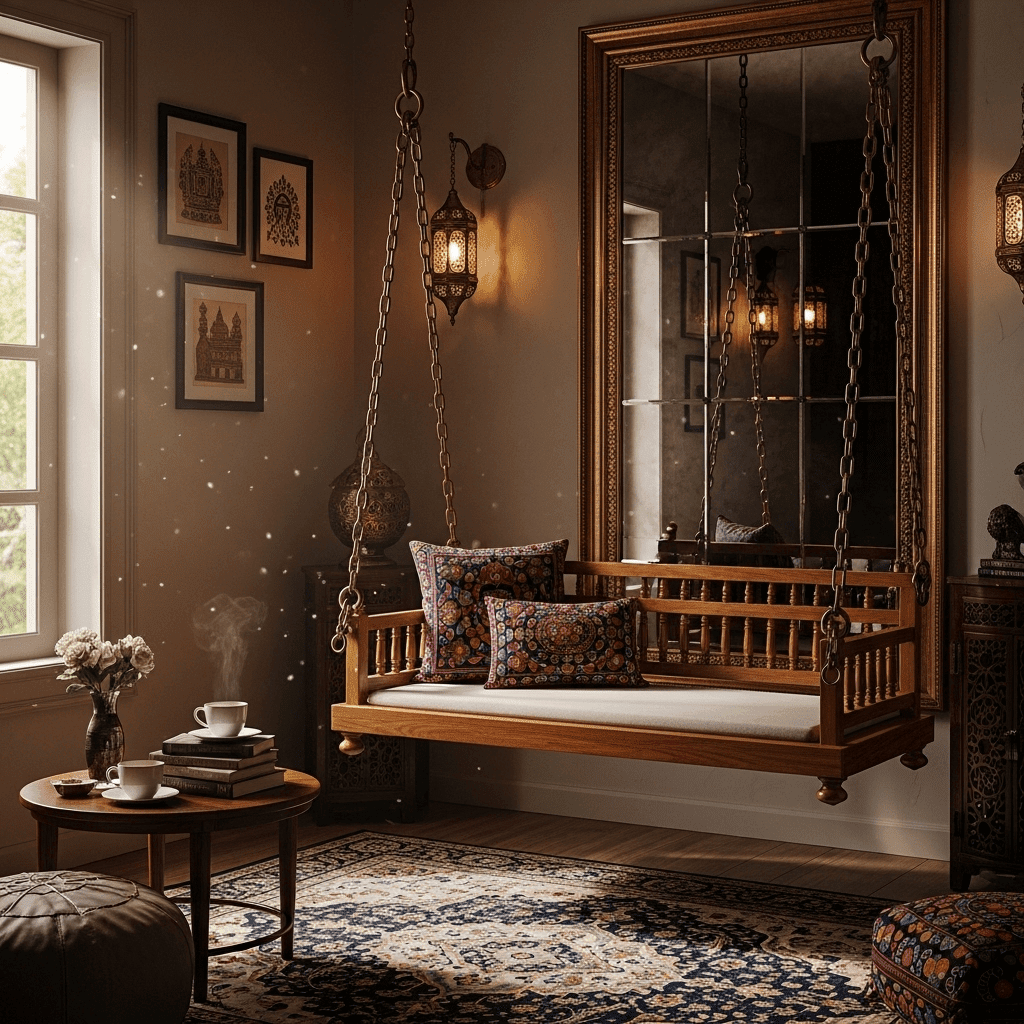
4. Mirrored “Jhoola” Illusion
If you love the traditional Indian swing (Jhoola), choose one with slim metallic chains and place a large mirror on the wall behind it. The mirror reflects the movement and the light, preventing the swing from “closing in” the room.
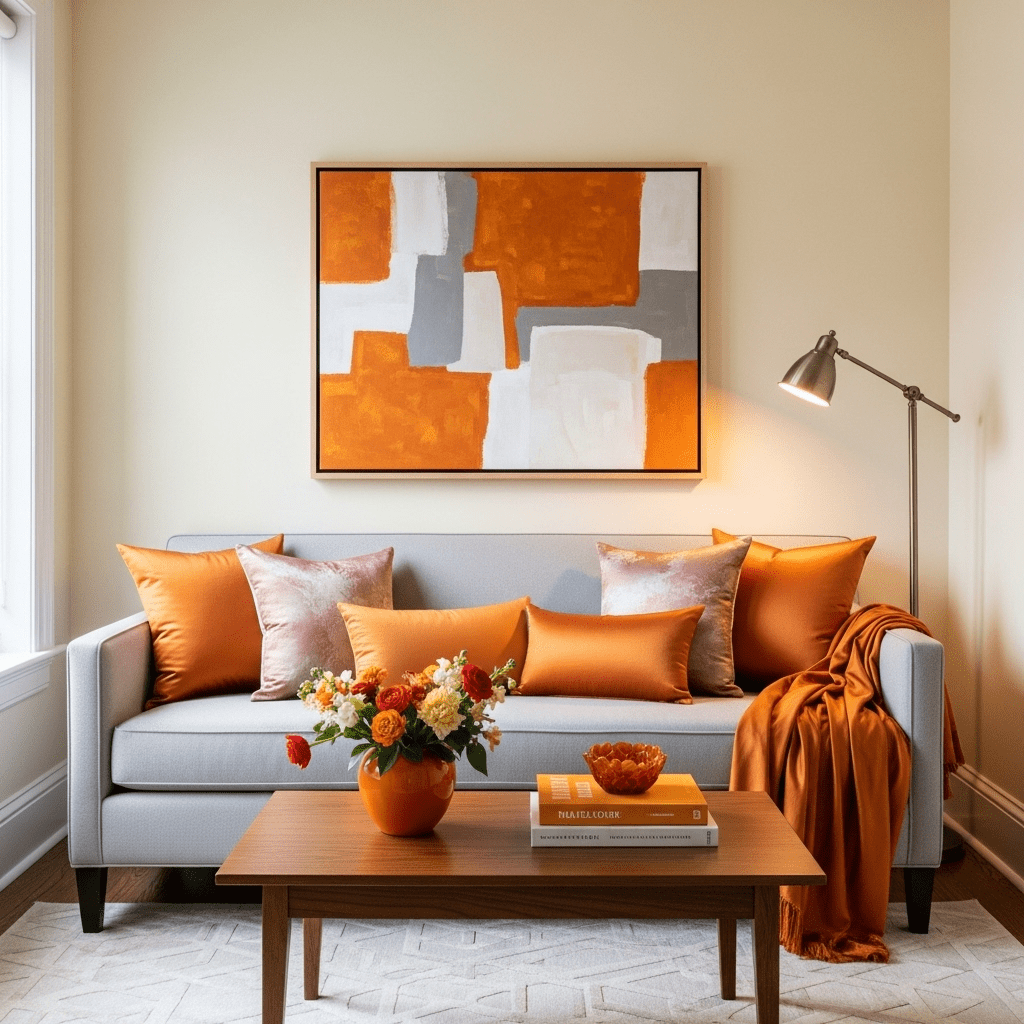
5. Bright Marigold and Teal Accents
Use a neutral base like cream or off-white for the walls, then add “pops” of traditional colors like marigold orange or peacock teal through throw pillows and rugs. This provides the Indian aesthetic without the “heaviness” of dark-painted walls.
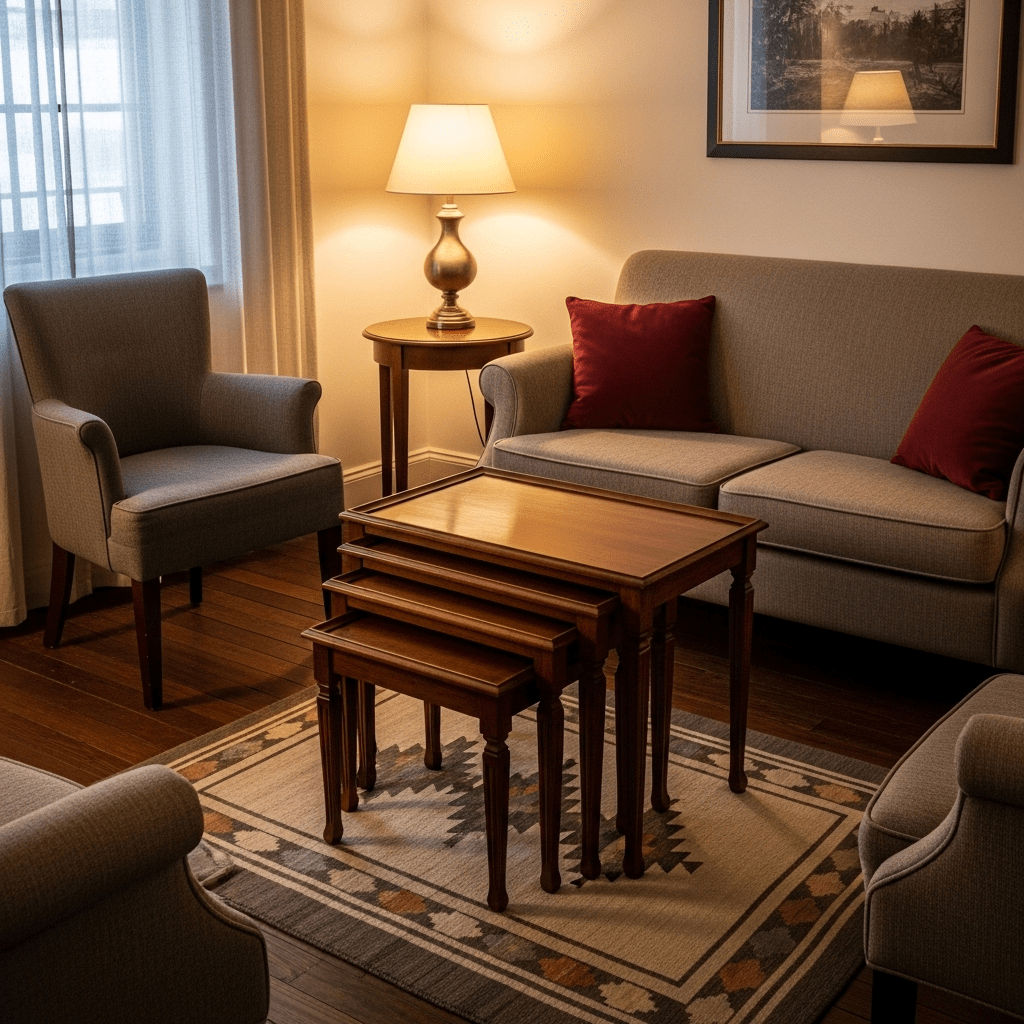
6. Nesting “Teapoy” Tables
Replace a large, heavy coffee table with a set of nesting wooden “Teapoys.” These can be tucked away when not in use and brought out to serve chai to guests, offering flexibility in tight quarters.
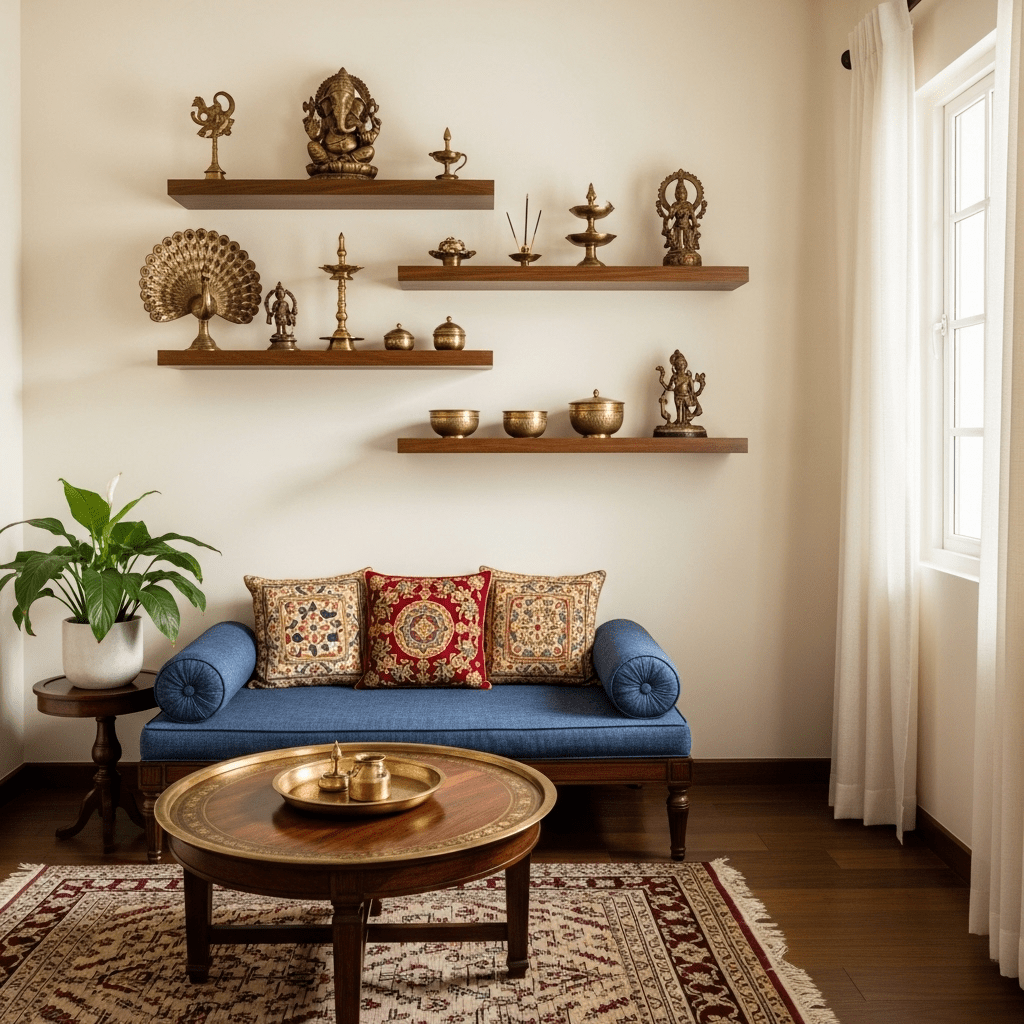
7. Wall-Mounted “Golu” Style Shelving
Inspired by traditional display steps, use slim floating shelves to display brass idols, lamps, and family photos vertically. This keeps your cultural treasures visible without occupying precious floor or table space.
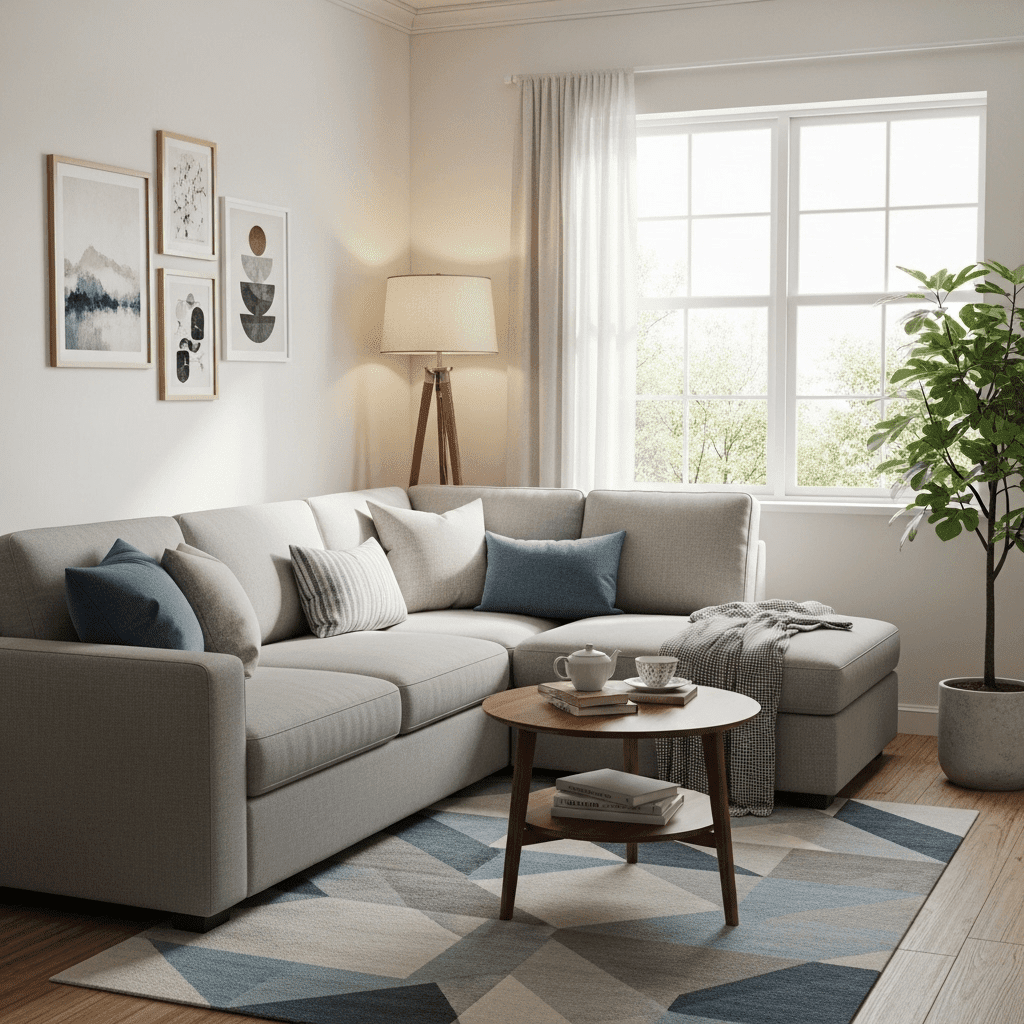
8. Compact L-Shaped Sectional with Storage
Choose a small L-shaped sofa that fits snugly into a corner. Ensure it has “box storage” underneath to hide away extra bed linens or festive decorations, keeping the room clutter-free.
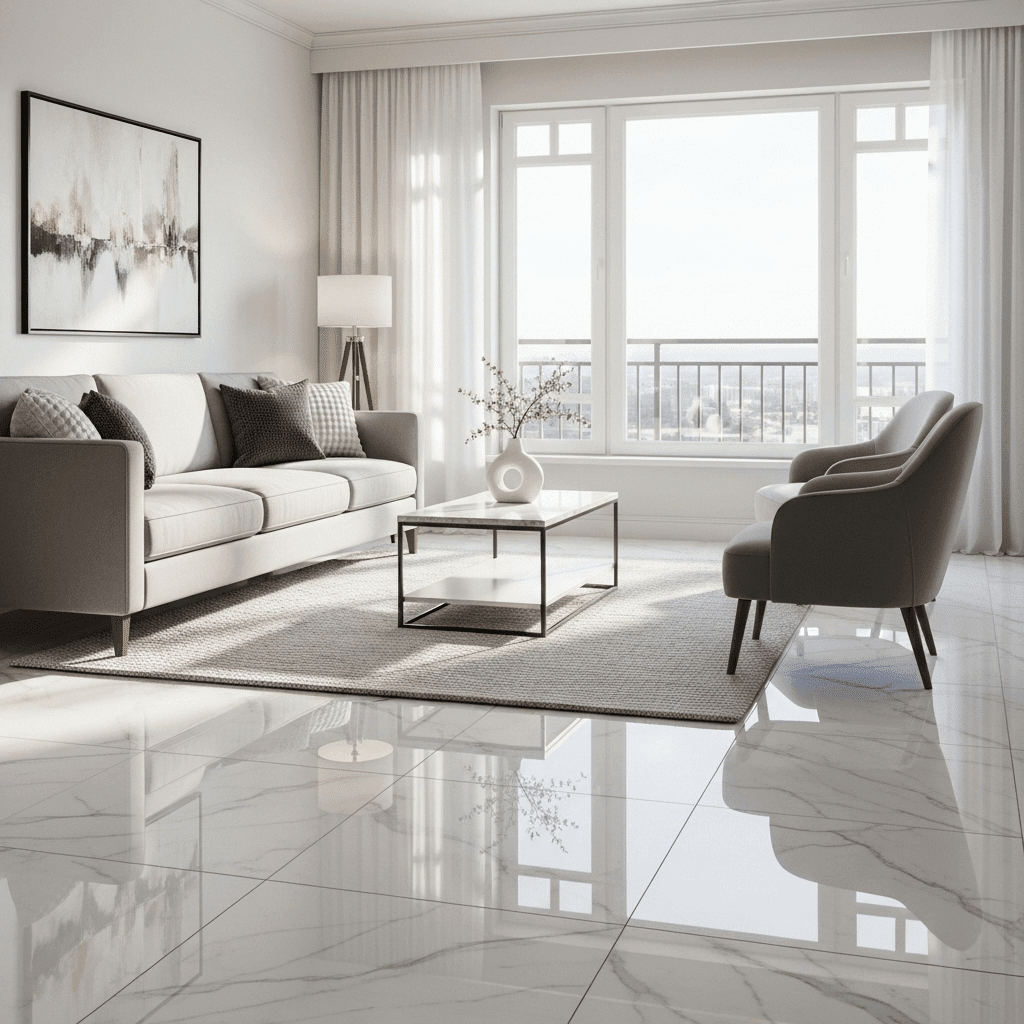
9. Light-Toned Marble Flooring
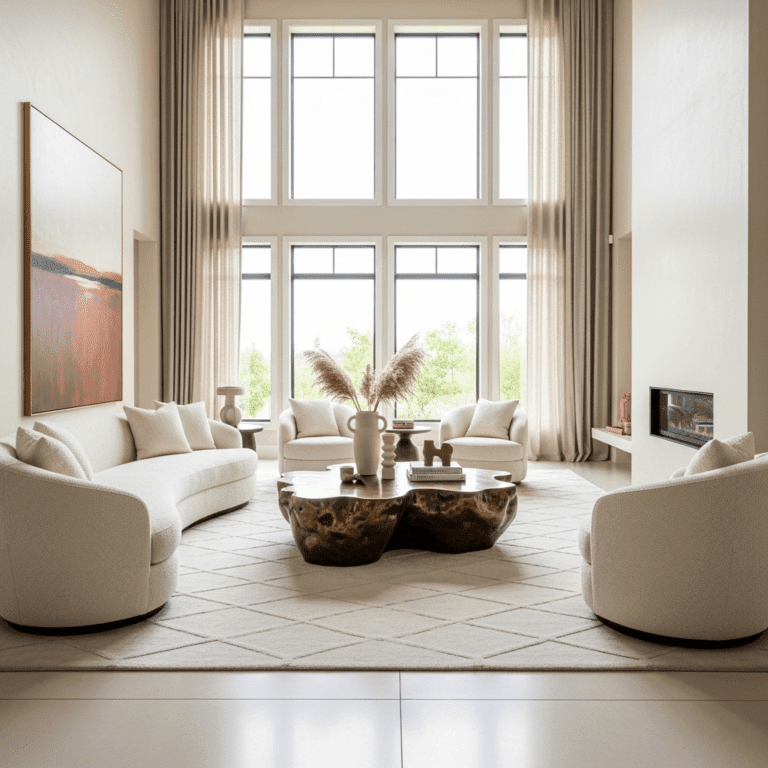
Indian homes often feature marble or vitrified tiles. Opt for large-format white or beige marble tiles with minimal veining. The reflective surface bounces light upward, making the small room feel bright and airy.
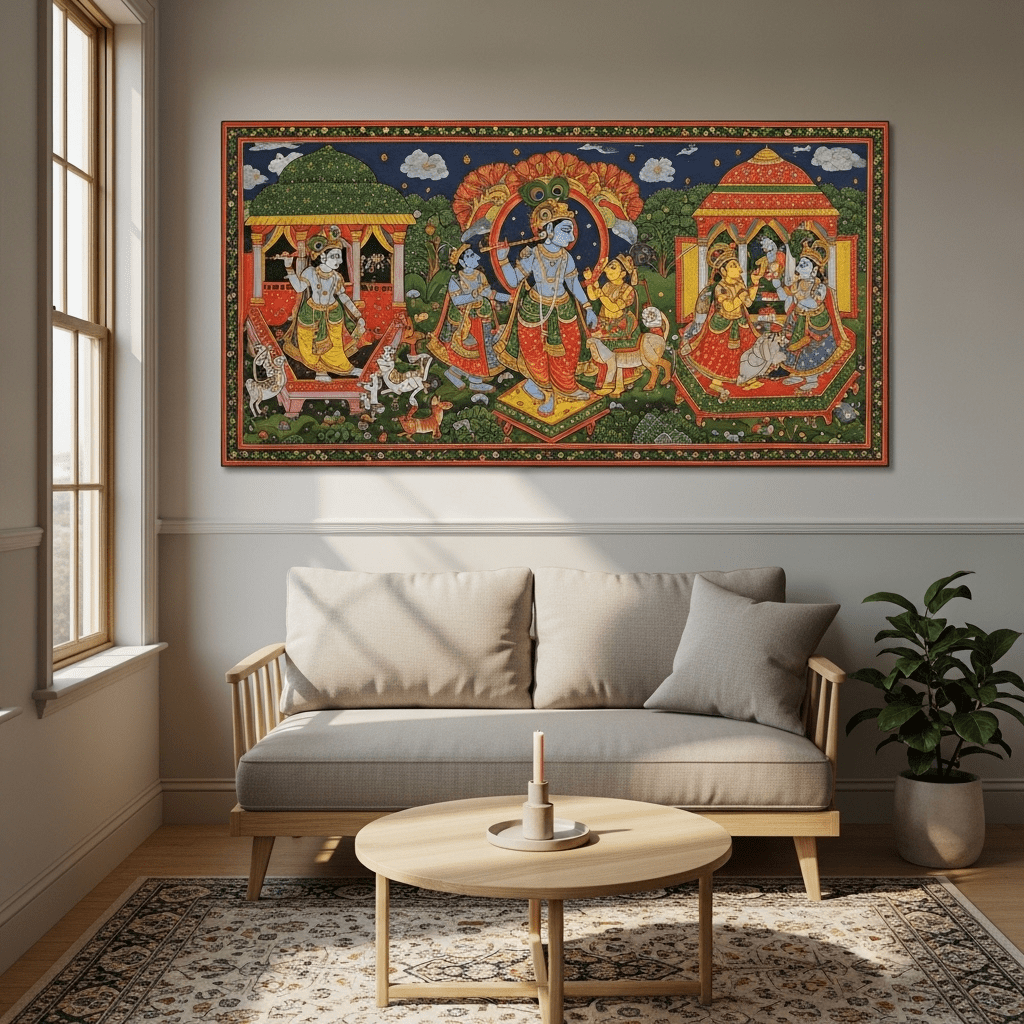
10. The Single Statement “Pichwai” or Madhubani
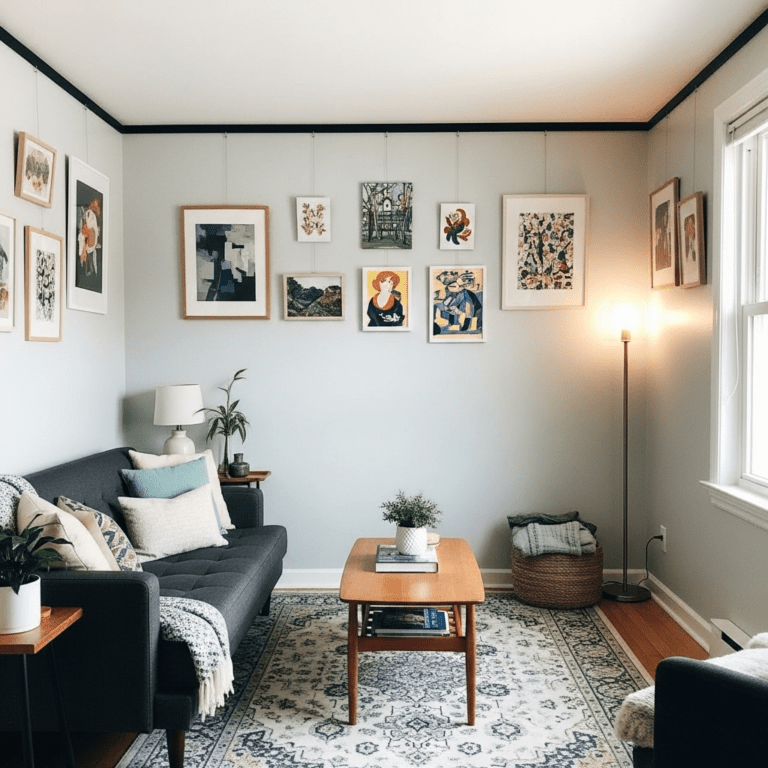
Instead of many small frames, hang one large-scale traditional Indian painting, like a Pichwai or Madhubani art piece. A single large focal point creates a sense of scale and makes the room feel more organized and grand.
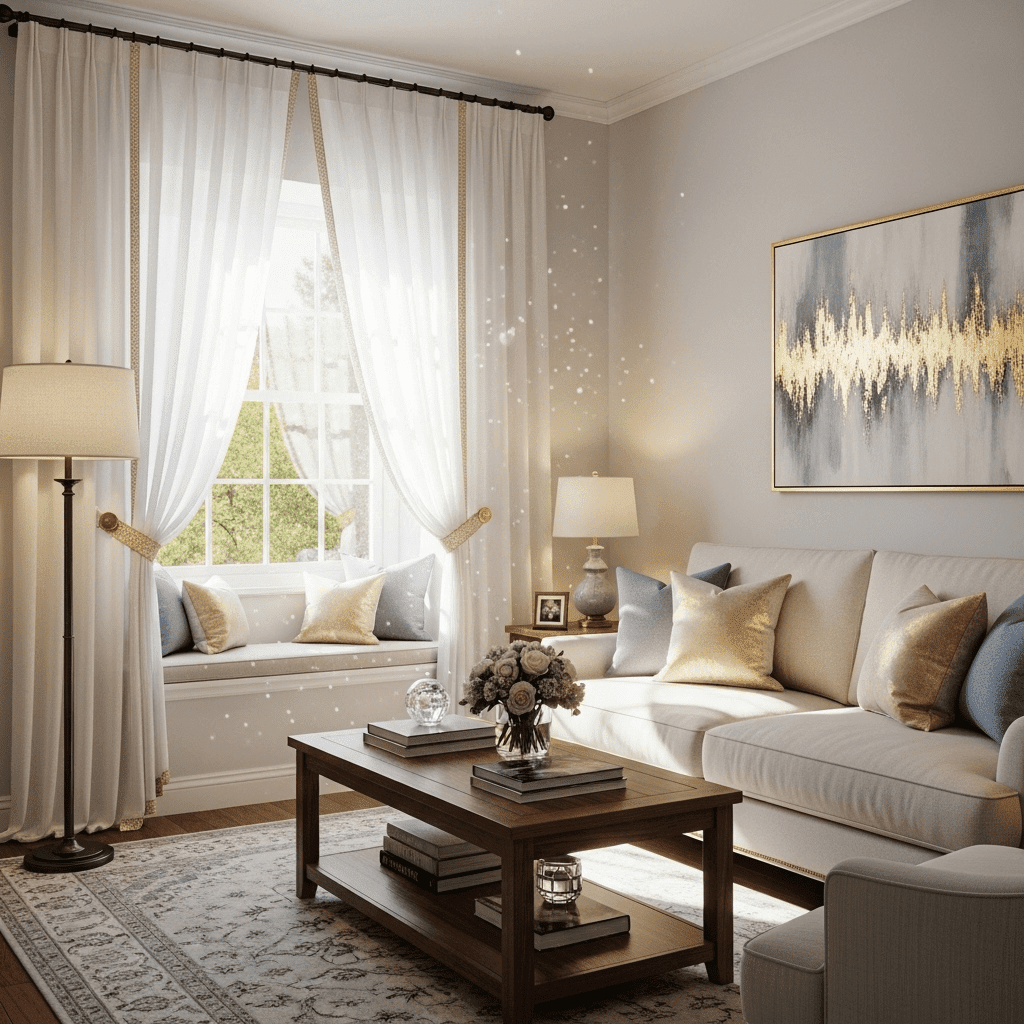
11. Sheer “Zari” Border Curtains
Use light, sheer white curtains with a thin gold “zari” border. The sheers allow natural light to flood the room while the gold trim adds a subtle touch of traditional Indian luxury without the weight of heavy drapes.
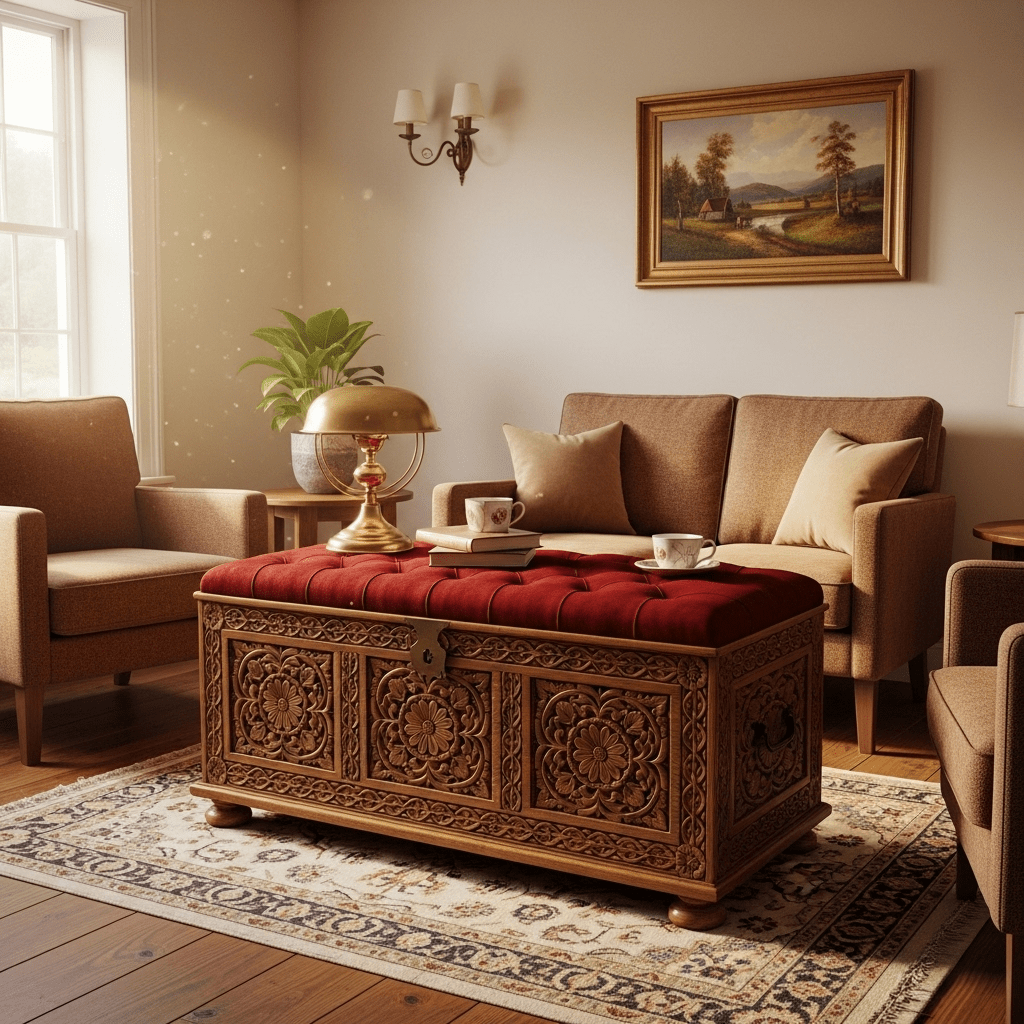
12. Multipurpose Upholstered Trunks
Use a traditional “Peti” (trunk) with a cushioned top as a coffee table. It provides a sturdy surface for a tray, extra seating for guests, and deep internal storage for the household.
13. Sconce Lighting with Indian Motifs
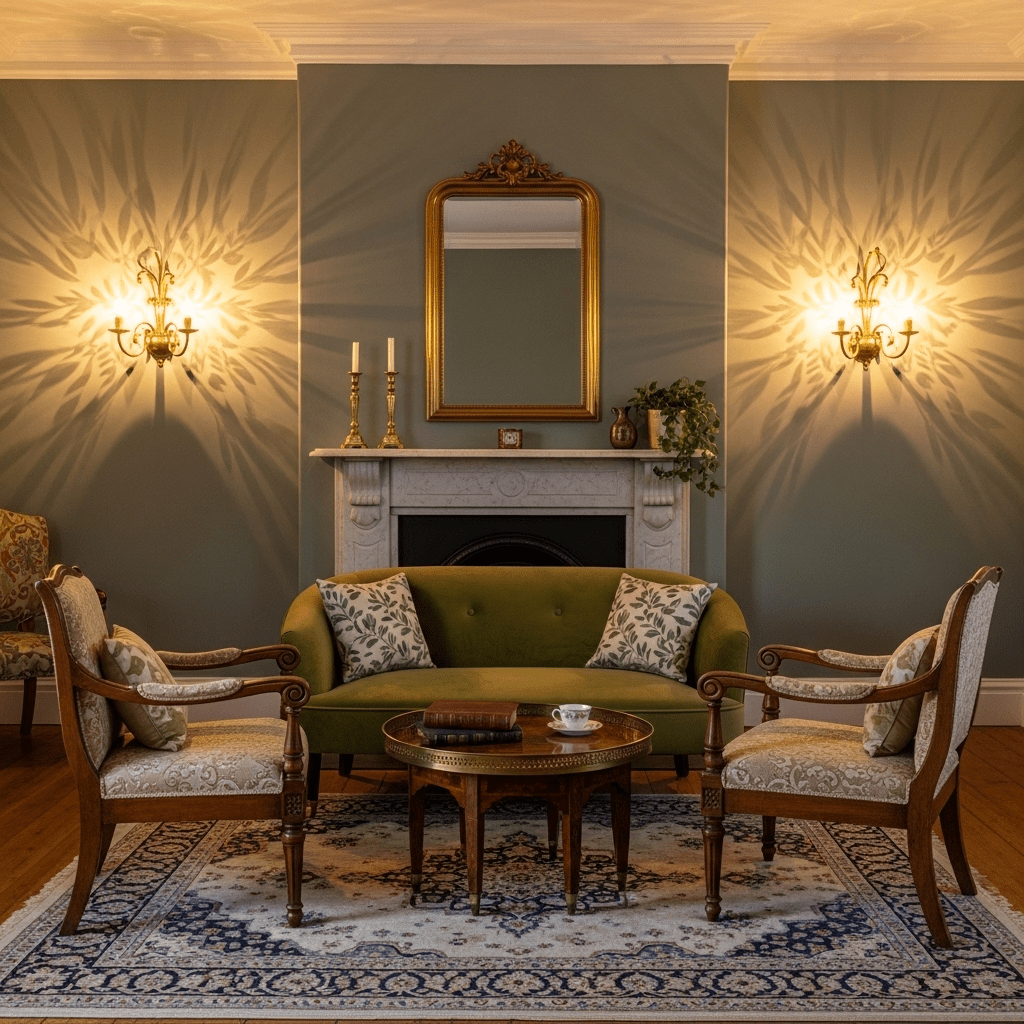
Clear up your side tables by installing wall-mounted sconces. Choose fixtures with traditional perforated metal work that casts beautiful “mehndi-like” shadows on the walls at night.
14. Slim Solid Wood Furniture
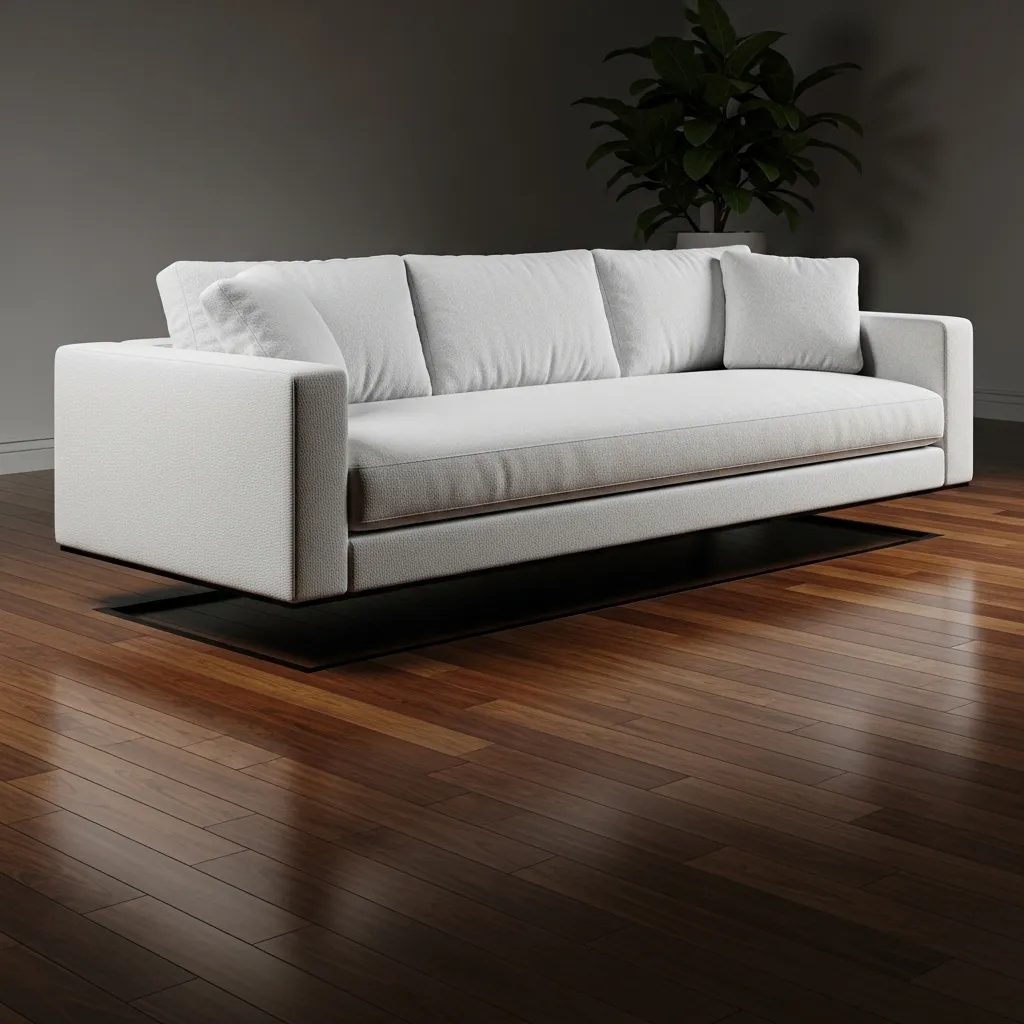
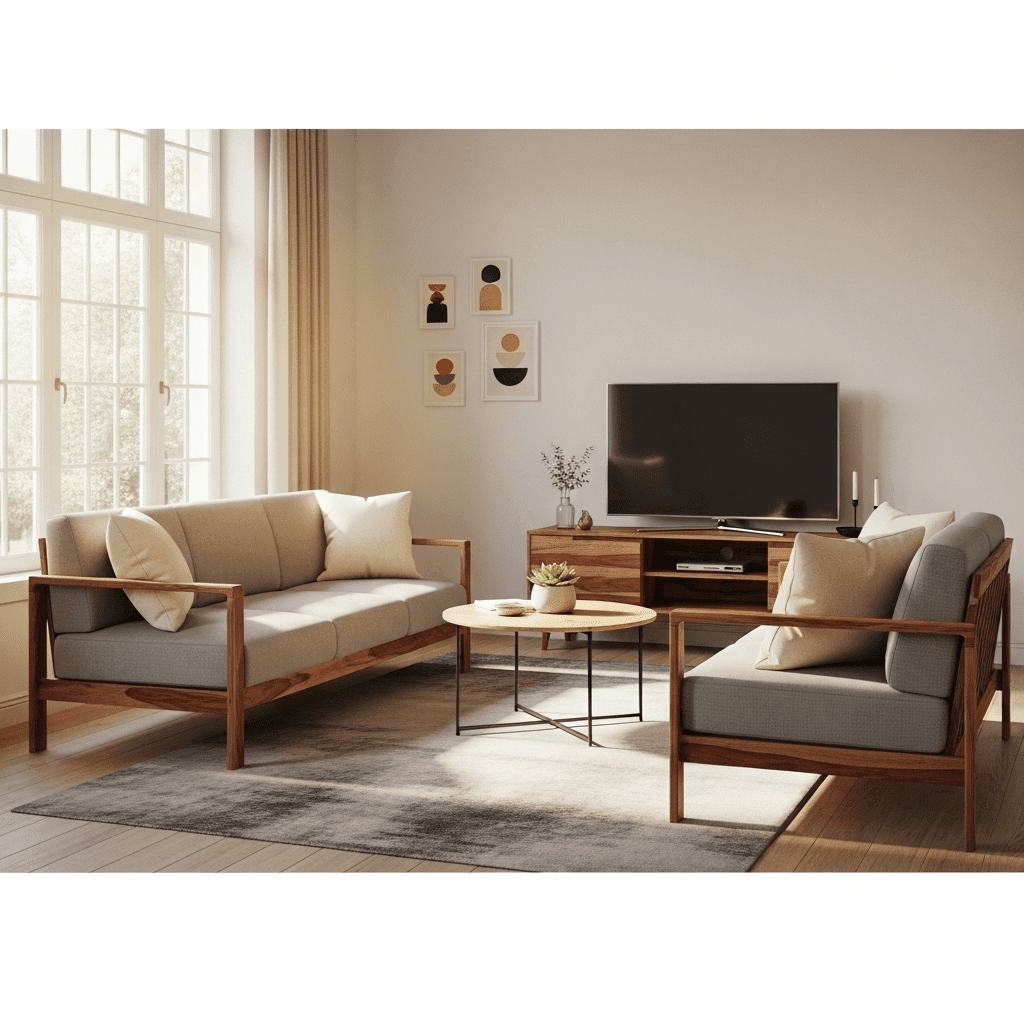
Indian teak or rosewood furniture is beautiful but can be bulky. Opt for modern interpretations of Indian furniture—pieces that use the same rich woods but with slim, tapered legs and minimalist frames.
Conclusion
Creating a very small Indian living room is about merging heritage with modern efficiency. By utilizing vertical spaces for Mandirs and decor, choosing furniture with open bases, and sticking to a light color palette with vibrant accents, you can maintain the cultural soul of your home. Focus on keeping the center of the room clear to allow for easy movement during family gatherings.