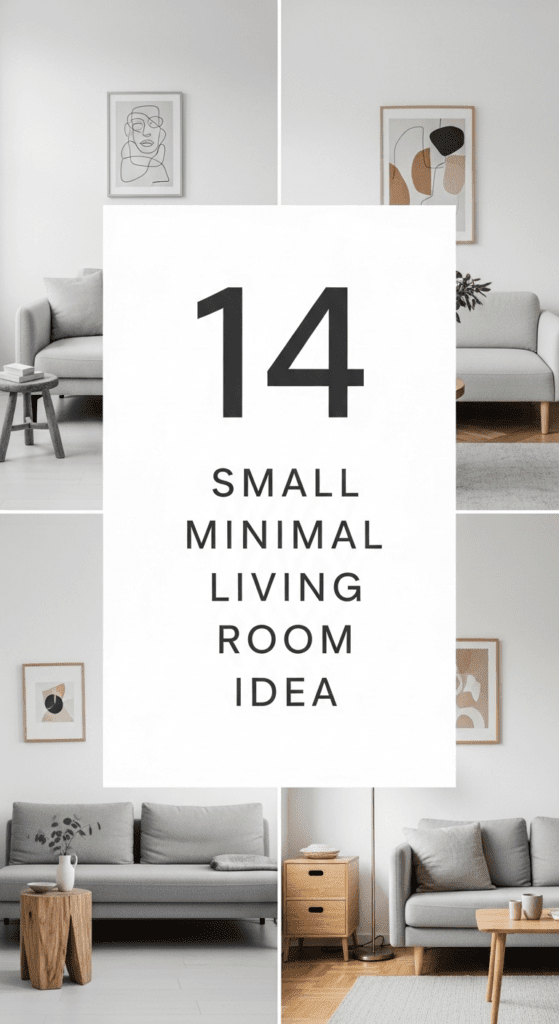
14 Small Minimal Living Room Idea
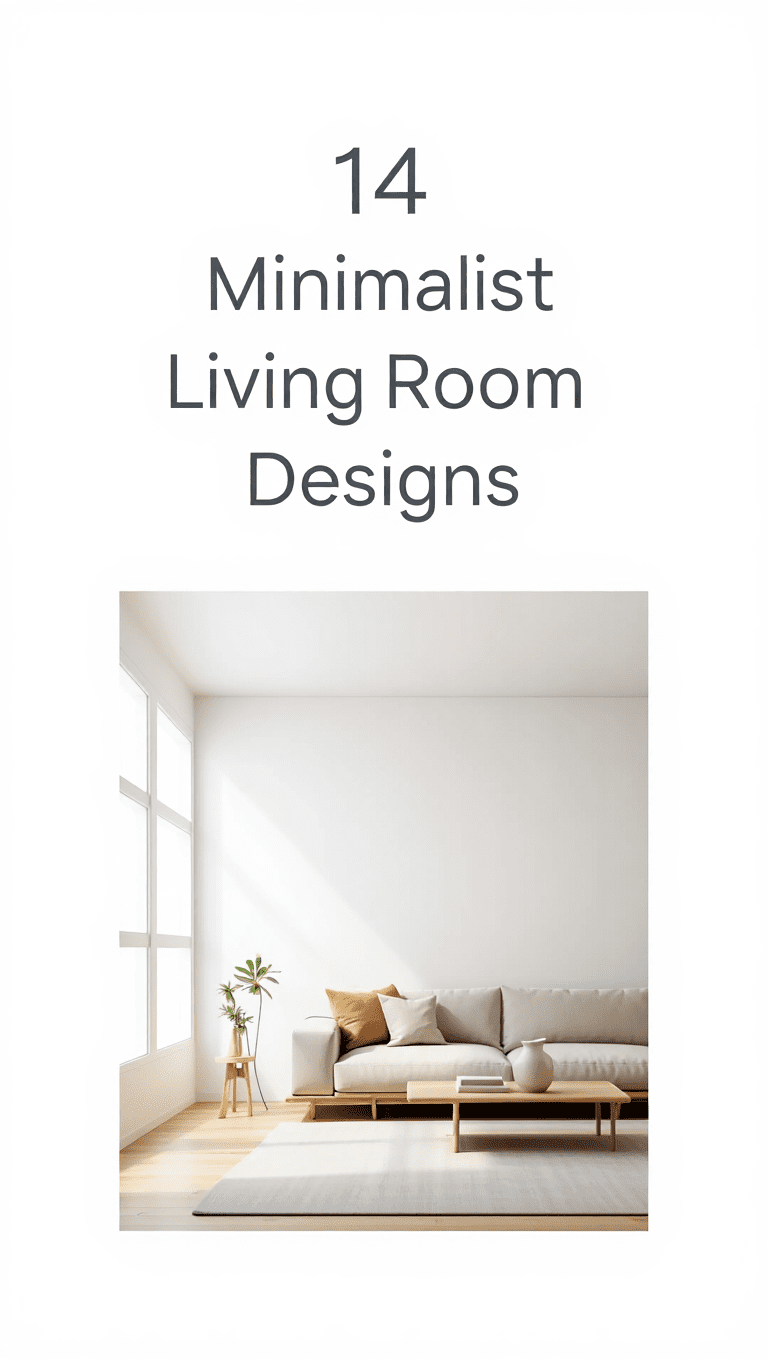
Small Minimal Living Room Idea designs revolve around the “less is more” philosophy, where every object is chosen for its function and aesthetic harmony. In a compact space, minimalism isn’t just a style choice—it’s a tool to reduce visual noise and expand the perceived volume of the room. By prioritizing neutral palettes, sleek silhouettes, and hidden storage, you can create a tranquil sanctuary that feels curated rather than crowded. Here are 14 ideas to achieve a high-impact, minimalist look in your small lounge.
1. The Monochromatic Wash
Paint your walls, trim, and shelving the same shade of warm white or soft sand. This lack of high-contrast transitions allows the eye to glide across the room, making the physical boundaries of the space feel virtually nonexistent.
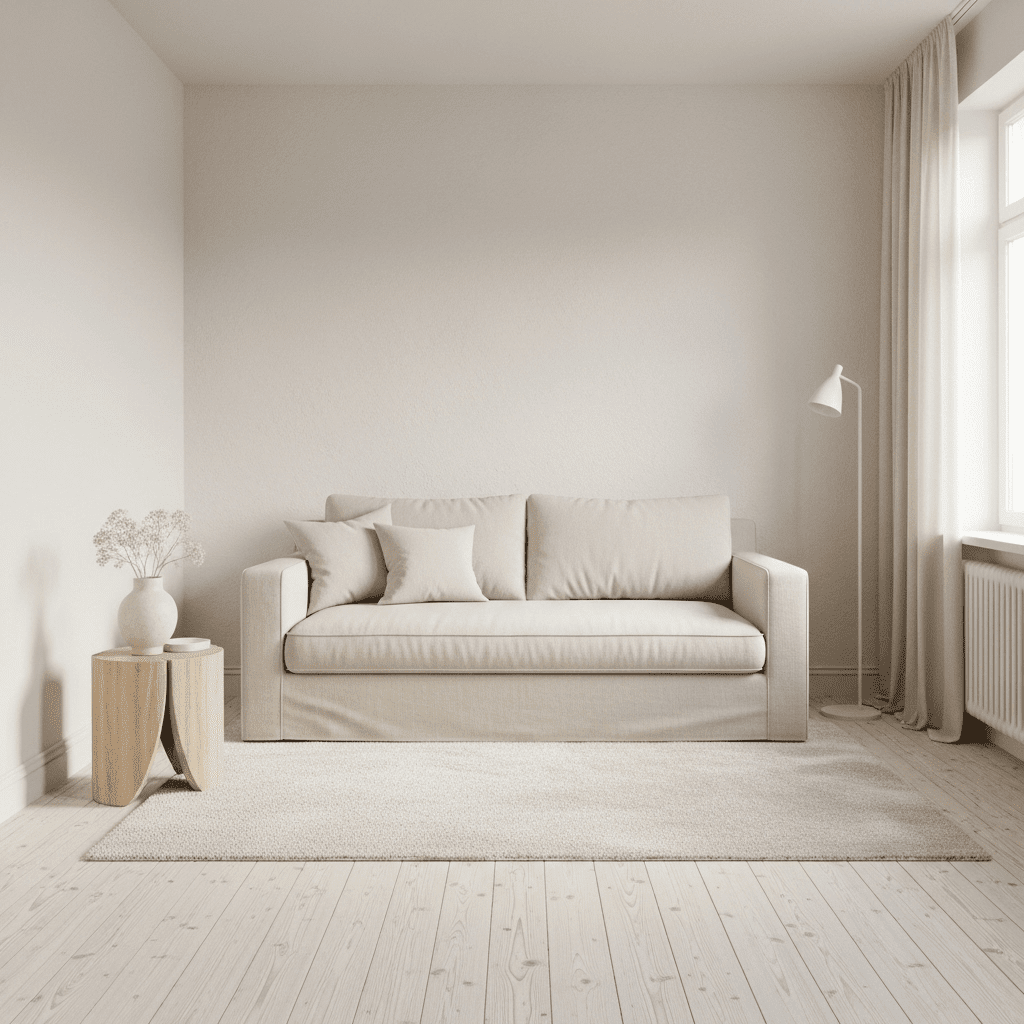
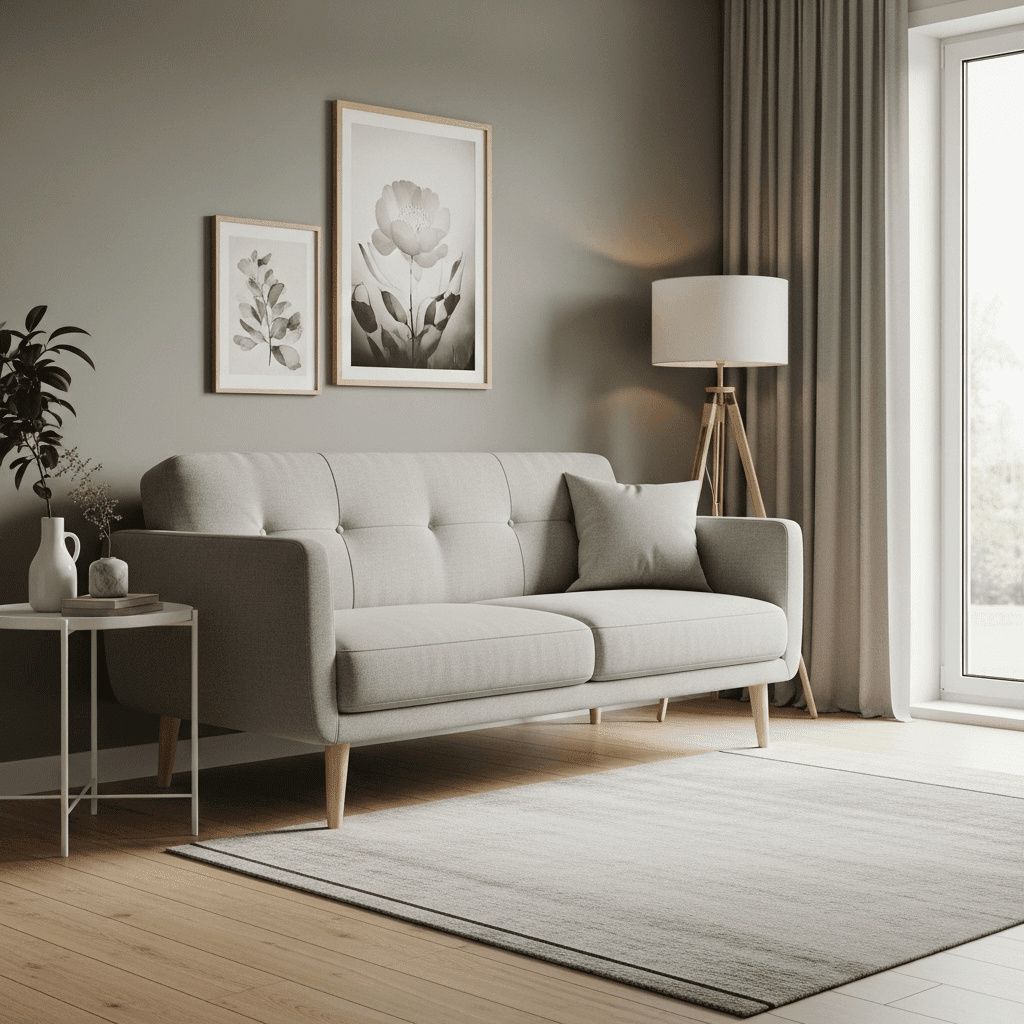
2. The Leggy “Floating” Sofa
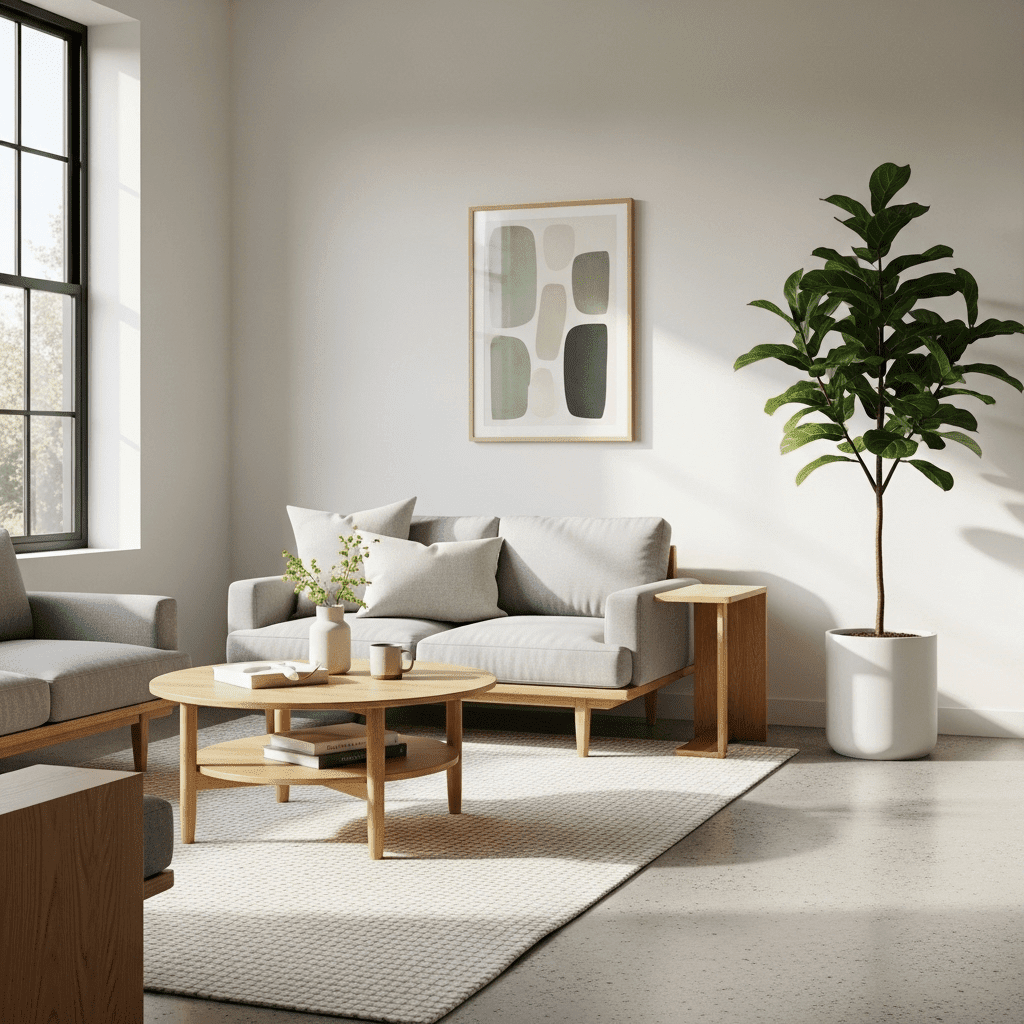
Select a sofa with slender, exposed legs. By allowing the floor to continue visually under the furniture, the room feels more open and less “heavy” than it would with a sofa that sits flush with the carpet.
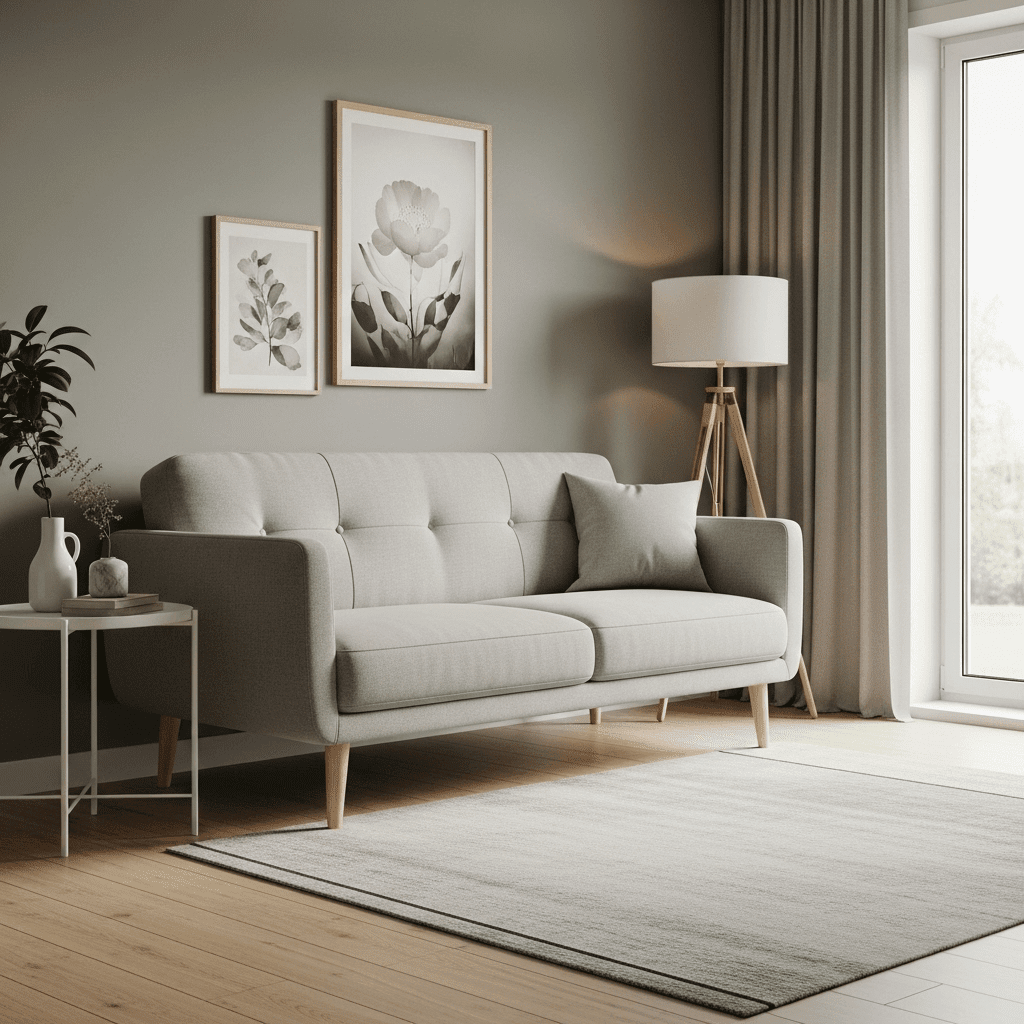
3. Clear Acrylic “Ghost” Accents
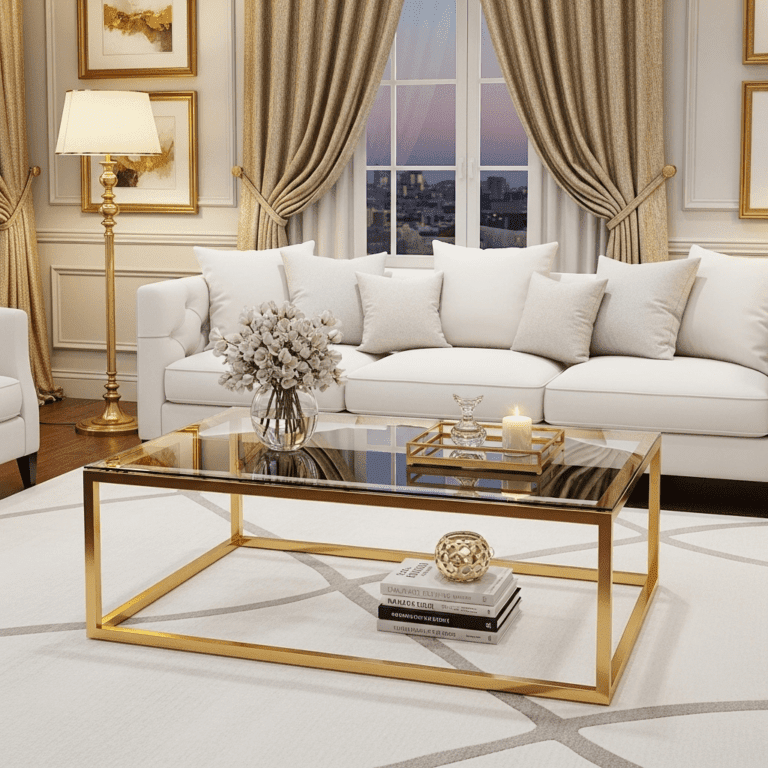
Incorporate a coffee table or side chairs made of clear acrylic. Because these pieces are transparent, they provide the utility of furniture without occupying any “visual square footage,” keeping the room’s flow unobstructed.
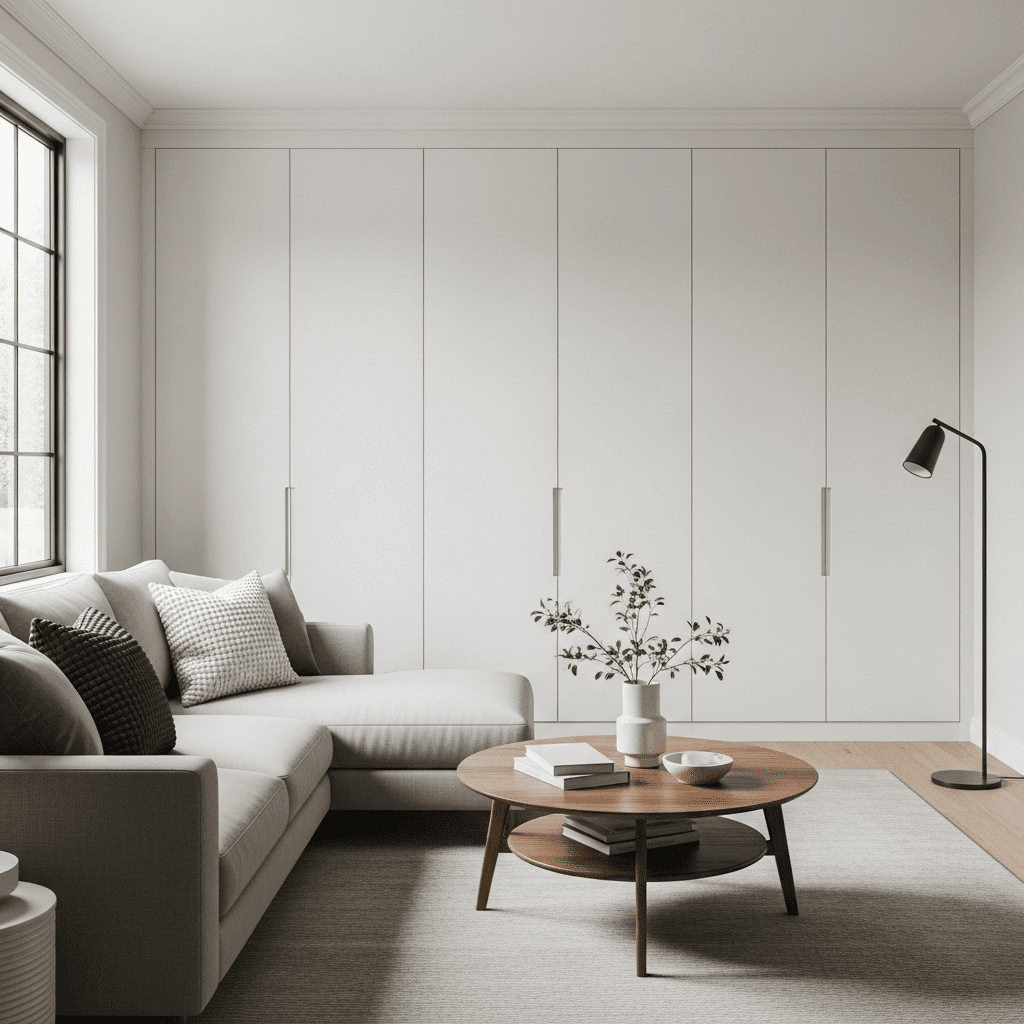
4. Built-in “Invisible” Storage
Install handle-less, floor-to-ceiling cabinets that match the wall color. This hides daily clutter—like electronics and books—behind a seamless architectural facade, maintaining a perfectly tidy environment.
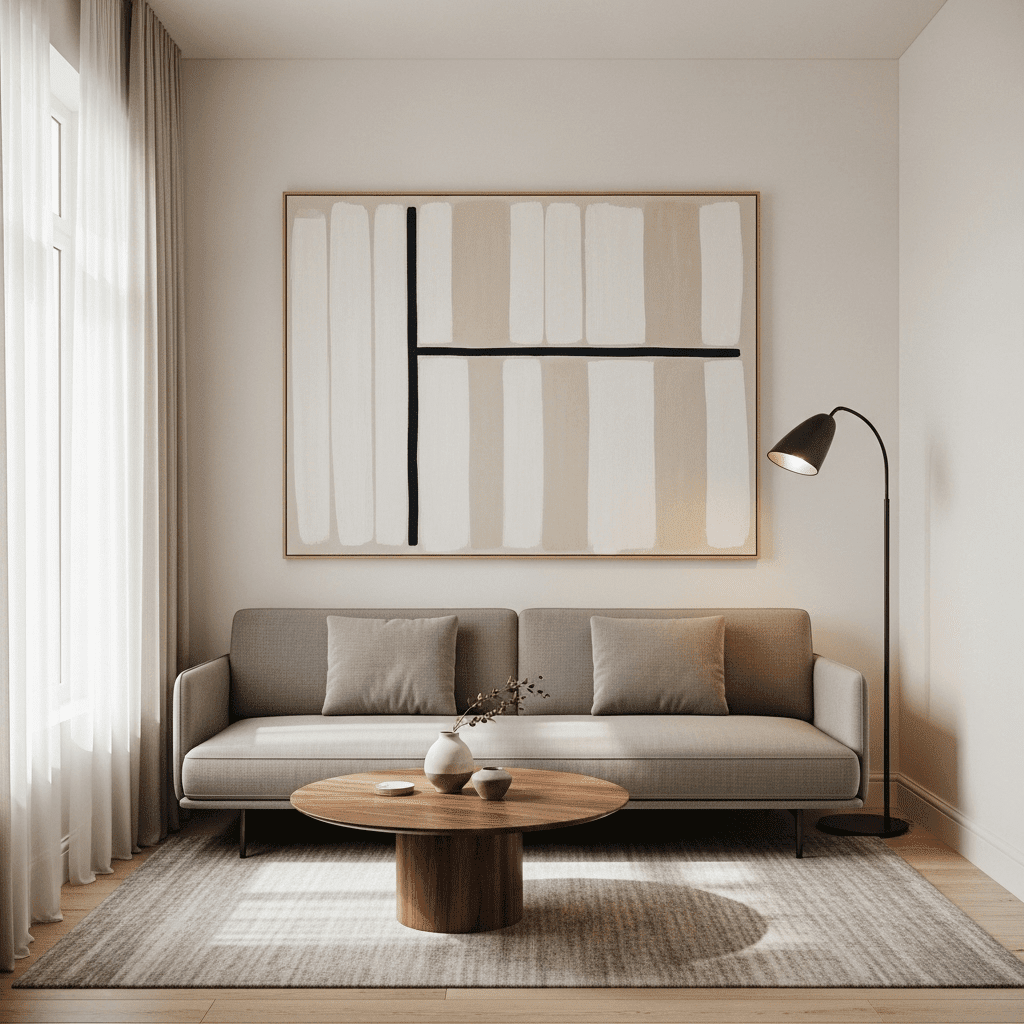
5. Single Large-Scale Artwork
Instead of a cluttered gallery wall, hang one oversized, minimalist piece of art. A single focal point provides a sense of grander scale and intentionality that many small frames cannot achieve.
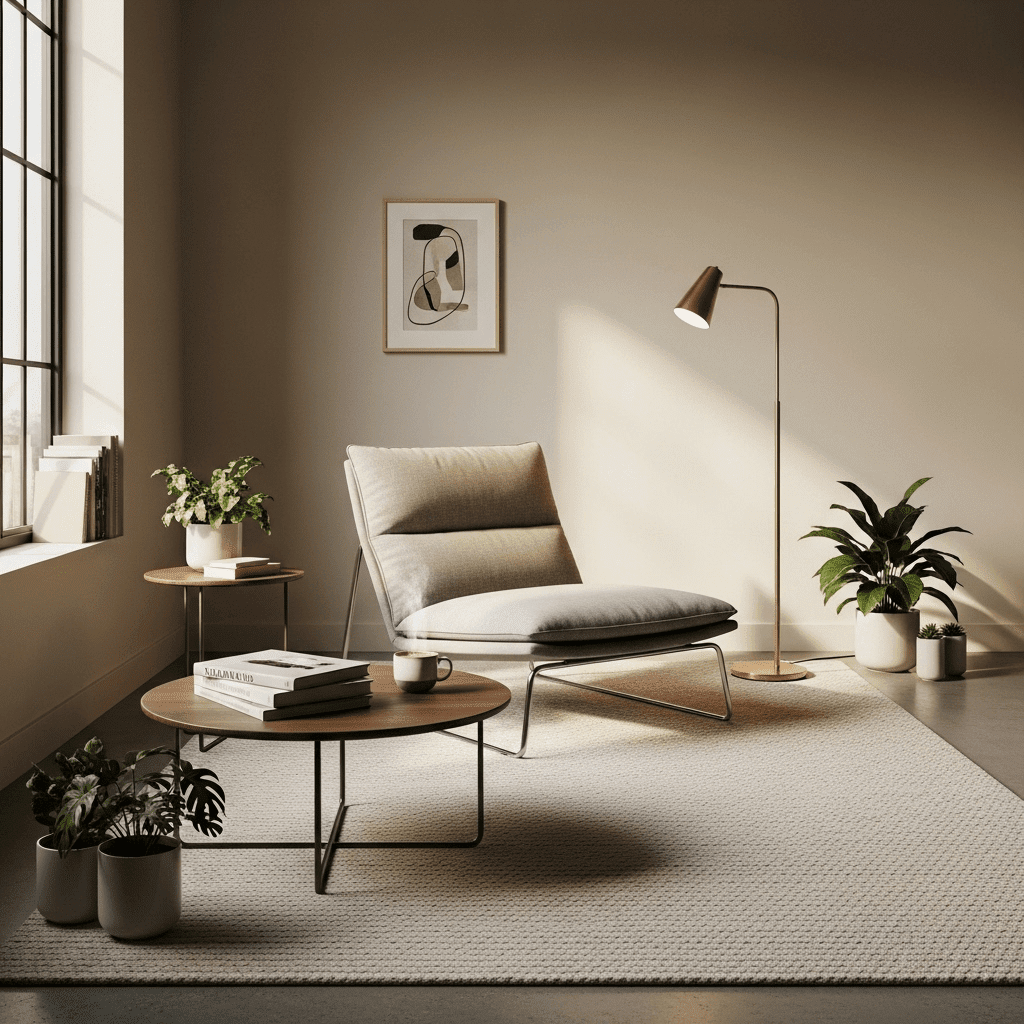
6. The Low-Slung Silhouette
Choose furniture that sits low to the ground. Increasing the distance between the top of your furniture and the ceiling creates a “sky-high” illusion, making the room feel significantly loftier.
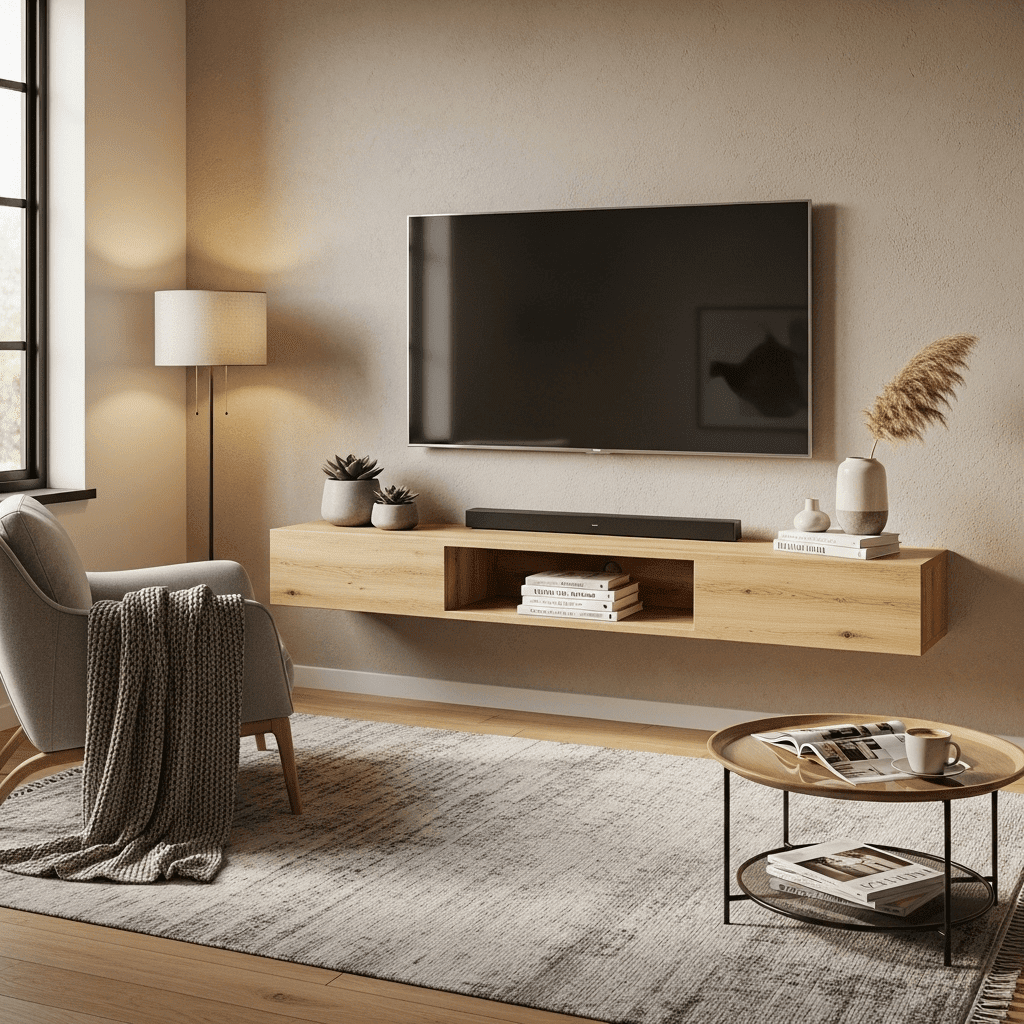
7. Wall-Mounted “Floating” Media
Eliminate bulky TV stands by wall-mounting your screen and a slim shelf beneath it. Clearing the floor area directly under the electronics creates a sense of airiness in the primary viewing zone.
8. Vertical Slat Partitions
Use thin wooden slats to define the living area in an open-plan home. These provide a subtle “room” feel while allowing light and sightlines to pass through, maintaining a minimalist transparency.
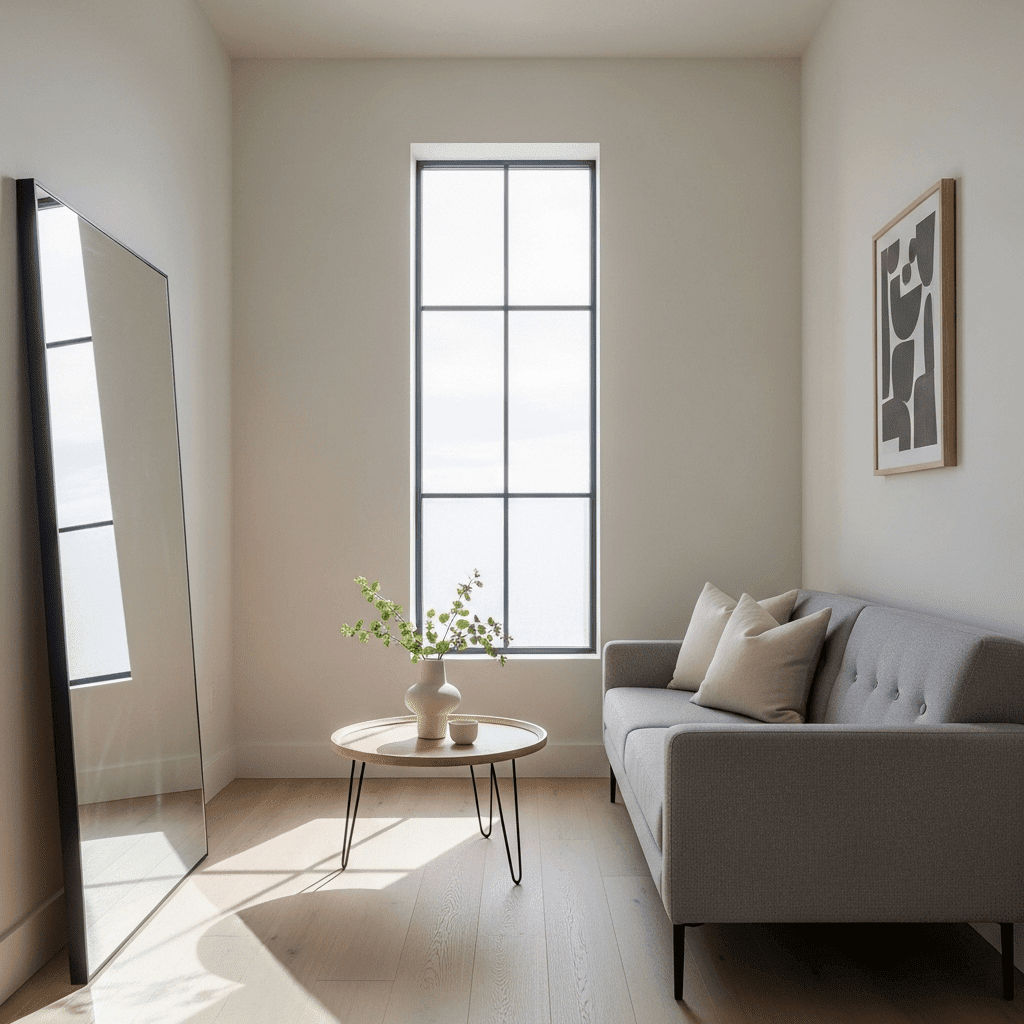
9. The Mirror Window Reflection
Hang a large, frameless mirror opposite your window. By reflecting the outdoor light and view, the mirror acts as a “second window,” effectively doubling the brightness and depth of the lounge.
10. Recessed “No-Footprint” Lighting
Replace floor lamps with recessed ceiling lights or slim wall sconces. Removing lamp bases from the floor clears walking paths and keeps the design lines clean and unobstructed.
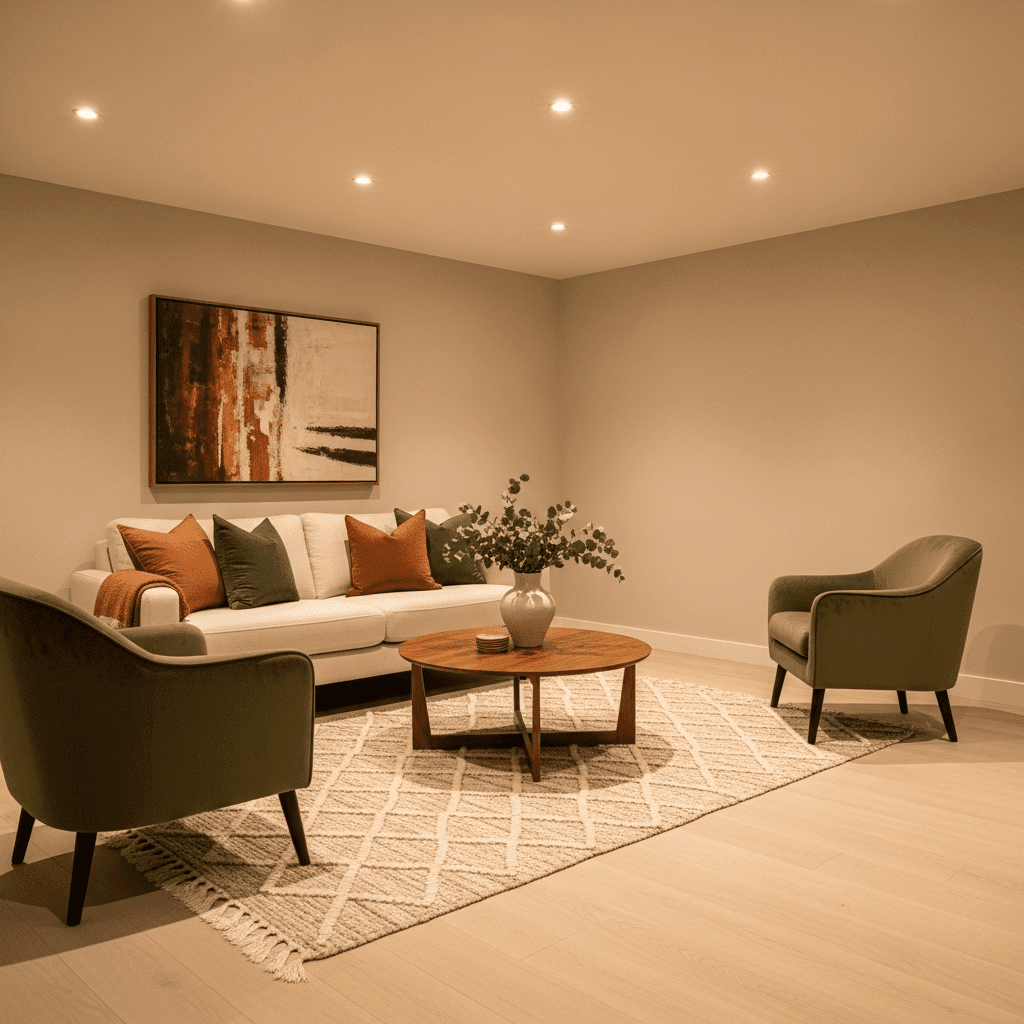
11. Nested Table Flexibility
Use a pair of nested tables instead of a large central coffee table. They offer versatility for guests but can be stacked into a single, tiny footprint to keep the room’s center clear.
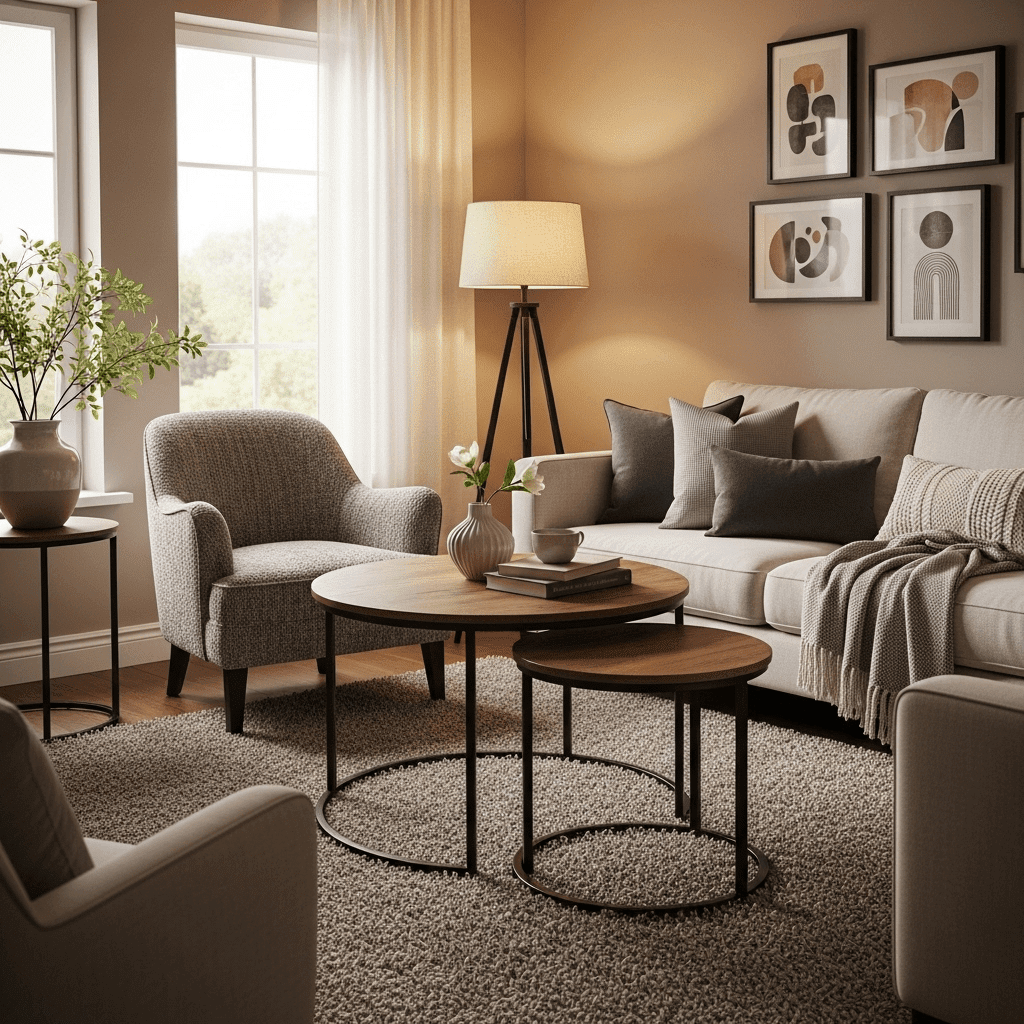
12. Tone-on-Tone Window Treatments
Select simple roller shades or drapes that are the exact same color as your walls. This prevents the window from “breaking” the wall line, creating a smooth, continuous perimeter.
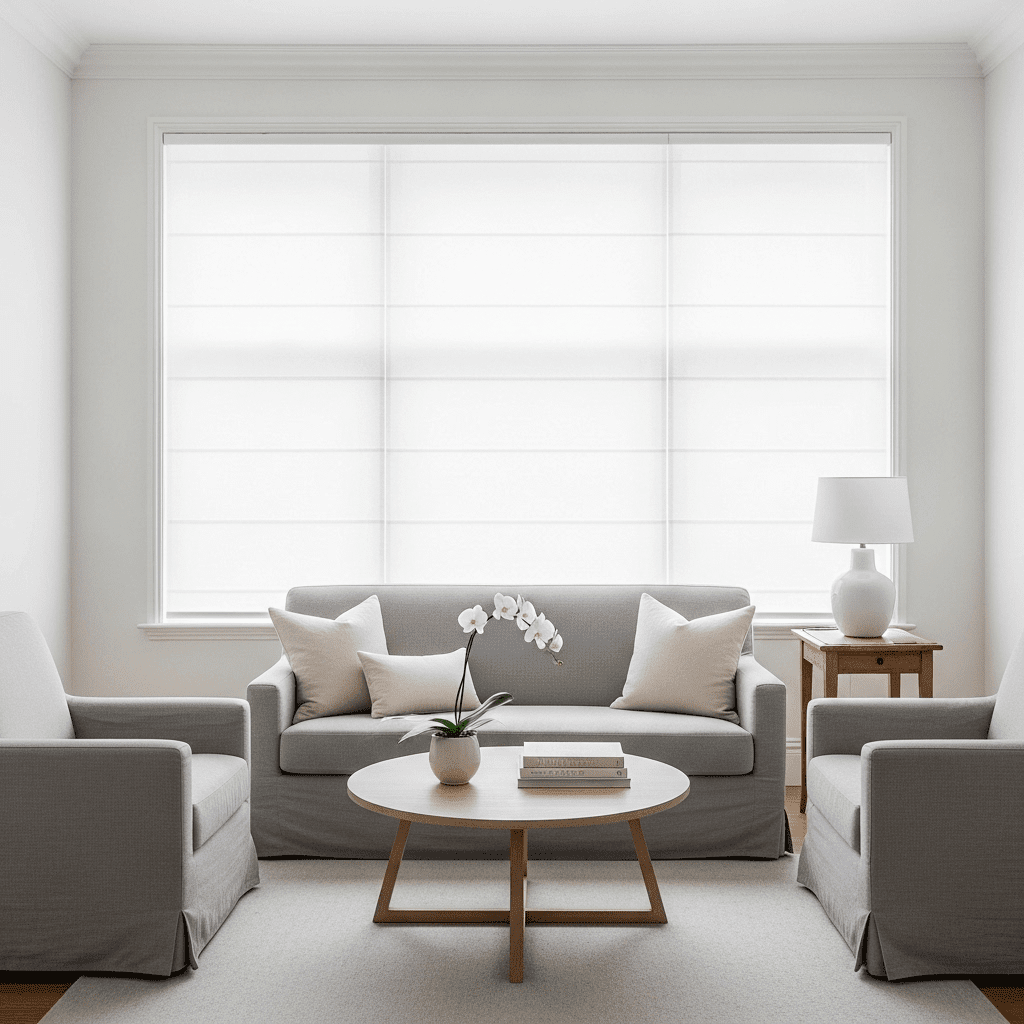
13. Natural Textures over Patterns
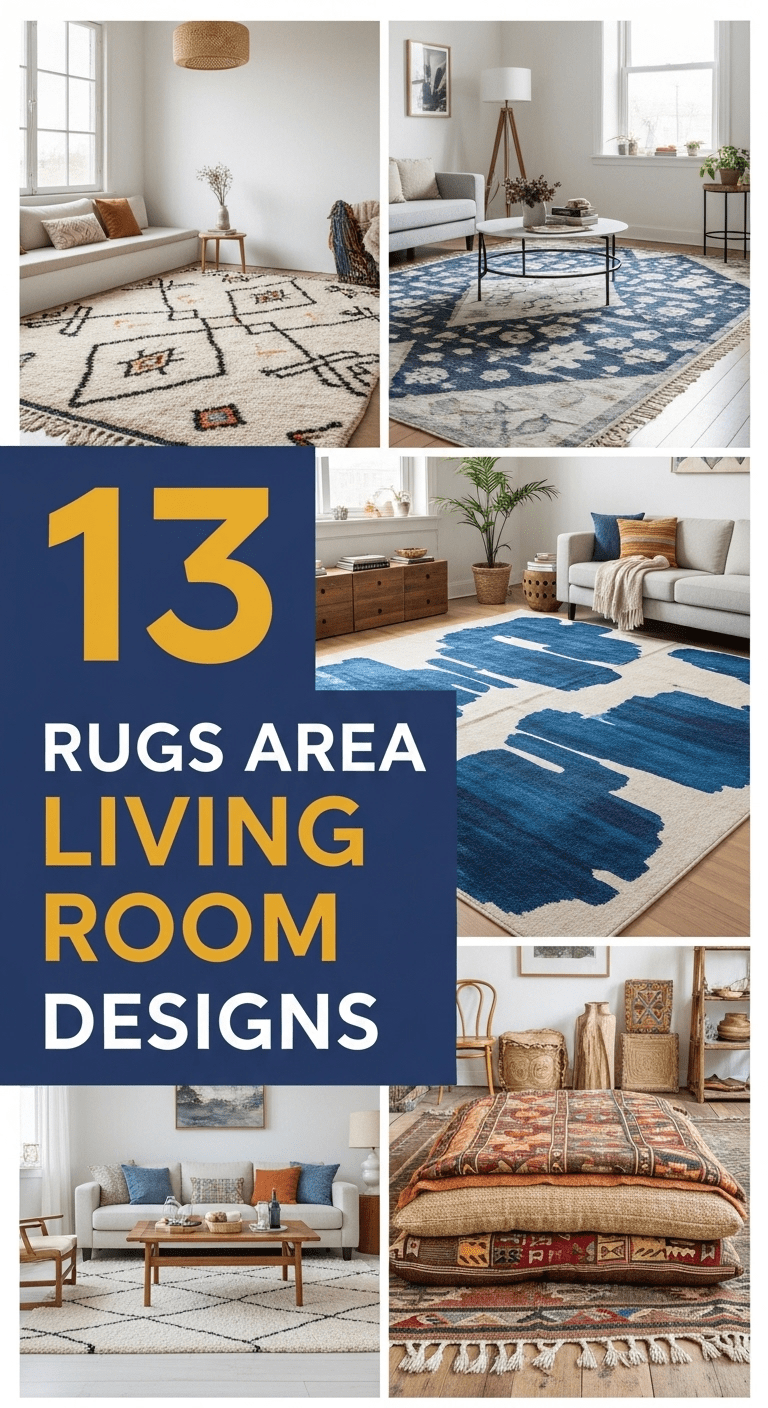
Avoid busy patterns on rugs or pillows; instead, use raw textures like jute, wool, and linen. This adds depth and warmth to a minimalist room without introducing visual clutter.
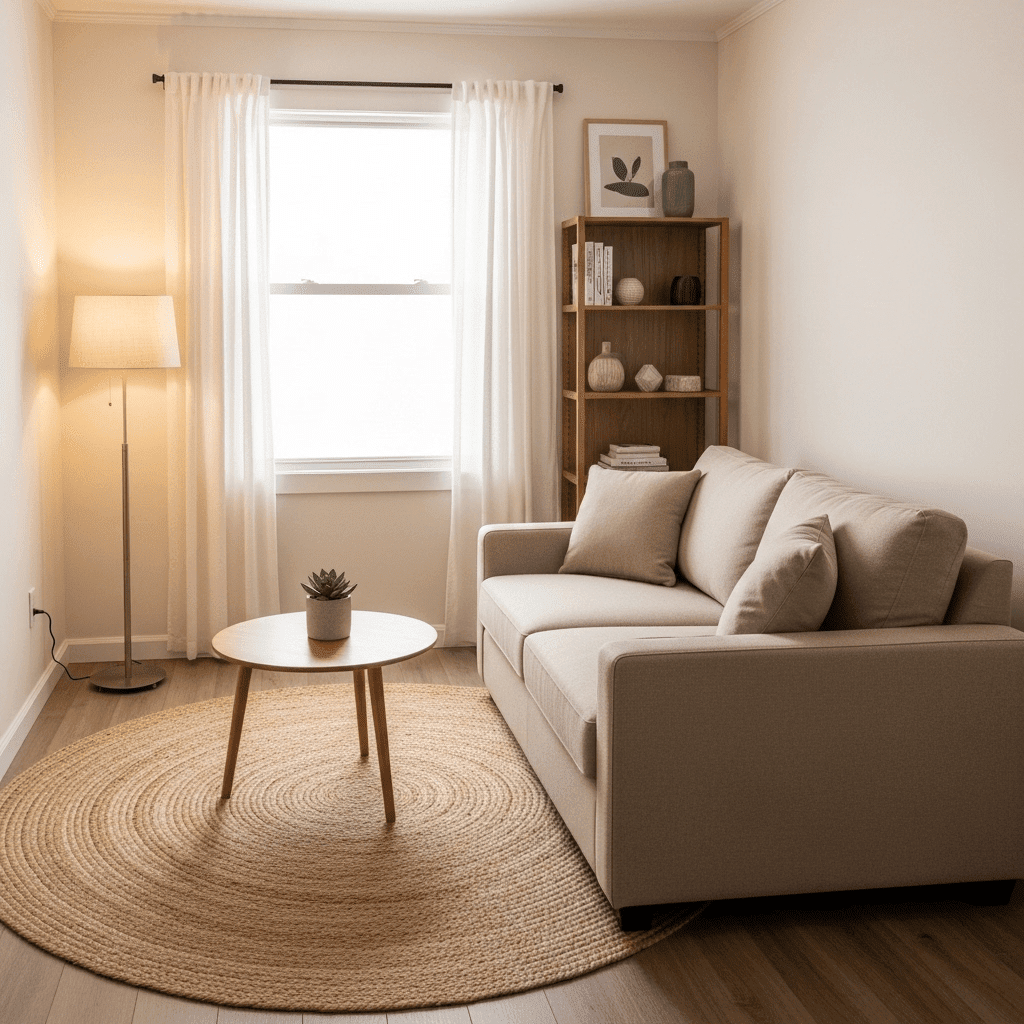
14. The Corner Plant Statement
Place one tall, architectural plant—like a Sansevieria or a Monstera—in an empty corner. A single organic element provides a burst of life that feels like art, rather than just another piece of furniture.
Conclusion
A small minimal living room thrives when you prioritize quality over quantity. By using “invisible” storage, transparent materials, and furniture that lifts off the floor, you can turn a compact area into a serene, high-end environment. Focus on keeping the central pathways open to ensure the room remains a functional and peaceful heart of the home.