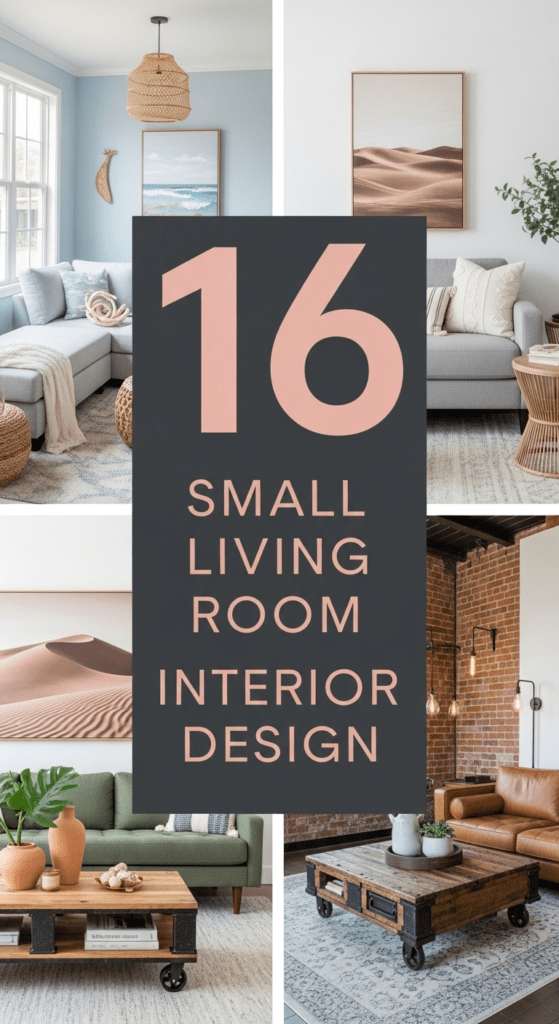
16 Small living room interior design
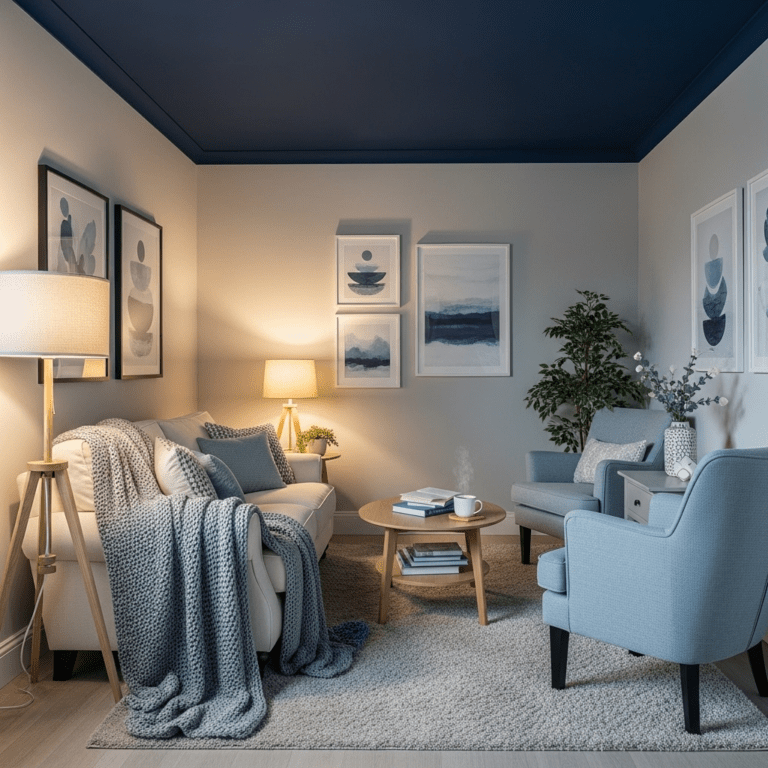
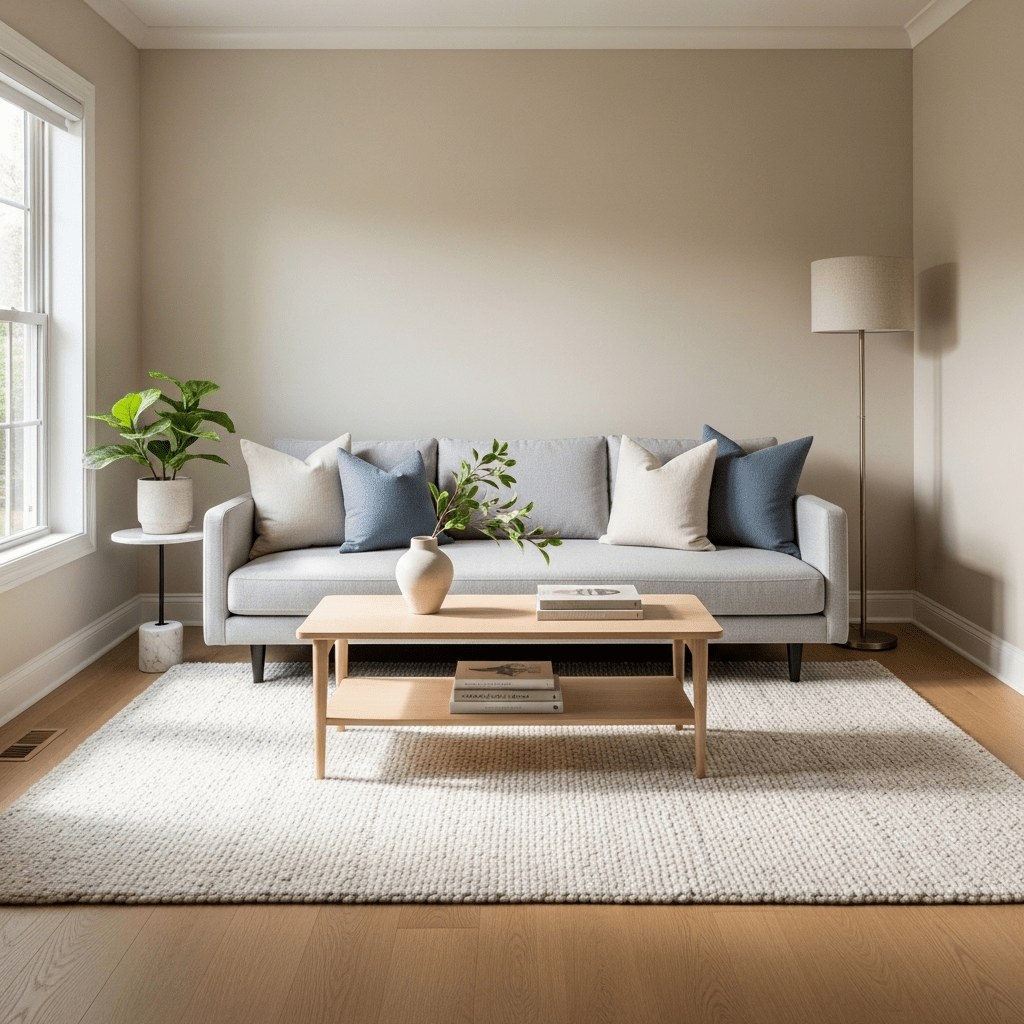
Small living room interior design focuses on the clever use of scale, light, and verticality to ensure that a limited footprint feels like a high-end retreat. In a compact home, every design choice must serve a dual purpose—providing comfort while maintaining “visual breathing room.” By prioritizing “leggy” furniture that exposes the floor, utilizing reflective surfaces, and leaning into a cohesive color story, you can transform a tiny lounge into an expansive, stylish sanctuary. Here are 16 ideas to elevate your small-scale interior.
1. The Low-Profile Modernist
Opt for a sofa with a low back and deep cushions. By keeping the horizontal line of the furniture low, you increase the vertical distance to the ceiling, which tricks the eye into perceiving the room as much taller.
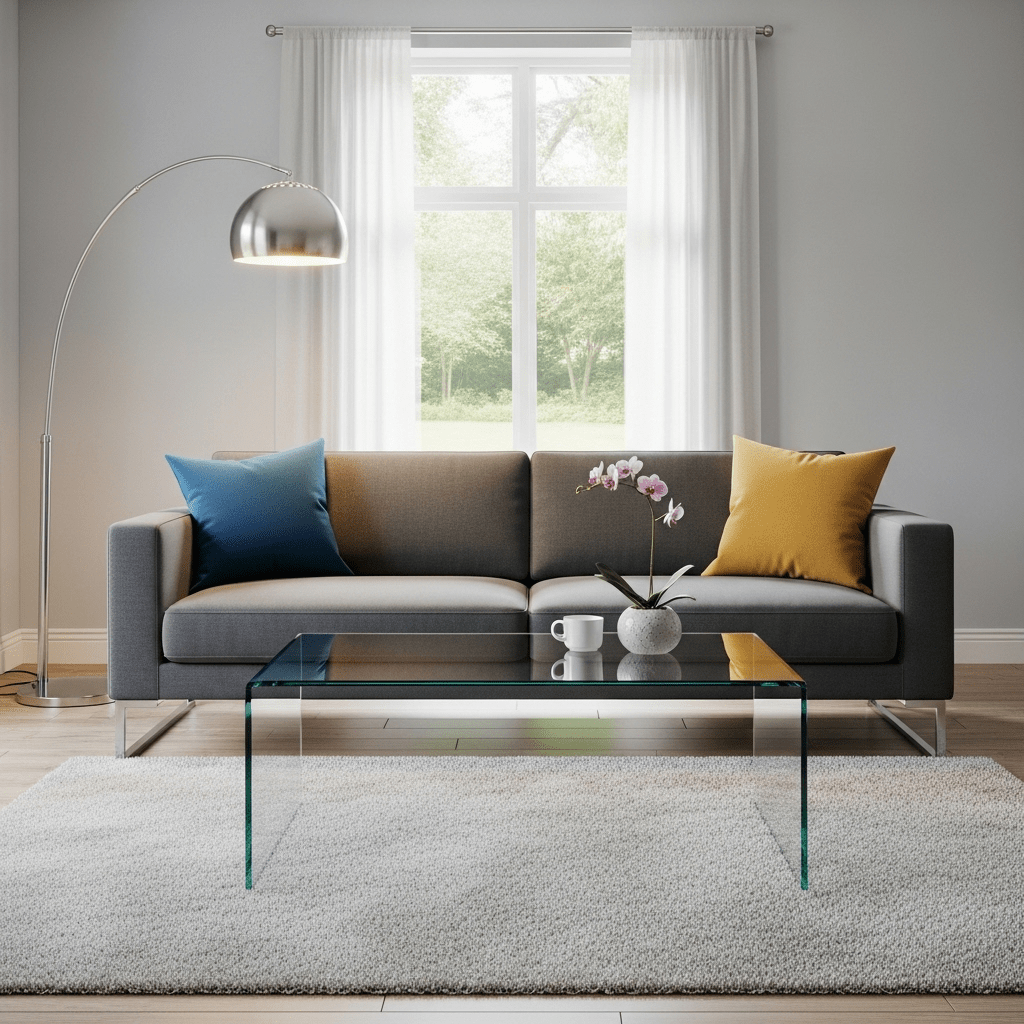
2. The Glass Waterfall Aesthetic
Use a coffee table made of clear tempered glass or acrylic. Because the eye travels right through the piece to the floor beyond, the furniture provides function without occupying any “visual weight” at the center of the room.
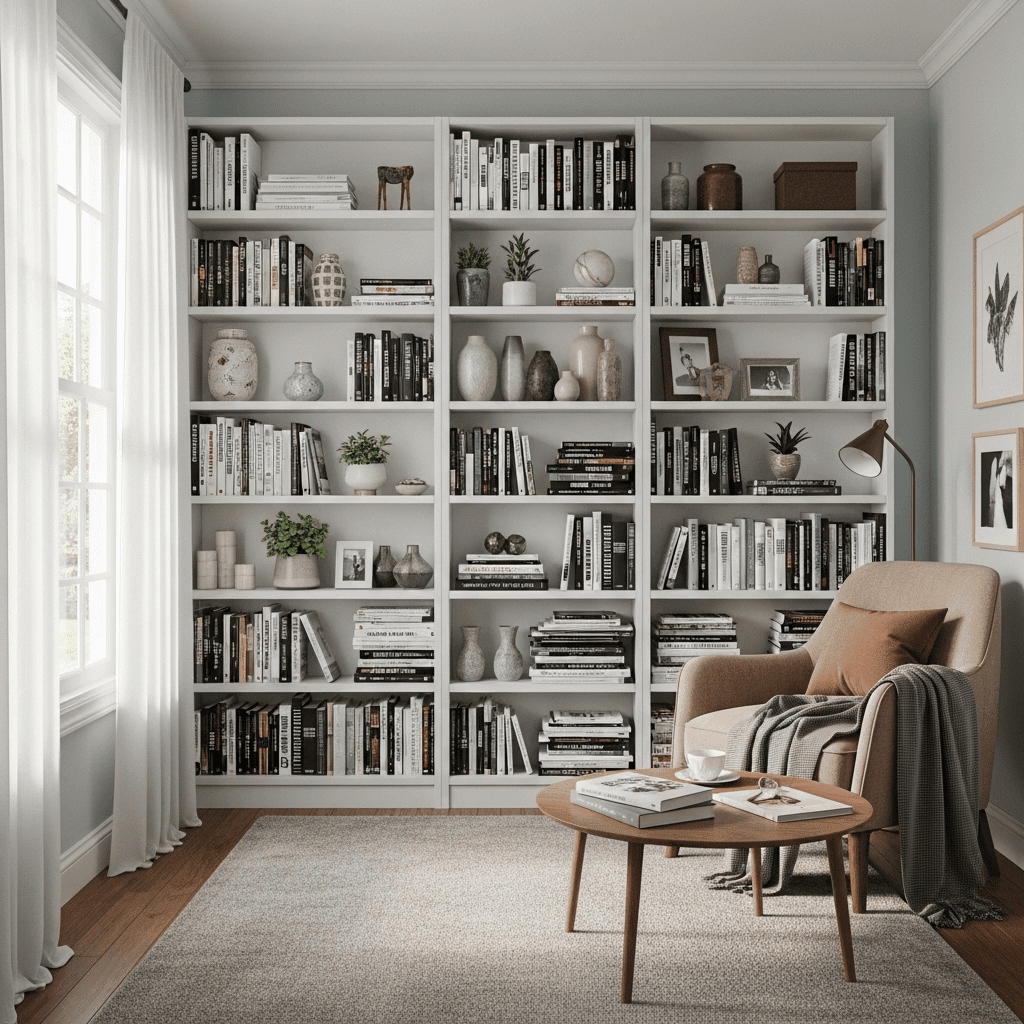
3. Vertical Library Expansion
Install floor-to-ceiling bookshelves on a single accent wall. Drawing the eye upward emphasizes the height of the room, distracting from a narrow or square floor plan and providing massive storage.
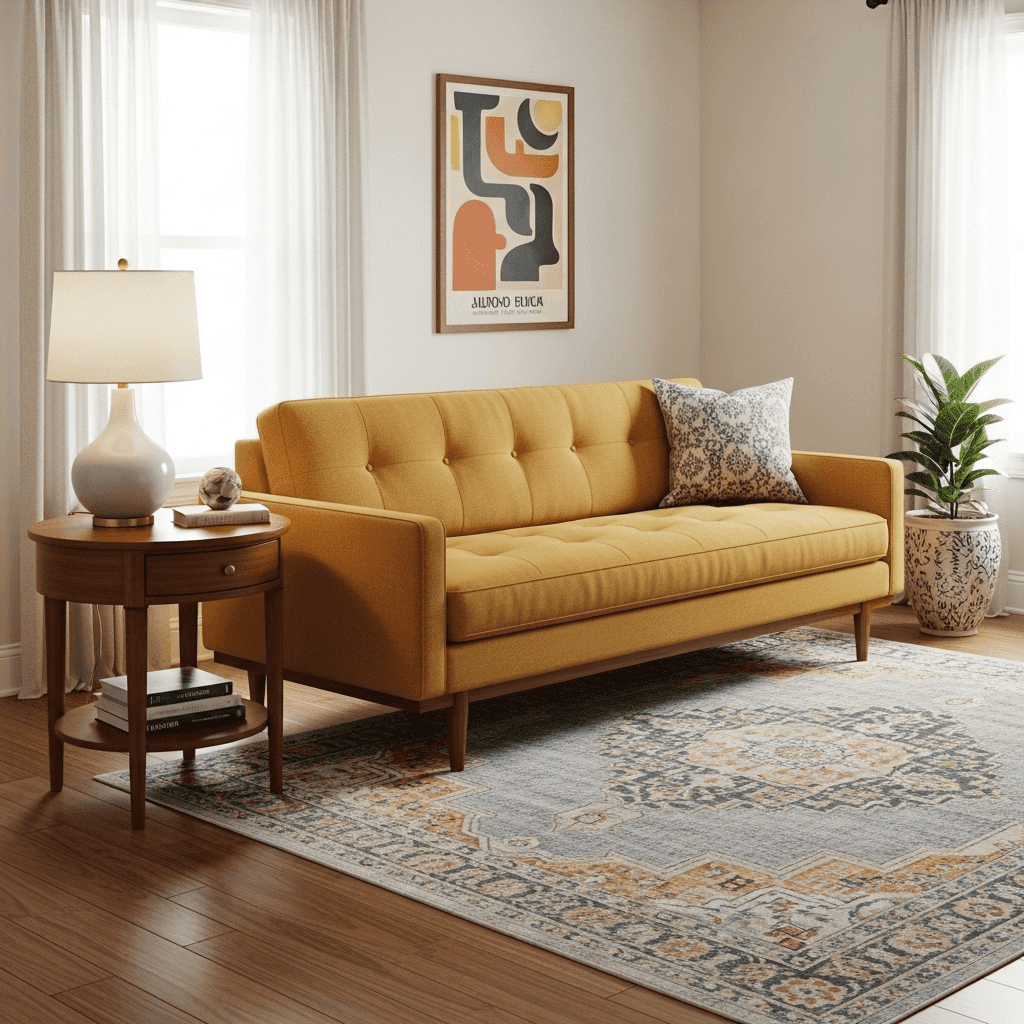
4. Mid-Century “Leggy” Silhouettes
Choose chairs and sofas with tall, tapered wooden legs. Seeing the floor continue underneath the furniture tricks the brain into perceiving more open square footage than there actually is.
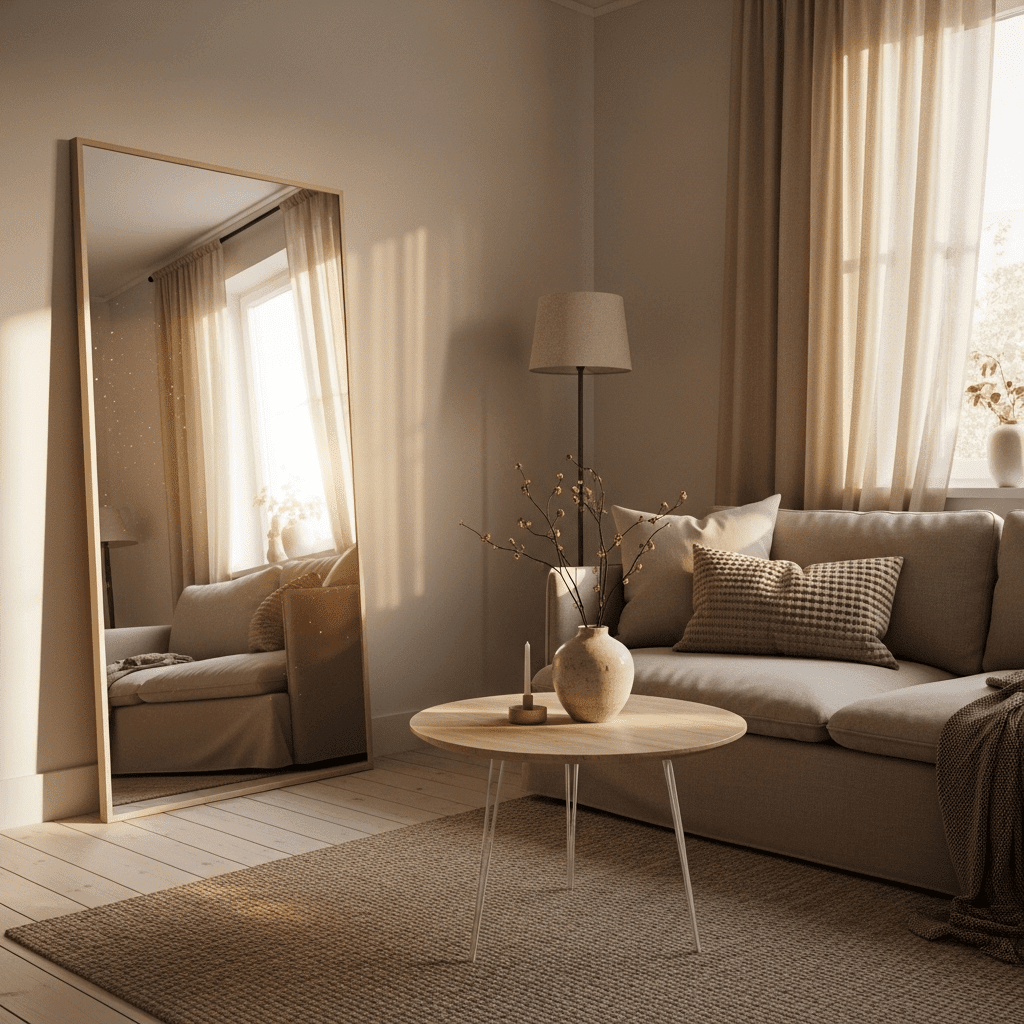
5. The Mirror Portal Effect
Hang a massive, oversized mirror opposite the main window. It reflects the outdoor view and doubles the amount of natural light, making the space feel twice as deep and significantly brighter.
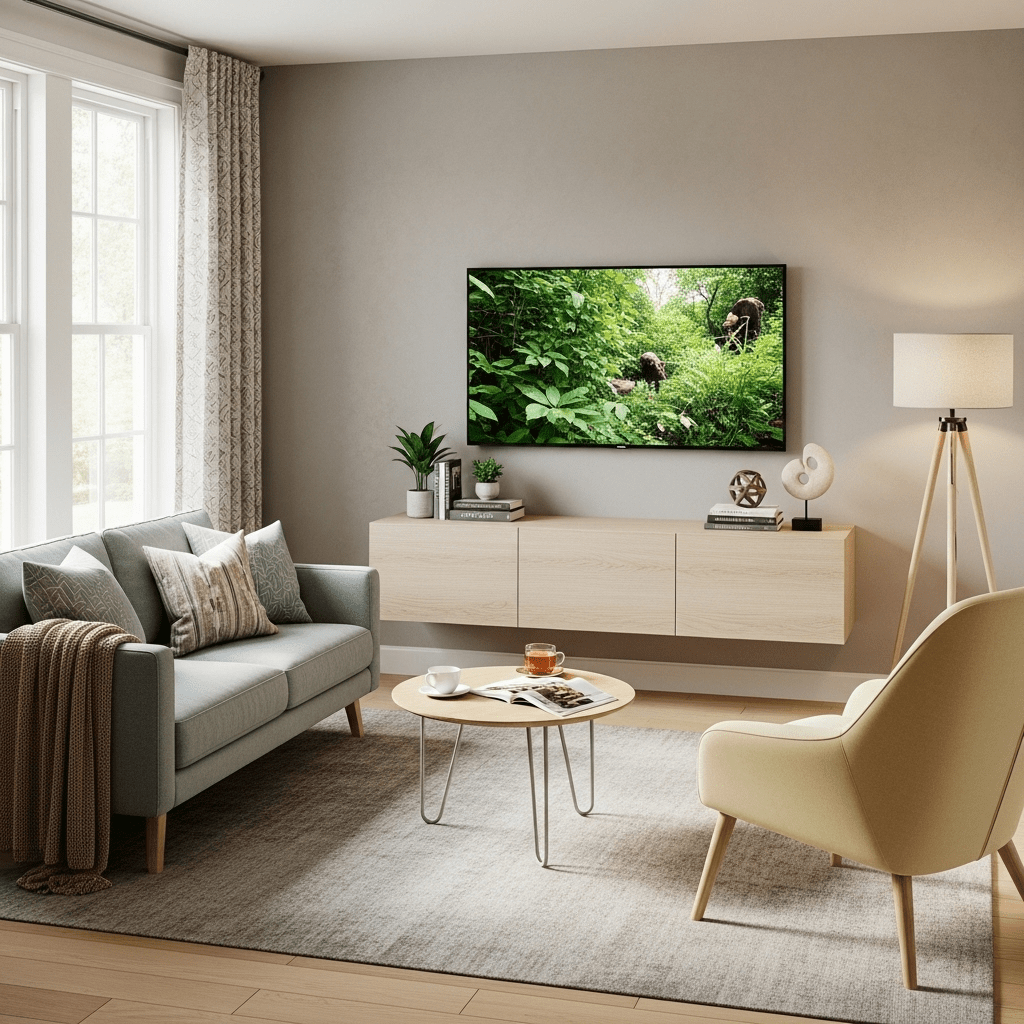
6. Floating Media Architecture
Wall-mount your TV and the console beneath it. Removing the “legs” from your media center frees up floor space and creates a modern, streamlined look that feels weightless and airy.
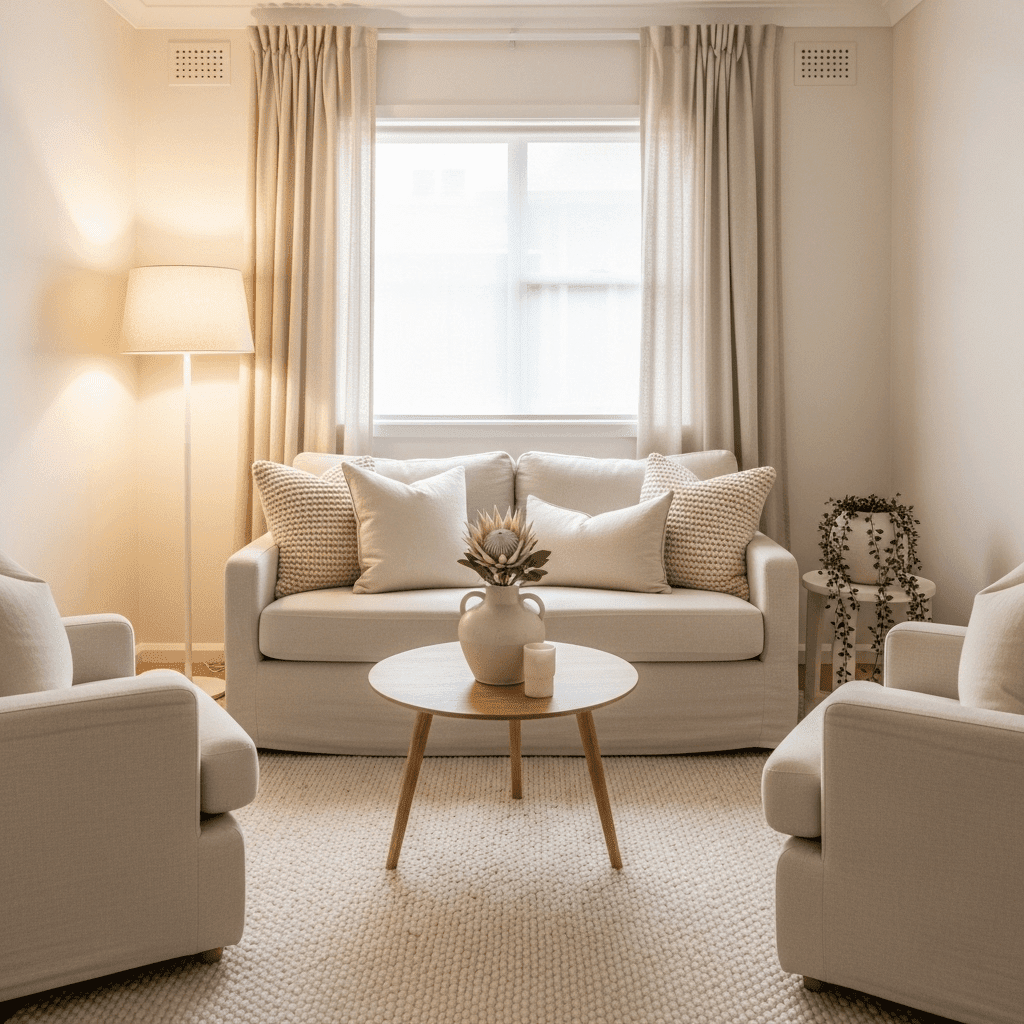
7. Monochrome Color Depth
Stick to a monochromatic palette, such as varying shades of soft “greige” or cream. A lack of high-contrast color breaks allows the walls to recede, making the boundaries of the room feel less defined.
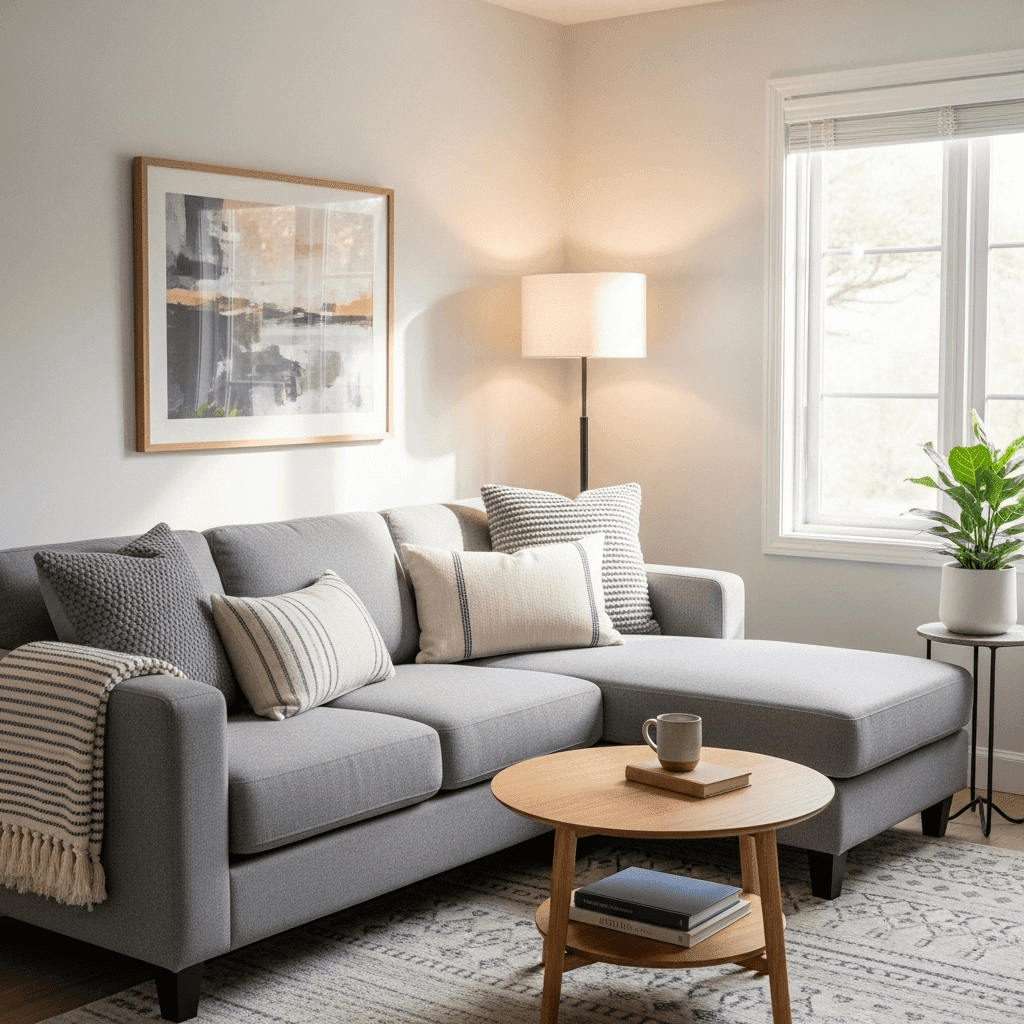
8. The Corner L-Shape Anchor
Tuck a small L-shaped sectional into a corner. This maximizes seating capacity while keeping the center of the room open for movement, creating a cozy and efficient social hub.
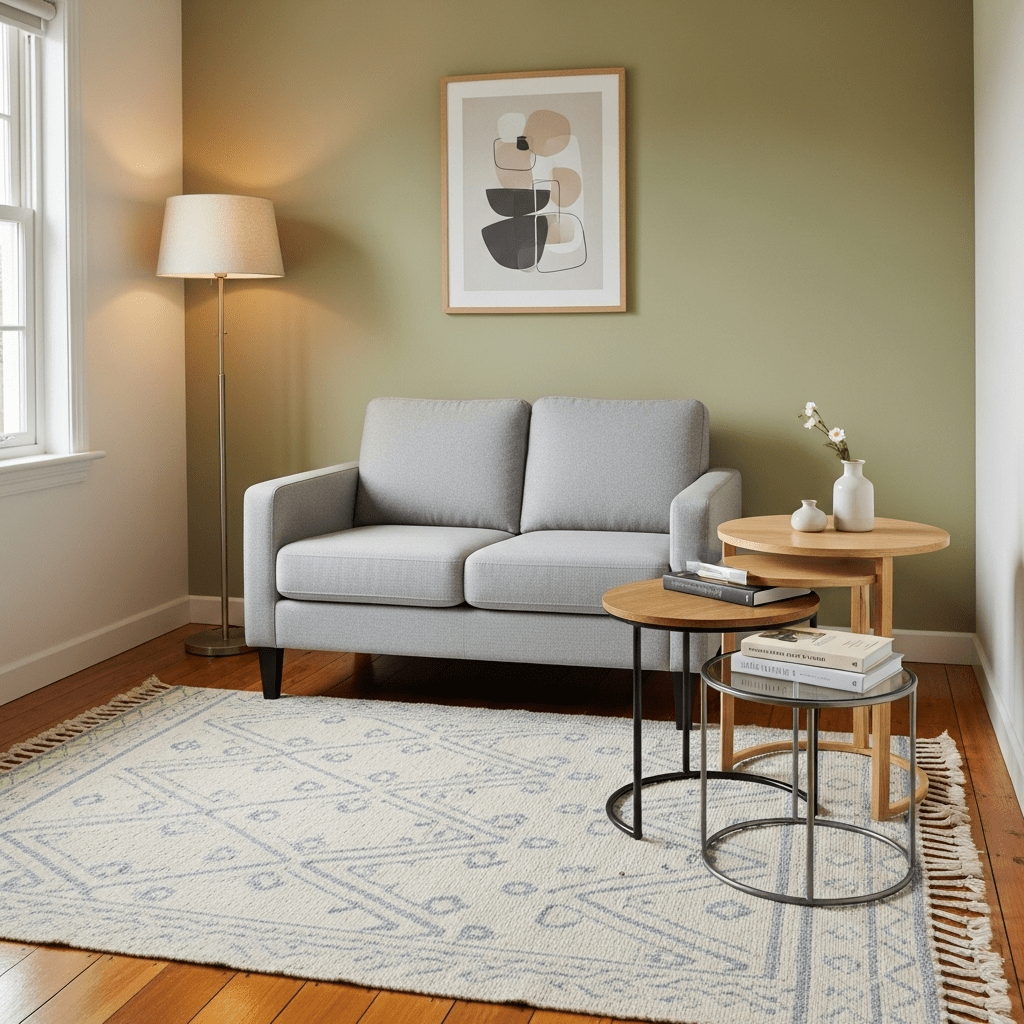
9. Nested Surface Solutions
Replace a traditional coffee table with a set of nesting tables. These can be spread out when hosting guests and tucked away into a single footprint for daily living to save floor space.
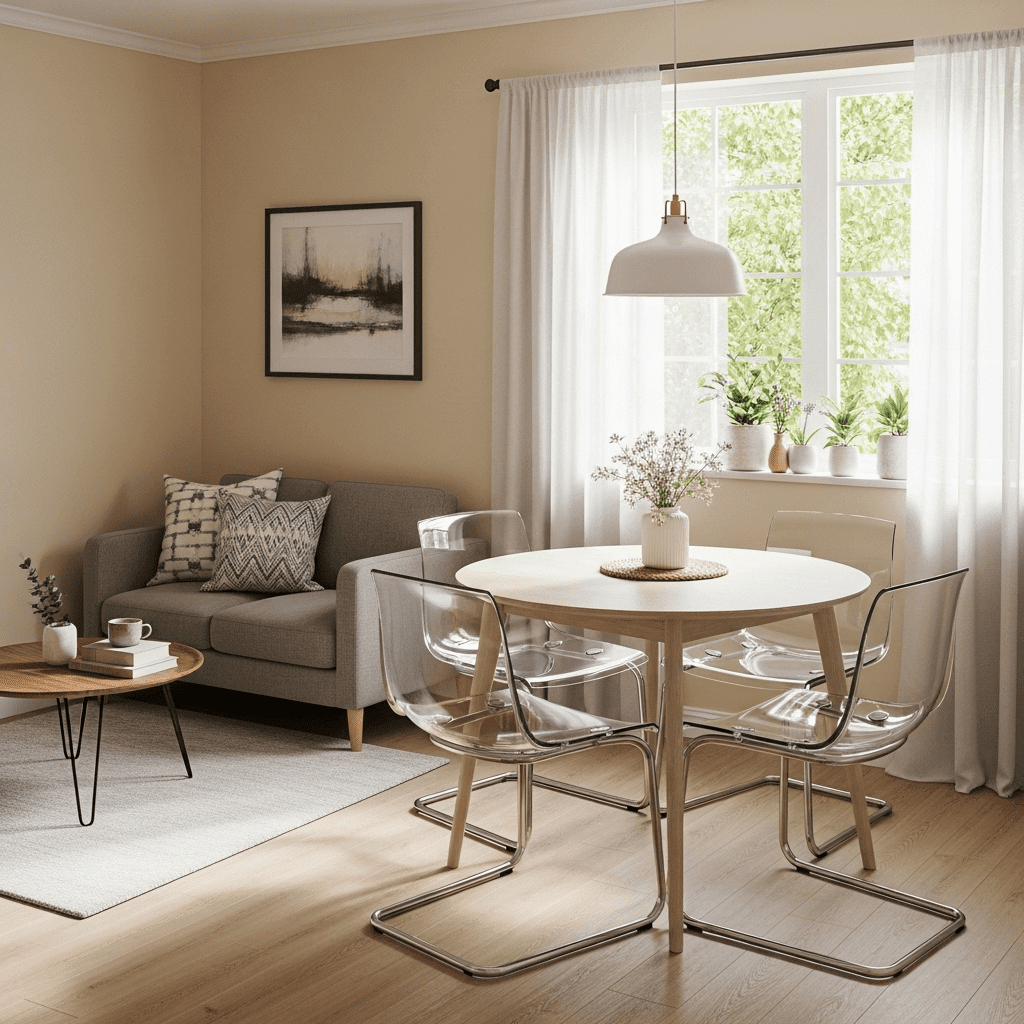
10. The Transparent Ghost Dining Nook
If your living room includes a dining area, use clear acrylic “Ghost” chairs. They provide necessary seating but “disappear” visually, keeping the room’s flow open and unobstructed.
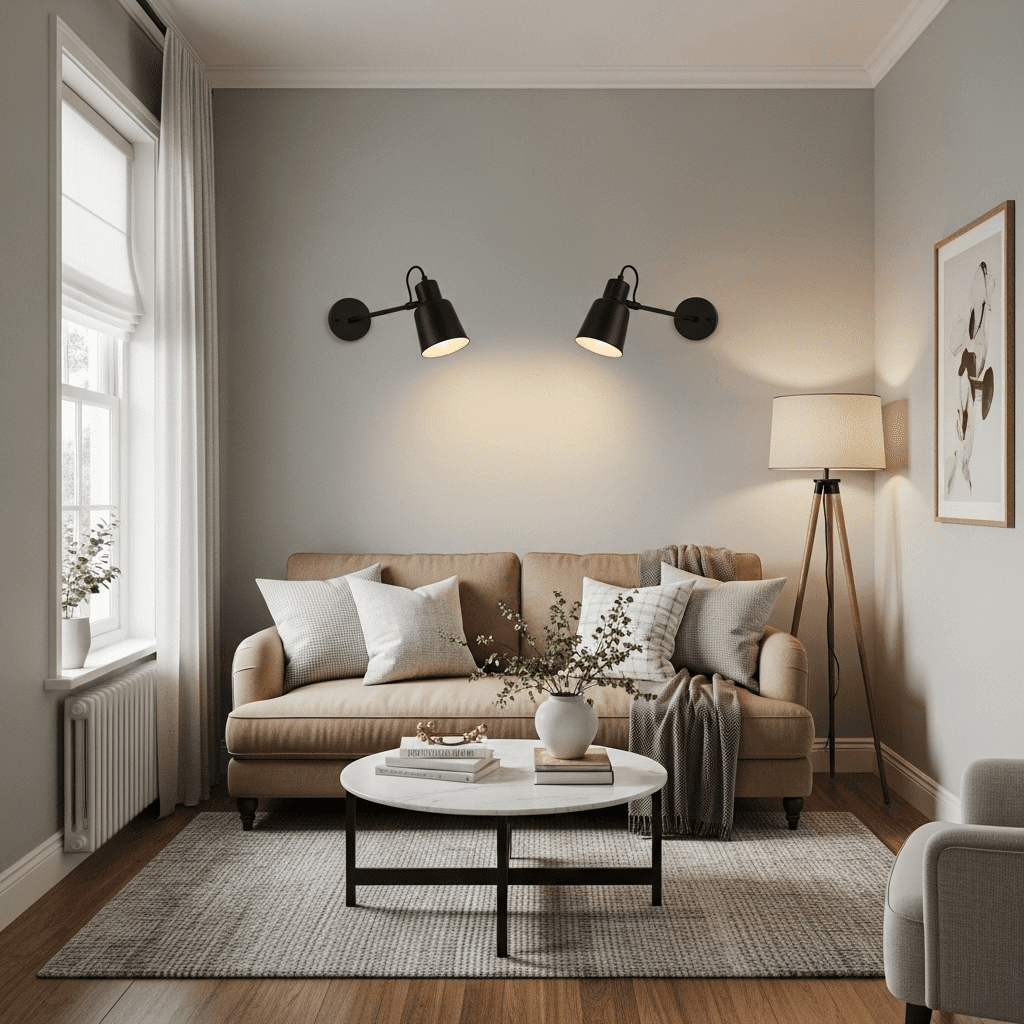
11. Sconce Lighting vs. Floor Lamps
Install wall-mounted swing-arm sconces. This provides excellent task lighting for reading without occupying the limited surface area of your side tables or precious floor square footage.
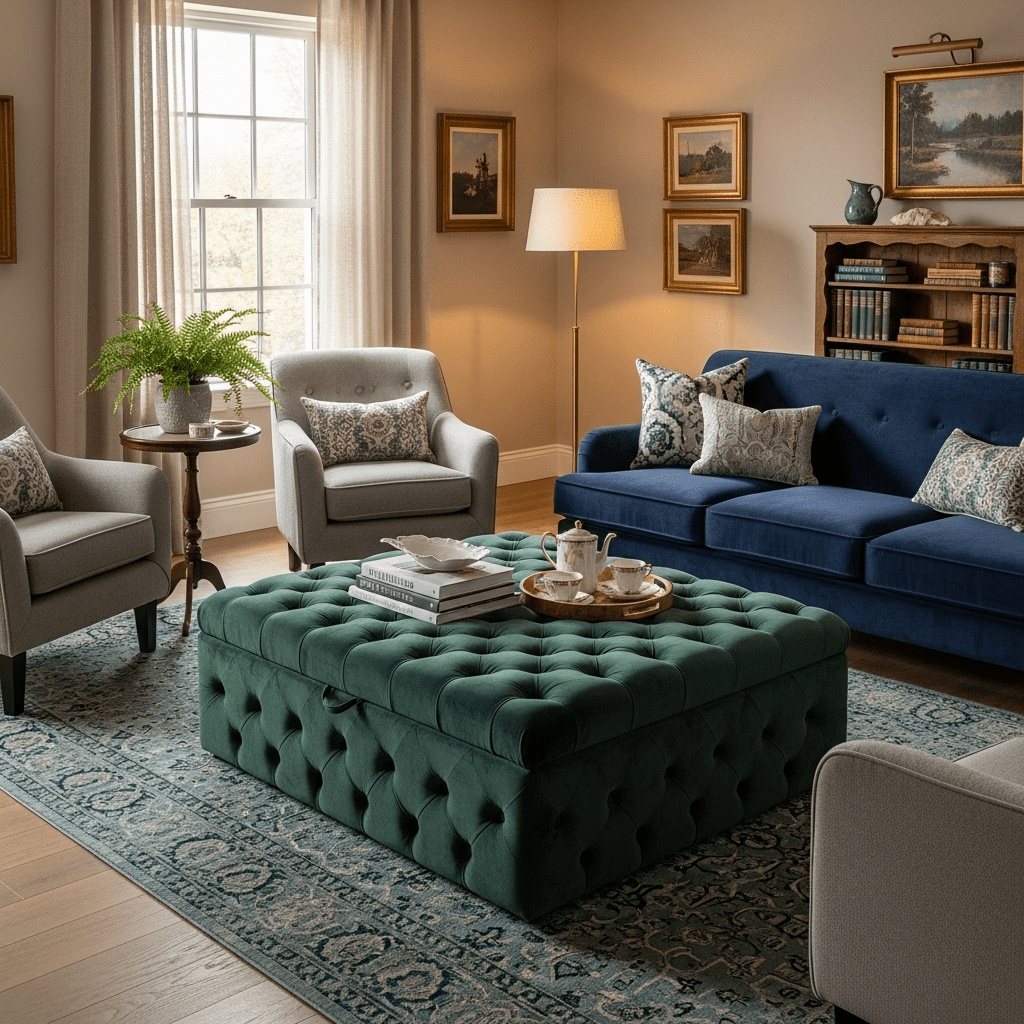
12. The Multi-Functional Storage Ottoman
Use a large upholstered storage ottoman as a coffee table. It serves as a footrest, extra seating, and a hidden spot for blankets, reducing visible clutter in a small interior.
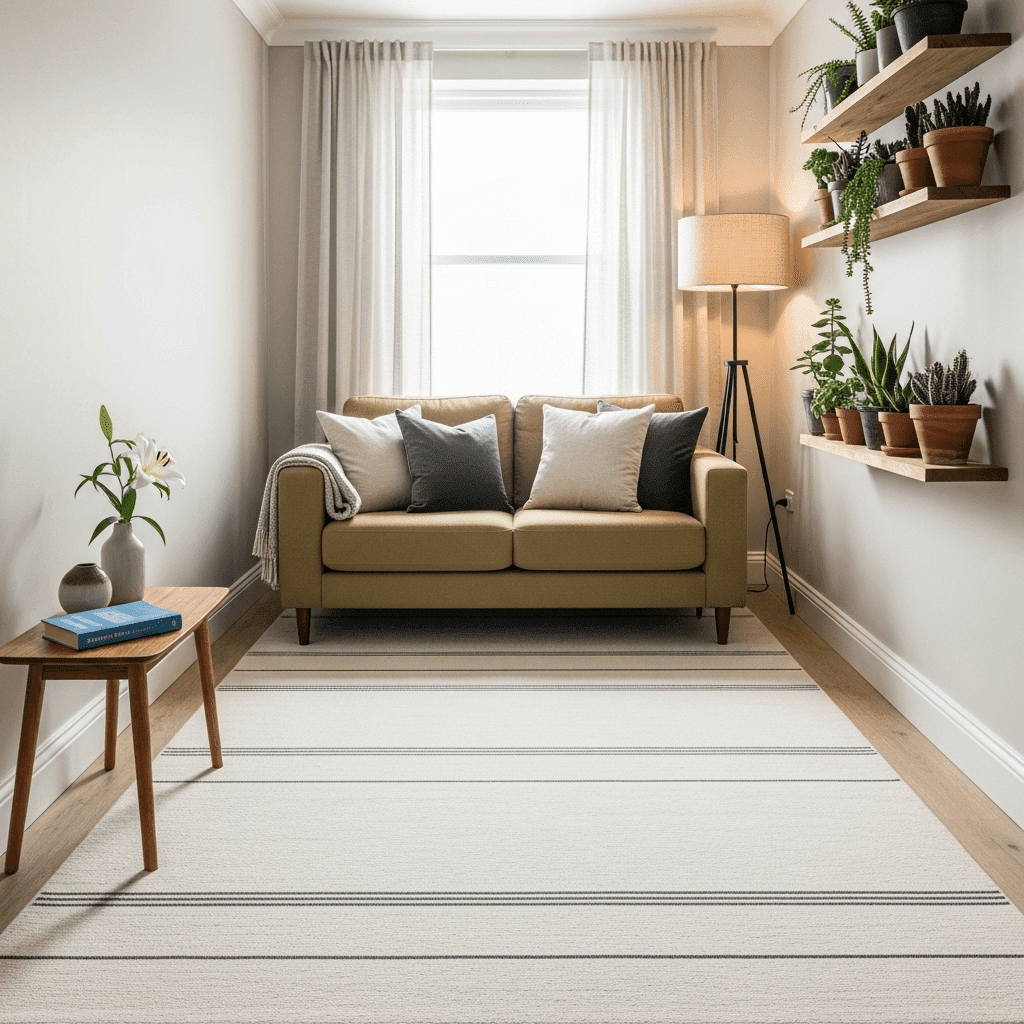
13. Subtle Striped Patterning
Use a large rug with subtle vertical stripes. Much like pinstripes on clothing, these lines can “stretch” the room in the direction they run, making a narrow room feel wider.
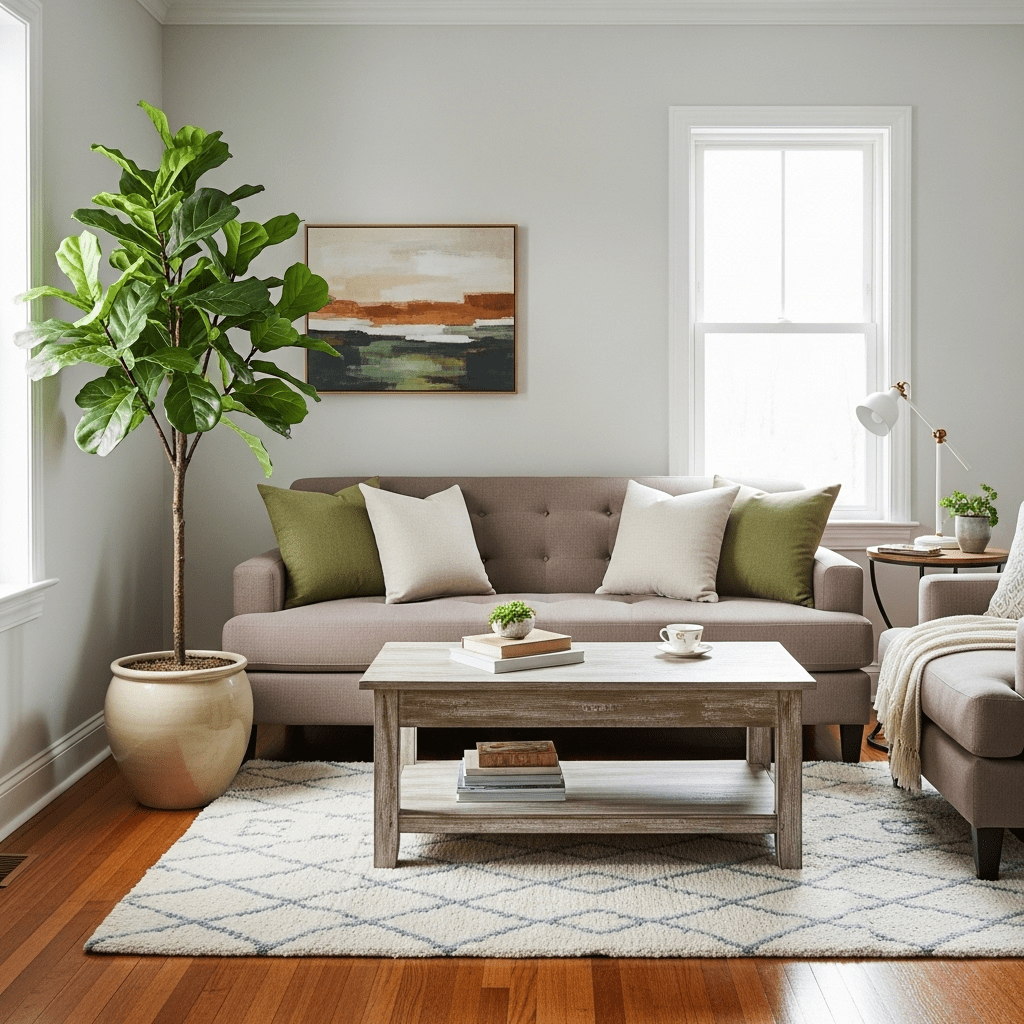
14. Potted Trees for Scale
Place one tall, slender tree like a Fiddle Leaf Fig in a corner. The verticality adds a sense of “nature’s architecture” and draws the eye to the ceiling, making the room feel grander.
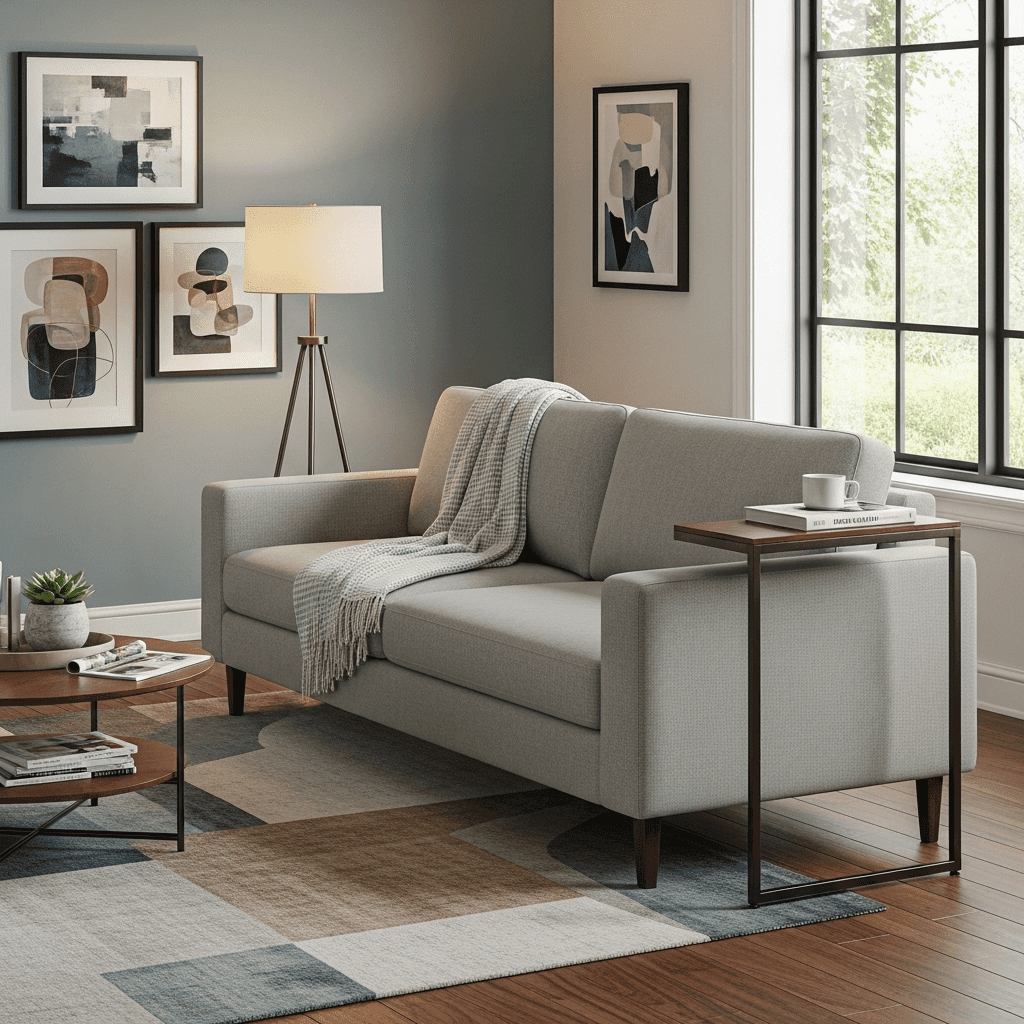
15. The Floating “C-Table” Desk
Use a C-shaped table that slides over the sofa arm. It provides a laptop workspace that takes up zero dedicated floor area, perfect for small apartment living and remote work.
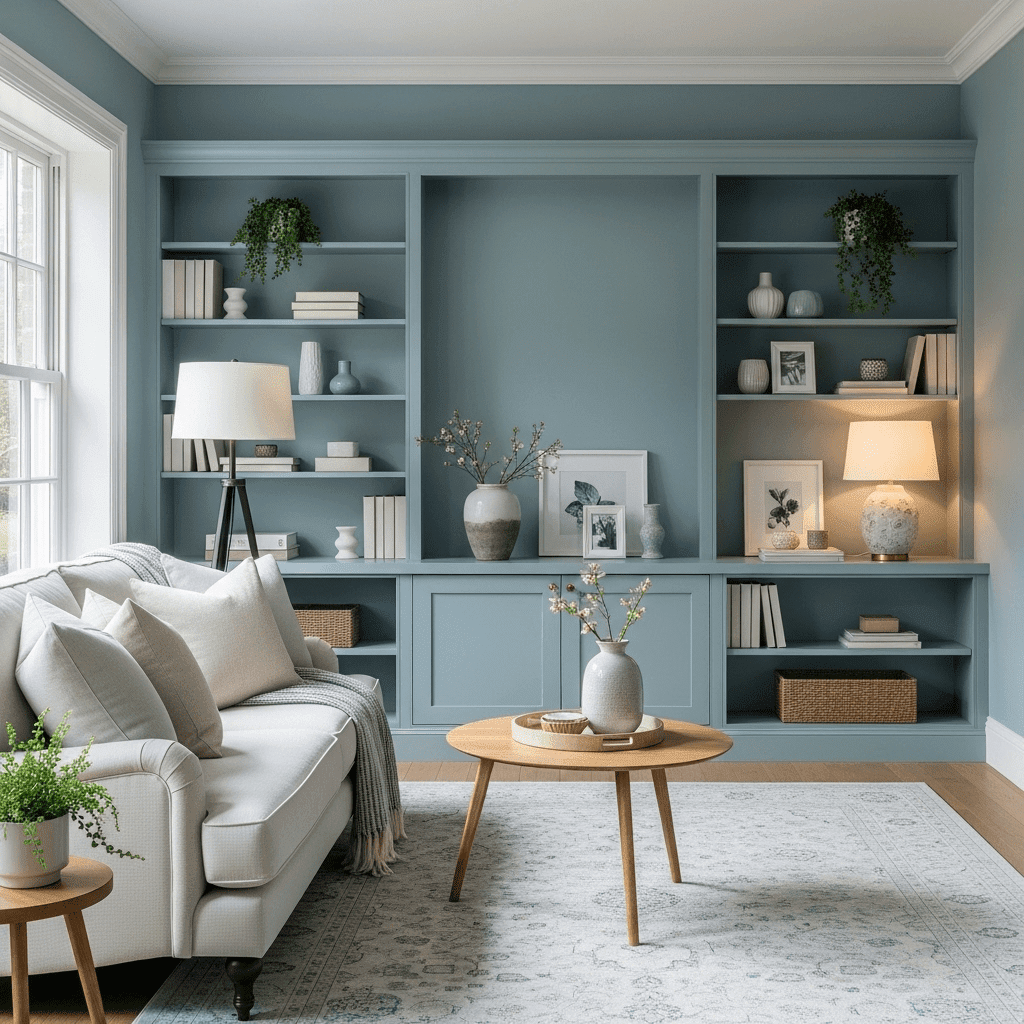
16. Integrated Tone-on-Tone Shelving
Paint your bookshelves the exact same color as your walls. This makes the storage look like a built-in architectural feature rather than a piece of furniture sticking out, creating a seamless look.
Conclusion
Small living room interior design is a balance of scale and transparency. By prioritizing light-reflecting surfaces, vertical storage, and furniture that reveals more of the floor, you can turn a compact footprint into a spacious sanctuary. Focus on a cohesive color palette to ensure every element feels like an intentional part of the design.