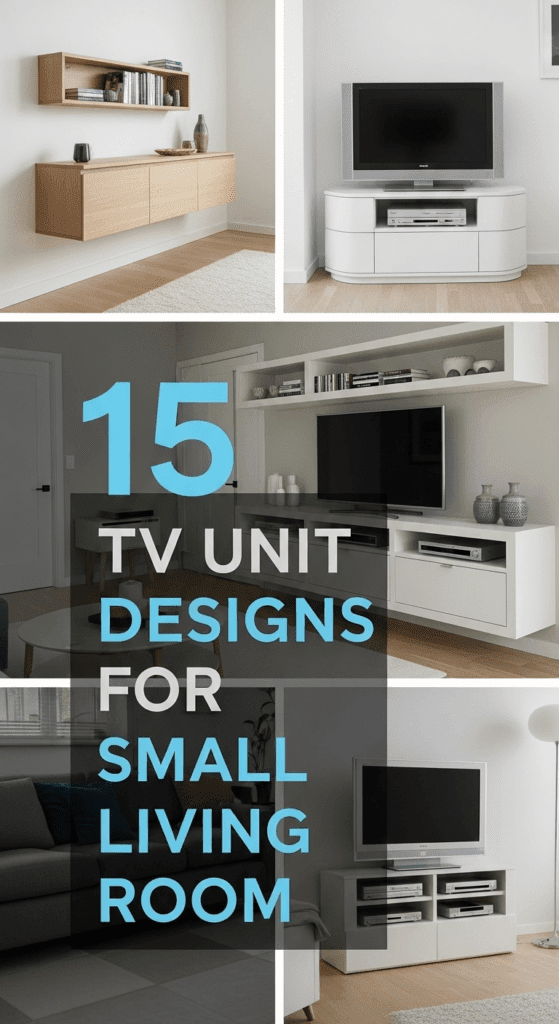
15 TV unit designs for small living room
TV unit for small living room selection dramatically impacts both functionality and spatial perception, determining whether entertainment areas enhance or overwhelm compact spaces. The right TV unit provides essential media storage, display surfaces, and cable management while maintaining visual lightness crucial in small rooms. Unlike large living rooms where substantial entertainment centers barely register, small spaces demand carefully scaled, thoughtfully designed TV units that serve their purpose without dominating limited square footage. These fifteen designs showcase the best approaches to television furniture in compact living rooms, proving that smart TV unit selection transforms entertainment areas from space-consuming necessities into streamlined, stylish features.
See also: Small Living Room With Front Door Entry Designs
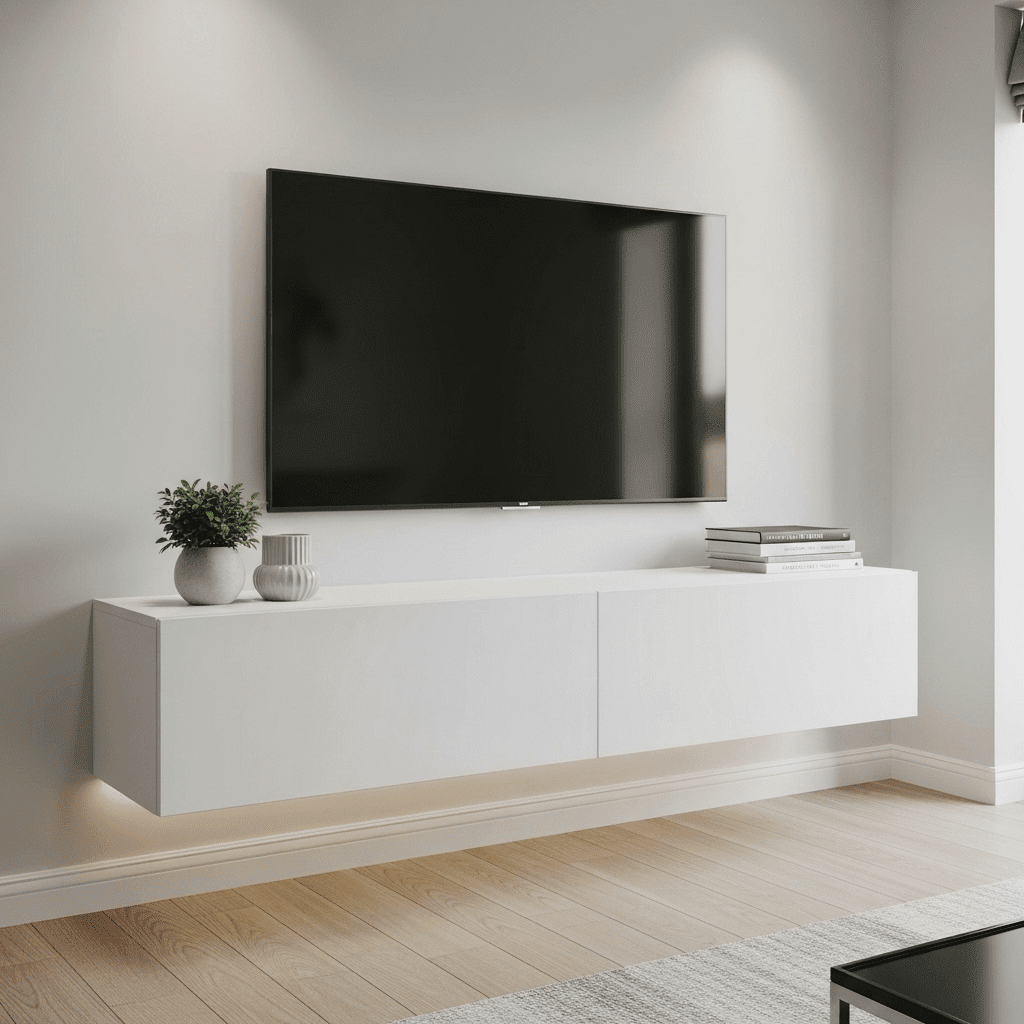
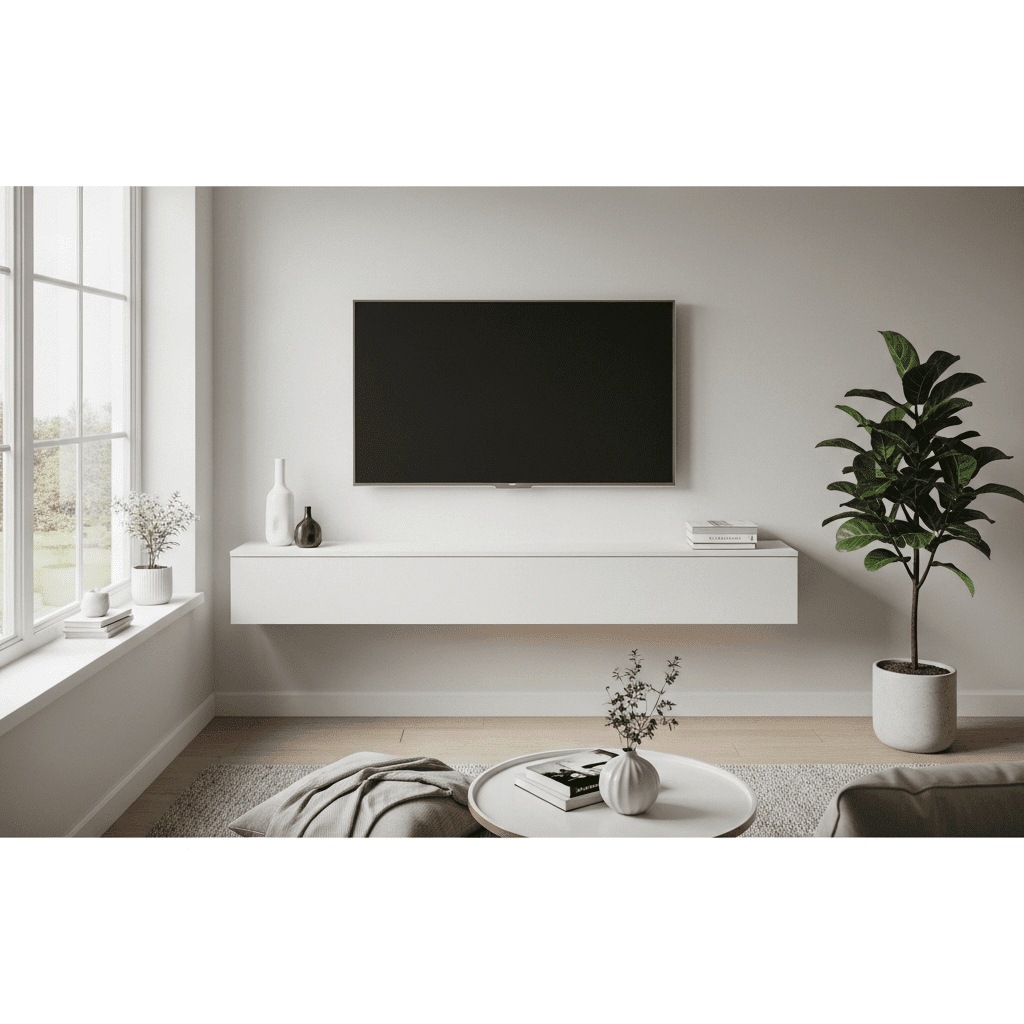
1. Wall-Mounted Floating Console
Sleek floating TV console mounted on wall eliminates floor footprint entirely, creating airy, space-expanding appearance in small living rooms.
2. Narrow Low-Profile Unit
Extra-slim TV stand under 12 inches deep provides media storage without protruding significantly into limited room space.
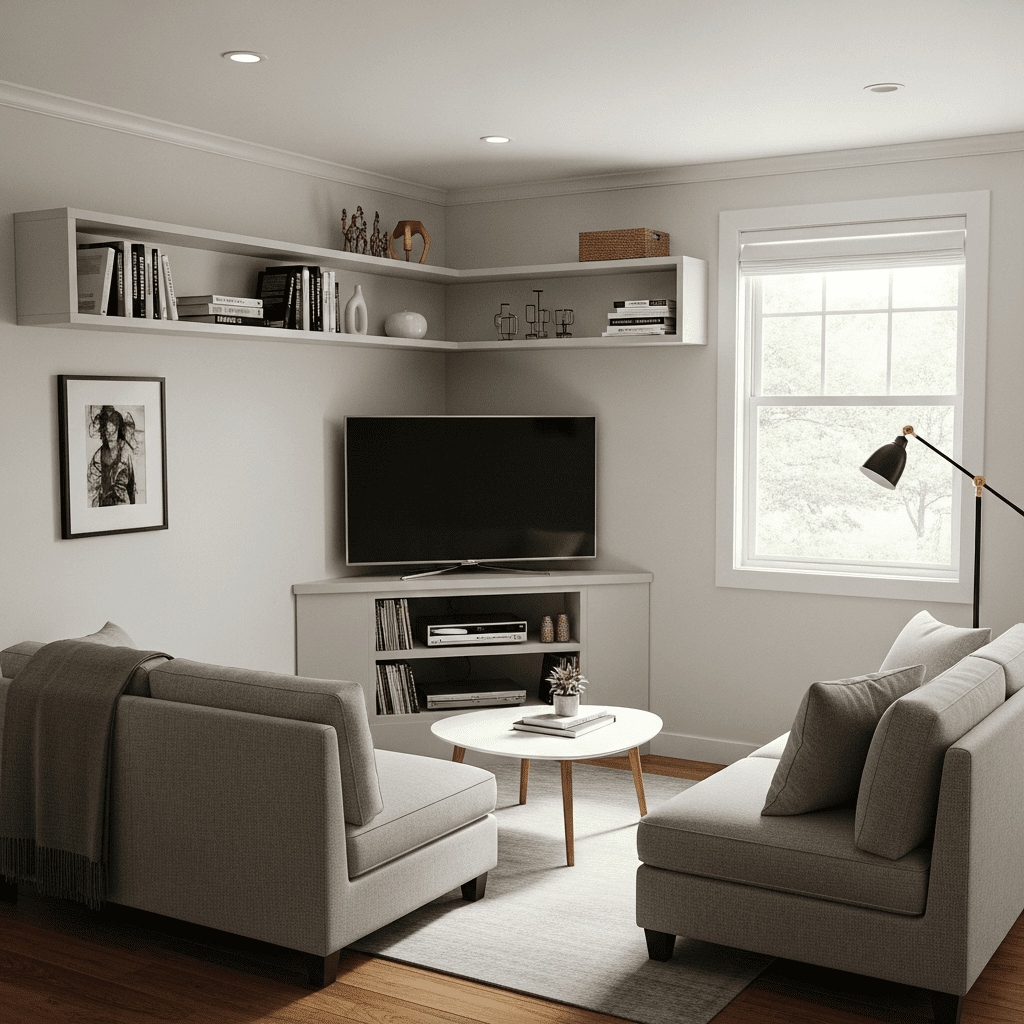
3. Corner TV Stand
Triangular or angled corner TV unit maximizes otherwise wasted angular space, perfect for small rooms with challenging layouts.
See also: Small Living Room Interior Designs
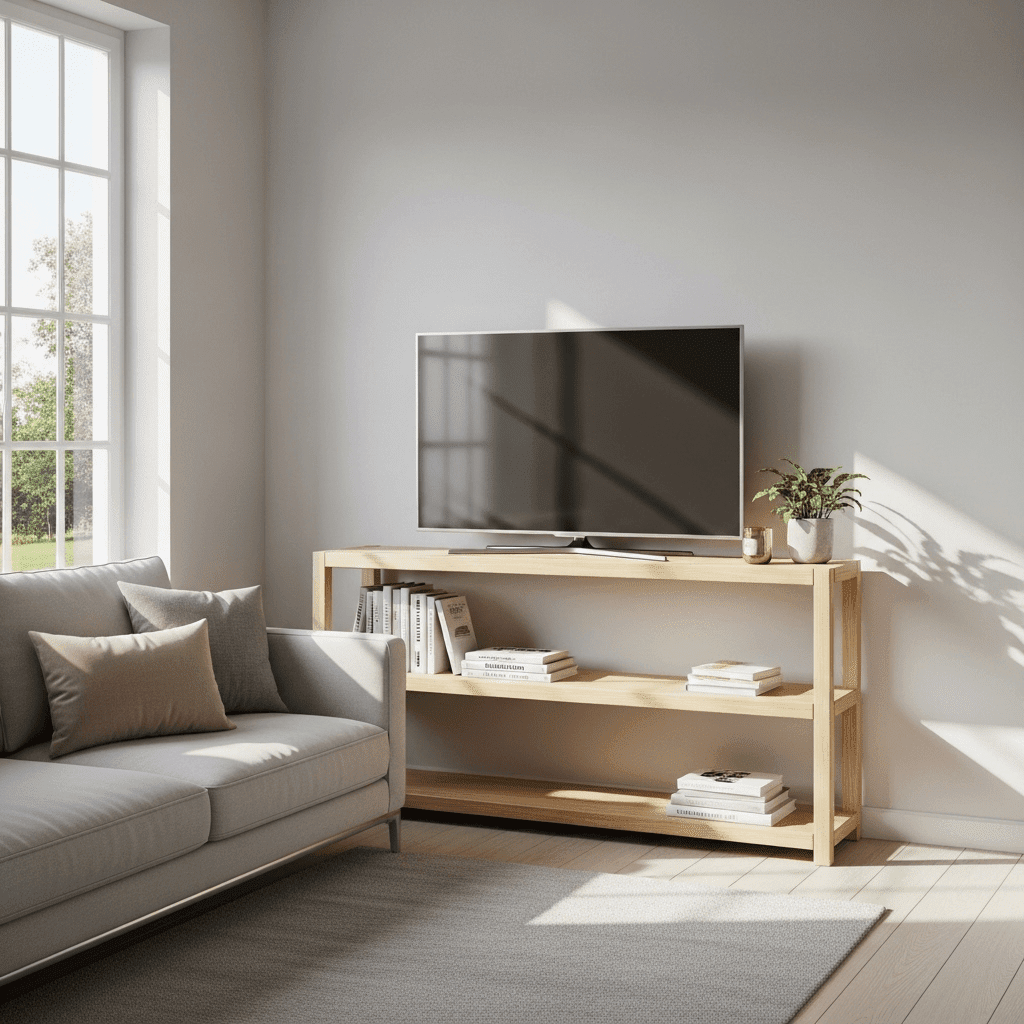
4. Open Shelf Minimalist
Simple open shelving provides TV support and minimal storage maintaining visual lightness without closed cabinet heaviness.
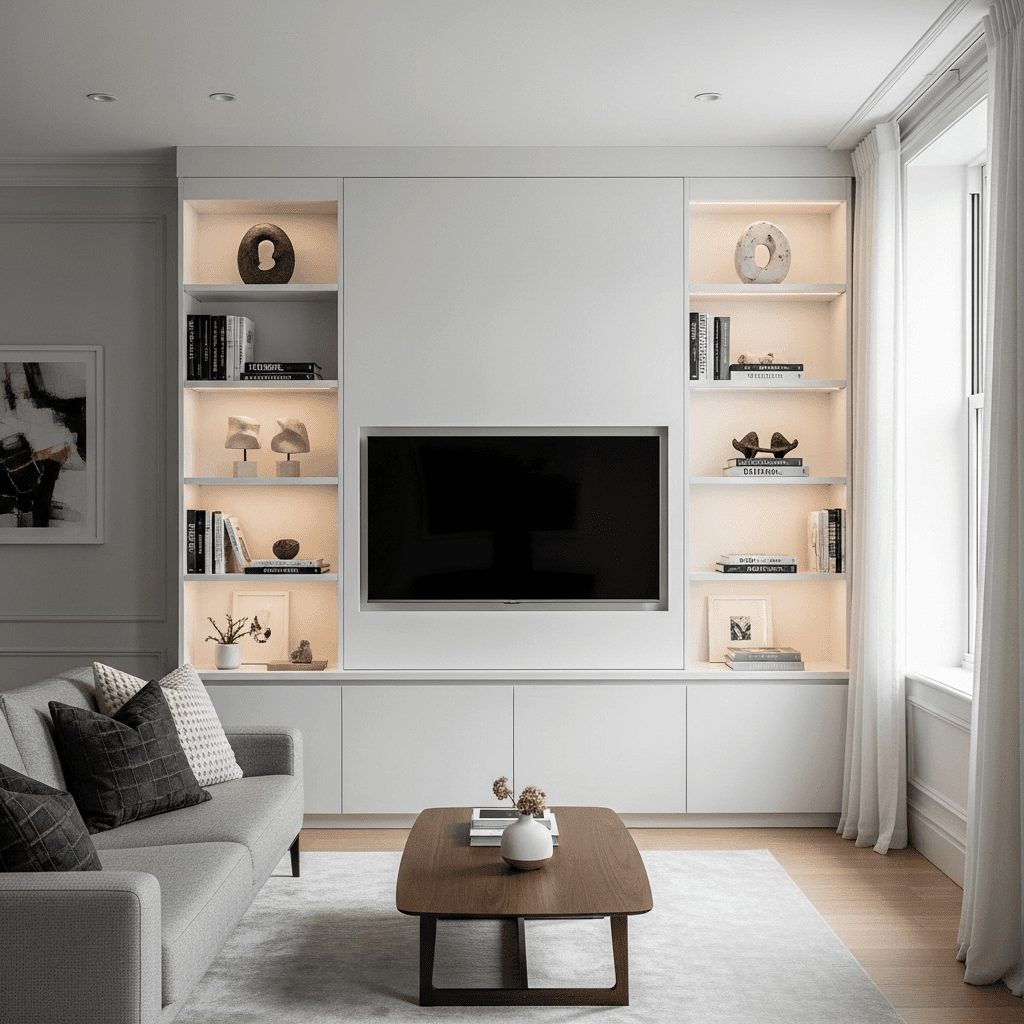
5. Built-In Wall Unit
Custom built-in TV wall spanning full wall provides maximum storage while appearing architecturally integrated rather than furniture-added.
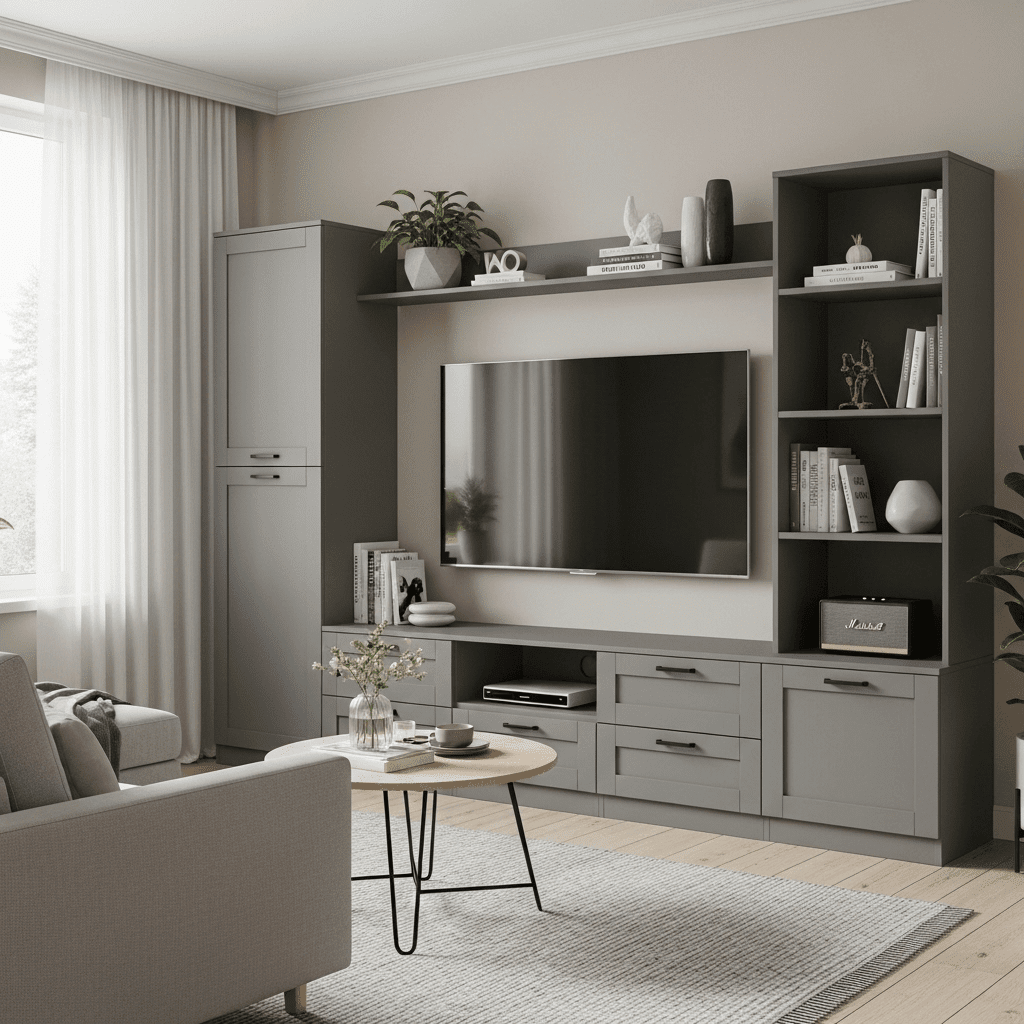
6. Multi-Functional Storage
TV unit incorporating closed cabinets, drawers, and display shelves maximizes storage functionality essential in small living spaces.
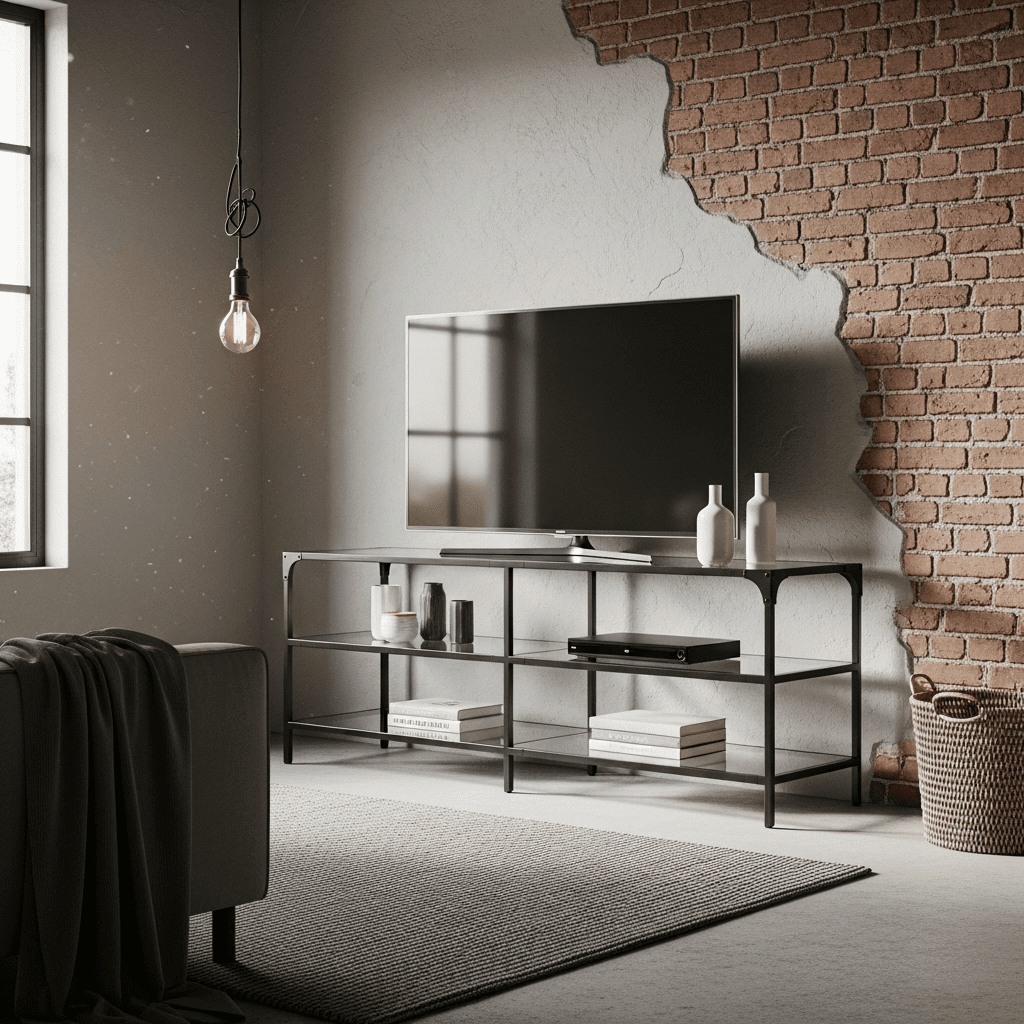
7. Glass and Metal Industrial
Lightweight glass shelves with metal frame provide TV support without visual weight, maintaining industrial-modern aesthetic.
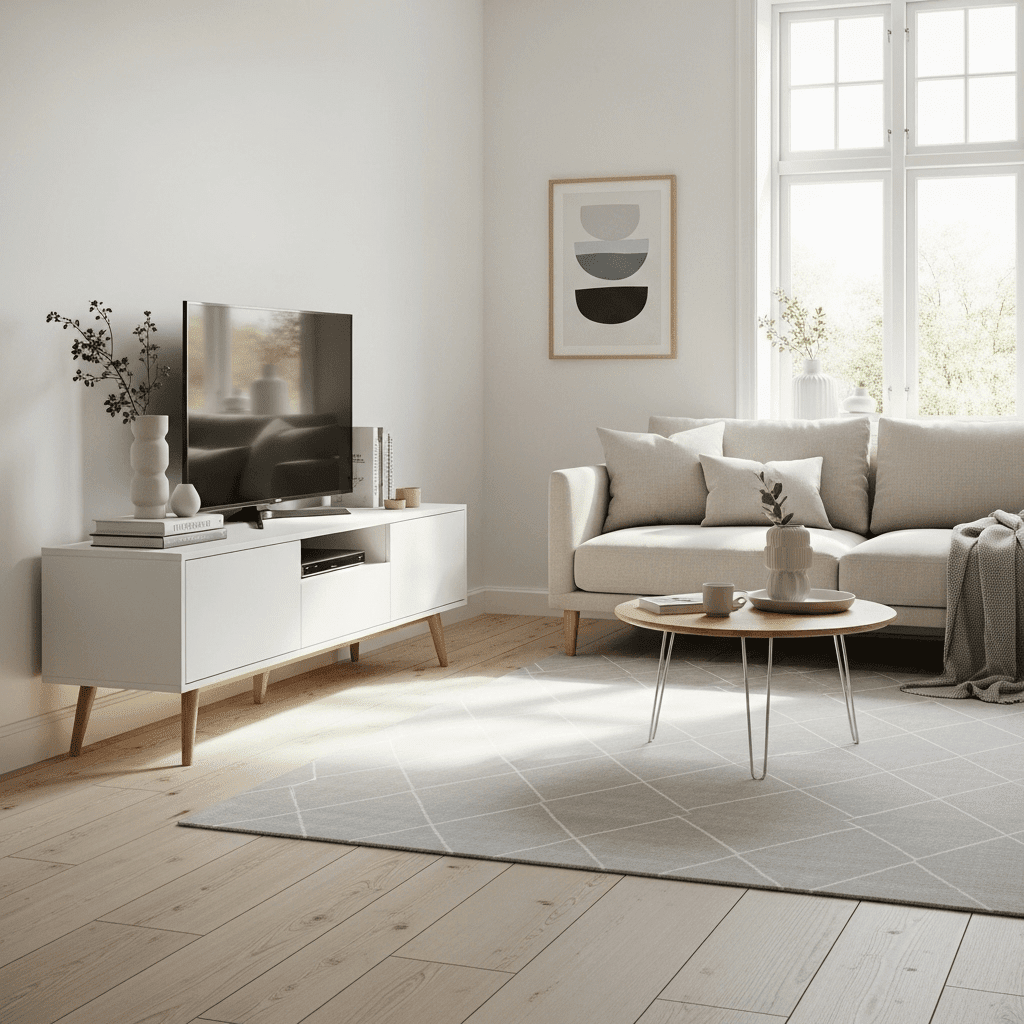
8. Scandinavian Wood Legs
TV unit with tapered wooden legs creates airy Scandinavian aesthetic, allowing light underneath preventing heavy grounded appearance.
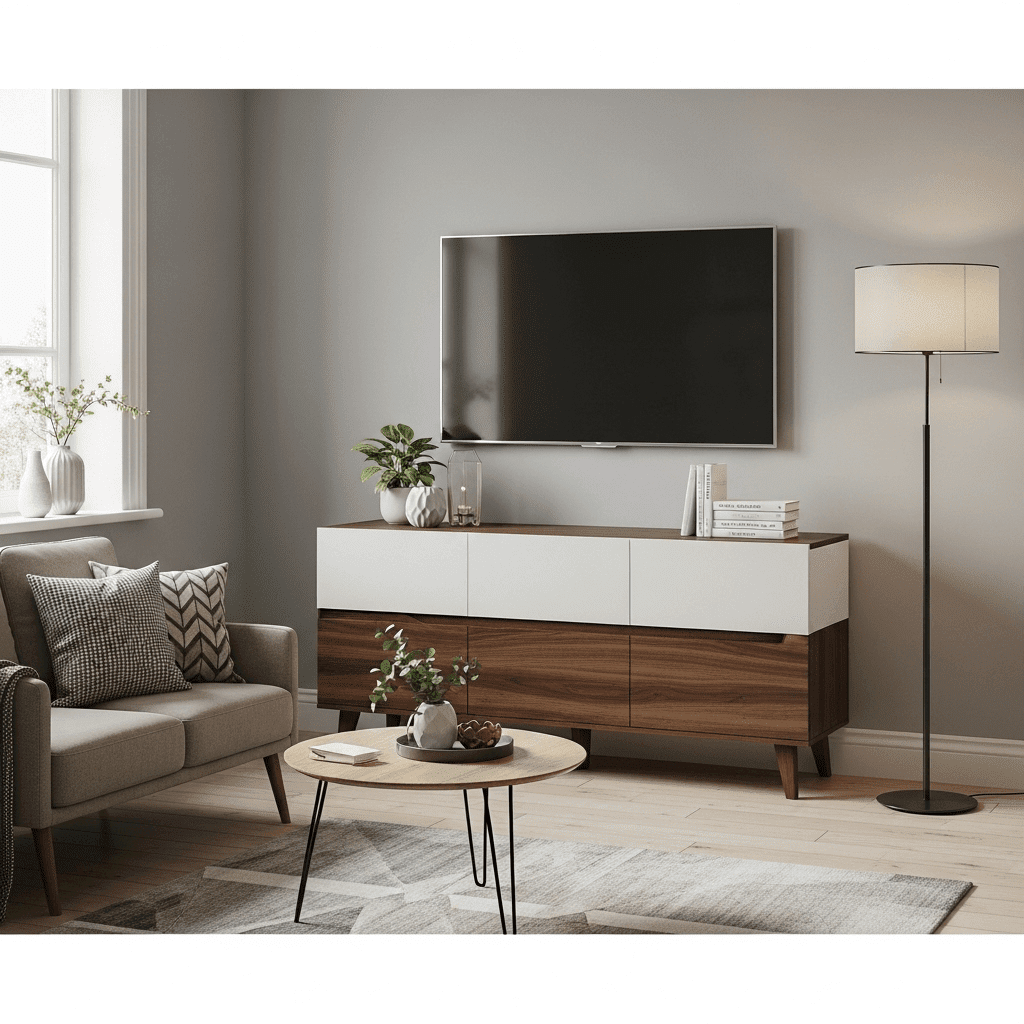
9. Two-Tone Color Design
TV unit with contrasting upper and lower colors adds visual interest without overwhelming through thoughtful color blocking.
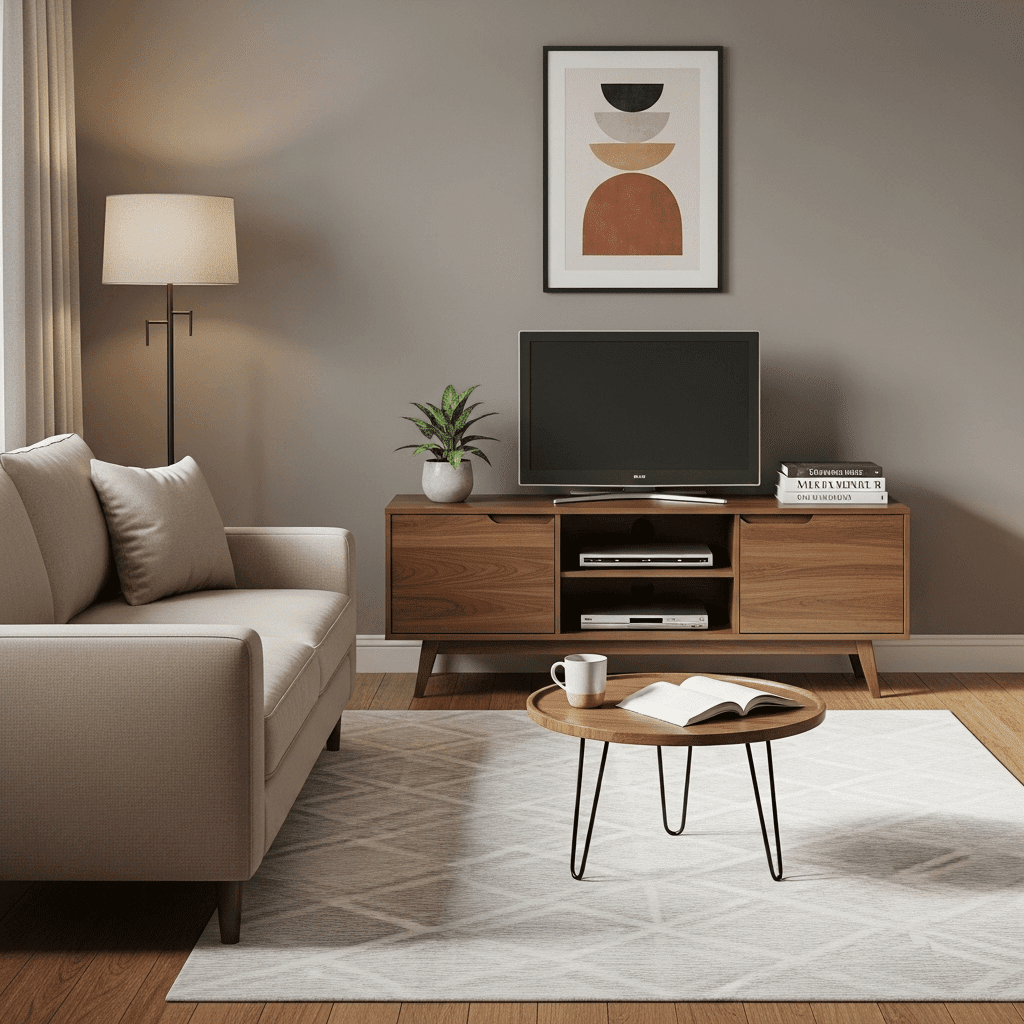
10. Compact Media Cabinet
Small-scale media cabinet specifically proportioned for apartments provides essential storage in appropriately compact footprint.
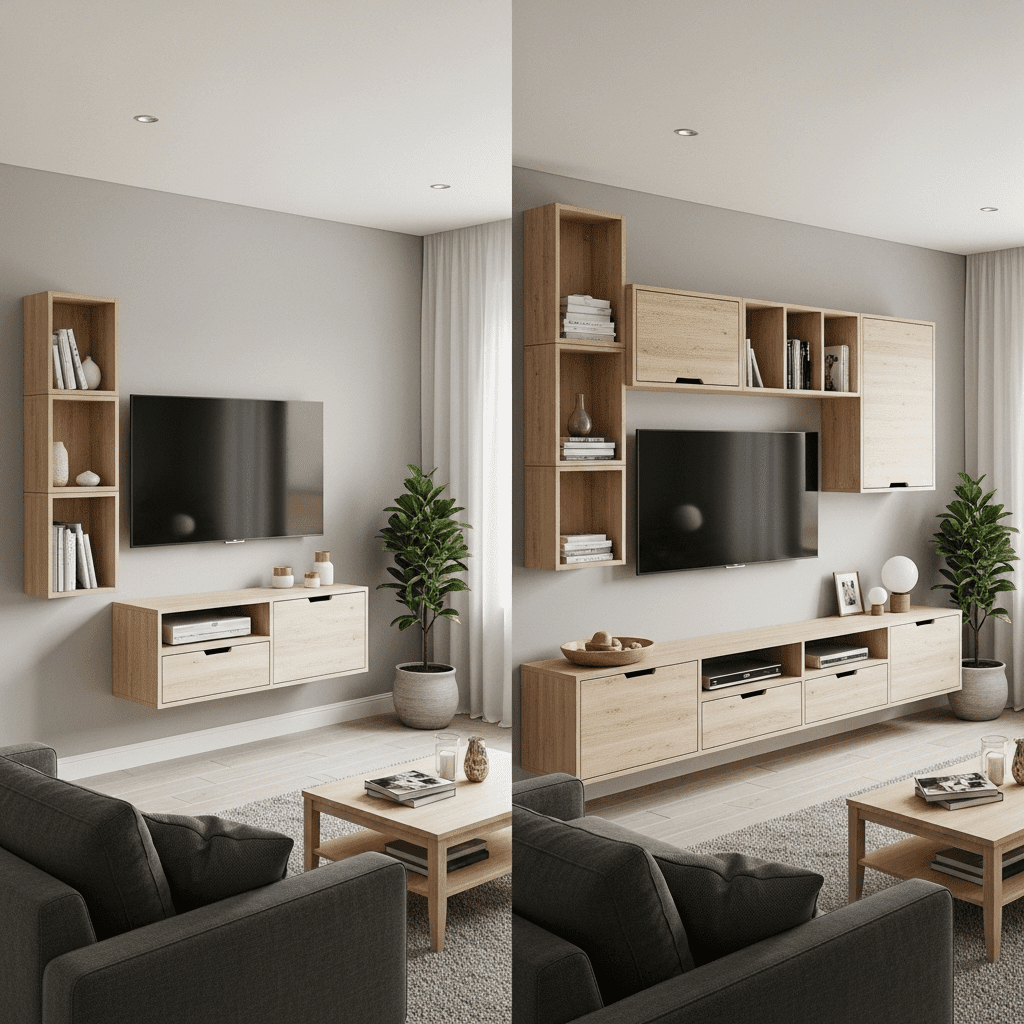
11. Modular Expandable System
Modular TV unit pieces allow configuration adjustment, expanding or contracting based on storage needs and space availability.
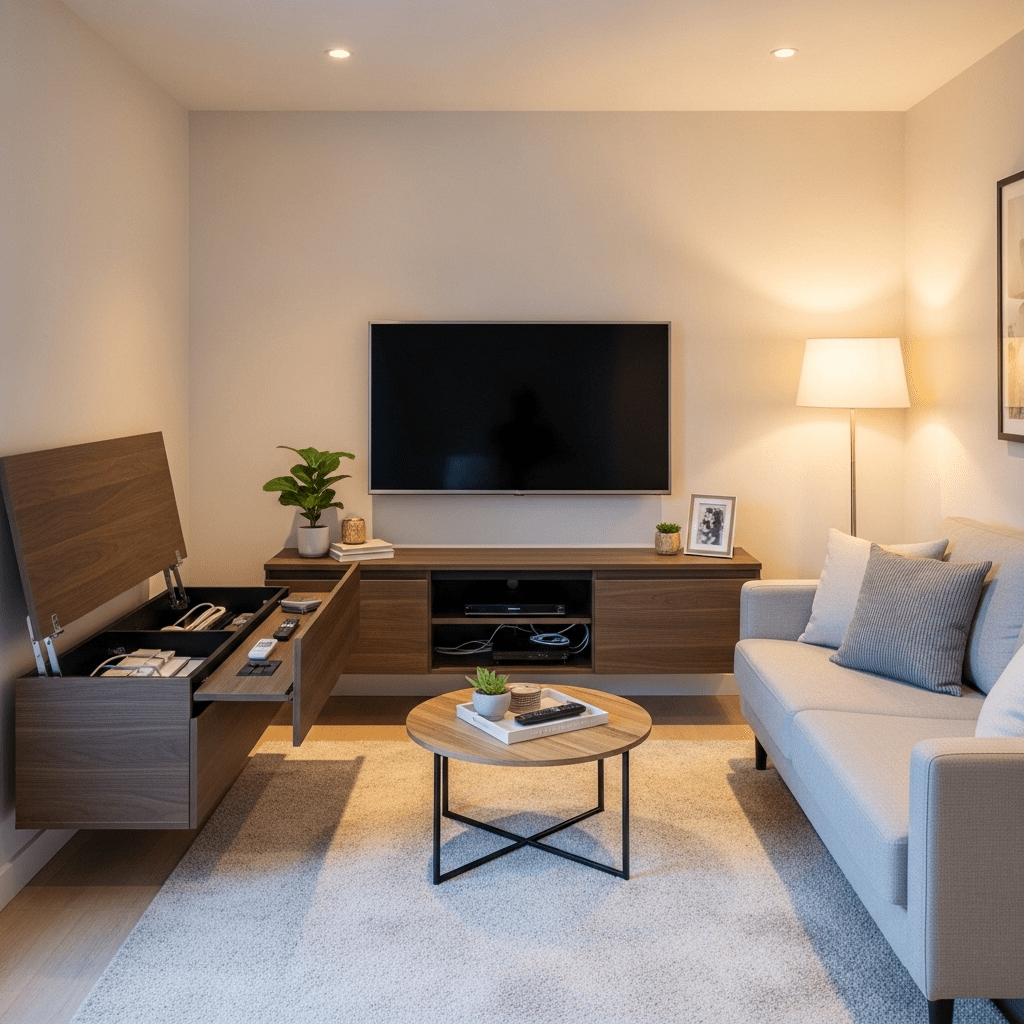
12. Lift-Top Hidden Storage
TV unit with lift-top compartments provides concealed storage for media accessories maintaining clean, organized small space appearance.
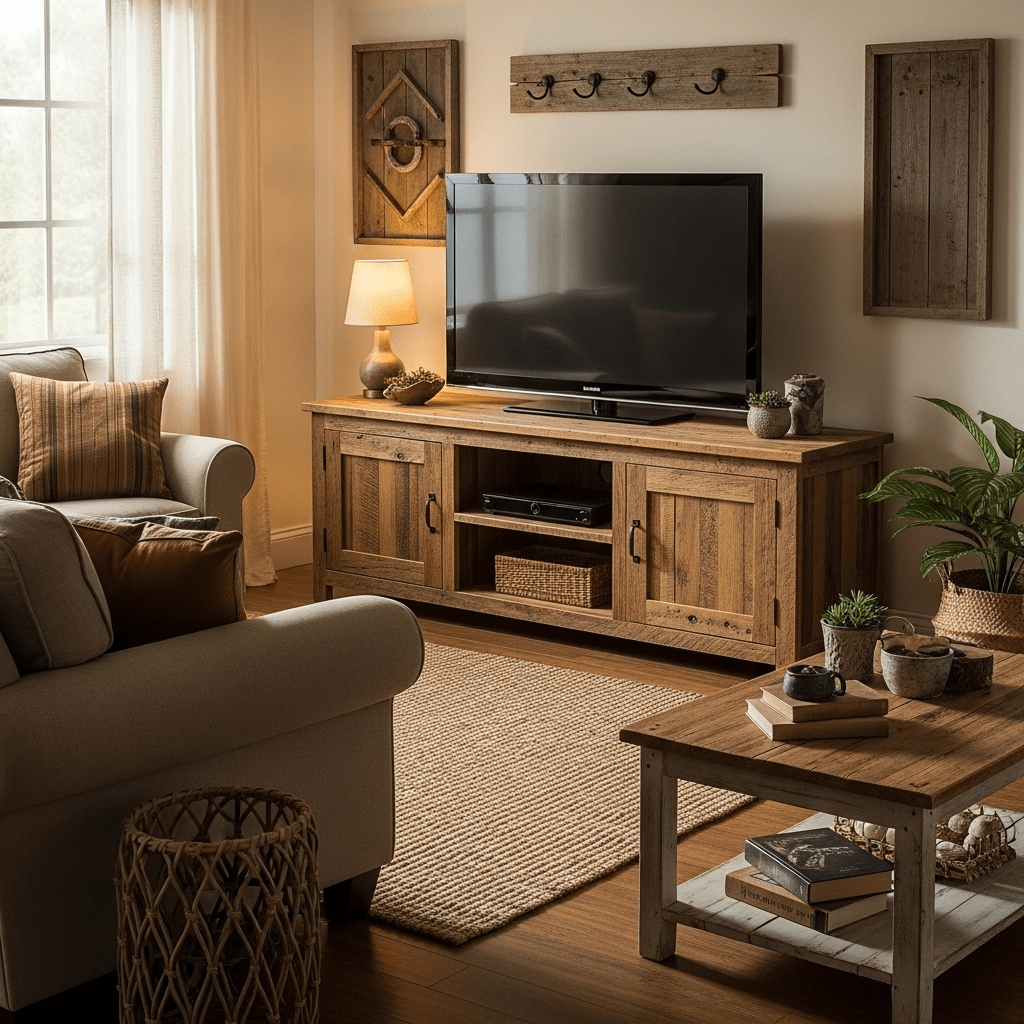
13. Rustic Reclaimed Wood
Reclaimed wood TV unit adds character and warmth while providing media storage in farmhouse or rustic small living rooms.
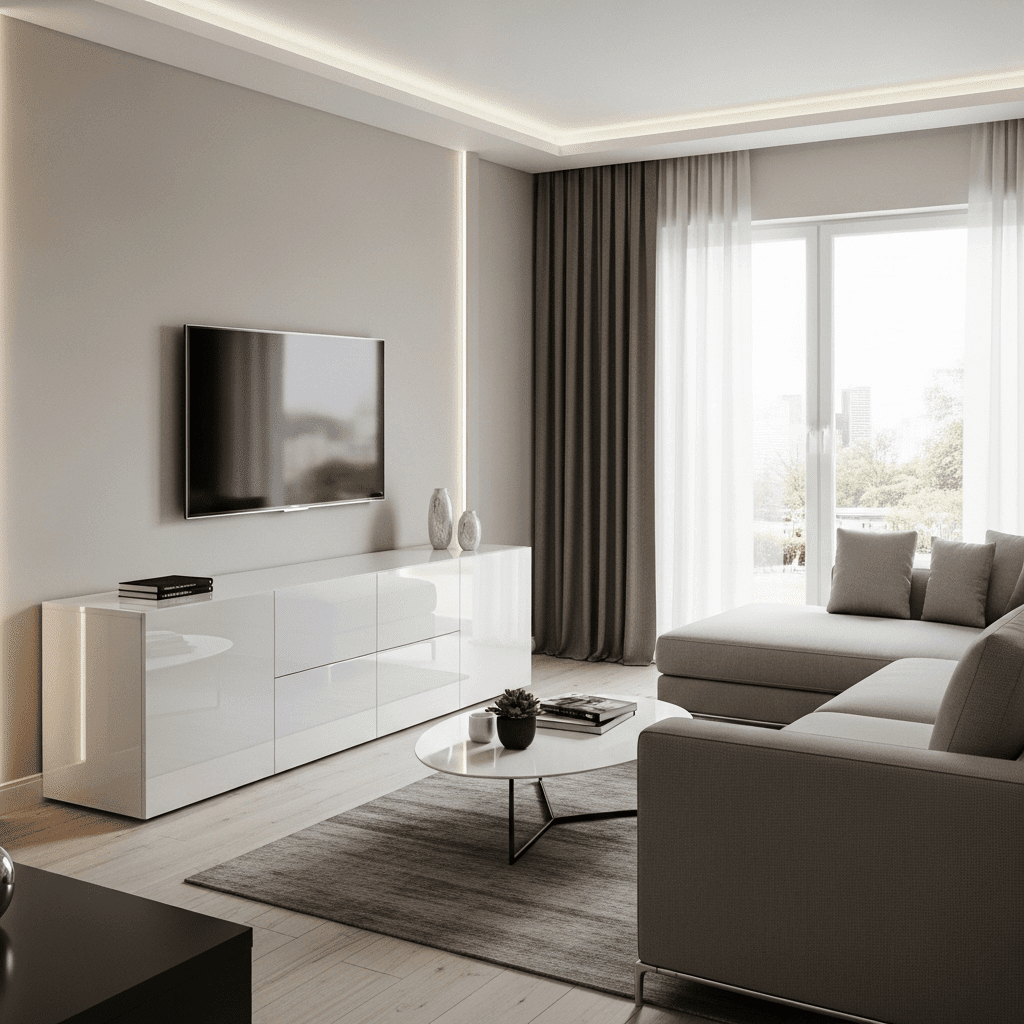
14. High-Gloss Contemporary
Glossy lacquered TV unit in white or bold color reflects light, adding contemporary sophistication while maintaining small space brightness.
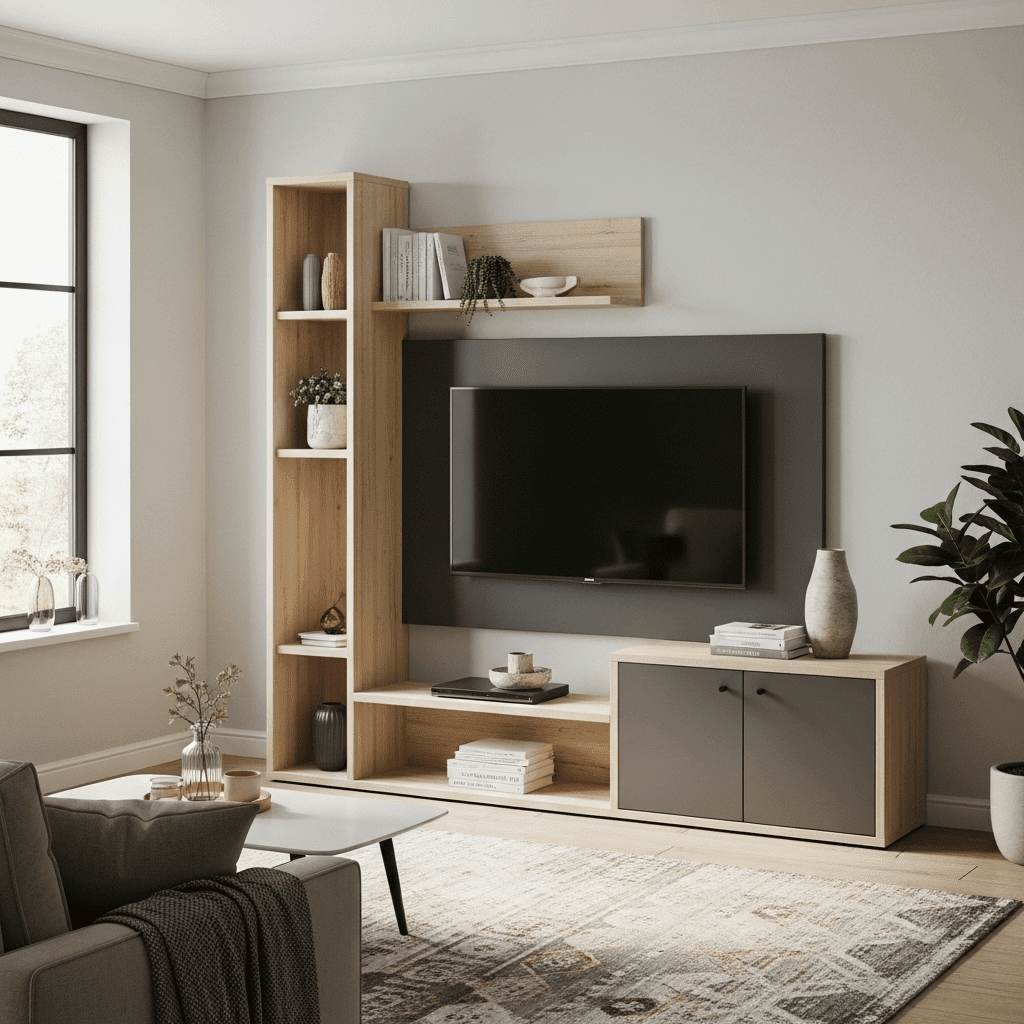
15. Asymmetric Modern Design
Asymmetrically designed TV unit with varied shelf heights and cabinet placements creates visual interest through intentional imbalance.
Selecting TV Units for Small Living Rooms
Choosing appropriate television furniture for compact spaces requires balancing multiple considerations ensuring both functionality and spatial harmony.
Scale Appropriately: Measure available wall space carefully. TV units should occupy 60-80% of wall width—neither overwhelming nor appearing insignificant.
Depth Matters: Units under 16 inches deep work best in small rooms, preserving walkway space while providing adequate storage.
Height Proportions: TV positioned at seated eye level (typically 42-48 inches from floor to screen center) ensures comfortable viewing.
Storage Assessment: Evaluate actual storage needs honestly. Gaming consoles, streaming devices, DVDs, and accessories determine required cabinet and shelf space.
Style Consistency: TV unit style should harmonize with existing furniture and overall room aesthetic maintaining visual cohesion.
Future Flexibility: Consider whether unit accommodates potential TV size upgrades or changing storage needs over time.
Placement Considerations
Wall Selection: Position TV on wall allowing comfortable viewing from primary seating without awkward neck angles or excessive viewing distances.
Natural Light: Avoid placing TV directly opposite windows where glare compromises viewing; perpendicular placement works better.
Electrical Access: Ensure adequate outlets near TV location for television, streaming devices, gaming consoles, soundbars, and other electronics.
Traffic Flow: TV unit placement shouldn’t obstruct natural circulation pathways through small living rooms.
Focal Point: TV often becomes room focal point; ensure placement creates intentional, purposeful arrangements rather than awkward positioning.
Style Options
Modern Minimalist: Clean lines, minimal ornamentation, often in white or neutral tones maintaining contemporary simplicity.
Industrial: Metal frames, reclaimed wood, exposed hardware creating urban warehouse-inspired aesthetics.
Scandinavian: Light woods, simple forms, functional beauty emphasizing Nordic design principles.
Farmhouse Rustic: Weathered wood, distressed finishes, casual warmth reflecting countryside character.
Mid-Century Modern: Tapered legs, walnut wood, retro-inspired forms celebrating 1960s design heritage.
Contemporary Glam: High-gloss finishes, metallic accents, bold colors delivering sophisticated drama.
Material Choices
Wood: Solid wood or quality veneers provide durability, warmth, and timeless appeal across various styles.
Engineered Wood: MDF or particleboard with laminate finishes offer affordability though less durable than solid wood.
Metal and Glass: Lightweight, transparent, maintaining visual lightness essential in small spaces.
Lacquered Finish: High-gloss surfaces reflect light, add sophistication, though show fingerprints and dust more readily.
Mixed Materials: Combining wood, metal, glass creates dimensional interest through material variety.
Storage Solutions
Closed Cabinets: Hide clutter, gaming equipment, and media collections maintaining clean, organized appearances.
Open Shelving: Display decorative objects, books, plants while providing easy access to frequently used items.
Drawer Storage: Organize small accessories, remotes, cables, and media preventing surface clutter.
Cable Management: Built-in cable channels, grommets, or backing openings conceal unsightly wiring.
Ventilation: Ensure adequate airflow for electronics preventing overheating in enclosed cabinet spaces.
Budget Considerations
Entry Level: $100-300 for basic particle board units with laminate finishes, adequate for budget-conscious shoppers.
Mid-Range: $300-800 for quality engineered wood or solid wood with good construction and finishes.
Premium: $800-2000+ for solid hardwood, custom built-ins, or designer pieces with exceptional craftsmanship.
Custom Built-Ins: $1500-5000+ for professional custom installation fitted to exact room dimensions and specifications.
Assembly Costs: Factor assembly time or professional assembly fees when comparing ready-to-assemble versus assembled options.
DIY vs. Ready-Made
Ready-Made Advantages: Immediate availability, lower cost, easy replacement, known quality from reviews.
Custom Advantages: Perfect fit to specific dimensions, personalized storage configuration, unique design matching exact preferences.
DIY Considerations: Requires tools, skills, time investment; mistakes costly; satisfaction of personal creation.
Professional Installation: Custom built-ins warrant professional installation ensuring proper mounting, finishing, and integration.
Maintaining TV Units
Regular Dusting: Dust accumulates quickly on flat surfaces; dust weekly maintaining clean appearance.
Screen Cleaning: Use proper screen cleaners and microfiber cloths avoiding damage to television displays.
Cable Organization: Periodically reorganize cables preventing tangled messes that collect dust and appear messy.
Wood Care: Polish wooden units periodically maintaining finish and preventing drying or cracking.
Hardware Checks: Tighten loose screws or hardware ensuring drawers and cabinets function smoothly.
Common Mistakes
Too Large: Oversized TV units overwhelm small living rooms regardless of quality or style appropriateness.
Inadequate Storage: Underestimating storage needs leads to surface clutter defeating organizational purposes.
Wrong Height: TV positioned too high or low creates uncomfortable viewing angles and neck strain.
Blocking Outlets: Furniture blocking electrical outlets creates access difficulties for plugging in devices.
Style Mismatch: TV unit clashing with existing furniture creates visual discord in small, highly visible spaces.
Poor Quality: Cheap construction fails quickly; investing slightly more ensures longevity and satisfaction.
Styling TV Units
Decorative Objects: 3-5 carefully chosen objects on open shelves add personality without overwhelming.
Greenery: Small plants or trailing vines soften media unit edges adding organic warmth.
Books and Media: Attractively arranged books or displayed media collections add intellectual character.
Symmetry: Balanced arrangements on either side of TV create pleasing, intentional compositions.
Negative Space: Leave some shelves empty; overcrowding defeats visual calm essential in small rooms.
Seasonal Rotation: Periodically refresh displayed objects preventing staleness and maintaining visual interest.
Technology Integration
Soundbar Accommodation: Ensure adequate space above or below TV for soundbar placement enhancing audio quality.
Gaming Console Storage: Ventilated storage for gaming systems preventing overheating while maintaining organization.
Streaming Device Access: Easy access to streaming devices for setup, troubleshooting, and upgrading.
Smart Home Integration: Consider cable routing for smart home hubs, voice assistants, or other connected devices.
Charging Stations: Some units incorporate USB charging ports or power strips for device charging convenience.
Alternative Solutions
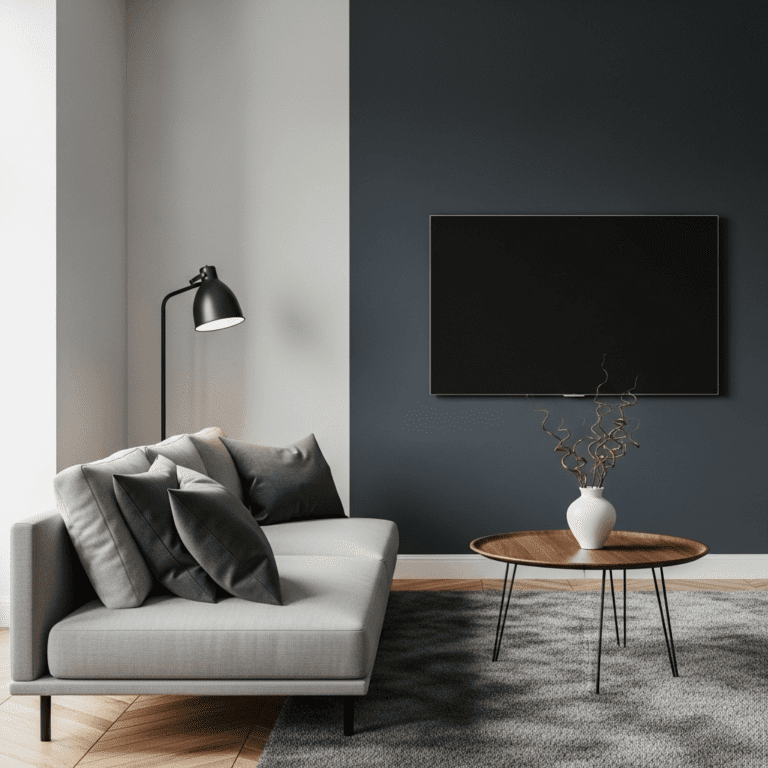
Wall-Mounted TV Only: Eliminating TV unit entirely, mounting TV directly on wall with floating shelf below for minimal devices.
Existing Furniture: Repurposing dressers, consoles, or bookshelves as TV stands avoiding additional furniture purchases.
DIY Shelving: Simple wall-mounted shelves supporting TV and minimal accessories for budget-conscious solutions.
Projector Systems: Projectors eliminate TV entirely; storage needs shift to projector and screen solutions.
TV unit for small living room selection ultimately determines whether entertainment areas enhance or overwhelm limited space. The right choice—appropriately scaled, thoughtfully styled, and functionally adequate—provides essential media storage while maintaining visual lightness and spatial flow. Whether you choose floating minimalism, comprehensive built-ins, or compact freestanding units, prioritize proportional scale, adequate storage, and aesthetic harmony with existing furnishings. When TV units fit room proportions properly and serve functional needs adequately, they transform from necessary compromises into streamlined design features that enhance rather than diminish small living room beauty and usability.