14 Small living room decorating ideas
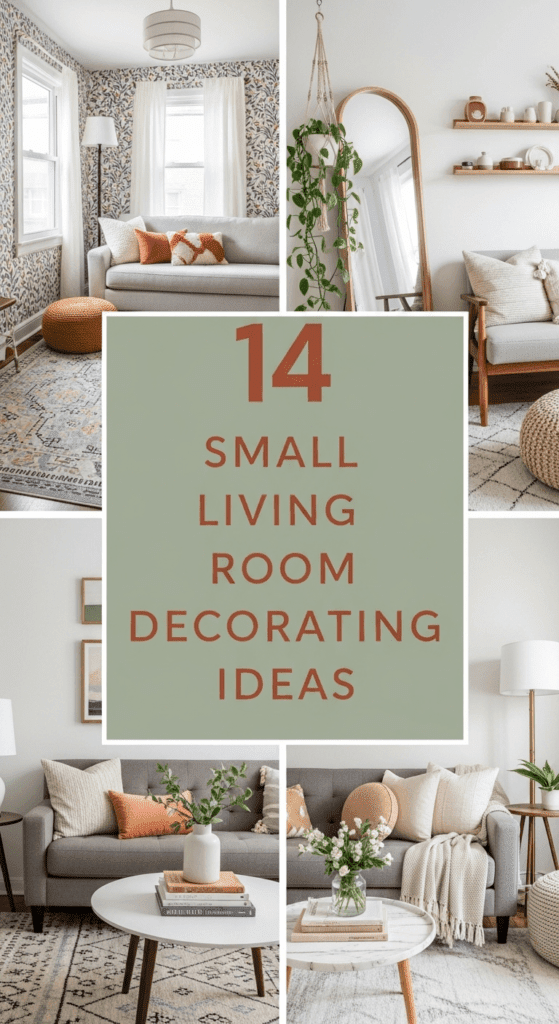
Small living room decorating ideas prioritize the concept of “visual lightness,” using specific design elements to expand the perceived boundaries of a compact area. In a limited footprint, every decorative choice must serve to either reflect light, draw the eye upward, or reduce physical clutter. By integrating multifunctional furniture, strategic metallic accents, and vertical greenery, you can transform a tiny lounge into a sophisticated and airy retreat that feels intentional and high-end. Here are 14 ideas to help you master the art of small-space decoration.
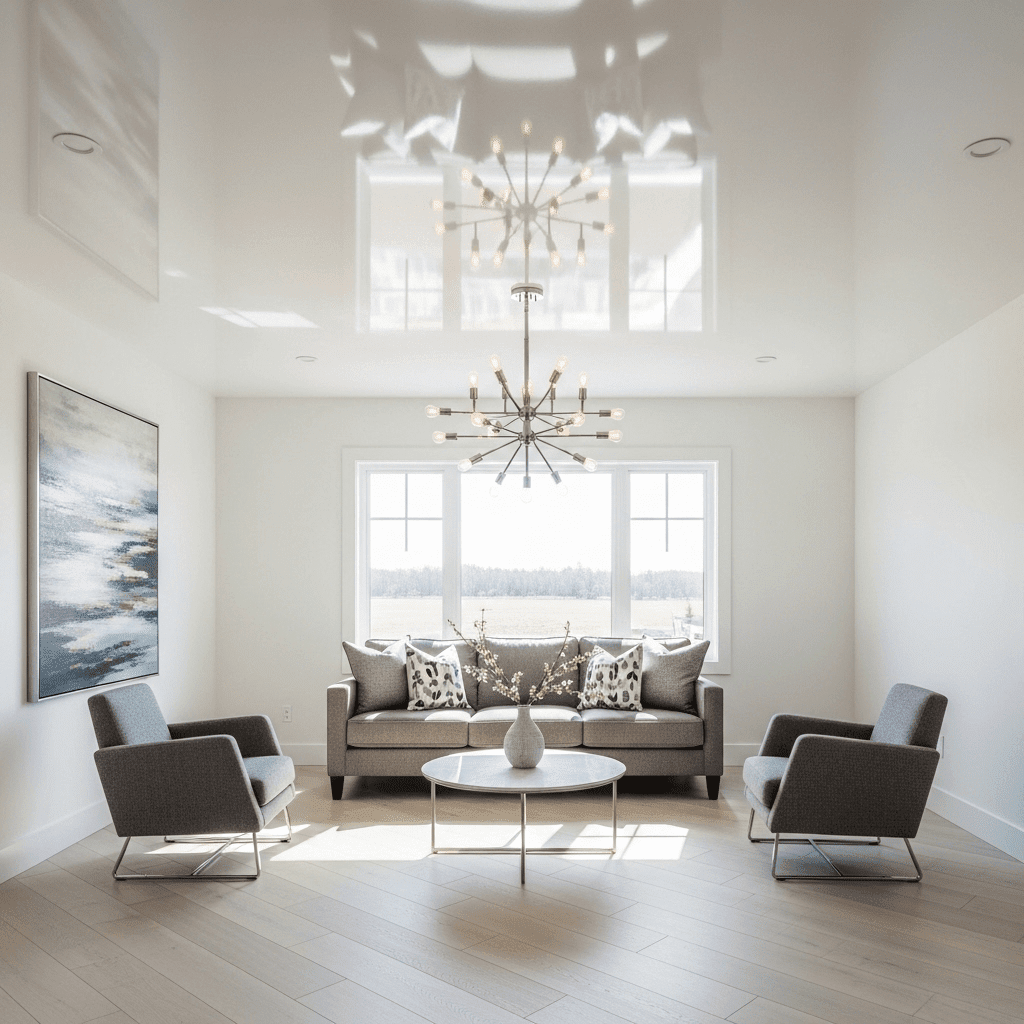
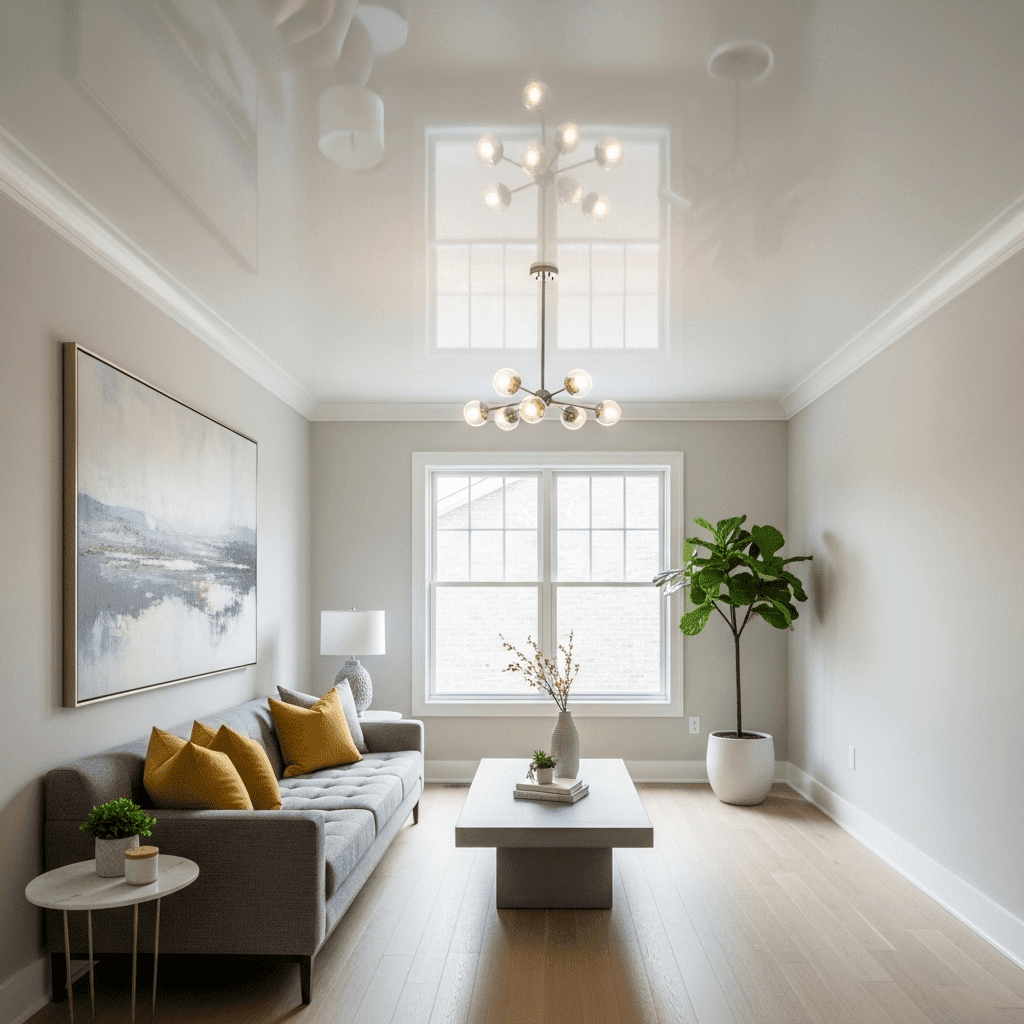
1. High-Gloss Ceiling Finishes
Apply a high-gloss paint or reflective lacquer to the ceiling in a pale shade like ivory or soft sky blue. The subtle sheen bounces ambient light throughout the room, creating an airy “sky-like” effect that makes the ceiling feel significantly higher.
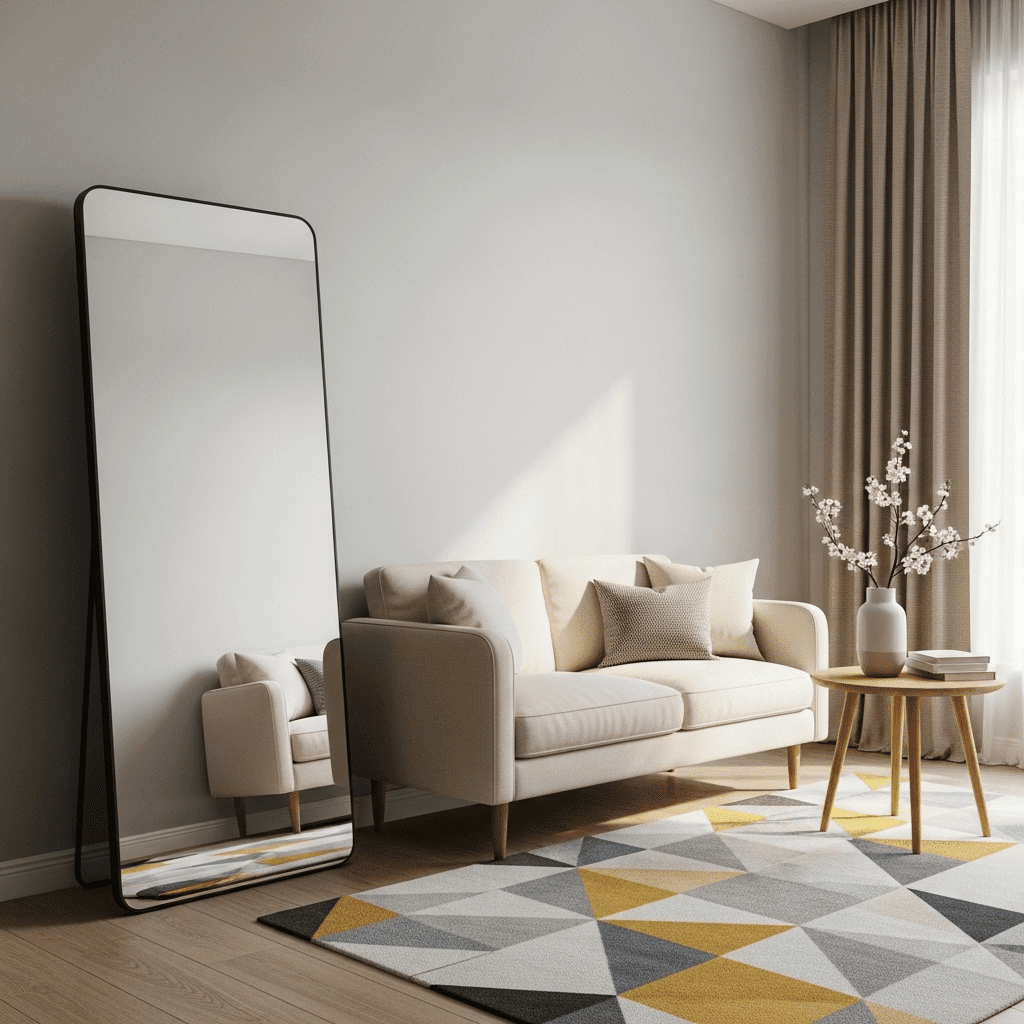
2. The Over-Scaled Mirror Statement
Lean a massive, floor-to-ceiling mirror against the primary wall. In a small space, a single large mirror is more effective than several small ones, as it effectively “doubles” the room’s depth and reflects the entire floor plan.
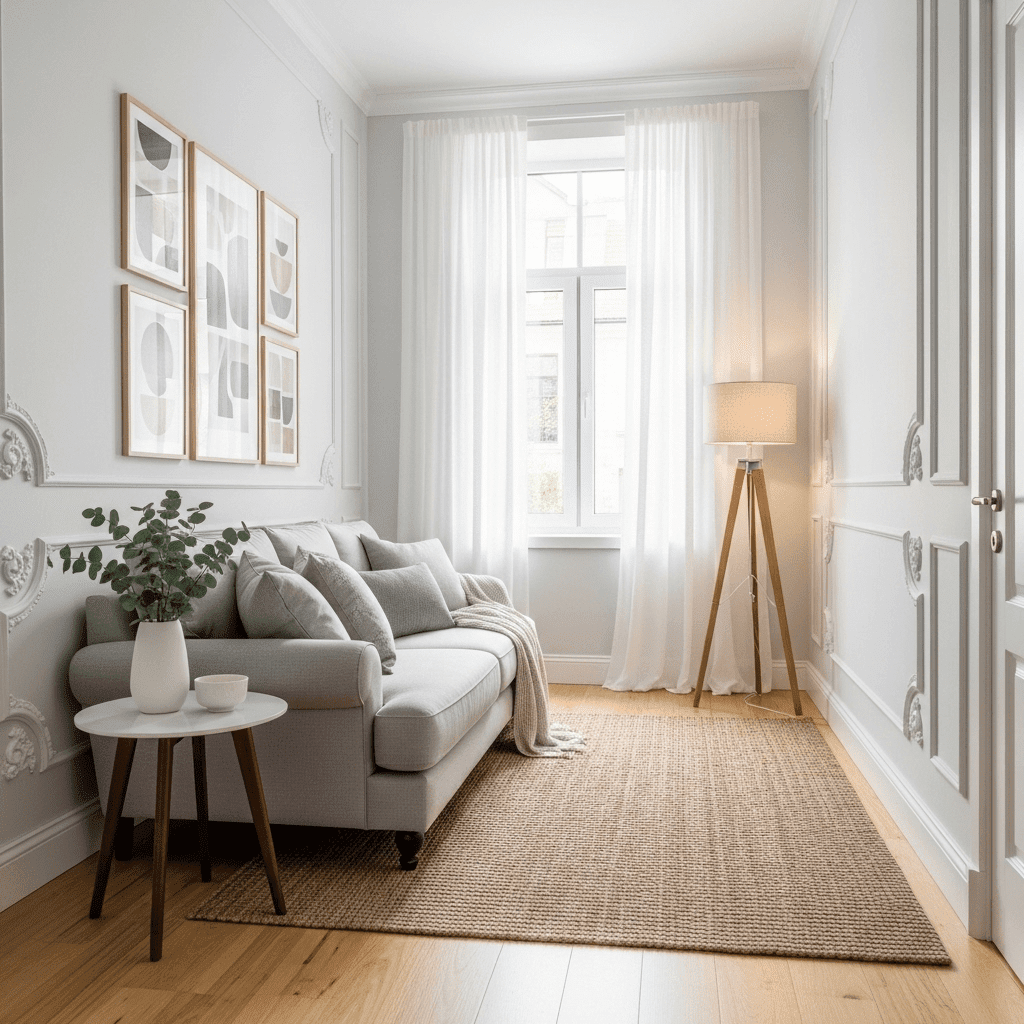
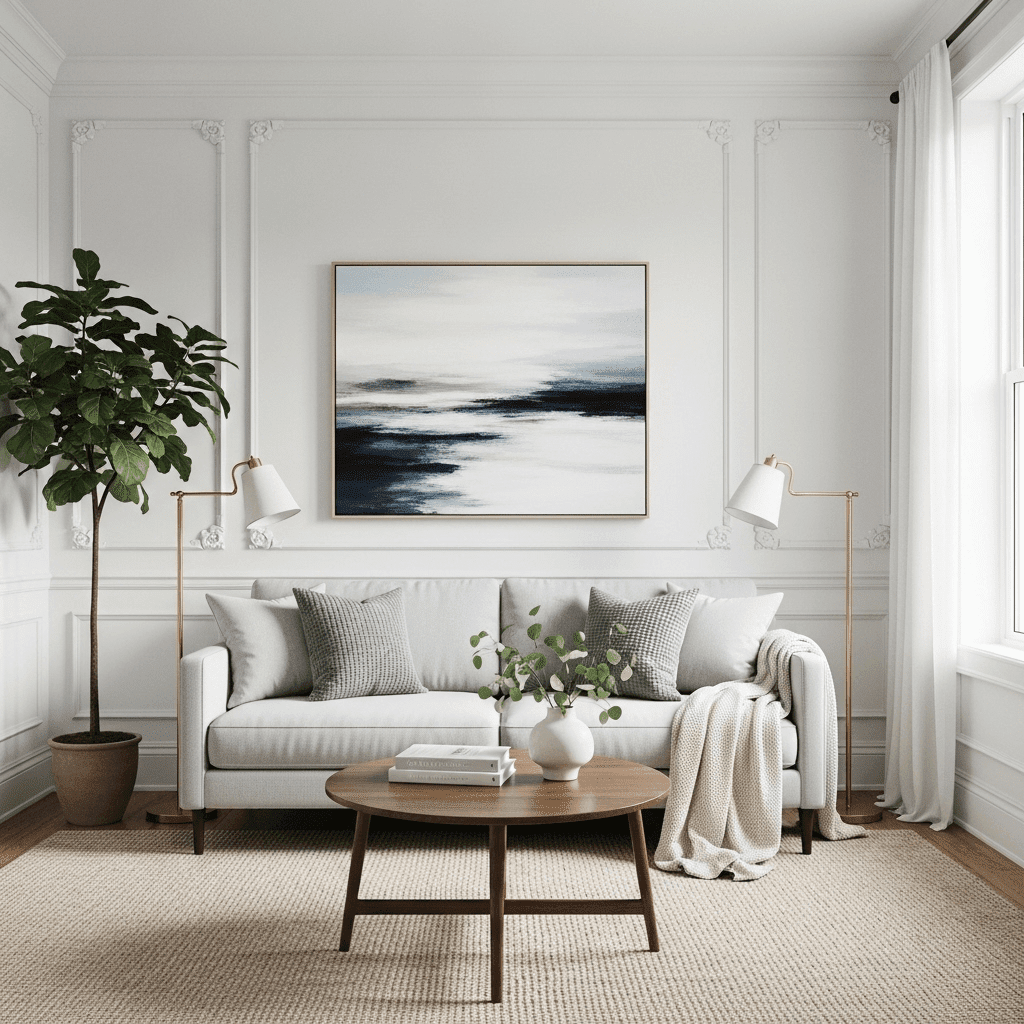
3. Vertical Wall Molding
Install thin picture frame molding or “box” trim that extends from the baseboards to the ceiling. These vertical lines force the eye to move upward, creating the illusion of extra height and adding architectural character without taking up floor space.
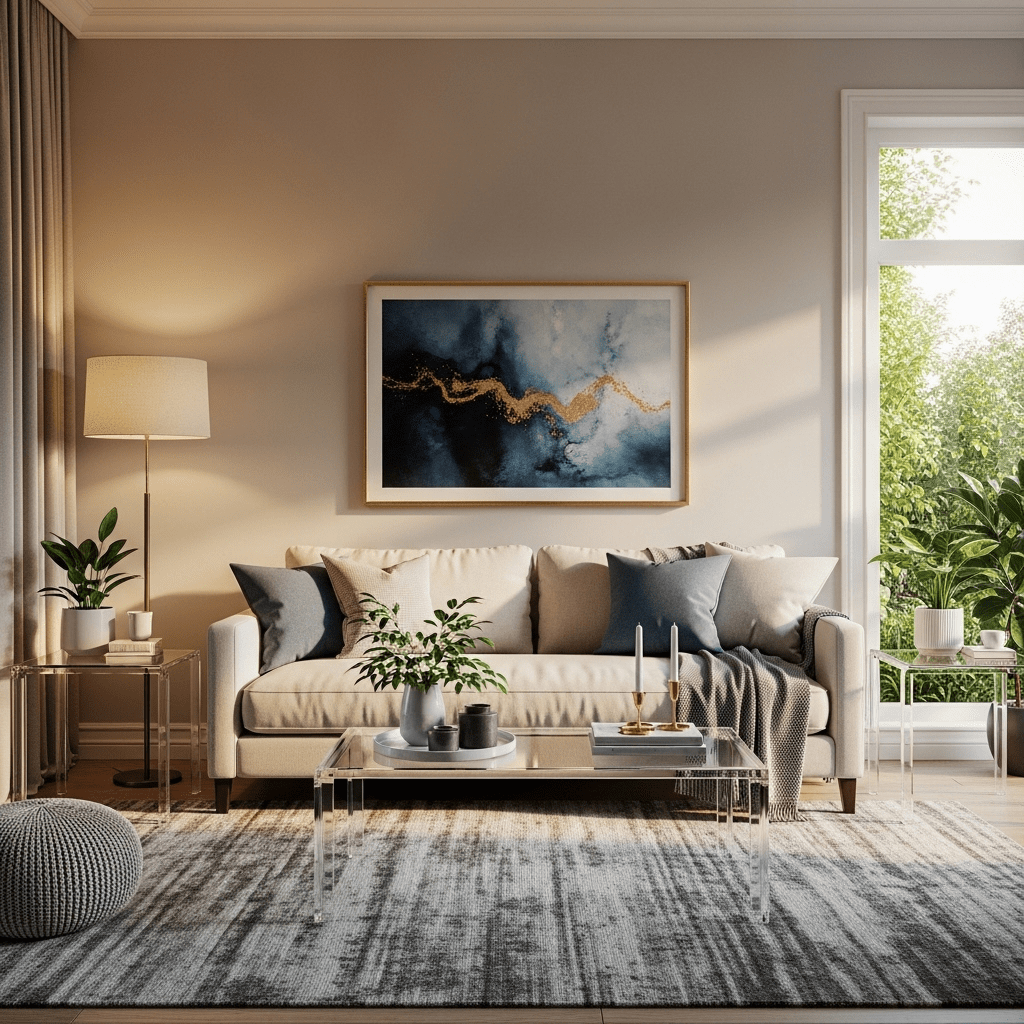
4. Transparent Acrylic Accents
Use “Ghost” chairs or clear acrylic side tables. Because these items are transparent, they provide the utility of furniture without creating any visual “blocks,” allowing the eye to see right through to the walls and floor.
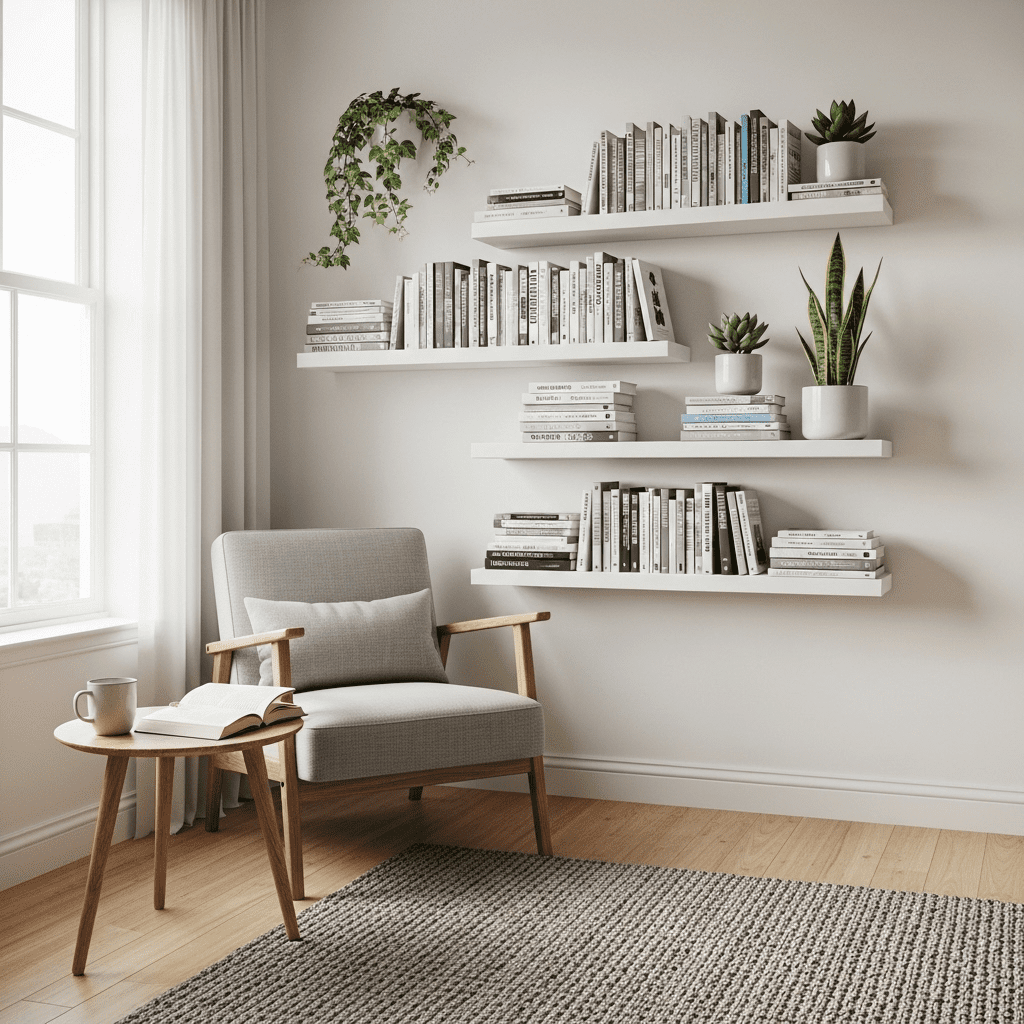
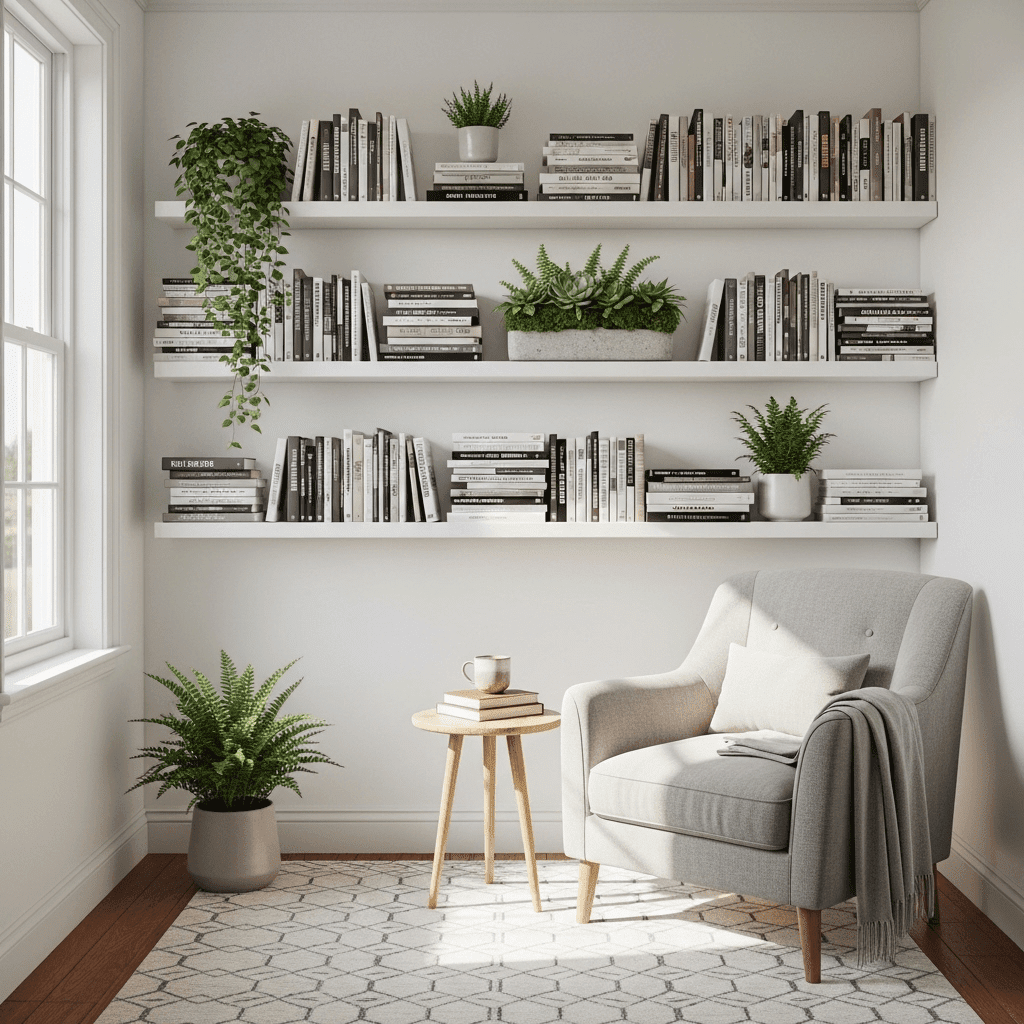
5. Floating Shelf Library
Install long floating shelves that match your wall color. By eliminating the “legs” of a traditional bookshelf, you keep the floor area clear and create a streamlined, modern look for displaying books and small decor pieces.
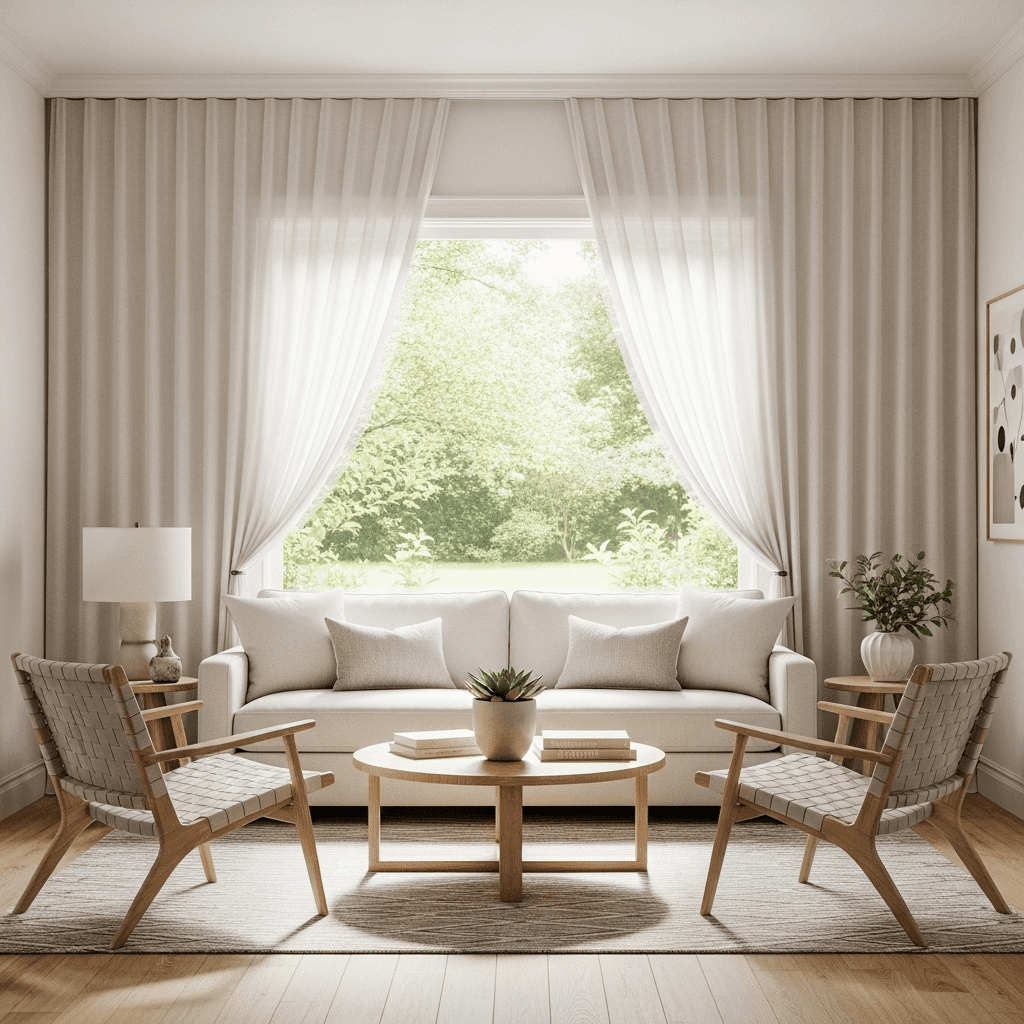
6. Floor-to-Ceiling Drapery
Hang curtains from the very top of the wall, regardless of where the window frame ends. Allowing long, sheer fabric to flow all the way to the floor creates a grand vertical sweep that makes a small room feel loftier.
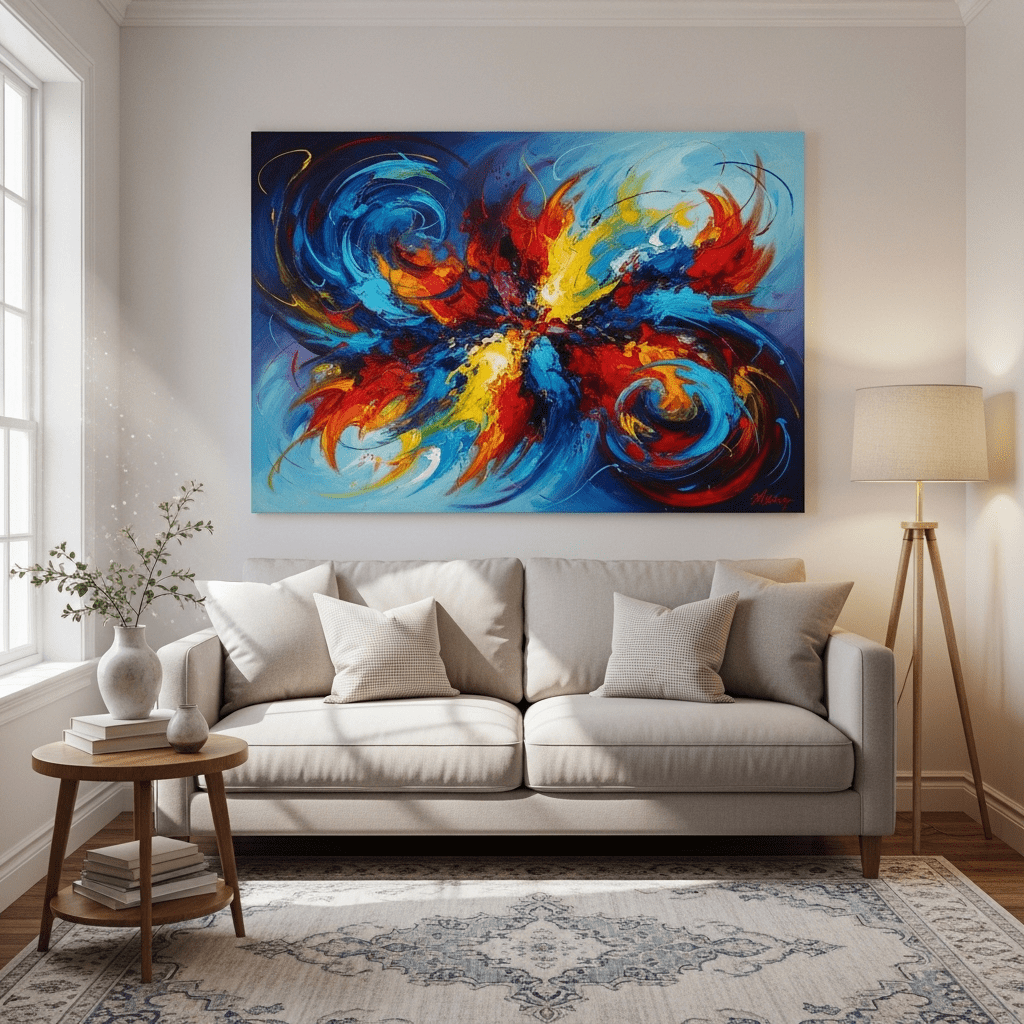
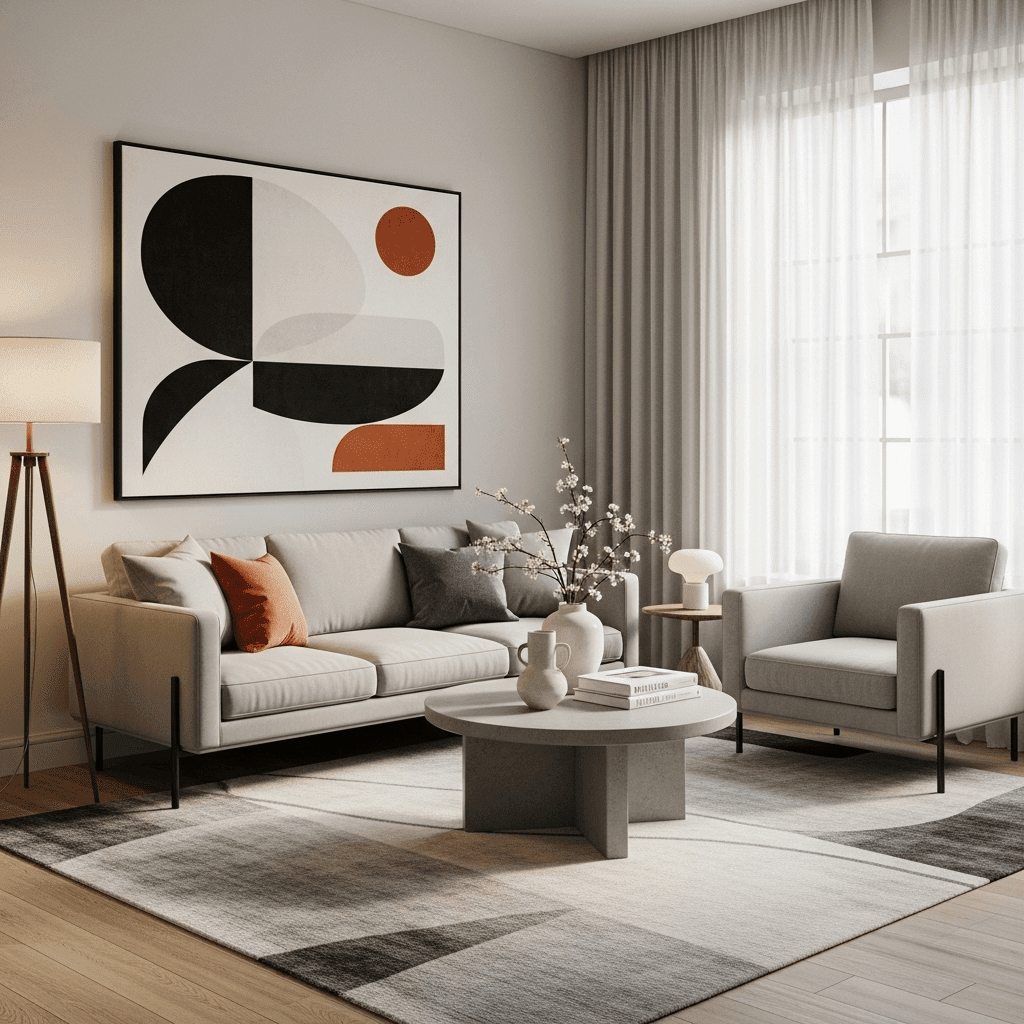
7. Large-Scale Statement Art
Replace a cluttered gallery wall with one single, oversized piece of abstract art. A large canvas gives the room a sense of “scale” and importance, preventing the space from feeling fragmented or busy.
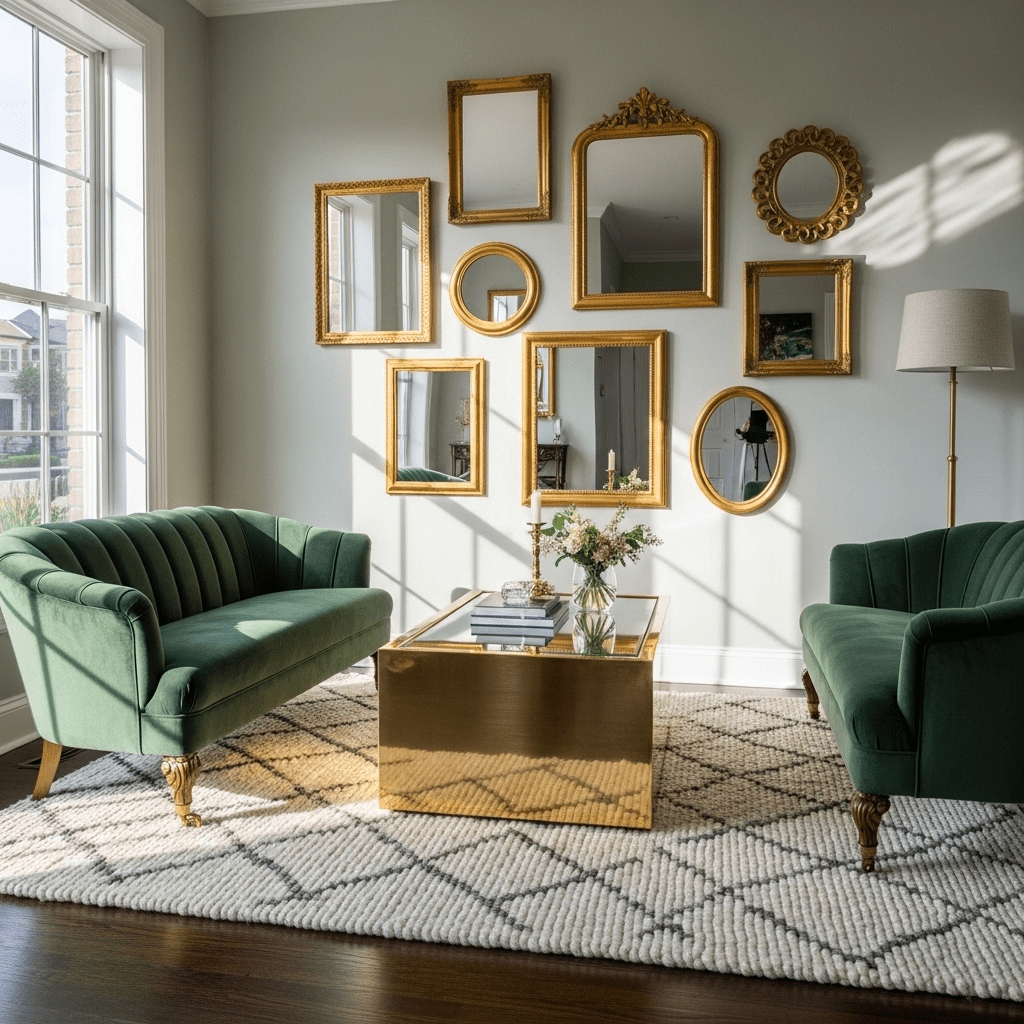
8. Metallic and Brass Reflectors
Incorporate small metallic details like a brass tray, gold-toned picture frames, or chrome furniture legs. These surfaces act as “jewelry” for the room, catching the light and adding a layer of luxury to a compact interior.
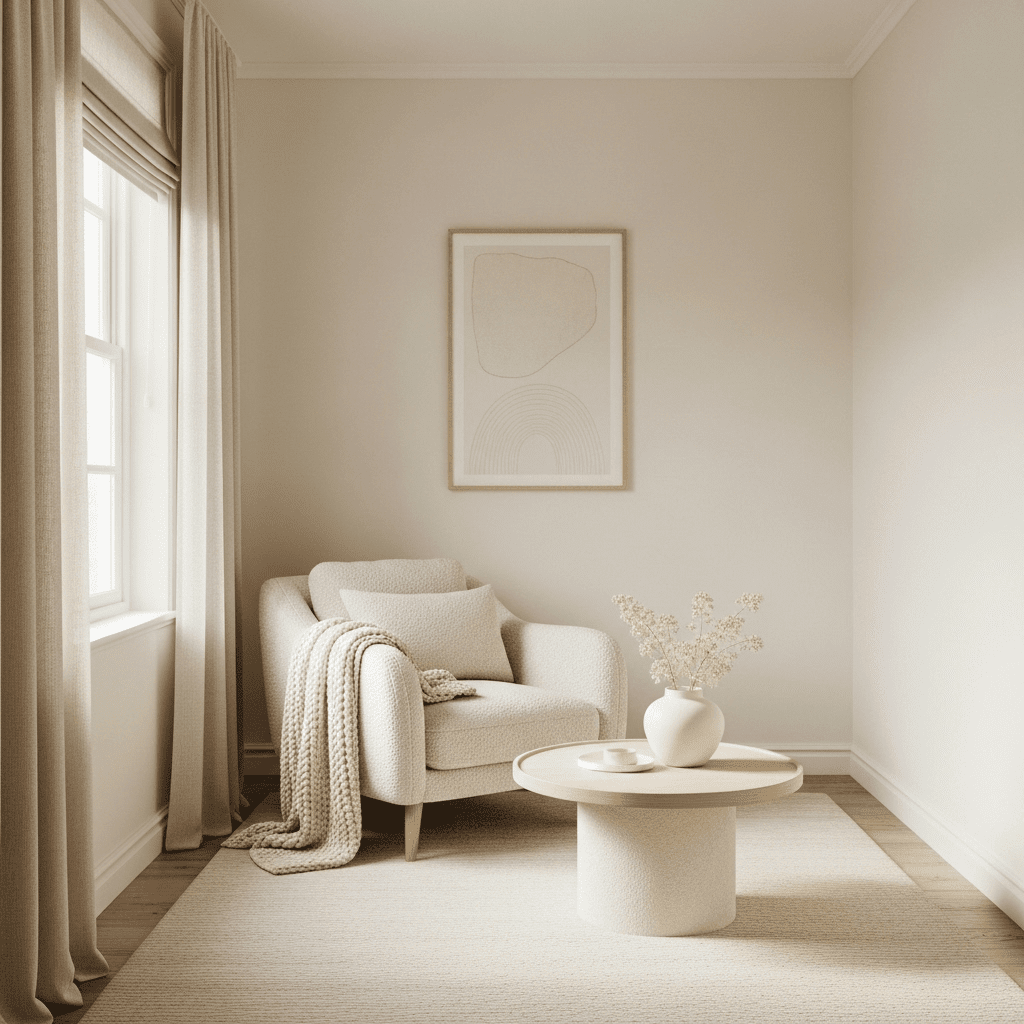
9. Tone-on-Tone Texture
Decorate with a monochromatic color palette, such as varying shades of beige or gray, but layer different textures like wool, silk, and linen. This creates depth and visual interest without the “choppiness” of contrasting colors.
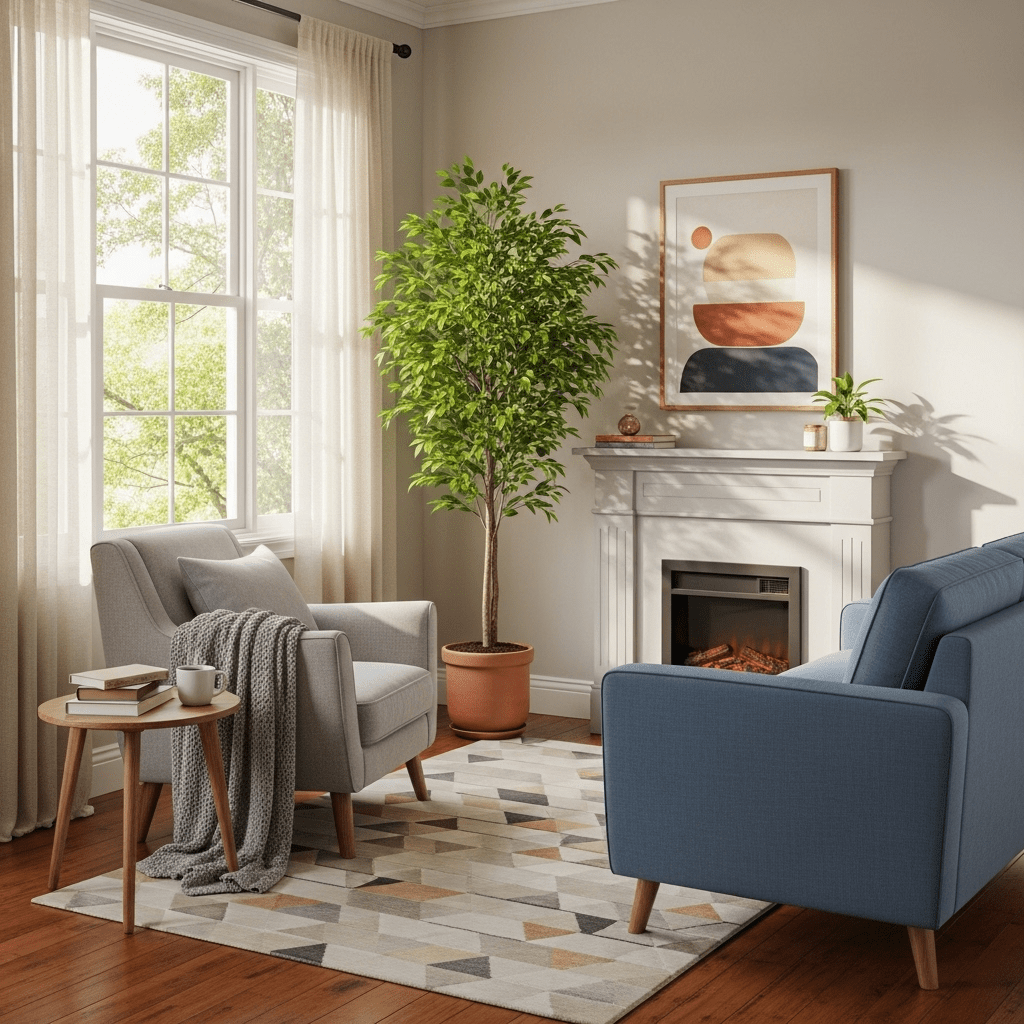
10. Tall Corner Greenery
Place a tall, slender plant like a Fiddle Leaf Fig or a Dracaena in a corner. The vertical growth brings life into the room and draws the eye to the highest points of the walls, maximizing the sense of volume.
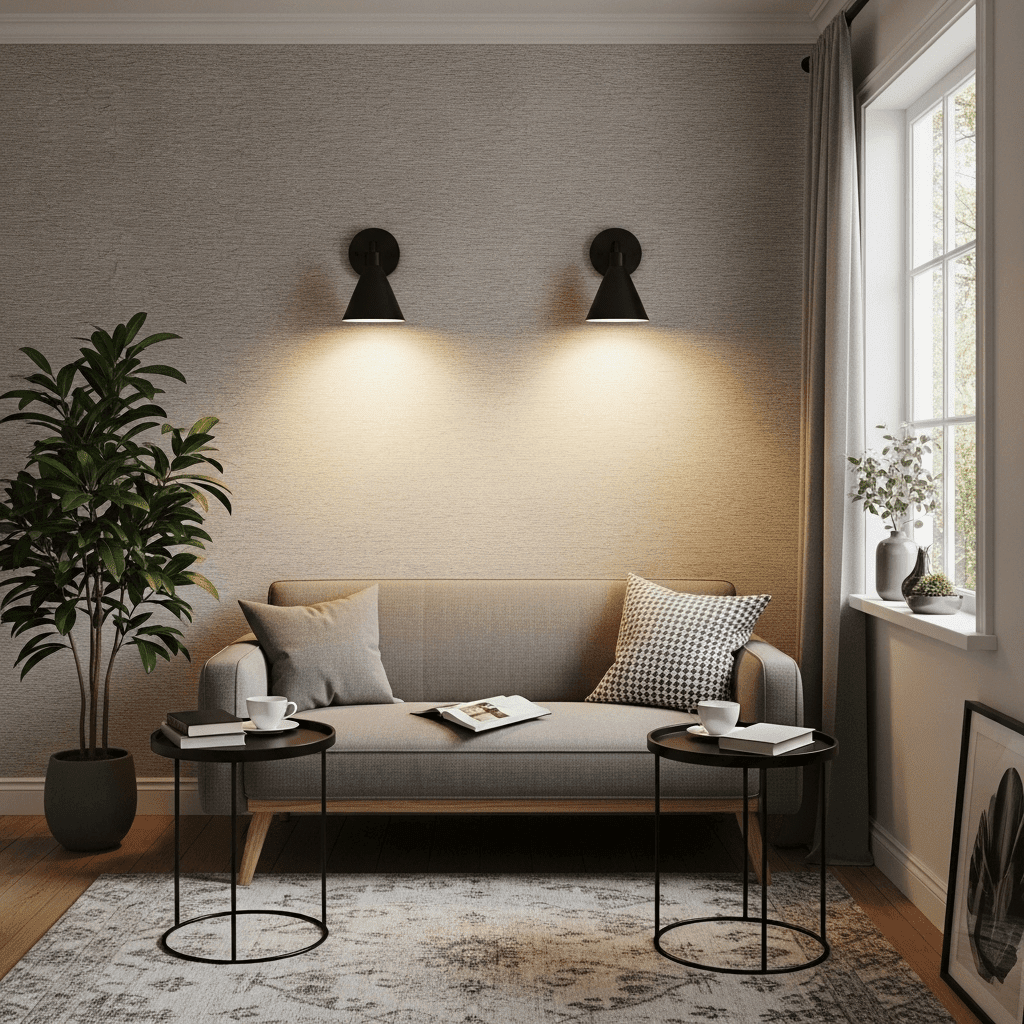
11. Wall-Mounted Sconce Lighting
Eliminate the need for bulky floor lamps by installing swing-arm wall sconces. This frees up valuable floor space and allows you to direct light exactly where it’s needed for reading or atmosphere.
12. Low-Profile Furniture Scaling
Choose a sofa and armchairs with low backs and slim profiles. Keeping the “horizon line” of the room low ensures that your line of sight remains unobstructed, making the entire area feel more open.
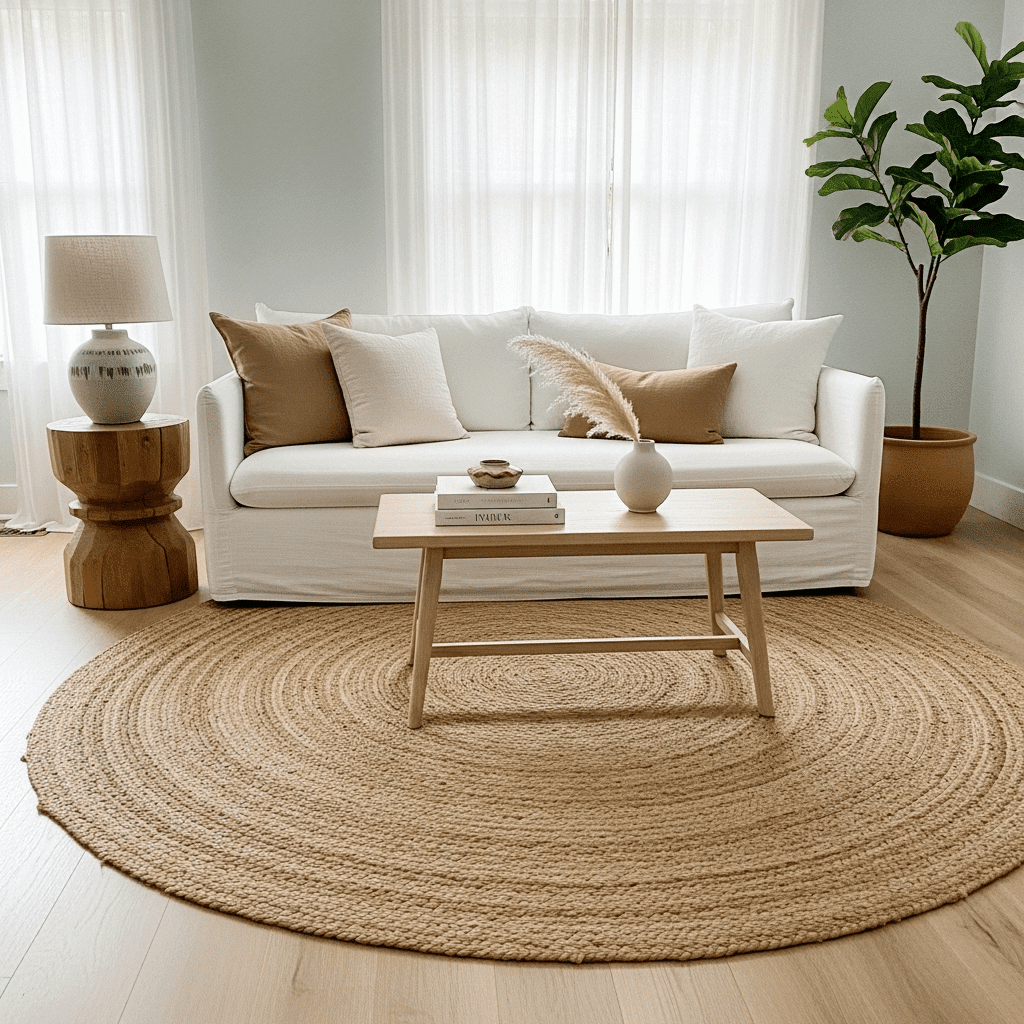
13. Woven Jute Foundations
Use a large jute or sisal rug that covers most of the floor. The natural, light-tan texture provides a warm, organic base that makes the room feel grounded and expansive rather than boxed in by dark flooring.
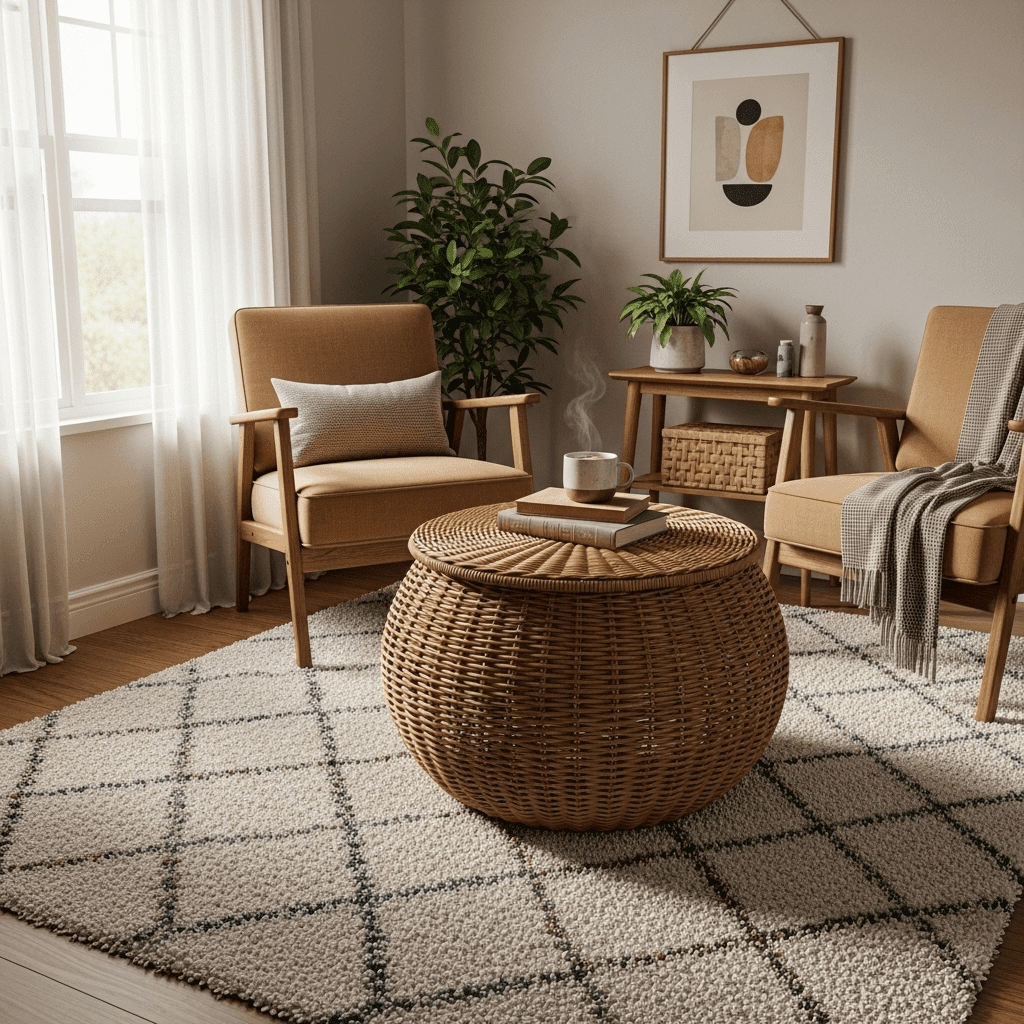
14. Integrated Hidden Storage
Use a lidded basket or a storage ottoman as a coffee table. Decorating with pieces that hide clutter allows you to keep the room’s surfaces clean, which is the most effective way to make a small space feel large.
Conclusion
Mastering a small living room is about making every decorative element work toward the goal of openness. By focusing on verticality, light-reflective materials, and a unified color palette, you can create a space that is as functional as it is beautiful. Focus on a few high-impact pieces to ensure the room feels curated rather than crowded.