12 Small living room set up designs
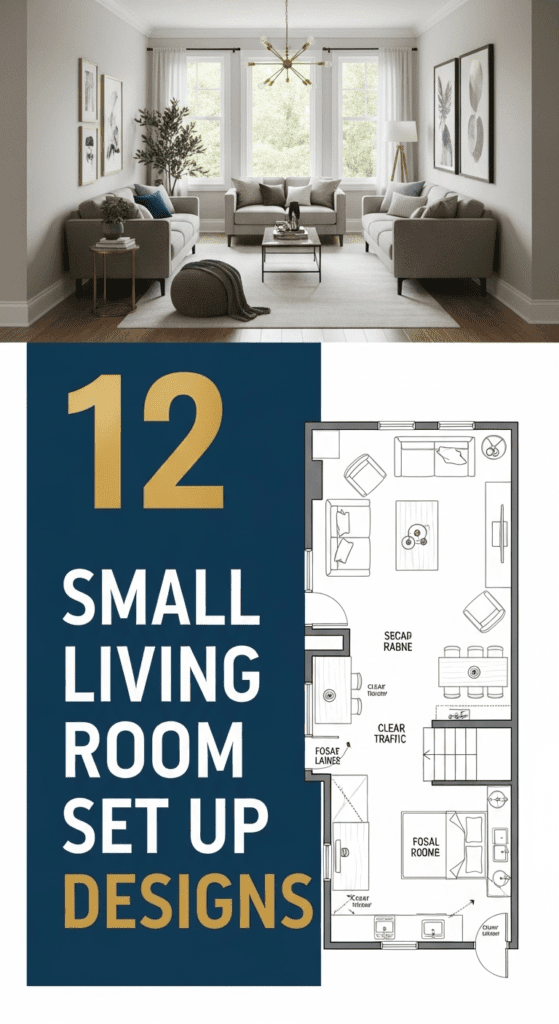
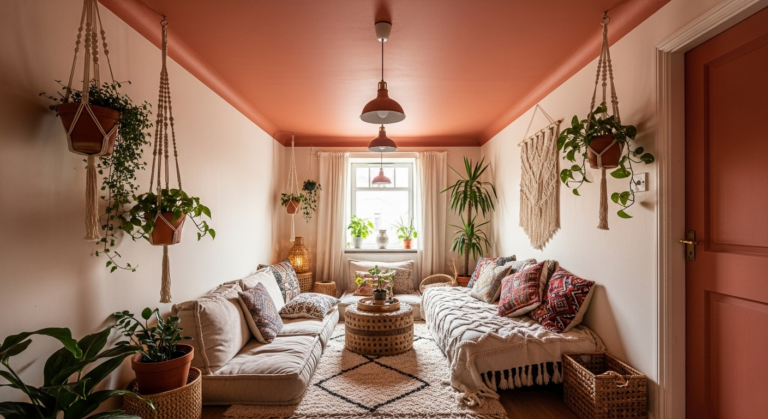
Small living room set up designs prioritize the concept of “unobstructed flow,” ensuring that furniture arrangements maximize seating capacity without sacrificing the physical or visual pathways of the home. In a compact footprint, the configuration of the sofa, chairs, and tables determines whether the space feels like a cozy retreat or a cluttered passage. By utilizing “floating” furniture away from walls, integrating multi-use ottomans, and keeping the center of the room open, you can create a high-functioning lounge that feels spacious and airy. Here are 12 set up designs to optimize your small interior.
1. The Perpendicular Floating L-Shape
Small living room set up designs often place a compact sectional perpendicular to the main wall rather than against it. This “floats” the furniture to create a natural hallway behind the sofa, defining the living zone clearly while keeping the room’s energy centered.
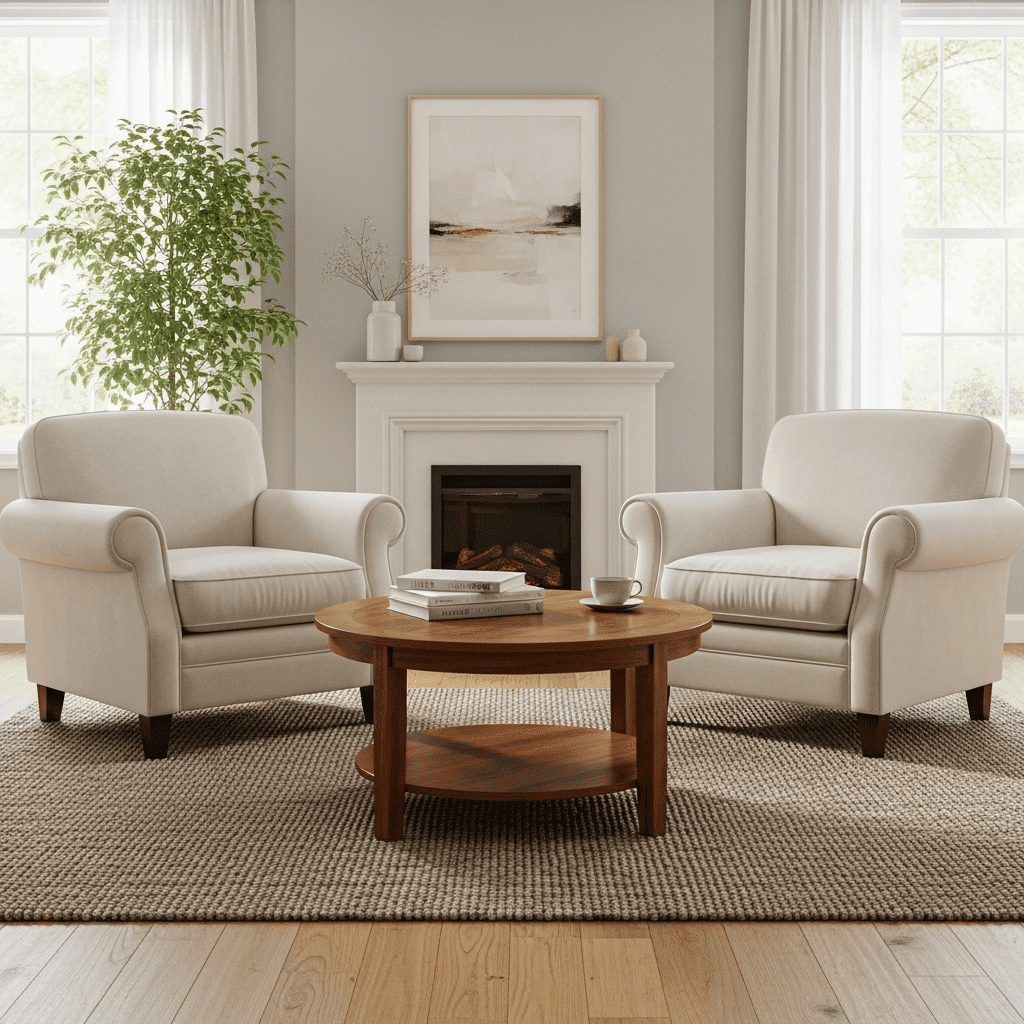
2. The Symmetric Twin Armchair Configuration
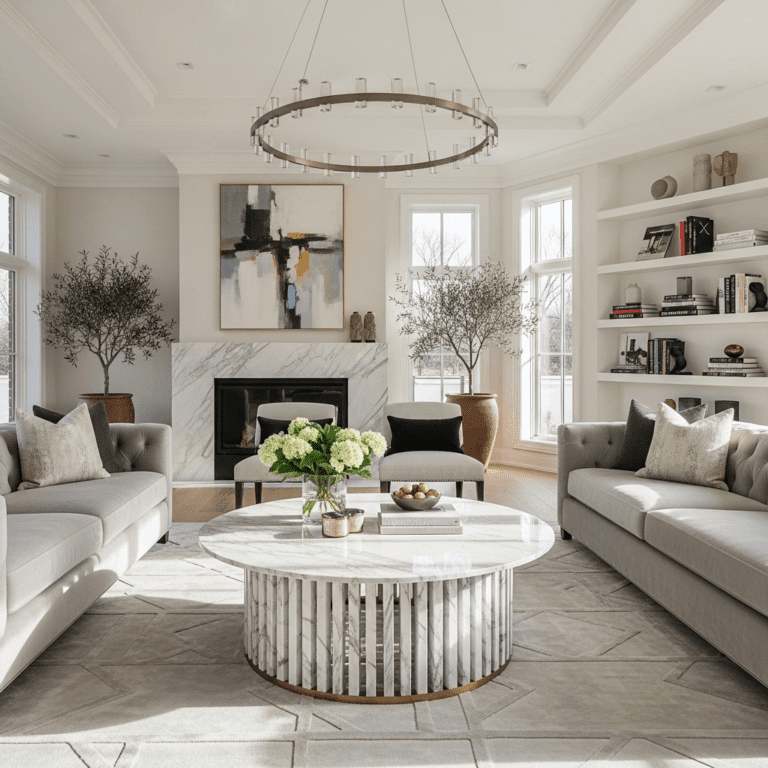
Small living room set up designs can replace a traditional sofa with two large, matching armchairs facing a central focal point. This open-centered arrangement creates a more social atmosphere and leaves the middle of the room feeling light and accessible.
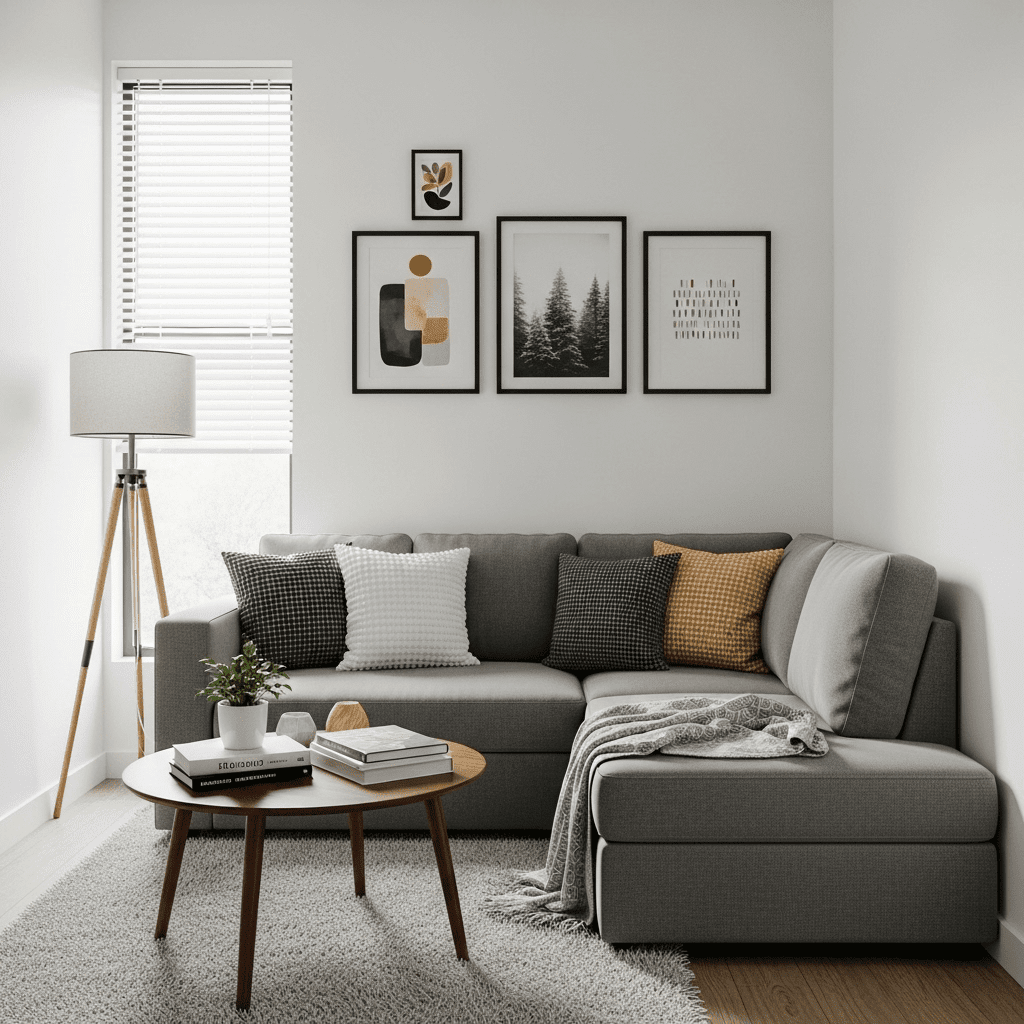
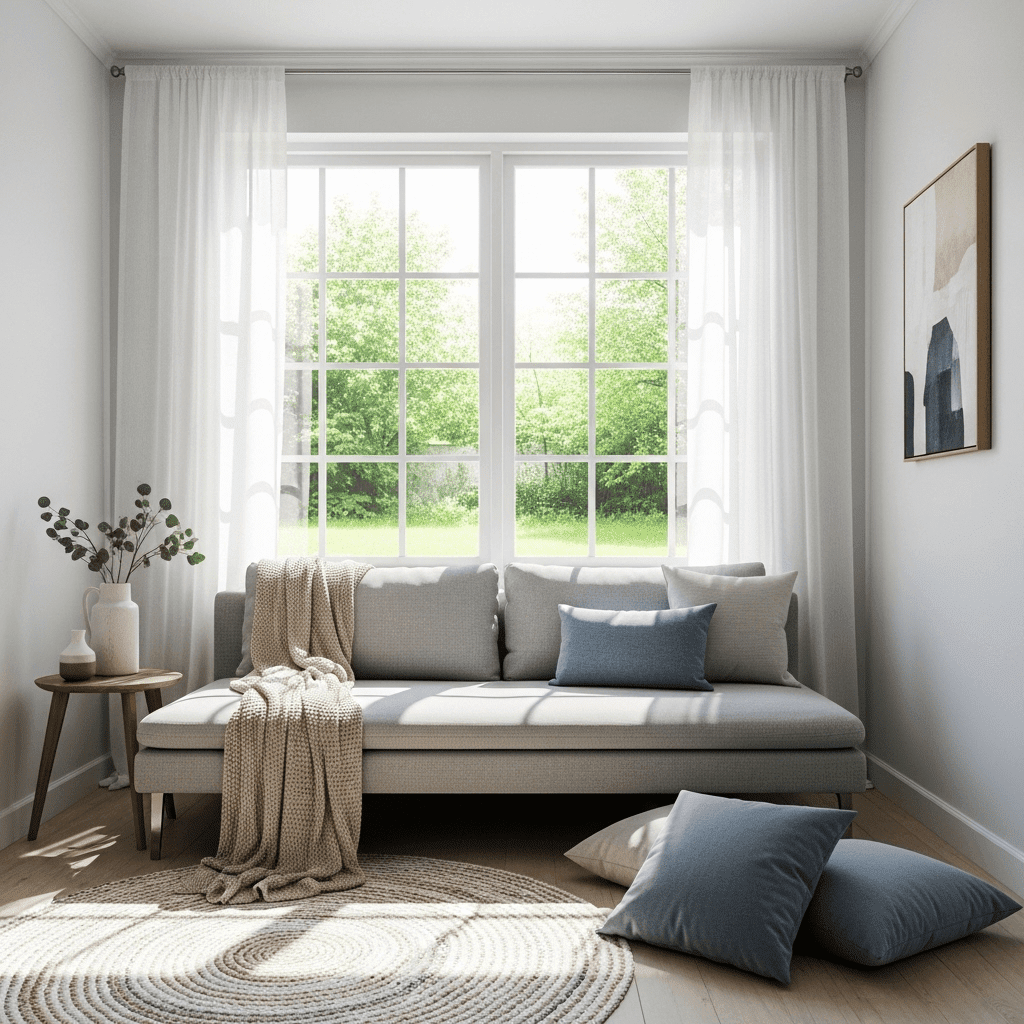
3. The Window-Adjacent “L” Nook
Small living room designs maximize natural light by tucking a low-profile sofa directly under or adjacent to the largest window. This set up ensures the furniture doesn’t block the light source, making the seating area feel brighter and more expansive.
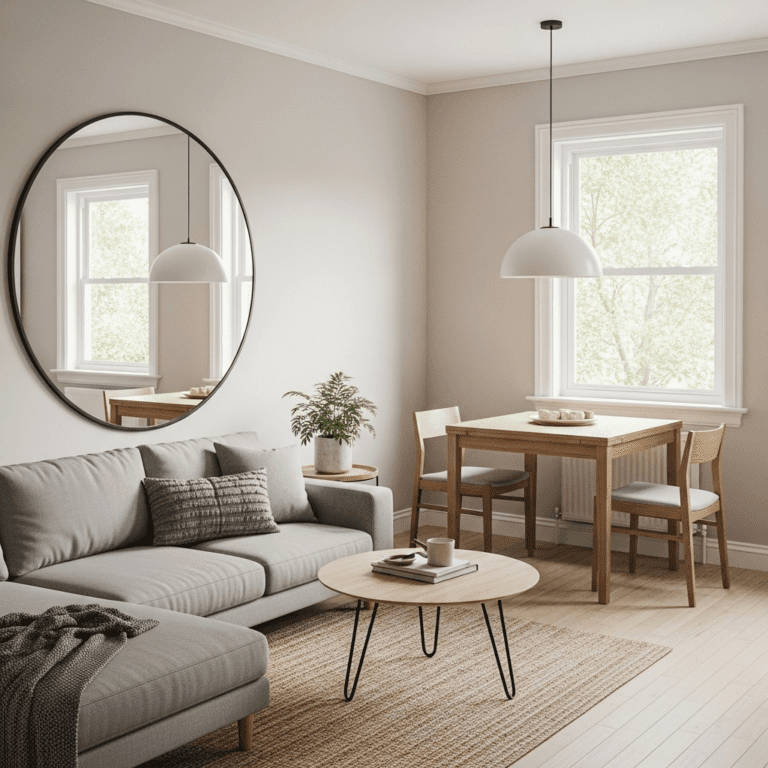
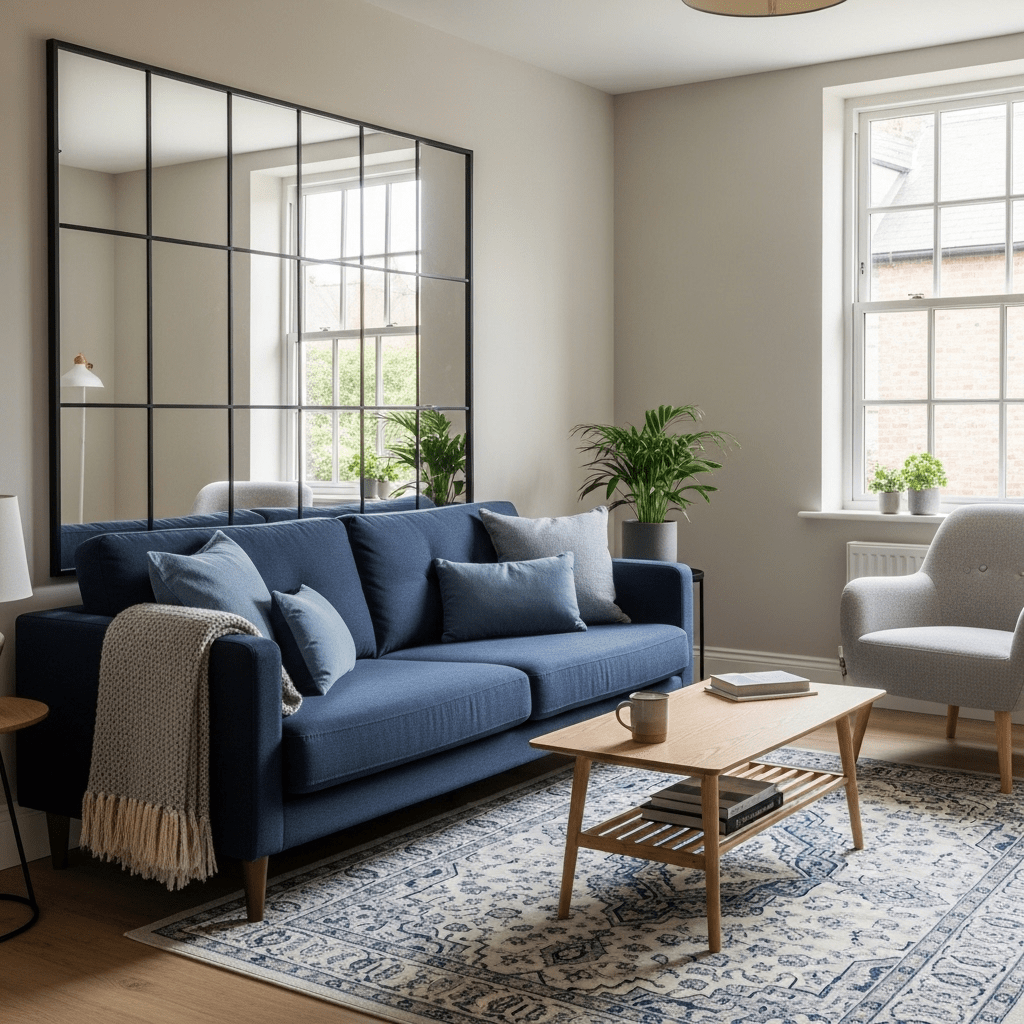
4. The Mirror-Backed Sofa Alignment
Small living room set up designs use large wall mirrors positioned directly behind the primary seating. This placement reflects the rest of the room and the opposite wall, effectively “doubles” the perceived square footage of the seating area.
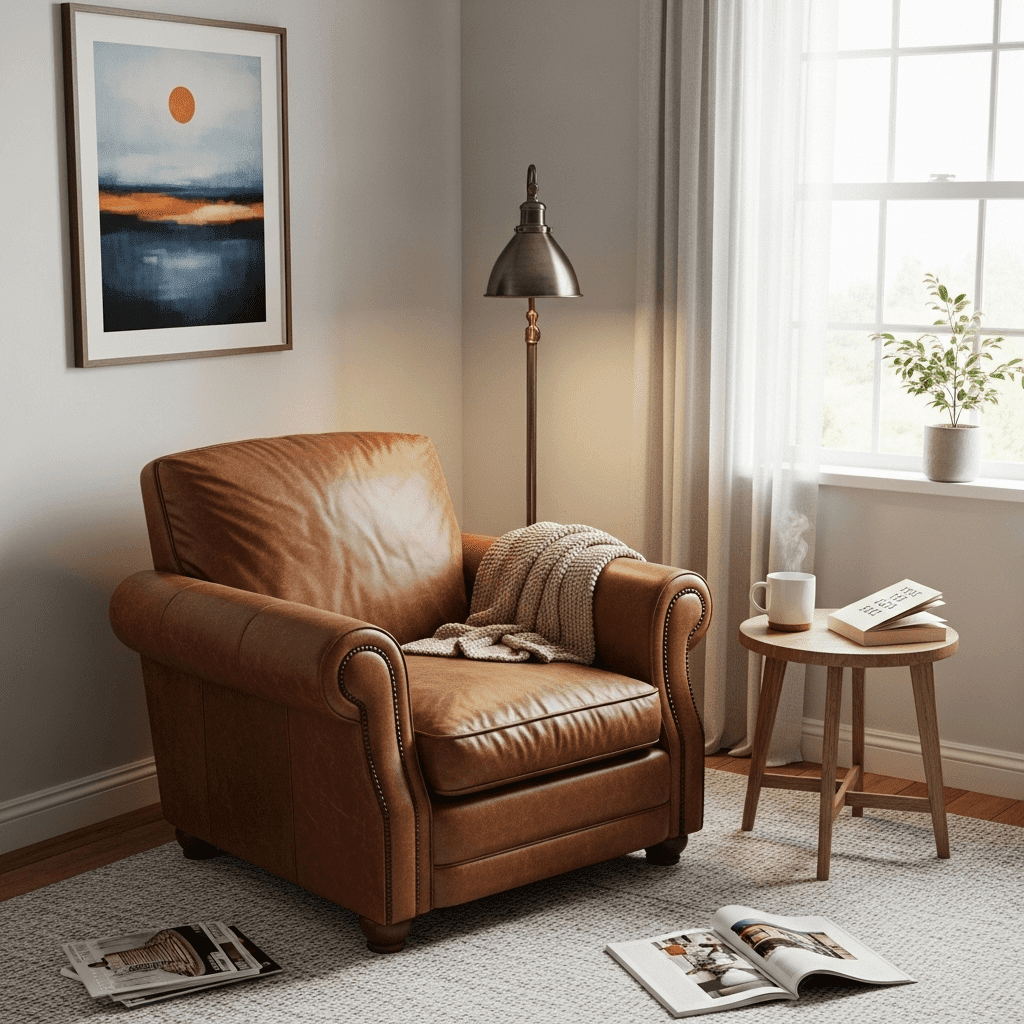
5. The Diagonal Corner Focus
Small living room set up designs can involve placing the sofa or a statement chair on a diagonal. Angling the furniture toward the center of the room breaks up the boxy feel of square walls and creates a more dynamic, interesting floor plan.
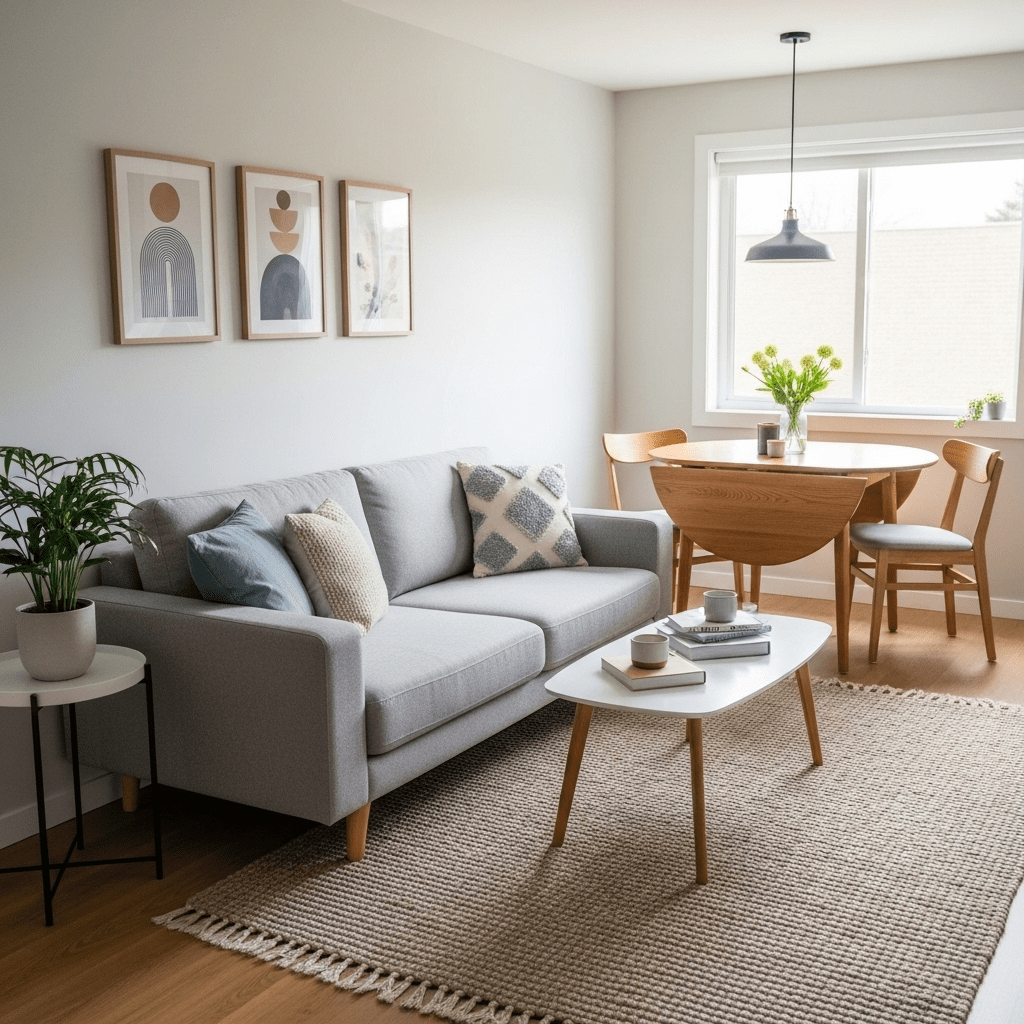
6. The Back-to-Back Zone Divider
Small living room set up designs in open-concept homes use the sofa back as a divider between the lounge and the dining area. This creates two distinct “rooms” within one small footprint without the need for physical walls or bulky partitions.
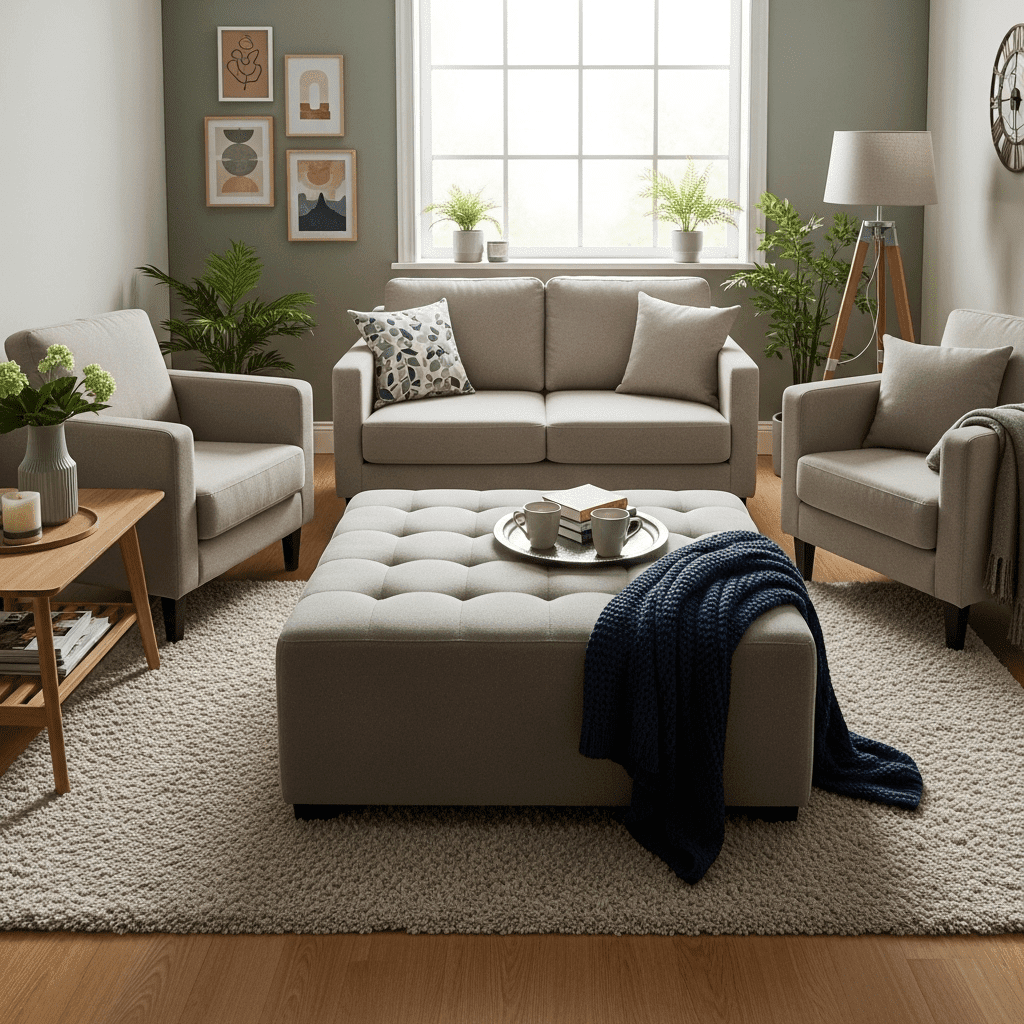
7. The Ottoman-Centered Versatility
Small living room set up designs replace a solid coffee table with a large upholstered ottoman. This piece serves as a footrest, extra guest seating, or—with a tray on top—a table, providing maximum utility in a single footprint.
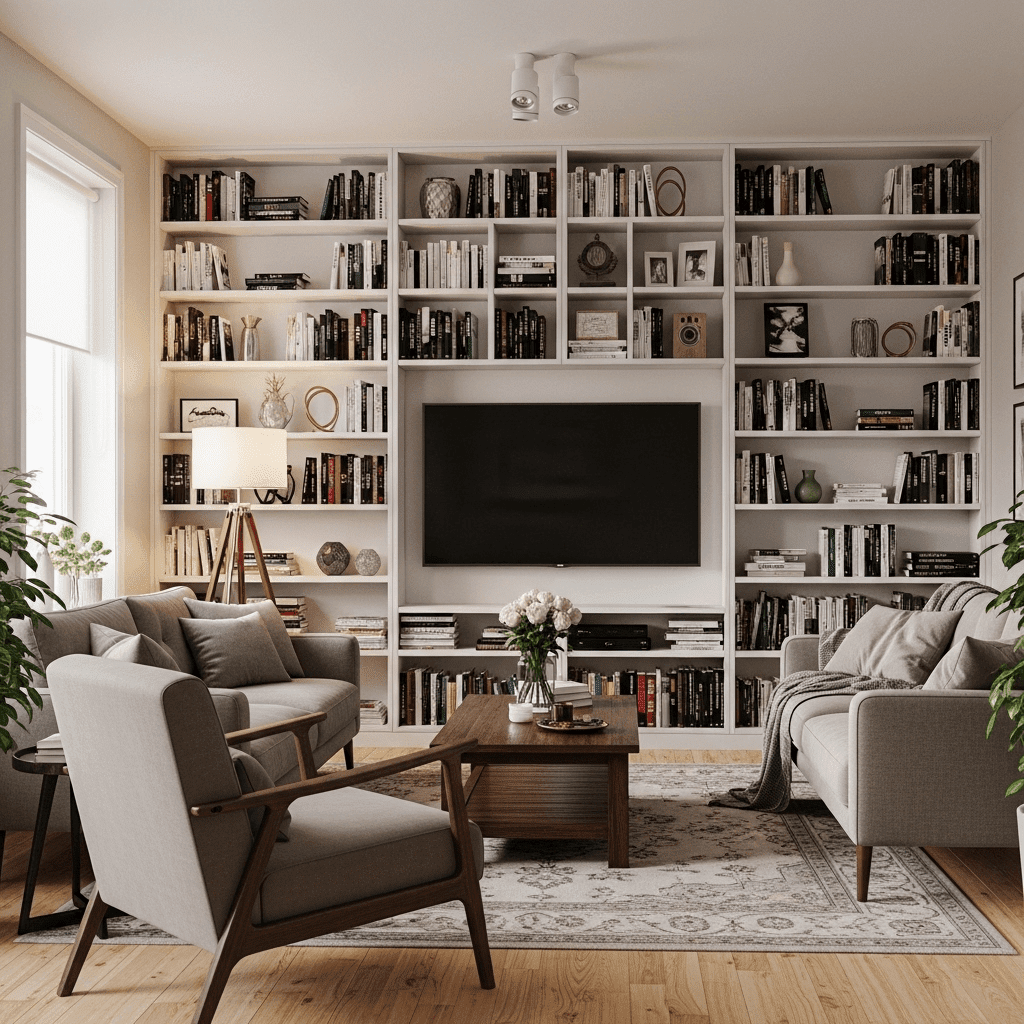
8. The Vertical Storage Wall Anchor
Small living room set up designs focus the furniture around a single wall of built-in shelving. By concentrating all storage and media on one vertical plane, the rest of the room remains clear and dedicated entirely to lounging.
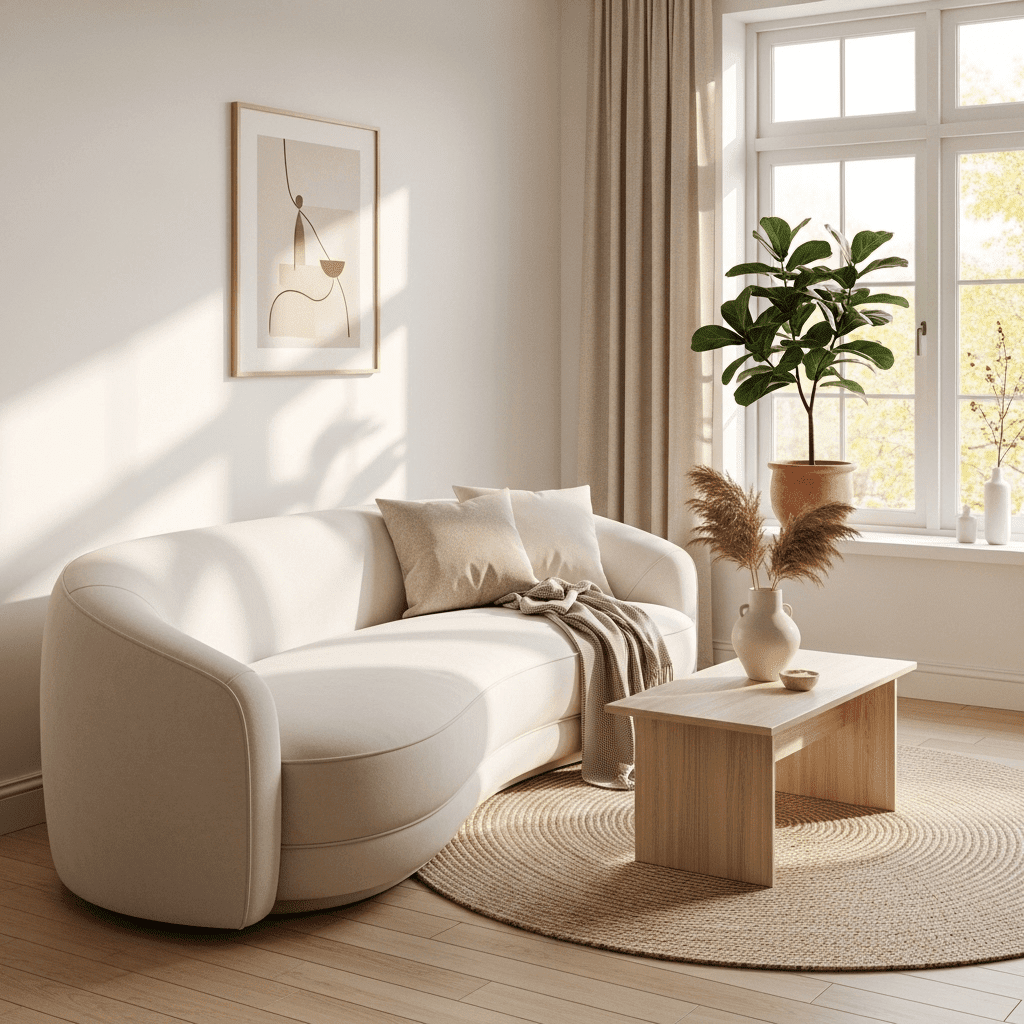
9. The Circular Flow Arrangement
Small living room set up designs utilize rounded furniture, such as a circular rug and a curved sofa. Eliminating sharp corners makes it easier to move through a tight space and creates a softer, more fluid environment.
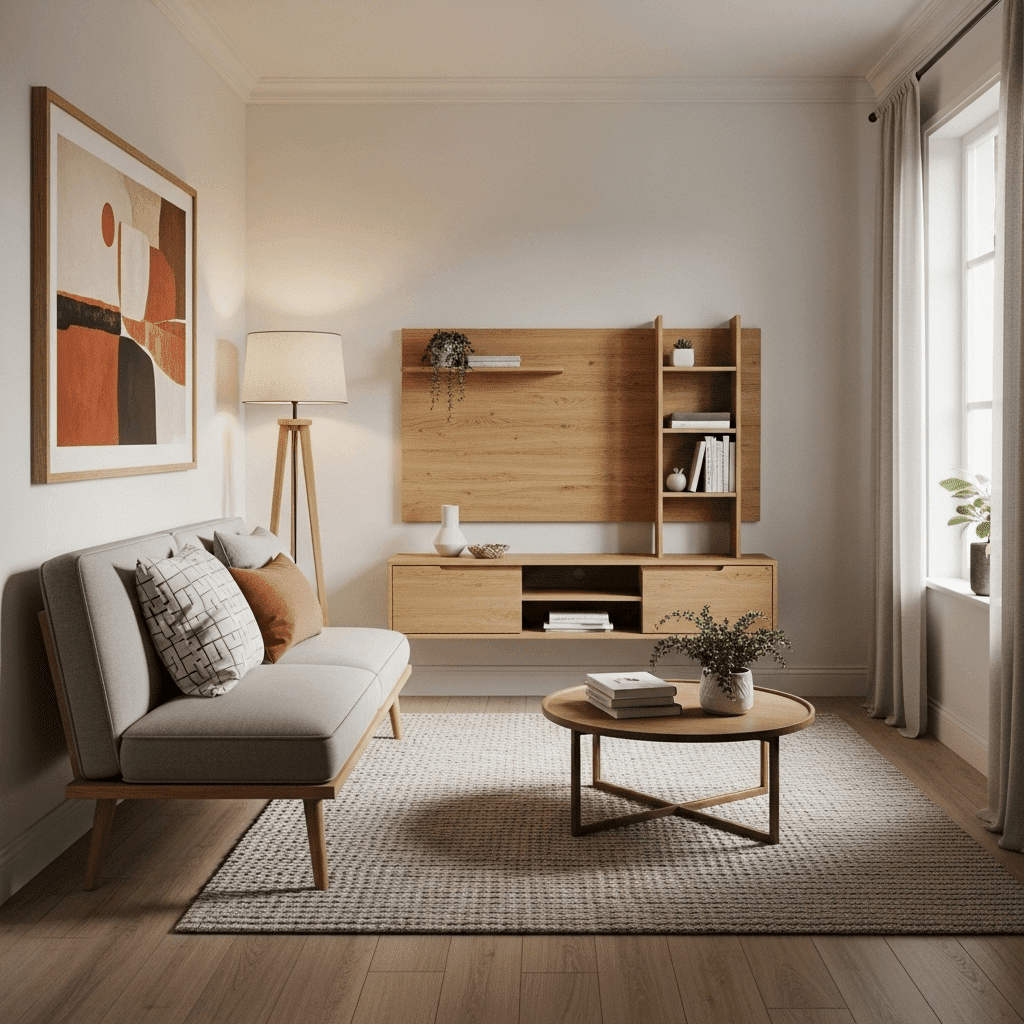
10. The Floating Media Minimalist Set Up
Small living room set up designs use wall-mounted media consoles to keep the floor visible. Seeing the floor extend all the way to the baseboards under the furniture is one of the most effective ways to make a small room feel larger.
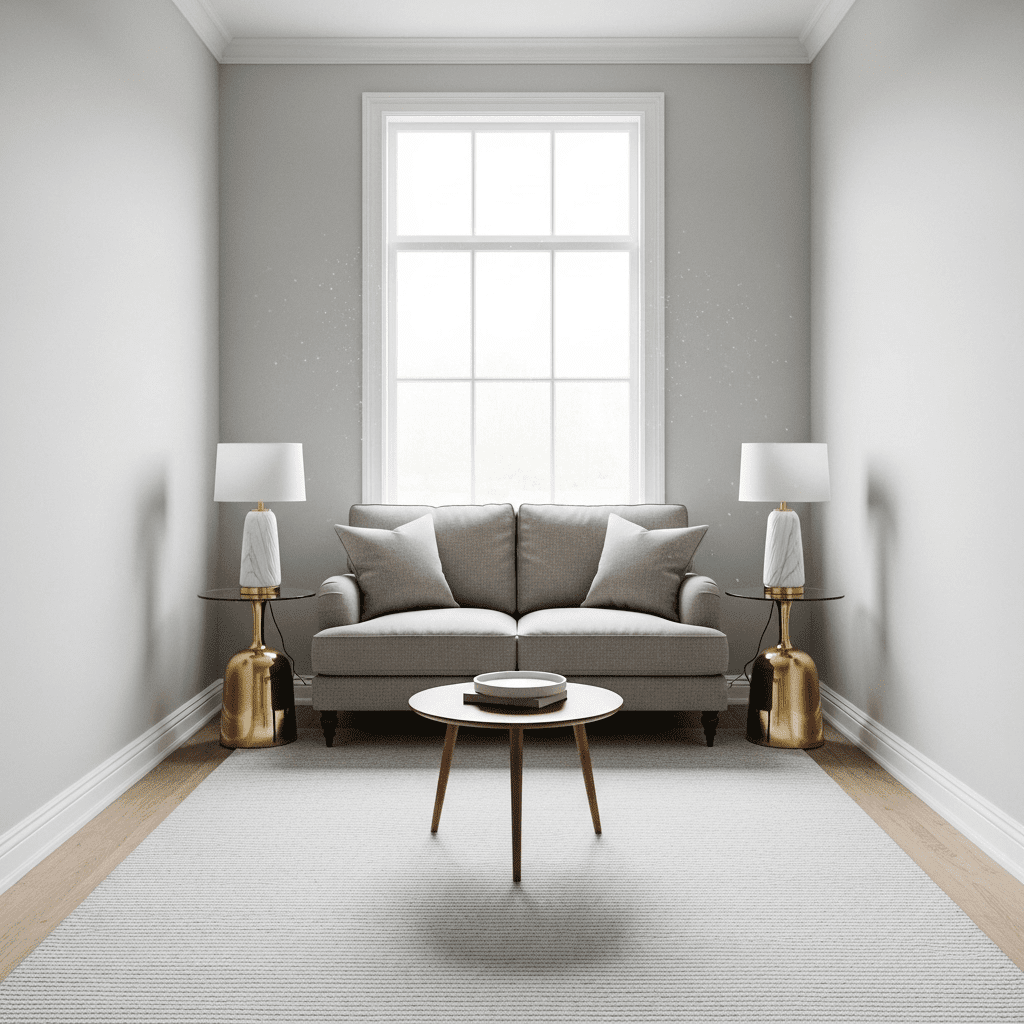
11. The Dual Side-Table Balance
Small living room set up designs can forgo a central coffee table entirely, opting instead for two small side tables at either end of the sofa. This leaves the central floor area open for movement, which is vital in very narrow layouts.
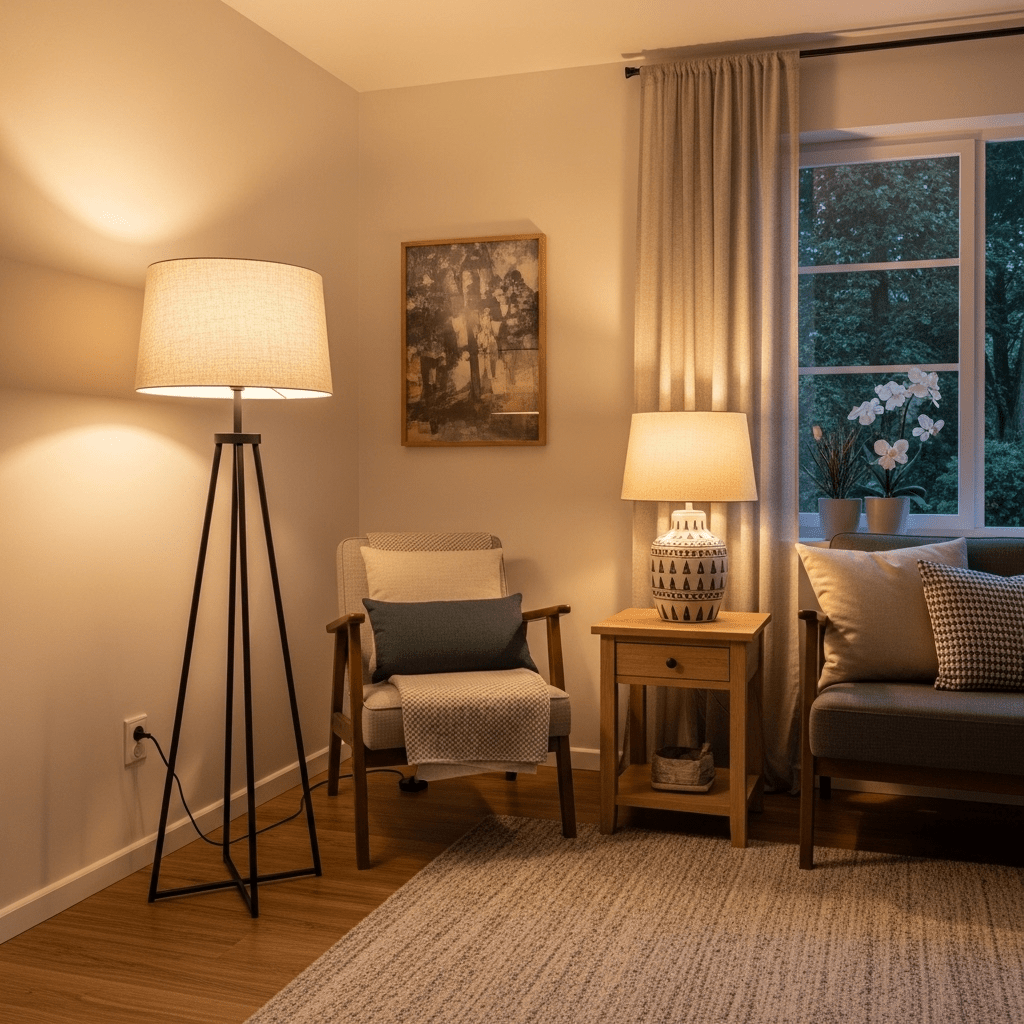
12. The Multi-Level Lighting Layering
Small living room set up designs place lamps at different heights—a tall floor lamp in one corner and a low table lamp on a shelf. This layered lighting draws the eye across the entire volume of the room, emphasizing depth.
Conclusion
Successfully implementing small living room set up designs requires a focus on balance and the preservation of open floor space. By choosing furniture with high legs, utilizing vertical storage, and arranging pieces to allow for natural movement, you can ensure your lounge feels both functional and inviting. Focus on a light color palette to further enhance the sense of openness in your new configuration.