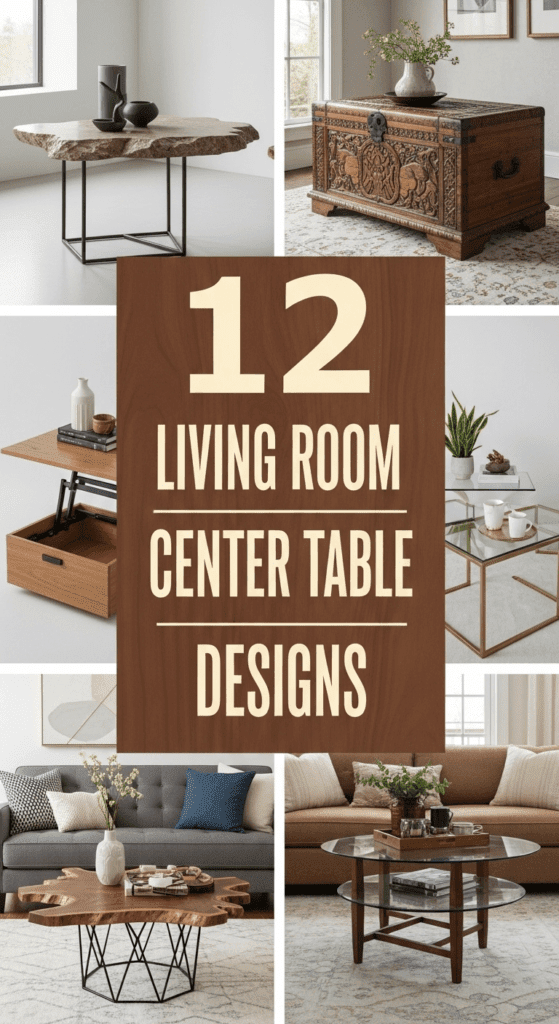
Living room center table designs serve as the functional heart of a seating area, acting as a visual anchor that ties together the surrounding furniture. In a modern home, the center table—or coffee table—is no longer just a surface for drinks; it is a sculptural element that introduces texture, height, and materiality to the room. Whether you are aiming for a minimalist “low-profile” look or a rugged industrial aesthetic, choosing a design with the right scale and finish can dramatically shift the energy of your living space. Here are 12 designs to inspire your next living room update.
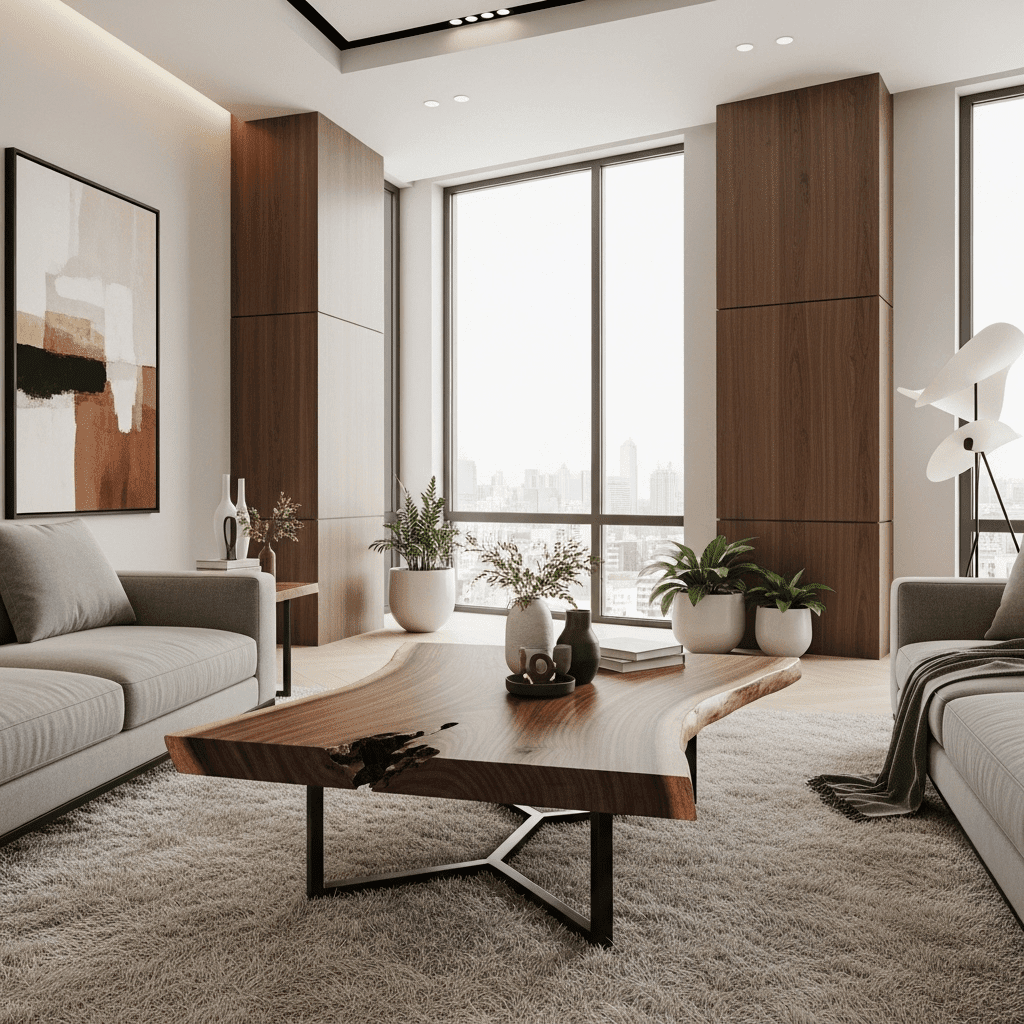
1. The Raw Edge Wooden Slab
Living room center table designs often feature “live-edge” wood, where the natural perimeter of the tree is preserved. This design introduces an organic, rustic warmth that balances the sharp lines of modern sofas.
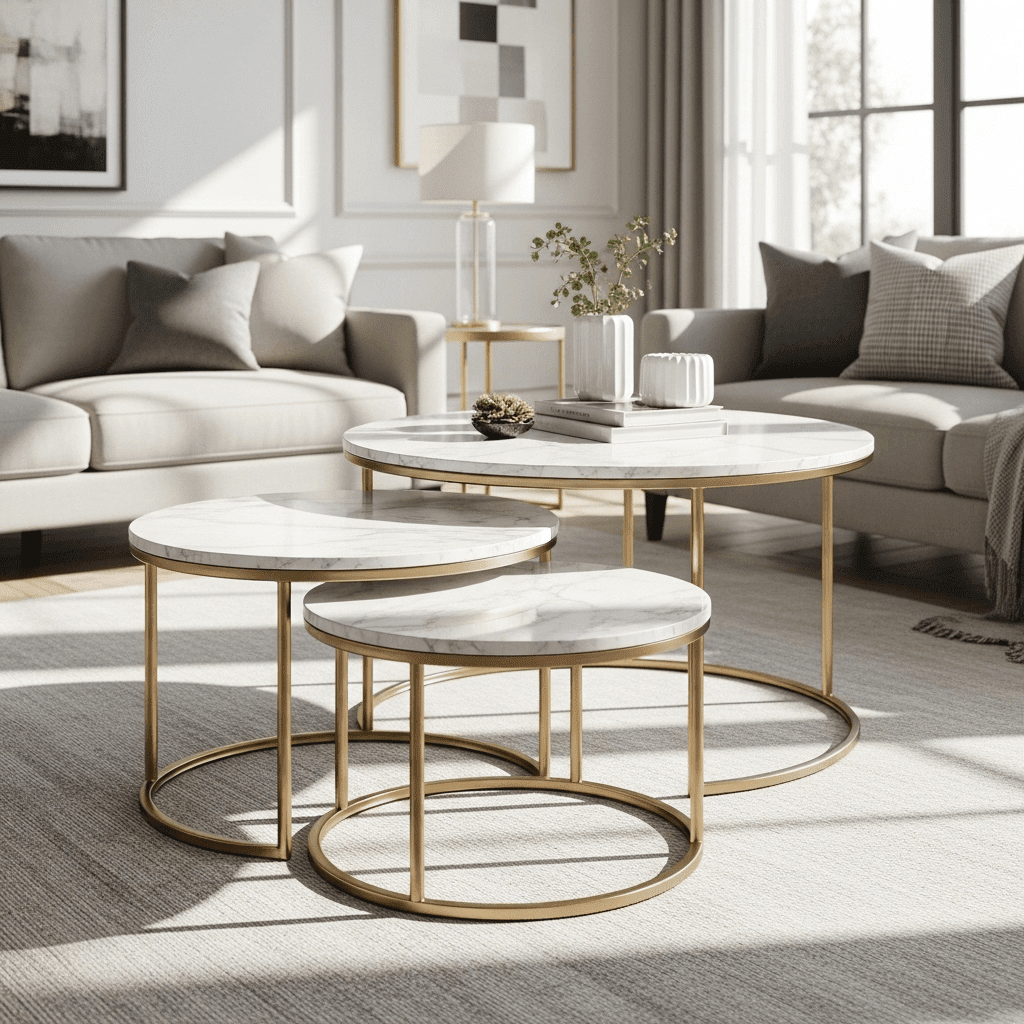
2. The Nesting Circular Trio
Living room center table designs utilize nesting tables to provide flexibility. Three circular tables of varying heights and diameters can be tucked together to save space or spread out when hosting guests, offering a dynamic and layered look.
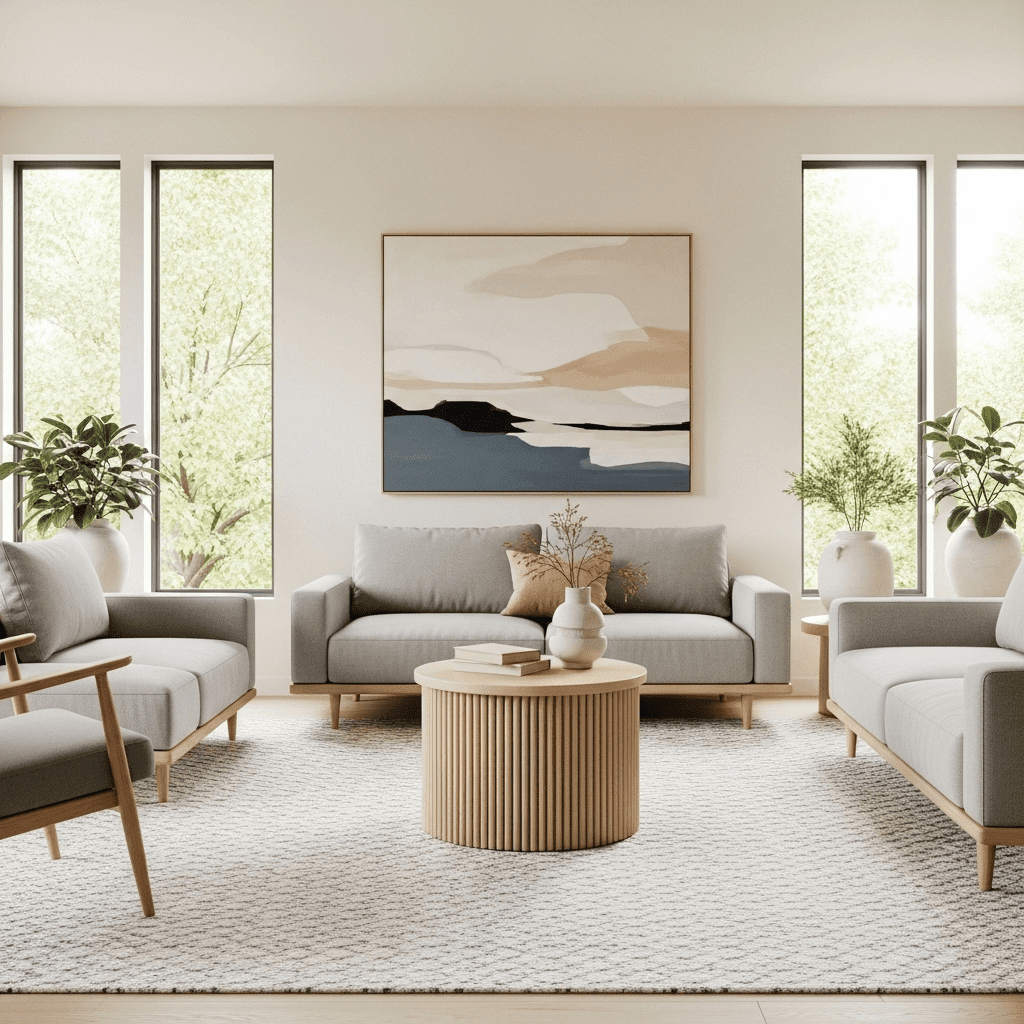
3. Minimalist Fluted Plinth
Living room center table designs have embraced the “plinth” look, which features a solid, heavy base with vertical fluted detailing. This architectural style adds a sense of permanence and high-end sophistication to a minimalist space.
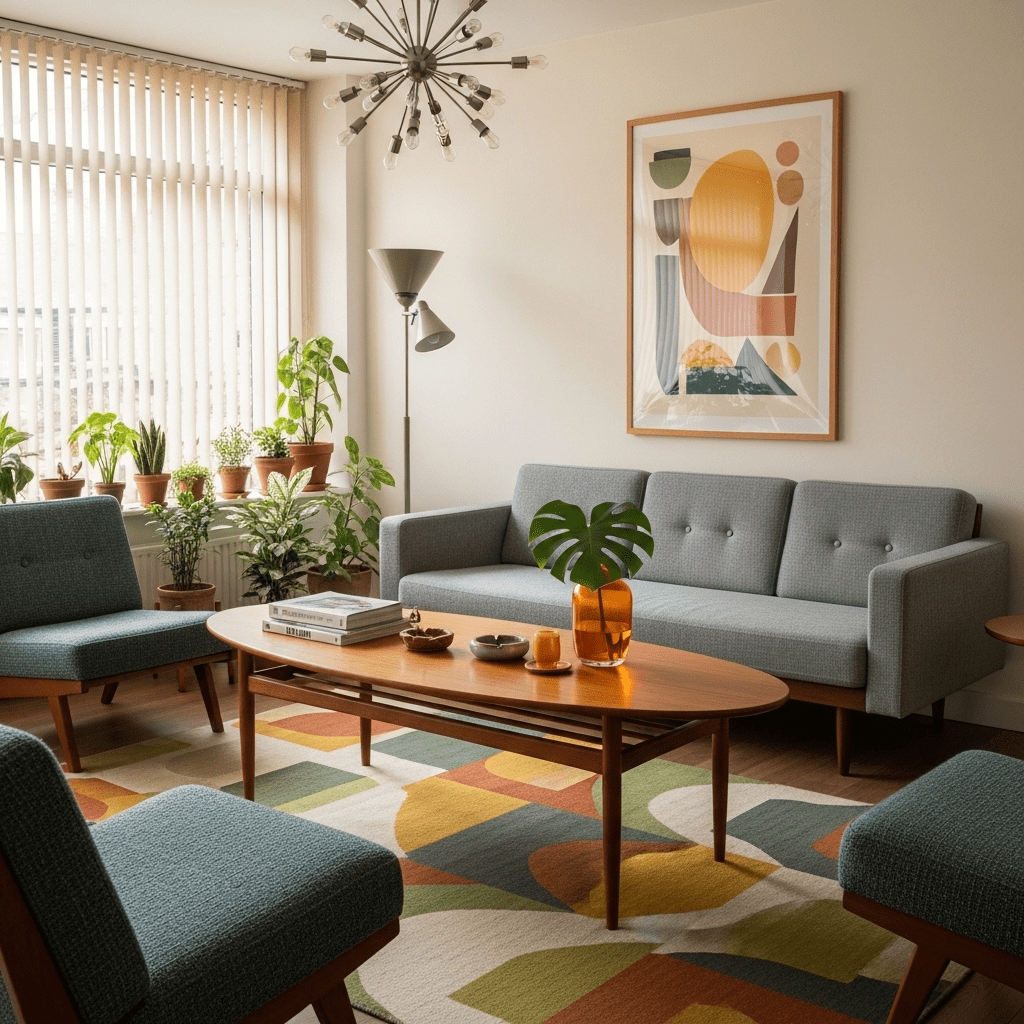
4. Mid-Century Modern Teak Oval
Living room center table designs frequently draw from the 1950s, featuring tapered “spindle” legs and an elongated oval top. The warm teak wood and airy silhouette keep the center of the room feeling light and spacious.
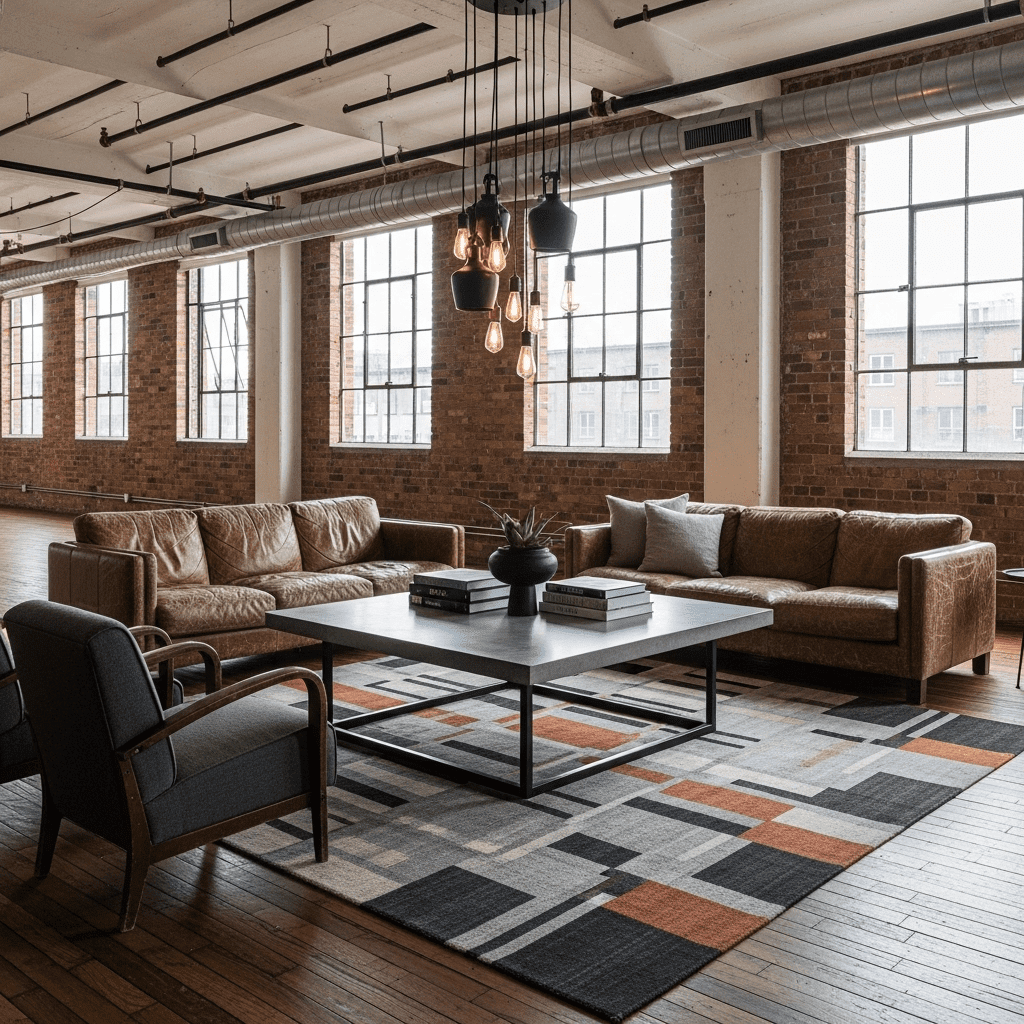
5. Industrial Concrete and Steel Square
Living room center table designs use raw materials like polished concrete for a rugged, masculine feel. A heavy square concrete top paired with a chunky steel frame creates a bold industrial centerpiece that is virtually indestructible.
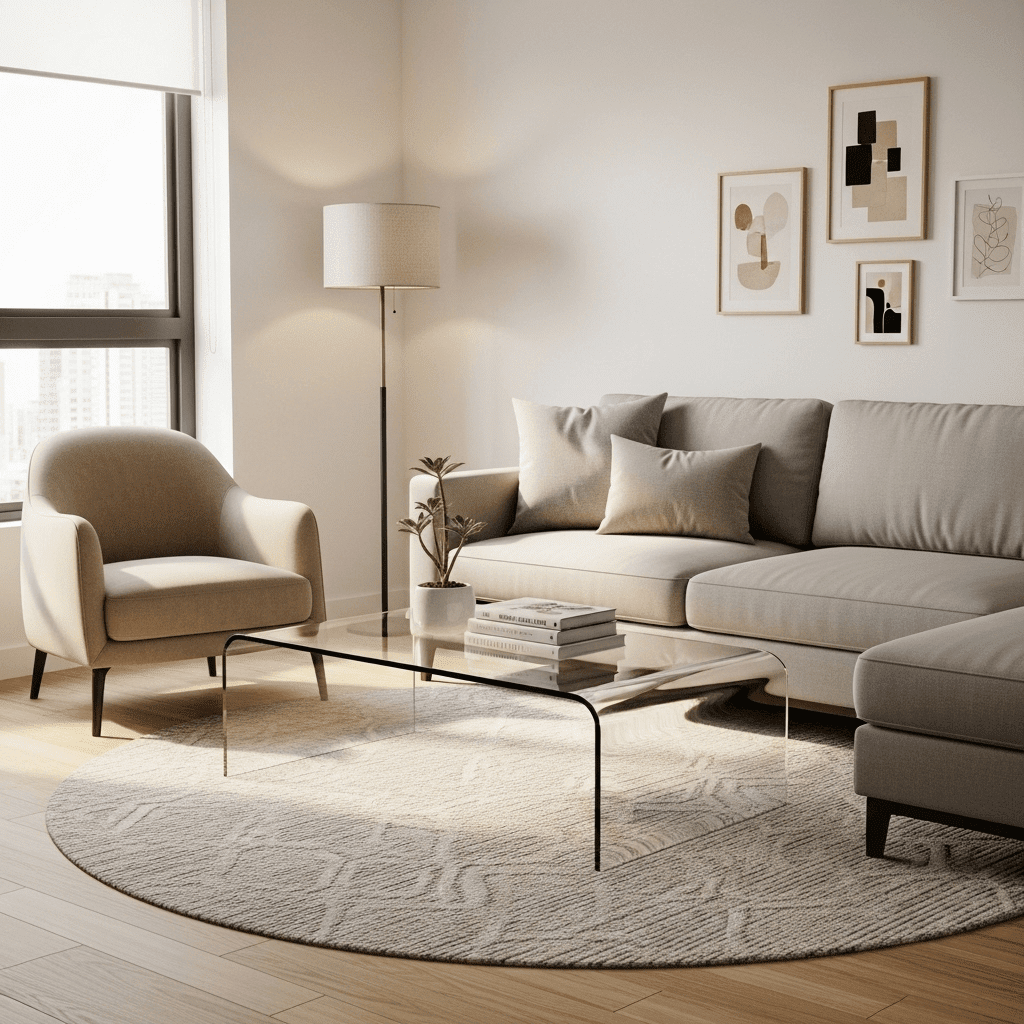
6. The Tempered Glass “Ghost” Table
Living room center table designs utilize clear tempered glass to maintain “visual flow.” Because the table is transparent, it allows the pattern of the rug to show through, making it the perfect choice for small or busy rooms.
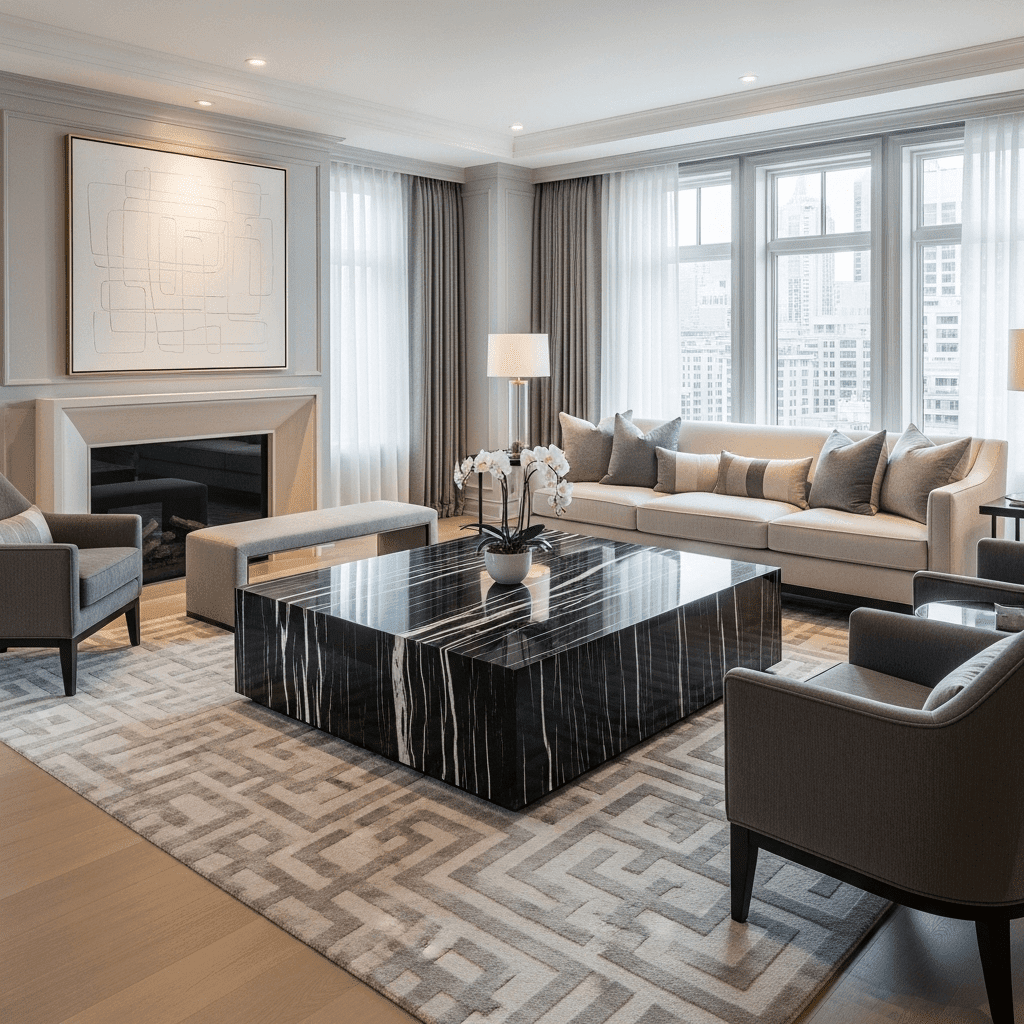
7. Black Marquina Marble Block
Living room center table designs can be incredibly dramatic when made from solid stone. A low-slung block of black marble with white veining acts as a luxurious, heavy anchor that grounds a light-colored seating arrangement.
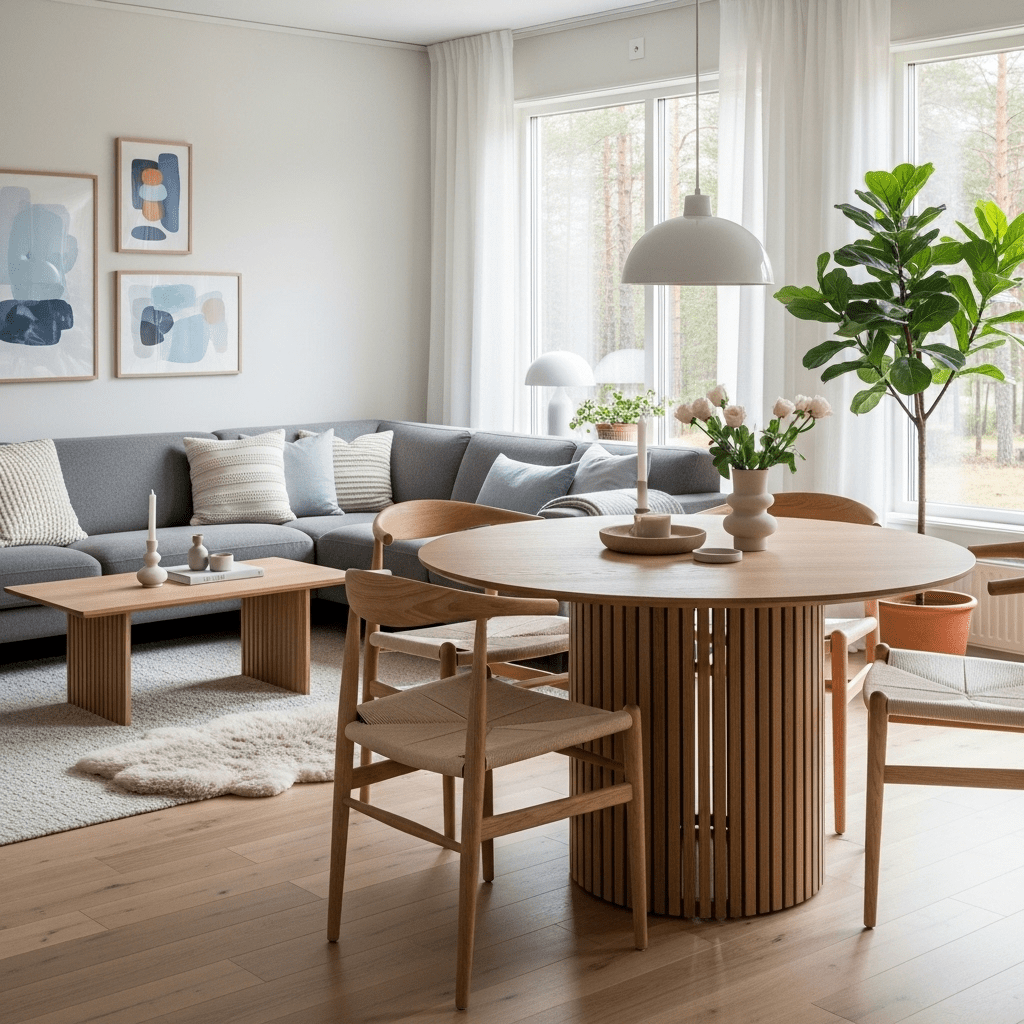
8. Scandi-Style Light Oak Slats
Living room center table designs often incorporate the “slat” trend found in Scandinavian furniture. A circular table with a base made of vertical light oak slats provides a rhythmic, airy texture that feels modern and clean.
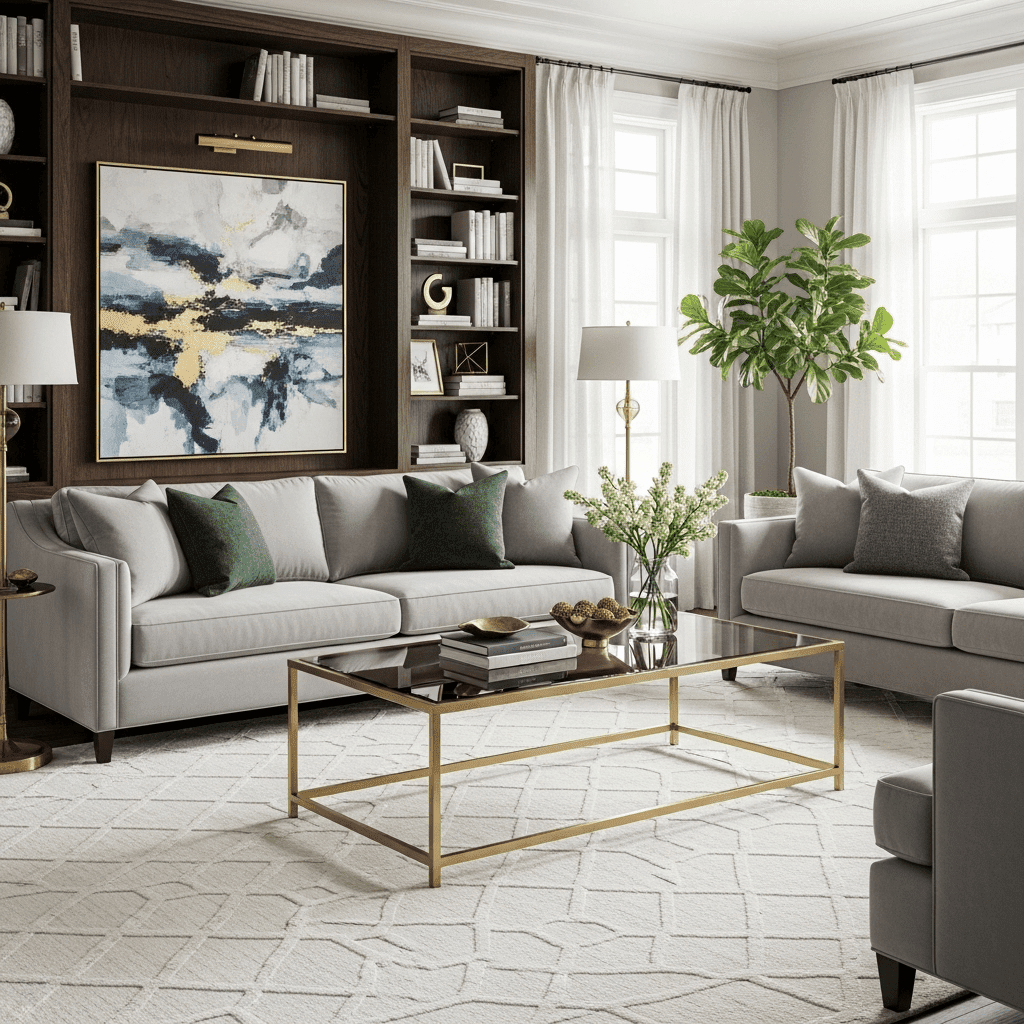
9. Vintage-Inspired Brass and Smoked Glass
Living room center table designs can lean into 1970s glamour by combining polished brass frames with dark, smoked glass tops. This combination adds a layer of “moody” sophistication and reflects ambient light beautifully.
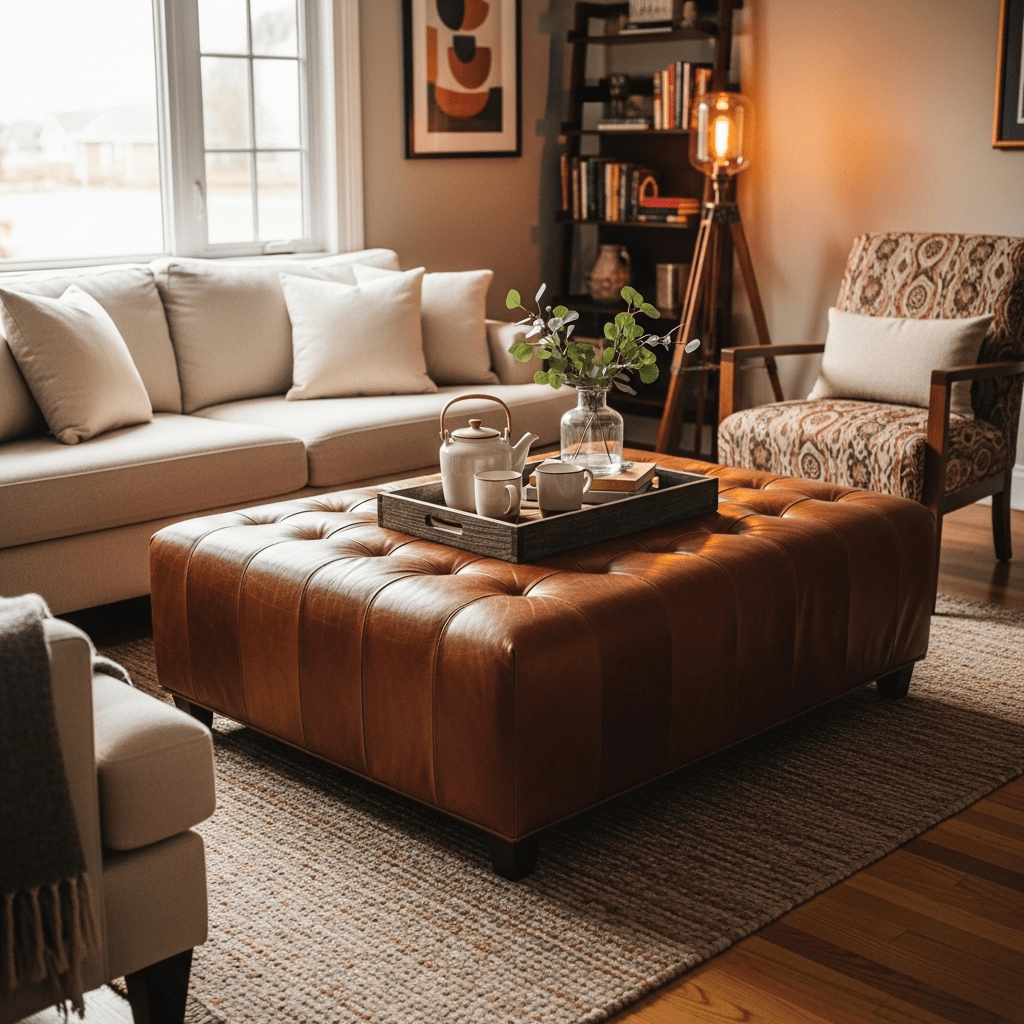
10. The Oversized Upholstered Ottoman
Living room center table designs aren’t always hard surfaces. A large, tufted leather or fabric ottoman provides a soft place to rest your feet, and when paired with a wooden tray, it functions perfectly as a stable center table.
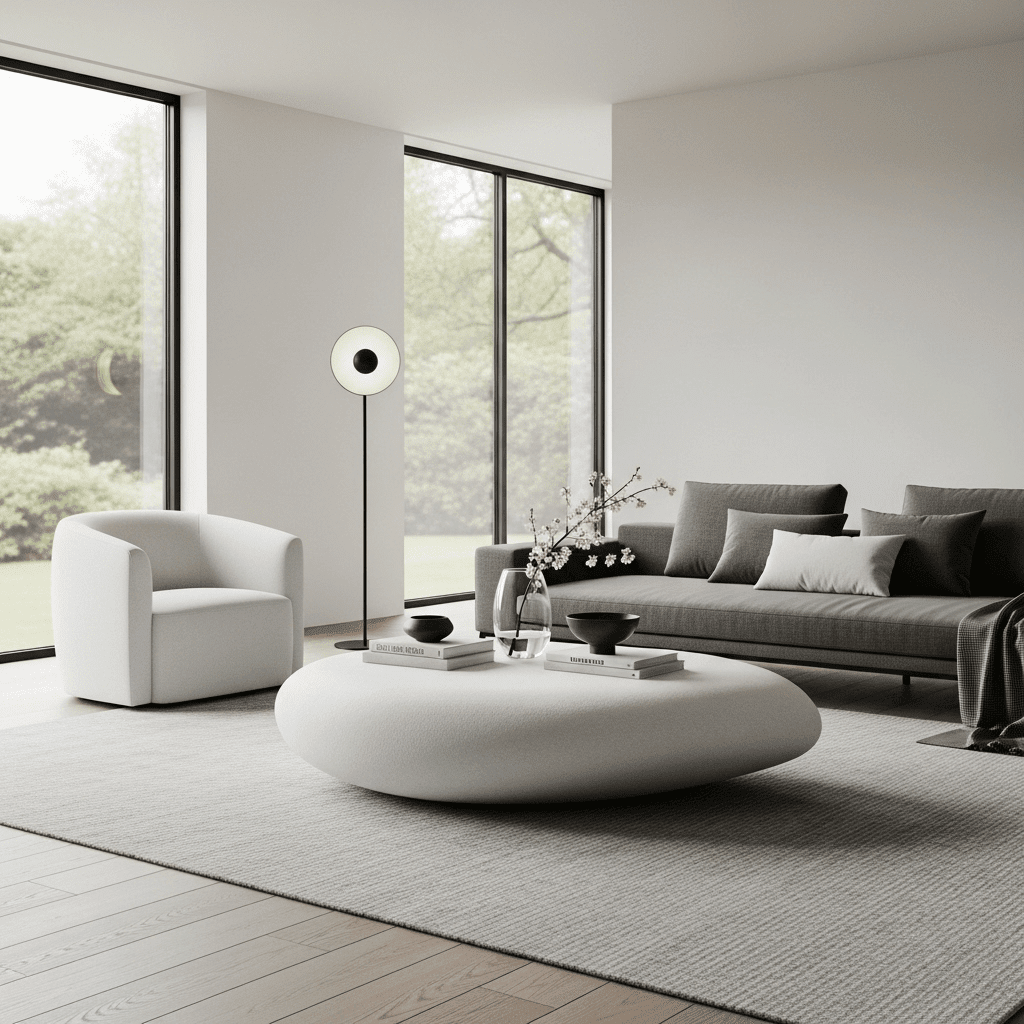
11. Sculptural Ceramic “Pebble” Table
Living room center table designs can take on artistic, irregular shapes. A ceramic or matte-painted table shaped like a smooth river pebble adds a soft, futuristic element to a room, breaking away from traditional geometry.
12. Two-Tiered Storage Center Table
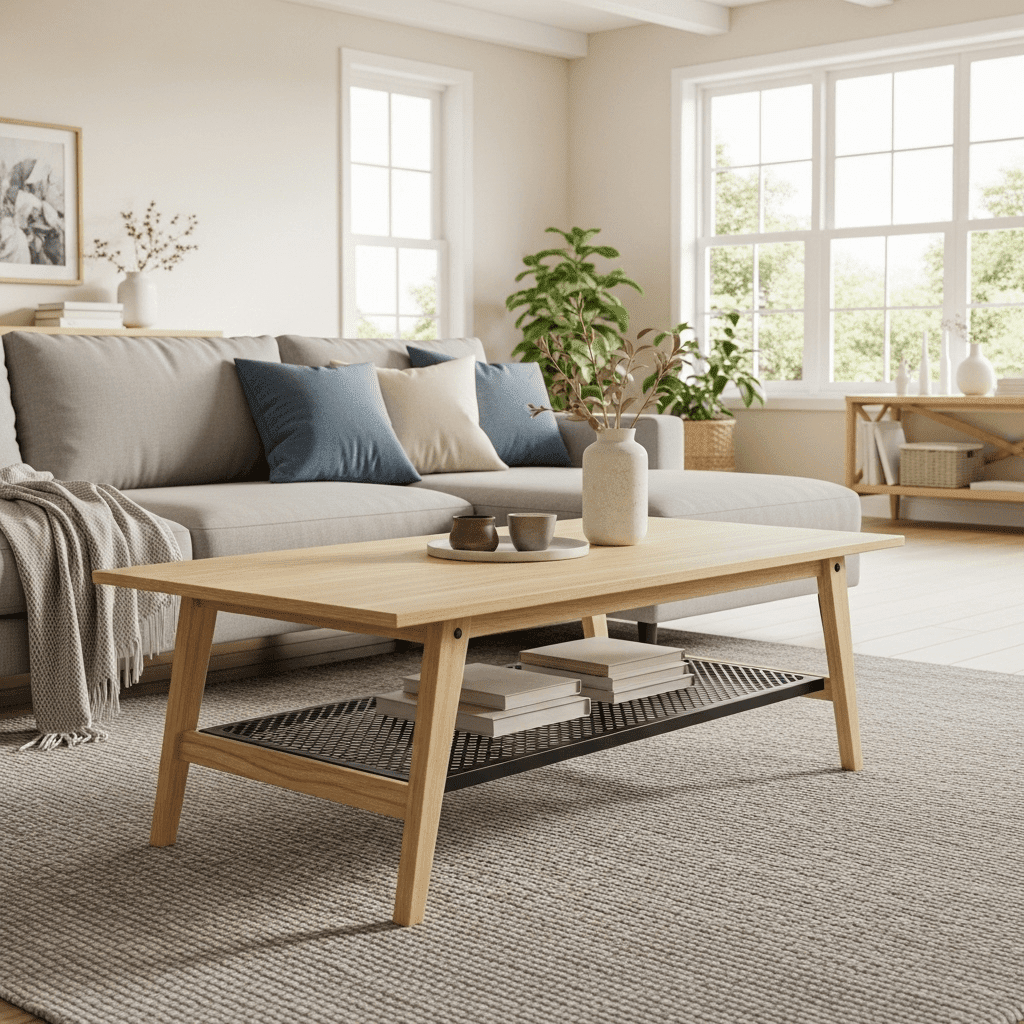
Living room center table designs prioritize function with an integrated lower shelf. This provides a dedicated home for coffee table books and remotes, keeping the primary top surface clear and uncluttered.
Conclusion
The right living room center table design is a balance of scale, material, and lifestyle needs. Whether you prefer the transparency of glass to make your room feel larger or the warmth of live-edge wood to add character, the table should serve as the unifying piece for your seating area. Focus on a material that complements your existing flooring to ensure the centerpiece feels like a natural extension of your home’s style.