17 Wardrobe Interior Designs
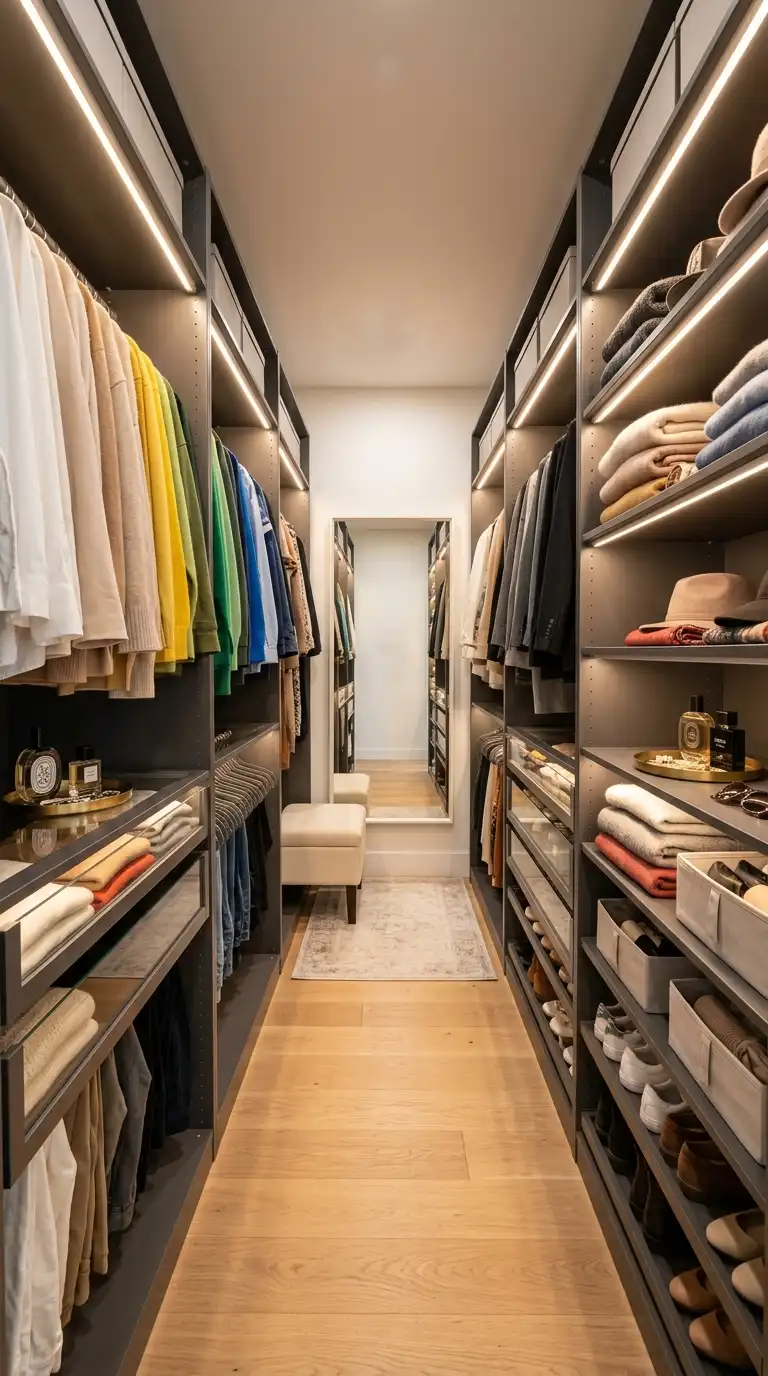
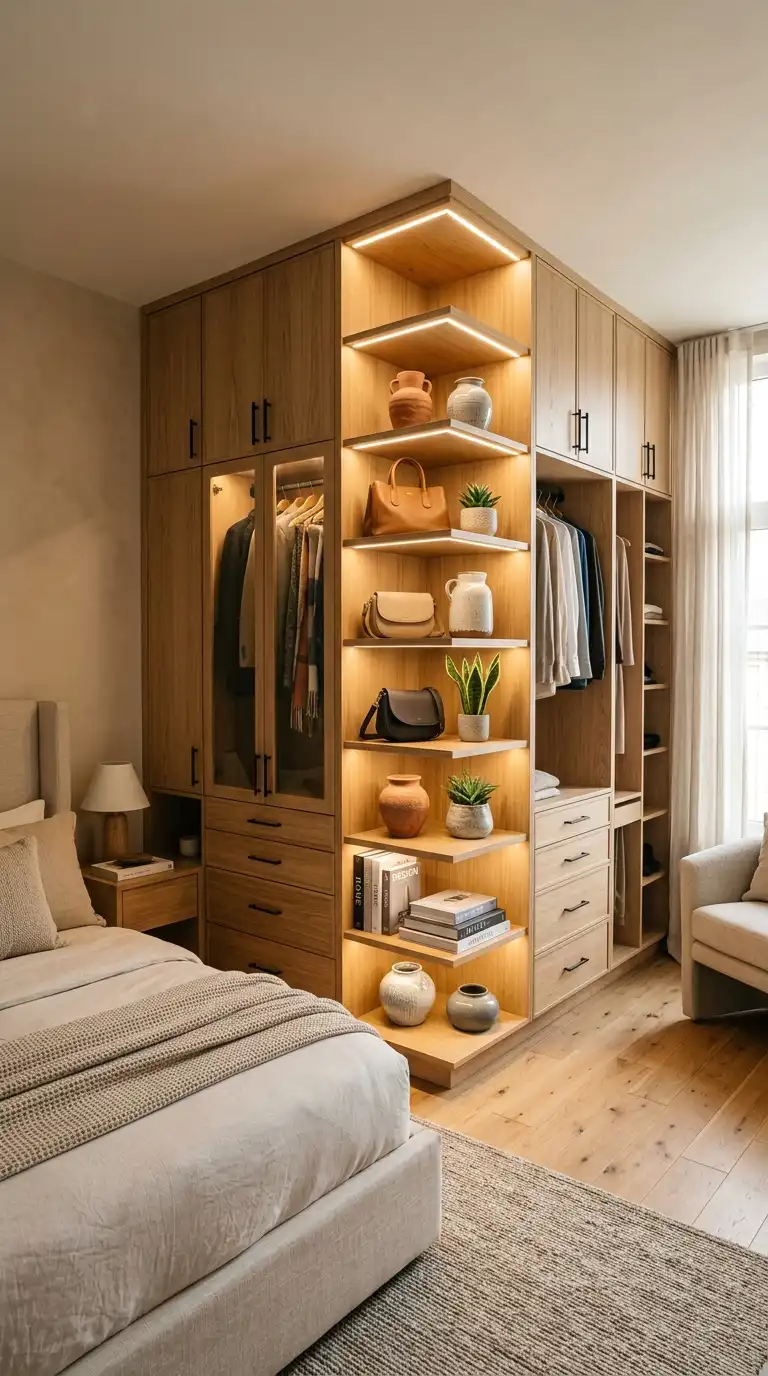
A well-designed wardrobe interior is the secret to an organized, functional, and stress-free daily routine. While the exterior of a wardrobe sets the aesthetic tone, it is the interior that determines how effectively the space serves your needs. Thoughtful interior design considers your wardrobe habits, the types of items you own, and how you move through your morning routine. From adjustable shelving and pull-out racks to specialized compartments for accessories and shoes, the right interior layout transforms a simple storage unit into a highly efficient organizational system. Here are seventeen wardrobe interior designs to inspire a space that works as hard as you do.
See also: 15 Sliding Door Wardrobe Designs
1. Double Hanging Rods for Maximum Vertical Space
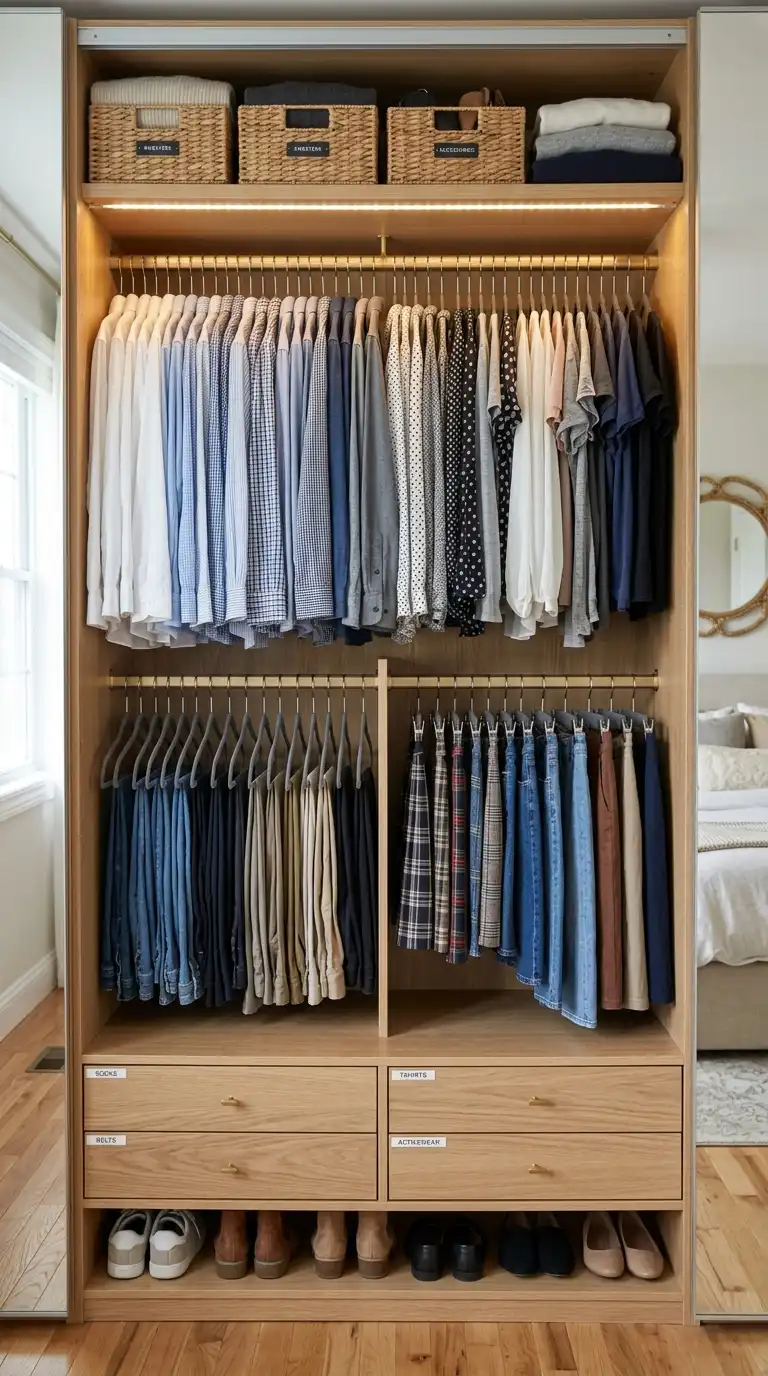
Double hanging rods are one of the most effective ways to maximize vertical space in a wardrobe. By installing two rods—one at standard height and one lower—you create separate sections for shirts, blouses, and shorter garments like jackets and skirts. This layout is ideal for those who have more folded items than hanging space or for children’s wardrobes where garments are shorter. The upper rod can be used for adult tops while the lower accommodates pants or children’s clothing.
2. Pull-Out Shoe Rack with Angled Shelves
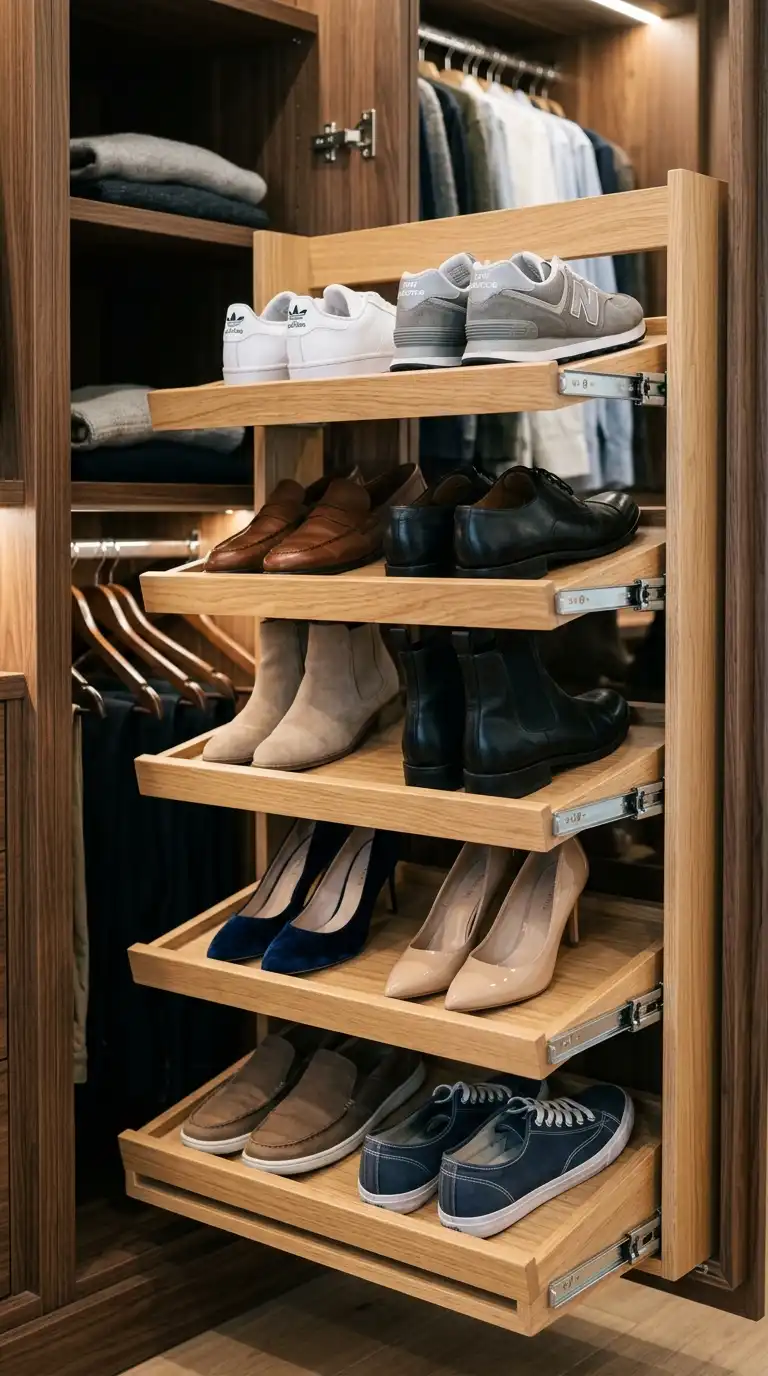
A pull-out shoe rack is a game-changer for footwear organization. Angled shelves allow shoes to be displayed at a slight tilt, making it easy to see and select pairs without digging through a pile. This design works well in narrow spaces and can be customized to accommodate heels, sneakers, flats, and boots. Install the rack on full-extension slides for easy access to even the back rows.
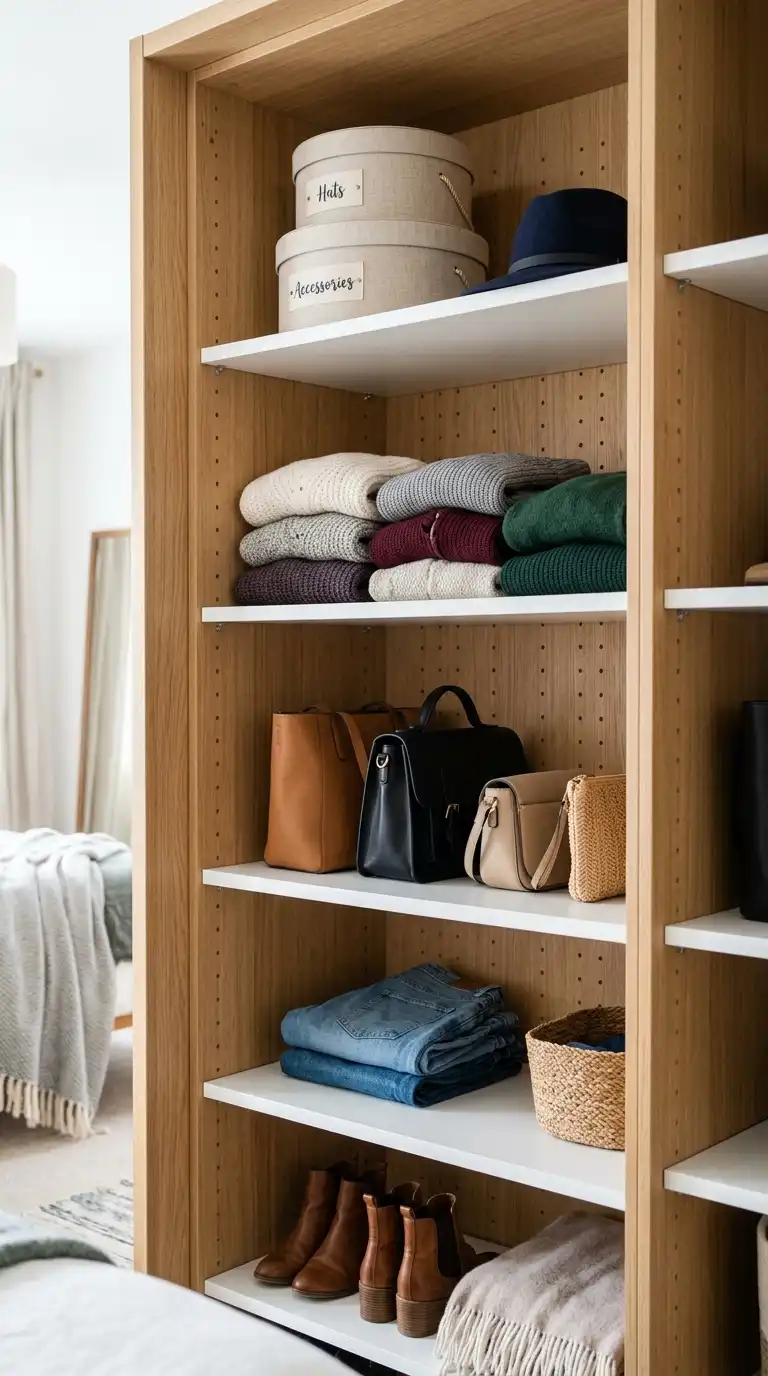
3. Adjustable Shelving for Flexible Storage
Adjustable shelving allows you to customize your wardrobe interior to suit changing needs. Shelves can be raised, lowered, or removed entirely to accommodate taller items, bulky sweaters, or handbags. This flexibility is especially valuable for growing families or for those who rotate seasonal items. Use shelf pins or a track system to make adjustments without tools.
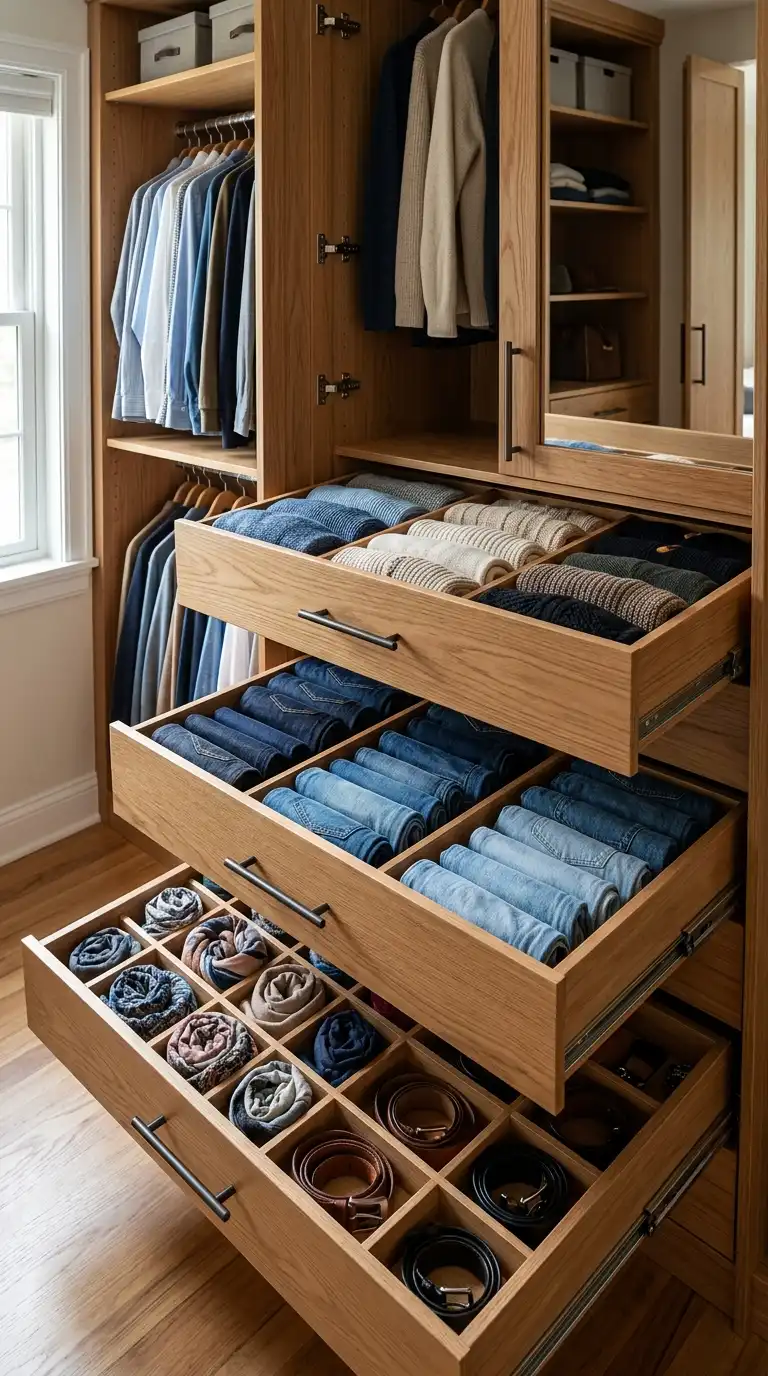
4. Deep Drawers with Custom Dividers
Deep drawers are perfect for storing bulky items like sweaters, jeans, and workout gear. Adding custom dividers within the drawers keeps contents organized and prevents stacks from toppling. Dividers can be fixed or removable, allowing you to create compartments tailored to your specific items. For even greater organization, use drawer organizers for smaller items like scarves, belts, or undergarments.
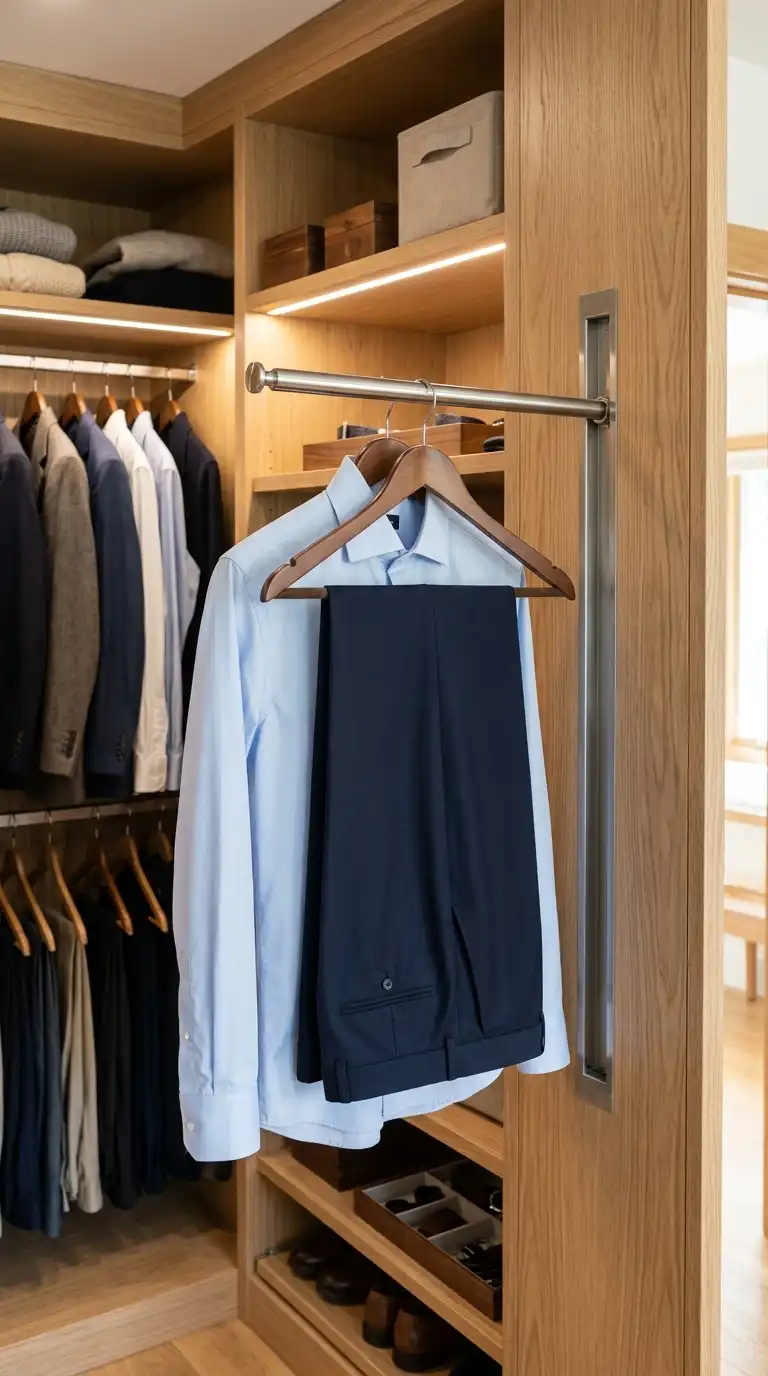
5. Pull-Out Valet Rod
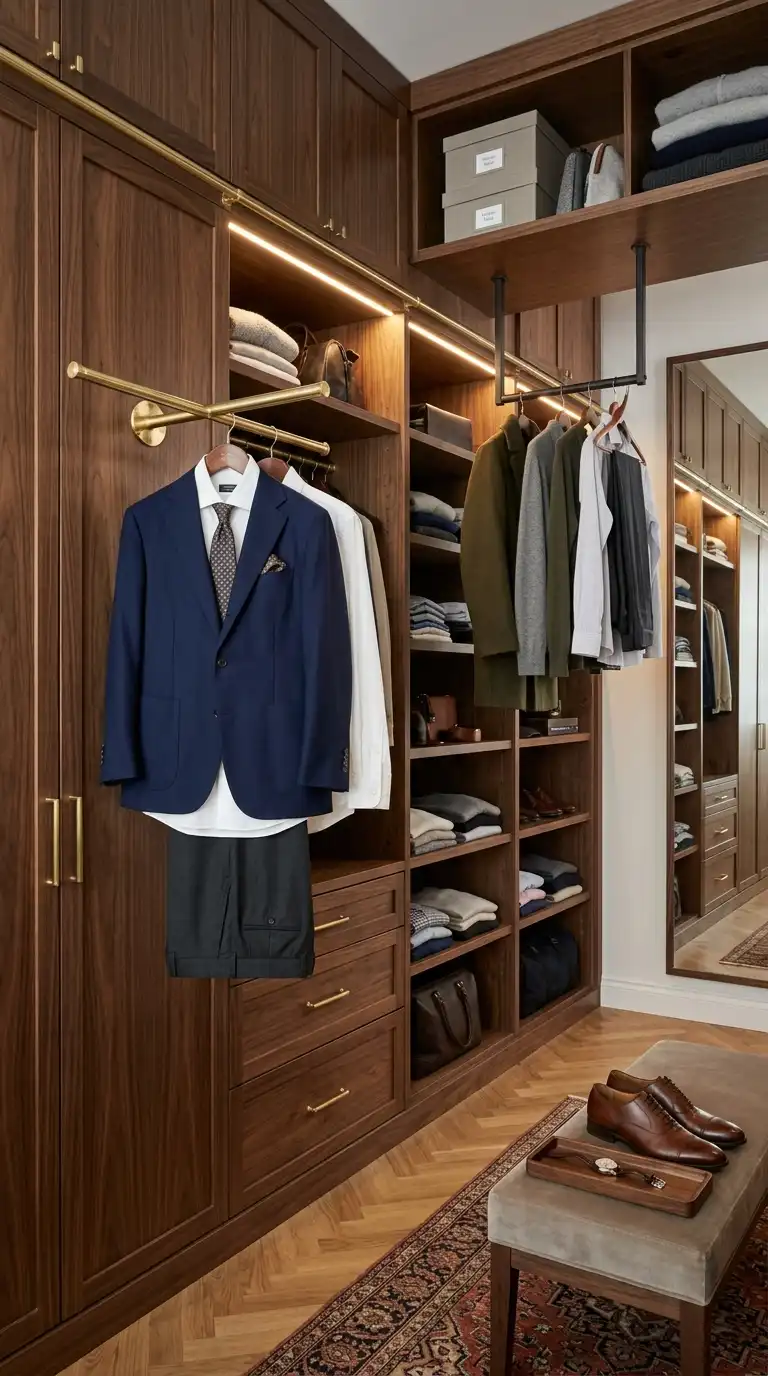
A pull-out valet rod is a simple yet invaluable addition to any wardrobe interior. This retractable rod pulls out from the side of the wardrobe, providing a temporary hanging space for outfits you plan to wear the next day, freshly ironed shirts, or garments that need to air out. When not in use, it tucks away discreetly, taking up minimal space.
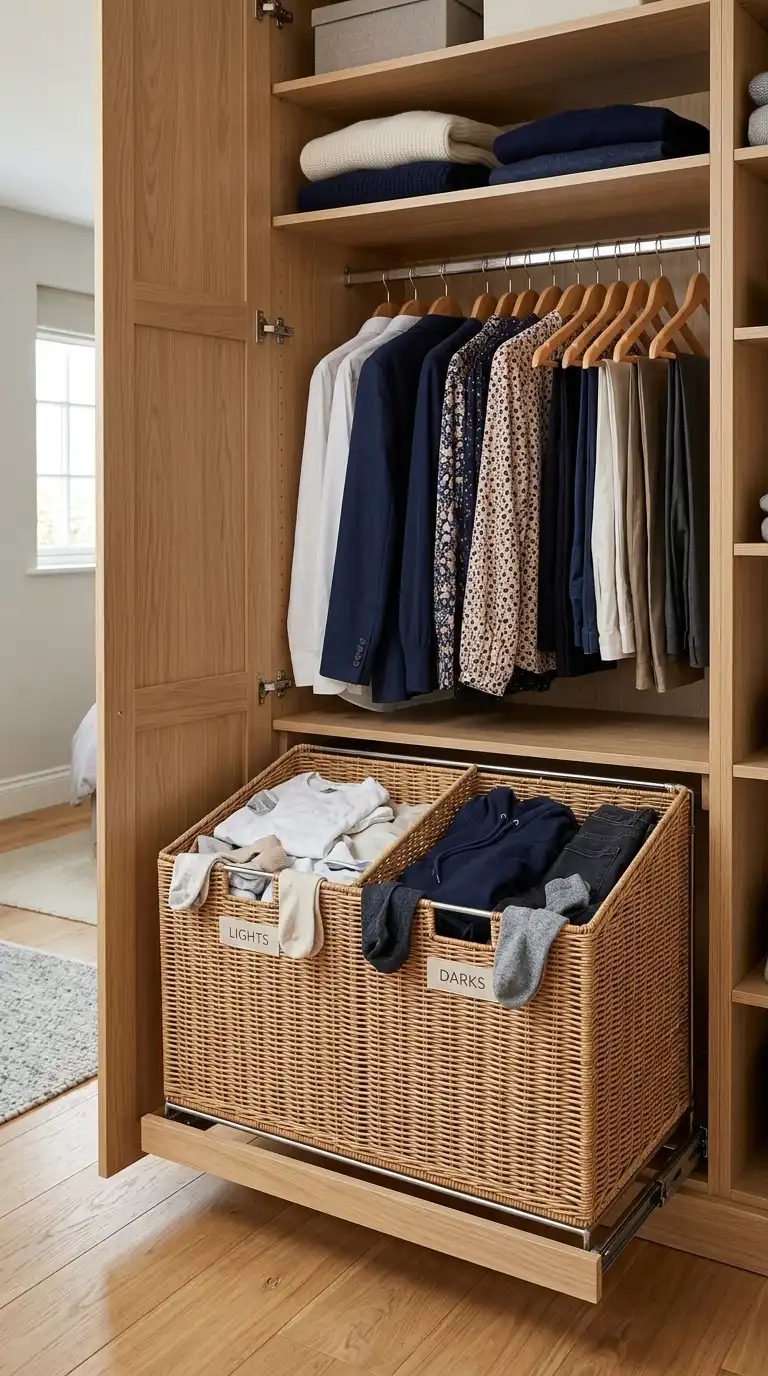
6. Built-In Laundry Hamper
Incorporating a built-in laundry hamper into your wardrobe interior keeps dirty clothes out of sight while maintaining easy access. A pull-out or tilt-out bin can be installed at the base of the wardrobe, ideally near the clothing sections. Choose a ventilated basket or a fabric-lined bin to allow airflow and prevent odors. Some designs feature dual compartments for lights and darks.
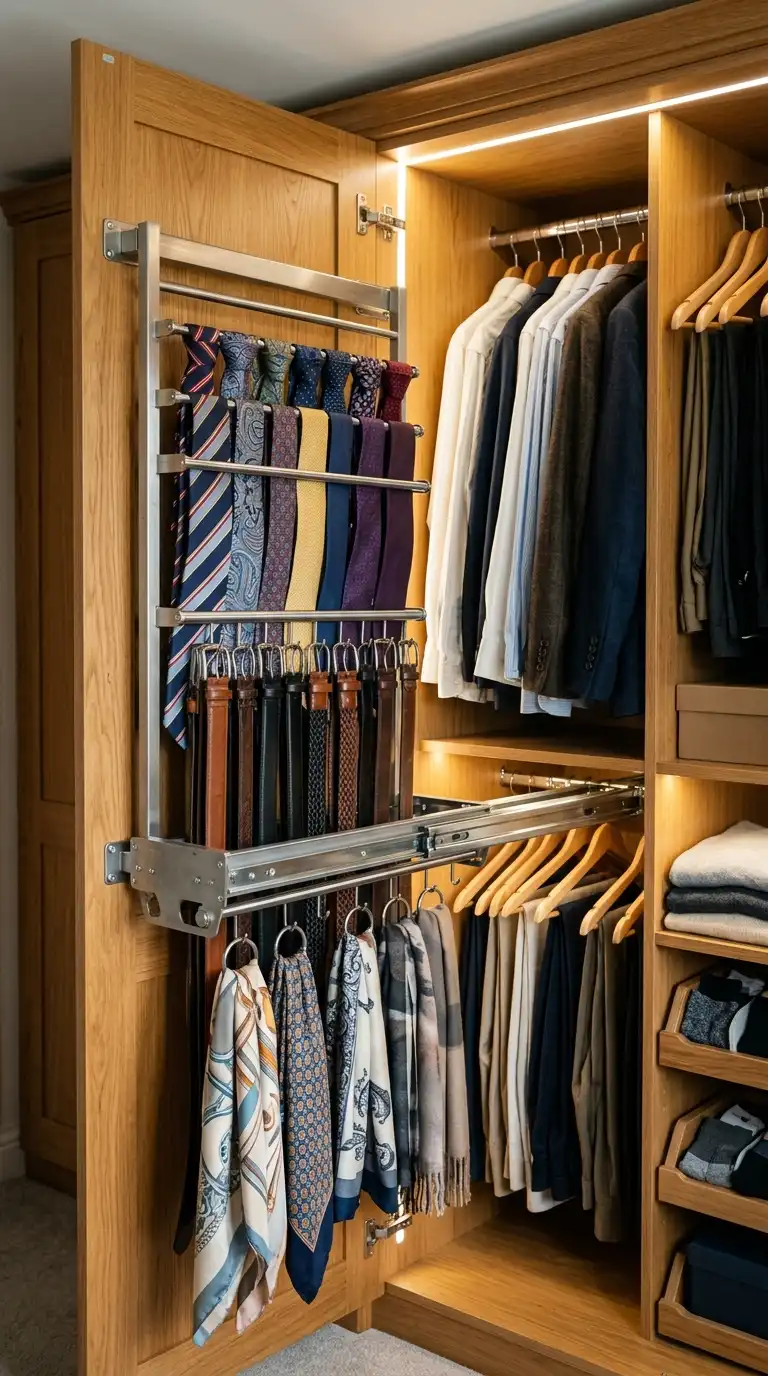
7. Tie and Belt Rack
A dedicated rack for ties, belts, and scarves keeps these accessories organized and easily accessible. Pull-out or swing-out racks with multiple hooks or bars can be mounted on the inside of a wardrobe door or within a narrow vertical section. This prevents tangling and allows you to see all options at a glance.
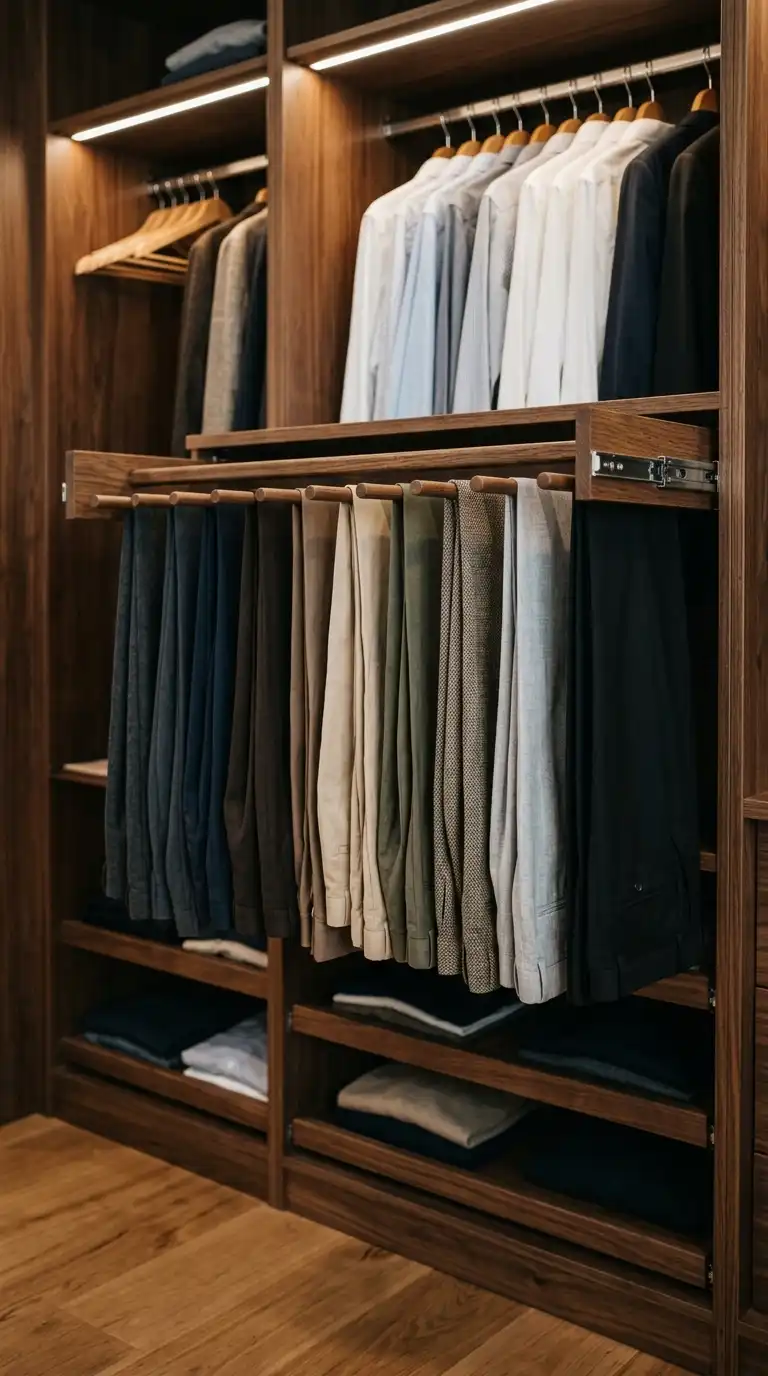
8. Pull-Out Trousers Rack
A pull-out trousers rack allows pants to be hung vertically without taking up valuable hanging rod space. The rack features multiple horizontal bars that pull out like a drawer, allowing you to view and select trousers easily. This design prevents creases and keeps pants organized by color or fabric. It is particularly useful for formal wear and tailored trousers.
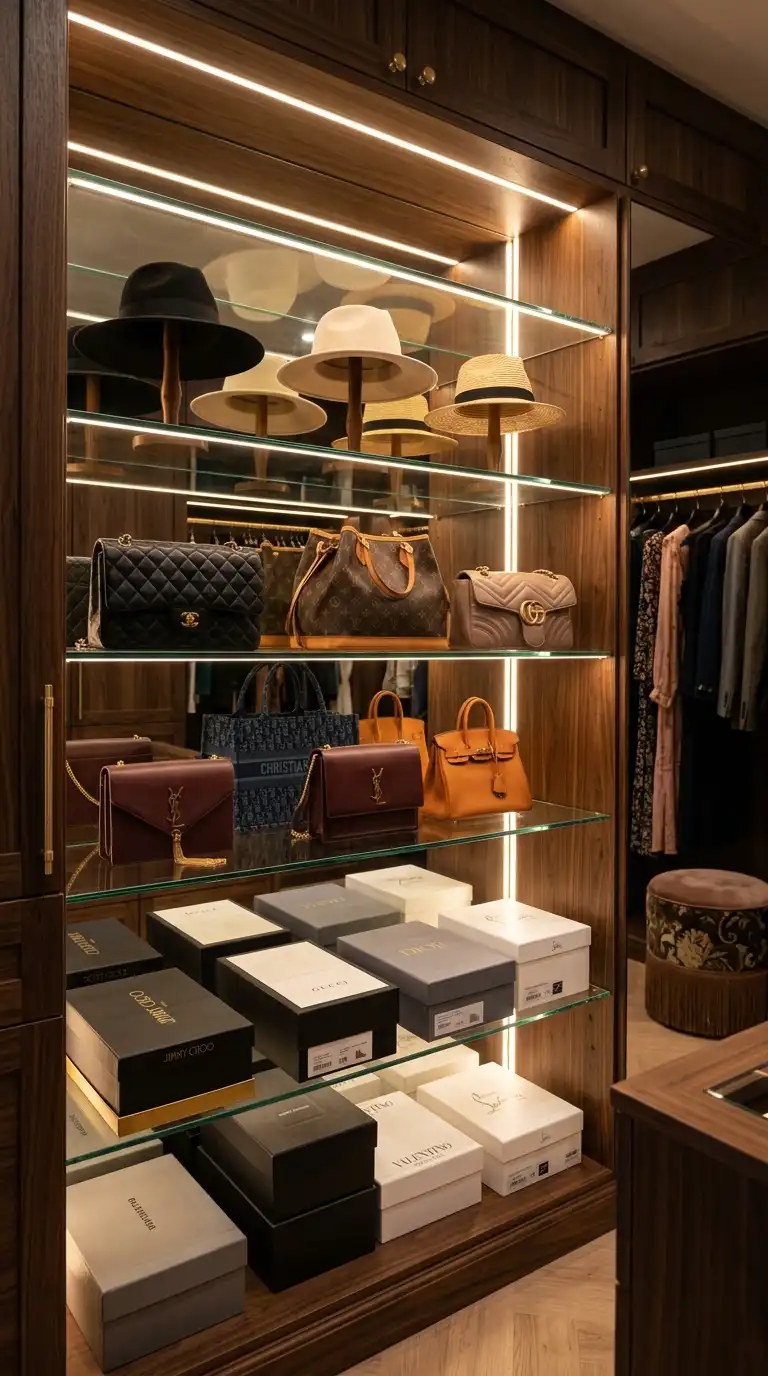
9. Glass Shelves with LED Lighting
Glass shelves add a touch of elegance to wardrobe interiors while allowing light to pass through, brightening the entire space. When paired with integrated LED lighting, glass shelves create a boutique-like display for handbags, shoes, and accessories. The lighting can be motion-activated or controlled by a door switch, illuminating the interior whenever the wardrobe is opened.
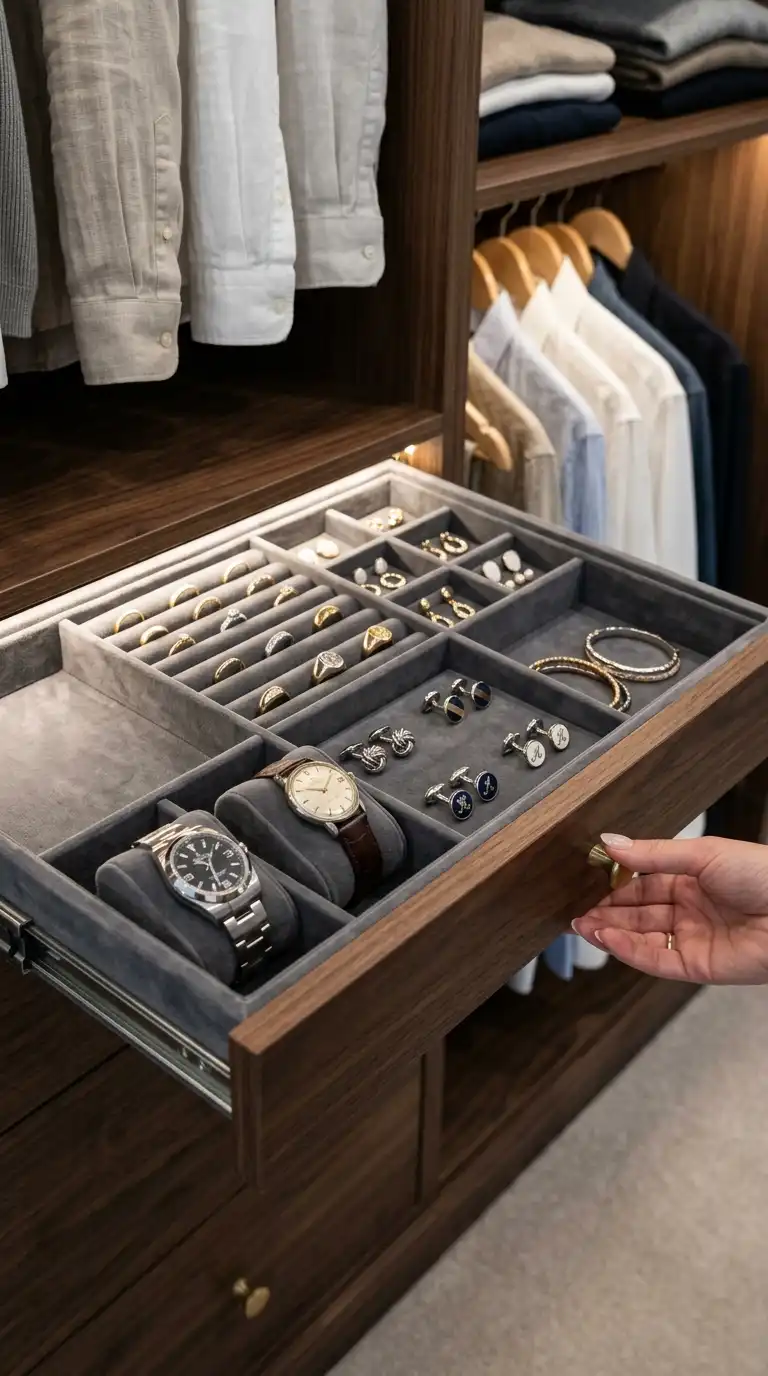
10. Pull-Out Accessory Trays
Pull-out accessory trays are ideal for organizing jewelry, watches, cufflinks, and other small items. These shallow drawers can be lined with velvet or felt to prevent scratching and can be customized with compartments of various sizes. Install them at waist height for easy viewing and access, making your morning routine more efficient.
11. Sliding Drawers for Narrow Spaces
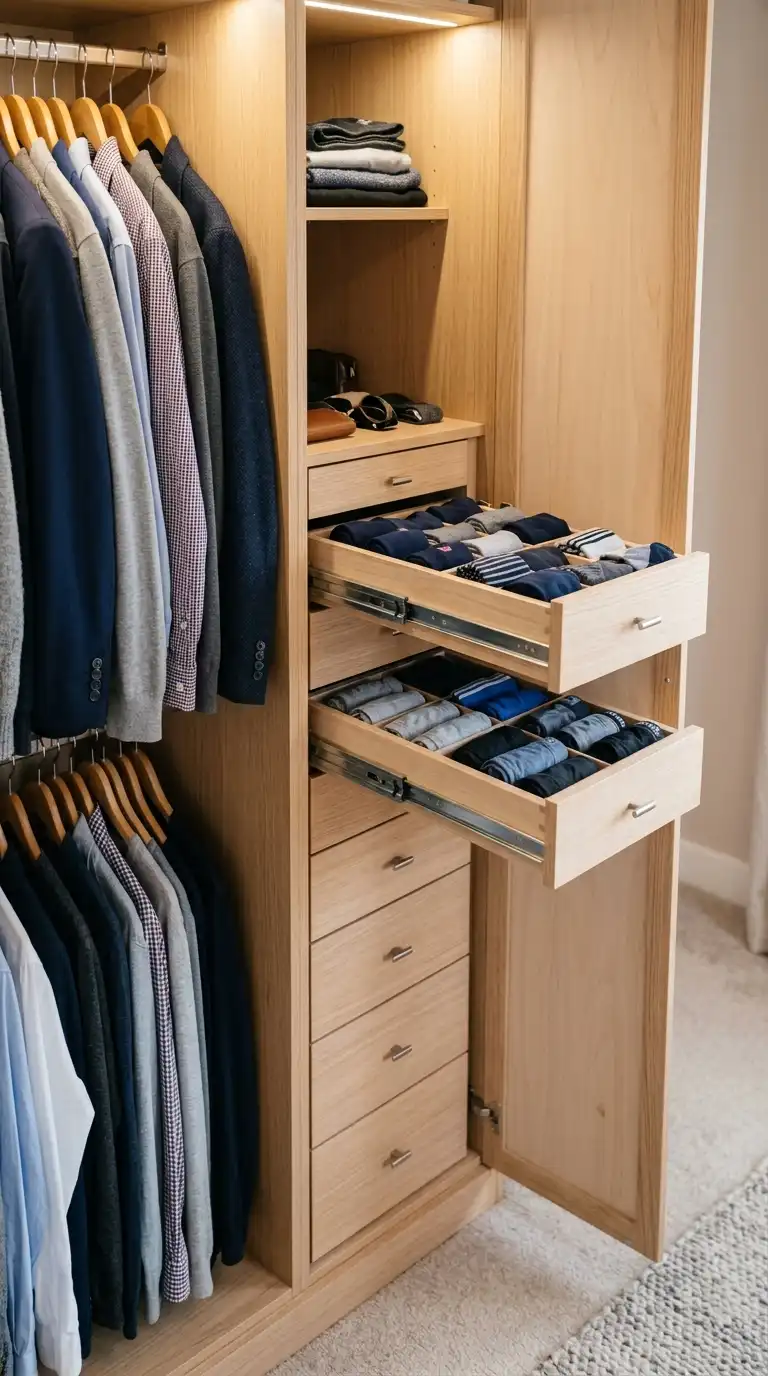
Sliding drawers are an excellent solution for narrow wardrobe sections or for storing items that need to be accessed frequently. These shallow drawers can be installed in the space between hanging sections or at the base of the wardrobe. They are perfect for socks, underwear, accessories, or folded t-shirts, keeping everything visible and organized.
12. Open Shelving for Display
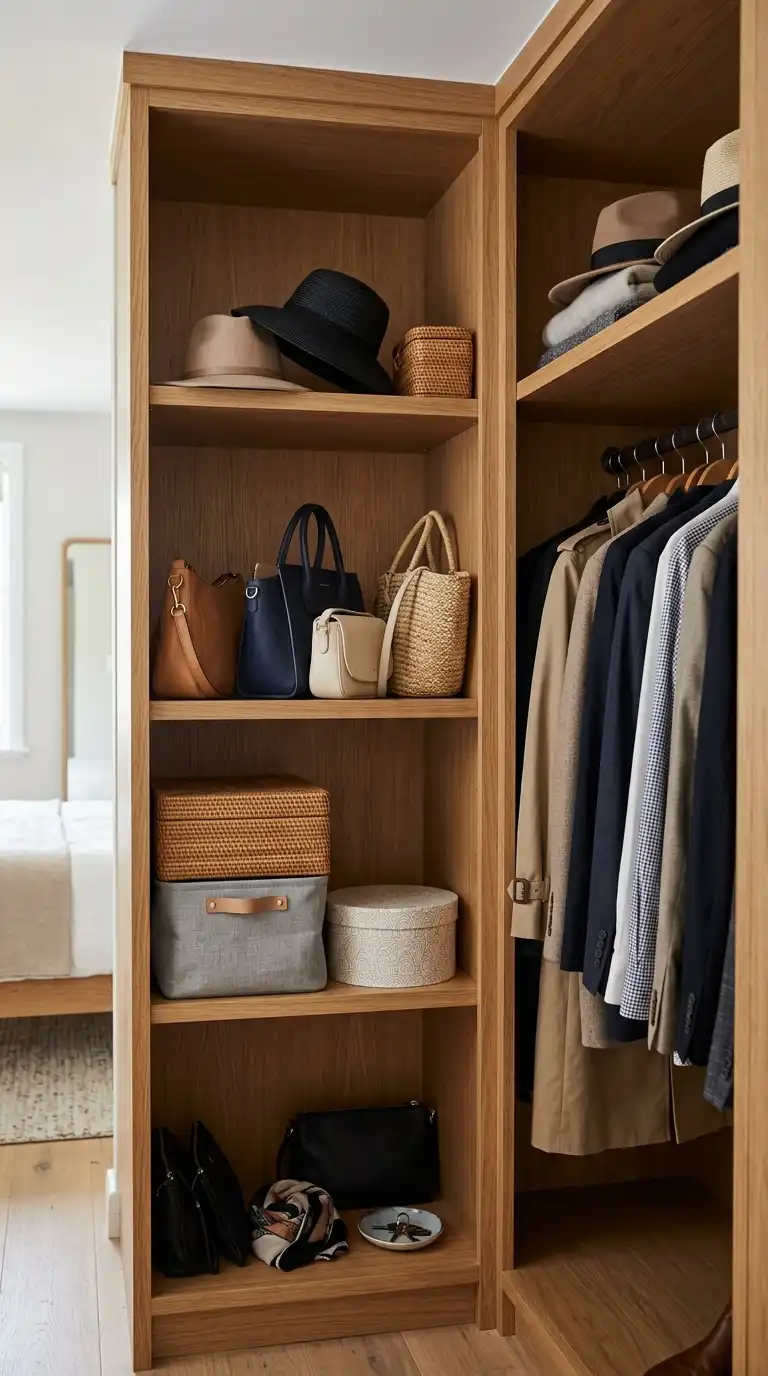
Incorporating open shelving into your wardrobe interior allows you to display curated items like handbags, hats, or shoe collections. Open sections break up the visual weight of closed storage and add personality to the space. Use the shelves to showcase your favorite accessories or to keep frequently used items within easy reach.
13. Vertical Pull-Out Racks for Ironing Boards
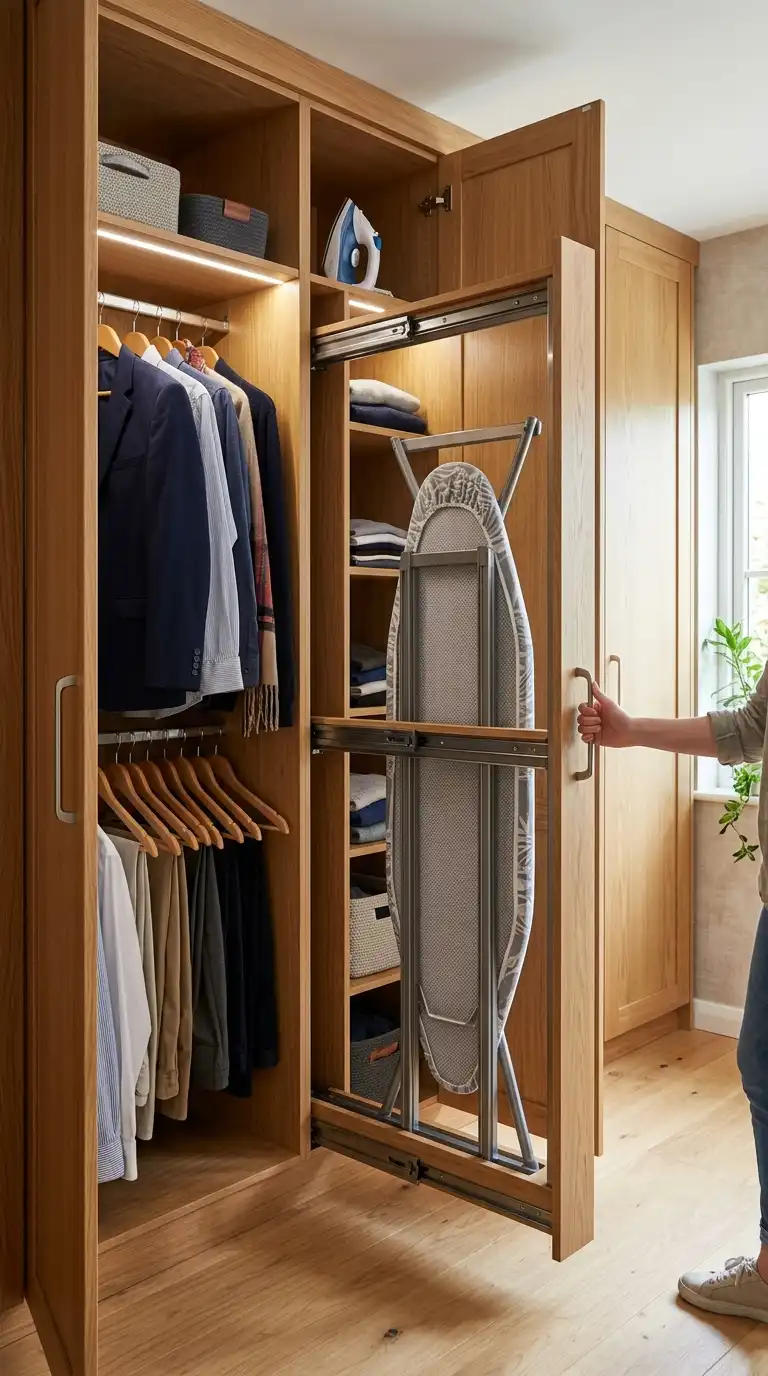
A vertical pull-out rack designed to hold an ironing board is a clever space-saving solution. The narrow unit tucks into a slot within the wardrobe and pulls out when needed, keeping the ironing board accessible yet completely out of sight. This design is especially useful in bedrooms without dedicated laundry or utility spaces.
14. Modular Storage Cubes
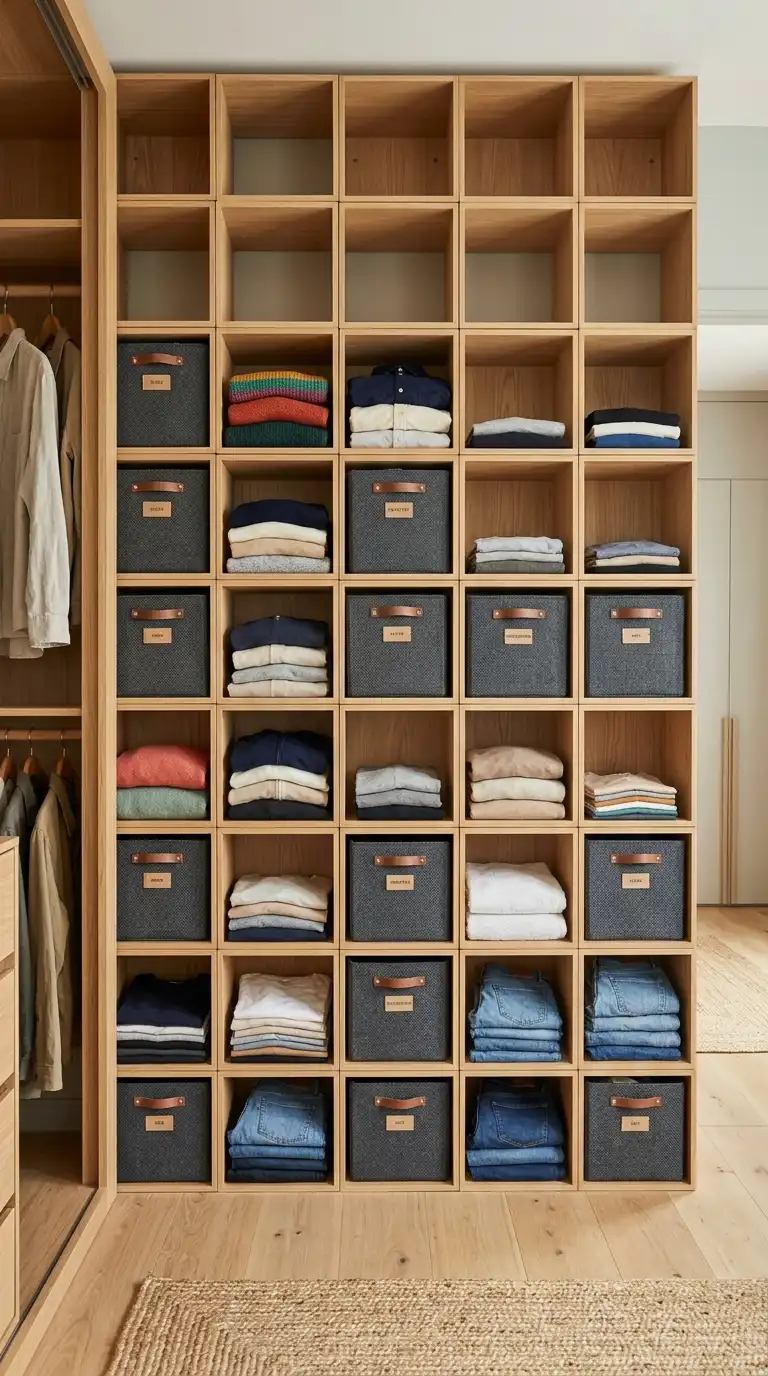
Modular storage cubes offer flexibility for wardrobes that need to adapt to changing storage needs. Individual cubes can be stacked or arranged to create custom configurations for folded items, shoes, or accessories. Some cubes feature pull-out bins, while others have open fronts for easy access. This system works well for family wardrobes or for those who enjoy reorganizing seasonally.
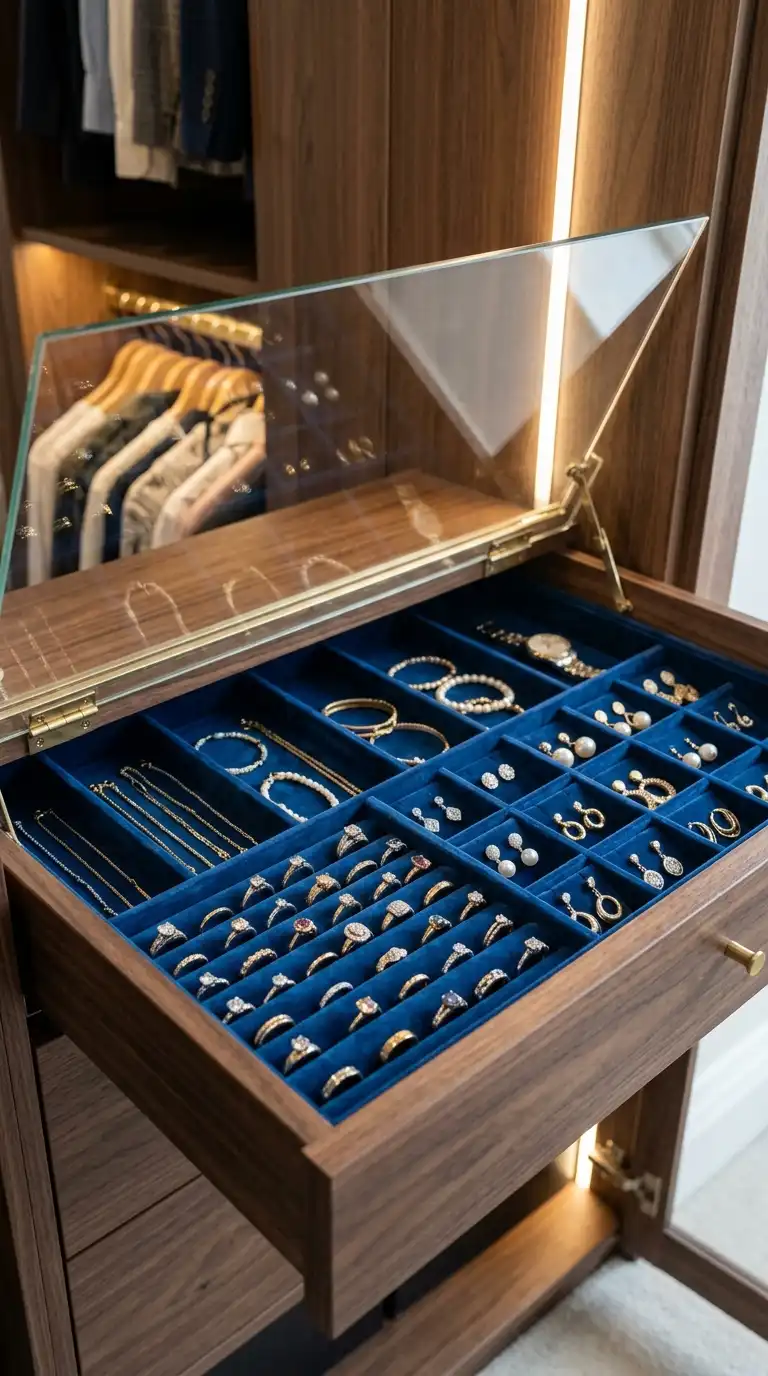
15. Jewelry Drawer with Glass Top
A jewelry drawer with a glass top allows you to view your collection at a glance without opening the drawer. The glass panel protects jewelry from dust while showcasing pieces like bracelets, rings, and necklaces. Beneath the glass, felt-lined compartments keep items organized and tangle-free. This elegant solution is perfect for master suites and walk-in closets.
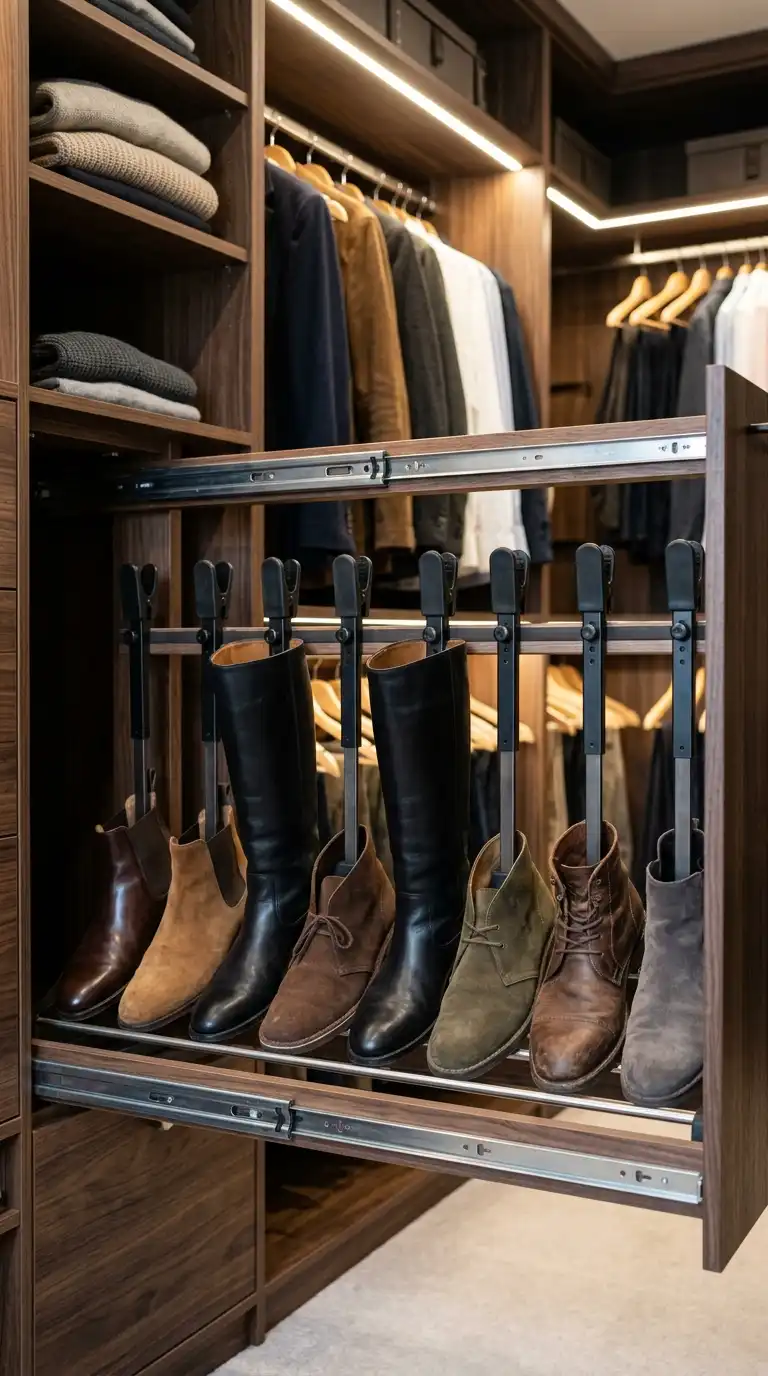
16. Boot Rack with Adjustable Height
A dedicated boot rack keeps tall boots upright and prevents them from slouching or creasing. Adjustable height options allow you to accommodate different boot lengths—from ankle boots to knee-high styles. The rack can be installed at the base of the wardrobe or as a pull-out unit, ensuring boots are easily accessible and well-maintained.
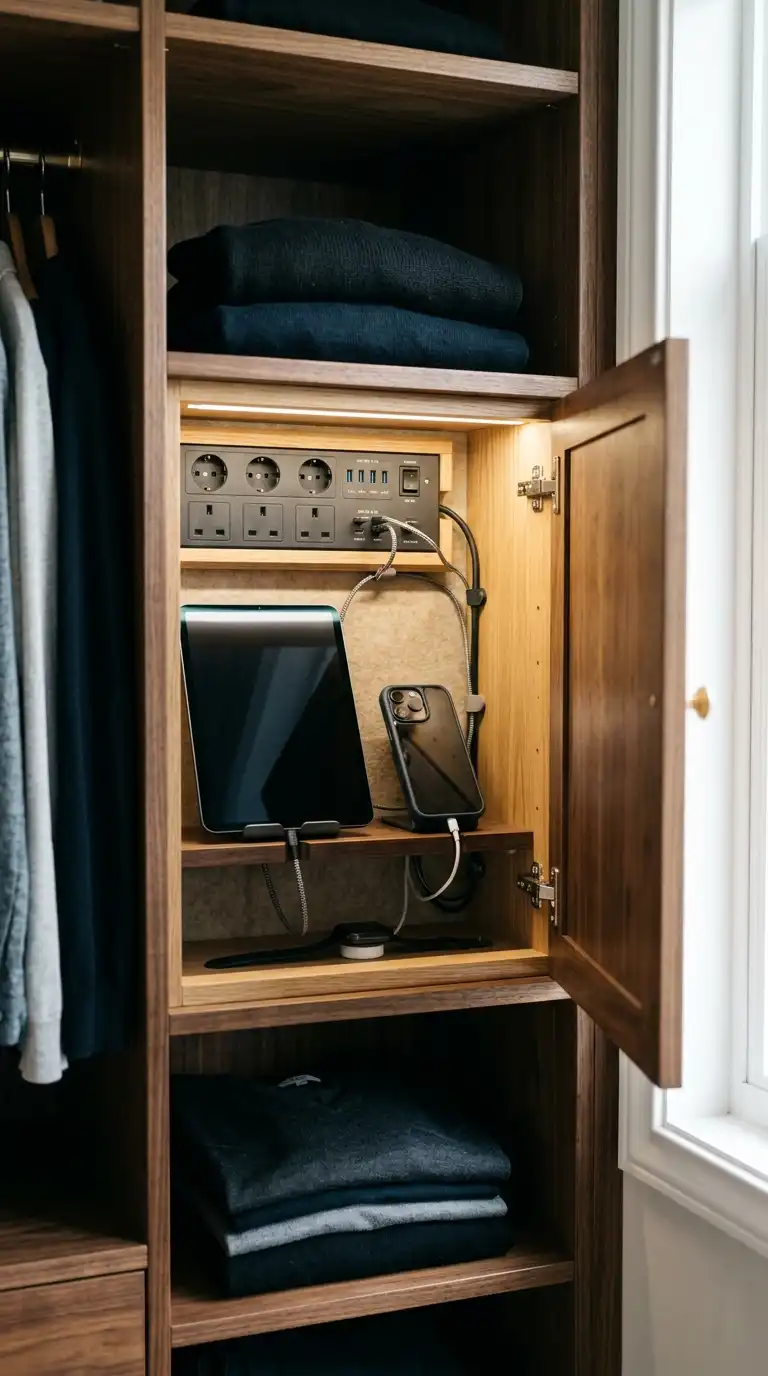
17. Integrated Charging Station
An integrated charging station within a wardrobe interior provides a convenient place to charge devices while keeping them out of sight. Install a power strip or USB ports within a drawer or behind a small door, with a designated shelf for tablets, phones, or laptops. This feature is especially useful for bedrooms where clutter is a concern, allowing you to store and charge devices simultaneously.
Frequently Asked Questions
- How do I plan the interior layout of my wardrobe?
Start by taking inventory of your clothing, shoes, and accessories. Measure your hanging garments to determine rod heights, count folded items to estimate shelf space, and consider your daily routine. Group items by type and frequency of use. A well-planned layout prioritizes easy access to everyday items while storing seasonal or occasional items in less accessible areas. - What is the ideal hanging rod height?
Double hanging sections typically have a top rod at 80–90 inches and a lower rod at 40–45 inches for adults. Single hanging sections for long garments like dresses and coats should be at least 60–70 inches high. Customize heights based on your tallest garments and the users’ heights. - How much shelf space do I need?
Shelf depth is typically 12–16 inches for folded items. Allow 10–12 inches of vertical space between shelves for sweaters and jeans. For handbags and hats, deeper or taller shelves may be needed. Adjustable shelving offers the flexibility to adapt to changing needs. - What are the best materials for wardrobe interiors?
Plywood and MDF with durable laminate or veneer finishes offer a balance of durability and affordability. Natural wood adds warmth and elegance. For high-end projects, consider solid wood, lacquered finishes, or glass shelves with metal accents. Choose materials that complement your style and withstand daily use. - How do I incorporate lighting into my wardrobe interior?
LED strip lighting is the most popular choice for wardrobe interiors. Install lights along the top edge, behind shelves, or within hanging sections to illuminate the space. Motion sensors or door switches ensure lights turn on automatically when the wardrobe is opened, adding convenience and a touch of luxury.
A thoughtfully designed wardrobe interior is an investment in your daily routine and long-term organization. By incorporating features that suit your specific storage needs—from double hanging rods and pull-out shoe racks to integrated lighting and accessory trays—you create a space that is efficient, functional, and a pleasure to use. Whether you are designing a custom walk-in or maximizing a compact reach-in, the right interior layout transforms your wardrobe from simple storage into a personalized organizational system that serves you beautifully every day.