12 minimalist wardrobe ideas
Minimalist wardrobe design is about more than just storage—it is a philosophy of simplicity, functionality, and intentional living. A minimalist wardrobe embraces clean lines, uncluttered surfaces, and thoughtful organization, creating a serene space that reflects calm and order. The goal is not to have empty closets but to curate a storage system that holds only what you need and love, presented in a way that brings peace rather than stress. From handleless cabinetry and neutral palettes to concealed storage and capsule wardrobe integration, minimalist wardrobes transform the daily ritual of getting dressed into a moment of clarity and calm. Here are twelve minimalist wardrobe ideas to inspire your next design project.
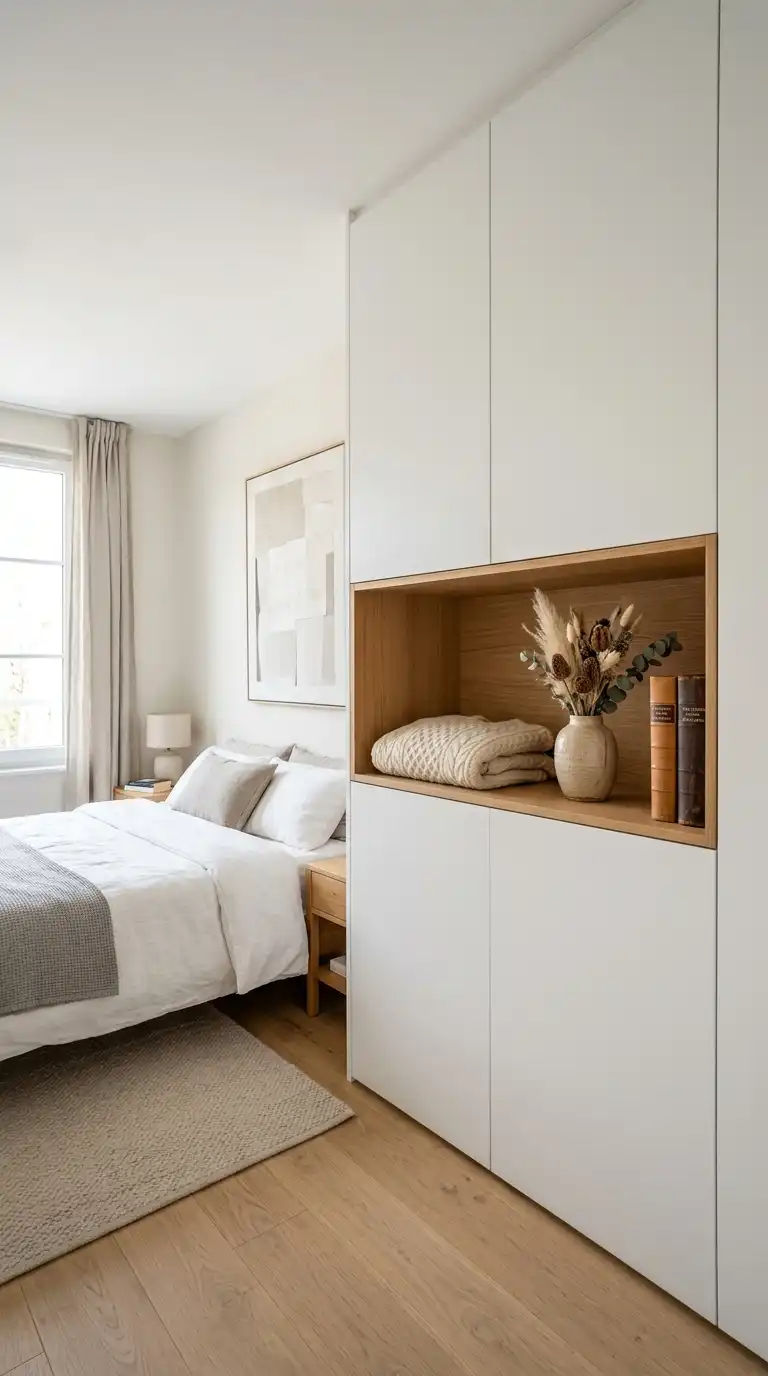
1. Handleless Floor-to-Ceiling Wardrobe
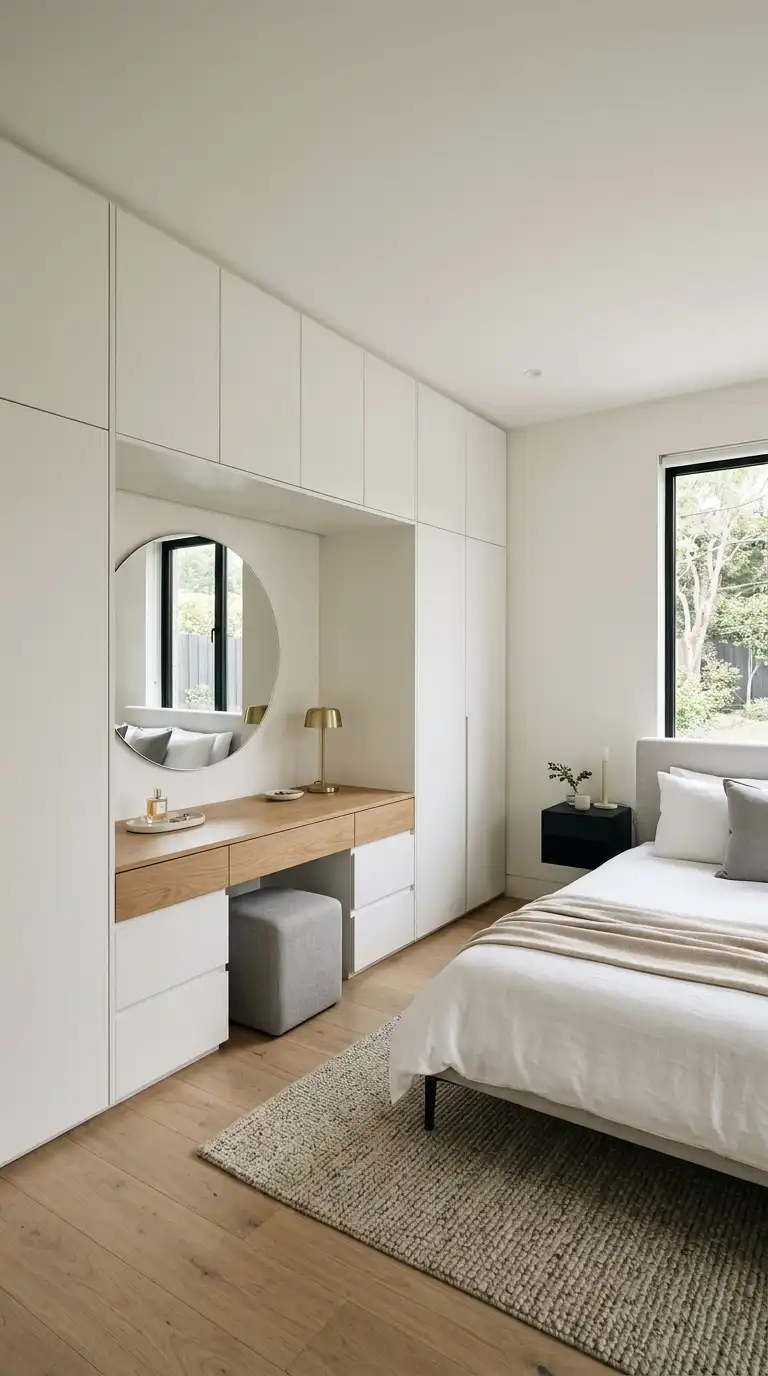
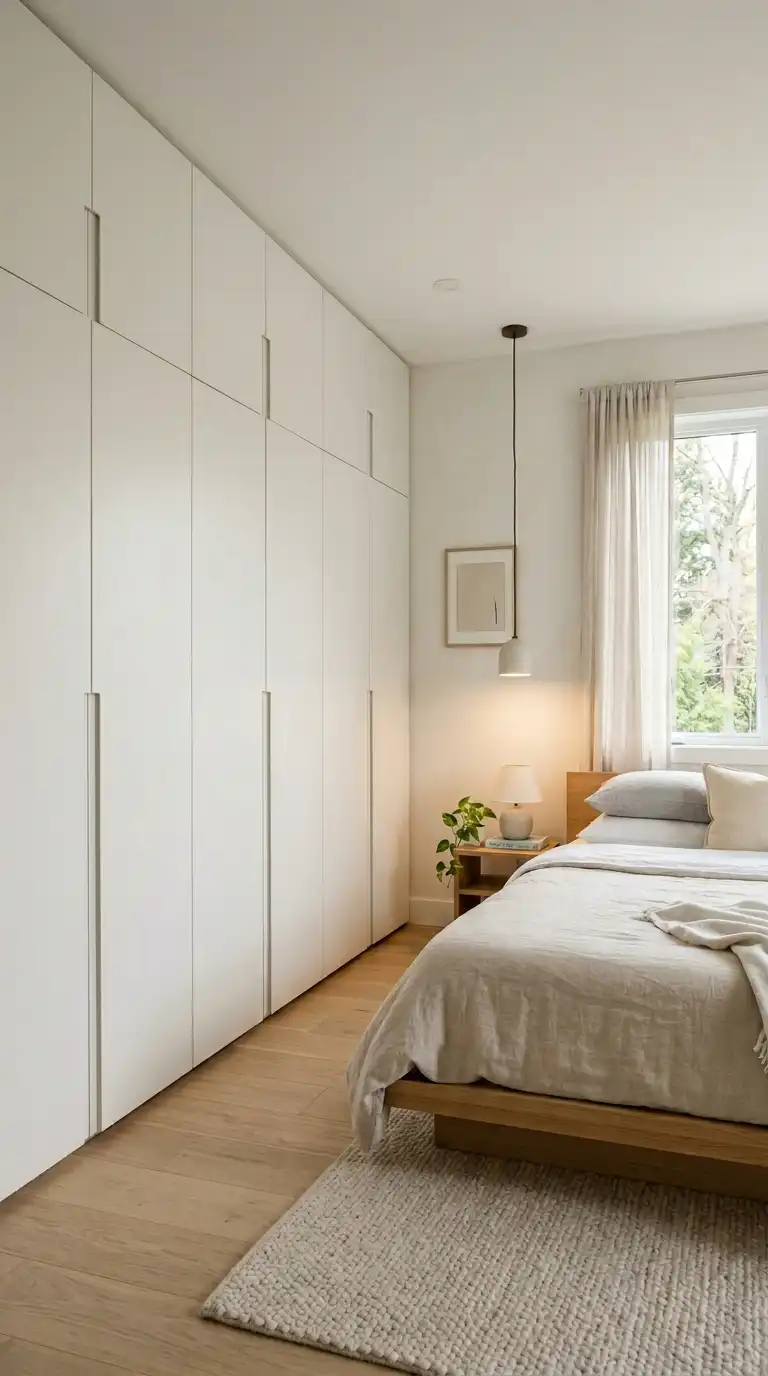
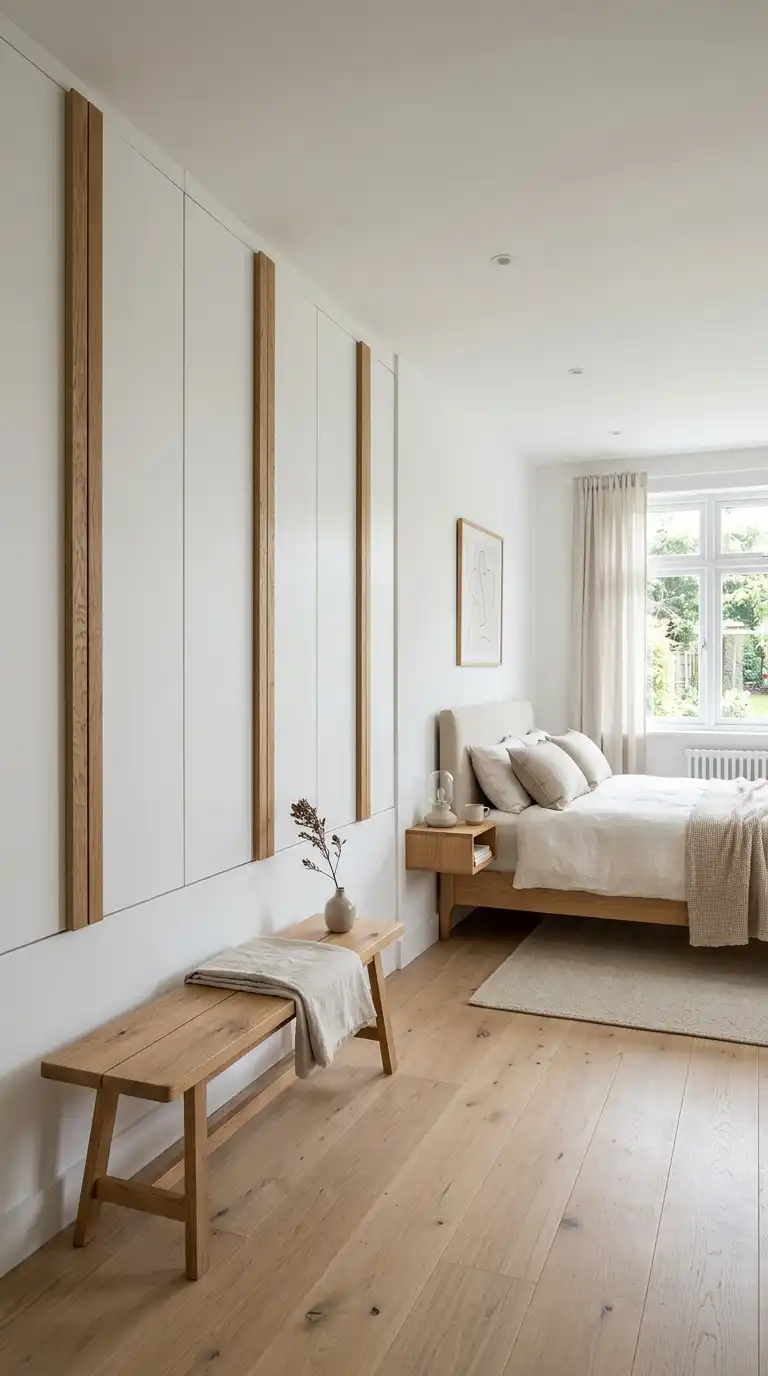
A handleless floor-to-ceiling wardrobe is the quintessential minimalist storage solution. The absence of visible hardware creates a seamless, uninterrupted surface that blends quietly into the architecture of the room. Push-to-open mechanisms or integrated grooves allow doors to open without protruding handles, maintaining the clean aesthetic. The floor-to-ceiling design maximizes vertical storage while eliminating the gap above traditional wardrobes, drawing the eye upward and making the room feel taller. Choose matte finishes in neutral tones—soft white, warm gray, or light beige—to enhance the sense of calm and simplicity.
2. Neutral Color Palette Throughout
A minimalist wardrobe embraces a neutral color palette that promotes visual calm. Stick to whites, soft grays, warm beiges, and muted earth tones that blend harmoniously with the surrounding walls. This approach prevents the wardrobe from becoming a visual focal point, allowing it to recede into the background and create a sense of spaciousness. Consistent finishes across all cabinetry—doors, frames, and interior components—reinforce the cohesive, uncluttered aesthetic. When color is introduced, it should be through subtle accents like natural wood handles or a single decorative object placed on an open shelf.
3. Concealed Storage with Open Accents
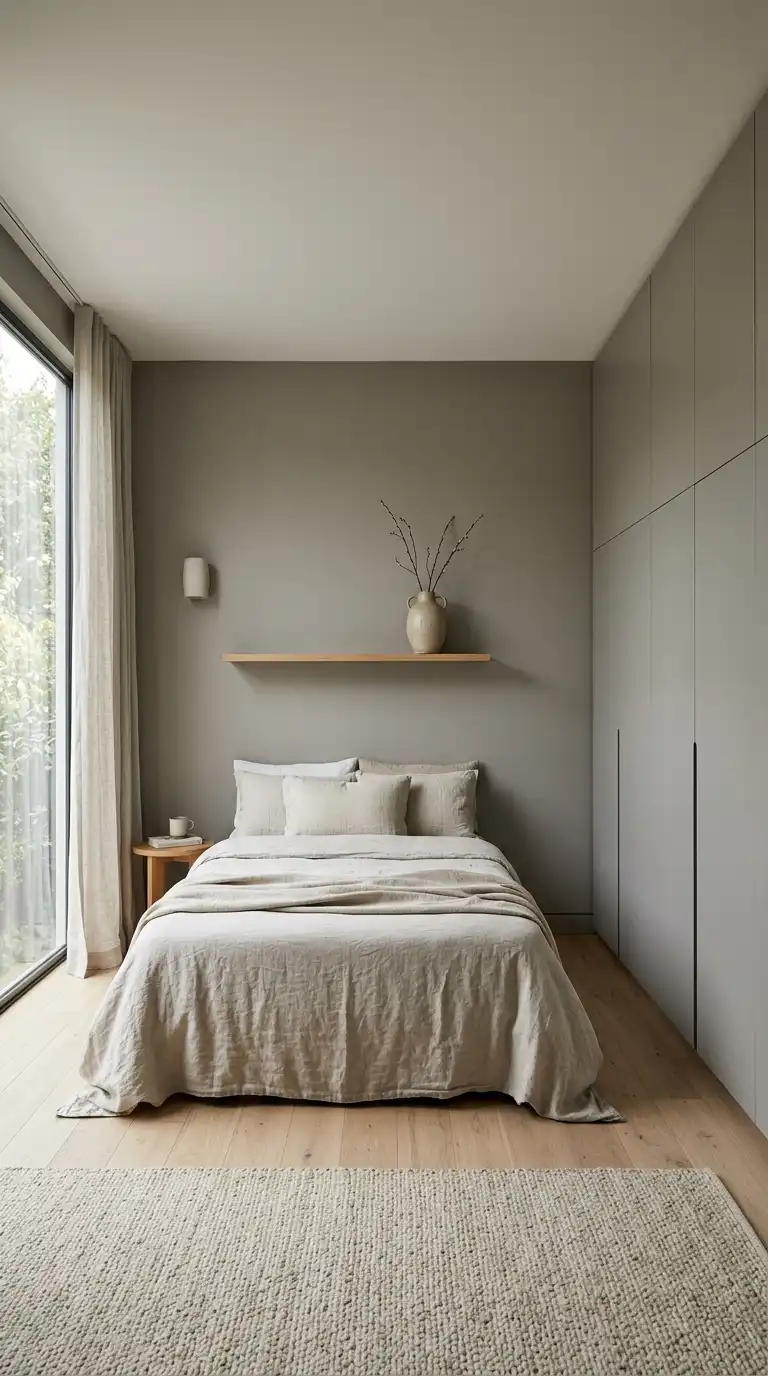
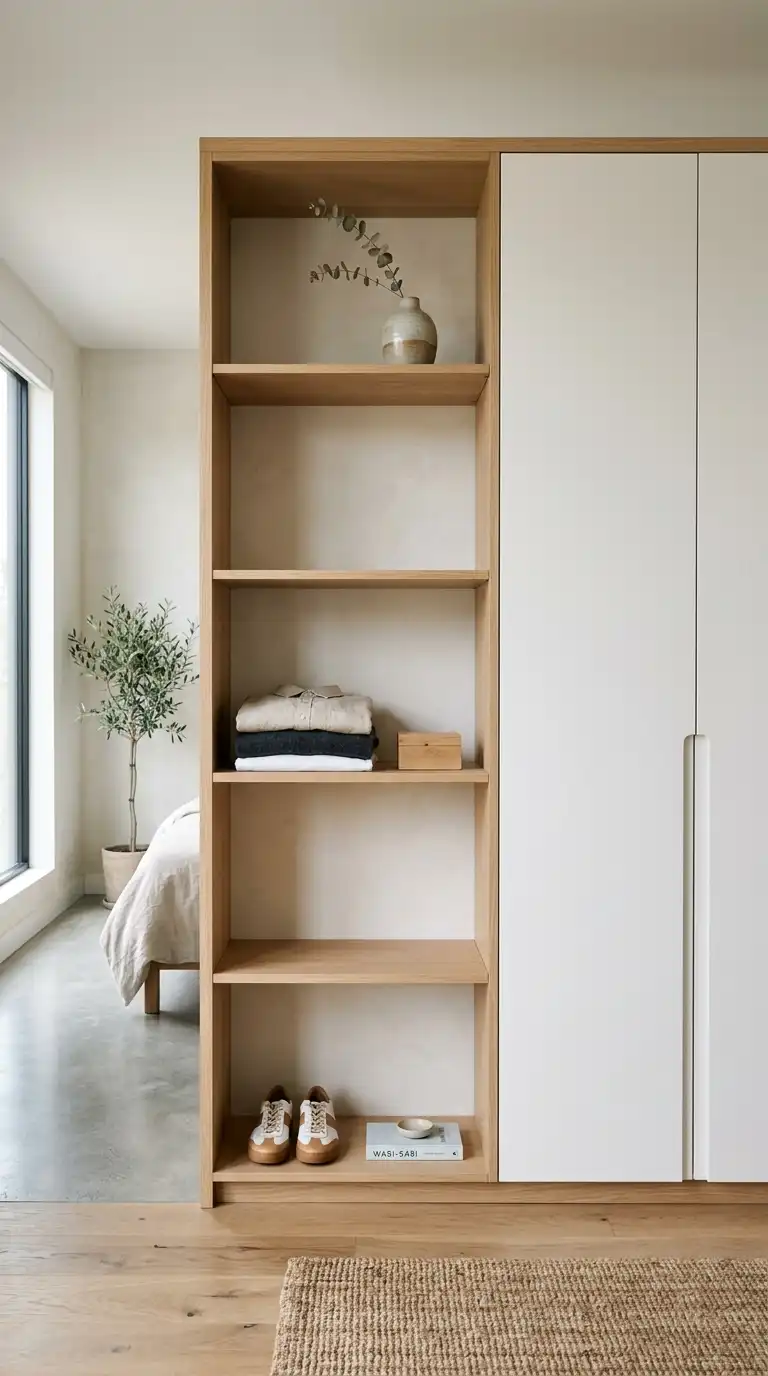
The hallmark of minimalist design is hiding clutter while selectively revealing beauty. A minimalist wardrobe achieves this by combining ample concealed storage with carefully curated open sections. Use closed cabinets to hide everyday clothing, linens, and less visually appealing items. Reserve a small section of open shelving to display a few carefully chosen pieces—perhaps a stack of neutral sweaters, a ceramic vase, or a collection of books. The key is restraint; open sections should showcase only a handful of items, allowing negative space to create visual breathing room.
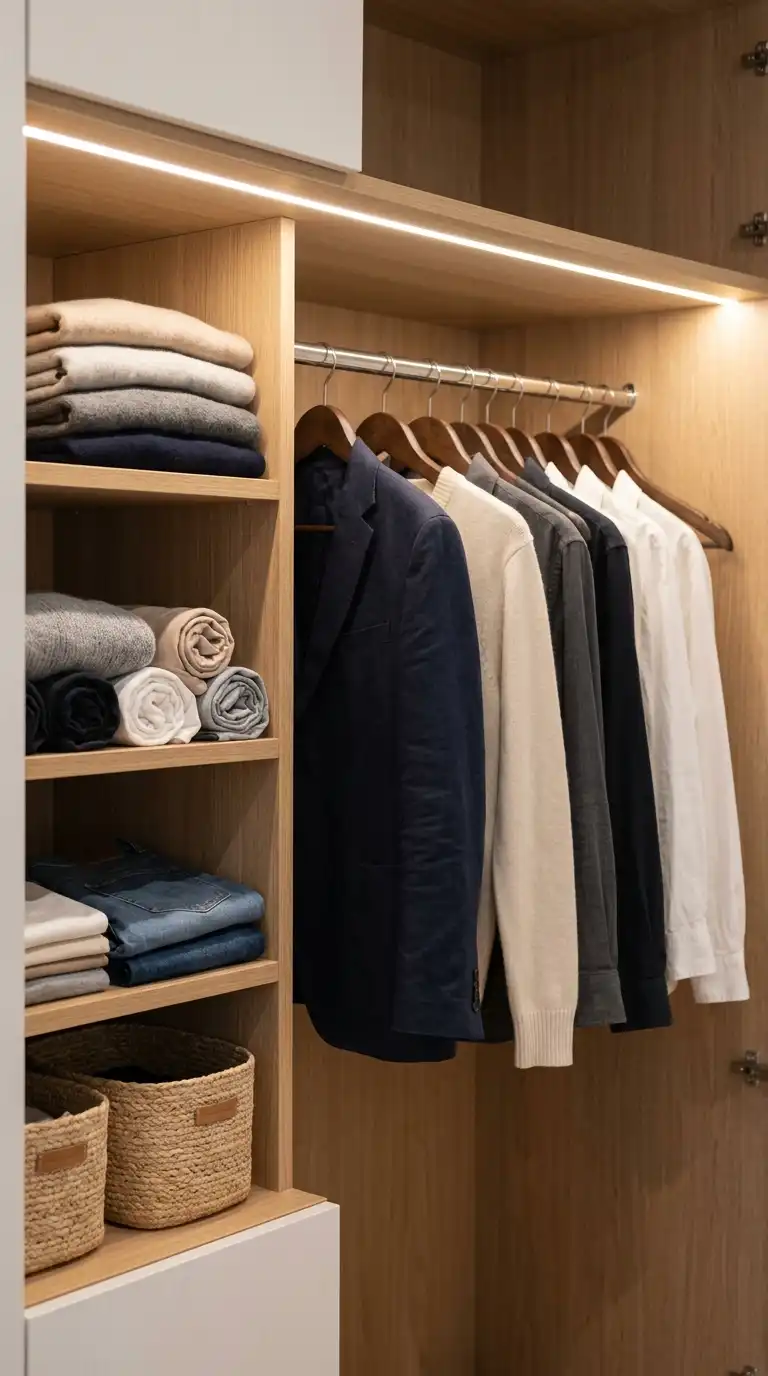
4. Integrated Lighting for Subtle Illumination
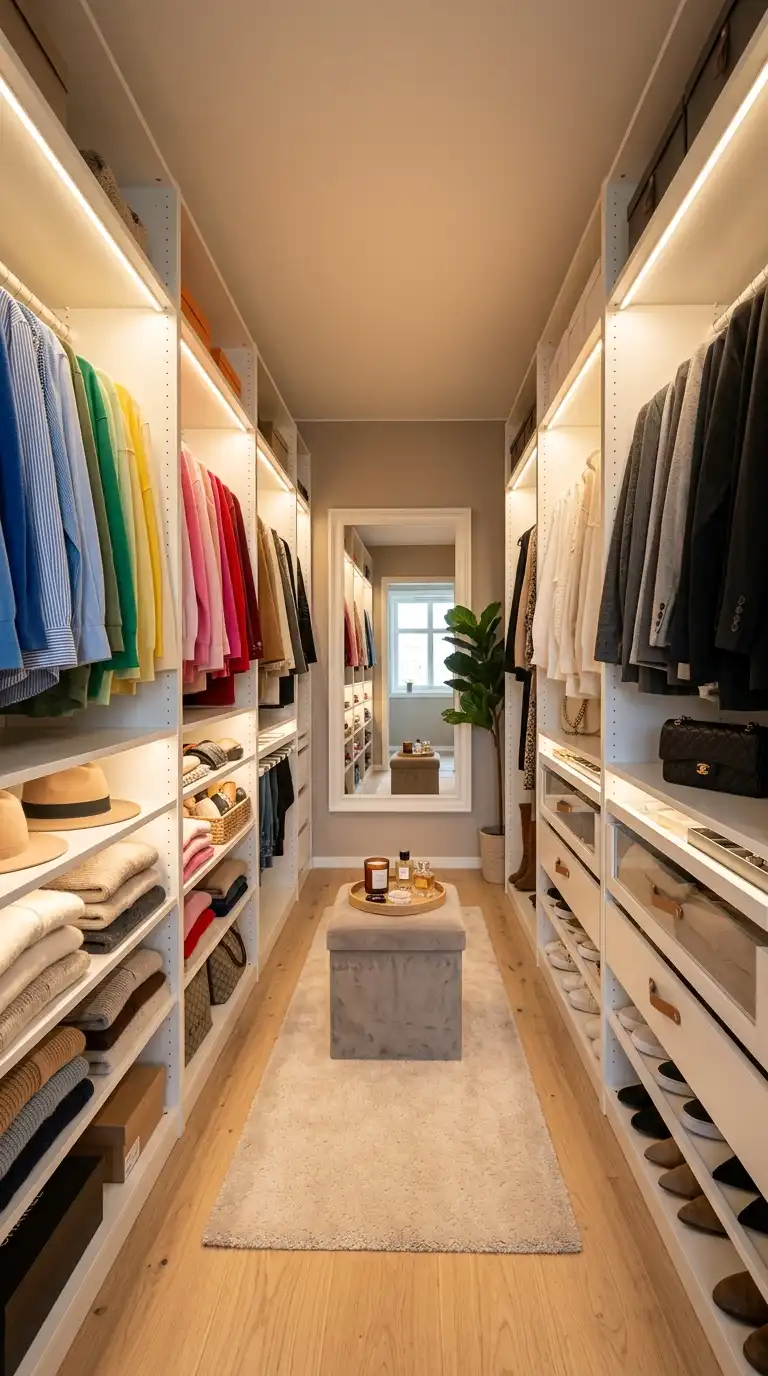
Lighting in a minimalist wardrobe is functional yet unobtrusive. Integrated LED strips placed along the top, bottom, or sides of cabinetry provide subtle illumination that enhances visibility without drawing attention. Warm white lighting (2700K–3000K) creates a soft, inviting glow that complements neutral finishes. Motion sensors add convenience, activating lights only when doors are opened. For open shelving, consider recessed lighting that casts gentle shadows, highlighting the simplicity of the displayed items. The goal is lighting that serves a purpose without becoming a decorative feature.
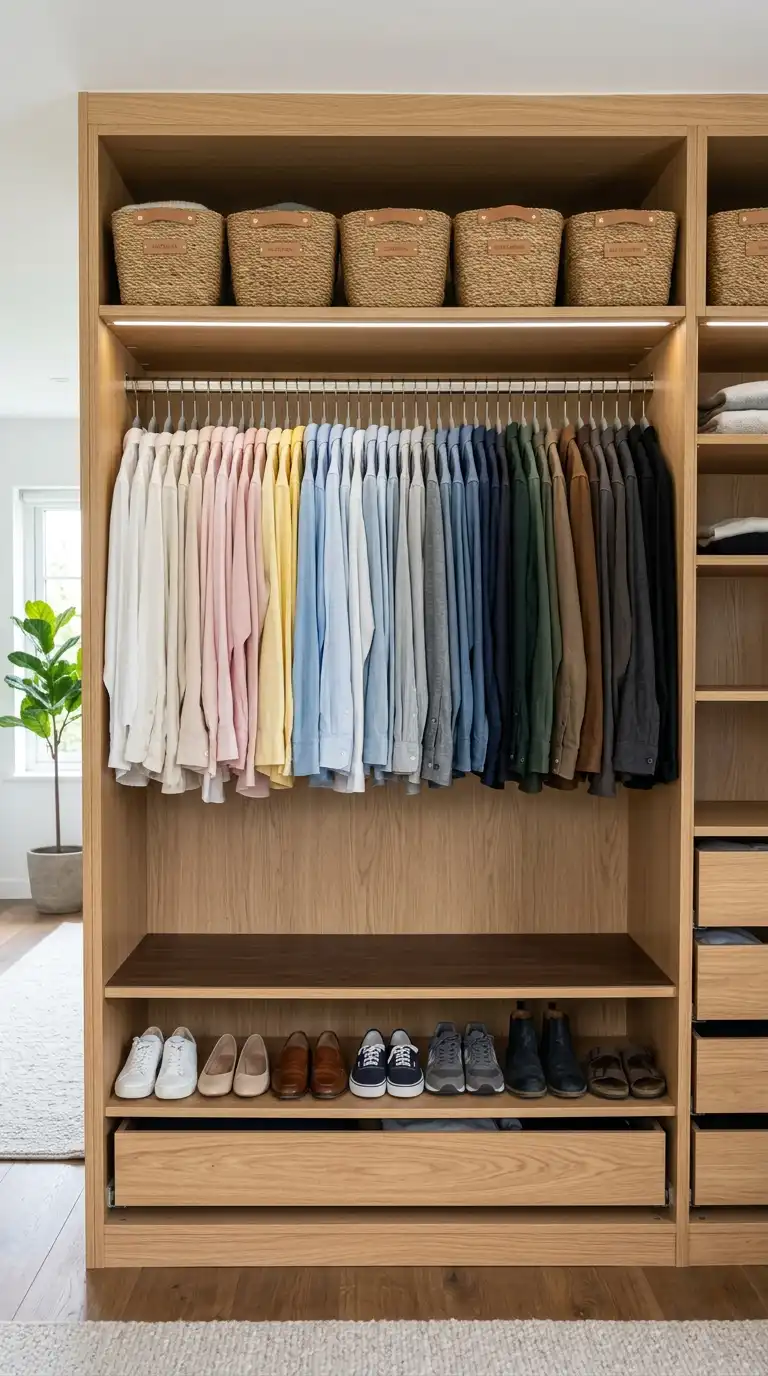
5. Uniform Hangers and Organized Interiors
Minimalism extends to the interior of the wardrobe. Using uniform hangers—slim velvet hangers in a single color—creates visual cohesion and maximizes hanging space. Organize clothing by category and color, allowing the eye to rest on the repetition of form and hue. Use matching storage boxes for accessories, undergarments, and seasonal items, labeling them discreetly or opting for uniform containers that stack neatly. The interior should feel as considered as the exterior, with every item having a designated place and no space left to accumulate clutter.
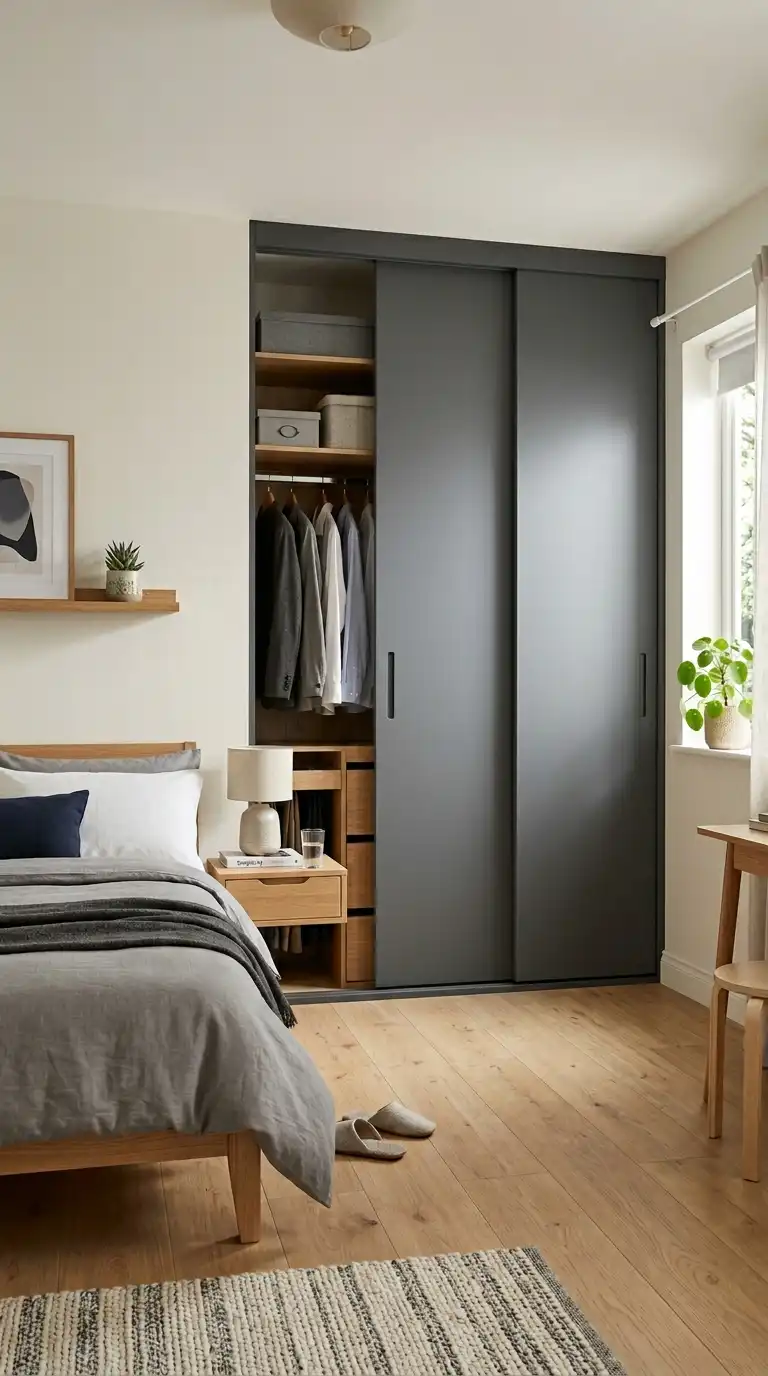
6. Sliding Doors for Space Efficiency
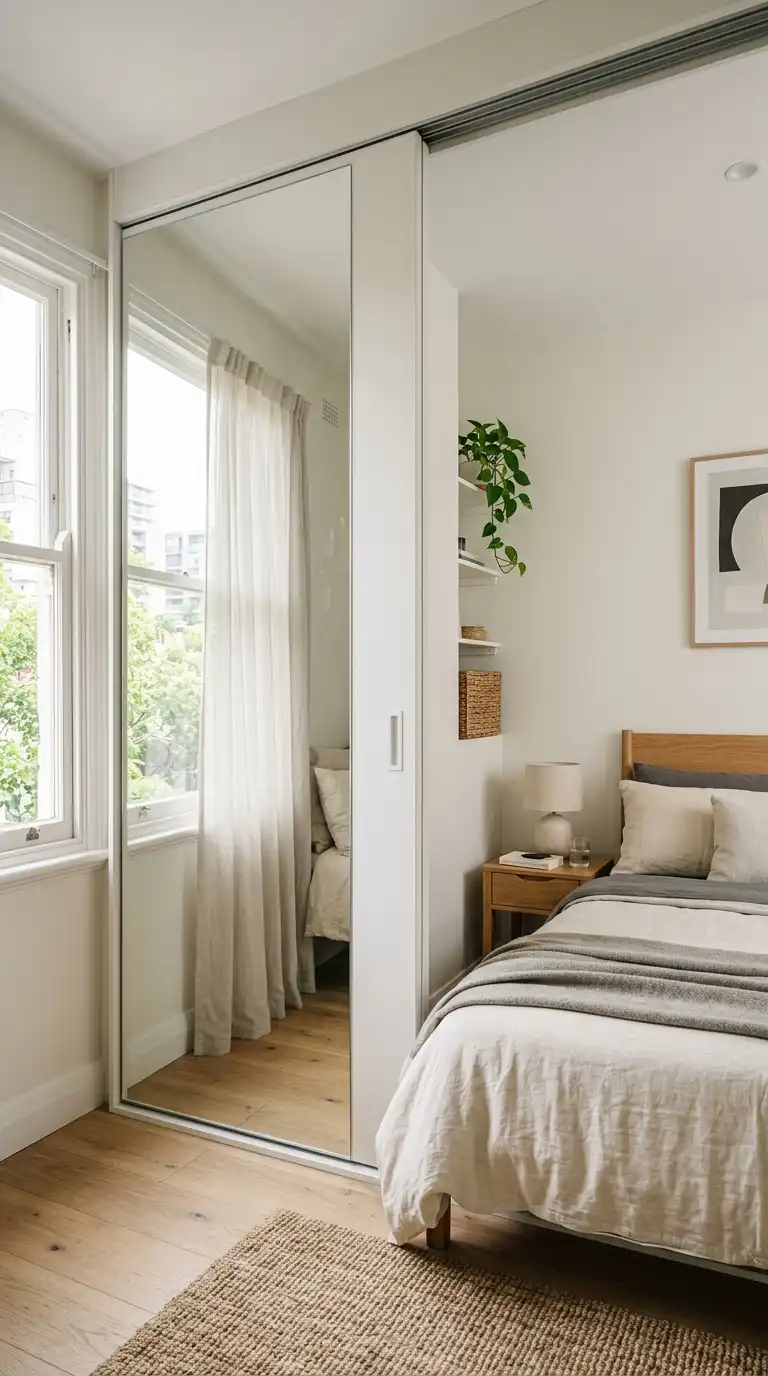
Sliding doors are a practical choice for minimalist wardrobes, particularly in smaller bedrooms where swing space is limited. The doors glide smoothly along a track, requiring no clearance for opening. Choose doors with clean lines and minimal hardware—recessed pulls or integrated handles maintain the sleek appearance. For a truly minimalist look, opt for flush panels with no visible hardware at all, using push-to-open mechanisms instead. The track can be concealed within the ceiling and floor for an even cleaner aesthetic.
7. Natural Wood Accents for Warmth
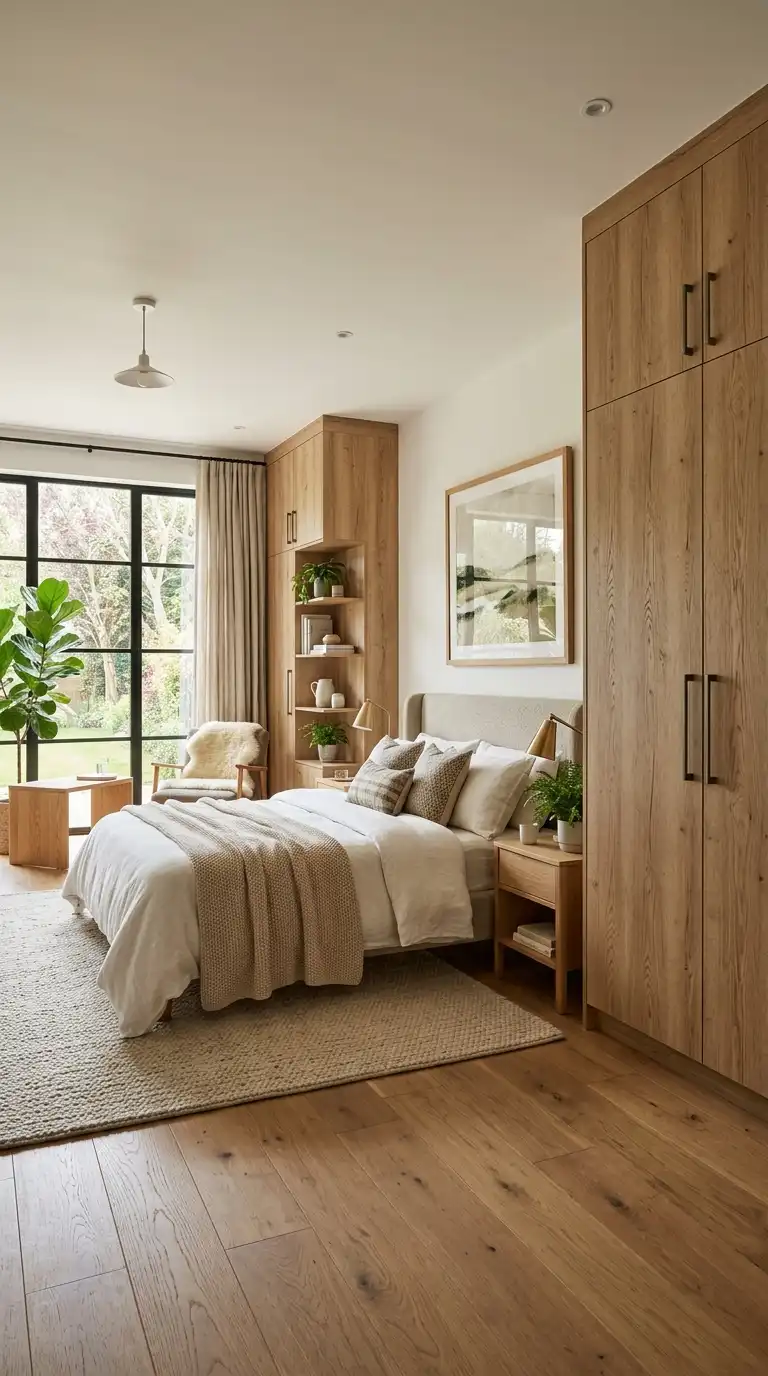
While minimalist design often favors neutral palettes, incorporating natural wood accents adds warmth and texture without compromising simplicity. Use wood for a single door panel, interior shelving, or as a subtle trim detail. Light woods like oak, ash, or birch align with the minimalist aesthetic, offering grain patterns that add visual interest without overwhelming. The key is restraint—a single wood element within an otherwise neutral composition creates balance and warmth while maintaining the clean, uncluttered feel.
8. Mirror Panels to Enhance Space
Mirrored panels serve both practical and spatial purposes in minimalist wardrobes. A full-length mirror integrated into a sliding or hinged door eliminates the need for a separate mirror, reducing visual clutter. The reflective surface also bounces light around the room, making the space feel larger and brighter. For a minimalist approach, choose frameless mirrors or those with slim, discreet edges. Position mirrored panels strategically to reflect natural light from windows, enhancing the sense of openness without adding decorative elements.
9. Capsule Wardrobe Integration
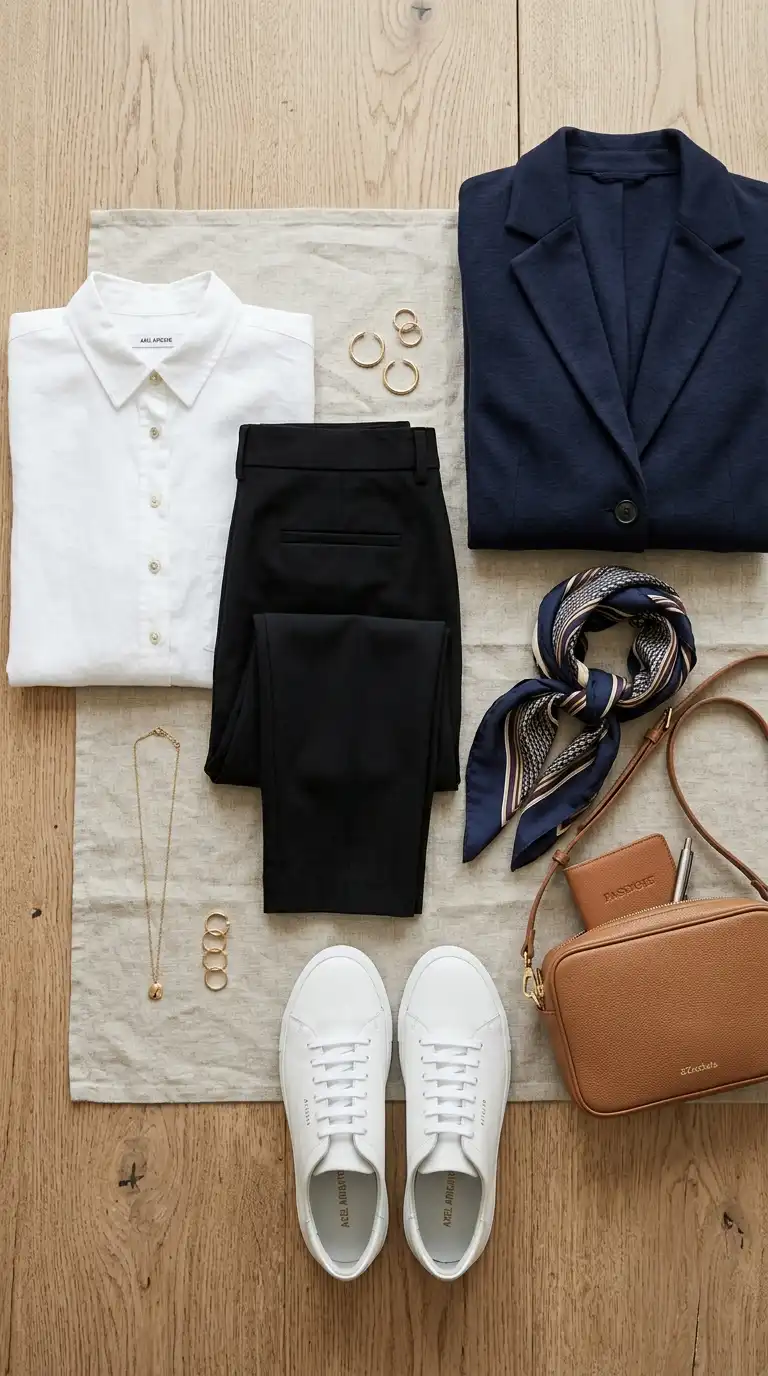
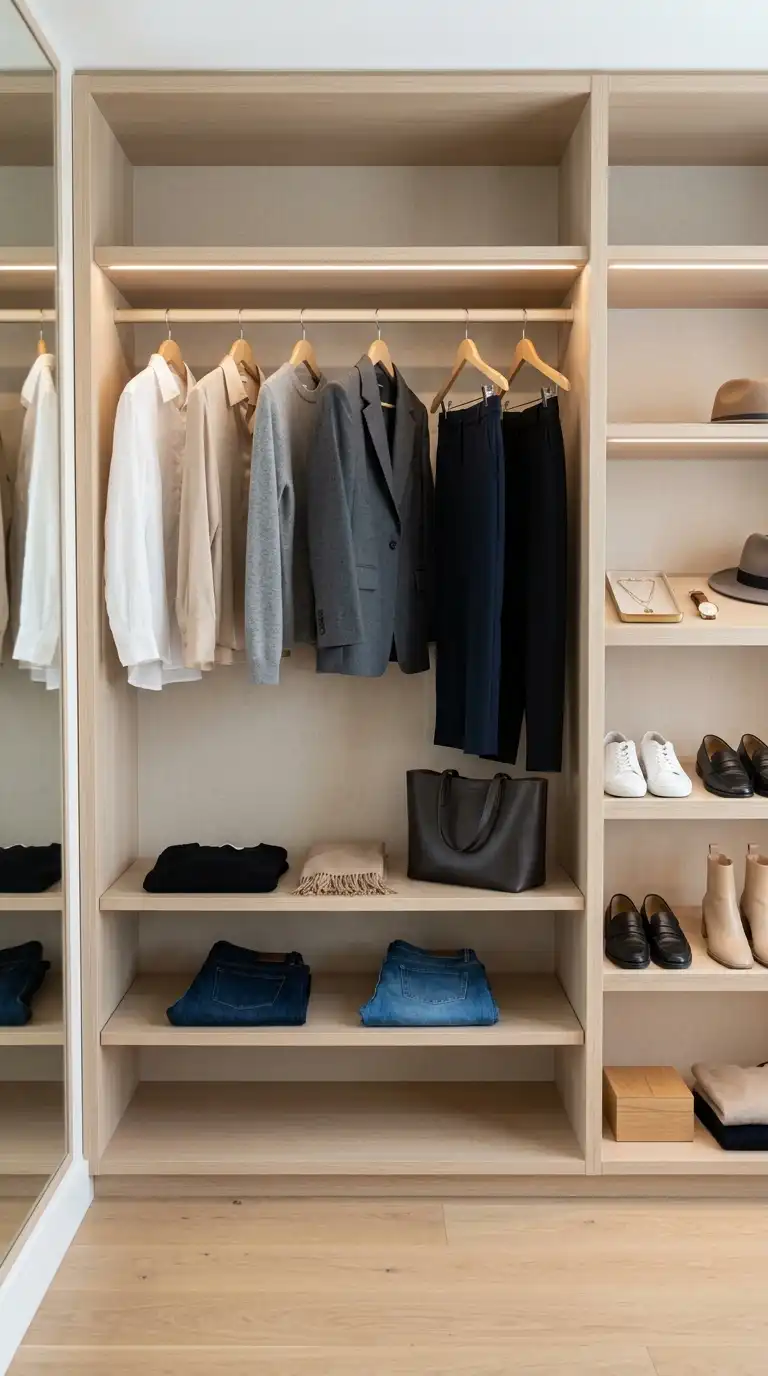
A minimalist wardrobe is incomplete without a capsule wardrobe—a curated collection of versatile, high-quality pieces that mix and match seamlessly. Design your wardrobe to support this philosophy by dedicating space to a limited number of items. Use adjustable shelving and hanging rods that can be reconfigured as your capsule evolves. The interior should encourage thoughtful selection, with enough space between items to see each piece clearly. This approach reduces decision fatigue, simplifies daily dressing, and ensures that everything in your wardrobe is something you truly wear and love.
10. Modular and Adjustable Systems
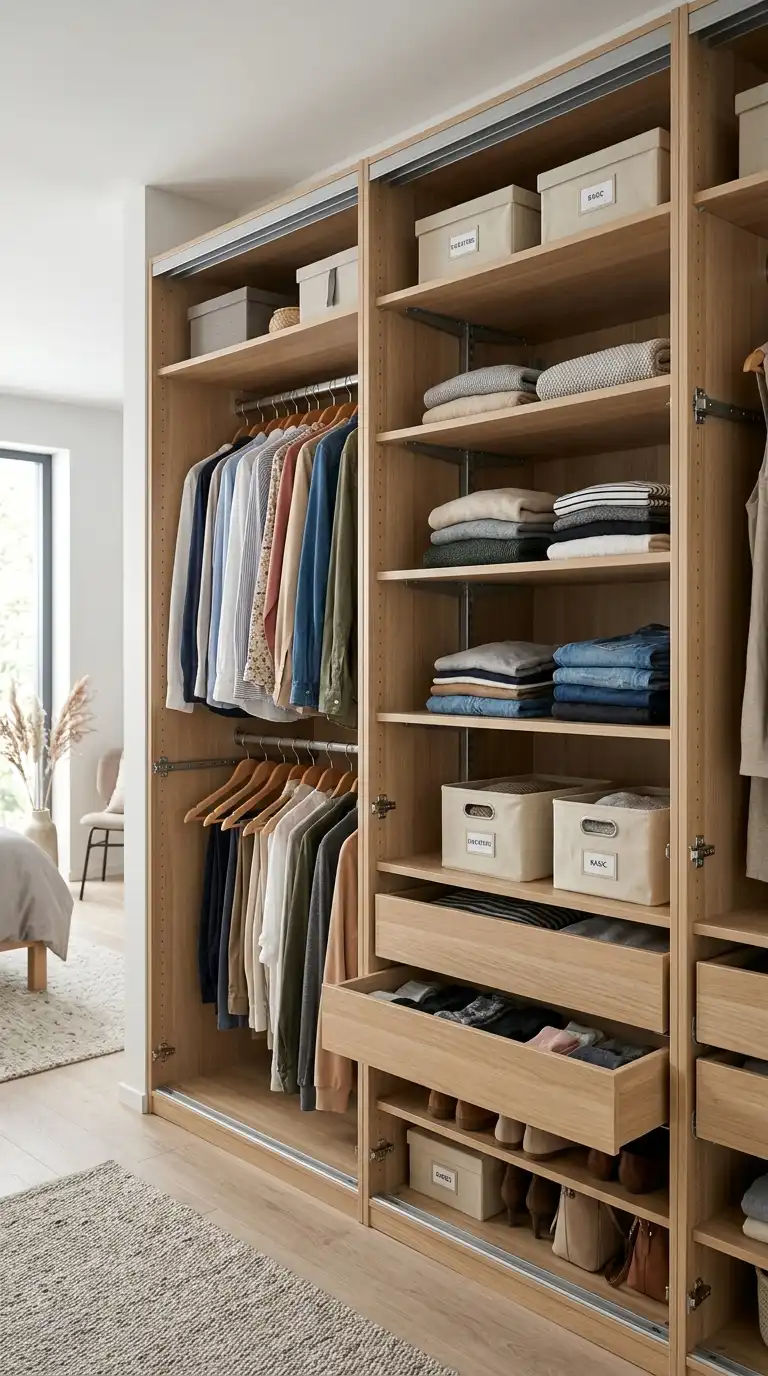
Minimalist design values adaptability. Modular wardrobe systems with adjustable shelving, movable hanging rods, and configurable drawers allow you to evolve your storage as your needs change. This flexibility prevents the need for future renovations and ensures your wardrobe remains functional for years. Choose systems that allow you to add, remove, or reposition components without tools. The ability to reconfigure the interior reinforces the minimalist principle of purposeful, adaptable design that serves your lifestyle rather than dictating it.
11. Concealed Laundry and Utility Storage
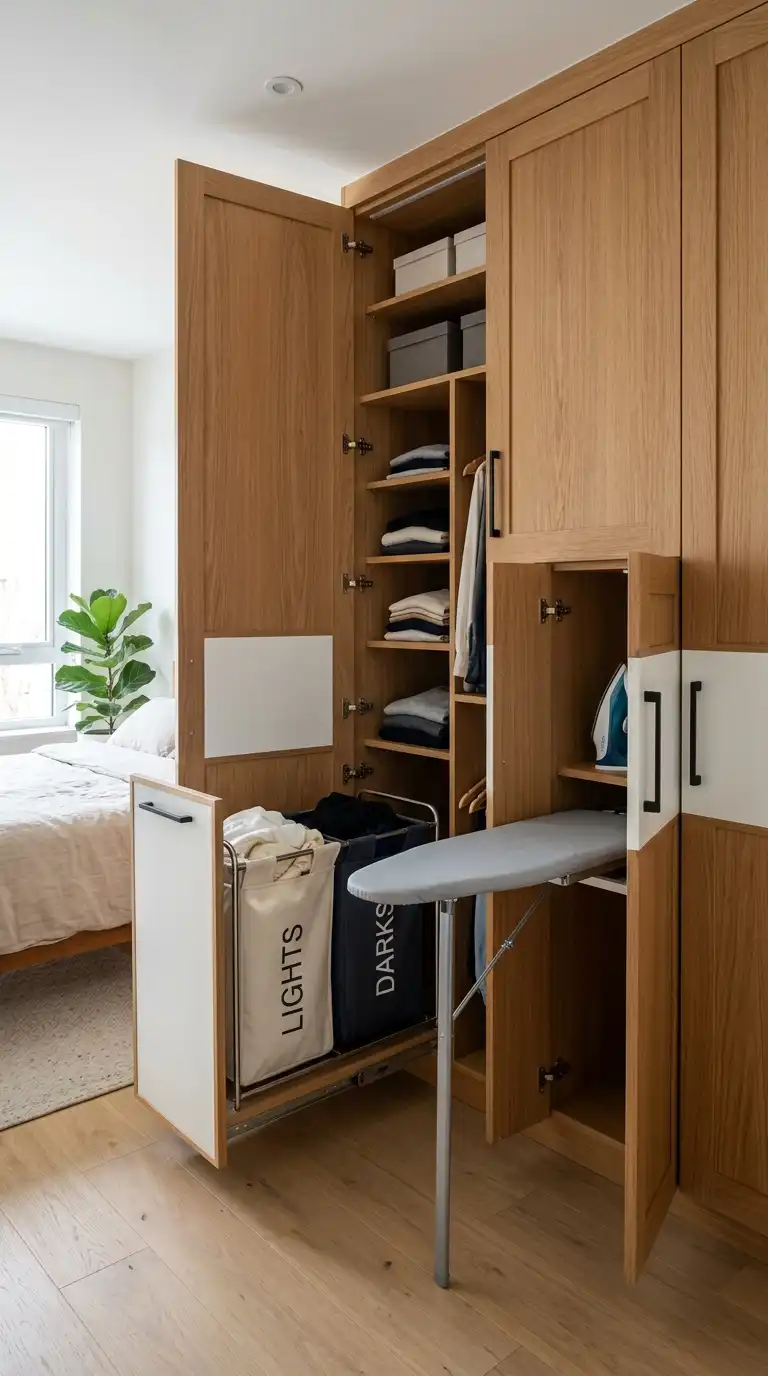
A truly minimalist wardrobe considers not just clothing but the entire ecosystem of bedroom storage. Incorporate concealed sections for laundry hampers, ironing boards, and cleaning supplies to keep these utilitarian items out of sight. Pull-out hampers with divided compartments for lights and darks can be discreetly tucked behind cabinet doors. A narrow pull-out section for a steamer or ironing board adds functionality without visual clutter. These hidden utilities maintain the serene aesthetic while ensuring that practical needs are met.
12. Negative Space as Design Element
In minimalist design, what is left out is as important as what is included. Allow for negative space within your wardrobe—empty shelves, breathing room between hanging items, and unadorned surfaces. This intentional emptiness creates visual calm and prevents the wardrobe from feeling overcrowded. When designing your wardrobe, resist the urge to fill every inch. Leave room for the eye to rest, and let the absence of clutter become a design feature in itself. This philosophy extends to the exterior as well, with uninterrupted surfaces that provide a quiet backdrop for the rest of the room.
Frequently Asked Questions
- What defines a minimalist wardrobe design?
A minimalist wardrobe is characterized by clean lines, uncluttered surfaces, a neutral color palette, and intentional organization. It prioritizes functionality and simplicity over ornamentation, with every design element serving a purpose. The goal is to create a serene storage space that supports a simplified lifestyle. - How do I maintain a minimalist wardrobe?
Regularly edit the contents, keeping only items you wear and love. Use uniform hangers and matching storage containers for visual cohesion. Adopt a one-in, one-out policy to prevent accumulation. Seasonally reassess your storage needs and adjust the interior configuration accordingly. - Can a minimalist wardrobe work in a small bedroom?
Yes. Sliding doors, floor-to-ceiling designs, and mirrored panels maximize space efficiency. Light colors and reflective surfaces create the illusion of more space. Prioritizing negative space and concealed storage prevents the wardrobe from feeling overwhelming in a compact room. - What finishes work best for a minimalist wardrobe?
Matte finishes in neutral tones—white, soft gray, warm beige—provide a calm, non-reflective surface that recedes into the background. Natural wood accents add warmth. Avoid high-gloss finishes, which can create visual noise and reflect clutter. - How do I choose hardware for a minimalist wardrobe?
Handleless designs with push-to-open mechanisms or integrated grooves are ideal. If handles are used, choose slim, linear profiles in matte black, brushed brass, or chrome that blend with the overall design. Hardware should be functional and understated, never decorative.
A minimalist wardrobe is an investment in calm, clarity, and intentional living. By embracing clean lines, neutral palettes, concealed storage, and thoughtful organization, you create a space that supports a simplified lifestyle. The result is not just a place to store clothes but a sanctuary that brings peace to your daily routine and reflects the beauty of living with less.